
Tag Archives: social values

🌏 Cultural Values and Diversity — A Comprehensive Detailed Study


🌍 Introduction

Image
Image
Image
Image

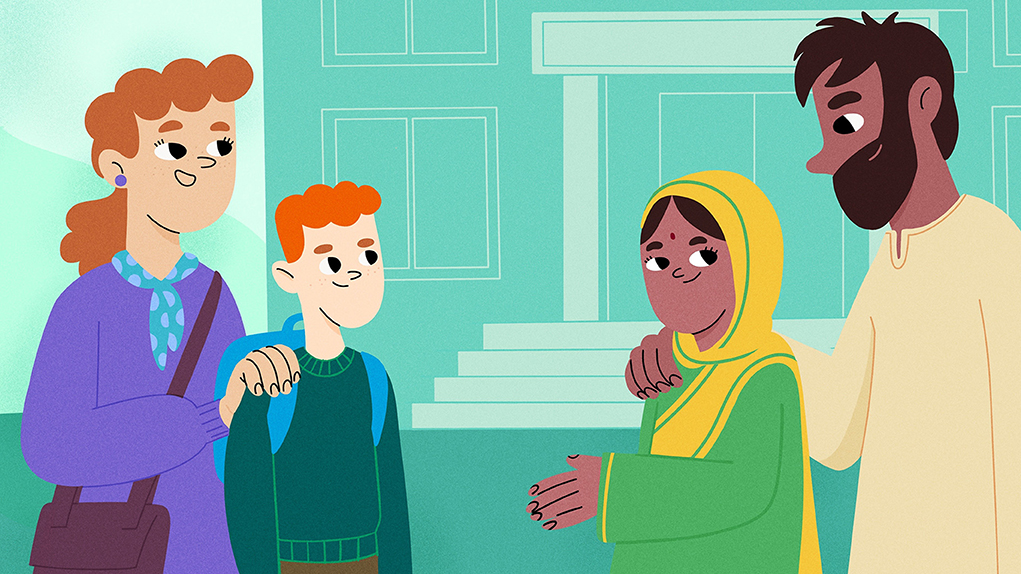
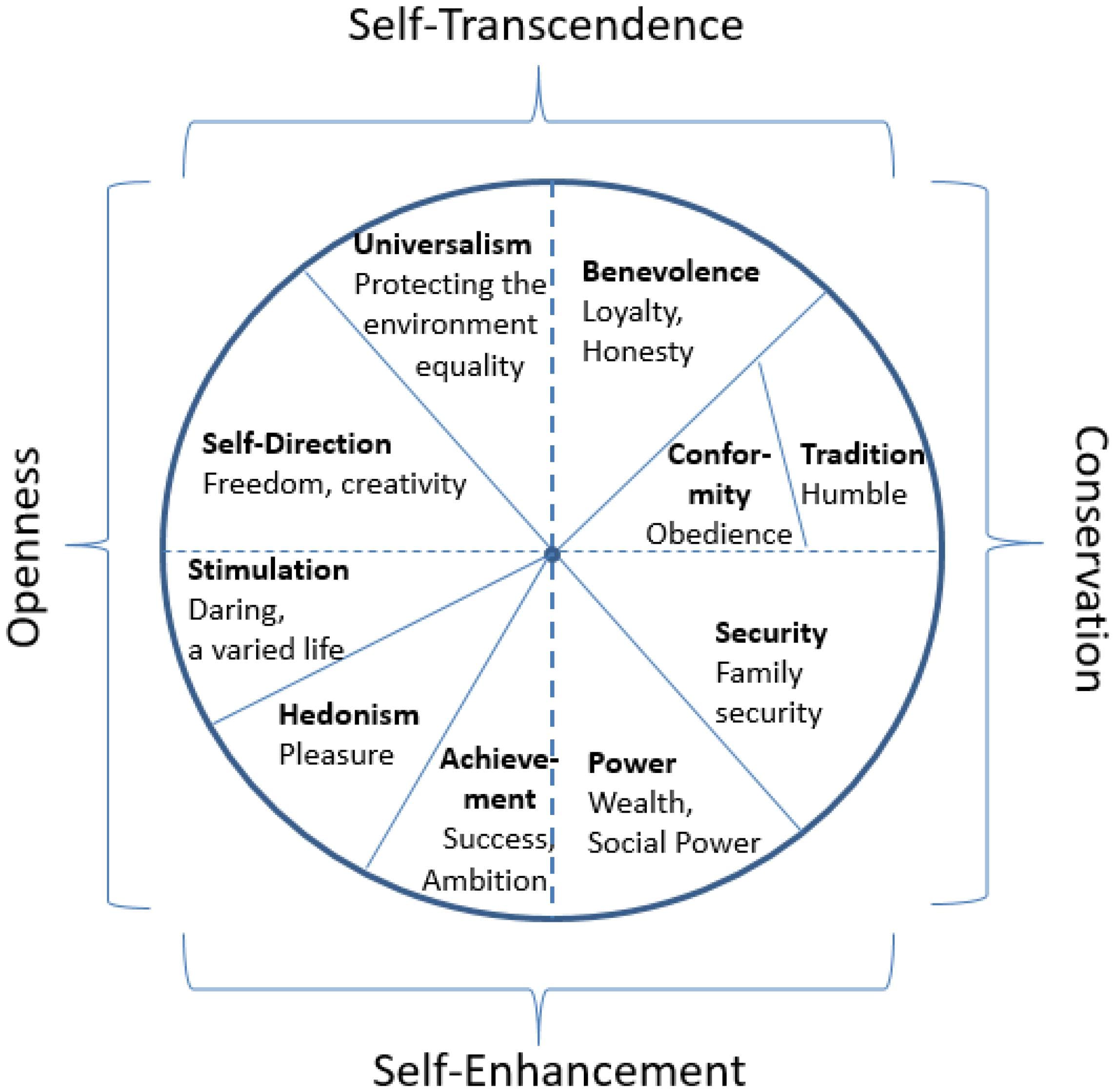
Cultural values and diversity are fundamental aspects of human society that shape identity, behavior, traditions, and social interactions. Culture represents the way of life of a group of people, including their beliefs, customs, languages, and practices. Cultural values are the guiding principles within a culture, while diversity refers to the existence of differences among individuals and groups.

In an increasingly globalized world, understanding cultural values and embracing diversity is essential for peaceful coexistence, social harmony, and sustainable development. These concepts promote mutual respect, tolerance, and appreciation of differences.


🧭 Meaning of Culture


🔹 Definition

Culture is the collective system of beliefs, values, customs, traditions, language, and practices shared by a group of people.


🔹 Components of Culture

  • Language
  • Religion
  • Traditions
  • Customs
  • Art and music
  • Social norms

🌱 Meaning of Cultural Values


🔹 Definition

Cultural values are the shared beliefs and principles that guide behavior within a particular culture.


🔹 Examples of Cultural Values

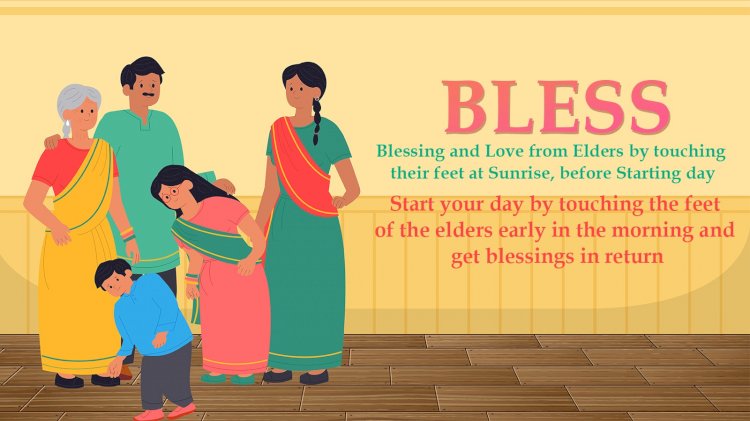
  • Respect for elders
  • Hospitality
  • Community cooperation
  • Traditions and rituals

🌿 Nature of Cultural Values


🔹 1. Shared and Collective

Image
Image
Image
Image
  • Shared by members of society

🔹 2. Learned

Image
Image
Image
Image
  • Passed through generations

🔹 3. Dynamic
Image
Image
Image
Image
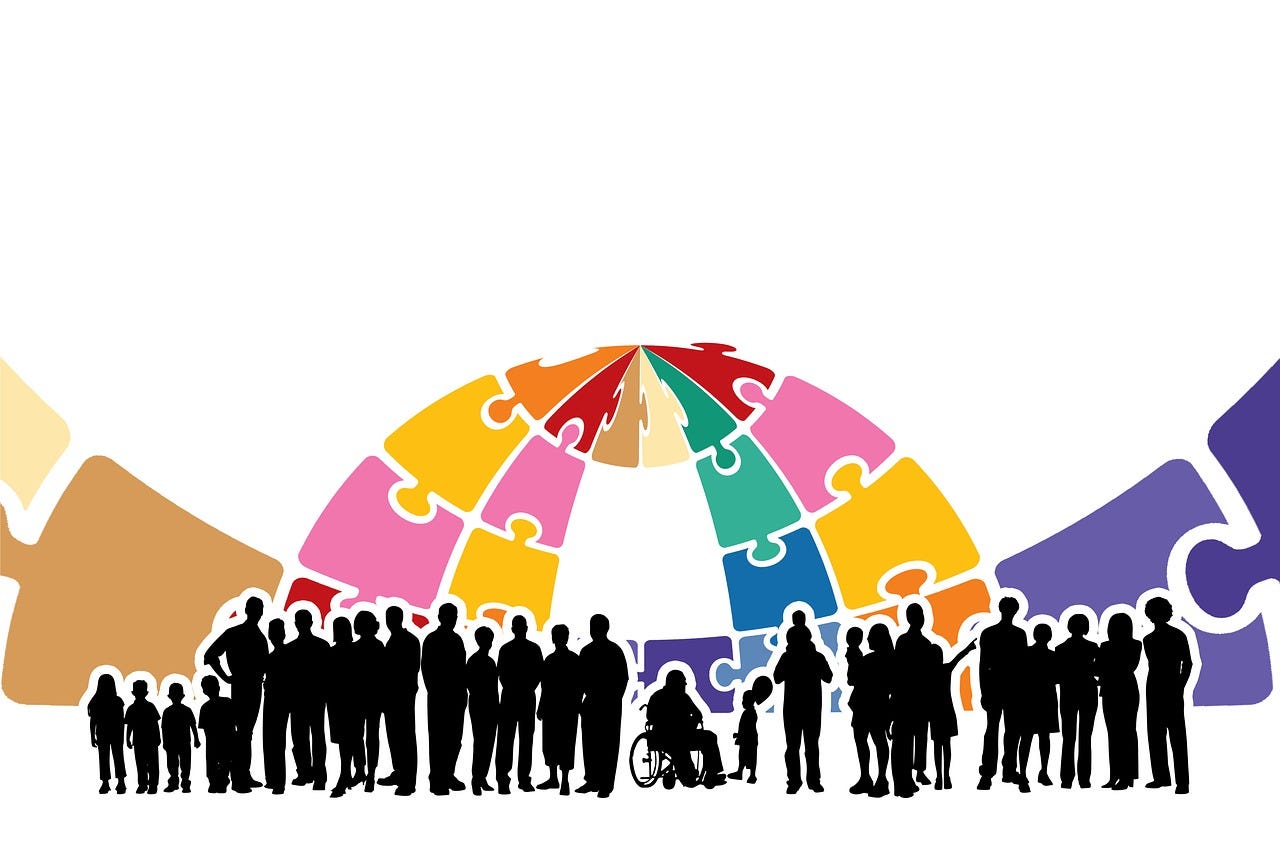
  • Change over time

🔹 4. Influential

Image
Image
Image
Image
  • Influence behavior and identity

🌍 Meaning of Diversity


🔹 Definition

Diversity refers to the presence of differences among individuals and groups in terms of culture, language, religion, ethnicity, gender, and more.


🔹 Types of Diversity


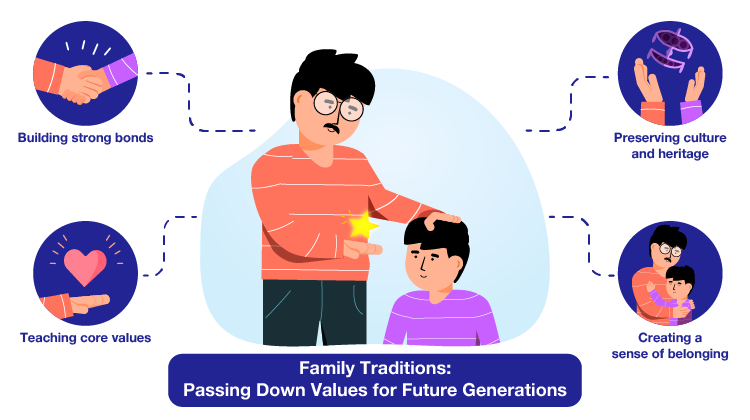
🌐 1. Cultural Diversity

Image
Image
Image
Image
  • Differences in traditions and customs

🌍 2. Ethnic Diversity

Image
Image
Image
Image
  • Differences in race and origin

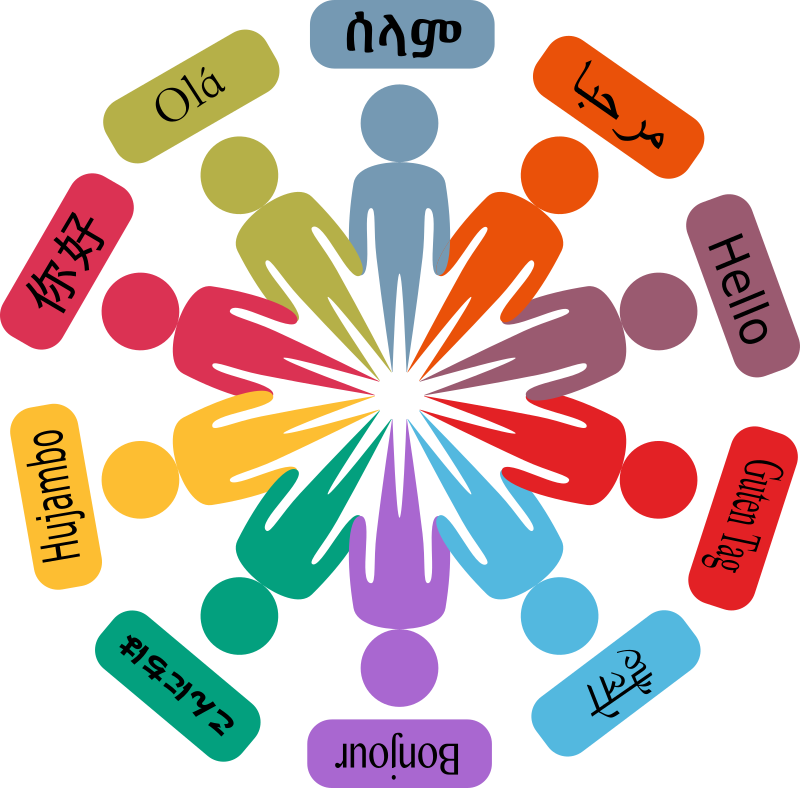
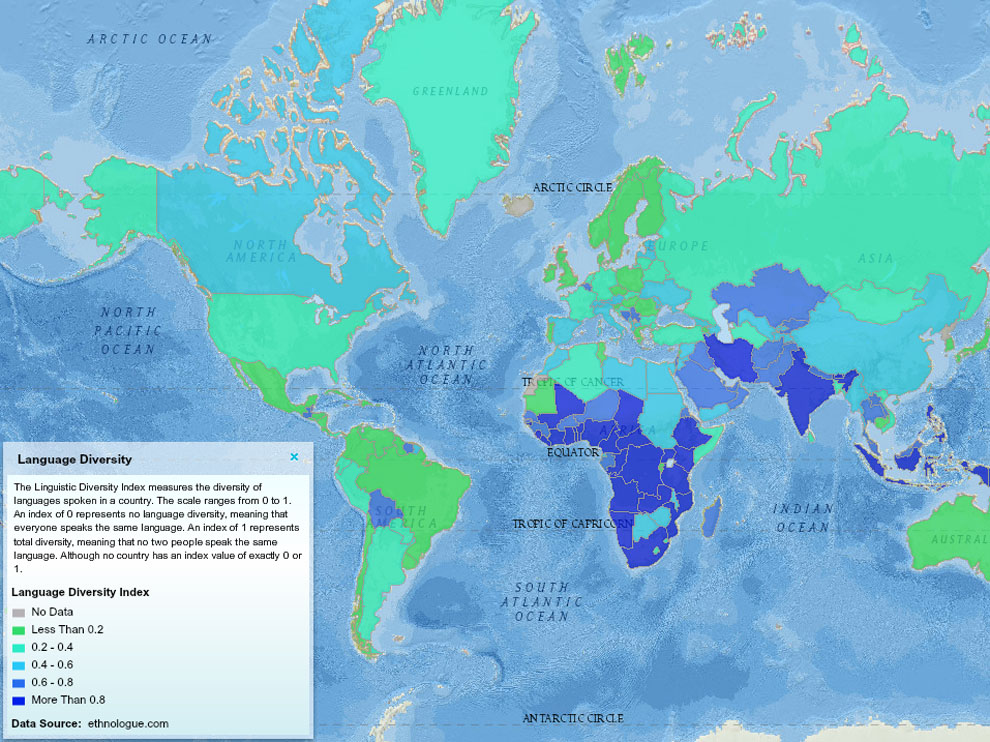
🗣️ 3. Linguistic Diversity
Image
Image
Image
Image
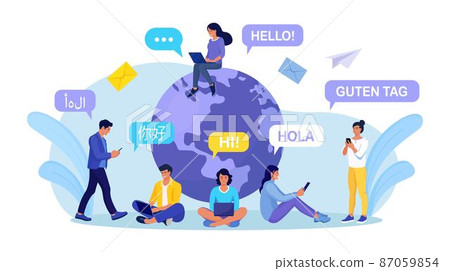
  • Variety of languages

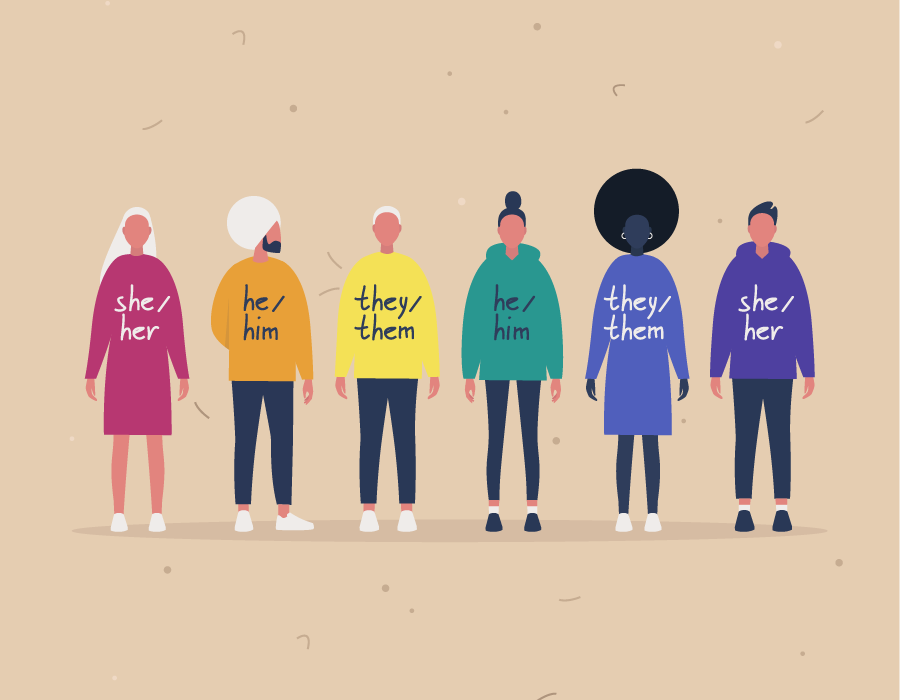
⚧️ 4. Gender Diversity

Image
Image
Image
Image
  • Inclusion of all genders

🌟 Importance of Cultural Values


🔹 1. Identity Formation

  • Defines who we are

🔹 2. Social Stability

  • Maintains order

🔹 3. Moral Guidance

  • Guides behavior

🔹 4. Cultural Continuity

  • Preserves traditions

🌍 Importance of Diversity


🔹 1. Promotes Tolerance

  • Accept differences

🔹 2. Encourages Innovation

  • Diverse ideas

🔹 3. Strengthens Society

  • Inclusive communities

🔹 4. Enhances Learning

  • Exposure to different perspectives

🌱 Cultural Values and Diversity — Interrelationship


🌟 Connection

Image
Image
Image
Image
  • Cultural values shape diversity
  • Diversity enriches cultural values

🌍 Cultural Values in Daily Life


🔹 Family

  • Traditions and customs

🔹 Education

  • Cultural awareness

🔹 Society

  • Social norms

🌱 Challenges to Cultural Values and Diversity


🔹 Cultural Conflict

🔹 Prejudice and Discrimination

🔹 Globalization Impact

🔹 Loss of Traditions


🌍 Promoting Cultural Values and Diversity


🔹 Education

  • Cultural awareness programs

🔹 Respect and Tolerance

  • Accept differences

🔹 Inclusive Policies

  • Equal opportunities

🔹 Cultural Exchange

  • Sharing traditions

🌱 Role in Globalization


  • Cultural exchange
  • Increased interaction
  • Need for tolerance

🌍 Cultural Values, Diversity, and Human Rights


  • Promote equality
  • Protect dignity
  • Ensure inclusion

🌱 Practical Applications


🔹 Students

  • Learning different cultures

🔹 Professionals

  • Workplace diversity

🔹 Society

  • Inclusive communities

🌟 Conclusion

Cultural values and diversity are essential for building a harmonious and inclusive society. While cultural values provide identity and guidance, diversity enriches society with different perspectives and experiences.

In a globalized world, embracing cultural diversity and respecting cultural values is crucial for promoting peace, understanding, and sustainable development. By fostering tolerance and inclusivity, individuals and societies can create a better future for all.

🏷️ Tags

🌍 Social Values — Equality, Justice & Cooperation

A Comprehensive Detailed Study


🌟 Introduction

Image
Image
Image
Image

Social values are the shared principles and standards that guide behavior within a society, ensuring harmony, fairness, and collective well-being. Among these, equality, justice, and cooperation are fundamental pillars that sustain peaceful and progressive communities.

These values influence how individuals interact, how societies are structured, and how institutions function. They promote respect for human dignity, fairness in opportunities, and collective responsibility, making them essential for both individual development and societal progress.


🧭 Meaning of Social Values


🔹 Definition

Social values are the beliefs and norms that define acceptable behavior in society and guide interactions among individuals and groups.


🔹 Key Characteristics

  • Shared by society
  • Promote harmony
  • Influence behavior
  • Evolve over time

🌱 Core Social Values


⚖️ 1. Equality


🔹 Meaning

Equality refers to the state of being equal in rights, opportunities, and treatment regardless of differences such as gender, race, religion, or social status.


🌟 Nature of Equality

Image
Image
Image
Image

🔹 1. Universal

  • Applies to all individuals

🔹 2. Inclusive

  • Promotes diversity

🔹 3. Dynamic

  • Evolves with society

🌍 Types of Equality

  • Social Equality – Equal status in society
  • Economic Equality – Fair distribution of resources
  • Political Equality – Equal rights in governance
  • Gender Equality – Equal rights for all genders

🌟 Importance of Equality

  • Promotes fairness
  • Reduces discrimination
  • Enhances social harmony
  • Encourages participation

⚠️ Challenges to Equality

  • Discrimination
  • Inequality of resources
  • Social hierarchies

⚖️ 2. Justice


🔹 Meaning

Justice refers to the principle of fairness in the distribution of rights, duties, and resources, ensuring that individuals are treated fairly.


🌟 Nature of Justice

Image
Image
Image
Image

🔹 1. Fairness

  • Equal treatment

🔹 2. Impartiality

  • No bias

🔹 3. Rule of Law

  • Based on legal systems

🌍 Types of Justice

  • Distributive Justice – Fair distribution of resources
  • Procedural Justice – Fair processes
  • Social Justice – Equal opportunities
  • Restorative Justice – Repairing harm

🌟 Importance of Justice

  • Maintains law and order
  • Protects rights
  • Promotes equality
  • Builds trust

⚠️ Challenges to Justice

  • Corruption
  • Bias
  • Ineffective systems

🤝 3. Cooperation


🔹 Meaning

Cooperation is the process of working together toward a common goal for mutual benefit.


🌟 Nature of Cooperation

Image
Image
Image
Image

🔹 1. Mutual

  • Involves shared effort

🔹 2. Goal-Oriented

  • Focus on common objectives

🔹 3. Voluntary

  • Based on willingness

🌍 Types of Cooperation

  • Direct Cooperation – Working together physically
  • Indirect Cooperation – Through division of labor
  • International Cooperation – Between countries

🌟 Importance of Cooperation

  • Achieves goals efficiently
  • Strengthens relationships
  • Promotes unity
  • Enhances productivity

⚠️ Challenges to Cooperation

  • Competition
  • Lack of trust
  • Individualism

🔄 Interrelationship Between Equality, Justice, and Cooperation


🌟 Integrated Social Framework

Image
Image
Image
Image
  • Equality ensures fair opportunities
  • Justice ensures fairness in action
  • Cooperation ensures collective progress

👉 Together, they create a balanced and harmonious society.


🌍 Importance of Social Values


🔹 1. Social Harmony

  • Reduces conflicts

🔹 2. Economic Development

  • Encourages participation

🔹 3. Political Stability

  • Ensures fairness

🔹 4. Cultural Integration

  • Promotes diversity

🌱 Social Values in Daily Life


🔹 Family

  • Equal treatment

🔹 School

  • Fair rules

🔹 Workplace

  • Team collaboration

🔹 Society

  • Justice and equality

🌍 Role in Human Development


  • Builds ethical behavior
  • Encourages responsibility
  • Promotes inclusivity

🌱 Social Values and Democracy


  • Equality ensures voting rights
  • Justice ensures rule of law
  • Cooperation ensures governance

🌍 Challenges in Modern Society


🔹 Inequality

🔹 Social Injustice

🔹 Lack of Cooperation

🔹 Cultural Conflicts


🌱 Promoting Social Values


🔹 Education

  • Value-based learning

🔹 Awareness

  • Social campaigns

🔹 Policies

  • Fair laws

🔹 Community Participation

  • Collective efforts

🌍 Role in Global Peace


  • Encourages international cooperation
  • Promotes human rights
  • Reduces conflicts

🌱 Practical Applications


🔹 Students

  • Group work

🔹 Professionals

  • Workplace ethics

🔹 Citizens

  • Civic participation

🌟 Conclusion

Social values such as equality, justice, and cooperation are essential for building a fair, inclusive, and harmonious society. They guide human behavior, promote ethical living, and ensure collective progress.

In a world facing challenges like inequality and conflict, strengthening these values is crucial for achieving sustainable development and global peace.


🏷️ Tags

👨‍👩‍👧‍👦 Family Values — A Comprehensive Detailed Study


🌍 Introduction

Image
Image
Image
Image

Family values are the core principles, beliefs, and moral standards that guide behavior within a family unit. They shape how family members interact, make decisions, and support one another. These values are fundamental to personal development, social stability, and cultural continuity.

The family is often the first institution of learning, where individuals acquire habits, attitudes, and values that influence their entire lives. Concepts such as love, respect, responsibility, cooperation, and discipline are first experienced within the family setting.

In a rapidly changing world, family values remain essential for building strong individuals and harmonious societies.


🧭 Meaning of Family Values


🔹 Definition

Family values are the shared beliefs and principles that define what is important within a family and guide the behavior of its members.


🔹 Key Elements

  • Love and affection
  • Respect and understanding
  • Responsibility and discipline
  • Cooperation and support
  • Honesty and trust

🌱 Nature of Family Values


🔹 1. Learned and Cultivated

Image
Image
Image
Image
  • Acquired through family interactions
  • Passed from generation to generation

🔹 2. Dynamic and Evolving

Image
Image
Image
Image
  • Change with time and society
  • Adapt to new lifestyles

🔹 3. Cultural and Social

Image
Image
Image
Image
  • Influenced by culture
  • Reflect traditions

🔹 4. Foundational to Personality

Image
Image
Image
Image
  • Shape character and behavior
  • Influence identity

🌟 Types of Family Values


❤️ 1. Moral Values

Image
Image
Image
Image
  • Honesty
  • Integrity
  • Kindness

🤝 2. Social Values

Image
Image
Image
Image
  • Cooperation
  • Sharing
  • Respect

🏠 3. Cultural Values

Image
Image
Image
Image
  • Traditions
  • Customs
  • Respect for heritage

💰 4. Economic Values

Image
Image
Image
Image
  • Saving
  • Financial responsibility

🌿 5. Emotional Values

Image
Image
Image
Image
  • Love
  • Empathy
  • Emotional support

🌍 Importance of Family Values


🔹 1. Personal Development

  • Builds character
  • Develops discipline

🔹 2. Emotional Security

  • Provides love and support

🔹 3. Social Stability

  • Promotes harmony

🔹 4. Cultural Continuity

  • Preserves traditions

🔹 5. Moral Guidance

  • Teaches right and wrong

🌱 Role of Family in Value Formation


🔹 Early Childhood Learning

  • First exposure to values

🔹 Role Modeling

  • Parents act as examples

🔹 Reinforcement

  • Encouraging good behavior

🌍 Family Structures and Values


🔹 Nuclear Family

  • Independent lifestyle

🔹 Joint Family

  • Shared responsibilities

🔹 Single-Parent Family

  • Strong emotional bonds

🌱 Family Values in Daily Life


🔹 Respect for Elders

🔹 Sharing Responsibilities

🔹 Supporting Each Other

🔹 Maintaining Discipline


🌍 Challenges to Family Values


🔹 Modernization

  • Changing lifestyles

🔹 Technology

  • Reduced interaction

🔹 Individualism

  • Focus on self

🔹 Work Pressure

  • Less family time

🌱 Strengthening Family Values


🔹 Communication

  • Open discussions

🔹 Quality Time

  • Spending time together

🔹 Role Modeling

  • Setting examples

🔹 Value Education

  • Teaching ethics

🌍 Family Values and Society


  • Strong families create strong societies
  • Promote peace and cooperation

🌱 Family Values and Emotional Intelligence


  • Develop empathy
  • Improve communication

🌍 Family Values in Modern World


  • Need for balance between tradition and modernity
  • Importance of maintaining core values

🌟 Practical Applications


🔹 Children

  • Learning discipline

🔹 Youth

  • Building identity

🔹 Adults

  • Maintaining relationships

🌍 Long-Term Impact


  • Strong relationships
  • Better mental health
  • Social harmony

🌟 Conclusion

Family values are the foundation of human life, shaping individuals and societies alike. They provide guidance, support, and stability, helping individuals develop into responsible and ethical members of society.

In a rapidly changing world, preserving and strengthening family values is essential for maintaining harmony, promoting well-being, and ensuring a better future for generations to come.


🏷️ Tags

🌱 Meaning and Nature of Human Values — A Comprehensive Detailed Study


🌍 Introduction to Human Values

Image
Image
Image
Image

Human values are the fundamental beliefs, principles, and standards that guide human behavior, decisions, and interactions. They represent what individuals and societies consider important, desirable, and worthwhile in life. These values influence how people think, act, and relate to others, forming the foundation of ethical conduct and social harmony.

At their core, human values define what is right and wrong, good and bad, acceptable and unacceptable. They shape personality, character, and identity, and play a crucial role in creating a peaceful and sustainable society.

Human values are not just abstract ideas; they are lived experiences reflected in everyday actions such as honesty, kindness, respect, and responsibility. They help individuals make meaningful choices and lead a purposeful life.


🧭 Meaning of Human Values


🔹 Definition of Human Values

Human values can be defined as:

“Enduring beliefs or principles that guide behavior, influence decision-making, and help individuals distinguish between right and wrong.”

These values act as internal guides or moral compasses that direct human actions toward desirable goals.


🔹 Key Aspects of Meaning

1. Guiding Principles

Human values serve as standards for behavior, helping individuals decide how to act in different situations.

2. Basis of Judgment

They enable individuals to evaluate actions, ideas, and situations as good or bad.

3. Social Relevance

Values are shared within societies and contribute to social order and harmony.

4. Personal Significance

They are deeply rooted in individual beliefs and experiences.


🔹 Examples of Human Values

  • Honesty
  • Integrity
  • Respect
  • Love
  • Compassion
  • Justice
  • Responsibility
  • Cooperation
  • Tolerance
  • Kindness

🌿 Nature of Human Values

The nature of human values refers to their characteristics, features, and inherent qualities that define how they function in human life and society.


🔹 1. Universal Nature

Image
Image
Image
Image

Human values are universal in the sense that they are recognized across cultures and societies.

  • Values like truth, love, and peace are accepted worldwide
  • Promote global harmony

🔹 2. Dynamic and Evolving

Image
Image
Image
Image

Values are not static; they change over time due to:

  • Cultural shifts
  • Technological advancements
  • Social transformations

Example: Changing attitudes toward gender roles.


🔹 3. Learned and Acquired

Image
Image
Image
Image

Human values are not innate but learned through:

  • Family upbringing
  • Education
  • Society
  • Personal experiences

🔹 4. Abstract and Intangible

Image
Image
Image
Image

Values cannot be seen or touched but are reflected in behavior.

  • Exist as ideas and beliefs
  • Manifest through actions

🔹 5. Hierarchical

Image
Image
Image
Image

Values are arranged in order of importance:

  • Some values are prioritized over others
  • Example: A person may value honesty over convenience

🔹 6. Relative yet Absolute

Image
Image
Image
Image
  • Some values are relative (vary across cultures)
  • Some are absolute (universal, e.g., truth, justice)

🔹 7. Goal-Oriented

Image
Image
Image
Image

Values guide individuals toward desired goals:

  • Provide direction in life
  • Help achieve personal and social well-being

🔹 8. Integral to Personality

Image
Image
Image
Image

Values shape:

  • Character
  • Attitudes
  • Behavior

They form the core of an individual’s personality.


🌍 Classification of Human Values


🔹 1. Personal Values

  • Individual beliefs and principles
  • Example: Self-discipline, honesty

🔹 2. Social Values

  • Promote social harmony
  • Example: Cooperation, equality

🔹 3. Moral Values

  • Concern right and wrong
  • Example: Justice, integrity

🔹 4. Cultural Values

  • Derived from traditions
  • Example: Respect for customs

🔹 5. Spiritual Values

  • Related to inner peace and purpose
  • Example: Faith, compassion

🔹 6. Ethical Values

  • Guide professional and social conduct
  • Example: Accountability, fairness

🧠 Importance of Human Values


🔹 1. Personal Development

  • Builds strong character
  • Enhances self-awareness

🔹 2. Social Harmony

  • Promotes peaceful coexistence
  • Reduces conflicts

🔹 3. Ethical Decision-Making

  • Helps in making right choices

🔹 4. Cultural Stability

  • Preserves traditions and identity

🔹 5. Global Peace

  • Encourages understanding and cooperation

⚖️ Human Values vs Moral Values vs Ethics

AspectHuman ValuesMoral ValuesEthics
ScopeBroadSpecificSystematic
NaturePersonal & socialRight & wrongRules & standards
ExampleRespectHonestyProfessional conduct

🌱 Sources of Human Values


🔹 Family

  • First source of value learning

🔹 Education

  • Formal teaching of ethics

🔹 Society

  • Cultural norms and traditions

🔹 Religion & Philosophy

  • Moral teachings

🔹 Media & Technology

  • Influence modern values

🌍 Human Values in Modern Society


🔹 Challenges

  • Materialism
  • Individualism
  • Digital distractions

🔹 Need for Value Education

  • Essential for balanced development
  • Promotes responsible citizenship

🌱 Development of Human Values


🔹 Methods:

  • Value-based education
  • Role models
  • Life experiences
  • Reflection and self-awareness

🌍 Role of Human Values in Sustainable Development

  • Promote environmental responsibility
  • Encourage ethical resource use
  • Support social justice

🧩 Human Values and Emotional Intelligence

  • Empathy
  • Self-regulation
  • Social skills

Values enhance emotional intelligence and vice versa.


🌟 Conclusion

Human values are the foundation of a meaningful and harmonious life. They guide human behavior, shape personality, and ensure social stability. The nature of human values—being universal, dynamic, learned, and goal-oriented—makes them essential for both individual growth and societal progress.

In today’s rapidly changing world, strengthening human values is more important than ever. They help individuals navigate complexities, make ethical decisions, and contribute positively to society. By understanding and practicing human values, we can build a more compassionate, just, and sustainable world.


Empathy (Understanding Others’ Feelings)

🌿 Introduction

Image
Image
Image
Image

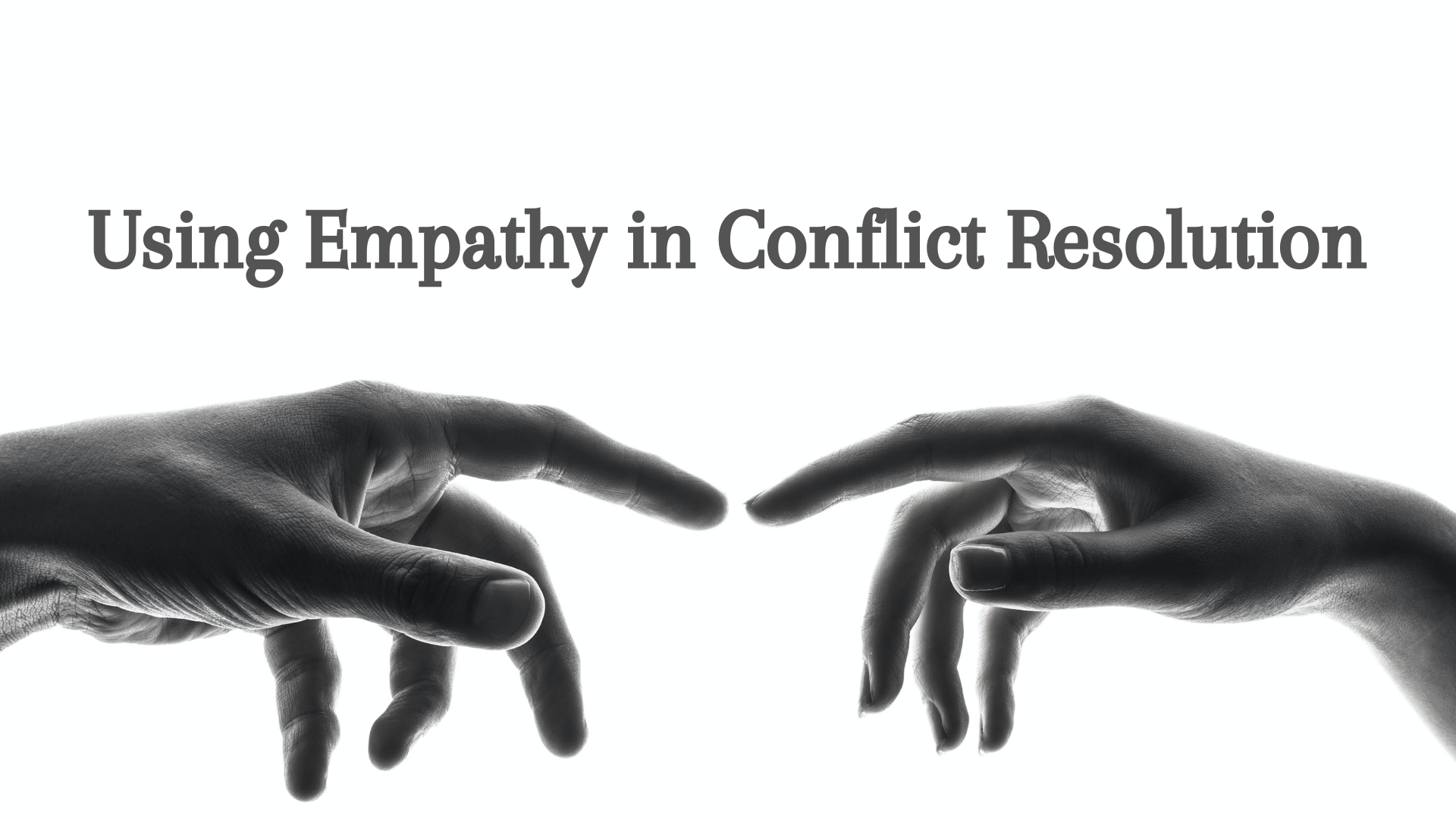
Empathy is one of the most powerful and essential human qualities that enables individuals to understand and share the feelings of others. It is the ability to step into another person’s shoes, to perceive their emotions, thoughts, and experiences, and to respond with care and sensitivity. In a world marked by diversity, complexity, and rapid change, empathy serves as a bridge that connects individuals, promotes understanding, and fosters harmonious relationships.

Empathy is not merely about feeling sorry for someone—it goes beyond sympathy. It involves actively understanding another person’s emotional state and responding in a supportive and meaningful way. Whether in personal relationships, education, healthcare, or global interactions, empathy plays a crucial role in building trust, reducing conflicts, and promoting cooperation.


🌱 Meaning and Definitions

🔹 Empathy

Empathy is:

  • The ability to understand and share the feelings of others
  • Experiencing another person’s emotions from their perspective
  • Responding with care and compassion

🔹 Types of Empathy

TypeDescription
Cognitive EmpathyUnderstanding another person’s thoughts and perspective
Emotional EmpathyFeeling what another person feels
Compassionate EmpathyUnderstanding and taking action to help

🔹 Empathy vs Sympathy

AspectEmpathySympathy
ConnectionDeep emotional understandingAcknowledgment of feelings
ResponseShared experienceFeeling sorry
ActionOften leads to helpingMay not involve action

🧠 Psychological Foundations

Image
Image
Image
Image

🔹 Brain Mechanisms

  • Mirror neurons play a role in understanding others’ emotions
  • The brain simulates others’ experiences

🔹 Emotional Intelligence

  • Empathy is a key component of emotional intelligence
  • Helps in recognizing and managing emotions

🔹 Development in Childhood

  • Begins early in life through observation and interaction
  • Influenced by parenting and environment

🏛️ Philosophical Perspectives

Image
Image
Image
Image

🔸 Ancient Philosophy

  • Aristotle emphasized understanding others for moral behavior

🔸 Eastern Philosophy

  • Buddhism promotes compassion (Karuna) and empathy
  • Confucianism emphasizes understanding and respect

🔸 Modern Thinkers

  • Mahatma Gandhi practiced empathy through non-violence and understanding

🧘 Spiritual and Religious Significance

Image
Image
Image
Image

🔹 Hinduism

  • Encourages compassion and understanding

🔹 Buddhism

  • Empathy is central to achieving enlightenment

🔹 Christianity

  • Teaches love and empathy for others

🔹 Islam

  • Emphasizes kindness and understanding

🏠 Role in Personal Life

🌟 Relationships

  • Strengthens emotional bonds
  • Builds trust and understanding

🌟 Conflict Resolution

  • Helps in resolving misunderstandings
  • Encourages peaceful communication

🌟 Emotional Support

  • Enables individuals to support others effectively

🌍 Social Importance

Image
Image
Image
Image

🔹 Social Harmony

  • Reduces conflicts and misunderstandings

🔹 Inclusivity

  • Promotes acceptance of diversity

🔹 Justice and Equality

  • Drives efforts to support marginalized groups

🏫 Importance in Education

📘 Classroom Environment

  • Encourages respect and cooperation

📘 Teacher Role

  • Teachers model empathetic behavior

📘 Student Development

  • Enhances social and emotional skills

💼 Workplace Relevance

Image
Image
Image
Image

🔹 Leadership

  • Empathetic leaders build trust

🔹 Teamwork

  • Improves communication and collaboration

🔹 Employee Well-being

  • Supports mental health

⚖️ Ethical Dimensions

🔸 Moral Responsibility

  • Understanding others is an ethical duty

🔸 Compassionate Action

  • Empathy leads to helping behavior

🔸 Fairness

  • Promotes just and ethical decisions

🧩 Challenges to Empathy

Image
Image
Image
Image

🔹 Bias and Prejudice

  • Limits understanding of others

🔹 Stress and Distraction

  • Reduces emotional awareness

🔹 Digital Disconnect

  • Less face-to-face interaction

🔹 Emotional Burnout

  • Excessive empathy can lead to fatigue

🌟 Benefits of Empathy

✅ Personal Benefits

  • Better relationships
  • Emotional growth
  • Increased happiness

✅ Social Benefits

  • Stronger communities
  • Reduced conflicts

✅ Professional Benefits

  • Effective leadership
  • Improved teamwork

🛠️ Ways to Develop Empathy

Image
Image
Image
Image

🔹 Active Listening

  • Pay attention without interrupting

🔹 Perspective-Taking

  • Try to see situations from others’ viewpoint

🔹 Emotional Awareness

  • Recognize your own emotions

🔹 Practice Kindness

  • Engage in helping behaviors

🔹 Exposure to Diversity

  • Interact with different cultures and people

📱 Empathy in the Digital Age

Image
Image
Image
Image

🔹 Online Communication

  • Use respectful and understanding language

🔹 Digital Communities

  • Support others through online platforms

🔹 Challenges

  • Misinterpretation of messages
  • Lack of emotional cues

🧭 Real-Life Examples

🔹 Everyday Situations

  • Comforting a friend
  • Helping someone in distress

🔹 Professional Settings

  • Doctors understanding patients
  • Teachers supporting students

🔹 Global Context

  • Humanitarian efforts
  • Social justice movements

📊 Comparison with Related Values

ValueRelation
CompassionEmpathy leads to compassionate action
KindnessExpression of empathy
SympathyLess deep than empathy
Emotional IntelligenceIncludes empathy

🧾 Conclusion

Empathy is a cornerstone of human connection and social harmony. It enables individuals to understand, support, and care for one another, creating a more compassionate and inclusive world. In an era marked by diversity and complexity, empathy is more important than ever.

By developing empathy, individuals can improve their relationships, enhance their emotional intelligence, and contribute positively to society. It is not just a feeling—it is a skill that can be cultivated through practice, awareness, and intention.

Ultimately, empathy reminds us of our shared humanity and the importance of understanding one another. It is a powerful force that can transform individuals, communities, and the world.


🏷️ Tags

Friendship and Cooperation

🌿 Introduction

Image
Image
Image
Image

Friendship and cooperation are two of the most essential social values that shape human relationships and enable collective progress. Humans are inherently social beings, and our ability to form friendships and work together has been key to survival, development, and success throughout history. These values foster trust, mutual support, understanding, and unity—qualities necessary for both personal happiness and societal harmony.

Friendship refers to a close and meaningful relationship between individuals based on trust, affection, and mutual respect. Cooperation, on the other hand, involves working together toward a common goal, sharing responsibilities, and supporting one another’s efforts. While friendship emphasizes emotional bonds, cooperation focuses on collective action. Together, they create strong social networks that enhance well-being and productivity.

In today’s interconnected world, where collaboration is essential in education, workplaces, and global problem-solving, friendship and cooperation play a crucial role in building a harmonious and successful society.


🌱 Meaning and Definitions

🔹 Friendship

Friendship is:

  • A relationship based on trust, care, and mutual understanding
  • Built on shared experiences, values, and emotions
  • Characterized by loyalty and support

Examples:

  • Helping a friend in need
  • Sharing joys and challenges
  • Offering emotional support

🔹 Cooperation

Cooperation is:

  • Working together to achieve common goals
  • Sharing responsibilities and resources
  • Supporting collective efforts

Examples:

  • Teamwork in school projects
  • Collaborating in workplace tasks
  • Community efforts in social activities

🔹 Key Differences

AspectFriendshipCooperation
NatureEmotional bondAction-oriented
FocusRelationshipGoal achievement
ExampleSupporting a friendWorking in a team

🧠 Psychological Foundations

Image
Image
Image
Image

🔹 Social Nature of Humans

  • Humans are naturally inclined toward forming relationships
  • Social connections are essential for survival and happiness

🔹 Emotional Benefits

  • Friendship reduces loneliness and stress
  • Cooperation builds a sense of belonging

🔹 Cognitive Development

  • Group interactions enhance problem-solving skills
  • Cooperation improves communication and learning

🏛️ Cultural and Historical Perspectives

Image
Image
Image
Image

🔸 Traditional Societies

  • Communities relied on cooperation for survival
  • Shared resources and collective work

🔸 Indian Culture

  • Emphasizes unity and friendship
  • Concepts like Vasudhaiva Kutumbakam (world as one family)

🔸 Global Perspectives

  • Cooperation is key in international relations
  • Friendship between nations promotes peace

🧘 Spiritual and Moral Significance

Image
Image
Image
Image

🔹 Moral Values

  • Friendship promotes loyalty and trust
  • Cooperation encourages selflessness and teamwork

🔹 Spiritual Teachings

  • Many religions emphasize unity and helping others
  • Encourages compassion and harmony

🏠 Role in Personal Life

🌟 Emotional Support

  • Friends provide comfort and encouragement
  • Help in difficult times

🌟 Personal Growth

  • Friends influence behavior and values
  • Cooperation builds skills

🌟 Happiness

  • Strong friendships increase life satisfaction
  • Cooperative relationships reduce stress

🌍 Social Importance

Image
Image
Image
Image

🔹 Social Harmony

  • Reduces conflicts
  • Promotes understanding

🔹 Community Development

  • Cooperation leads to progress
  • Shared efforts improve living conditions

🔹 Global Cooperation

  • Essential for solving global challenges
  • Encourages peace and collaboration

🏫 Importance in Education

📘 Classroom Friendship

  • Builds a supportive learning environment
  • Encourages collaboration

📘 Group Activities

  • Teamwork improves learning outcomes
  • Develops communication skills

📘 Student Development

  • Enhances social skills
  • Promotes leadership qualities

💼 Workplace Relevance

Image
Image
Image
Image

🔹 Teamwork

  • Cooperation improves productivity
  • Builds strong teams

🔹 Professional Relationships

  • Friendly interactions enhance work environment
  • Reduce workplace conflicts

🔹 Leadership

  • Encourages collaboration and trust

⚖️ Ethical Dimensions

🔸 Trust and Loyalty

  • Essential for strong friendships

🔸 Fairness

  • Equal contribution in cooperative efforts

🔸 Respect

  • Valuing others’ opinions and efforts

🧩 Challenges to Friendship and Cooperation

Image
Image
Image
Image

🔹 Miscommunication

  • Leads to misunderstandings

🔹 Ego and Competition

  • Can damage relationships

🔹 Lack of Trust

  • Weakens friendships

🔹 Cultural Differences

  • May create barriers in cooperation

🌟 Benefits of Friendship and Cooperation

✅ Personal Benefits

  • Emotional support
  • Increased happiness
  • Better mental health

✅ Social Benefits

  • Strong communities
  • Reduced conflicts
  • Greater unity

✅ Professional Benefits

  • Improved teamwork
  • Higher productivity

🛠️ Ways to Build Friendship and Cooperation

Image
Image
Image
Image

🔹 Communication

  • Express thoughts clearly
  • Listen actively

🔹 Trust Building

  • Be honest and reliable

🔹 Empathy

  • Understand others’ feelings

🔹 Team Participation

  • Engage in group activities

🔹 Conflict Resolution

  • Address issues calmly and respectfully

📱 Friendship and Cooperation in the Digital Age

Image
Image
Image
Image

🔹 Online Friendships

  • Connecting across distances
  • Sharing experiences digitally

🔹 Virtual Cooperation

  • Remote work and online collaboration
  • Digital tools for teamwork

🔹 Challenges

  • Lack of face-to-face interaction
  • Miscommunication online

🧭 Real-Life Examples

🔹 Students

  • Group projects and study groups

🔹 Communities

  • Collective efforts in social work

🔹 Global Initiatives

  • International cooperation for development

📊 Comparison with Related Values

ValueRelation
TrustFoundation of friendship
TeamworkResult of cooperation
EmpathyStrengthens relationships
CommunicationEssential for both

🧾 Conclusion

Friendship and cooperation are vital values that enrich human life and strengthen society. They foster trust, understanding, and collaboration, enabling individuals to achieve personal and collective goals. In a world that increasingly relies on teamwork and connectivity, these values are more important than ever.

By nurturing friendships and practicing cooperation, individuals can build meaningful relationships, enhance their well-being, and contribute to a harmonious and progressive society. These values remind us that together, we are stronger, more capable, and better equipped to face life’s challenges.


🏷️ Tags

Honesty and Truthfulness

🌿 Introduction

Image
Image
Image
Image

Honesty and truthfulness are foundational virtues that shape individual character, social trust, and the moral fabric of society. These values are deeply rooted in philosophical traditions, religious teachings, cultural norms, and modern ethical systems. While often used interchangeably, honesty and truthfulness have subtle distinctions that enrich our understanding of ethical behavior.

Honesty generally refers to being free from deceit, fraud, or dishonesty in one’s actions, intentions, and character. Truthfulness, on the other hand, is the commitment to accurately represent facts, reality, and one’s beliefs without distortion or manipulation. Together, they form the backbone of integrity—an essential quality for personal growth, social harmony, and sustainable development.


🌱 Meaning and Definitions

🔹 Honesty

Honesty is the quality of being sincere, fair, and straightforward in conduct. It involves:

  • Not lying or cheating
  • Being transparent in actions
  • Upholding moral principles

🔹 Truthfulness

Truthfulness is the habit of telling the truth and presenting facts as they are. It includes:

  • Accuracy in speech
  • Avoiding exaggeration or misinformation
  • Accepting reality even when uncomfortable

🔹 Key Differences

AspectHonestyTruthfulness
FocusCharacter & actionsSpeech & facts
ScopeBroad ethical traitSpecific behavioral aspect
ExampleNot stealing moneyNot lying about taking money

🧠 Philosophical Perspectives

Image
Image
Image
Image

🔸 Classical Philosophy

  • Socrates emphasized truth as the highest good and believed that knowledge leads to virtuous action.
  • Plato viewed truth as an eternal ideal, essential for justice and harmony.
  • Aristotle considered honesty a virtue lying between boastfulness and self-deprecation.

🔸 Kantian Ethics

  • Immanuel Kant argued that truthfulness is a moral duty, regardless of consequences.
  • According to Kant, lying is always wrong because it undermines universal moral law.

🔸 Eastern Philosophy

  • Confucius highlighted sincerity and honesty as pillars of social harmony.
  • Mahatma Gandhi practiced Satya (truth) and considered truthfulness the ultimate virtue.

🧬 Psychological Foundations

Image
Image
Image
Image

🔹 Development of Honesty

  • Children begin understanding truth and lies around age 3–5.
  • Moral development is influenced by family, culture, and education.

🔹 Cognitive Aspects

  • Telling lies requires more mental effort than telling the truth.
  • Honest behavior reduces cognitive load and stress.

🔹 Emotional Impact

  • Honesty fosters self-respect and confidence.
  • Dishonesty often leads to guilt, anxiety, and fear of exposure.

🏛️ Role in Personal Life

🌟 Character Building

Honesty shapes a person’s identity and moral compass. It builds:

  • Self-discipline
  • Responsibility
  • Authenticity

🌟 Relationships

Trust is the foundation of all relationships. Honesty:

  • Strengthens bonds
  • Prevents misunderstandings
  • Encourages open communication

🌟 Decision-Making

Truthfulness helps individuals:

  • Make rational choices
  • Avoid unethical shortcuts
  • Maintain consistency in values

🌍 Social and Cultural Importance

Image
Image
Image
Image

🔹 Social Trust

  • Societies thrive on trust and transparency.
  • Honesty reduces corruption and promotes fairness.

🔹 Legal Systems

  • Truthfulness is essential in courts and justice systems.
  • False testimony can lead to injustice.

🔹 Cultural Values

  • Many cultures emphasize honesty as a core virtue.
  • Proverbs and stories often teach the value of truth.

🏫 Importance in Education

📘 Academic Integrity

  • Avoiding cheating and plagiarism
  • Submitting original work

📘 Teacher-Student Trust

  • Honest communication improves learning
  • Builds mutual respect

📘 Moral Education

  • Schools play a key role in instilling ethical values
  • Activities and stories promote honesty

💼 Professional Ethics

Image
Image
Image
Image

🔹 Workplace Integrity

  • Honest employees are more reliable
  • Reduces conflicts and misunderstandings

🔹 Leadership

  • Ethical leaders inspire trust and loyalty
  • Transparency improves organizational culture

🔹 Business Practices

  • Honest dealings build customer trust
  • Prevents legal issues and reputational damage

⚖️ Ethical Dilemmas

🔸 Is it always right to tell the truth?

  • Situations like protecting someone’s feelings may require tact.
  • Example: “White lies” vs harmful lies

🔸 Balancing Honesty and Kindness

  • Truth should be communicated with empathy
  • Brutal honesty can harm relationships

🔸 Whistleblowing

  • Revealing truth for public good vs personal risk

🧩 Challenges to Honesty

Image
Image
Image
Image

🔹 Fear of Punishment

  • People may lie to avoid consequences

🔹 Social Pressure

  • Desire to fit in can lead to dishonesty

🔹 Personal Gain

  • Greed and ambition may encourage unethical behavior

🔹 Digital Era Challenges

  • Fake news and misinformation
  • Online anonymity promoting dishonesty

🌟 Benefits of Honesty

✅ Personal Benefits

  • Peace of mind
  • Strong self-esteem
  • Better mental health

✅ Social Benefits

  • Trustworthy relationships
  • Strong communities
  • Reduced conflict

✅ Long-Term Success

  • Reputation for integrity
  • Sustainable success

🛠️ Ways to Cultivate Honesty

Image
Image
Image
Image

🔹 Self-Awareness

  • Reflect on actions and intentions

🔹 Practice Truthfulness

  • Start with small acts of honesty

🔹 Role Models

  • Learn from ethical individuals

🔹 Education

  • Teach values from early childhood

🔹 Accountability

  • Take responsibility for mistakes

🧘 Honesty in Spiritual and Religious Contexts

🔸 Hinduism

  • Truth (Satya) is a fundamental virtue

🔸 Buddhism

  • Right Speech includes truthfulness

🔸 Christianity

  • Emphasizes honesty in commandments

🔸 Islam

  • Truthfulness (Sidq) is a sign of faith

📱 Honesty in the Digital Age

Image
Image
Image
Image

🔹 Misinformation

  • Spreading false information harms society

🔹 Online Identity

  • People may create false personas

🔹 Ethical Responsibility

  • Verify information before sharing

🧭 Case Studies and Examples

🔹 The Honest Woodcutter

  • A moral story emphasizing truthfulness

🔹 Real-Life Whistleblowers

  • Individuals exposing corruption

🔹 Academic Honesty Cases

  • Consequences of plagiarism

📊 Comparison with Related Values

ValueRelation to Honesty
IntegrityIncludes honesty and consistency
TrustResult of honesty
TransparencyOpenness in actions
LoyaltyMay conflict with truthfulness

🧾 Conclusion

Honesty and truthfulness are not just moral ideals but practical necessities for a functioning society. They influence every aspect of life—from personal relationships to global governance. In a world increasingly shaped by technology and complex social dynamics, these values are more important than ever.

Cultivating honesty requires conscious effort, self-discipline, and courage. It involves not only telling the truth but also living it through actions and intentions. By embracing honesty and truthfulness, individuals contribute to a more just, trustworthy, and harmonious world.


🏷️ Tags