A Comprehensive Detailed Study
🌍 Introduction to Basic Moral Values


Basic moral values are the core principles that guide human behavior toward what is right, just, and ethical. Among these, honesty, integrity, and responsibility are considered foundational because they shape character, build trust, and sustain healthy relationships and societies.
These values are not just abstract ideas—they are practiced in everyday actions, from telling the truth to fulfilling commitments and standing by ethical principles. They form the backbone of moral development and are essential for personal growth, social harmony, and professional success.
🧭 Understanding Moral Values
🔹 Meaning of Moral Values
Moral values are standards of behavior that help individuals distinguish between right and wrong. They are influenced by culture, upbringing, education, and personal reflection.
🔹 Importance of Basic Moral Values
- Build strong character
- Promote trust and cooperation
- Ensure social order
- Guide ethical decision-making
- Enhance personal and professional life
🧠 HONESTY
🌱 Meaning of Honesty
Honesty is the quality of being truthful, sincere, and transparent in words and actions. It involves:
- Speaking the truth
- Avoiding deception
- Being genuine
🌟 Nature of Honesty




🔹 1. Truthfulness
- Saying what is true
- Avoiding lies
🔹 2. Transparency
- Being open and clear
🔹 3. Sincerity
- Being genuine in actions
🌍 Importance of Honesty
🔹 1. Builds Trust
- Foundation of relationships
🔹 2. Promotes Integrity
- Supports ethical behavior
🔹 3. Enhances Reputation
- Earns respect
🔹 4. Reduces Conflict
- Prevents misunderstandings
⚖️ Challenges to Honesty
- Fear of consequences
- Social pressure
- Personal gain
🌱 Practical Examples of Honesty
- Admitting mistakes
- Not cheating in exams
- Being truthful in communication
🧭 INTEGRITY
🌿 Meaning of Integrity
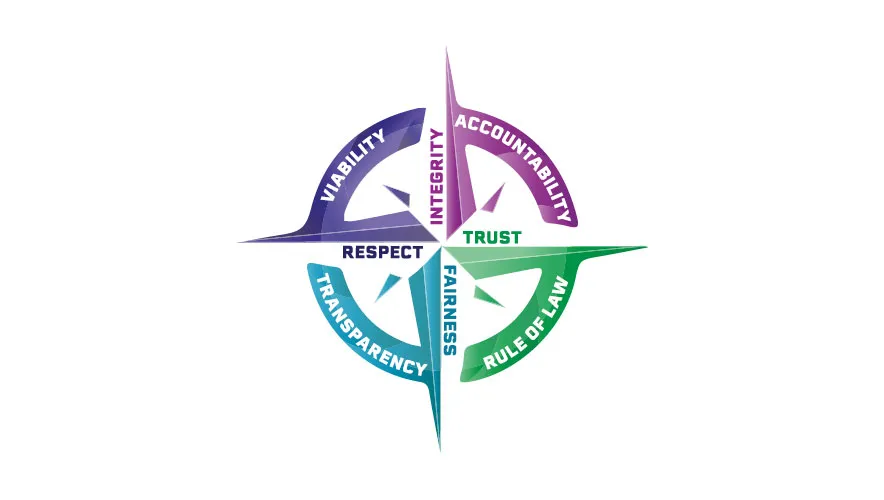
Integrity is the quality of being morally upright and consistent in actions, values, and principles.
It means:
👉 Doing the right thing even when no one is watching.
🌟 Nature of Integrity


🔹 1. Consistency
- Aligning actions with values
🔹 2. Moral Courage
- Standing for what is right
🔹 3. Accountability
- Taking responsibility
🌍 Importance of Integrity
🔹 1. Builds Character
- Core of personal identity
🔹 2. Enhances Leadership
- Essential for trust
🔹 3. Promotes Ethical Behavior
- Guides decisions
🔹 4. Strengthens Relationships
- Encourages reliability
⚖️ Challenges to Integrity
- Temptation
- Peer pressure
- Ethical dilemmas
🌱 Examples of Integrity
- Refusing to cheat
- Keeping promises
- Standing against injustice
🧩 RESPONSIBILITY
🌿 Meaning of Responsibility
Responsibility is the ability and willingness to take ownership of one’s actions and fulfill duties and obligations.
🌟 Nature of Responsibility




🔹 1. Accountability
- Accepting consequences
🔹 2. Reliability
- Being dependable
🔹 3. Duty-Oriented
- Fulfilling obligations
🌍 Importance of Responsibility
🔹 1. Personal Growth
- Builds discipline
🔹 2. Social Stability
- Ensures order
🔹 3. Professional Success
- Enhances performance
🔹 4. Trust Building
- Others rely on responsible individuals
⚖️ Challenges to Responsibility
- Laziness
- Lack of awareness
- Avoidance of accountability
🌱 Examples of Responsibility
- Completing tasks on time
- Taking care of family
- Following rules
🔄 Relationship Between Honesty, Integrity & Responsibility
🌟 Interconnection
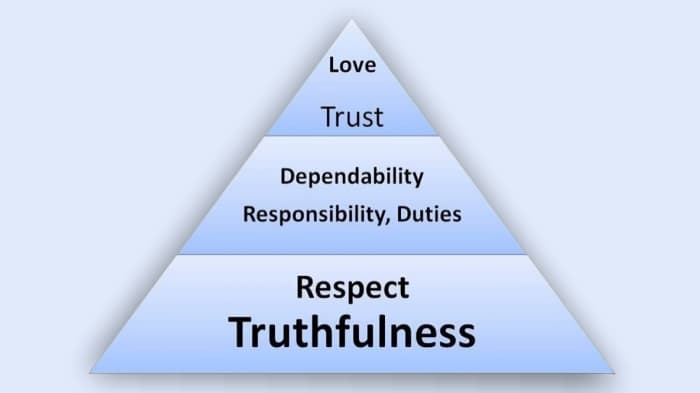


- Honesty → Telling the truth
- Integrity → Living by truth
- Responsibility → Acting on truth
Together, they form a complete moral framework.
🌍 Role in Personal Life
🔹 Character Development
- Builds strong personality
🔹 Emotional Well-being
- Reduces guilt and stress
🔹 Decision-Making
- Guides ethical choices
🌐 Role in Society
🔹 Social Harmony
- Promotes trust
🔹 Justice
- Ensures fairness
🔹 Cooperation
- Encourages teamwork
🏢 Role in Professional Life
🔹 Workplace Ethics
- Honest communication
🔹 Leadership
- Integrity-based decisions
🔹 Accountability
- Responsible actions
🌱 Development of Moral Values
🔹 Methods
1. Family Influence
- Early learning
2. Education
- Value-based teaching
3. Role Models
- Learning by example
4. Self-Reflection
- Understanding actions
⚠️ Consequences of Lack of Moral Values
🔹 Individual Level
- Loss of trust
- Poor reputation
🔹 Social Level
- Corruption
- Conflict
🔹 Global Level
- Ethical crises
🌍 Moral Values in Modern Society
🔹 Challenges
- Materialism
- Digital dishonesty
- Competitive pressure
🔹 Need for Reinforcement
- Ethical education
- Awareness programs
🌱 Moral Values and Emotional Intelligence
- Honesty → Self-awareness
- Integrity → Self-regulation
- Responsibility → Social skills
🌟 Practical Applications
🔹 Students
- Academic honesty
🔹 Professionals
- Ethical work behavior
🔹 Citizens
- Civic responsibility
🌍 Moral Values and Sustainable Development
- Promote ethical resource use
- Encourage responsible consumption
🌟 Conclusion
Honesty, integrity, and responsibility are the pillars of moral values that shape individuals and societies. They guide behavior, build trust, and ensure ethical living. In a rapidly changing world, these values are essential for maintaining balance, promoting justice, and achieving sustainable development.
By practicing these values in everyday life, individuals can contribute to a more ethical, responsible, and harmonious society.