


Tag Archives: trust

🤝 Interpersonal Relationships — A Comprehensive Detailed Study


🌍 Introduction

Image
Image
Image
Image

Interpersonal relationships are the connections and interactions between individuals. They form the foundation of human society and influence emotional well-being, social development, communication, and overall life satisfaction.

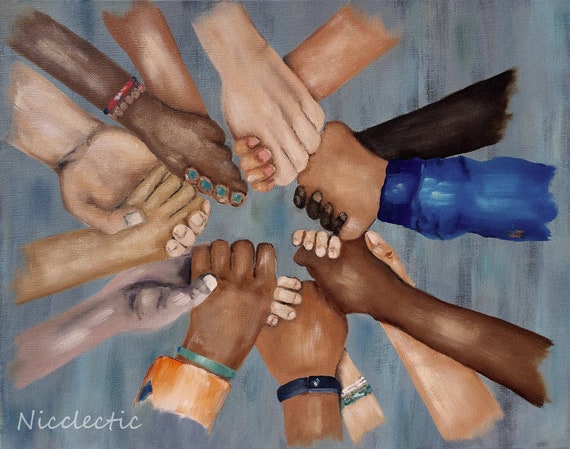
From family bonds and friendships to professional relationships and social networks, interpersonal relationships play a crucial role in shaping identity, behavior, and success. These relationships are built on trust, communication, empathy, and mutual respect.

In today’s interconnected world, the ability to build and maintain healthy interpersonal relationships is essential for both personal growth and professional success.


🧭 Meaning of Interpersonal Relationships


🔹 Definition

Interpersonal relationships refer to the dynamic interactions between two or more individuals, involving emotional, social, and sometimes professional connections.


🔹 Key Characteristics

  • Mutual interaction
  • Emotional connection
  • Communication
  • Influence on behavior

🌱 Types of Interpersonal Relationships


👨‍👩‍👧‍👦 1. Family Relationships

Image
Image
Image
Image
  • Parent-child
  • Sibling relationships
  • Extended family

🤝 2. Friendships

Image
Image
Image
Image
  • Based on trust and mutual interests
  • Provide emotional support

💼 3. Professional Relationships

Image
Image
Image
Image
  • Between colleagues, managers, employees
  • Focus on goals and productivity

❤️ 4. Romantic Relationships

Image
Image
Image
Image
  • Emotional and intimate connections
  • Based on trust and commitment

🌐 5. Social Relationships

Image
Image
Image
Image
  • Interaction with society
  • Includes acquaintances and community members

🌿 Nature of Interpersonal Relationships


🔹 1. Dynamic

Image
Image
Image
Image
  • Change over time
  • Influenced by experiences

🔹 2. Reciprocal

Image
Image
Image
Image
  • Involves mutual exchange
  • Both parties contribute

🔹 3. Emotional

Image
Image
Image
Image
  • Based on feelings and emotions

🔹 4. Socially Influenced
Image
Image
Image
Image
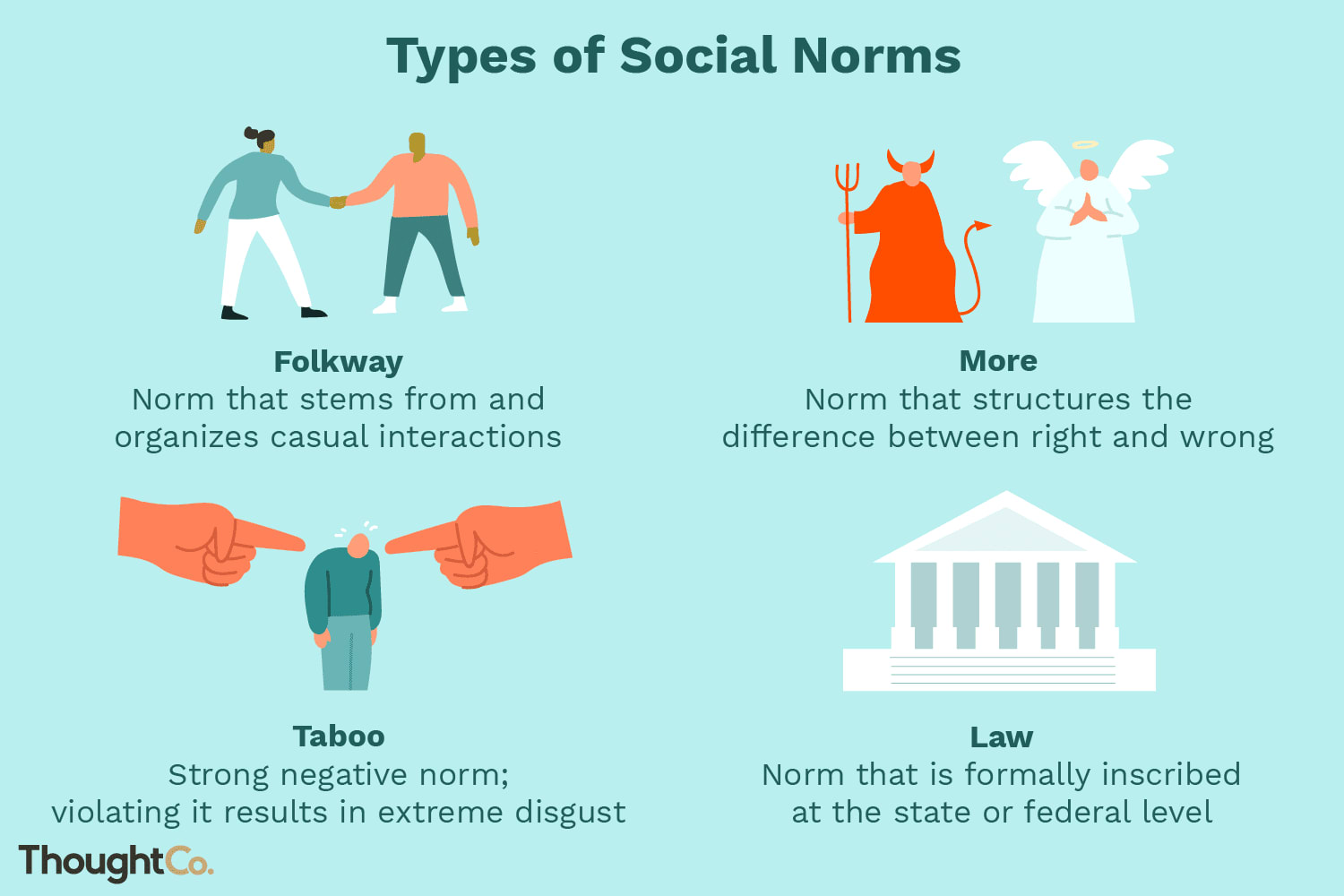
  • Influenced by culture and society

🌟 Components of Healthy Relationships


🔹 1. Communication

Image
Image
Image
Image
  • Clear and open exchange of ideas

🔹 2. Trust

Image
Image
Image
Image
  • Foundation of relationships

🔹 3. Respect
Image
Image
Image
Image
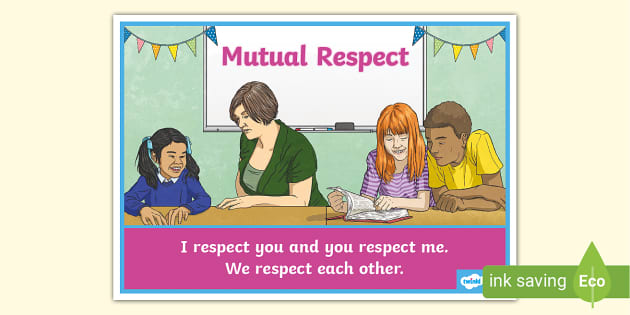
  • Valuing others

🔹 4. Empathy

Image
Image
Image
Image
  • Understanding feelings

🔹 5. Cooperation

Image
Image
Image
Image
  • Working together

🌍 Importance of Interpersonal Relationships


🔹 1. Emotional Well-being

  • Reduces loneliness
  • Provides support

🔹 2. Social Development

  • Builds social skills

🔹 3. Personal Growth

  • Enhances self-awareness

🔹 4. Professional Success

  • Improves teamwork

🌱 Communication in Relationships


🔹 Verbal Communication

🔹 Non-verbal Communication

🔹 Active Listening


🌍 Barriers to Effective Relationships


🔹 Poor Communication

🔹 Lack of Trust

🔹 Misunderstanding

🔹 Ego and Conflict


🌱 Conflict Resolution


🔹 Techniques

  • Open communication
  • Empathy
  • Compromise
  • Problem-solving

🌍 Role of Emotional Intelligence


  • Enhances empathy
  • Improves communication
  • Manages conflicts

🌱 Building Strong Relationships


🔹 Spend Time Together

🔹 Show Appreciation

🔹 Be Honest

🔹 Support Each Other


🌍 Interpersonal Relationships in Modern Society


🔹 Digital Communication

  • Social media interactions

🔹 Globalization

  • Cross-cultural relationships

🌱 Impact on Mental Health


  • Strong relationships improve happiness
  • Weak relationships cause stress

🌍 Practical Applications


🔹 Students

  • Friendships and teamwork

🔹 Professionals

  • Workplace relationships

🔹 Families

  • Emotional bonding

🌟 Conclusion

Interpersonal relationships are essential for human existence, influencing emotional well-being, social harmony, and personal success. Healthy relationships are built on communication, trust, respect, and empathy.

In a rapidly changing world, developing strong interpersonal skills is crucial for maintaining meaningful connections and achieving a balanced and fulfilling life.


🏷️ Tags

Friendship and Cooperation

🌿 Introduction

Image
Image
Image
Image

Friendship and cooperation are two of the most essential social values that shape human relationships and enable collective progress. Humans are inherently social beings, and our ability to form friendships and work together has been key to survival, development, and success throughout history. These values foster trust, mutual support, understanding, and unity—qualities necessary for both personal happiness and societal harmony.

Friendship refers to a close and meaningful relationship between individuals based on trust, affection, and mutual respect. Cooperation, on the other hand, involves working together toward a common goal, sharing responsibilities, and supporting one another’s efforts. While friendship emphasizes emotional bonds, cooperation focuses on collective action. Together, they create strong social networks that enhance well-being and productivity.

In today’s interconnected world, where collaboration is essential in education, workplaces, and global problem-solving, friendship and cooperation play a crucial role in building a harmonious and successful society.


🌱 Meaning and Definitions

🔹 Friendship

Friendship is:

  • A relationship based on trust, care, and mutual understanding
  • Built on shared experiences, values, and emotions
  • Characterized by loyalty and support

Examples:

  • Helping a friend in need
  • Sharing joys and challenges
  • Offering emotional support

🔹 Cooperation

Cooperation is:

  • Working together to achieve common goals
  • Sharing responsibilities and resources
  • Supporting collective efforts

Examples:

  • Teamwork in school projects
  • Collaborating in workplace tasks
  • Community efforts in social activities

🔹 Key Differences

AspectFriendshipCooperation
NatureEmotional bondAction-oriented
FocusRelationshipGoal achievement
ExampleSupporting a friendWorking in a team

🧠 Psychological Foundations

Image
Image
Image
Image

🔹 Social Nature of Humans

  • Humans are naturally inclined toward forming relationships
  • Social connections are essential for survival and happiness

🔹 Emotional Benefits

  • Friendship reduces loneliness and stress
  • Cooperation builds a sense of belonging

🔹 Cognitive Development

  • Group interactions enhance problem-solving skills
  • Cooperation improves communication and learning

🏛️ Cultural and Historical Perspectives

Image
Image
Image
Image

🔸 Traditional Societies

  • Communities relied on cooperation for survival
  • Shared resources and collective work

🔸 Indian Culture

  • Emphasizes unity and friendship
  • Concepts like Vasudhaiva Kutumbakam (world as one family)

🔸 Global Perspectives

  • Cooperation is key in international relations
  • Friendship between nations promotes peace

🧘 Spiritual and Moral Significance

Image
Image
Image
Image

🔹 Moral Values

  • Friendship promotes loyalty and trust
  • Cooperation encourages selflessness and teamwork

🔹 Spiritual Teachings

  • Many religions emphasize unity and helping others
  • Encourages compassion and harmony

🏠 Role in Personal Life

🌟 Emotional Support

  • Friends provide comfort and encouragement
  • Help in difficult times

🌟 Personal Growth

  • Friends influence behavior and values
  • Cooperation builds skills

🌟 Happiness

  • Strong friendships increase life satisfaction
  • Cooperative relationships reduce stress

🌍 Social Importance

Image
Image
Image
Image

🔹 Social Harmony

  • Reduces conflicts
  • Promotes understanding

🔹 Community Development

  • Cooperation leads to progress
  • Shared efforts improve living conditions

🔹 Global Cooperation

  • Essential for solving global challenges
  • Encourages peace and collaboration

🏫 Importance in Education

📘 Classroom Friendship

  • Builds a supportive learning environment
  • Encourages collaboration

📘 Group Activities

  • Teamwork improves learning outcomes
  • Develops communication skills

📘 Student Development

  • Enhances social skills
  • Promotes leadership qualities

💼 Workplace Relevance

Image
Image
Image
Image

🔹 Teamwork

  • Cooperation improves productivity
  • Builds strong teams

🔹 Professional Relationships

  • Friendly interactions enhance work environment
  • Reduce workplace conflicts

🔹 Leadership

  • Encourages collaboration and trust

⚖️ Ethical Dimensions

🔸 Trust and Loyalty

  • Essential for strong friendships

🔸 Fairness

  • Equal contribution in cooperative efforts

🔸 Respect

  • Valuing others’ opinions and efforts

🧩 Challenges to Friendship and Cooperation

Image
Image
Image
Image

🔹 Miscommunication

  • Leads to misunderstandings

🔹 Ego and Competition

  • Can damage relationships

🔹 Lack of Trust

  • Weakens friendships

🔹 Cultural Differences

  • May create barriers in cooperation

🌟 Benefits of Friendship and Cooperation

✅ Personal Benefits

  • Emotional support
  • Increased happiness
  • Better mental health

✅ Social Benefits

  • Strong communities
  • Reduced conflicts
  • Greater unity

✅ Professional Benefits

  • Improved teamwork
  • Higher productivity

🛠️ Ways to Build Friendship and Cooperation

Image
Image
Image
Image

🔹 Communication

  • Express thoughts clearly
  • Listen actively

🔹 Trust Building

  • Be honest and reliable

🔹 Empathy

  • Understand others’ feelings

🔹 Team Participation

  • Engage in group activities

🔹 Conflict Resolution

  • Address issues calmly and respectfully

📱 Friendship and Cooperation in the Digital Age

Image
Image
Image
Image

🔹 Online Friendships

  • Connecting across distances
  • Sharing experiences digitally

🔹 Virtual Cooperation

  • Remote work and online collaboration
  • Digital tools for teamwork

🔹 Challenges

  • Lack of face-to-face interaction
  • Miscommunication online

🧭 Real-Life Examples

🔹 Students

  • Group projects and study groups

🔹 Communities

  • Collective efforts in social work

🔹 Global Initiatives

  • International cooperation for development

📊 Comparison with Related Values

ValueRelation
TrustFoundation of friendship
TeamworkResult of cooperation
EmpathyStrengthens relationships
CommunicationEssential for both

🧾 Conclusion

Friendship and cooperation are vital values that enrich human life and strengthen society. They foster trust, understanding, and collaboration, enabling individuals to achieve personal and collective goals. In a world that increasingly relies on teamwork and connectivity, these values are more important than ever.

By nurturing friendships and practicing cooperation, individuals can build meaningful relationships, enhance their well-being, and contribute to a harmonious and progressive society. These values remind us that together, we are stronger, more capable, and better equipped to face life’s challenges.


🏷️ Tags

Honesty and Truthfulness

🌿 Introduction

Image
Image
Image
Image

Honesty and truthfulness are foundational virtues that shape individual character, social trust, and the moral fabric of society. These values are deeply rooted in philosophical traditions, religious teachings, cultural norms, and modern ethical systems. While often used interchangeably, honesty and truthfulness have subtle distinctions that enrich our understanding of ethical behavior.

Honesty generally refers to being free from deceit, fraud, or dishonesty in one’s actions, intentions, and character. Truthfulness, on the other hand, is the commitment to accurately represent facts, reality, and one’s beliefs without distortion or manipulation. Together, they form the backbone of integrity—an essential quality for personal growth, social harmony, and sustainable development.


🌱 Meaning and Definitions

🔹 Honesty

Honesty is the quality of being sincere, fair, and straightforward in conduct. It involves:

  • Not lying or cheating
  • Being transparent in actions
  • Upholding moral principles

🔹 Truthfulness

Truthfulness is the habit of telling the truth and presenting facts as they are. It includes:

  • Accuracy in speech
  • Avoiding exaggeration or misinformation
  • Accepting reality even when uncomfortable

🔹 Key Differences

AspectHonestyTruthfulness
FocusCharacter & actionsSpeech & facts
ScopeBroad ethical traitSpecific behavioral aspect
ExampleNot stealing moneyNot lying about taking money

🧠 Philosophical Perspectives

Image
Image
Image
Image

🔸 Classical Philosophy

  • Socrates emphasized truth as the highest good and believed that knowledge leads to virtuous action.
  • Plato viewed truth as an eternal ideal, essential for justice and harmony.
  • Aristotle considered honesty a virtue lying between boastfulness and self-deprecation.

🔸 Kantian Ethics

  • Immanuel Kant argued that truthfulness is a moral duty, regardless of consequences.
  • According to Kant, lying is always wrong because it undermines universal moral law.

🔸 Eastern Philosophy

  • Confucius highlighted sincerity and honesty as pillars of social harmony.
  • Mahatma Gandhi practiced Satya (truth) and considered truthfulness the ultimate virtue.

🧬 Psychological Foundations

Image
Image
Image
Image

🔹 Development of Honesty

  • Children begin understanding truth and lies around age 3–5.
  • Moral development is influenced by family, culture, and education.

🔹 Cognitive Aspects

  • Telling lies requires more mental effort than telling the truth.
  • Honest behavior reduces cognitive load and stress.

🔹 Emotional Impact

  • Honesty fosters self-respect and confidence.
  • Dishonesty often leads to guilt, anxiety, and fear of exposure.

🏛️ Role in Personal Life

🌟 Character Building

Honesty shapes a person’s identity and moral compass. It builds:

  • Self-discipline
  • Responsibility
  • Authenticity

🌟 Relationships

Trust is the foundation of all relationships. Honesty:

  • Strengthens bonds
  • Prevents misunderstandings
  • Encourages open communication

🌟 Decision-Making

Truthfulness helps individuals:

  • Make rational choices
  • Avoid unethical shortcuts
  • Maintain consistency in values

🌍 Social and Cultural Importance

Image
Image
Image
Image

🔹 Social Trust

  • Societies thrive on trust and transparency.
  • Honesty reduces corruption and promotes fairness.

🔹 Legal Systems

  • Truthfulness is essential in courts and justice systems.
  • False testimony can lead to injustice.

🔹 Cultural Values

  • Many cultures emphasize honesty as a core virtue.
  • Proverbs and stories often teach the value of truth.

🏫 Importance in Education

📘 Academic Integrity

  • Avoiding cheating and plagiarism
  • Submitting original work

📘 Teacher-Student Trust

  • Honest communication improves learning
  • Builds mutual respect

📘 Moral Education

  • Schools play a key role in instilling ethical values
  • Activities and stories promote honesty

💼 Professional Ethics

Image
Image
Image
Image

🔹 Workplace Integrity

  • Honest employees are more reliable
  • Reduces conflicts and misunderstandings

🔹 Leadership

  • Ethical leaders inspire trust and loyalty
  • Transparency improves organizational culture

🔹 Business Practices

  • Honest dealings build customer trust
  • Prevents legal issues and reputational damage

⚖️ Ethical Dilemmas

🔸 Is it always right to tell the truth?

  • Situations like protecting someone’s feelings may require tact.
  • Example: “White lies” vs harmful lies

🔸 Balancing Honesty and Kindness

  • Truth should be communicated with empathy
  • Brutal honesty can harm relationships

🔸 Whistleblowing

  • Revealing truth for public good vs personal risk

🧩 Challenges to Honesty

Image
Image
Image
Image

🔹 Fear of Punishment

  • People may lie to avoid consequences

🔹 Social Pressure

  • Desire to fit in can lead to dishonesty

🔹 Personal Gain

  • Greed and ambition may encourage unethical behavior

🔹 Digital Era Challenges

  • Fake news and misinformation
  • Online anonymity promoting dishonesty

🌟 Benefits of Honesty

✅ Personal Benefits

  • Peace of mind
  • Strong self-esteem
  • Better mental health

✅ Social Benefits

  • Trustworthy relationships
  • Strong communities
  • Reduced conflict

✅ Long-Term Success

  • Reputation for integrity
  • Sustainable success

🛠️ Ways to Cultivate Honesty

Image
Image
Image
Image

🔹 Self-Awareness

  • Reflect on actions and intentions

🔹 Practice Truthfulness

  • Start with small acts of honesty

🔹 Role Models

  • Learn from ethical individuals

🔹 Education

  • Teach values from early childhood

🔹 Accountability

  • Take responsibility for mistakes

🧘 Honesty in Spiritual and Religious Contexts

🔸 Hinduism

  • Truth (Satya) is a fundamental virtue

🔸 Buddhism

  • Right Speech includes truthfulness

🔸 Christianity

  • Emphasizes honesty in commandments

🔸 Islam

  • Truthfulness (Sidq) is a sign of faith

📱 Honesty in the Digital Age

Image
Image
Image
Image

🔹 Misinformation

  • Spreading false information harms society

🔹 Online Identity

  • People may create false personas

🔹 Ethical Responsibility

  • Verify information before sharing

🧭 Case Studies and Examples

🔹 The Honest Woodcutter

  • A moral story emphasizing truthfulness

🔹 Real-Life Whistleblowers

  • Individuals exposing corruption

🔹 Academic Honesty Cases

  • Consequences of plagiarism

📊 Comparison with Related Values

ValueRelation to Honesty
IntegrityIncludes honesty and consistency
TrustResult of honesty
TransparencyOpenness in actions
LoyaltyMay conflict with truthfulness

🧾 Conclusion

Honesty and truthfulness are not just moral ideals but practical necessities for a functioning society. They influence every aspect of life—from personal relationships to global governance. In a world increasingly shaped by technology and complex social dynamics, these values are more important than ever.

Cultivating honesty requires conscious effort, self-discipline, and courage. It involves not only telling the truth but also living it through actions and intentions. By embracing honesty and truthfulness, individuals contribute to a more just, trustworthy, and harmonious world.


🏷️ Tags