


1. Introduction to the History of Computing
The history of computing is a fascinating journey that spans thousands of years, from simple counting tools used in ancient civilizations to the highly advanced digital systems that power modern society. Computing has evolved through continuous innovation, driven by the human need to calculate, automate tasks, and process information efficiently.
Computing is not just about machines—it reflects the development of mathematical thinking, engineering ingenuity, and scientific progress. Over time, the concept of computation expanded from manual calculations to mechanical devices, then to electronic systems, and now to intelligent and quantum-based technologies.
Understanding the history of computing provides insights into how current technologies came into existence and helps us anticipate future advancements.
2. Early Computing Devices (Pre-Mechanical Era)
2.1 The Abacus
The abacus, developed around 2500 BCE, is considered the earliest known computing device. It consists of beads sliding on rods, used for performing arithmetic operations such as addition and subtraction.
Key features:
- Used in ancient civilizations like China, Mesopotamia, and Egypt
- Enabled fast manual calculations
- Still used today for teaching arithmetic
2.2 Napier’s Bones

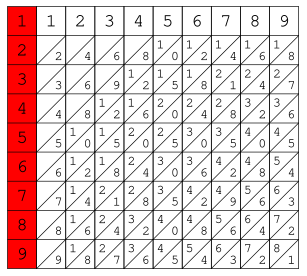


Invented by John Napier in 1617, Napier’s Bones were a set of rods used to perform multiplication and division.
Importance:
- Simplified complex arithmetic operations
- Introduced logarithmic thinking
- Influenced later calculating devices
2.3 Slide Rule
The slide rule, invented in the 17th century, was widely used by engineers and scientists until the 1970s.
Features:
- Based on logarithmic scales
- Used for multiplication, division, roots, and trigonometry
- Essential tool before electronic calculators
3. Mechanical Computing Era


3.1 Pascaline
Invented by Blaise Pascal in 1642, the Pascaline was a mechanical calculator designed to perform addition and subtraction.
Significance:
- One of the first automatic calculators
- Used gear-based mechanisms
- Limited functionality
3.2 Leibniz Stepped Reckoner
Developed by Gottfried Wilhelm Leibniz, this machine could perform multiplication and division.
Innovations:
- Introduced stepped drum mechanism
- Improved on Pascal’s design
- Concept of binary system (later used in computers)
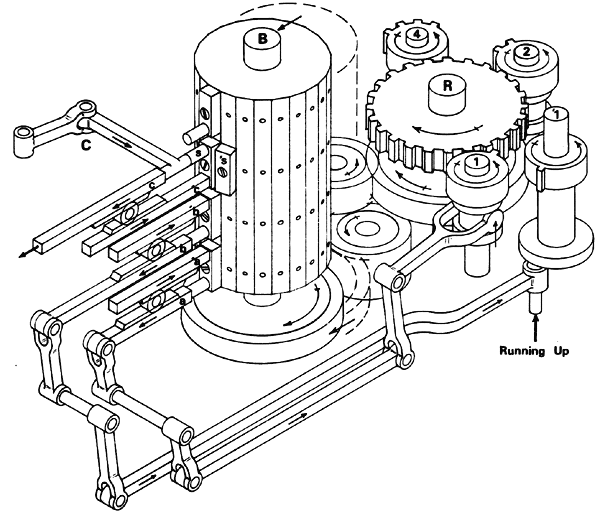
3.3 Charles Babbage and the Analytical Engine
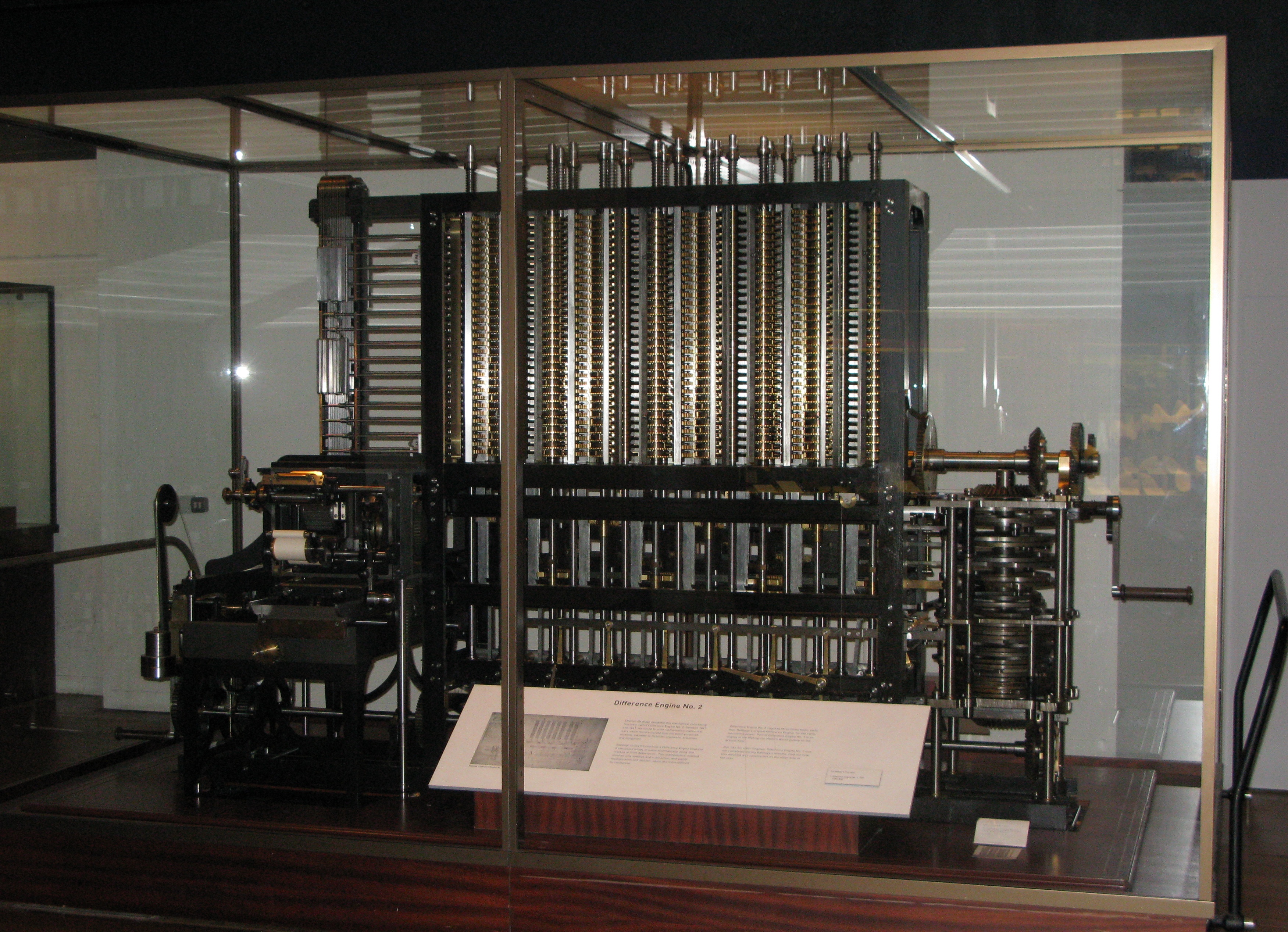
Charles Babbage is known as the Father of the Computer.
Difference Engine
- Designed to compute mathematical tables
- Used mechanical components
Analytical Engine
- First concept of a general-purpose computer
- Included components similar to modern computers:
- Memory (store)
- Processor (mill)
- Input/output (punch cards)
3.4 Ada Lovelace
Ada Lovelace is considered the first computer programmer.
Contributions:
- Wrote algorithms for the Analytical Engine
- Recognized potential beyond calculations
- Envisioned computers processing symbols and music
4. Electro-Mechanical Era


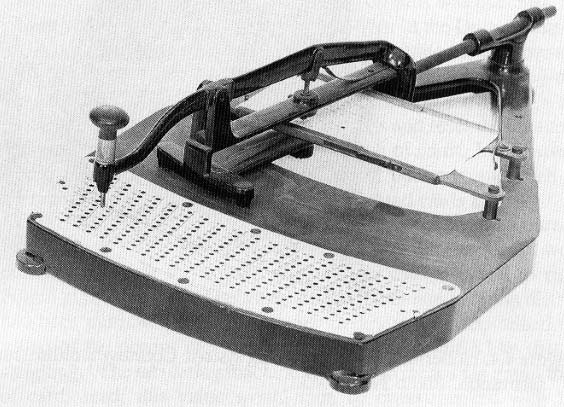
4.1 Herman Hollerith’s Tabulating Machine
Developed for the 1890 U.S. Census.
Features:
- Used punch cards for data storage
- Reduced processing time significantly
- Led to the formation of IBM
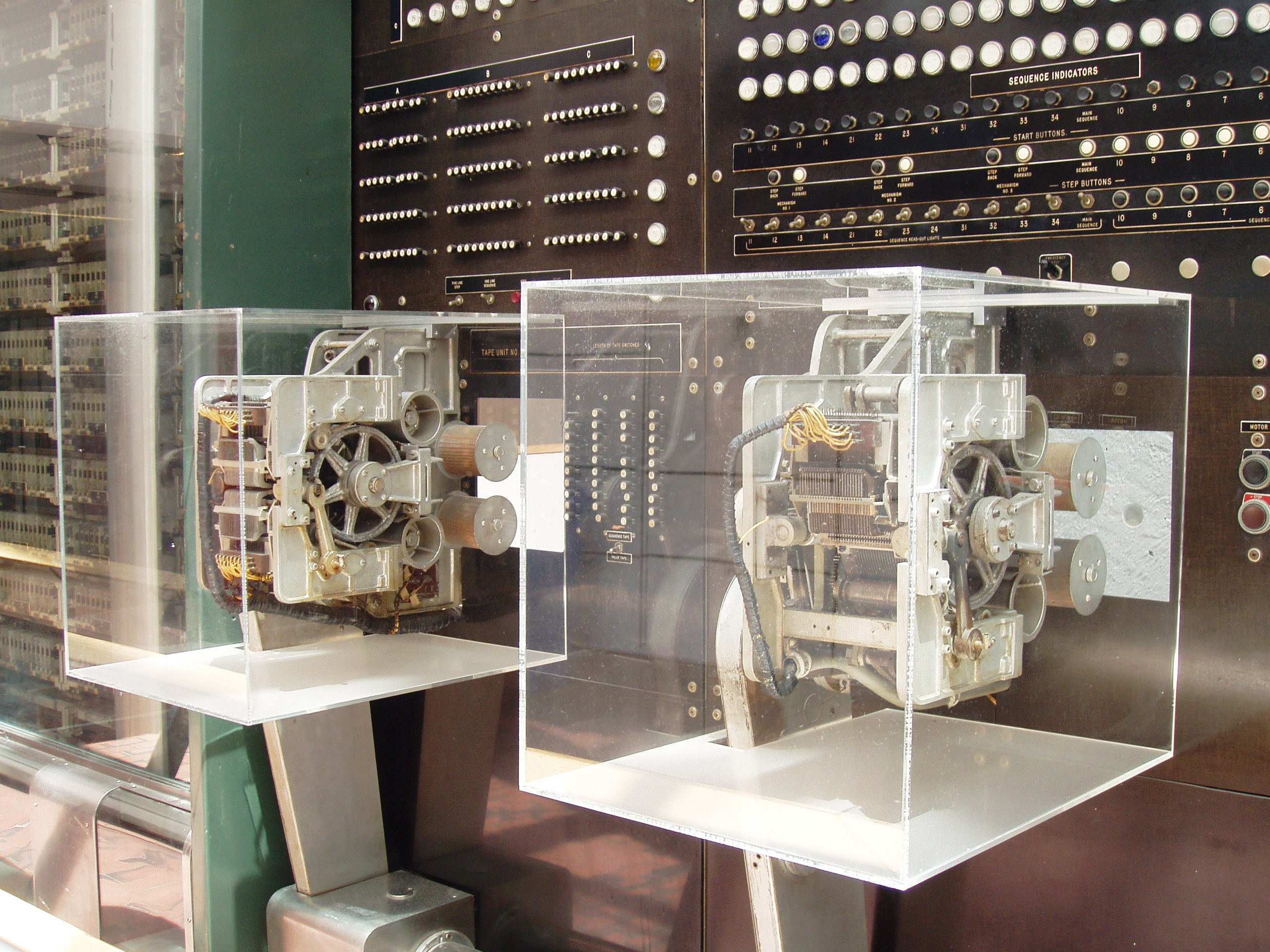
4.2 Harvard Mark I
An early electromechanical computer developed in the 1940s.
Characteristics:
- Used relays and mechanical components
- Could perform automatic calculations
- Large and slow compared to modern computers
5. Electronic Computing Era

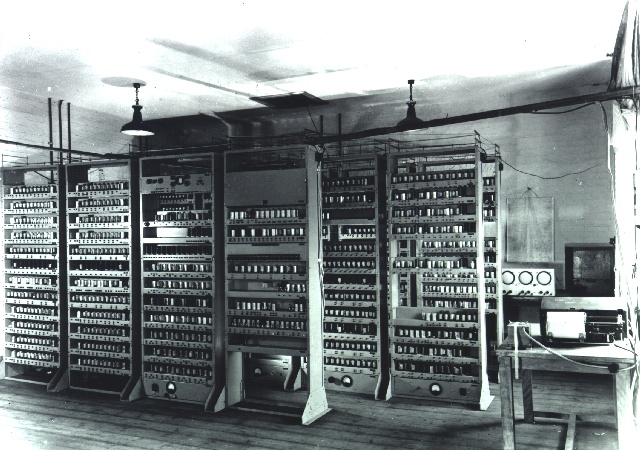

5.1 Colossus
- Developed during World War II
- Used for codebreaking
- First programmable electronic digital computer
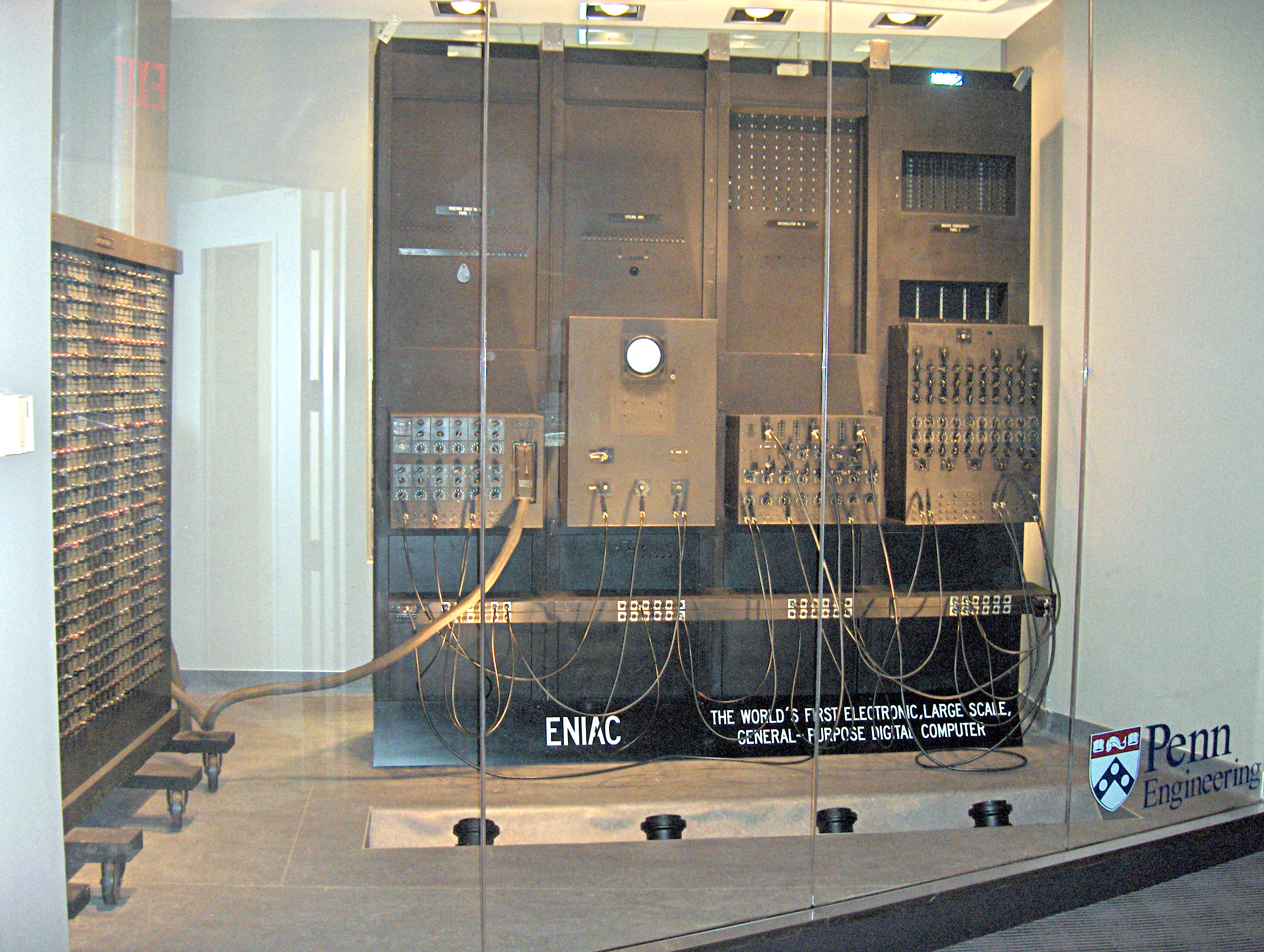
5.2 ENIAC (Electronic Numerical Integrator and Computer)
- One of the earliest general-purpose electronic computers
- Used vacuum tubes
- Occupied an entire room
5.3 UNIVAC
- First commercially available computer
- Used in business and government
- Marked the beginning of the computer industry
6. Generations of Computers


First Generation (1940–1956)
- Vacuum tubes
- Machine language
- Large size and high power consumption
Second Generation (1956–1963)
- Transistors
- Assembly language
- Smaller and more reliable
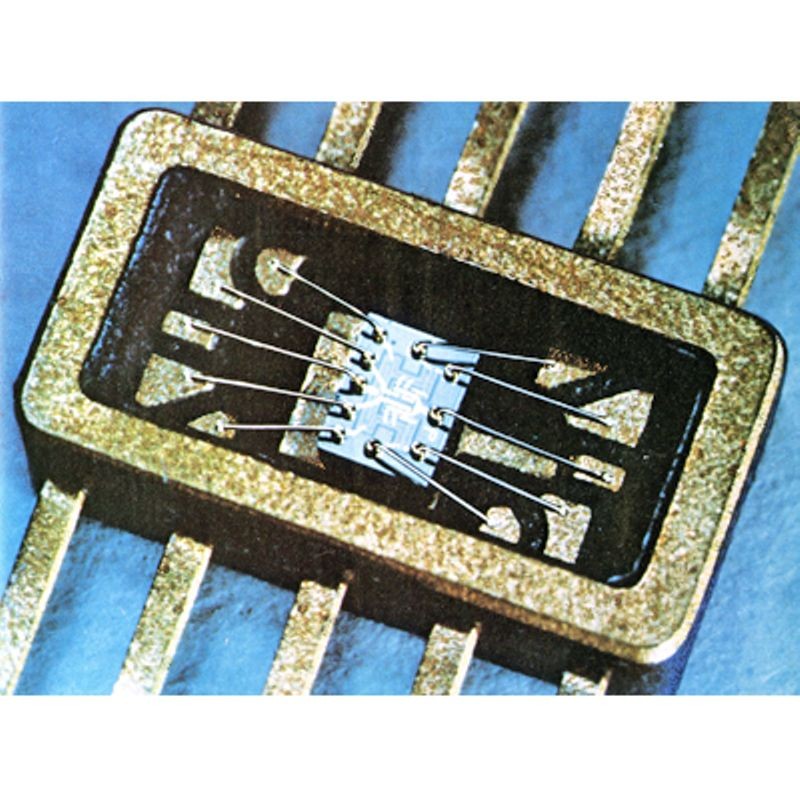
Third Generation (1964–1971)
- Integrated Circuits
- Operating systems introduced
- Increased efficiency
Fourth Generation (1971–Present)
- Microprocessors
- Personal computers
- High-level languages
Fifth Generation (Present & Future)
- Artificial Intelligence
- Machine learning
- Quantum computing
7. Rise of Personal Computers

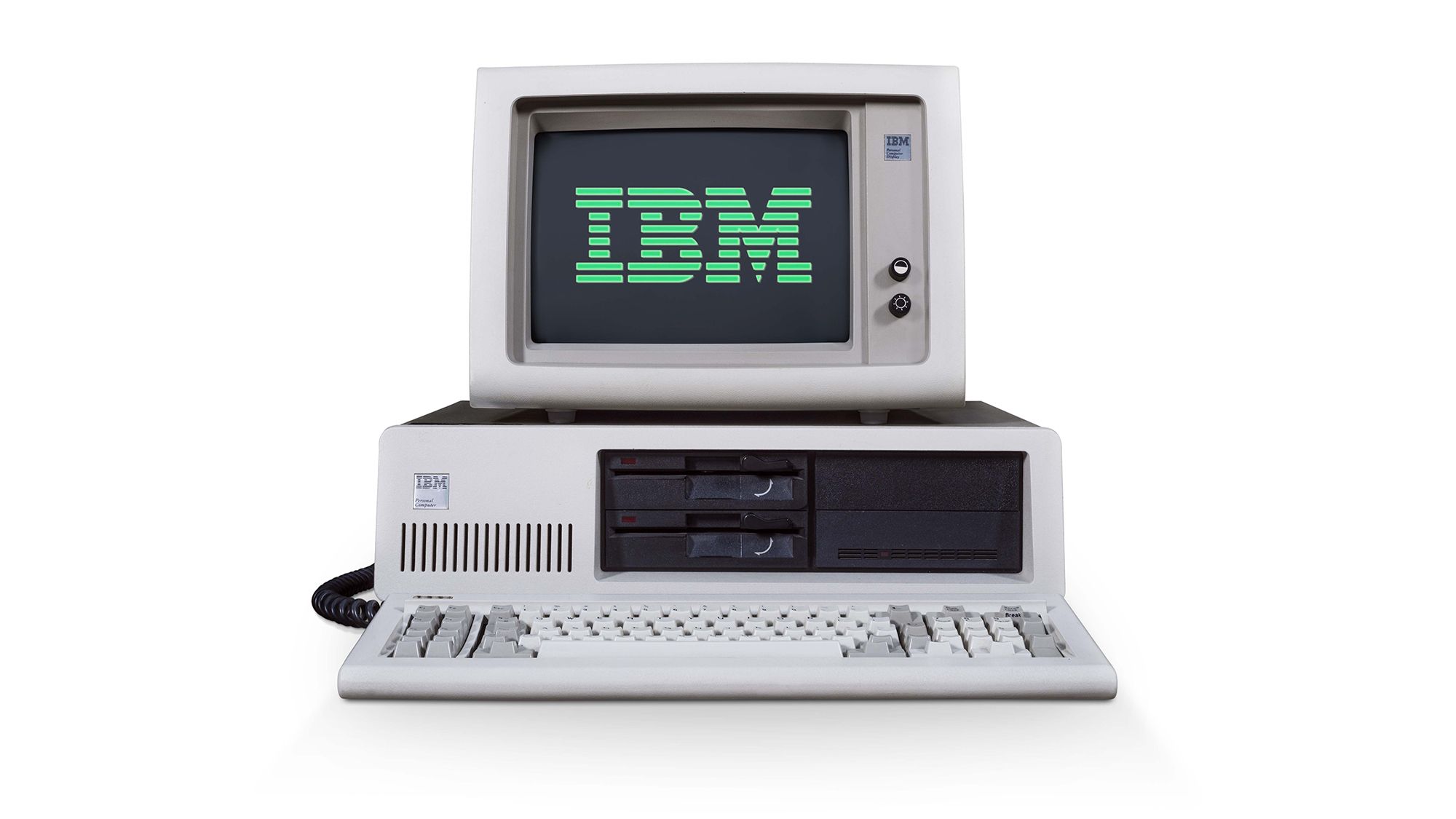


The 1970s and 1980s saw the emergence of personal computers.
Key developments:
- Affordable computing for individuals
- Graphical User Interfaces (GUI)
- Widespread adoption in homes and offices
Notable systems:
- Apple II
- IBM PC
8. Development of Software and Programming Languages
Programming languages evolved alongside hardware.
Early Languages
- Machine language
- Assembly language
High-Level Languages
- FORTRAN
- COBOL
- C
- C++
- Java
- Python
These languages made programming easier and expanded computing applications.
9. The Internet and Modern Computing
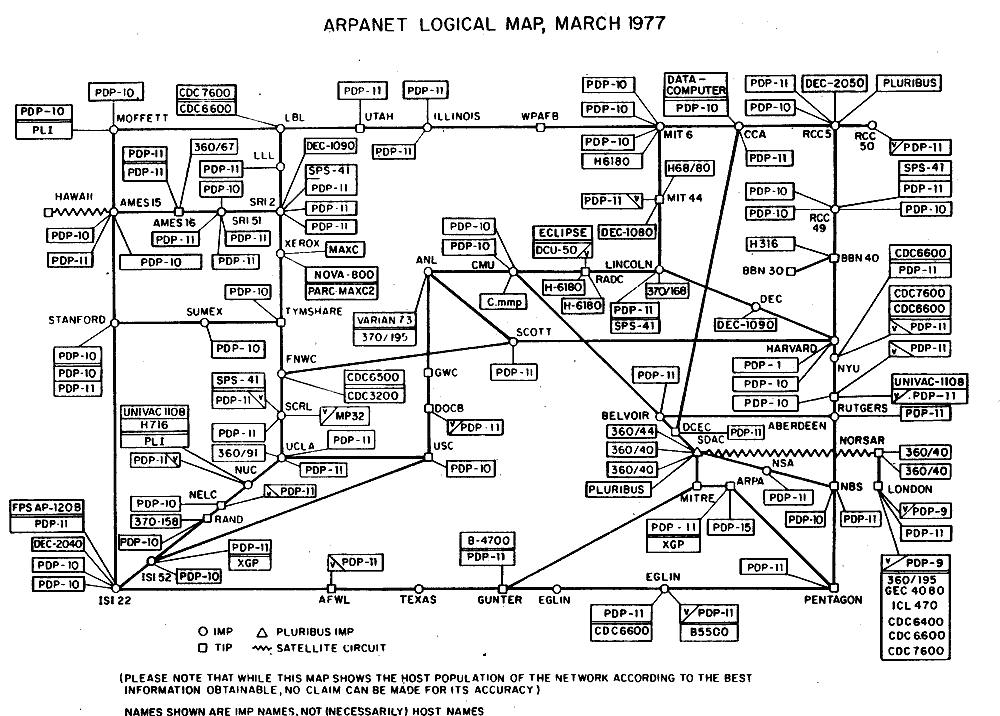


The development of the Internet revolutionized computing.
Key milestones:
- ARPANET (1960s)
- World Wide Web (1990s)
- Social media and cloud computing
Impact:
- Global communication
- Information sharing
- Digital economy
10. Mobile and Ubiquitous Computing
Modern computing extends beyond desktops.
Examples:
- Smartphones
- Tablets
- Wearable devices
- Smart home systems
These devices enable computing anytime, anywhere.
11. Emerging Technologies
Artificial Intelligence
Machines that mimic human intelligence.
Quantum Computing
Uses quantum mechanics for complex problem solving.
Internet of Things (IoT)
Connected devices communicating over networks.
Edge Computing
Processing data near the source.
12. Impact of Computing on Society
Computing has transformed:
Education
Online learning platforms
Healthcare
Advanced diagnostics
Business
Automation and analytics
Communication
Instant global connectivity
Entertainment
Streaming and gaming
13. Future of Computing
The future includes:
- Intelligent machines
- Advanced robotics
- Brain-computer interfaces
- Sustainable computing
Computers will continue to evolve, shaping every aspect of human life.
Conclusion
The history of computing is a story of continuous innovation and transformation. From simple tools like the abacus to advanced artificial intelligence systems, computing has evolved to become a fundamental part of modern civilization. Each stage of development has contributed to making computers faster, smaller, and more powerful. Understanding this history helps us appreciate current technologies and prepare for future advancements.