


Introduction to Data Collection
Data collection is a fundamental process in statistics and mathematics that involves gathering information for analysis and interpretation. It forms the foundation of statistical studies, research investigations, and decision-making processes in various fields such as science, economics, business, engineering, medicine, and social sciences.
In mathematics and statistics, data refers to numerical or categorical information collected for the purpose of analysis. Without reliable and accurate data, statistical methods cannot produce meaningful conclusions. Therefore, data collection is a crucial first step in any statistical investigation.
Data collection helps researchers answer important questions such as:
- What patterns exist in a dataset?
- What trends are occurring over time?
- What relationships exist between variables?
- How can future outcomes be predicted?
For example, a government might collect data about population growth, a business may collect data about customer preferences, and a scientist may collect data from experiments to test hypotheses.
The effectiveness of statistical analysis depends greatly on the quality of the data collected. Accurate and well-organized data ensures that conclusions drawn from the analysis are reliable and meaningful.
Meaning of Data


The word data refers to raw facts, observations, or measurements collected for analysis.
Data can represent many types of information such as:
- numbers
- measurements
- categories
- responses
- observations
Data is usually collected in order to understand patterns, relationships, or trends.
Types of Data
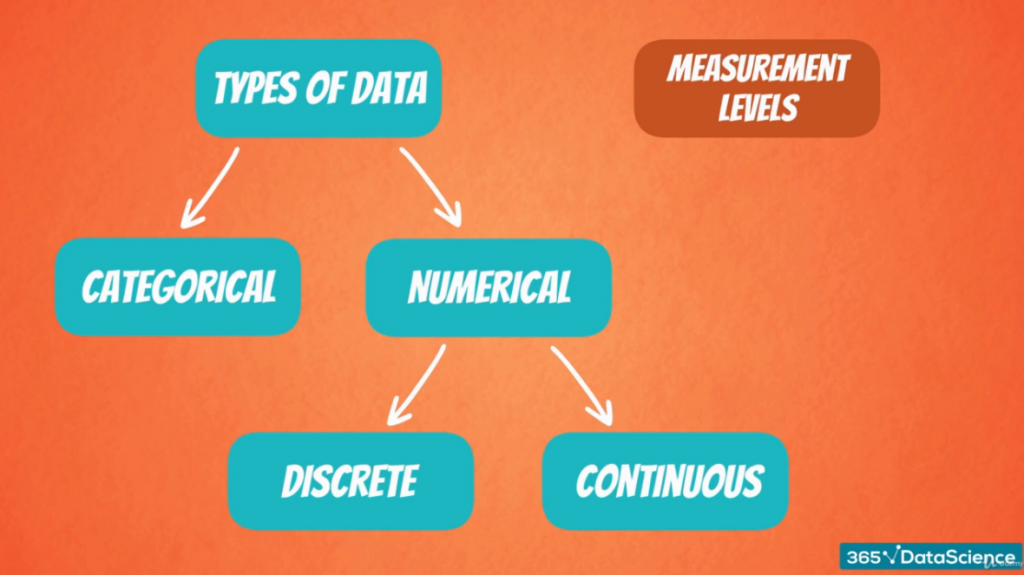
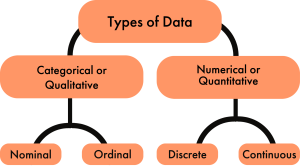
Data can be broadly classified into two types:
Quantitative Data
Quantitative data consists of numerical values that can be measured or counted.
Examples:
- height of students
- temperature readings
- exam scores
- income levels
Quantitative data can be further divided into:
- Discrete data
- Continuous data
Qualitative Data
Qualitative data consists of descriptive or categorical information.
Examples:
- gender
- color
- type of vehicle
- occupation
Qualitative data helps describe characteristics rather than measure quantities.
Importance of Data Collection
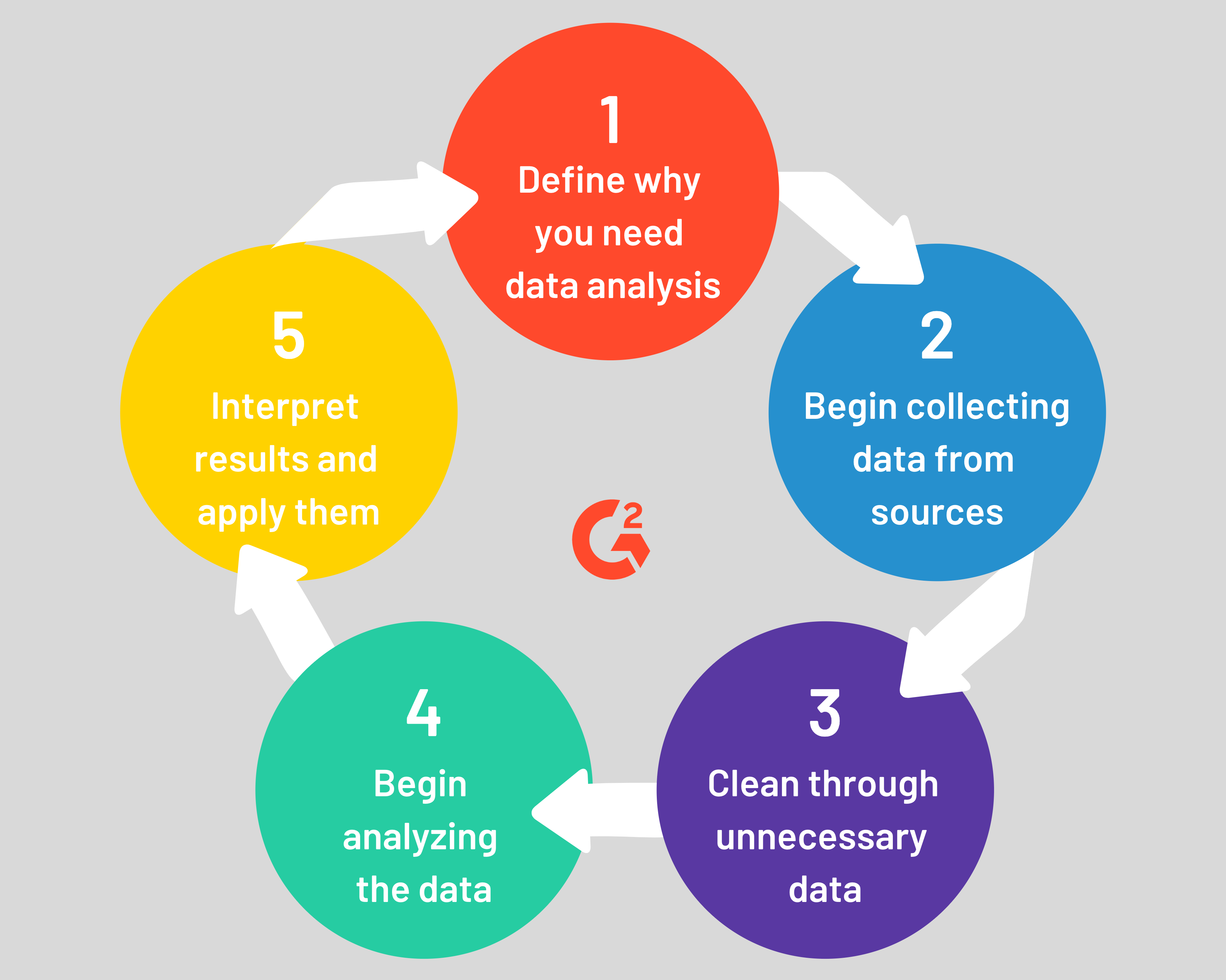


Data collection plays an essential role in statistical analysis and research.
Some important reasons for collecting data include:
Understanding Patterns
Data helps identify patterns and trends that would otherwise remain hidden.
Supporting Decision Making
Organizations rely on data to make informed decisions.
Testing Hypotheses
Scientific research uses collected data to verify or reject hypotheses.
Predicting Future Trends
Statistical models use historical data to forecast future outcomes.
Improving Systems
Data analysis can help improve processes in industries such as manufacturing, healthcare, and transportation.
Without proper data collection, statistical analysis cannot produce meaningful insights.
Methods of Data Collection


There are several methods used to collect data depending on the purpose of the study.
Observation Method
In this method, data is collected by observing events or behaviors.
Example:
A researcher may observe traffic patterns at a busy intersection.
Survey Method
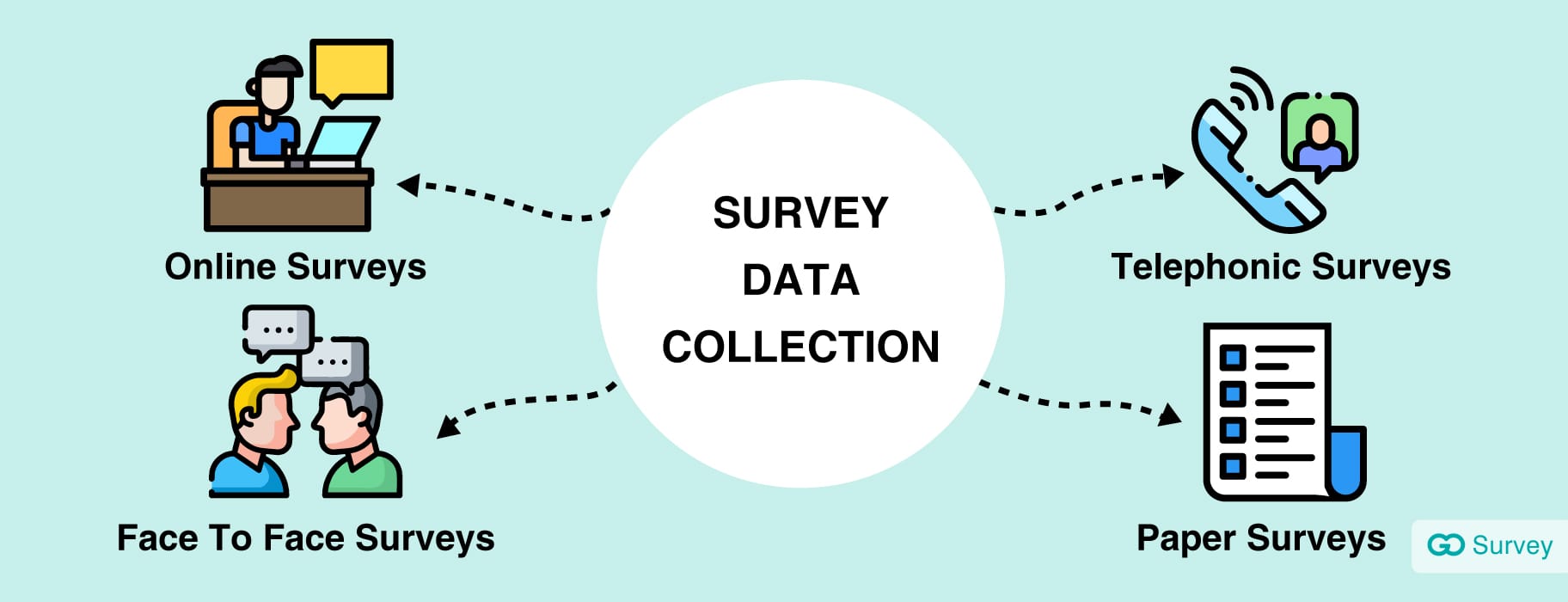
Surveys involve collecting responses from individuals through questionnaires or interviews.
Example:
A company may conduct a customer satisfaction survey.
Interview Method
Interviews involve direct interaction with respondents.
Example:
Researchers may interview participants to gather detailed information.
Experiment Method
In experimental studies, researchers collect data by performing controlled experiments.
Example:
A scientist may conduct an experiment to test the effectiveness of a new medicine.
Each method has advantages and disadvantages depending on the research objective.
Primary and Secondary Data

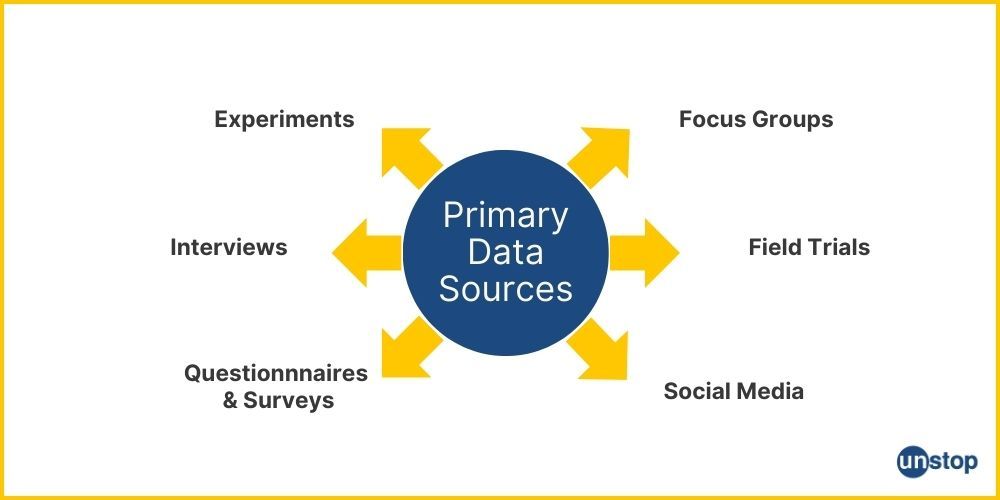

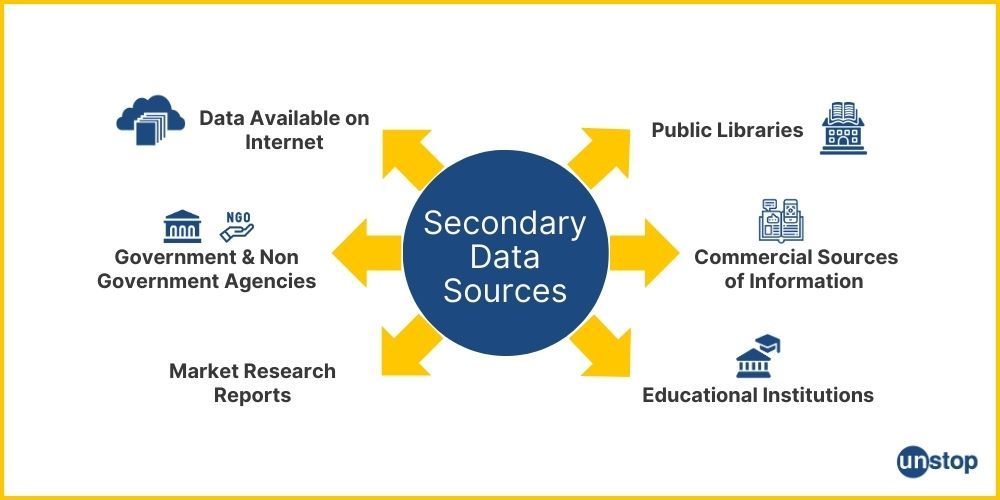
Data can be classified into two main categories based on its source.
Primary Data
Primary data is collected directly by the researcher for a specific purpose.
Examples:
- surveys
- experiments
- interviews
- observations
Primary data is usually more reliable because it is collected specifically for the study.
Secondary Data
Secondary data is data that has already been collected by someone else.
Examples:
- government reports
- census data
- research publications
- statistical databases
Secondary data is easier and less expensive to obtain, but it may not always perfectly match the research objective.
Sampling Techniques


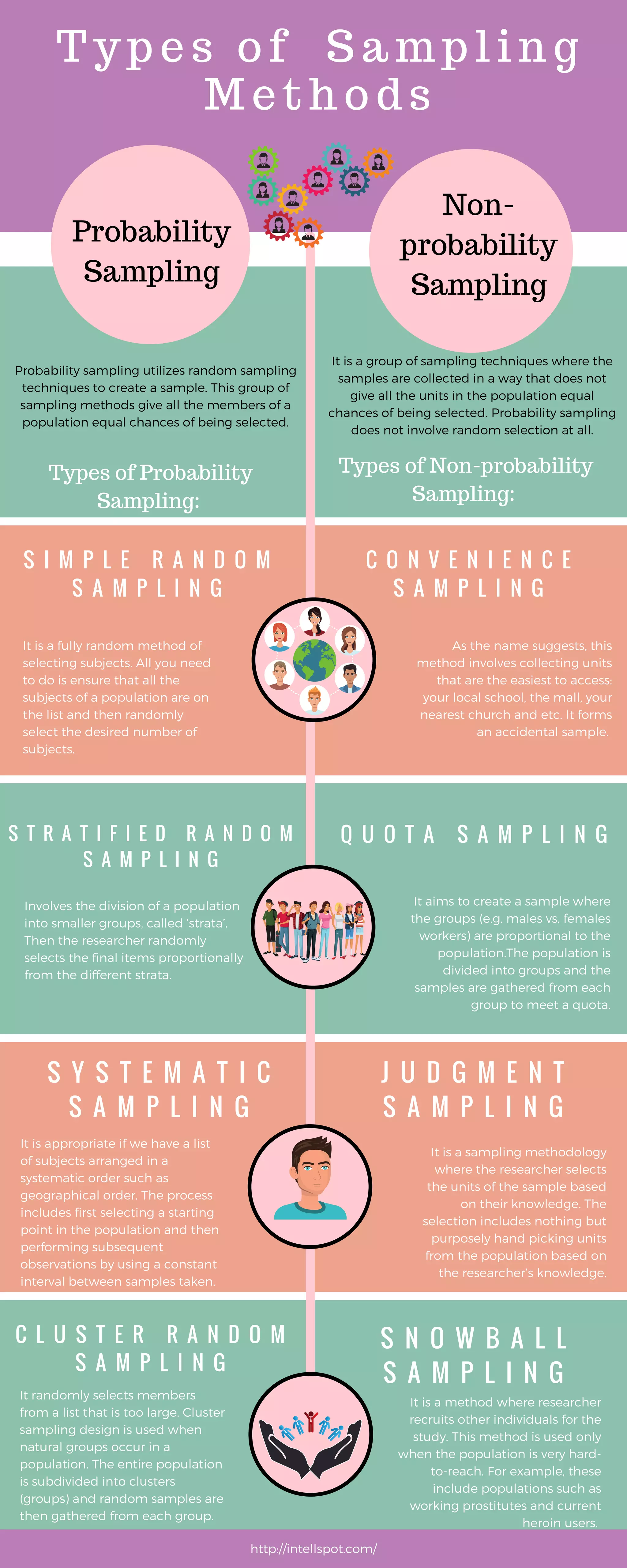
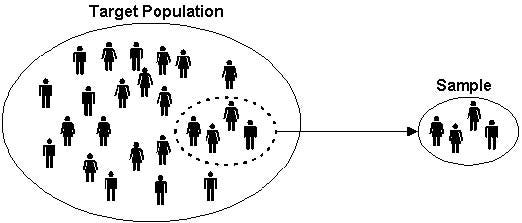
When collecting data, it is often impractical to study an entire population. Instead, researchers study a sample.
A sample is a smaller subset of the population.
Simple Random Sampling
Each member of the population has an equal chance of being selected.
Stratified Sampling
The population is divided into groups called strata, and samples are selected from each group.
Systematic Sampling
Every nth element of the population is selected.
Cluster Sampling
The population is divided into clusters, and entire clusters are randomly selected.
Sampling techniques help researchers collect data efficiently while maintaining accuracy.
Data Collection Tools


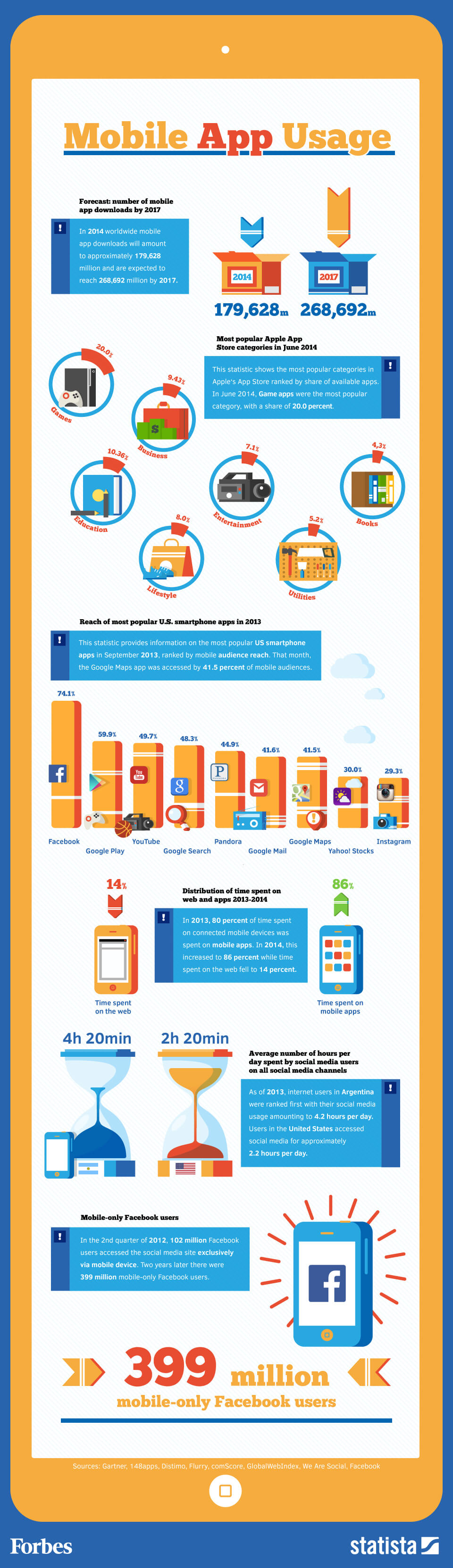
Various tools are used to collect data.
Questionnaires
Written sets of questions used to gather responses from participants.
Checklists
Lists used to record observations or events.
Measurement Instruments
Devices such as thermometers, scales, and sensors.
Digital Tools
Modern research often uses online forms, mobile applications, and automated data collection systems.
These tools help ensure accurate and efficient data collection.
Challenges in Data Collection


Despite its importance, data collection faces several challenges.
Sampling Bias
Occurs when the sample does not accurately represent the population.
Measurement Errors
Incorrect instruments or methods may produce inaccurate data.
Non-response
Some individuals may refuse to participate in surveys.
Data Inconsistency
Incomplete or inconsistent data can affect analysis.
Researchers must carefully design studies to minimize these problems.
Data Organization After Collection


After data is collected, it must be organized and summarized.
Common methods include:
Tables
Organizing data in rows and columns.
Frequency Distribution
Showing how often each value occurs.
Graphs and Charts
Visual representations such as:
- bar charts
- pie charts
- histograms
- line graphs
Data organization helps make analysis easier and clearer.
Applications of Data Collection

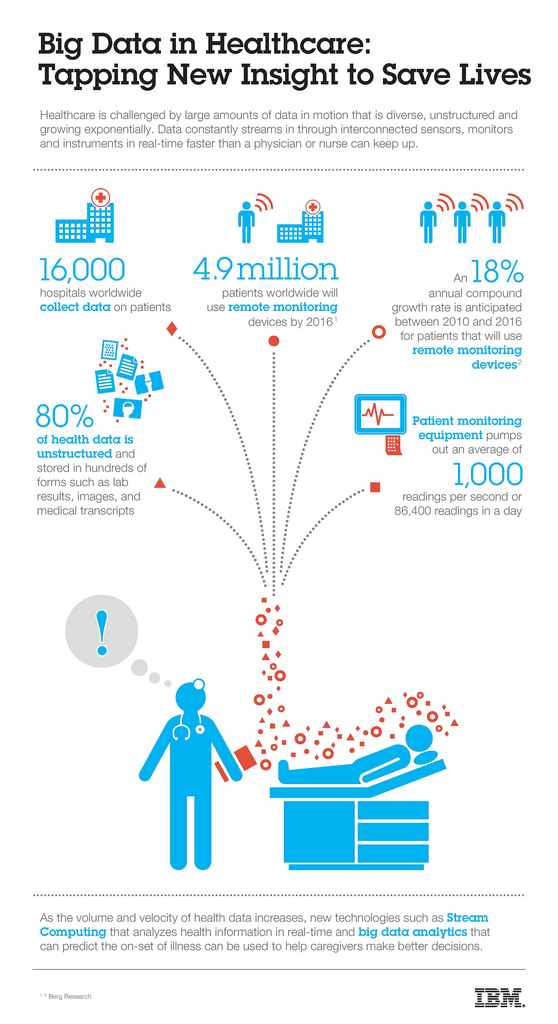


Data collection is used in many fields.
Business
Companies collect data about customers, sales, and market trends.
Healthcare
Medical researchers collect patient data to study diseases.
Education
Schools collect data about student performance.
Government
Governments collect census data to understand population trends.
Science
Scientists collect experimental data to test theories.
These applications demonstrate the importance of accurate data collection.
Importance of Data Collection in Mathematics and Statistics
Data collection is the starting point of the statistical process.
It enables mathematicians and statisticians to:
- analyze patterns
- test theories
- develop models
- make predictions
Good data collection practices improve the reliability of statistical results and ensure accurate conclusions.
Without proper data collection, statistical analysis cannot provide meaningful insights.
Conclusion
Data collection is a fundamental process in mathematics and statistics that involves gathering information for analysis and interpretation. It forms the basis of statistical studies and plays a crucial role in research, decision-making, and scientific investigations.
Various methods such as surveys, observations, interviews, and experiments are used to collect data. Data can be classified into primary and secondary data depending on its source, and sampling techniques help researchers study populations efficiently.
Accurate data collection allows researchers to identify patterns, analyze trends, and develop models that describe real-world phenomena. Because of its importance in science, business, healthcare, and government, data collection remains a critical component of modern research and statistical analysis.
Understanding data collection helps students and researchers build strong foundations in statistics and develop skills for analyzing information effectively.