


📘 1. Introduction to NoSQL Databases
NoSQL (Not Only SQL) databases are a class of database systems designed to handle large volumes of unstructured, semi-structured, or rapidly changing data. Unlike traditional relational databases (RDBMS), NoSQL databases do not rely on fixed table schemas.
They emerged to address the limitations of relational databases in:
- Big data environments
- High scalability applications
- Real-time systems
- Distributed architectures
🔹 What Does “NoSQL” Mean?
- “Not Only SQL” → supports SQL-like queries in some systems
- Focus on flexibility and scalability
- Designed for modern applications
🔹 Why NoSQL Was Created
Traditional SQL databases struggle with:
- Horizontal scaling
- Handling unstructured data
- High-speed data ingestion
- Distributed computing
NoSQL solves these issues by:
- Distributing data across nodes
- Using flexible schemas
- Optimizing for specific use cases
🧠 2. Key Characteristics of NoSQL
🔹 1. Schema Flexibility
- No fixed schema
- Different records can have different structures
🔹 2. Horizontal Scalability
- Data distributed across multiple servers
- Easily scalable
🔹 3. High Performance
- Optimized for speed and throughput
🔹 4. Distributed Architecture
- Built for cloud and distributed systems
🔹 5. Eventual Consistency
- Uses BASE model instead of strict ACID
⚖️ 3. NoSQL vs SQL
| Feature | SQL | NoSQL |
|---|---|---|
| Schema | Fixed | Flexible |
| Data Type | Structured | Unstructured |
| Scaling | Vertical | Horizontal |
| Consistency | Strong (ACID) | Eventual (BASE) |
| Query Language | SQL | Varies |
🧩 4. Types of NoSQL Databases


NoSQL databases are categorized into four main types:
🔹 1. Key-Value Stores
Concept:
- Data stored as key-value pairs
Example:
{
  "user123": "Rishan"
}
Features:
- Extremely fast
- Simple structure
Use Cases:
- Caching
- Session management
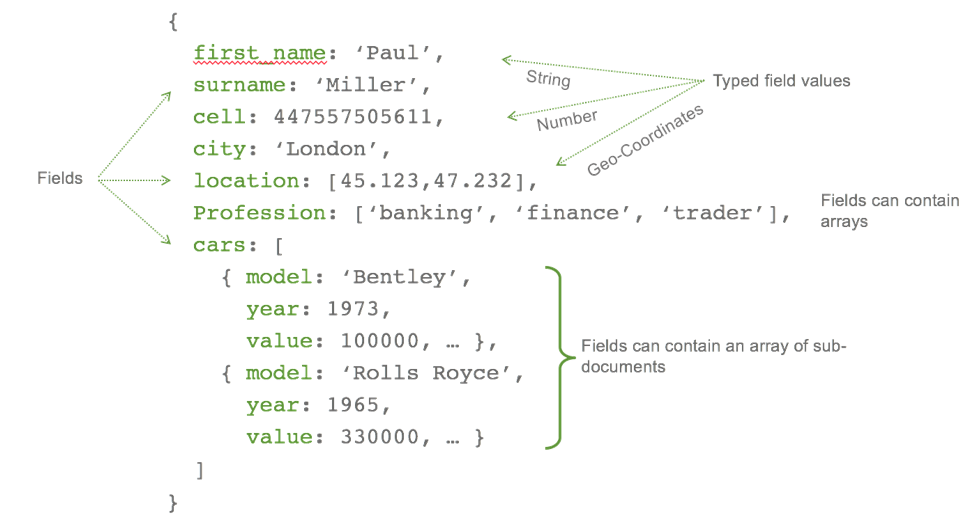
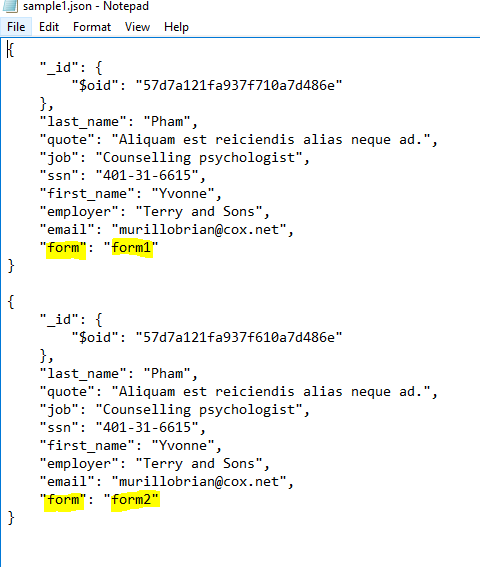
🔹 2. Document Databases
Concept:
- Data stored in JSON-like documents
Example:
{
  "name": "Rishan",
  "age": 22,
  "skills": ["SQL", "Python"]
}
Features:
- Flexible schema
- Nested data
Use Cases:
- Content management
- Web applications
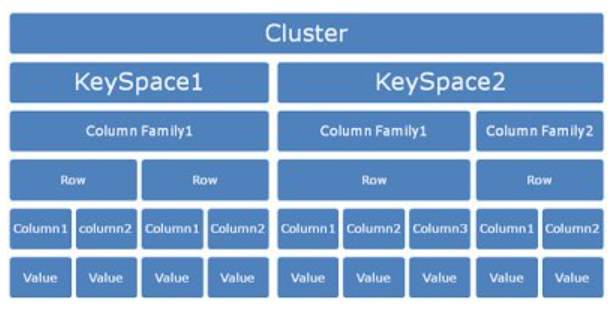
🔹 3. Column-Family Databases
Concept:
- Data stored in columns instead of rows
Features:
- High scalability
- Efficient for large datasets
Use Cases:
- Big data analytics
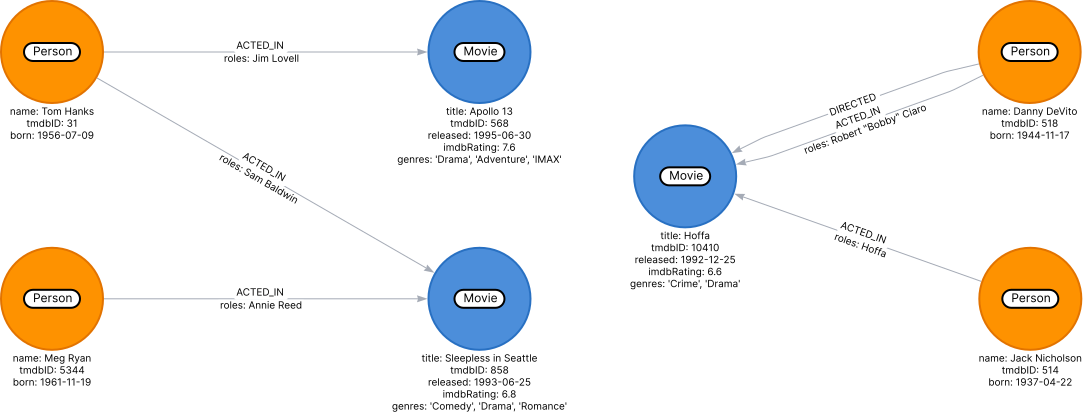
🔹 4. Graph Databases
Concept:
- Data stored as nodes and edges
Features:
- Efficient relationship handling
Use Cases:
- Social networks
- Recommendation systems
🏗️ 5. Data Modeling in NoSQL

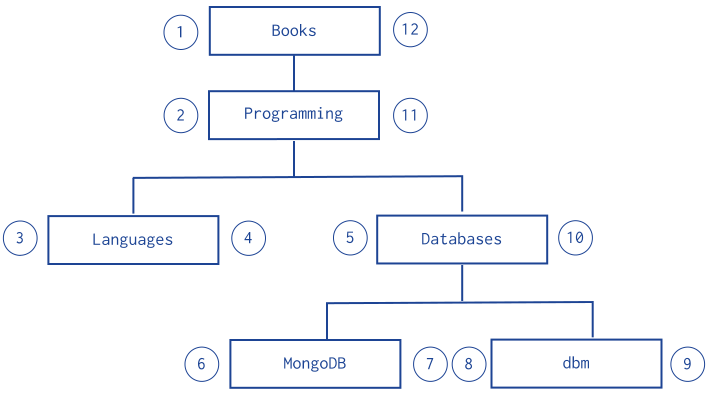


🔹 Key Approaches
1. Embedding
- Store related data together
2. Referencing
- Use references between documents
🔹 Denormalization
- Common in NoSQL
- Improves performance
- Reduces joins
⚡ 6. CAP Theorem


CAP theorem states that a distributed system can only guarantee two of:
- Consistency
- Availability
- Partition Tolerance
🔹 Trade-offs
- CP (Consistency + Partition Tolerance)
- AP (Availability + Partition Tolerance)
🔄 7. BASE Model
🔹 BASE stands for:
- Basically Available
- Soft state
- Eventually consistent
🔹 Comparison with ACID
- Less strict consistency
- Higher scalability
🧠 8. Consistency Models
🔹 Types
- Strong consistency
- Eventual consistency
- Causal consistency
🔐 9. Replication and Sharding


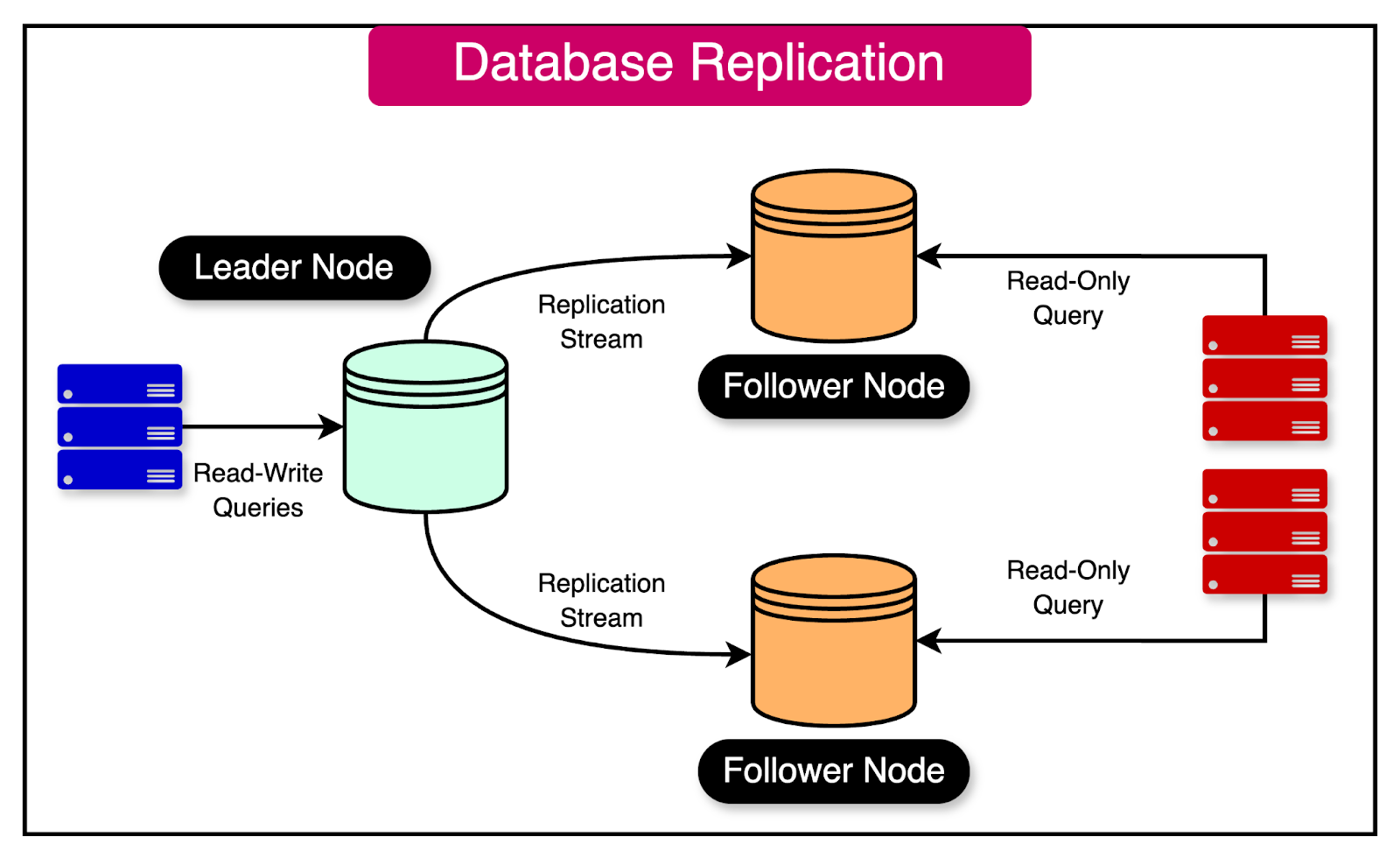
🔹 Replication
- Copies data across nodes
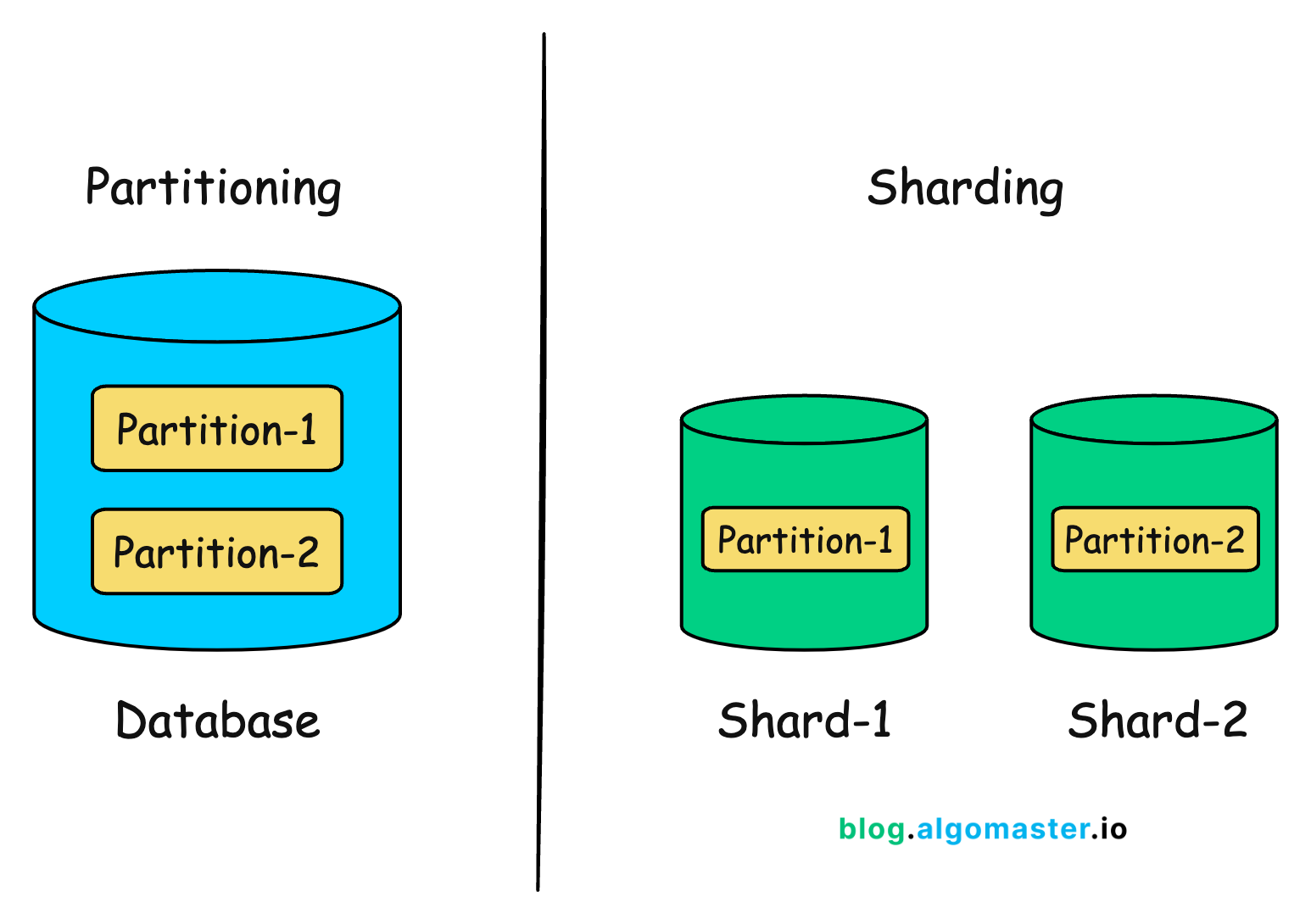
🔹 Sharding
- Splits data into partitions
⚙️ 10. Query Mechanisms
🔹 Examples
- Key-based retrieval
- Document queries
- Graph traversal
🧩 11. Indexing in NoSQL
- Secondary indexes
- Full-text indexes
- Geospatial indexes
🧪 12. Transactions in NoSQL
- Limited ACID support
- Some databases support multi-document transactions
🌐 13. Popular NoSQL Databases
🔹 Examples
- MongoDB (Document)
- Cassandra (Column-family)
- Redis (Key-value)
- Neo4j (Graph)
📊 14. Real-World Applications
🔹 Social Media
- User profiles
- Feeds
🔹 E-commerce
- Product catalogs
- Recommendations
🔹 IoT Systems
- Sensor data
🔹 Big Data Analytics
- Large-scale processing
⚡ 15. Advantages of NoSQL
- High scalability
- Flexible schema
- Fast performance
- Handles big data
⚠️ 16. Limitations of NoSQL
- Lack of standardization
- Complex queries
- Eventual consistency issues
🧠 17. When to Use NoSQL
- Large-scale applications
- Rapid development
- Unstructured data
🏗️ 18. NoSQL in Cloud Computing
- Managed services
- Auto-scaling
- High availability
🔄 19. Hybrid Databases
- Combine SQL and NoSQL
- Multi-model databases
🔮 20. Future of NoSQL
- AI integration
- Real-time analytics
- Edge computing
🏁 Conclusion
NoSQL databases are essential for modern applications requiring scalability, flexibility, and performance. While they trade strict consistency for speed and scalability, they are ideal for handling big data and distributed systems.
Mastering NoSQL helps developers build high-performance, scalable, and resilient systems.