Tag Archives: Fairness

🌍 Social Values β€” Equality, Justice & Cooperation

A Comprehensive Detailed Study


🌟 Introduction

Image
Image
Image
Image

Social values are the shared principles and standards that guide behavior within a society, ensuring harmony, fairness, and collective well-being. Among these, equality, justice, and cooperation are fundamental pillars that sustain peaceful and progressive communities.

These values influence how individuals interact, how societies are structured, and how institutions function. They promote respect for human dignity, fairness in opportunities, and collective responsibility, making them essential for both individual development and societal progress.


🧭 Meaning of Social Values


πŸ”Ή Definition

Social values are the beliefs and norms that define acceptable behavior in society and guide interactions among individuals and groups.


πŸ”Ή Key Characteristics

  • Shared by society
  • Promote harmony
  • Influence behavior
  • Evolve over time

🌱 Core Social Values


βš–οΈ 1. Equality


πŸ”Ή Meaning

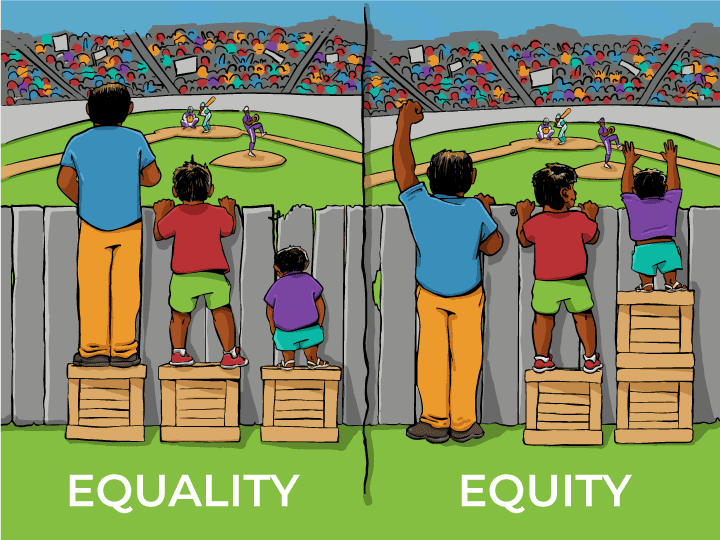
Equality refers to the state of being equal in rights, opportunities, and treatment regardless of differences such as gender, race, religion, or social status.


🌟 Nature of Equality

Image
Image
Image
Image

πŸ”Ή 1. Universal

  • Applies to all individuals

πŸ”Ή 2. Inclusive

  • Promotes diversity

πŸ”Ή 3. Dynamic

  • Evolves with society

🌍 Types of Equality

  • Social Equality – Equal status in society
  • Economic Equality – Fair distribution of resources
  • Political Equality – Equal rights in governance
  • Gender Equality – Equal rights for all genders

🌟 Importance of Equality

  • Promotes fairness
  • Reduces discrimination
  • Enhances social harmony
  • Encourages participation

⚠️ Challenges to Equality

  • Discrimination
  • Inequality of resources
  • Social hierarchies

βš–οΈ 2. Justice


πŸ”Ή Meaning

Justice refers to the principle of fairness in the distribution of rights, duties, and resources, ensuring that individuals are treated fairly.


🌟 Nature of Justice

Image
Image
Image
Image

πŸ”Ή 1. Fairness

  • Equal treatment

πŸ”Ή 2. Impartiality

  • No bias

πŸ”Ή 3. Rule of Law

  • Based on legal systems

🌍 Types of Justice

  • Distributive Justice – Fair distribution of resources
  • Procedural Justice – Fair processes
  • Social Justice – Equal opportunities
  • Restorative Justice – Repairing harm

🌟 Importance of Justice

  • Maintains law and order
  • Protects rights
  • Promotes equality
  • Builds trust

⚠️ Challenges to Justice

  • Corruption
  • Bias
  • Ineffective systems

🀝 3. Cooperation


πŸ”Ή Meaning

Cooperation is the process of working together toward a common goal for mutual benefit.


🌟 Nature of Cooperation

Image
Image
Image
Image

πŸ”Ή 1. Mutual

  • Involves shared effort

πŸ”Ή 2. Goal-Oriented

  • Focus on common objectives

πŸ”Ή 3. Voluntary

  • Based on willingness

🌍 Types of Cooperation

  • Direct Cooperation – Working together physically
  • Indirect Cooperation – Through division of labor
  • International Cooperation – Between countries

🌟 Importance of Cooperation

  • Achieves goals efficiently
  • Strengthens relationships
  • Promotes unity
  • Enhances productivity

⚠️ Challenges to Cooperation

  • Competition
  • Lack of trust
  • Individualism

πŸ”„ Interrelationship Between Equality, Justice, and Cooperation


🌟 Integrated Social Framework

Image
Image
Image
Image
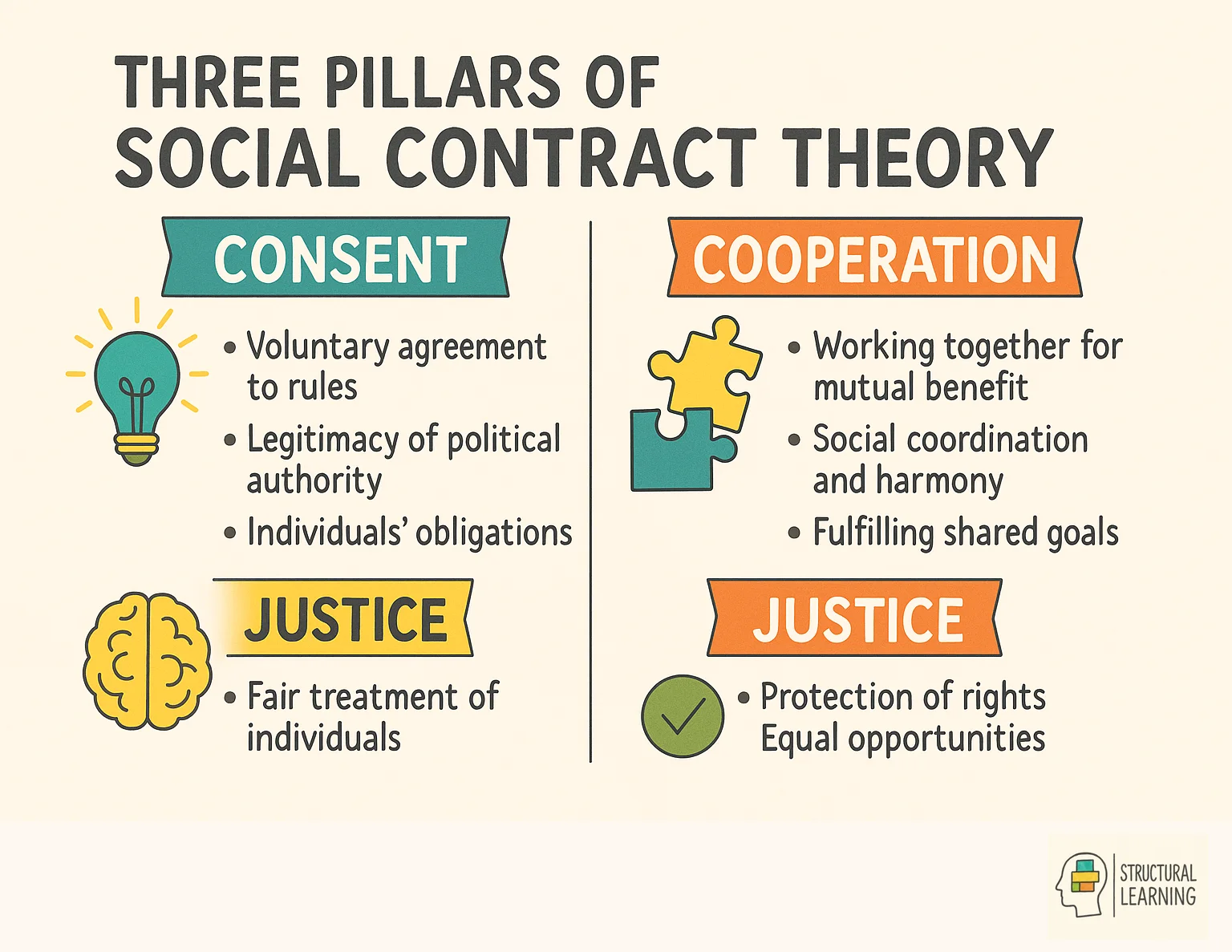
  • Equality ensures fair opportunities
  • Justice ensures fairness in action
  • Cooperation ensures collective progress

πŸ‘‰ Together, they create a balanced and harmonious society.


🌍 Importance of Social Values


πŸ”Ή 1. Social Harmony

  • Reduces conflicts

πŸ”Ή 2. Economic Development

  • Encourages participation

πŸ”Ή 3. Political Stability

  • Ensures fairness

πŸ”Ή 4. Cultural Integration

  • Promotes diversity

🌱 Social Values in Daily Life


πŸ”Ή Family

  • Equal treatment

πŸ”Ή School

  • Fair rules

πŸ”Ή Workplace

  • Team collaboration

πŸ”Ή Society

  • Justice and equality

🌍 Role in Human Development


  • Builds ethical behavior
  • Encourages responsibility
  • Promotes inclusivity

🌱 Social Values and Democracy


  • Equality ensures voting rights
  • Justice ensures rule of law
  • Cooperation ensures governance

🌍 Challenges in Modern Society


πŸ”Ή Inequality

πŸ”Ή Social Injustice

πŸ”Ή Lack of Cooperation

πŸ”Ή Cultural Conflicts


🌱 Promoting Social Values


πŸ”Ή Education

  • Value-based learning

πŸ”Ή Awareness

  • Social campaigns

πŸ”Ή Policies

  • Fair laws

πŸ”Ή Community Participation

  • Collective efforts

🌍 Role in Global Peace


  • Encourages international cooperation
  • Promotes human rights
  • Reduces conflicts

🌱 Practical Applications


πŸ”Ή Students

  • Group work

πŸ”Ή Professionals

  • Workplace ethics

πŸ”Ή Citizens

  • Civic participation

🌟 Conclusion

Social values such as equality, justice, and cooperation are essential for building a fair, inclusive, and harmonious society. They guide human behavior, promote ethical living, and ensure collective progress.

In a world facing challenges like inequality and conflict, strengthening these values is crucial for achieving sustainable development and global peace.


🏷️ Tags

βš–οΈ Justice in Political Science (Distributive, Social, and Rawls’ Theory – Comprehensive Explanation)


🌍 Visual Overview: Justice in Society

Image
Image
Image
Image

πŸ“˜ 1. Introduction to Justice

Justice is one of the most central and enduring concepts in political philosophy, closely linked with fairness, morality, equality, and rights. It concerns how individuals are treated within society, how benefits and burdens are distributed, and how institutions should operate to ensure fairness.

From ancient times to modern political theory, thinkers have debated what constitutes justice and how it can be achieved. Justice is not only a philosophical idea but also a practical principle guiding laws, governance, and public policies.


🧠 2. Meaning and Definitions of Justice

πŸ“Œ Basic Meaning

Justice refers to fairness in the treatment of individuals and the distribution of resources, rights, and responsibilities in society.


🧾 Classical Definitions

  • Aristotle:
    Justice means giving each person what they deserve.
  • Plato:
    Justice is harmony in society where each part performs its proper function.
  • John Rawls:
    Justice is fairness, achieved through equal basic rights and fair distribution.

πŸ”‘ Key Features of Justice

  • Fairness and impartiality
  • Equality and equity
  • Protection of rights
  • Moral and legal dimensions

βš–οΈ 3. Types of Justice

Justice is broadly divided into different categories, but the most important ones in political science are:

  • Distributive Justice
  • Social Justice
  • Procedural Justice (brief mention)
  • Corrective Justice (brief mention)

🟒 4. Distributive Justice

πŸ“Œ Meaning

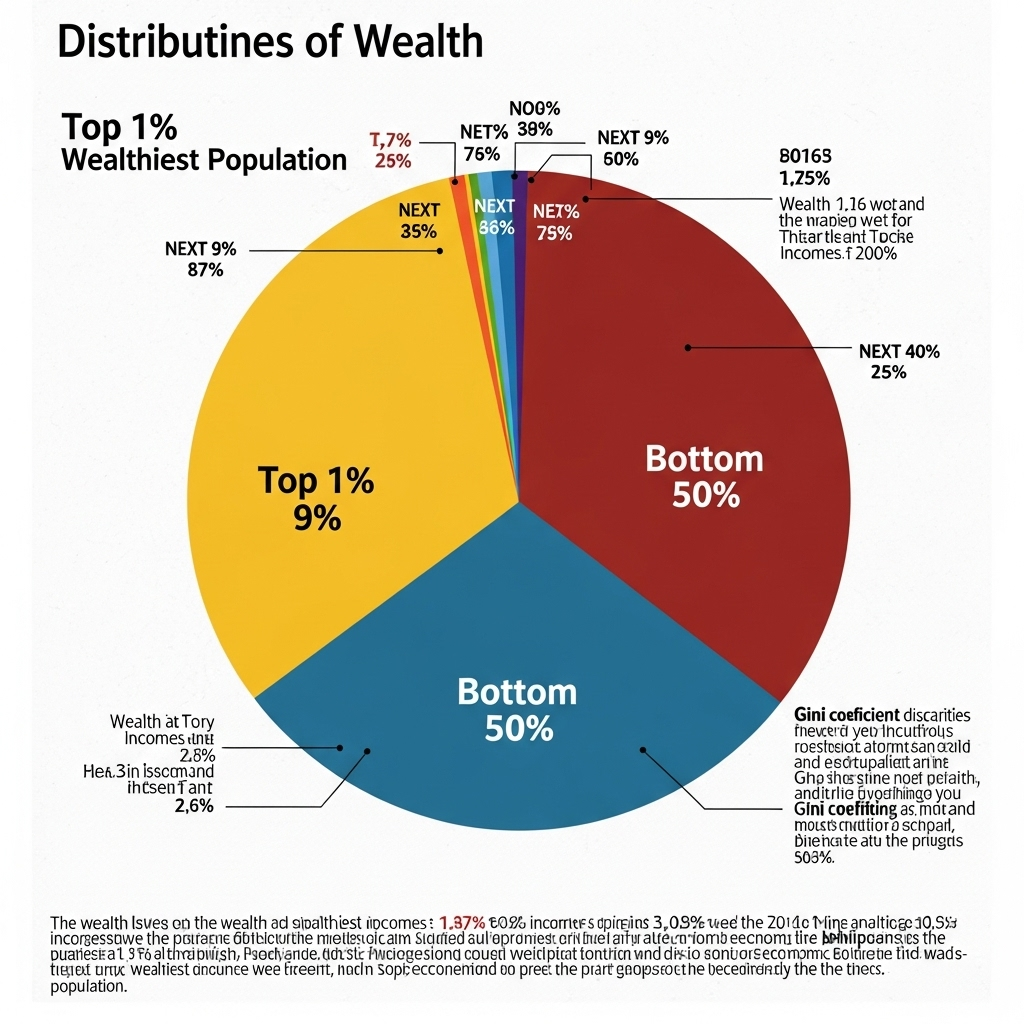
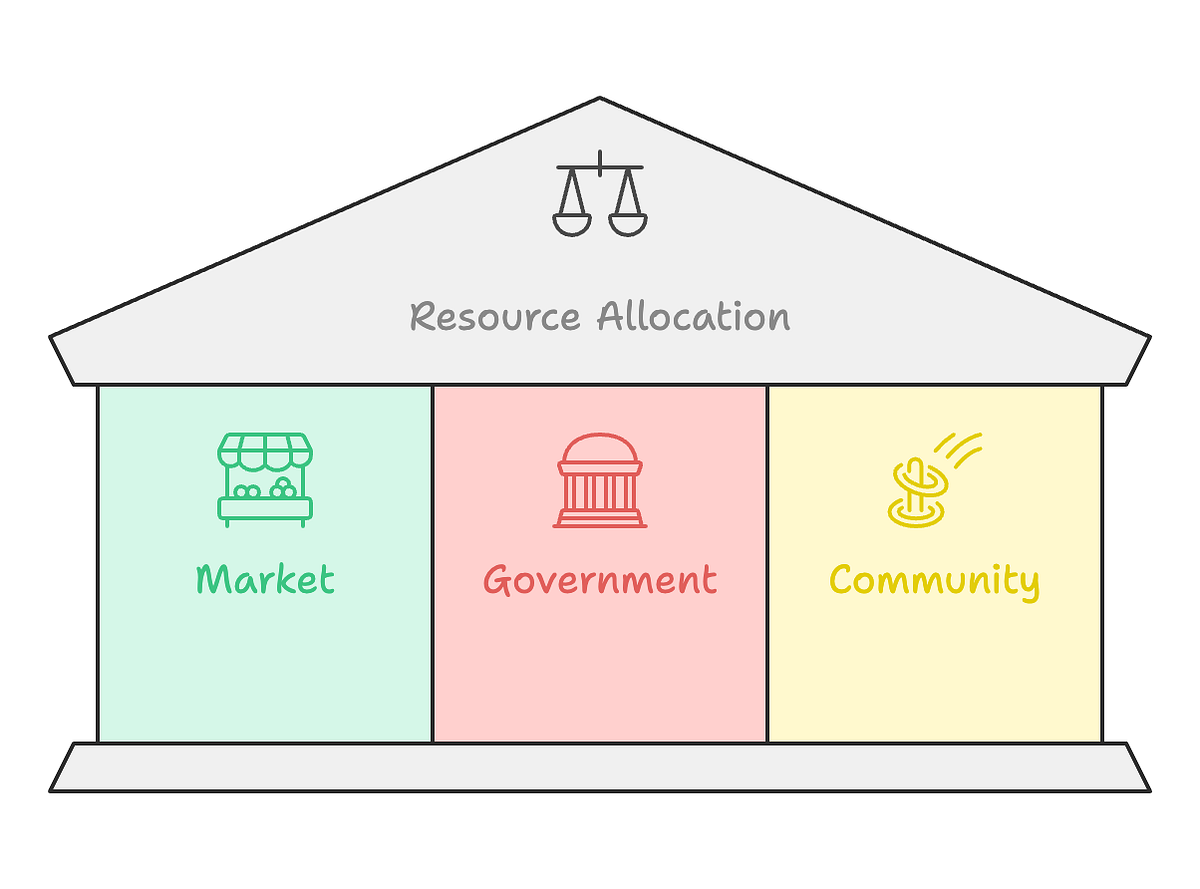
Distributive justice deals with the fair allocation of resources, wealth, opportunities, and benefits among members of society.


🧩 Principles of Distribution

1. Equality

  • Equal share for all

2. Equity (Merit-based)

  • Based on contribution or ability

3. Need

  • Based on individual needs

🌍 Visual Representation

Image
Image
Image
Image

🧠 Thinkers and Approaches

  • Aristotle β†’ Proportional equality
  • Karl Marx β†’ Distribution based on need
  • John Rawls β†’ Fair distribution

πŸ“Š Examples

  • Taxation policies
  • Welfare schemes
  • Subsidies and public services

⚠️ Challenges

  • Measuring fairness
  • Balancing equality and efficiency
  • Economic disparities

πŸ”΅ 5. Social Justice

πŸ“Œ Meaning

Social justice refers to the creation of a fair and inclusive society where all individuals have equal rights, opportunities, and access to resources.


🧩 Key Components

1. Equality of Opportunity

  • Everyone gets a fair chance

2. Protection of Rights

  • Civil, political, and human rights

3. Elimination of Discrimination

  • Based on caste, gender, race

4. Welfare and Support

  • Assistance to disadvantaged groups

🌍 Visual Representation

Image
Image
Image
Image

πŸ“Š Examples

  • Reservation/affirmative action
  • Anti-discrimination laws
  • Social welfare programs

⚠️ Challenges

  • Deep-rooted inequalities
  • Social prejudices
  • Resource limitations

🟣 6. Rawls’ Theory of Justice (Justice as Fairness)

πŸ‘€ About John Rawls

Image
Image
Image
Image

John Rawls (1921–2002) is one of the most influential modern political philosophers. His theory, presented in A Theory of Justice, revolutionized the understanding of justice.


πŸ“Œ Core Idea

πŸ‘‰ Justice should be based on fairness, ensuring that social arrangements benefit everyone, especially the least advantaged.


🧩 Key Concepts in Rawls’ Theory


🎭 1. Original Position

  • Hypothetical situation where individuals decide principles of justice

πŸ•ΆοΈ 2. Veil of Ignorance

  • People do not know their:
    • Social status
    • Wealth
    • Abilities
    • Gender

πŸ‘‰ Ensures impartial decision-making


🌍 Visual Representation

Image
Image
Image
Image

βš–οΈ 3. Two Principles of Justice

🟒 First Principle: Equal Basic Liberties

  • Equal rights for all
  • Freedom of speech, religion

πŸ”΅ Second Principle: Difference Principle

  • Inequalities are allowed only if:
    • They benefit the least advantaged
    • There is equal opportunity

πŸ“Š Example

  • Higher salaries for skilled workers are acceptable
    πŸ‘‰ Only if they improve overall welfare

πŸ” Importance of Rawls’ Theory

  • Balances liberty and equality
  • Supports welfare policies
  • Influences modern democracies

⚠️ Criticism of Rawls

  • Robert Nozick β†’ Too much redistribution
  • Marxists β†’ Not radical enough
  • Communitarians β†’ Ignores social context

πŸ”— 7. Relationship Between Distributive and Social Justice

Image
Image
Image
Image
  • Distributive justice β†’ Focus on resources
  • Social justice β†’ Focus on society as a whole

πŸ‘‰ Both are interconnected and essential


βš–οΈ 8. Justice vs Equality vs Liberty

  • Justice ensures fairness
  • Equality ensures equal treatment
  • Liberty ensures freedom

πŸ‘‰ A balanced system integrates all three


🌍 9. Justice in Modern Context

πŸ“± Digital Justice

  • Access to technology

🌐 Global Justice

  • Fair distribution between nations

πŸ§‘β€πŸ€β€πŸ§‘ Environmental Justice

  • Fair use of resources

⚠️ 10. Challenges to Justice

  • Economic inequality
  • Social discrimination
  • Political corruption
  • Global disparities

🧠 11. Importance of Justice

  • Maintains social order
  • Promotes fairness
  • Protects rights
  • Enhances stability

🧾 12. Measures to Achieve Justice

  • Legal frameworks
  • Welfare policies
  • Education and awareness
  • Democratic governance

🧠 13. Conclusion

Justice is the foundation of a fair and stable society. Distributive justice ensures fair allocation of resources, social justice promotes equality and inclusion, and Rawls’ theory provides a modern framework for fairness.

A just society balances liberty, equality, and fairness, ensuring that every individual can live with dignity and opportunity.