Tag Archives: Legislature

🏛️ Legislature: Structure and Functions (Comprehensive Explanation in Political Science)


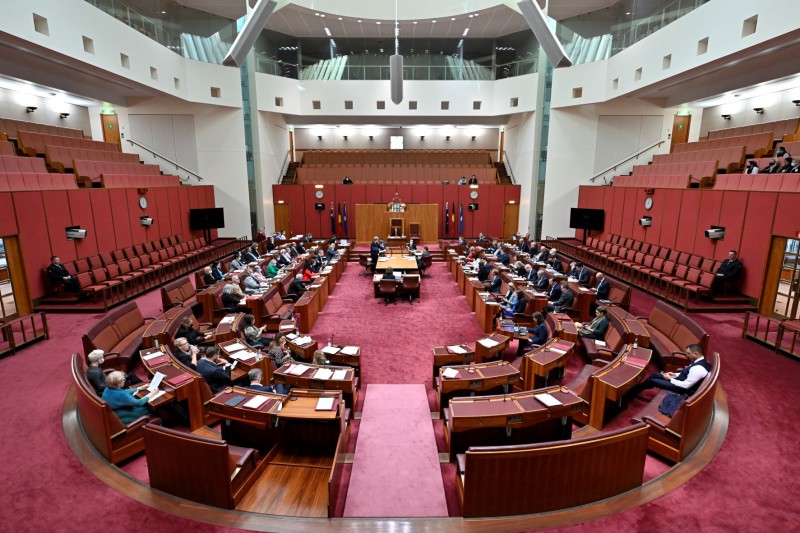
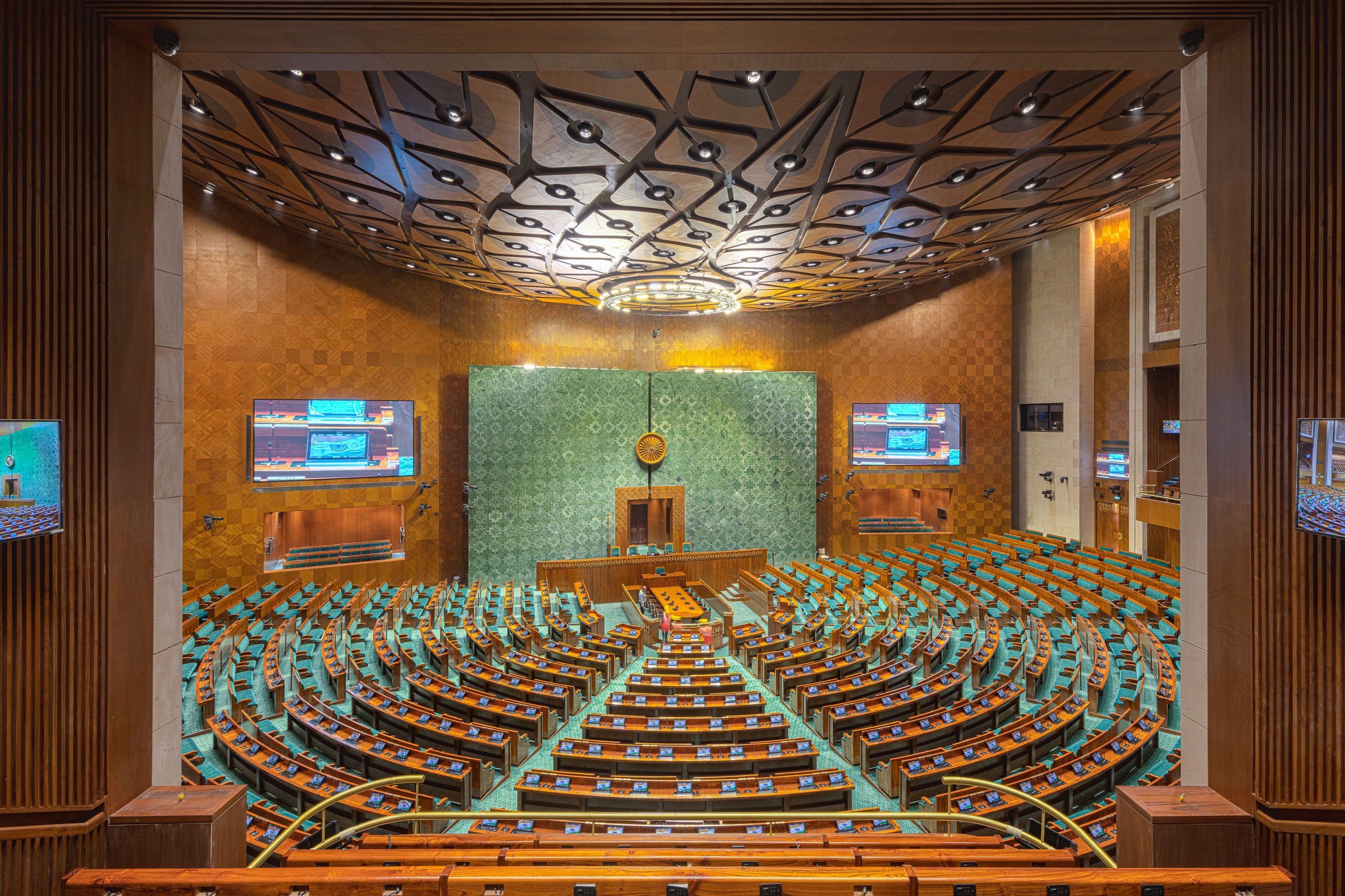
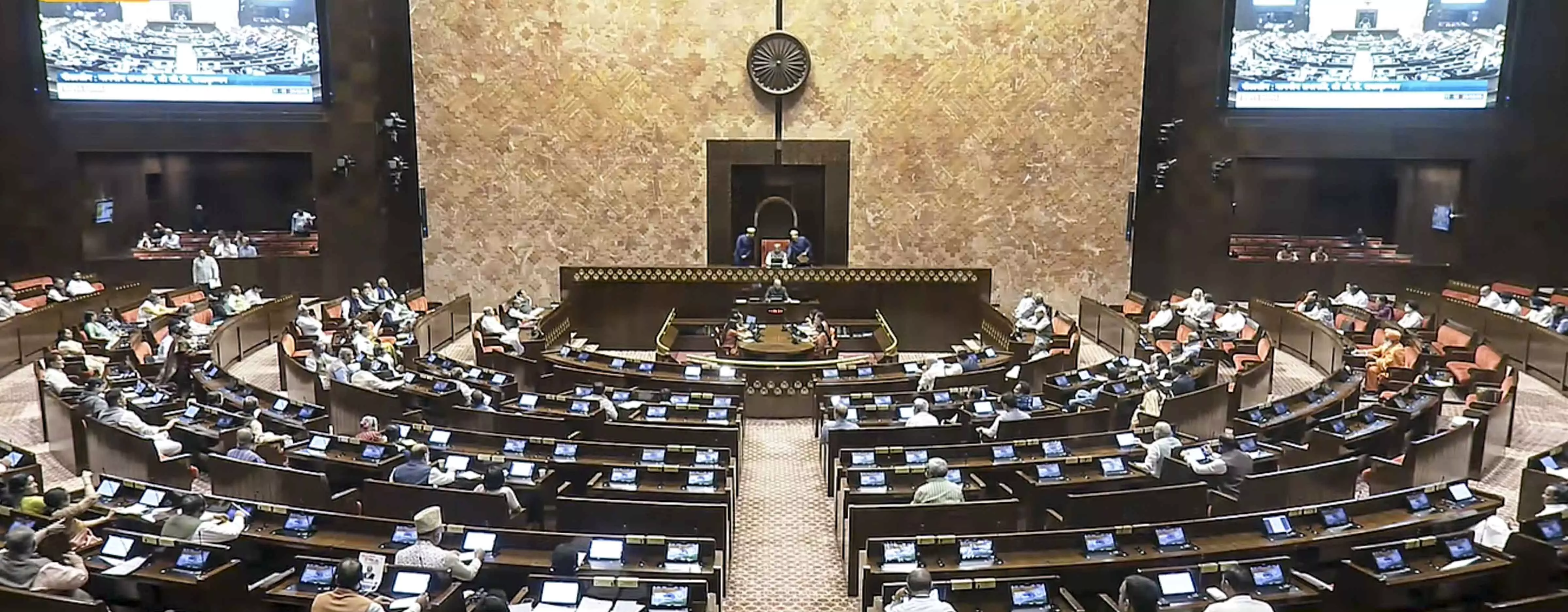
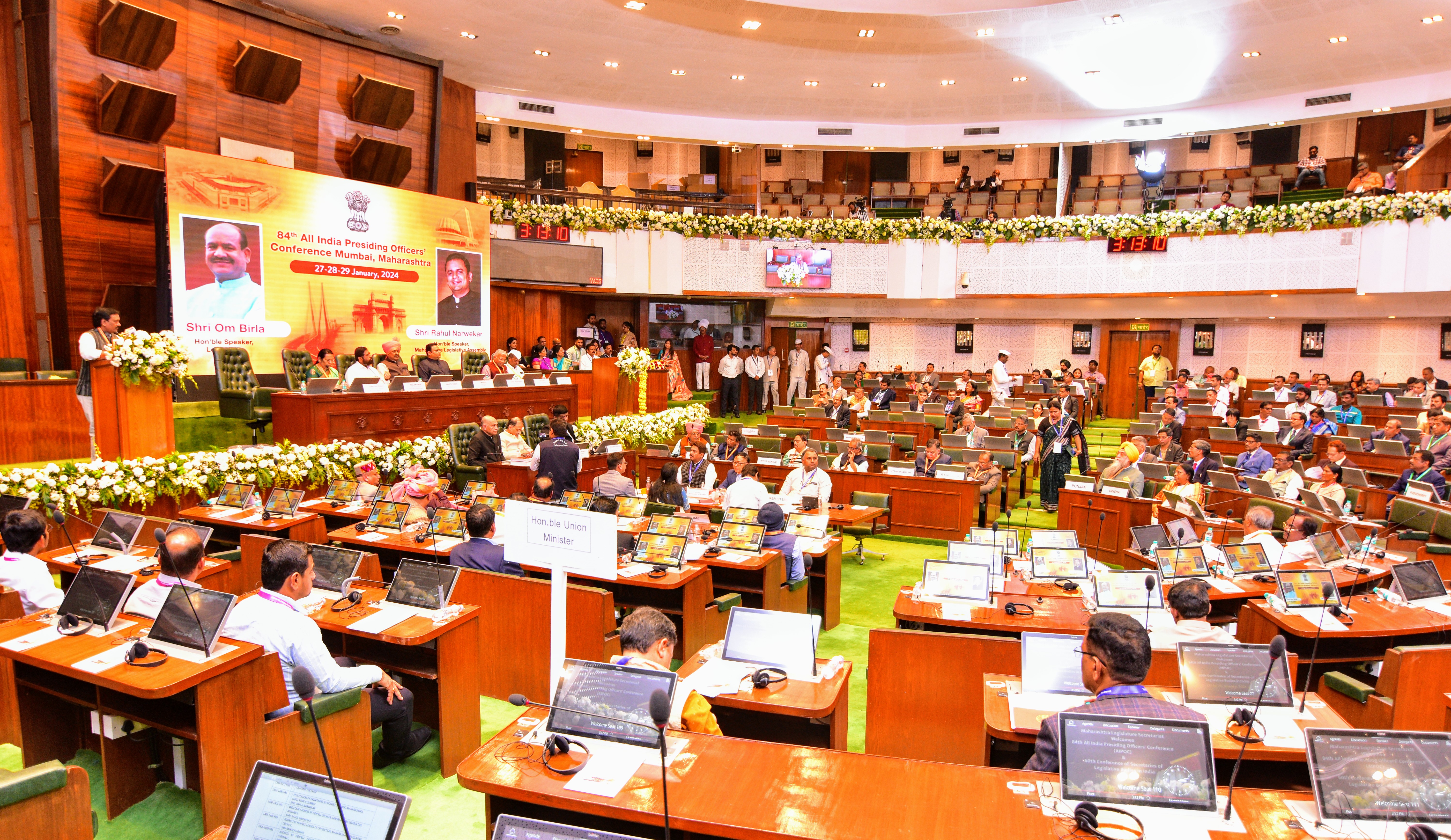
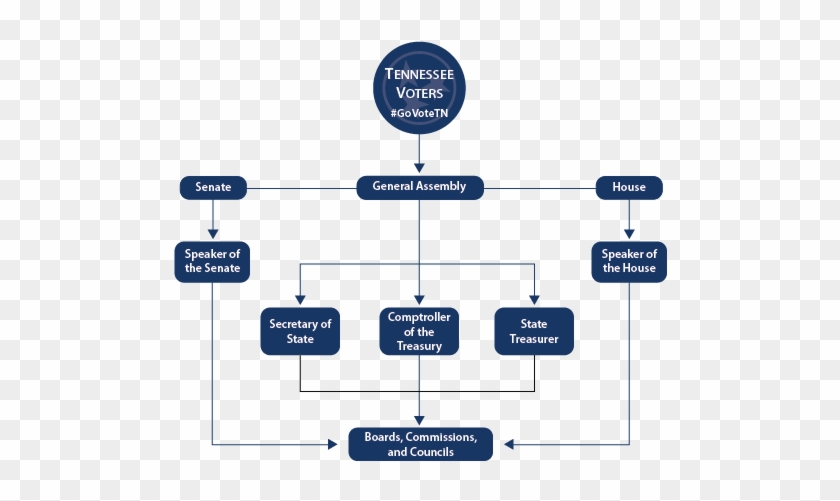
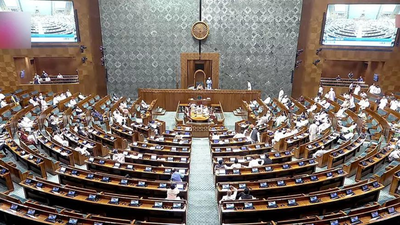
🌍 Visual Overview: Legislature in Action
Image
Image
Image
Image

📘 1. Introduction to Legislature

The Legislature is one of the most important organs of government and forms the law-making body of the state. It represents the will of the people and plays a central role in democratic governance. Through legislation, debate, and oversight, the legislature ensures that governance is conducted in accordance with the constitution and public interest.

In modern political systems, especially democracies, the legislature is often regarded as the “heart of democracy”, because it reflects the voice of citizens and acts as a bridge between the government and the people.


🧠 2. Meaning and Definitions of Legislature

📌 Basic Meaning

The legislature is a representative body responsible for making, amending, and repealing laws.


🧾 Definitions

  • A.V. Dicey:
    Legislature is the supreme law-making authority in a state.
  • John Locke:
    The legislative power is the supreme power of the commonwealth.

🔑 Key Features

  • Representative institution
  • Law-making authority
  • Accountability mechanism
  • Deliberative body

🧱 3. Structure of Legislature

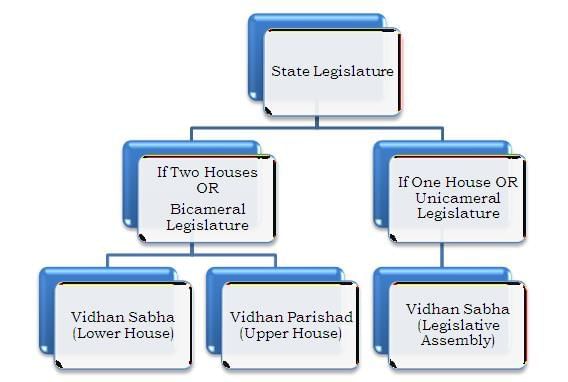
Legislatures differ across countries, but they generally fall into two main structural types:


🟢 3.1 Unicameral Legislature

📌 Meaning

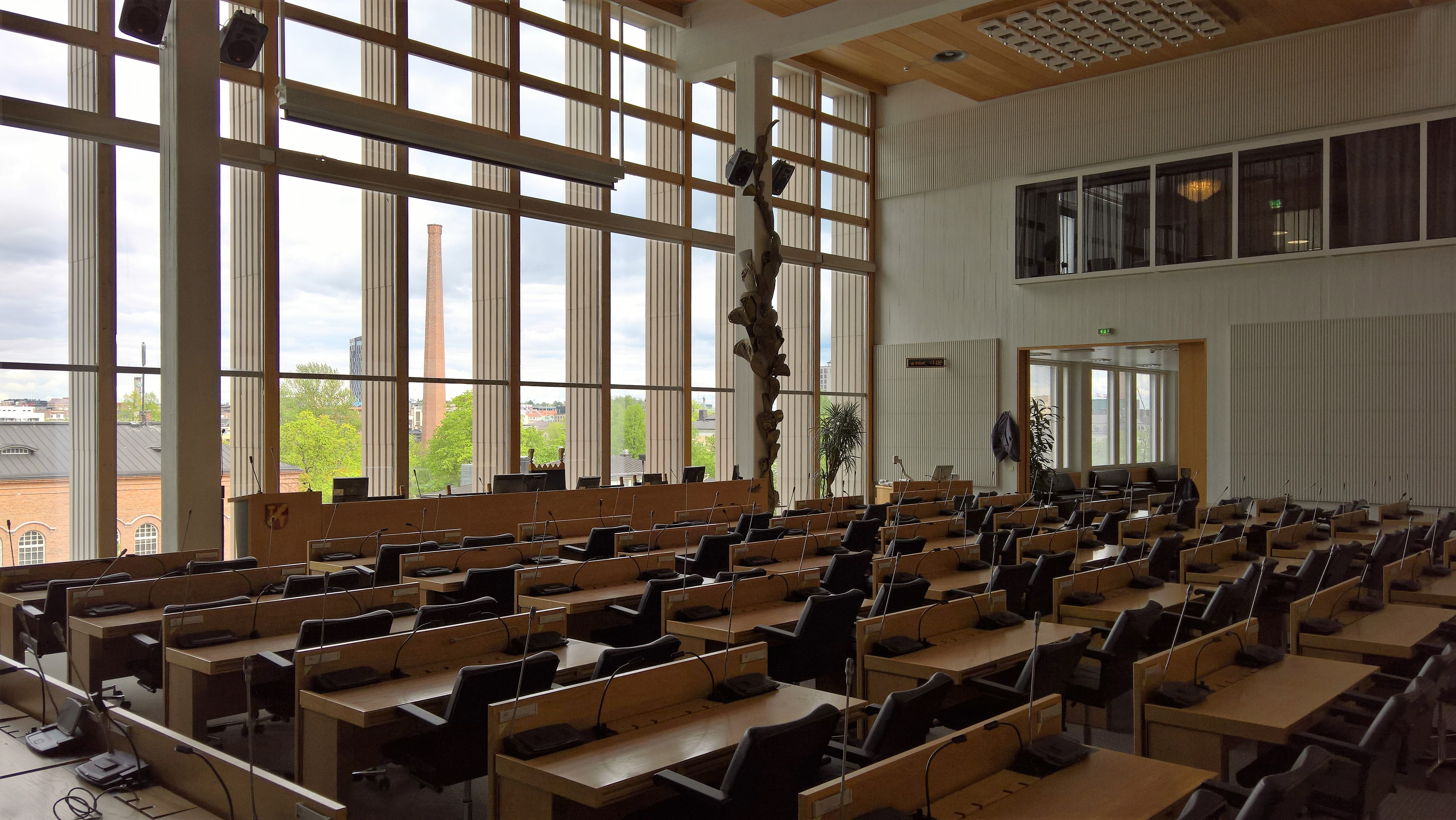
A legislature with only one chamber or house.


🌍 Visual Representation

Image
Image
Image
Image

🧩 Features

  • Single legislative body
  • Faster decision-making
  • Simpler structure

📊 Examples

  • New Zealand
  • China

✅ Advantages

  • Efficient
  • Cost-effective

⚠️ Disadvantages

  • Lack of checks
  • Risk of hasty decisions

🔵 3.2 Bicameral Legislature

📌 Meaning

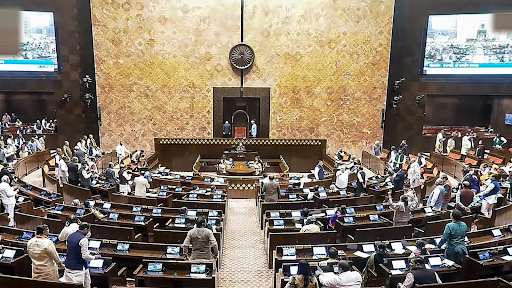
A legislature with two chambers or houses.


🌍 Visual Representation

Image
Image
Image
Image

🧩 Structure

🟢 Lower House

  • Directly elected
  • Represents people

🔵 Upper House

  • Indirectly elected or nominated
  • Represents states or special interests

📊 Examples

  • India (Lok Sabha & Rajya Sabha)
  • USA (House of Representatives & Senate)

✅ Advantages

  • Better deliberation
  • Checks and balances

⚠️ Disadvantages

  • Slower process
  • Possibility of conflict

⚖️ 4. Composition of Legislature


🟢 1. Members

  • Elected or nominated

🔵 2. Speaker/Chairperson

  • Presides over sessions

🟣 3. Committees

  • Specialized groups for detailed work

🧩 5. Functions of Legislature


🟢 5.1 Law-Making Function

📌 Meaning

Primary function of legislature is to make laws.


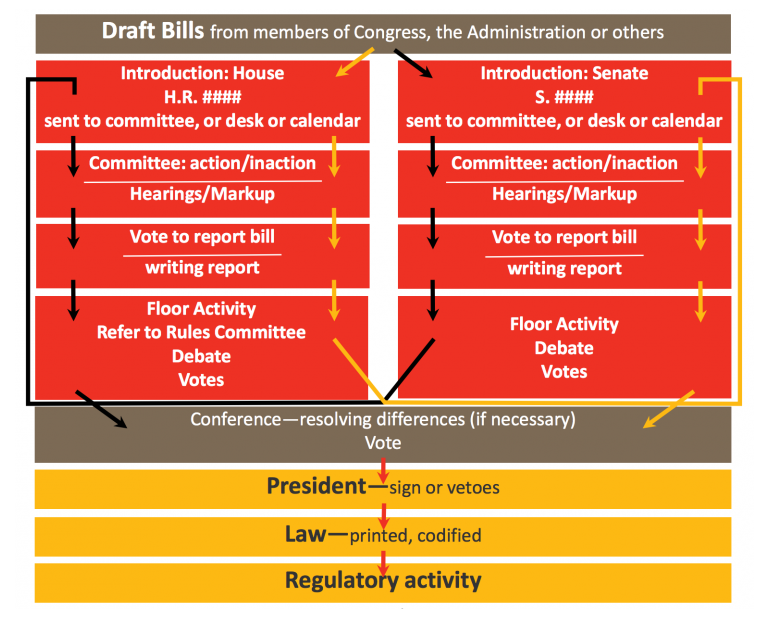
🌍 Visual

Image
Image
Image
Image

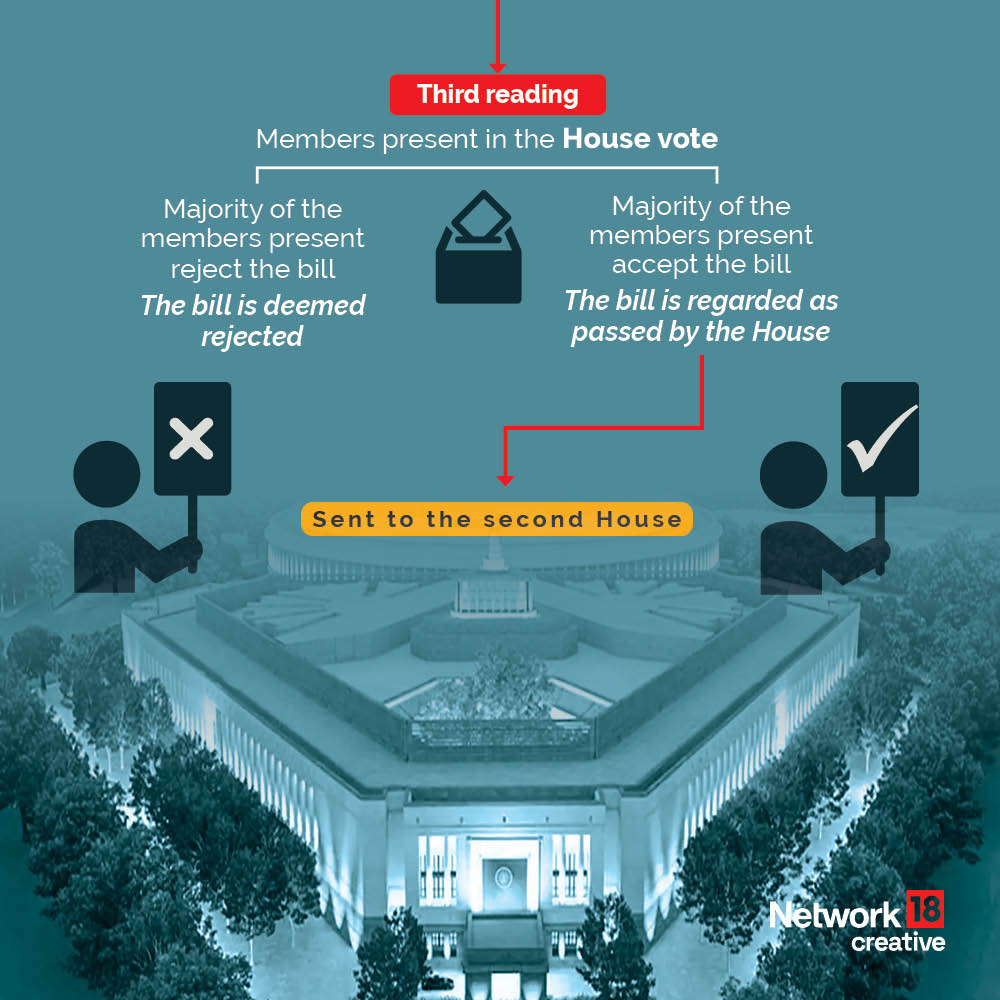
🧩 Process

  • Introduction of bill
  • Debate
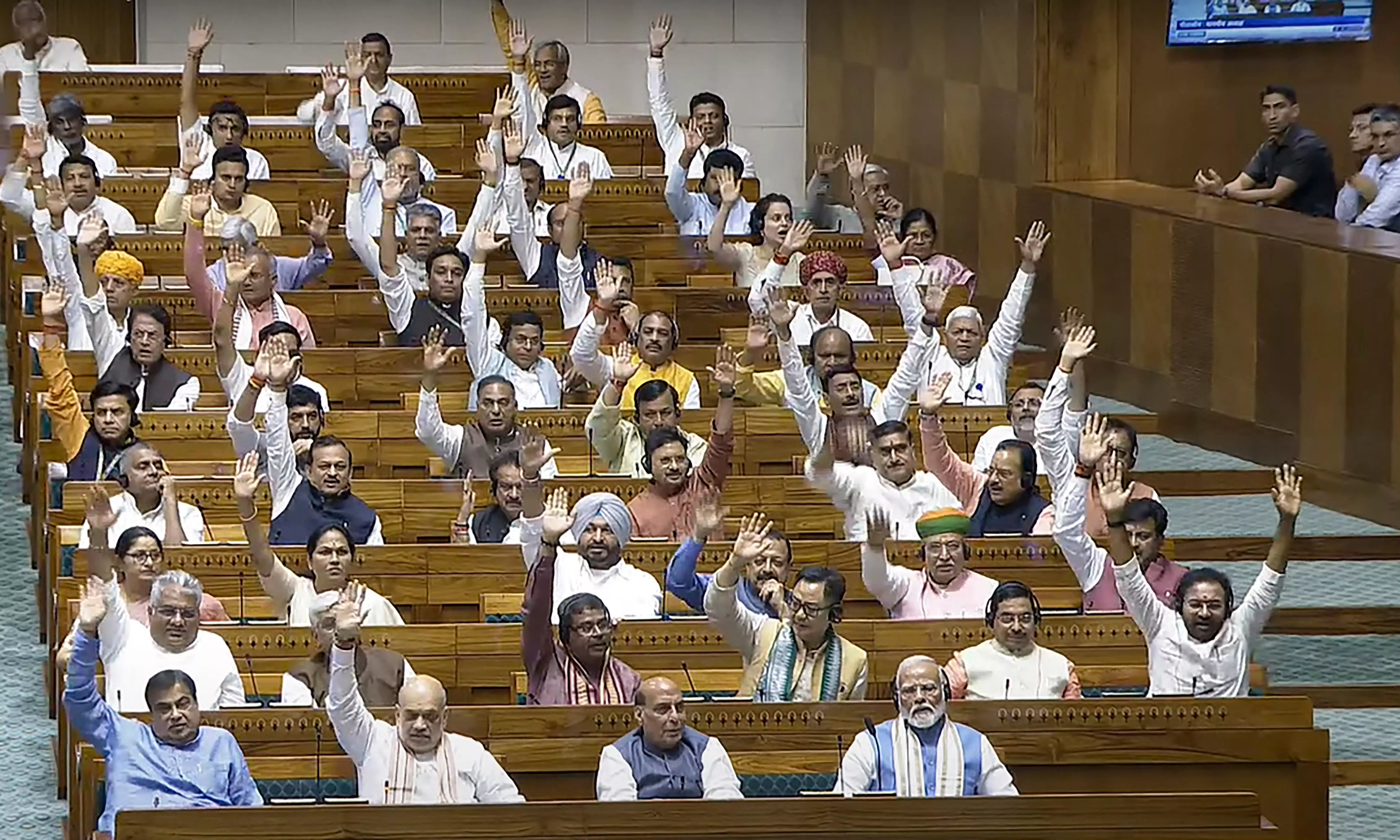
  • Voting
  • Approval

🔵 5.2 Financial Function

📌 Meaning

Control over public finances.


🧩 Activities

  • Budget approval
  • Taxation
  • Expenditure control

🟣 5.3 Executive Control

📌 Meaning

Legislature holds the executive accountable.


🧩 Methods

  • Question hour
  • Debates
  • No-confidence motion

🔴 5.4 Deliberative Function

📌 Meaning

Provides a platform for discussion and debate.


🧩 Importance

  • Public issues discussed
  • Policies examined

🟡 5.5 Electoral Function

📌 Meaning

Participates in election of officials.


📊 Examples

  • Election of President (in some countries)

5.6 Constitutional Function

📌 Meaning

Amends the constitution.


5.7 Judicial Function

📌 Meaning

Acts as a court in certain cases.


🔗 6. Importance of Legislature

  • Represents people
  • Ensures accountability
  • Protects democracy
  • Promotes transparency

⚖️ 7. Legislature and Democracy

  • Central to democratic governance
  • Reflects public opinion
  • Ensures participation

🌍 8. Modern Role of Legislature


📱 Digital Governance

  • Online debates
  • E-parliament

🌐 Global Influence

  • International cooperation

⚠️ 9. Challenges Faced by Legislature


🔴 1. Declining Debates

  • Less discussion

🔵 2. Executive Dominance

  • Weakening legislature

🟣 3. Corruption

  • Ethical issues

🟡 4. Disruptions

  • Frequent interruptions

🧠 10. Reforms for Strengthening Legislature

  • Stronger committees
  • Transparency
  • Public participation
  • Ethical standards

🧠 11. Comparison: Unicameral vs Bicameral

FeatureUnicameralBicameral
ChambersOneTwo
SpeedFasterSlower
ChecksLessMore

🧠 12. Conclusion

The legislature is a pillar of democratic governance, responsible for law-making, accountability, and representation. Its structure—whether unicameral or bicameral—affects how effectively it performs its functions.

A strong and active legislature ensures transparent, accountable, and responsive governance, making it essential for a healthy democracy.


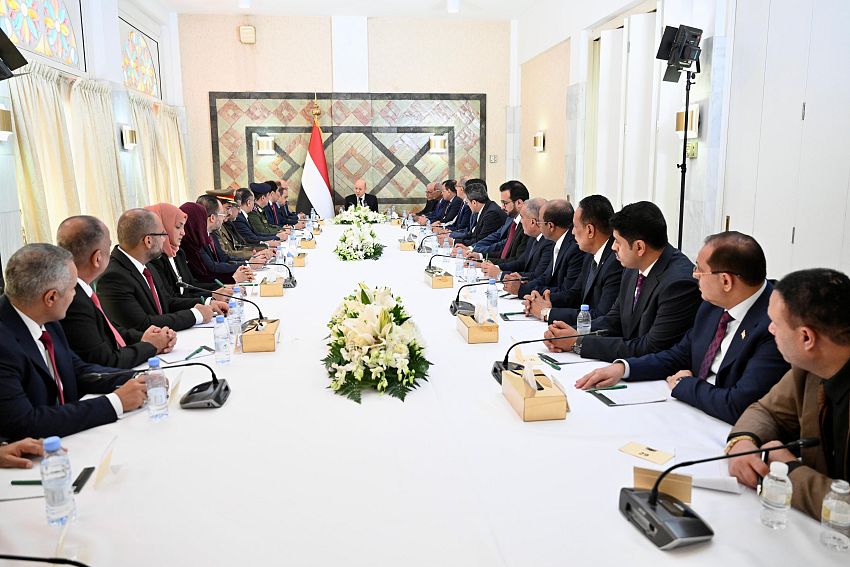
⚖️ Separation of Powers (Comprehensive Explanation in Political Science)


🌍 Visual Overview: Separation of Powers in Governance

Image
Image
Image
Image

📘 1. Introduction to Separation of Powers

The Separation of Powers is a foundational principle of modern democratic governance. It refers to the division of governmental powers among different branches to prevent the concentration of authority in a single institution or individual.

The main objective of this doctrine is to avoid tyranny and ensure liberty by creating a system of checks and balances. By distributing powers among separate organs, the system ensures that no branch becomes too powerful, thereby safeguarding democracy and protecting citizens’ rights.


🧠 2. Meaning and Definition

📌 Basic Meaning

Separation of Powers is the principle under which the legislative, executive, and judicial functions of government are divided among separate bodies.


🧾 Classical Definition

  • Montesquieu:
    “There can be no liberty where the legislative and executive powers are united in the same person or body.”

🔑 Core Idea

👉 Power must be divided to prevent misuse of authority


🧱 3. Historical Background

🏺 Ancient Origins

  • Aristotle identified different functions of government

🏰 Medieval Period

  • Concentration of power in monarchs

👑 Modern Development

  • Montesquieu formalized the theory

⚙️ 4. Three Organs of Government


🟢 4.1 Legislature

📌 Meaning

The legislature is responsible for making laws.


🌍 Visual

Image
Image
Image
Image

🧩 Functions

  • Law-making
  • Budget approval
  • Representation of people

🔵 4.2 Executive

📌 Meaning

The executive is responsible for implementing laws and policies.


🌍 Visual

Image
Image
Image
Image

🧩 Functions

  • Policy implementation
  • Administration
  • Defense and foreign affairs

🟣 4.3 Judiciary

📌 Meaning

The judiciary is responsible for interpreting laws and ensuring justice.


🌍 Visual

Image
Image
Image
Image

🧩 Functions

  • Interpretation of laws
  • Protection of rights
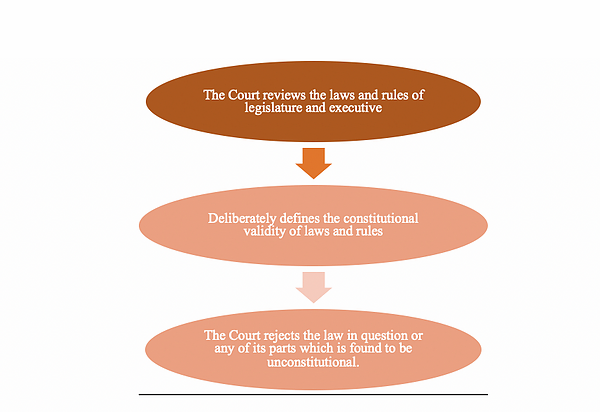
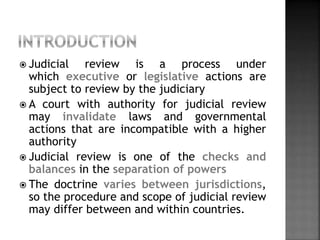
  • Judicial review

⚖️ 5. Doctrine of Checks and Balances

Image
Image
Image
Image

📌 Meaning

Each branch has powers to check the others, ensuring balance.


🧩 Examples

  • Legislature checks executive through questioning
  • Executive checks legislature via veto
  • Judiciary checks both through judicial review

🔗 6. Importance of Separation of Powers


🟢 1. Prevents Abuse of Power

  • Avoids dictatorship

🔵 2. Protects Liberty

  • Safeguards individual rights

🟣 3. Ensures Efficiency

  • Clear division of responsibilities

🔴 4. Promotes Accountability

  • Each branch answerable

⚖️ 7. Pure vs Partial Separation


📌 Pure Separation

  • Complete independence of branches

📌 Partial Separation

  • Overlapping functions

👉 Most modern systems follow partial separation


🌍 8. Separation of Powers in Different Countries


🟢 United States

  • Strong separation
  • Presidential system

🔵 United Kingdom

  • Weak separation
  • Parliamentary system

🟣 India

  • Partial separation
  • Checks and balances

⚠️ 9. Limitations of Separation of Powers


🔴 1. Practical Difficulty

  • Complete separation not possible

🔵 2. Delays in Decision-Making

  • Coordination issues

🟣 3. Conflict Between Branches

  • Institutional clashes

🌐 10. Modern Relevance


📱 Digital Governance

  • New challenges in power distribution

🌍 Globalization

  • Influence of international bodies

⚖️ 11. Relationship with Democracy

  • Ensures fair governance
  • Protects rights
  • Promotes transparency

🧠 12. Role of Judiciary in Maintaining Balance

  • Judicial review
  • Constitutional interpretation
  • Protection of rights

⚠️ 13. Challenges in Practice

  • Political interference
  • Executive dominance
  • Judicial overreach

🧠 14. Conclusion

The Separation of Powers is a cornerstone of democratic governance, ensuring that power is not concentrated in one place. By dividing authority among the legislature, executive, and judiciary, it promotes accountability, protects liberty, and maintains balance.

Although perfect separation is not possible, the principle remains essential for preventing tyranny and ensuring good governance.