Tag Archives: AV Dicey

🏛️ Legislature: Structure and Functions (Comprehensive Explanation in Political Science)


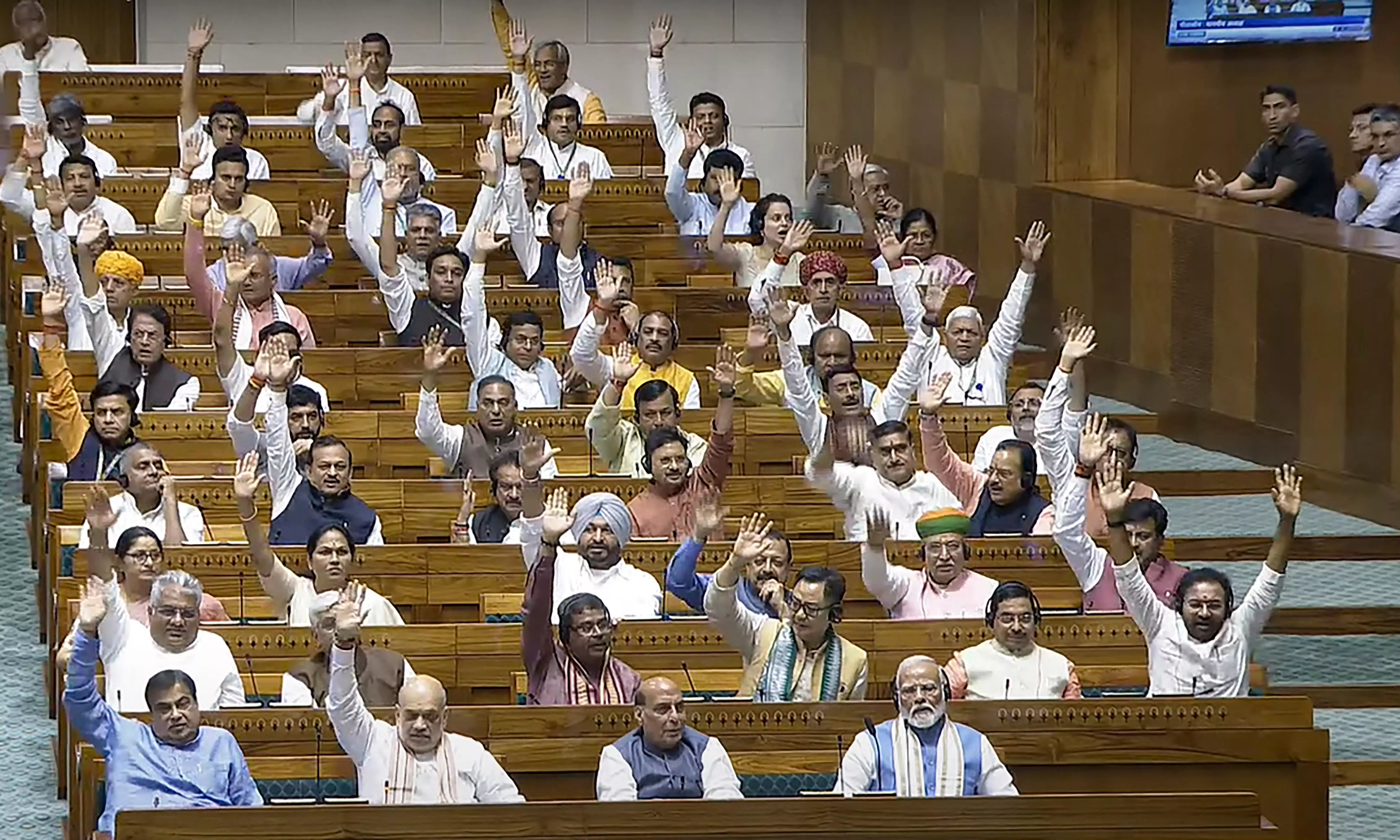
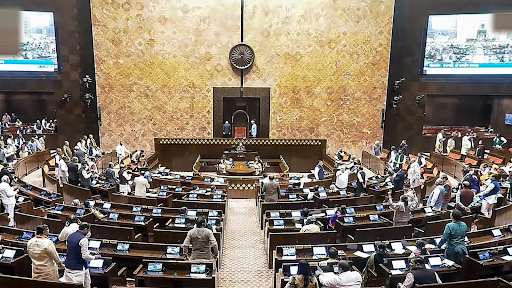
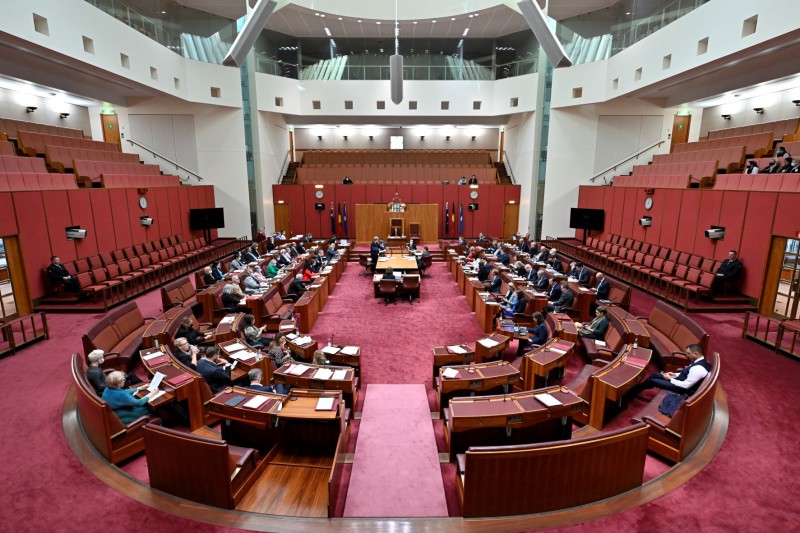
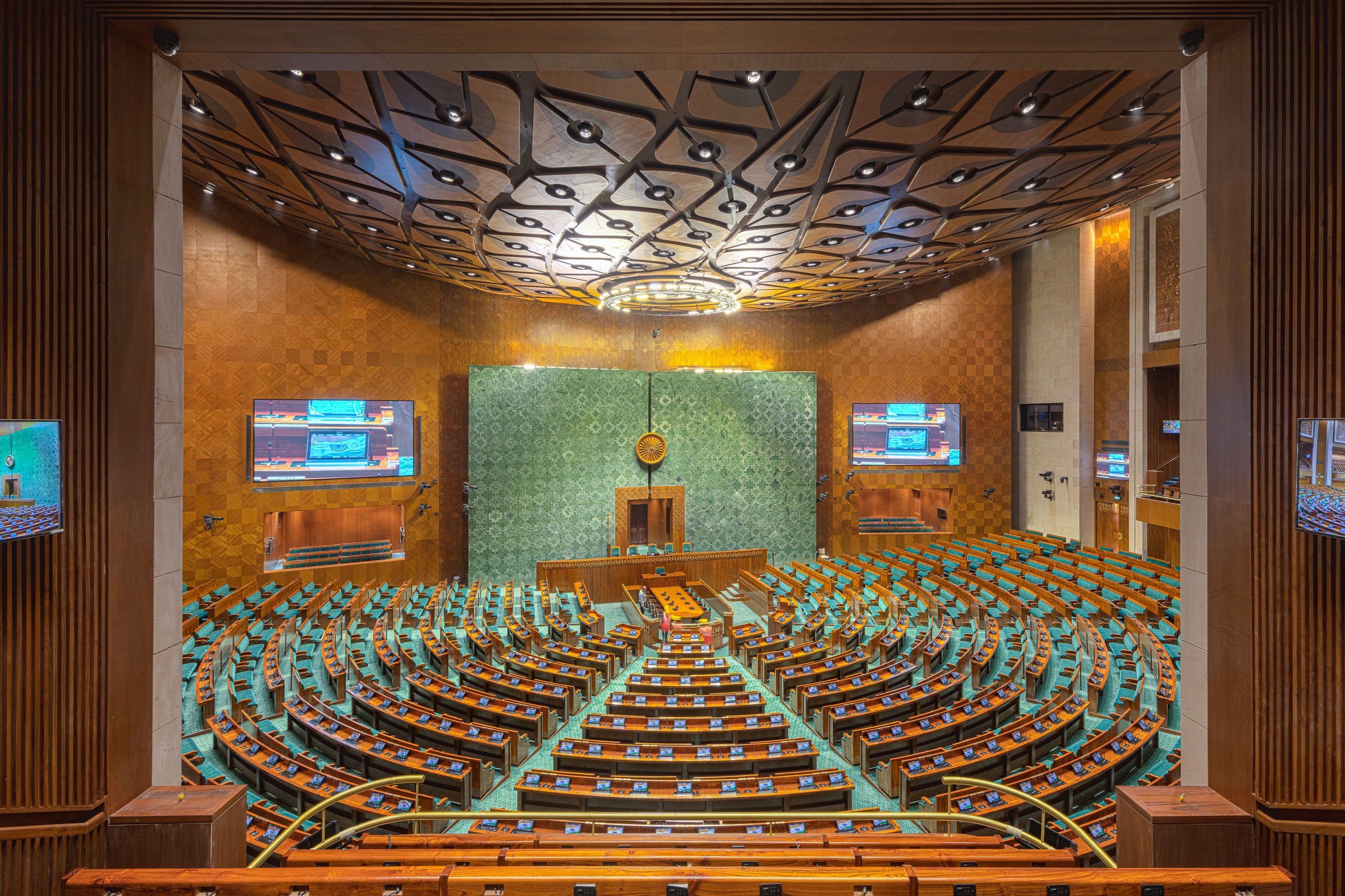
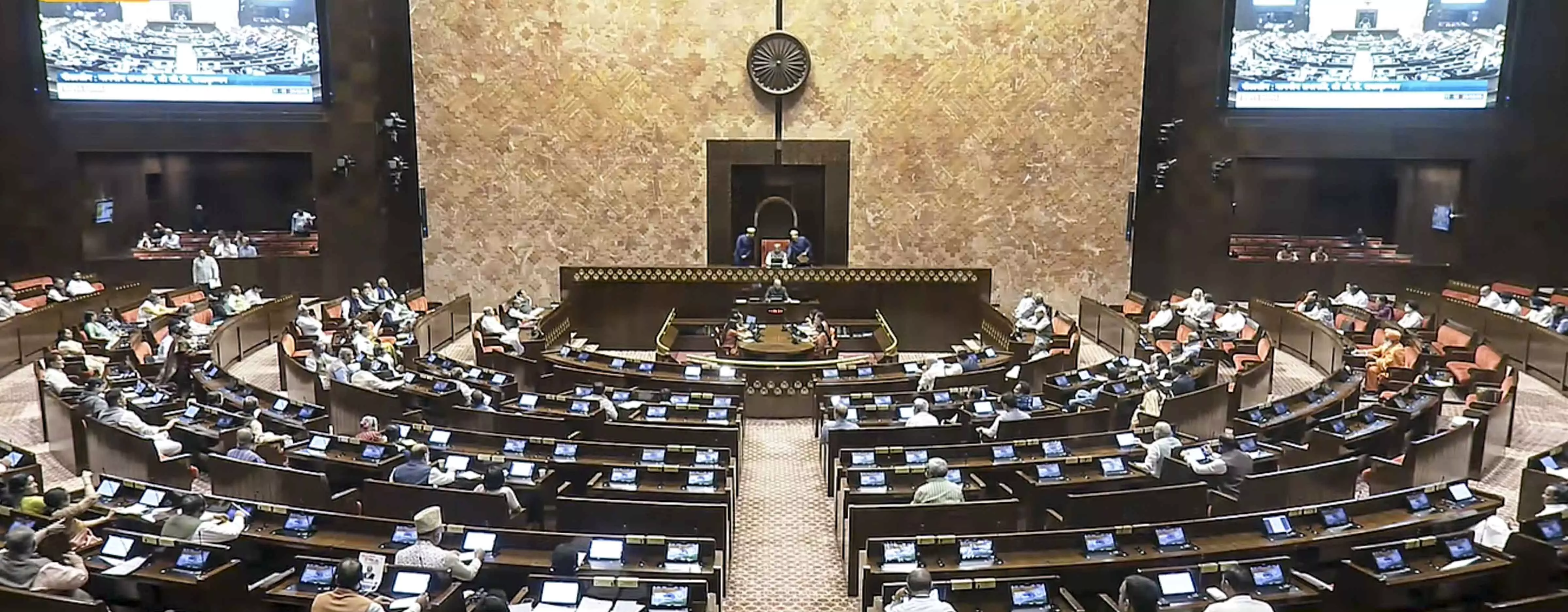
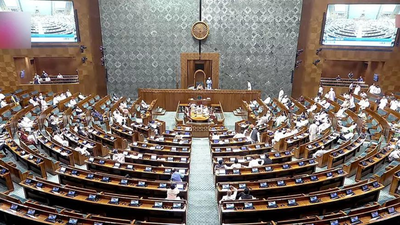
🌍 Visual Overview: Legislature in Action
Image
Image
Image
Image

📘 1. Introduction to Legislature

The Legislature is one of the most important organs of government and forms the law-making body of the state. It represents the will of the people and plays a central role in democratic governance. Through legislation, debate, and oversight, the legislature ensures that governance is conducted in accordance with the constitution and public interest.

In modern political systems, especially democracies, the legislature is often regarded as the “heart of democracy”, because it reflects the voice of citizens and acts as a bridge between the government and the people.


🧠 2. Meaning and Definitions of Legislature

📌 Basic Meaning

The legislature is a representative body responsible for making, amending, and repealing laws.


🧾 Definitions

  • A.V. Dicey:
    Legislature is the supreme law-making authority in a state.
  • John Locke:
    The legislative power is the supreme power of the commonwealth.

🔑 Key Features

  • Representative institution
  • Law-making authority
  • Accountability mechanism
  • Deliberative body

🧱 3. Structure of Legislature

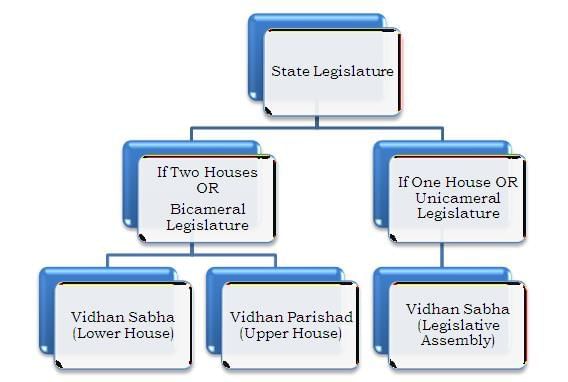
Legislatures differ across countries, but they generally fall into two main structural types:


🟢 3.1 Unicameral Legislature

📌 Meaning

A legislature with only one chamber or house.


🌍 Visual Representation

Image
Image
Image
Image

🧩 Features

  • Single legislative body
  • Faster decision-making
  • Simpler structure

📊 Examples

  • New Zealand
  • China

✅ Advantages

  • Efficient
  • Cost-effective

⚠️ Disadvantages

  • Lack of checks
  • Risk of hasty decisions

🔵 3.2 Bicameral Legislature

📌 Meaning

A legislature with two chambers or houses.


🌍 Visual Representation

Image
Image
Image
Image

🧩 Structure

🟢 Lower House

  • Directly elected
  • Represents people

🔵 Upper House

  • Indirectly elected or nominated
  • Represents states or special interests

📊 Examples

  • India (Lok Sabha & Rajya Sabha)
  • USA (House of Representatives & Senate)

✅ Advantages

  • Better deliberation
  • Checks and balances

⚠️ Disadvantages

  • Slower process
  • Possibility of conflict

⚖️ 4. Composition of Legislature


🟢 1. Members

  • Elected or nominated

🔵 2. Speaker/Chairperson

  • Presides over sessions

🟣 3. Committees

  • Specialized groups for detailed work

🧩 5. Functions of Legislature


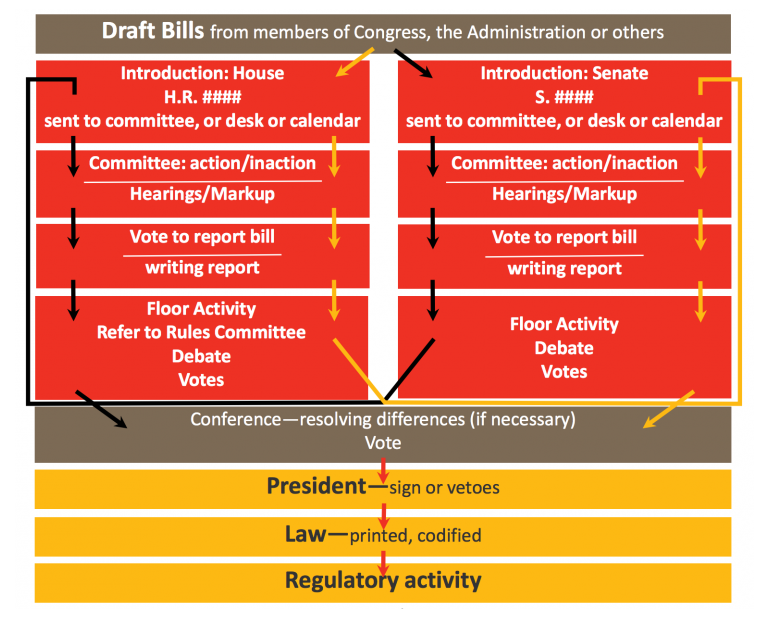
🟢 5.1 Law-Making Function

📌 Meaning

Primary function of legislature is to make laws.


🌍 Visual

Image
Image
Image
Image

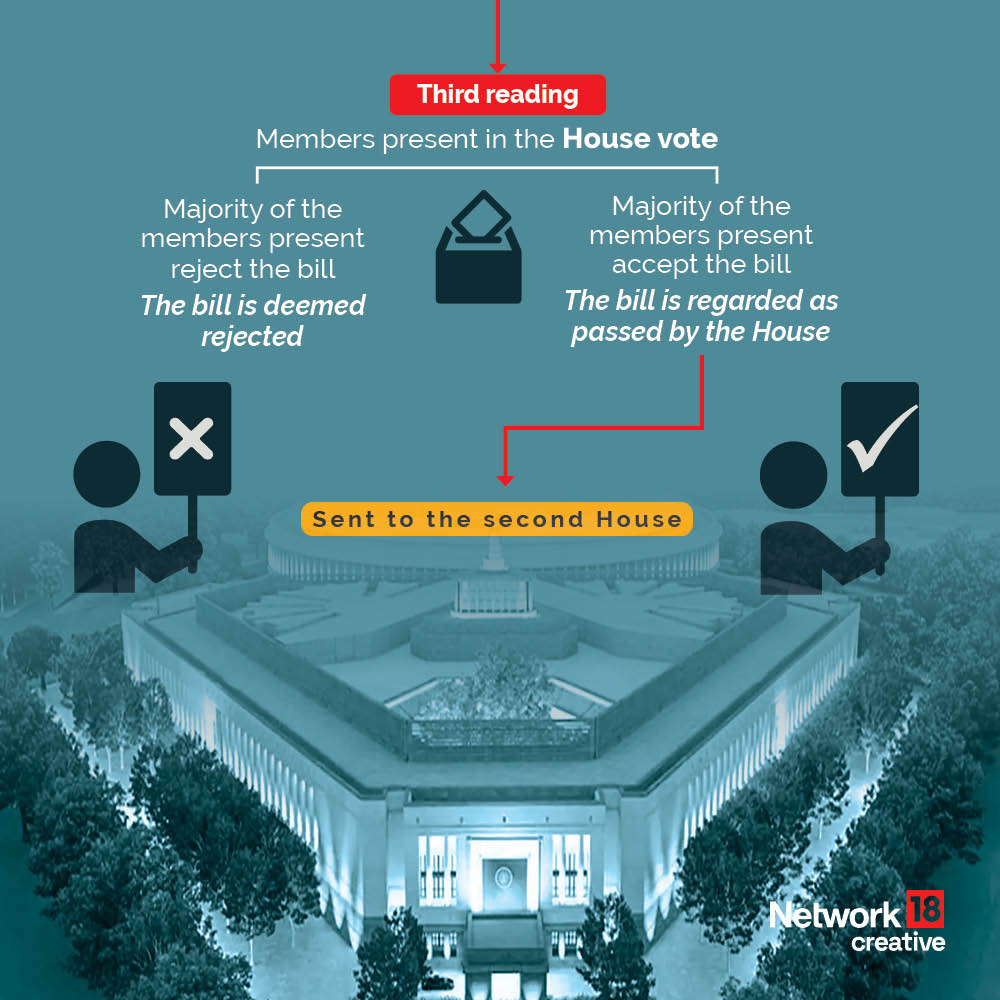
🧩 Process

  • Introduction of bill
  • Debate
  • Voting
  • Approval

🔵 5.2 Financial Function

📌 Meaning

Control over public finances.


🧩 Activities

  • Budget approval
  • Taxation
  • Expenditure control

🟣 5.3 Executive Control

📌 Meaning

Legislature holds the executive accountable.


🧩 Methods

  • Question hour
  • Debates
  • No-confidence motion

🔴 5.4 Deliberative Function

📌 Meaning

Provides a platform for discussion and debate.


🧩 Importance

  • Public issues discussed
  • Policies examined

🟡 5.5 Electoral Function

📌 Meaning

Participates in election of officials.


📊 Examples

  • Election of President (in some countries)

5.6 Constitutional Function

📌 Meaning

Amends the constitution.


5.7 Judicial Function

📌 Meaning

Acts as a court in certain cases.


🔗 6. Importance of Legislature

  • Represents people
  • Ensures accountability
  • Protects democracy
  • Promotes transparency

⚖️ 7. Legislature and Democracy

  • Central to democratic governance
  • Reflects public opinion
  • Ensures participation

🌍 8. Modern Role of Legislature


📱 Digital Governance

  • Online debates
  • E-parliament

🌐 Global Influence

  • International cooperation

⚠️ 9. Challenges Faced by Legislature


🔴 1. Declining Debates

  • Less discussion

🔵 2. Executive Dominance

  • Weakening legislature

🟣 3. Corruption

  • Ethical issues

🟡 4. Disruptions

  • Frequent interruptions

🧠 10. Reforms for Strengthening Legislature

  • Stronger committees
  • Transparency
  • Public participation
  • Ethical standards

🧠 11. Comparison: Unicameral vs Bicameral

FeatureUnicameralBicameral
ChambersOneTwo
SpeedFasterSlower
ChecksLessMore

🧠 12. Conclusion

The legislature is a pillar of democratic governance, responsible for law-making, accountability, and representation. Its structure—whether unicameral or bicameral—affects how effectively it performs its functions.

A strong and active legislature ensures transparent, accountable, and responsive governance, making it essential for a healthy democracy.


⚖️ Rule of Law (Comprehensive Explanation in Political Science)


🌍 Visual Overview: Rule of Law in Action

Image
Image
Image
Image

📘 1. Introduction to Rule of Law

The Rule of Law is one of the most fundamental principles of modern democratic governance. It signifies that law is supreme and governs everyone equally, including rulers, government officials, and ordinary citizens.

The concept ensures that no individual or institution is above the law, and that all actions of the state must be conducted according to established legal principles. It acts as a safeguard against arbitrary use of power and is essential for maintaining justice, equality, and liberty in society.

In essence, the Rule of Law replaces the idea of “rule by men” with “rule by law.”


🧠 2. Meaning and Definitions of Rule of Law

📌 Basic Meaning

Rule of Law means that all individuals and institutions are subject to and accountable under the law, which is fairly applied and enforced.


🧾 Classical Definitions

  • A.V. Dicey:
    Rule of Law implies the absolute supremacy of law over arbitrary power.
  • Aristotle:
    “Law should govern, and those in power should be servants of the law.”
  • Lon L. Fuller:
    Law must be general, public, clear, stable, and applied consistently.

🔑 Core Ideas

  • Supremacy of law
  • Equality before law
  • Accountability
  • Fair and impartial justice

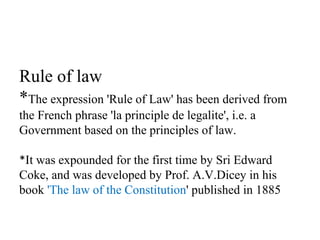
⚖️ 3. Elements of Rule of Law (Dicey’s Principles)

👤 Contribution of A.V. Dicey

Image
Image
Image
Image

Dicey identified three essential principles:


🟢 3.1 Supremacy of Law

📌 Meaning

No person can be punished except for a breach of law established in a legal manner.

🔍 Key Points

  • No arbitrary power
  • Government actions must follow law
  • Legal procedures must be followed

🔵 3.2 Equality Before Law

📌 Meaning

All individuals are equal in the eyes of the law.

🔍 Key Points

  • No special privileges
  • Same laws apply to everyone
  • Equal legal protection

🟣 3.3 Predominance of Legal Spirit

📌 Meaning

Rights are protected by ordinary courts, not arbitrary authorities.

🔍 Key Points

  • Independent judiciary
  • Judicial remedies
  • Protection of individual rights

🧩 4. Features of Rule of Law


🟢 1. Legal Supremacy

  • Law is above all

🔵 2. Equality

  • Equal treatment

🟣 3. Accountability

  • Government answerable

🔴 4. Transparency

  • Open governance

🟡 5. Fair Procedures

  • Due process

⚫ 6. Independent Judiciary

  • Ensures justice

🏛️ 5. Rule of Law vs Rule by Law

Image
Image
Image
Image
AspectRule of LawRule by Law
NatureFair and justTool of control
PurposeProtect rightsEnforce authority
SystemDemocraticAuthoritarian

🔗 6. Rule of Law and Democracy

  • Ensures free and fair elections
  • Protects fundamental rights
  • Limits government power
  • Promotes accountability

🌍 7. Rule of Law in Different Systems

🟢 In Democracies

  • Strong legal frameworks
  • Independent courts

🔴 In Authoritarian States

  • Weak rule of law
  • Arbitrary decisions

⚖️ 8. Importance of Rule of Law


🟢 1. Protects Rights

  • Safeguards freedom

🔵 2. Ensures Equality

  • No discrimination

🟣 3. Maintains Order

  • Prevents chaos

🔴 4. Promotes Justice

  • Fair decisions

🟡 5. Encourages Development

  • Stable environment

🌐 9. Rule of Law in Modern Context


📱 Digital Governance

  • Cyber laws
  • Data protection

🌍 Global Governance

  • International law

🧑‍🤝‍🧑 Human Rights

  • Protection mechanisms

⚠️ 10. Challenges to Rule of Law


🔴 1. Corruption

  • Weakens institutions

🔵 2. Political Interference

  • Undermines judiciary

🟣 3. Lack of Awareness

  • Citizens unaware of rights

🟡 4. Delayed Justice

  • Slow legal processes

⚫ 5. Inequality

  • Unequal access to justice

🧠 11. Rule of Law in India (Example)

  • Constitution is supreme
  • Independent judiciary
  • Fundamental rights
  • Judicial review

⚖️ 12. Rule of Law and Human Rights

  • Protects individual dignity
  • Prevents abuse of power
  • Ensures fairness

🔄 13. Evolution of Rule of Law


🏺 Ancient Period

  • Philosophical ideas (Aristotle)

🏰 Medieval Period

  • Limited application

👑 Modern Period

  • Development of legal systems

🌐 Contemporary Period

  • Global recognition

🧠 14. Role of Judiciary

  • Interprets law
  • Protects constitution
  • Ensures justice

🧾 15. Conclusion

The Rule of Law is the foundation of a just and democratic society. It ensures that power is exercised within limits, rights are protected, and justice is delivered fairly.

Without the Rule of Law, society would descend into arbitrariness and inequality. Therefore, strengthening legal institutions, promoting awareness, and ensuring accountability are essential for sustaining this principle.