Tag Archives: Mathematical Statistics

Linear Algebra

Image
Image
Image
Image

Tags:


1. Introduction to Linear Algebra

Linear Algebra is one of the fundamental branches of mathematics that deals with vectors, vector spaces, matrices, and linear transformations. It forms the mathematical backbone of many scientific and engineering disciplines including physics, computer science, artificial intelligence, data science, economics, and engineering.

At its core, Linear Algebra studies linear relationships between variables. A relationship is linear if it satisfies the properties of additivity and homogeneity, meaning the function behaves predictably under addition and scalar multiplication.

Historically, Linear Algebra evolved from solving systems of linear equations. Ancient civilizations such as the Chinese used matrix-like methods in texts like The Nine Chapters on the Mathematical Art. Later, mathematicians such as Carl Friedrich Gauss and Augustin-Louis Cauchy developed systematic techniques that led to modern matrix theory.

Today, Linear Algebra plays a central role in computational mathematics, machine learning, robotics, computer graphics, and quantum mechanics.


2. Systems of Linear Equations

A linear equation is an equation where each variable appears only to the first power and variables are not multiplied together.

Example:

2x + 3y = 5
x - y = 2

A system of linear equations consists of multiple linear equations involving the same variables.

Example:

2x + y + z = 4
x + 3y - z = 5
3x - y + 2z = 6

The goal is to find values of variables that satisfy all equations simultaneously.

Types of Solutions

  1. Unique solution – exactly one solution.
  2. Infinite solutions – infinitely many solutions.
  3. No solution – inconsistent system.

Methods to Solve Systems

Substitution Method

One equation is solved for one variable and substituted into another.

Elimination Method

Variables are eliminated through addition or subtraction.

Gaussian Elimination

Transforms equations into an upper triangular form.

Gauss–Jordan Elimination

Transforms the matrix into Reduced Row Echelon Form (RREF).

Example matrix representation:

[2 3 | 5]
[1 -1 | 2]

This method allows efficient computational solving of large systems.


3. Matrices
Image
Image
Image
Image

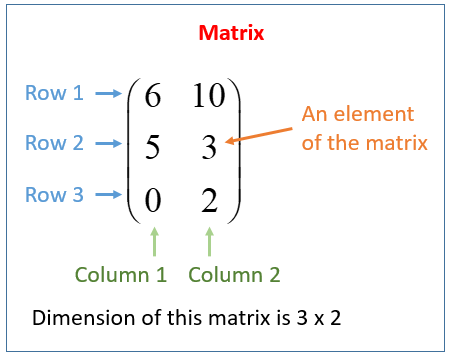
A matrix is a rectangular arrangement of numbers organized in rows and columns.

Example:

A = [ 2 4
      1 3 ]

If a matrix has m rows and n columns, it is called an m × n matrix.

Types of Matrices

  1. Row Matrix
    One row.
  2. Column Matrix
    One column.
  3. Square Matrix
    Equal rows and columns.
  4. Zero Matrix
    All elements are zero.
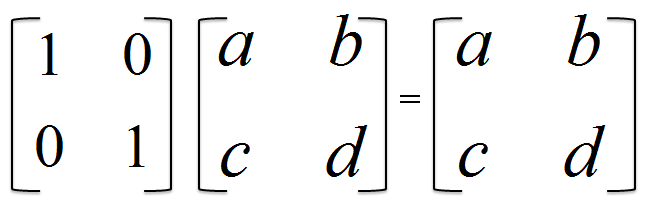
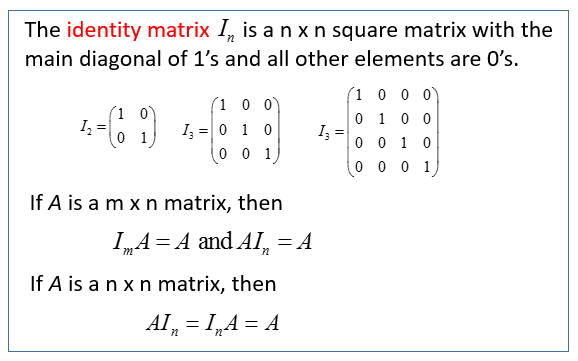
  5. Identity Matrix
I =
[1 0
 0 1]
  1. Diagonal Matrix
[5 0 0
 0 3 0
 0 0 1]
  1. Symmetric Matrix
A = Aᵀ

Matrix Operations

Matrix Addition

Two matrices of the same size can be added.

A + B = [a_ij + b_ij]

Matrix Multiplication

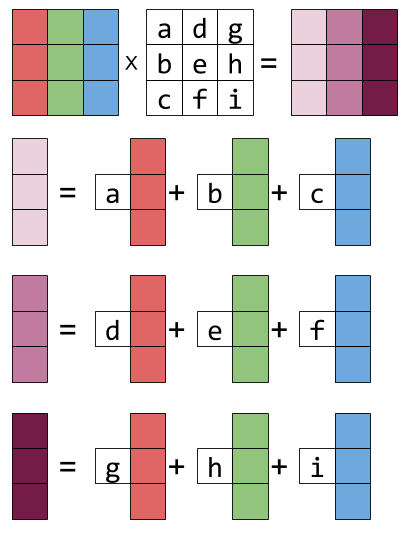
If A is m × n and B is n × p, the product AB is m × p.

Example:

A = [1 2]
    [3 4]

B = [5 6]
    [7 8]
AB = [19 22
      43 50]

Matrix multiplication is not commutative.

AB ≠ BA

Transpose of a Matrix

The transpose swaps rows and columns.

Aᵀ

Example:

A =
[1 2 3
 4 5 6]

Aᵀ =
[1 4
 2 5
 3 6]

4. Determinants

Image
Image
Image
Image

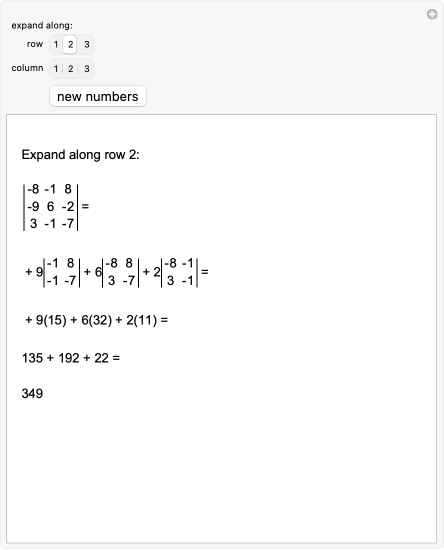
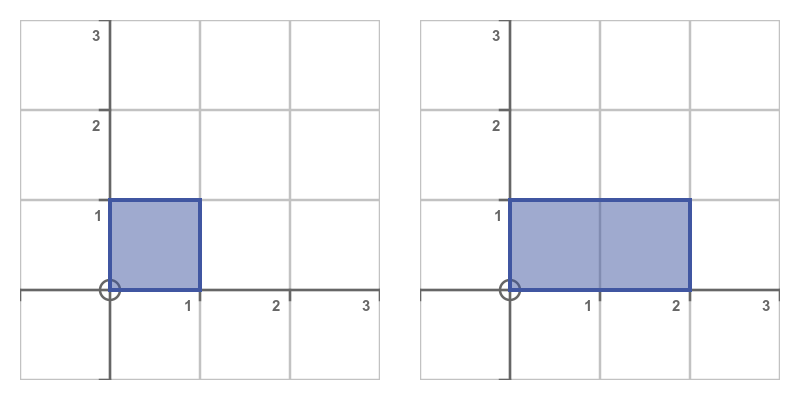
A determinant is a scalar value associated with a square matrix. It provides important information about the matrix, including:

  • Whether a matrix is invertible
  • Scaling factor of linear transformations
  • Volume transformation

For a 2×2 matrix:

|a b|
|c d|

Determinant:

ad − bc

For a 3×3 matrix:

|a b c|
|d e f|
|g h i|

Determinant:

a(ei − fh) − b(di − fg) + c(dh − eg)

Properties of Determinants

  1. det(Aᵀ) = det(A)
  2. det(AB) = det(A)det(B)
  3. det(I) = 1
  4. If two rows are equal → determinant = 0

A matrix is invertible if determinant ≠ 0.


5. Vectors
Image
Image
Image
Image

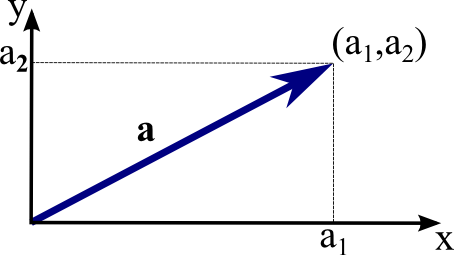
A vector represents both magnitude and direction.

Example in 2D:

v = (3,4)

Vector Operations

Vector Addition

(1,2) + (3,4) = (4,6)

Scalar Multiplication

2(1,3) = (2,6)

Dot Product

a · b = |a||b|cosθ

Example:

(1,2) · (3,4) = 11

Applications:

  • Finding angles
  • Projections
  • Orthogonality

Cross Product

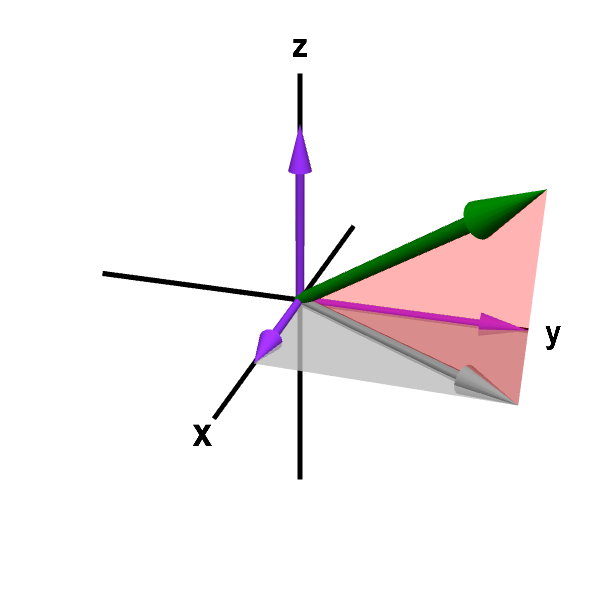
In 3D:

a × b

Produces a vector perpendicular to both vectors.


6. Vector Spaces

A vector space is a collection of vectors that satisfy certain rules.

Examples:

  • ℝ²
  • ℝ³
  • Polynomial spaces
  • Function spaces

Vector Space Axioms

Key properties include:

  1. Closure under addition
  2. Closure under scalar multiplication
  3. Existence of zero vector
  4. Existence of additive inverse
  5. Associativity
  6. Distributive properties

Subspaces

A subset of a vector space that is itself a vector space.

Conditions:

  • Contains zero vector
  • Closed under addition
  • Closed under scalar multiplication

Example:

The set of vectors on a plane in 3D space.


7. Basis and Dimension

A basis is a set of linearly independent vectors that span a vector space.

Example in ℝ²:

(1,0)
(0,1)

These vectors form the standard basis.

Dimension

The number of vectors in a basis.

Examples:

  • ℝ² → dimension = 2
  • ℝ³ → dimension = 3

8. Linear Independence

Vectors are linearly independent if none can be written as a combination of others.

Example:

(1,0)
(0,1)

Independent.

Example of dependence:

(1,2)
(2,4)

Second vector is a multiple of the first.

Mathematically:

c1v1 + c2v2 + ... + cnvn = 0

If the only solution is:

c1 = c2 = ... = 0

then vectors are independent.


9. Linear Transformations
Image
Image
Image
Image

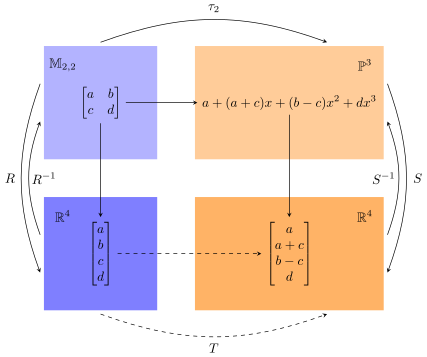
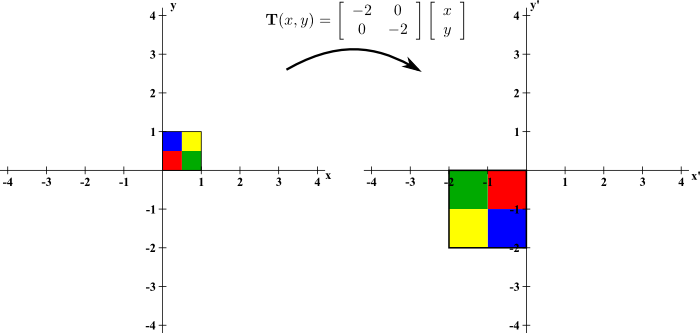
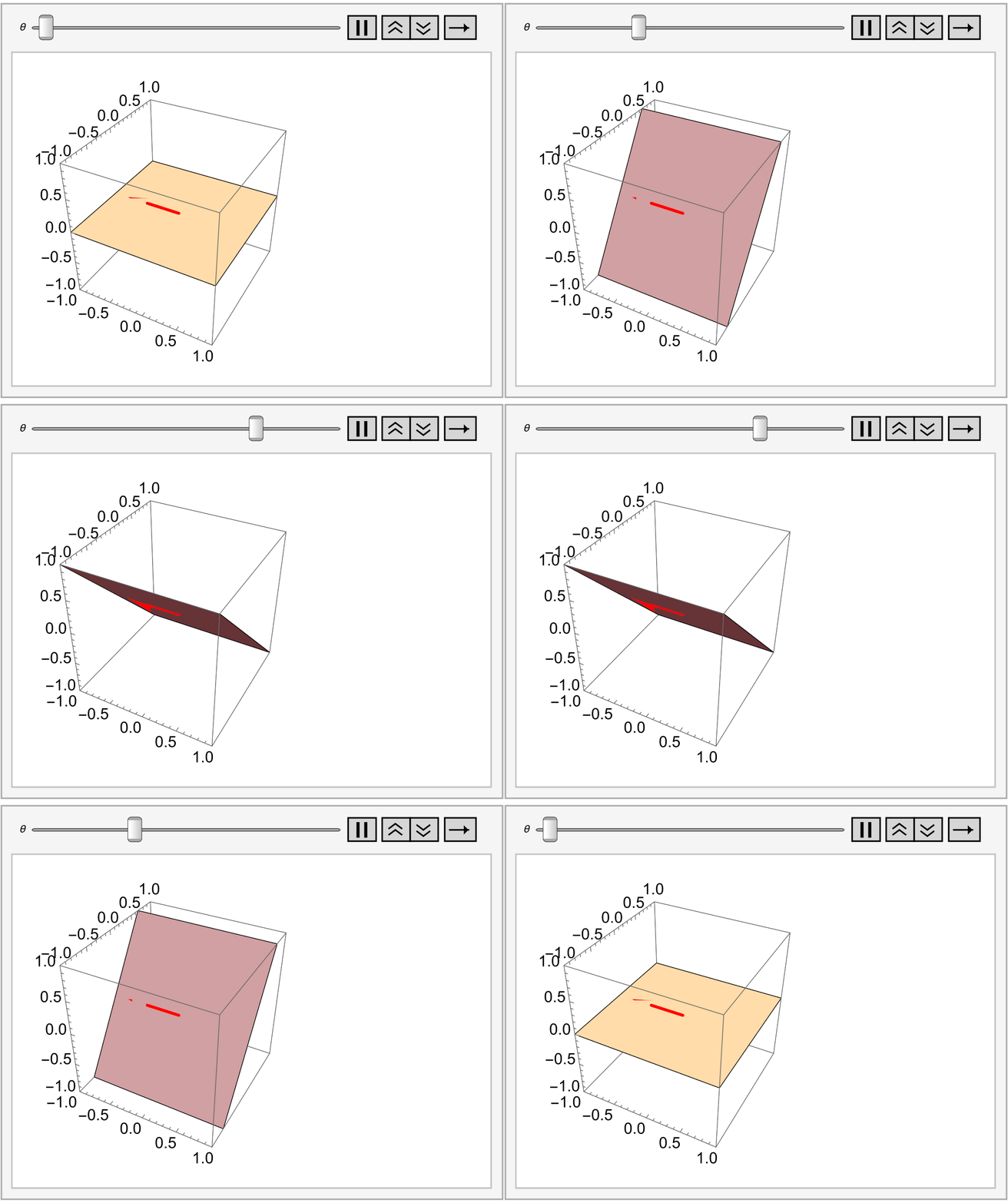
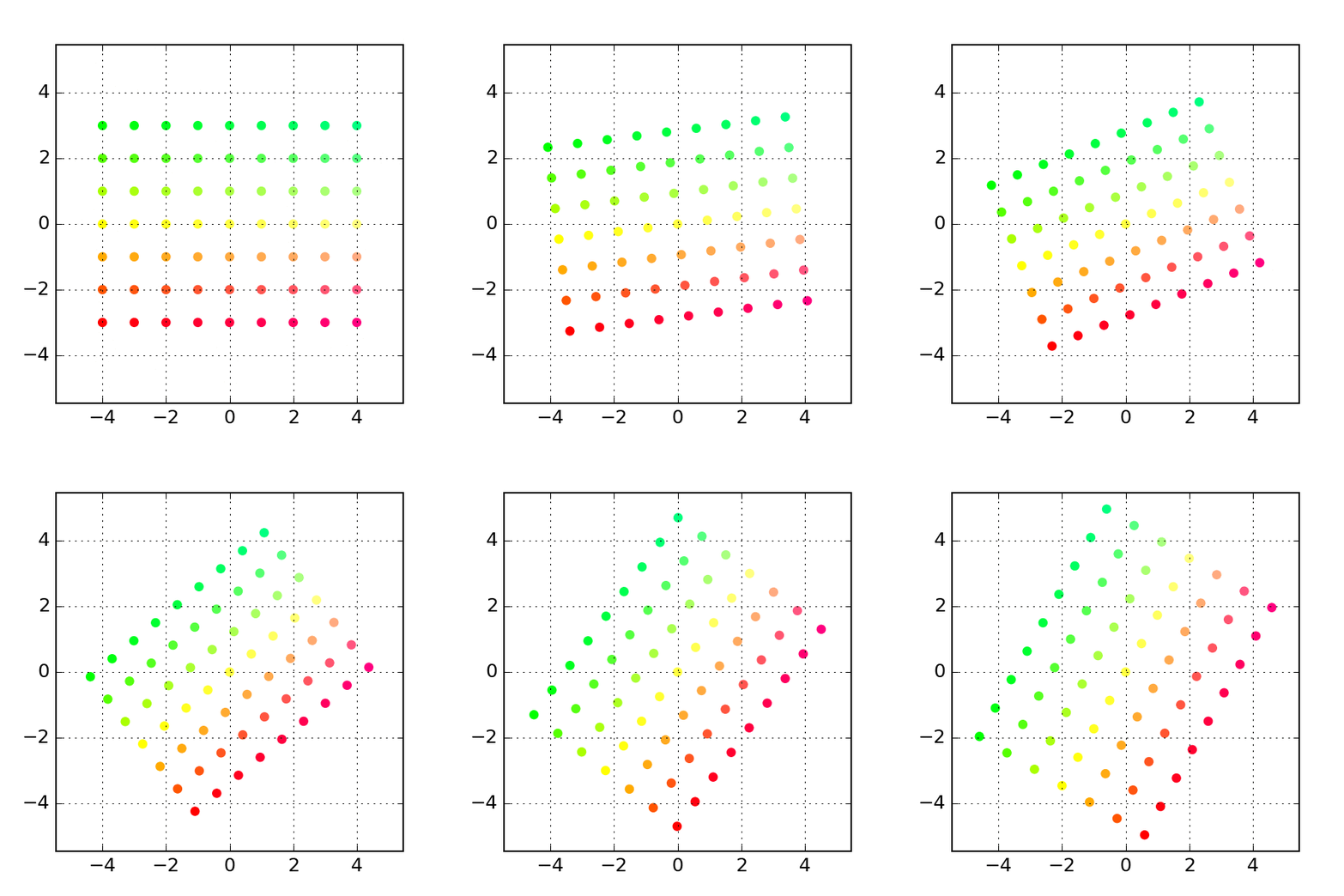
A linear transformation is a function between vector spaces preserving linearity.

If T is linear:

T(u + v) = T(u) + T(v)
T(cv) = cT(v)

Example:

Rotation in 2D.

Matrix representation:

T(x) = Ax

Example matrix:

[0 -1
 1  0]

This rotates vectors by 90°.


10. Eigenvalues and Eigenvectors

Image
Image
Image
Image

An eigenvector of a matrix is a vector whose direction does not change after transformation.

Mathematically:

Av = λv

Where:

  • A = matrix
  • v = eigenvector
  • λ = eigenvalue

Finding Eigenvalues

Solve:

det(A − λI) = 0

This is called the characteristic equation.

Example uses:

  • Google PageRank
  • PCA in machine learning
  • Quantum mechanics

11. Orthogonality

Vectors are orthogonal if their dot product equals zero.

a · b = 0

Orthogonal vectors are perpendicular.

Orthonormal Basis

Vectors that are:

  • Orthogonal
  • Unit length

Example:

(1,0)
(0,1)

12. Matrix Decompositions

Important decompositions include:

LU Decomposition

A = LU

Where:

  • L = Lower triangular
  • U = Upper triangular

QR Decomposition

A = QR

Where:

  • Q = Orthogonal matrix
  • R = Upper triangular matrix

Singular Value Decomposition (SVD)

A = UΣVᵀ

Applications:

  • Data compression
  • Image processing
  • Recommendation systems

13. Applications of Linear Algebra

Linear Algebra is used in many fields.

Computer Graphics

3D transformations:

  • rotation
  • scaling
  • translation

Used in gaming engines and animation.

Machine Learning

Algorithms use matrices and vectors:

  • Neural networks
  • PCA
  • Linear regression

Data Science

Used for:

  • dimensionality reduction
  • recommendation systems
  • clustering

Physics

Quantum mechanics uses Hilbert spaces and linear operators.

Engineering

Used in:

  • electrical circuits
  • signal processing
  • control systems

Economics

Input-output models of industries use matrices.


14. Linear Algebra in Artificial Intelligence

Modern AI relies heavily on Linear Algebra.

Neural networks are built using:

  • matrix multiplications
  • vector operations
  • gradient calculations

Example neural network layer:

y = Wx + b

Where:

  • W = weight matrix
  • x = input vector
  • b = bias vector

Training algorithms use gradient descent, which also depends on vector calculus and matrix operations.


15. Computational Linear Algebra

Large datasets require efficient algorithms.

Popular numerical techniques include:

  • Iterative solvers
  • Sparse matrix methods
  • Krylov subspace methods

Libraries used in computing:

  • BLAS
  • LAPACK
  • NumPy

These allow efficient matrix operations in scientific computing.


16. Advanced Topics

Advanced concepts include:

Tensor Algebra

Generalization of matrices to higher dimensions.

Spectral Theory

Study of eigenvalues of operators.

Functional Analysis

Extends linear algebra to infinite-dimensional spaces.

Numerical Linear Algebra

Focuses on stable algorithms for computers.


17. Importance of Linear Algebra

Linear Algebra is considered one of the most important mathematical tools because:

  1. It simplifies complex systems.
  2. It provides geometric insight into equations.
  3. It enables efficient computation.
  4. It forms the basis of modern technology.

Fields like AI, robotics, data science, and physics would not exist in their current form without linear algebra.


18. Summary

Linear Algebra studies mathematical structures that model linear relationships. Core components include:

  • vectors
  • matrices
  • vector spaces
  • determinants
  • eigenvalues
  • linear transformations

These concepts allow scientists and engineers to represent and solve complex real-world problems.

From solving systems of equations to powering artificial intelligence algorithms, Linear Algebra remains a foundational pillar of modern mathematics and technology.


Statistics in Mathematics – Detailed Explanation with Examples

Statistics in Mathematics – Detailed Explanation with Examples

1. Introduction to Statistics

Image
Image
Image
Image

Statistics is a branch of mathematics that deals with the collection, organization, analysis, interpretation, and presentation of data. It helps researchers and decision-makers understand patterns, relationships, and trends within data. Statistics is essential in many fields such as science, economics, business, medicine, engineering, and social sciences.

In simple terms, statistics helps answer questions like:

  • What does the data show?
  • What patterns exist in the data?
  • What conclusions can be drawn from the data?

Statistics is used to transform raw data into meaningful information. Governments, companies, scientists, and educators use statistics to make informed decisions.

For example:

  • Governments analyze population data.
  • Businesses study customer behavior.
  • Doctors analyze medical data.
  • Scientists test research hypotheses.

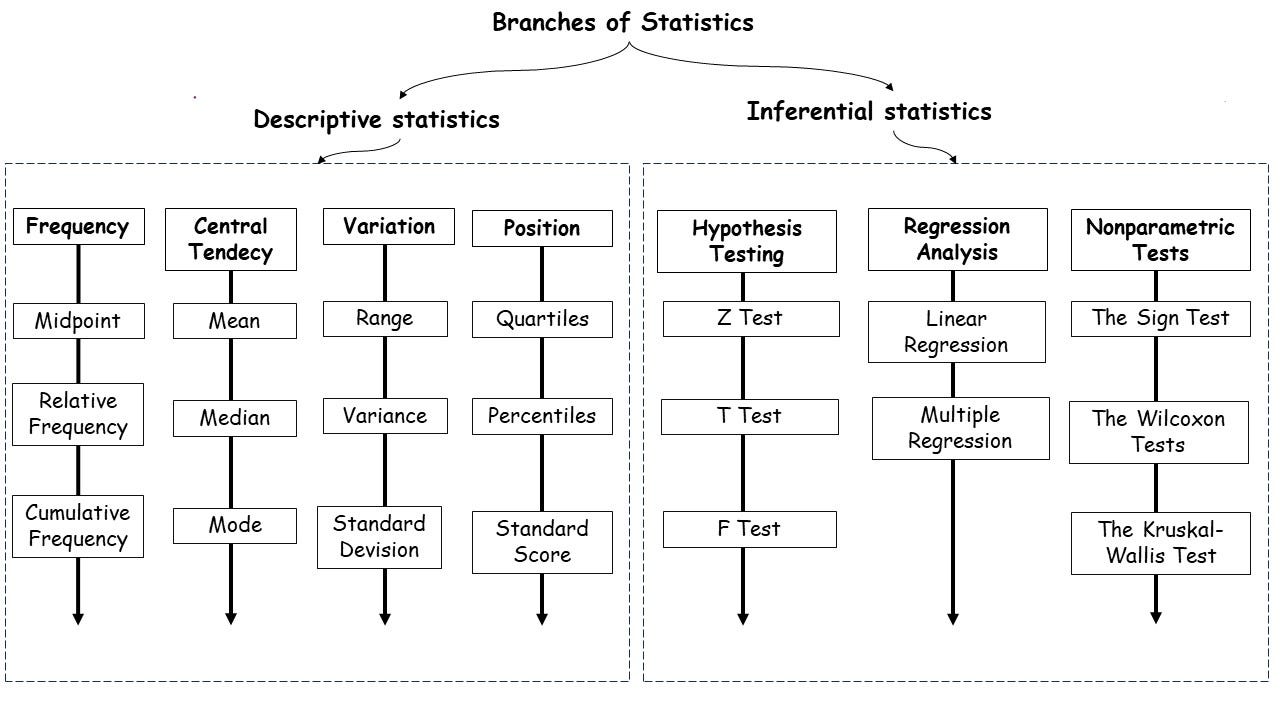
Statistics is often divided into two main branches:

  1. Descriptive Statistics
  2. Inferential Statistics

Both branches play important roles in analyzing and interpreting data.


2. Types of Statistics

Image
Image
Image
Image

Statistics can be broadly classified into two categories.

Descriptive Statistics

Descriptive statistics deals with summarizing and organizing data so it can be easily understood.

It includes methods such as:

  • Tables
  • Graphs
  • Averages
  • Percentages

Descriptive statistics does not make predictions. Instead, it simply describes the data that has been collected.

Example:

A teacher calculates the average marks of students in a class.

This gives a summary of the class performance.

Inferential Statistics

Inferential statistics involves drawing conclusions or making predictions about a population based on sample data.

It uses probability and statistical methods to estimate values and test hypotheses.

Example:

A survey of 100 people is used to estimate the opinions of an entire city.

Inferential statistics allows researchers to make conclusions even when it is not possible to study the entire population.


3. Basic Statistical Terms

Image
Image
Image
Image

Understanding statistics requires knowledge of several important terms.

Population

A population refers to the entire group of individuals or objects that a researcher wants to study.

Example:

All students in a school.

Sample

A sample is a smaller subset taken from the population.

Example:

50 students selected from the school.

Studying samples is easier and less expensive than studying entire populations.

Data

Data refers to the information collected for analysis.

Data can be numbers, measurements, observations, or responses.

Example:

  • Heights of students
  • Exam scores
  • Survey responses

Variables

A variable is a characteristic that can change or vary.

Examples include:

  • Age
  • Height
  • Weight
  • Income

Variables are generally classified into two types:

Qualitative Variables

These describe categories.

Examples:

  • Gender
  • Color
  • Nationality

Quantitative Variables

These represent numerical values.

Examples:

  • Height
  • Temperature
  • Salary

4. Data Collection Methods

Image
Image
Image
Image

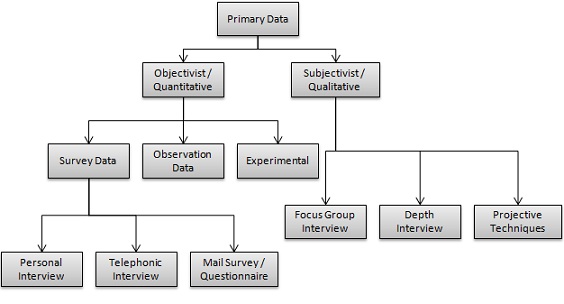
Data collection is the first step in statistical analysis.

Common methods include:

Surveys

Surveys collect information by asking questions.

Example:

Customer satisfaction surveys.

Experiments

Experiments involve controlled testing.

Example:

Testing a new medicine on patients.

Observation

Data is collected by watching events or behaviors.

Example:

Studying animal behavior.

Sampling Methods

Sampling methods determine how samples are selected.

Common sampling methods include:

  • Random sampling
  • Systematic sampling
  • Stratified sampling
  • Cluster sampling

Proper sampling ensures that results accurately represent the population.


5. Organizing Data

After collecting data, it must be organized so that it can be analyzed effectively.

Methods of organizing data include:

Frequency Tables

A frequency table shows how often each value occurs.

Example:

MarksFrequency
40–503
50–605
60–7010

Cumulative Frequency

This shows the total frequency up to a certain value.

Data Grouping

Large datasets are often grouped into classes or intervals.

Grouping simplifies data analysis.


6. Graphical Representation of Data

Image
Image
Image
Image

Graphs and charts help visualize data.

Bar Graph

Used to compare different categories.

Example:

Comparing sales of products.

Pie Chart

Shows proportions or percentages.

Example:

Distribution of household expenses.

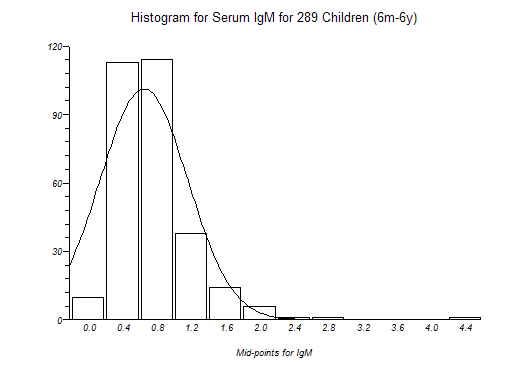
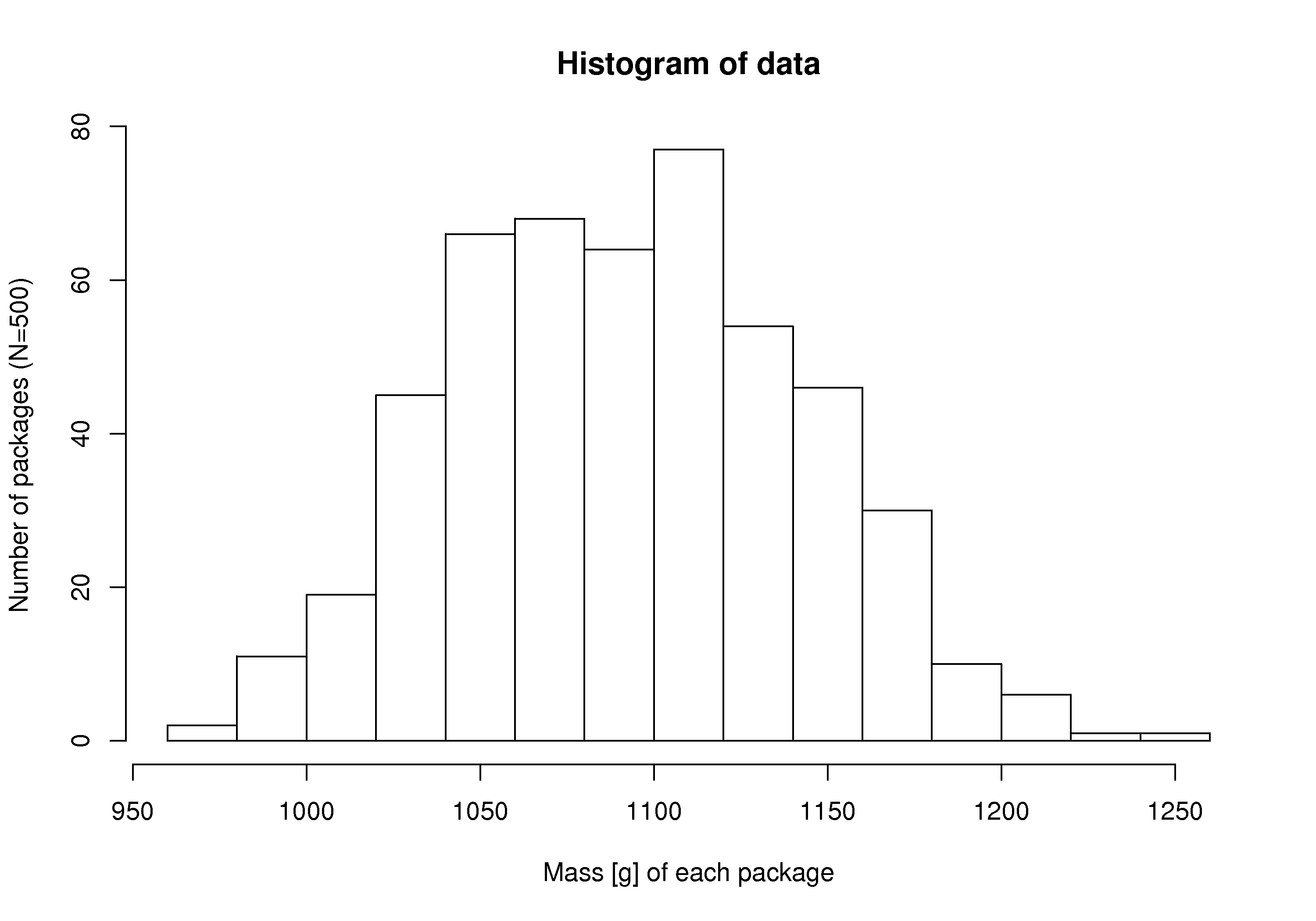
Histogram

Represents frequency distribution of continuous data.

Line Graph

Shows trends over time.

Example:

Population growth.

Graphical representations make complex data easier to understand.


7. Measures of Central Tendency

Image
Image
Image

Measures of central tendency describe the center or typical value of a dataset.

The three main measures are:

Mean (Average)

The mean is calculated by adding all values and dividing by the number of values.

Example:

Data: 5, 7, 8

[
Mean=\frac{5+7+8}{3}=6.67
]

Median

The median is the middle value when data is arranged in order.

Example:

Data: 2, 4, 6, 8, 10

Median = 6

Mode

The mode is the most frequently occurring value.

Example:

Data: 3, 5, 5, 7

Mode = 5

These measures summarize large datasets using a single representative value.


8. Measures of Dispersion

Image
Image
Image

Measures of dispersion describe how spread out data values are.

Range

Range is the difference between the largest and smallest values.

Example:

Data: 5, 10, 15

Range = 15 − 5 = 10

Variance

Variance measures how far values are from the mean.

Standard Deviation

Standard deviation is the square root of variance.

It measures the average distance from the mean.

Small standard deviation indicates that data points are close to the mean.

Large standard deviation indicates more variation.


9. Probability and Statistics

Image
Image
Image

Probability plays an important role in statistics.

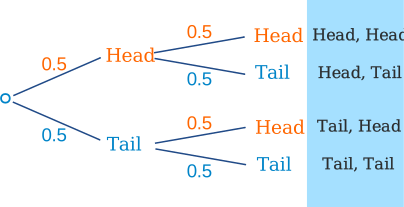
Probability measures the likelihood of an event occurring.

The probability of an event is:

[
P(E)=\frac{\text{Number of favorable outcomes}}{\text{Total outcomes}}
]

Example:

Probability of getting heads when flipping a coin:

[
P=\frac{1}{2}
]

Probability helps statisticians make predictions and analyze uncertainty.


10. Probability Distributions

Image
Image
Image
Image

A probability distribution describes how probabilities are distributed across possible outcomes.

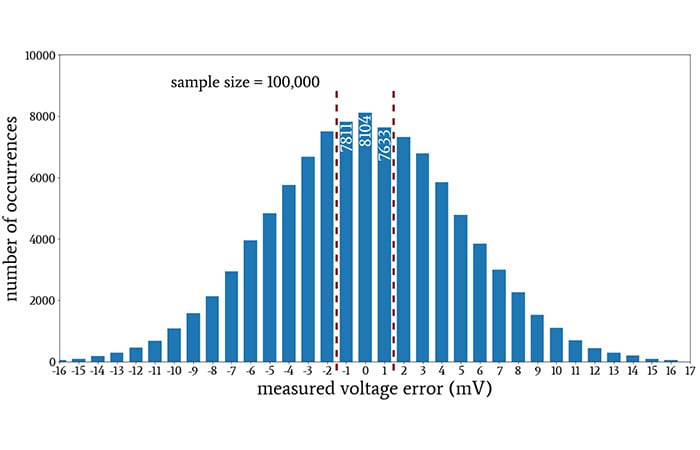
Normal Distribution

Also called the bell curve.

Characteristics:

  • Symmetrical shape
  • Mean = Median = Mode

Many natural phenomena follow normal distribution.

Binomial Distribution

Used when there are only two possible outcomes.

Example:

Success or failure.

Poisson Distribution

Used for counting events occurring within a fixed interval.

Example:

Number of phone calls received per hour.


11. Hypothesis Testing

Hypothesis testing is used to determine whether a claim about a population is true.

Steps in hypothesis testing:

  1. State the hypothesis
  2. Collect data
  3. Analyze data
  4. Draw conclusions

There are two hypotheses:

Null Hypothesis

Assumes no effect or difference.

Alternative Hypothesis

Suggests there is an effect or difference.

Statistical tests help determine whether to accept or reject the hypothesis.


12. Applications of Statistics

Image
Image
Image
Image

Statistics has numerous real-world applications.

Business

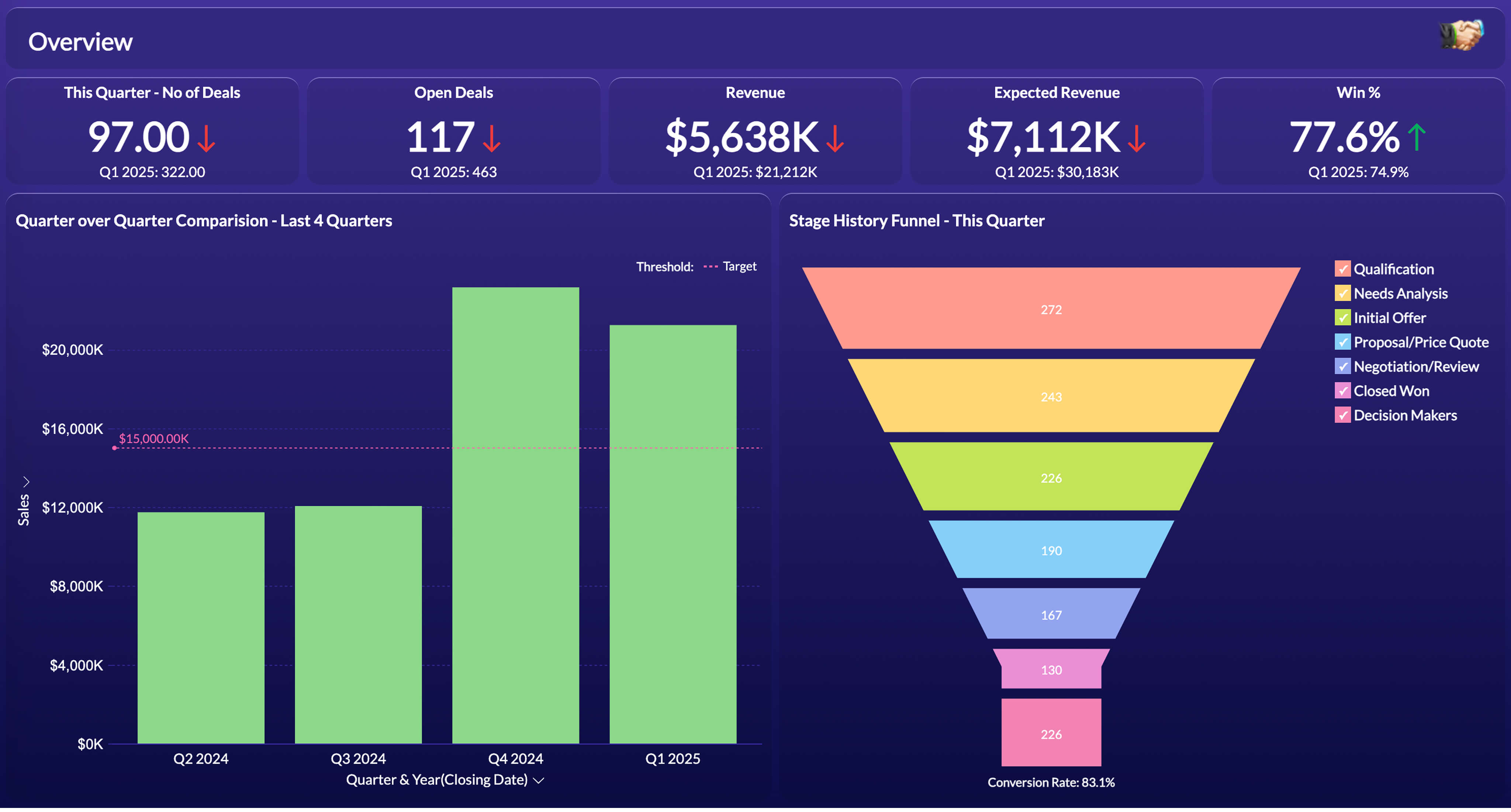
Companies use statistics to analyze sales, customer behavior, and market trends.

Medicine

Doctors use statistics to test medicines and analyze medical data.

Economics

Economists analyze inflation, unemployment, and economic growth using statistical data.

Sports

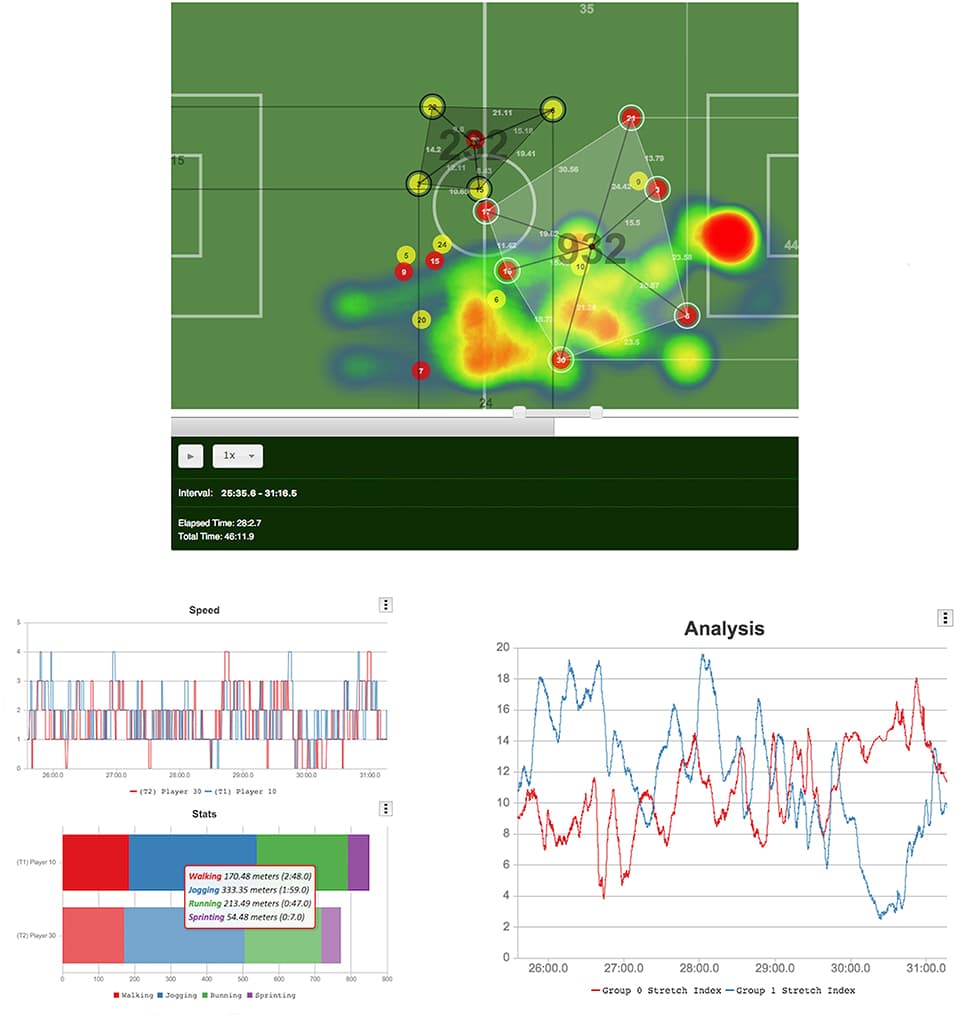
Statistics evaluate player performance and team strategies.

Government

Governments analyze population, employment, and education statistics.

Statistics helps organizations make informed decisions based on data.


13. Importance of Statistics

Statistics is important because it allows us to:

  • Understand large datasets
  • Identify trends and patterns
  • Make predictions
  • Support decision-making
  • Conduct scientific research

In today’s data-driven world, statistics plays a crucial role in solving real-world problems.


14. Conclusion

Statistics is a powerful branch of mathematics that focuses on collecting, organizing, analyzing, and interpreting data. It provides tools for understanding complex information and making informed decisions. Through methods such as descriptive statistics, probability, and inferential analysis, statistics helps researchers uncover patterns and relationships within data.

From scientific research to business planning and public policy, statistics is widely used to analyze information and guide decision-making. As data continues to grow in importance in modern society, the role of statistics becomes increasingly significant in shaping knowledge and innovation.