
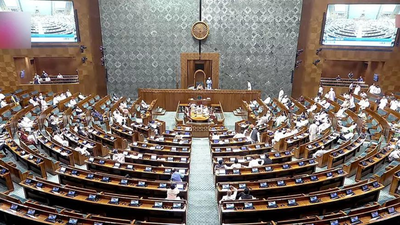
🌍 Visual Overview: Legislature in Action
📘 1. Introduction to Legislature
The Legislature is one of the most important organs of government and forms the law-making body of the state. It represents the will of the people and plays a central role in democratic governance. Through legislation, debate, and oversight, the legislature ensures that governance is conducted in accordance with the constitution and public interest.
In modern political systems, especially democracies, the legislature is often regarded as the “heart of democracy”, because it reflects the voice of citizens and acts as a bridge between the government and the people.
🧠 2. Meaning and Definitions of Legislature
📌 Basic Meaning
The legislature is a representative body responsible for making, amending, and repealing laws.
🧾 Definitions
- A.V. Dicey:
Legislature is the supreme law-making authority in a state. - John Locke:
The legislative power is the supreme power of the commonwealth.
🔑 Key Features
- Representative institution
- Law-making authority
- Accountability mechanism
- Deliberative body
🧱 3. Structure of Legislature
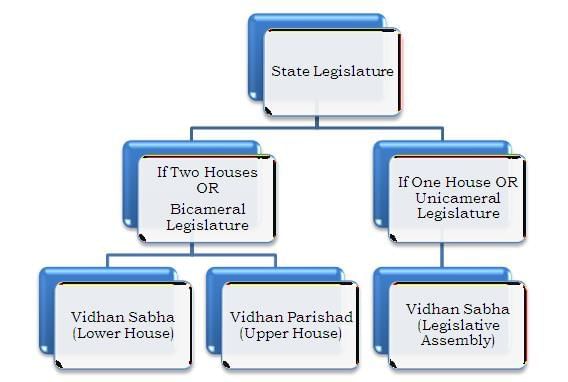
Legislatures differ across countries, but they generally fall into two main structural types:
🟢 3.1 Unicameral Legislature
📌 Meaning
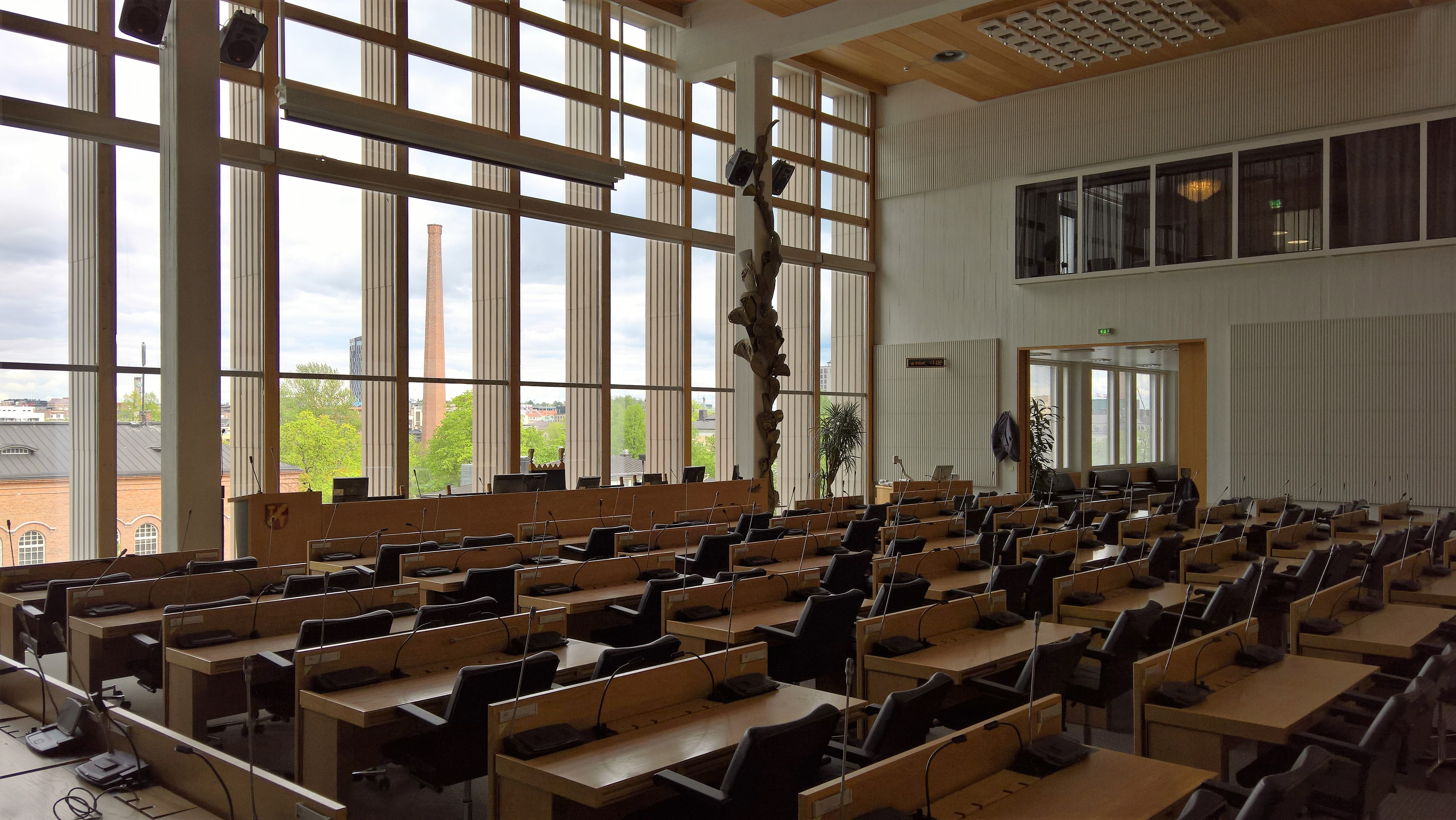
A legislature with only one chamber or house.
🌍 Visual Representation

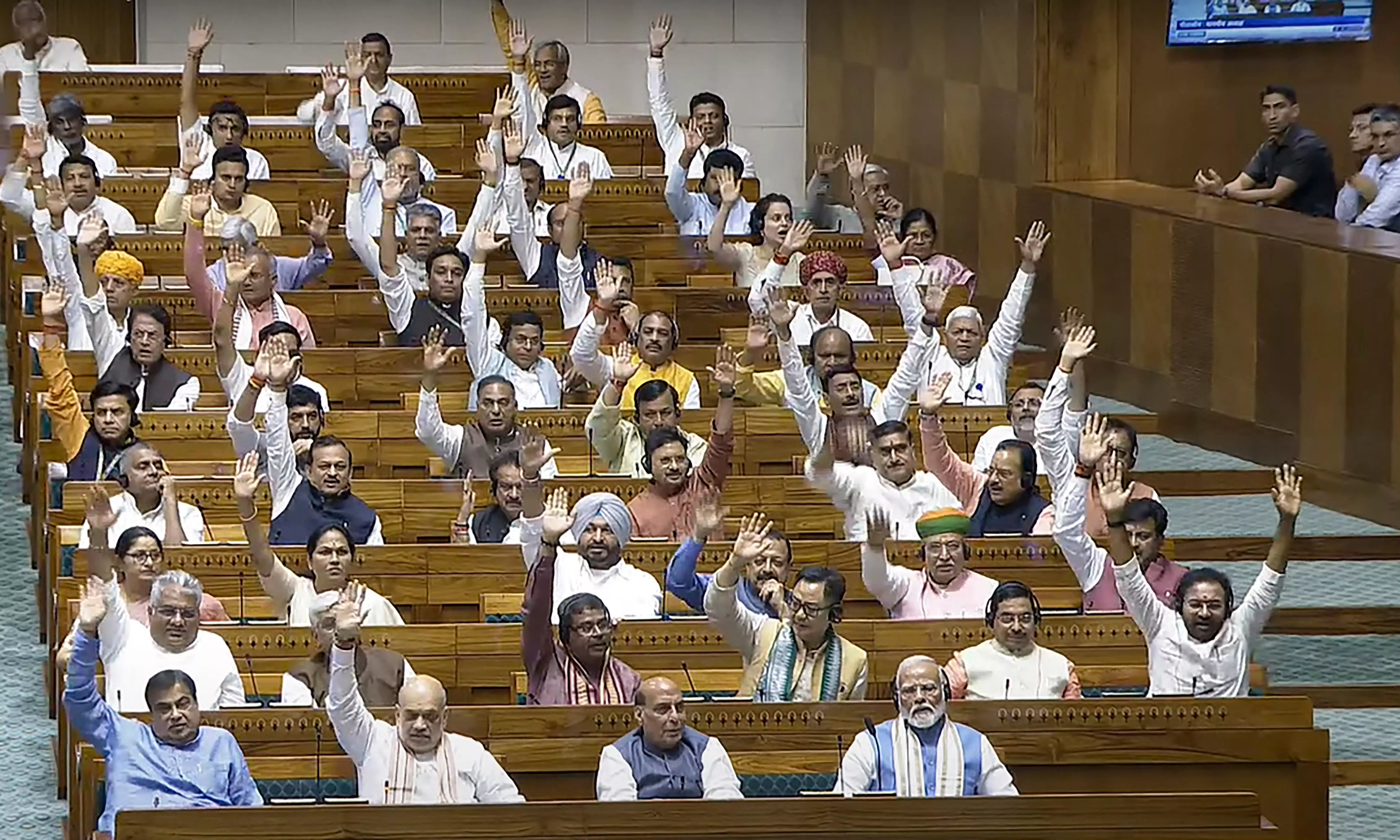
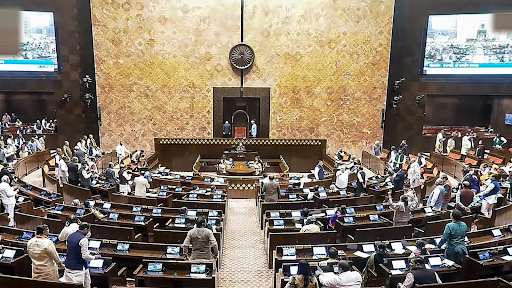
🧩 Features
- Single legislative body
- Faster decision-making
- Simpler structure
📊 Examples
- New Zealand
- China
✅ Advantages
- Efficient
- Cost-effective
⚠️ Disadvantages
- Lack of checks
- Risk of hasty decisions
🔵 3.2 Bicameral Legislature
📌 Meaning
A legislature with two chambers or houses.
🌍 Visual Representation

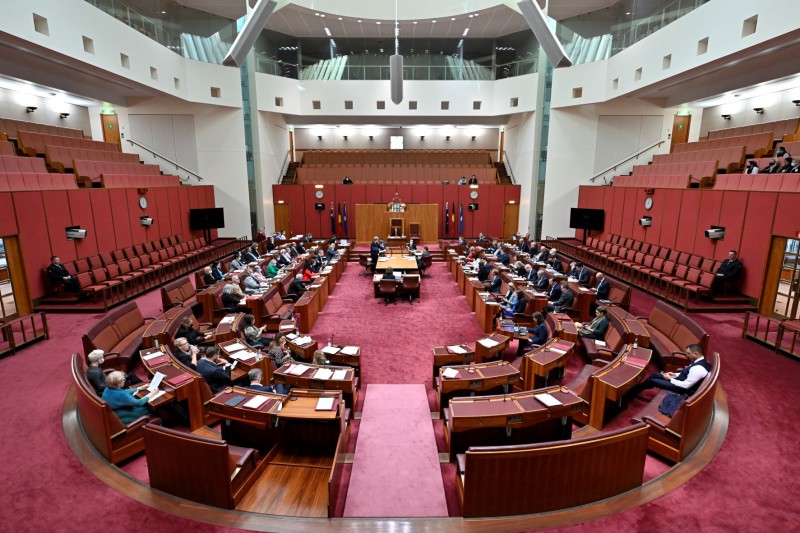
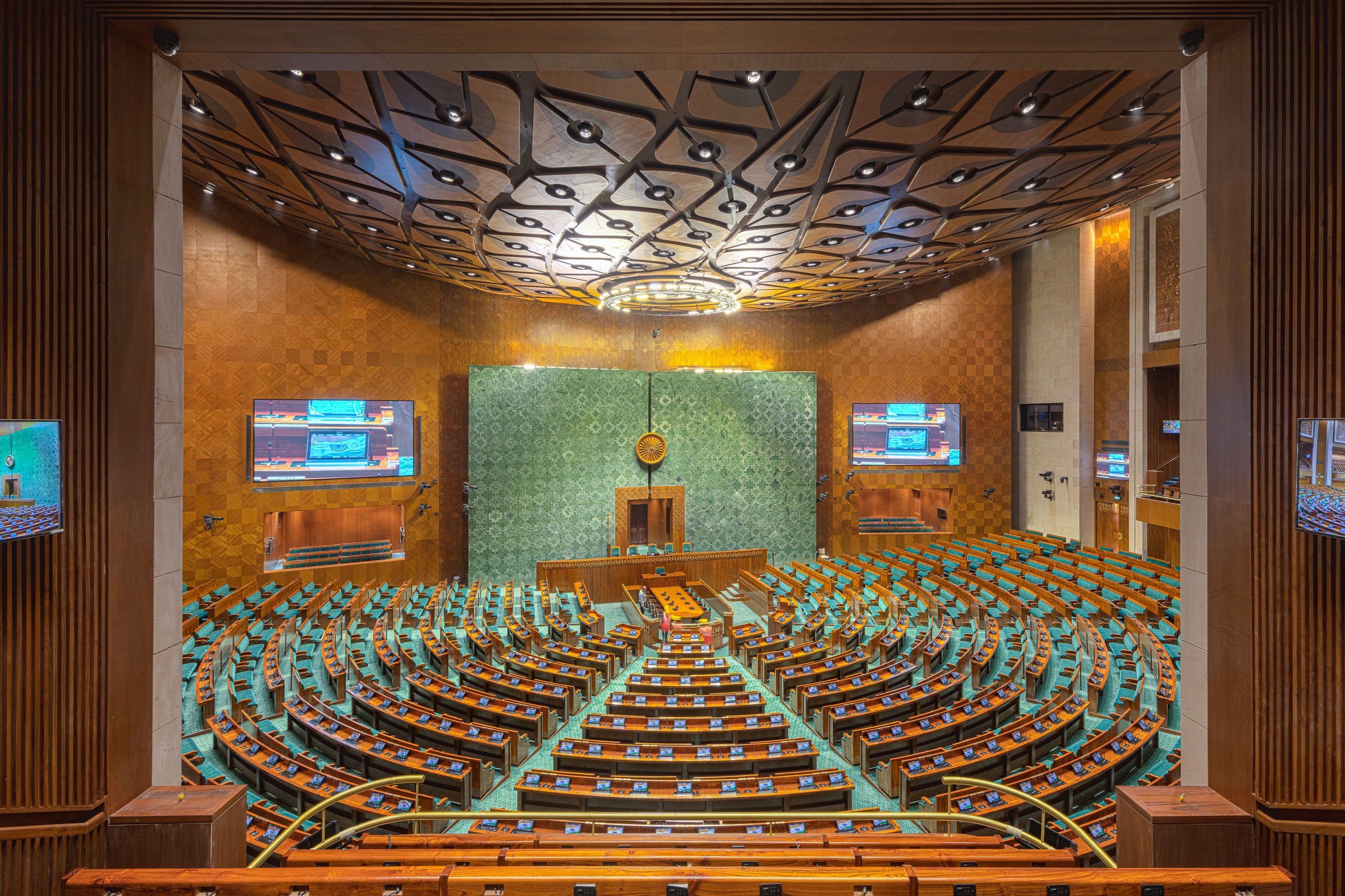

🧩 Structure
🟢 Lower House
- Directly elected
- Represents people
🔵 Upper House
- Indirectly elected or nominated
- Represents states or special interests
📊 Examples
- India (Lok Sabha & Rajya Sabha)
- USA (House of Representatives & Senate)
✅ Advantages
- Better deliberation
- Checks and balances
⚠️ Disadvantages
- Slower process
- Possibility of conflict
⚖️ 4. Composition of Legislature
🟢 1. Members
- Elected or nominated
🔵 2. Speaker/Chairperson
- Presides over sessions
🟣 3. Committees
- Specialized groups for detailed work
🧩 5. Functions of Legislature
🟢 5.1 Law-Making Function
📌 Meaning
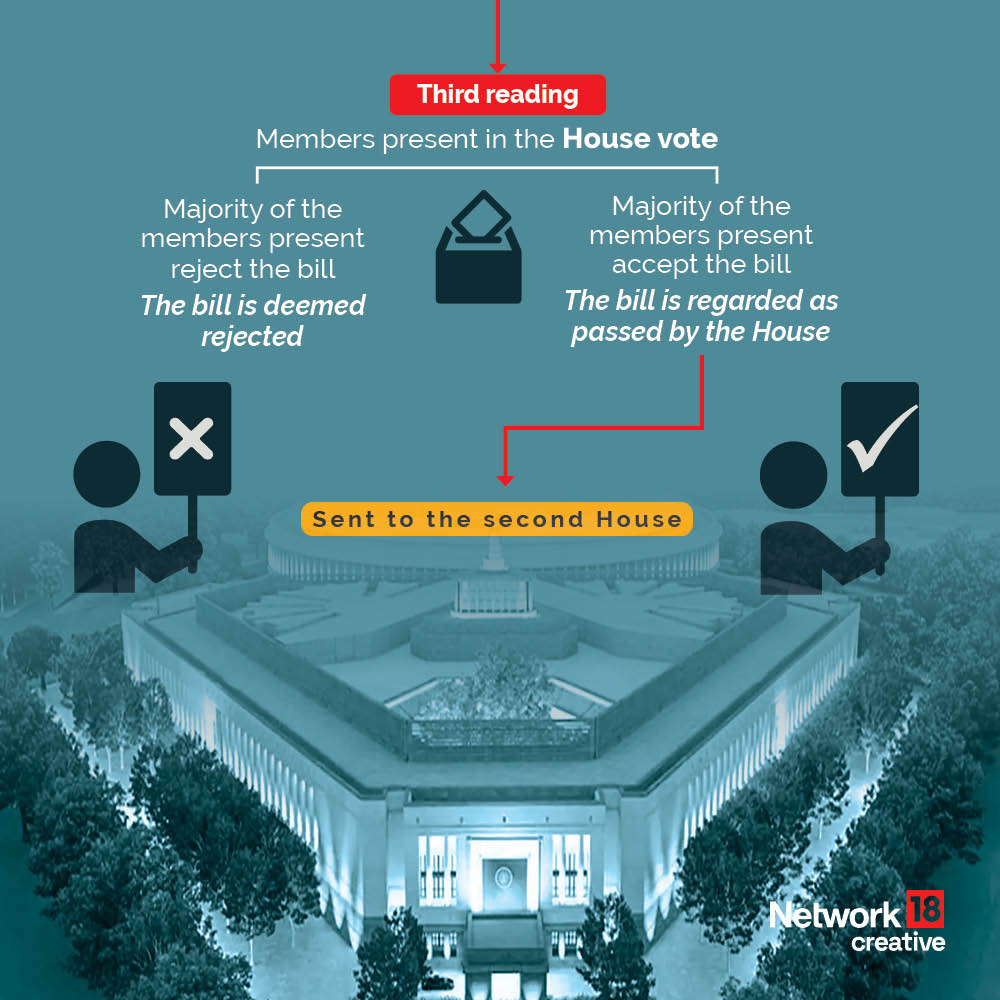
Primary function of legislature is to make laws.
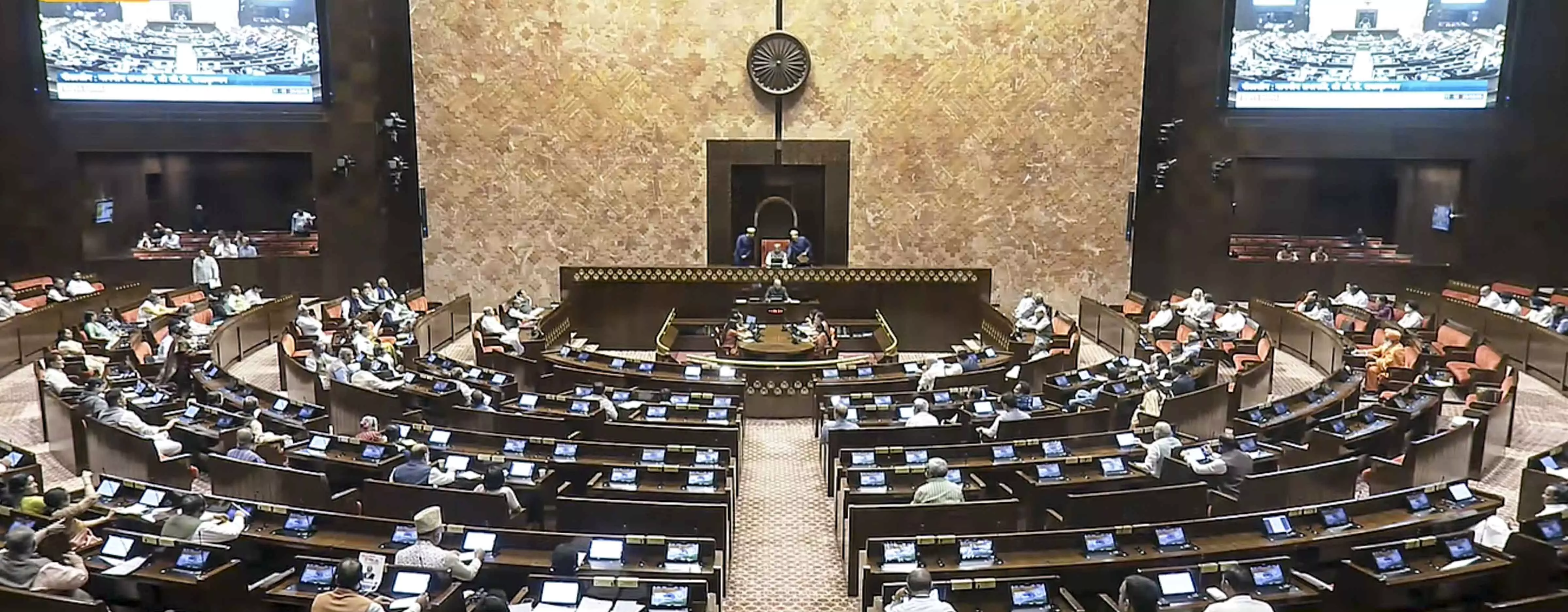
🌍 Visual

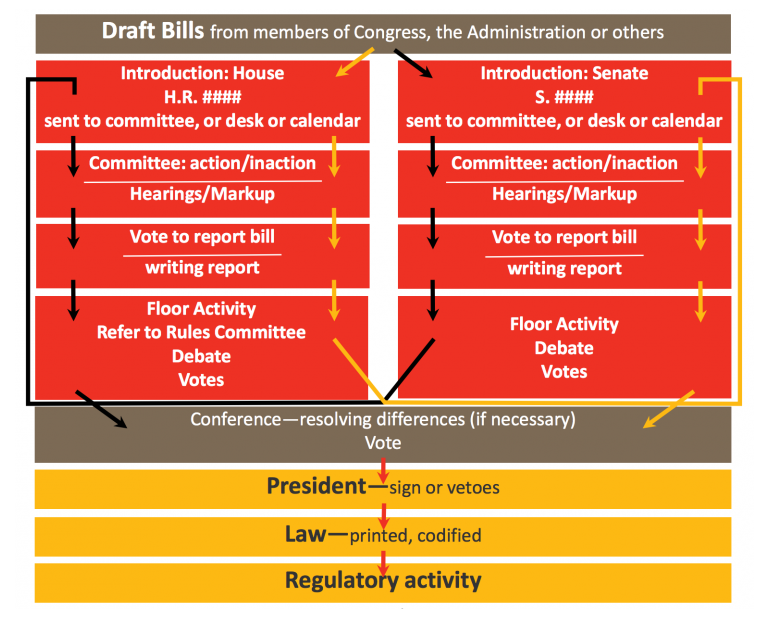

🧩 Process
- Introduction of bill
- Debate
- Voting
- Approval
🔵 5.2 Financial Function
📌 Meaning
Control over public finances.
🧩 Activities
- Budget approval
- Taxation
- Expenditure control
🟣 5.3 Executive Control
📌 Meaning
Legislature holds the executive accountable.
🧩 Methods
- Question hour
- Debates
- No-confidence motion
🔴 5.4 Deliberative Function
📌 Meaning
Provides a platform for discussion and debate.
🧩 Importance
- Public issues discussed
- Policies examined
🟡 5.5 Electoral Function
📌 Meaning
Participates in election of officials.
📊 Examples
- Election of President (in some countries)
⚫ 5.6 Constitutional Function
📌 Meaning
Amends the constitution.
⚪ 5.7 Judicial Function
📌 Meaning
Acts as a court in certain cases.
🔗 6. Importance of Legislature
- Represents people
- Ensures accountability
- Protects democracy
- Promotes transparency
⚖️ 7. Legislature and Democracy
- Central to democratic governance
- Reflects public opinion
- Ensures participation
🌍 8. Modern Role of Legislature
📱 Digital Governance
- Online debates
- E-parliament
🌐 Global Influence
- International cooperation
⚠️ 9. Challenges Faced by Legislature
🔴 1. Declining Debates
- Less discussion
🔵 2. Executive Dominance
- Weakening legislature
🟣 3. Corruption
- Ethical issues
🟡 4. Disruptions
- Frequent interruptions
🧠 10. Reforms for Strengthening Legislature
- Stronger committees
- Transparency
- Public participation
- Ethical standards
🧠 11. Comparison: Unicameral vs Bicameral
| Feature | Unicameral | Bicameral |
|---|---|---|
| Chambers | One | Two |
| Speed | Faster | Slower |
| Checks | Less | More |
🧠 12. Conclusion
The legislature is a pillar of democratic governance, responsible for law-making, accountability, and representation. Its structure—whether unicameral or bicameral—affects how effectively it performs its functions.
A strong and active legislature ensures transparent, accountable, and responsive governance, making it essential for a healthy democracy.