Tag Archives: stoichiometry

Stoichiometry

Image
Image
Image
Image

1. Introduction to Stoichiometry

Stoichiometry is a branch of chemistry that deals with the quantitative relationships between reactants and products in chemical reactions. It allows chemists to calculate the exact amounts of substances consumed and produced during chemical reactions.

The term stoichiometry comes from the Greek words stoicheion meaning element and metron meaning measure. Essentially, stoichiometry is the science of measuring elements and compounds involved in chemical reactions.

When a chemical reaction occurs, atoms are rearranged to form new substances. According to the law of conservation of mass, atoms cannot be created or destroyed during a chemical reaction. Instead, they are redistributed among the reactants and products. Stoichiometry provides the mathematical framework for understanding these relationships.

Stoichiometric calculations allow scientists to determine:

  • How much reactant is required for a reaction
  • How much product will be produced
  • Which reactant will be consumed first
  • The theoretical yield of a reaction
  • The efficiency of chemical reactions

Stoichiometry is fundamental to chemistry because it connects chemical equations with measurable quantities of substances. Without stoichiometry, it would be impossible to accurately design chemical reactions in laboratories, industries, or pharmaceutical production.


2. Balanced Chemical Equations

Image
Image
Image
Image

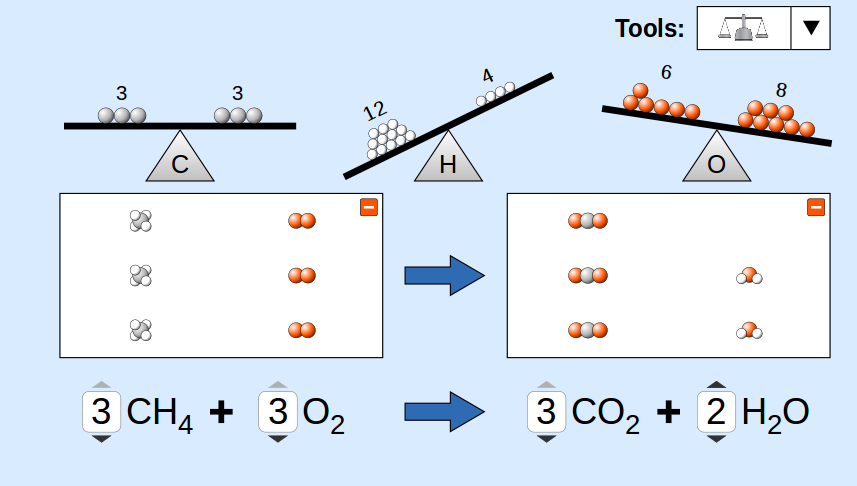
Stoichiometry begins with a balanced chemical equation. A chemical equation represents a chemical reaction by showing the reactants and products involved.

For example:

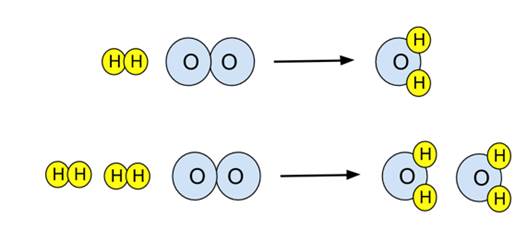
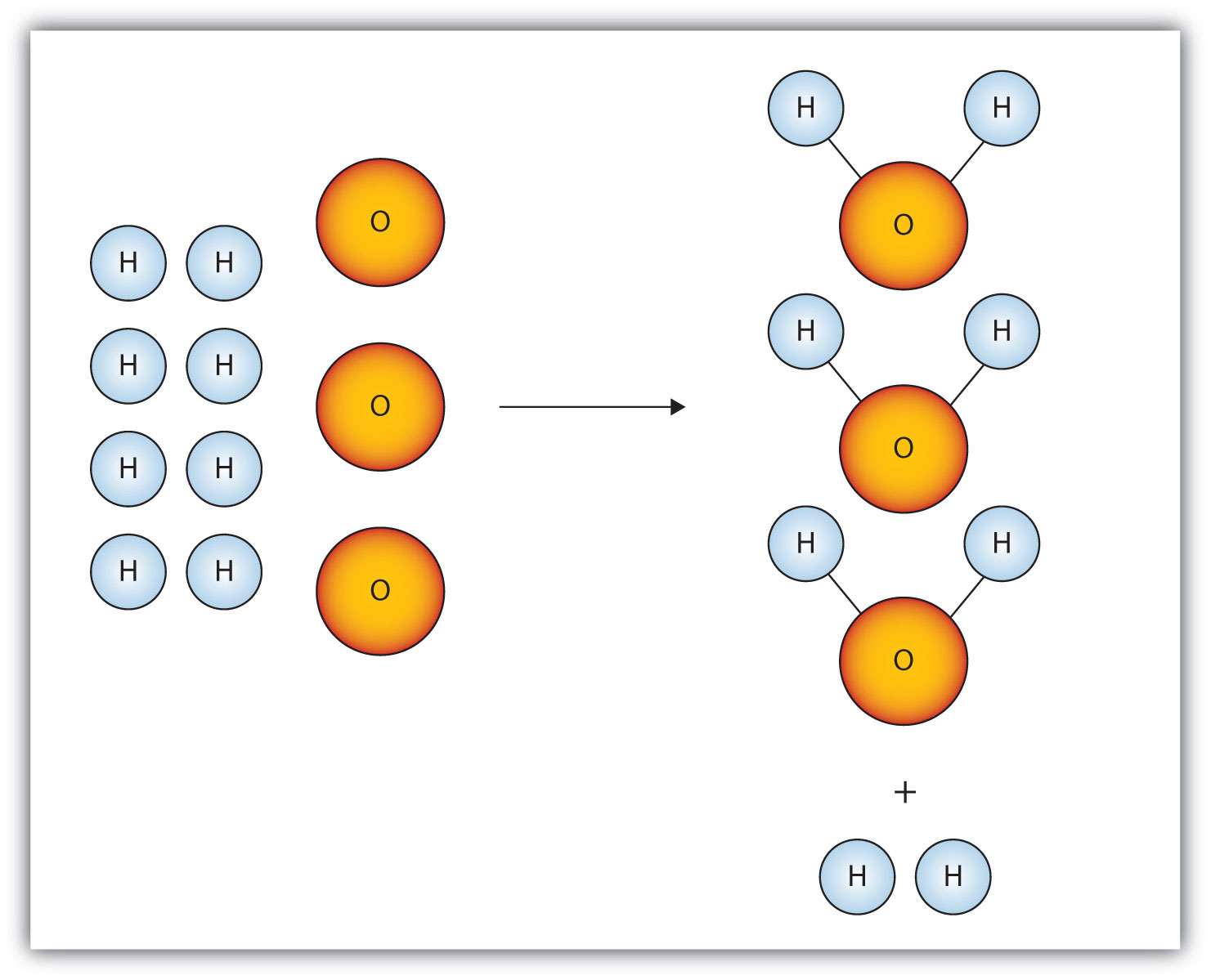
2H₂ + O₂ → 2H₂O

In this equation:

  • Hydrogen and oxygen are reactants.
  • Water is the product.

Balancing a chemical equation ensures that the number of atoms of each element is the same on both sides of the equation. This reflects the law of conservation of mass.

In the above reaction:

Hydrogen atoms:

Left side = 4
Right side = 4

Oxygen atoms:

Left side = 2
Right side = 2

Balanced equations provide the mole ratios used in stoichiometric calculations.


3. Mole Ratios in Stoichiometry

Image
Image
Image
Image

Mole ratios are the relationships between the quantities of substances in a balanced chemical equation.

From the equation:

2H₂ + O₂ → 2H₂O

We can determine the following mole ratios:

2 moles H₂ react with 1 mole O₂
2 moles H₂ produce 2 moles H₂O
1 mole O₂ produces 2 moles H₂O

These ratios allow chemists to convert between quantities of reactants and products.

For example, if 4 moles of hydrogen react with oxygen, we can determine the amount of water produced using the mole ratio.

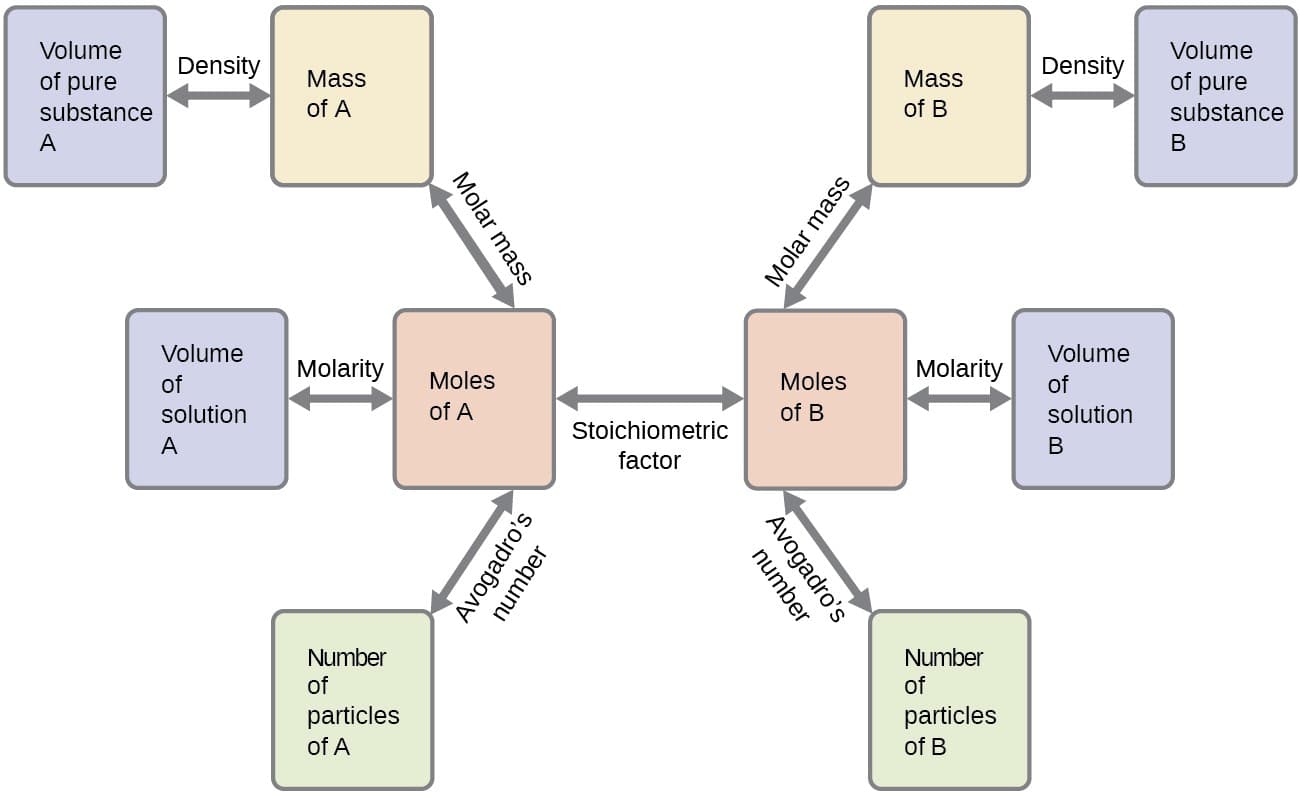
Stoichiometric calculations often involve converting between:

  • Moles of reactants
  • Moles of products

These conversions form the basis of many chemical calculations.


4. Stoichiometric Calculations
Image
Image
Image
Image

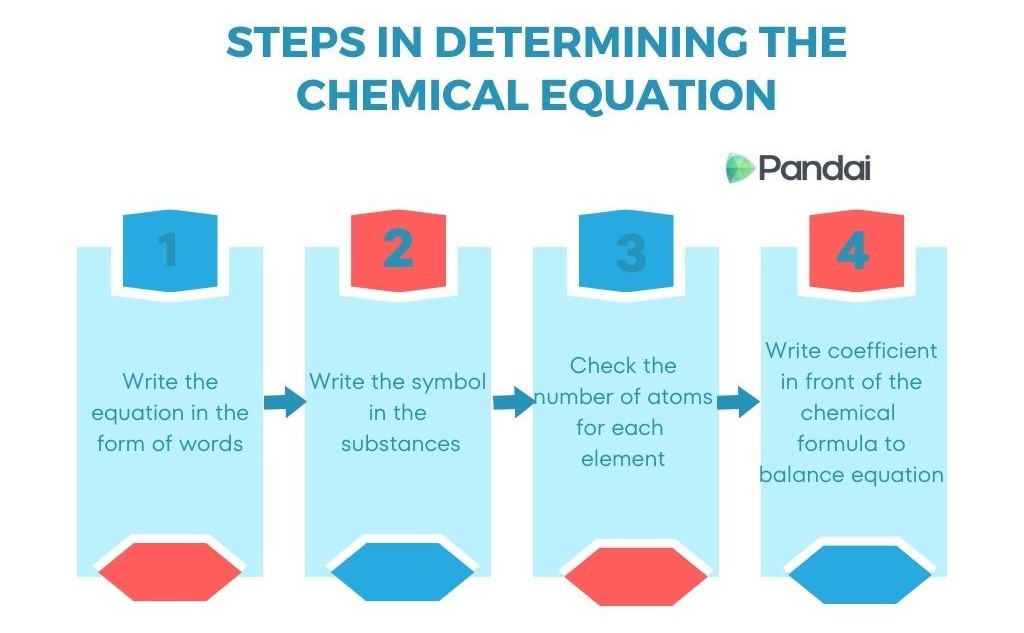
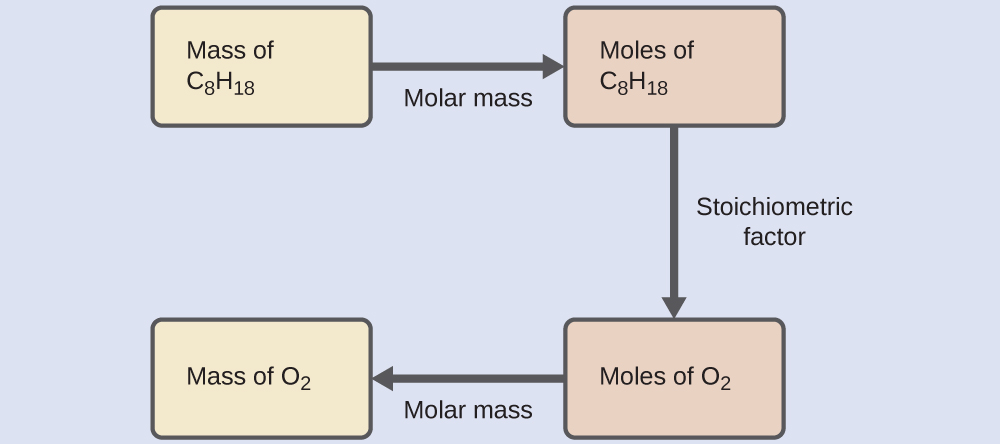
Stoichiometric calculations typically follow several steps.

Step 1: Write a balanced chemical equation.

Example:

2H₂ + O₂ → 2H₂O

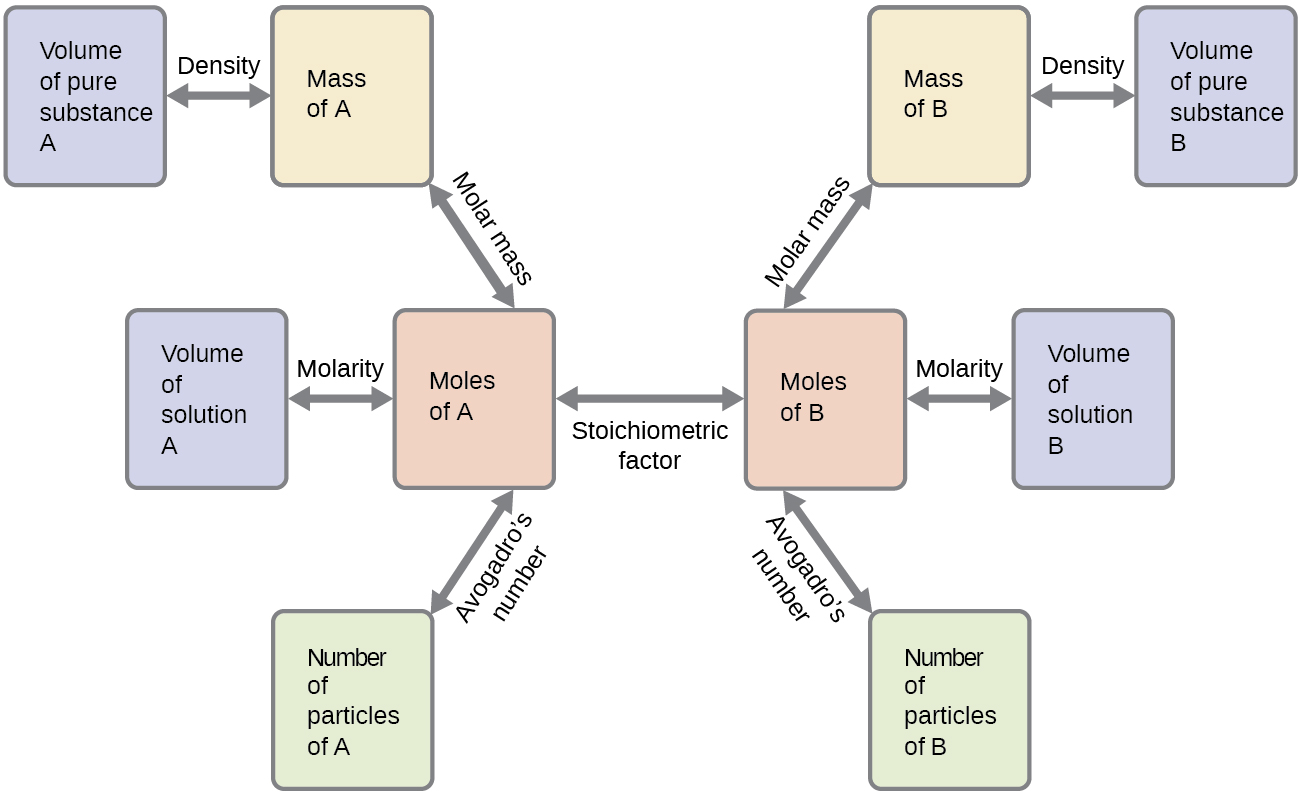
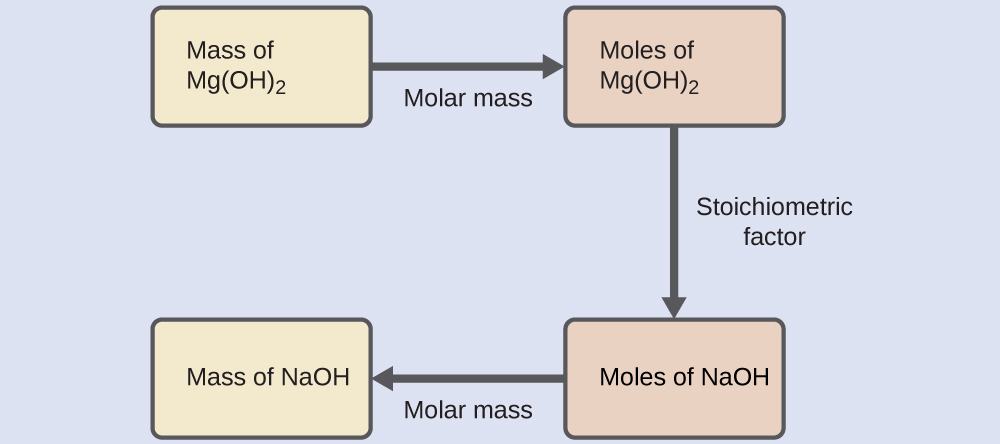
Step 2: Convert known quantities to moles.

Example:

Mass ÷ molar mass = moles

Step 3: Use mole ratios from the balanced equation.

Convert moles of one substance to moles of another.

Step 4: Convert moles to desired units.

Possible units include:

  • Mass
  • Volume
  • Number of particles

These steps allow chemists to calculate quantities involved in chemical reactions.


5. Limiting and Excess Reactants
Image
Image
Image
Image

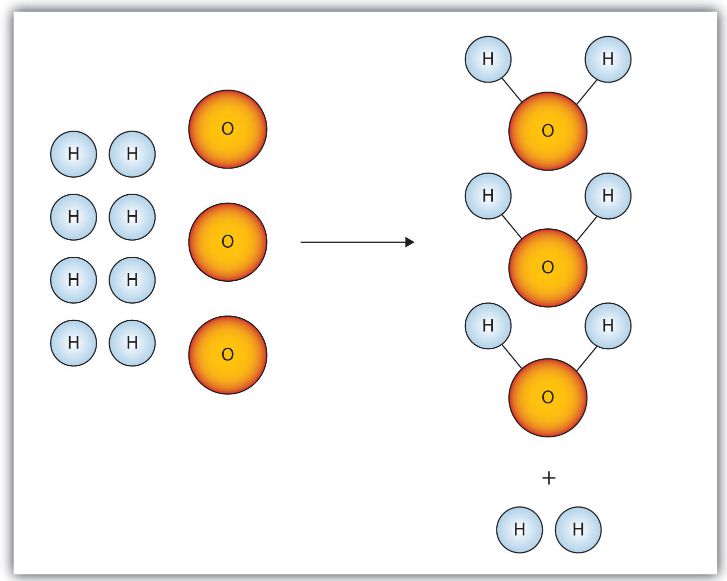
In many reactions, reactants are not present in exact stoichiometric proportions.

One reactant is consumed completely, limiting the amount of product that can form. This reactant is called the limiting reactant.

The other reactant remains after the reaction is complete and is called the excess reactant.

Example:

If hydrogen and oxygen react to form water, the reactant that runs out first determines how much water can form.

Identifying the limiting reactant is important in chemical manufacturing because it determines the maximum possible product yield.


6. Theoretical Yield
Image
Image
Image
Image

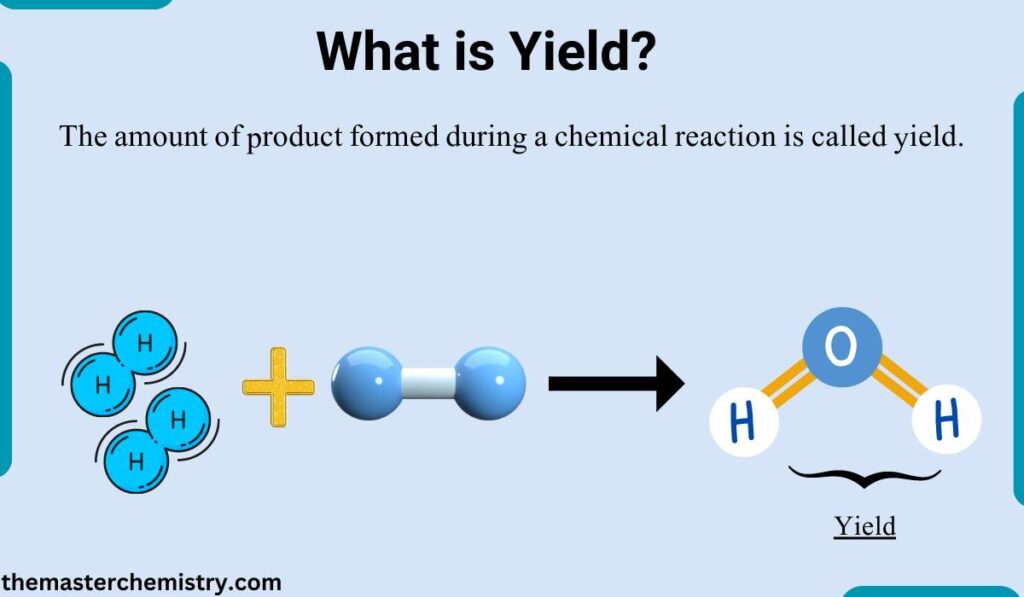
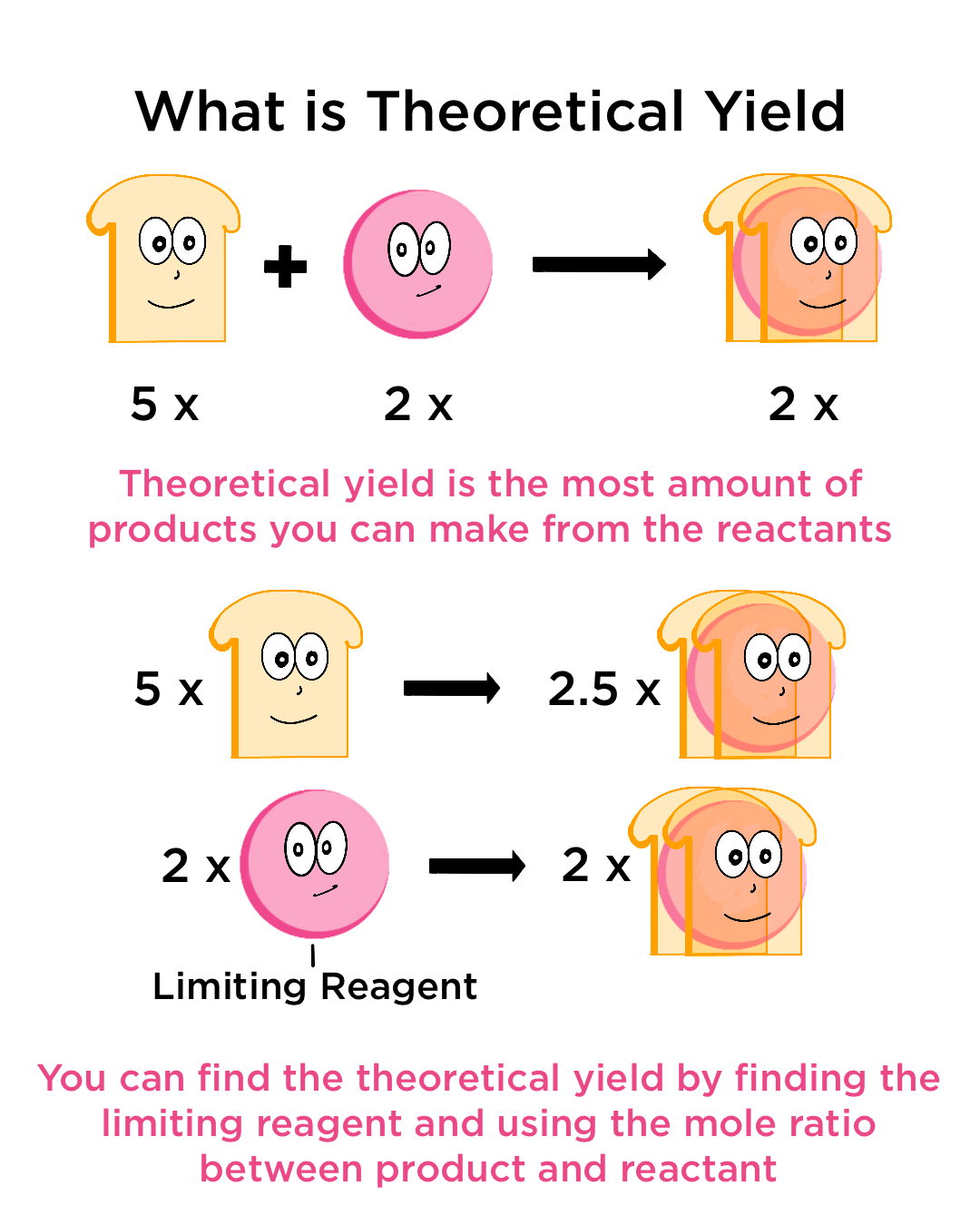
The theoretical yield is the maximum amount of product that can be formed from a given amount of reactants according to stoichiometric calculations.

It assumes that:

  • The reaction proceeds perfectly
  • No side reactions occur
  • All reactants are converted to products

Theoretical yield is calculated using mole ratios from the balanced equation.

For example:

From the reaction:

2H₂ + O₂ → 2H₂O

If 2 moles of hydrogen react with oxygen, the theoretical yield of water is 2 moles.


7. Actual Yield and Percent Yield

Image
Image
Image
Image

In real chemical reactions, the amount of product formed is usually less than the theoretical yield.

The amount actually obtained in an experiment is called the actual yield.

The efficiency of a reaction is measured using percent yield.

Formula:

Percent yield = (Actual yield ÷ Theoretical yield) × 100

Example:

If theoretical yield = 10 g
Actual yield = 8 g

Percent yield = 80%

Percent yield indicates how efficient a chemical reaction is.


8. Stoichiometry with Gases

Image
Image
Image
Image

Stoichiometric calculations can also involve gases.

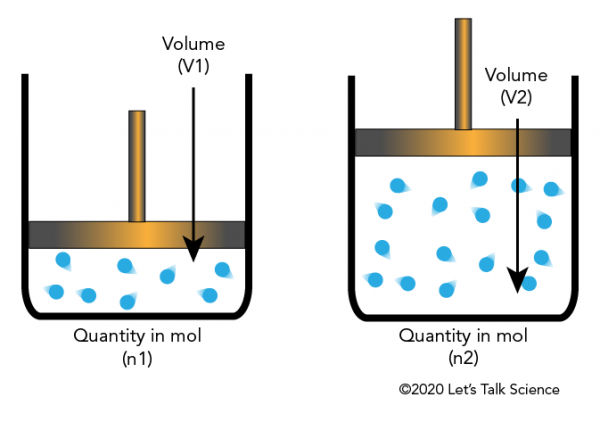
At standard temperature and pressure (STP):

1 mole of gas occupies 22.4 liters.

This relationship allows chemists to calculate gas volumes in reactions.

Example:

If a reaction produces 2 moles of oxygen gas, the volume at STP would be:

2 × 22.4 L = 44.8 L

Gas stoichiometry is important in industrial processes and environmental chemistry.


9. Stoichiometry in Solutions

Image
Image
Image
Image

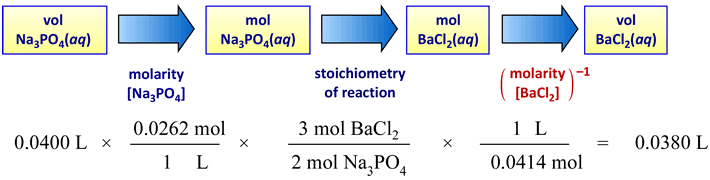
Stoichiometry is also applied to reactions occurring in solutions.

In such cases, concentrations are often expressed using molarity.

Molarity = moles of solute ÷ liters of solution

Stoichiometry with solutions is commonly used in titration experiments, where the concentration of an unknown solution is determined using a reaction with a known solution.

For example, acid–base titrations allow chemists to determine the concentration of acids or bases.


10. Applications of Stoichiometry

Stoichiometry has many important applications in science and industry.

Chemical Manufacturing

Industries rely on stoichiometric calculations to determine the correct amounts of reactants needed to produce chemicals efficiently.

Pharmaceutical Production

Precise stoichiometric ratios are necessary to produce medicines with correct chemical composition.

Environmental Chemistry

Stoichiometry helps analyze pollutant concentrations and chemical reactions in the environment.

Agriculture

Fertilizer production and soil chemistry rely on stoichiometric calculations.

Food Chemistry

Stoichiometry helps understand chemical changes during cooking and food processing.


11. Importance of Stoichiometry

Stoichiometry is one of the most essential tools in chemistry because it connects chemical equations with measurable quantities.

It allows chemists to:

  • Predict reaction outcomes
  • Determine reaction efficiency
  • Design industrial chemical processes
  • Analyze laboratory experiments
  • Understand environmental chemical processes

Without stoichiometry, quantitative chemical analysis would not be possible.


12. Conclusion

Stoichiometry is the quantitative foundation of chemical reactions. By using balanced chemical equations and mole ratios, chemists can calculate the amounts of reactants required and the products formed during reactions.

The mole concept, molar mass, and Avogadro’s number are essential tools used in stoichiometric calculations. These concepts allow scientists to convert between mass, moles, and number of particles.

Stoichiometry also helps identify limiting reactants, determine theoretical and actual yields, and calculate percent yield to evaluate reaction efficiency.

From laboratory experiments to large-scale industrial processes, stoichiometry plays a crucial role in ensuring accurate chemical measurements and efficient reactions. Understanding stoichiometry is therefore essential for mastering chemistry and applying it to real-world problems.


Tags

Mole Concept

Image
Image
Image
Image

1. Introduction to the Mole Concept

The mole concept is one of the most important ideas in chemistry because it provides a bridge between the microscopic world of atoms and molecules and the macroscopic world that we can measure in laboratories. Atoms and molecules are extremely small and cannot be counted directly using ordinary methods. Chemists therefore use the mole as a unit to count particles indirectly.

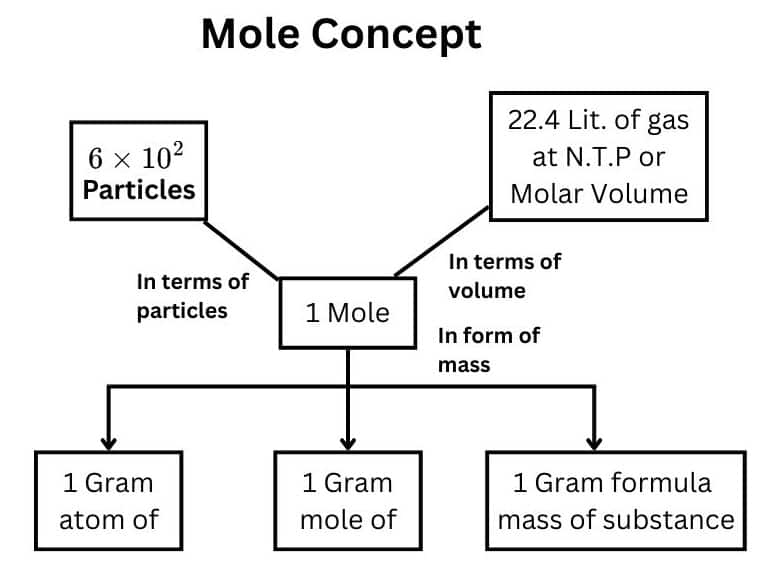
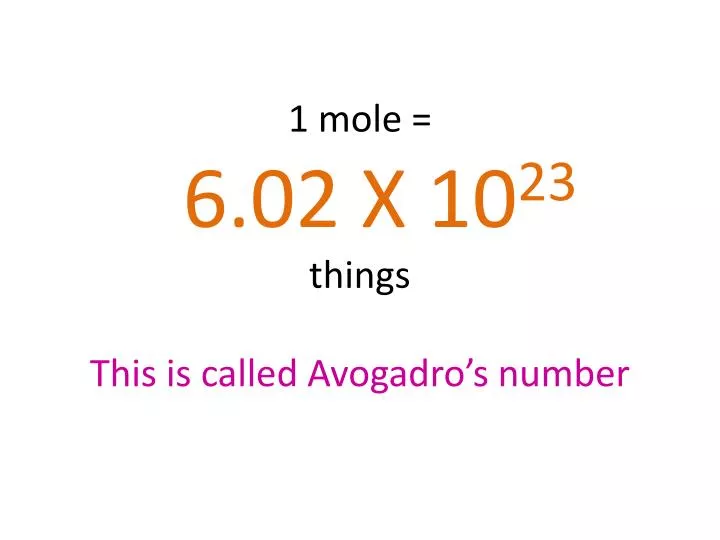
A mole is defined as the amount of substance that contains 6.022 × 10²³ elementary entities, such as atoms, molecules, ions, or electrons. This number is known as Avogadro’s number.

The mole allows chemists to perform calculations involving the quantities of substances involved in chemical reactions. By using the mole concept, chemists can convert between mass, number of particles, and volume of substances.

For example, if we know the mass of a chemical compound, we can calculate the number of molecules present using the mole concept. Similarly, we can determine how many atoms participate in a chemical reaction.

The mole concept is essential for understanding several important topics in chemistry, including:

  • Chemical reactions and stoichiometry
  • Chemical equations
  • Molar mass calculations
  • Gas laws
  • Solution concentration
  • Reaction yield

Without the mole concept, it would be nearly impossible to relate the microscopic properties of atoms and molecules to measurable quantities in the laboratory.


2. Historical Development of the Mole Concept

Image
Image
Image
Image

The mole concept developed from the work of several scientists studying gases and atomic theory.

One of the key contributors was Amedeo Avogadro, an Italian scientist who proposed Avogadro’s hypothesis in 1811.

Avogadro stated that:

Equal volumes of gases at the same temperature and pressure contain the same number of molecules.

Although his hypothesis was initially ignored, later scientists recognized its importance. It eventually became a cornerstone of molecular theory.

The number of particles in a mole was later determined experimentally and named Avogadro’s number in his honor.

This constant provides the basis for converting between atomic-scale quantities and measurable macroscopic amounts of matter.


3. Definition of a Mole

Image
Image
Image
Image

A mole is the standard unit used in chemistry for measuring the amount of substance.

One mole of any substance contains 6.022 × 10²³ particles.

These particles can be:

  • Atoms
  • Molecules
  • Ions
  • Electrons
  • Other elementary entities

Examples:

1 mole of carbon atoms contains 6.022 × 10²³ carbon atoms.
1 mole of water molecules contains 6.022 × 10²³ water molecules.

The mole functions similarly to other counting units such as a dozen.

For example:

1 dozen = 12 objects
1 mole = 6.022 × 10²³ particles

However, the mole represents an extremely large number because atoms and molecules are extremely small.


4. Avogadro’s Number

Image
Image
Image
Image

Avogadro’s number is the number of particles present in one mole of a substance.

Avogadro’s number = 6.022 × 10²³

This number represents an enormous quantity of particles.

To understand its magnitude, consider the following analogy:

If 6.022 × 10²³ grains of sand were spread across Earth, they would cover the planet in a layer several kilometers thick.

Avogadro’s number allows chemists to convert between:

  • Number of particles
  • Amount of substance in moles

For example:

Number of moles = Number of particles ÷ Avogadro’s number

This relationship is essential for many chemical calculations.


5. Molar Mass

Image
Image
Image
Image

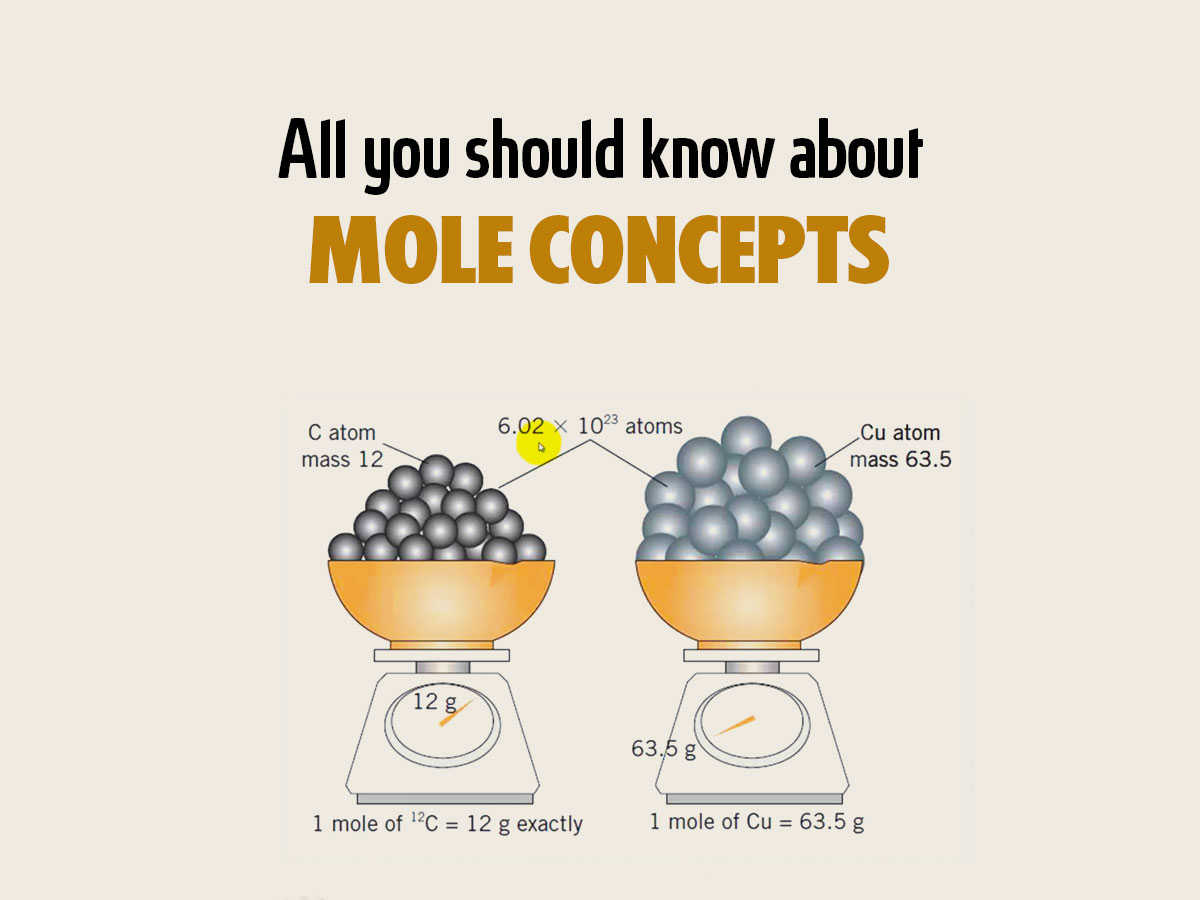
Molar mass is the mass of one mole of a substance.

It is usually expressed in grams per mole (g/mol).

The molar mass of an element is numerically equal to its atomic mass from the periodic table.

Examples:

Carbon → 12 g/mol
Oxygen → 16 g/mol
Hydrogen → 1 g/mol

For compounds, molar mass is calculated by adding the atomic masses of all atoms in the molecule.

Example: Water (H₂O)

Hydrogen: 1 × 2 = 2
Oxygen: 16 × 1 = 16

Total molar mass = 18 g/mol

This means that one mole of water molecules weighs 18 grams.


6. Mole-Mass Relationship

Image
Image
Image

The mole concept allows conversion between mass and moles.

Formula:

Moles = Mass ÷ Molar Mass

Example:

If we have 36 g of water:

Moles of water = 36 ÷ 18 = 2 moles

This relationship is fundamental for chemical calculations and stoichiometry.


7. Mole-Particle Relationship

Image
Image
Image
Image

The mole concept also allows conversion between moles and particles.

Formula:

Number of particles = Moles × Avogadro’s number

Example:

2 moles of oxygen molecules contain:

2 × 6.022 × 10²³ molecules

This equals:

1.2044 × 10²⁴ molecules

This calculation allows chemists to determine the number of atoms or molecules present in a sample.


8. Mole and Gas Volume

Image
Image
Image
Image

For gases, the mole concept is related to volume.

At standard temperature and pressure (STP):

1 mole of any gas occupies 22.4 liters.

This is called the molar volume of a gas.

Example:

1 mole of oxygen gas occupies 22.4 L at STP.

This relationship allows chemists to calculate the volume of gases involved in reactions.


9. Mole Concept in Chemical Reactions

Image
Image
Image
Image

The mole concept is essential for understanding stoichiometry, which deals with quantitative relationships in chemical reactions.

Balanced chemical equations represent ratios of moles of reactants and products.

Example reaction:

2H₂ + O₂ → 2H₂O

This equation means:

2 moles of hydrogen react with 1 mole of oxygen to produce 2 moles of water.

Using these mole ratios, chemists can calculate:

  • Required reactant quantities
  • Amount of product formed
  • Limiting reagents

10. Importance of the Mole Concept

The mole concept is central to many areas of chemistry.

It allows scientists to:

  • Measure amounts of substances accurately
  • Perform chemical calculations
  • Predict reaction outcomes
  • Determine chemical formulas
  • Study reaction mechanisms

Without the mole concept, quantitative chemistry would not be possible.


11. Applications in Science and Industry

The mole concept has many practical applications.

Pharmaceutical Chemistry

Drug doses are determined based on precise quantities of molecules.

Chemical Manufacturing

Industrial reactions rely on mole calculations to produce desired amounts of products.

Environmental Science

Pollutant concentrations are measured using mole-based calculations.

Biochemistry

Molecular concentrations in cells are often expressed in moles.

Materials Science

The mole concept helps determine atomic ratios in materials.


12. Conclusion

The mole concept provides a fundamental link between the microscopic world of atoms and molecules and the macroscopic quantities that chemists measure in laboratories. By defining a mole as 6.022 × 10²³ particles, chemists can convert between mass, number of particles, and volume of substances.

The mole concept enables accurate calculations in chemical reactions, helps determine molecular composition, and plays a crucial role in stoichiometry and quantitative analysis.

From laboratory experiments to industrial manufacturing and biological research, the mole concept is an essential tool that underpins much of modern chemistry. Understanding this concept allows scientists to analyze and predict chemical behavior with remarkable precision.


Tags