
🌿 Introduction


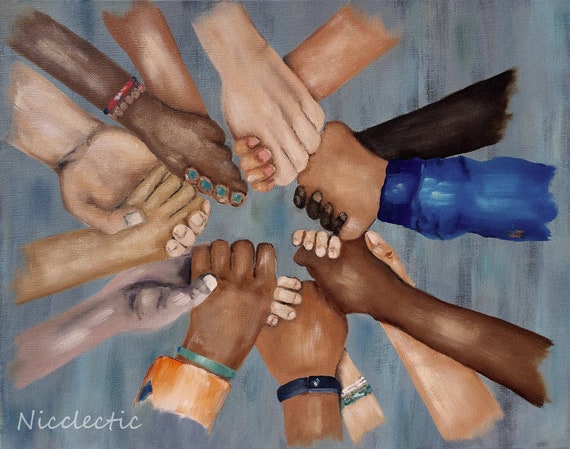

Friendship and cooperation are two of the most essential social values that shape human relationships and enable collective progress. Humans are inherently social beings, and our ability to form friendships and work together has been key to survival, development, and success throughout history. These values foster trust, mutual support, understanding, and unity—qualities necessary for both personal happiness and societal harmony.
Friendship refers to a close and meaningful relationship between individuals based on trust, affection, and mutual respect. Cooperation, on the other hand, involves working together toward a common goal, sharing responsibilities, and supporting one another’s efforts. While friendship emphasizes emotional bonds, cooperation focuses on collective action. Together, they create strong social networks that enhance well-being and productivity.
In today’s interconnected world, where collaboration is essential in education, workplaces, and global problem-solving, friendship and cooperation play a crucial role in building a harmonious and successful society.
🌱 Meaning and Definitions
🔹 Friendship
Friendship is:
- A relationship based on trust, care, and mutual understanding
- Built on shared experiences, values, and emotions
- Characterized by loyalty and support
Examples:
- Helping a friend in need
- Sharing joys and challenges
- Offering emotional support
🔹 Cooperation
Cooperation is:
- Working together to achieve common goals
- Sharing responsibilities and resources
- Supporting collective efforts
Examples:
- Teamwork in school projects
- Collaborating in workplace tasks
- Community efforts in social activities
🔹 Key Differences
| Aspect | Friendship | Cooperation |
|---|---|---|
| Nature | Emotional bond | Action-oriented |
| Focus | Relationship | Goal achievement |
| Example | Supporting a friend | Working in a team |
🧠 Psychological Foundations



🔹 Social Nature of Humans
- Humans are naturally inclined toward forming relationships
- Social connections are essential for survival and happiness
🔹 Emotional Benefits
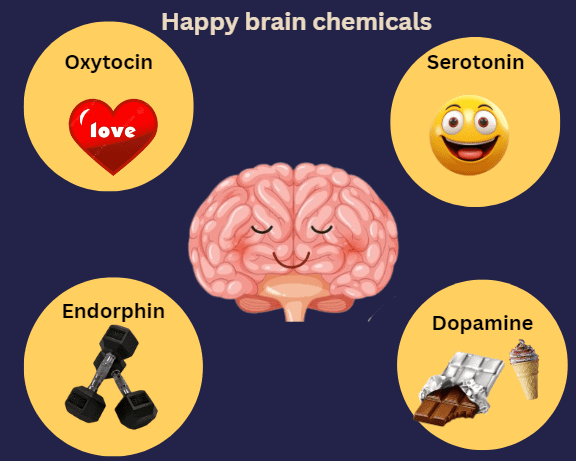
- Friendship reduces loneliness and stress
- Cooperation builds a sense of belonging
🔹 Cognitive Development
- Group interactions enhance problem-solving skills
- Cooperation improves communication and learning
🏛️ Cultural and Historical Perspectives




🔸 Traditional Societies
- Communities relied on cooperation for survival
- Shared resources and collective work
🔸 Indian Culture
- Emphasizes unity and friendship
- Concepts like Vasudhaiva Kutumbakam (world as one family)
🔸 Global Perspectives
- Cooperation is key in international relations
- Friendship between nations promotes peace
🧘 Spiritual and Moral Significance




🔹 Moral Values
- Friendship promotes loyalty and trust
- Cooperation encourages selflessness and teamwork
🔹 Spiritual Teachings
- Many religions emphasize unity and helping others
- Encourages compassion and harmony
🏠 Role in Personal Life
🌟 Emotional Support
- Friends provide comfort and encouragement
- Help in difficult times
🌟 Personal Growth
- Friends influence behavior and values
- Cooperation builds skills
🌟 Happiness
- Strong friendships increase life satisfaction
- Cooperative relationships reduce stress
🌍 Social Importance




🔹 Social Harmony
- Reduces conflicts
- Promotes understanding
🔹 Community Development
- Cooperation leads to progress
- Shared efforts improve living conditions
🔹 Global Cooperation
- Essential for solving global challenges
- Encourages peace and collaboration
🏫 Importance in Education
📘 Classroom Friendship
- Builds a supportive learning environment
- Encourages collaboration
📘 Group Activities
- Teamwork improves learning outcomes
- Develops communication skills
📘 Student Development
- Enhances social skills
- Promotes leadership qualities
💼 Workplace Relevance



🔹 Teamwork
- Cooperation improves productivity
- Builds strong teams
🔹 Professional Relationships
- Friendly interactions enhance work environment
- Reduce workplace conflicts
🔹 Leadership
- Encourages collaboration and trust
⚖️ Ethical Dimensions
🔸 Trust and Loyalty
- Essential for strong friendships
🔸 Fairness
- Equal contribution in cooperative efforts
🔸 Respect
- Valuing others’ opinions and efforts
🧩 Challenges to Friendship and Cooperation


🔹 Miscommunication
- Leads to misunderstandings
🔹 Ego and Competition
- Can damage relationships
🔹 Lack of Trust
- Weakens friendships
🔹 Cultural Differences
- May create barriers in cooperation
🌟 Benefits of Friendship and Cooperation
✅ Personal Benefits
- Emotional support
- Increased happiness
- Better mental health
✅ Social Benefits
- Strong communities
- Reduced conflicts
- Greater unity
✅ Professional Benefits
- Improved teamwork
- Higher productivity
🛠️ Ways to Build Friendship and Cooperation



🔹 Communication
- Express thoughts clearly
- Listen actively
🔹 Trust Building
- Be honest and reliable
🔹 Empathy
- Understand others’ feelings
🔹 Team Participation
- Engage in group activities
🔹 Conflict Resolution
- Address issues calmly and respectfully
📱 Friendship and Cooperation in the Digital Age



🔹 Online Friendships
- Connecting across distances
- Sharing experiences digitally
🔹 Virtual Cooperation
- Remote work and online collaboration
- Digital tools for teamwork
🔹 Challenges
- Lack of face-to-face interaction
- Miscommunication online
🧭 Real-Life Examples
🔹 Students
- Group projects and study groups
🔹 Communities
- Collective efforts in social work
🔹 Global Initiatives
- International cooperation for development
📊 Comparison with Related Values
| Value | Relation |
|---|---|
| Trust | Foundation of friendship |
| Teamwork | Result of cooperation |
| Empathy | Strengthens relationships |
| Communication | Essential for both |
🧾 Conclusion
Friendship and cooperation are vital values that enrich human life and strengthen society. They foster trust, understanding, and collaboration, enabling individuals to achieve personal and collective goals. In a world that increasingly relies on teamwork and connectivity, these values are more important than ever.
By nurturing friendships and practicing cooperation, individuals can build meaningful relationships, enhance their well-being, and contribute to a harmonious and progressive society. These values remind us that together, we are stronger, more capable, and better equipped to face life’s challenges.