
📘 Introduction to Thermal Pollution
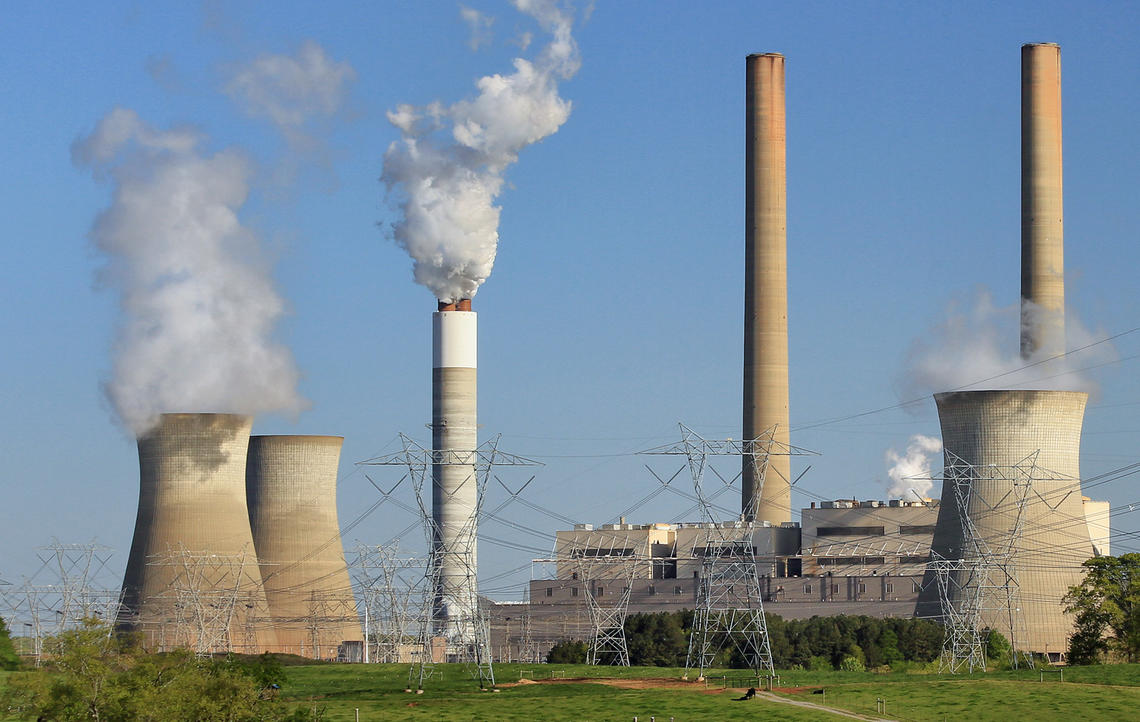
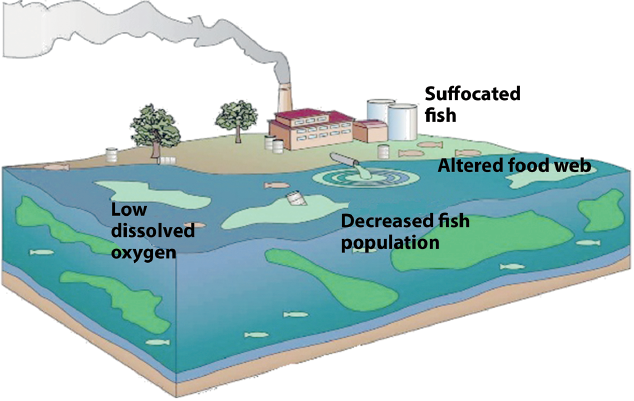
Thermal pollution refers to the degradation of water quality caused by a change in its temperature, usually due to human activities. It occurs when industries or power plants release heated or cooled water into natural water bodies such as rivers, lakes, and oceans, disrupting the ecological balance.
Temperature is a critical factor in aquatic ecosystems because it influences:
- Dissolved oxygen levels
- Metabolic rates of organisms
- Reproductive cycles
- Species distribution
Even small changes in temperature can have significant ecological consequences. Thermal pollution is often less visible than other forms of pollution, but its effects are profound and long-lasting.
🌱 Concept and Definition
📖 Definition
Thermal pollution is defined as the artificial alteration of natural water temperature, typically due to industrial processes, which adversely affects aquatic life and ecosystems.
🔑 Key Features:
- Primarily affects water bodies
- Caused by temperature changes, not chemical contamination
- Often associated with industrial cooling processes
🌍 Sources of Thermal Pollution
Thermal pollution arises from both natural and anthropogenic sources, although human activities are the dominant contributors.
🌿 1. Natural Sources
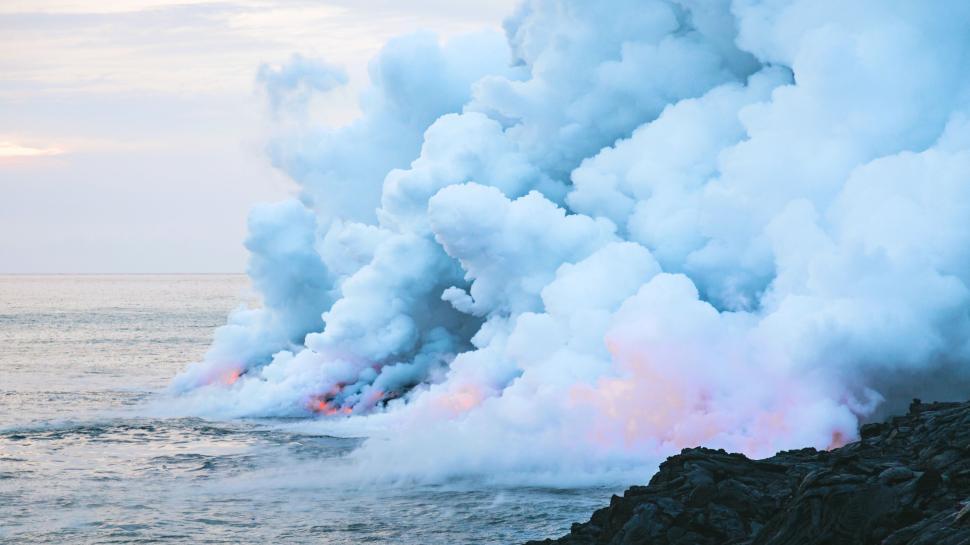


🔑 Examples:
- Volcanic activity
- Hot springs
- Forest fires
These sources are typically localized and temporary.
🏭 2. Anthropogenic (Human-Made) Sources
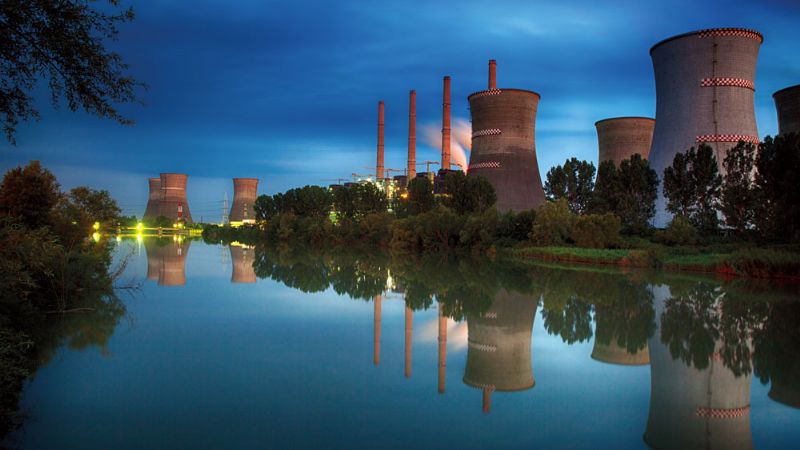
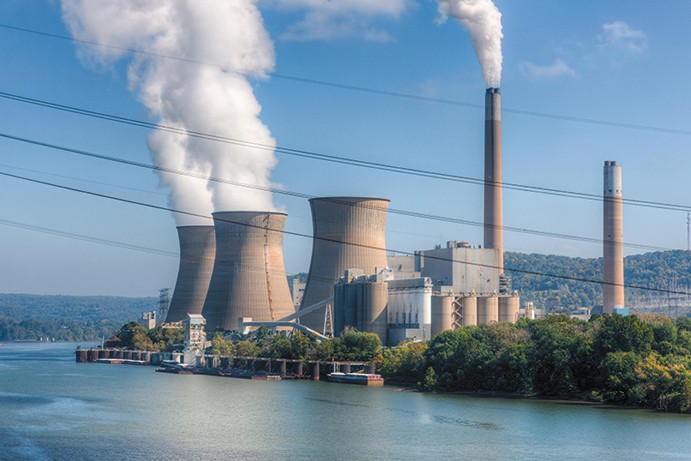
⚡ Thermal Power Plants
- Major source of thermal pollution
- Use water as a coolant
- Discharge heated water back into rivers
☢️ Nuclear Power Plants
- Similar to thermal plants
- Generate large amounts of heat
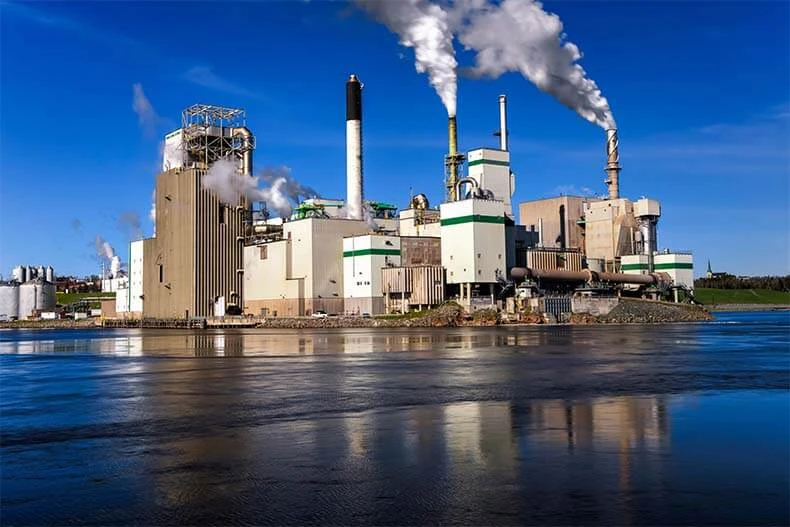
🏭 Industrial Processes
- Steel, chemical, and petroleum industries
- Use water for cooling
🌆 Urban Runoff
- Heated surfaces (roads, pavements) transfer heat to rainwater
🌳 Deforestation
- Reduces shade
- Increases water temperature
🔬 Mechanism of Thermal Pollution
🌡️ Heat Transfer Process:
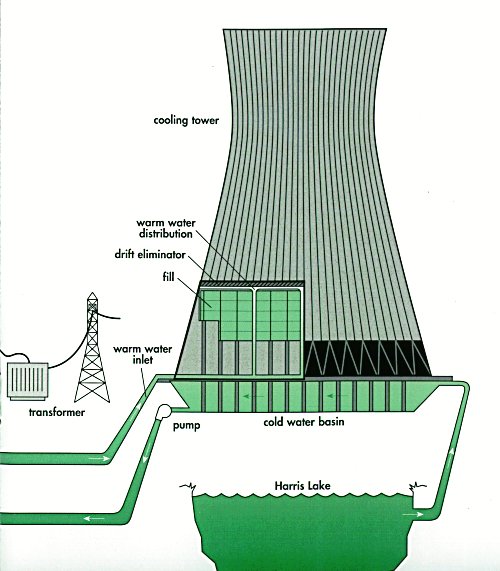
- Water is used as a coolant in industries
- It absorbs heat from machinery
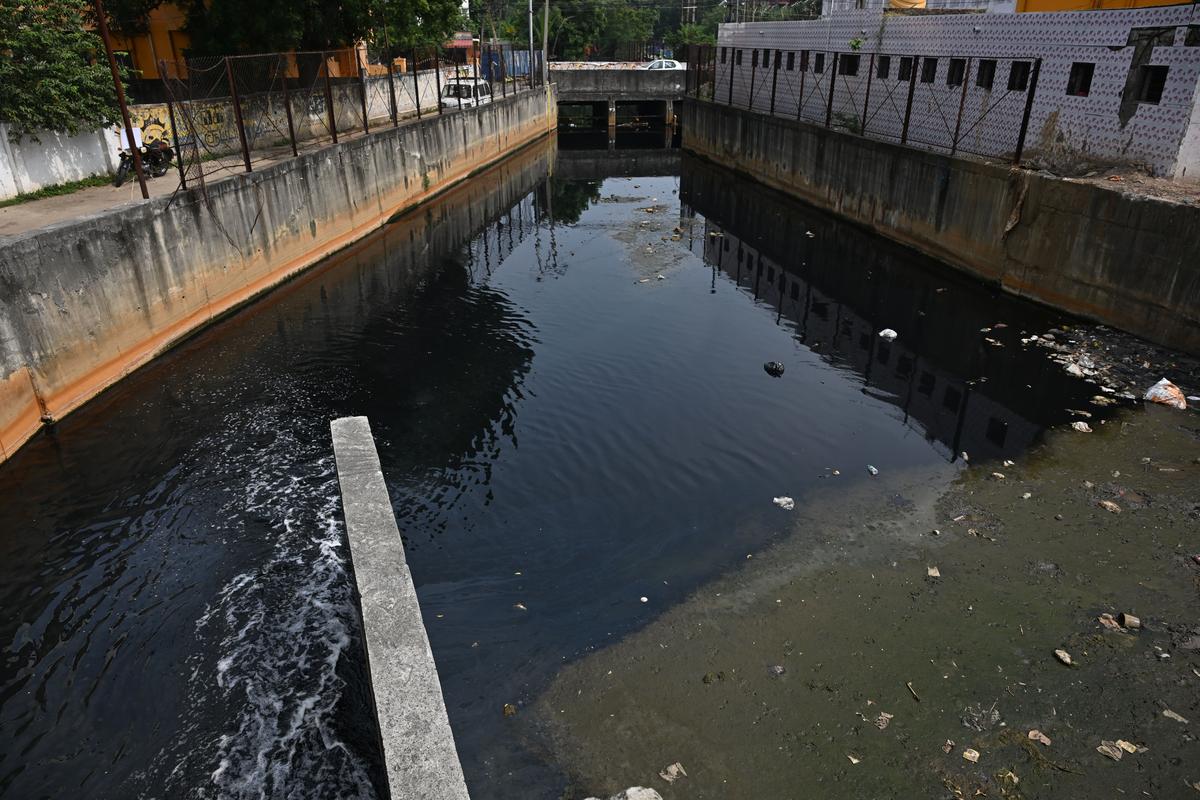
- Heated water is discharged into natural water bodies
This leads to:
- Sudden temperature rise
- Thermal shock to aquatic organisms
🔬 Effects of Temperature Change on Water Properties
1. Dissolved Oxygen (DO)
- Warmer water holds less oxygen
2. Chemical Reactions
- Increased temperature speeds up reactions
3. Biological Activity
- Higher metabolism in aquatic organisms
⚠️ Effects of Thermal Pollution
🐟 1. Effects on Aquatic Life


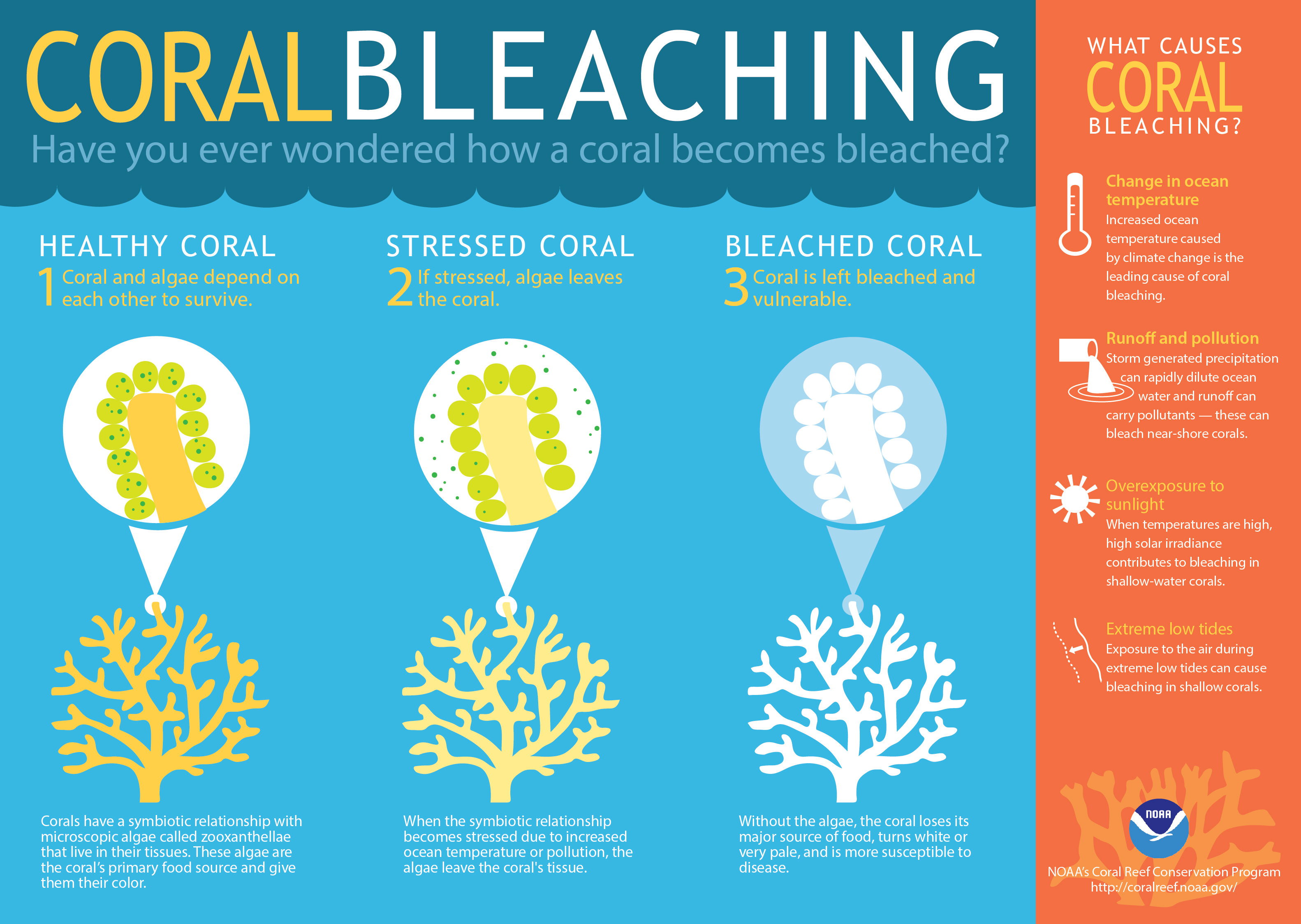
🌡️ Thermal Shock
- Sudden temperature changes kill fish
🐠 Oxygen Depletion
- Reduced dissolved oxygen levels
🧬 Metabolic Changes
- Increased metabolic rates lead to stress
🐣 Reproductive Disruption
- Affects breeding cycles
🌿 2. Effects on Ecosystems
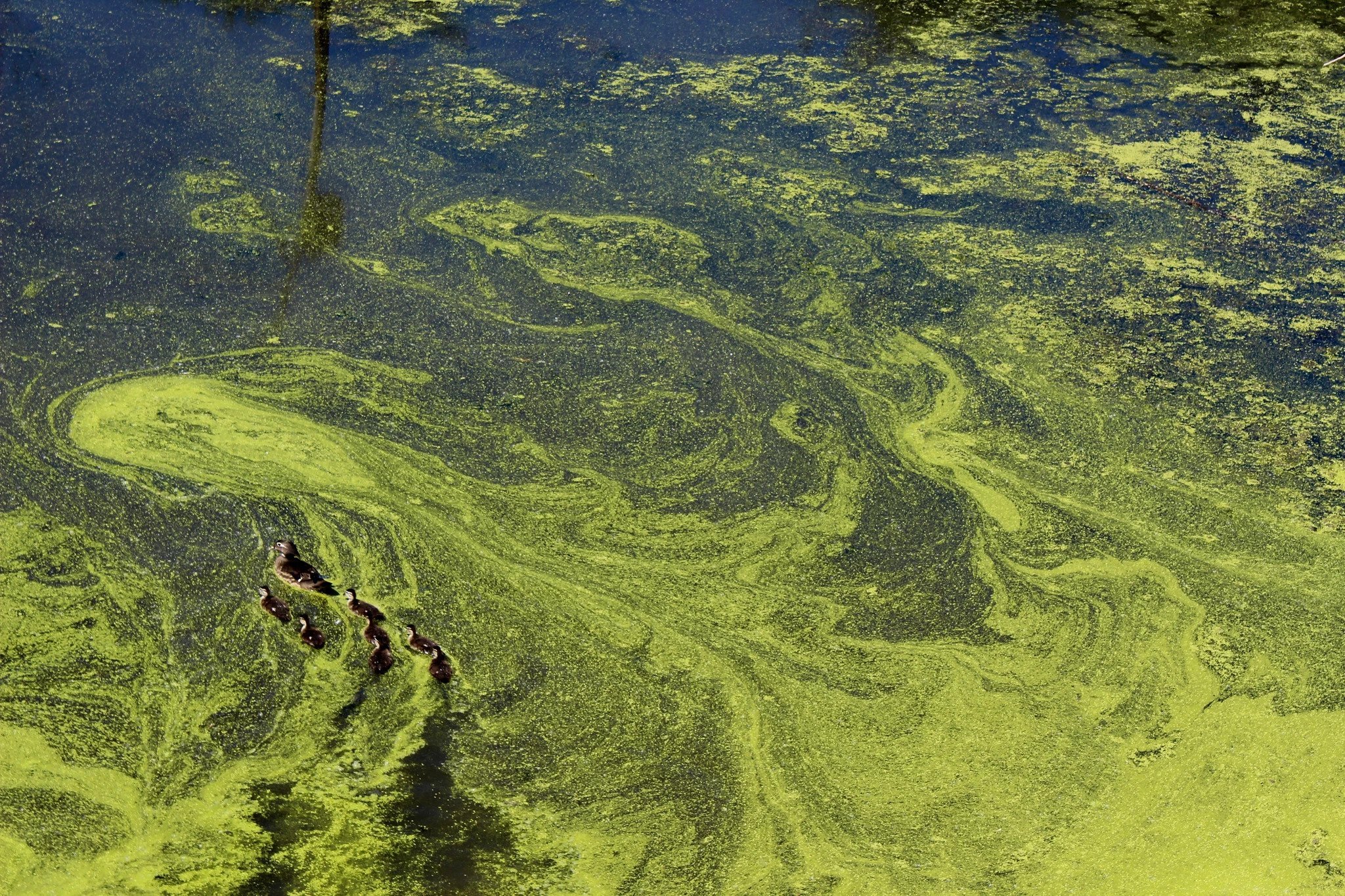

🌱 Algal Blooms
- Warm water promotes algae growth
🐾 Loss of Biodiversity
- Sensitive species die or migrate
⚖️ Ecosystem Imbalance
- Disrupts food chains
🌍 3. Effects on Water Quality
- Increased toxicity of pollutants
- Reduced water usability
👨⚕️ 4. Effects on Human Life
- Affects fisheries
- Reduces water quality
- Economic losses
💰 5. Economic Effects
- Loss of fishery resources
- Increased treatment costs
- Impact on tourism
🌍 Thermal Pollution in India
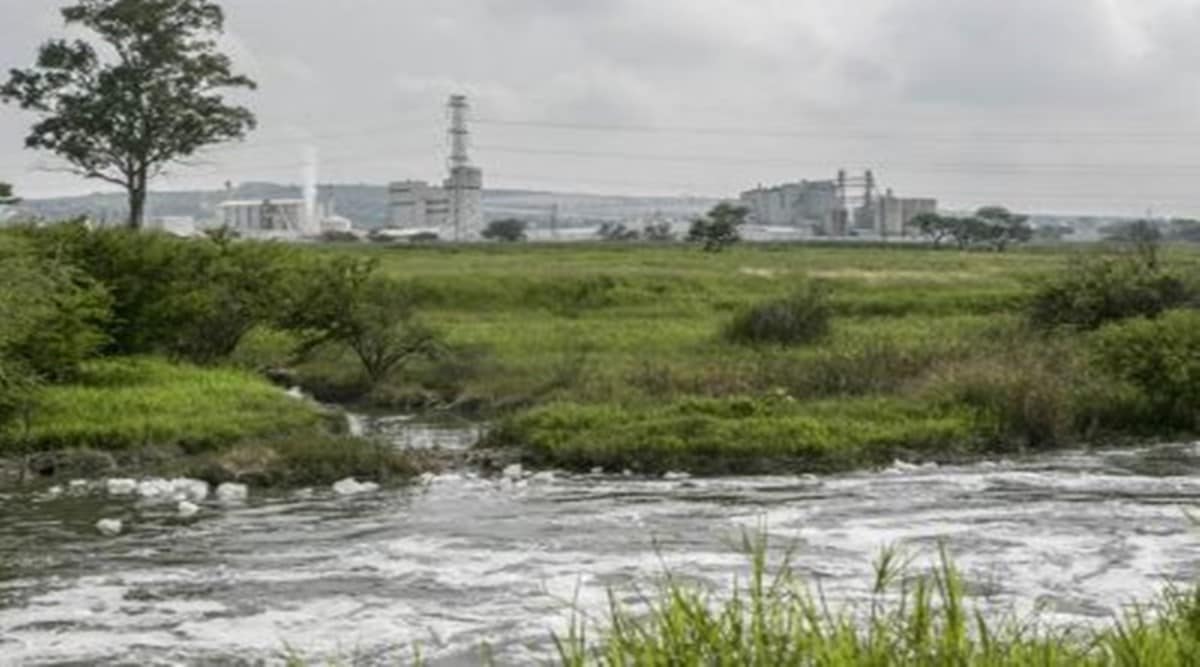
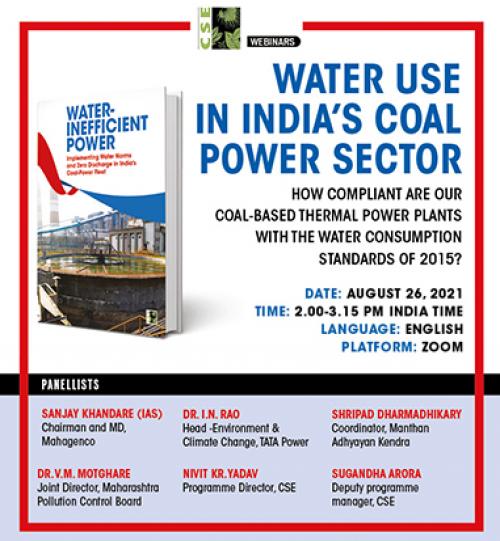
Key Issues:
- Large number of thermal power plants
- Industrial discharge into rivers
Affected Areas:
- Industrial zones
- River systems near power plants
🔬 Measurement of Thermal Pollution
🌡️ Parameters:
- Water temperature
- Dissolved oxygen (DO)
- Biological Oxygen Demand (BOD)
🌱 Control and Prevention of Thermal Pollution
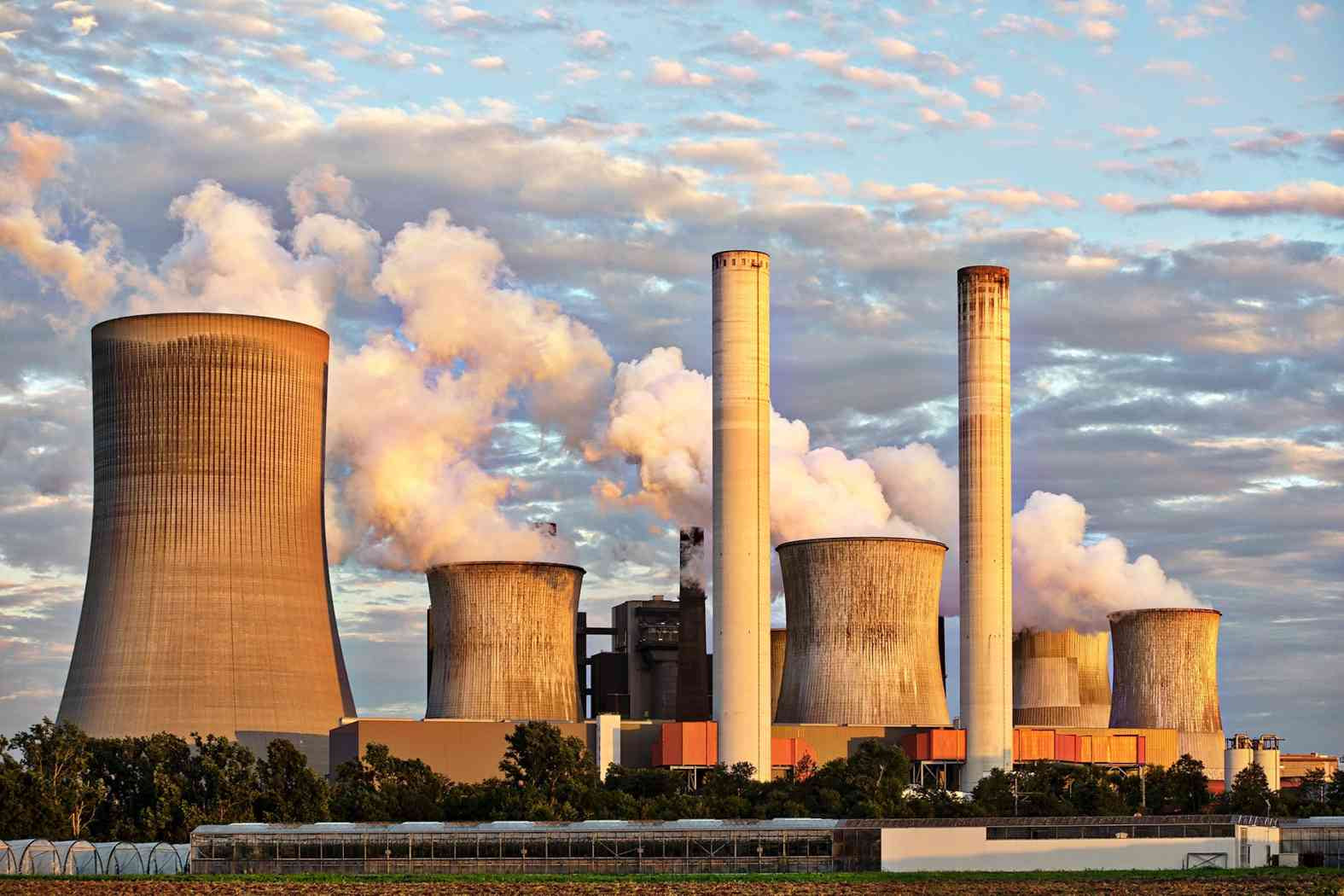


🏭 Cooling Towers
- Reduce temperature before discharge
💧 Cooling Ponds
- Allow heat dissipation
🔄 Recycling Water
- Reuse cooling water
🌿 Afforestation
- Provides shade
- Maintains water temperature
⚙️ Advanced Technology
- Closed-cycle cooling systems
⚖️ Government Regulations
India:
- Environment Protection Act, 1986
- Pollution control guidelines
🌏 Global Efforts
- Sustainable water management
- Environmental regulations
📚 Advantages of Controlling Thermal Pollution
- Protects aquatic life
- Maintains ecosystem balance
- Improves water quality
❌ Challenges
- High industrial demand
- Cost of technology
- Lack of enforcement
🔮 Future Solutions
- Green energy
- Efficient cooling systems
- Smart monitoring
🔄 Comparison with Other Pollution Types
| Pollution Type | Medium | Main Cause |
|---|---|---|
| Air Pollution | Air | Gases, particles |
| Water Pollution | Water | Chemicals, waste |
| Soil Pollution | Land | Chemicals, waste |
| Thermal Pollution | Water | Temperature change |
🧾 Conclusion
Thermal pollution is a significant environmental issue that affects aquatic ecosystems by altering water temperature. Though less visible than other forms of pollution, its impact on biodiversity and water quality is substantial.
Effective management requires:
- Technological solutions
- Strict regulations
- Sustainable practices
Protecting water bodies from thermal pollution is essential for maintaining ecological balance and ensuring long-term environmental sustainability.