Tag Archives: Cooling Systems

๐ŸŒก๏ธ Thermal Pollution

Image
Image
Image
Image

๐Ÿ“˜ Introduction to Thermal Pollution

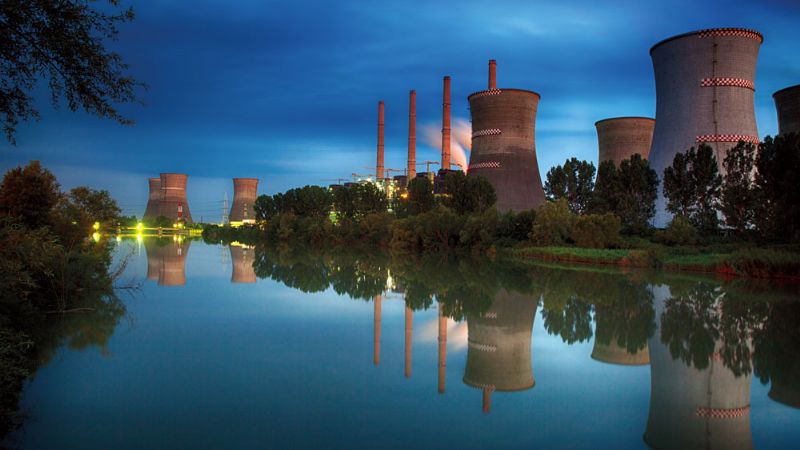
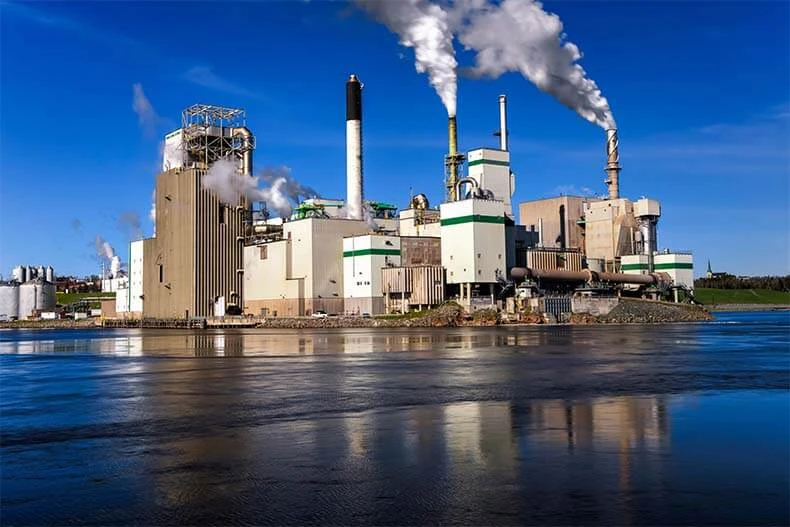
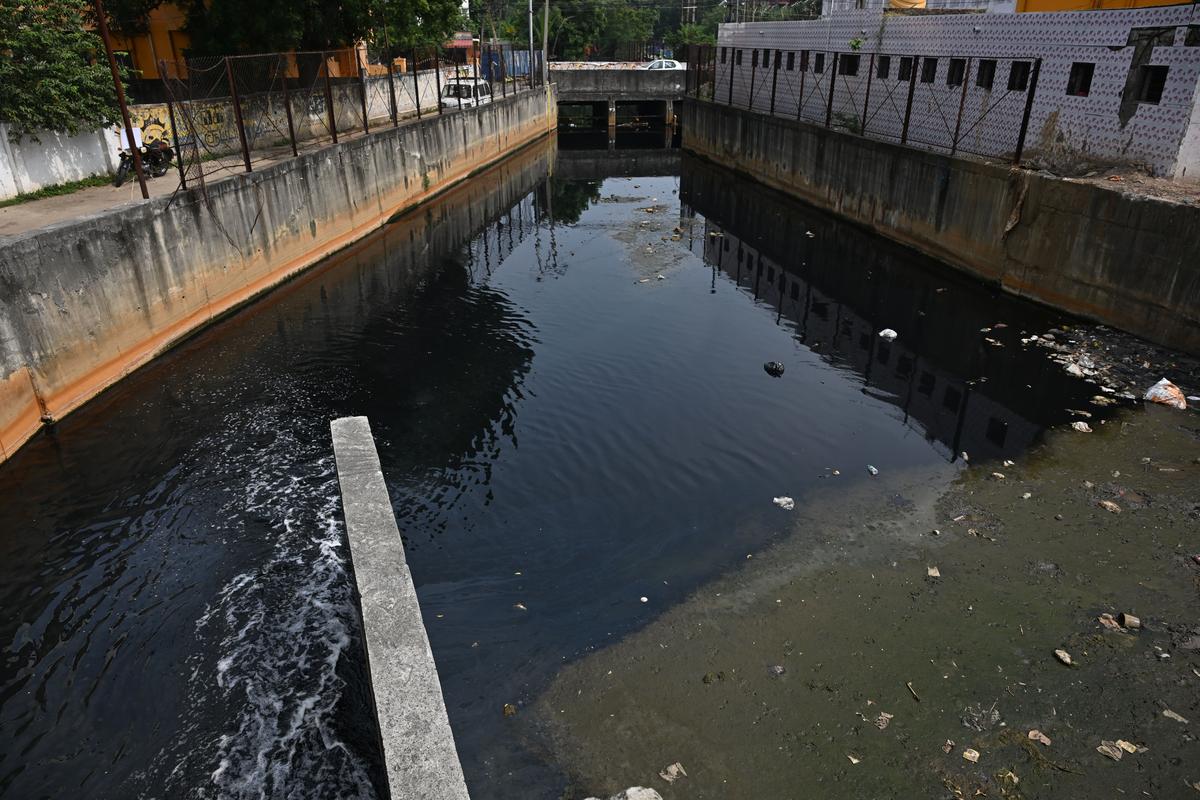
Thermal pollution refers to the degradation of water quality caused by a change in its temperature, usually due to human activities. It occurs when industries or power plants release heated or cooled water into natural water bodies such as rivers, lakes, and oceans, disrupting the ecological balance.

Temperature is a critical factor in aquatic ecosystems because it influences:

  • Dissolved oxygen levels
  • Metabolic rates of organisms
  • Reproductive cycles
  • Species distribution

Even small changes in temperature can have significant ecological consequences. Thermal pollution is often less visible than other forms of pollution, but its effects are profound and long-lasting.


๐ŸŒฑ Concept and Definition

๐Ÿ“– Definition

Thermal pollution is defined as the artificial alteration of natural water temperature, typically due to industrial processes, which adversely affects aquatic life and ecosystems.

๐Ÿ”‘ Key Features:

  • Primarily affects water bodies
  • Caused by temperature changes, not chemical contamination
  • Often associated with industrial cooling processes

๐ŸŒ Sources of Thermal Pollution

Thermal pollution arises from both natural and anthropogenic sources, although human activities are the dominant contributors.


๐ŸŒฟ 1. Natural Sources

Image
Image
Image

๐Ÿ”‘ Examples:

  • Volcanic activity
  • Hot springs
  • Forest fires

These sources are typically localized and temporary.


๐Ÿญ 2. Anthropogenic (Human-Made) Sources
Image
Image
Image
Image

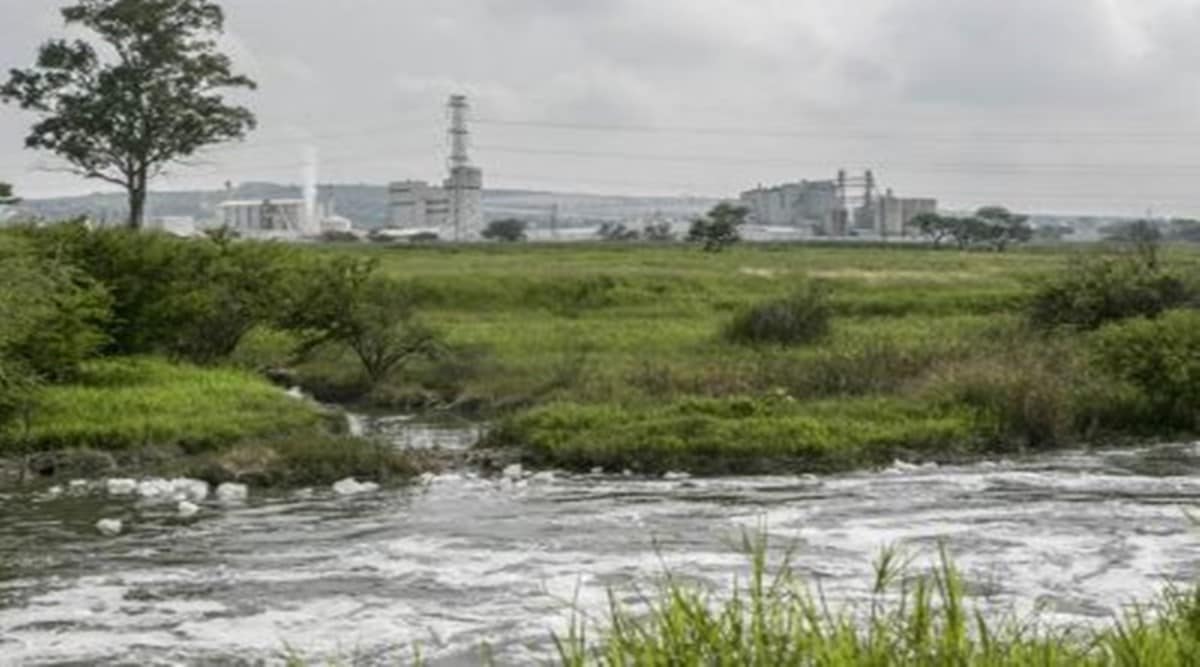
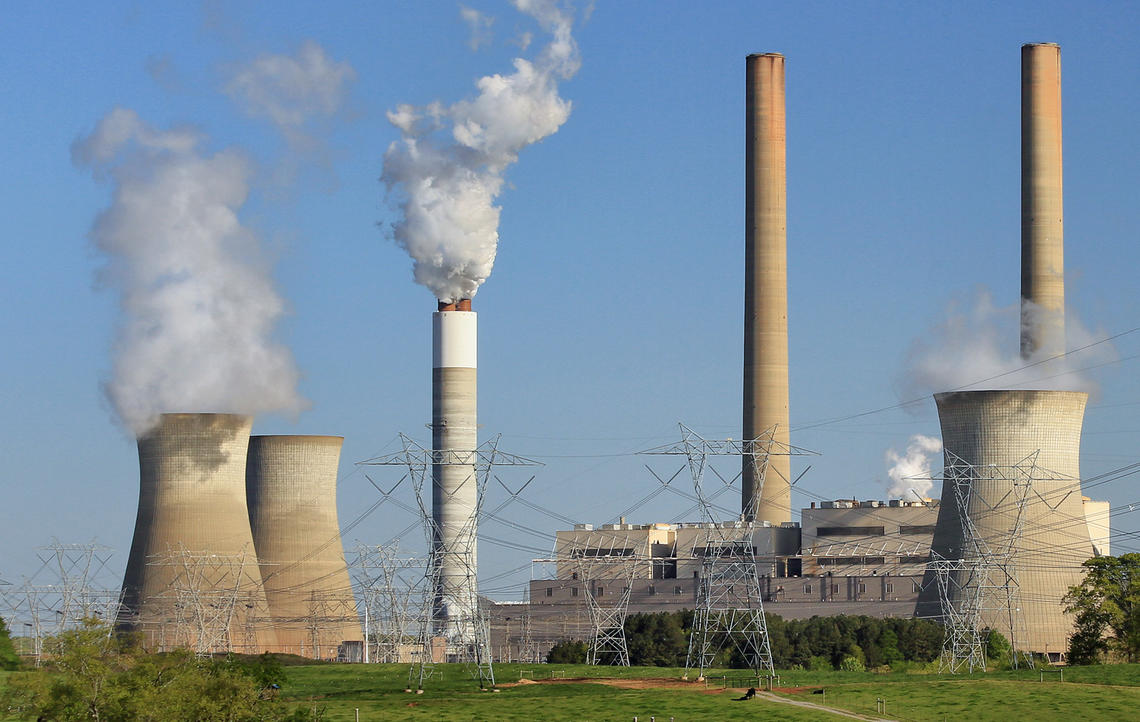
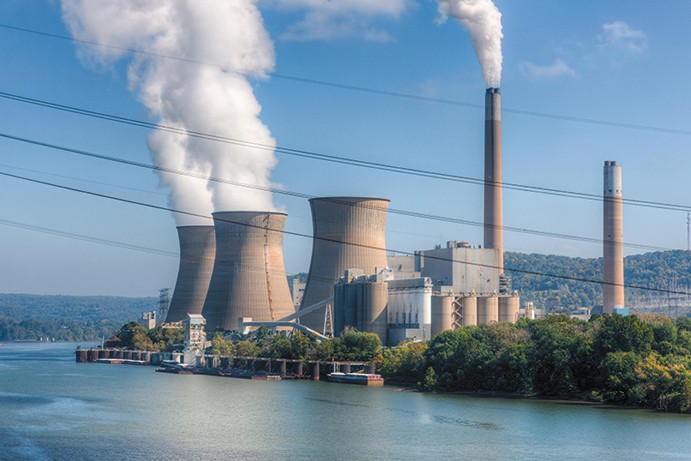
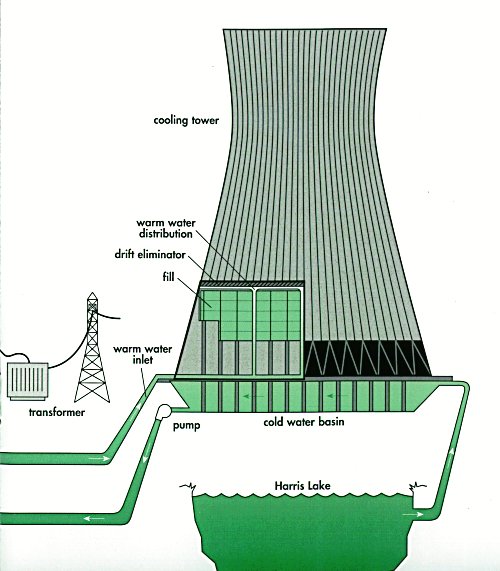
โšก Thermal Power Plants

  • Major source of thermal pollution
  • Use water as a coolant
  • Discharge heated water back into rivers

โ˜ข๏ธ Nuclear Power Plants

  • Similar to thermal plants
  • Generate large amounts of heat

๐Ÿญ Industrial Processes

  • Steel, chemical, and petroleum industries
  • Use water for cooling

๐ŸŒ† Urban Runoff

  • Heated surfaces (roads, pavements) transfer heat to rainwater

๐ŸŒณ Deforestation

  • Reduces shade
  • Increases water temperature

๐Ÿ”ฌ Mechanism of Thermal Pollution

๐ŸŒก๏ธ Heat Transfer Process:

  1. Water is used as a coolant in industries
  2. It absorbs heat from machinery
  3. Heated water is discharged into natural water bodies

This leads to:

  • Sudden temperature rise
  • Thermal shock to aquatic organisms

๐Ÿ”ฌ Effects of Temperature Change on Water Properties

1. Dissolved Oxygen (DO)

  • Warmer water holds less oxygen

2. Chemical Reactions

  • Increased temperature speeds up reactions

3. Biological Activity

  • Higher metabolism in aquatic organisms

โš ๏ธ Effects of Thermal Pollution


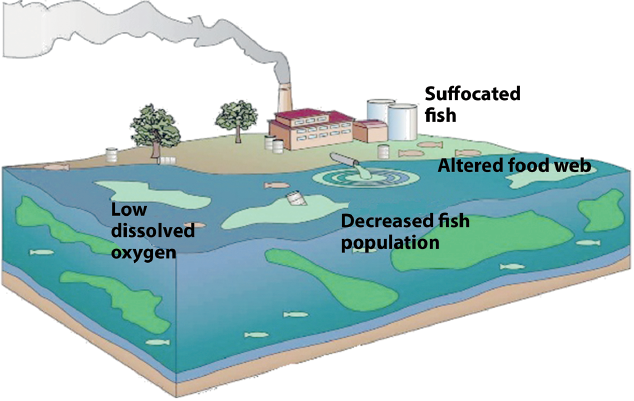
๐ŸŸ 1. Effects on Aquatic Life

Image
Image
Image

๐ŸŒก๏ธ Thermal Shock

  • Sudden temperature changes kill fish

๐Ÿ  Oxygen Depletion

  • Reduced dissolved oxygen levels

๐Ÿงฌ Metabolic Changes

  • Increased metabolic rates lead to stress

๐Ÿฃ Reproductive Disruption

  • Affects breeding cycles

๐ŸŒฟ 2. Effects on Ecosystems

Image
Image
Image

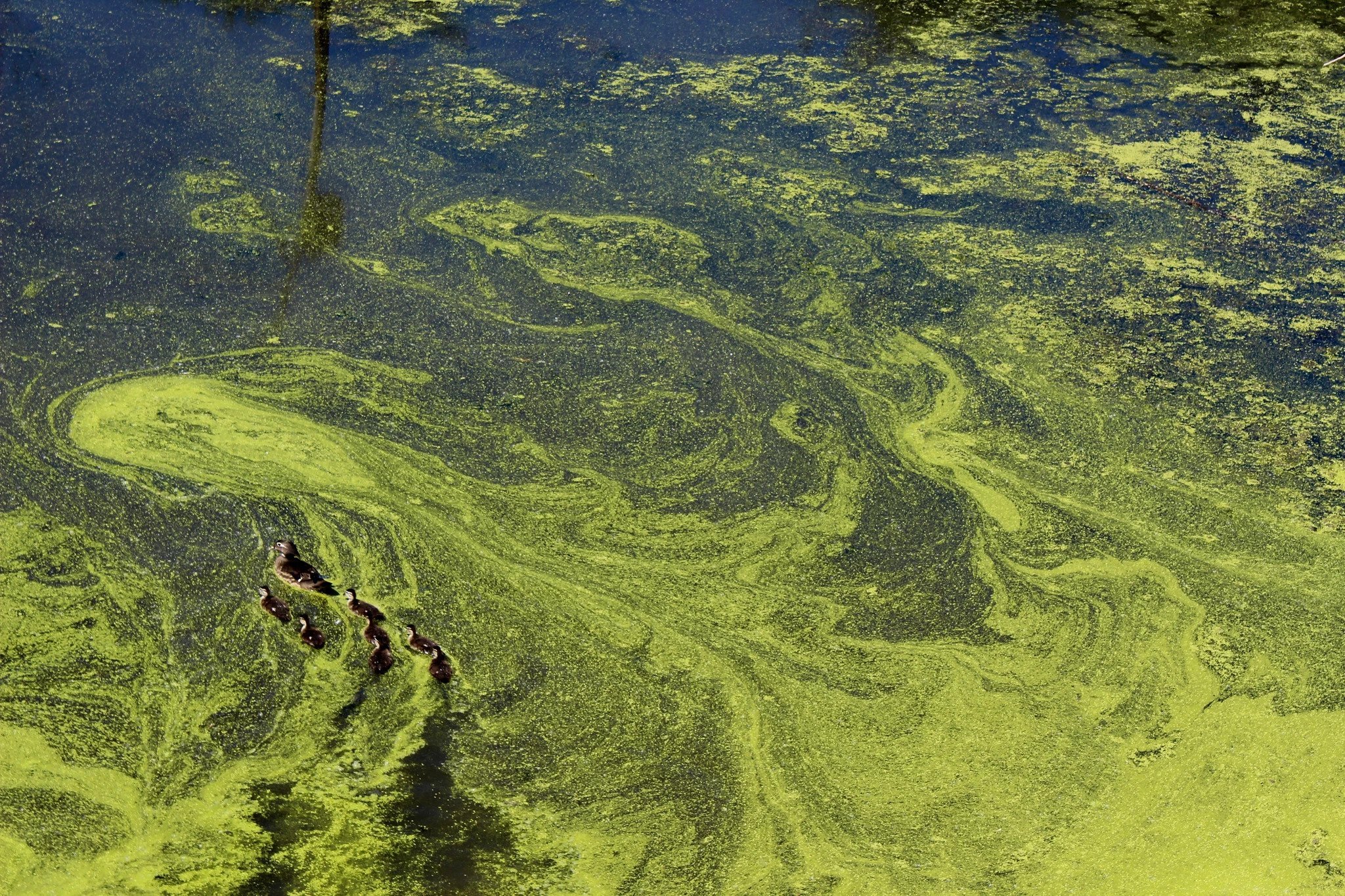
๐ŸŒฑ Algal Blooms

  • Warm water promotes algae growth

๐Ÿพ Loss of Biodiversity

  • Sensitive species die or migrate

โš–๏ธ Ecosystem Imbalance

  • Disrupts food chains

๐ŸŒ 3. Effects on Water Quality

  • Increased toxicity of pollutants
  • Reduced water usability

๐Ÿ‘จโ€โš•๏ธ 4. Effects on Human Life

  • Affects fisheries
  • Reduces water quality
  • Economic losses

๐Ÿ’ฐ 5. Economic Effects

  • Loss of fishery resources
  • Increased treatment costs
  • Impact on tourism

๐ŸŒ Thermal Pollution in India

Image
Image
Image

Key Issues:

  • Large number of thermal power plants
  • Industrial discharge into rivers

Affected Areas:

  • Industrial zones
  • River systems near power plants

๐Ÿ”ฌ Measurement of Thermal Pollution

๐ŸŒก๏ธ Parameters:

  • Water temperature
  • Dissolved oxygen (DO)
  • Biological Oxygen Demand (BOD)

๐ŸŒฑ Control and Prevention of Thermal Pollution
Image
Image
Image
Image

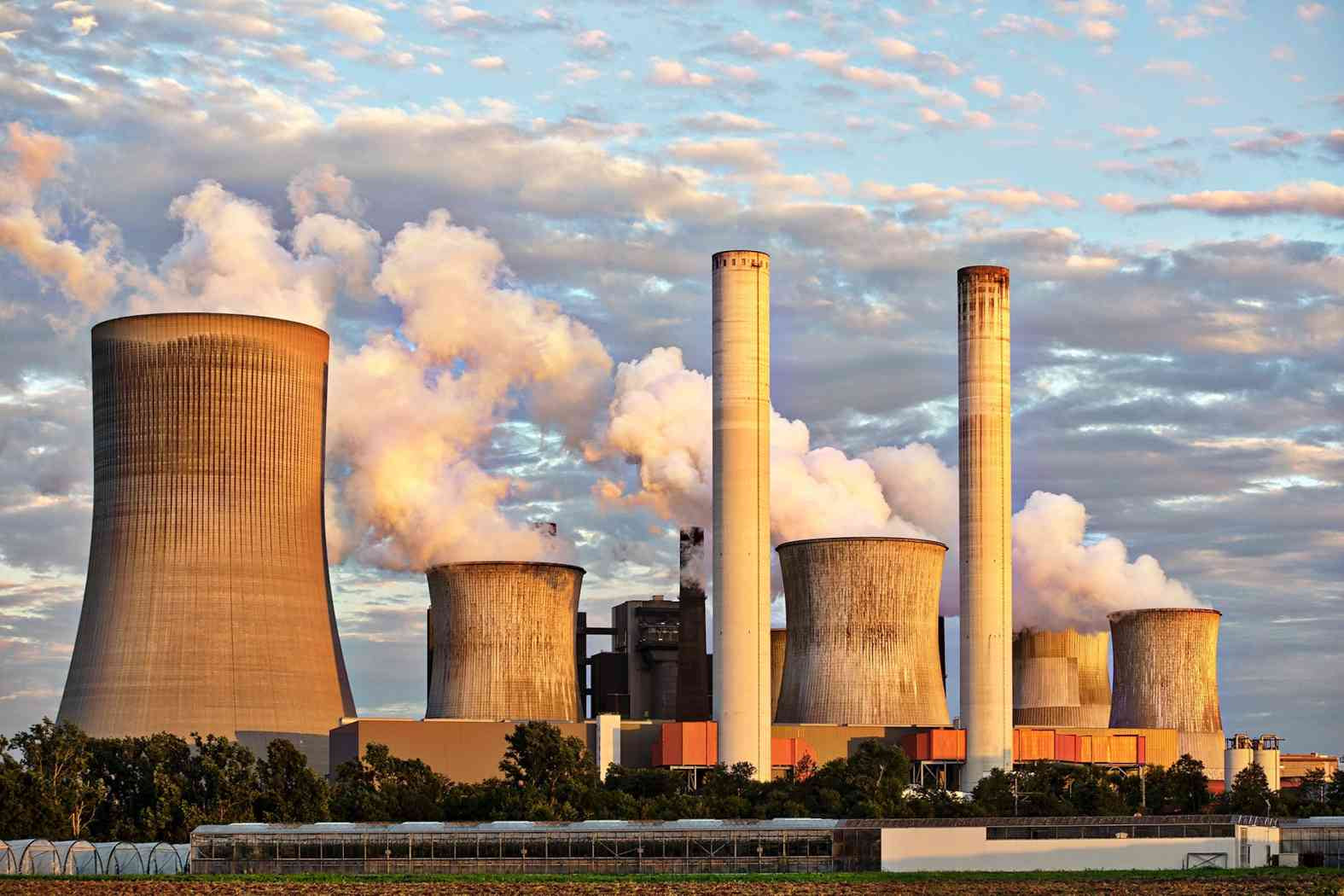
๐Ÿญ Cooling Towers

  • Reduce temperature before discharge

๐Ÿ’ง Cooling Ponds

  • Allow heat dissipation

๐Ÿ”„ Recycling Water

  • Reuse cooling water

๐ŸŒฟ Afforestation

  • Provides shade
  • Maintains water temperature

โš™๏ธ Advanced Technology

  • Closed-cycle cooling systems

โš–๏ธ Government Regulations

India:

  • Environment Protection Act, 1986
  • Pollution control guidelines

๐ŸŒ Global Efforts

  • Sustainable water management
  • Environmental regulations

๐Ÿ“š Advantages of Controlling Thermal Pollution

  • Protects aquatic life
  • Maintains ecosystem balance
  • Improves water quality

โŒ Challenges

  • High industrial demand
  • Cost of technology
  • Lack of enforcement

๐Ÿ”ฎ Future Solutions

  • Green energy
  • Efficient cooling systems
  • Smart monitoring

๐Ÿ”„ Comparison with Other Pollution Types

Pollution TypeMediumMain Cause
Air PollutionAirGases, particles
Water PollutionWaterChemicals, waste
Soil PollutionLandChemicals, waste
Thermal PollutionWaterTemperature change

๐Ÿงพ Conclusion

Thermal pollution is a significant environmental issue that affects aquatic ecosystems by altering water temperature. Though less visible than other forms of pollution, its impact on biodiversity and water quality is substantial.

Effective management requires:

  • Technological solutions
  • Strict regulations
  • Sustainable practices

Protecting water bodies from thermal pollution is essential for maintaining ecological balance and ensuring long-term environmental sustainability.


๐Ÿท๏ธ Tags

๐Ÿ–ฅ๏ธ Computer Hardware Basics


๐ŸŒ Introduction to Computer Hardware

Image
Image
Image
Image

Computer hardware refers to the physical components of a computer systemโ€”the parts you can see and touch. These components work together to process data, execute instructions, and produce output.

At a high level, hardware includes:

  • Processing devices (CPU)
  • Memory and storage
  • Input and output devices
  • Communication components

Hardware is the foundation upon which software operates.


๐Ÿง  Importance of Computer Hardware

  • Enables data processing and computation
  • Provides storage for programs and data
  • Facilitates interaction with users
  • Supports networking and communication
  • Determines system performance and capability

๐Ÿงฉ Major Components of Computer Hardware


โš™๏ธ 1. Central Processing Unit (CPU)

Image
Image
Image
Image

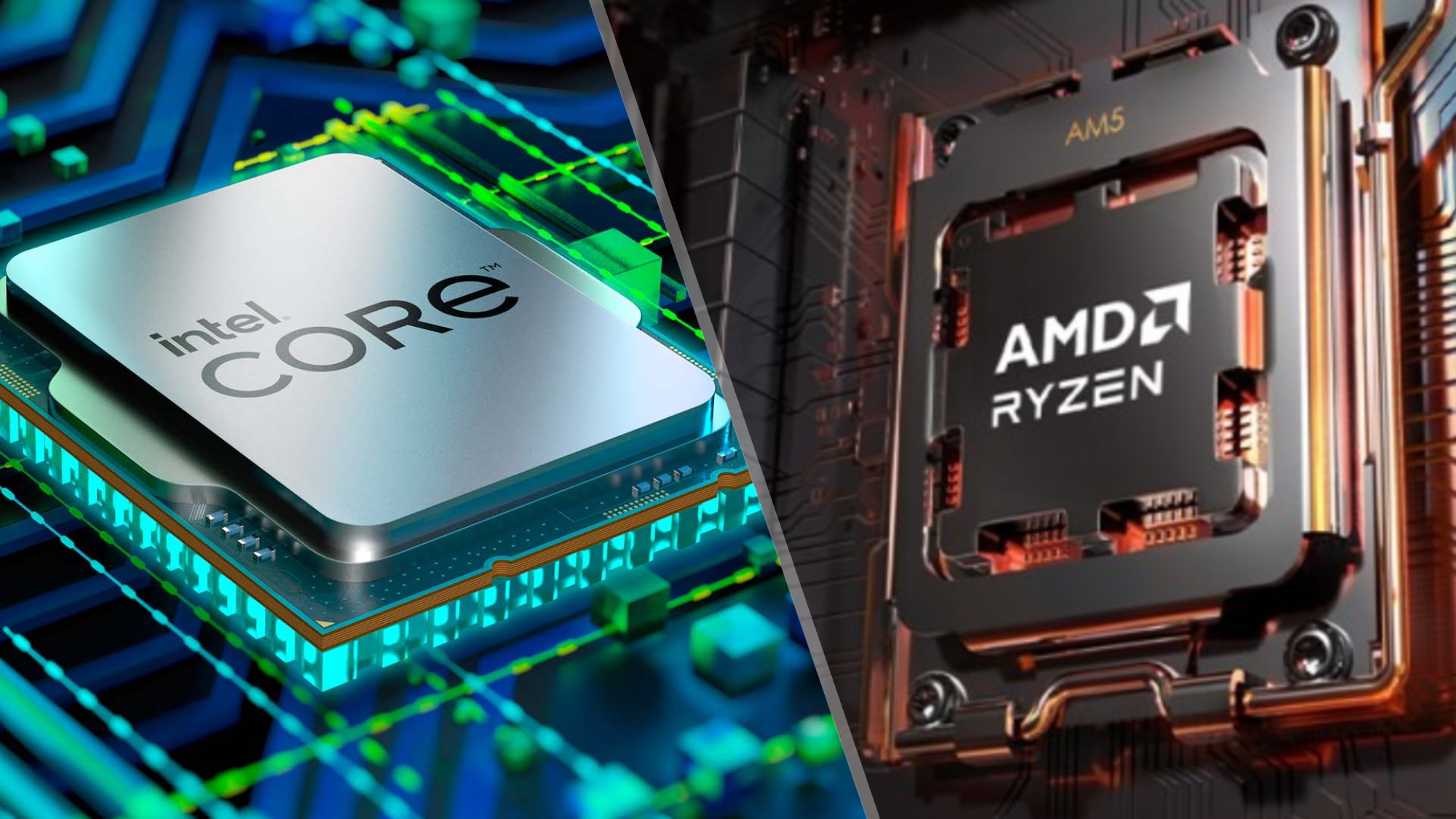
The CPU (Central Processing Unit) is the brain of the computer. It executes instructions and controls all operations.

Key Parts:

๐Ÿ”น Arithmetic Logic Unit (ALU)

  • Performs arithmetic and logical operations

๐Ÿ”น Control Unit (CU)

  • Directs data flow
  • Manages instruction execution

๐Ÿ”น Registers

  • Small, high-speed storage locations

โšก CPU Performance Factors

  • Clock speed (GHz)
  • Number of cores
  • Cache size
  • Architecture

๐Ÿง  Multi-Core Processors

Modern CPUs have multiple cores to improve multitasking and parallel processing.


๐Ÿงฎ 2. Memory (Primary Memory)

Image
Image
Image
Image

Memory stores data temporarily or permanently.

Types:

๐Ÿ”น RAM (Random Access Memory)

  • Volatile
  • Temporary storage

๐Ÿ”น ROM (Read Only Memory)

  • Non-volatile
  • Stores firmware

๐Ÿ”น Cache Memory

  • High-speed memory close to CPU

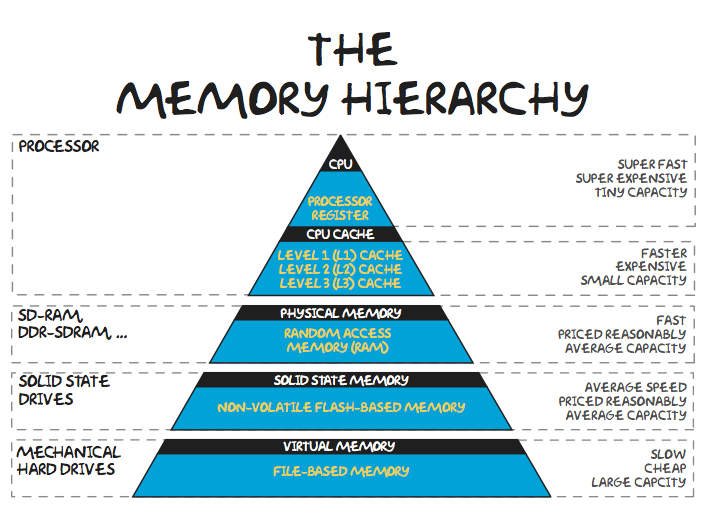
๐Ÿง  Memory Hierarchy

  1. Registers

  2. Cache
  3. RAM
  4. Secondary storage

๐Ÿ’พ 3. Storage Devices (Secondary Memory)

Image
Image
Image
Image

Storage devices store data permanently.

Types:

๐Ÿ”น Hard Disk Drive (HDD)

  • Magnetic storage
  • Large capacity

๐Ÿ”น Solid State Drive (SSD)

  • Faster, no moving parts

๐Ÿ”น Optical Storage

  • CDs, DVDs

โšก Storage Comparison

FeatureHDDSSD
SpeedSlowFast
DurabilityLowHigh
CostCheapExpensive

๐Ÿงฉ 4. Motherboard

Image
Image
Image
Image

The motherboard is the main circuit board connecting all components.

Features:

  • CPU socket
  • RAM slots
  • Expansion slots
  • Chipset

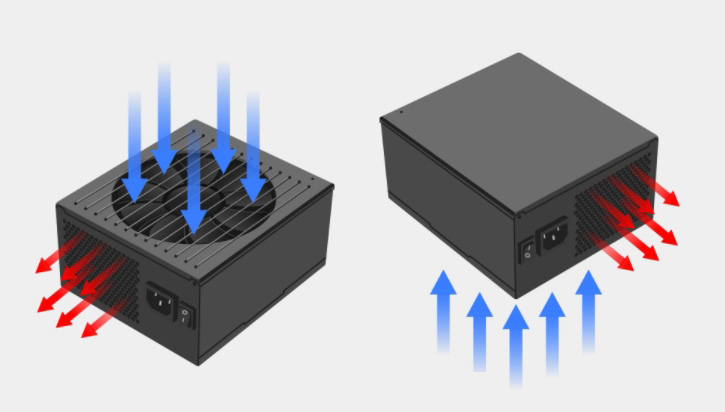
๐Ÿ”Œ 5. Power Supply Unit (PSU)

Image
Image
Image
Image
  • Converts AC to DC
  • Supplies power to components

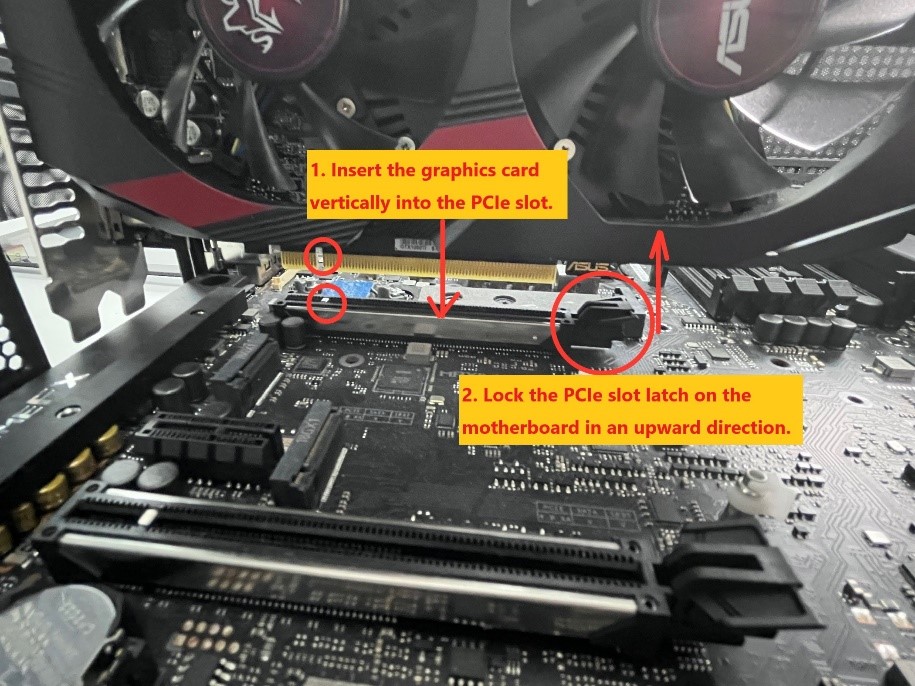
๐ŸŽฎ 6. Graphics Processing Unit (GPU)

Image
Image
Image
Image
  • Handles graphics rendering
  • Essential for gaming, AI, video editing

๐Ÿง  Types:

  • Integrated GPU
  • Dedicated GPU

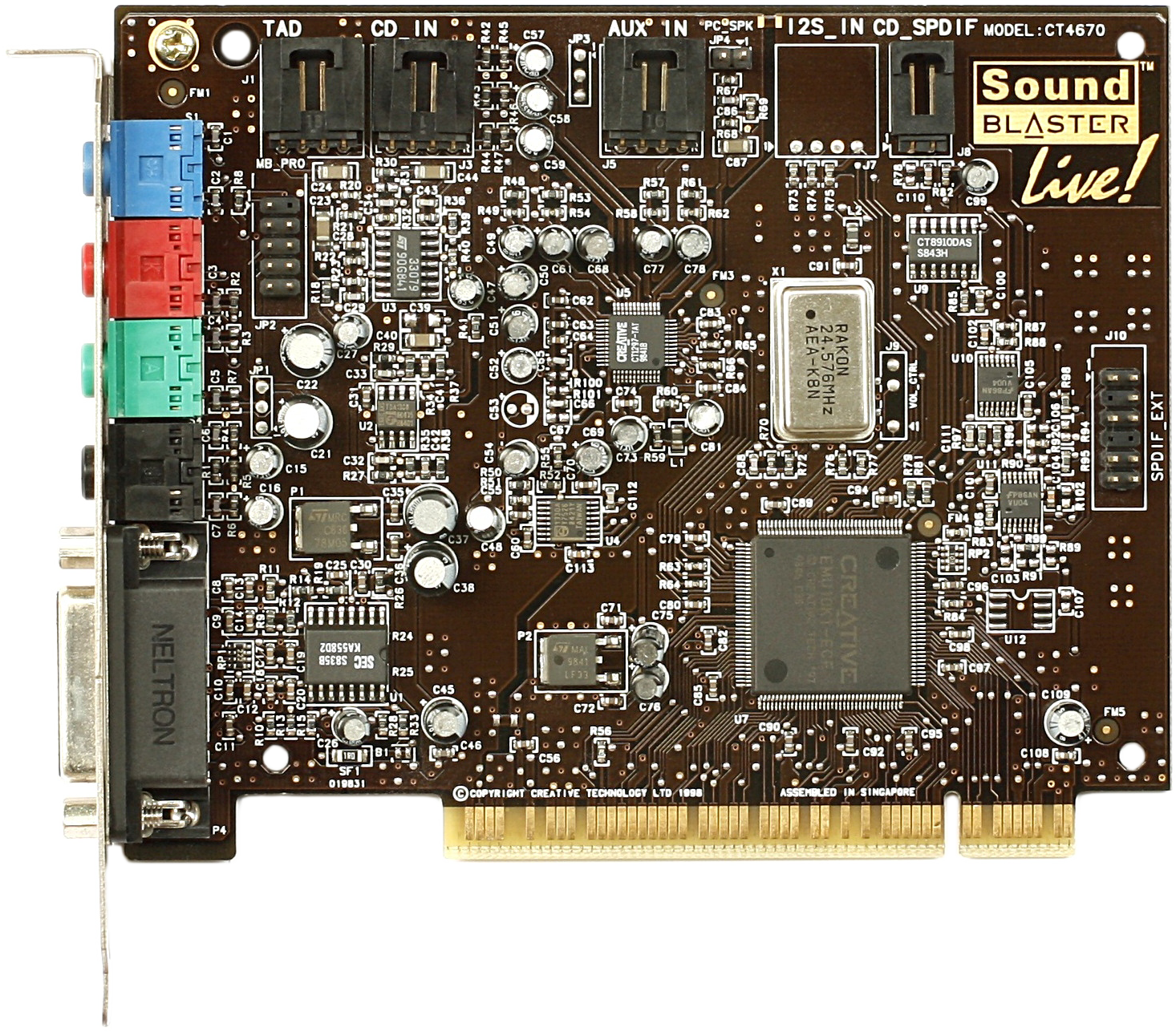
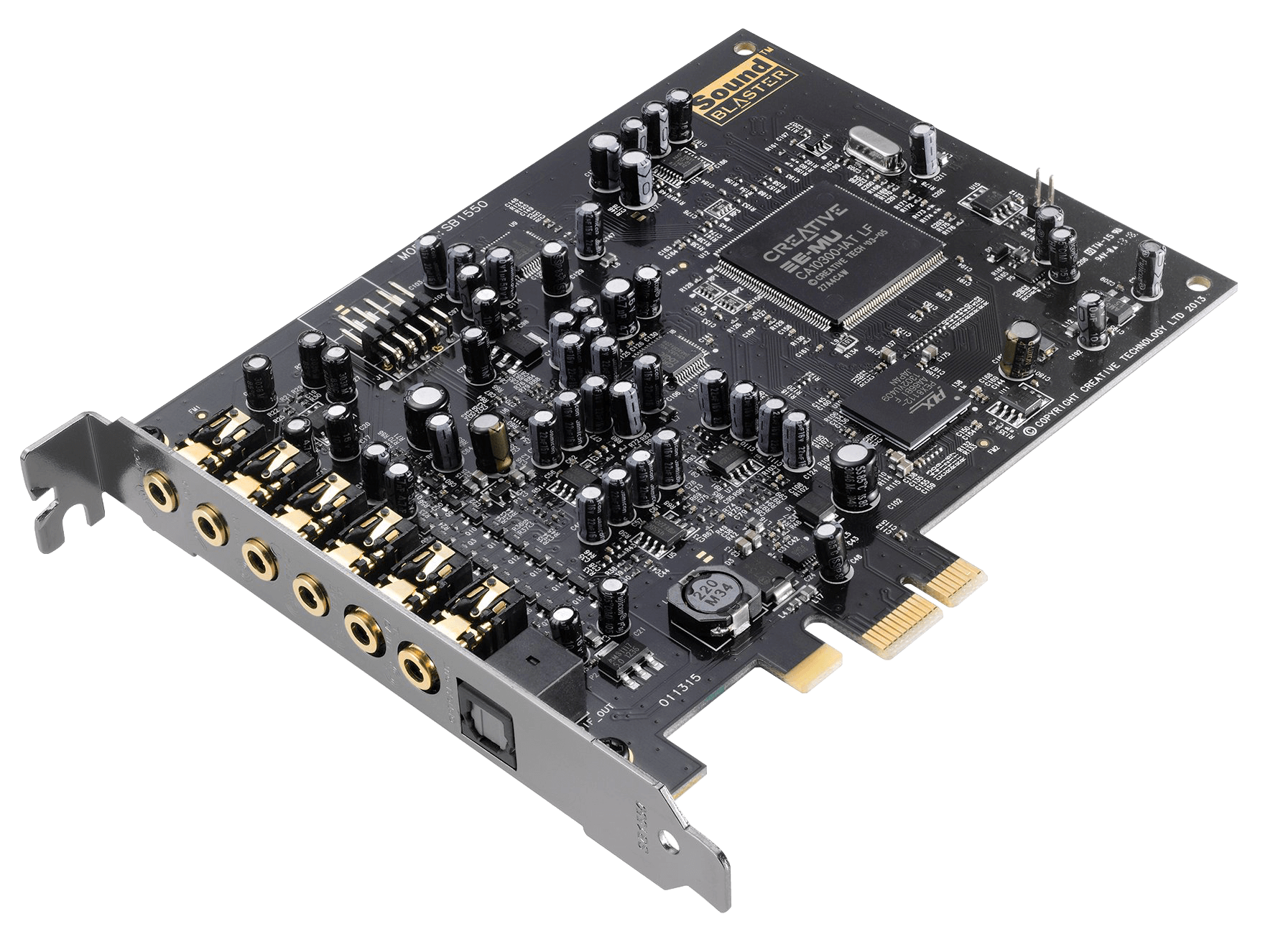
๐Ÿ”Š 7. Sound Card

Image
Image
Image
Image
  • Processes audio signals
  • Enables sound input/output

๐ŸŒ 8. Network Interface Card (NIC)

Image
Image
Image
Image
  • Connects computer to networks
  • Supports wired and wireless communication

โŒจ๏ธ Input Devices

Image
Image
Image
Image

Examples:

  • Keyboard
  • Mouse
  • Scanner
  • Microphone

๐Ÿ–ฅ๏ธ Output Devices

Image
Image
Image
Image

Examples:

  • Monitor
  • Printer
  • Speakers

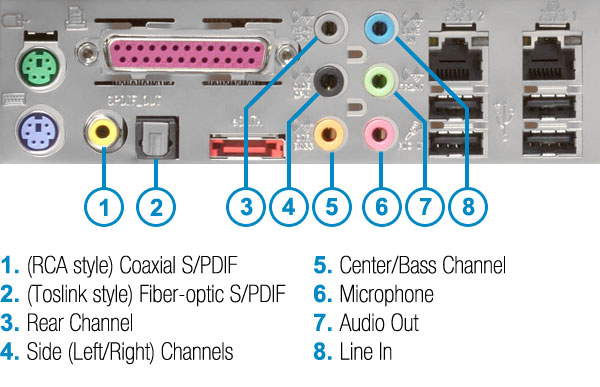
๐Ÿ”Œ Ports and Connectivity

Image
Image
Image
Image

Common ports:

  • USB
  • HDMI
  • Ethernet
  • Audio jack

๐Ÿง  Cooling Systems

Image
Image
Image
Image
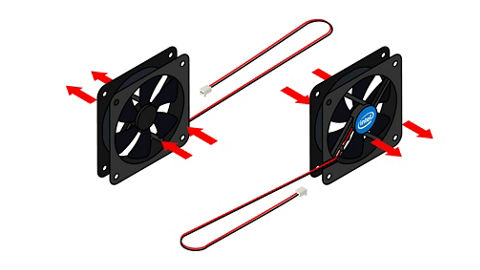
  • Prevent overheating
  • Types:
    • Air cooling
    • Liquid cooling

๐Ÿงฉ Expansion Cards

  • Graphics cards
  • Sound cards
  • Network cards

Installed via PCI slots.


๐Ÿ”„ Hardware Interaction


๐Ÿ” Data Flow

  1. Input โ†’
  2. Processing (CPU) โ†’
  3. Output

๐Ÿ”— Bus System

  • Data bus
  • Address bus
  • Control bus

โš™๏ธ Hardware Categories


๐Ÿงฑ Internal Hardware

  • CPU
  • RAM
  • Motherboard

๐Ÿ”Œ External Hardware

  • Keyboard
  • Monitor
  • Printer

๐Ÿง  Firmware

  • Software embedded in hardware
  • Example: BIOS/UEFI

โšก Performance Factors

  • CPU speed
  • RAM size
  • Storage type
  • GPU capability

๐Ÿ” Hardware Security

  • TPM chips
  • Biometric devices
  • Secure boot

๐Ÿงฉ Emerging Hardware Technologies

Image
Image
Image
Image
  • Quantum computing hardware
  • AI accelerators (NPUs)
  • Edge devices
  • Wearables

โšก Advantages of Computer Hardware

  • High-speed processing
  • Reliability
  • Scalability
  • Automation

โš ๏ธ Limitations

  • Cost
  • Power consumption
  • Heat generation
  • Obsolescence

๐Ÿง  Conclusion

Computer hardware forms the physical backbone of computing systems. Understanding hardware basics helps in:

  • Building computers
  • Troubleshooting issues
  • Optimizing performance
  • Learning advanced computing concepts

Hardware continues to evolve rapidly, enabling powerful technologies like AI, cloud computing, and quantum systems.


๐Ÿท๏ธ Tags