Tag Archives: Bus System

🖥️ Computer Hardware Basics


🌐 Introduction to Computer Hardware

Image
Image
Image
Image

Computer hardware refers to the physical components of a computer system—the parts you can see and touch. These components work together to process data, execute instructions, and produce output.

At a high level, hardware includes:

  • Processing devices (CPU)
  • Memory and storage
  • Input and output devices
  • Communication components

Hardware is the foundation upon which software operates.


🧠 Importance of Computer Hardware

  • Enables data processing and computation
  • Provides storage for programs and data
  • Facilitates interaction with users
  • Supports networking and communication
  • Determines system performance and capability

🧩 Major Components of Computer Hardware


⚙️ 1. Central Processing Unit (CPU)

Image
Image
Image
Image

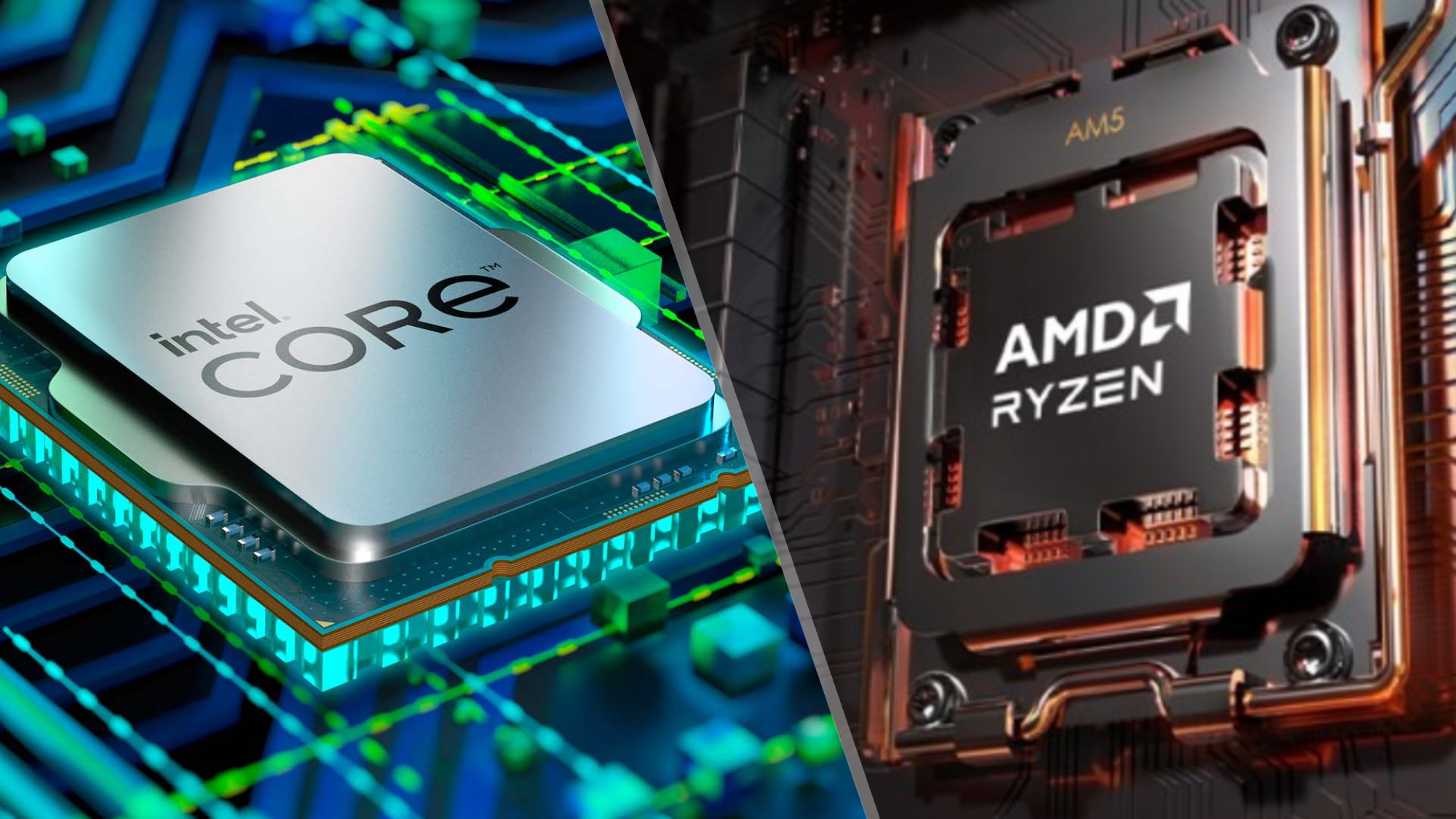
The CPU (Central Processing Unit) is the brain of the computer. It executes instructions and controls all operations.

Key Parts:

🔹 Arithmetic Logic Unit (ALU)

  • Performs arithmetic and logical operations

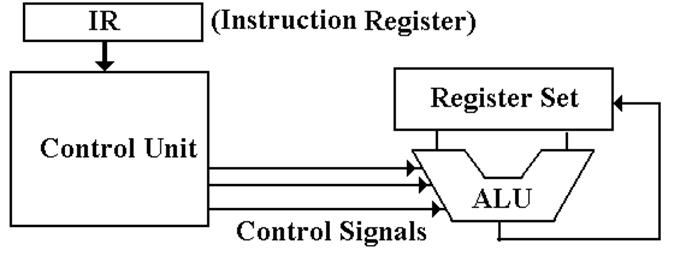
🔹 Control Unit (CU)

  • Directs data flow
  • Manages instruction execution

🔹 Registers

  • Small, high-speed storage locations

⚡ CPU Performance Factors

  • Clock speed (GHz)
  • Number of cores
  • Cache size
  • Architecture

🧠 Multi-Core Processors

Modern CPUs have multiple cores to improve multitasking and parallel processing.


🧮 2. Memory (Primary Memory)

Image
Image
Image
Image

Memory stores data temporarily or permanently.

Types:

🔹 RAM (Random Access Memory)

  • Volatile
  • Temporary storage

🔹 ROM (Read Only Memory)

  • Non-volatile
  • Stores firmware

🔹 Cache Memory

  • High-speed memory close to CPU

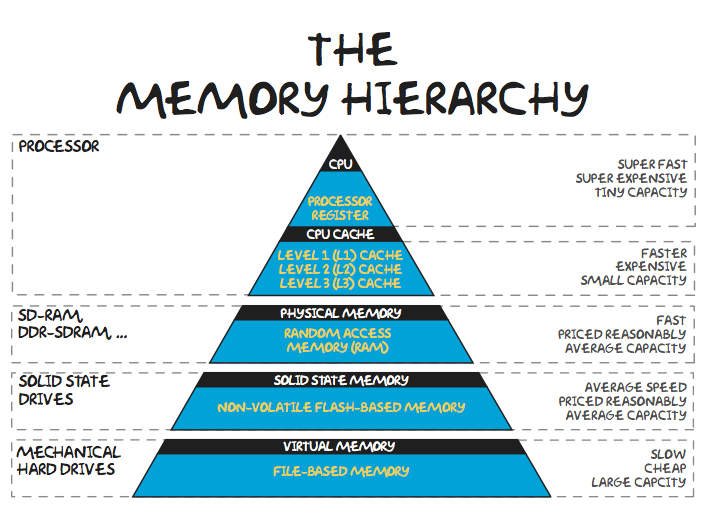
🧠 Memory Hierarchy

  1. Registers
  2. Cache
  3. RAM
  4. Secondary storage

💾 3. Storage Devices (Secondary Memory)

Image
Image
Image
Image

Storage devices store data permanently.

Types:

🔹 Hard Disk Drive (HDD)

  • Magnetic storage
  • Large capacity

🔹 Solid State Drive (SSD)

  • Faster, no moving parts

🔹 Optical Storage

  • CDs, DVDs

⚡ Storage Comparison

FeatureHDDSSD
SpeedSlowFast
DurabilityLowHigh
CostCheapExpensive

🧩 4. Motherboard

Image
Image
Image
Image

The motherboard is the main circuit board connecting all components.

Features:

  • CPU socket
  • RAM slots
  • Expansion slots
  • Chipset

🔌 5. Power Supply Unit (PSU)
Image
Image
Image
Image
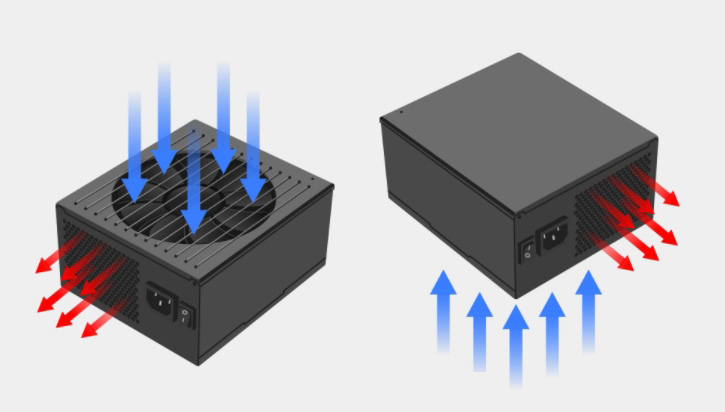
  • Converts AC to DC
  • Supplies power to components

🎮 6. Graphics Processing Unit (GPU)

Image
Image
Image
Image
  • Handles graphics rendering
  • Essential for gaming, AI, video editing

🧠 Types:

  • Integrated GPU
  • Dedicated GPU

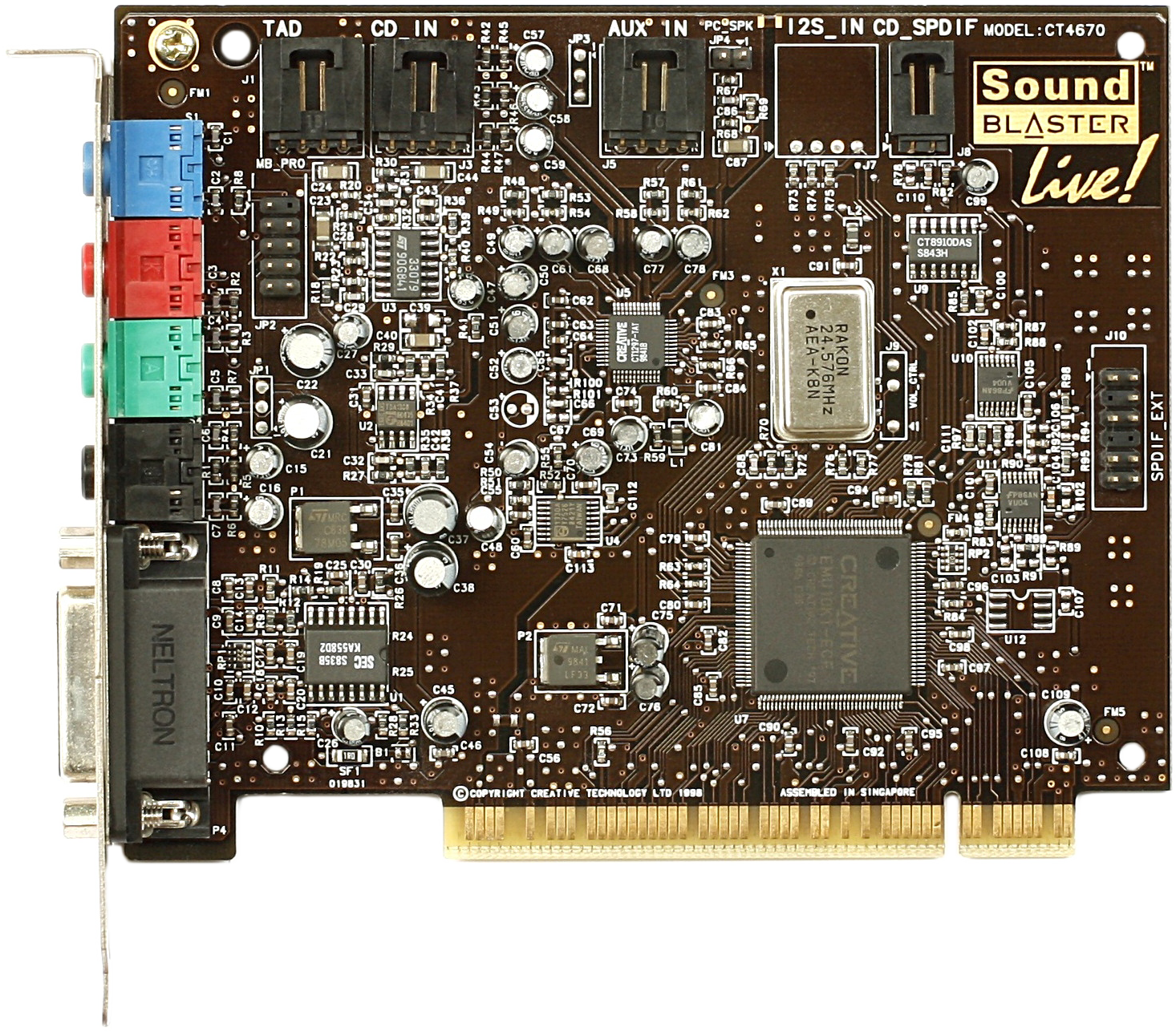
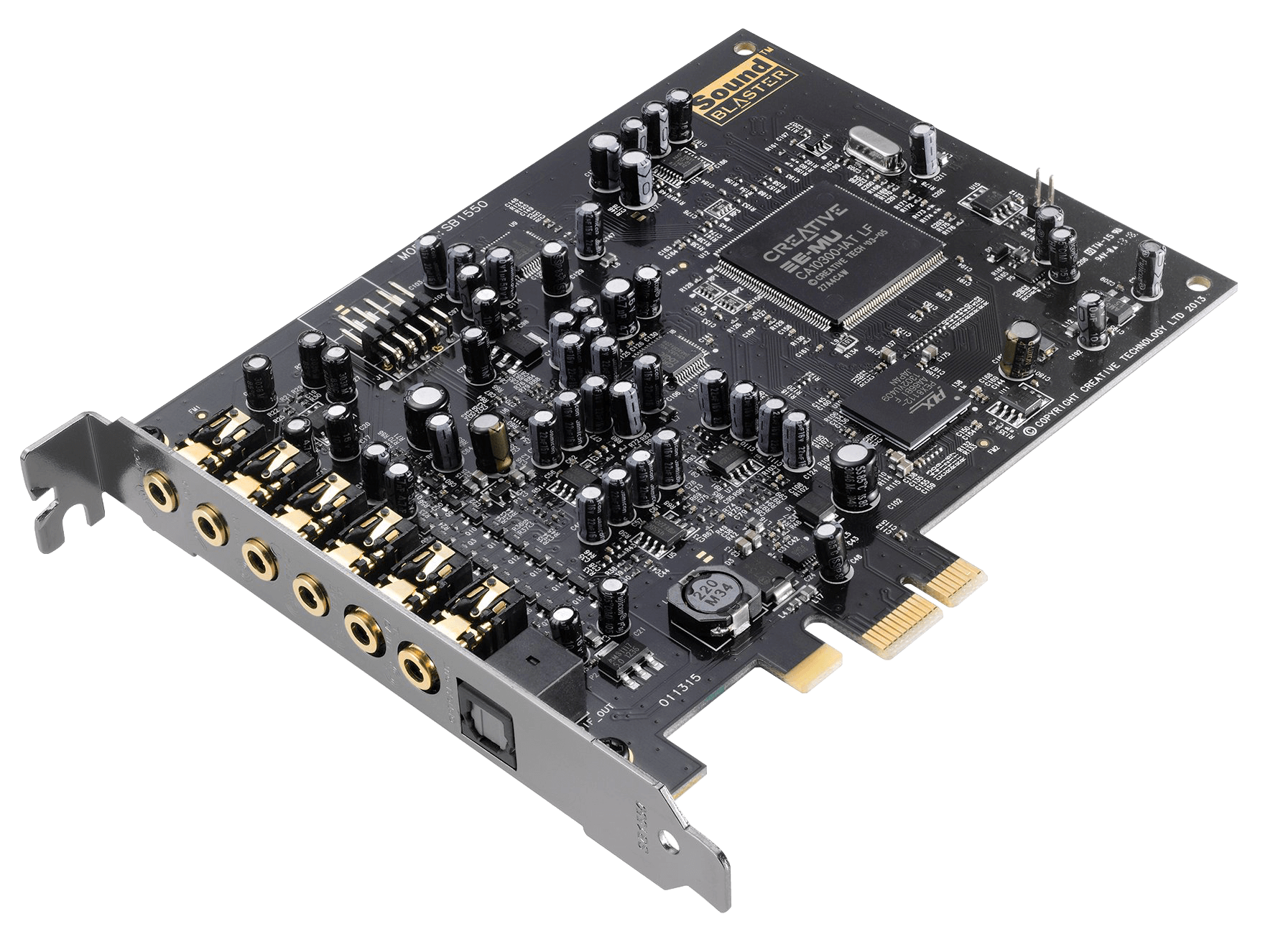
🔊 7. Sound Card

Image
Image
Image
Image
  • Processes audio signals
  • Enables sound input/output

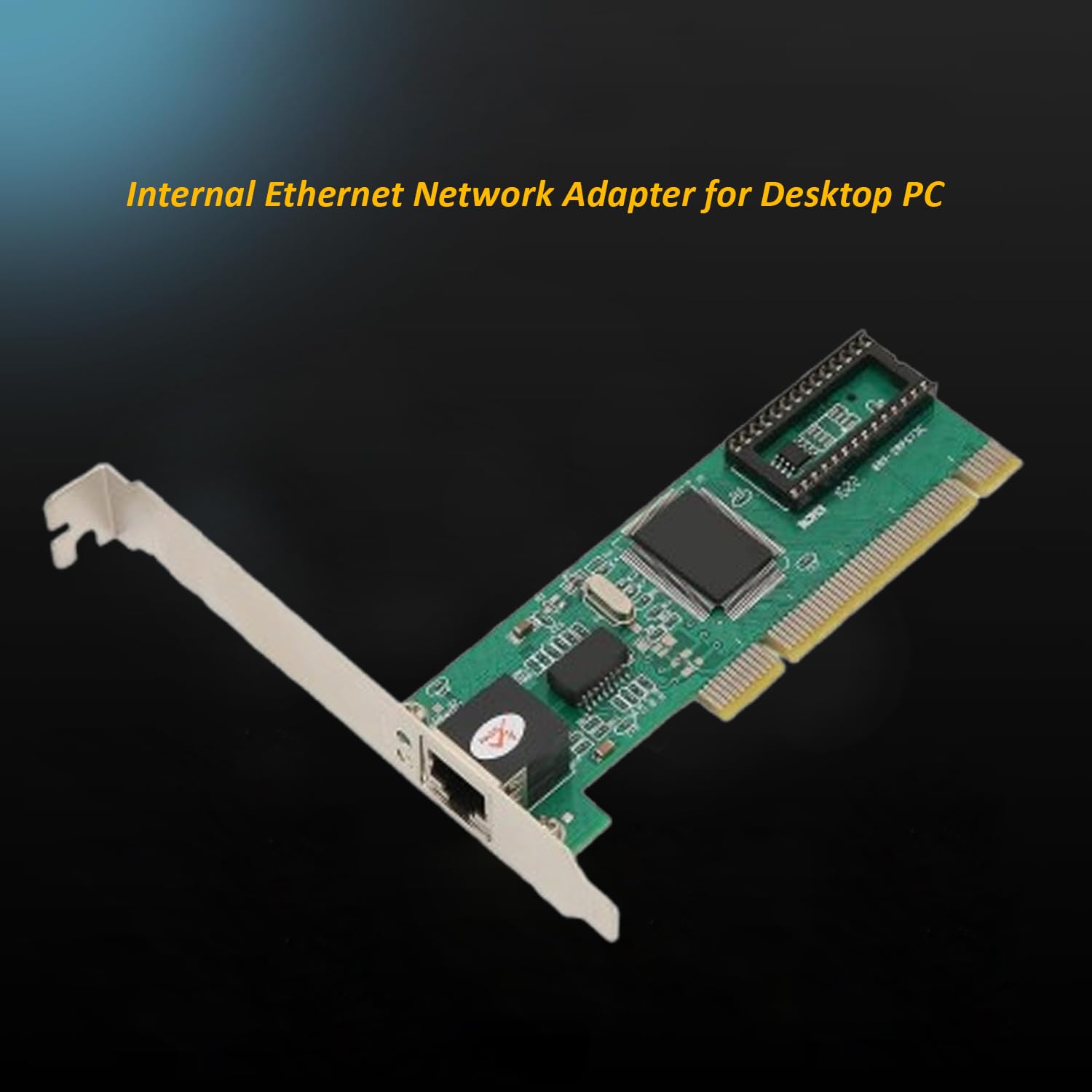
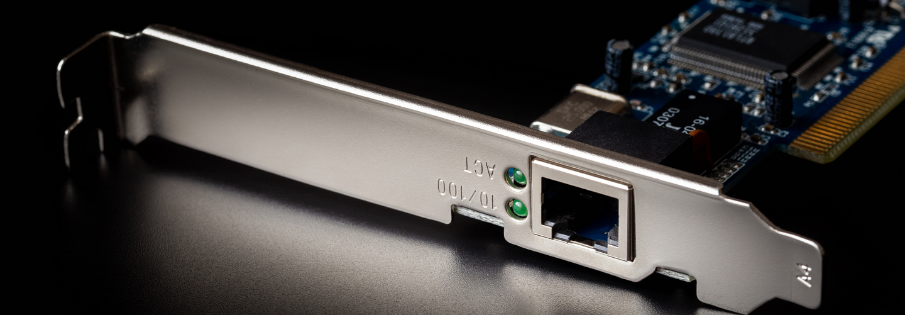
🌐 8. Network Interface Card (NIC)
Image
Image
Image
Image
  • Connects computer to networks
  • Supports wired and wireless communication

⌨️ Input Devices

Image
Image
Image
Image

Examples:

  • Keyboard
  • Mouse
  • Scanner
  • Microphone

🖥️ Output Devices

Image
Image
Image
Image

Examples:

  • Monitor
  • Printer
  • Speakers

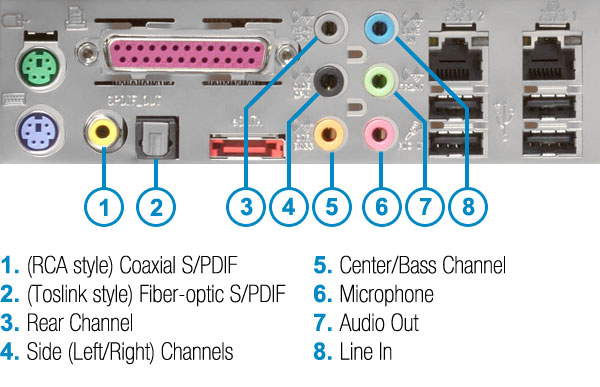
🔌 Ports and Connectivity

Image
Image
Image
Image

Common ports:

  • USB
  • HDMI
  • Ethernet
  • Audio jack

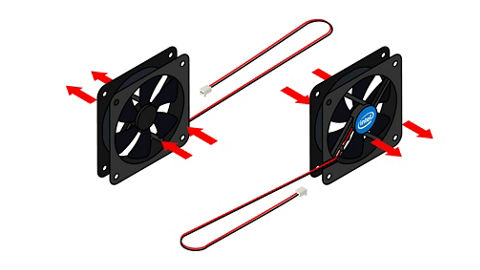
🧠 Cooling Systems

Image
Image
Image
Image
  • Prevent overheating
  • Types:
    • Air cooling
    • Liquid cooling

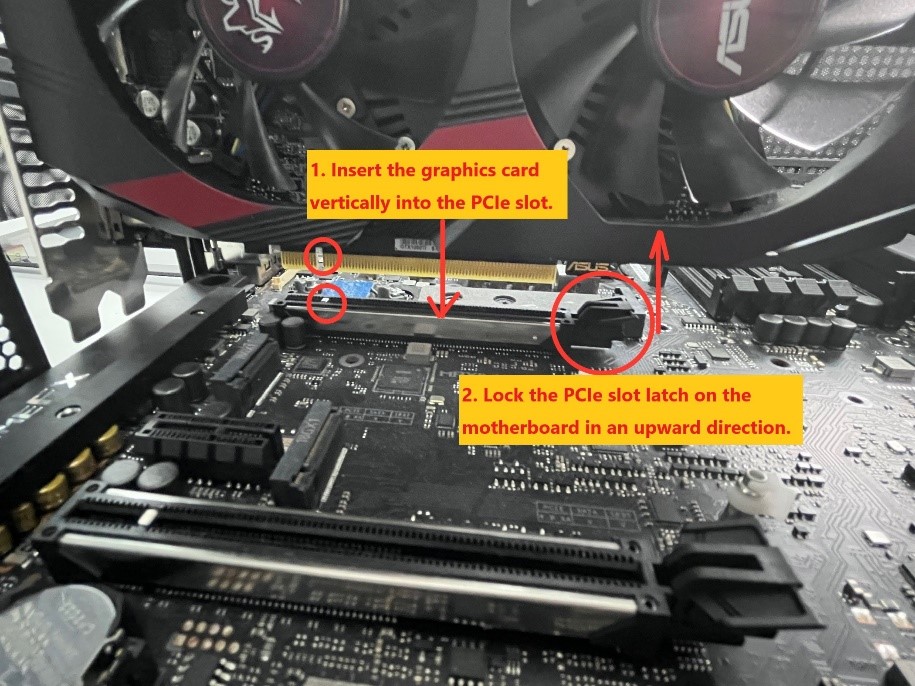
🧩 Expansion Cards

  • Graphics cards
  • Sound cards
  • Network cards

Installed via PCI slots.


🔄 Hardware Interaction


🔁 Data Flow

  1. Input →
  2. Processing (CPU) →
  3. Output

🔗 Bus System

  • Data bus
  • Address bus
  • Control bus

⚙️ Hardware Categories


🧱 Internal Hardware

  • CPU
  • RAM
  • Motherboard

🔌 External Hardware

  • Keyboard
  • Monitor
  • Printer

🧠 Firmware

  • Software embedded in hardware
  • Example: BIOS/UEFI

⚡ Performance Factors

  • CPU speed
  • RAM size
  • Storage type
  • GPU capability

🔐 Hardware Security

  • TPM chips
  • Biometric devices
  • Secure boot

🧩 Emerging Hardware Technologies

Image
Image
Image
Image
  • Quantum computing hardware
  • AI accelerators (NPUs)
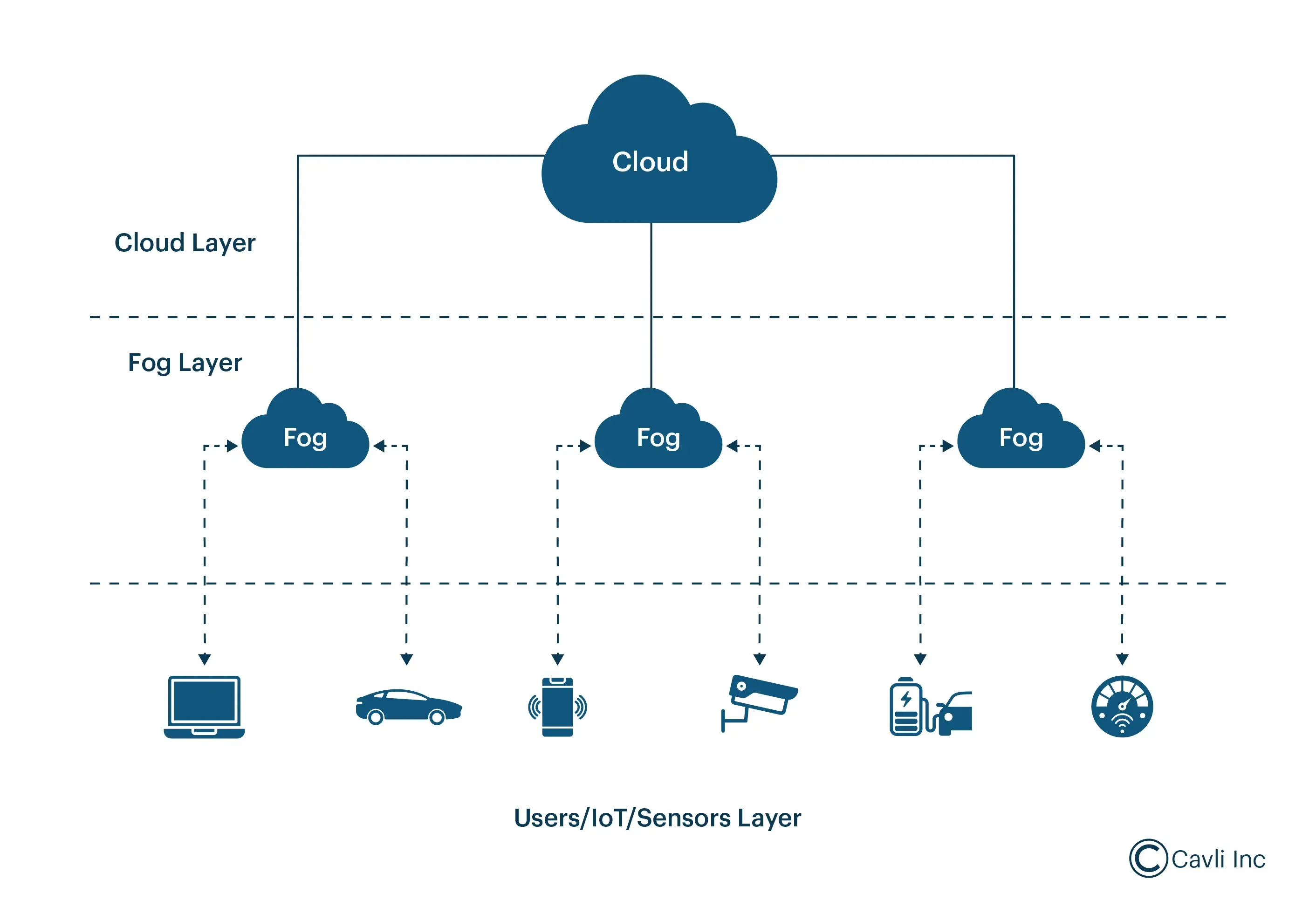
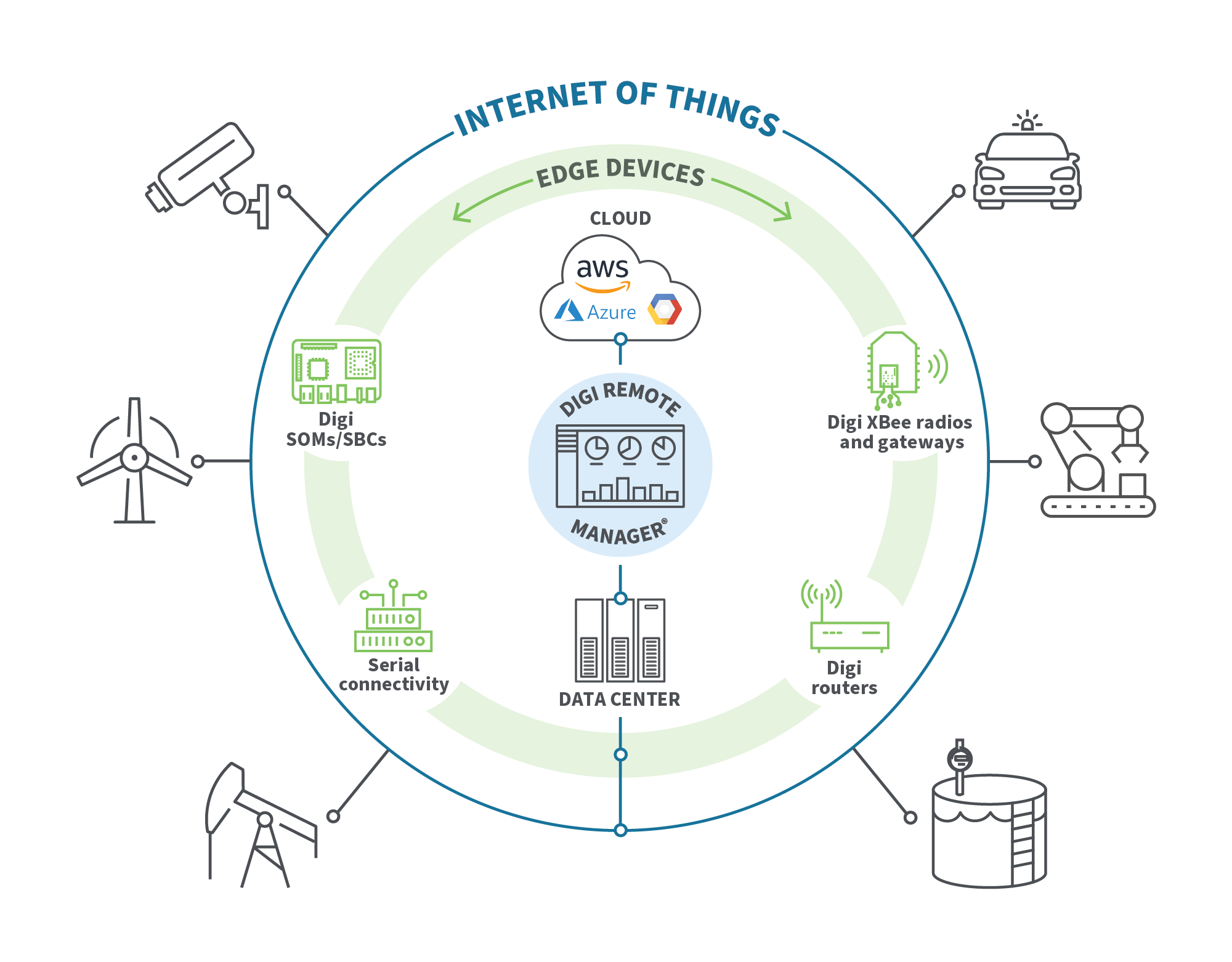
  • Edge devices
  • Wearables

⚡ Advantages of Computer Hardware

  • High-speed processing
  • Reliability
  • Scalability
  • Automation

⚠️ Limitations

  • Cost
  • Power consumption
  • Heat generation
  • Obsolescence

🧠 Conclusion

Computer hardware forms the physical backbone of computing systems. Understanding hardware basics helps in:

  • Building computers
  • Troubleshooting issues
  • Optimizing performance
  • Learning advanced computing concepts

Hardware continues to evolve rapidly, enabling powerful technologies like AI, cloud computing, and quantum systems.


🏷️ Tags

🖥️ Basic Computer Architecture – Complete Detailed Guide


🧩 Overview of Computer Architecture

Image
Image
Image
Image

Computer architecture refers to the design, structure, and functional behavior of a computer system. It defines how different components of a computer—such as the CPU, memory, and input/output devices—interact with each other to execute programs.

At its core, computer architecture answers three main questions:

  1. What does the system do? (Functionality)
  2. How is it organized? (Structure)
  3. How does it operate? (Behavior)

The architecture of a computer is usually divided into:

  • Instruction Set Architecture (ISA) – Interface between hardware and software
  • Microarchitecture – Internal implementation of the processor
  • System Design – Integration of hardware components

🧠 Historical Background

1. Early Computing Machines

Image
Image
Image
Image

The development of computer architecture began with early mechanical devices:

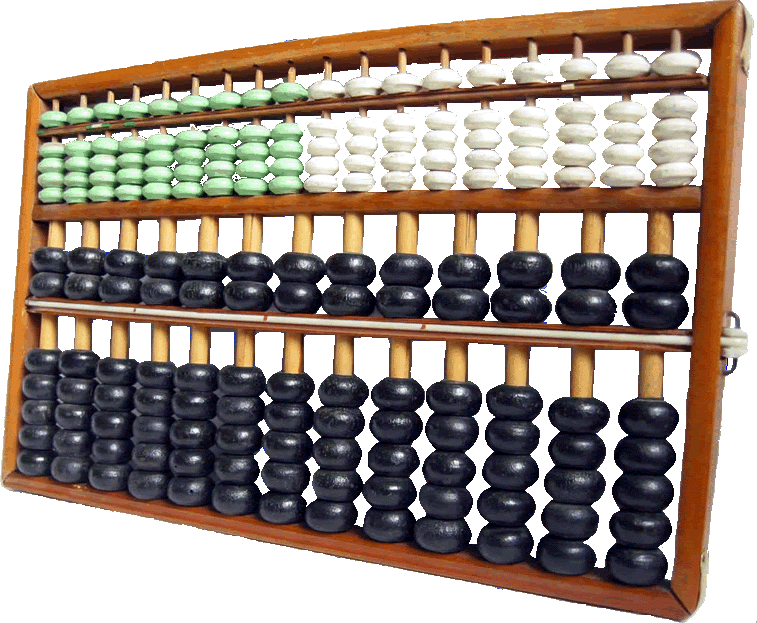
  • Abacus – First counting tool
  • Analytical Engine (Charles Babbage) – Concept of programmable machines
  • ENIAC – First electronic general-purpose computer

2. Von Neumann Architecture

Image
Image
Image
Image

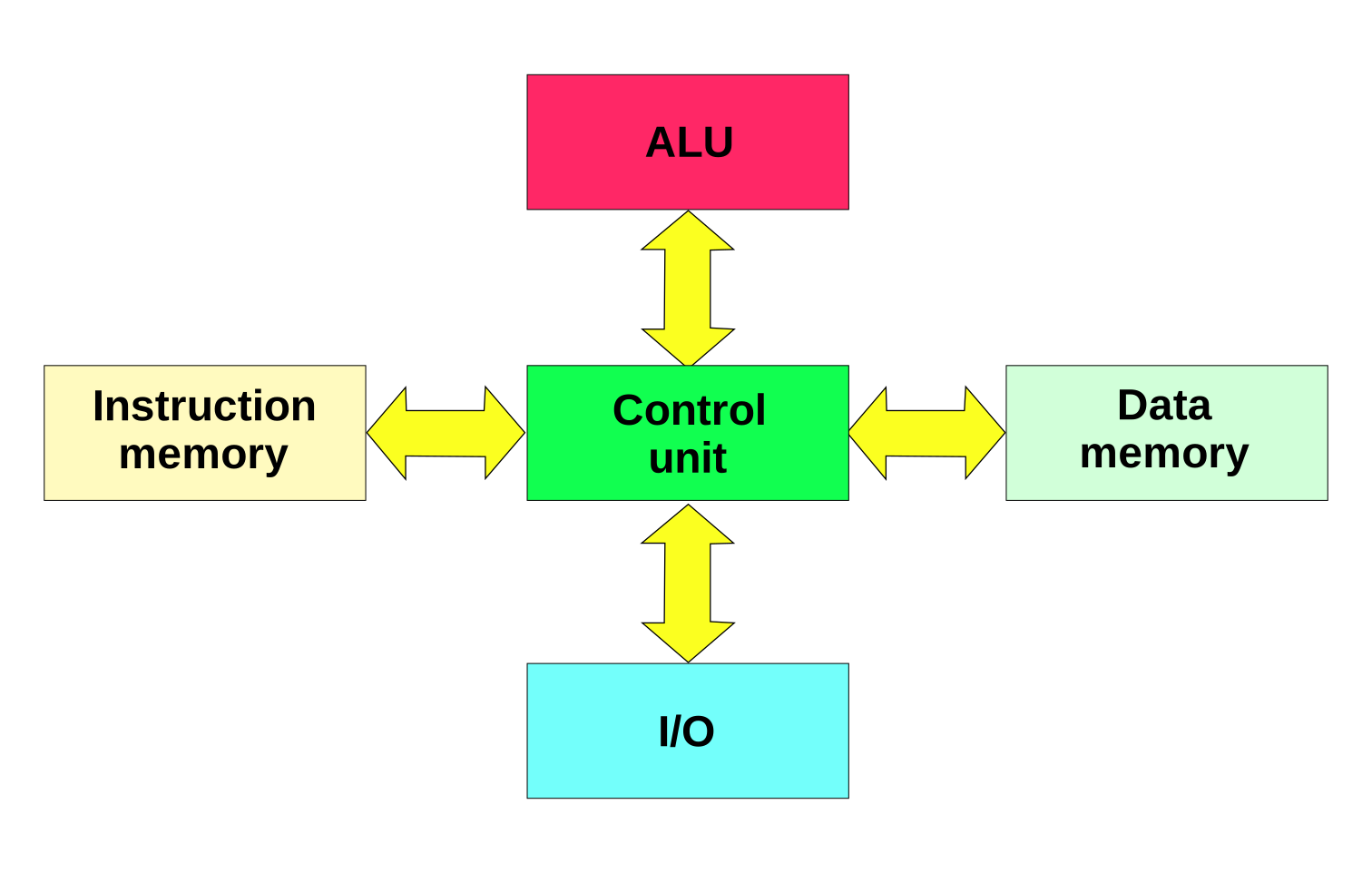
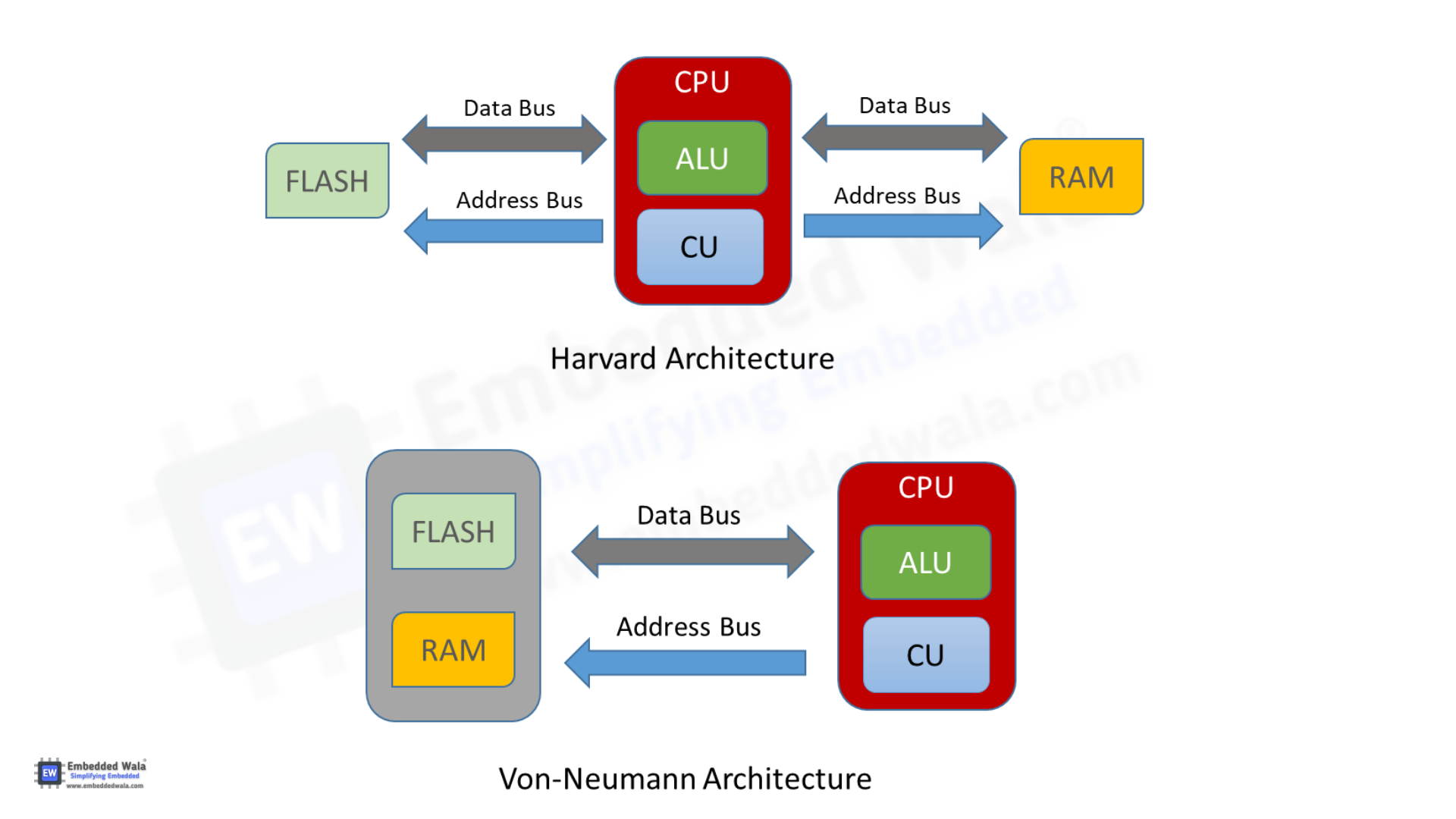
The Von Neumann architecture is the foundation of modern computers. It introduced the stored-program concept, where instructions and data are stored in the same memory.

Key components:

  • Central Processing Unit (CPU)
  • Memory
  • Input/Output devices
  • Bus system

⚙️ Core Components of Computer Architecture


1. Central Processing Unit (CPU)

Image
Image
Image
Image

The CPU is the brain of the computer, responsible for executing instructions.

Components of CPU:

a. Arithmetic Logic Unit (ALU)
  • Performs arithmetic operations: addition, subtraction
  • Performs logical operations: AND, OR, NOT
  • Executes comparisons
b. Control Unit (CU)
  • Directs operations of the processor
  • Fetches instructions from memory
  • Decodes and executes them
c. Registers
  • Small, fast storage locations inside CPU
  • Examples:
    • Program Counter (PC)
    • Instruction Register (IR)
    • Accumulator

2. Memory Unit

Image
Image
Image
Image

Memory stores data and instructions.

Types of Memory:

a. Primary Memory
  • RAM (Random Access Memory) – Volatile
  • ROM (Read Only Memory) – Non-volatile
b. Secondary Memory
  • Hard Disk, SSD, Optical Disks
  • Permanent storage
c. Cache Memory
  • High-speed memory
  • Located close to CPU
  • Improves performance

3. Input and Output Units

Image
Image
Image
Image

Input Devices:

  • Keyboard
  • Mouse
  • Scanner

Output Devices:

  • Monitor
  • Printer
  • Speakers

These units enable communication between user and computer.


4. Bus System

Image
Image
Image
Image

The bus is a communication system that transfers data between components.

Types of Buses:

  • Data Bus – Transfers data
  • Address Bus – Carries memory addresses
  • Control Bus – Sends control signals

🔄 Instruction Cycle (Fetch-Decode-Execute)

Image
Image
Image
Image

The CPU processes instructions in a cycle:

  1. Fetch – Retrieve instruction from memory
  2. Decode – Interpret instruction
  3. Execute – Perform operation

This cycle repeats continuously.


🧮 Instruction Set Architecture (ISA)

ISA defines:

  • Instruction formats
  • Addressing modes
  • Data types
  • Registers

Examples:

  • RISC (Reduced Instruction Set Computer)
  • CISC (Complex Instruction Set Computer)

⚡ RISC vs CISC Architecture

Image
Image
Image
Image
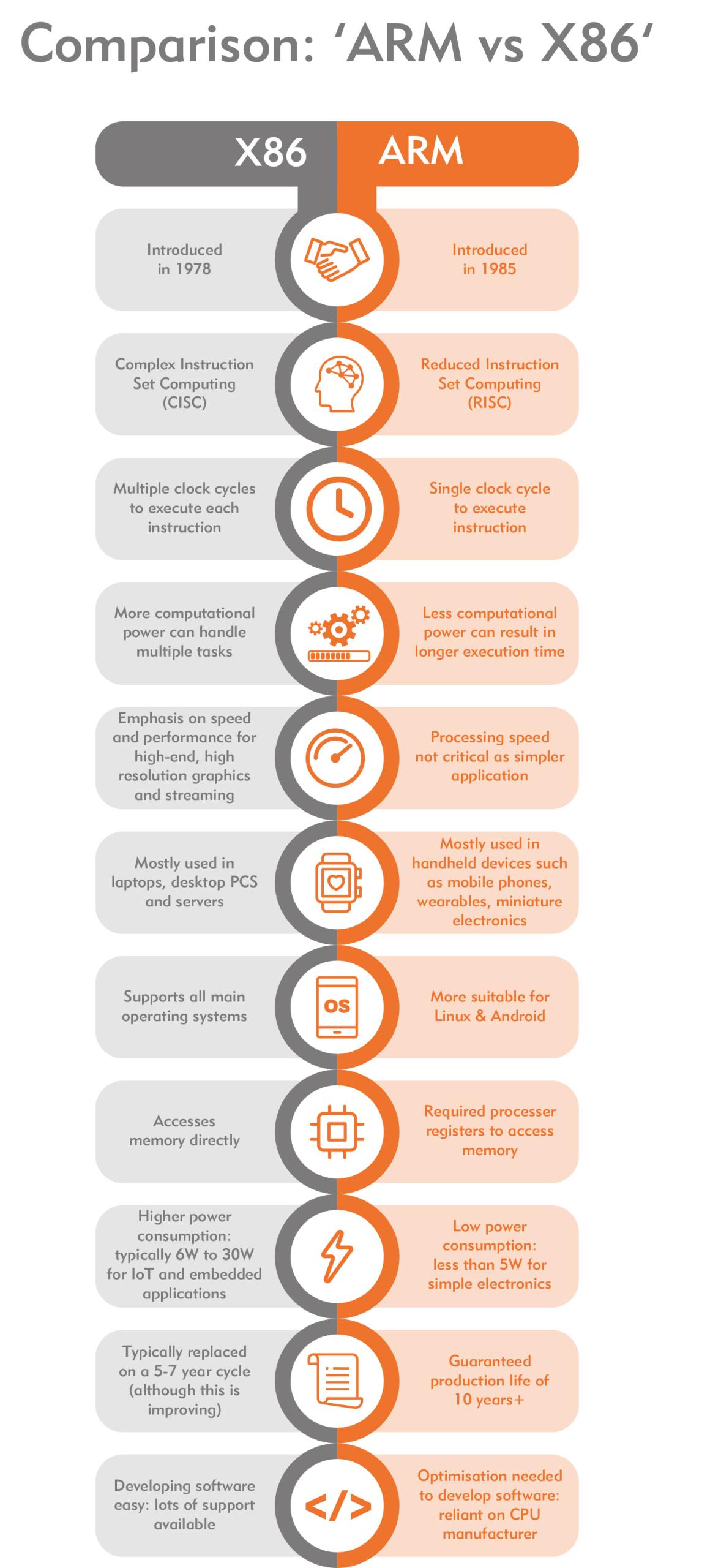
FeatureRISCCISC
InstructionsSimpleComplex
ExecutionFastSlower
ExamplesARMx86

🧠 Memory Hierarchy

Memory is organized based on speed and cost:

  1. Registers (fastest)
  2. Cache
  3. RAM
  4. Secondary Storage (slowest)

Key principle:

Faster memory is more expensive and smaller.


⚙️ Microarchitecture

Microarchitecture refers to:

  • Internal design of CPU
  • Pipelining
  • Superscalar execution
  • Branch prediction

🔁 Pipelining

Image
Image
Image
Image

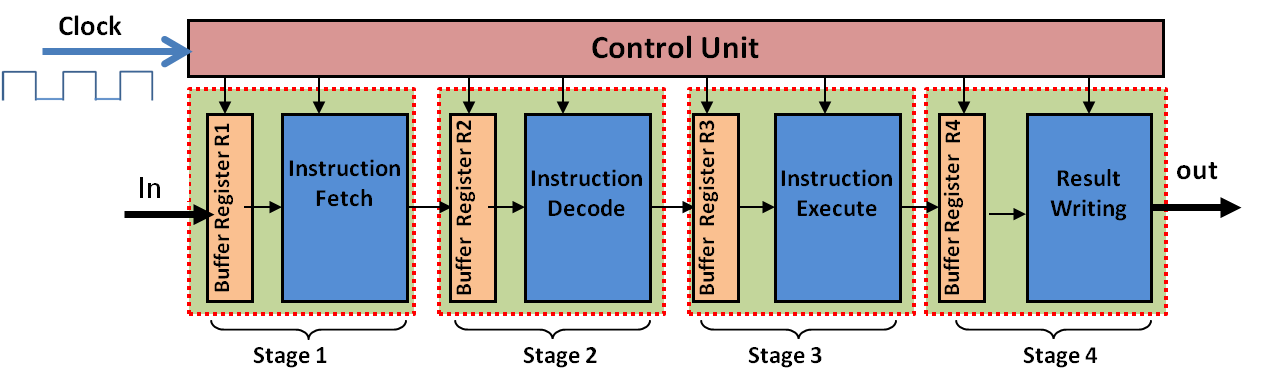
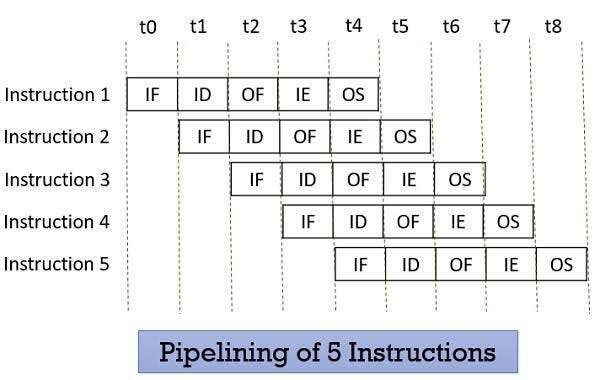
Pipelining improves performance by overlapping instruction execution.

Stages:

  • Fetch
  • Decode
  • Execute
  • Memory
  • Write-back

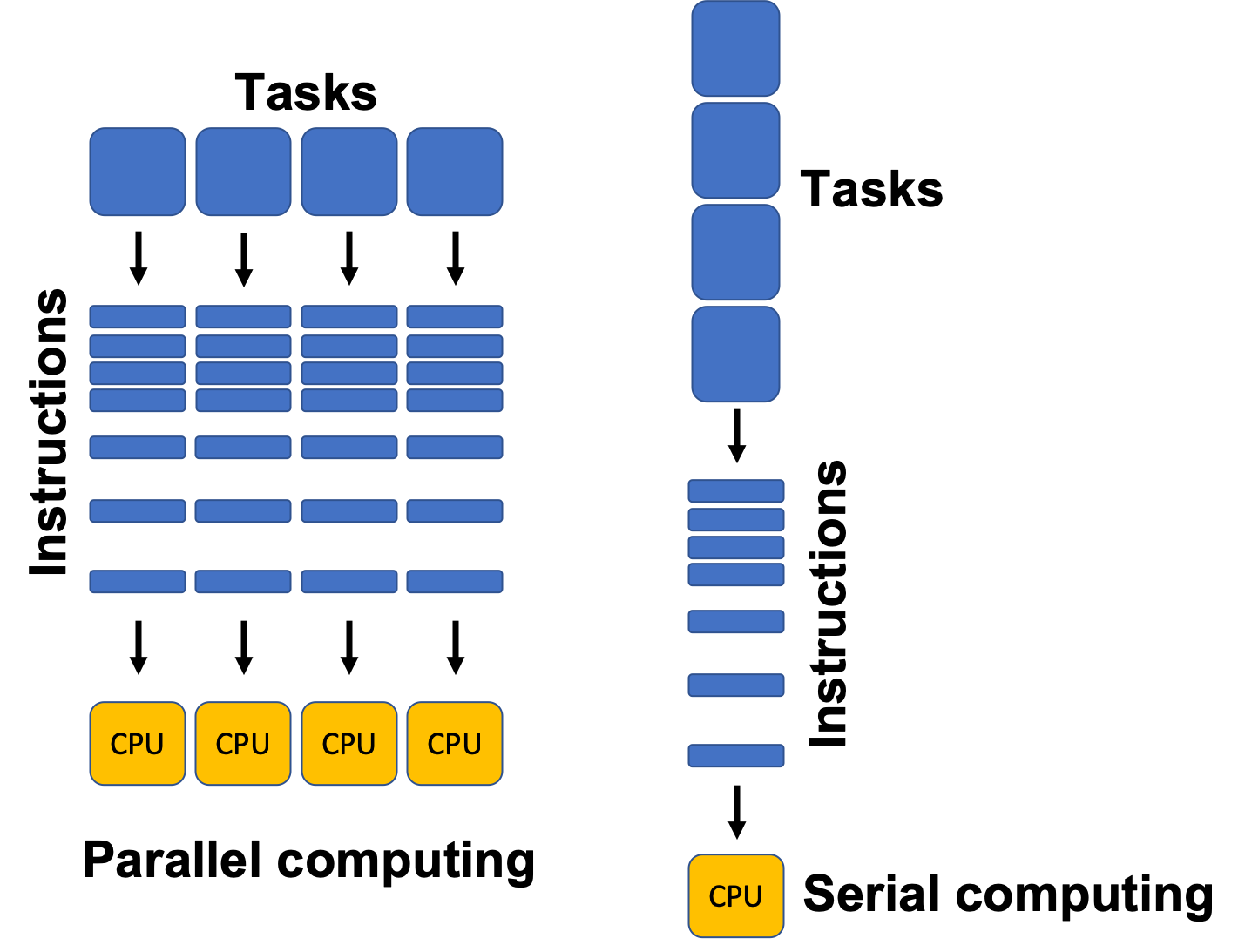
🧩 Parallelism in Architecture

Types:

  • Instruction-Level Parallelism (ILP)
  • Data-Level Parallelism (DLP)
  • Thread-Level Parallelism (TLP)

Examples:

  • Multi-core processors
  • GPUs

🖥️ Types of Computer Architectures


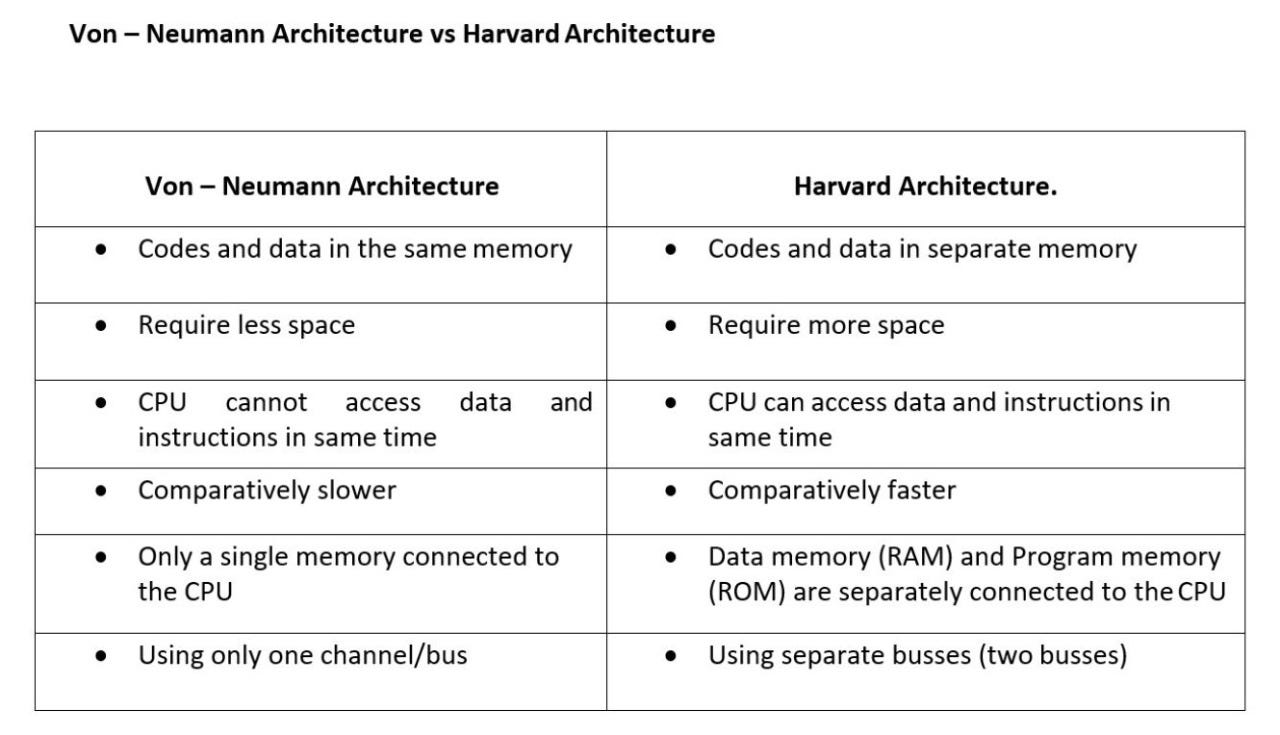
1. Von Neumann Architecture

  • Single memory for data and instructions
  • Simpler design
  • Bottleneck issue

2. Harvard Architecture

Image
Image
Image
Image
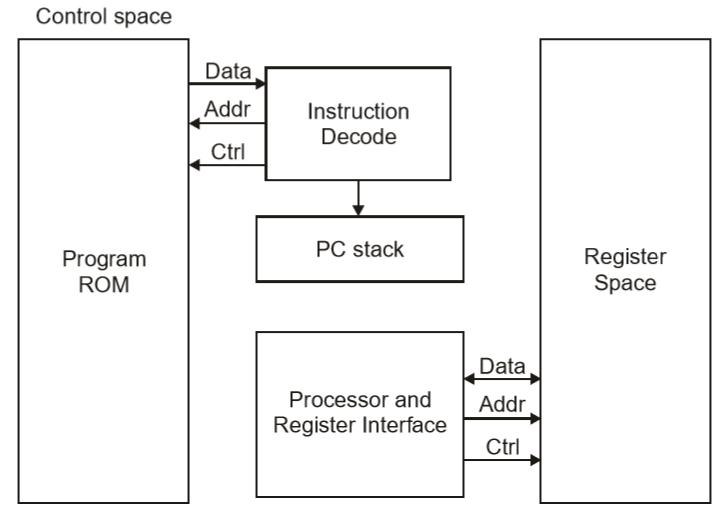
  • Separate memory for data and instructions
  • Faster access
  • Used in embedded systems

🧮 Addressing Modes

Defines how operands are accessed:

  • Immediate
  • Direct
  • Indirect
  • Indexed
  • Register

⚡ Performance Metrics


1. Clock Speed

  • Measured in GHz
  • Determines how many cycles per second

2. Throughput

  • Number of tasks per unit time

3. Latency

  • Time taken to execute a task

🔐 Control Signals and Timing

  • Control unit generates signals
  • Synchronization through clock pulses
  • Ensures proper sequencing

🧠 Registers in Detail

Types:

  • General-purpose registers
  • Special-purpose registers:
    • Program Counter
    • Stack Pointer
    • Status Register

📦 Cache Memory Levels

  • L1 Cache – fastest, smallest
  • L2 Cache – larger, slower
  • L3 Cache – shared among cores

🧩 Multiprocessing and Multicore Systems

Image
Image
Image
Image
  • Multiple processors or cores
  • Improves performance and multitasking

🔄 Interrupts in Computer Architecture

  • Signals from devices to CPU
  • Types:
    • Hardware interrupts
    • Software interrupts

🧮 Input/Output Organization

Methods:

  • Programmed I/O
  • Interrupt-driven I/O
  • Direct Memory Access (DMA)

🔐 Bus Arbitration

  • Determines which device controls the bus
  • Methods:
    • Centralized
    • Distributed

🧠 Evolution of Computer Architecture


Generations:

  1. Vacuum Tubes
  2. Transistors
  3. Integrated Circuits
  4. Microprocessors
  5. AI-based architectures

⚙️ Modern Trends in Computer Architecture

Image
Image
Image
Image
  • Quantum Computing
  • Neuromorphic Computing
  • Edge Computing
  • Cloud Computing

🧾 Advantages of Computer Architecture Design

  • Efficient processing
  • Scalability
  • Flexibility
  • Optimization of resources

⚠️ Limitations

  • Complexity
  • Cost
  • Power consumption
  • Heat generation

🧠 Conclusion

Basic computer architecture forms the foundation of all computing systems. From simple machines to modern AI-powered systems, understanding architecture helps in:

  • Designing efficient systems
  • Improving performance
  • Building advanced technologies

It connects hardware and software, enabling computers to solve complex problems efficiently.


🏷️ Tags