Tag Archives: Edge Computing

🖥️ Virtualization


🌐 Introduction to Virtualization
Image
Image
Image
Image

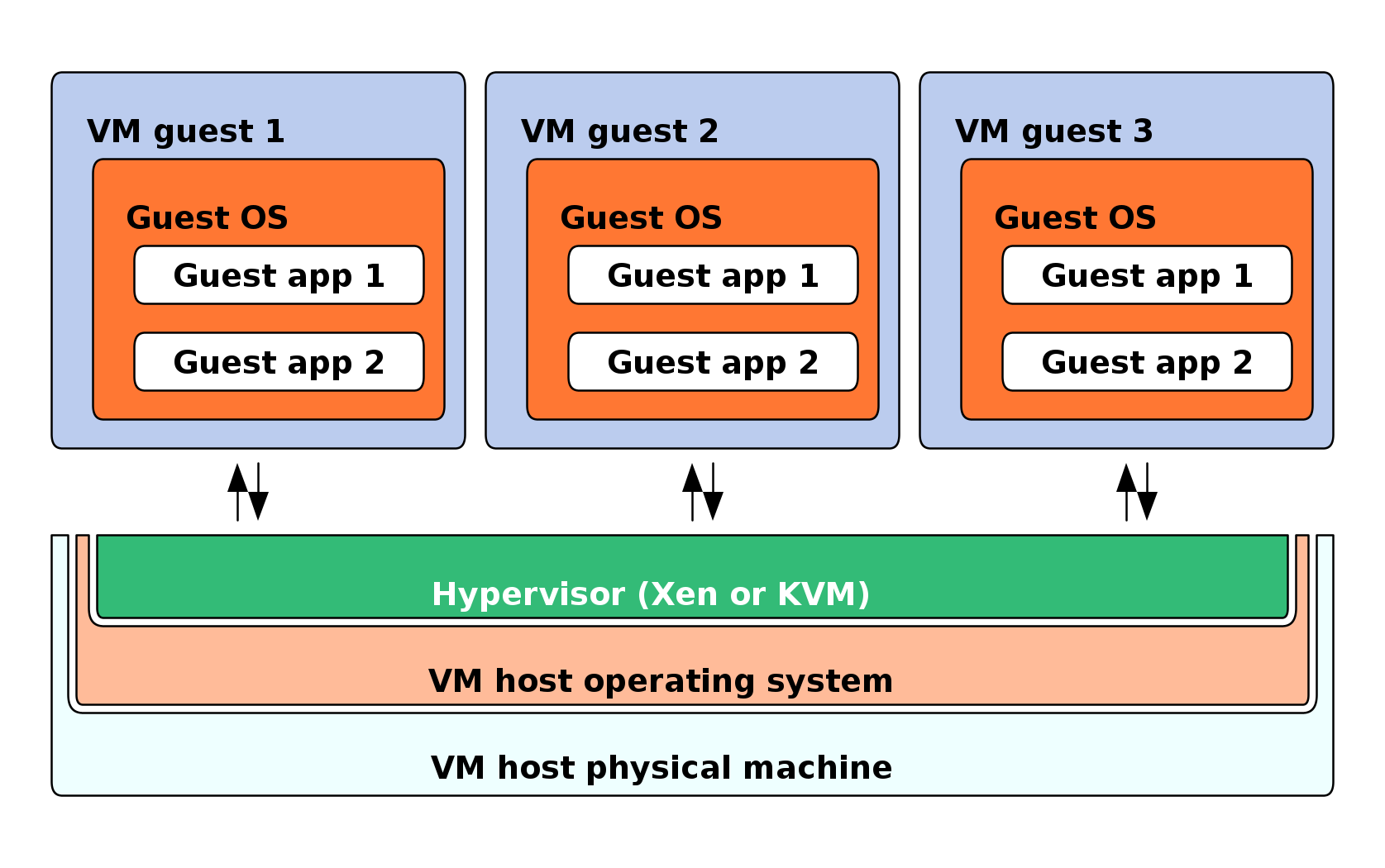
Virtualization is a technology that allows a single physical computer system to run multiple virtual environments (virtual machines) simultaneously. It abstracts hardware resources such as CPU, memory, and storage and allocates them efficiently among multiple users or systems.

In simple terms:

Virtualization = creating virtual versions of physical resources

These virtual versions behave like real systems but operate within a controlled environment.


🧠 Importance of Virtualization

  • Efficient resource utilization
  • Cost reduction (less hardware required)
  • Scalability and flexibility
  • Isolation and security
  • Foundation of cloud computing

🧩 Basic Concepts of Virtualization


💡 What is a Virtual Machine (VM)?
Image
Image
Image
Image

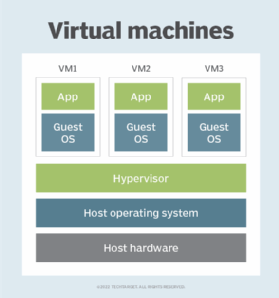
A Virtual Machine (VM) is a software-based emulation of a physical computer.

Components:

  • Virtual CPU
  • Virtual RAM
  • Virtual storage
  • Guest operating system

⚙️ What is a Hypervisor?

Image
Image
Image
Image

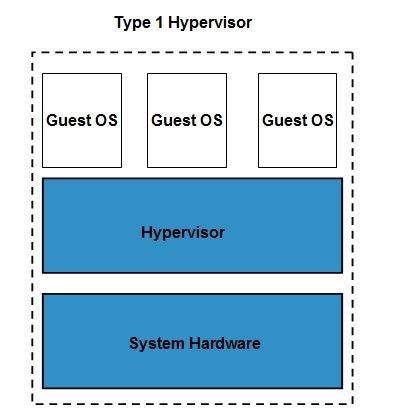
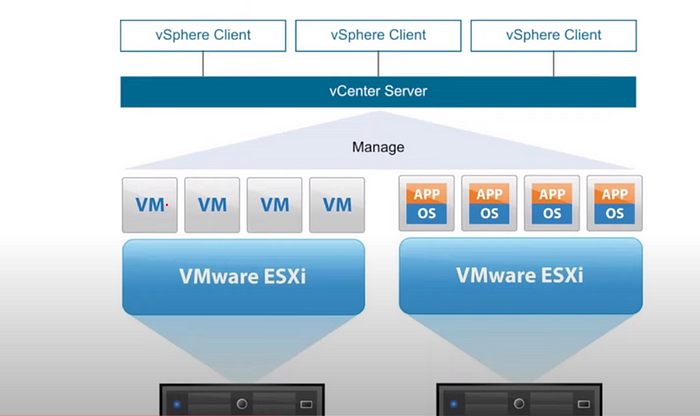
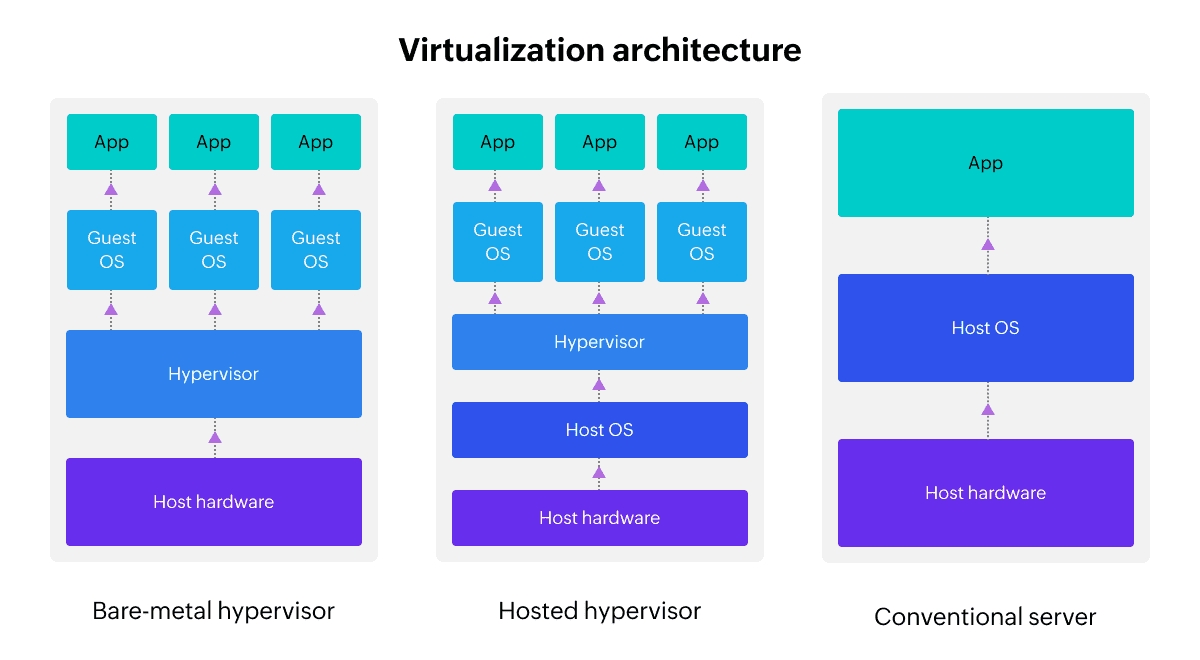
A hypervisor is software that manages virtual machines.

Types:

🔹 Type 1 (Bare-metal)

  • Runs directly on hardware
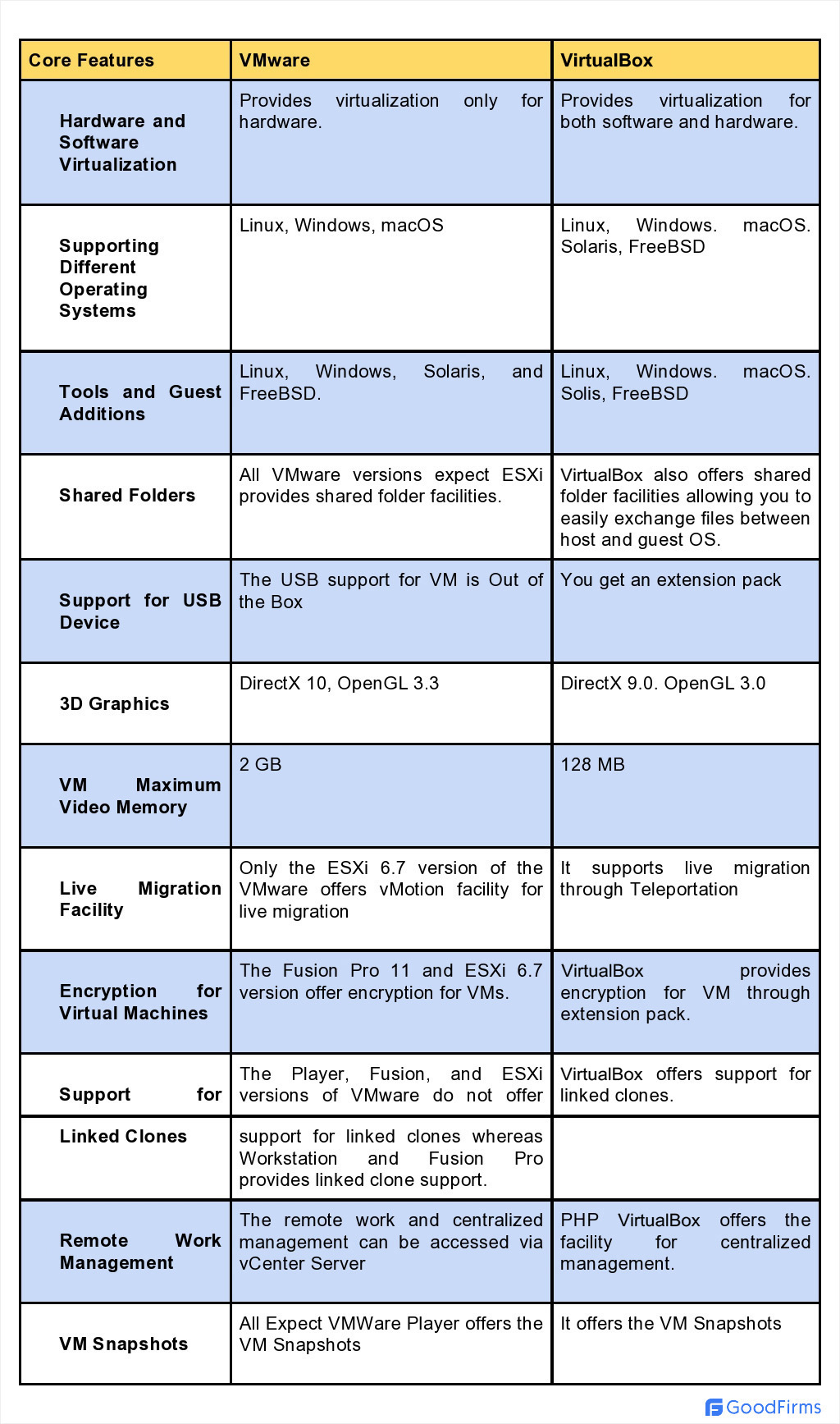
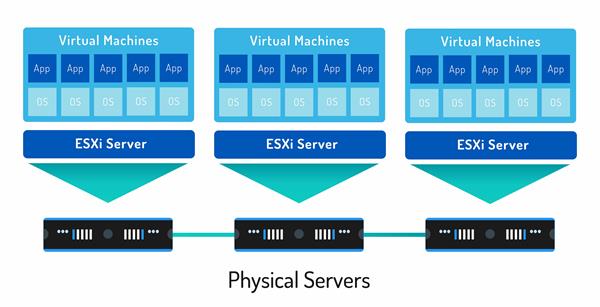
  • Example: VMware ESXi

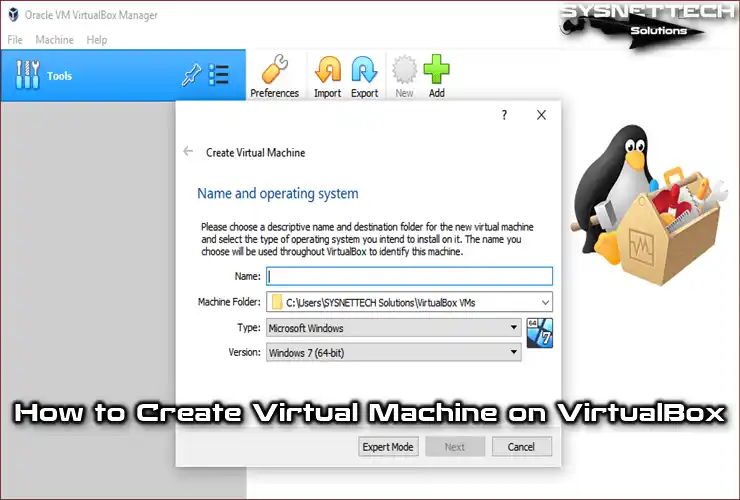
🔹 Type 2 (Hosted)

  • Runs on an OS
  • Example: VirtualBox

🧠 Types of Virtualization


🖥️ 1. Server Virtualization

Image
Image
Image
Image
  • Divides one server into multiple virtual servers

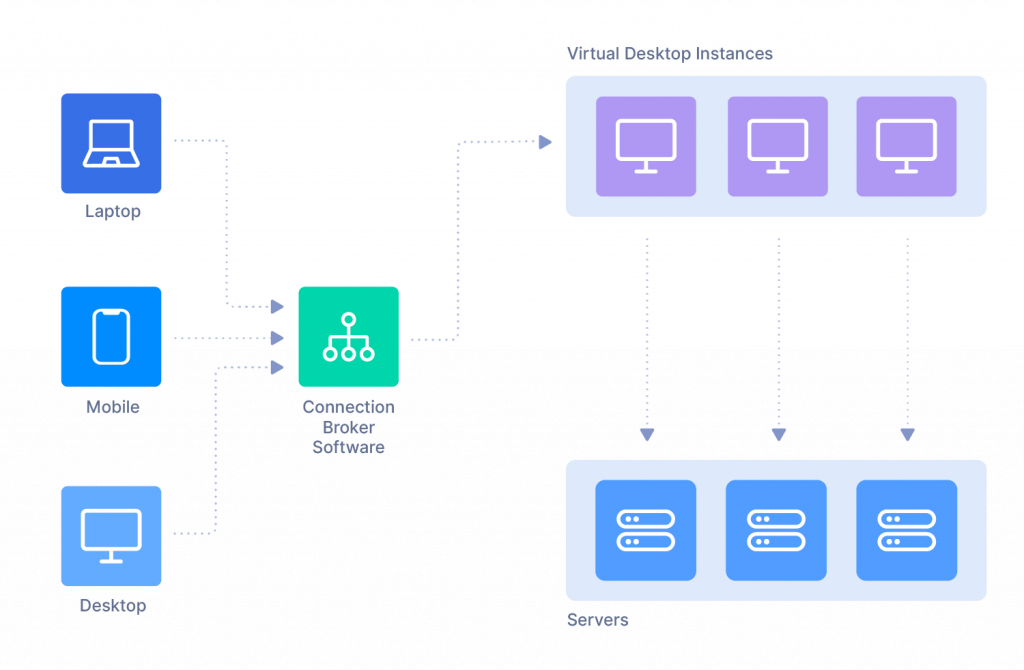
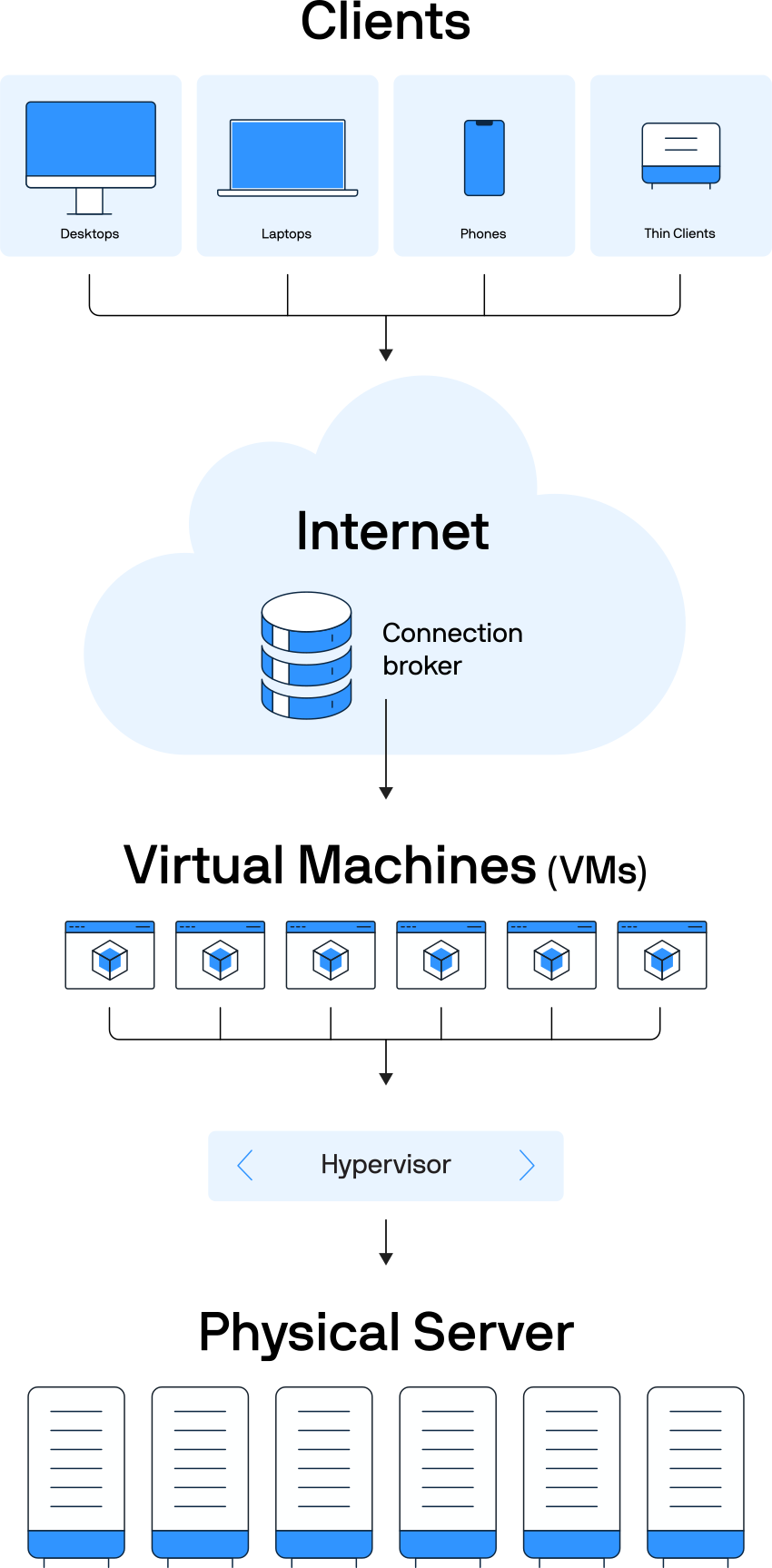
💻 2. Desktop Virtualization
Image
Image
Image
Image
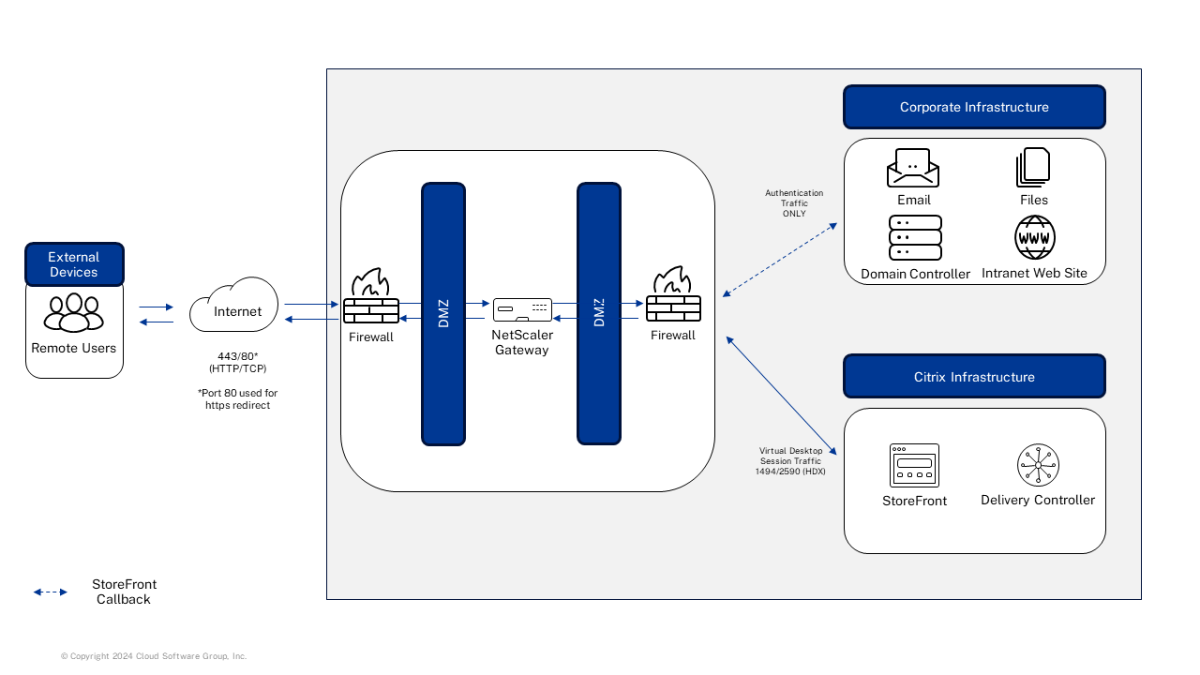
  • Users access desktops remotely

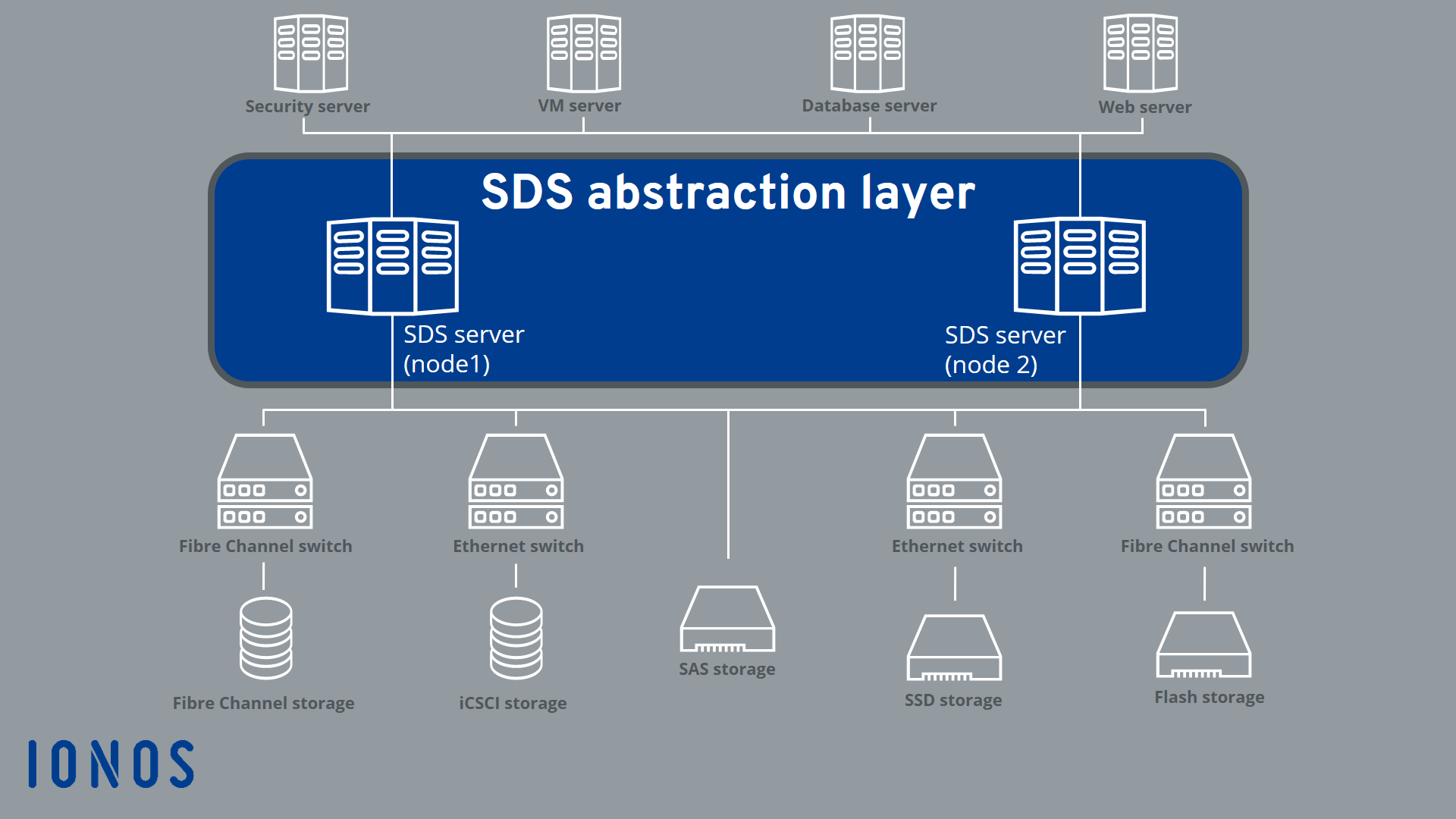
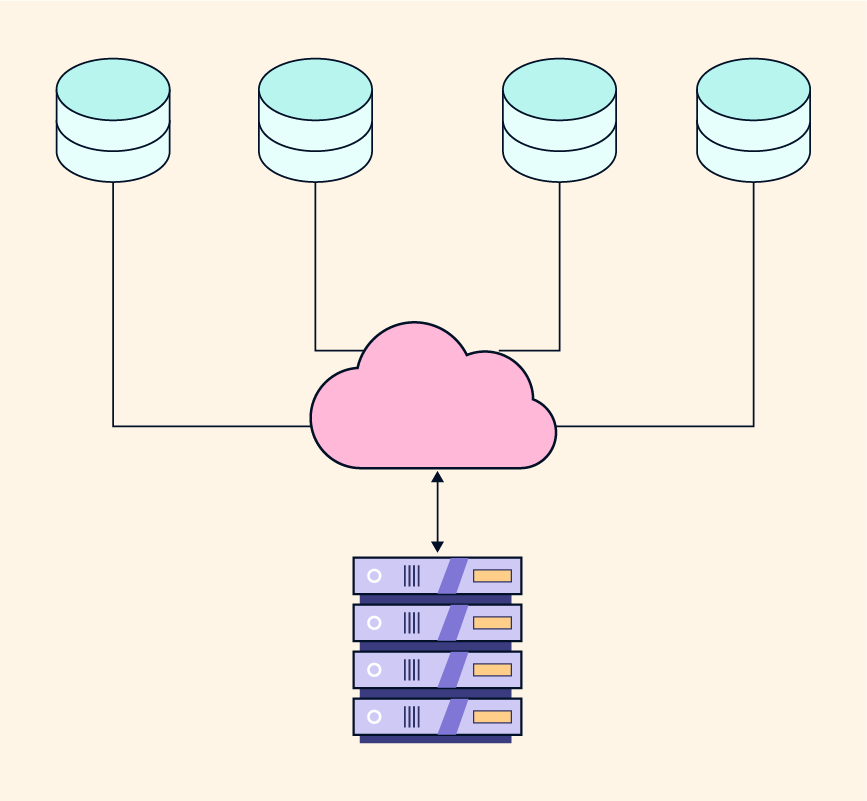
📦 3. Storage Virtualization
Image
Image
Image
Image
  • Combines multiple storage devices

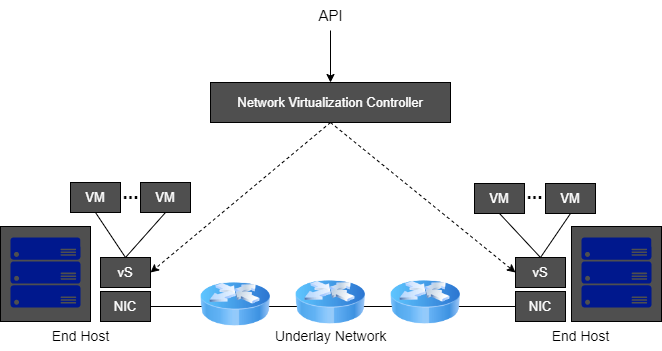
🌐 4. Network Virtualization
Image
Image
Image
Image
  • Creates virtual networks

🧠 5. Application Virtualization

Image
Image
Image
Image
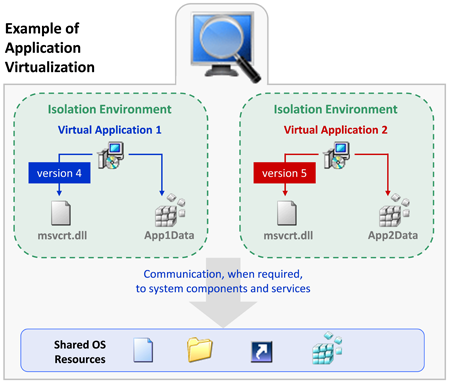
  • Runs applications without installing them

📦 6. Containerization

Image
Image
Image
Image
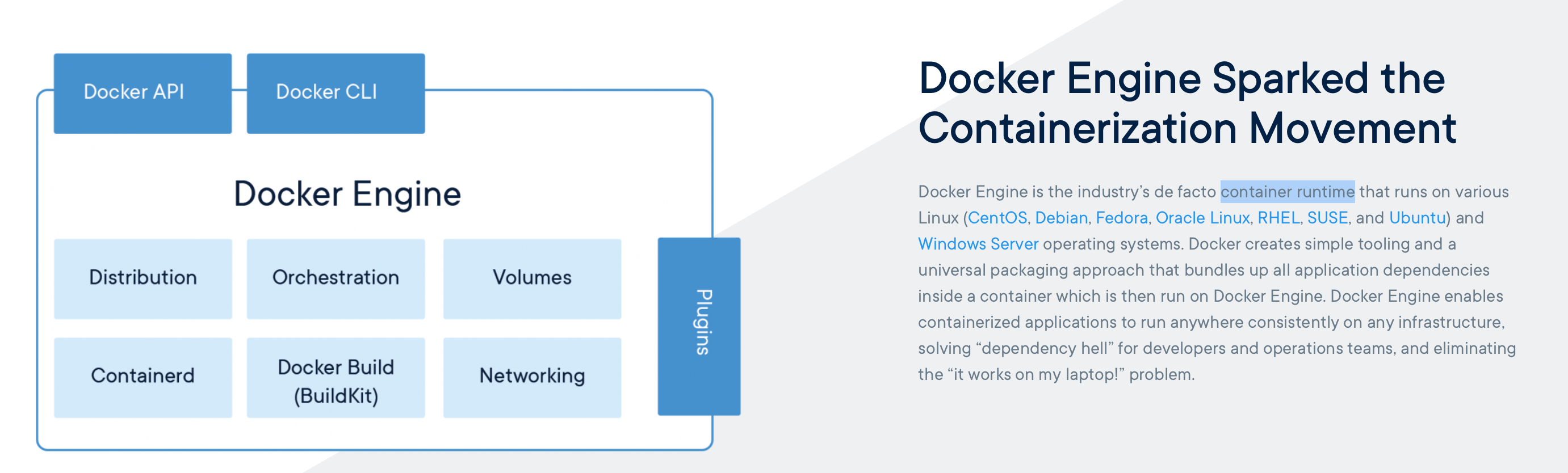
  • Lightweight virtualization
  • Uses shared OS kernel

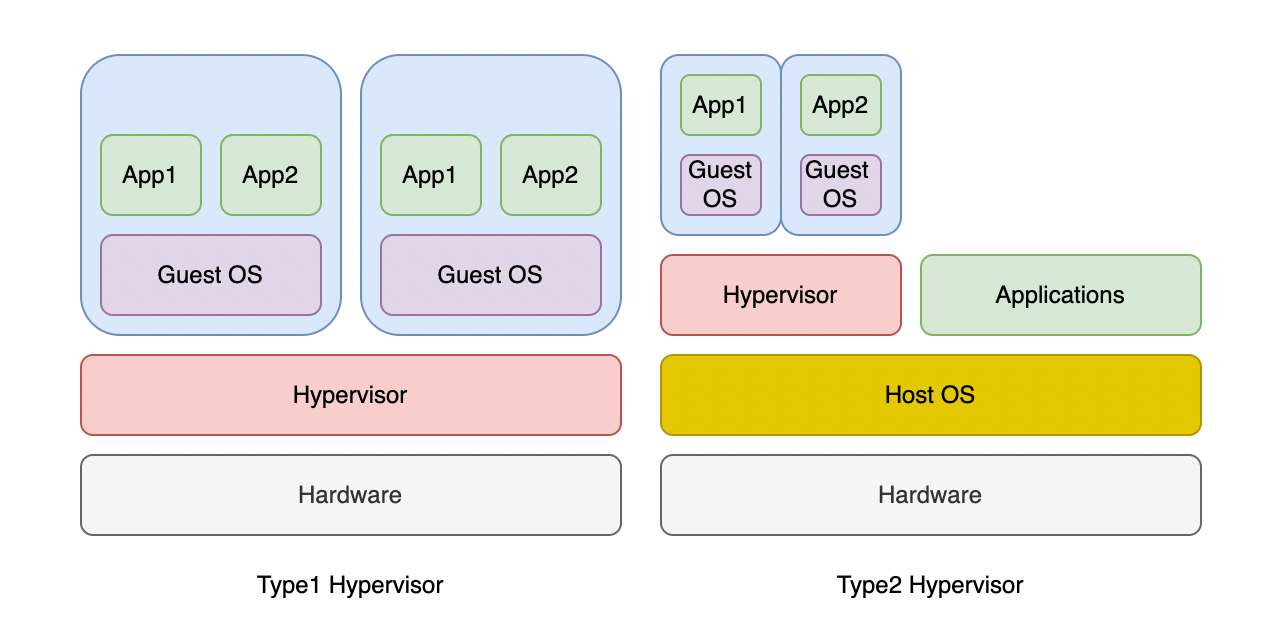
⚙️ Virtualization Architecture


🧩 Layers:
Image
Image
Image
Image
  1. Physical hardware
  2. Hypervisor
  3. Virtual machines
  4. Applications

🔄 Full Virtualization vs Para-Virtualization


⚖️ Comparison:

FeatureFull VirtualizationPara-Virtualization
OS modificationNot requiredRequired
PerformanceModerateHigh
ComplexityLowHigh

🧠 Virtualization in Cloud Computing


☁️ Cloud Models

Image
Image
Image
Image

🔹 IaaS (Infrastructure as a Service)

  • Virtual machines

🔹 PaaS (Platform as a Service)

  • Development platforms

🔹 SaaS (Software as a Service)

  • Applications over internet

🔐 Security in Virtualization


🛡️ Features:

Image
Image
Image
Image
  • Isolation between VMs
  • Sandboxing
  • Secure hypervisor

⚠️ Risks:

  • VM escape
  • Resource sharing vulnerabilities

⚙️ Resource Management


🧠 Techniques:

  • CPU scheduling
  • Memory allocation
  • Storage management

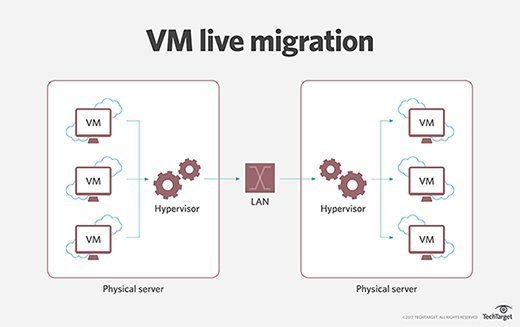
🔄 Live Migration


🔁 Concept
Image
Image
Image
Image
  • Moving VMs between hosts without downtime

🧠 Snapshots and Cloning


📸 Snapshot:

  • Saves VM state

📋 Cloning:

  • Creates duplicate VM

⚡ Advantages of Virtualization

  • Cost efficiency
  • Scalability
  • Flexibility
  • Disaster recovery

⚠️ Limitations

  • Performance overhead
  • Complexity
  • Security risks

🚀 Emerging Trends

Image
Image
Image
Image
  • Edge virtualization
  • Serverless computing
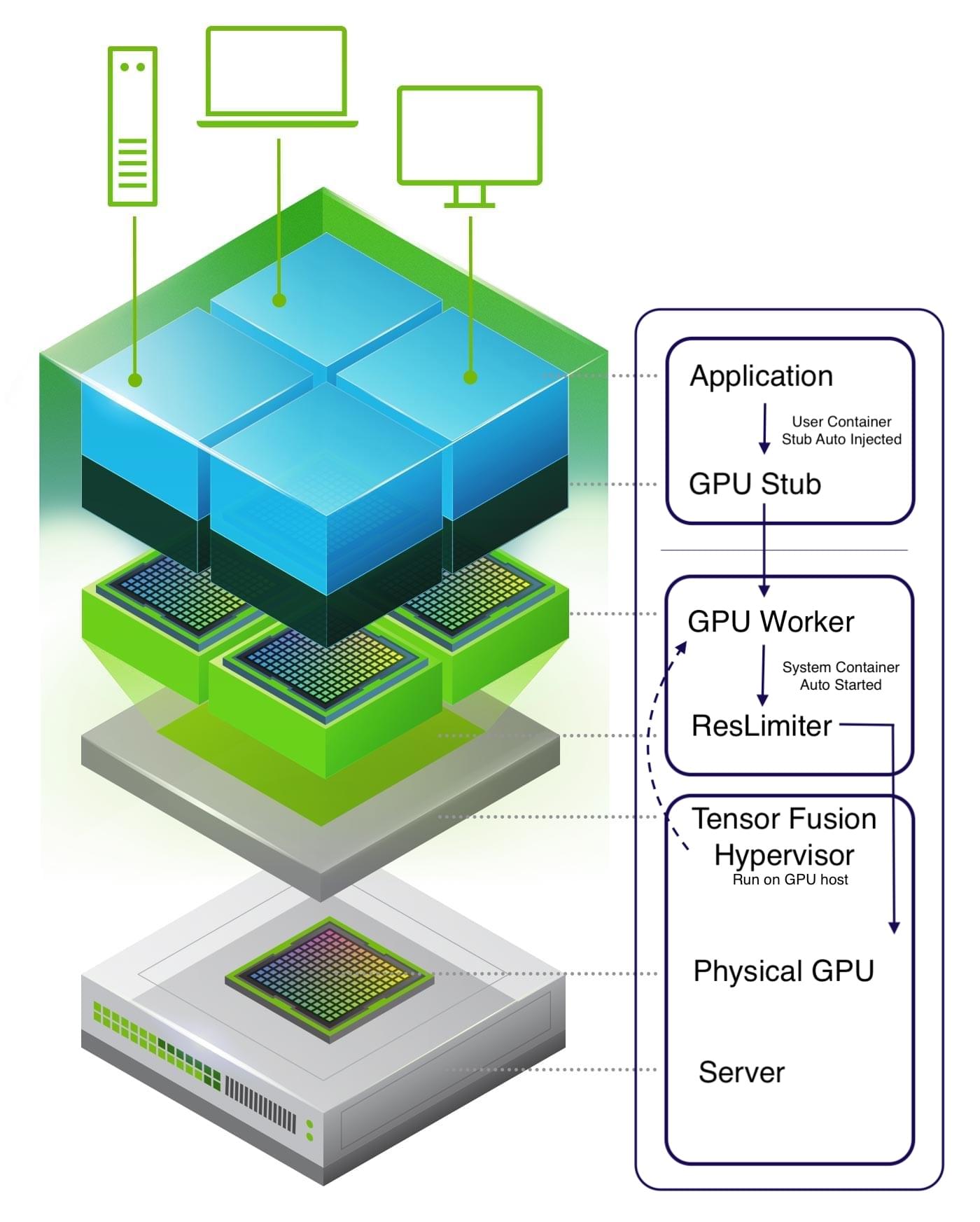
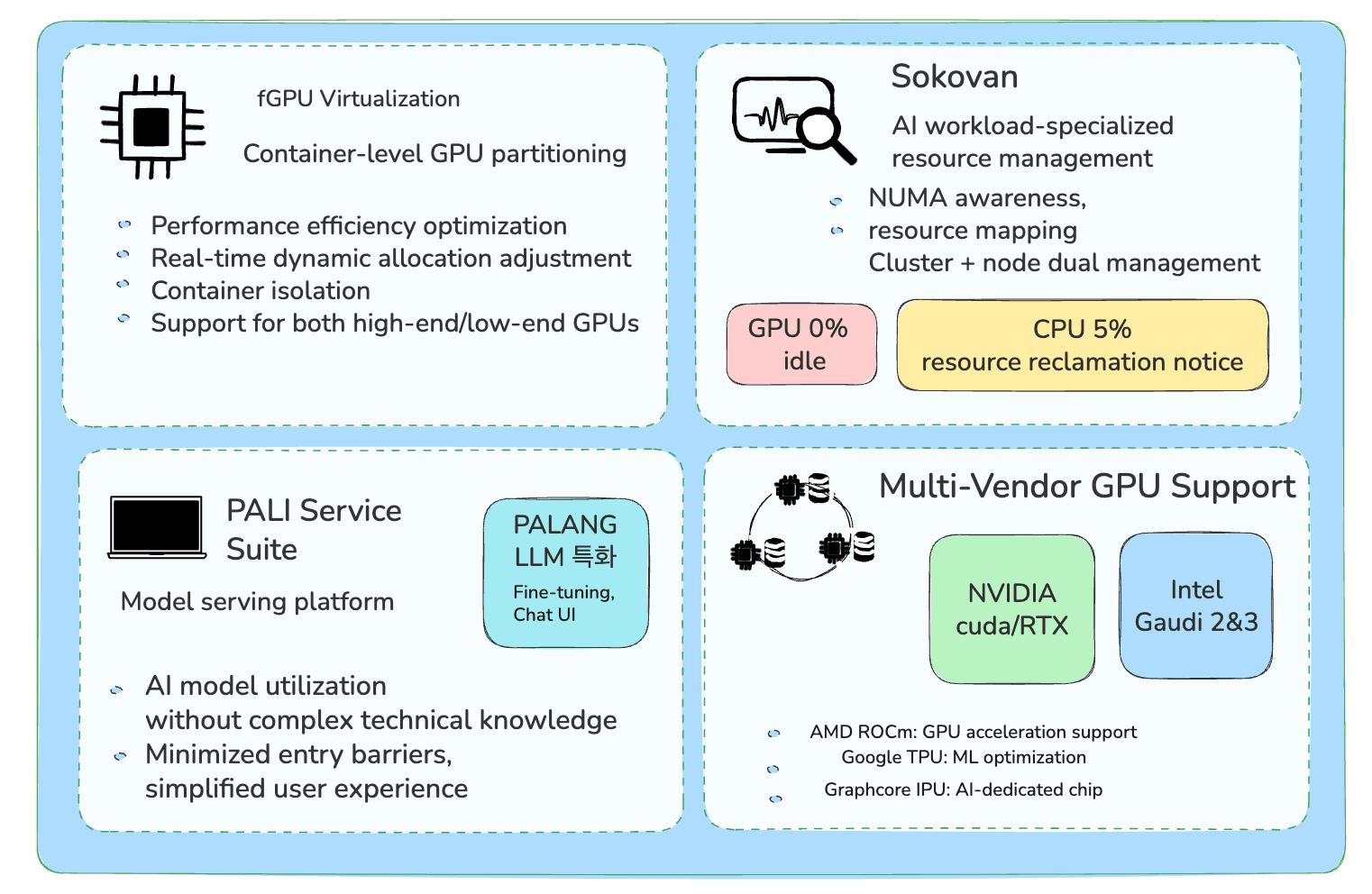
  • GPU virtualization
  • Hybrid cloud

🧠 Virtualization vs Containerization


⚖️ Comparison:

FeatureVirtualizationContainerization
OSSeparate OSShared OS
SizeLargeSmall
SpeedSlowerFaster

🧾 Conclusion

Virtualization is a key technology in modern computing, enabling:

  • Efficient use of resources
  • Cloud computing infrastructure
  • Flexible and scalable systems

It plays a critical role in:

  • Data centers
  • Cloud platforms
  • DevOps environments

Understanding virtualization is essential for:

  • System administrators
  • Developers
  • Cloud engineers

🏷️ Tags

🖥️ Basic Computer Architecture – Complete Detailed Guide


🧩 Overview of Computer Architecture

Image
Image
Image
Image

Computer architecture refers to the design, structure, and functional behavior of a computer system. It defines how different components of a computer—such as the CPU, memory, and input/output devices—interact with each other to execute programs.

At its core, computer architecture answers three main questions:
  1. What does the system do? (Functionality)
  2. How is it organized? (Structure)
  3. How does it operate? (Behavior)

The architecture of a computer is usually divided into:

  • Instruction Set Architecture (ISA) – Interface between hardware and software
  • Microarchitecture – Internal implementation of the processor
  • System Design – Integration of hardware components

🧠 Historical Background

1. Early Computing Machines

Image
Image
Image
Image

The development of computer architecture began with early mechanical devices:

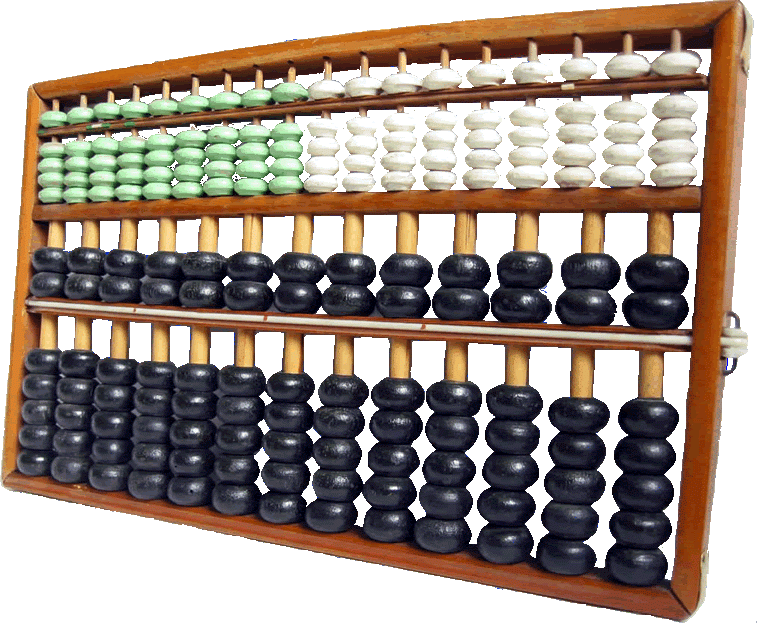
  • Abacus – First counting tool
  • Analytical Engine (Charles Babbage) – Concept of programmable machines
  • ENIAC – First electronic general-purpose computer

2. Von Neumann Architecture

Image
Image
Image
Image

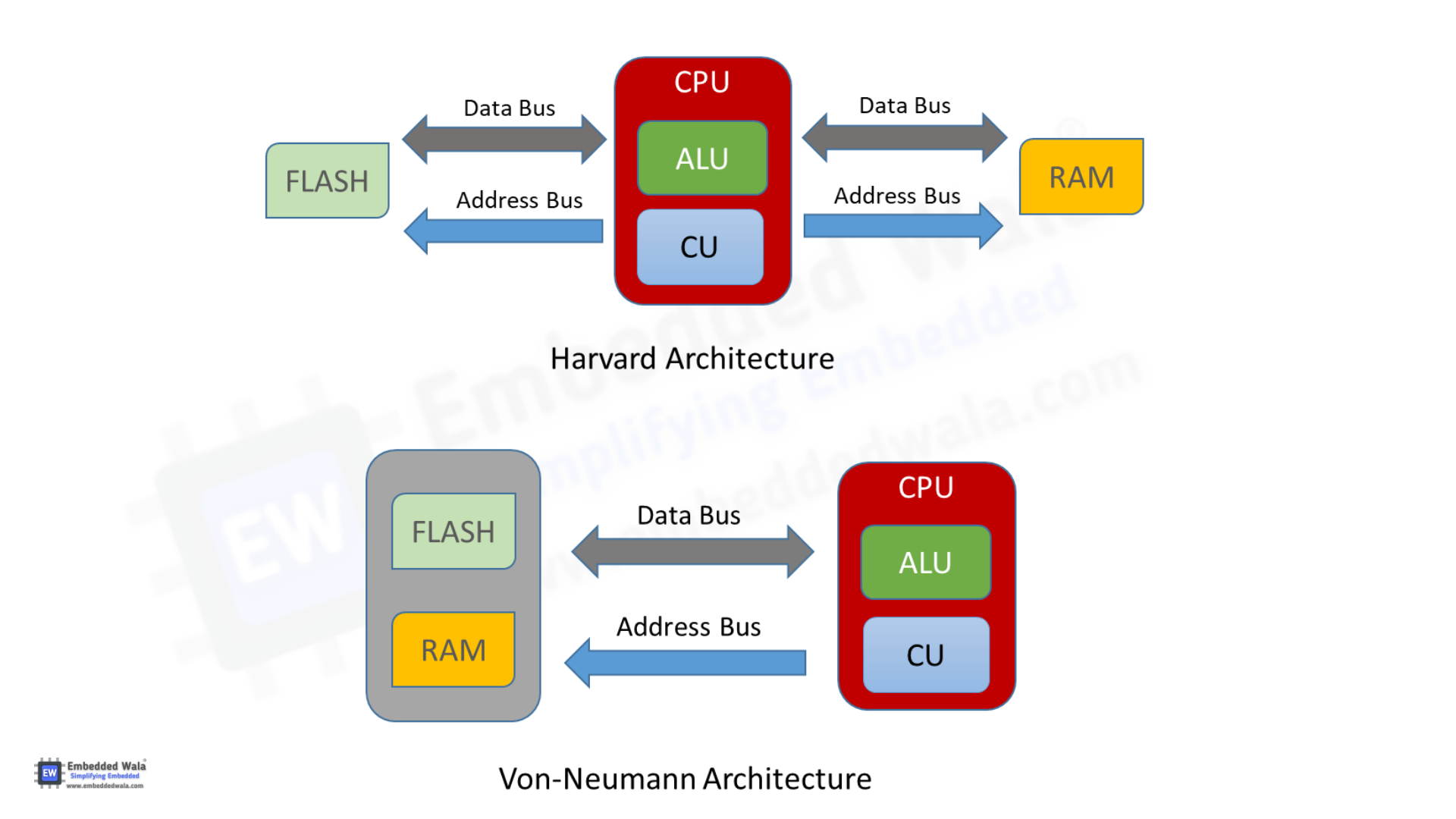
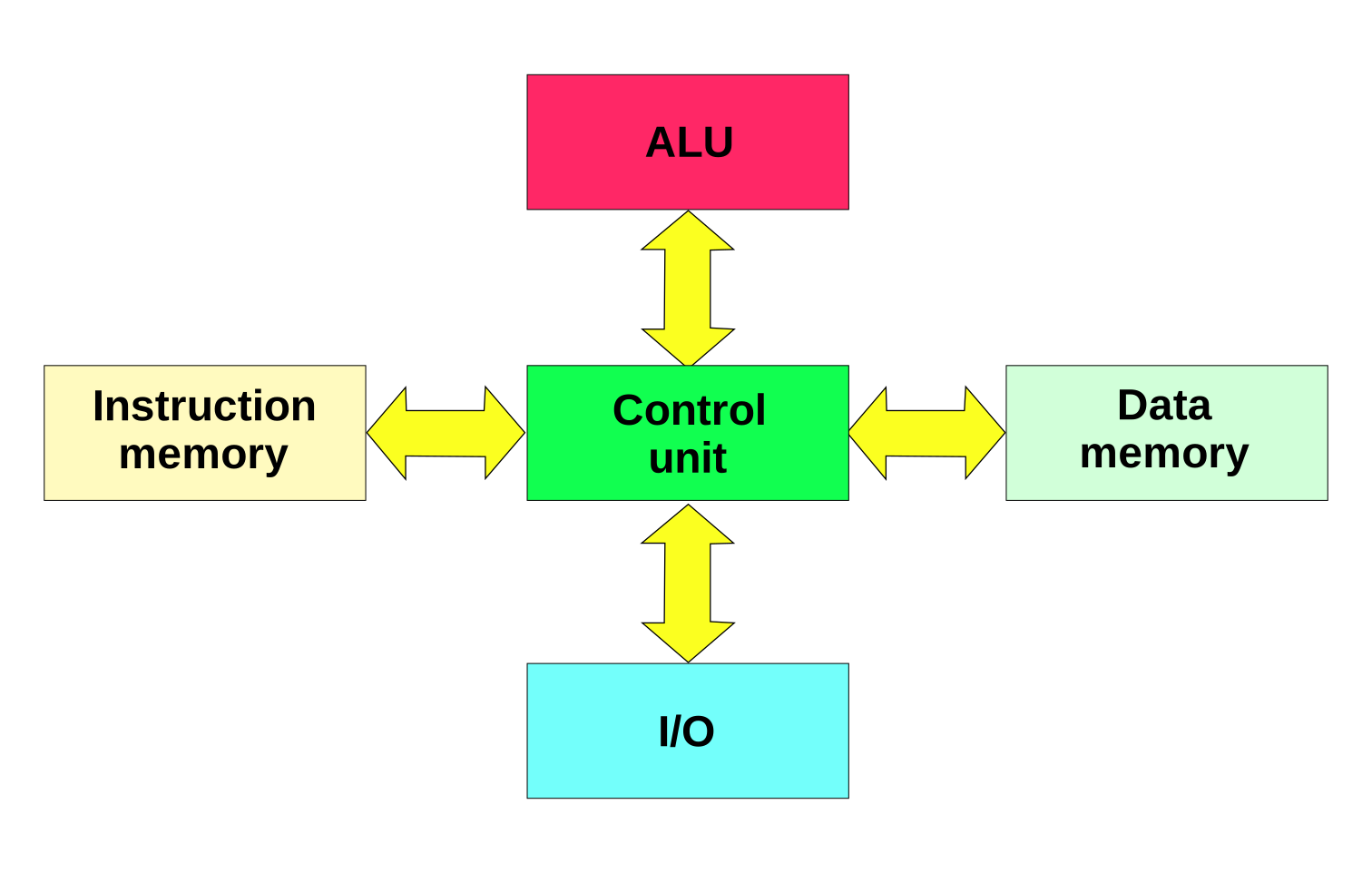
The Von Neumann architecture is the foundation of modern computers. It introduced the stored-program concept, where instructions and data are stored in the same memory.

Key components:

  • Central Processing Unit (CPU)
  • Memory
  • Input/Output devices
  • Bus system

⚙️ Core Components of Computer Architecture


1. Central Processing Unit (CPU)

Image
Image
Image
Image

The CPU is the brain of the computer, responsible for executing instructions.

Components of CPU:

a. Arithmetic Logic Unit (ALU)
  • Performs arithmetic operations: addition, subtraction
  • Performs logical operations: AND, OR, NOT
  • Executes comparisons
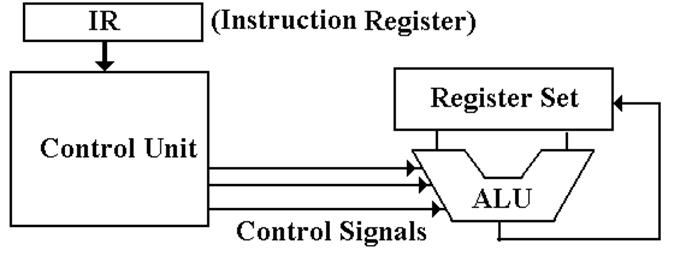
b. Control Unit (CU)
  • Directs operations of the processor
  • Fetches instructions from memory
  • Decodes and executes them
c. Registers
  • Small, fast storage locations inside CPU
  • Examples:
    • Program Counter (PC)
    • Instruction Register (IR)
    • Accumulator

2. Memory Unit

Image
Image
Image
Image

Memory stores data and instructions.

Types of Memory:

a. Primary Memory
  • RAM (Random Access Memory) – Volatile
  • ROM (Read Only Memory) – Non-volatile
b. Secondary Memory
  • Hard Disk, SSD, Optical Disks
  • Permanent storage
c. Cache Memory
  • High-speed memory
  • Located close to CPU
  • Improves performance

3. Input and Output Units

Image
Image
Image
Image

Input Devices:

  • Keyboard
  • Mouse
  • Scanner

Output Devices:

  • Monitor
  • Printer
  • Speakers

These units enable communication between user and computer.


4. Bus System

Image
Image
Image
Image

The bus is a communication system that transfers data between components.

Types of Buses:

  • Data Bus – Transfers data
  • Address Bus – Carries memory addresses
  • Control Bus – Sends control signals

🔄 Instruction Cycle (Fetch-Decode-Execute)

Image
Image
Image
Image

The CPU processes instructions in a cycle:

  1. Fetch – Retrieve instruction from memory
  2. Decode – Interpret instruction
  3. Execute – Perform operation

This cycle repeats continuously.


🧮 Instruction Set Architecture (ISA)

ISA defines:

  • Instruction formats
  • Addressing modes
  • Data types
  • Registers

Examples:

  • RISC (Reduced Instruction Set Computer)
  • CISC (Complex Instruction Set Computer)

⚡ RISC vs CISC Architecture

Image
Image
Image
Image
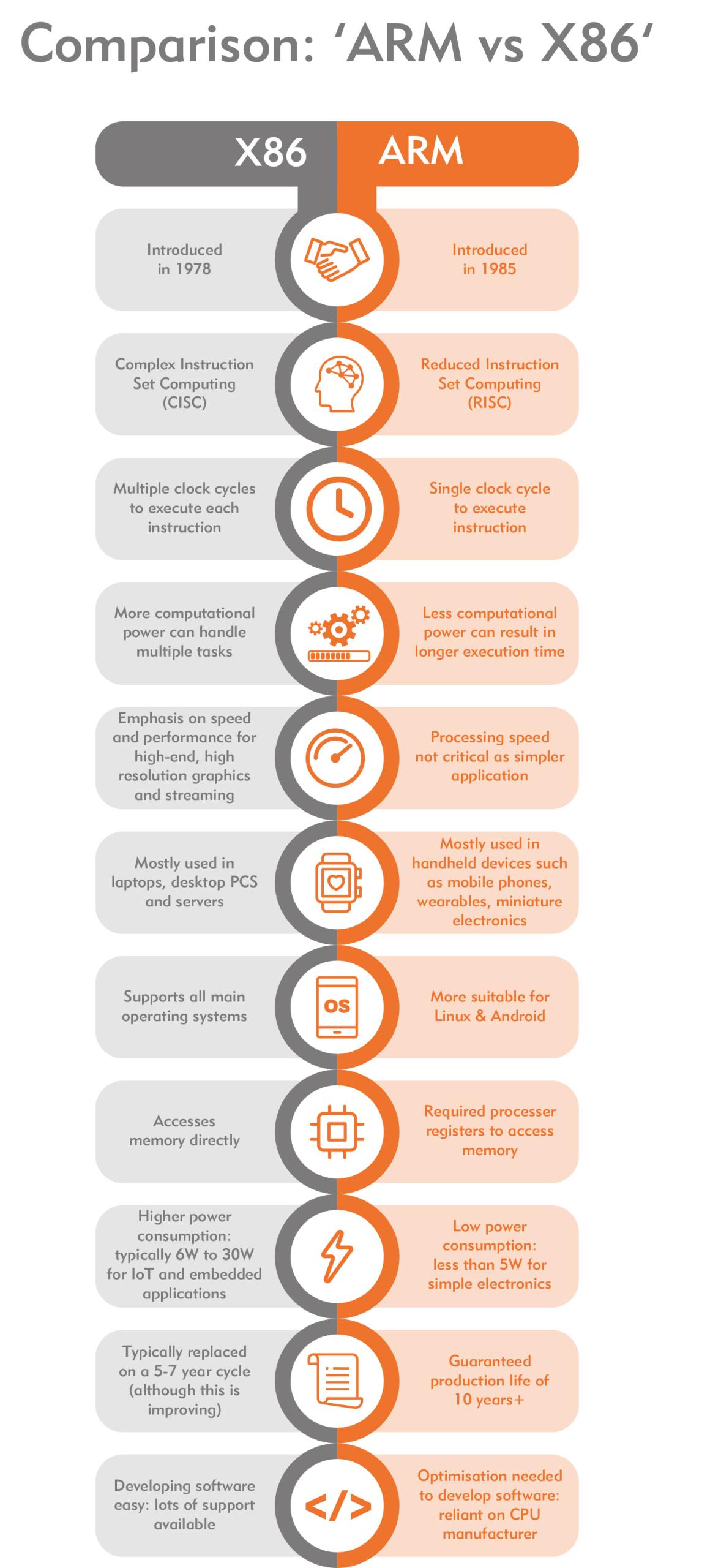
FeatureRISCCISC
InstructionsSimpleComplex
ExecutionFastSlower
ExamplesARMx86

🧠 Memory Hierarchy

Memory is organized based on speed and cost:

  1. Registers (fastest)
  2. Cache
  3. RAM
  4. Secondary Storage (slowest)

Key principle:

Faster memory is more expensive and smaller.


⚙️ Microarchitecture

Microarchitecture refers to:

  • Internal design of CPU
  • Pipelining
  • Superscalar execution
  • Branch prediction

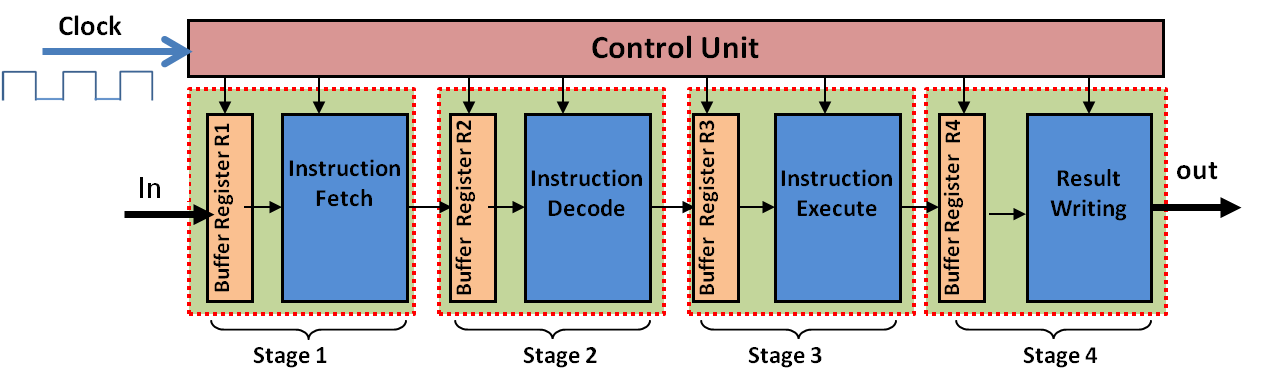
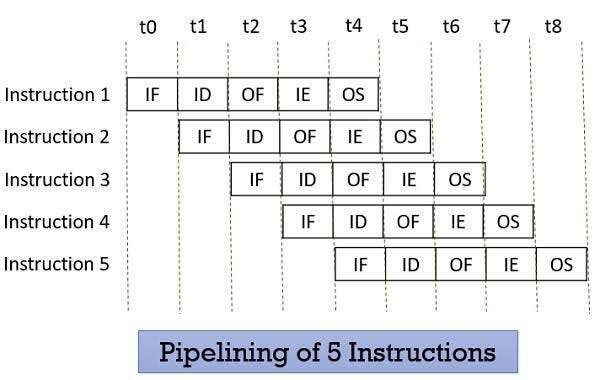
🔁 Pipelining

Image
Image
Image
Image

Pipelining improves performance by overlapping instruction execution.

Stages:

  • Fetch
  • Decode
  • Execute
  • Memory
  • Write-back

🧩 Parallelism in Architecture

Types:

  • Instruction-Level Parallelism (ILP)
  • Data-Level Parallelism (DLP)
  • Thread-Level Parallelism (TLP)

Examples:

  • Multi-core processors
  • GPUs

🖥️ Types of Computer Architectures


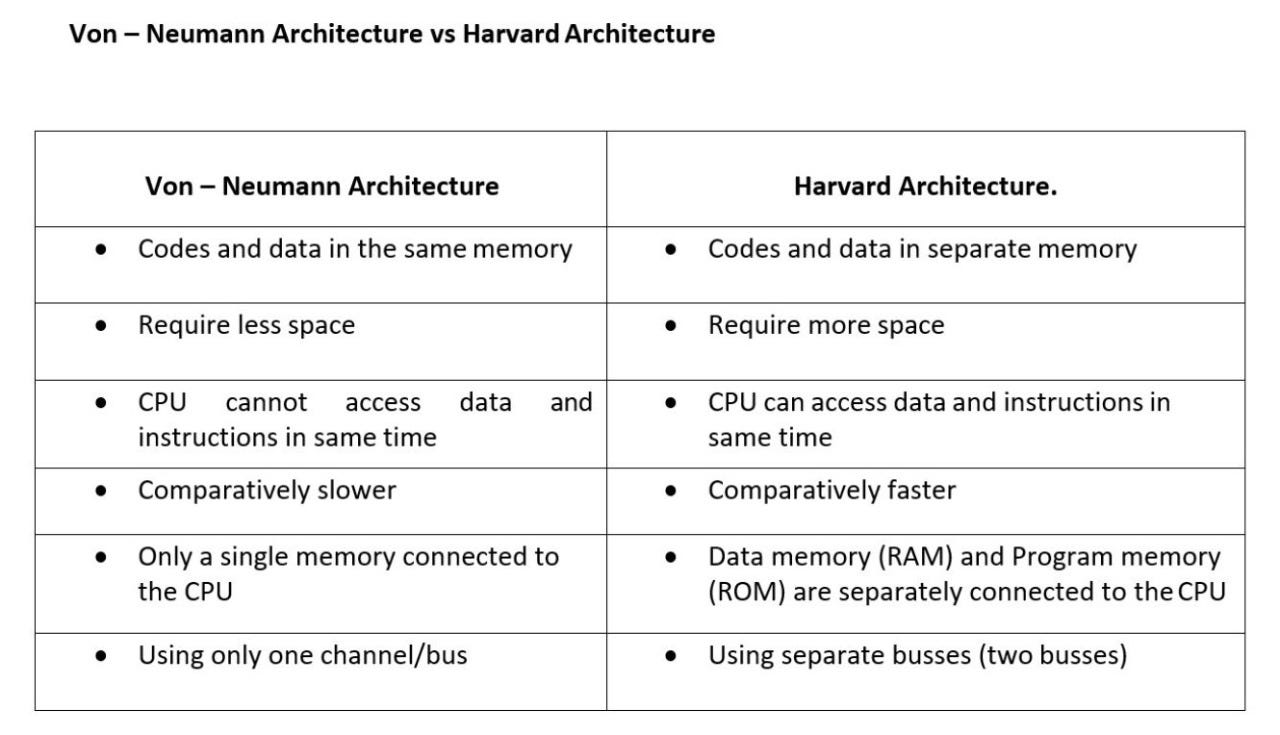
1. Von Neumann Architecture

  • Single memory for data and instructions
  • Simpler design
  • Bottleneck issue

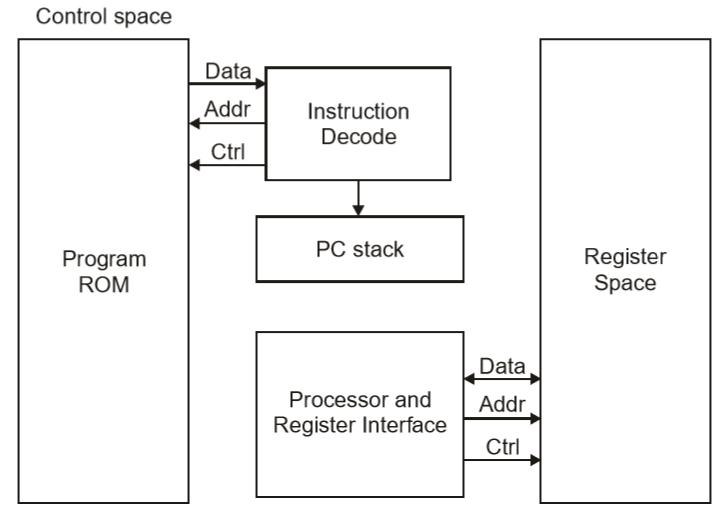
2. Harvard Architecture

Image
Image
Image
Image
  • Separate memory for data and instructions
  • Faster access
  • Used in embedded systems

🧮 Addressing Modes

Defines how operands are accessed:

  • Immediate
  • Direct
  • Indirect
  • Indexed
  • Register

⚡ Performance Metrics


1. Clock Speed

  • Measured in GHz
  • Determines how many cycles per second

2. Throughput

  • Number of tasks per unit time

3. Latency

  • Time taken to execute a task

🔐 Control Signals and Timing

  • Control unit generates signals
  • Synchronization through clock pulses
  • Ensures proper sequencing

🧠 Registers in Detail

Types:

  • General-purpose registers
  • Special-purpose registers:
    • Program Counter
    • Stack Pointer
    • Status Register

📦 Cache Memory Levels

  • L1 Cache – fastest, smallest
  • L2 Cache – larger, slower
  • L3 Cache – shared among cores

🧩 Multiprocessing and Multicore Systems

Image
Image
Image
Image
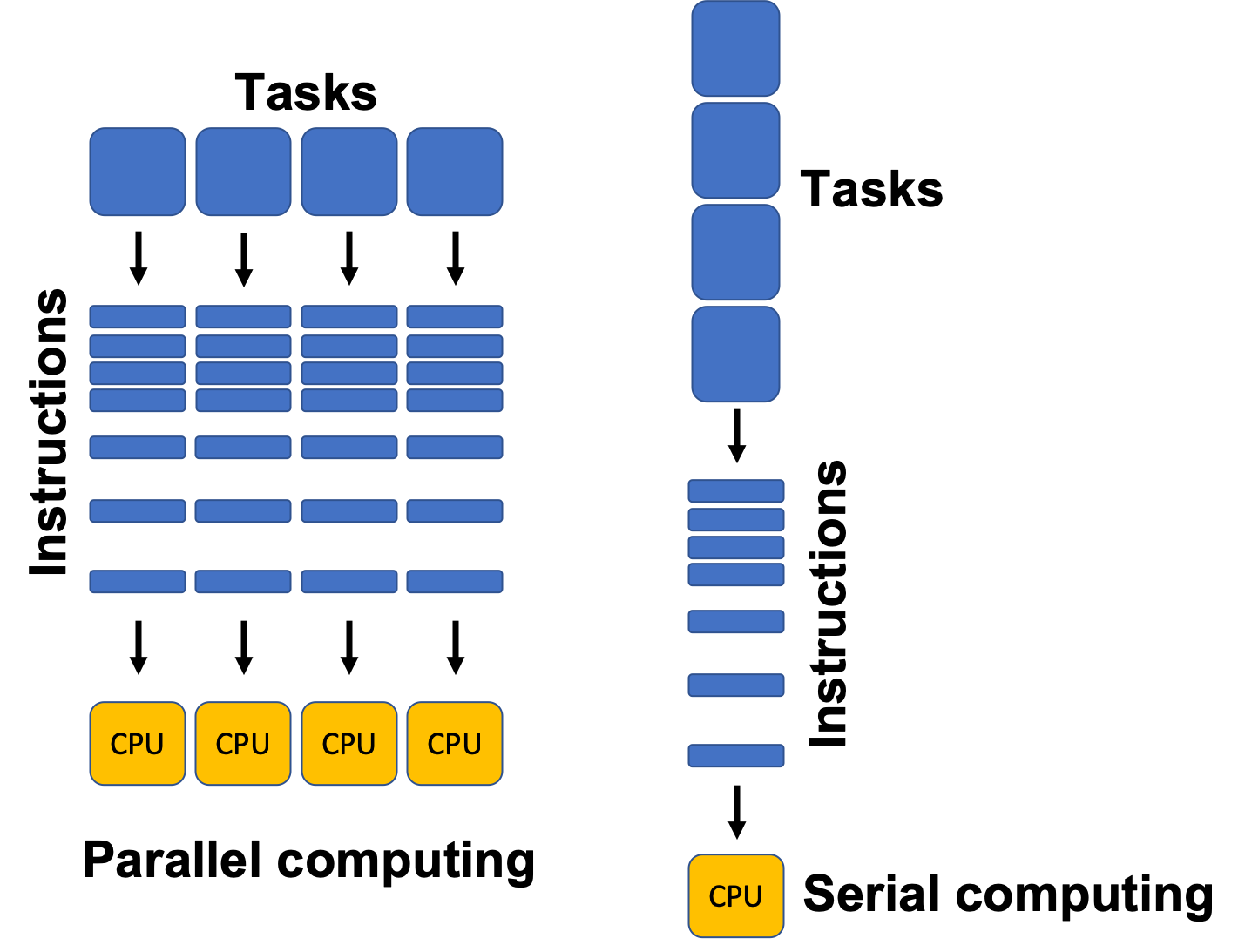
  • Multiple processors or cores
  • Improves performance and multitasking

🔄 Interrupts in Computer Architecture

  • Signals from devices to CPU
  • Types:
    • Hardware interrupts
    • Software interrupts

🧮 Input/Output Organization

Methods:

  • Programmed I/O
  • Interrupt-driven I/O
  • Direct Memory Access (DMA)

🔐 Bus Arbitration

  • Determines which device controls the bus
  • Methods:
    • Centralized
    • Distributed

🧠 Evolution of Computer Architecture


Generations:

  1. Vacuum Tubes
  2. Transistors
  3. Integrated Circuits
  4. Microprocessors
  5. AI-based architectures

⚙️ Modern Trends in Computer Architecture

Image
Image
Image
Image
  • Quantum Computing
  • Neuromorphic Computing
  • Edge Computing
  • Cloud Computing

🧾 Advantages of Computer Architecture Design

  • Efficient processing
  • Scalability
  • Flexibility
  • Optimization of resources

⚠️ Limitations

  • Complexity
  • Cost
  • Power consumption
  • Heat generation

🧠 Conclusion

Basic computer architecture forms the foundation of all computing systems. From simple machines to modern AI-powered systems, understanding architecture helps in:

  • Designing efficient systems
  • Improving performance
  • Building advanced technologies

It connects hardware and software, enabling computers to solve complex problems efficiently.


🏷️ Tags