
🌿 Introduction




Discipline and self-control are foundational virtues that shape personal success, moral character, and overall well-being. These qualities enable individuals to regulate their thoughts, emotions, and actions in pursuit of long-term goals, even in the face of distractions, temptations, and challenges. In a world filled with instant gratification and constant stimulation, discipline and self-control have become more important than ever.
Discipline refers to the ability to follow rules, maintain consistency, and adhere to a structured approach in life. Self-control, on the other hand, is the capacity to regulate impulses, emotions, and desires. Together, they empower individuals to make rational decisions, stay focused on goals, and lead balanced, meaningful lives.
These qualities are not innate—they are developed through practice, awareness, and commitment. Whether in academics, career, relationships, or personal health, discipline and self-control are key determinants of success and fulfillment.
🌱 Meaning and Definitions
🔹 Discipline
Discipline is:
- The practice of training oneself to follow rules or a code of behavior
- Maintaining consistency and order in actions
- Prioritizing long-term goals over short-term pleasures
Examples:
- Following a daily study schedule
- Maintaining punctuality
- Adhering to rules and responsibilities
🔹 Self-Control
Self-control is:
- The ability to regulate emotions and impulses
- Resisting temptations and distractions
- Acting thoughtfully rather than impulsively
Examples:
- Avoiding procrastination
- Managing anger or frustration
- Controlling unhealthy habits
🔹 Key Differences
| Aspect | Discipline | Self-Control |
|---|---|---|
| Nature | External structure | Internal regulation |
| Focus | Habits and routines | Emotions and impulses |
| Example | Following a timetable | Resisting distractions |
🧠 Psychological Foundations


🔹 Brain Function
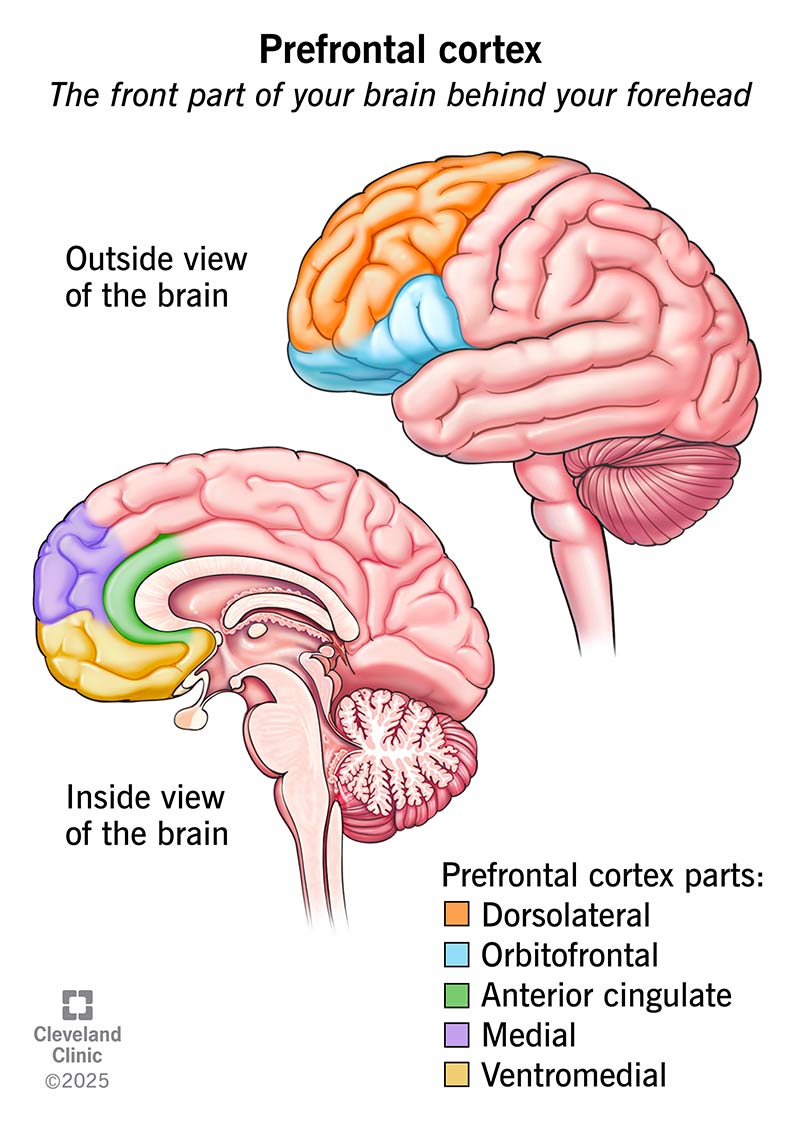
- The prefrontal cortex is responsible for decision-making and impulse control
- Strong self-control is linked to better cognitive functioning
🔹 Delayed Gratification
- Ability to delay immediate rewards for future benefits
- Famous “marshmallow test” demonstrates importance
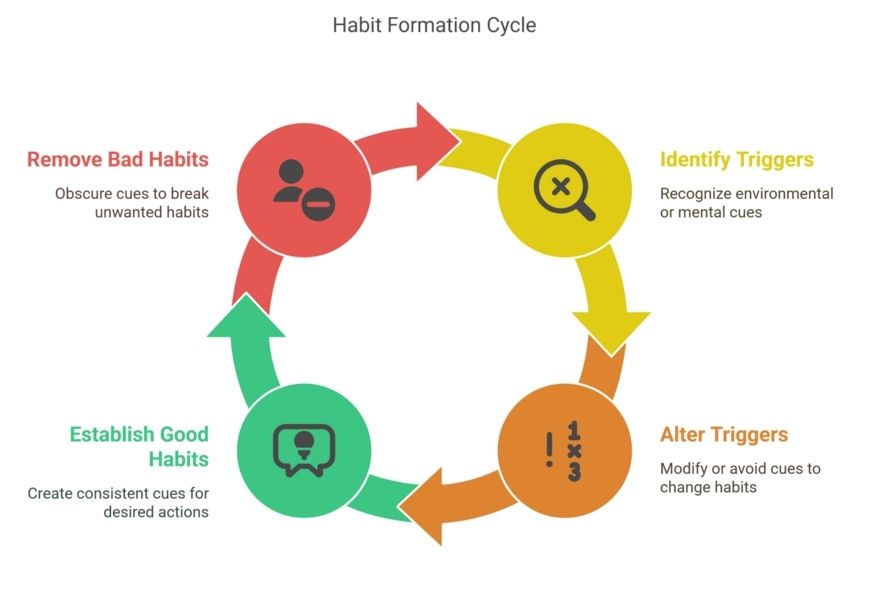
🔹 Habit Formation
- Discipline is built through repeated actions
- Habits reduce the need for constant decision-making
🏛️ Philosophical Perspectives




🔸 Ancient Philosophy
- Aristotle emphasized moderation and self-control as virtues
- Balance between excess and deficiency
🔸 Stoicism
- Advocates control over emotions and desires
- Focus on inner strength and resilience
🔸 Eastern Philosophy
- Buddhism teaches mindfulness and self-discipline
- Hinduism emphasizes control of senses (Indriya Nigraha)
🔸 Modern Thinkers
- Mahatma Gandhi practiced strict self-discipline
- Emphasized simplicity and control
🧘 Spiritual and Religious Significance




🔹 Hinduism
- Practices like yoga and meditation develop discipline
🔹 Buddhism
- Emphasizes mindfulness and control over desires
🔹 Christianity
- Encourages self-control as a virtue
🔹 Islam
- Fasting during Ramadan teaches discipline and restraint
🏠 Role in Personal Life
🌟 Goal Achievement
- Helps in setting and achieving long-term goals
- Maintains focus and consistency
🌟 Emotional Stability
- Controls anger, stress, and anxiety
- Promotes mental balance
🌟 Healthy Lifestyle
- Encourages regular exercise and proper diet
- Avoids harmful habits
🌍 Social Importance



🔹 Social Order
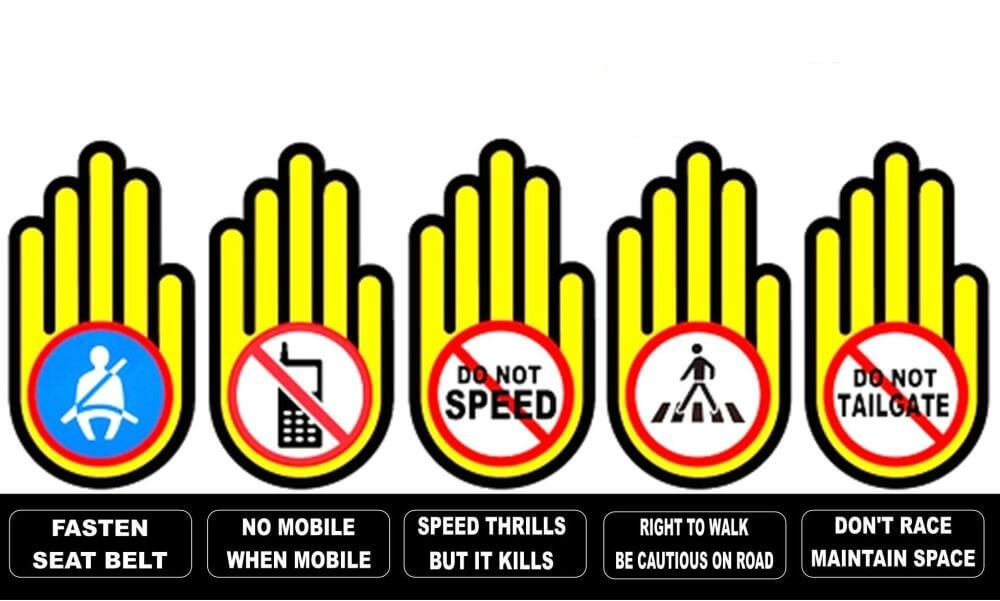
- Discipline ensures law and order
- Promotes responsible behavior
🔹 Relationships
- Self-control prevents conflicts
- Encourages respect and understanding
🔹 Community Development
- Disciplined citizens contribute to progress
🏫 Importance in Education
📘 Academic Success
- Regular study habits improve performance
- Time management enhances productivity
📘 Classroom Discipline
- Maintains order and effective learning
- Encourages respect for teachers
📘 Student Development
- Builds responsibility and independence
💼 Workplace Relevance


🔹 Productivity
- Disciplined employees meet deadlines
- Improve efficiency
🔹 Leadership
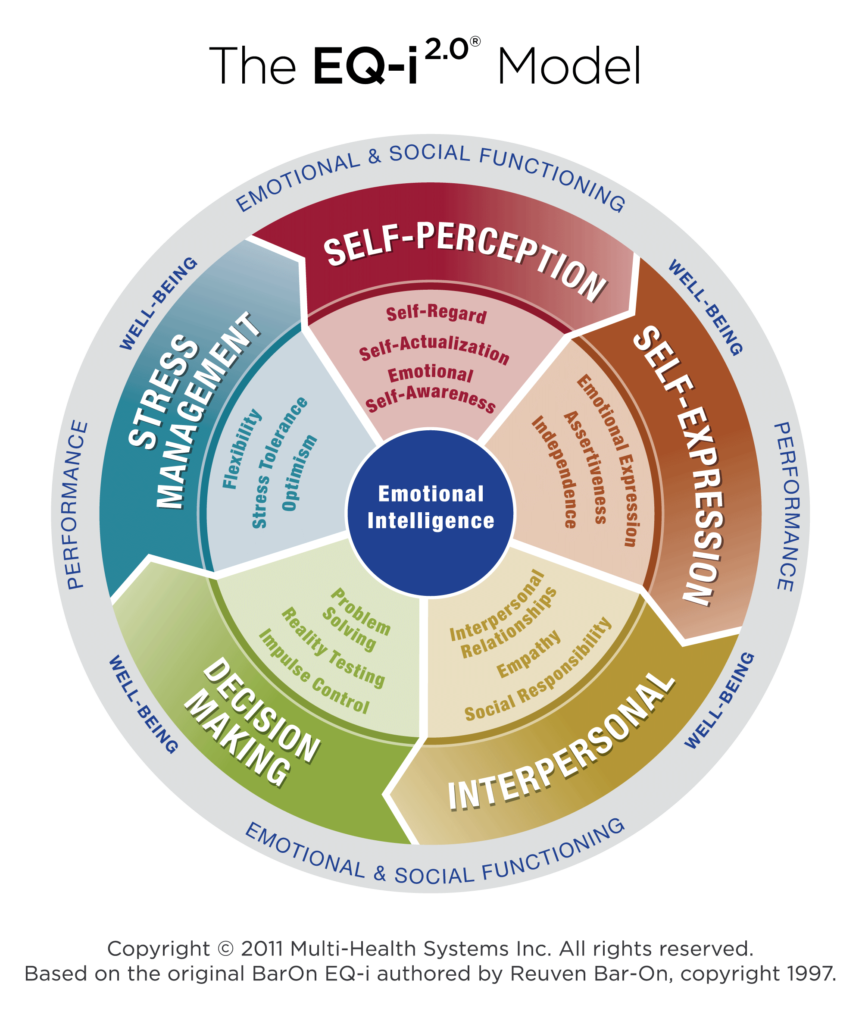
- Self-control helps in decision-making
- Builds trust and respect
🔹 Professional Growth
- Consistency leads to career advancement
⚖️ Ethical Dimensions
🔸 Moral Responsibility
- Discipline reflects integrity and responsibility
🔸 Freedom vs Control
- True freedom comes from self-control
🔸 Accountability
- Taking responsibility for actions
🧩 Challenges to Discipline and Self-Control



🔹 Distractions
- Social media and technology
🔹 Instant Gratification
- Desire for immediate pleasure
🔹 Lack of Motivation
- Difficulty in maintaining consistency
🔹 Stress and Fatigue
- Reduces ability to self-regulate
🌟 Benefits of Discipline and Self-Control
✅ Personal Benefits
- Increased productivity
- Better mental health
- Stronger willpower
✅ Social Benefits
- Responsible behavior
- Improved relationships
✅ Long-Term Success
- Achievement of goals
- Sustainable growth
🛠️ Ways to Develop Discipline and Self-Control



🔹 Set Clear Goals
- Define short-term and long-term objectives
🔹 Create Routines
- Establish daily habits
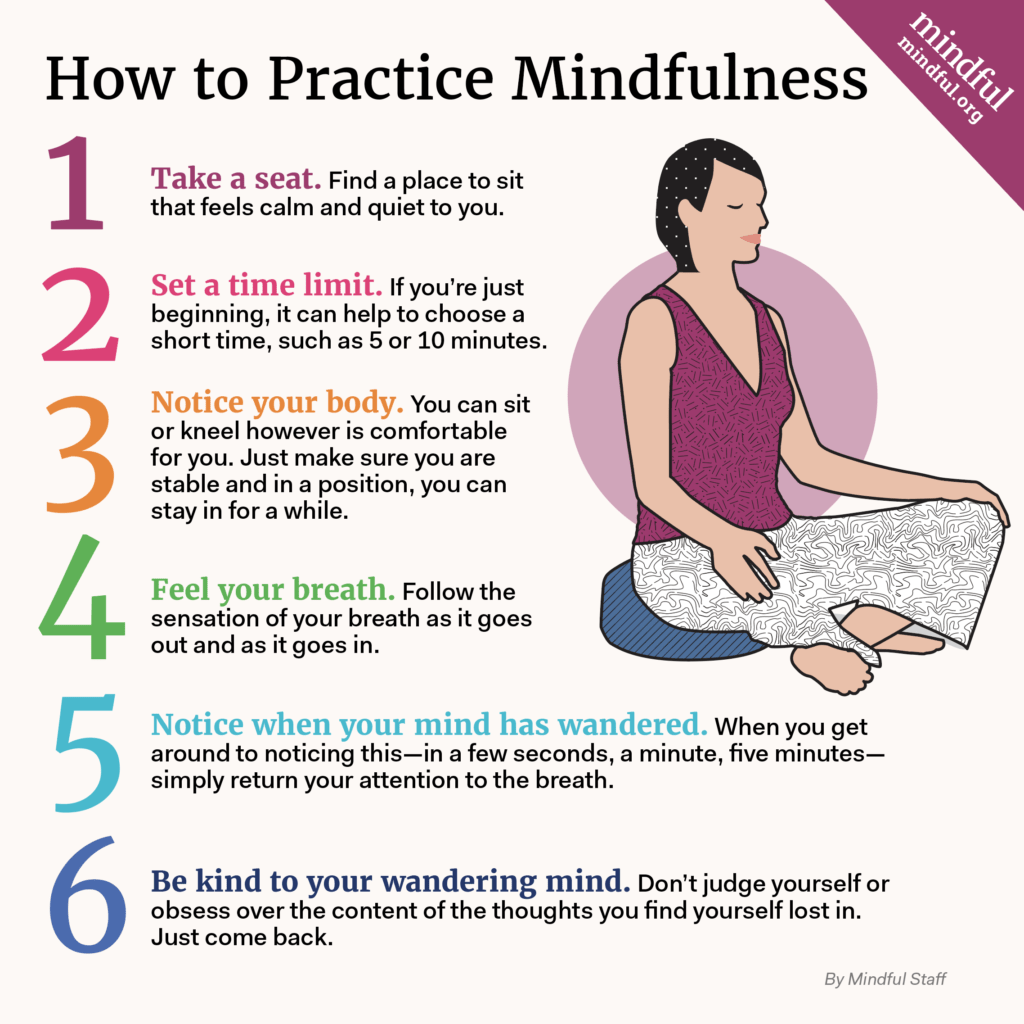
🔹 Practice Mindfulness
- Increase awareness of thoughts and actions
🔹 Avoid Temptations
- Limit distractions
🔹 Stay Consistent
- Small efforts daily lead to big results
📱 Discipline in the Digital Age


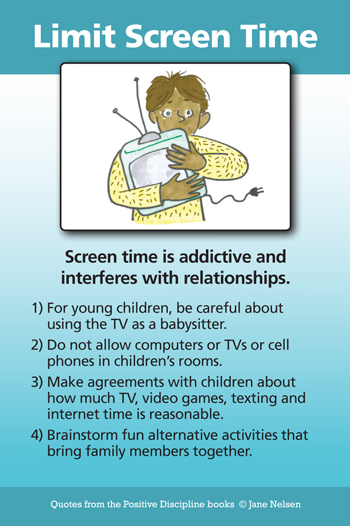
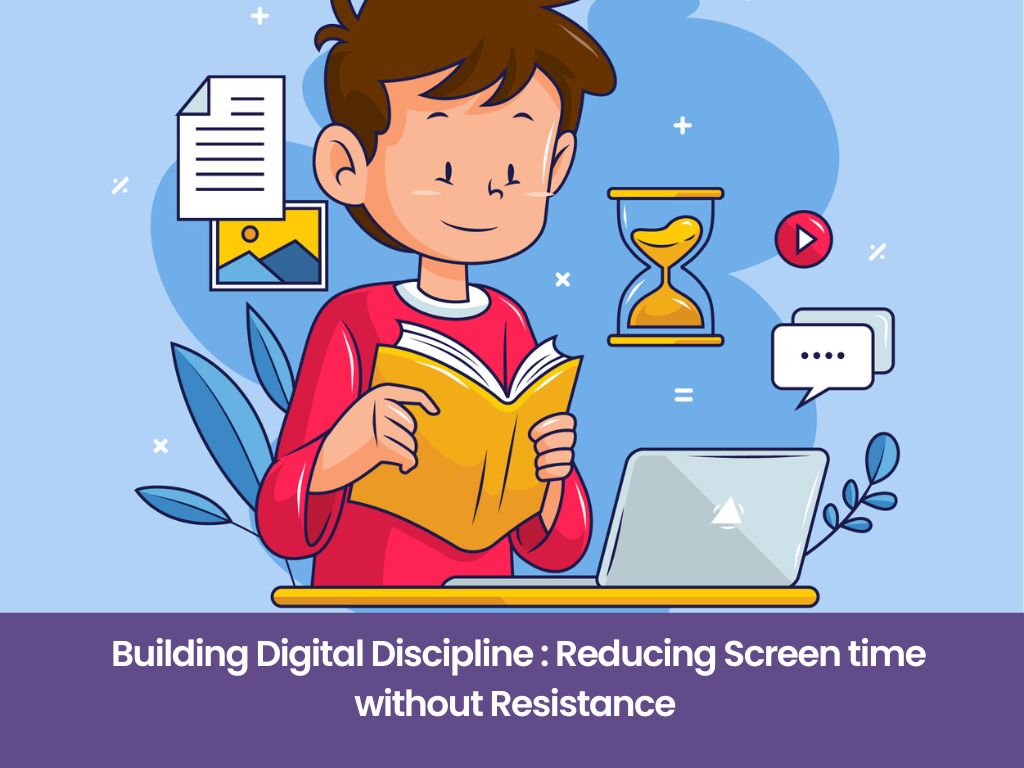
🔹 Managing Screen Time
- Avoid excessive use of devices
🔹 Digital Productivity
- Use tools for organization
🔹 Online Learning Discipline
- Stay focused in virtual environments
🧭 Real-Life Examples
🔹 Students
- Maintaining study schedules
🔹 Athletes
- Rigorous training routines
🔹 Professionals
- Consistent work habits
📊 Comparison with Related Values
| Value | Relation |
|---|---|
| Willpower | Core of self-control |
| Responsibility | Outcome of discipline |
| Perseverance | Sustained effort |
| Focus | Essential for discipline |
🧾 Conclusion
Discipline and self-control are essential qualities that enable individuals to lead successful and meaningful lives. They provide the foundation for achieving goals, maintaining emotional balance, and contributing positively to society. In an era of distractions and instant gratification, cultivating these values is more important than ever.
By developing discipline and self-control, individuals gain mastery over their actions and decisions, leading to personal growth and long-term success. These qualities are not restrictions—they are tools that empower individuals to live with purpose, clarity, and resilience.