
🌍 Introduction



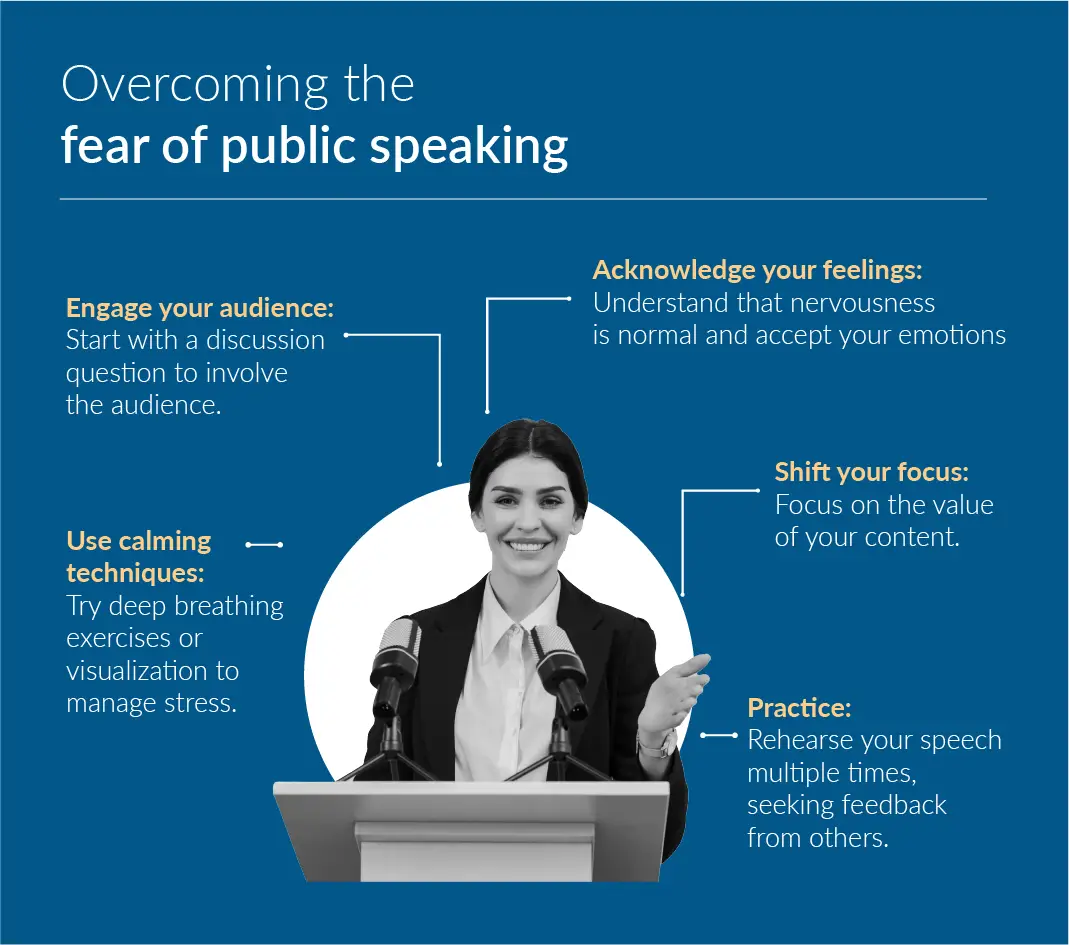
Communication is the foundation of all human interaction. Whether in personal life, education, or professional settings, effective communication determines how well ideas, emotions, and information are shared and understood. Alongside communication, active listening is equally important—it ensures that communication is not just about speaking, but also about understanding others deeply and accurately.
Communication skills and active listening together form the backbone of successful relationships, leadership, teamwork, and conflict resolution. In today’s fast-paced and digital world, mastering these skills is essential for achieving clarity, connection, and effectiveness.
🧭 Meaning of Communication Skills
🔹 Definition
Communication skills refer to the ability to convey information, ideas, and emotions clearly and effectively to others.
🔹 Key Elements of Communication
- Sender
- Message
- Medium (channel)
- Receiver
- Feedback
🌱 Types of Communication
🗣️ 1. Verbal Communication
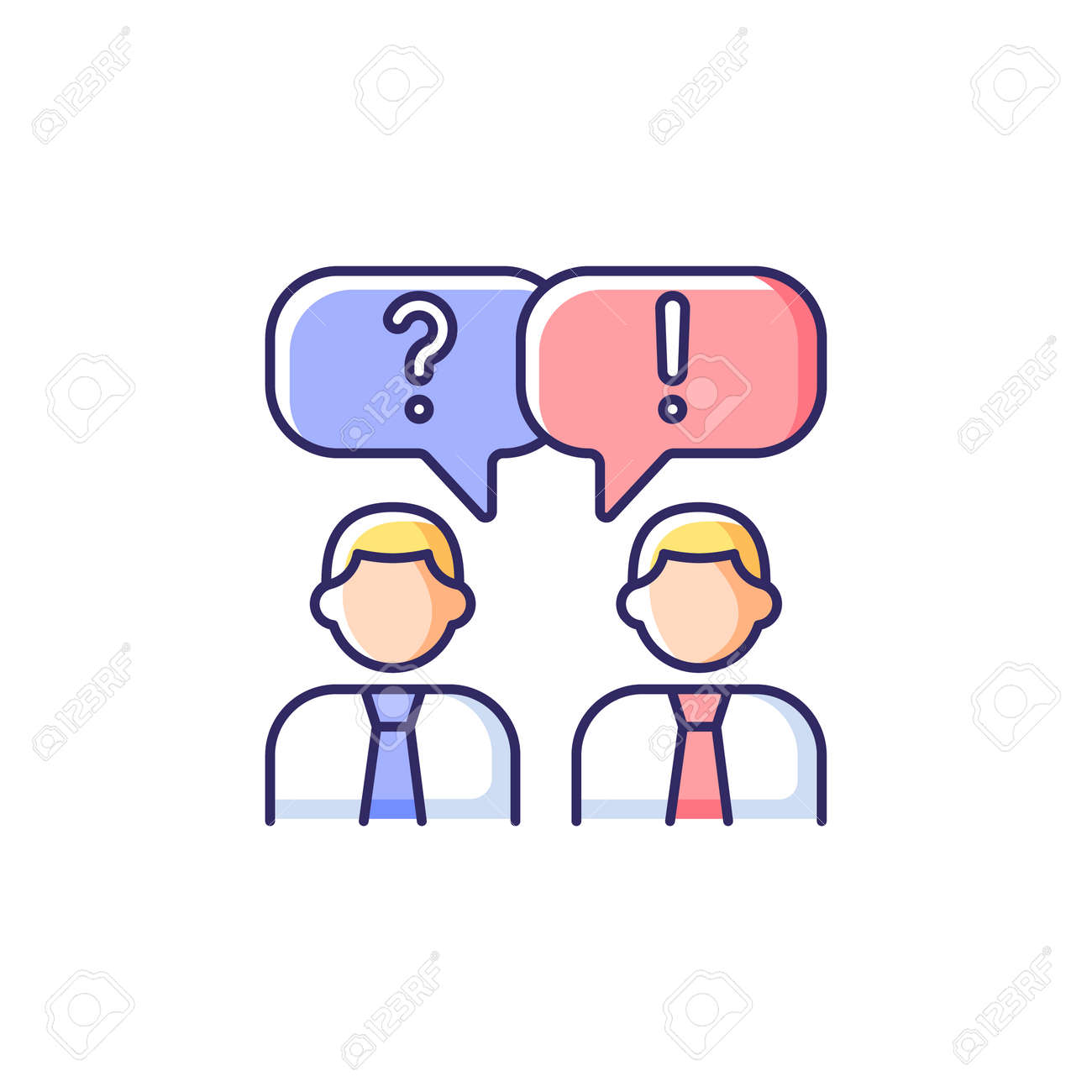


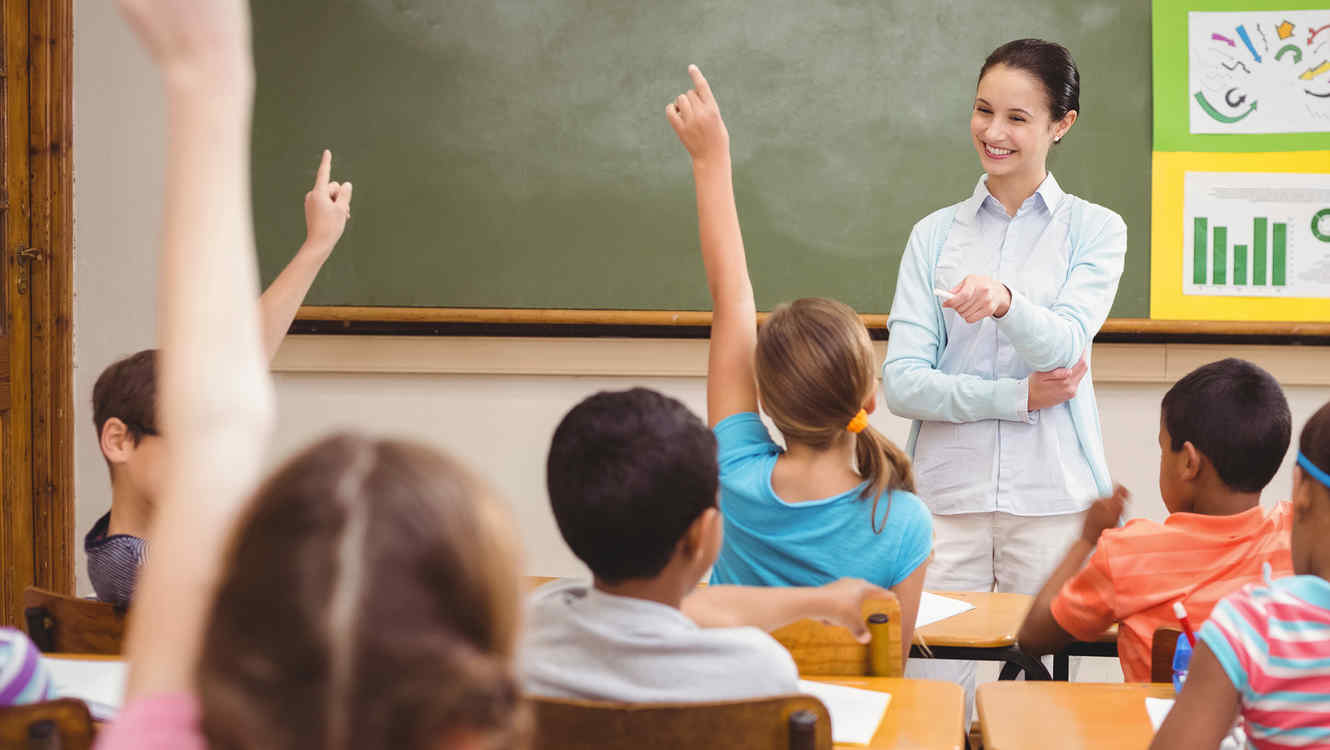
- Spoken words
- Conversations, speeches
✍️ 2. Written Communication




- Emails, messages, reports
👀 3. Non-Verbal Communication

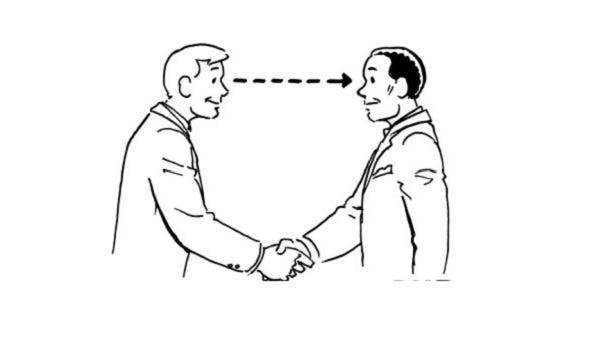


- Body language
- Facial expressions
- Eye contact
🌐 4. Digital Communication

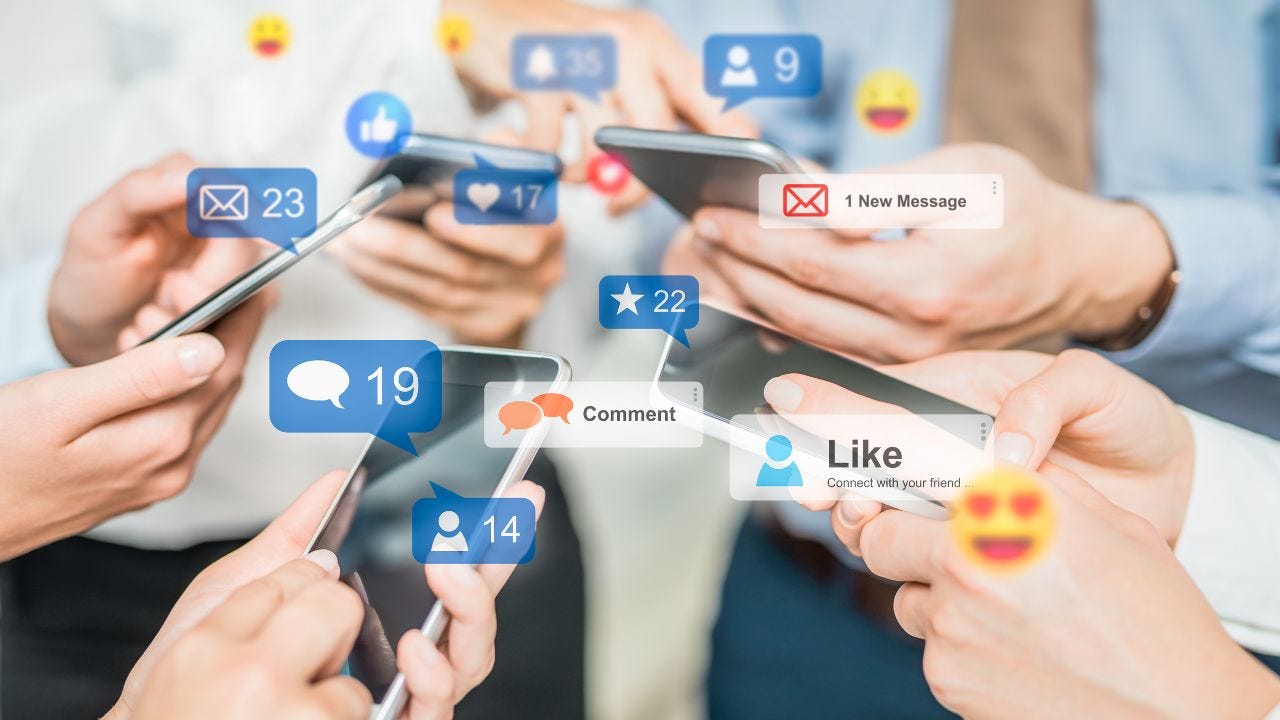


- Social media, video calls
🌿 Meaning of Active Listening
🔹 Definition
Active listening is the process of fully concentrating, understanding, responding, and remembering what is being said.
🔹 Key Features
- Full attention
- Understanding
- Feedback
- Empathy
🌟 Components of Active Listening
👂 1. Paying Attention


- Avoid distractions
- Maintain eye contact
🧠 2. Understanding
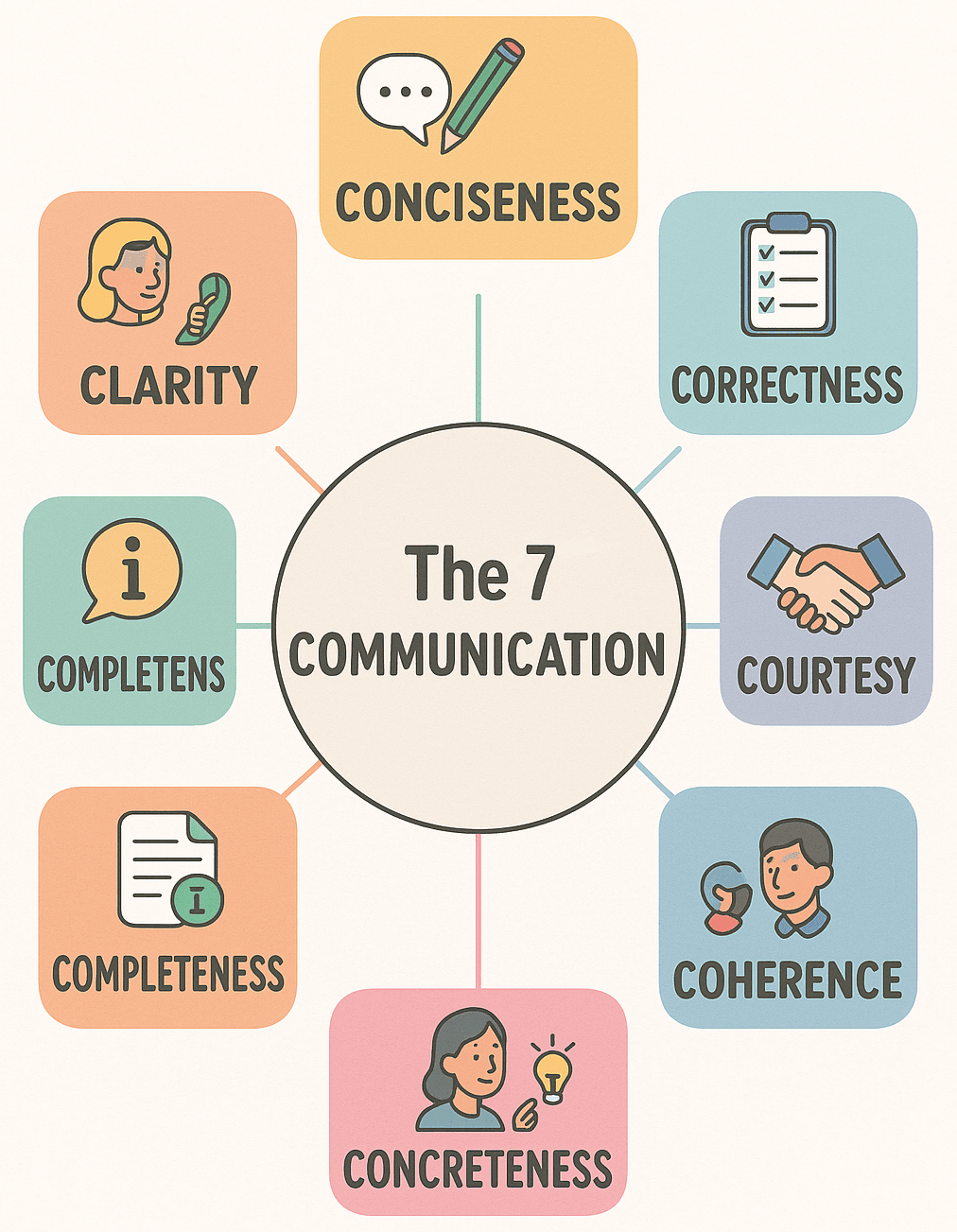


- Interpret message correctly
🔄 3. Responding


- Give feedback
- Ask questions
🧾 4. Remembering
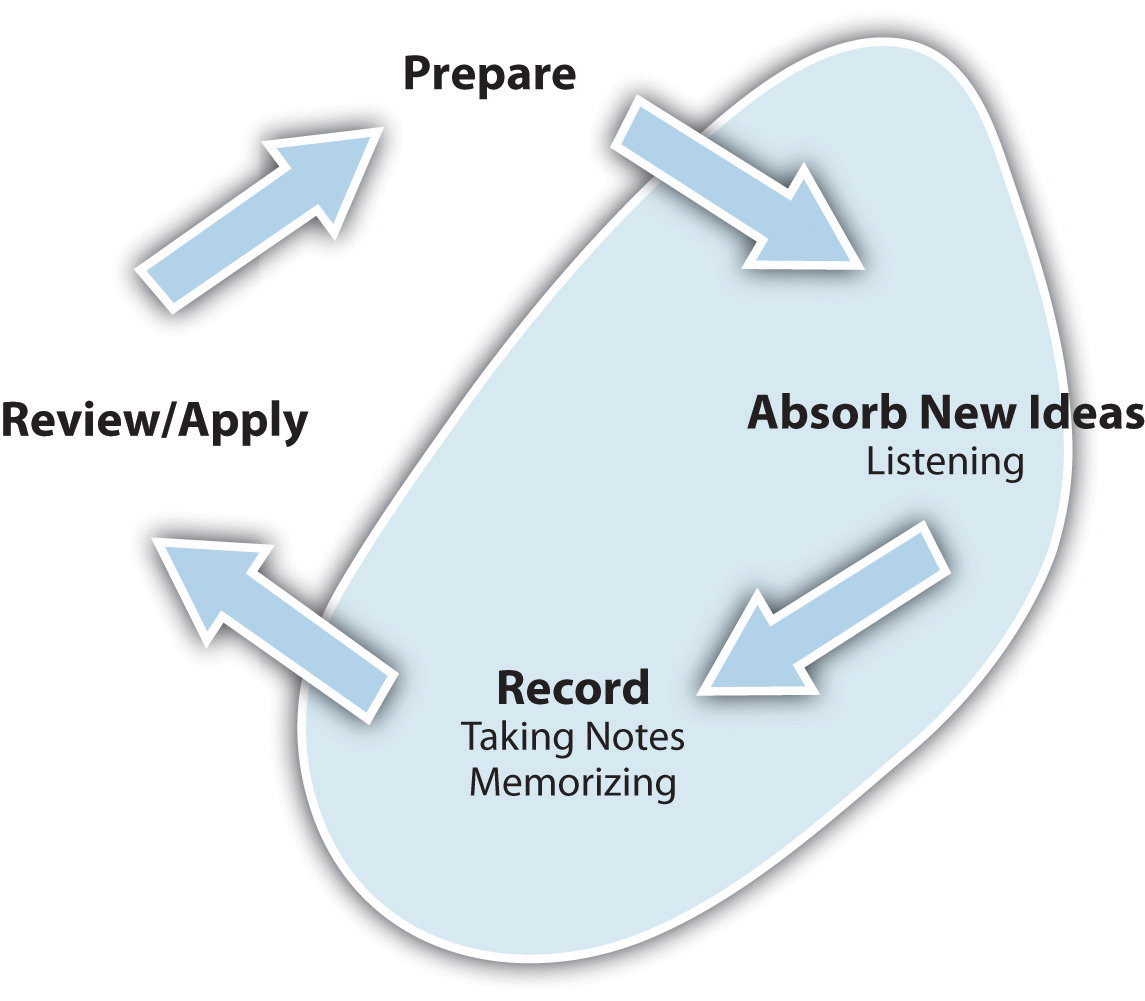


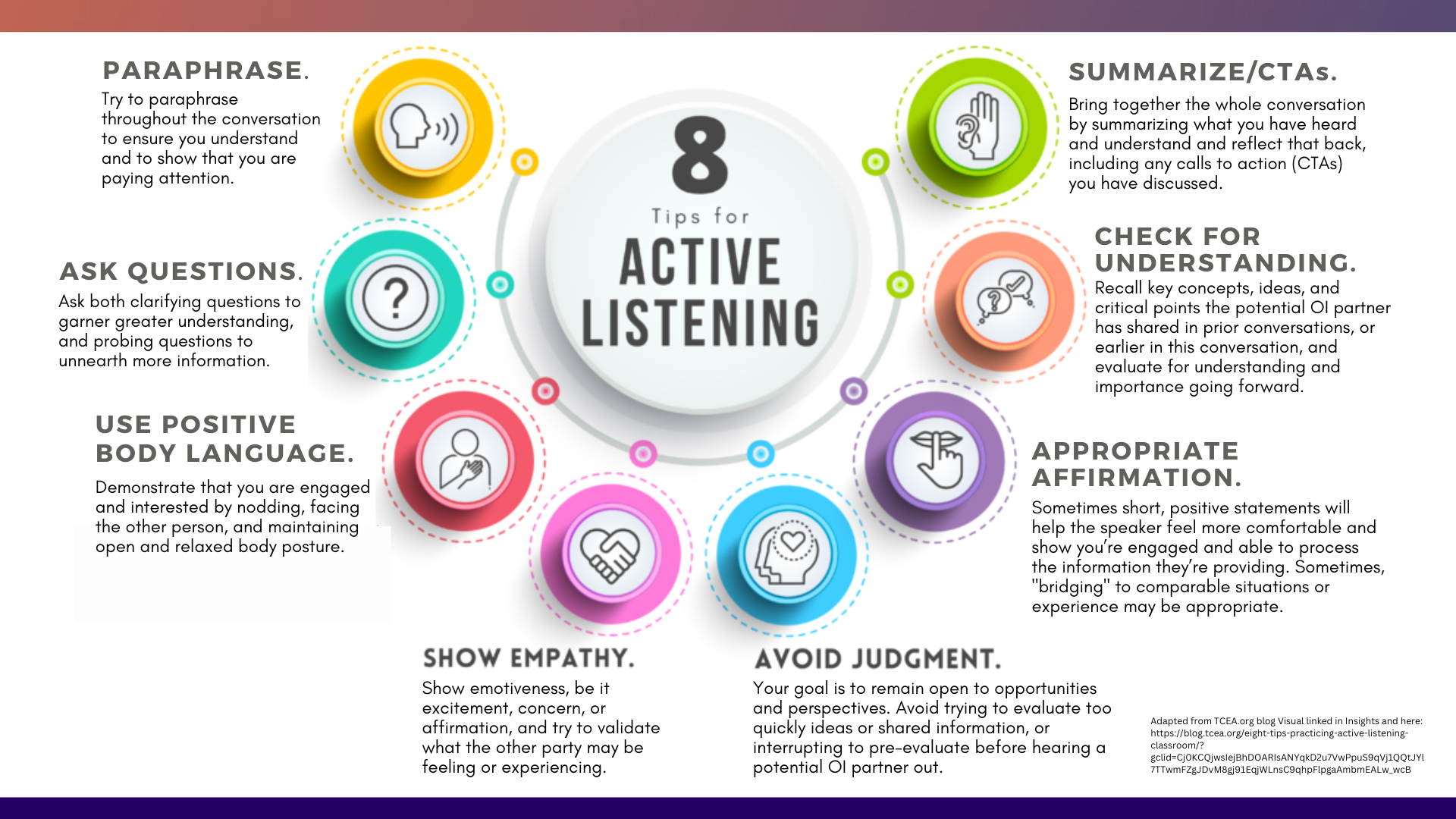
- Retain information
🌍 Importance of Communication Skills
🔹 1. Enhances Relationships
- Builds trust
🔹 2. Improves Understanding
- Reduces confusion
🔹 3. Supports Professional Success
- Essential for teamwork
🔹 4. Builds Confidence
- Improves self-expression
🌍 Importance of Active Listening
🔹 1. Builds Trust
🔹 2. Prevents Misunderstandings
🔹 3. Improves Learning
🔹 4. Strengthens Relationships
🌱 Communication Process
- Sender creates message
- Message is transmitted
- Receiver interprets
- Feedback is given
🌍 Barriers to Effective Communication
🔹 Physical Barriers
- Noise
🔹 Psychological Barriers
- Stress
🔹 Language Barriers
- Misinterpretation
🔹 Cultural Barriers
- Differences in norms
🌱 Barriers to Active Listening
🔹 Distractions
🔹 Prejudgment
🔹 Lack of Interest
🔹 Emotional Reactions
🌍 Techniques to Improve Communication Skills
🔹 Clarity and Simplicity
🔹 Confidence
🔹 Proper Tone
🔹 Non-Verbal Awareness
🔹 Practice
🌱 Techniques to Improve Active Listening
🔹 Maintain Eye Contact
🔹 Avoid Interrupting
🔹 Ask Questions
🔹 Show Empathy
🔹 Give Feedback
🌍 Role in Interpersonal Relationships
- Builds trust
- Enhances understanding
- Reduces conflict
🌱 Role in Education
- Improves learning
- Encourages participation
🌍 Role in Workplace
- Team collaboration
- Leadership
- Conflict resolution
🌱 Communication Skills in Leadership
- Inspires teams
- Motivates employees
- Builds trust
🌍 Active Listening in Conflict Resolution
- Understand perspectives
- Find solutions
- Reduce misunderstandings
🌱 Communication in Digital Age
- Online etiquette
- Clear messaging
- Avoid misinterpretation
🌍 Practical Applications
🔹 Students
- Classroom communication
🔹 Professionals
- Meetings and presentations
🔹 Individuals
- Daily conversations
🌟 Conclusion
Communication skills and active listening are essential for effective interaction in all areas of life. While communication ensures that messages are conveyed clearly, active listening ensures that they are understood correctly.
Together, they form the foundation of strong relationships, successful careers, and personal growth. By developing these skills, individuals can improve understanding, reduce conflicts, and build meaningful connections in an increasingly interconnected world.