
🌍 Visual Overview: Democracy in Practice


📘 1. Introduction to Democracy
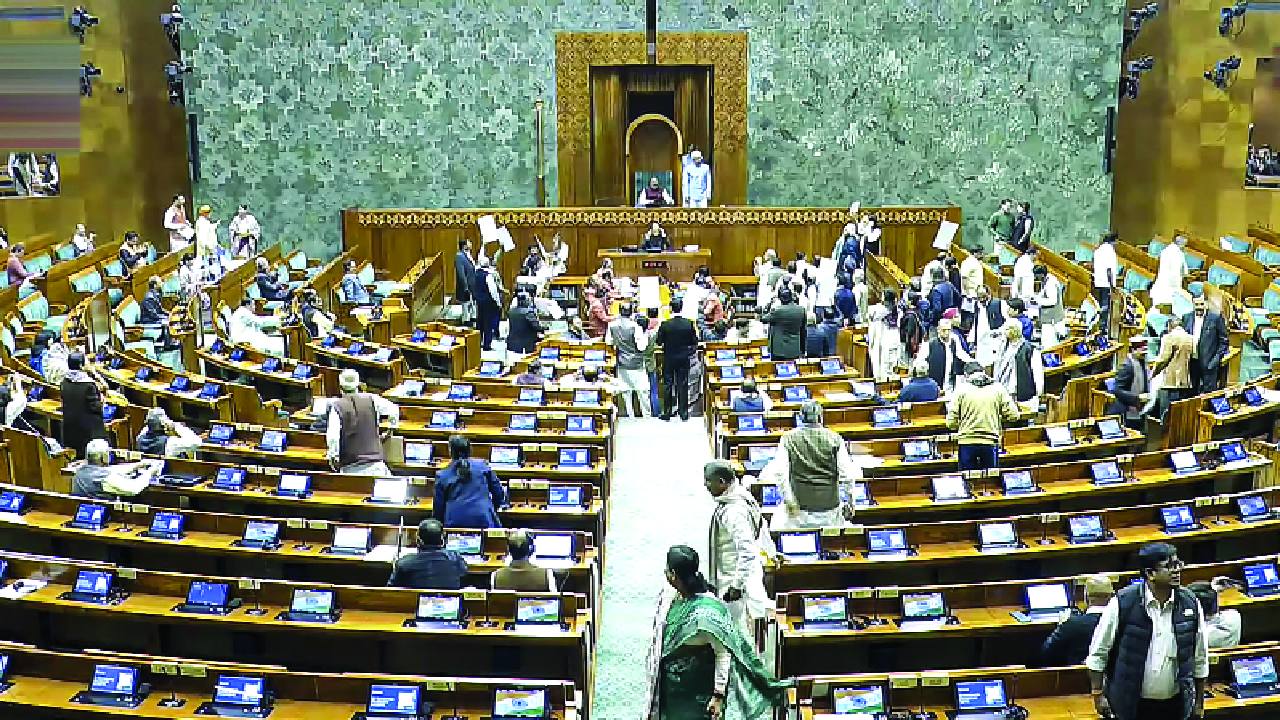
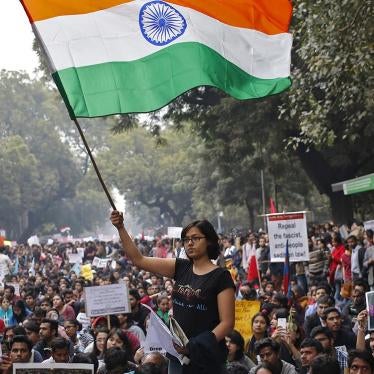
Democracy is one of the most influential and widely practiced systems of government in the modern world. It represents a political arrangement where power ultimately rests with the people, either directly or through their elected representatives.
The term democracy is derived from the Greek words demos (people) and kratos (power), meaning “rule of the people.” Over centuries, democracy has evolved from small city-state participation to complex modern systems involving millions of citizens.
Democracy is not just a form of government; it is also a way of life, a set of values, and a system of governance based on participation, equality, and accountability.
🧠 2. Meaning and Definitions of Democracy
📌 Basic Meaning
Democracy refers to a system of government in which people have the authority to choose their leaders and influence decision-making.
🧾 Definitions
- Abraham Lincoln:
“Government of the people, by the people, for the people.” - Joseph Schumpeter:
Democracy is a system where leaders are selected through competitive elections. - Robert Dahl:
Democracy is characterized by political equality and participation.
🔑 Key Features of Democracy
- Popular sovereignty
- Political equality
- Rule of law
- Free and fair elections
- Protection of rights
⚖️ 3. Types of Democracy
Democracy can be classified into several types based on how people exercise their power.
🟢 3.1 Direct Democracy
📌 Meaning
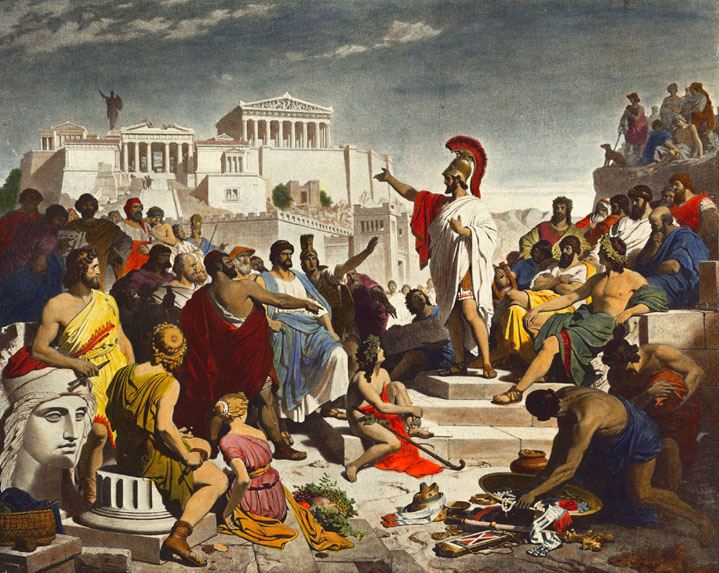
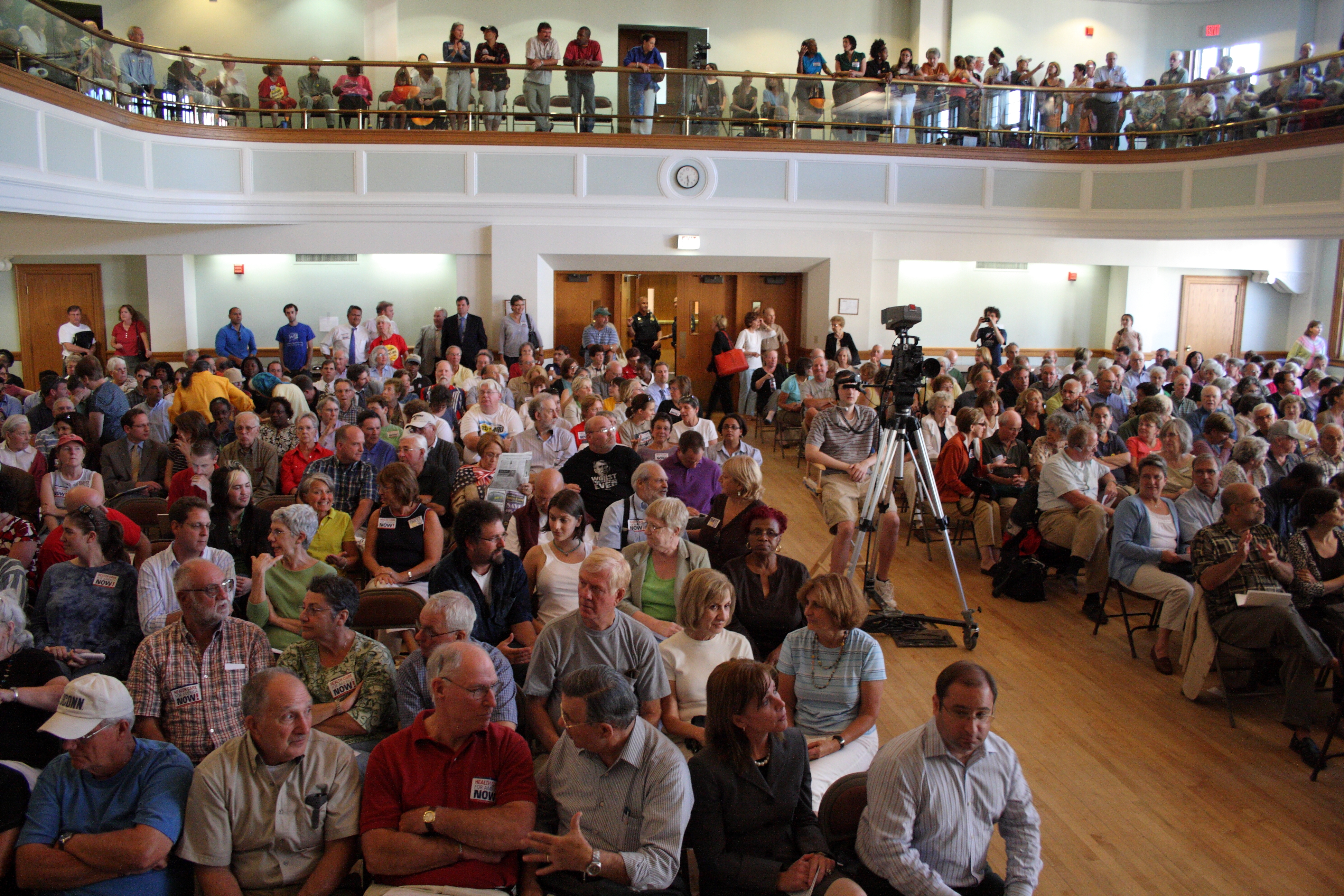
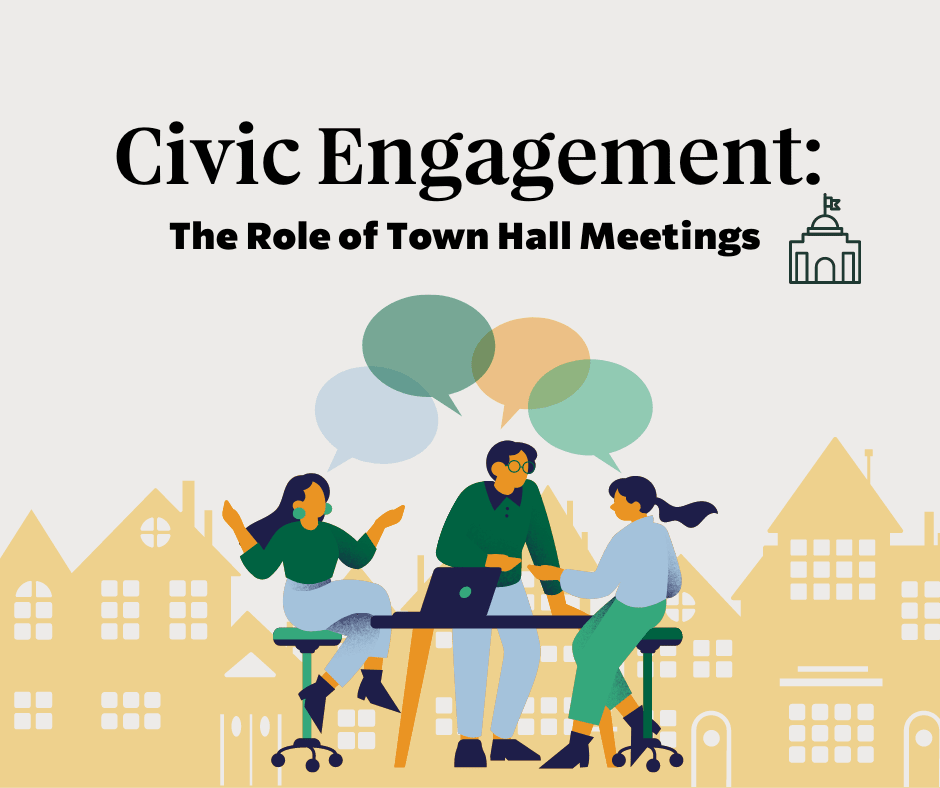
Direct democracy is a system where citizens directly participate in decision-making without intermediaries.
🌍 Visual Representation
🧩 Features
- Direct participation
- No representatives
- Immediate decision-making
📊 Examples
- Ancient Athens
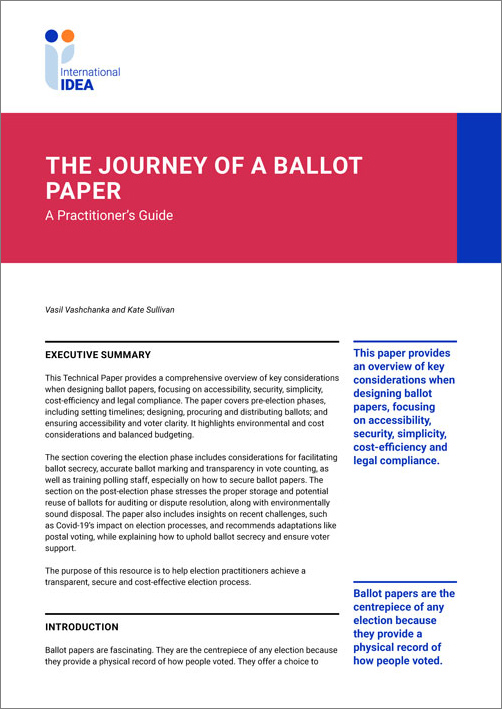
- Referendums
- Initiatives and recalls
✅ Advantages
- High participation
- Transparency
- Accountability
⚠️ Disadvantages
- Impractical in large societies
- Time-consuming
- Risk of uninformed decisions
🔵 3.2 Representative Democracy
📌 Meaning
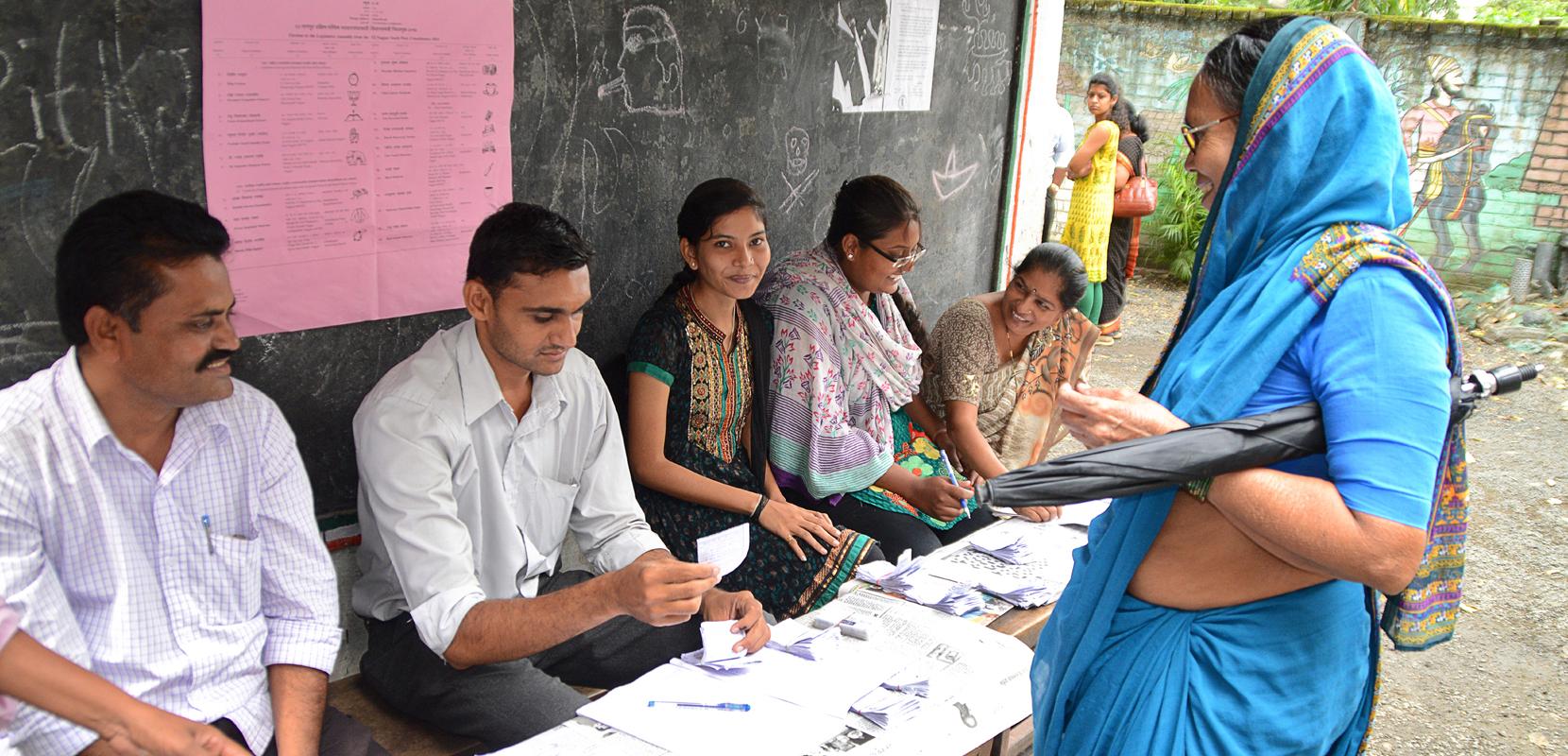
Citizens elect representatives who make decisions on their behalf.
🌍 Visual Representation

🧩 Features
- Indirect participation
- Elected representatives
- Structured governance
📊 Examples
- India
- United States
- United Kingdom
✅ Advantages
- Efficient
- Suitable for large populations
- Professional decision-making
⚠️ Disadvantages
- Risk of corruption
- Gap between leaders and people
- Limited direct participation
🟣 3.3 Liberal Democracy
📌 Meaning
A form of democracy that emphasizes individual rights, rule of law, and limited government.
🧩 Features
- Protection of fundamental rights
- Independent judiciary
- Free media
📊 Examples
- Western democracies
🔴 3.4 Illiberal Democracy
📌 Meaning
Elections exist, but civil liberties and rights are restricted.
🧩 Features
- Weak rule of law
- Limited freedoms
🟡 3.5 Participatory Democracy
📌 Meaning
Encourages active involvement of citizens beyond voting.
🧩 Features
- Public consultations
- Local governance participation
⚫ 3.6 Deliberative Democracy
📌 Meaning
Focuses on discussion and reasoning before decision-making.
🧩 Features
- Public debate
- Rational discourse
⚖️ 4. Principles of Democracy
🟢 4.1 Popular Sovereignty
📌 Meaning
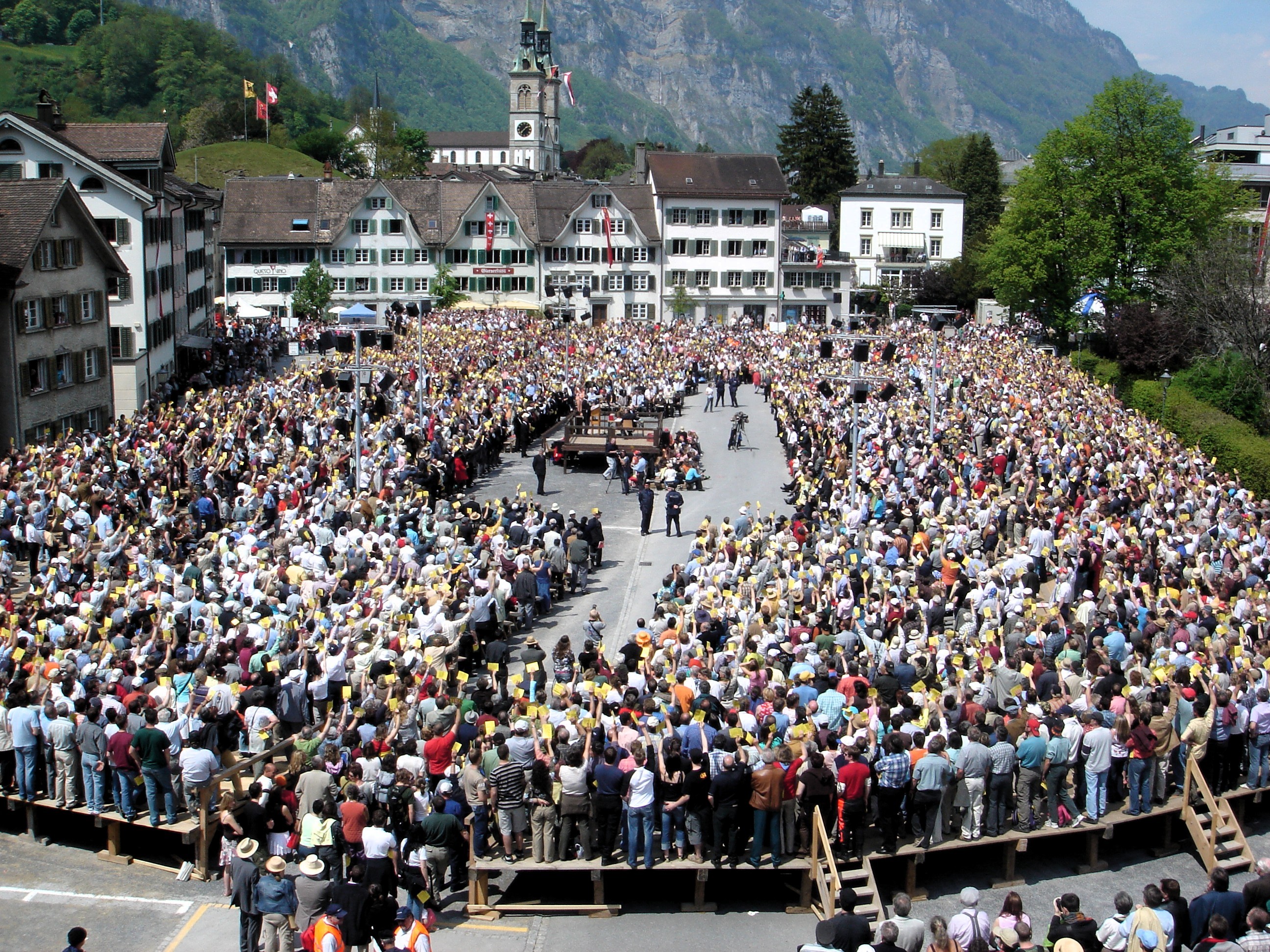
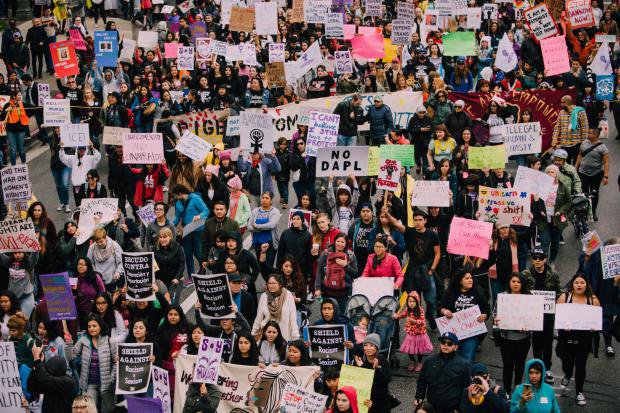
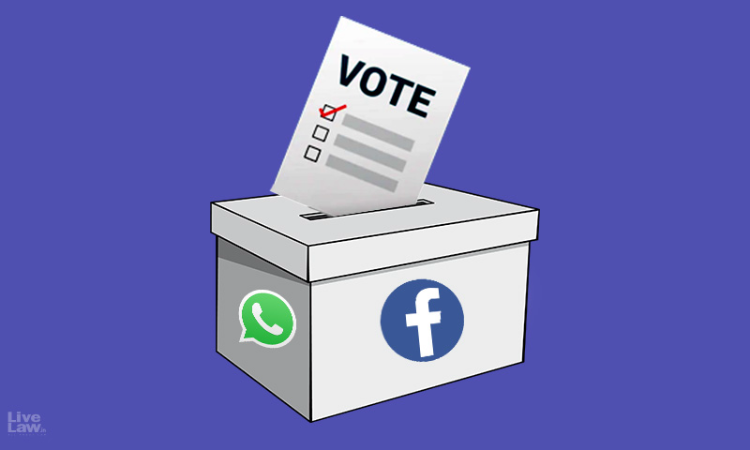
Ultimate authority lies with the people.
🌍 Visual

🔵 4.2 Political Equality
- Equal voting rights
- Equal opportunity to participate
🟣 4.3 Rule of Law
- Law applies equally to all
- No arbitrary power
🔴 4.4 Protection of Rights
- Freedom of speech
- Freedom of religion
🟡 4.5 Free and Fair Elections
- Transparent process
- Independent election bodies
⚫ 4.6 Accountability and Transparency
- Government answerable to people
- Open governance
⚪ 4.7 Separation of Powers
- Legislature, Executive, Judiciary
🧩 4.8 Majority Rule with Minority Rights
- Decisions by majority
- Protection of minorities
🔗 5. Democracy and Other Concepts
⚖️ Democracy and Liberty
- Ensures freedom
⚖️ Democracy and Equality
- Promotes equal participation
⚖️ Democracy and Justice
- Ensures fairness
🌍 6. Merits of Democracy
- Protects rights
- Encourages participation
- Promotes accountability
- Peaceful conflict resolution
⚠️ 7. Demerits of Democracy
- Slow decision-making
- Influence of money and media
- Political instability
- Populism
🌐 8. Democracy in Modern World
📱 Digital Democracy
- Online participation
🌍 Global Democracy
- International cooperation
🧑🤝🧑 Inclusive Democracy
- Gender and minority inclusion
⚠️ 9. Challenges to Democracy
- Corruption
- Misinformation
- Voter apathy
- Authoritarian tendencies
🧠 10. Importance of Democracy
- Ensures freedom
- Promotes development
- Protects rights
- Enhances stability
🧾 11. Conclusion
Democracy is a dynamic and evolving system that balances power, participation, and accountability. Its various forms—from direct to representative—highlight its adaptability to different societies.
The principles of democracy ensure that governance remains fair, inclusive, and responsive. Despite challenges, democracy continues to be the most preferred system for ensuring human dignity and political freedom.