
🌍 Introduction




Interpersonal relationships are the connections and interactions between individuals. They form the foundation of human society and influence emotional well-being, social development, communication, and overall life satisfaction.
From family bonds and friendships to professional relationships and social networks, interpersonal relationships play a crucial role in shaping identity, behavior, and success. These relationships are built on trust, communication, empathy, and mutual respect.
In today’s interconnected world, the ability to build and maintain healthy interpersonal relationships is essential for both personal growth and professional success.
🧭 Meaning of Interpersonal Relationships
🔹 Definition
Interpersonal relationships refer to the dynamic interactions between two or more individuals, involving emotional, social, and sometimes professional connections.
🔹 Key Characteristics
- Mutual interaction
- Emotional connection
- Communication
- Influence on behavior
🌱 Types of Interpersonal Relationships
👨👩👧👦 1. Family Relationships

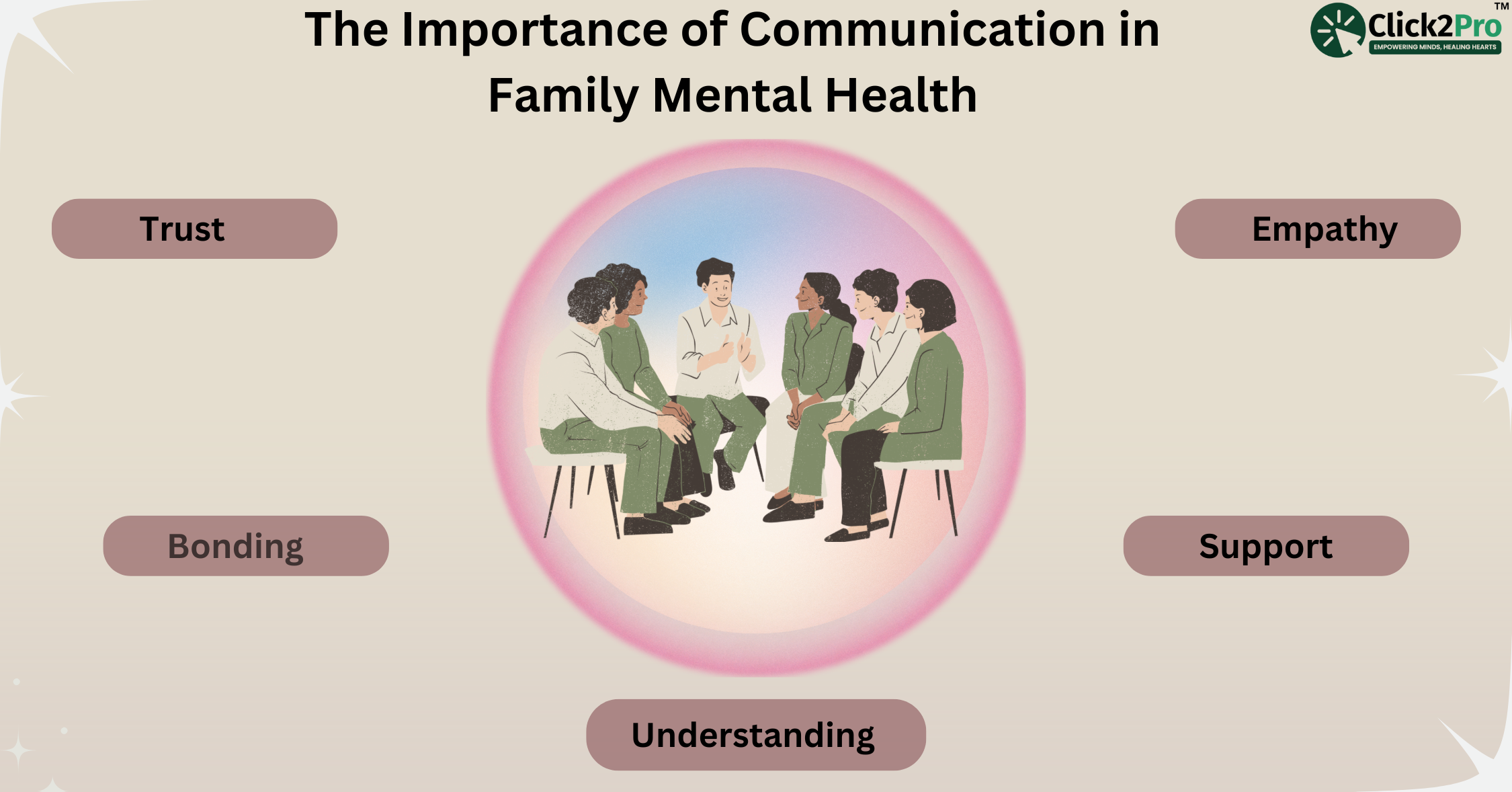

- Parent-child
- Sibling relationships
- Extended family
🤝 2. Friendships




- Based on trust and mutual interests
- Provide emotional support
💼 3. Professional Relationships



- Between colleagues, managers, employees
- Focus on goals and productivity
❤️ 4. Romantic Relationships



- Emotional and intimate connections
- Based on trust and commitment
🌐 5. Social Relationships



- Interaction with society
- Includes acquaintances and community members
🌿 Nature of Interpersonal Relationships
🔹 1. Dynamic

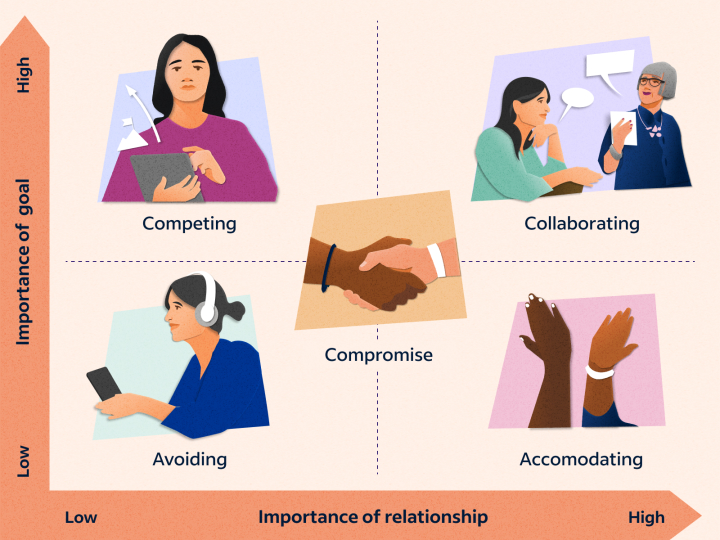


- Change over time
- Influenced by experiences
🔹 2. Reciprocal


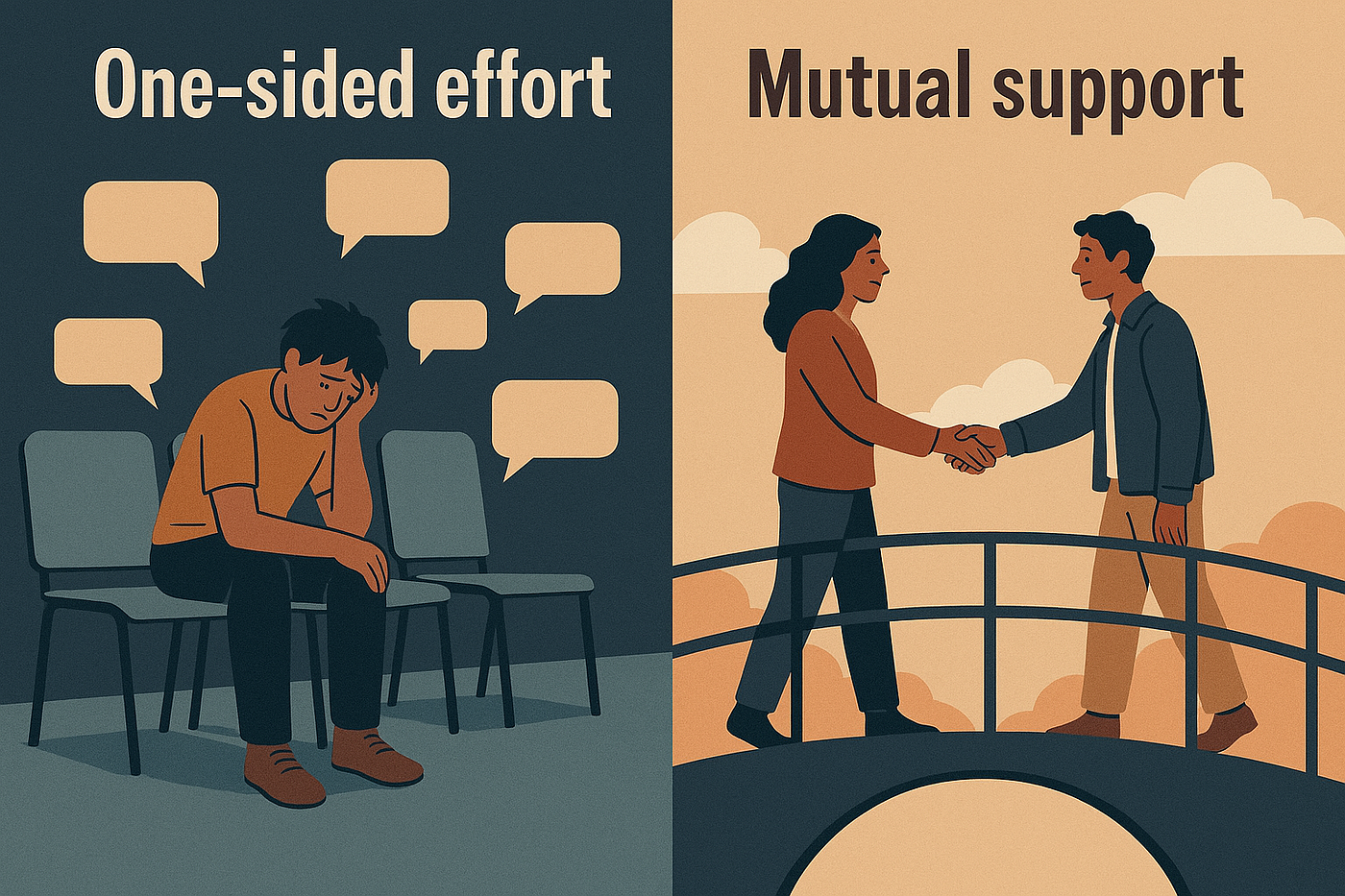

- Involves mutual exchange
- Both parties contribute
🔹 3. Emotional




- Based on feelings and emotions
🔹 4. Socially Influenced
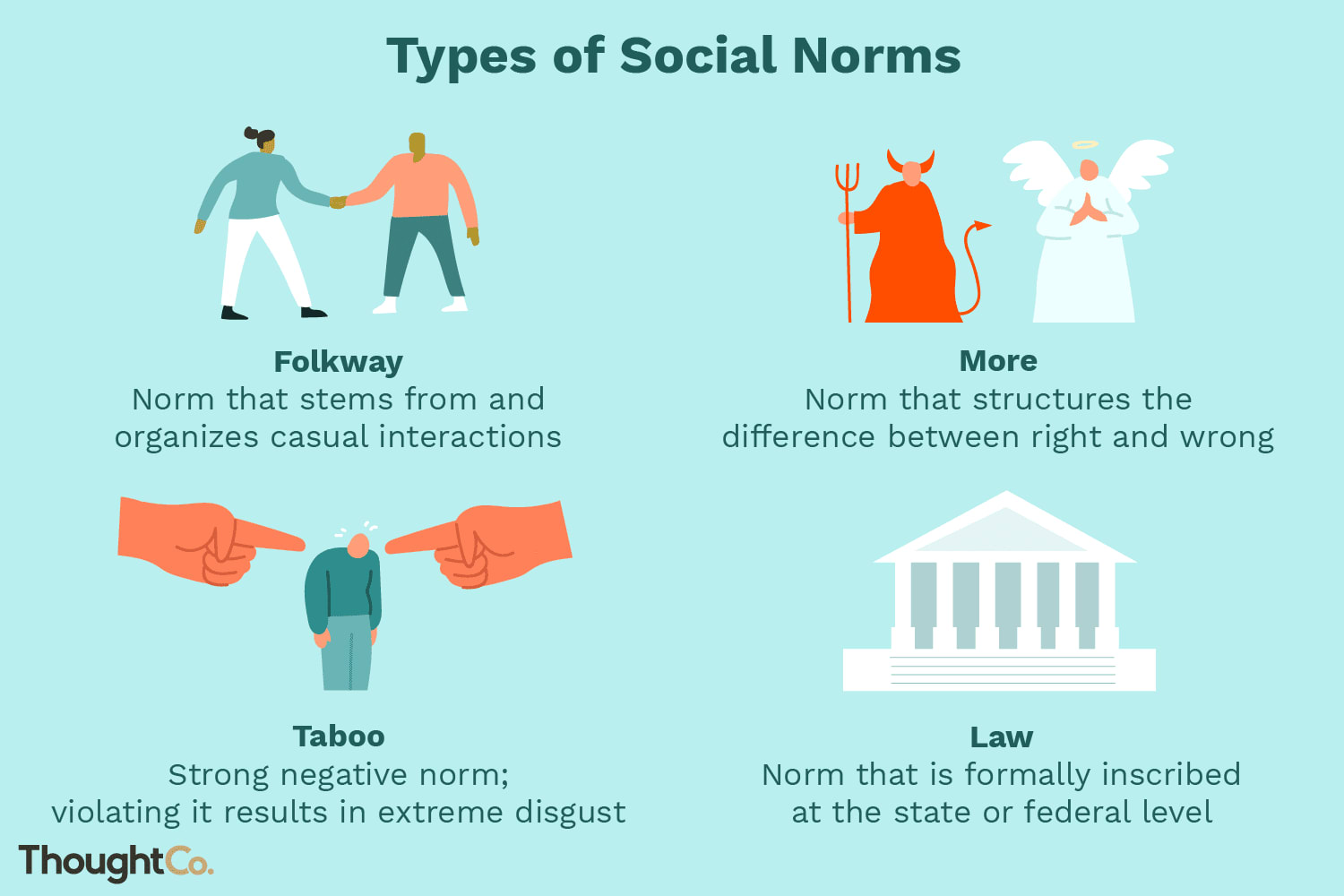


- Influenced by culture and society
🌟 Components of Healthy Relationships
🔹 1. Communication


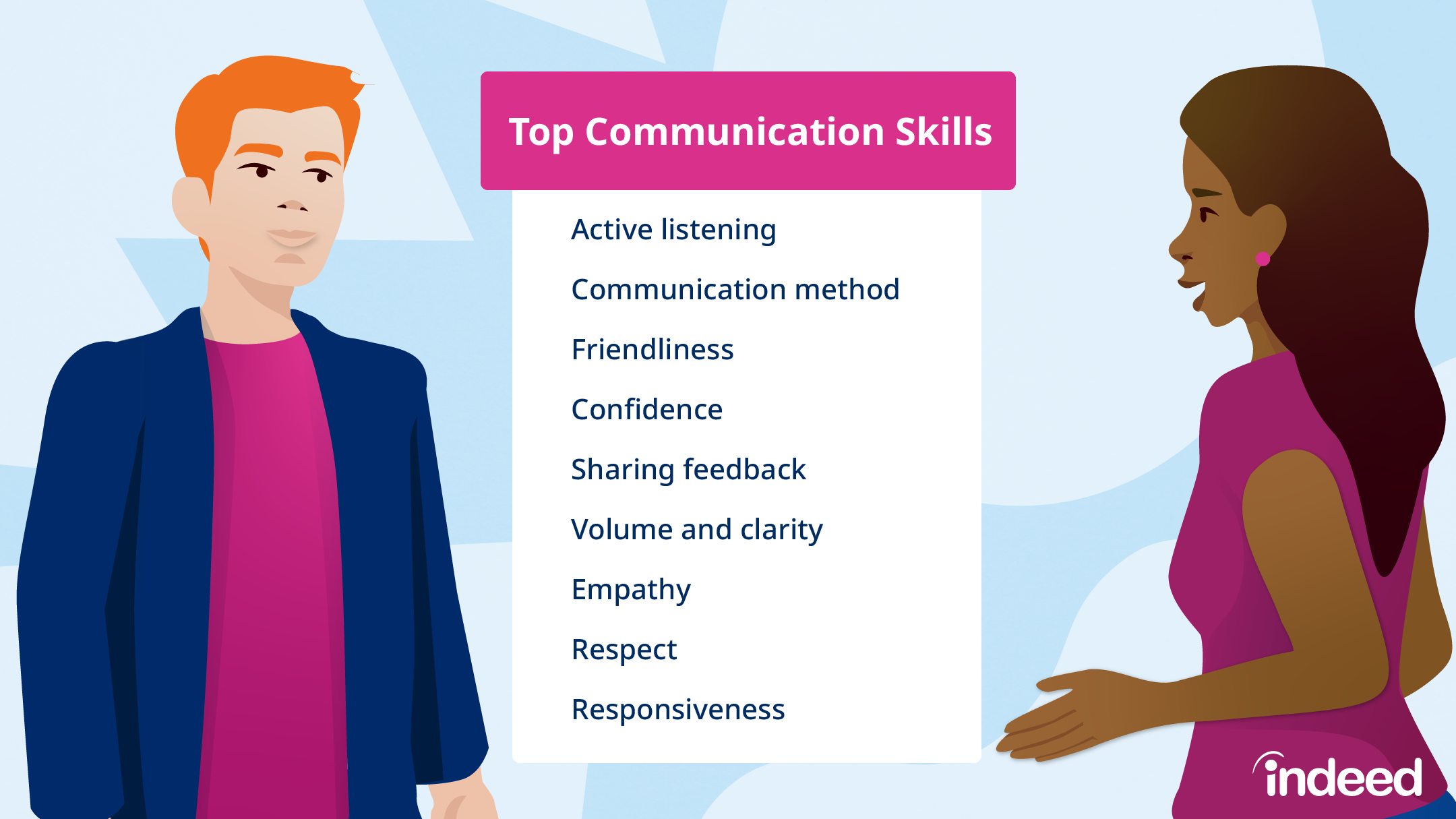

- Clear and open exchange of ideas
🔹 2. Trust




- Foundation of relationships
🔹 3. Respect


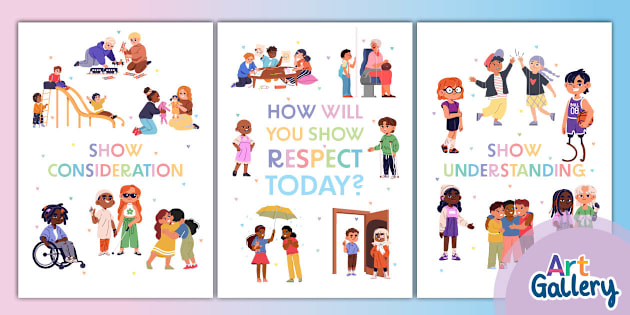

- Valuing others
🔹 4. Empathy



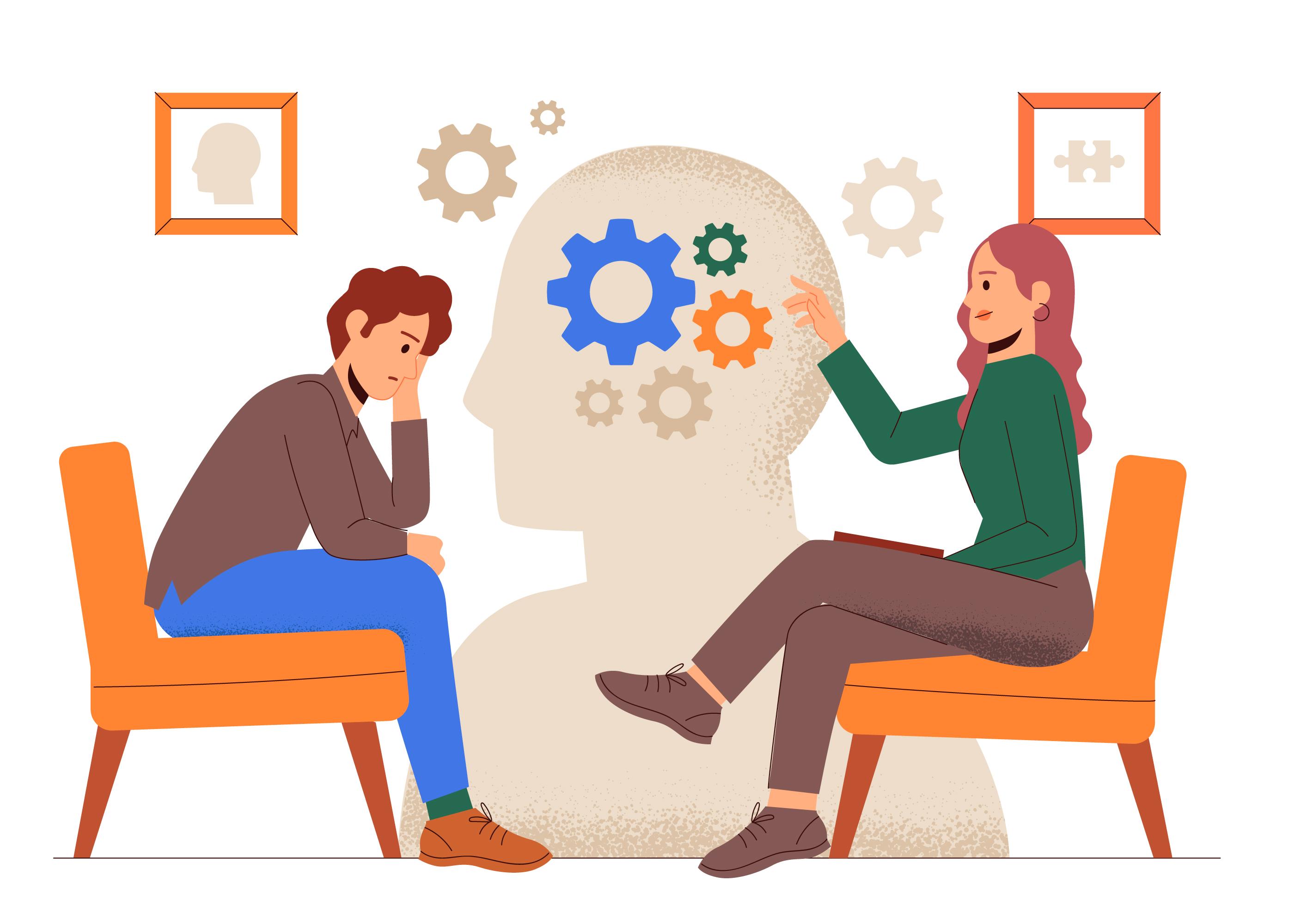
- Understanding feelings
🔹 5. Cooperation


- Working together
🌍 Importance of Interpersonal Relationships
🔹 1. Emotional Well-being
- Reduces loneliness
- Provides support
🔹 2. Social Development
- Builds social skills
🔹 3. Personal Growth
- Enhances self-awareness
🔹 4. Professional Success
- Improves teamwork
🌱 Communication in Relationships
🔹 Verbal Communication
🔹 Non-verbal Communication
🔹 Active Listening
🌍 Barriers to Effective Relationships
🔹 Poor Communication
🔹 Lack of Trust
🔹 Misunderstanding
🔹 Ego and Conflict
🌱 Conflict Resolution
🔹 Techniques
- Open communication
- Empathy
- Compromise
- Problem-solving
🌍 Role of Emotional Intelligence
- Enhances empathy
- Improves communication
- Manages conflicts
🌱 Building Strong Relationships
🔹 Spend Time Together
🔹 Show Appreciation
🔹 Be Honest
🔹 Support Each Other
🌍 Interpersonal Relationships in Modern Society
🔹 Digital Communication
- Social media interactions
🔹 Globalization
- Cross-cultural relationships
🌱 Impact on Mental Health
- Strong relationships improve happiness
- Weak relationships cause stress
🌍 Practical Applications
🔹 Students
- Friendships and teamwork
🔹 Professionals
- Workplace relationships
🔹 Families
- Emotional bonding
🌟 Conclusion
Interpersonal relationships are essential for human existence, influencing emotional well-being, social harmony, and personal success. Healthy relationships are built on communication, trust, respect, and empathy.
In a rapidly changing world, developing strong interpersonal skills is crucial for maintaining meaningful connections and achieving a balanced and fulfilling life.