Tag Archives: accountability

🏒 Professional Ethics & 🌱 Meaning and Nature of Human Values

A Comprehensive Detailed Study


🏒 PART I: PROFESSIONAL ETHICS


🌍 Introduction to Professional Ethics

Image
Image
Image
Image

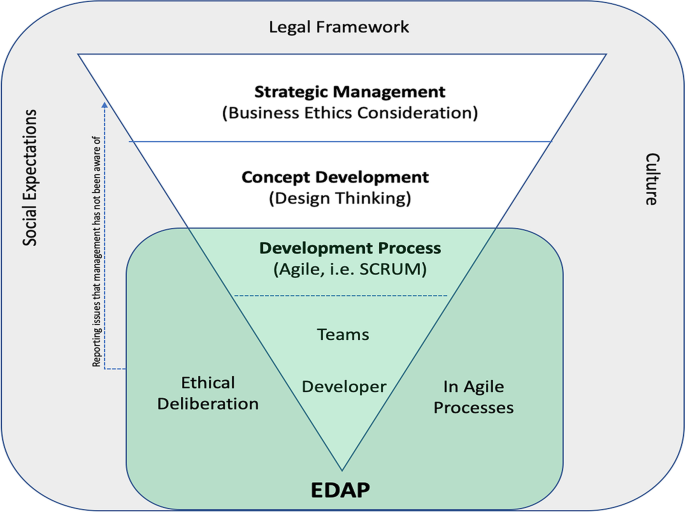
Professional ethics refers to the moral principles and standards that guide behavior in a professional environment. These ethics ensure that individuals act with integrity, responsibility, fairness, and accountability in their work.

In modern society, professional ethics are crucial because they:

  • Build trust and credibility
  • Ensure fair practices
  • Promote organizational success
  • Maintain social responsibility

Whether in business, healthcare, education, law, or technology, professional ethics define how individuals interact, make decisions, and fulfill their duties.


🧭 Meaning of Professional Ethics


πŸ”Ή Definition

Professional ethics are the rules, principles, and standards that govern the conduct of individuals in a professional setting.


πŸ”Ή Key Elements

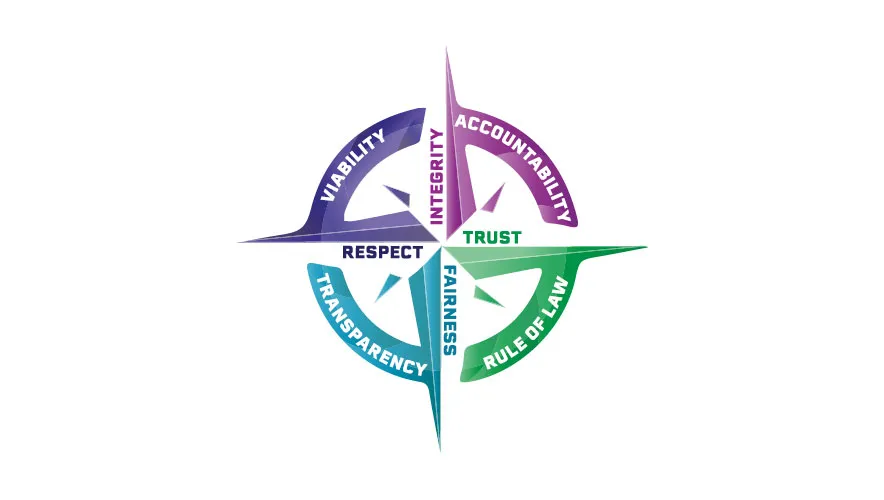
  • Integrity
  • Honesty
  • Accountability
  • Confidentiality
  • Respect

🌿 Nature of Professional Ethics


πŸ”Ή 1. Normative

Image
Image
Image
Image
  • Based on established rules and standards

πŸ”Ή 2. Universal

Image
Image
Image
Image
  • Applicable across professions

πŸ”Ή 3. Practical and Applied

Image
Image
Image
Image
  • Applied in real situations

πŸ”Ή 4. Dynamic

Image
Image
Image
Image
  • Evolve with time and technology

🌟 Principles of Professional Ethics


πŸ”Ή Integrity

  • Being honest and consistent

πŸ”Ή Confidentiality

  • Protecting sensitive information

πŸ”Ή Accountability

  • Taking responsibility

πŸ”Ή Fairness

  • Treating everyone equally

πŸ”Ή Respect

  • Valuing others

🌍 Importance of Professional Ethics


πŸ”Ή 1. Builds Trust

πŸ”Ή 2. Enhances Reputation

πŸ”Ή 3. Promotes Fairness

πŸ”Ή 4. Ensures Legal Compliance

πŸ”Ή 5. Improves Workplace Culture


🌱 Professional Ethics in Different Fields


πŸ₯ Healthcare

Image
Image
Image
Image
  • Patient confidentiality
  • Duty of care

βš–οΈ Law

Image
Image
Image
Image
  • Justice and fairness

πŸ’Ό Business

Image
Image
Image
Image
  • Transparency
  • Corporate responsibility

πŸ’» Technology

Image
Image
Image
Image
  • Data privacy
  • Ethical use of technology

βš–οΈ Challenges in Professional Ethics


  • Corruption
  • Conflict of interest
  • Pressure to compromise values
  • Lack of accountability

🌱 Promoting Professional Ethics


  • Ethical training
  • Clear policies
  • Leadership example
  • Accountability systems

🌱 PART II: MEANING AND NATURE OF HUMAN VALUES


🌍 Introduction to Human Values

Image
Image
Image
Image

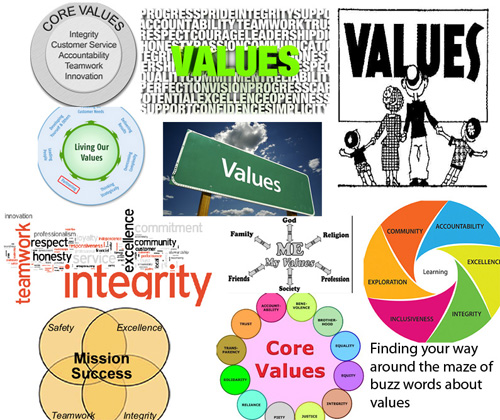
Human values are the core principles that guide human behavior, decisions, and interactions. They define what is important, meaningful, and desirable in life.

These values form the foundation of:

  • Ethical behavior
  • Social harmony
  • Personal development

🧭 Meaning of Human Values


πŸ”Ή Definition

Human values are enduring beliefs that influence attitudes, behavior, and decision-making.


πŸ”Ή Examples

  • Honesty
  • Respect
  • Compassion
  • Responsibility
  • Justice

🌿 Nature of Human Values


πŸ”Ή 1. Universal

Image
Image
Image
Image
  • Shared across cultures

πŸ”Ή 2. Learned

Image
Image
Image
Image
  • Acquired through experience

πŸ”Ή 3. Dynamic

Image
Image
Image
Image
  • Change over time

πŸ”Ή 4. Abstract

Image
Image
Image
Image
  • Cannot be seen but felt

πŸ”Ή 5. Goal-Oriented

Image
Image
Image
Image
  • Guide actions

🌍 Importance of Human Values


πŸ”Ή Personal Development

πŸ”Ή Social Harmony

πŸ”Ή Ethical Decision-Making

πŸ”Ή Cultural Stability


πŸ”„ Relationship Between Professional Ethics and Human Values


  • Human values form the foundation of ethics
  • Professional ethics apply these values in workplace

πŸ‘‰ Example:

  • Value: Honesty
  • Ethics: Transparent business practices

🌟 Conclusion

Professional ethics and human values are deeply interconnected concepts that guide human behavior in personal and professional life. While human values provide the moral foundation, professional ethics ensure that these values are applied in real-world situations.

Together, they help create a society that is ethical, responsible, and harmonious, where individuals act with integrity and contribute positively to the community.


🏷️ Tags

Professional Ethics, Human Values, Integrity, Accountability, Workplace Ethics, Moral Values, Ethical Behavior, Value Education

🌟 Basic Moral Values β€” Honesty, Integrity & Responsibility

A Comprehensive Detailed Study


🌍 Introduction to Basic Moral Values

Image
Image
Image
Image

Basic moral values are the core principles that guide human behavior toward what is right, just, and ethical. Among these, honesty, integrity, and responsibility are considered foundational because they shape character, build trust, and sustain healthy relationships and societies.

These values are not just abstract ideasβ€”they are practiced in everyday actions, from telling the truth to fulfilling commitments and standing by ethical principles. They form the backbone of moral development and are essential for personal growth, social harmony, and professional success.


🧭 Understanding Moral Values


πŸ”Ή Meaning of Moral Values

Moral values are standards of behavior that help individuals distinguish between right and wrong. They are influenced by culture, upbringing, education, and personal reflection.


πŸ”Ή Importance of Basic Moral Values

  • Build strong character
  • Promote trust and cooperation
  • Ensure social order
  • Guide ethical decision-making
  • Enhance personal and professional life

🧠 HONESTY


🌱 Meaning of Honesty

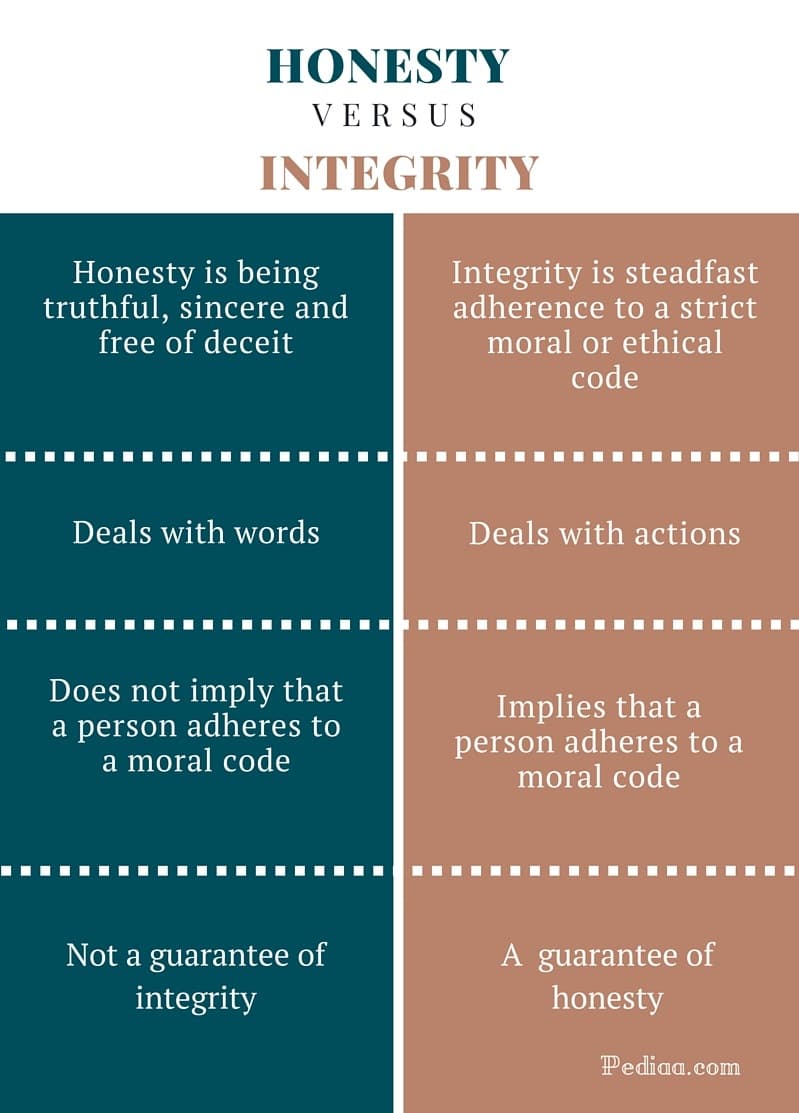
Honesty is the quality of being truthful, sincere, and transparent in words and actions. It involves:

  • Speaking the truth
  • Avoiding deception
  • Being genuine

🌟 Nature of Honesty

Image
Image
Image
Image

πŸ”Ή 1. Truthfulness

  • Saying what is true
  • Avoiding lies

πŸ”Ή 2. Transparency

  • Being open and clear

πŸ”Ή 3. Sincerity

  • Being genuine in actions

🌍 Importance of Honesty

πŸ”Ή 1. Builds Trust

  • Foundation of relationships

πŸ”Ή 2. Promotes Integrity

  • Supports ethical behavior

πŸ”Ή 3. Enhances Reputation

  • Earns respect

πŸ”Ή 4. Reduces Conflict

  • Prevents misunderstandings

βš–οΈ Challenges to Honesty

  • Fear of consequences
  • Social pressure
  • Personal gain

🌱 Practical Examples of Honesty

  • Admitting mistakes
  • Not cheating in exams
  • Being truthful in communication

🧭 INTEGRITY


🌿 Meaning of Integrity

Integrity is the quality of being morally upright and consistent in actions, values, and principles.

It means:
πŸ‘‰ Doing the right thing even when no one is watching.


🌟 Nature of Integrity

Image
Image
Image
Image

πŸ”Ή 1. Consistency

  • Aligning actions with values

πŸ”Ή 2. Moral Courage

  • Standing for what is right

πŸ”Ή 3. Accountability

  • Taking responsibility

🌍 Importance of Integrity

πŸ”Ή 1. Builds Character

  • Core of personal identity

πŸ”Ή 2. Enhances Leadership

  • Essential for trust

πŸ”Ή 3. Promotes Ethical Behavior

  • Guides decisions

πŸ”Ή 4. Strengthens Relationships

  • Encourages reliability

βš–οΈ Challenges to Integrity

  • Temptation
  • Peer pressure
  • Ethical dilemmas

🌱 Examples of Integrity

  • Refusing to cheat
  • Keeping promises
  • Standing against injustice

🧩 RESPONSIBILITY


🌿 Meaning of Responsibility

Responsibility is the ability and willingness to take ownership of one’s actions and fulfill duties and obligations.


🌟 Nature of Responsibility

Image
Image
Image
Image

πŸ”Ή 1. Accountability

  • Accepting consequences

πŸ”Ή 2. Reliability

  • Being dependable

πŸ”Ή 3. Duty-Oriented

  • Fulfilling obligations

🌍 Importance of Responsibility

πŸ”Ή 1. Personal Growth

  • Builds discipline

πŸ”Ή 2. Social Stability

  • Ensures order

πŸ”Ή 3. Professional Success

  • Enhances performance

πŸ”Ή 4. Trust Building

  • Others rely on responsible individuals

βš–οΈ Challenges to Responsibility

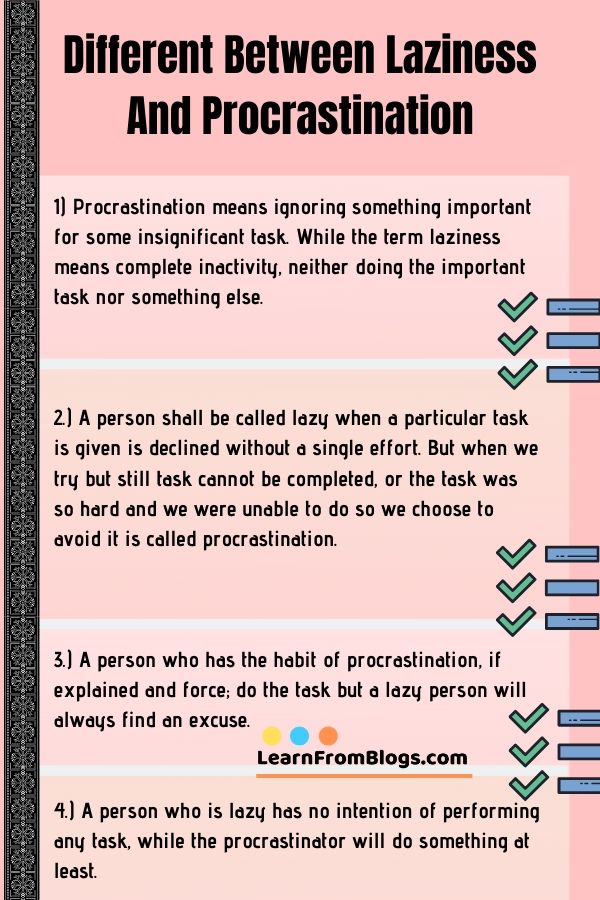
  • Laziness
  • Lack of awareness
  • Avoidance of accountability

🌱 Examples of Responsibility

  • Completing tasks on time
  • Taking care of family
  • Following rules

πŸ”„ Relationship Between Honesty, Integrity & Responsibility


🌟 Interconnection

Image
Image
Image
Image
  • Honesty β†’ Telling the truth
  • Integrity β†’ Living by truth
  • Responsibility β†’ Acting on truth

Together, they form a complete moral framework.


🌍 Role in Personal Life


πŸ”Ή Character Development

  • Builds strong personality

πŸ”Ή Emotional Well-being

  • Reduces guilt and stress

πŸ”Ή Decision-Making

  • Guides ethical choices

🌐 Role in Society


πŸ”Ή Social Harmony

  • Promotes trust

πŸ”Ή Justice

  • Ensures fairness

πŸ”Ή Cooperation

  • Encourages teamwork

🏒 Role in Professional Life


πŸ”Ή Workplace Ethics

  • Honest communication

πŸ”Ή Leadership

  • Integrity-based decisions

πŸ”Ή Accountability

  • Responsible actions

🌱 Development of Moral Values


πŸ”Ή Methods

1. Family Influence

  • Early learning

2. Education

  • Value-based teaching

3. Role Models

  • Learning by example

4. Self-Reflection

  • Understanding actions

⚠️ Consequences of Lack of Moral Values


πŸ”Ή Individual Level

  • Loss of trust
  • Poor reputation

πŸ”Ή Social Level

  • Corruption
  • Conflict

πŸ”Ή Global Level

  • Ethical crises

🌍 Moral Values in Modern Society


πŸ”Ή Challenges

  • Materialism
  • Digital dishonesty
  • Competitive pressure

πŸ”Ή Need for Reinforcement

  • Ethical education
  • Awareness programs

🌱 Moral Values and Emotional Intelligence


  • Honesty β†’ Self-awareness
  • Integrity β†’ Self-regulation
  • Responsibility β†’ Social skills

🌟 Practical Applications


πŸ”Ή Students

  • Academic honesty

πŸ”Ή Professionals

  • Ethical work behavior

πŸ”Ή Citizens

  • Civic responsibility

🌍 Moral Values and Sustainable Development


  • Promote ethical resource use
  • Encourage responsible consumption

🌟 Conclusion

Honesty, integrity, and responsibility are the pillars of moral values that shape individuals and societies. They guide behavior, build trust, and ensure ethical living. In a rapidly changing world, these values are essential for maintaining balance, promoting justice, and achieving sustainable development.

By practicing these values in everyday life, individuals can contribute to a more ethical, responsible, and harmonious society.


Responsibility in Daily Life

🌿 Introduction

Image
Image
Image
Image

Responsibility in daily life is one of the most essential values that defines a person’s character, reliability, and maturity. It is the ability to take ownership of one’s actions, fulfill duties, and accept the consequences of decisions. Responsibility is not limited to major tasks or rolesβ€”it is reflected in everyday behaviors, from completing homework on time to respecting others, managing time effectively, and contributing positively to society.

In a fast-paced and interconnected world, responsibility has become more important than ever. It ensures that individuals remain accountable, disciplined, and ethical in their actions. Whether at home, school, workplace, or in society, responsibility acts as a guiding principle that helps individuals navigate life with integrity and purpose.


🌱 Meaning and Definitions

πŸ”Ή Responsibility

Responsibility is:

  • The duty or obligation to perform tasks and roles
  • Being accountable for one’s actions and decisions
  • Acting with awareness of consequences

Examples:

  • Completing assignments on time
  • Taking care of personal belongings
  • Following rules and commitments

πŸ”Ή Accountability

  • Accepting the outcomes of actions
  • Owning mistakes and learning from them

πŸ”Ή Reliability

  • Being dependable and trustworthy
  • Fulfilling commitments consistently

πŸ”Ή Key Characteristics

  • Commitment
  • Discipline
  • Honesty
  • Awareness
  • Dependability

🧠 Psychological Foundations

Image
Image
Image
Image

πŸ”Ή Development of Responsibility

  • Begins in early childhood
  • Influenced by family, education, and environment

πŸ”Ή Cognitive Aspects

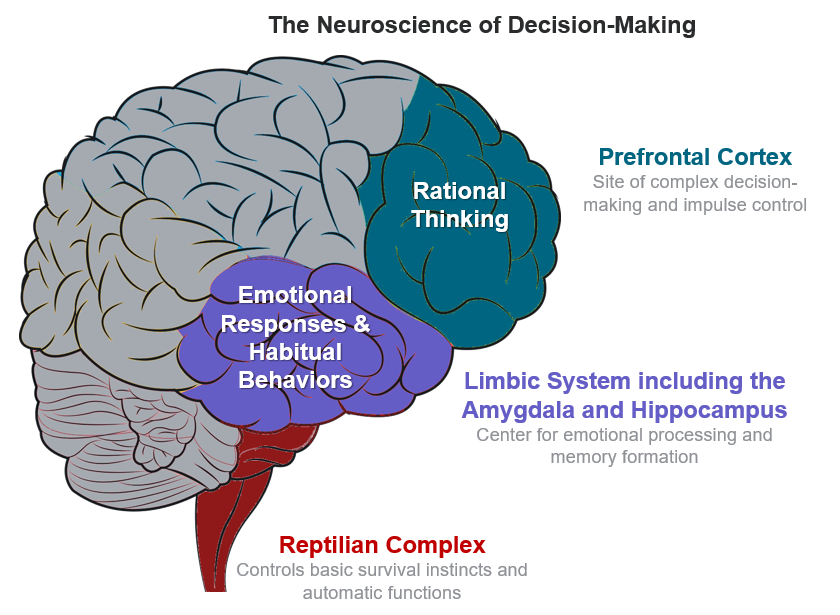
  • Involves decision-making and problem-solving
  • Requires understanding consequences

πŸ”Ή Emotional Growth

  • Builds self-confidence and independence
  • Encourages maturity and self-control

πŸ›οΈ Philosophical Perspectives

Image
Image
Image
Image

πŸ”Έ Ancient Philosophy

  • Aristotle viewed responsibility as part of virtuous living
  • Emphasized ethical behavior and accountability

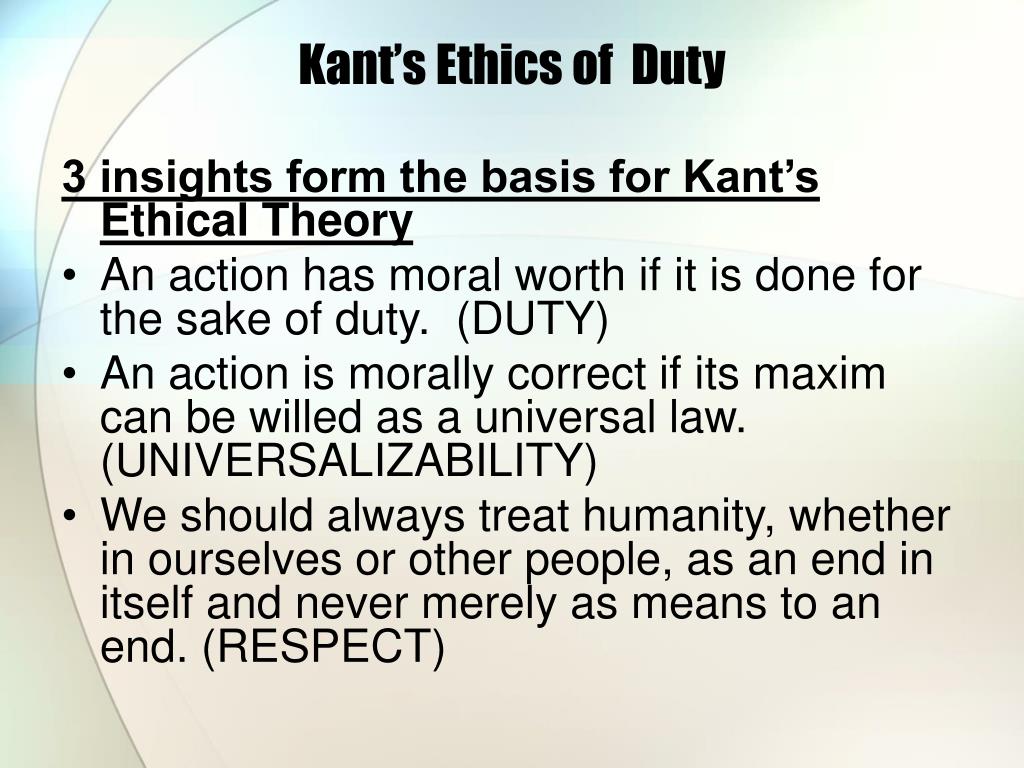
πŸ”Έ Kantian Ethics

  • Immanuel Kant emphasized duty and moral responsibility
  • Actions should follow universal moral laws

πŸ”Έ Eastern Philosophy

  • Confucius highlighted duties toward family and society
  • Mahatma Gandhi emphasized responsibility toward truth and non-violence

🧘 Spiritual and Moral Significance

Image
Image
Image
Image

πŸ”Ή Moral Duty

  • Responsibility is a core ethical principle
  • Reflects integrity and character

πŸ”Ή Spiritual Teachings

  • Many religions emphasize duty and accountability
  • Actions have consequences (karma, moral judgment)

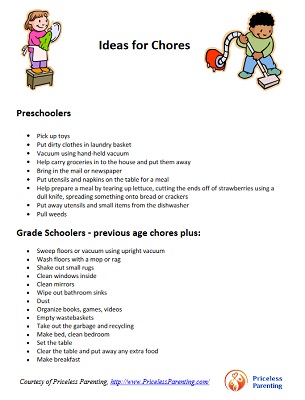
🏠 Responsibility at Home

🌟 Family Duties

  • Helping with household chores
  • Respecting family members
  • Taking care of younger or elderly members

🌟 Personal Responsibility

  • Maintaining cleanliness
  • Managing personal belongings
  • Following routines

🌟 Emotional Responsibility

  • Supporting family members
  • Communicating respectfully

🏫 Responsibility in Education

Image
Image
Image
Image

πŸ“˜ Academic Responsibility

  • Completing assignments on time
  • Attending classes regularly
  • Preparing for exams

πŸ“˜ Behavioral Responsibility

  • Following school rules
  • Respecting teachers and peers

πŸ“˜ Social Responsibility

  • Helping classmates
  • Participating in group activities

πŸ’Ό Responsibility in the Workplace

Image
Image
Image
Image

πŸ”Ή Professional Duties

  • Completing tasks efficiently
  • Meeting deadlines

πŸ”Ή Accountability

  • Taking responsibility for work outcomes

πŸ”Ή Team Responsibility

  • Collaborating with colleagues
  • Supporting team goals

πŸ”Ή Leadership

  • Responsible leaders inspire trust and respect

🌍 Social Responsibility

Image
Image
Image
Image

πŸ”Ή Civic Responsibility

  • Following laws and rules
  • Participating in community activities

πŸ”Ή Environmental Responsibility

  • Protecting nature
  • Reducing waste and pollution

πŸ”Ή Social Awareness

  • Helping disadvantaged groups
  • Promoting equality and justice

βš–οΈ Ethical Dimensions

πŸ”Έ Moral Responsibility

  • Acting ethically and fairly
  • Avoiding harm to others

πŸ”Έ Legal Responsibility

  • Following laws and regulations

πŸ”Έ Personal Responsibility

  • Taking ownership of actions

🧩 Challenges to Responsibility

Image
Image
Image
Image

πŸ”Ή Procrastination

  • Delaying tasks and responsibilities

πŸ”Ή Lack of Awareness

  • Not understanding importance

πŸ”Ή External Influences

  • Peer pressure and distractions

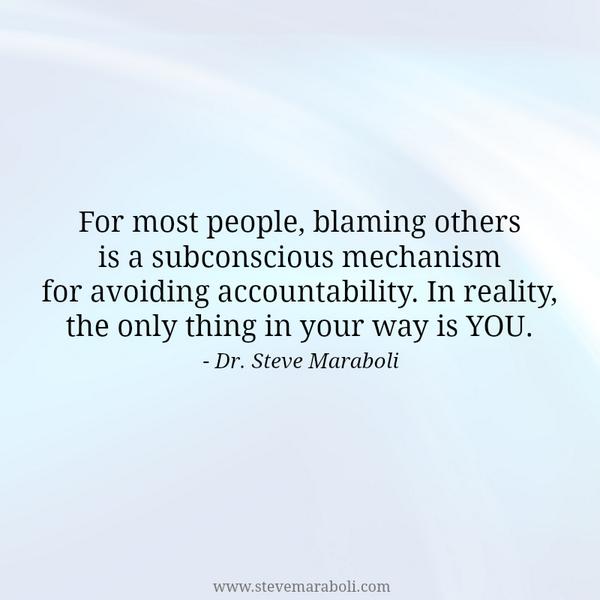
πŸ”Ή Avoiding Accountability

  • Blaming others for mistakes

🌟 Benefits of Responsibility

βœ… Personal Benefits

  • Builds confidence and independence
  • Enhances decision-making skills

βœ… Social Benefits

  • Strengthens relationships
  • Promotes trust and cooperation
βœ… Professional Benefits

  • Career growth
  • Reputation for reliability

πŸ› οΈ Ways to Develop Responsibility

Image
Image
Image
Image

πŸ”Ή Set Clear Goals

  • Define responsibilities and priorities

πŸ”Ή Time Management

  • Plan and organize tasks

πŸ”Ή Self-Discipline

  • Stay consistent in actions

πŸ”Ή Learn from Mistakes

  • Accept and correct errors

πŸ”Ή Take Initiative

  • Act without waiting for instructions

πŸ“± Responsibility in the Digital Age

Image
Image
Image
Image

πŸ”Ή Online Behavior

  • Being respectful and ethical

πŸ”Ή Information Sharing
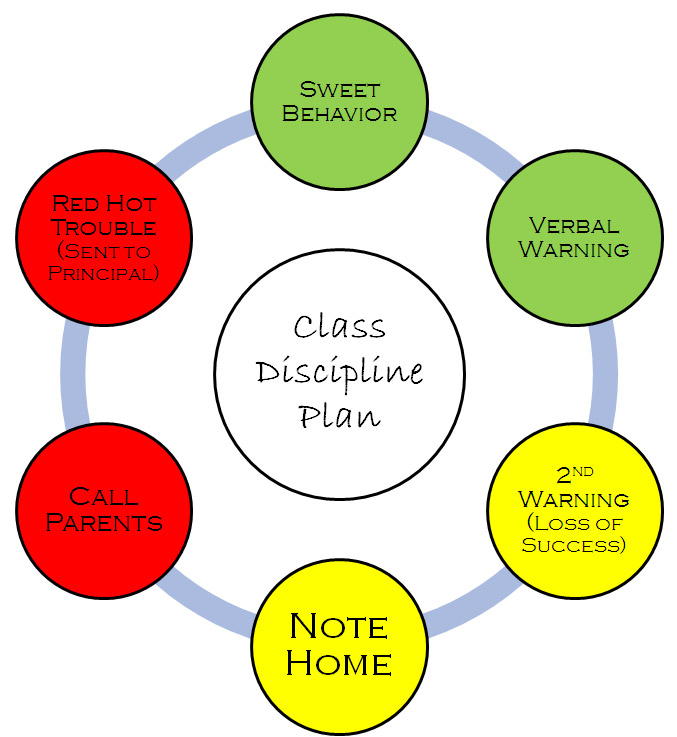
  • Avoid spreading misinformation

πŸ”Ή Cyber Responsibility

  • Protecting privacy and security

🧭 Real-Life Examples

πŸ”Ή Students

  • Managing studies and extracurricular activities

πŸ”Ή Families

  • Sharing responsibilities at home

πŸ”Ή Professionals

  • Meeting work commitments

πŸ“Š Comparison with Related Values

ValueRelation
DisciplineSupports responsibility
AccountabilityCore aspect of responsibility
IntegrityEnsures ethical responsibility
DependabilityResult of responsibility

🧾 Conclusion

Responsibility in daily life is a cornerstone of personal growth, social harmony, and professional success. It enables individuals to act with awareness, fulfill their duties, and contribute positively to society. From simple daily tasks to complex decisions, responsibility guides behavior and builds character.

In a rapidly evolving world, where challenges and opportunities coexist, being responsible is more important than ever. It fosters trust, reliability, and ethical conduct, creating a foundation for a better future.

By cultivating responsibility in everyday life, individuals not only improve their own lives but also contribute to the well-being of their families, communities, and society as a whole.


🏷️ Tags