Tag Archives: algorithm efficiency

๐Ÿ” Searching Algorithms


๐Ÿงฉ What is Searching?

Image
Image
Image
Image

Searching is the process of locating a specific element (called a key) within a data structure such as an array, list, tree, or graph. It is one of the most fundamental operations in computer science and forms the backbone of data retrieval systems.

Example:

Array: [10, 25, 30, 45, 60]
Search Key: 30 โ†’ Found at index 2

Searching algorithms are designed to efficiently determine:

  • Whether an element exists
  • Where it is located
  • How quickly it can be found

๐Ÿง  Importance of Searching Algorithms

  • Essential for data retrieval systems
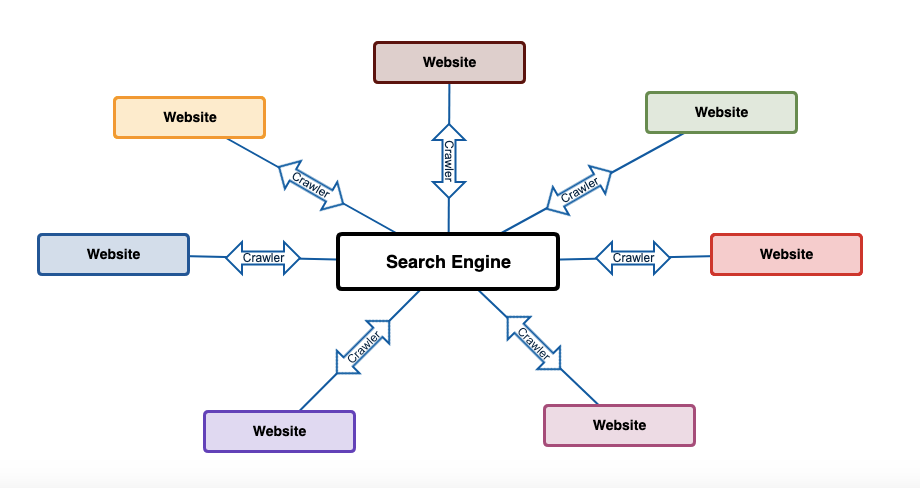
  • Used in databases and search engines
  • Helps in decision-making algorithms
  • Improves performance of applications

โš™๏ธ Classification of Searching Algorithms

Searching algorithms can be categorized based on:

๐Ÿ”น 1. Based on Data Structure

  • Searching in arrays/lists
  • Searching in trees
  • Searching in graphs

๐Ÿ”น 2. Based on Technique

  • Sequential search
  • Divide and conquer
  • Hash-based search

๐Ÿ”น 3. Based on Data Order

  • Searching in unsorted data
  • Searching in sorted data

๐Ÿ”ข Linear Search

Image
Image
Image
Image

๐Ÿ“Œ Concept

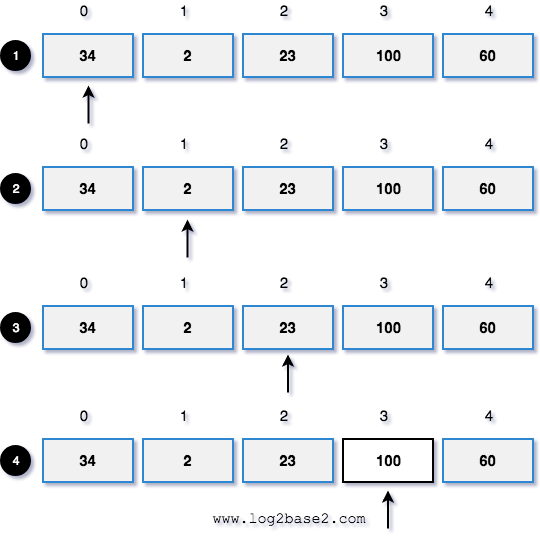
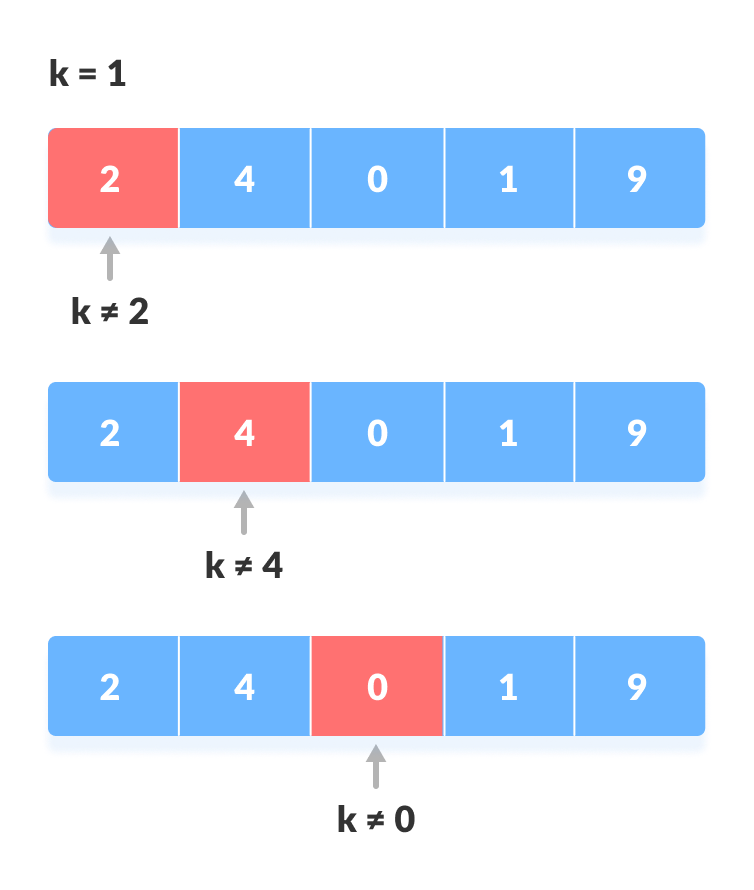
Linear search checks each element one by one until the target is found.

๐Ÿงพ Algorithm

  1. Start from first element
  2. Compare with key
  3. Move to next element
  4. Repeat until found or end

๐Ÿ’ป Code Example

def linear_search(arr, key):
    for i in range(len(arr)):
        if arr[i] == key:
            return i
    return -1

โฑ๏ธ Complexity

  • Best: O(1)
  • Average: O(n)
  • Worst: O(n)

โœ… Advantages

  • Simple
  • Works on unsorted data

โŒ Disadvantages

  • Slow for large datasets

๐Ÿ” Binary Search

Image
Image
Image
Image

๐Ÿ“Œ Concept

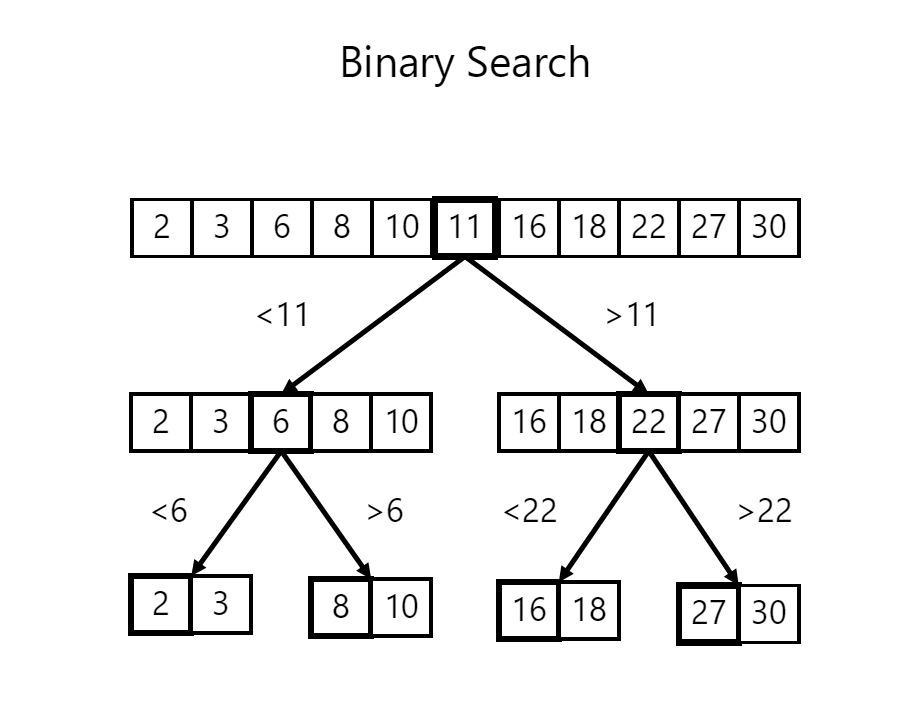
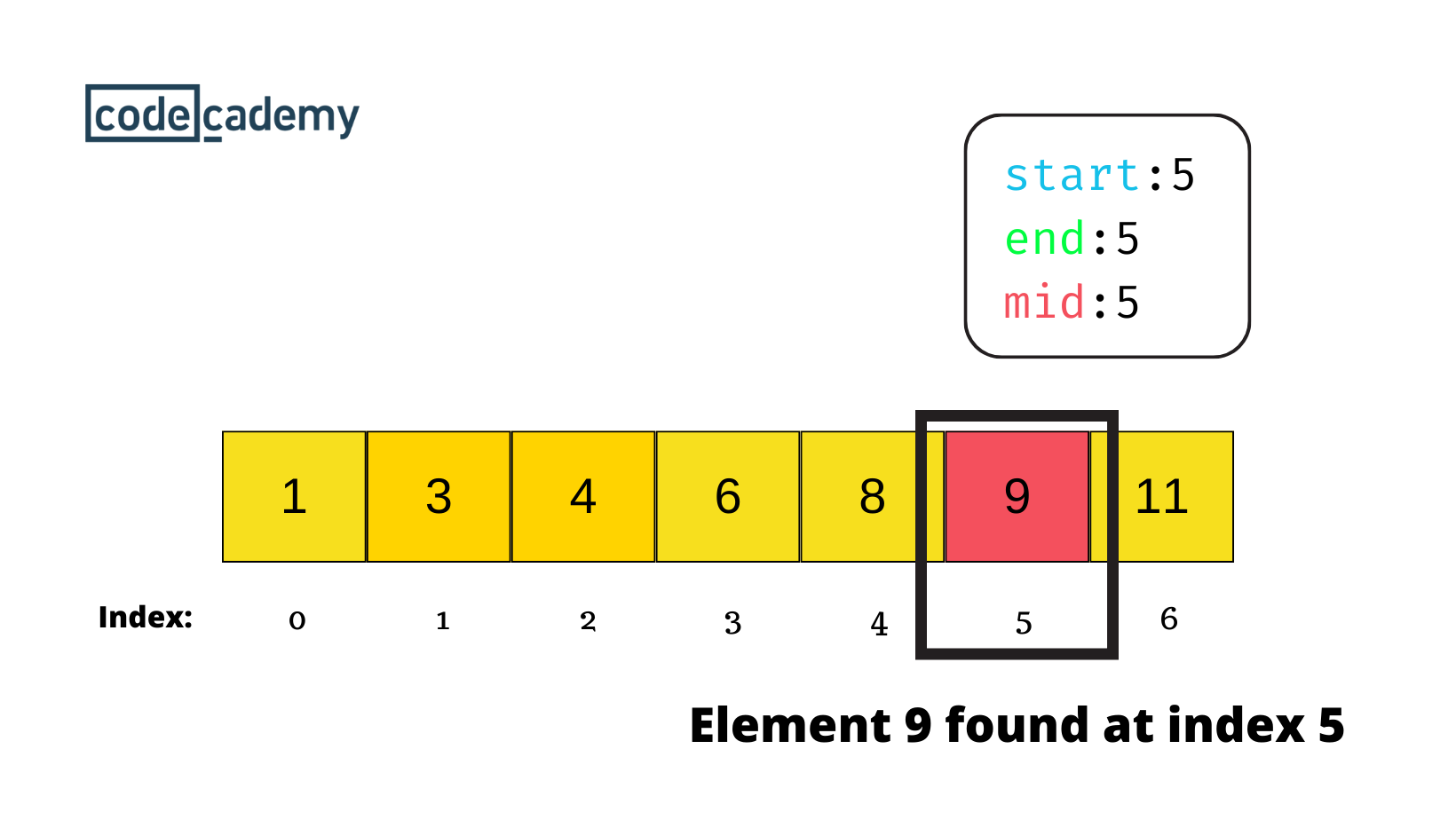
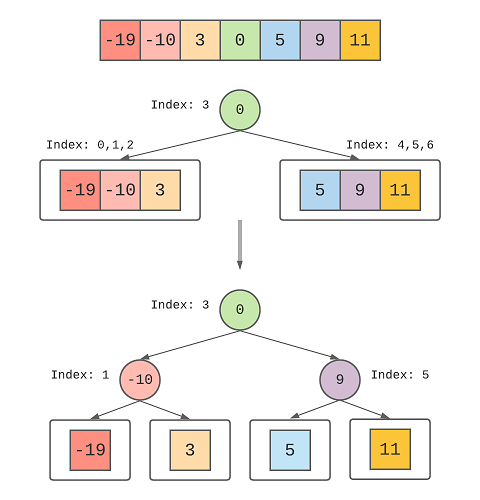
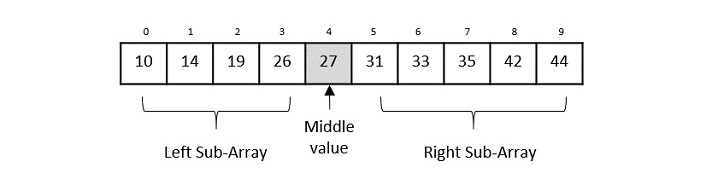
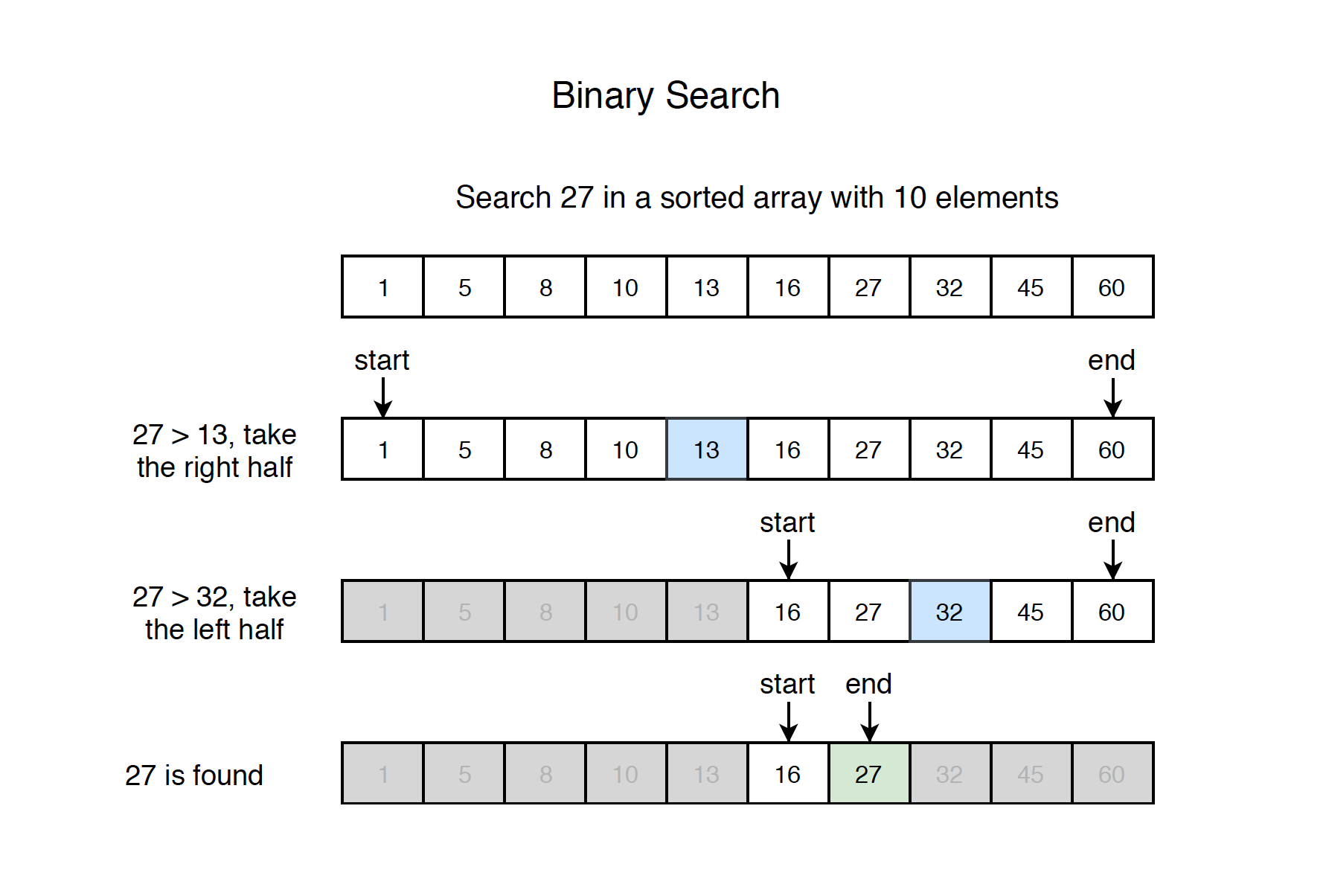
Binary search repeatedly divides a sorted array into halves.

๐Ÿงพ Algorithm

  1. Find middle element
  2. Compare with key
  3. If equal โ†’ return
  4. If smaller โ†’ search left
  5. If larger โ†’ search right

๐Ÿ’ป Code Example

def binary_search(arr, key):
    low, high = 0, len(arr)-1
    while low <= high:
        mid = (low + high) // 2
        if arr[mid] == key:
            return mid
        elif arr[mid] < key:
            low = mid + 1
        else:
            high = mid - 1
    return -1

โฑ๏ธ Complexity

  • Best: O(1)
  • Average: O(log n)
  • Worst: O(log n)

โœ… Advantages

  • Very fast
  • Efficient for large datasets

โŒ Disadvantages

  • Requires sorted data

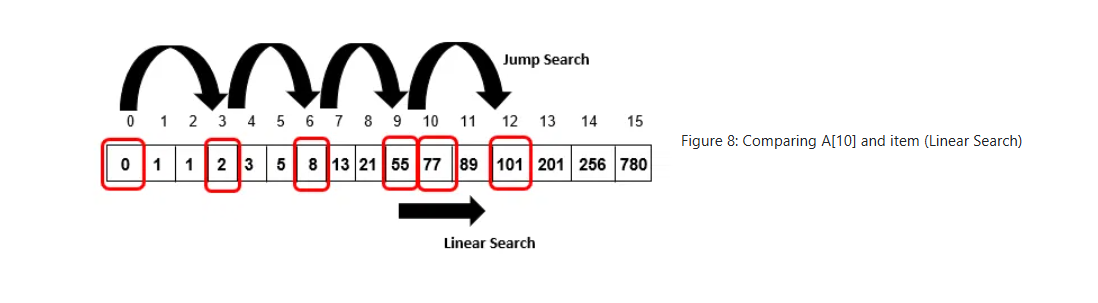
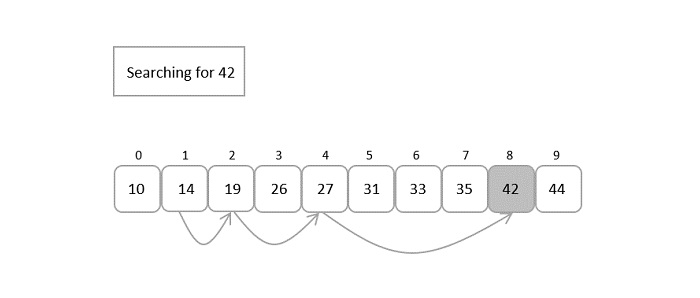
๐Ÿง  Jump Search

Image
Image
Image

๐Ÿ“Œ Concept

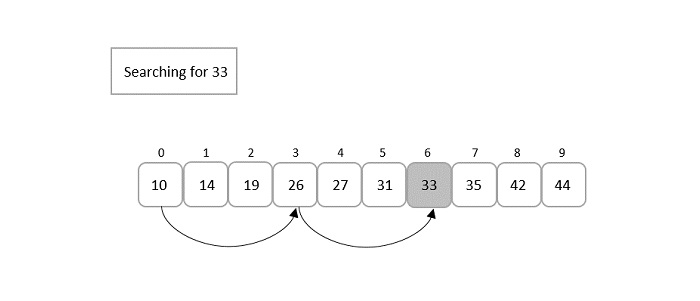
Jumps ahead by fixed steps and then performs linear search.

โฑ๏ธ Complexity

  • O(โˆšn)

๐Ÿ”Ž Interpolation Search

Image
Image

๐Ÿ“Œ Concept

Estimates position based on value distribution.

โฑ๏ธ Complexity

  • Best: O(log log n)
  • Worst: O(n)

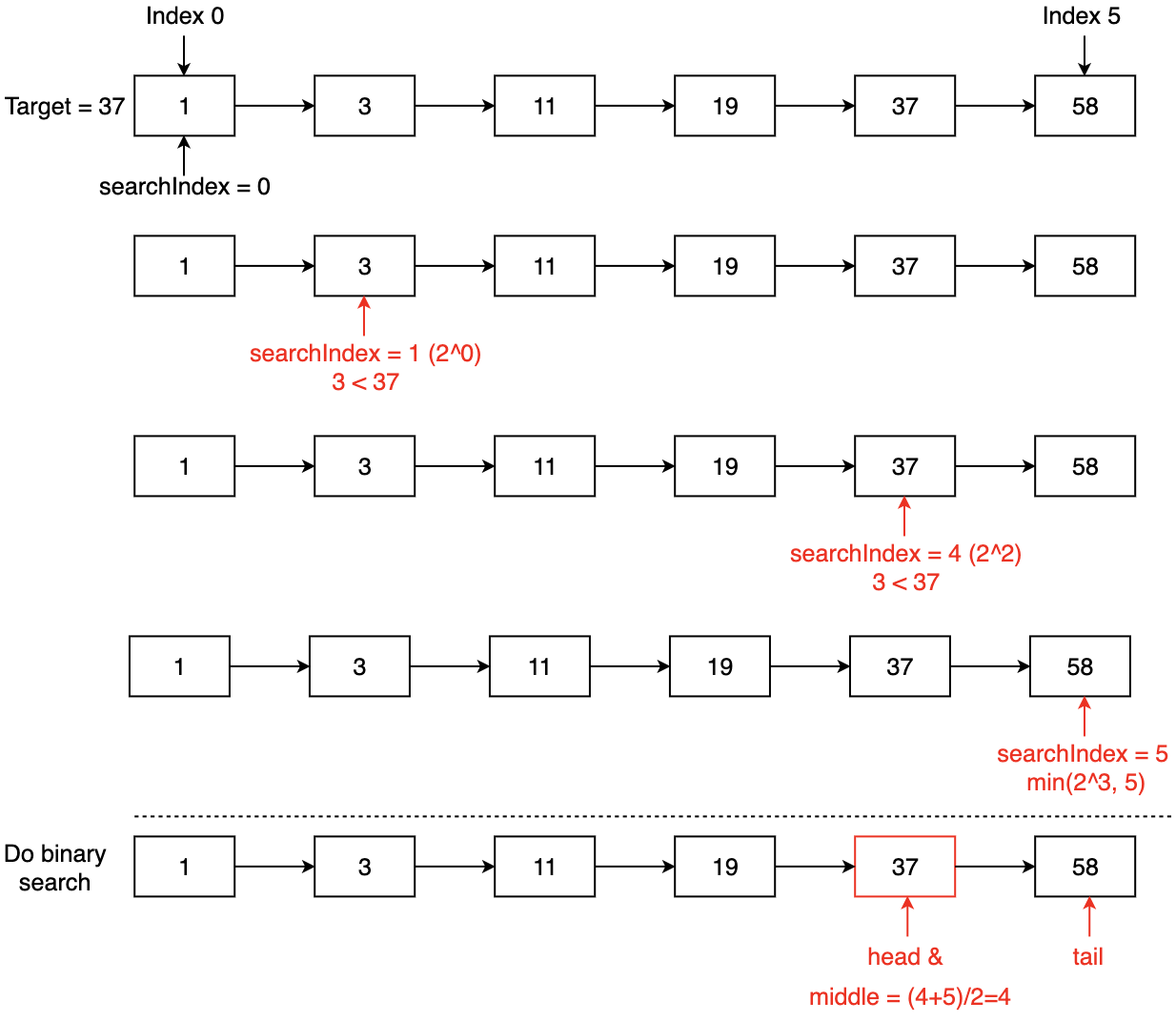
๐Ÿงญ Exponential Search

Image
Image
Image

๐Ÿ“Œ Concept

Finds range first, then applies binary search.


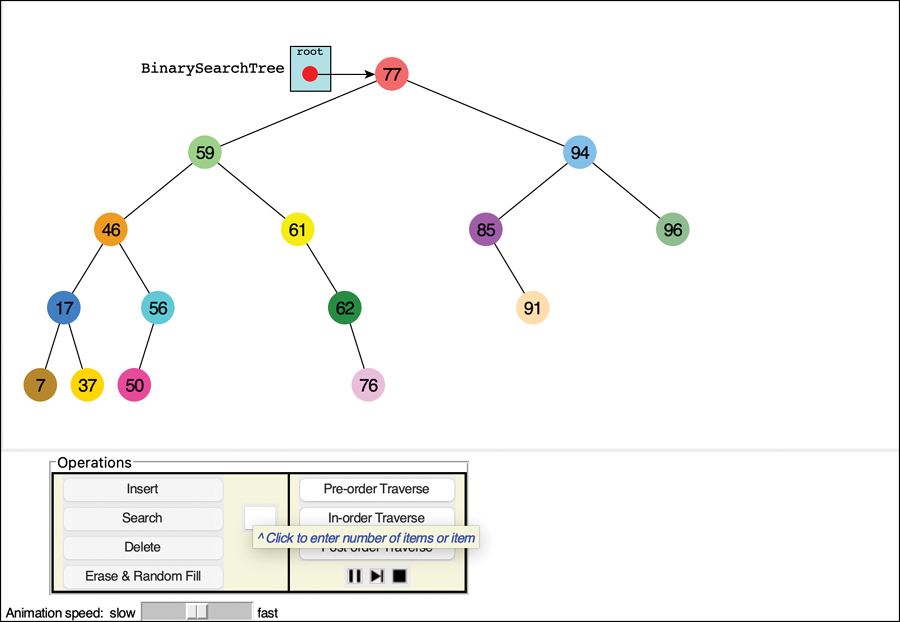
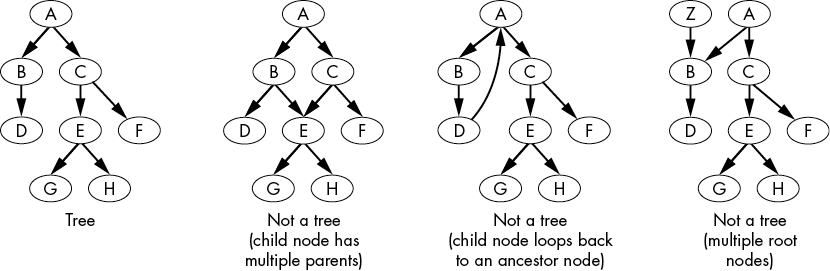
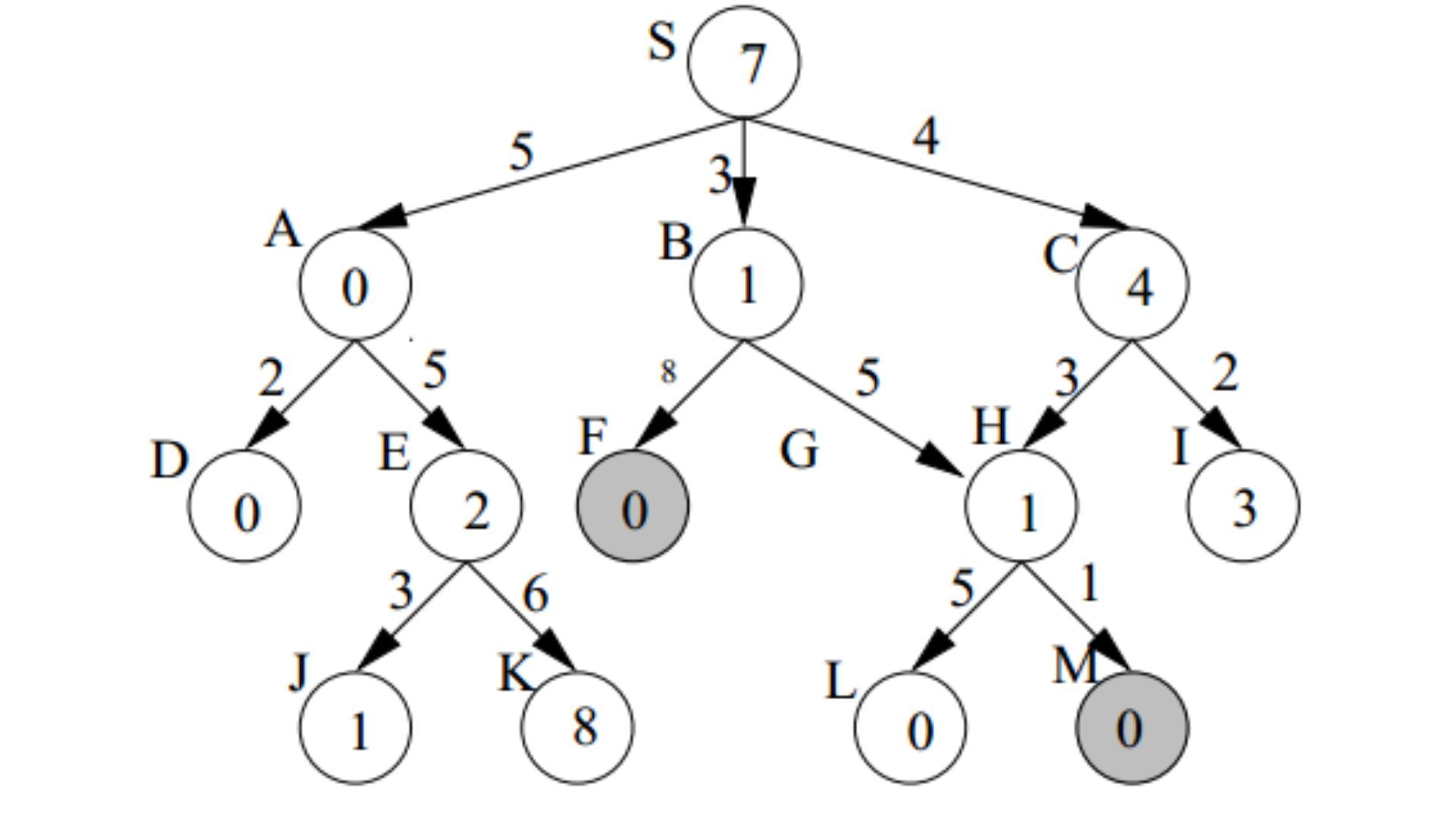
๐ŸŒณ Searching in Trees

Image
Image
Image
Image

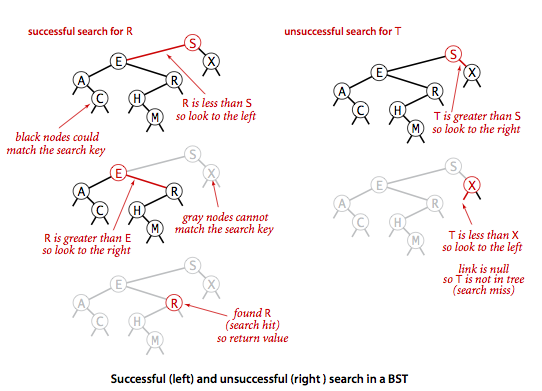
๐Ÿ“Œ Binary Search Tree (BST)

Search based on ordering:

  • Left < Root < Right

โฑ๏ธ Complexity

  • Average: O(log n)
  • Worst: O(n)

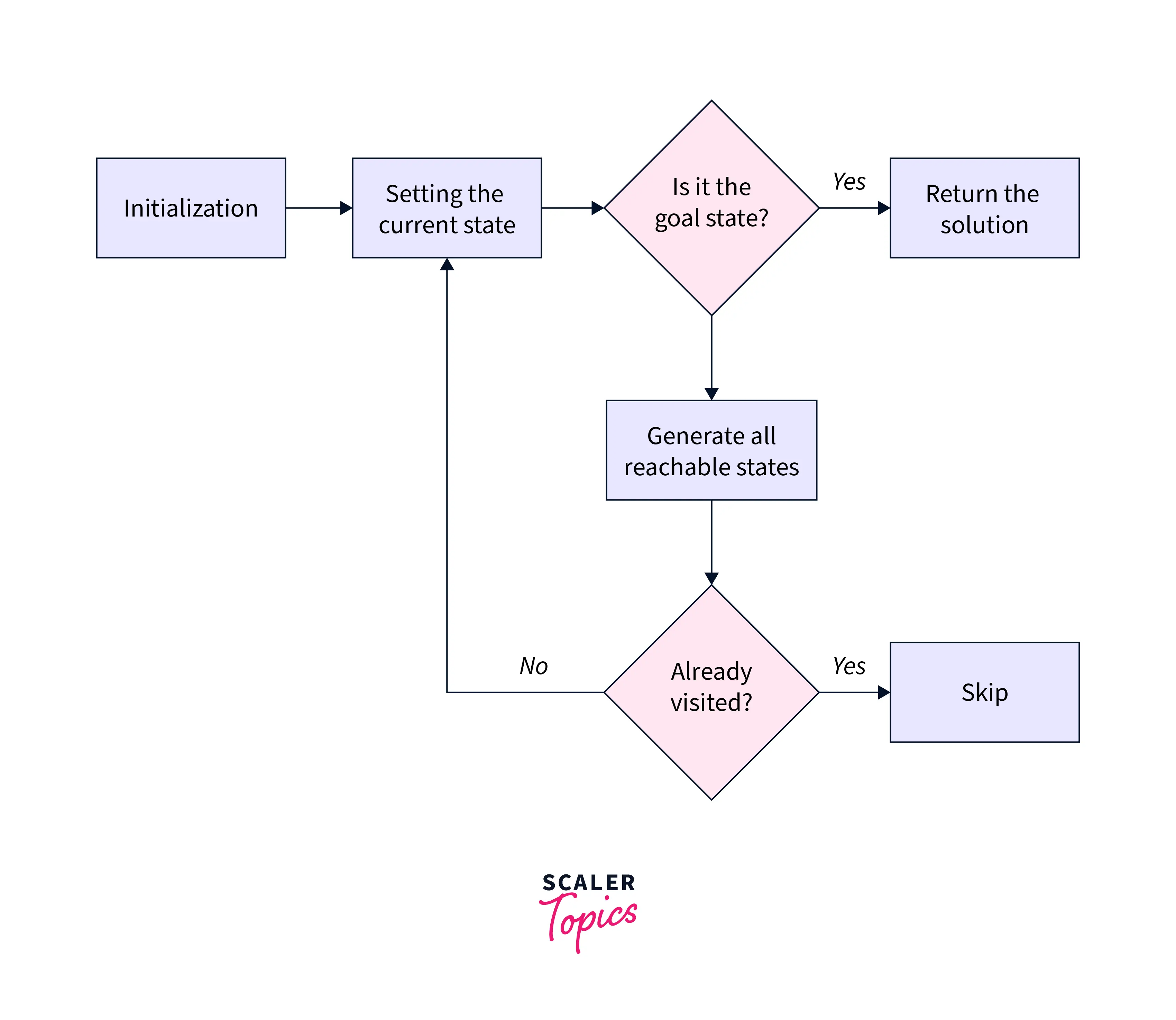
๐ŸŒ Searching in Graphs


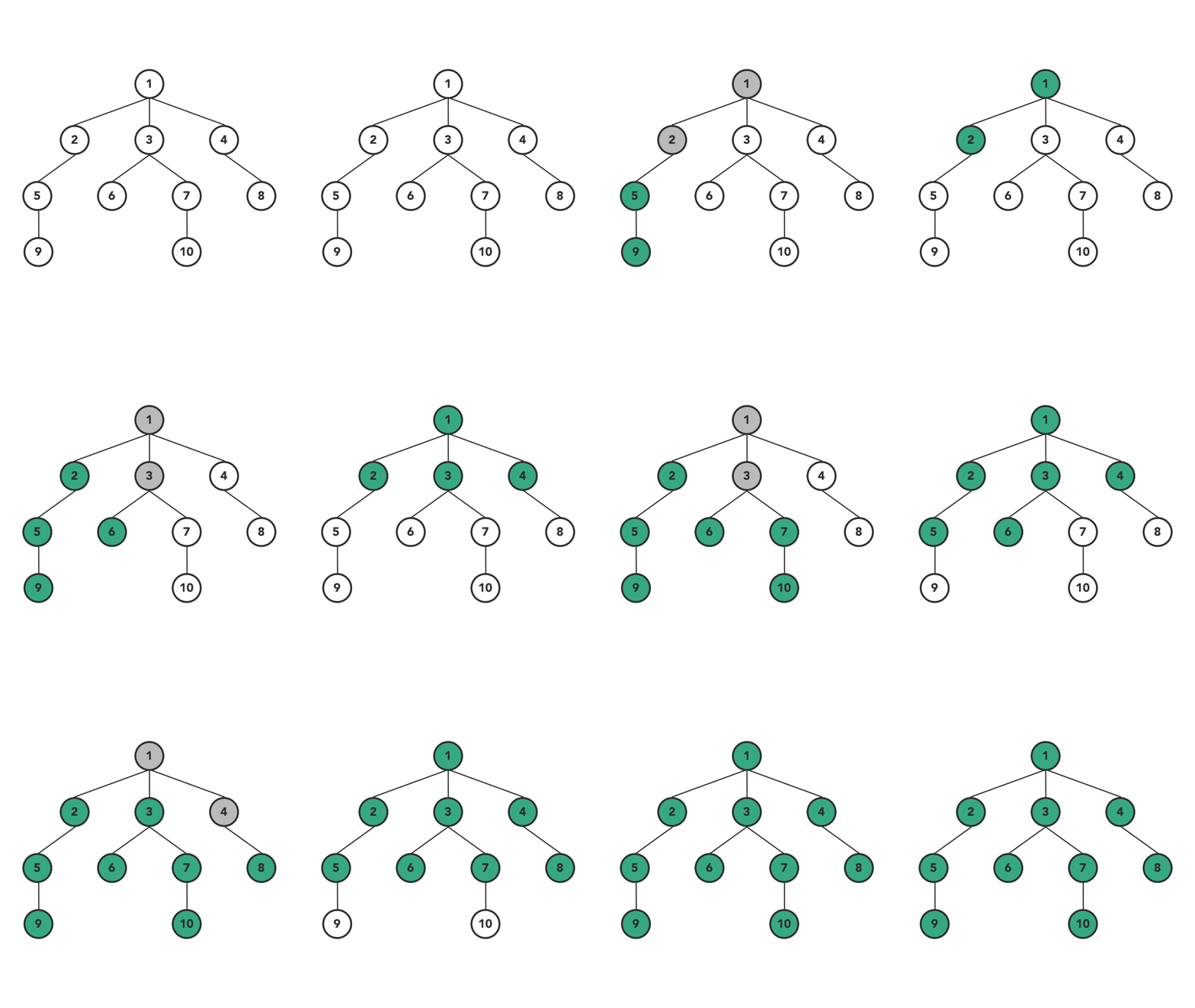
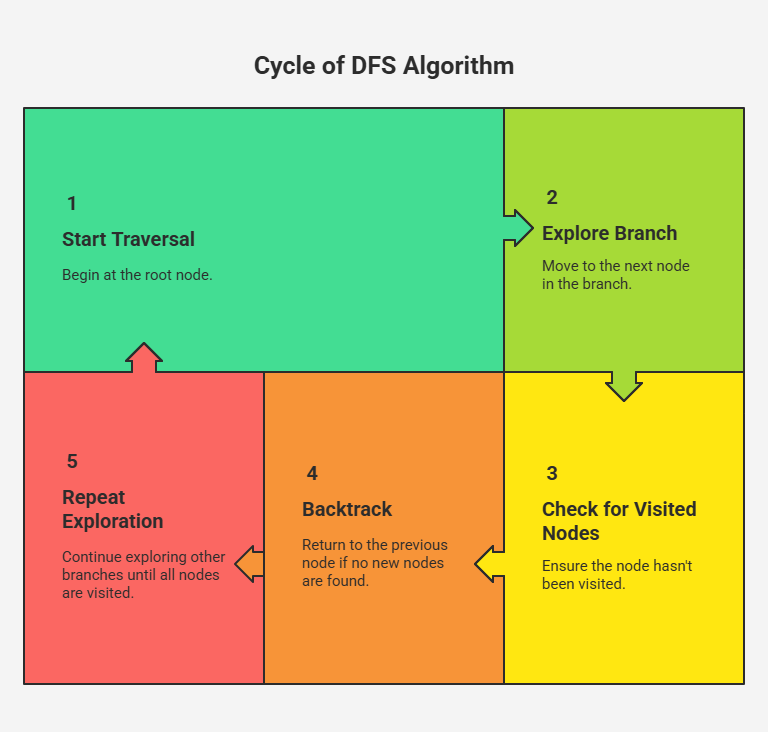
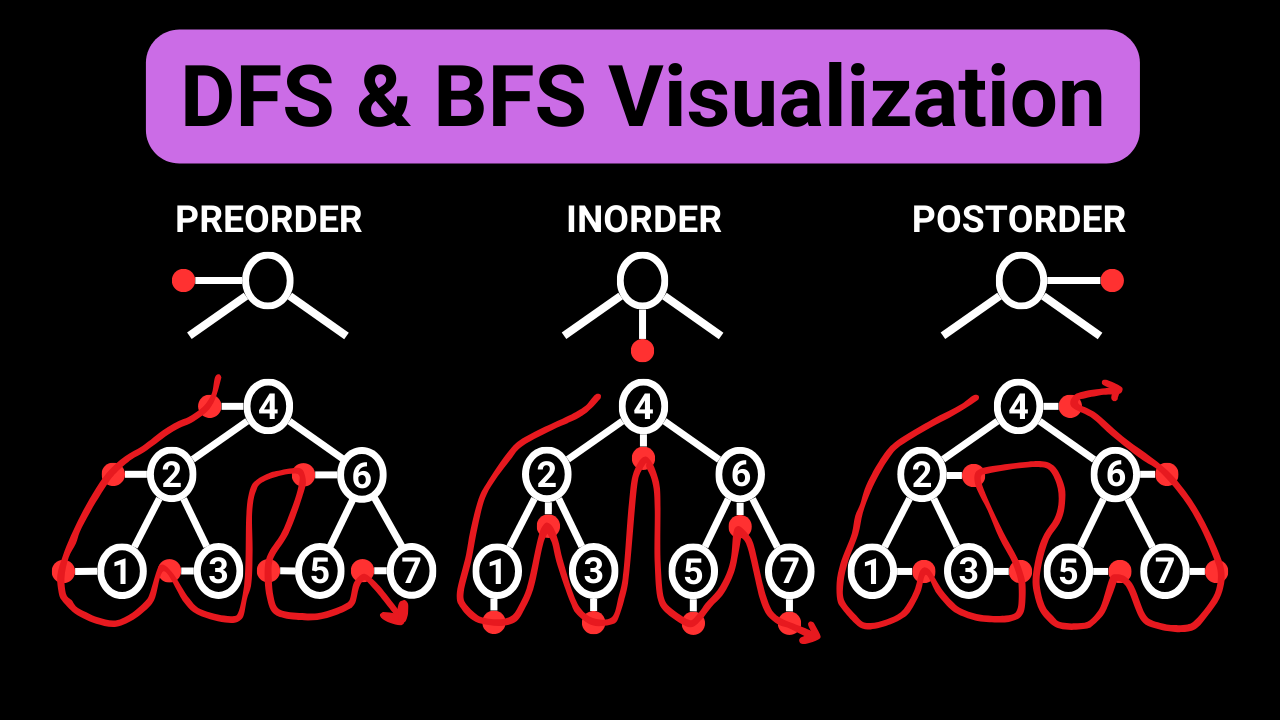
๐Ÿ”น Depth First Search (DFS)

Image
Image
Image
  • Uses stack
  • Explores deeply

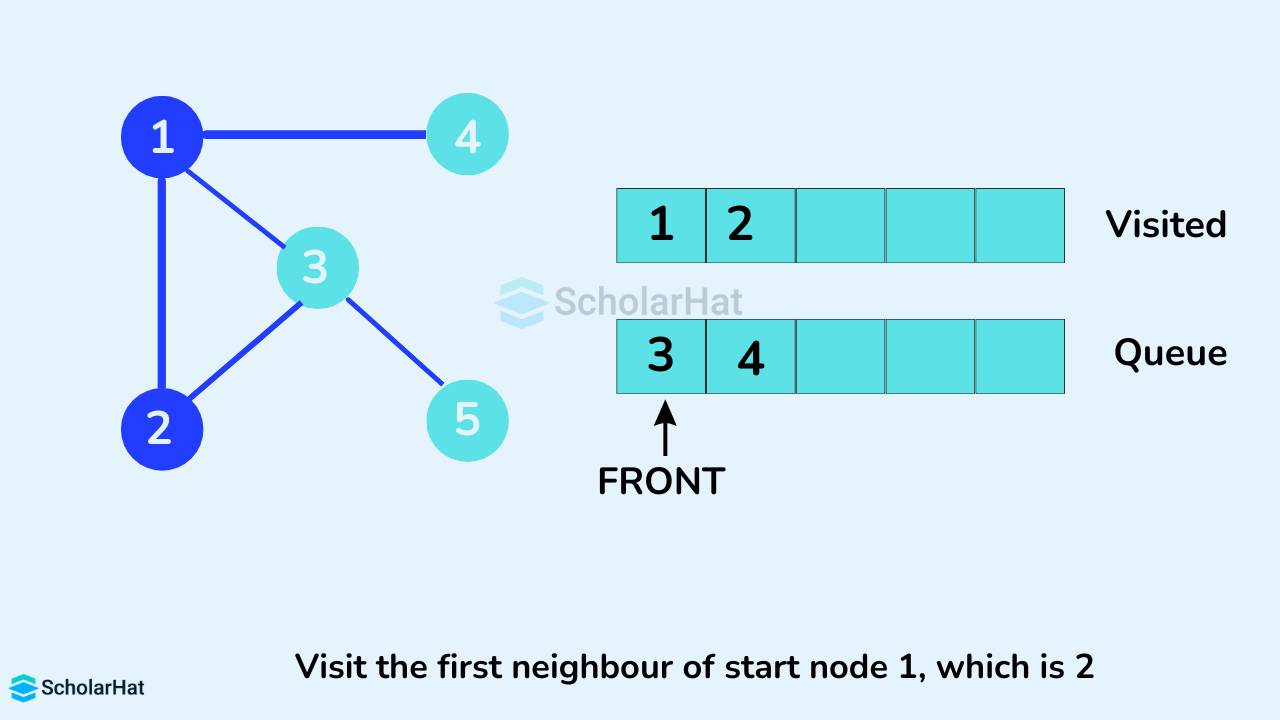
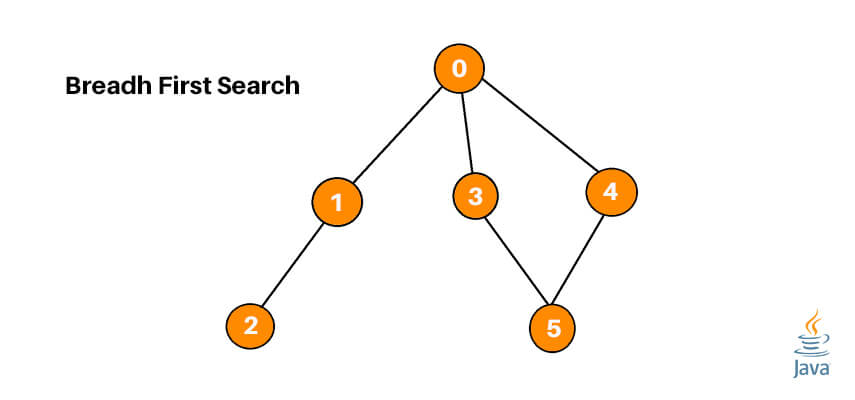
๐Ÿ”น Breadth First Search (BFS)

Image
Image
Image
  • Uses queue
  • Explores level by level

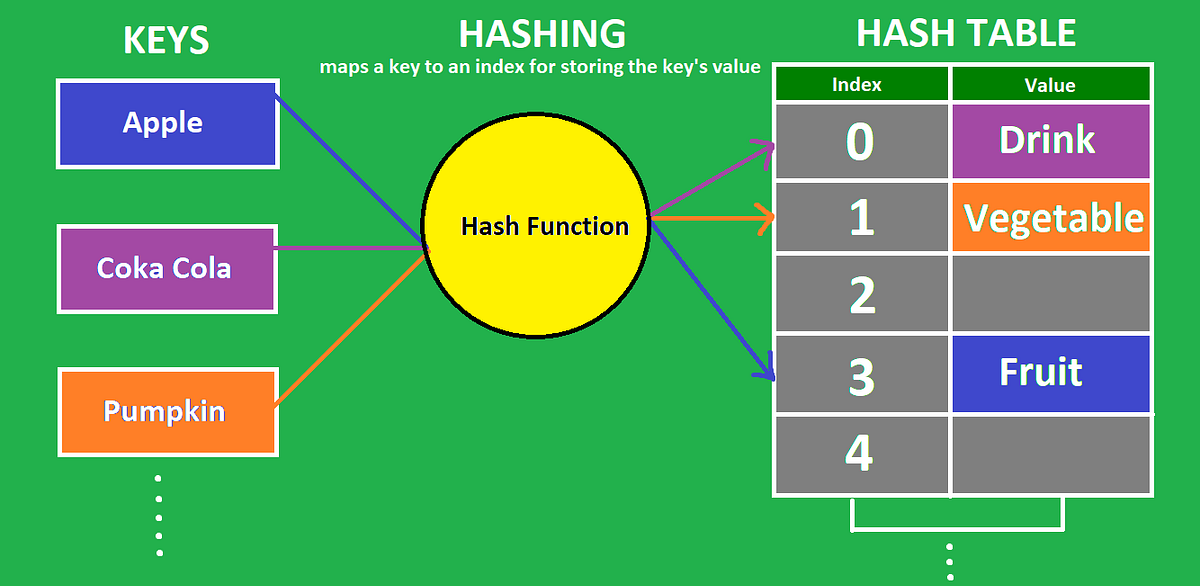
๐Ÿ”‘ Hash-Based Searching

Image
Image
Image
Image

๐Ÿ“Œ Concept

Uses hash functions to map keys to positions.

โฑ๏ธ Complexity

  • Average: O(1)
  • Worst: O(n)

๐Ÿงฎ Comparison Table

AlgorithmBest CaseAverageWorst Case
Linear SearchO(1)O(n)O(n)
Binary SearchO(1)O(log n)O(log n)
Jump SearchO(1)O(โˆšn)O(โˆšn)
InterpolationO(1)O(log log n)O(n)
ExponentialO(1)O(log n)O(log n)
HashingO(1)O(1)O(n)

โšก Advantages of Searching Algorithms

  • Efficient data retrieval
  • Reduces computation time
  • Improves system performance

โš ๏ธ Disadvantages

  • Some require sorted data
  • Complex implementation
  • Extra memory usage (hashing)

๐Ÿง  Advanced Searching Concepts


๐Ÿ”น 1. Ternary Search

Image
Image
Image

Divides array into three parts.


๐Ÿ”น 2. Fibonacci Search

Image
Image
Image
Image

Uses Fibonacci numbers.


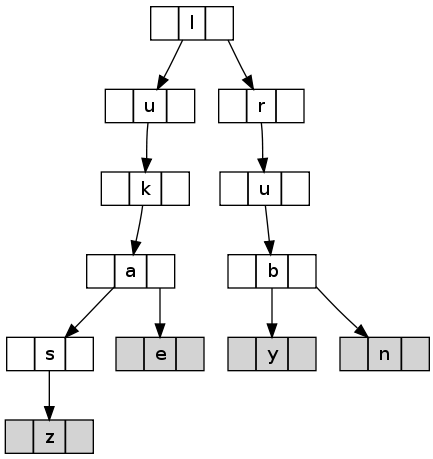
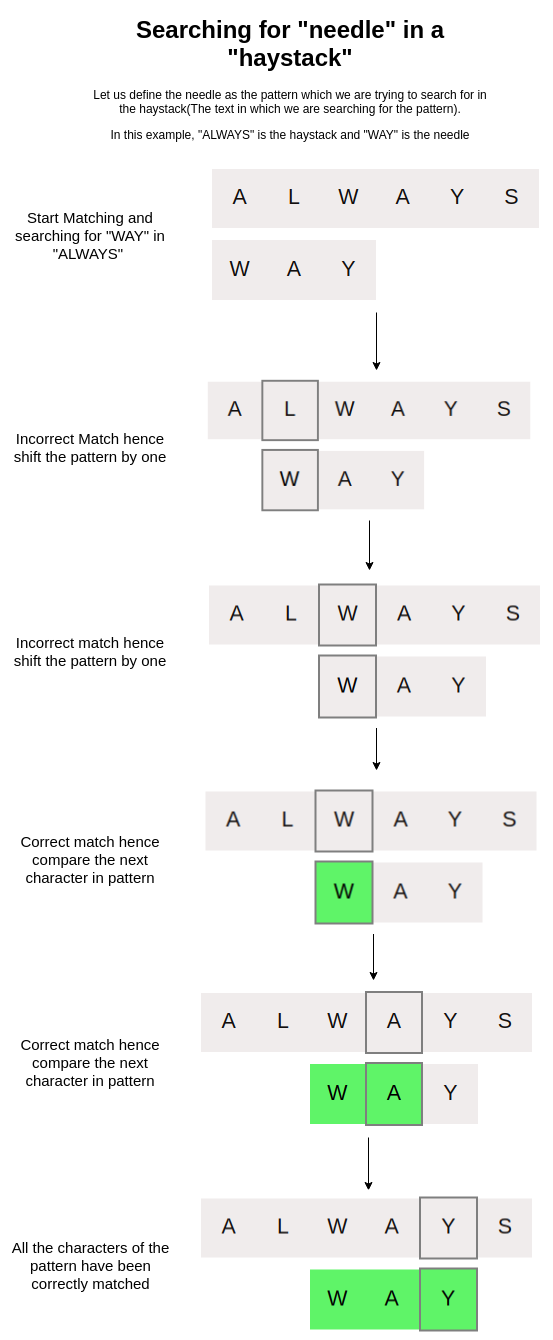
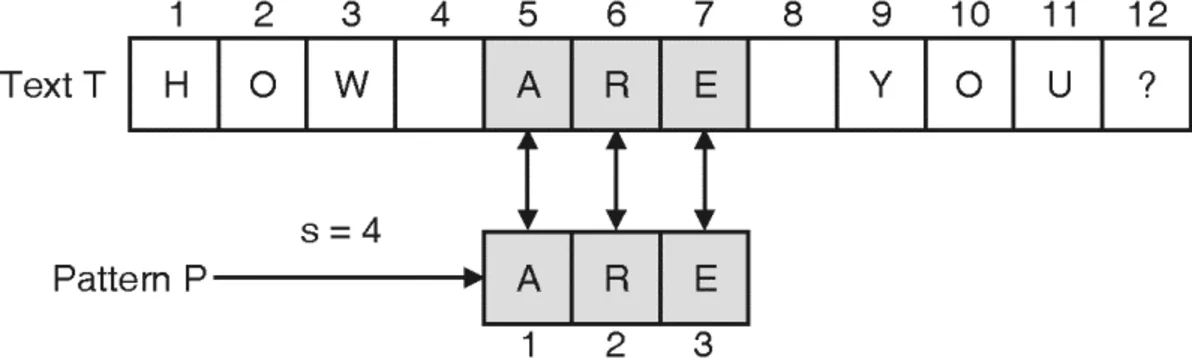
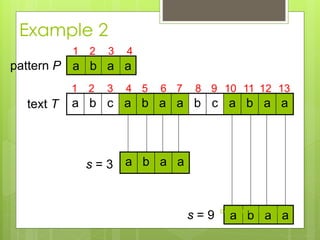
๐Ÿ”น 3. Pattern Searching

Image
Image
Image

Used in strings:

  • KMP
  • Rabin-Karp

๐Ÿ”ฌ Applications of Searching


๐ŸŒ 1. Search Engines

Image
Image
Image
Image

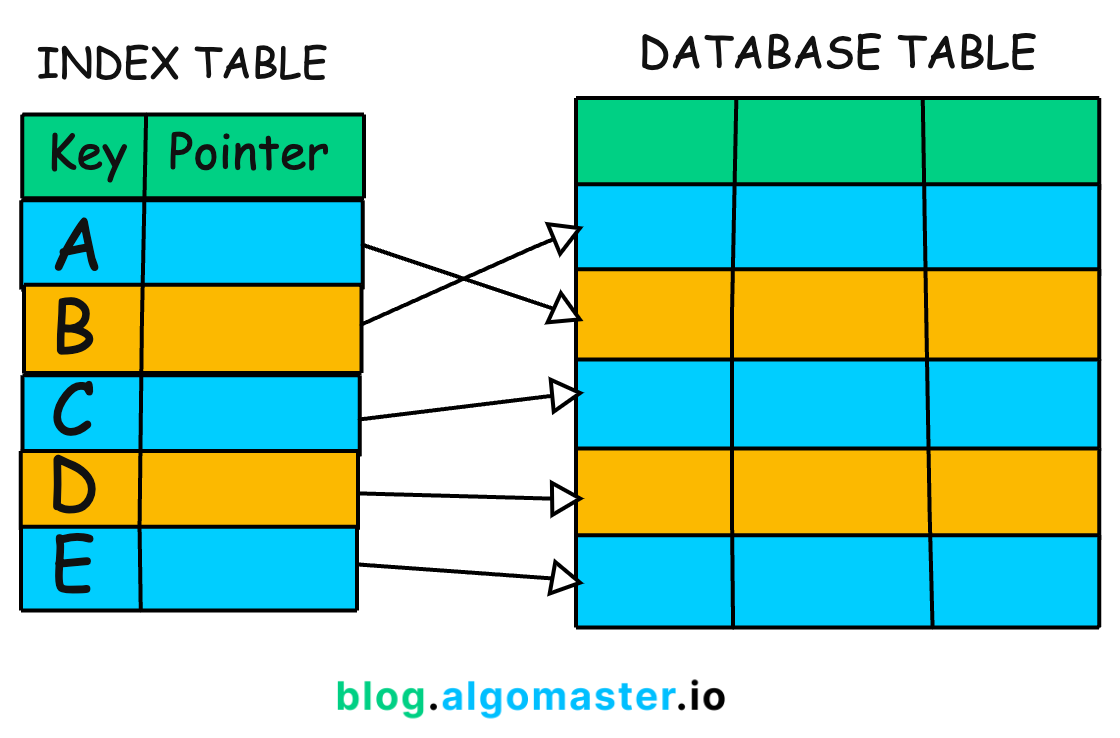
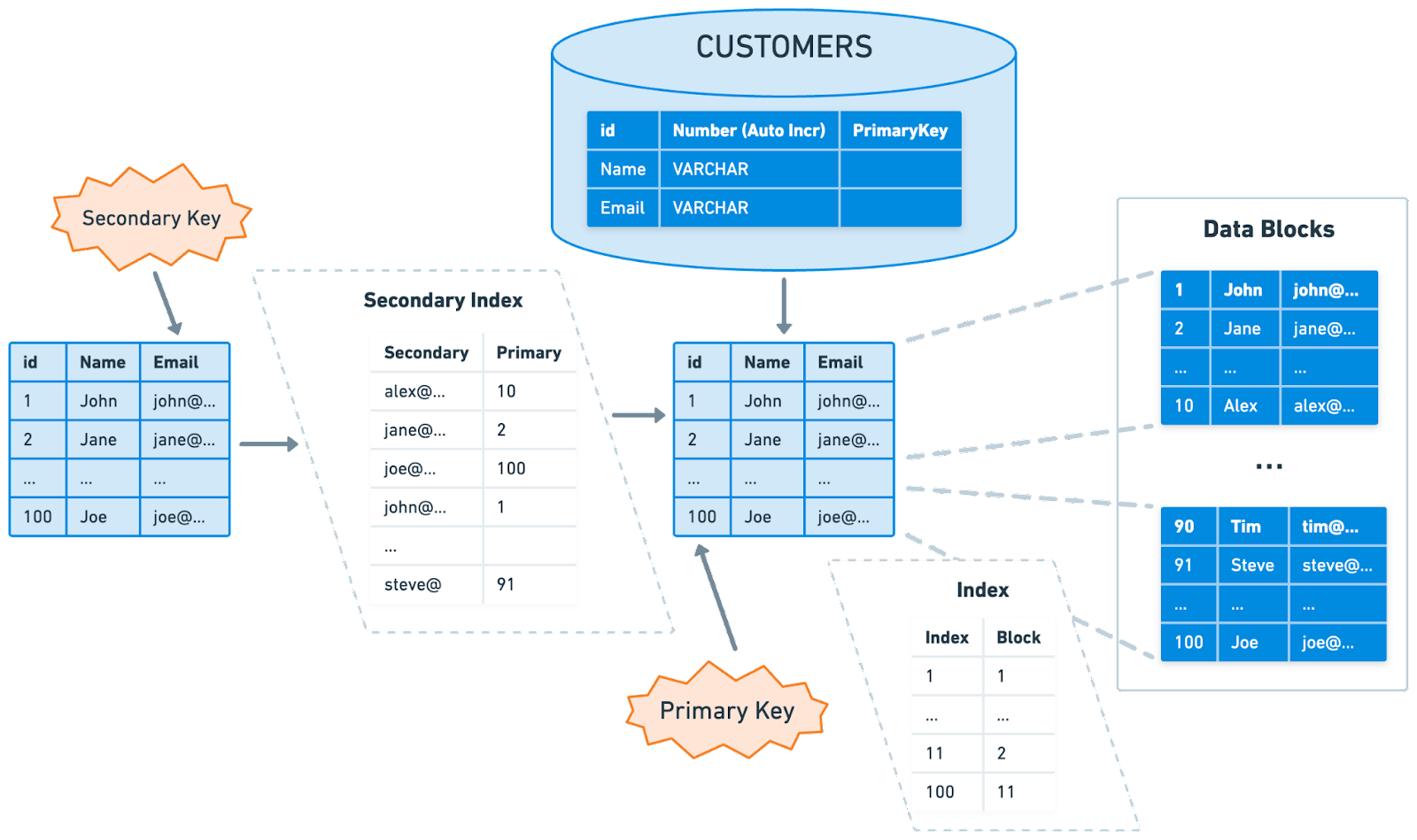
๐Ÿงพ 2. Databases

Image
Image
Image
Image

๐Ÿง  3. Artificial Intelligence

Image
Image
Image
Image

๐ŸŽฎ 4. Games

Image
Image
Image
Image

๐Ÿ“Š 5. Data Analytics

Image
Image
Image
Image

๐Ÿ” Searching vs Sorting

FeatureSearchingSorting
PurposeFind elementArrange elements
DependencyOften needs sortingIndependent

๐Ÿงช Real-World Importance

Searching algorithms are essential in:

  • Web applications
  • Databases
  • Networking
  • AI systems
  • Cybersecurity

๐Ÿงพ Conclusion

Searching algorithms are critical for efficient data handling and retrieval. From simple linear search to advanced hashing and AI-based search methods, they form the backbone of modern computing systems.

Mastering searching algorithms enables:

  • Faster problem solving
  • Efficient coding
  • Strong algorithmic thinking
๐Ÿท๏ธ Tags

๐Ÿ“Š Sorting Algorithms


๐Ÿงฉ What is Sorting?

Image
Image
Image
Image

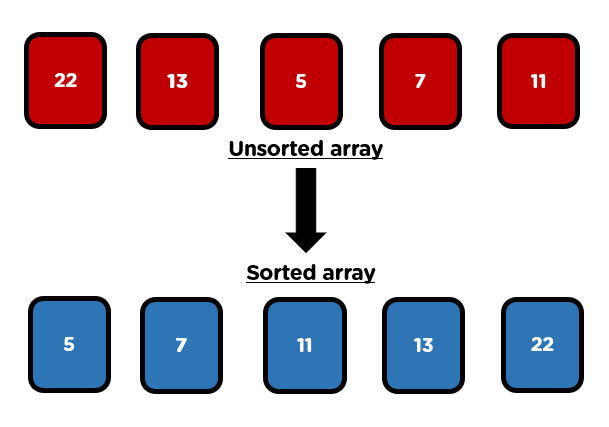
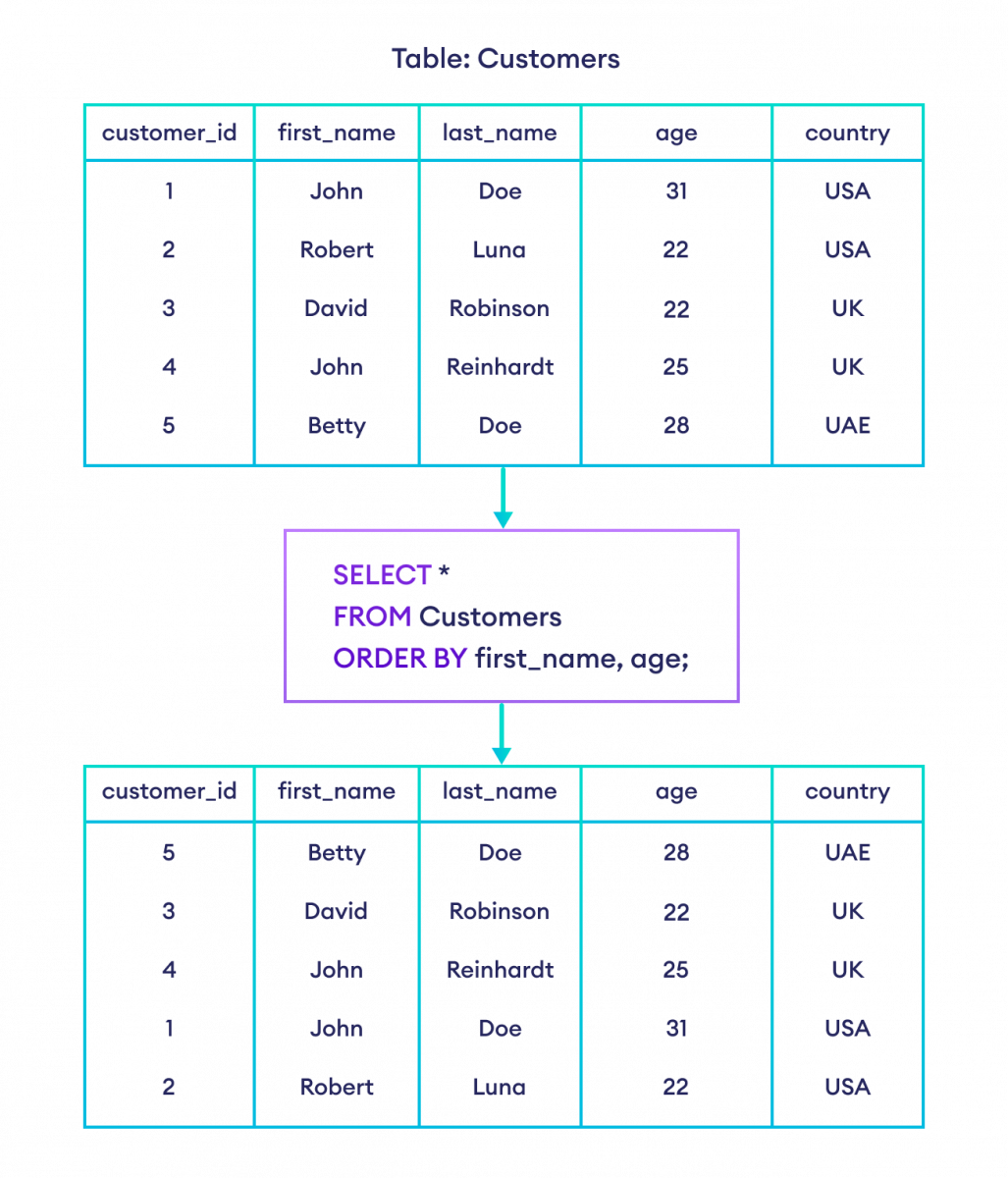
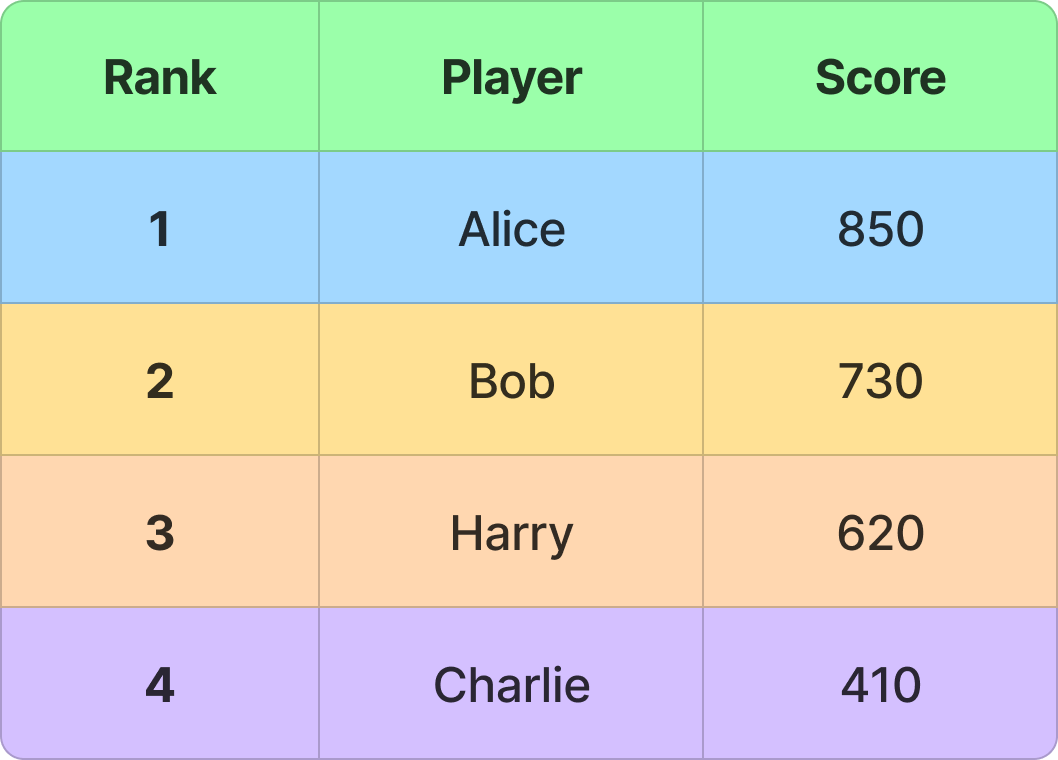
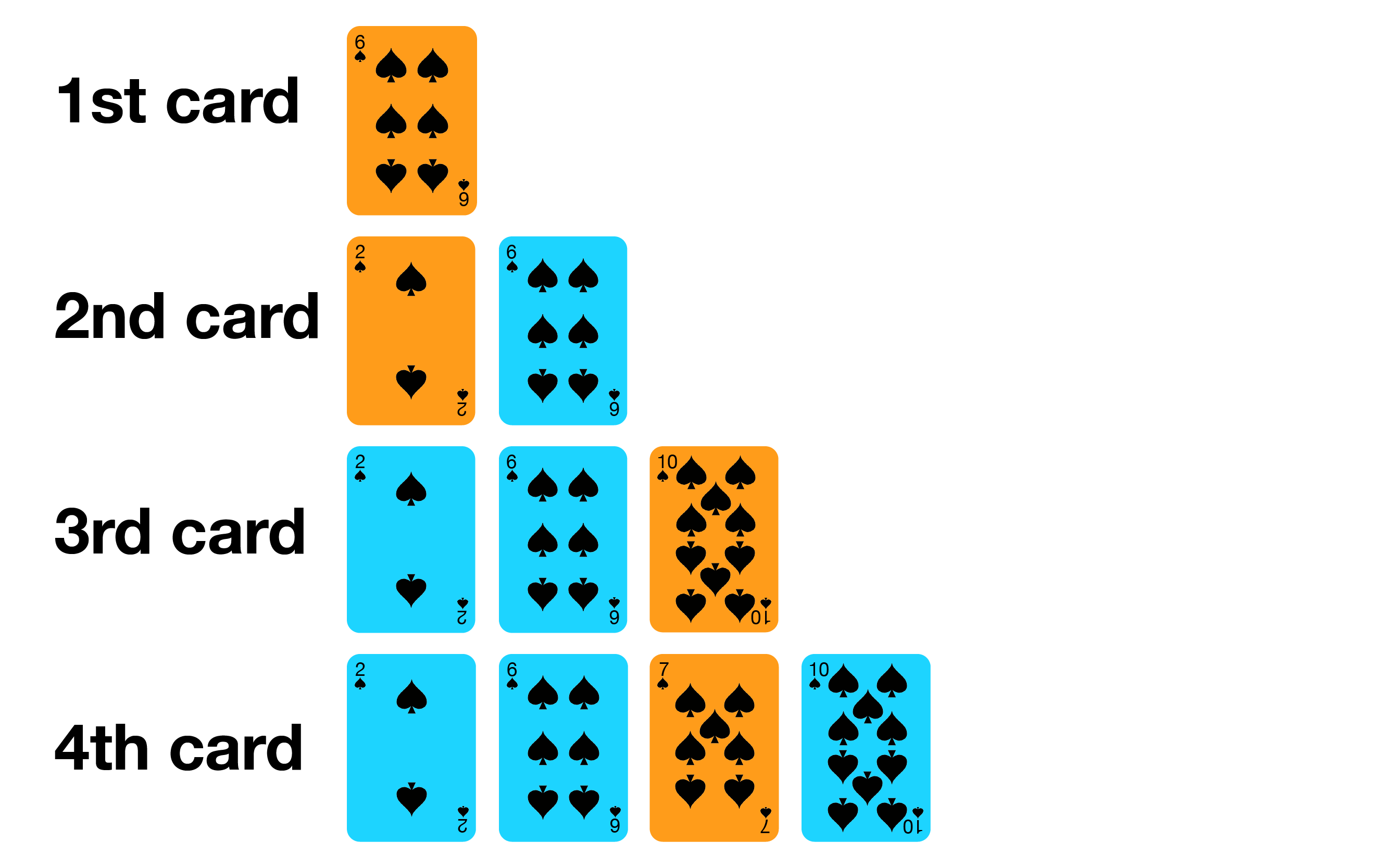
Sorting is the process of arranging data in a specific order, typically:

  • Ascending order (small โ†’ large)
  • Descending order (large โ†’ small)

Sorting is a fundamental operation in computer science and plays a crucial role in:

  • Searching algorithms
  • Data analysis
  • Database management
  • Optimization problems

Example:

Unsorted: [5, 2, 9, 1, 6]
Sorted:   [1, 2, 5, 6, 9]

๐Ÿง  Why Sorting is Important

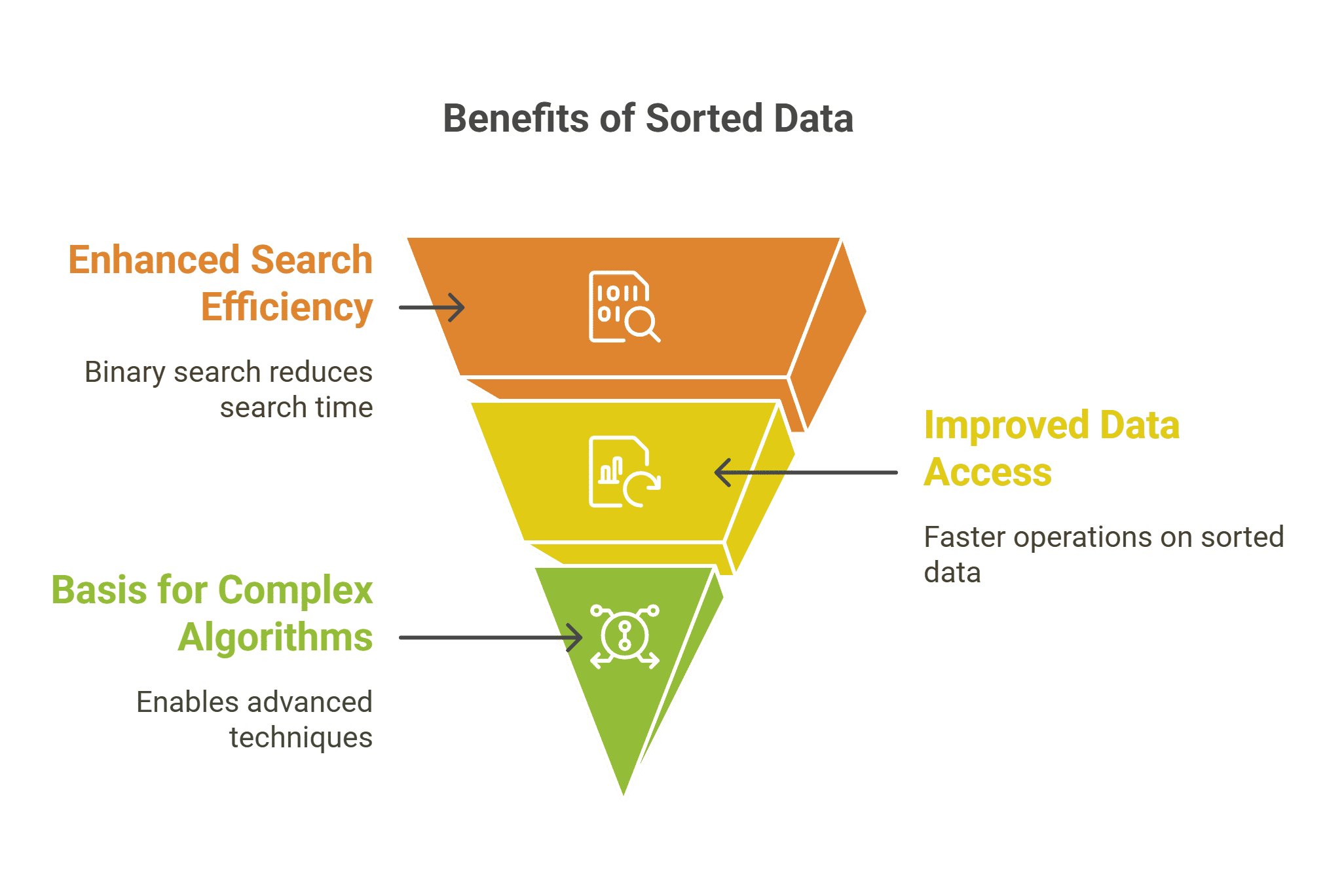
  • Improves efficiency of searching (e.g., Binary Search)
  • Enables easier data analysis
  • Helps in duplicate detection
  • Forms the backbone of many algorithms

โš™๏ธ Classification of Sorting Algorithms

Sorting algorithms can be classified based on several criteria:

๐Ÿ”น Based on Method

  • Comparison-based sorting
  • Non-comparison-based sorting

๐Ÿ”น Based on Memory Usage

  • In-place sorting
  • Out-of-place sorting

๐Ÿ”น Based on Stability

  • Stable sorting
  • Unstable sorting

๐Ÿ”ข Comparison-Based Sorting Algorithms


๐Ÿ”น 1. Bubble Sort

Image
Image
Image

๐Ÿ“Œ Concept:

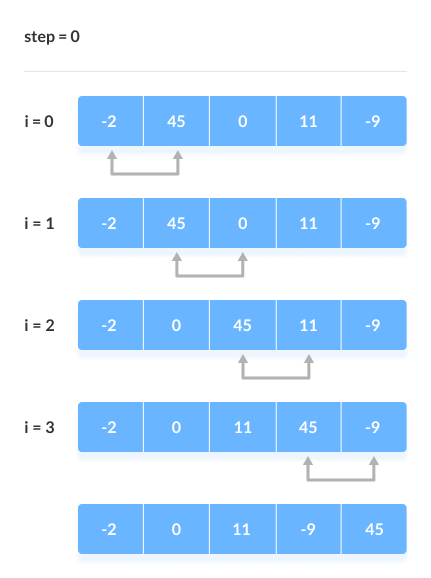
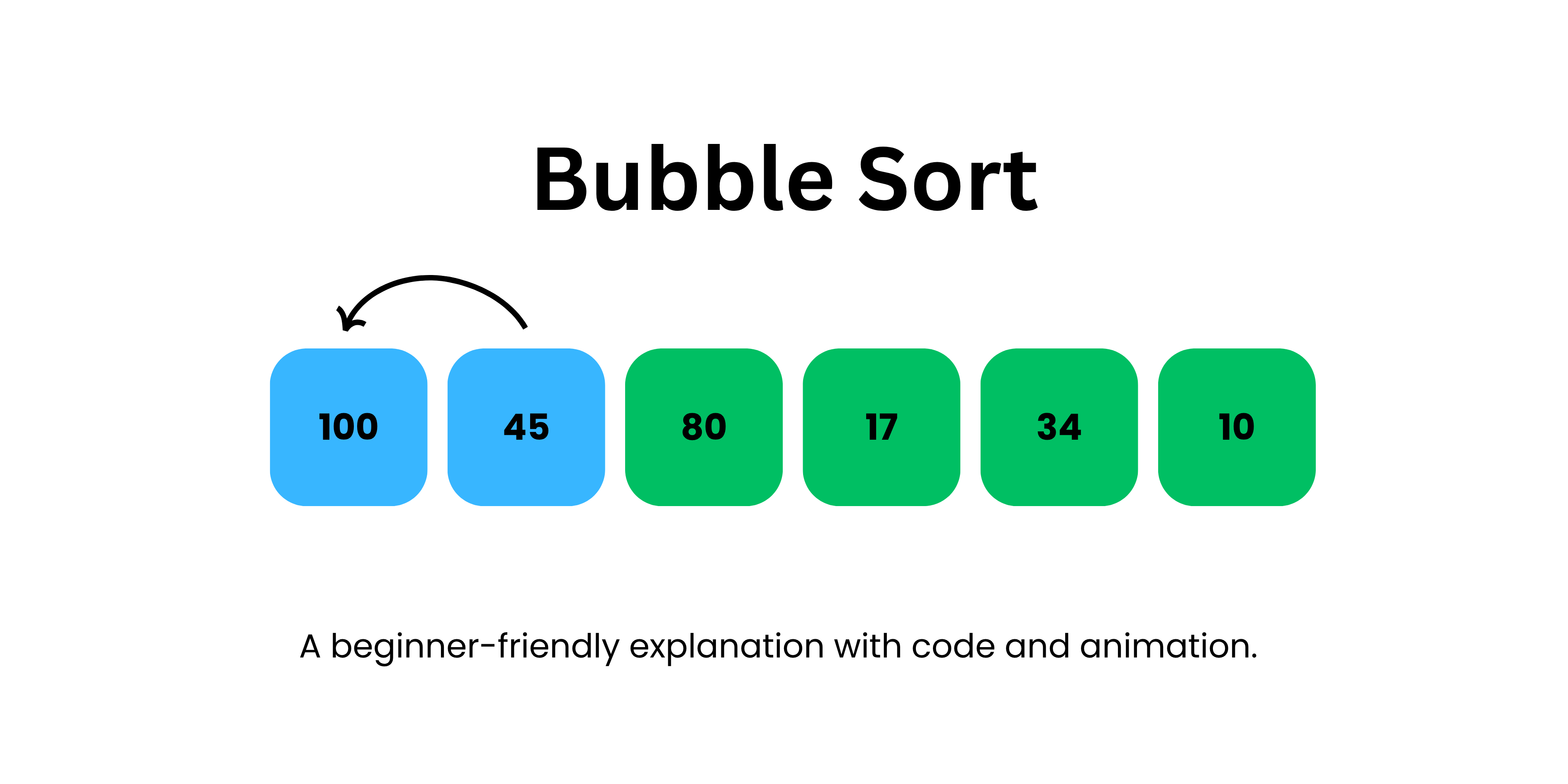
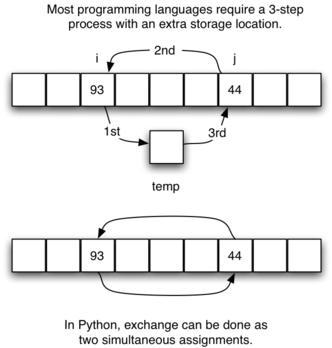
Repeatedly compares adjacent elements and swaps them if they are in the wrong order.

๐Ÿงพ Algorithm:

  1. Compare adjacent elements
  2. Swap if needed
  3. Repeat until sorted

๐Ÿ’ป Example:

def bubble_sort(arr):
    n = len(arr)
    for i in range(n):
        for j in range(0, n-i-1):
            if arr[j] > arr[j+1]:
                arr[j], arr[j+1] = arr[j+1], arr[j]

โฑ๏ธ Complexity:

  • Best: O(n)
  • Average: O(nยฒ)
  • Worst: O(nยฒ)

โœ… Pros:

  • Simple
  • Easy to understand

โŒ Cons:

  • Very slow for large data

๐Ÿ”น 2. Selection Sort

Image
Image
Image

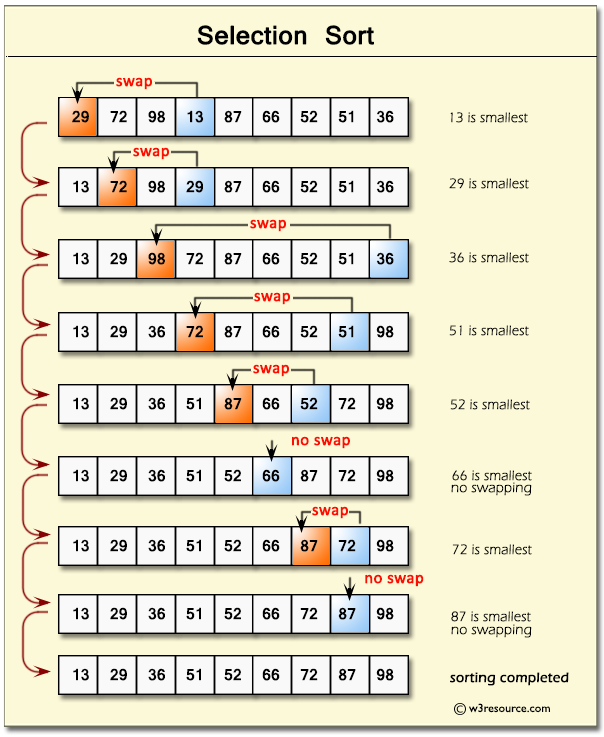
๐Ÿ“Œ Concept:

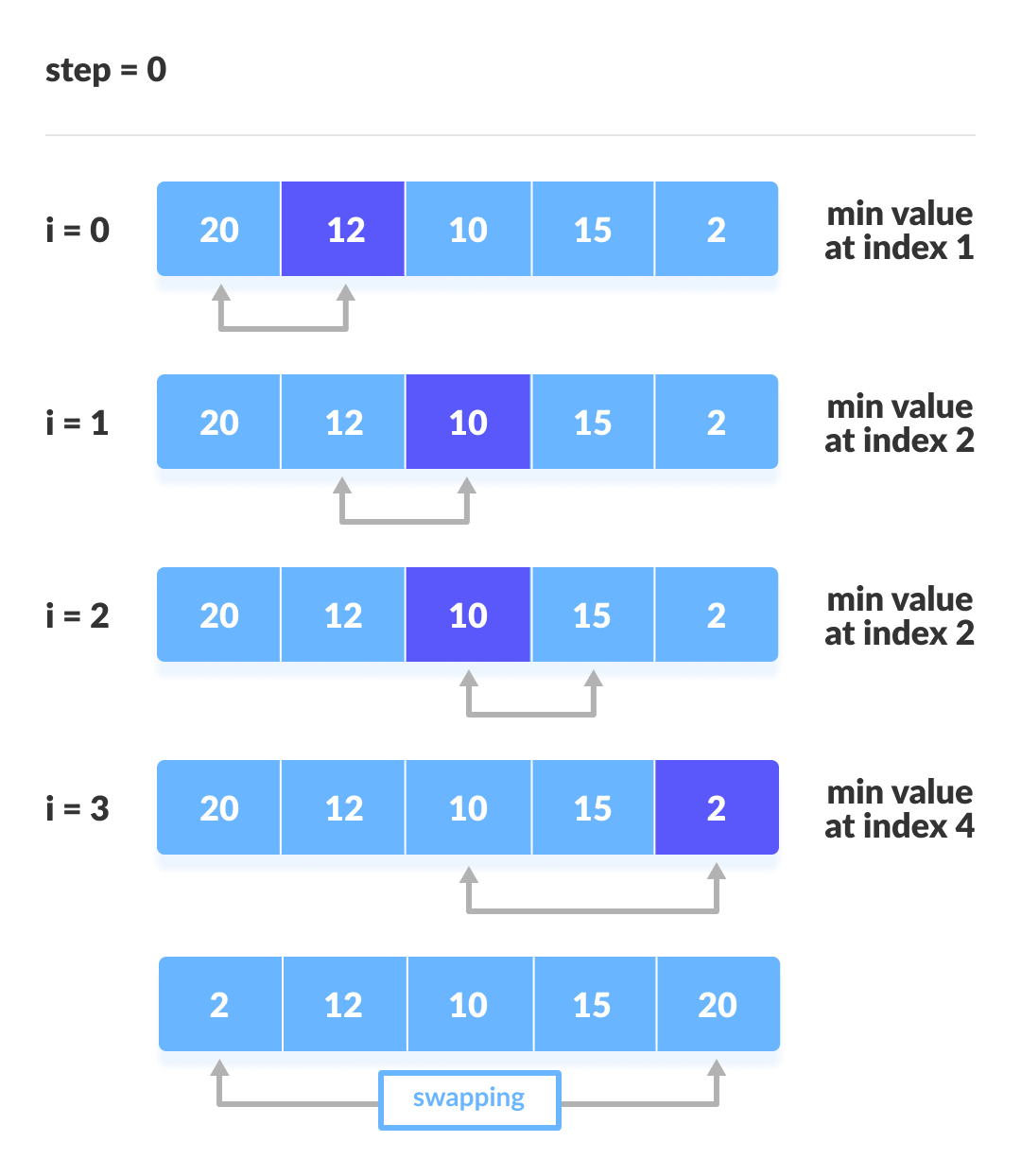
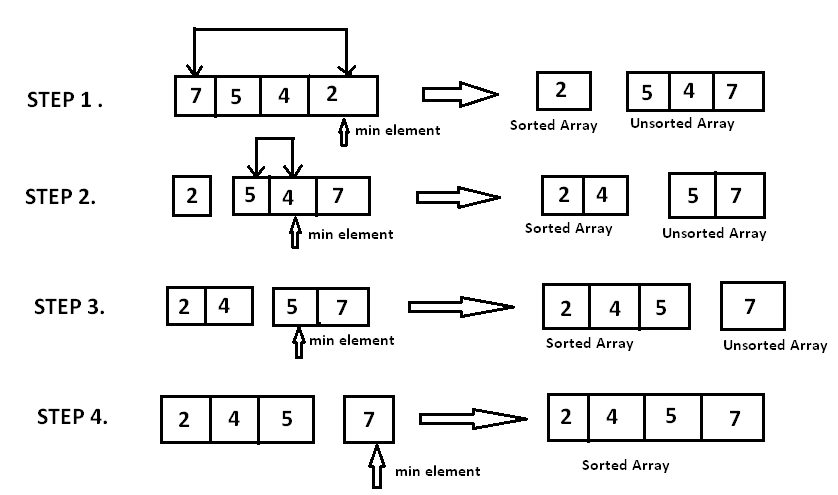
Selects the smallest element and places it in correct position.

โฑ๏ธ Complexity:

  • O(nยฒ) for all cases

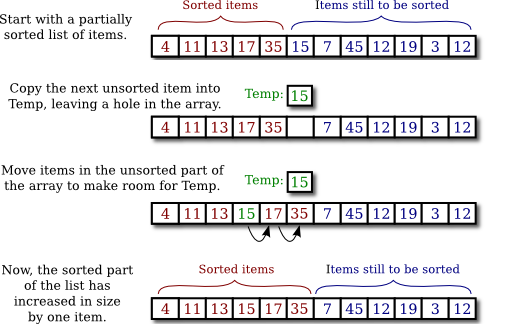
๐Ÿ”น 3. Insertion Sort

Image
Image
Image
Image

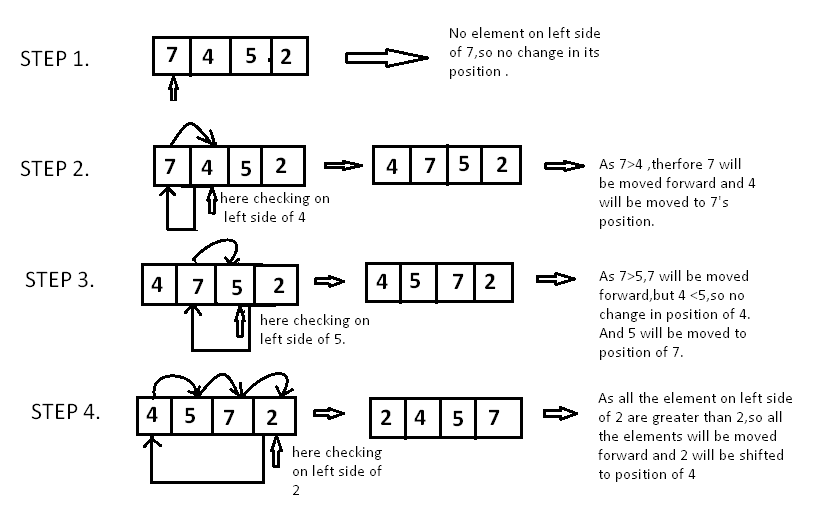
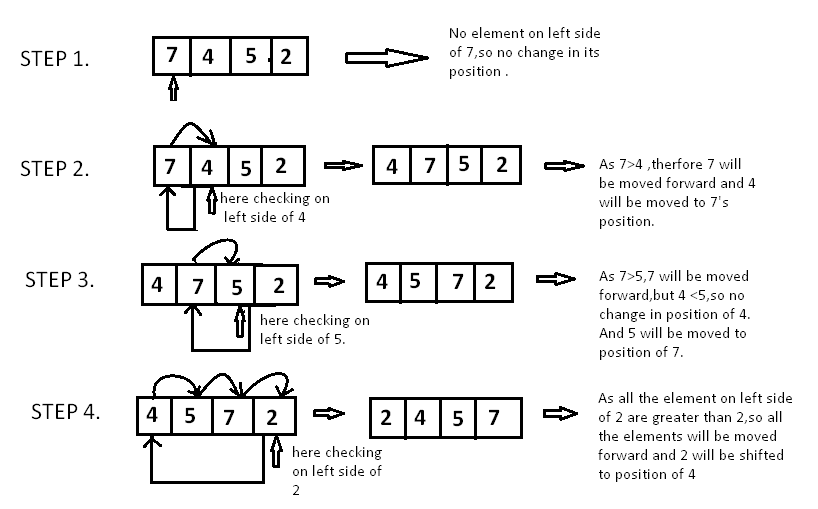
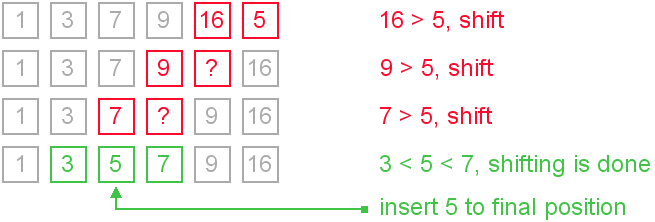
๐Ÿ“Œ Concept:

Builds sorted array one element at a time.

โฑ๏ธ Complexity:

  • Best: O(n)
  • Worst: O(nยฒ)

๐Ÿ“Œ Use Case:

Small datasets


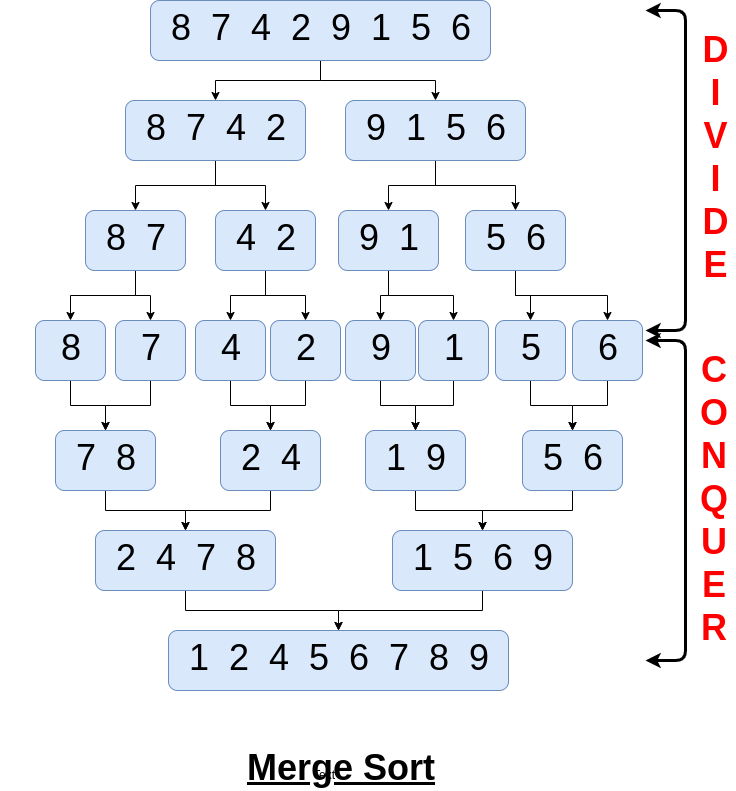
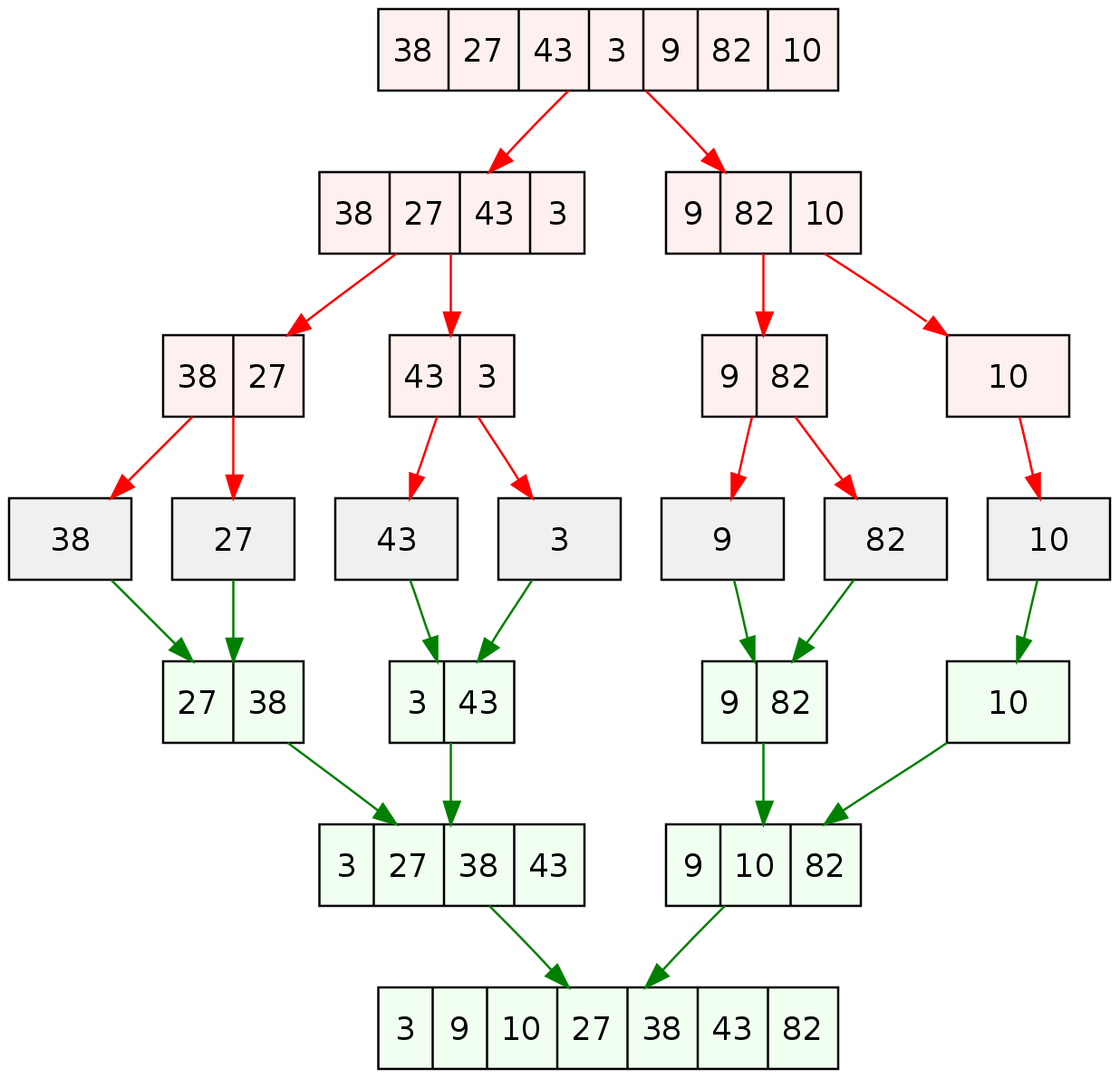
๐Ÿ”น 4. Merge Sort

Image
Image
Image
Image

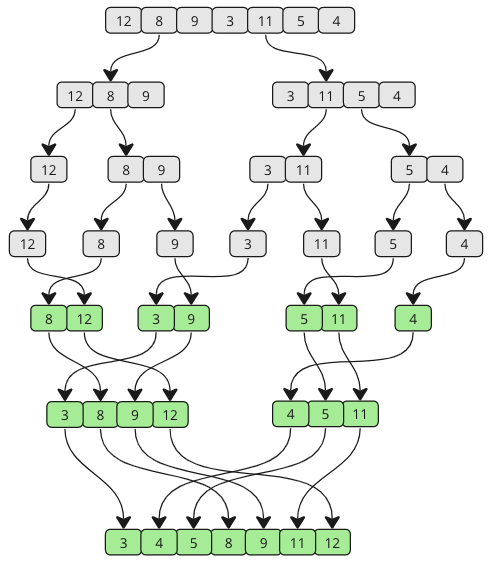
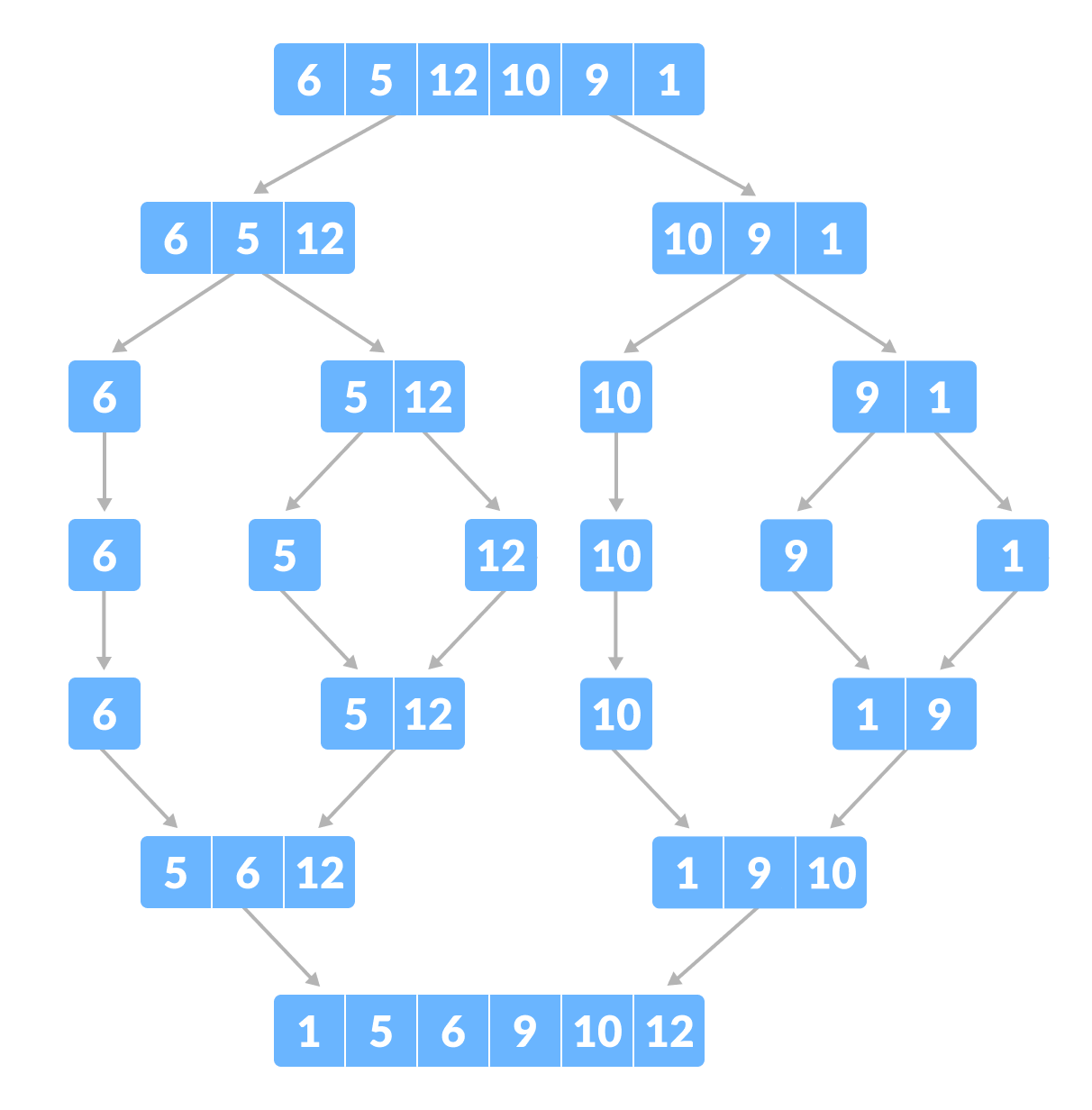
๐Ÿ“Œ Concept:

Divide and conquer algorithm.

Steps:

  1. Divide array into halves
  2. Sort each half
  3. Merge them

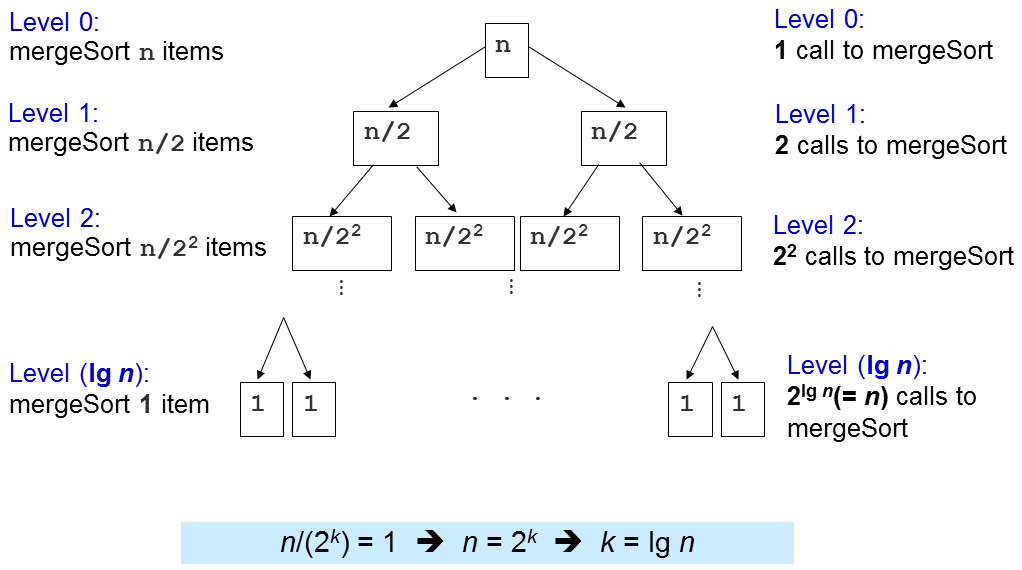
โฑ๏ธ Complexity:

  • O(n log n)

โœ… Pros:

  • Stable
  • Efficient

โŒ Cons:

  • Extra memory needed

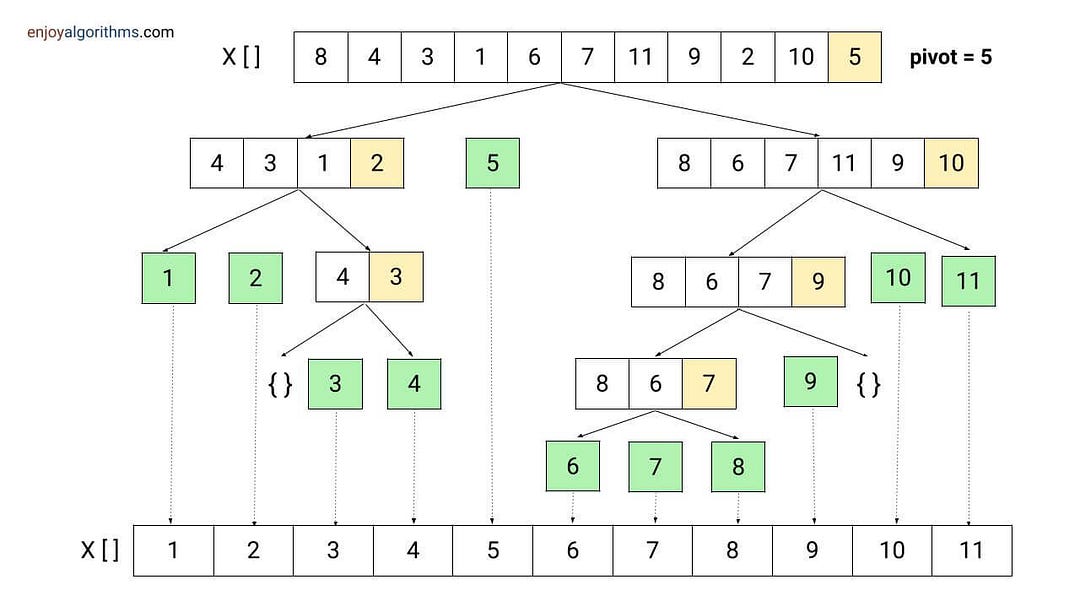
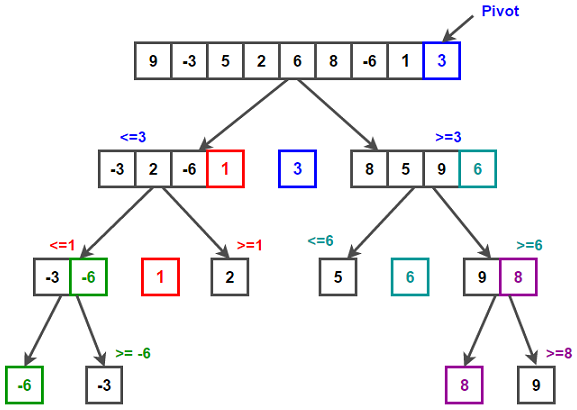
๐Ÿ”น 5. Quick Sort

Image
Image
Image
Image

๐Ÿ“Œ Concept:

Uses pivot to partition array.

โฑ๏ธ Complexity:

  • Best: O(n log n)
  • Worst: O(nยฒ)

โœ… Pros:

  • Fast in practice

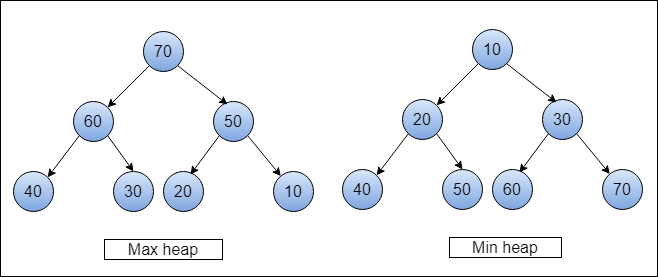
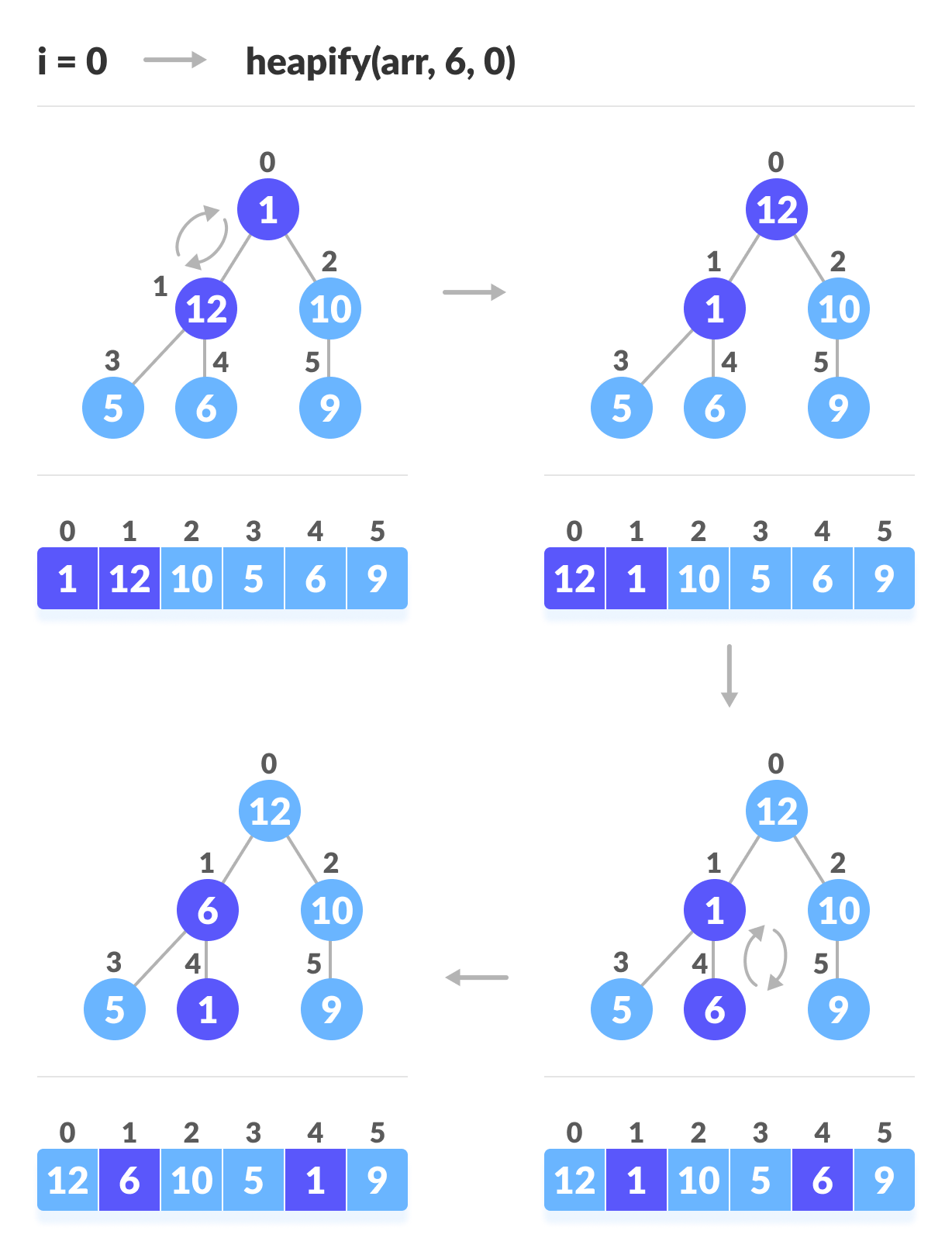
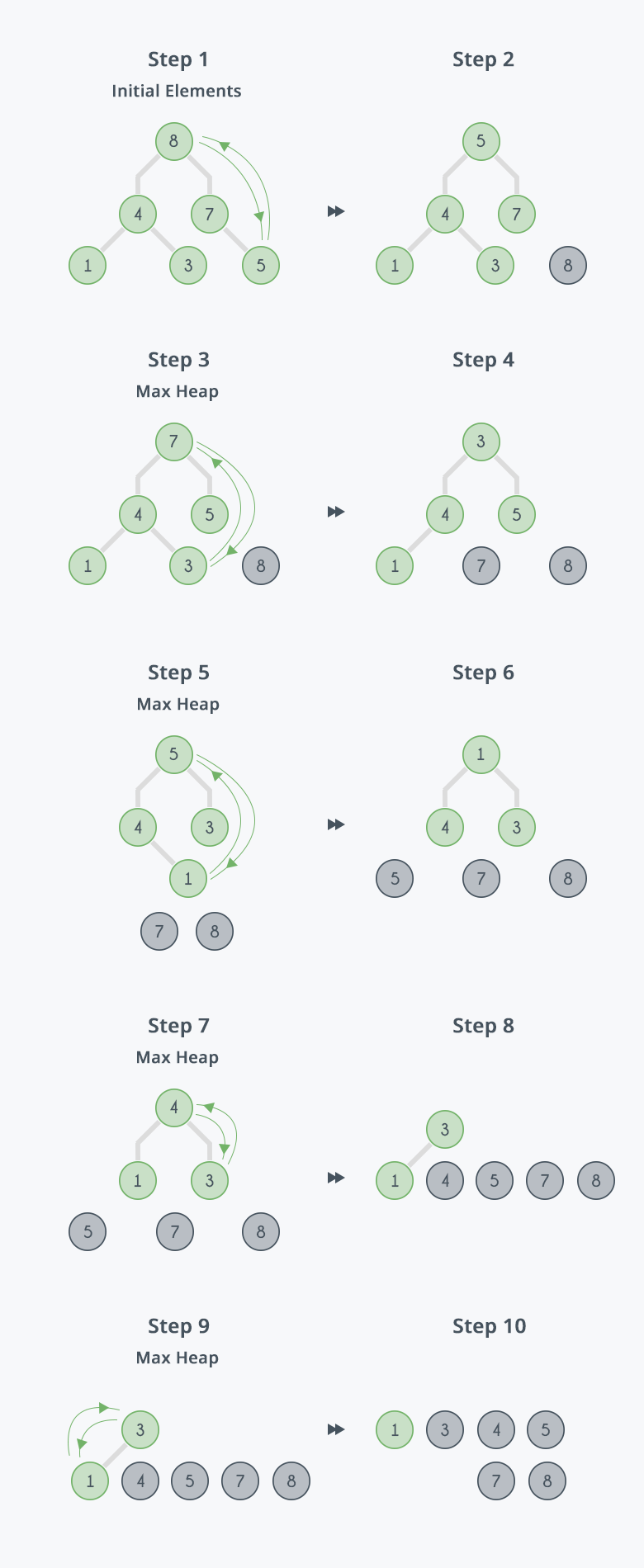
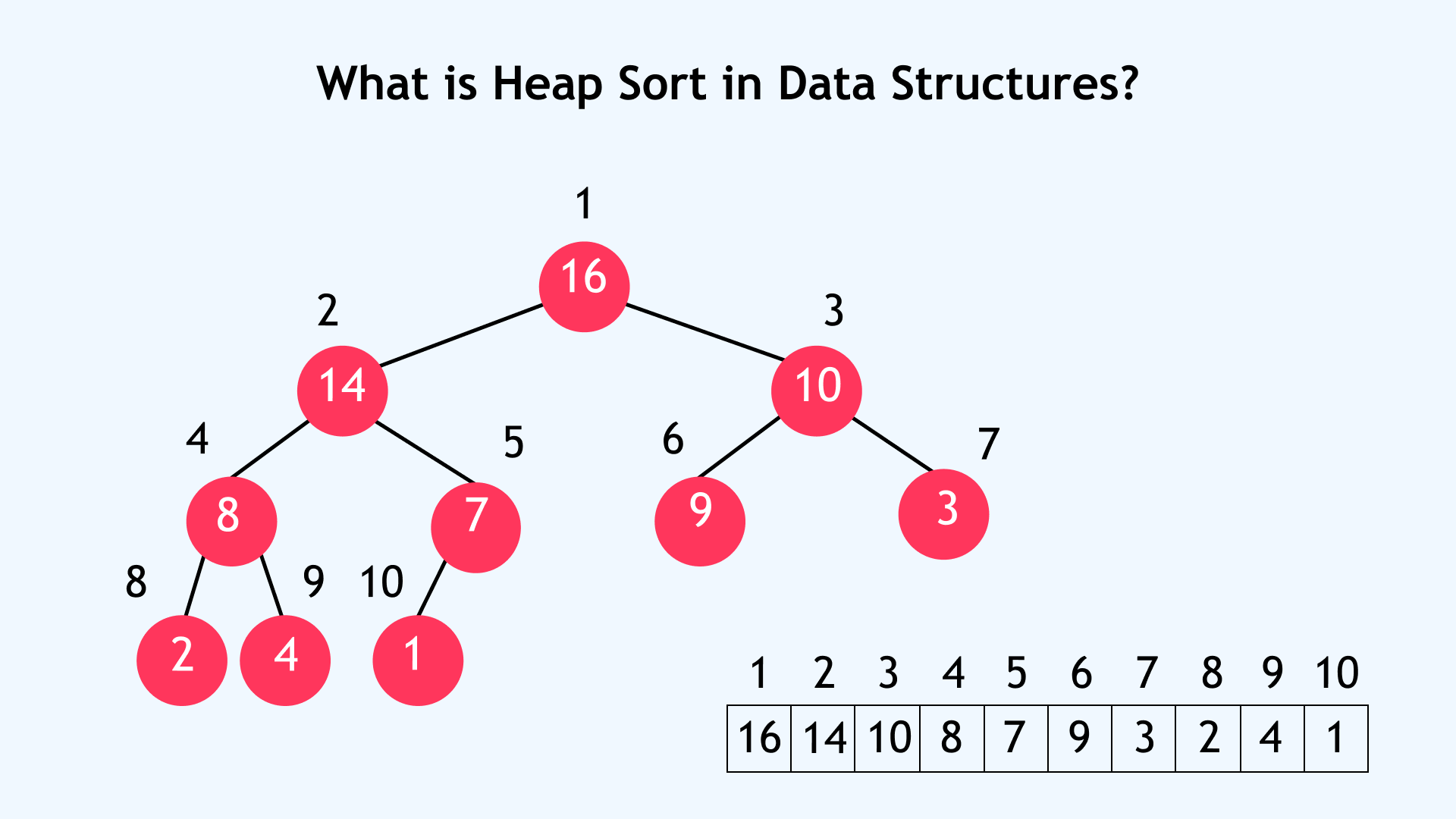
๐Ÿ”น 6. Heap Sort

Image
Image
Image
Image

๐Ÿ“Œ Concept:

Uses binary heap.

โฑ๏ธ Complexity:

  • O(n log n)

๐Ÿ”ข Non-Comparison Sorting Algorithms


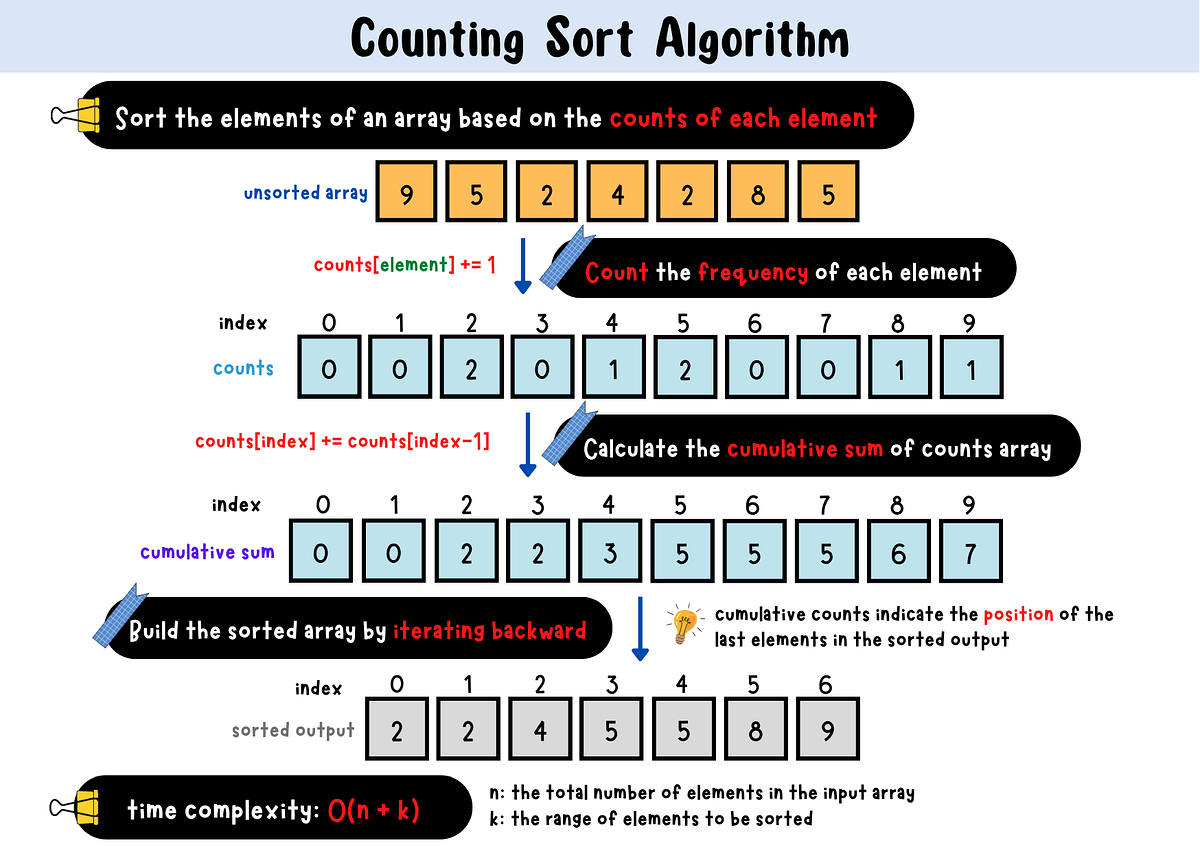
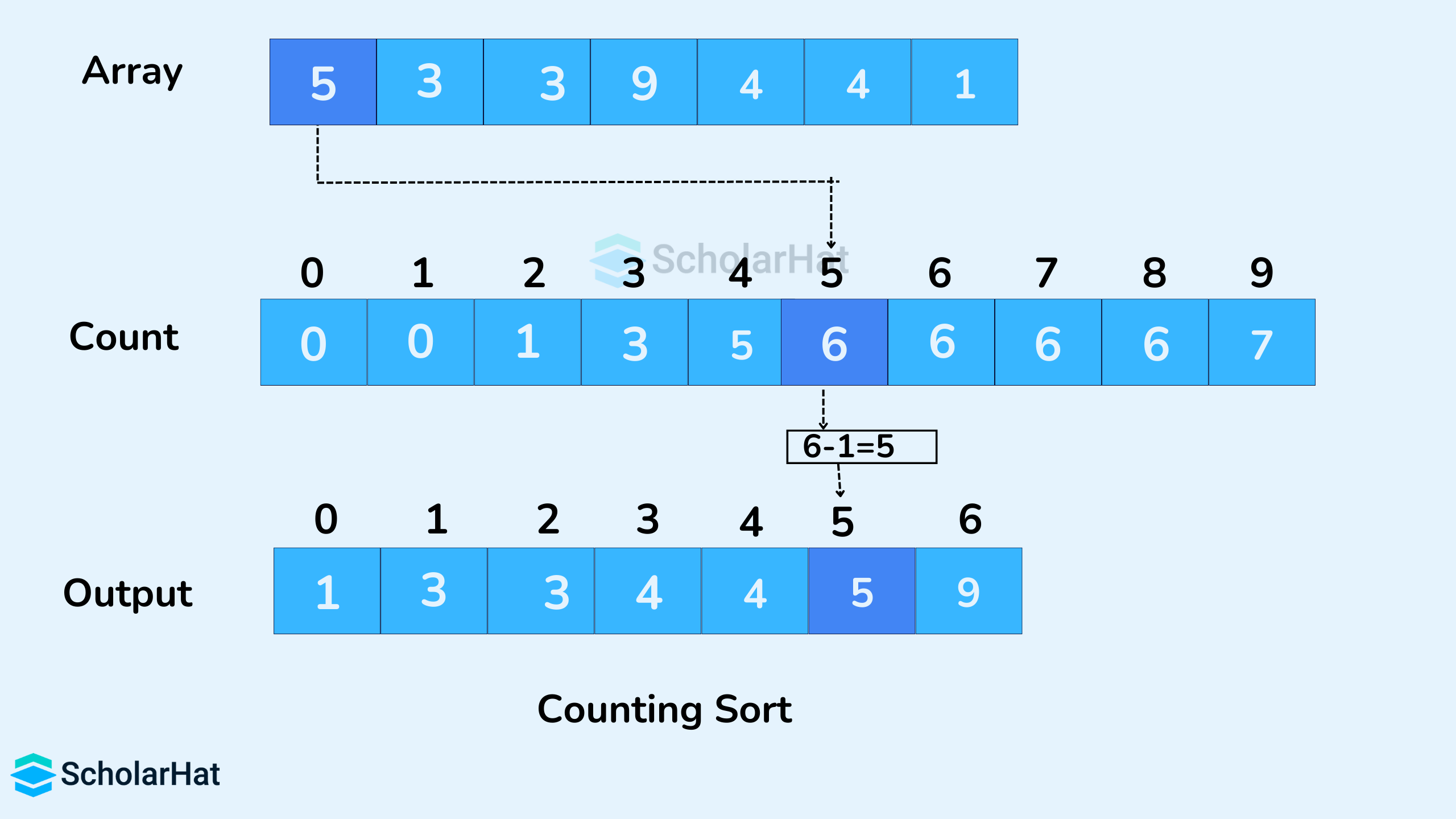
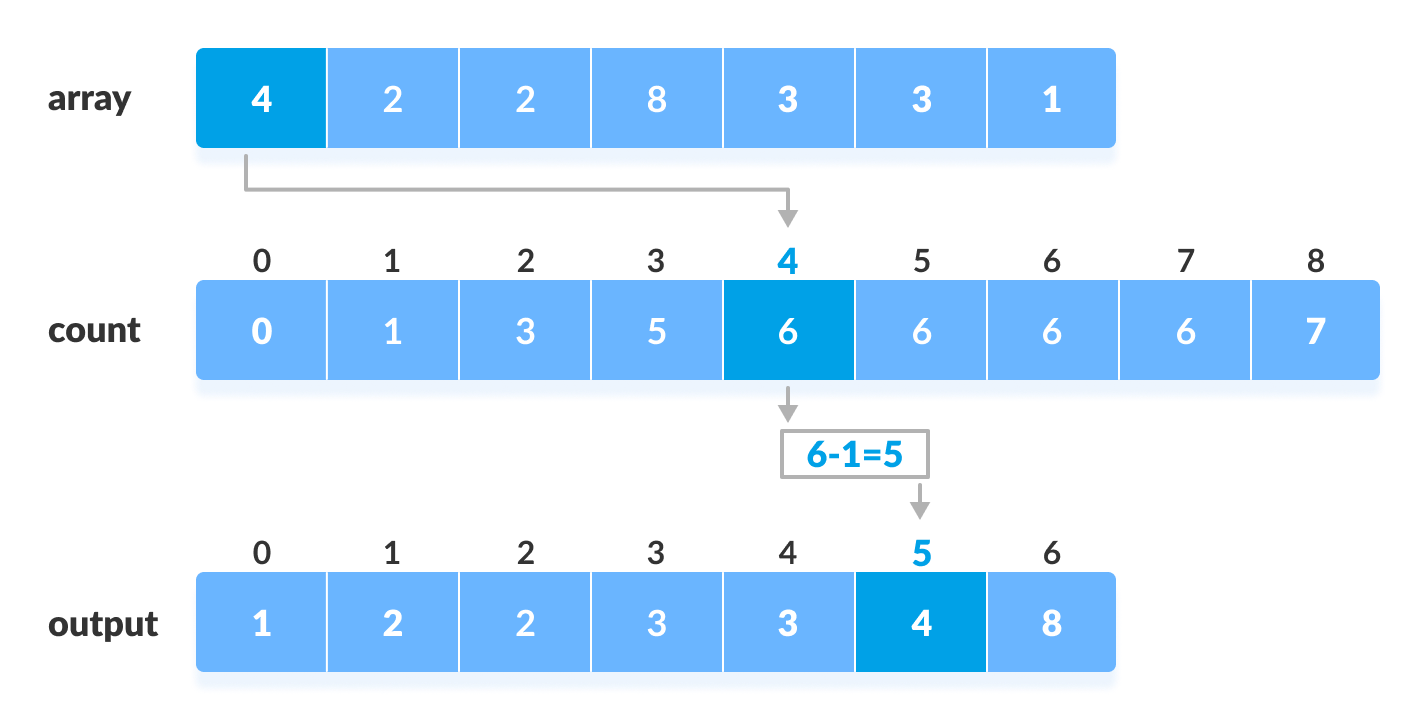
๐Ÿ”น 1. Counting Sort

Image
Image
Image
Image

๐Ÿ“Œ Concept:

Counts occurrences of elements.

โฑ๏ธ Complexity:

  • O(n + k)

๐Ÿ”น 2. Radix Sort

Image
Image
Image
Image

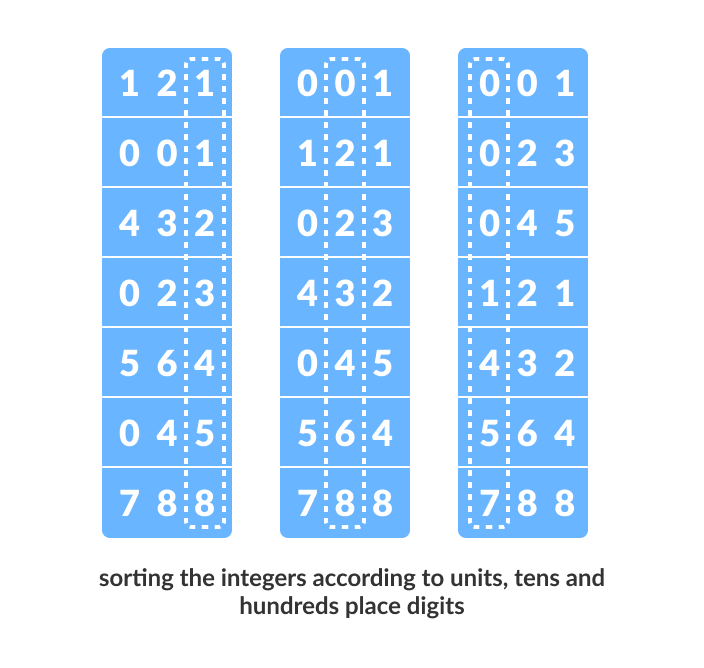
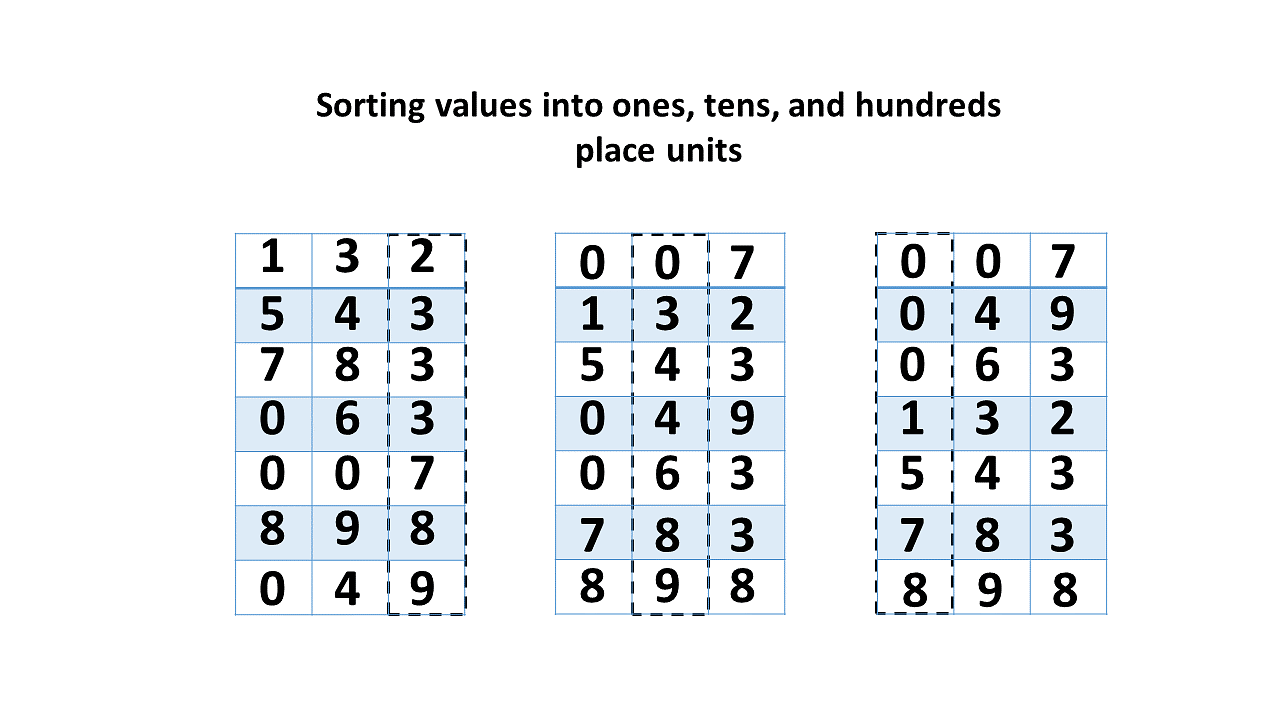
๐Ÿ“Œ Concept:

Sorts digits from least to most significant.


๐Ÿ”น 3. Bucket Sort

Image
Image
Image

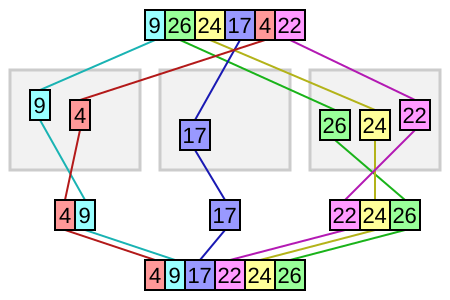
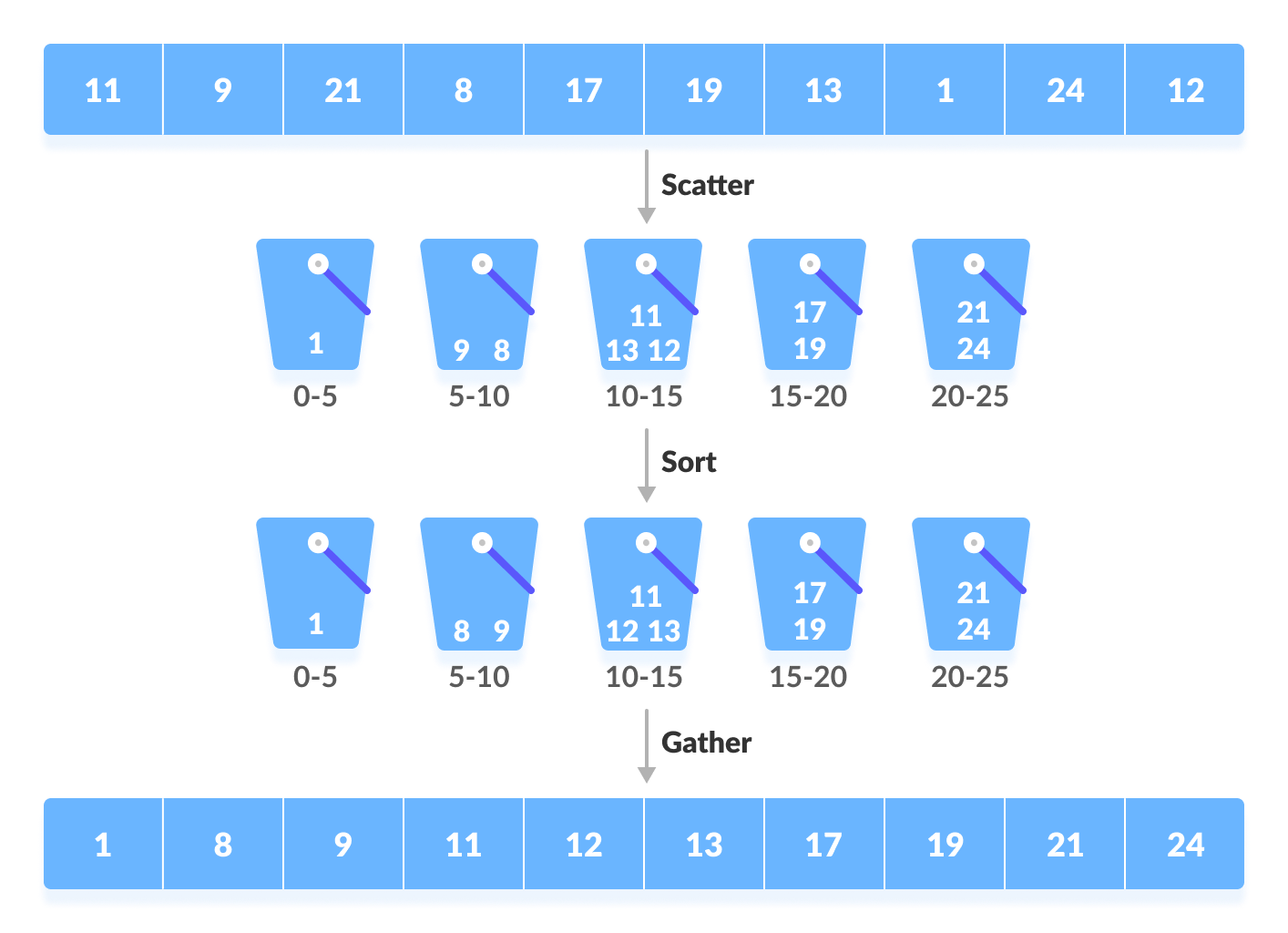
๐Ÿ“Œ Concept:

Distributes elements into buckets.


๐Ÿงฎ Time Complexity Comparison Table

AlgorithmBest CaseAverageWorst Case
Bubble SortO(n)O(nยฒ)O(nยฒ)
Selection SortO(nยฒ)O(nยฒ)O(nยฒ)
Insertion SortO(n)O(nยฒ)O(nยฒ)
Merge SortO(n log n)O(n log n)O(n log n)
Quick SortO(n log n)O(n log n)O(nยฒ)
Heap SortO(n log n)O(n log n)O(n log n)
Counting SortO(n+k)O(n+k)O(n+k)
Radix SortO(nk)O(nk)O(nk)

โšก Stable vs Unstable Sorting

Stable Sorting:

Maintains order of equal elements.

  • Merge Sort
  • Insertion Sort

Unstable Sorting:

Does not preserve order.

  • Quick Sort
  • Heap Sort

๐Ÿง  Advanced Sorting Concepts


๐Ÿ”น 1. External Sorting

Image
Image
Image
Image

Used for data that doesnโ€™t fit in memory.


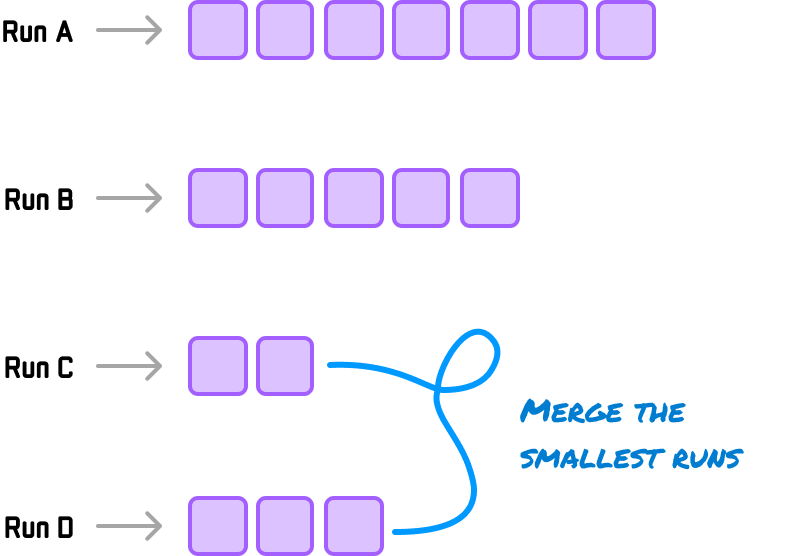
๐Ÿ”น 2. Tim Sort

Image
Image
Image
Image

Hybrid of merge and insertion sort.


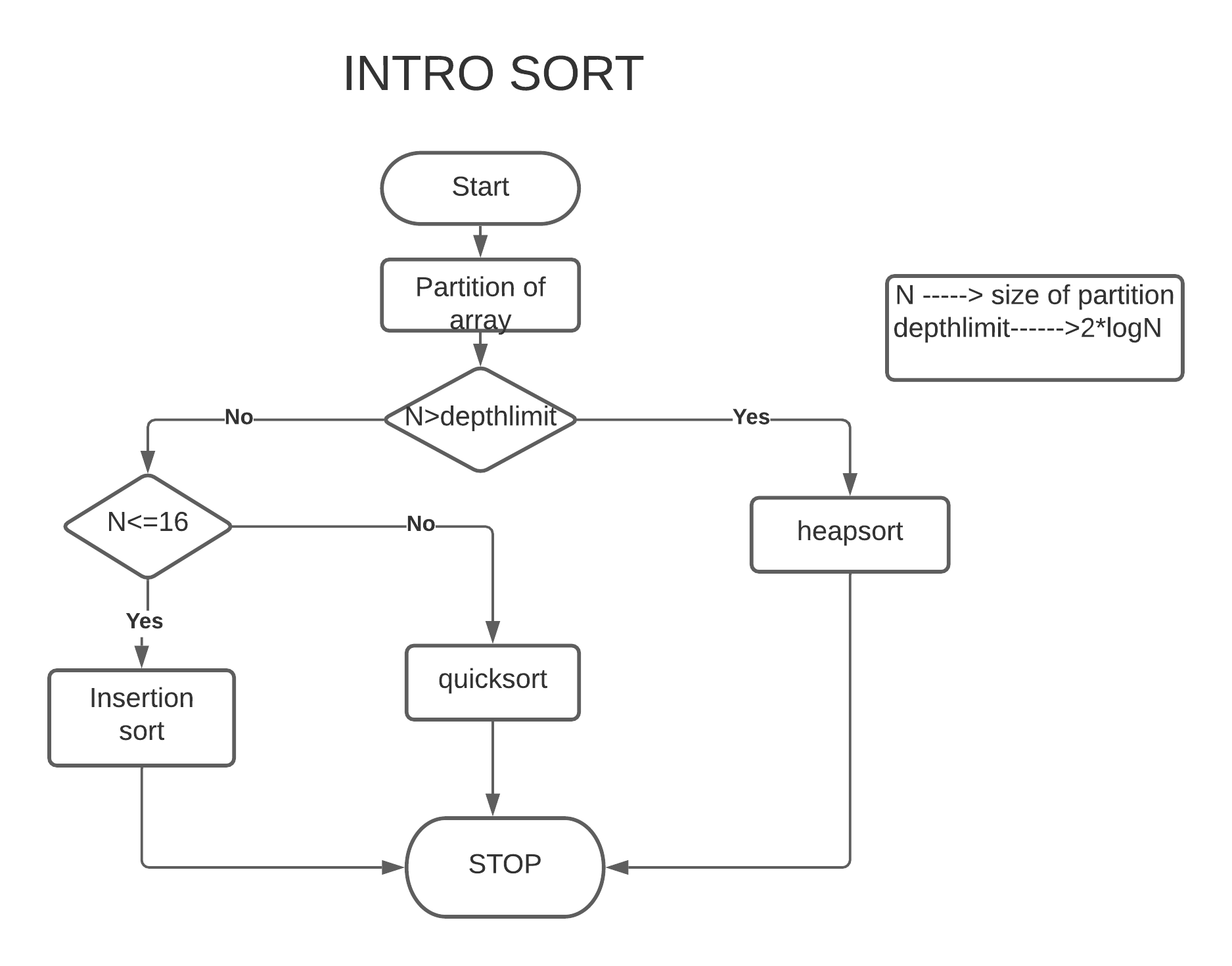
๐Ÿ”น 3. Intro Sort

Image
Image
Image
Image

Combines Quick + Heap sort.


๐Ÿ”ฌ Applications of Sorting


๐Ÿ“Š 1. Data Analysis

Image
Image
Image
Image

๐ŸŒ 2. Search Optimization

Image
Image
Image
Image

๐Ÿงพ 3. Database Systems

Image
Image
Image
Image

๐ŸŽฎ 4. Game Development

Image
Image
Image
Image

๐Ÿง  5. Machine Learning

Image
Image
Image
Image

๐Ÿ” Choosing the Right Algorithm

ScenarioBest Algorithm
Small dataInsertion Sort
Large dataMerge / Quick Sort
Memory limitedHeap Sort
Integer range smallCounting Sort

๐Ÿงช In-Place vs Out-of-Place

  • In-place: Quick Sort, Heap Sort
  • Out-of-place: Merge Sort

๐Ÿš€ Real-World Importance

Sorting is used in:

  • Operating systems
  • Databases
  • AI systems
  • Web applications
  • Financial systems

๐Ÿงพ Conclusion

Sorting algorithms are essential tools in computer science that enable efficient data organization and processing. Each algorithm has its strengths and weaknesses, and choosing the right one depends on the specific problem.

Mastering sorting algorithms is crucial for:

  • Algorithm design
  • Competitive programming
  • Software engineering

๐Ÿท๏ธ Tags