
🌐 Introduction to Memory Management

Memory Management is a core function of an operating system (OS) that handles the allocation, organization, and optimization of main memory (RAM) for processes and applications.
In simple terms:
Memory management = efficient use of RAM for program execution
It ensures that each process gets enough memory while maintaining system stability, performance, and security.
🧠 Importance of Memory Management
- Efficient utilization of memory
- Supports multitasking
- Prevents memory conflicts
- Enhances system performance
- Provides process isolation and protection
🧩 Basic Concepts of Memory
💾 What is Memory?
Memory is a storage area where data and instructions are kept during processing.
📊 Types of Memory

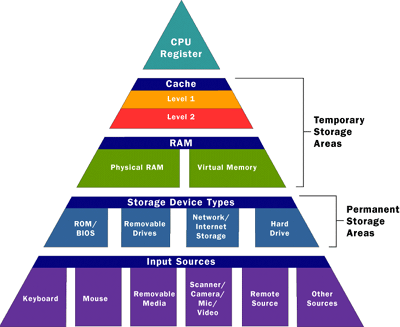
🔹 Primary Memory
- RAM
- Cache
- Registers
🔹 Secondary Memory
- HDD
- SSD
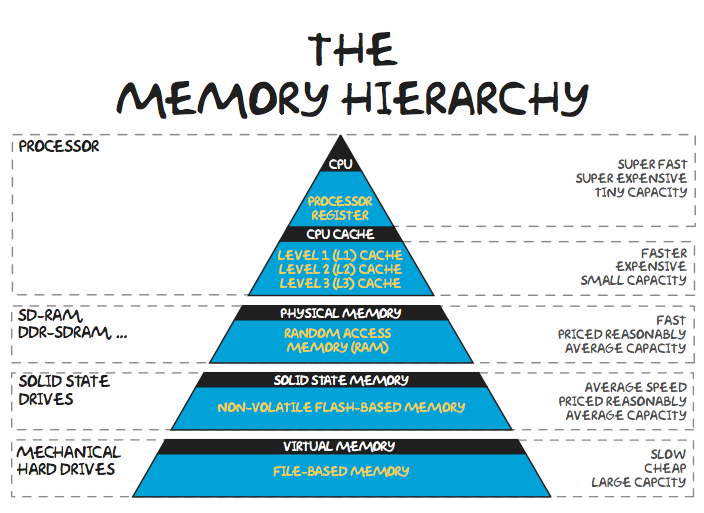
🧠 Memory Hierarchy
- Registers (fastest)
- Cache
- RAM
- Secondary storage (slowest)
⚙️ Memory Allocation
🔹 Static Allocation
- Memory allocated at compile time
- Fixed size
🔹 Dynamic Allocation
- Memory allocated at runtime
- Flexible
🧠 Process Memory Layout
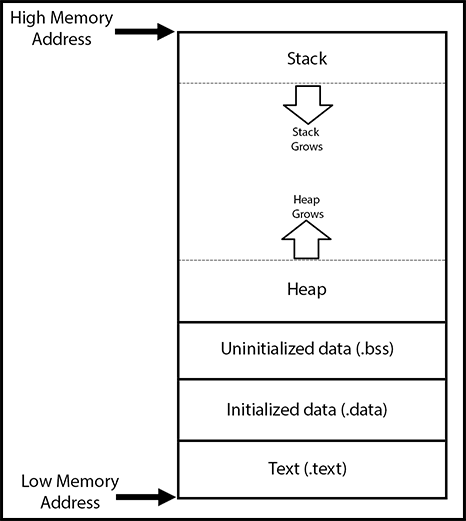
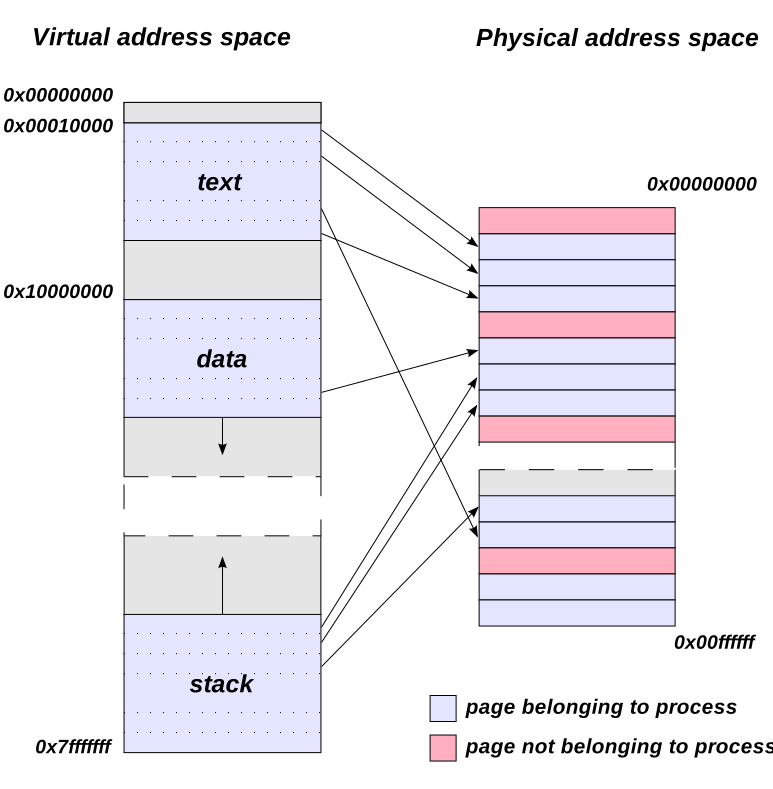

Each process has:
- Code segment
- Data segment
- Heap
- Stack
🔄 Contiguous Memory Allocation
📦 Concept
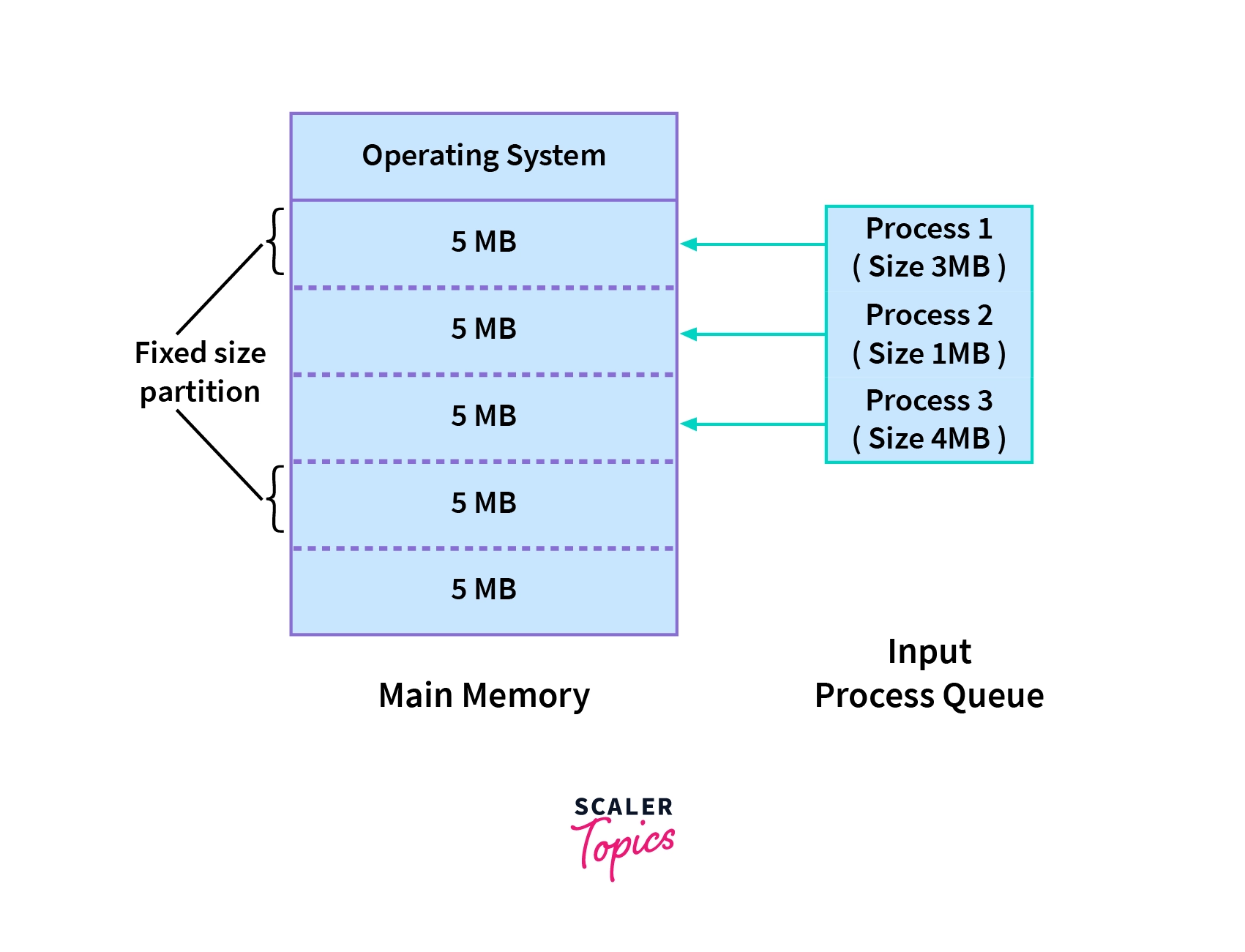


Processes are stored in continuous memory blocks.
⚠️ Fragmentation
🔹 Internal Fragmentation
- Unused space inside allocated memory
🔹 External Fragmentation
- Scattered free space
🔄 Allocation Strategies
- First Fit
- Best Fit
- Worst Fit
🧠 Paging
📄 Concept
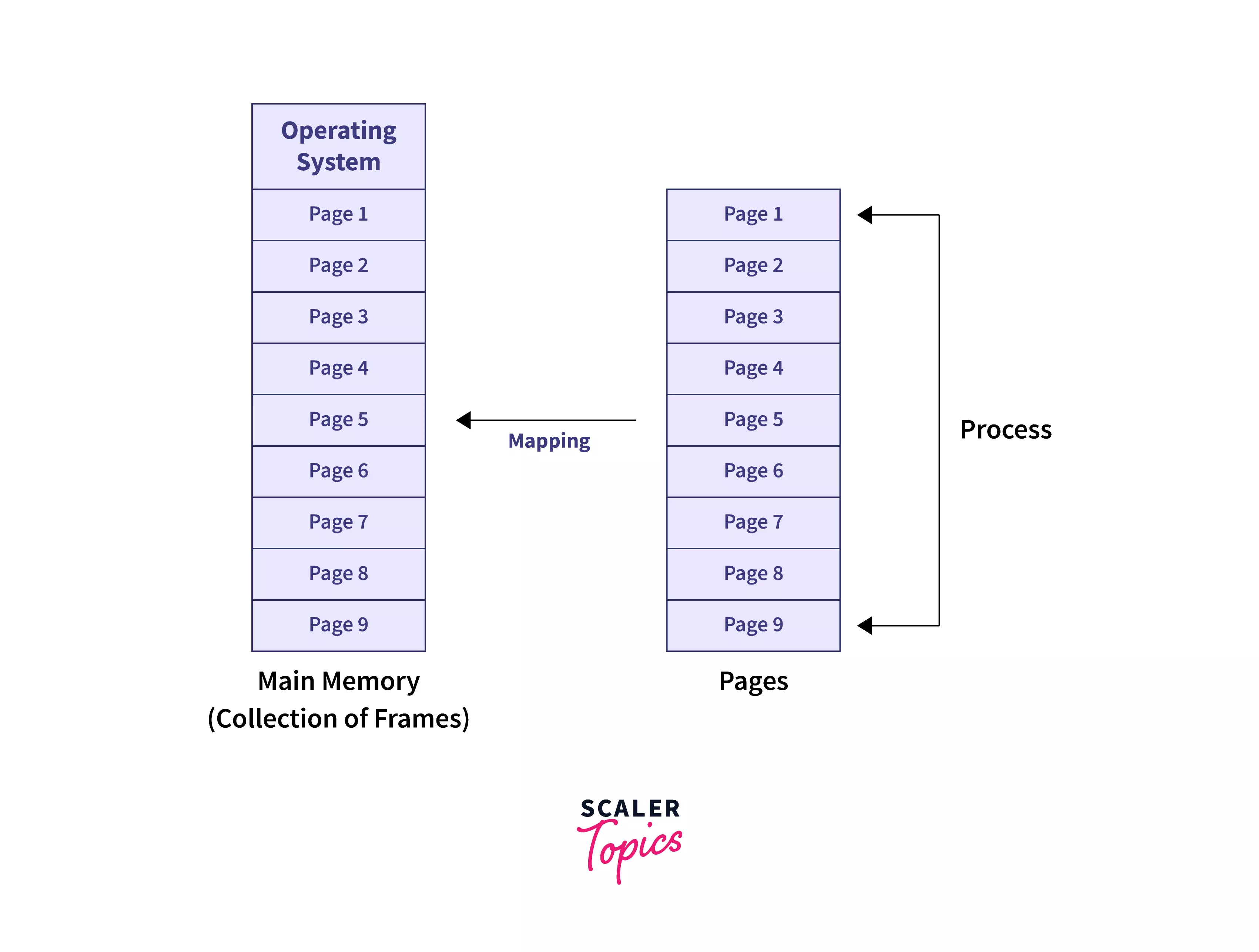

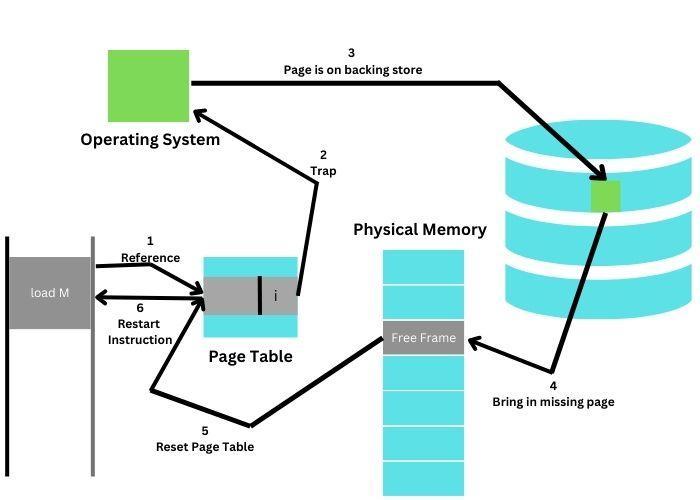

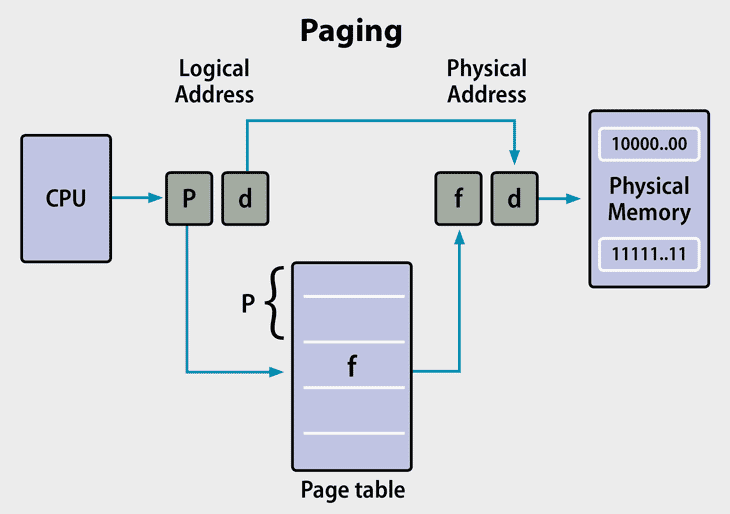
Paging divides memory into:
- Pages (logical)
- Frames (physical)
⚙️ Page Table
- Maps pages to frames
⚠️ Page Fault
Occurs when required page is not in memory.
🧠 Segmentation
📄 Concept

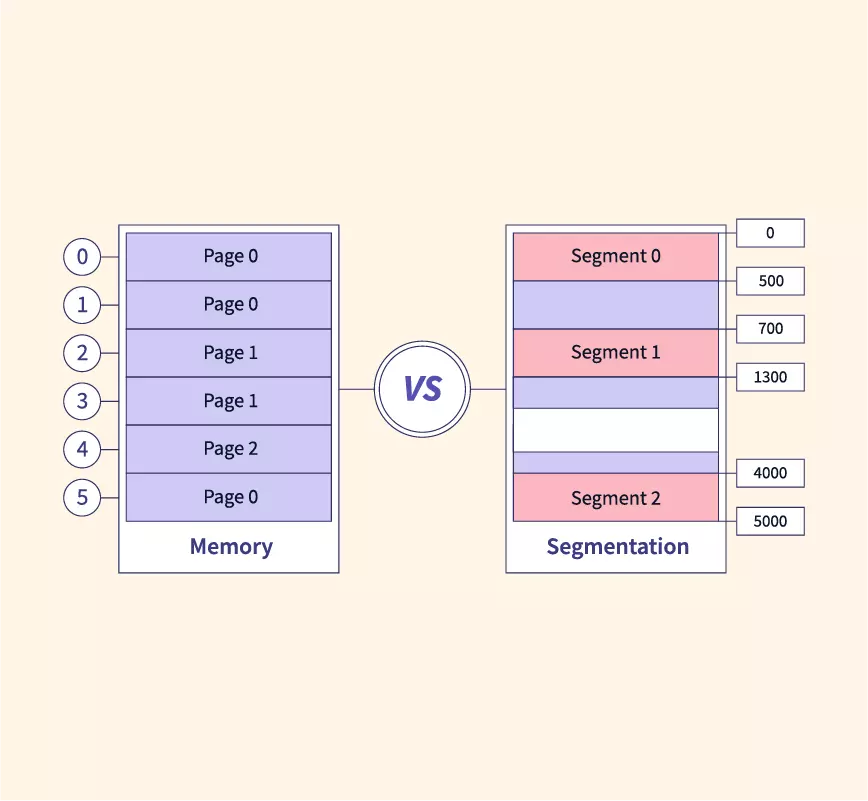
Memory divided into segments:
- Code
- Data
- Stack
⚠️ Issues
- External fragmentation
🔄 Paging vs Segmentation
| Feature | Paging | Segmentation |
|---|---|---|
| Size | Fixed | Variable |
| Fragmentation | Internal | External |
| Complexity | Moderate | High |
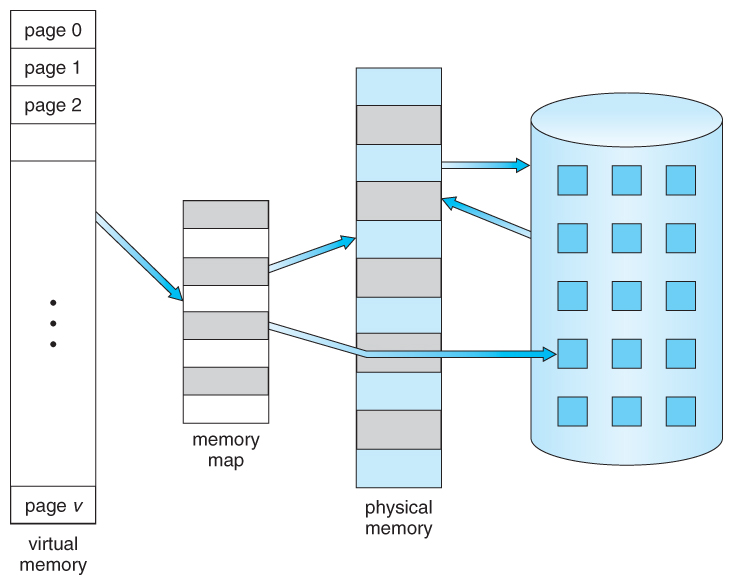
🧠 Virtual Memory
🌐 Concept
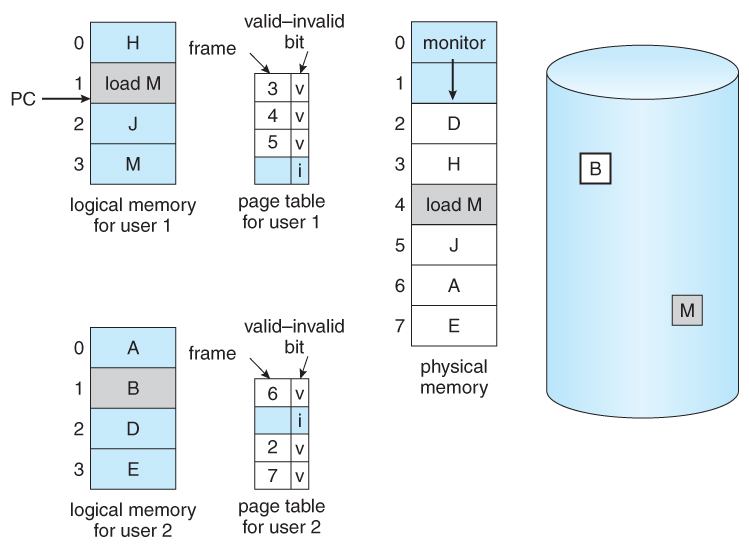
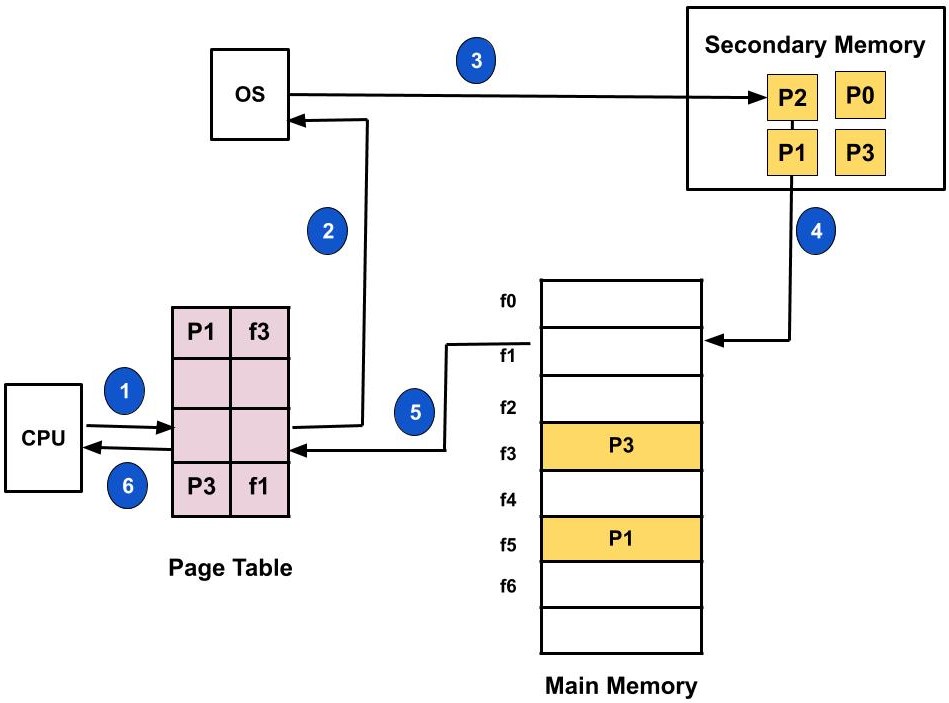

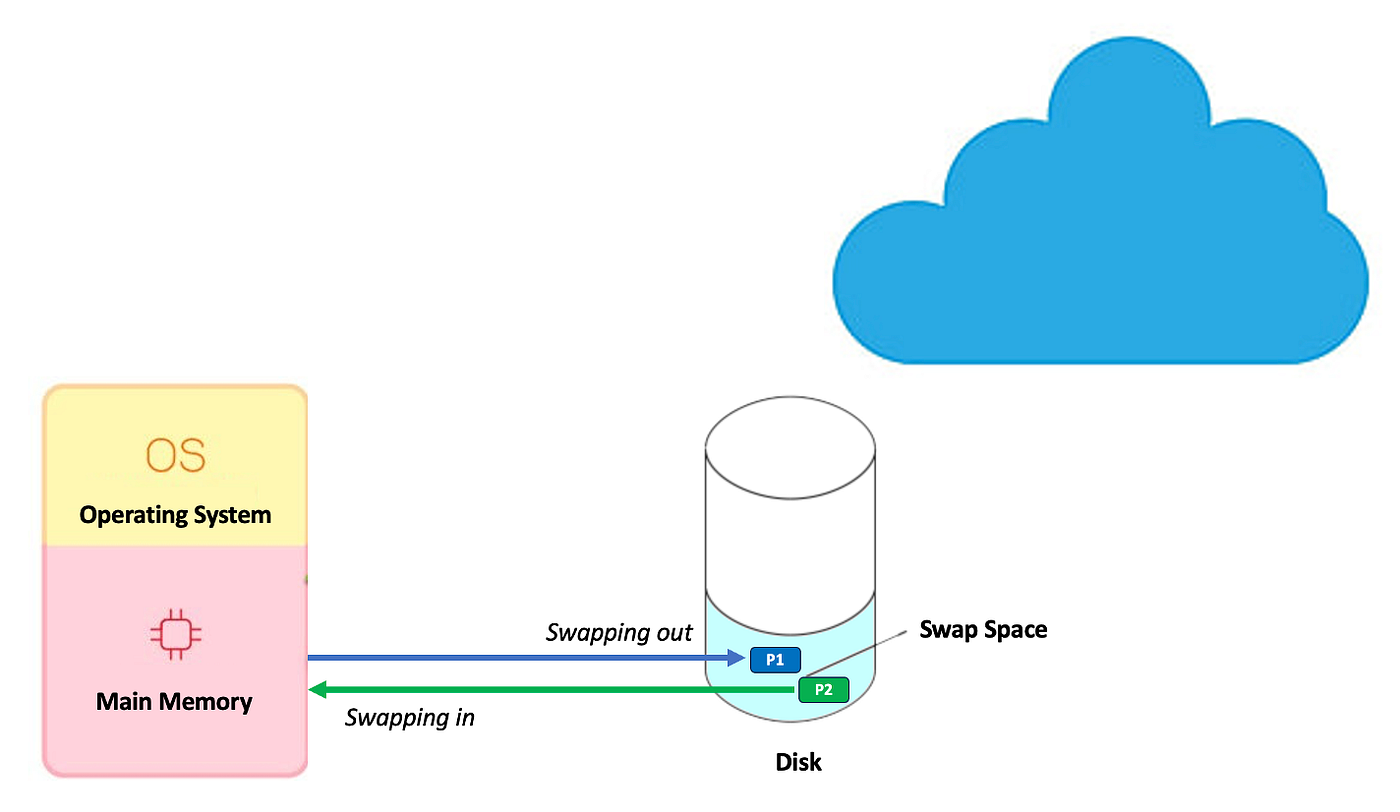
Virtual memory allows programs to use more memory than physically available.
⚙️ Techniques:
- Demand paging
- Swapping
🔄 Page Replacement Algorithms
🔹 FIFO (First In First Out)


🔹 LRU (Least Recently Used)
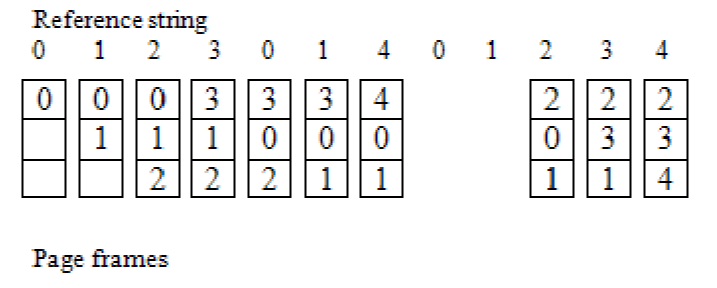
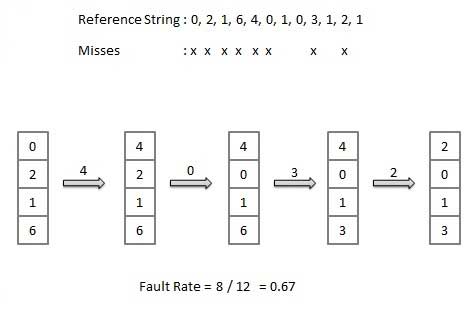


🔹 Optimal Algorithm


🔐 Memory Protection
🛡️ Techniques:
- Base and limit registers
- Access control
- Address binding
🔄 Address Binding
🧠 Types:
- Compile-time
- Load-time
- Execution-time
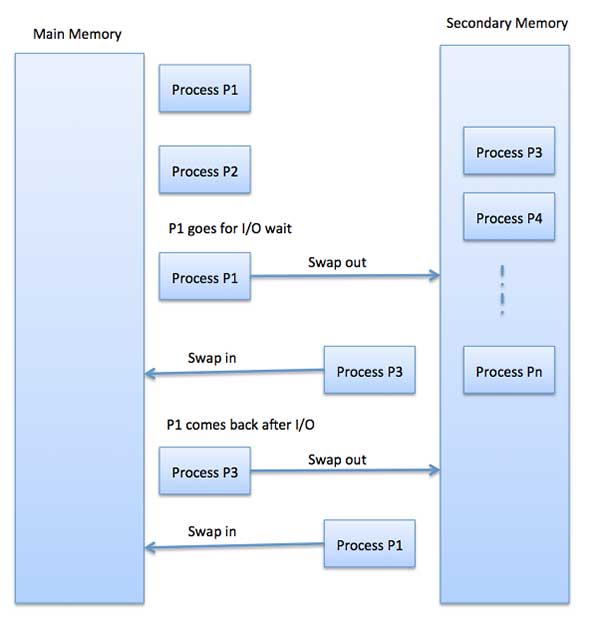
🧠 Swapping
🔄 Concept


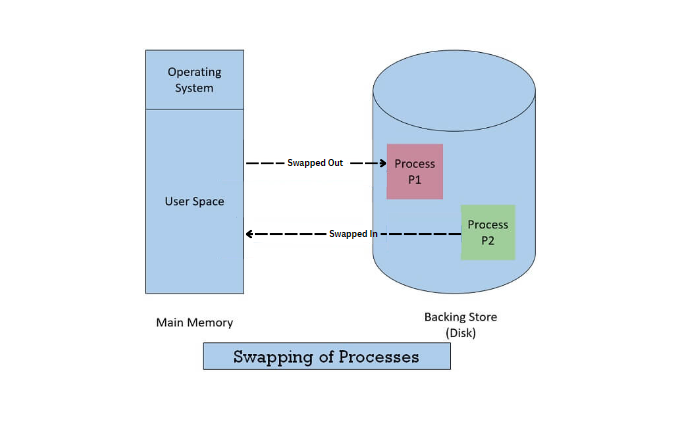
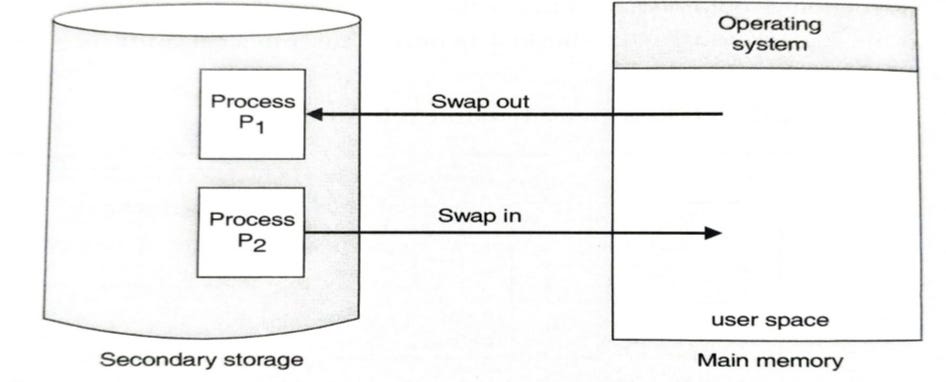
- Moves processes between RAM and disk
🧩 Thrashing
⚠️ Concept


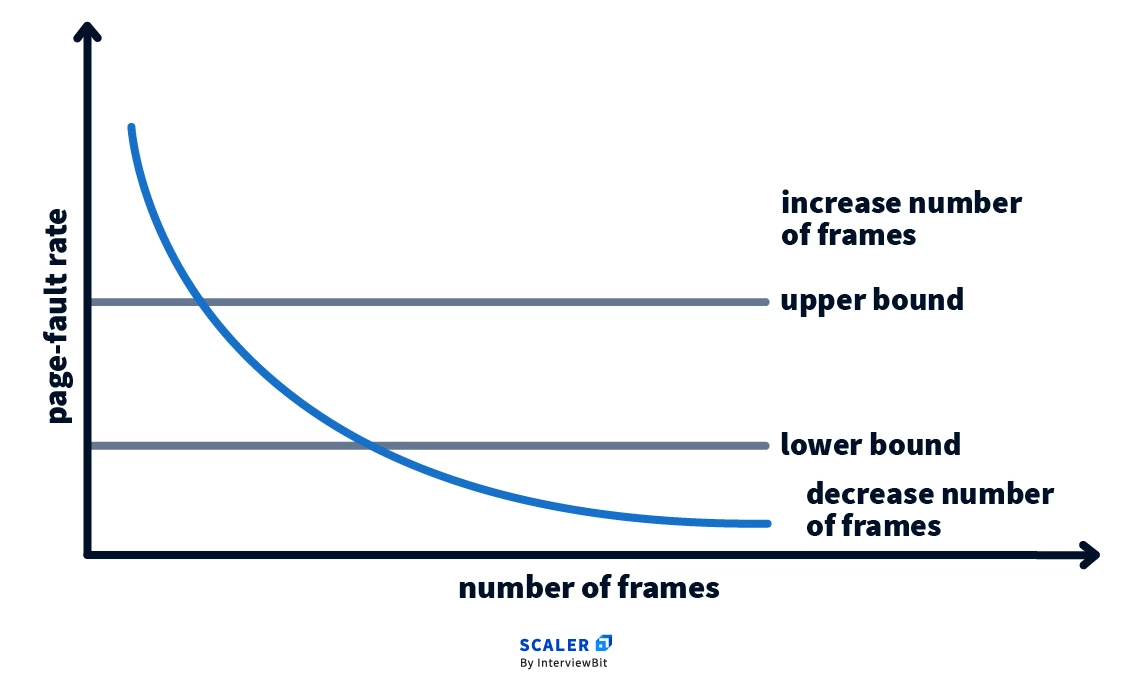
- Excessive paging
- Reduces performance
🧠 Cache Memory Management
⚡ Concept


- Stores frequently used data
- Reduces access time
🔄 Cache Mapping Techniques
- Direct mapping
- Associative mapping
- Set-associative mapping
🧠 Modern Memory Management Techniques
🚀 Advanced Concepts
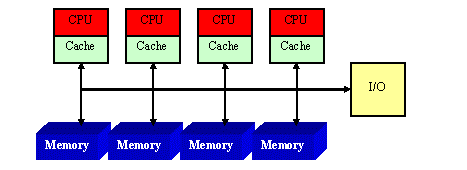

- NUMA architecture
- Memory virtualization
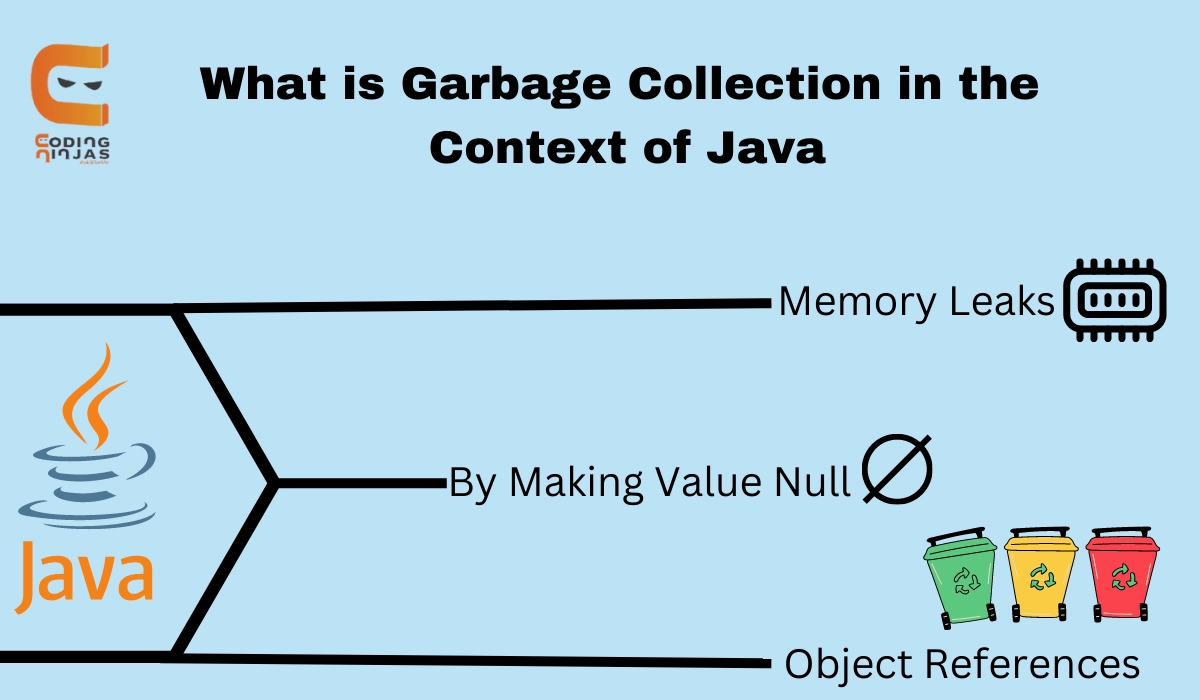
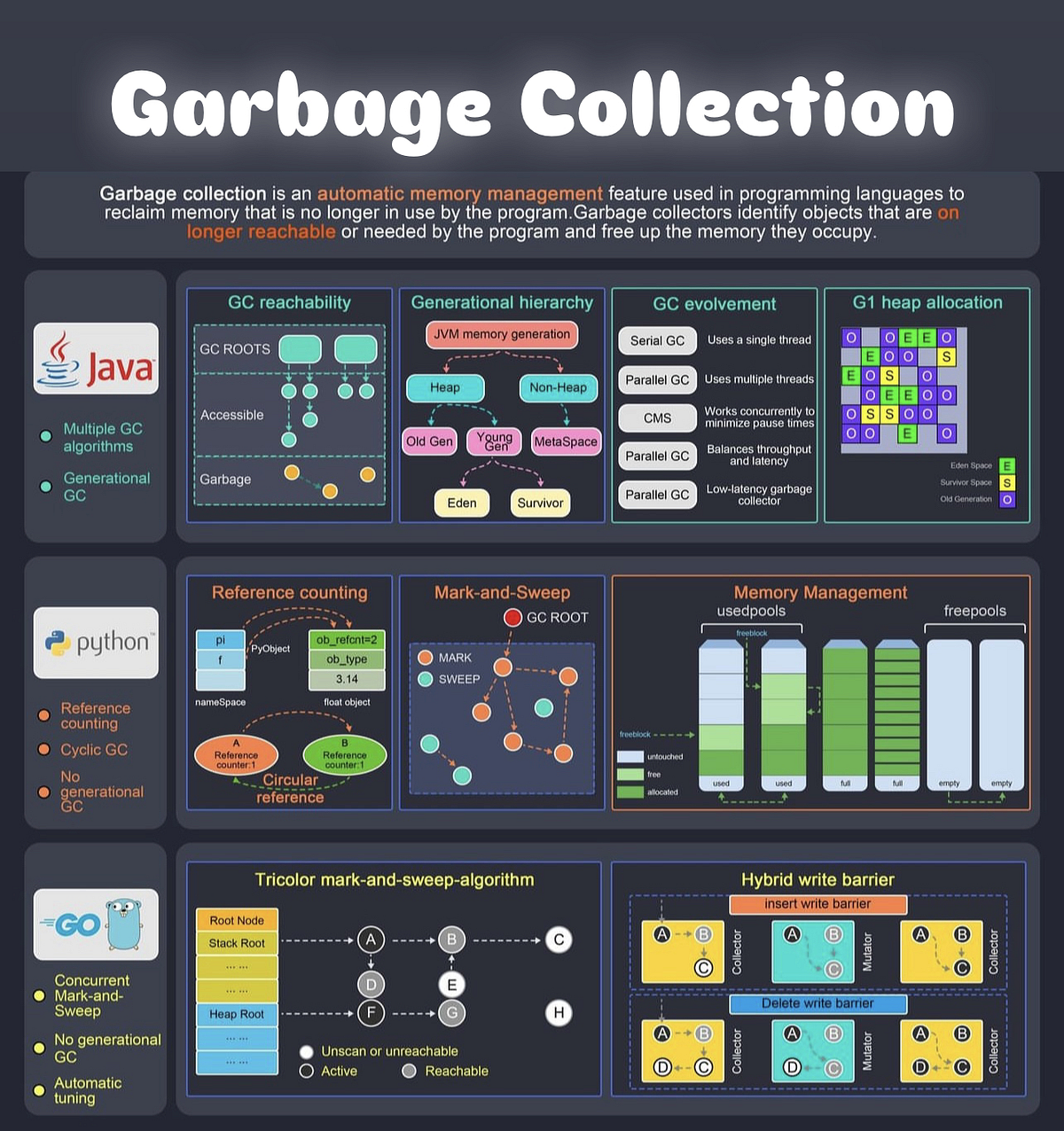
- Garbage collection
- Memory compression
⚡ Advantages of Memory Management
- Efficient resource utilization
- Improved performance
- Supports multitasking
- Ensures security
⚠️ Challenges
- Fragmentation
- Thrashing
- Overhead
- Complexity
🧠 Conclusion
Memory management is a critical component of operating systems that ensures efficient execution of programs. It enables:
- Multitasking
- Efficient memory usage
- System stability
Understanding memory management is essential for:
- OS design
- Software development
- Performance optimization