🌍 Introduction



Conflict is a natural part of human interaction. Wherever individuals, groups, or nations interact, differences in opinions, interests, and values can lead to disagreements. However, the way conflicts are handled determines whether they lead to destruction or growth.
Conflict resolution refers to the methods and processes used to manage and resolve disagreements effectively, while peaceful coexistence refers to the ability of individuals and groups to live together in harmony despite differences.
Together, these concepts are essential for building strong relationships, stable societies, and global peace.
🧭 Meaning of Conflict
🔹 Definition
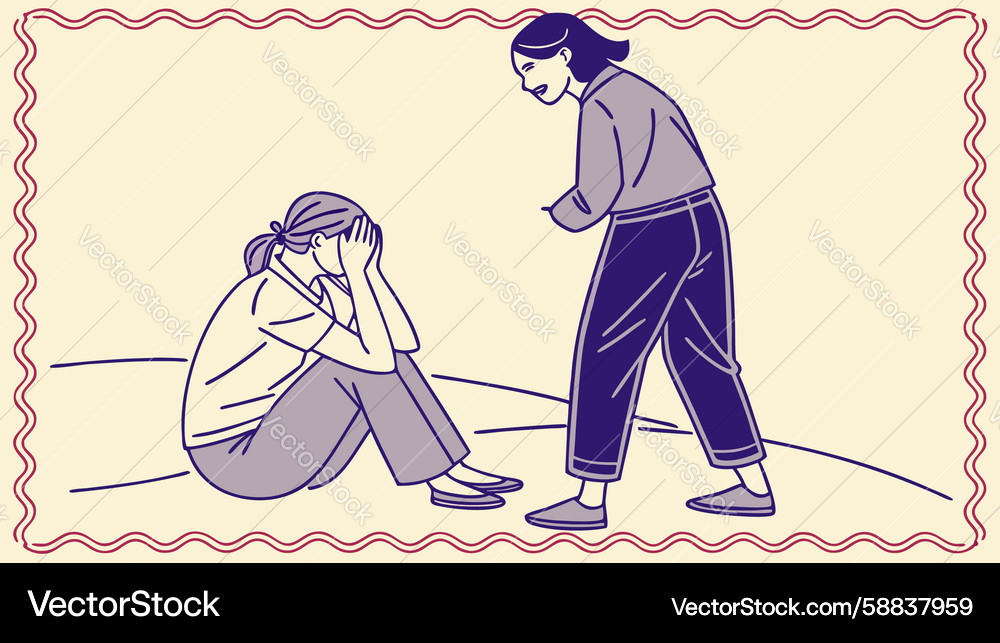
Conflict is a disagreement or clash between individuals or groups due to differences in ideas, values, interests, or needs.
🔹 Key Characteristics
- Involves two or more parties
- Arises from differences
- Can be constructive or destructive
🌱 Types of Conflict
👥 1. Interpersonal Conflict
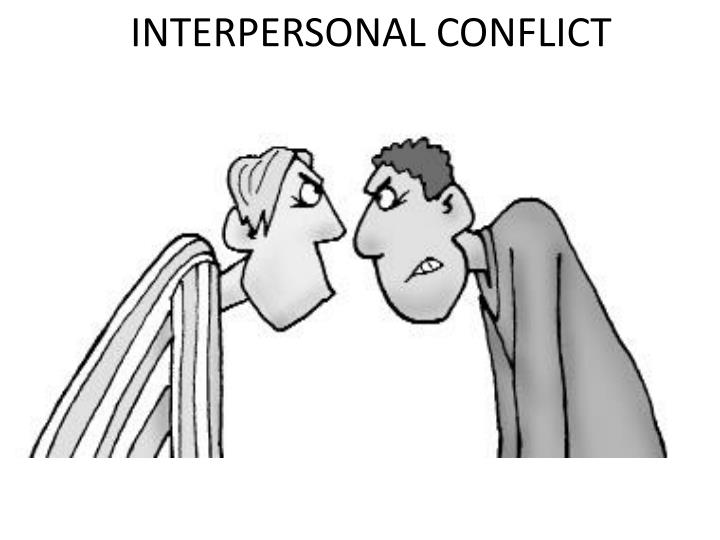
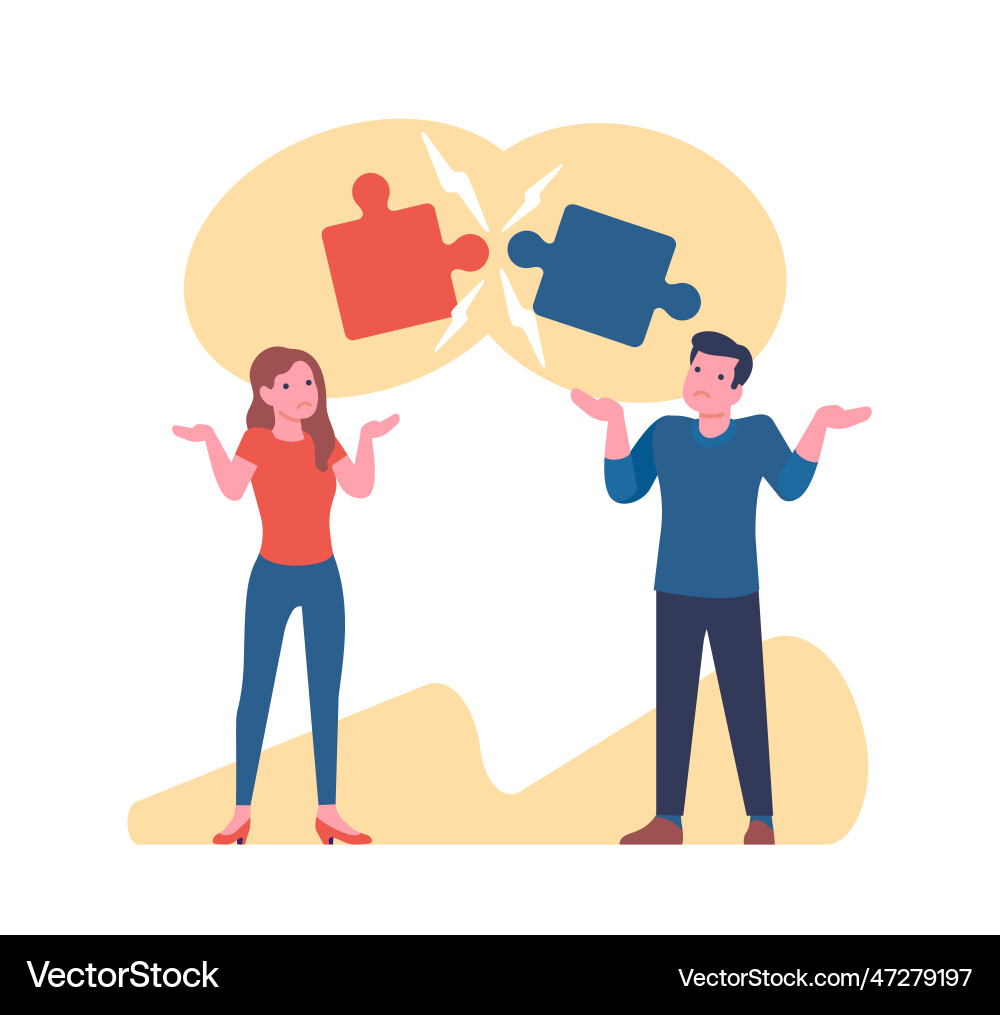


- Between individuals
- Example: Friends or colleagues
🧠 2. Intrapersonal Conflict




- Within an individual
- Example: Moral dilemmas
🌐 3. Social Conflict




- Between groups in society
🌍 4. International Conflict

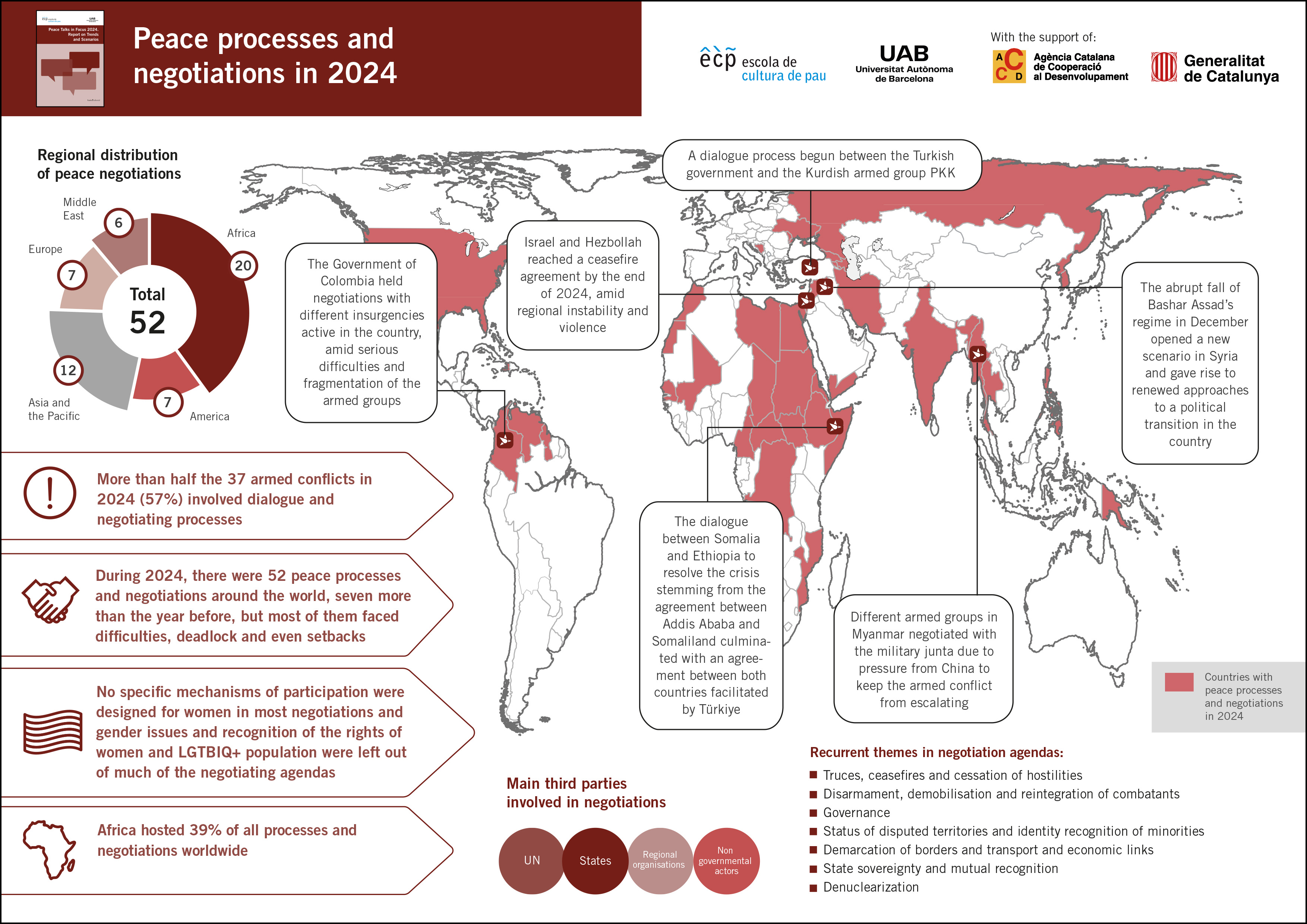


- Between nations
🌿 Causes of Conflict
🔹 Differences in Values
🔹 Miscommunication
🔹 Competition for Resources
🔹 Cultural Differences
🔹 Ego and Emotions
🌟 Meaning of Conflict Resolution
🔹 Definition
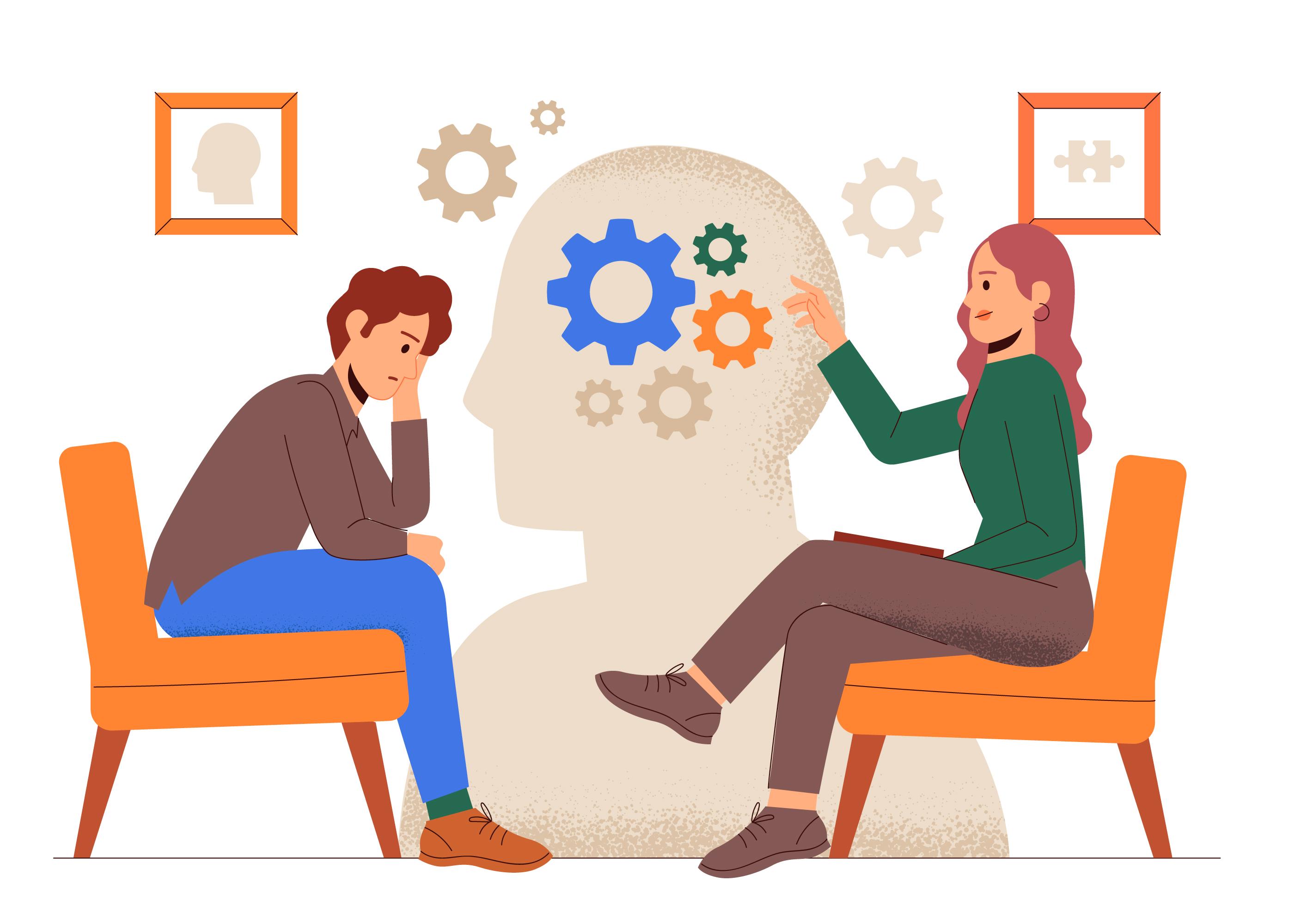
Conflict resolution is the process of resolving disputes in a peaceful and constructive manner.
🔹 Objectives
- Reduce tension
- Find solutions
- Maintain relationships
🌱 Methods of Conflict Resolution
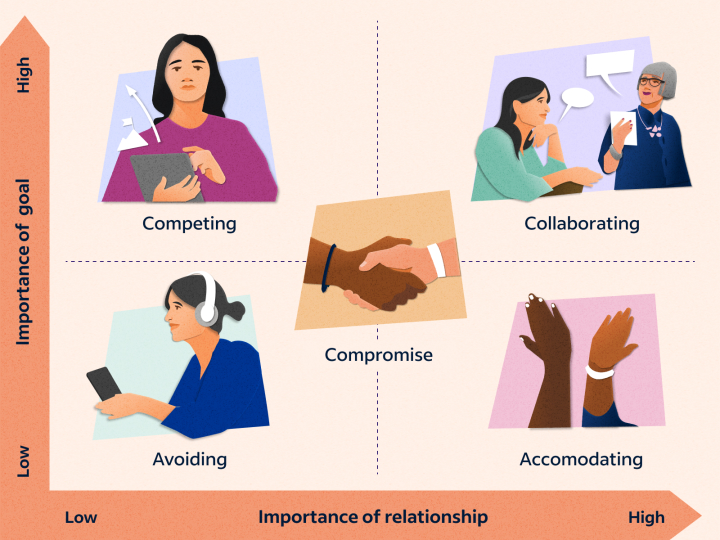
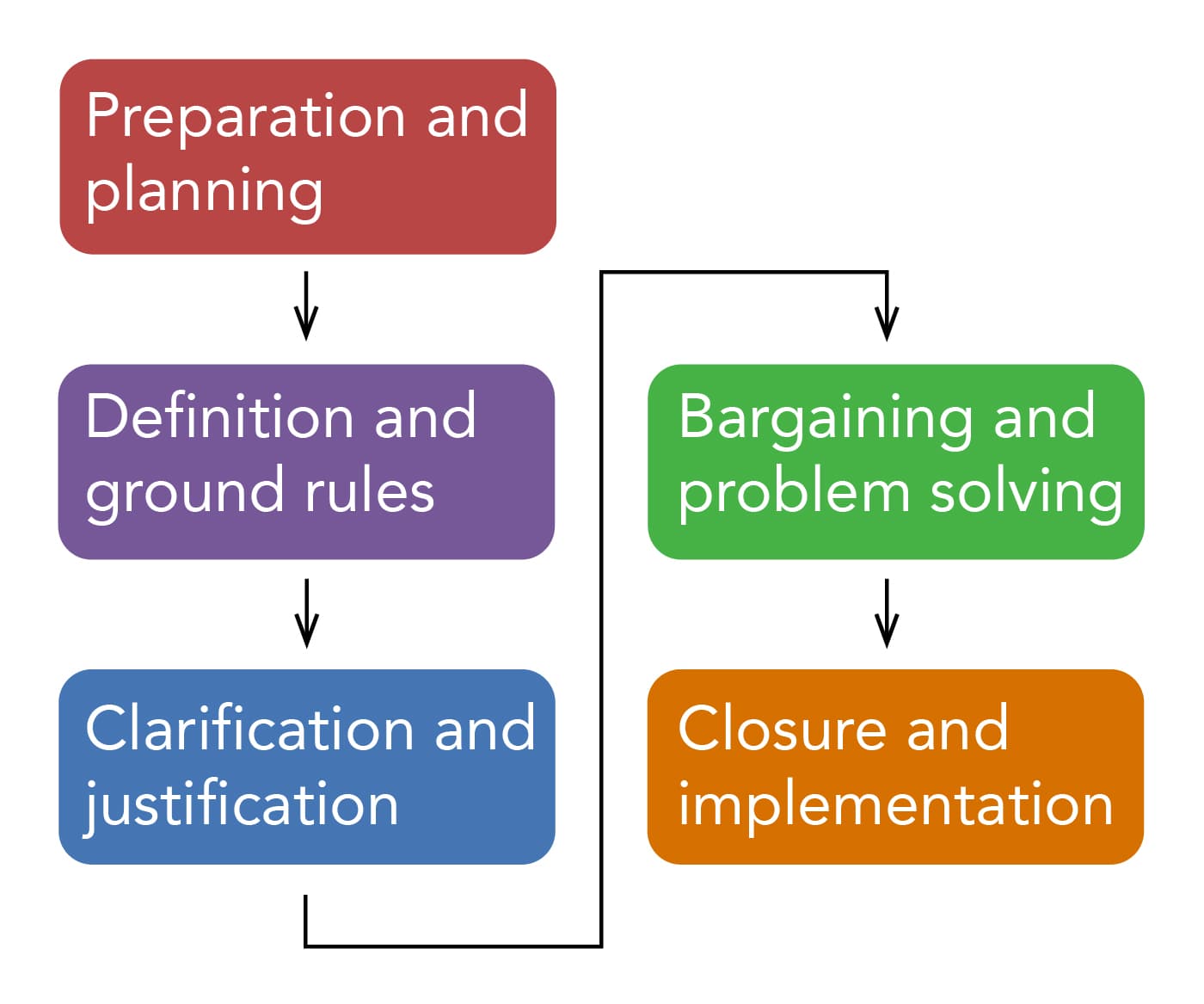
🤝 1. Negotiation




- Direct discussion between parties
🧑⚖️ 2. Mediation

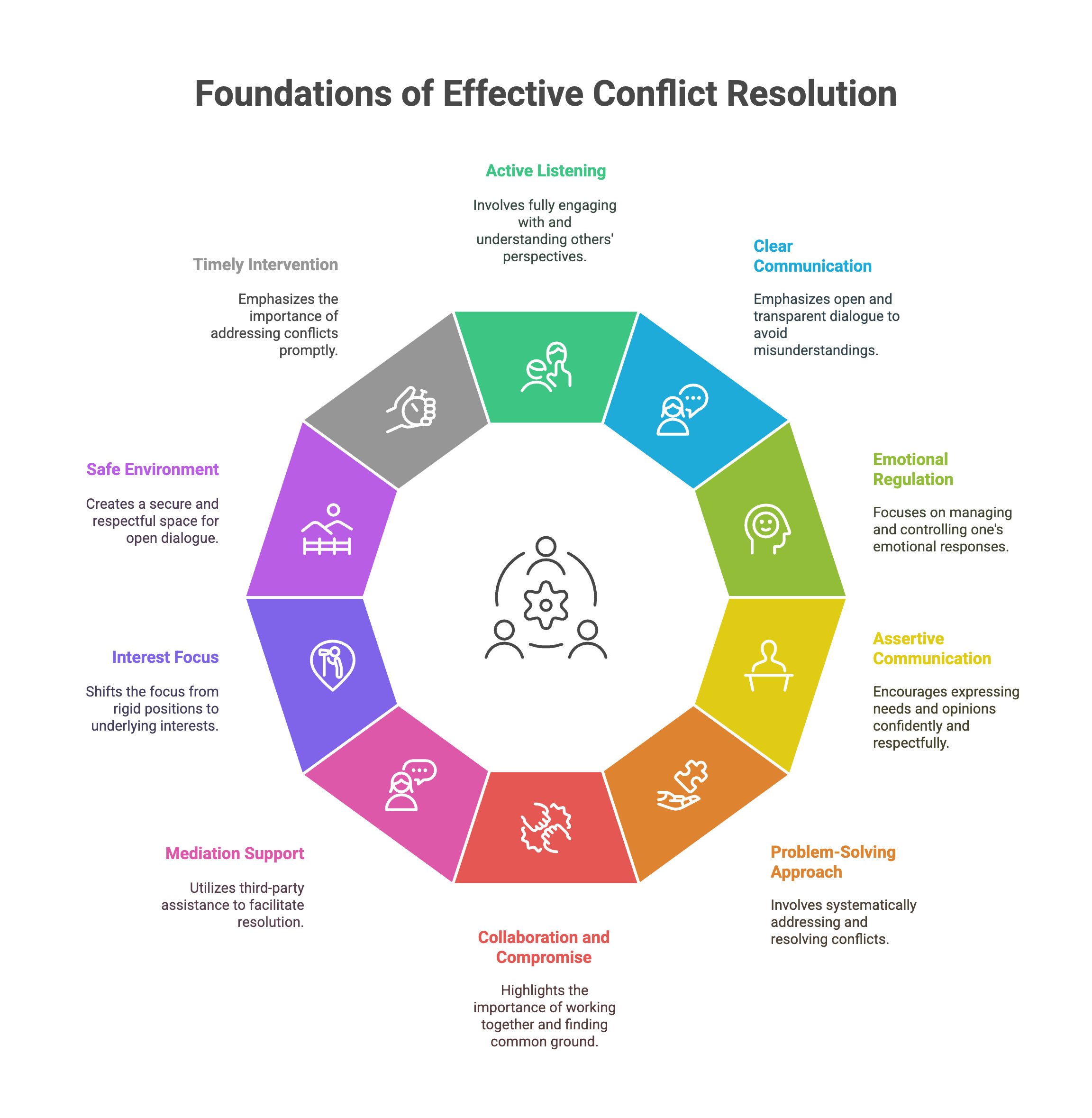

- Third party helps resolve conflict
⚖️ 3. Arbitration
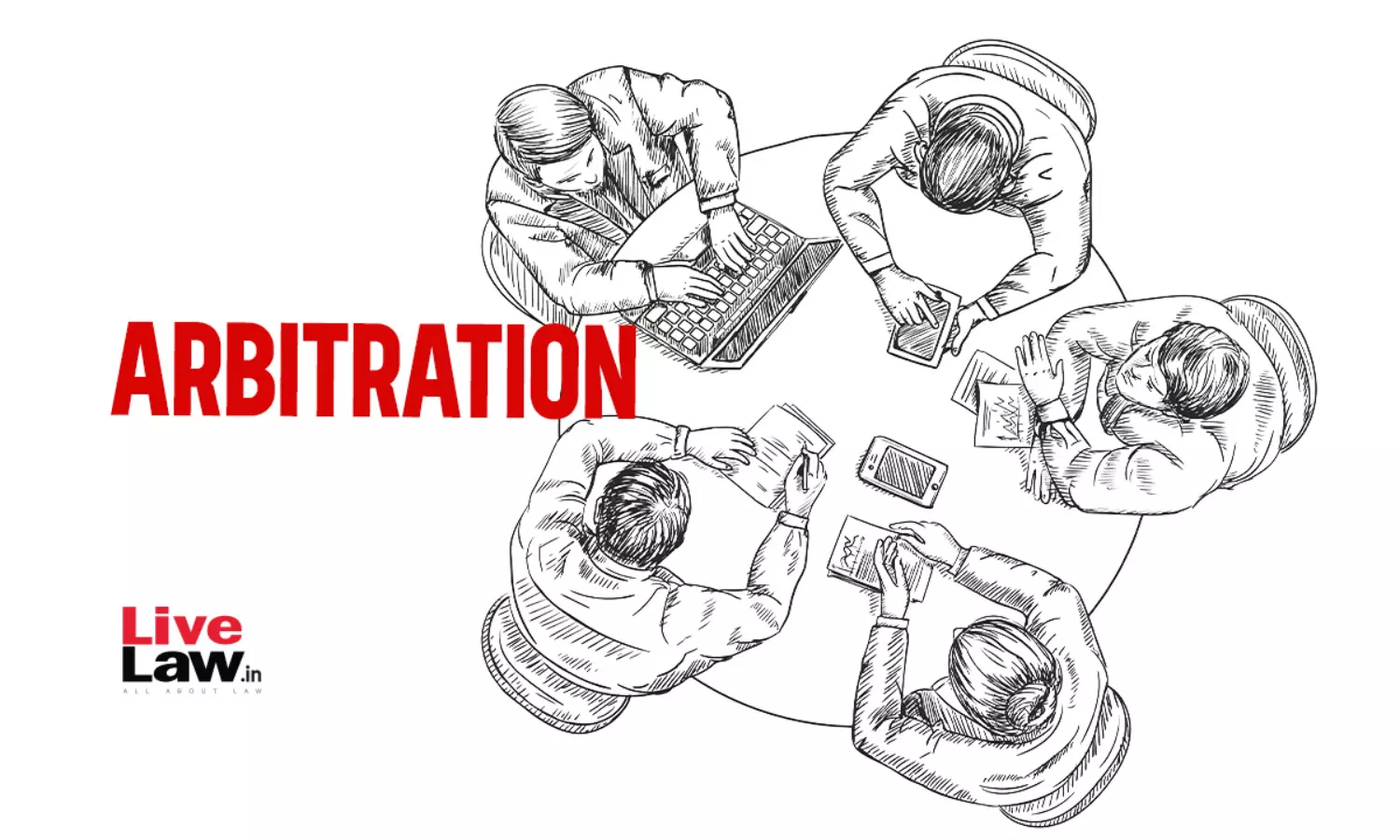



- Third party makes a decision
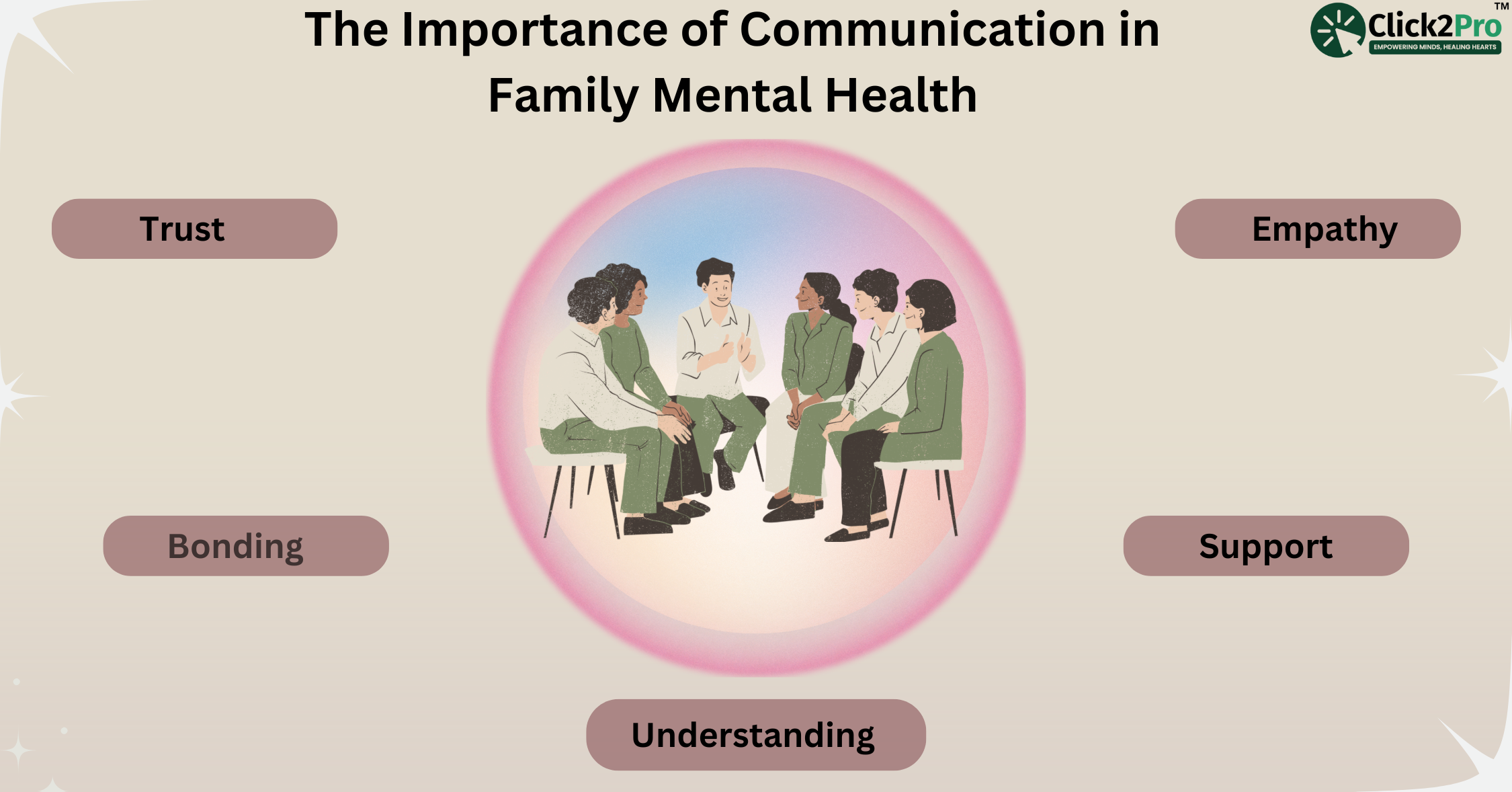
🗣️ 4. Dialogue and Communication
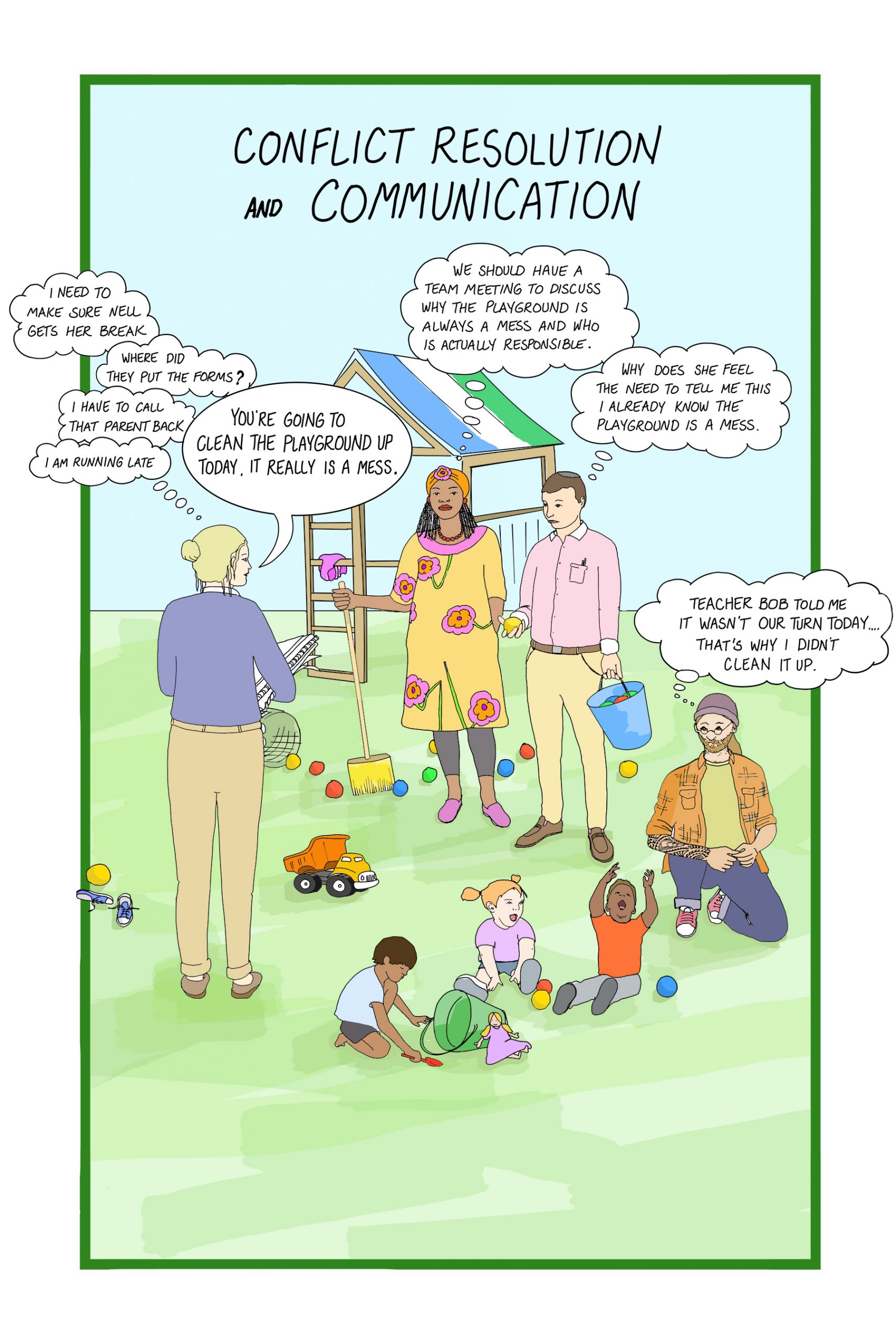



- Open discussion
- Active listening
🌍 Skills for Conflict Resolution
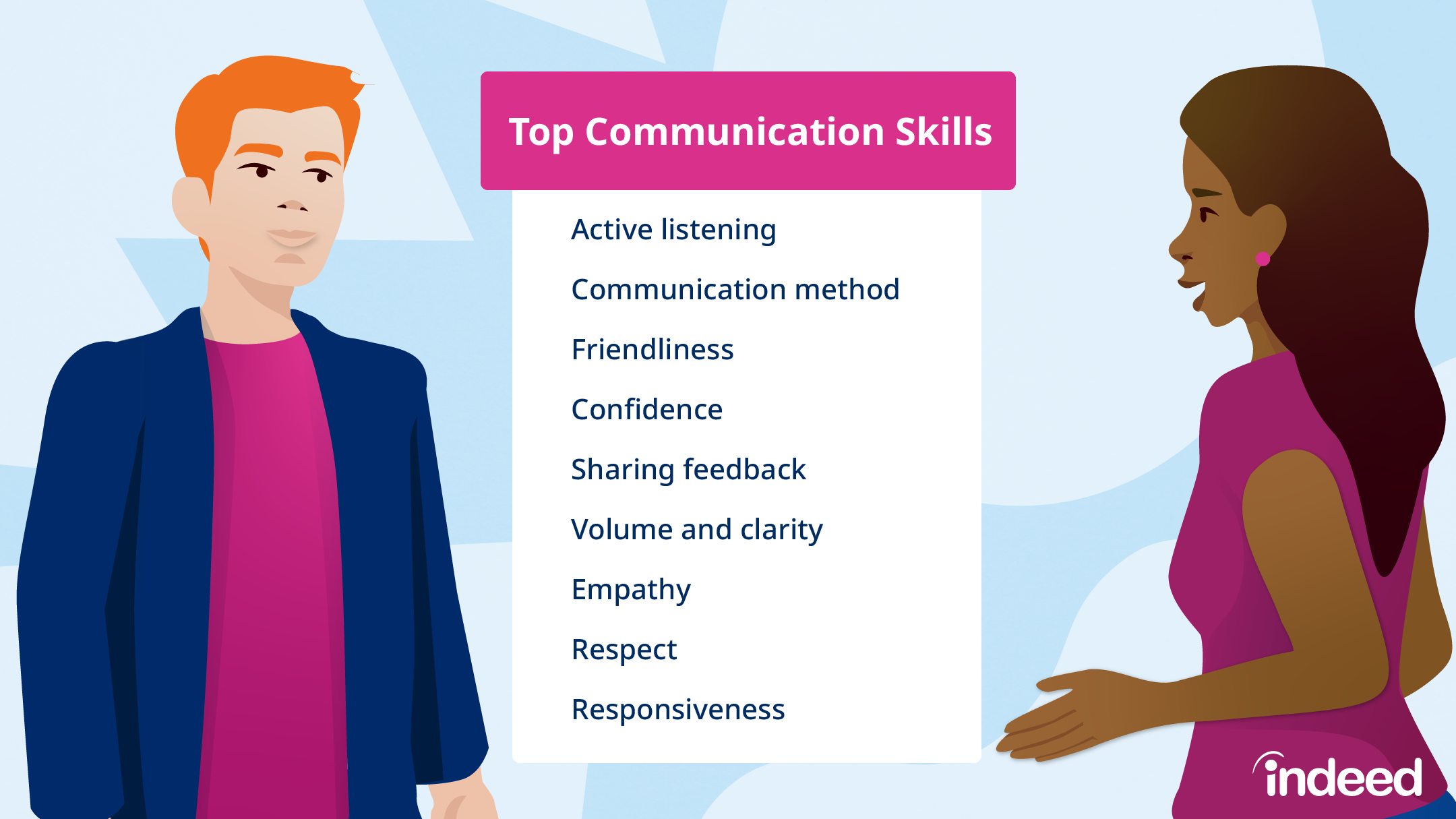
🔹 Communication Skills
🔹 Active Listening
🔹 Empathy
🔹 Problem-Solving
🔹 Emotional Control
🌱 Meaning of Peaceful Coexistence
🔹 Definition
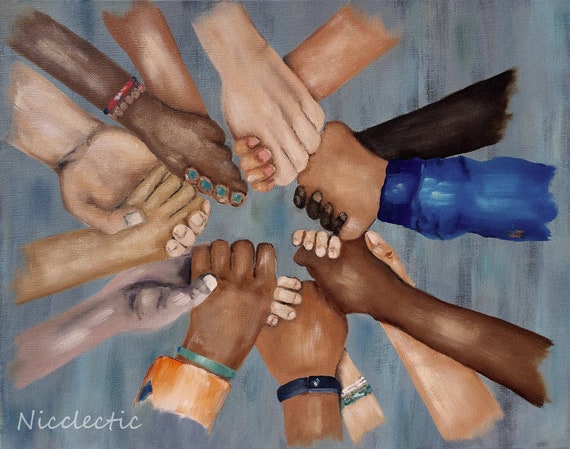
Peaceful coexistence is the ability of individuals and groups to live together harmoniously despite differences.
🔹 Key Features
- Respect
- Tolerance
- Cooperation
- Harmony
🌿 Principles of Peaceful Coexistence
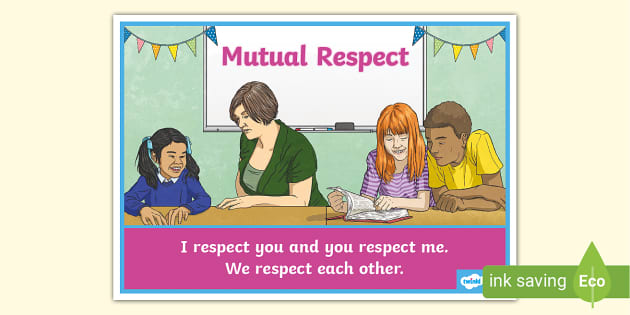
🔹 Mutual Respect


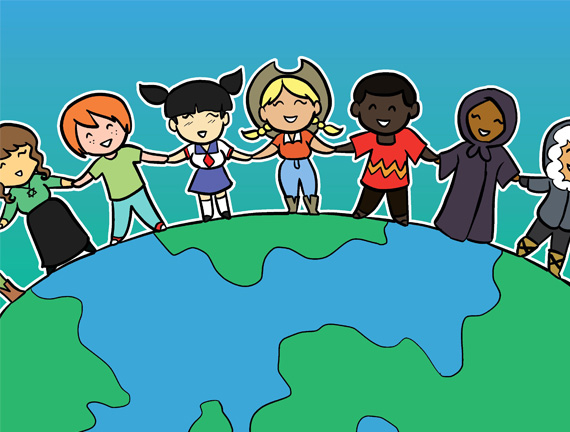
🔹 Tolerance


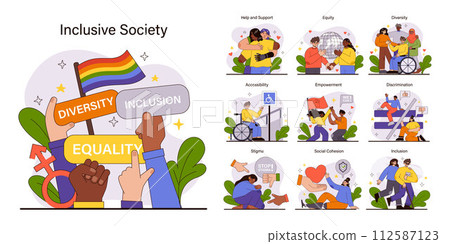

🔹 Cooperation

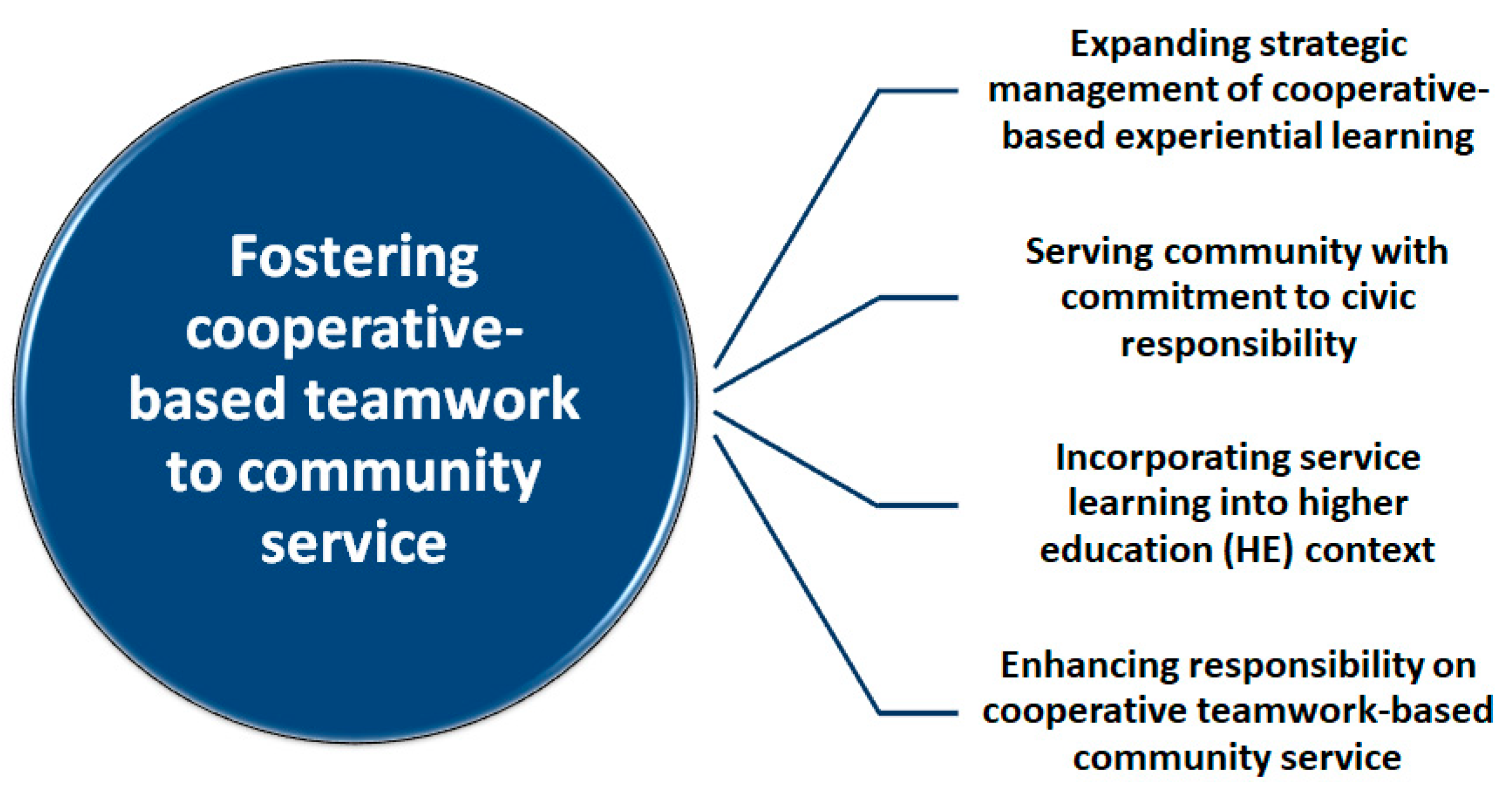


🔹 Non-Violence




🌍 Importance of Conflict Resolution
🔹 1. Maintains Relationships
🔹 2. Promotes Peace
🔹 3. Encourages Cooperation
🔹 4. Reduces Stress
🌍 Importance of Peaceful Coexistence
🔹 1. Social Harmony
🔹 2. Cultural Integration
🔹 3. Global Peace
🔹 4. Sustainable Development
🌱 Conflict Resolution in Daily Life
🔹 Family
- Resolving disagreements
🔹 School
- Managing peer conflicts
🔹 Workplace
- Handling disputes
🌍 Role of Emotional Intelligence
- Understanding emotions
- Managing reactions
- Building empathy
🌱 Techniques for Peaceful Coexistence
🔹 Respect Differences
🔹 Practice Empathy
🔹 Promote Dialogue
🔹 Avoid Violence
🌍 Challenges
🔹 Prejudice
🔹 Miscommunication
🔹 Cultural Differences
🔹 Power Imbalance
🌱 Conflict Resolution and Leadership
- Leaders must mediate conflicts
- Promote peace
🌍 Global Perspective
- Diplomacy
- International cooperation
🌱 Practical Applications
🔹 Students
- Peer conflict resolution
🔹 Professionals
- Workplace harmony
🔹 Society
- Community peace
🌟 Conclusion
Conflict resolution and peaceful coexistence are essential for maintaining harmony in personal, social, and global contexts. While conflict is inevitable, it can be managed constructively through communication, empathy, and cooperation.
By promoting respect, tolerance, and non-violence, individuals and societies can achieve lasting peace and sustainable development. In an increasingly interconnected world, these values are more important than ever.