Tag Archives: current electricity

Ohm’s Law

Image
Image
Image
Image

Introduction

Ohm’s Law is one of the fundamental principles of electrical physics and electronics. It describes the relationship between voltage (V), current (I), and resistance (R) in an electrical circuit. This law helps us understand how electric current flows through conductors and how different components affect the flow of electricity.

The law was discovered by the German physicist Georg Simon Ohm in 1827. Through experiments, he found that the current passing through a conductor is directly proportional to the voltage applied across it, provided that temperature and other physical conditions remain constant.

Ohm’s Law forms the basis of electrical circuit analysis and is widely used in designing and understanding electrical and electronic systems. Engineers and physicists rely on this law to calculate current, voltage, resistance, and power in circuits.

Ohm’s Law plays a crucial role in:

  • Electrical engineering
  • Electronics
  • Power systems
  • Communication technology
  • Household electrical appliances

Understanding Ohm’s Law is essential for studying electric circuits and electrical energy systems.


Historical Background

Image
Image
Image
Image

Georg Simon Ohm conducted experiments to study how electric current behaves in different materials.

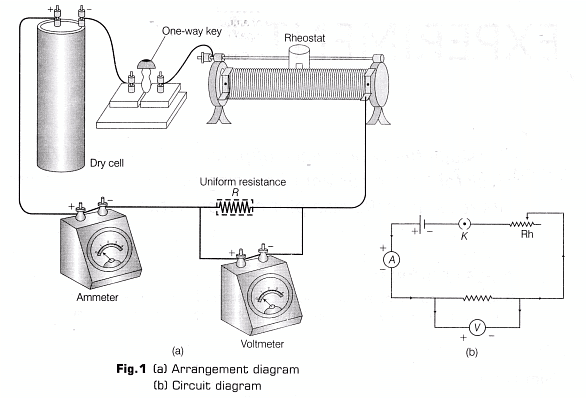
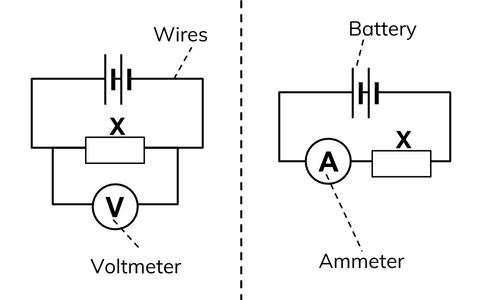
Using simple circuits consisting of batteries, wires, and resistors, he observed how current changed when voltage was increased or decreased.

Ohm discovered that:

  • Increasing voltage increases current.
  • Increasing resistance reduces current.

His work was initially controversial, but later experiments confirmed his findings. Today, Ohm’s Law is considered one of the most important laws in electricity.

The unit of electrical resistance, the ohm (Ω), was named in his honor.


Statement of Ohm’s Law

Image
Image
Image
Image

Ohm’s Law states that:

The electric current flowing through a conductor is directly proportional to the voltage across it, provided the temperature and physical conditions remain constant.

Mathematical Expression

[
V = IR
]

Where:

  • (V) = Voltage (potential difference)
  • (I) = Electric current
  • (R) = Electrical resistance

This equation can also be rearranged as:

[
I = \frac{V}{R}
]

[
R = \frac{V}{I}
]


Electrical Quantities in Ohm’s Law

Image
Image
Image
Image

Ohm’s Law involves three fundamental electrical quantities.

Voltage (V)

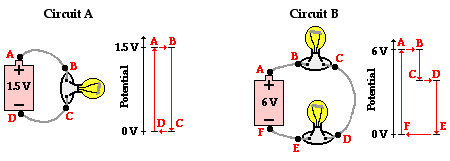
Voltage is the potential difference between two points in a circuit.

It represents the energy provided to move electric charges.

Unit:

Volt (V)

Sources of voltage include:

  • Batteries
  • Generators
  • Solar cells

Current (I)

Current is the flow of electric charge through a conductor.

Unit:

Ampere (A)

Electric current flows when a potential difference exists across a conductor.


Resistance (R)

Resistance is the opposition offered by a material to the flow of electric current.

Unit:

Ohm (Ω)

Factors affecting resistance include:

  • Length of the conductor
  • Cross-sectional area
  • Material
  • Temperature

Graphical Representation of Ohm’s Law
Image
Image
Image
Image

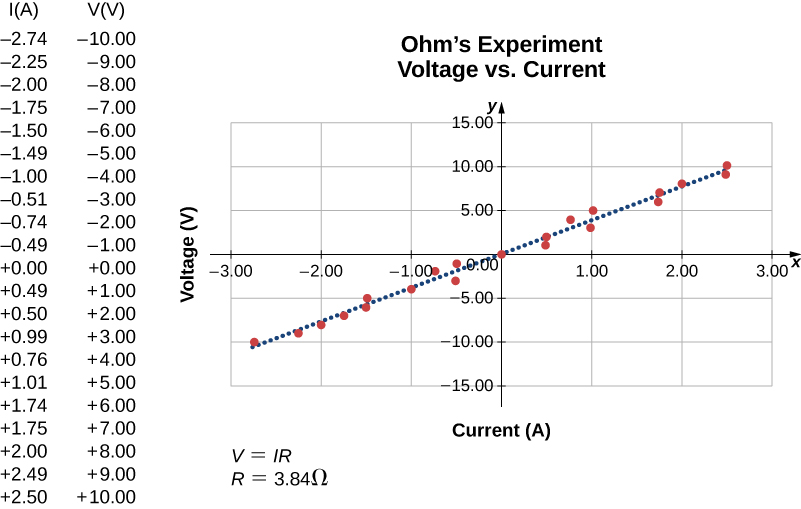
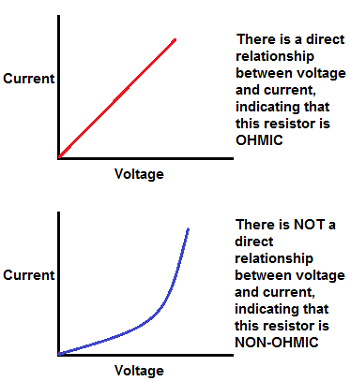
Ohm’s Law can be represented graphically.

If voltage is plotted against current, the result is a straight line passing through the origin.

Characteristics:

  • The slope of the line represents resistance.
  • A linear graph indicates an ohmic conductor.

Nonlinear graphs indicate non-ohmic materials.


Ohmic and Non-Ohmic Materials

Image
Image
Image
Image

Materials can be classified based on whether they obey Ohm’s Law.

Ohmic Materials

These materials follow Ohm’s Law exactly.

Examples:

  • Copper
  • Aluminum
  • Metallic conductors

The voltage-current graph is linear.


Non-Ohmic Materials

These materials do not obey Ohm’s Law.

Examples:

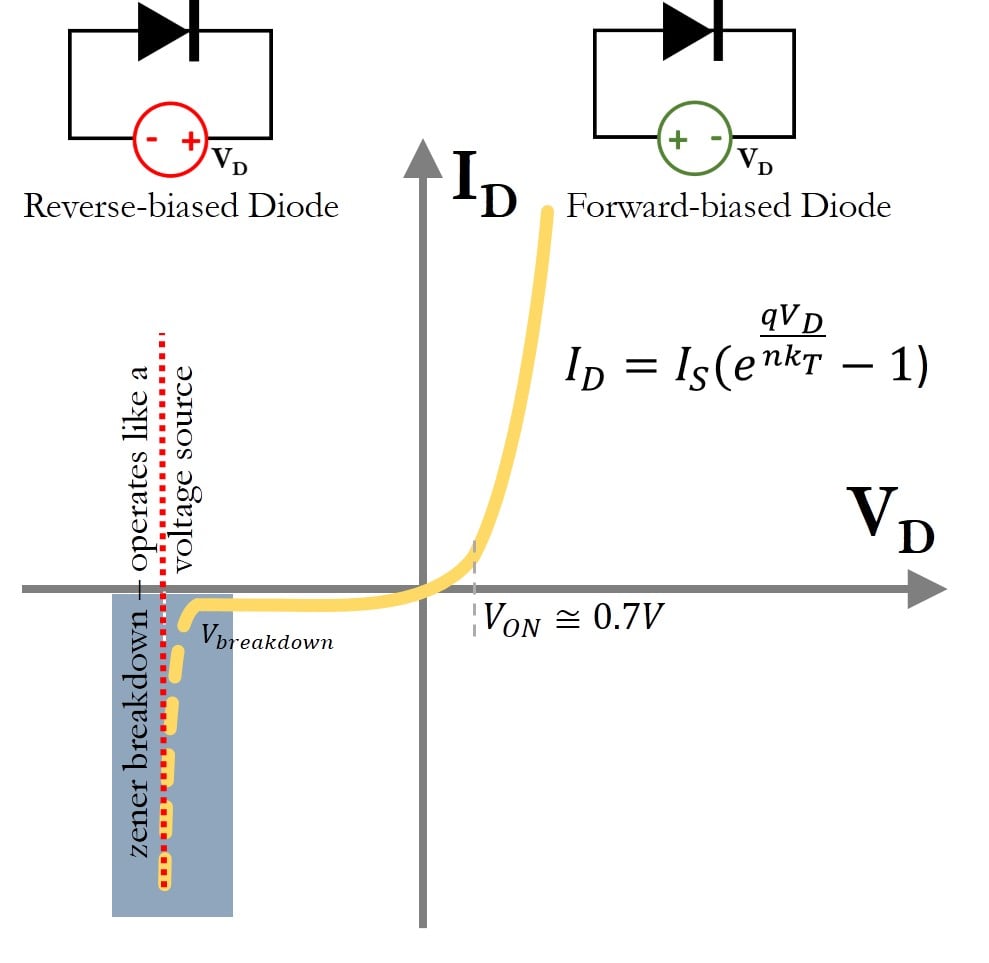
  • Diodes
  • Transistors
  • Filament lamps

Their voltage-current relationship is nonlinear.


Microscopic Explanation of Ohm’s Law

Image
Image
Image
Image

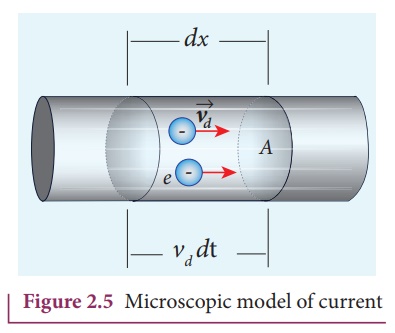
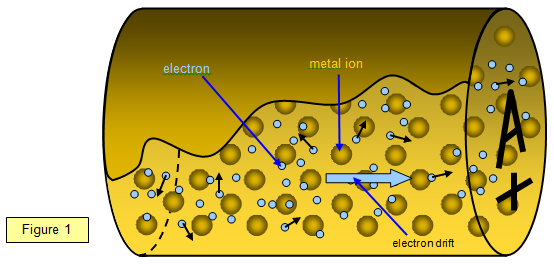
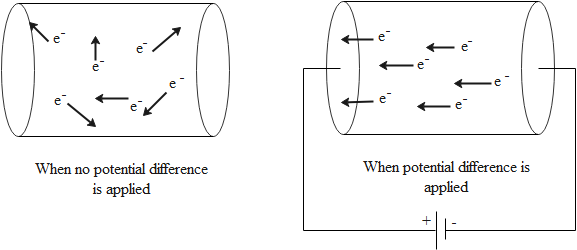
On a microscopic level, Ohm’s Law can be explained using electron motion in conductors.

In metals:

  • Free electrons move randomly.
  • When an electric field is applied, electrons gain a small drift velocity.

However, electrons frequently collide with atoms in the metal lattice, causing resistance.

These collisions limit electron motion and create resistance, leading to the relationship described by Ohm’s Law.


Resistance of a Conductor

Image
Image
Image
Image

Resistance depends on the physical properties of the conductor.

Resistance Formula

[
R = \rho \frac{L}{A}
]

Where:

  • (R) = resistance
  • (\rho) = resistivity of material
  • (L) = length of conductor
  • (A) = cross-sectional area

Resistivity

Resistivity is a property that depends on the material.

Materials with low resistivity are good conductors.


Temperature Dependence of Resistance
Image
Image
Image
Image

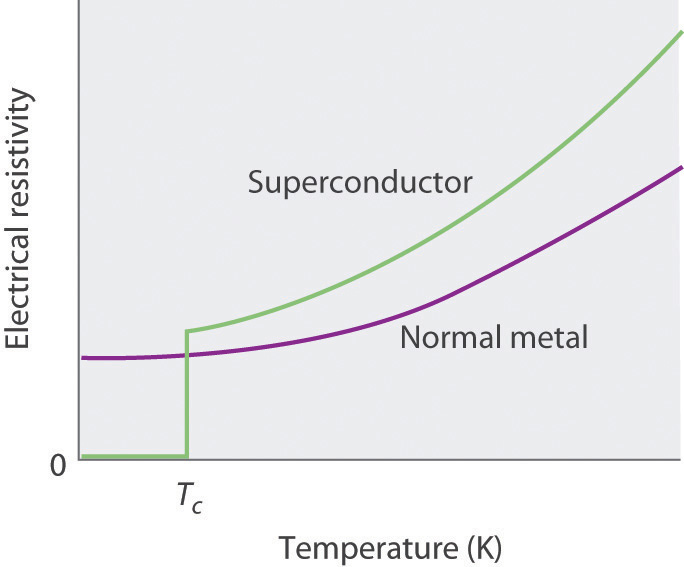
Resistance changes with temperature.

For Metals

Resistance increases with temperature.

Reason:

  • Increased atomic vibrations
  • More electron collisions

For Semiconductors

Resistance decreases with temperature.

Superconductivity

At very low temperatures, some materials show zero resistance, known as superconductivity.


Electrical Power and Ohm’s Law

Image
Image
Image
Image

Ohm’s Law helps determine electrical power.

Power Formula

[
P = VI
]

Using Ohm’s Law:

[
P = I^2R
]

[
P = \frac{V^2}{R}
]

Where:

  • (P) = power
  • (V) = voltage
  • (I) = current
  • (R) = resistance

Power is measured in watts (W).


Applications of Ohm’s Law

Image
Image
Image
Image

Ohm’s Law has many practical applications.

Electrical Circuit Design

Engineers use Ohm’s Law to design circuits and determine component values.

Household Electricity

Ohm’s Law helps determine current drawn by appliances.

Electronic Devices

Used in computers, smartphones, and other electronic equipment.

Electrical Measurements

Devices like multimeters measure voltage, current, and resistance using Ohm’s Law principles.


Limitations of Ohm’s Law

Ohm’s Law is not universally applicable.

It does not apply when:

  • Temperature changes significantly
  • Materials exhibit nonlinear behavior
  • High electric fields alter conductivity

Examples of non-ohmic devices:

  • Diodes
  • Transistors
  • Gas discharge tubes

Importance of Ohm’s Law

Ohm’s Law is fundamental in electrical science.

It helps us:

  • Understand electric circuits
  • Calculate electrical parameters
  • Design electronic systems
  • Analyze power consumption

It is one of the first laws taught in electrical engineering and physics.


Conclusion

Ohm’s Law describes the relationship between voltage, current, and resistance in electrical circuits. It states that current flowing through a conductor is directly proportional to the voltage applied across it and inversely proportional to the resistance of the conductor.

This simple yet powerful relationship allows scientists and engineers to analyze and design electrical circuits efficiently. Ohm’s Law explains how electricity behaves in conductors and helps predict how changes in voltage or resistance affect current.

From household electrical appliances to advanced electronic systems, Ohm’s Law plays a crucial role in modern technology and remains one of the most important principles in the study of electricity.

Tags

Electric Current

Image
Image
Image
Image

Introduction

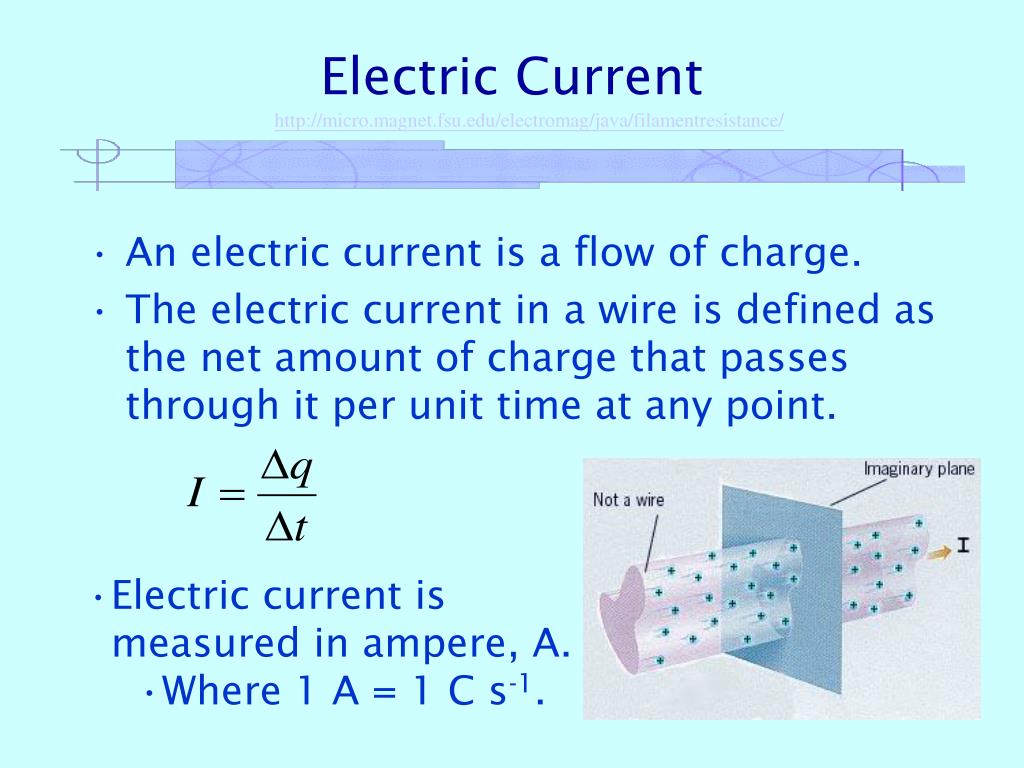
Electric current is the flow of electric charge through a conductor or medium. It is one of the most fundamental concepts in electricity and electronics, forming the basis for nearly all modern electrical systems and technologies. Electric current enables the operation of devices such as lights, computers, motors, and communication systems.

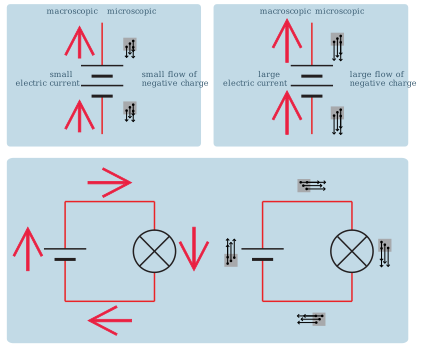
In simple terms, electric current represents the movement of charged particles, usually electrons, through a material. When a potential difference (voltage) is applied across a conductor, an electric field is created within the conductor that pushes the electrons, causing them to move and produce an electric current.

Electric current is measured in the SI unit called the ampere (A), which represents the amount of charge flowing through a conductor per unit time.

Electric current is essential for understanding many phenomena and technologies, including:

  • Electrical circuits
  • Power generation and transmission
  • Electronic devices
  • Electromagnetism
  • Electrical heating and lighting

The study of electric current forms a key part of electrodynamics, the branch of physics dealing with moving charges and their interactions with electric and magnetic fields.


Definition of Electric Current

Image
Image
Image
Image

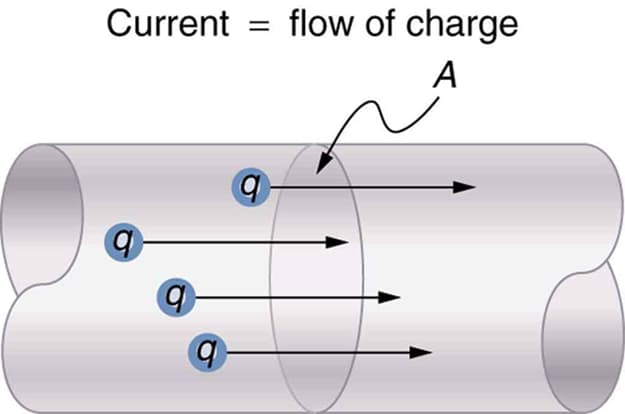
Electric current is defined as the rate of flow of electric charge through a conductor.

Mathematical Definition

[
I = \frac{Q}{t}
]

Where:

  • (I) = electric current
  • (Q) = electric charge
  • (t) = time

SI Unit

The SI unit of electric current is the ampere (A).

[
1 , A = 1 , Coulomb / second
]

This means that if one coulomb of charge flows through a conductor in one second, the current is one ampere.

Electric current can flow in many different materials including metals, liquids, gases, and semiconductors.


Electric Charge Carriers

Image
Image
Image
Image

Electric current results from the movement of charge carriers.

Different materials have different types of charge carriers.

Electrons in Conductors

In metallic conductors, current is carried by free electrons that move through the metal lattice.

Example:

Copper wires used in electrical circuits.


Ions in Electrolytes

In liquids such as salt solutions, current is carried by positive and negative ions.

Example:

Electrolysis experiments.


Electrons and Holes in Semiconductors

In semiconductor materials such as silicon, current is carried by:

  • Electrons
  • Holes (absence of electrons)

These materials form the basis of electronic devices.


Direction of Electric Current

Image
Image
Image
Image

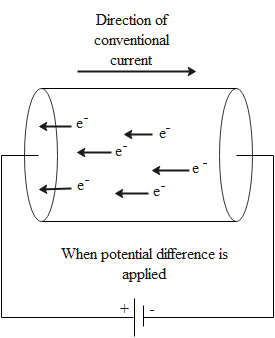
There are two ways to describe current direction.

Conventional Current

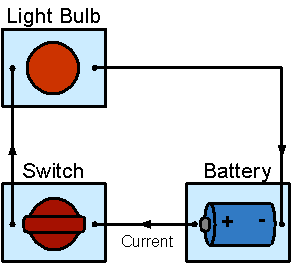
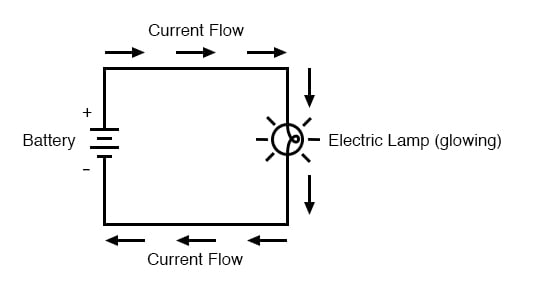
Conventional current flows from the positive terminal to the negative terminal of a battery.

This convention was established before electrons were discovered.


Electron Flow

Electrons actually move from the negative terminal to the positive terminal.

Thus, electron flow is opposite to conventional current direction.

Despite this difference, the conventional current direction is still widely used in circuit analysis.


Drift Velocity of Electrons

Image
Image
Image
Image

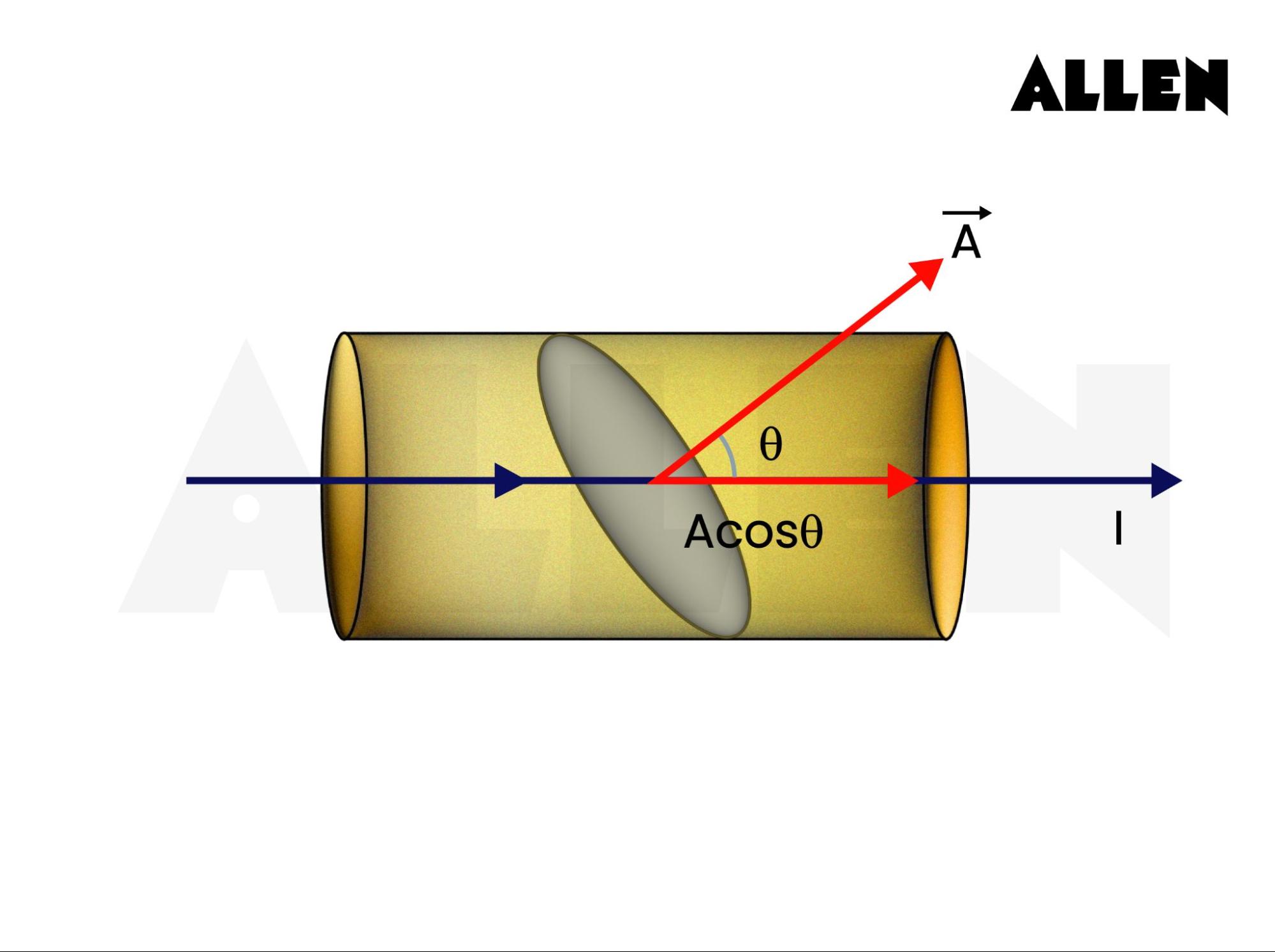
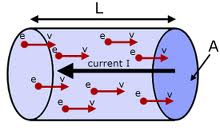
Although electrons move randomly inside conductors, when an electric field is applied they acquire a small average velocity called drift velocity.

Drift Velocity Formula

[
I = nqv_dA
]

Where:

  • (n) = number of charge carriers
  • (q) = charge of each carrier
  • (v_d) = drift velocity
  • (A) = cross-sectional area

Drift velocity is typically very small, but because many electrons move simultaneously, the current becomes significant.


Types of Electric Current

Image
Image
Image
Image

Electric current can be classified into two main types.

Direct Current (DC)

Direct current flows in one constant direction.

Characteristics:

  • Constant polarity
  • Steady voltage

Examples:

  • Batteries
  • Solar cells
  • Electronic circuits

Alternating Current (AC)

Alternating current changes direction periodically.

Characteristics:

  • Voltage and current vary with time
  • Usually sinusoidal waveform

Examples:

  • Household electricity supply
  • Power transmission systems

Electric Current Density

Image
Image
Image
Image

Current density describes how current flows through a conductor.

Definition

Current density is the current per unit cross-sectional area.

Formula

[
J = \frac{I}{A}
]

Where:

  • (J) = current density
  • (I) = current
  • (A) = cross-sectional area

Unit:

[
A/m^2
]

Current density is a vector quantity that indicates the direction of charge flow.


Ohm’s Law and Electric Current

Image
Image
Image
Image

Electric current in many materials obeys Ohm’s Law.

Ohm’s Law Formula

[
V = IR
]

Where:

  • (V) = voltage
  • (I) = current
  • (R) = resistance

This equation describes how current depends on voltage and resistance.


Electric Current in Different Materials

Image
Image
Image
Image

Electric current behaves differently depending on the material.

Conductors

Materials with many free electrons.

Examples:

  • Copper
  • Aluminum

They allow current to flow easily.


Insulators

Materials that resist electron movement.

Examples:

  • Rubber
  • Plastic

Current flow is extremely small.


Semiconductors

Materials with intermediate conductivity.

Examples:

  • Silicon
  • Germanium

Used in transistors, diodes, and integrated circuits.


Magnetic Effects of Electric Current

Image
Image
Image
Image

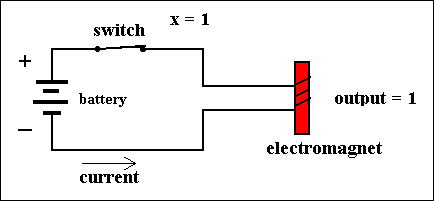
Electric current produces a magnetic field around the conductor.

This phenomenon was discovered by Hans Christian Ørsted.

The direction of the magnetic field can be determined using the right-hand rule.

Applications include:

  • Electric motors
  • Generators
  • Electromagnets
  • Transformers

Heating Effect of Electric Current

Image
Image
Image
Image

When electric current flows through a conductor, heat is produced.

This phenomenon is called the Joule heating effect.

Joule’s Law

[
H = I^2 R t
]

Where:

  • (H) = heat energy produced
  • (I) = current
  • (R) = resistance
  • (t) = time

Applications include:

  • Electric heaters
  • Toasters
  • Electric irons

Chemical Effects of Electric Current

Image
Image
Image
Image

Electric current passing through electrolytes causes chemical reactions.

Examples:

  • Electrolysis of water
  • Electroplating
  • Battery charging

These processes are widely used in industry.


Applications of Electric Current

Image
Image
Image
Image

Electric current powers nearly all modern technology.

Power Generation

Electric current is produced in power plants using generators.


Electric Motors

Current interacting with magnetic fields produces mechanical motion.


Electronics

Electronic circuits use electric current to process information.


Lighting

Electric current powers lamps and LEDs.


Communication Systems

Telecommunication devices rely on electric current signals.


Importance of Electric Current

Electric current is one of the most important phenomena in modern civilization.

It is essential for:

  • Electrical energy distribution
  • Electronic devices
  • Industrial machinery
  • Transportation systems
  • Medical equipment

Without electric current, modern technology and infrastructure would not function.


Conclusion

Electric current is the flow of electric charge through a conductor or medium. It forms the basis of electricity and plays a crucial role in powering modern technology. The movement of charge carriers such as electrons or ions produces electric current, which can generate magnetic fields, heat, and chemical reactions.

Electric current exists in different forms such as direct current and alternating current, each serving specific purposes in electrical systems. Understanding electric current is essential for studying circuits, electronics, and electromagnetic phenomena.

From simple household appliances to complex communication networks and power systems, electric current remains one of the most important aspects of modern science and technology.


Tags