
🌿 Introduction




Empathy is one of the most powerful and essential human qualities that enables individuals to understand and share the feelings of others. It is the ability to step into another person’s shoes, to perceive their emotions, thoughts, and experiences, and to respond with care and sensitivity. In a world marked by diversity, complexity, and rapid change, empathy serves as a bridge that connects individuals, promotes understanding, and fosters harmonious relationships.
Empathy is not merely about feeling sorry for someone—it goes beyond sympathy. It involves actively understanding another person’s emotional state and responding in a supportive and meaningful way. Whether in personal relationships, education, healthcare, or global interactions, empathy plays a crucial role in building trust, reducing conflicts, and promoting cooperation.
🌱 Meaning and Definitions
🔹 Empathy
Empathy is:
- The ability to understand and share the feelings of others
- Experiencing another person’s emotions from their perspective
- Responding with care and compassion
🔹 Types of Empathy
| Type | Description |
|---|---|
| Cognitive Empathy | Understanding another person’s thoughts and perspective |
| Emotional Empathy | Feeling what another person feels |
| Compassionate Empathy | Understanding and taking action to help |
🔹 Empathy vs Sympathy
| Aspect | Empathy | Sympathy |
|---|---|---|
| Connection | Deep emotional understanding | Acknowledgment of feelings |
| Response | Shared experience | Feeling sorry |
| Action | Often leads to helping | May not involve action |
🧠 Psychological Foundations
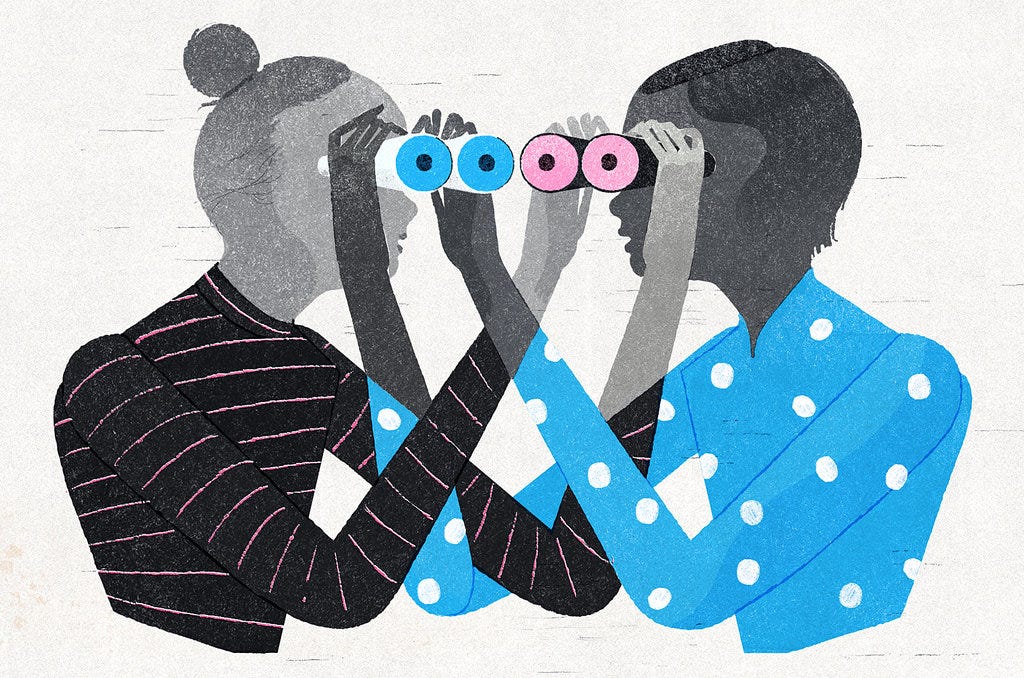


🔹 Brain Mechanisms
- Mirror neurons play a role in understanding others’ emotions
- The brain simulates others’ experiences
🔹 Emotional Intelligence
- Empathy is a key component of emotional intelligence
- Helps in recognizing and managing emotions
🔹 Development in Childhood
- Begins early in life through observation and interaction
- Influenced by parenting and environment
🏛️ Philosophical Perspectives


🔸 Ancient Philosophy
- Aristotle emphasized understanding others for moral behavior
🔸 Eastern Philosophy
- Buddhism promotes compassion (Karuna) and empathy
- Confucianism emphasizes understanding and respect
🔸 Modern Thinkers
- Mahatma Gandhi practiced empathy through non-violence and understanding
🧘 Spiritual and Religious Significance


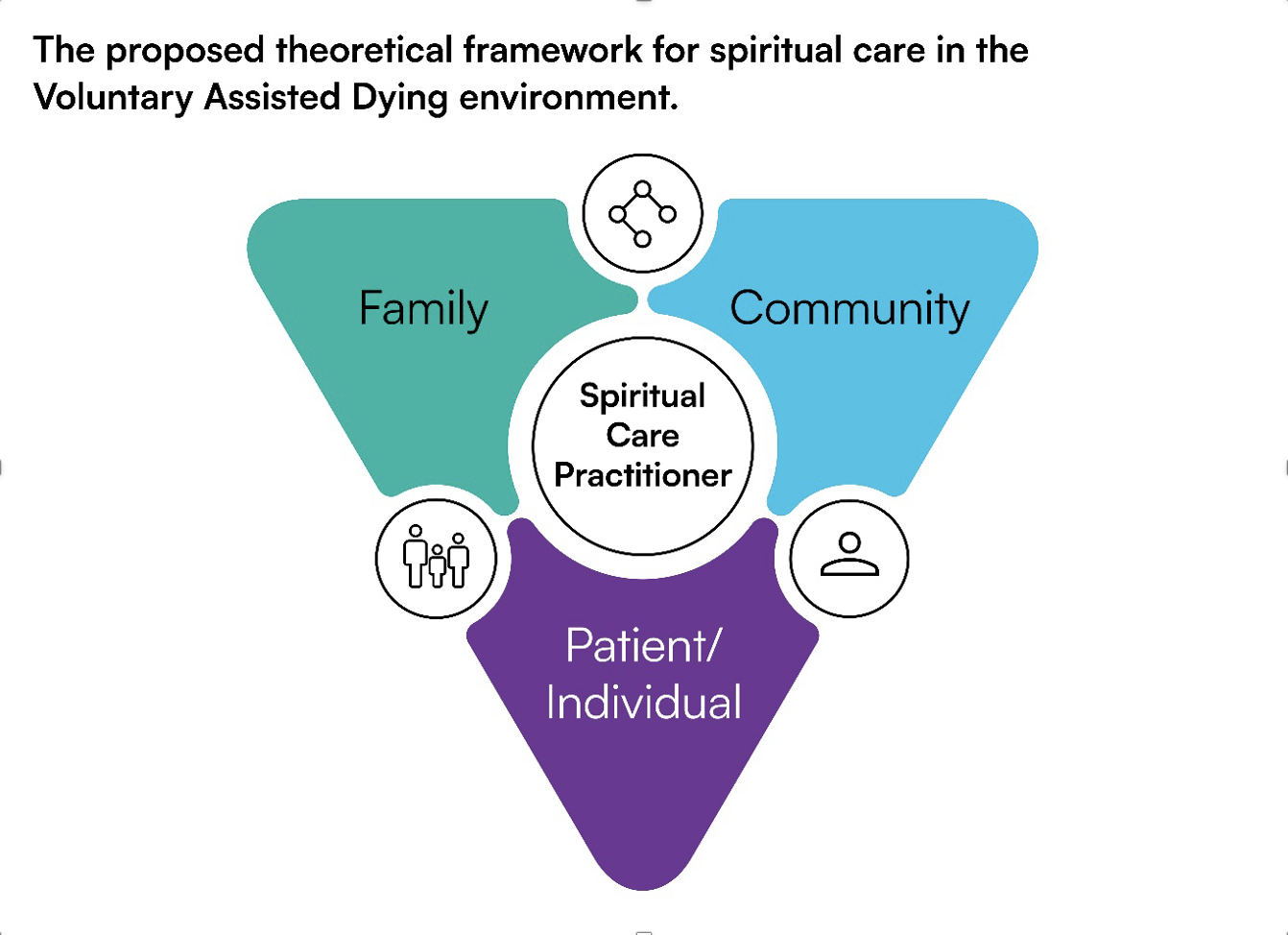

🔹 Hinduism
- Encourages compassion and understanding
🔹 Buddhism
- Empathy is central to achieving enlightenment
🔹 Christianity
- Teaches love and empathy for others
🔹 Islam
- Emphasizes kindness and understanding
🏠 Role in Personal Life
🌟 Relationships
- Strengthens emotional bonds
- Builds trust and understanding
🌟 Conflict Resolution
- Helps in resolving misunderstandings
- Encourages peaceful communication
🌟 Emotional Support
- Enables individuals to support others effectively
🌍 Social Importance

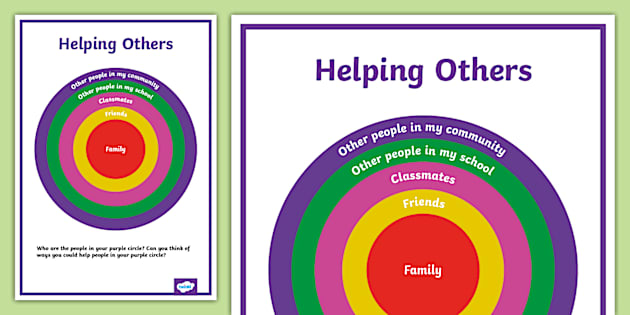


🔹 Social Harmony
- Reduces conflicts and misunderstandings
🔹 Inclusivity
- Promotes acceptance of diversity
🔹 Justice and Equality
- Drives efforts to support marginalized groups
🏫 Importance in Education
📘 Classroom Environment
- Encourages respect and cooperation
📘 Teacher Role
- Teachers model empathetic behavior
📘 Student Development
- Enhances social and emotional skills
💼 Workplace Relevance



🔹 Leadership
- Empathetic leaders build trust
🔹 Teamwork
- Improves communication and collaboration
🔹 Employee Well-being
- Supports mental health
⚖️ Ethical Dimensions
🔸 Moral Responsibility
- Understanding others is an ethical duty
🔸 Compassionate Action
- Empathy leads to helping behavior
🔸 Fairness
- Promotes just and ethical decisions
🧩 Challenges to Empathy


🔹 Bias and Prejudice
- Limits understanding of others
🔹 Stress and Distraction
- Reduces emotional awareness
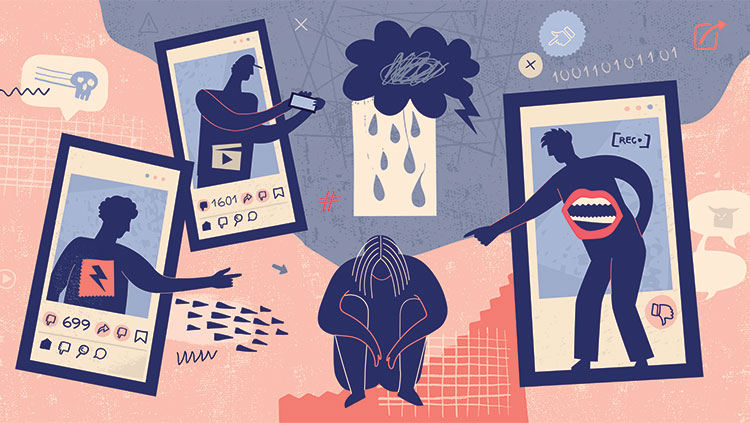
🔹 Digital Disconnect
- Less face-to-face interaction
🔹 Emotional Burnout
- Excessive empathy can lead to fatigue
🌟 Benefits of Empathy
✅ Personal Benefits
- Better relationships
- Emotional growth
- Increased happiness
✅ Social Benefits
- Stronger communities
- Reduced conflicts
✅ Professional Benefits
- Effective leadership
- Improved teamwork
🛠️ Ways to Develop Empathy




🔹 Active Listening
- Pay attention without interrupting
🔹 Perspective-Taking
- Try to see situations from others’ viewpoint
🔹 Emotional Awareness
- Recognize your own emotions
🔹 Practice Kindness
- Engage in helping behaviors
🔹 Exposure to Diversity
- Interact with different cultures and people
📱 Empathy in the Digital Age



🔹 Online Communication
- Use respectful and understanding language
🔹 Digital Communities
- Support others through online platforms
🔹 Challenges
- Misinterpretation of messages
- Lack of emotional cues
🧭 Real-Life Examples
🔹 Everyday Situations
- Comforting a friend
- Helping someone in distress
🔹 Professional Settings
- Doctors understanding patients
- Teachers supporting students
🔹 Global Context
- Humanitarian efforts
- Social justice movements
📊 Comparison with Related Values
| Value | Relation |
|---|---|
| Compassion | Empathy leads to compassionate action |
| Kindness | Expression of empathy |
| Sympathy | Less deep than empathy |
| Emotional Intelligence | Includes empathy |
🧾 Conclusion
Empathy is a cornerstone of human connection and social harmony. It enables individuals to understand, support, and care for one another, creating a more compassionate and inclusive world. In an era marked by diversity and complexity, empathy is more important than ever.
By developing empathy, individuals can improve their relationships, enhance their emotional intelligence, and contribute positively to society. It is not just a feeling—it is a skill that can be cultivated through practice, awareness, and intention.
Ultimately, empathy reminds us of our shared humanity and the importance of understanding one another. It is a powerful force that can transform individuals, communities, and the world.