
🌿 Introduction




Equality and human rights are fundamental principles that uphold dignity, fairness, and justice in society. They ensure that every individual, regardless of background, identity, or circumstances, is treated with respect and has access to opportunities and freedoms. These values form the cornerstone of democratic societies and are essential for peace, development, and human well-being.
Equality refers to the state of being equal in rights, opportunities, and treatment. Human rights are the basic rights and freedoms that belong to every person simply because they are human. Together, these concepts aim to create a world where discrimination is eliminated, and everyone can live with dignity and freedom.
In today’s globalized world, where diversity is vast and inequalities persist, understanding and promoting equality and human rights is more important than ever.
🌱 Meaning and Definitions
🔹 Equality
Equality is:
- The state of being equal in status, rights, and opportunities
- Ensuring fairness and non-discrimination
- Providing equal access to resources and opportunities
Examples:
- Equal pay for equal work
- Equal access to education
- Non-discriminatory laws
🔹 Human Rights
Human rights are:
- Fundamental rights inherent to all human beings
- Universal, inalienable, and indivisible
- Protected by laws and international agreements
Examples:
- Right to life
- Freedom of speech
- Right to education
🔹 Key Differences
| Aspect | Equality | Human Rights |
|---|---|---|
| Nature | Principle of fairness | Legal and moral rights |
| Focus | Equal treatment | Basic freedoms |
| Example | Equal opportunities | Right to freedom |
🧠 Philosophical Foundations




🔸 Natural Rights Theory
- Thinkers like John Locke argued that all humans are born with natural rights
- Rights include life, liberty, and property
🔸 Social Contract
- Jean-Jacques Rousseau emphasized equality in society
- Governments should protect citizens’ rights
🔸 Marxist Perspective
- Karl Marx focused on economic equality
- Critiqued social and class inequalities
🔸 Eastern Philosophy
- Buddhism promotes equality and compassion
- Emphasizes dignity of all beings
🧾 Historical Development




🔹 Early Developments
- Ancient laws recognized basic rights
- Concepts evolved over centuries
🔹 Major Milestones
- Magna Carta (1215): Limited royal power
- French Revolution (1789): Promoted liberty and equality
- Universal Declaration of Human Rights (1948): Global recognition of rights
🔹 Modern Era
- Growth of human rights movements
- Expansion of rights to marginalized groups
🌍 Types of Human Rights


🔹 Civil and Political Rights
- Right to life
- Freedom of speech
- Right to vote
🔹 Economic, Social, and Cultural Rights
- Right to education
- Right to work
- Right to health
🔹 Collective Rights
- Right to development
- Environmental rights
- Cultural rights
🏛️ Legal and Institutional Framework

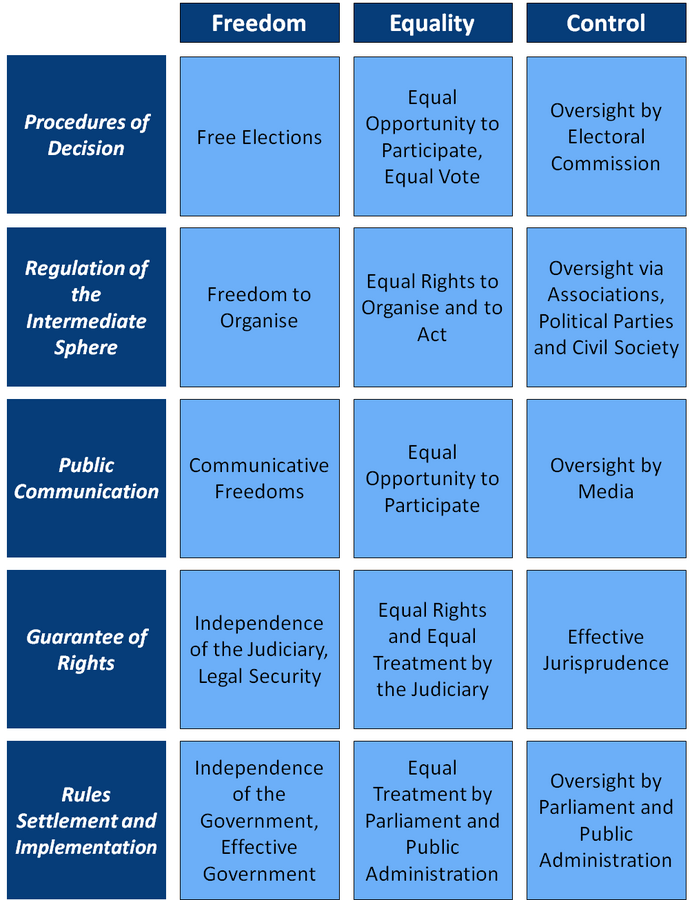


🔹 International Organizations
- United Nations promotes and protects human rights globally
🔹 Legal Instruments
- Universal Declaration of Human Rights
- International treaties and conventions
🔹 National Laws
- Constitutions guarantee fundamental rights
- Legal systems enforce equality
🏠 Role in Personal Life
🌟 Dignity and Respect
- Ensures individuals are treated fairly
🌟 Freedom
- Enables individuals to express themselves
🌟 Opportunities
- Equal access to education and employment
🌍 Social Importance


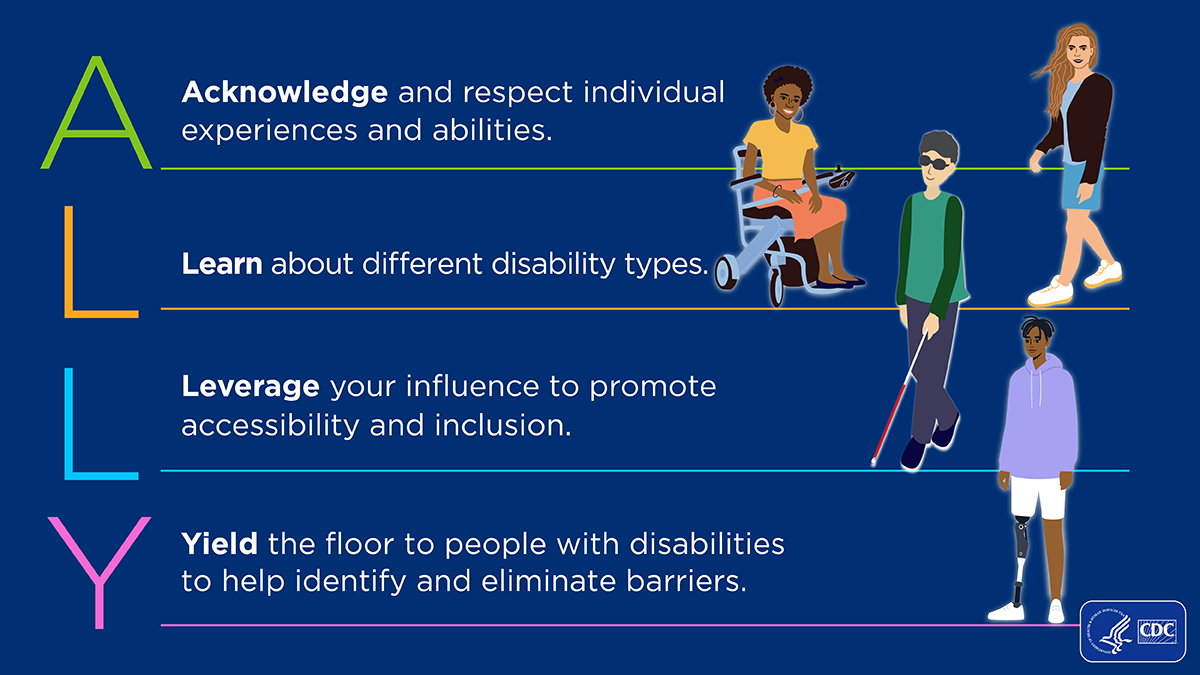

🔹 Social Justice
- Reduces inequality and discrimination
🔹 Inclusivity
- Promotes acceptance of diversity
🔹 Peace and Stability
- Prevents conflicts and promotes harmony
🏫 Importance in Education
📘 Equal Access
- Education for all regardless of background
📘 Awareness
- Teaching human rights values
📘 Empowerment
- Enables individuals to claim their rights
💼 Workplace Relevance




🔹 Equal Opportunities
- Fair hiring and promotion
🔹 Non-Discrimination
- Respect for diversity
🔹 Safe Environment
- Protection from harassment
⚖️ Ethical Dimensions
🔸 Justice
- Fair treatment for all
🔸 Respect
- Valuing human dignity
🔸 Responsibility
- Protecting others’ rights
🧩 Challenges to Equality and Human Rights




🔹 Discrimination
- Based on race, gender, religion, etc.
🔹 Poverty
- Limits access to basic rights
🔹 Political Issues
- Weak enforcement of laws
🔹 Cultural Barriers
- Traditional practices limiting equality
🌟 Benefits of Equality and Human Rights
✅ Personal Benefits
- Freedom and dignity
- Equal opportunities
✅ Social Benefits
- Inclusive and harmonious society
✅ Economic Benefits
- Better utilization of human potential
🛠️ Ways to Promote Equality and Human Rights



🔹 Education
- Raising awareness about rights
🔹 Legal Action
- Enforcing laws
🔹 Advocacy
- Supporting social movements
🔹 Community Participation
- Promoting inclusivity
📱 Equality in the Digital Age



🔹 Digital Rights
- Right to privacy and access
🔹 Online Activism
- Promoting equality through platforms
🔹 Challenges
- Digital divide and cyber discrimination
🧭 Real-Life Examples
🔹 Social Movements
- Civil rights movements
- Gender equality campaigns
🔹 Legal Reforms
- Laws promoting equality
🔹 Global Efforts
- International cooperation for rights protection
📊 Comparison with Related Values
| Value | Relation |
|---|---|
| Justice | Ensures fairness |
| Freedom | Core human right |
| Dignity | Basis of rights |
| Equity | Fair distribution |
🧾 Conclusion
Equality and human rights are fundamental principles that ensure dignity, fairness, and justice for all individuals. They form the foundation of peaceful and progressive societies, enabling people to live with freedom and respect. While significant progress has been made, challenges remain, making it essential to continue promoting and protecting these values.
By understanding and upholding equality and human rights, individuals can contribute to a more just, inclusive, and harmonious world. These values are not just ideals—they are essential for the well-being and advancement of humanity.