
🌍 Visual Overview: Power, Authority & Legitimacy in Action




📘 1. Introduction
In Political Science, Power, Authority, and Legitimacy are three foundational and interconnected concepts that explain how political systems function, how decisions are enforced, and why people obey rules.
- Power → The ability to influence or control behavior
- Authority → Legitimate or accepted use of power
- Legitimacy → The belief that authority is rightful and justified
These concepts form the backbone of governance, political institutions, leadership, and public obedience.
🧠 2. Understanding Power
📌 Meaning of Power
Power is the capacity of an individual or group to influence the actions, beliefs, or behavior of others, even against resistance.
🔍 Definitions:
- Max Weber:
Power is the probability that one actor within a social relationship will be in a position to carry out his own will despite resistance. - Robert Dahl:
A has power over B to the extent that A can get B to do something B would not otherwise do.
⚙️ Types of Power
🟢 1. Political Power
- Exercised by governments
- Includes law-making and enforcement
🔵 2. Economic Power
- Control over resources and wealth
- Influence of corporations and elites
🟣 3. Social Power
- Influence through culture, norms, traditions
🔴 4. Military Power
- Use of force or coercion
- Defense and war capability
🟡 5. Ideological Power
- Control over beliefs and values
- Media, education, religion
🧩 Forms of Power


1. Hard Power
- Use of force or coercion
- Example: military action
2. Soft Power
- Persuasion and attraction
- Example: culture, diplomacy
3. Smart Power
- Combination of hard and soft power
🔄 Characteristics of Power
- Relational (involves at least two actors)
- Dynamic (changes over time)
- Situational (depends on context)
- Invisible or visible
⚠️ Limitations of Power
- Resistance from people
- Ethical constraints
- Legal restrictions
- International pressures
🏛️ 3. Understanding Authority
📌 Meaning of Authority
Authority is power that is considered legitimate and rightful by those who are subject to it.
👉 In simple terms:
All authority is power, but not all power is authority.
🧠 Definitions of Authority
- Max Weber:
Authority is legitimate power accepted by people. - Hannah Arendt:
Authority is based on recognition and respect, not coercion.
🧩 Types of Authority (Max Weber’s Classification)




👑 1. Traditional Authority
- Based on customs and traditions
- Example: monarchies
🌟 2. Charismatic Authority
- Based on personal qualities of leaders
- Example: Mahatma Gandhi
⚖️ 3. Legal-Rational Authority
- Based on laws and rules
- Found in modern democracies
📊 Features of Authority
- Accepted by people
- Based on legitimacy
- Stable and enduring
- Institutionalized
⚖️ Authority vs Power
| Basis | Power | Authority |
|---|---|---|
| Nature | Coercive | Legitimate |
| Acceptance | May not be accepted | Accepted |
| Stability | Temporary | More stable |
| Source | Force, influence | Law, tradition |
🌐 4. Understanding Legitimacy
📌 Meaning of Legitimacy
Legitimacy is the belief that authority is justified, proper, and should be obeyed.
👉 It is the psychological and moral foundation of authority.
🧠 Definitions
- Max Weber:
Legitimacy is the basis of authority’s acceptance. - David Easton:
Legitimacy is the belief that political arrangements are appropriate.
🧩 Sources of Legitimacy


1. Tradition
- Long-standing customs
2. Charisma
- Leader’s personality
3. Legal Validity
- Constitutional rules
4. Performance
- Good governance and development
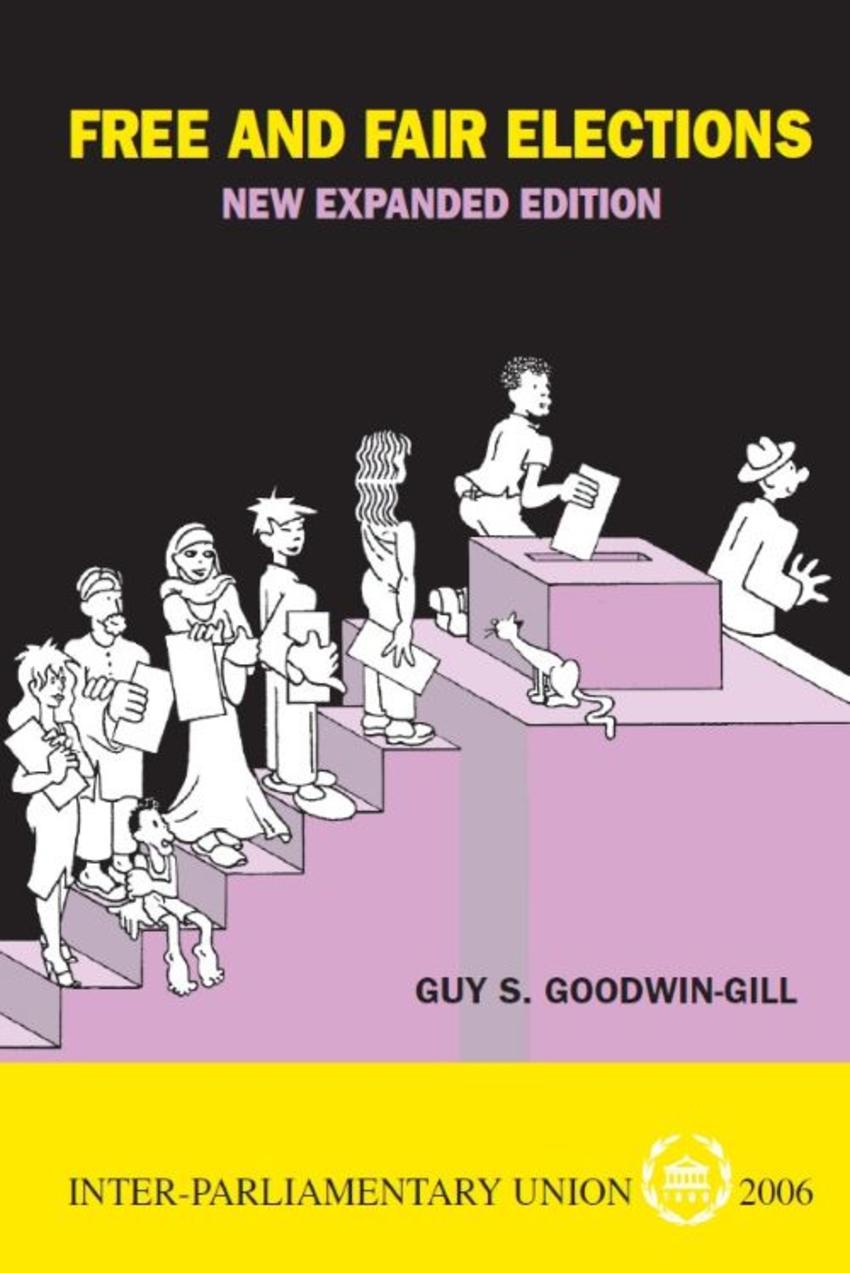
5. Consent of the People
- Elections and participation
📊 Types of Legitimacy
🟢 Input Legitimacy
- Based on participation (elections)
🔵 Output Legitimacy
- Based on results (policies, development)
⚠️ Crisis of Legitimacy
Occurs when people lose faith in the system:
- Corruption
- Inefficiency
- Lack of transparency
- Authoritarianism
🔗 5. Relationship Between Power, Authority, and Legitimacy


🔄 Interconnection:
- Power + Legitimacy = Authority
- Authority ensures stable governance
- Legitimacy ensures voluntary obedience
📌 Example:
- A dictator may have power but lacks legitimacy
- A democratic leader has authority because of legitimacy
🏛️ 6. Role in Political Systems
🟢 In Democracies:
- Power is limited by law
- Authority is derived from elections
- Legitimacy is high
🔴 In Authoritarian Systems:
- Power dominates
- Authority is weak
- Legitimacy is often questioned
🌍 7. Modern Perspectives
📱 1. Media and Power
- Social media influences public opinion
🌐 2. Globalization
- Limits state sovereignty
🧑🤝🧑 3. Civil Society
- Challenges authority
- Promotes accountability
⚖️ 8. Importance of These Concepts
- Explain political obedience
- Help analyze governments
- Guide policy-making
- Ensure stability and order
⚠️ 9. Challenges in Modern Politics
- Declining trust in institutions
- Rise of populism
- Fake news and misinformation
- Political polarization
🧠 10. Conclusion
Power, authority, and legitimacy are essential for understanding political life. While power ensures control, authority ensures acceptance, and legitimacy ensures stability. A strong political system balances all three effectively.
Without legitimacy, power becomes coercion. Without authority, governance becomes unstable. Together, they form the foundation of a functioning political system.