
🌍 Introduction




Empathy and compassion are among the most essential human values that enable individuals to connect deeply with others, understand their feelings, and respond with kindness and care. These values form the foundation of healthy relationships, social harmony, and ethical behavior.
In a world increasingly marked by diversity, competition, and rapid change, empathy and compassion help bridge differences, reduce conflicts, and foster a sense of shared humanity. They are not only emotional responses but also skills and values that can be developed and practiced.
🧭 Meaning of Empathy
🔹 Definition
Empathy is the ability to understand and share the feelings of another person.
It involves:
- Recognizing emotions in others
- Understanding their perspective
- Responding appropriately
🔹 Types of Empathy
🧠 1. Cognitive Empathy

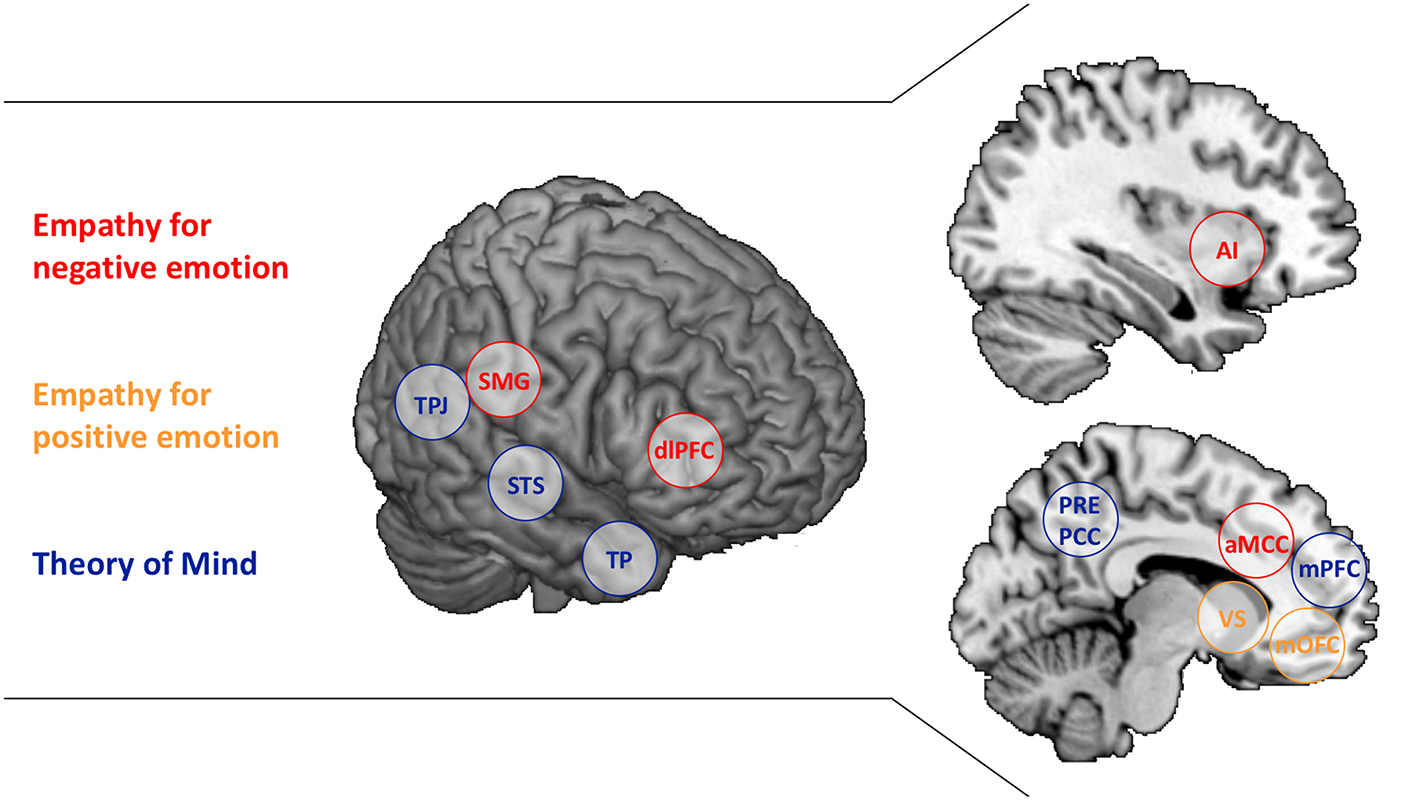


- Understanding another person’s thoughts
- Seeing situations from their perspective
❤️ 2. Emotional Empathy

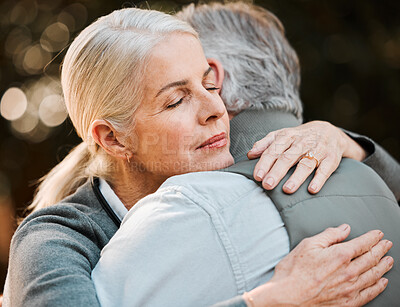
- Feeling what others feel
- Emotional connection
🤝 3. Compassionate Empathy




- Understanding + action
- Motivates helping behavior
🌱 Meaning of Compassion
🔹 Definition
Compassion is the deep feeling of sympathy and concern for others’ suffering, combined with a desire to help alleviate it.
🔹 Key Elements of Compassion
- Awareness of suffering
- Emotional connection
- Desire to help
- Taking action
🌿 Difference Between Empathy and Compassion
| Aspect | Empathy | Compassion |
|---|---|---|
| Meaning | Understanding feelings | Acting to relieve suffering |
| Nature | Emotional connection | Action-oriented |
| Focus | Feeling with others | Helping others |
🌟 Nature of Empathy
🔹 1. Emotional and Cognitive

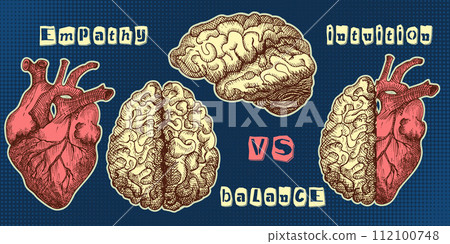
- Involves both thinking and feeling
🔹 2. Universal

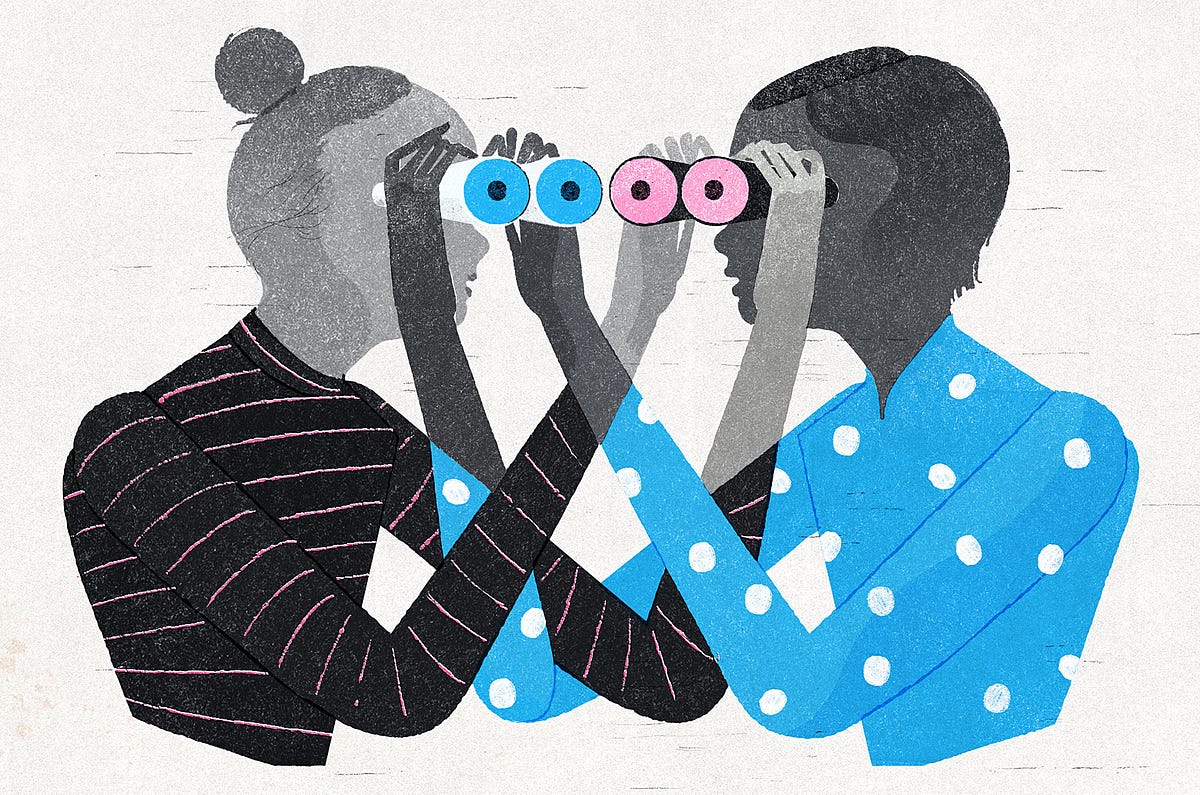

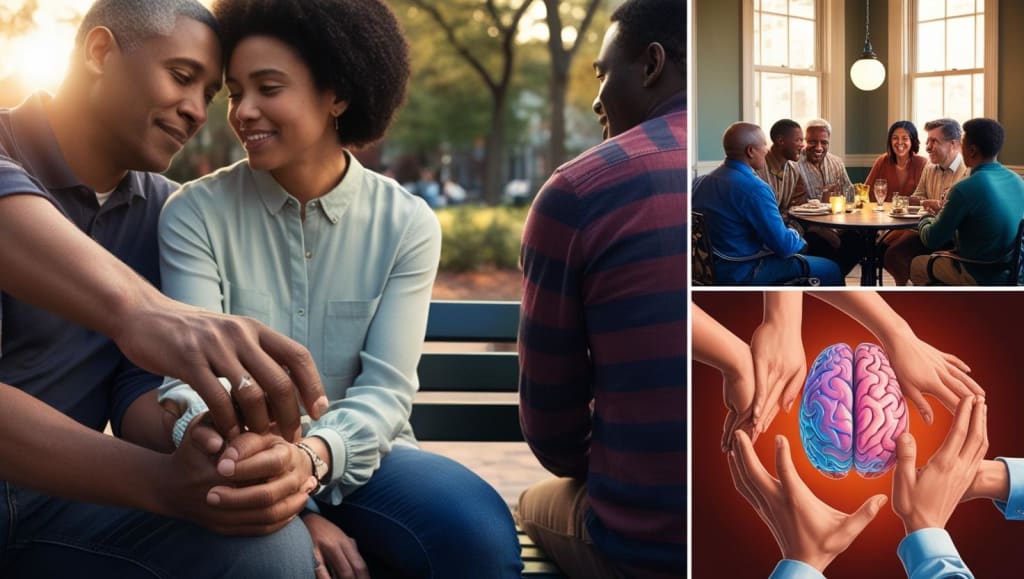
- Found across cultures
🔹 3. Learnable
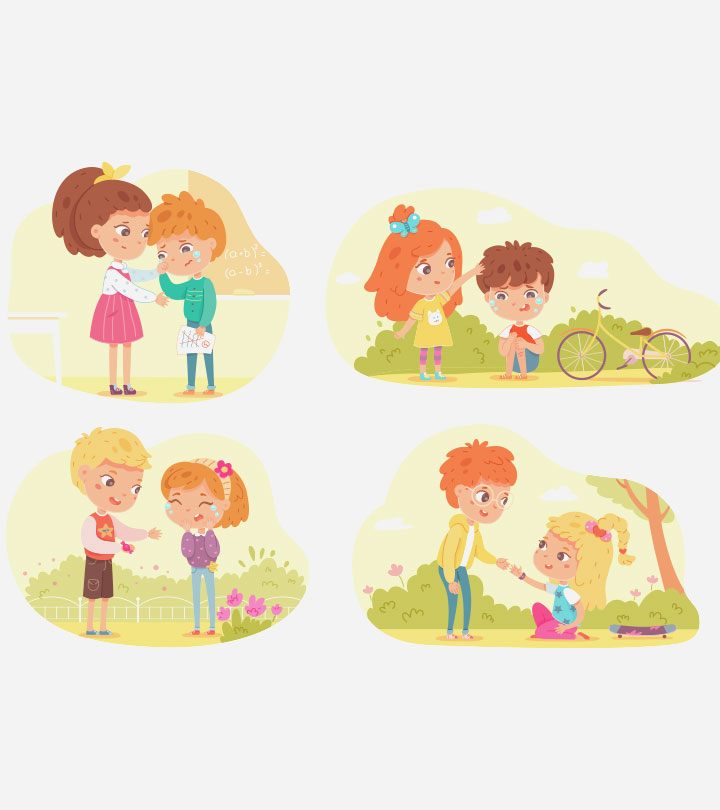
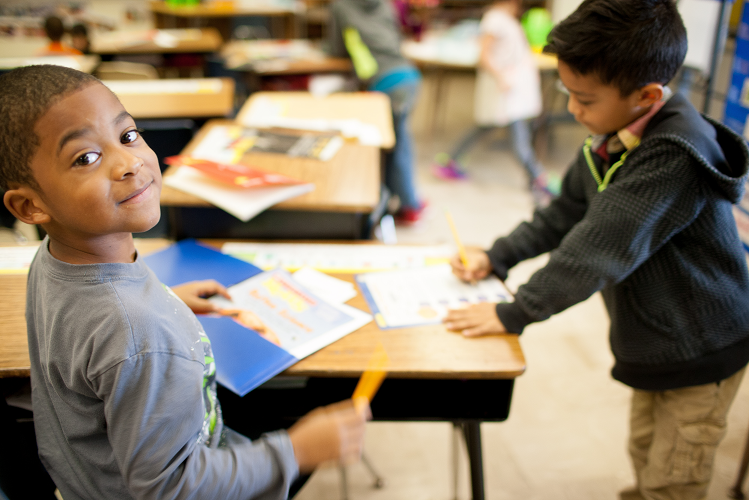
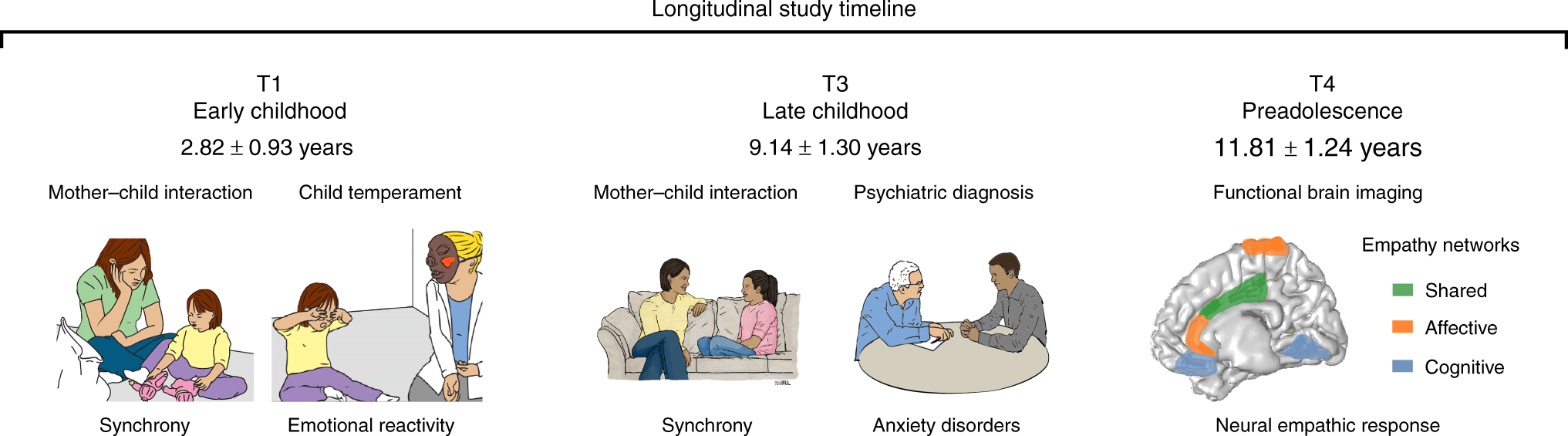
- Can be developed through practice
🌿 Nature of Compassion
🔹 1. Action-Oriented


- Leads to helping behavior
🔹 2. Selfless

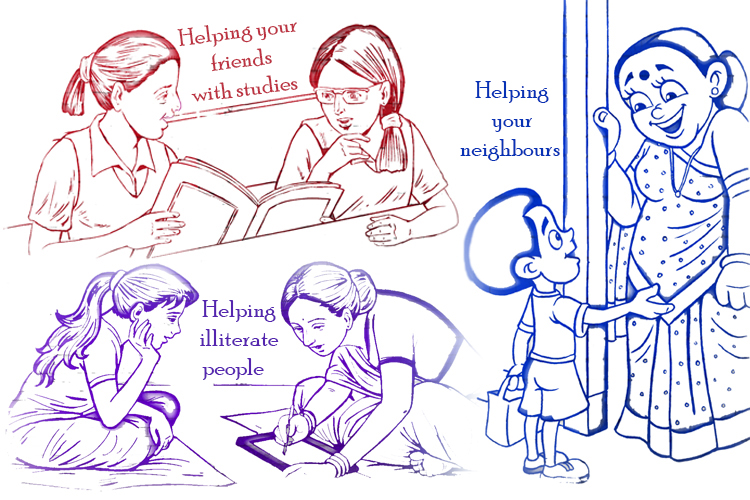

- Focus on others’ well-being
🔹 3. Transformative

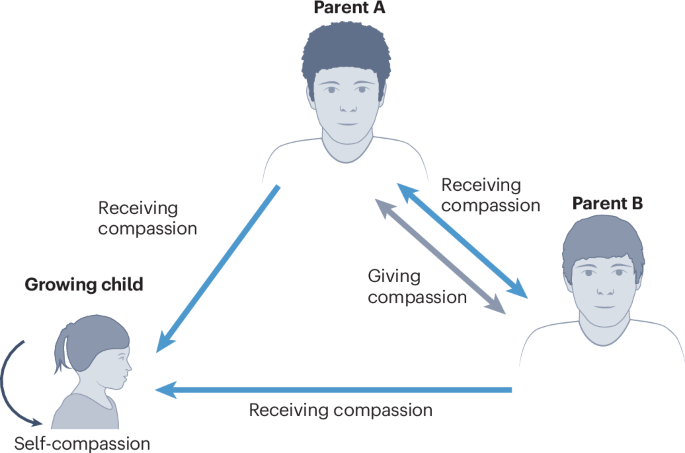


- Creates positive change
🌍 Importance of Empathy
🔹 1. Improves Relationships
- Builds trust and understanding
🔹 2. Enhances Communication
- Encourages active listening
🔹 3. Reduces Conflict
- Promotes understanding
🔹 4. Supports Emotional Intelligence
- Key component of EI
🌍 Importance of Compassion
🔹 1. Promotes Kindness
- Encourages helping others
🔹 2. Builds Social Harmony
- Reduces inequality
🔹 3. Improves Mental Health
- Creates positive emotions
🔹 4. Encourages Altruism
- Selfless actions
🌱 Empathy and Compassion in Daily Life
🔹 Family
- Understanding emotions
🔹 School
- Supporting peers
🔹 Workplace
- Team collaboration
🌍 Role in Emotional Intelligence
- Empathy → Understanding others
- Compassion → Acting on understanding
🌱 Development of Empathy and Compassion
🔹 Methods
1. Active Listening
- Paying attention
2. Perspective-Taking
- Seeing others’ viewpoints
3. Practicing Kindness
- Helping others
4. Mindfulness
- Being present
⚖️ Challenges
🔹 Lack of Awareness
🔹 Prejudice
🔹 Stress
🔹 Self-centeredness
🌍 Empathy vs Sympathy
| Aspect | Empathy | Sympathy |
|---|---|---|
| Meaning | Feeling with others | Feeling for others |
| Depth | Deep understanding | Surface concern |
🌱 Role in Society
- Promotes peace
- Encourages cooperation
- Reduces discrimination
🌍 Empathy and Compassion in Leadership
- Builds trust
- Enhances teamwork
- Improves decision-making
🌱 Impact on Mental Health
- Reduces loneliness
- Increases happiness
- Builds emotional resilience
🌍 Modern Relevance
🔹 Digital Age
- Need for online empathy
🔹 Globalization
- Understanding diversity
🌟 Practical Applications
🔹 Students
- Helping classmates
🔹 Professionals
- Workplace empathy
🔹 Society
- Community service
🌟 Conclusion
Empathy and compassion are essential human values that enable individuals to connect, understand, and support others. While empathy allows us to feel and understand, compassion motivates us to act and help.
Together, they create a more caring, inclusive, and harmonious society. In today’s world, cultivating these values is not just important—it is necessary for building meaningful relationships and promoting global well-being.