Tag Archives: altruism

❤️ Empathy and Compassion — A Comprehensive Detailed Study


🌍 Introduction

Image
Image
Image
Image

Empathy and compassion are among the most essential human values that enable individuals to connect deeply with others, understand their feelings, and respond with kindness and care. These values form the foundation of healthy relationships, social harmony, and ethical behavior.

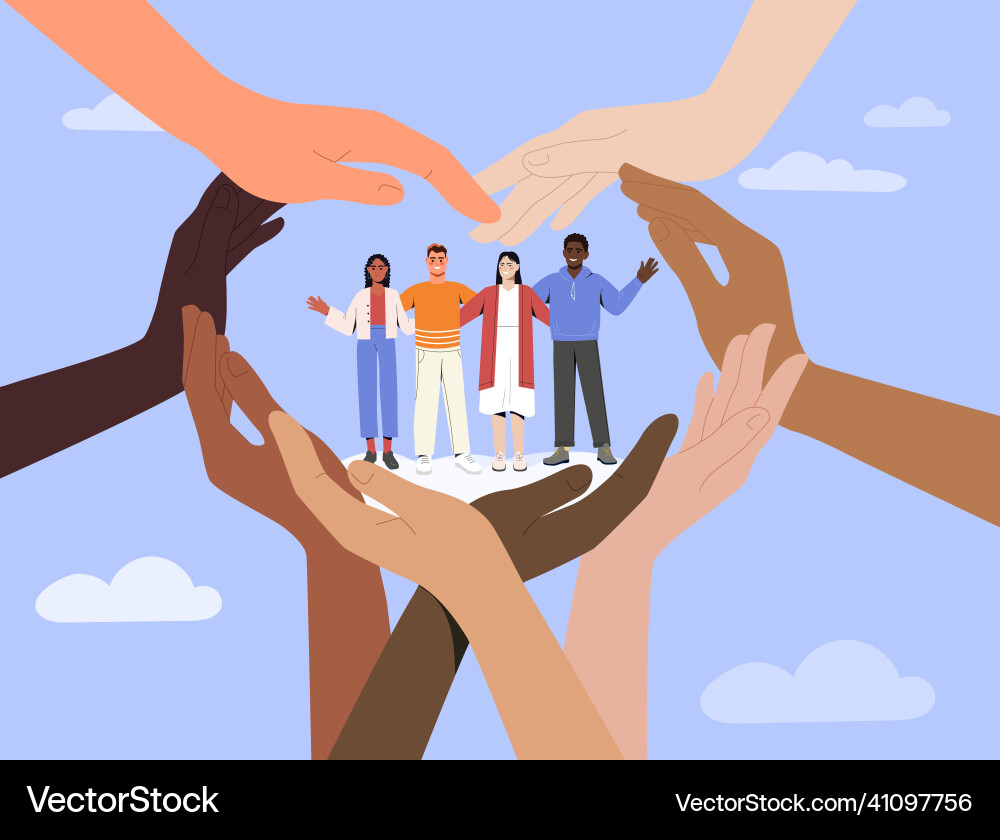
In a world increasingly marked by diversity, competition, and rapid change, empathy and compassion help bridge differences, reduce conflicts, and foster a sense of shared humanity. They are not only emotional responses but also skills and values that can be developed and practiced.


🧭 Meaning of Empathy


🔹 Definition

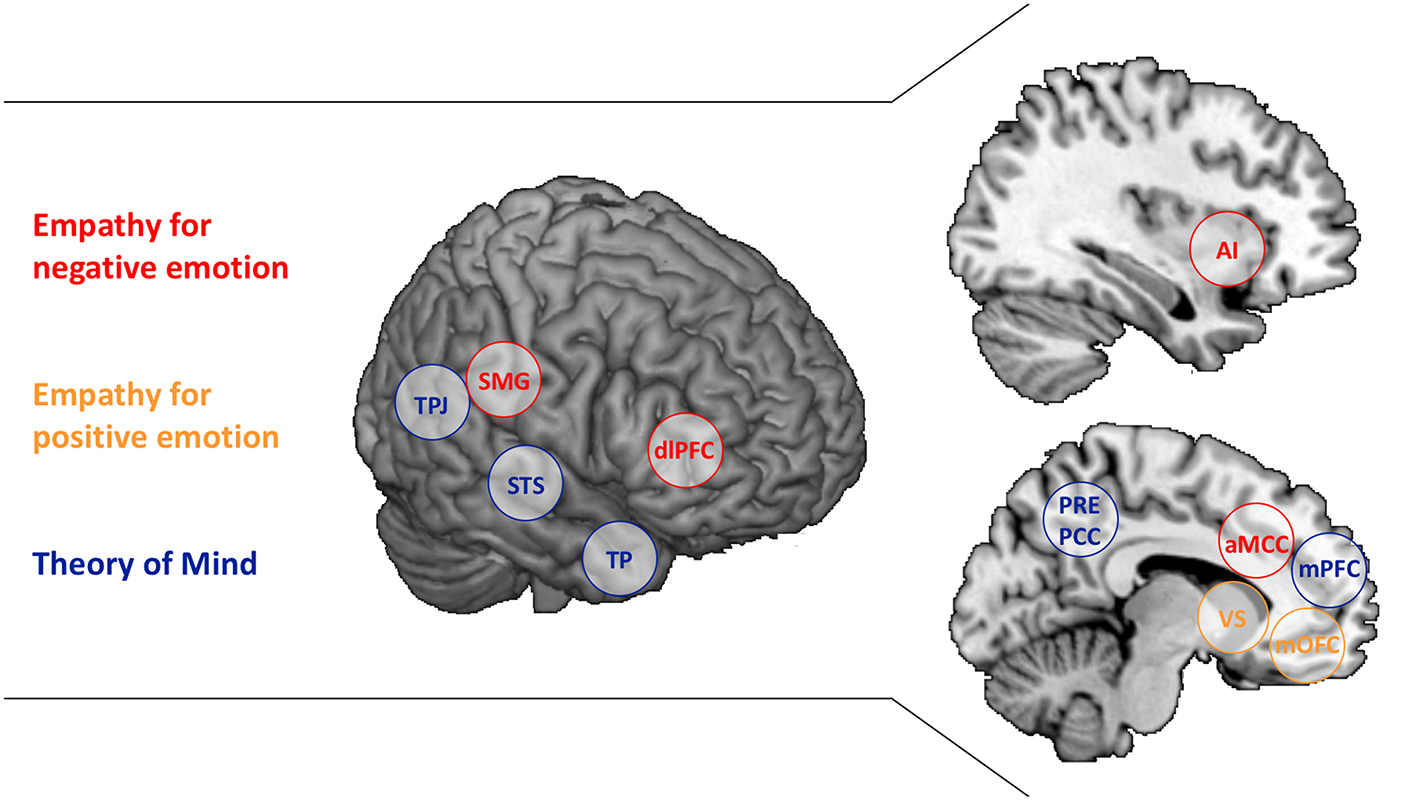
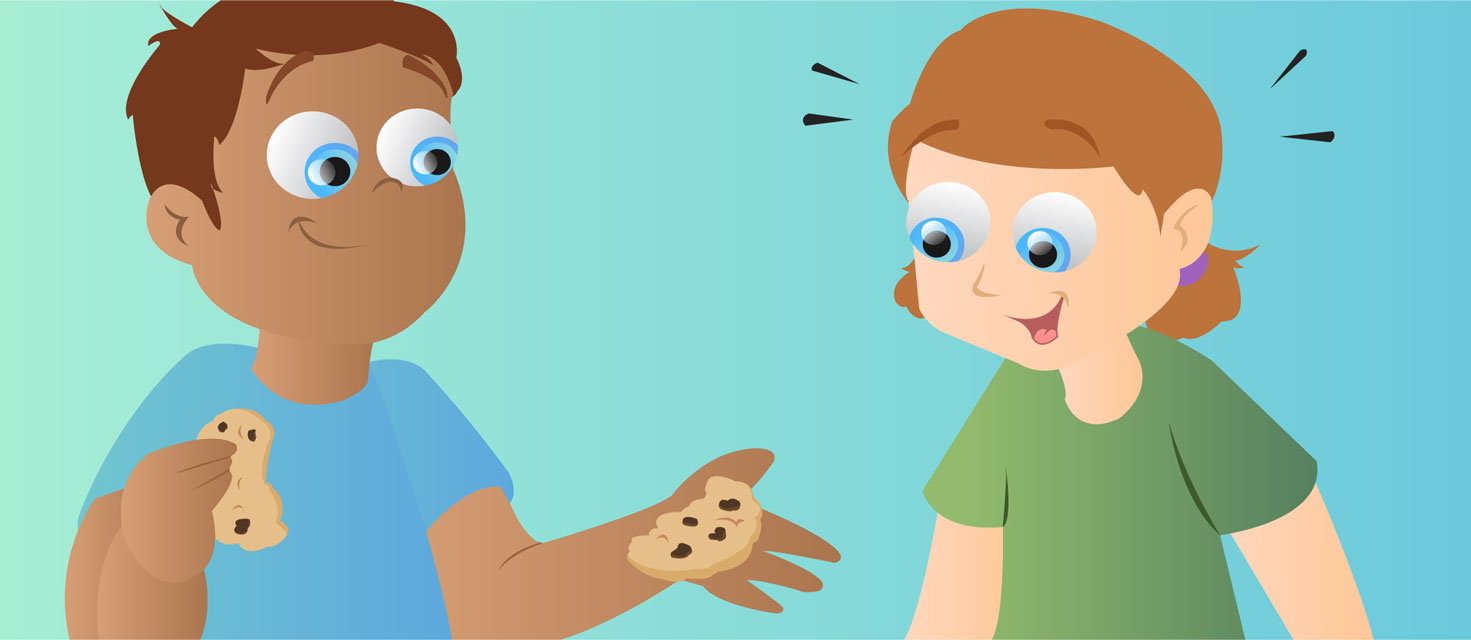
Empathy is the ability to understand and share the feelings of another person.

It involves:

  • Recognizing emotions in others
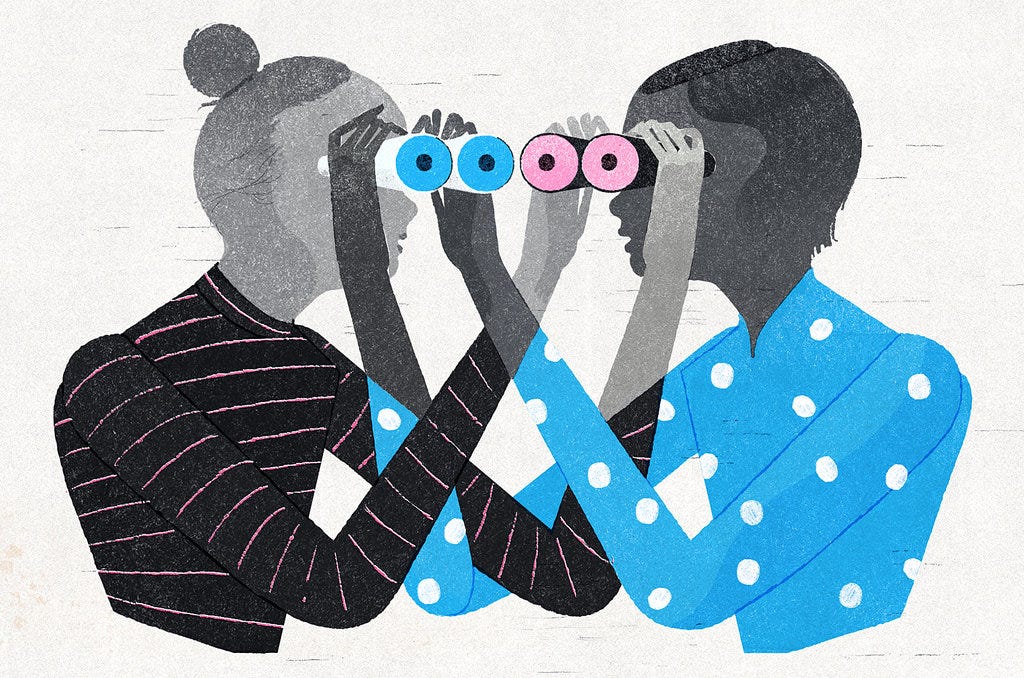
  • Understanding their perspective
  • Responding appropriately

🔹 Types of Empathy


🧠 1. Cognitive Empathy

Image
Image
Image
Image
  • Understanding another person’s thoughts
  • Seeing situations from their perspective

❤️ 2. Emotional Empathy

Image
Image
Image
  • Feeling what others feel
  • Emotional connection

🤝 3. Compassionate Empathy

Image
Image
Image
Image
  • Understanding + action
  • Motivates helping behavior

🌱 Meaning of Compassion


🔹 Definition

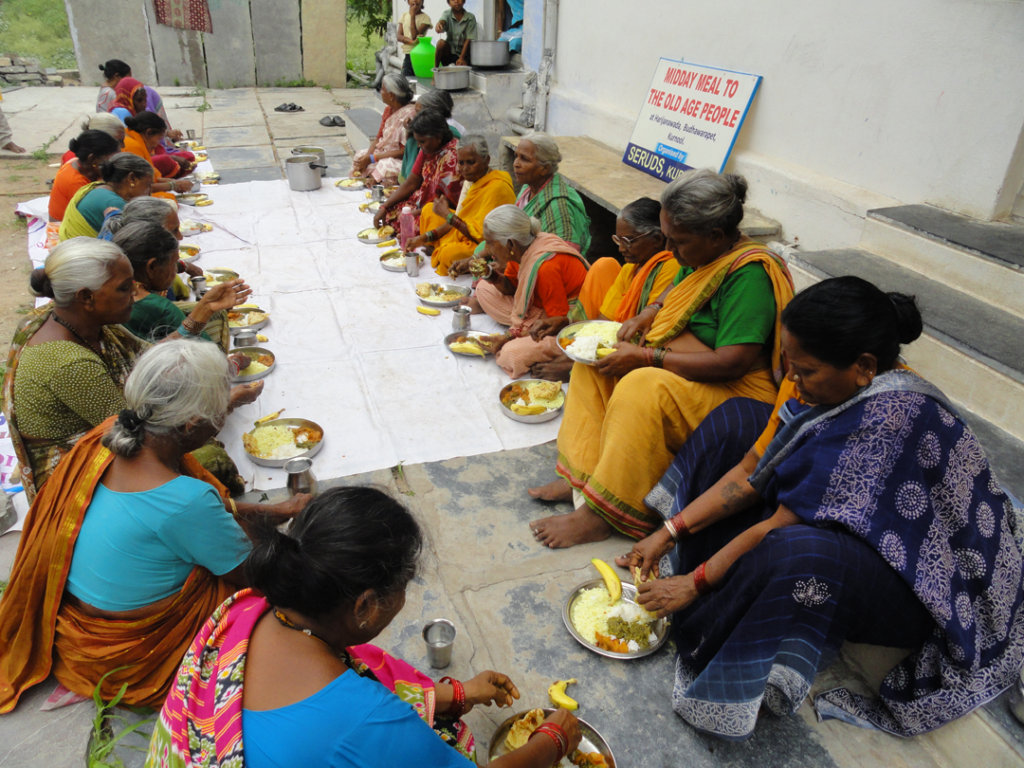
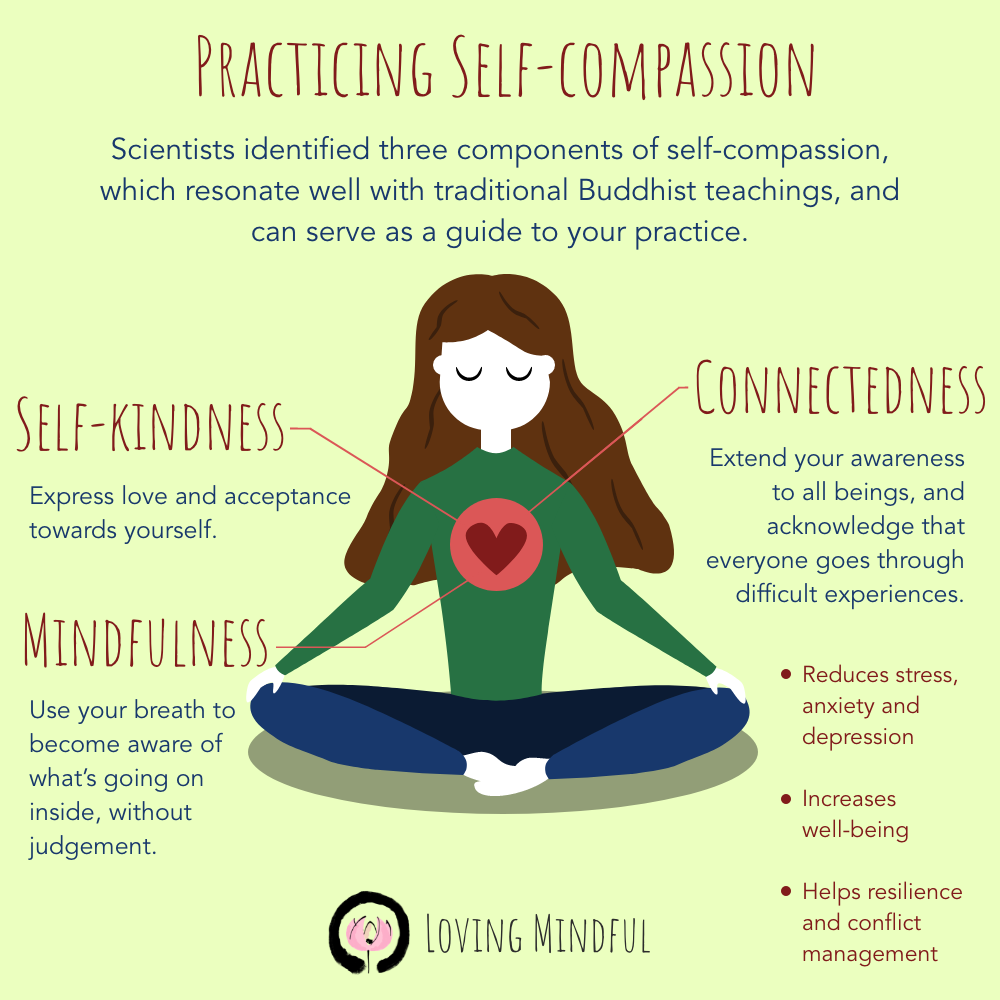
Compassion is the deep feeling of sympathy and concern for others’ suffering, combined with a desire to help alleviate it.


🔹 Key Elements of Compassion

  • Awareness of suffering
  • Emotional connection
  • Desire to help
  • Taking action

🌿 Difference Between Empathy and Compassion


AspectEmpathyCompassion
MeaningUnderstanding feelingsActing to relieve suffering
NatureEmotional connectionAction-oriented
FocusFeeling with othersHelping others

🌟 Nature of Empathy


🔹 1. Emotional and Cognitive
Image
Image
Image
Image
  • Involves both thinking and feeling

🔹 2. Universal

Image
Image
Image
Image
  • Found across cultures

🔹 3. Learnable
Image
Image
Image
Image
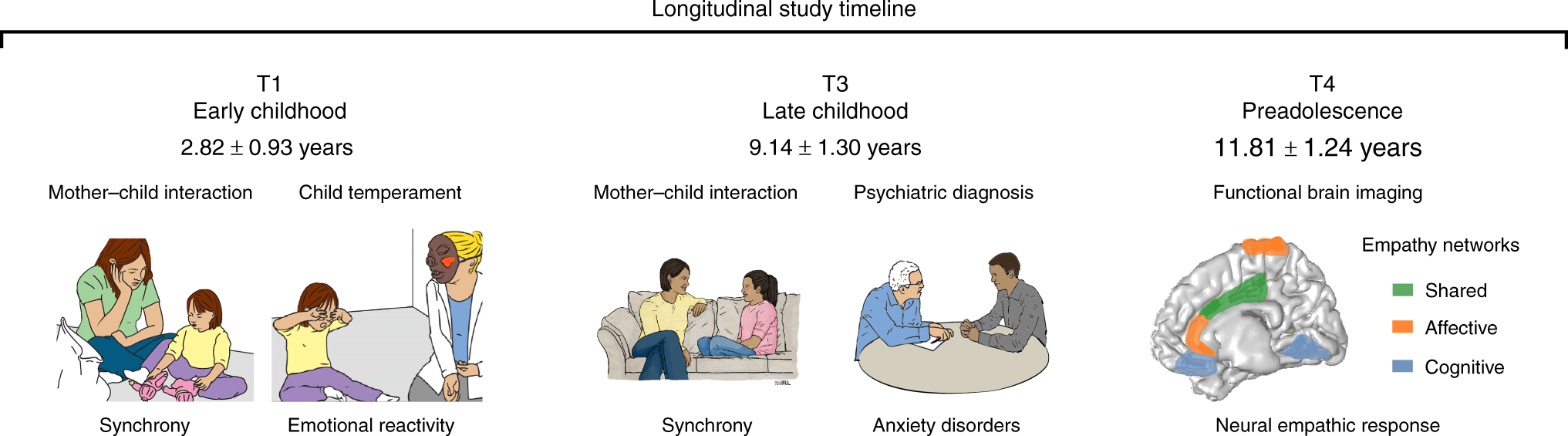
  • Can be developed through practice

🌿 Nature of Compassion


🔹 1. Action-Oriented

Image
Image
Image
Image
  • Leads to helping behavior

🔹 2. Selfless

Image
Image
Image
Image
  • Focus on others’ well-being

🔹 3. Transformative

Image
Image
Image
Image
  • Creates positive change

🌍 Importance of Empathy


🔹 1. Improves Relationships

  • Builds trust and understanding

🔹 2. Enhances Communication

  • Encourages active listening

🔹 3. Reduces Conflict

  • Promotes understanding

🔹 4. Supports Emotional Intelligence

  • Key component of EI

🌍 Importance of Compassion


🔹 1. Promotes Kindness

  • Encourages helping others

🔹 2. Builds Social Harmony

  • Reduces inequality

🔹 3. Improves Mental Health

  • Creates positive emotions

🔹 4. Encourages Altruism

  • Selfless actions

🌱 Empathy and Compassion in Daily Life


🔹 Family

  • Understanding emotions

🔹 School

  • Supporting peers

🔹 Workplace

  • Team collaboration

🌍 Role in Emotional Intelligence


  • Empathy → Understanding others
  • Compassion → Acting on understanding

🌱 Development of Empathy and Compassion


🔹 Methods

1. Active Listening

  • Paying attention

2. Perspective-Taking

  • Seeing others’ viewpoints

3. Practicing Kindness

  • Helping others

4. Mindfulness

  • Being present

⚖️ Challenges


🔹 Lack of Awareness

🔹 Prejudice

🔹 Stress

🔹 Self-centeredness


🌍 Empathy vs Sympathy


AspectEmpathySympathy
MeaningFeeling with othersFeeling for others
DepthDeep understandingSurface concern

🌱 Role in Society


  • Promotes peace
  • Encourages cooperation
  • Reduces discrimination

🌍 Empathy and Compassion in Leadership


  • Builds trust
  • Enhances teamwork
  • Improves decision-making

🌱 Impact on Mental Health


  • Reduces loneliness
  • Increases happiness
  • Builds emotional resilience

🌍 Modern Relevance


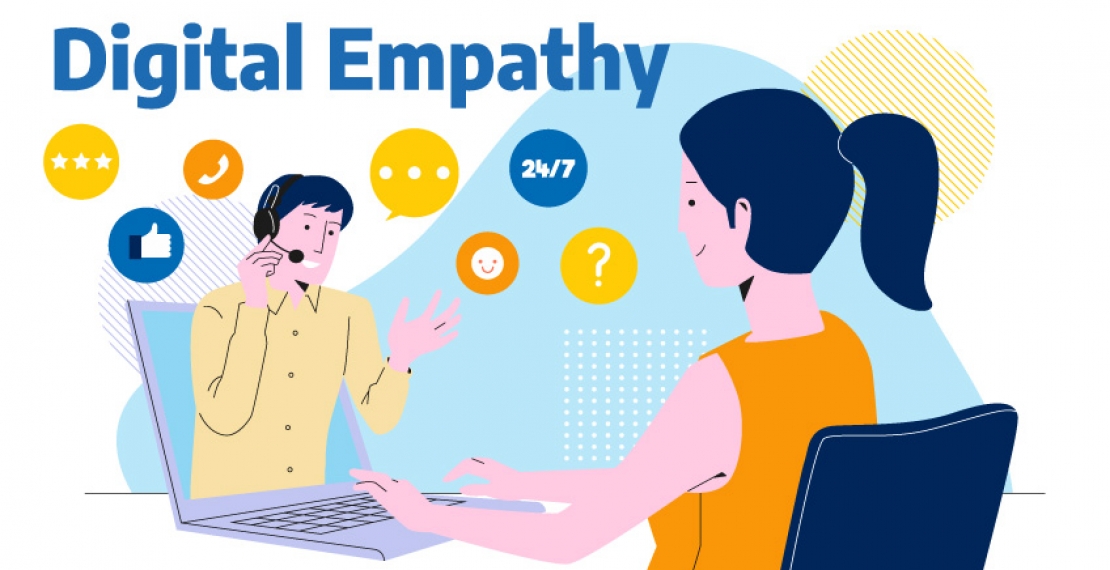
🔹 Digital Age

  • Need for online empathy

🔹 Globalization

  • Understanding diversity

🌟 Practical Applications


🔹 Students

  • Helping classmates

🔹 Professionals

  • Workplace empathy

🔹 Society

  • Community service

🌟 Conclusion

Empathy and compassion are essential human values that enable individuals to connect, understand, and support others. While empathy allows us to feel and understand, compassion motivates us to act and help.

Together, they create a more caring, inclusive, and harmonious society. In today’s world, cultivating these values is not just important—it is necessary for building meaningful relationships and promoting global well-being.


🏷️ Tags

Kindness and Compassion

🌿 Introduction

Image
Image
Image
Image

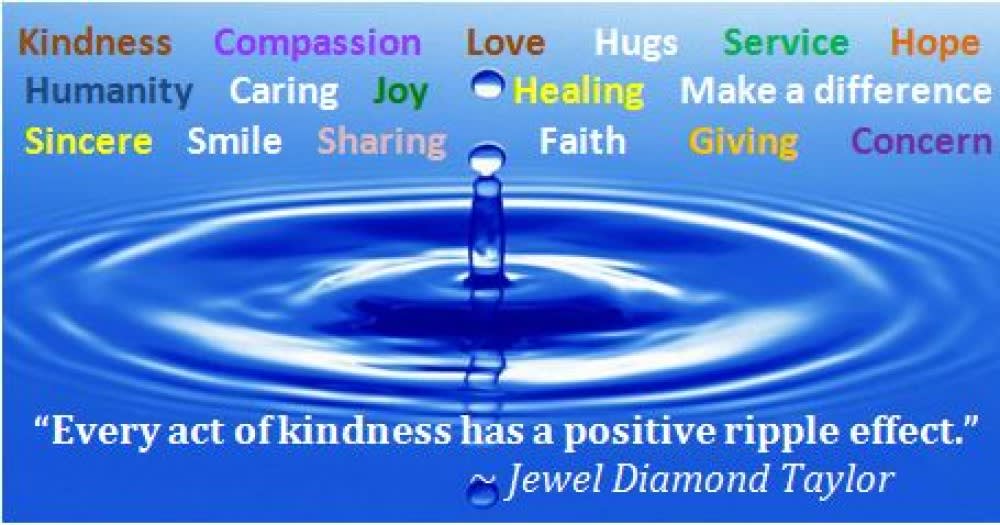
Kindness and compassion are among the most profound and transformative human values. They represent the capacity to care for others, to empathize with their suffering, and to act in ways that promote well-being and alleviate pain. These values are not limited to grand gestures; they are reflected in everyday actions—smiling at a stranger, helping someone in need, listening with empathy, or offering support during difficult times.

Kindness is the act of being friendly, generous, and considerate, while compassion goes deeper—it involves recognizing the suffering of others and having a genuine desire to relieve it. Together, they form the foundation of ethical behavior, emotional intelligence, and social harmony.

In a world often marked by competition, stress, and division, kindness and compassion serve as powerful forces that unite individuals and communities, fostering peace, understanding, and resilience.


🌱 Meaning and Definitions

🔹 Kindness

Kindness is:

  • The quality of being caring, generous, and considerate
  • Demonstrated through actions that benefit others
  • Often spontaneous and simple

Examples include:

  • Helping someone carry heavy items
  • Offering a kind word or encouragement
  • Sharing resources with those in need

🔹 Compassion

Compassion is:

  • Deep awareness of another’s suffering
  • Emotional connection combined with a desire to help
  • More intense and intentional than kindness

Examples include:

  • Supporting someone through grief
  • Volunteering for humanitarian causes
  • Standing up for those facing injustice

🔹 Key Differences

AspectKindnessCompassion
NatureAction-orientedEmotion + action
IntensityGentle and simpleDeep and empathetic
FocusGeneral goodwillAddressing suffering

🧠 Psychological Foundations

Image
Image
Image
Image

🔹 Empathy and Emotional Intelligence

  • Compassion is rooted in empathy—the ability to understand and share others’ feelings
  • Emotional intelligence enhances compassionate responses

🔹 Brain and Behavior

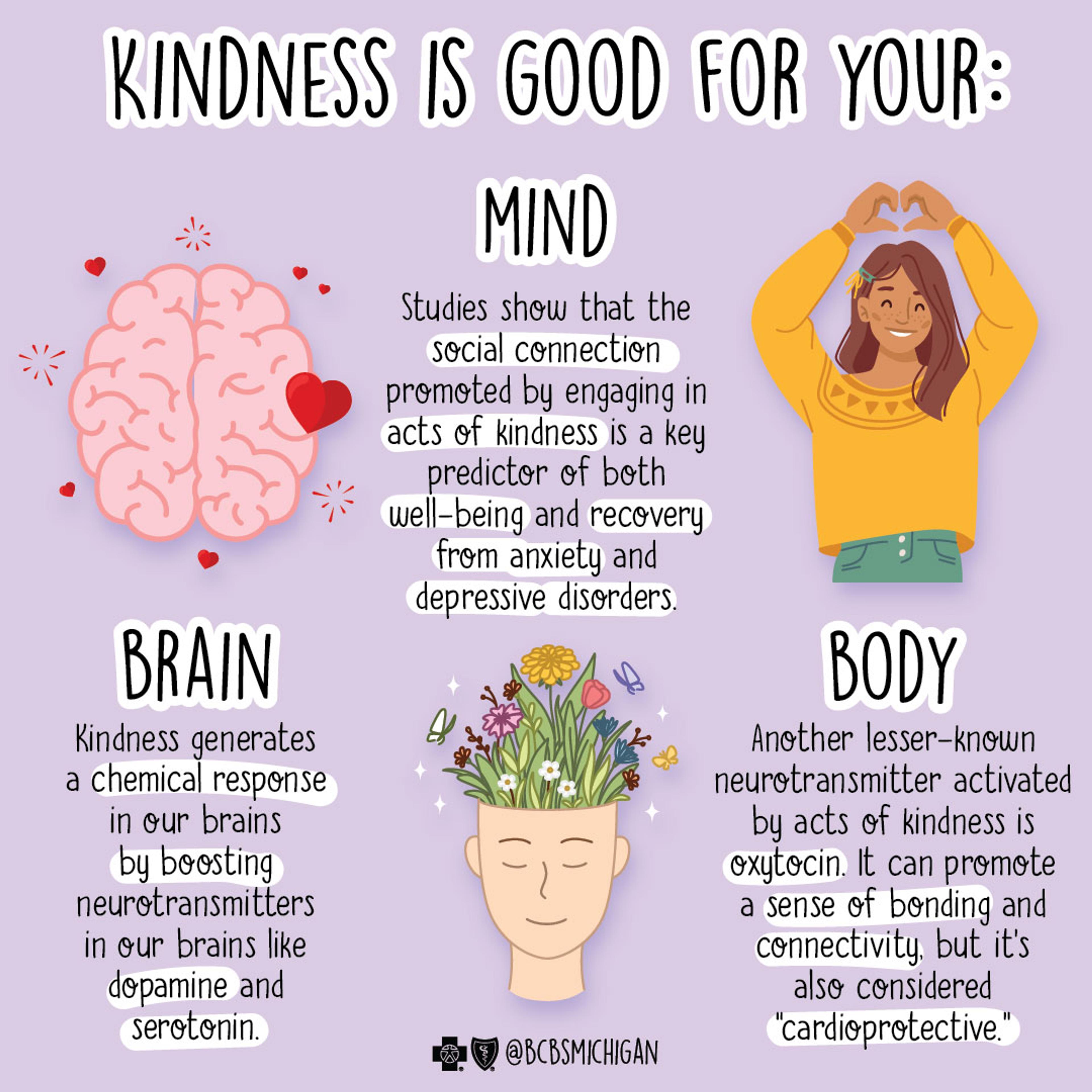
  • Acts of kindness activate reward centers in the brain
  • Release of “feel-good” hormones like oxytocin and dopamine

🔹 Development in Children

  • Children learn kindness through observation and guidance
  • Early experiences shape lifelong behavior

🏛️ Philosophical Perspectives

Image
Image
Image
Image

🔸 Ancient Philosophy

  • Aristotle considered kindness a virtue essential for human flourishing
  • Emphasized balance between selfishness and selflessness

🔸 Eastern Philosophy

  • Buddhism promotes compassion (Karuna) as a path to enlightenment
  • Hinduism teaches Ahimsa (non-violence) and kindness to all beings

🔸 Modern Thinkers

  • Mahatma Gandhi emphasized compassion through non-violence
  • The Dalai Lama advocates universal compassion as key to happiness

🧘 Spiritual and Religious Significance

Image
Image
Image
Image

🔹 Hinduism

  • Promotes kindness through Ahimsa and Seva (service)

🔹 Buddhism

  • Compassion is central to spiritual practice

🔹 Christianity

  • Teaches love and compassion for all

🔹 Islam

  • Encourages mercy (Rahmah) and charity (Zakat)

🏠 Role in Personal Life

🌟 Emotional Well-being

  • Reduces stress and anxiety
  • Enhances happiness and satisfaction

🌟 Relationships

  • Strengthens bonds
  • Builds trust and mutual respect

🌟 Self-Compassion

  • Being kind to oneself
  • Accepting imperfections and failures

🌍 Social Importance

Image
Image
Image
Image

🔹 Building Communities

  • Encourages cooperation and unity
  • Reduces conflicts and violence

🔹 Social Justice

  • Compassion drives efforts to address inequality
  • Inspires activism and humanitarian work

🔹 Global Impact

  • Promotes peace and understanding across cultures

🏫 Importance in Education

📘 Classroom Environment

  • Kindness creates a positive learning atmosphere
  • Encourages collaboration

📘 Teacher Role

  • Teachers model compassionate behavior
  • Promote empathy through activities

📘 Student Development

  • Enhances social skills
  • Reduces bullying

💼 Workplace Relevance

Image
Image
Image
Image

🔹 Leadership

  • Compassionate leaders build trust
  • Improve employee morale

🔹 Teamwork

  • Encourages cooperation
  • Reduces workplace conflicts

🔹 Productivity

  • Positive environment boosts performance

⚖️ Ethical Dimensions

🔸 Moral Responsibility

  • Helping others is a fundamental ethical principle

🔸 Altruism vs Self-Interest

  • Balancing personal needs with helping others

🔸 Boundaries

  • Avoiding burnout from excessive giving

🧩 Challenges to Kindness and Compassion

Image
Image
Image
Image

🔹 Stress and Busy Lifestyles

  • People may neglect kindness due to time pressure

🔹 Social Barriers

  • Prejudices and stereotypes reduce compassion

🔹 Digital Negativity

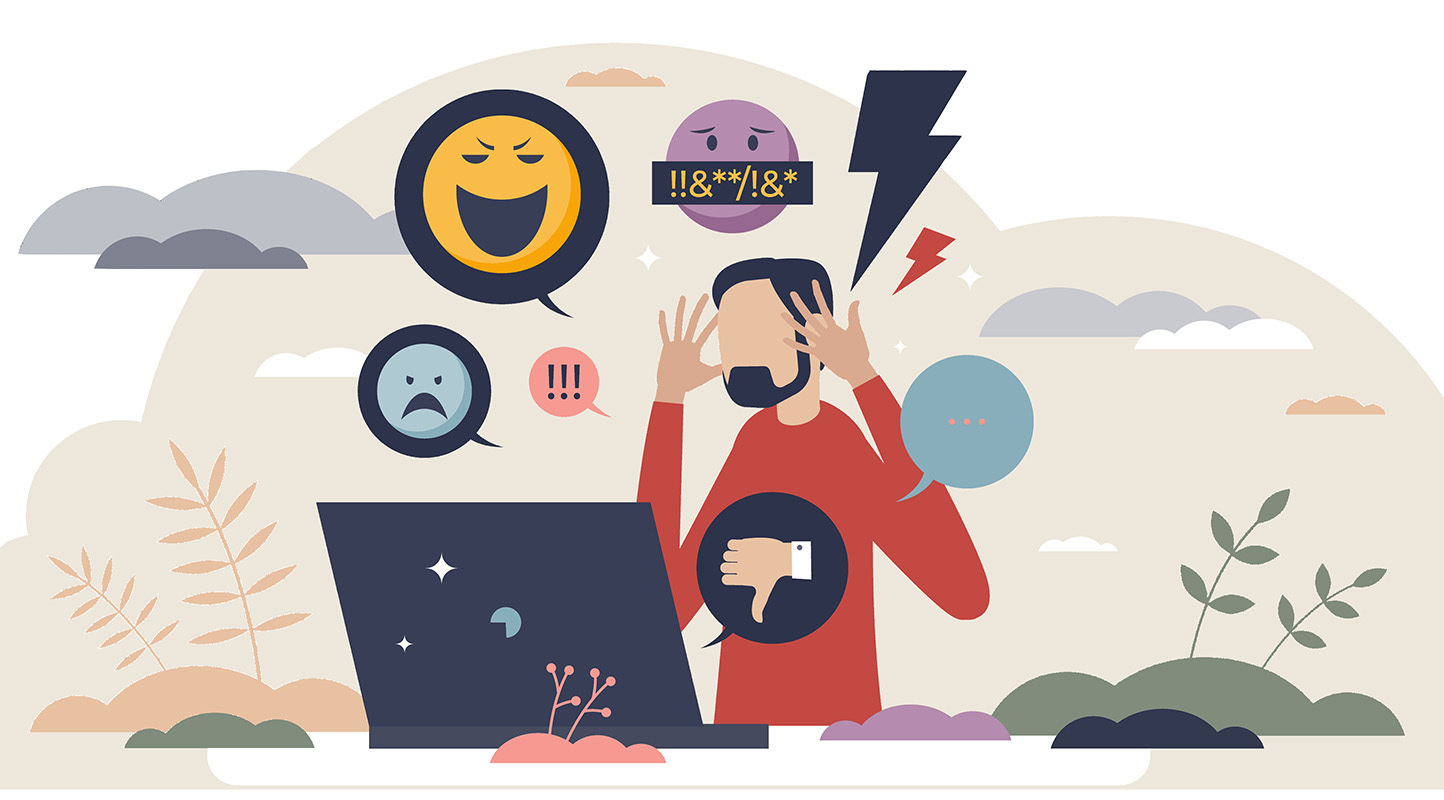
  • Online trolling and cyberbullying

🔹 Self-Centeredness

  • Focus on personal success over others’ well-being

🌟 Benefits of Kindness and Compassion

✅ Personal Benefits

  • Improved mental health
  • Greater happiness
  • Stronger self-esteem

✅ Social Benefits

  • Stronger relationships
  • Harmonious communities
  • Reduced conflicts

✅ Health Benefits

  • Lower blood pressure
  • Reduced stress hormones

🛠️ Ways to Cultivate Kindness and Compassion

Image
Image
Image
Image

🔹 Practice Empathy

  • Listen actively
  • Try to understand others’ feelings

🔹 Small Acts of Kindness

  • Smile, help, share
  • Offer compliments

🔹 Volunteering

  • Participate in community service

🔹 Mindfulness and Reflection

  • Develop awareness of emotions
  • Practice gratitude

🔹 Self-Care

  • Be kind to yourself
  • Maintain emotional balance

📱 Kindness in the Digital Age

Image
Image
Image
Image

🔹 Online Behavior

  • Use respectful language
  • Avoid harmful comments

🔹 Digital Activism

  • Support causes online
  • Spread awareness

🔹 Combating Negativity

  • Promote positivity
  • Report harmful content

🧭 Real-Life Examples

🔹 Everyday Kindness

  • Helping strangers
  • Supporting friends

🔹 Humanitarian Efforts

  • Disaster relief
  • Charity organizations

🔹 Inspirational Figures

  • Leaders known for compassion and service

📊 Comparison with Related Values

ValueRelation
EmpathyFoundation of compassion
AltruismSelfless concern for others
LoveDeep emotional connection
GenerosityGiving resources

🧾 Conclusion

Kindness and compassion are powerful forces that have the ability to transform individuals, relationships, and societies. They foster understanding, reduce suffering, and create a sense of connection among people. In a rapidly changing and often challenging world, these values serve as guiding principles for ethical living and emotional well-being.

Practicing kindness does not require wealth or power—it requires intention and awareness. Compassion goes a step further, urging individuals to actively alleviate suffering and promote justice. Together, they form the essence of humanity.

By cultivating kindness and compassion in daily life, individuals contribute to a more peaceful, inclusive, and harmonious world. These values are not just moral ideals—they are practical tools for building a better future.


🏷️ Tags