
🌐 Introduction to C++ Programming


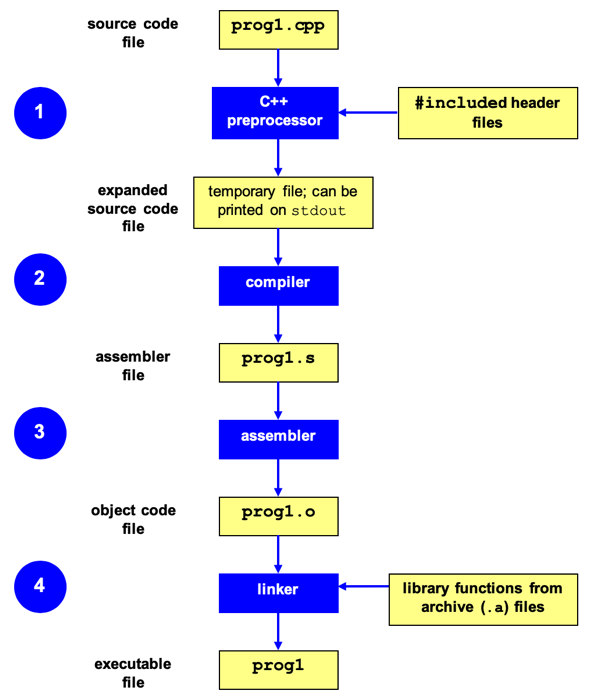
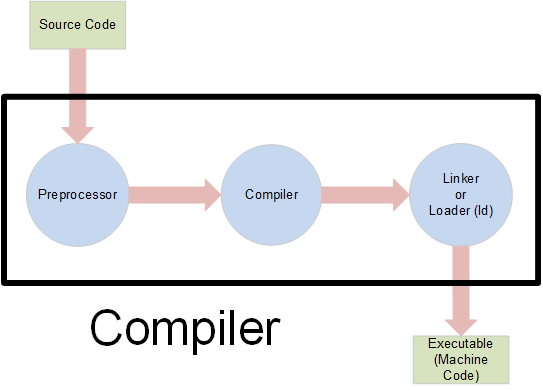
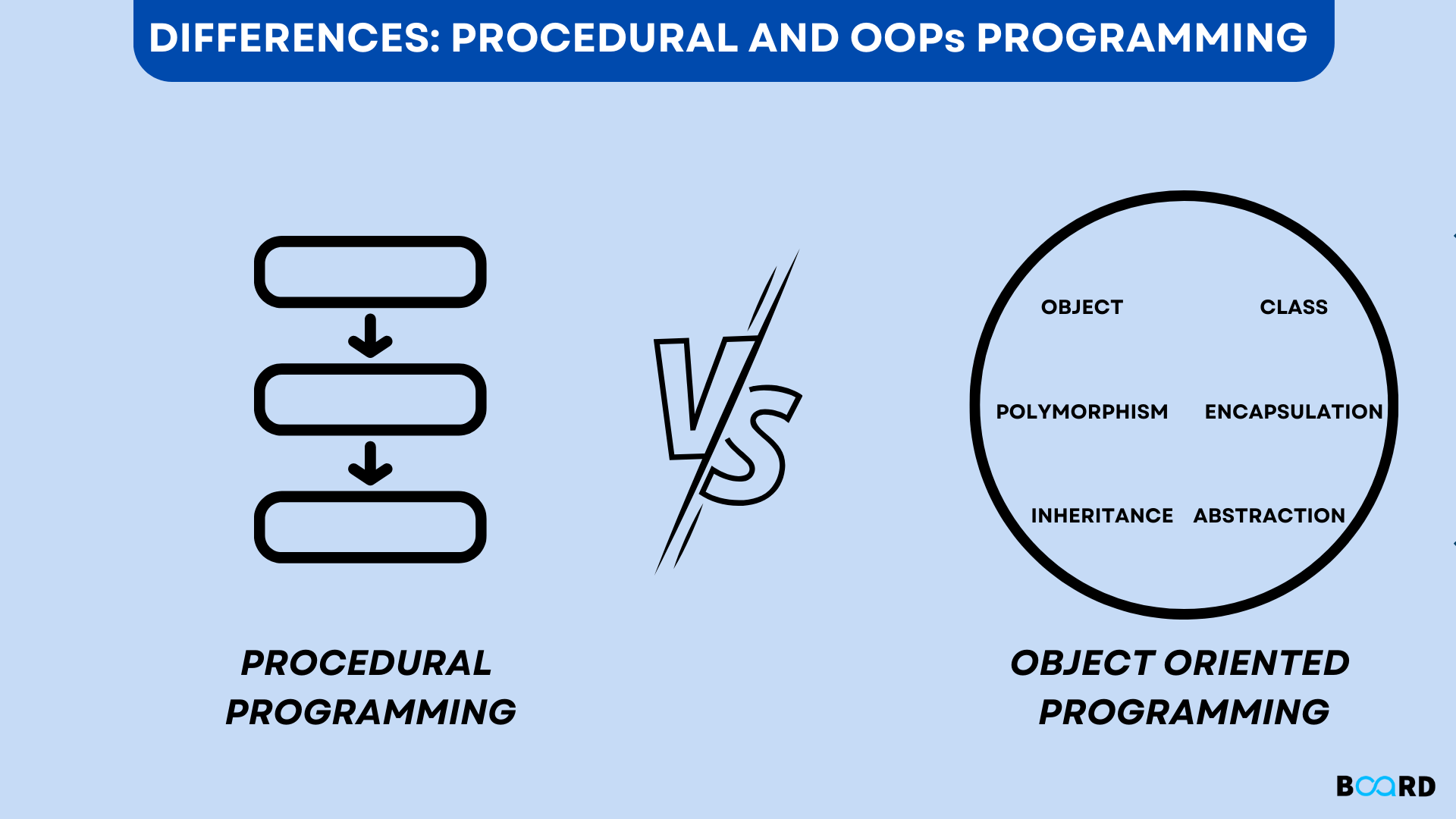
C++ is a powerful, high-performance programming language that extends the C language by adding object-oriented programming (OOP) features, along with many modern programming capabilities. It is widely used in system software, game development, embedded systems, and high-performance applications.
In simple terms:
C++ = C + Object-Oriented + High Performance
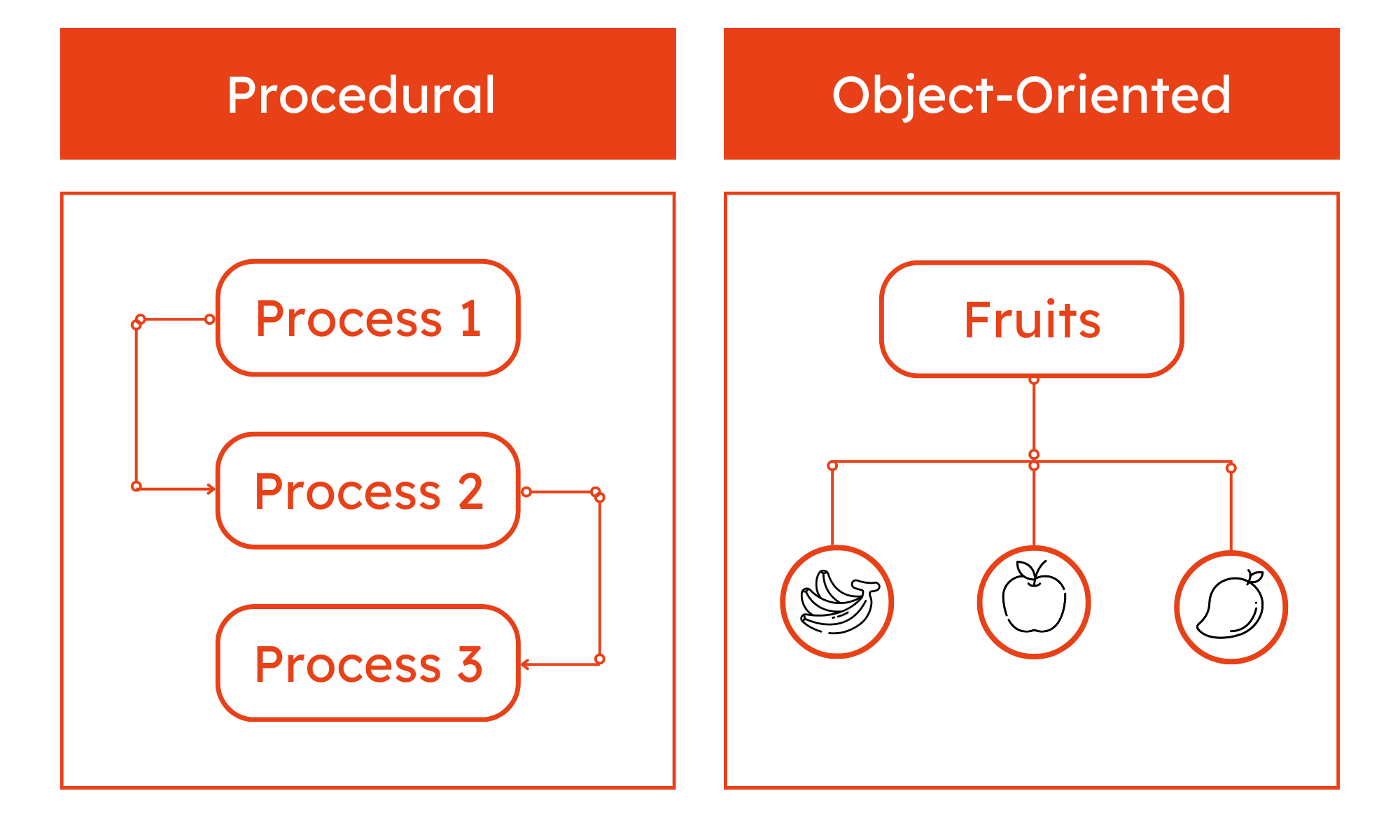
C++ supports multiple programming paradigms:
- Procedural
- Object-Oriented
- Generic (templates)
🧠 Importance of C++
- Combines low-level and high-level programming
- Used in performance-critical applications
- Foundation for many modern technologies
- Widely used in competitive programming
- Supports OOP and reusable code
🧩 Basic Structure of a C++ Program
📄 Example Program
#include <iostream>
using namespace std;

int main() {
    cout << "Hello, World!";
    return 0;
}
🧠 Components:
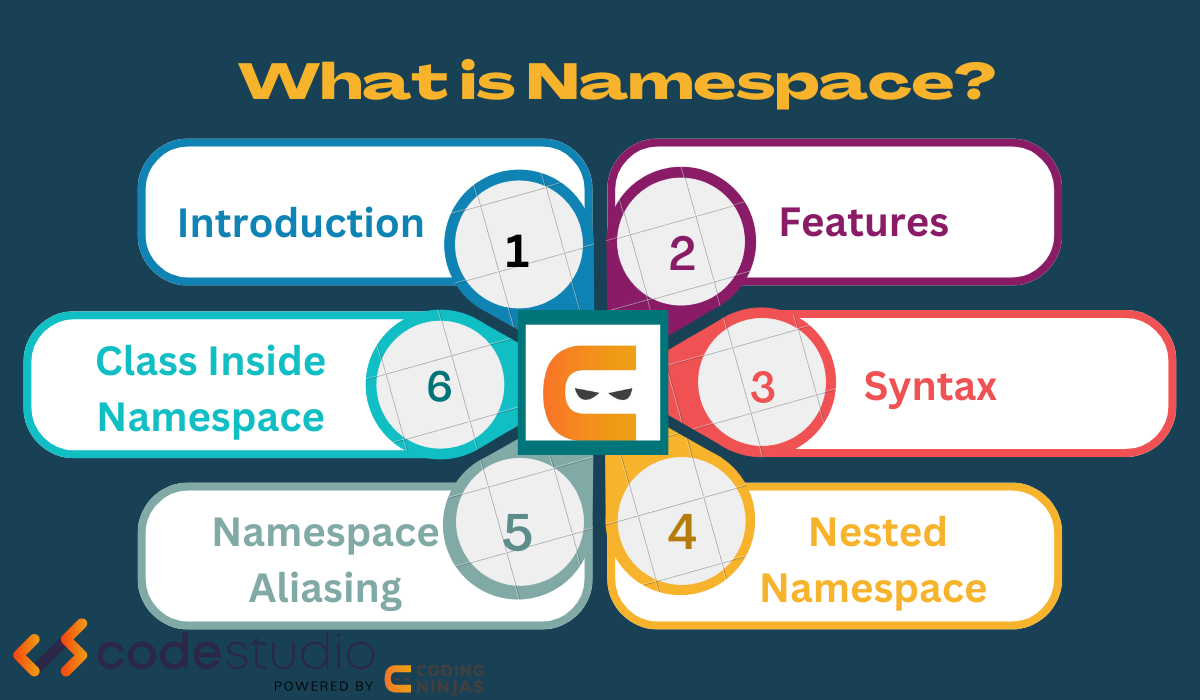
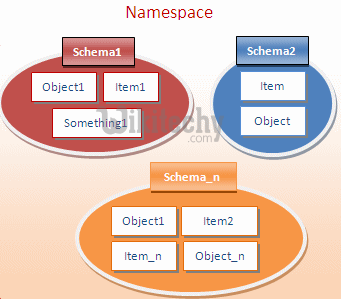
#include→ Header filesnamespace→ Scope managementmain()→ Entry pointcout→ Output
⚙️ Data Types in C++
🔢 Basic Data Types
| Type | Description |
|---|---|
| int | Integer |
| float | Decimal |
| double | High precision |
| char | Character |
| bool | Boolean |
🧩 Derived Types
- Arrays
- Pointers
- References
🧠 User-Defined Types
- struct
- class
- enum
🔤 Variables and Constants
📌 Variables
int x = 10;
🔒 Constants
const int MAX = 100;
⚙️ Operators in C++
🔢 Types:
- Arithmetic (+, -, *, /)
- Relational (==, >, <)
- Logical (&&, ||)
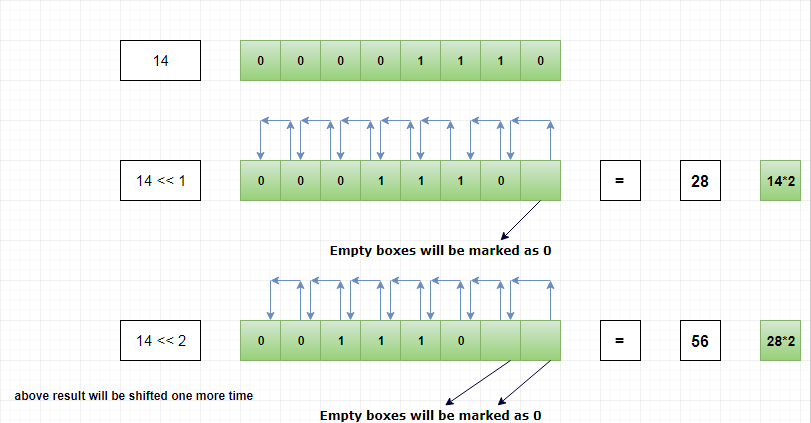
- Bitwise (&, |, ^)
- Assignment (=, +=)
🧮 Bitwise Operations


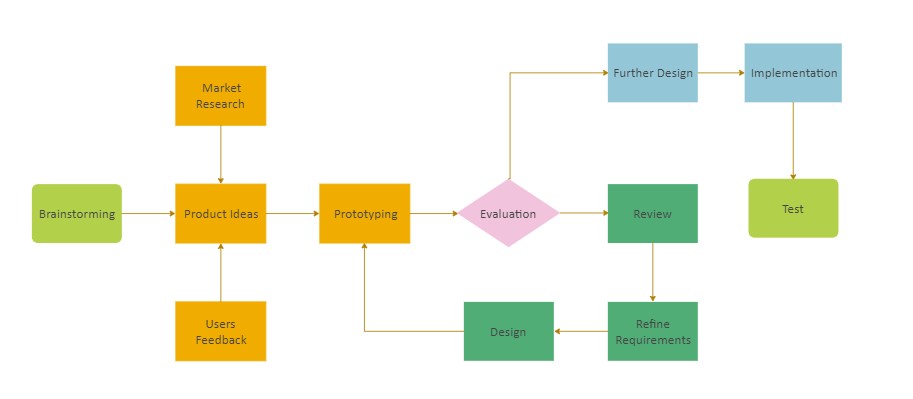
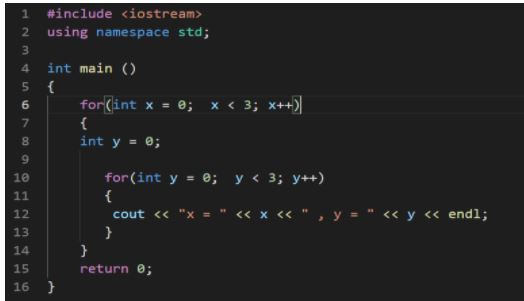
🔄 Control Structures
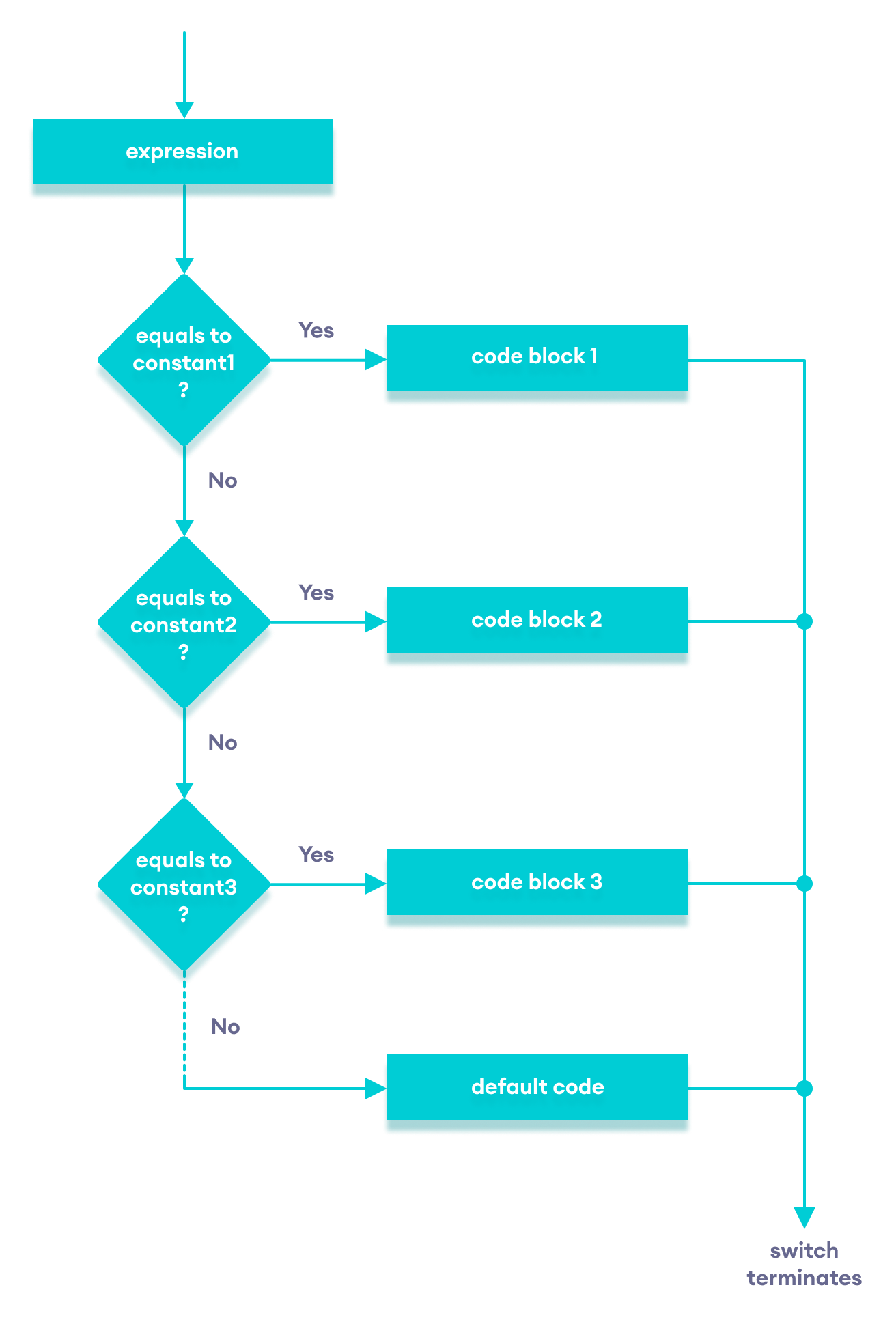
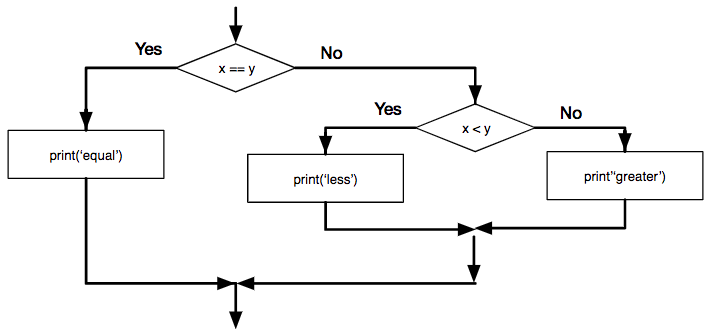
🔀 Decision Making

🔁 Loops

🧠 Functions in C++
📌 Definition
int add(int a, int b) {
    return a + b;
}
⚙️ Features:
- Function overloading
- Inline functions
- Recursion
🧩 Object-Oriented Programming (OOP)
🧠 Core Concepts


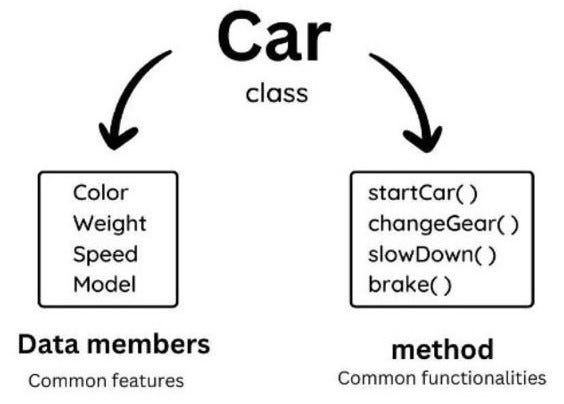
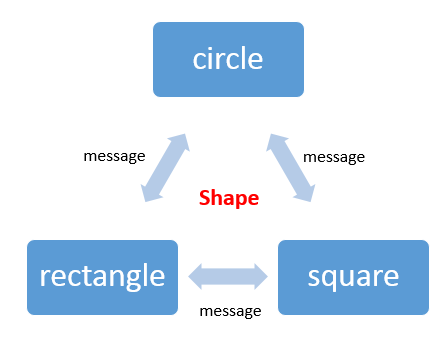
🔹 1. Class and Object
class Car {
public:
    int speed;
};
🔹 2. Encapsulation
- Data hiding
- Use of access modifiers
🔹 3. Inheritance


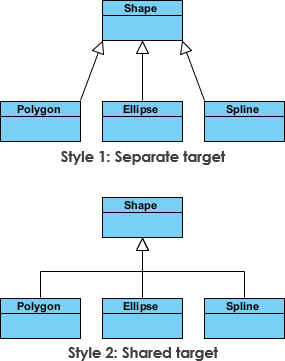

- Reuse of code
🔹 4. Polymorphism
- Function overloading
- Operator overloading
🔹 5. Abstraction
- Hide implementation details
🧠 Arrays in C++
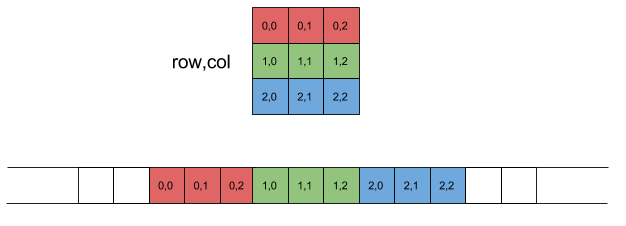
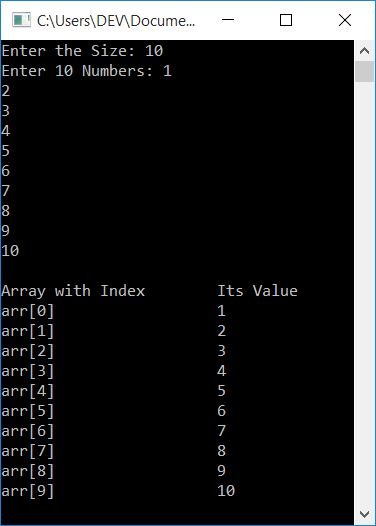
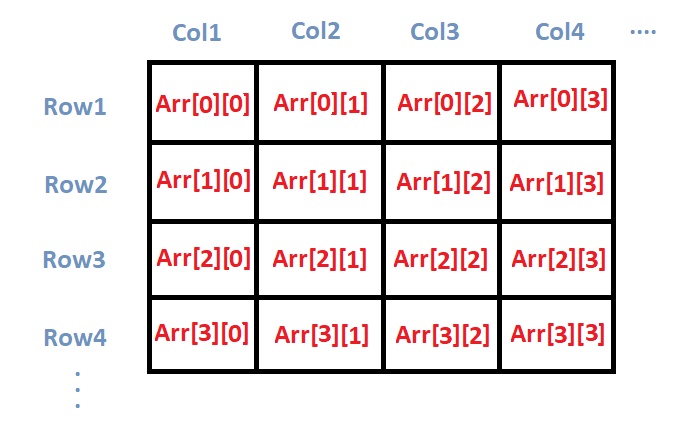
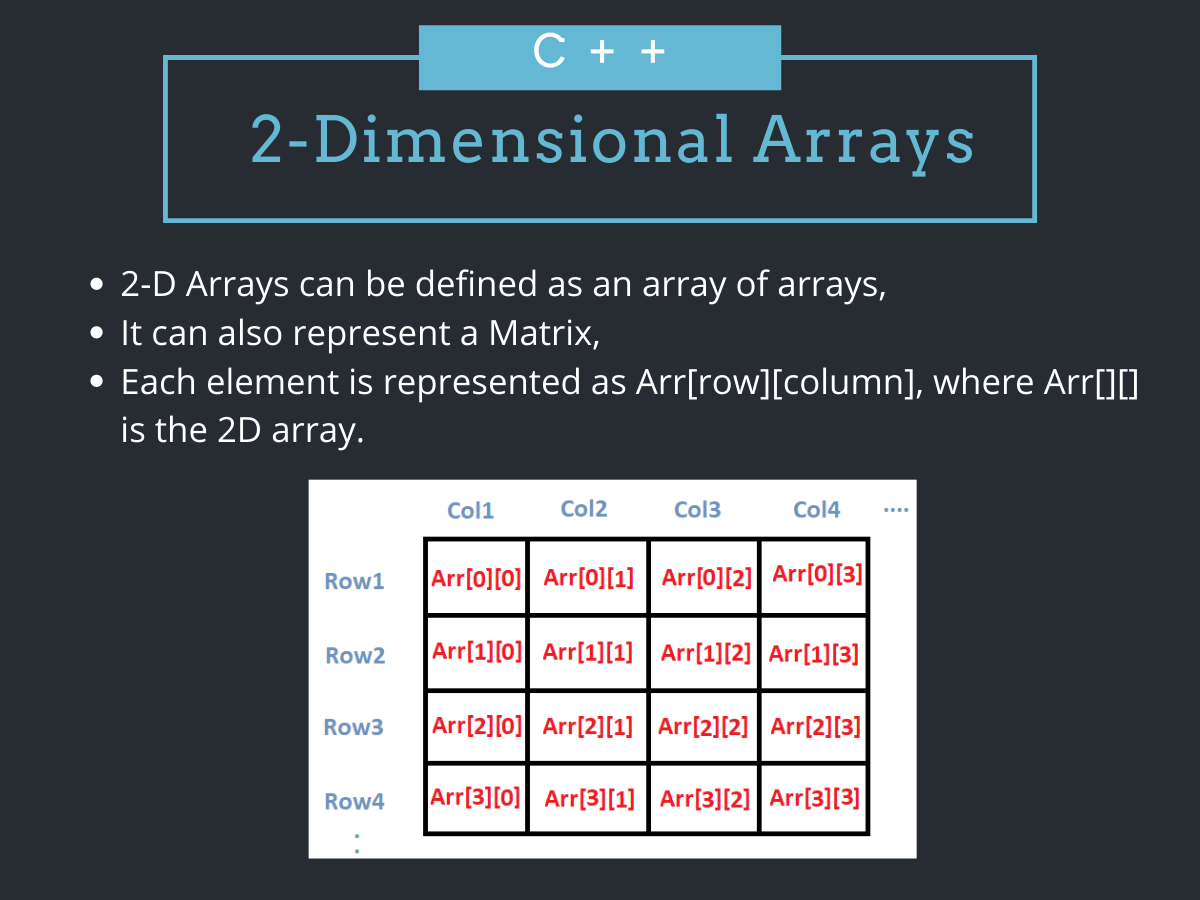
- Same as C but with enhancements
🔤 Strings in C++
📌 Types:
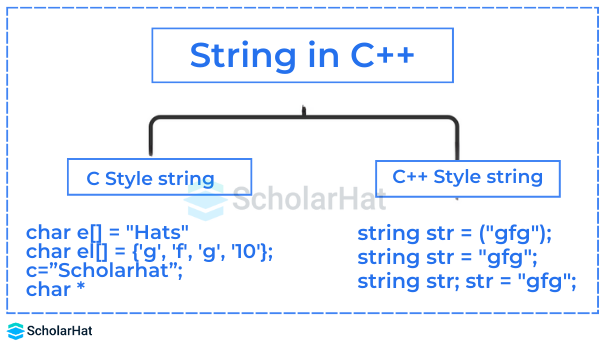
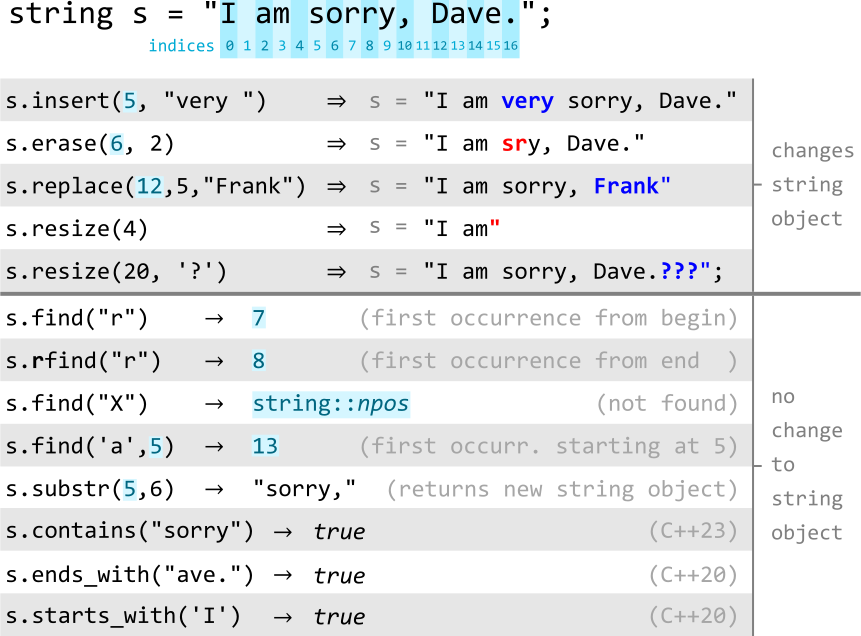

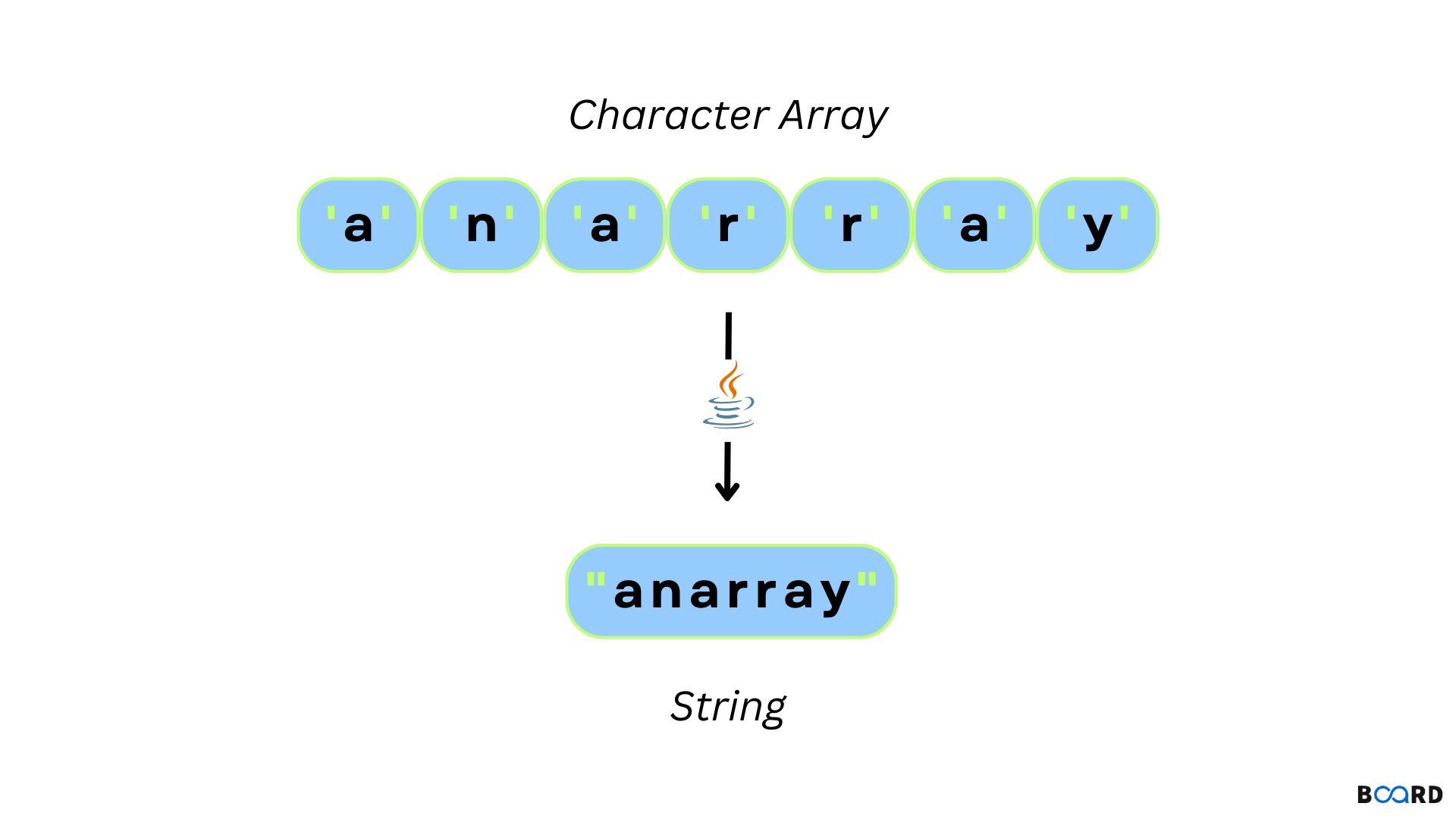
- C-style strings
std::string
🧠 Pointers and References
📌 Pointers
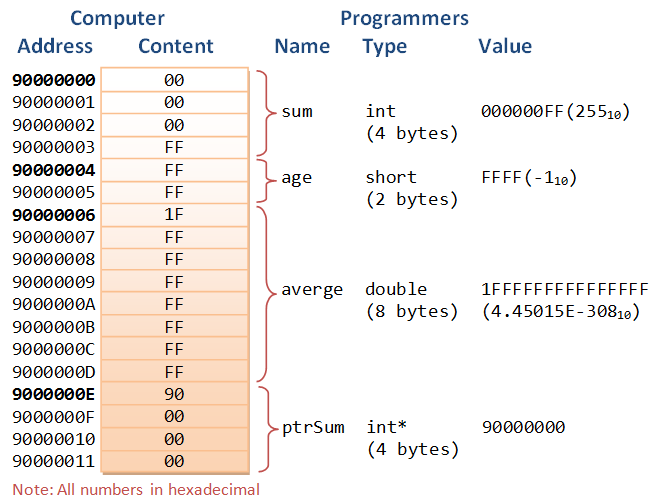
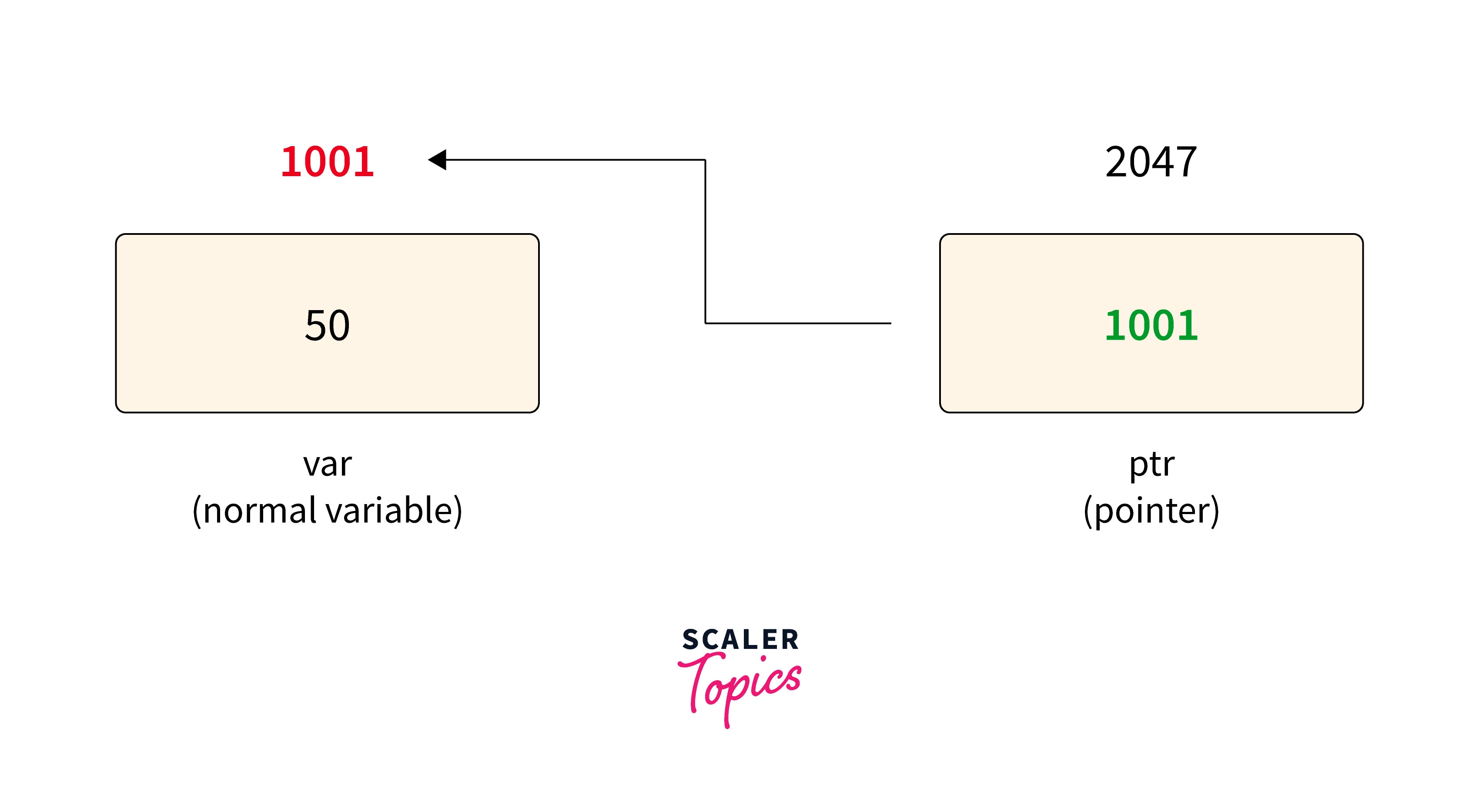

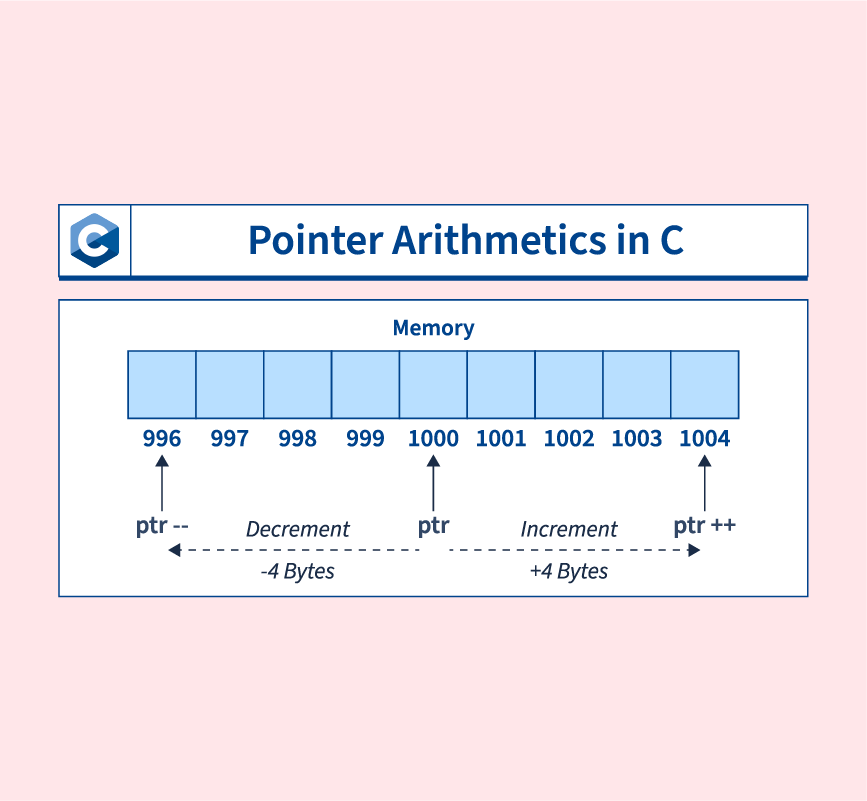
🔄 References
- Alias for variables
int &ref = x;
💾 Dynamic Memory Allocation
📦 Operators:
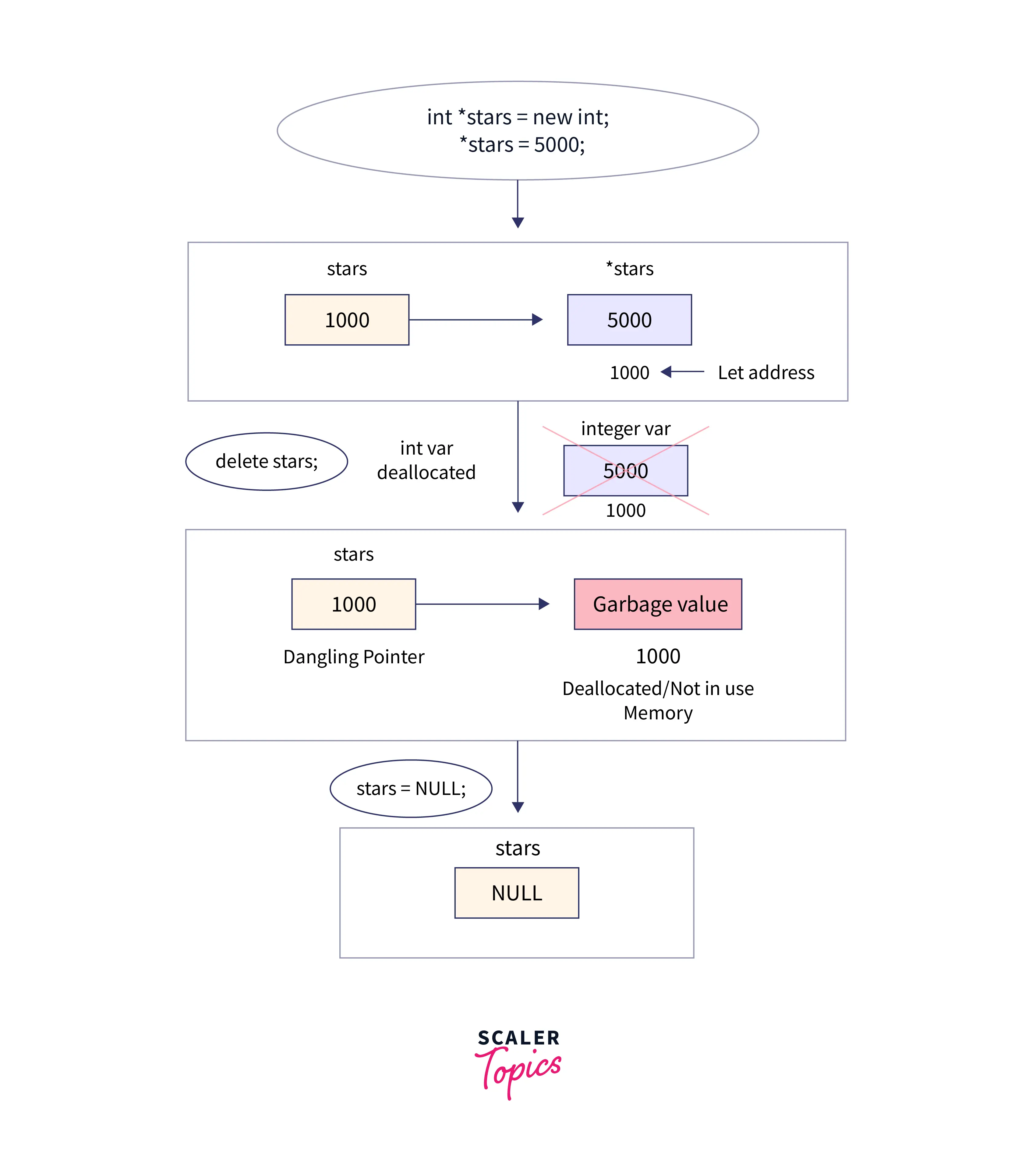

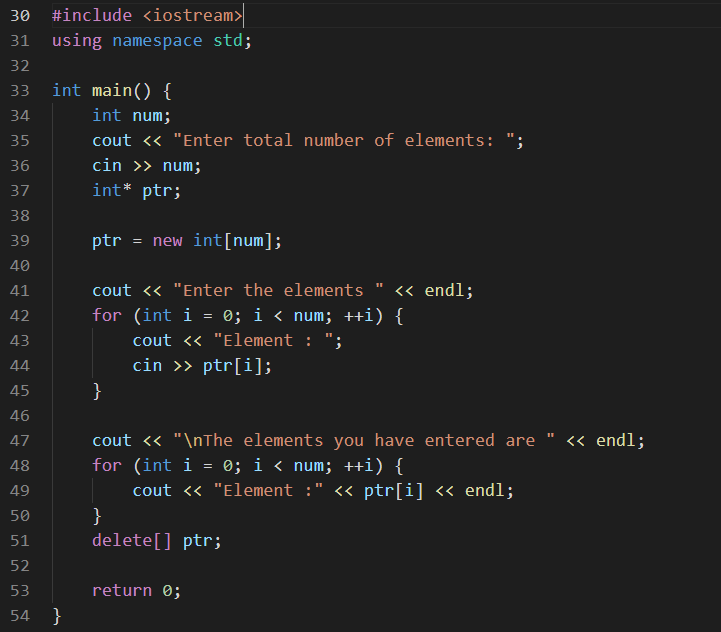
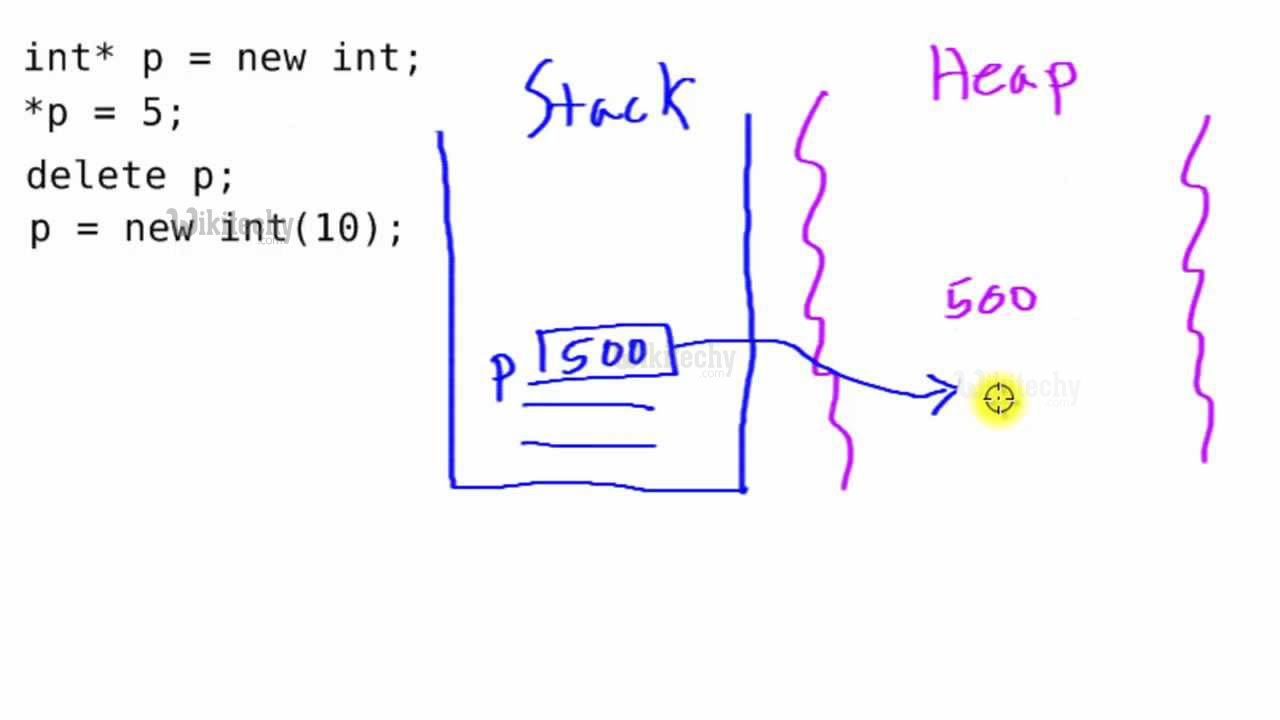
newdelete
🧩 Structures and Classes
⚖️ Difference:
| Feature | Struct | Class |
|---|---|---|
| Default Access | Public | Private |
📂 File Handling
📄 Streams:
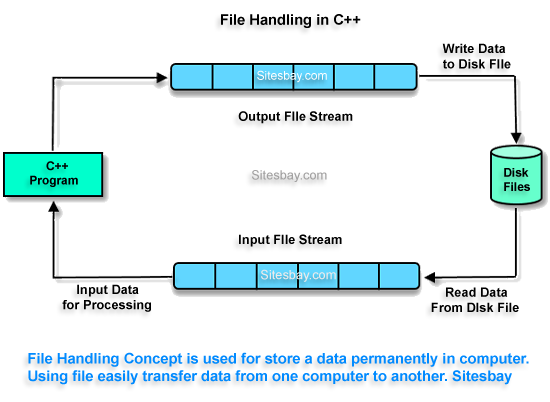
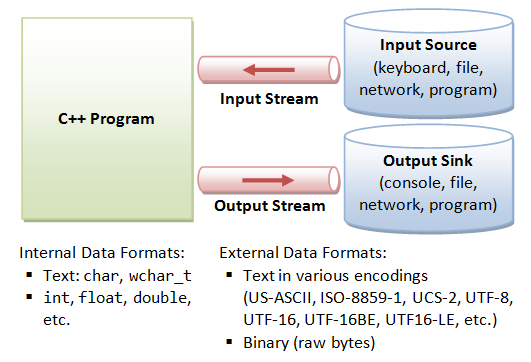


- ifstream
- ofstream
- fstream
🧠 Standard Template Library (STL)
📦 Components
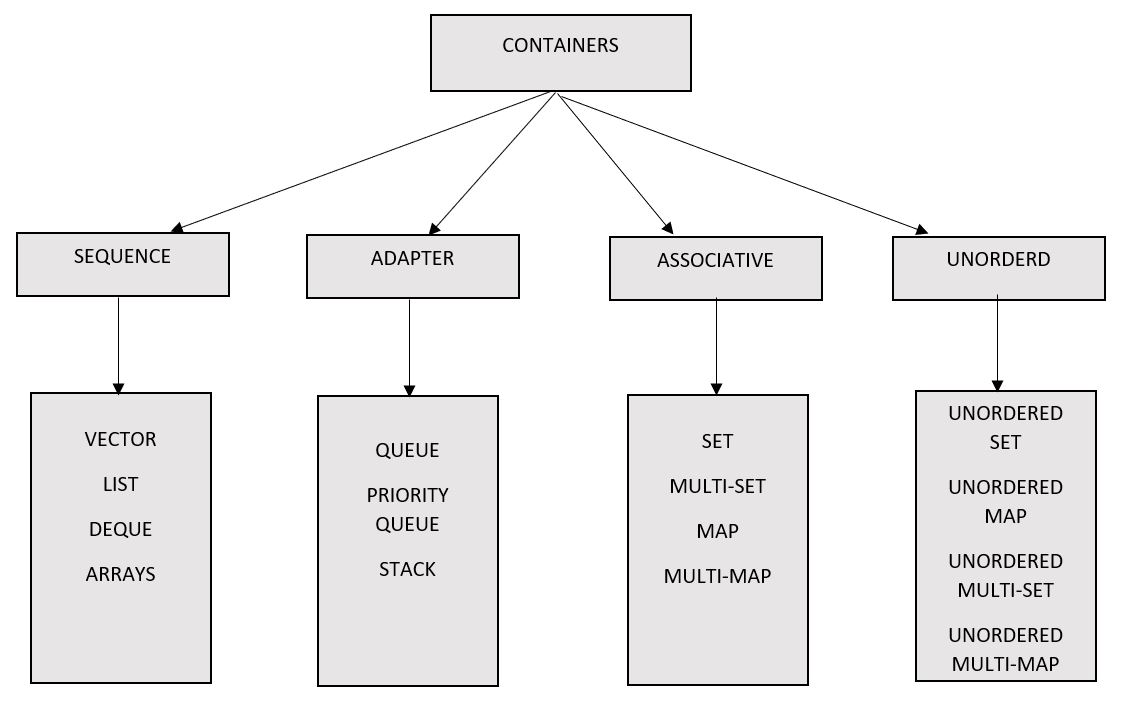


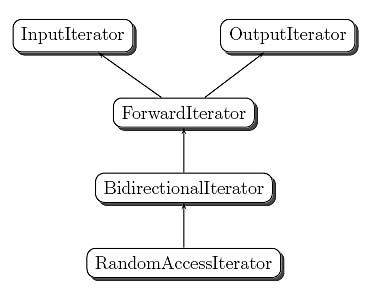
- Containers (vector, list, map)
- Algorithms (sort, search)
- Iterators
⚙️ Exception Handling
🔥 Concept:
try {
    // code
} catch (...) {
    // handle error
}
🧠 Templates (Generic Programming)
📌 Example:
template <typename T>
T add(T a, T b) {
    return a + b;
}
🌐 C++ in Software Development Context
🧠 Role Among Languages
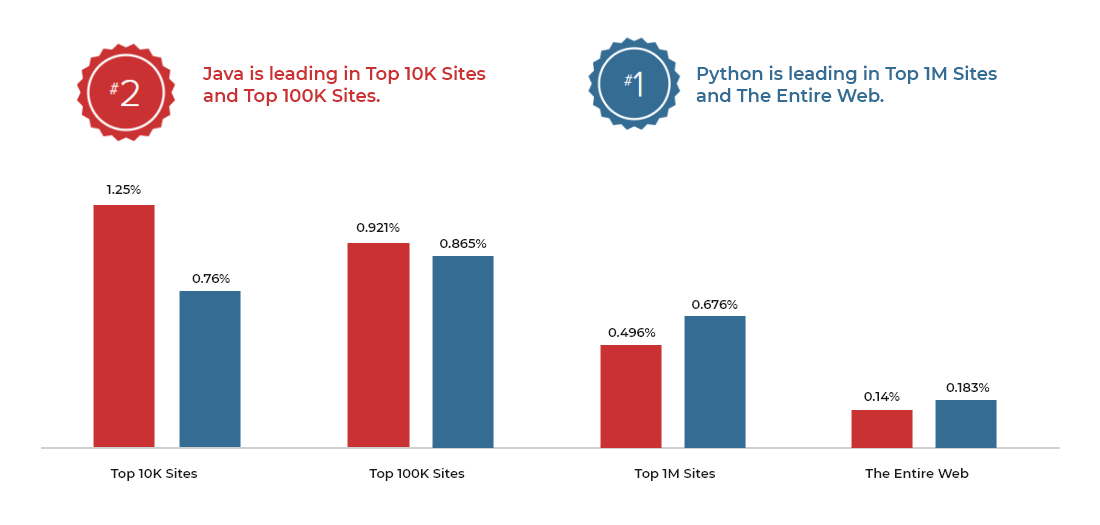

🔹 Compared to Other Languages:
| Language | Type | Use |
|---|---|---|
| C++ | OOP + Low-level | Systems, games |
| Python | High-level | AI, scripting |
| Java | OOP | Enterprise |
🚀 Applications of C++
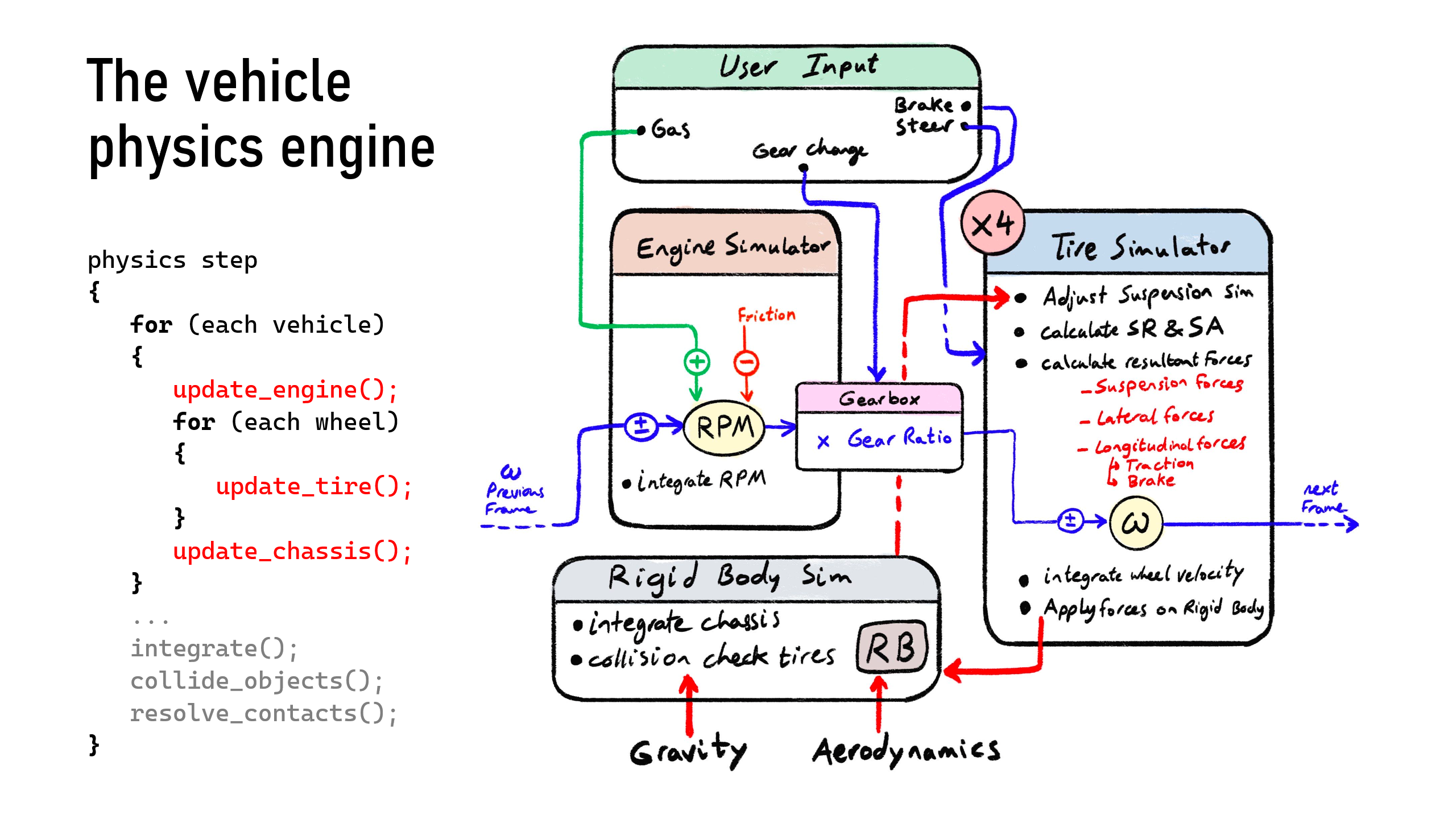
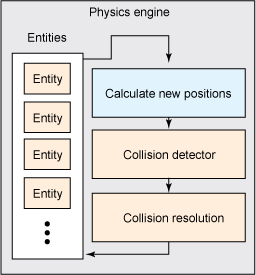
🎮 Game Development

⚙️ System Software
- Operating systems
- Compilers
🚗 Embedded Systems
- Robotics
- Automotive systems
💹 Finance Systems
- High-frequency trading
⚡ Advantages of C++
- High performance
- Object-oriented
- Flexible
- Rich libraries
⚠️ Limitations
- Complex syntax
- Manual memory management
- Steep learning curve
🚀 Modern C++ Trends



- Smart pointers
- Lambda expressions
- Multithreading
- C++20 features
🧾 Conclusion
C++ is a powerful and versatile programming language that:
- Combines performance with abstraction
- Supports multiple paradigms
- Powers modern applications
Learning C++ helps in:
- Mastering programming fundamentals
- Building high-performance systems
- Understanding advanced concepts