Tag Archives: Variables

🌐 JavaScript Programming – Complete Detailed Guide (with Software Development Language Context)


🌐 Introduction to JavaScript Programming

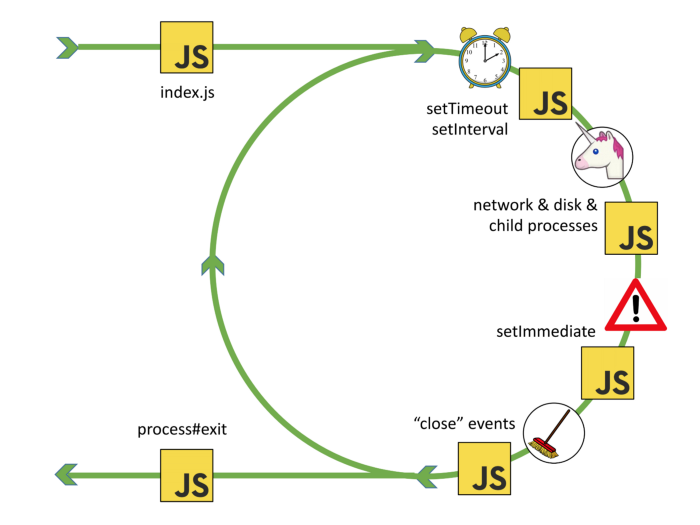
Image
Image
Image
Image

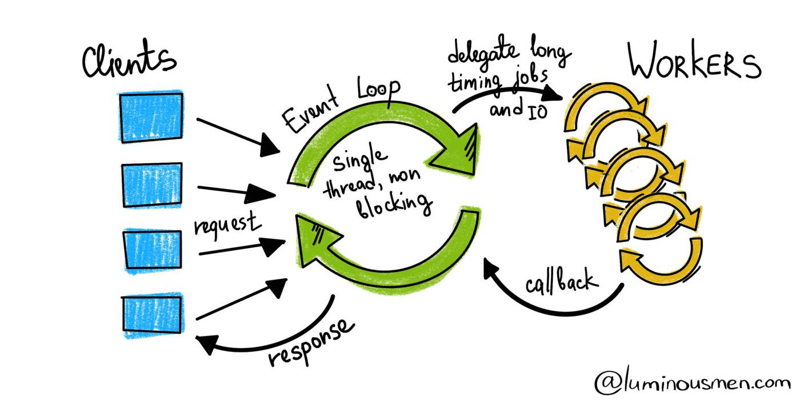
JavaScript (JS) is a high-level, interpreted programming language primarily used to create interactive and dynamic web applications. It is one of the core technologies of the web, alongside HTML and CSS.

In simple terms:

JavaScript = the language that makes websites interactive

Originally designed for browsers, JavaScript is now used for:

  • Frontend development
  • Backend development (Node.js)
  • Mobile apps
  • Desktop apps
  • Game development

🧠 Importance of JavaScript

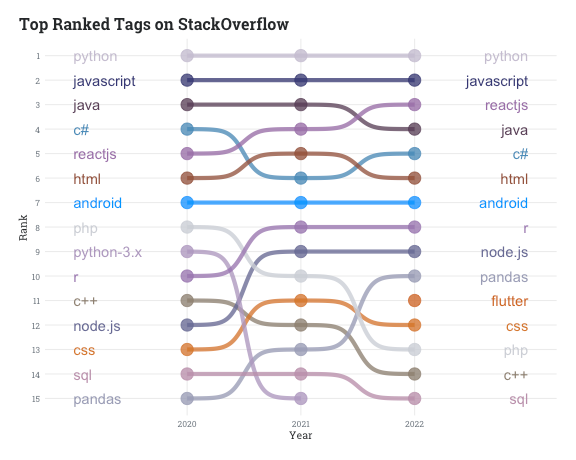
  • Runs in all web browsers
  • Enables dynamic content
  • Essential for modern web apps
  • Full-stack development capability
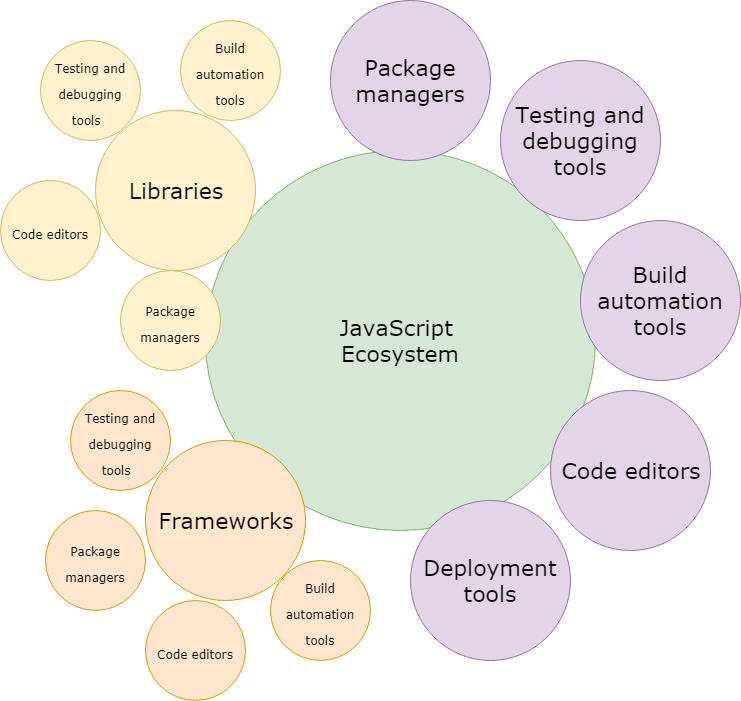
  • Massive ecosystem

🧩 Basic Structure of JavaScript


📄 Example Program

console.log("Hello, World!");

🧠 Features:

Image
Image
Image
Image
  • Dynamic typing
  • Interpreted language
  • Event-driven
  • Prototype-based

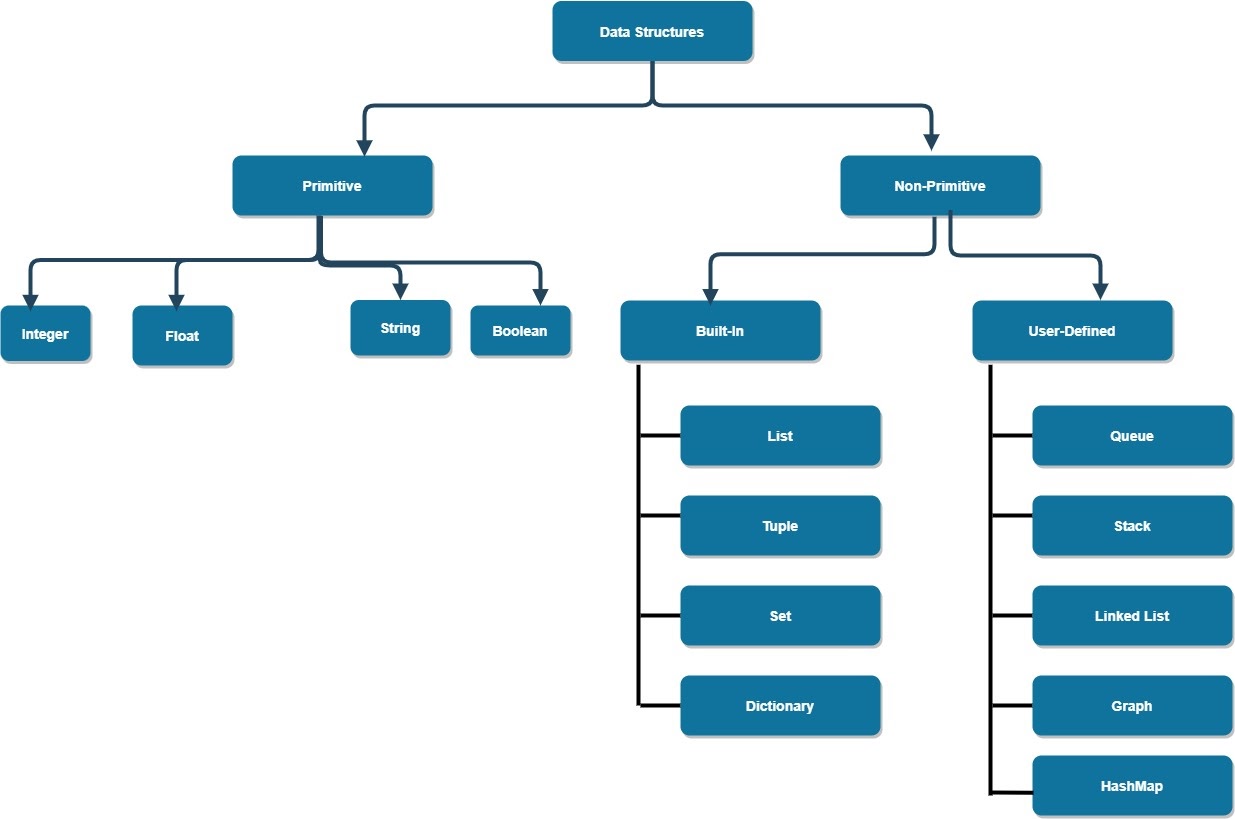
⚙️ Data Types in JavaScript


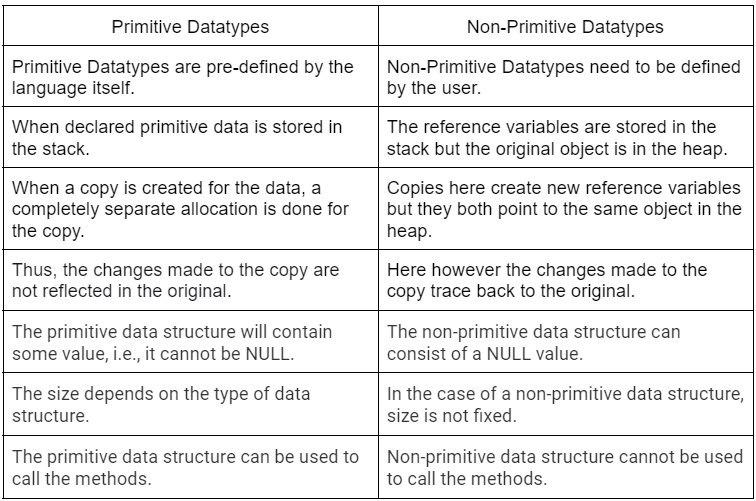
🔢 Primitive Data Types

Image
Image
Image
Image
TypeExample
Number10
String“Hello”
Booleantrue
Undefinedundefined
Nullnull

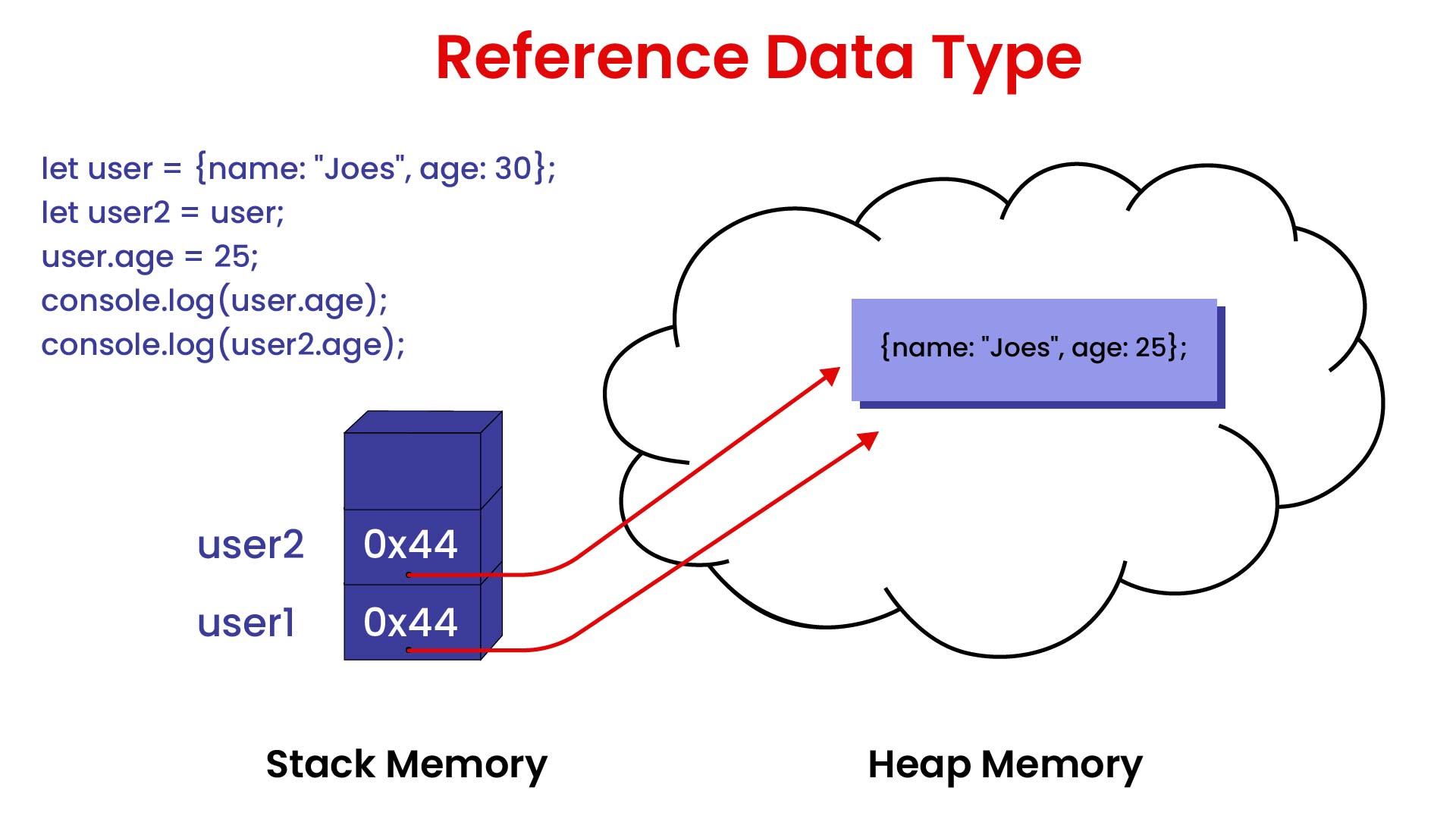
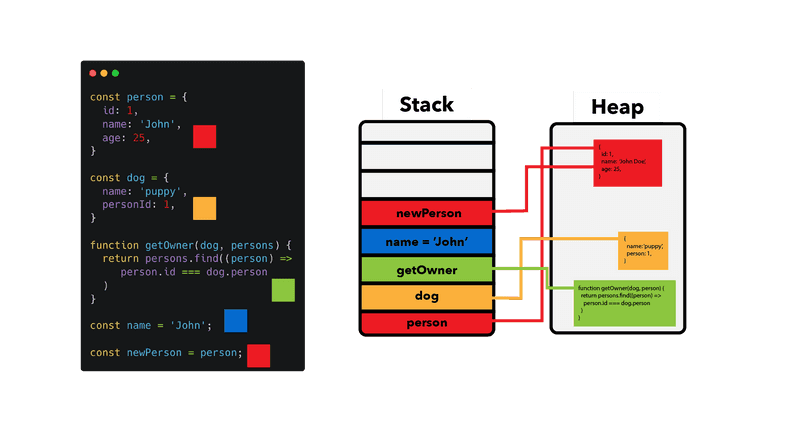
🧩 Reference Types

  • Objects
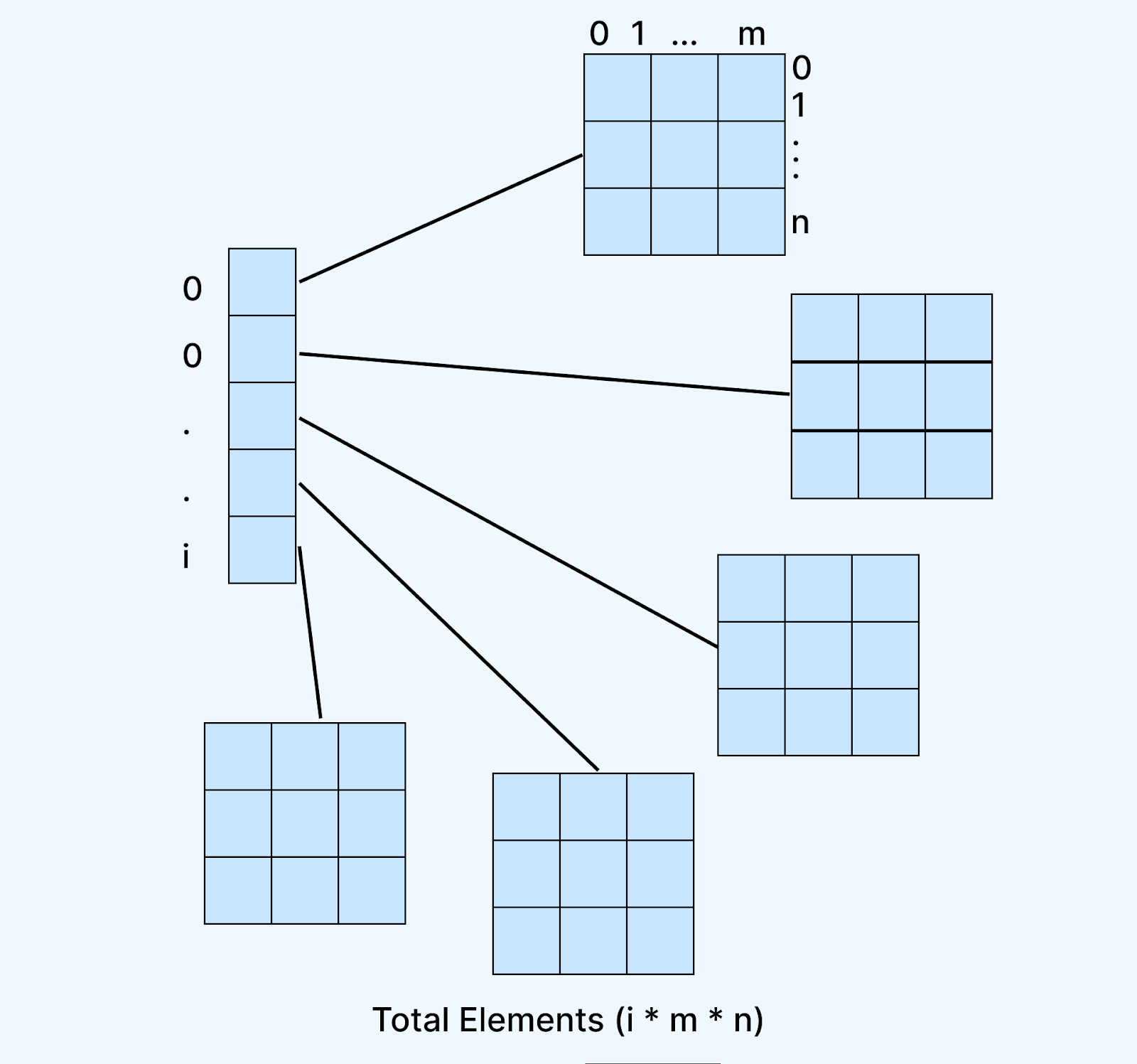
  • Arrays
  • Functions

🔤 Variables and Scope


📌 Variables

let x = 10;
const name = "JS";

🔄 Scope Types:

  • Global
  • Local
  • Block scope

⚙️ Operators in JavaScript


🔢 Types:

  • Arithmetic (+, -, *, /)
  • Comparison (==, ===)
  • Logical (&&, ||)
  • Assignment (=, +=)

🔄 Control Structures


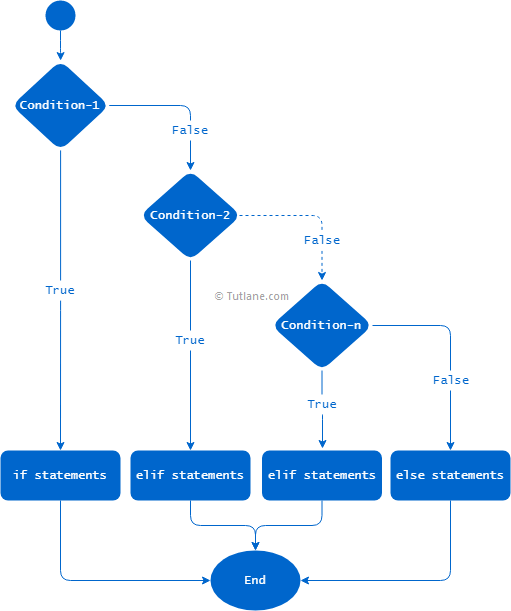
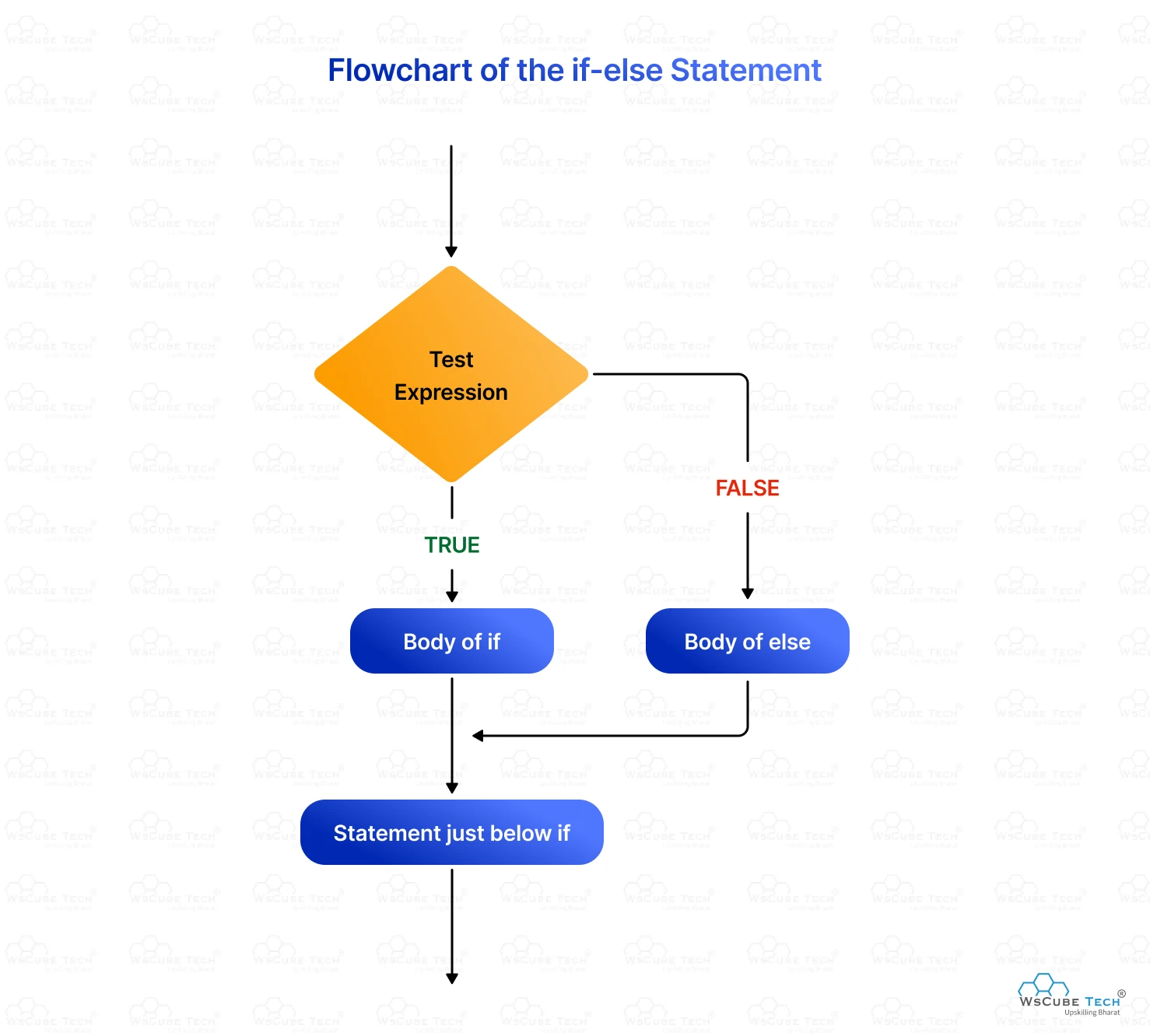
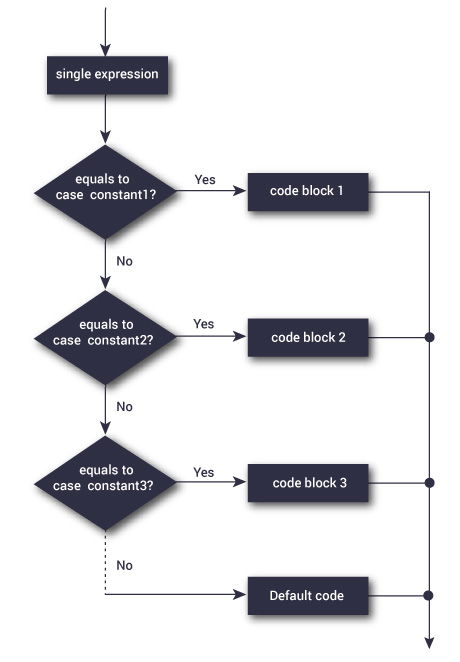
🔀 Conditional Statements

Image
Image
Image
Image

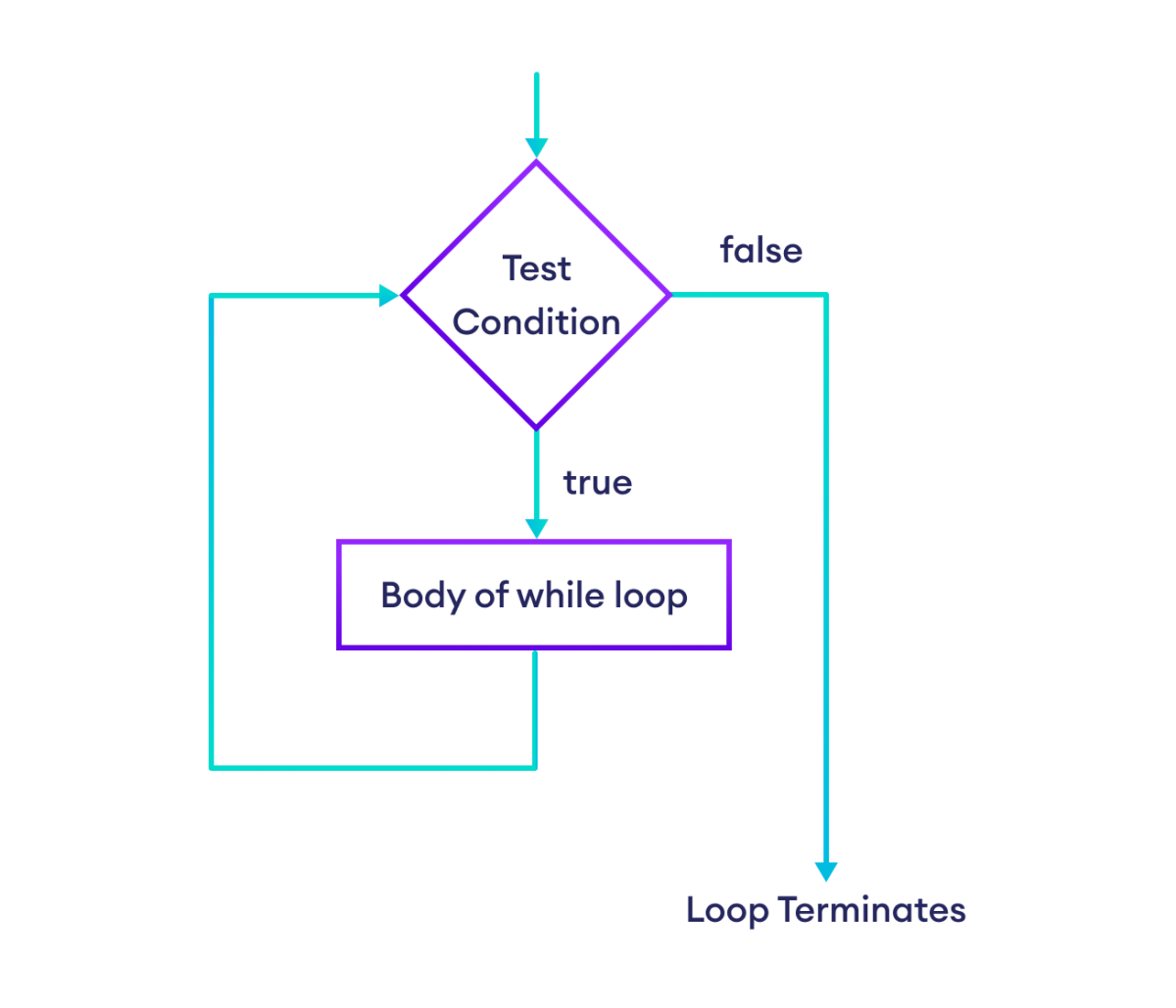
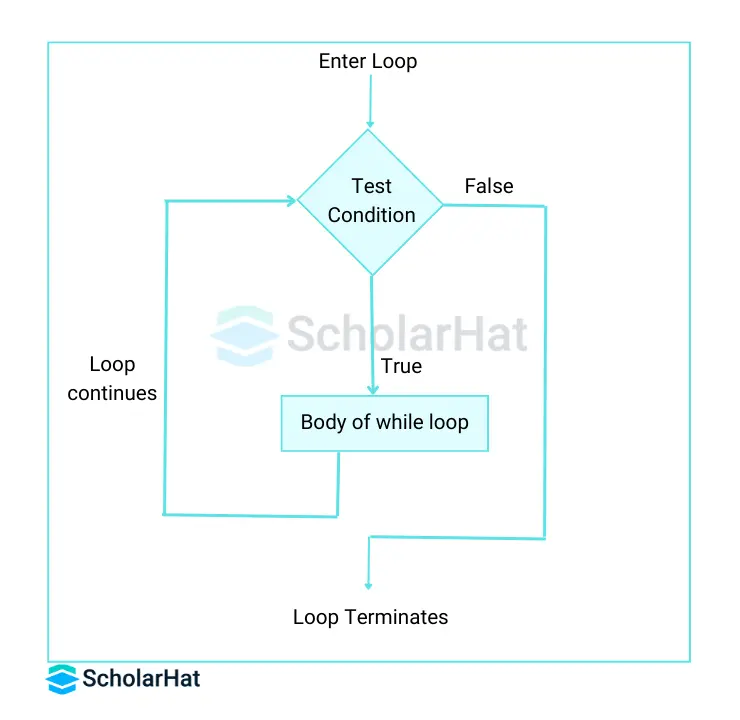
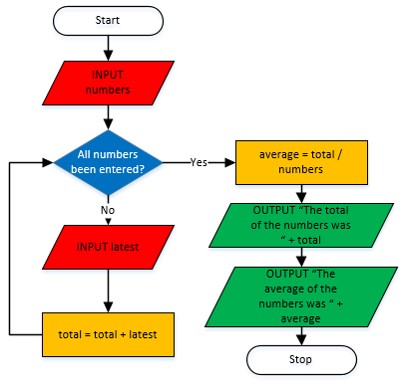
🔁 Loops

Image
Image
Image
Image

🧠 Functions in JavaScript


📌 Example:

function add(a, b) {
    return a + b;
}

⚙️ Types:

  • Function declaration
  • Function expression
  • Arrow functions

🧩 Objects in JavaScript


📦 Concept

Image
Image
Image
Image
let person = {
    name: "John",
    age: 25
};

🔤 Arrays in JavaScript

Image
Image
Image
Image
  • Dynamic
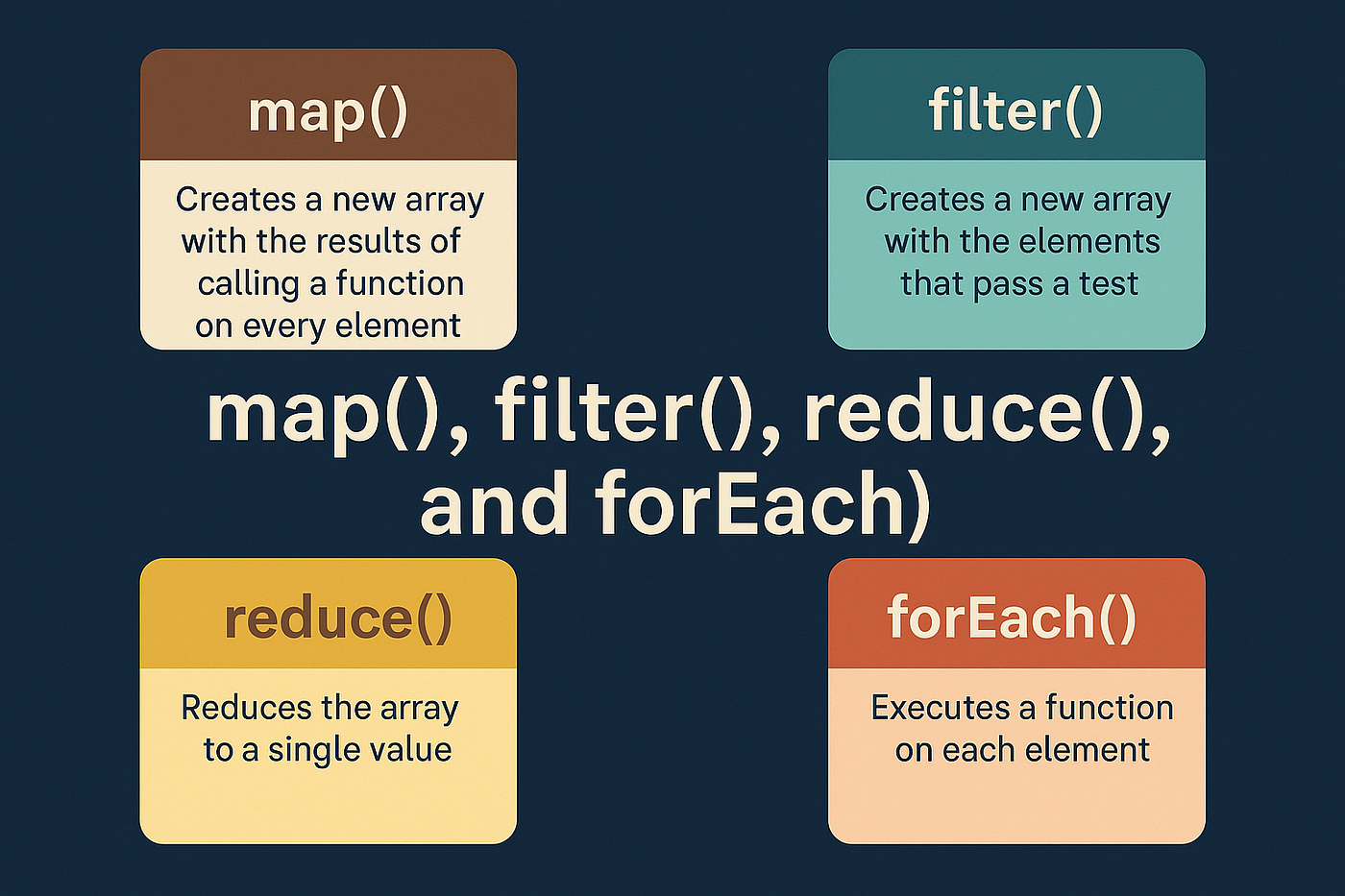
  • Methods: map(), filter(), reduce()

🔤 Strings in JavaScript

Image
Image
Image
Image
  • Immutable
  • Template literals

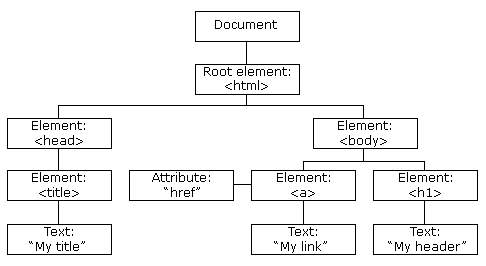
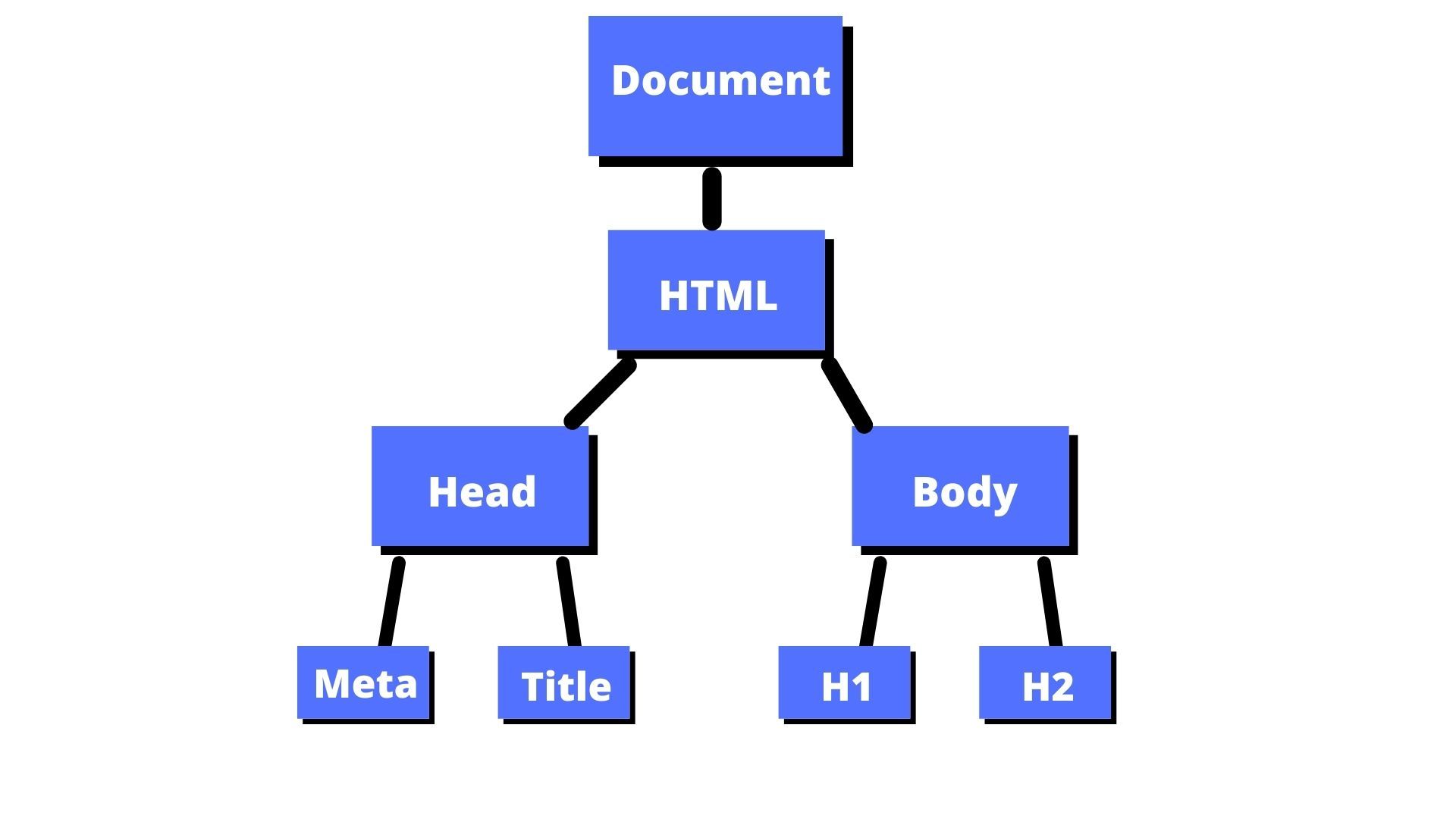
🌐 DOM (Document Object Model)


🧠 Concept

Image
Image
Image
Image
  • Represents HTML structure
  • Allows dynamic updates

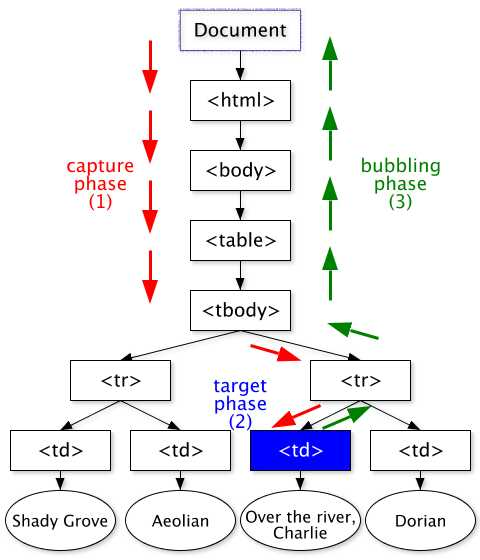
⚡ Event Handling


📌 Example:

button.addEventListener("click", function() {
    alert("Clicked!");
});

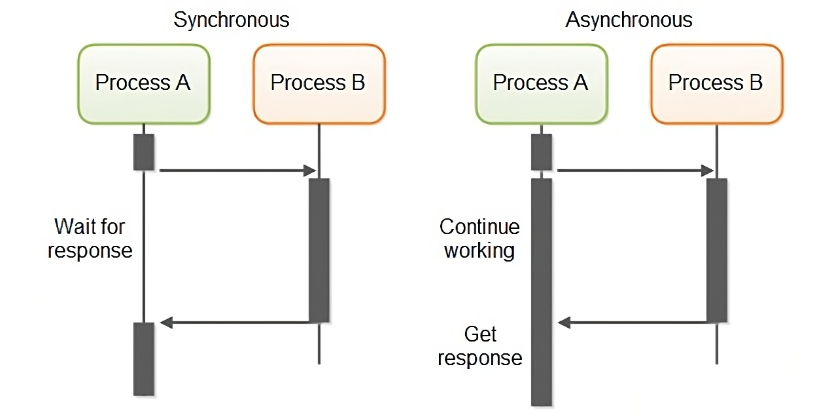
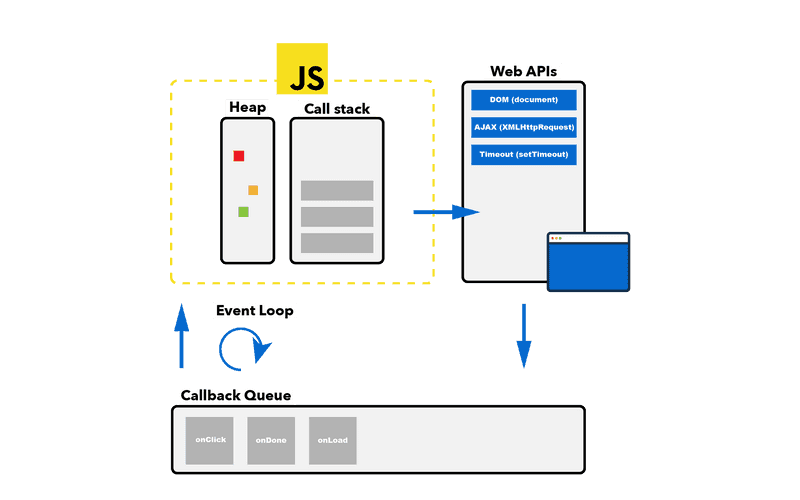
🔄 Asynchronous JavaScript


🧠 Concepts

Image
Image
Image
Image

🔹 Techniques:

  • Callbacks
  • Promises
  • Async/Await

💾 Error Handling


⚠️ Example:

try {
    let x = y;
} catch (e) {
    console.log("Error");
}

📦 Modules in JavaScript


🧩 Concept

Image
Image
Image
Image
  • Import/export functionality

🌐 JavaScript in Software Development Context


🧠 Role Among Languages

Image
Image
Image
Image

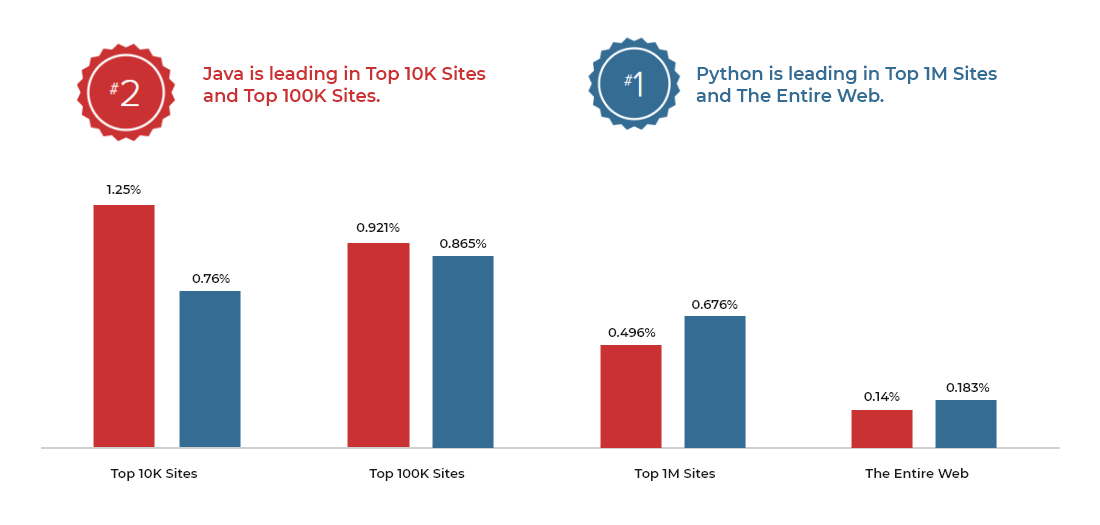
⚖️ Comparison

LanguageStrength
JavaScriptWeb development
PythonData science
JavaEnterprise

🚀 Applications of JavaScript


🌐 Frontend Development

Image
Image
Image
Image

🖥️ Backend Development

  • Node.js

📱 Mobile Apps

  • React Native

🎮 Game Development

  • Browser-based games

⚡ Advantages of JavaScript

  • Runs in browsers
  • Versatile
  • Large ecosystem
  • Supports full-stack

⚠️ Limitations

  • Security issues
  • Browser inconsistencies
  • Single-threaded

🚀 Modern JavaScript Trends

Image
Image
Image
Image
  • ES6+ features
  • Frameworks (React, Vue)
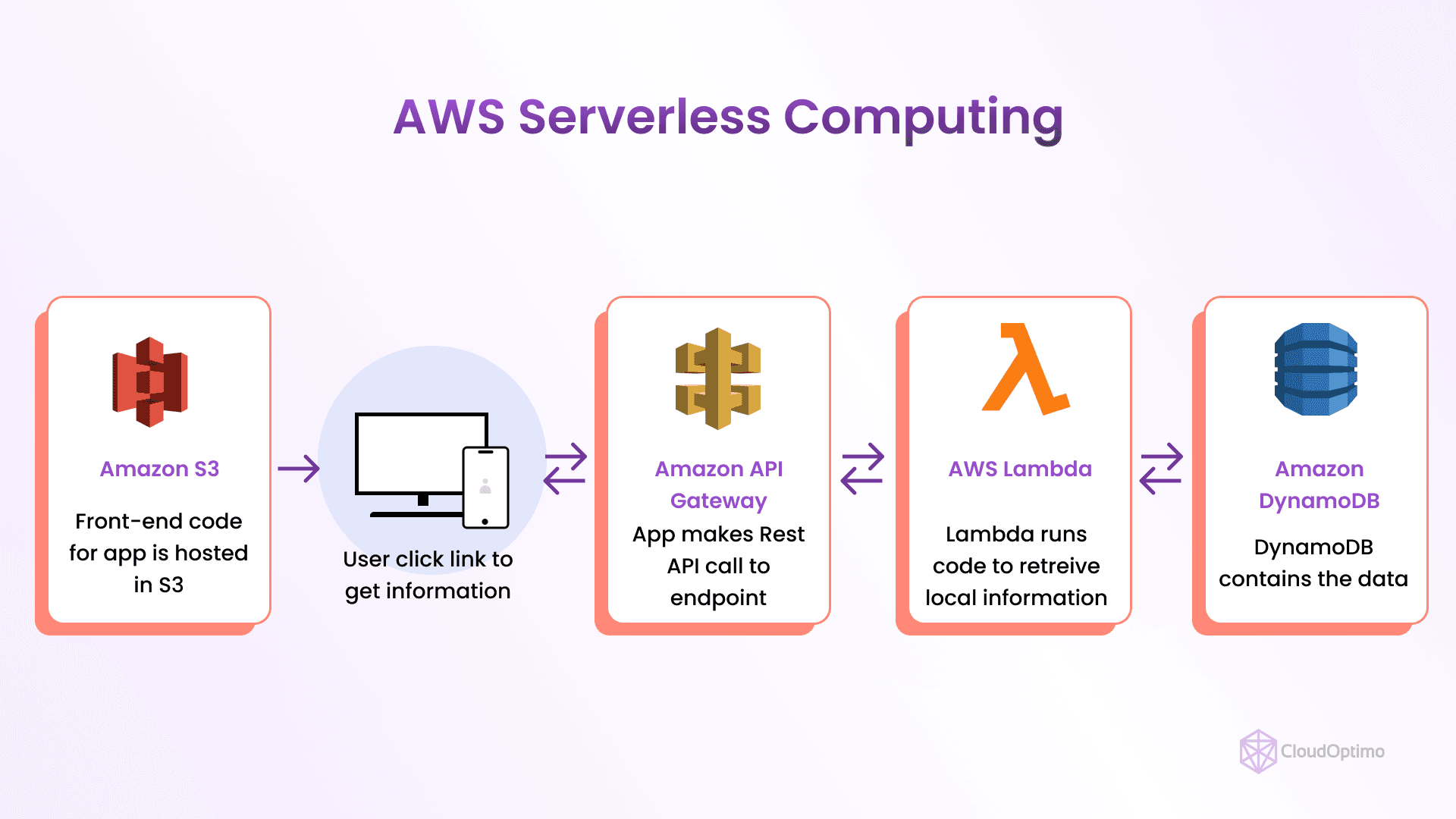
  • Serverless computing
  • Progressive Web Apps

🧾 Conclusion

JavaScript is a core language of the web that:

  • Powers interactive applications
  • Enables full-stack development
  • Continues to evolve rapidly

Learning JavaScript is essential for:

  • Web developers
  • Software engineers
  • Full-stack development

🏷️ Tags

☕ Java Programming – Complete Detailed Guide (with Software Development Language Context)


🌐 Introduction to Java Programming

Image
Image
Image
Image

Java is a high-level, object-oriented, platform-independent programming language widely used for building enterprise applications, mobile apps, web systems, and large-scale software.

It was designed with the philosophy:

“Write Once, Run Anywhere” (WORA)

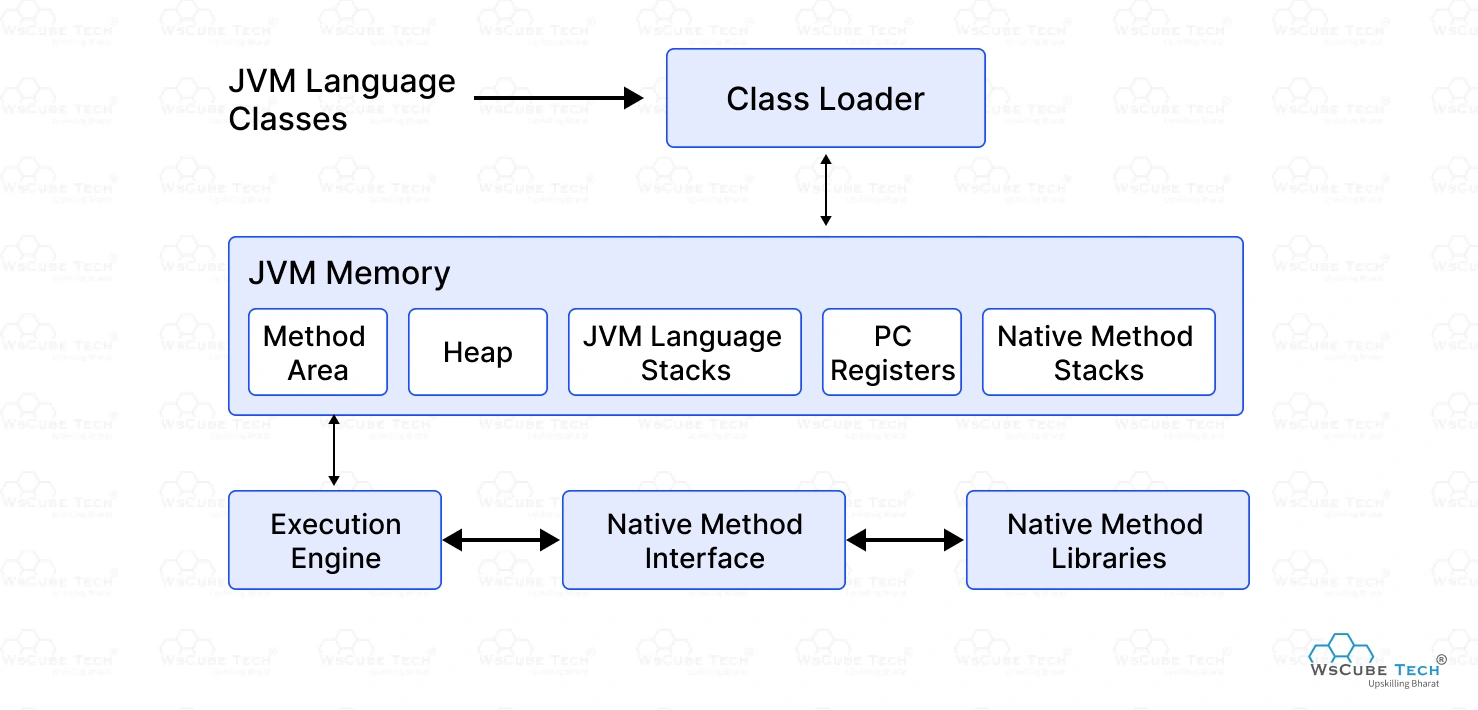
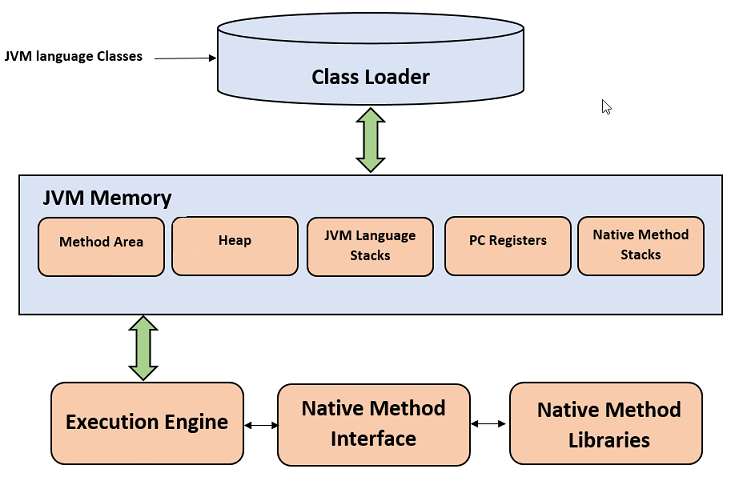
This means Java programs can run on any system that has a Java Virtual Machine (JVM).


🧠 Importance of Java

  • Platform-independent
  • Strong object-oriented features
  • Widely used in enterprise applications
  • Secure and robust
  • Large ecosystem and community

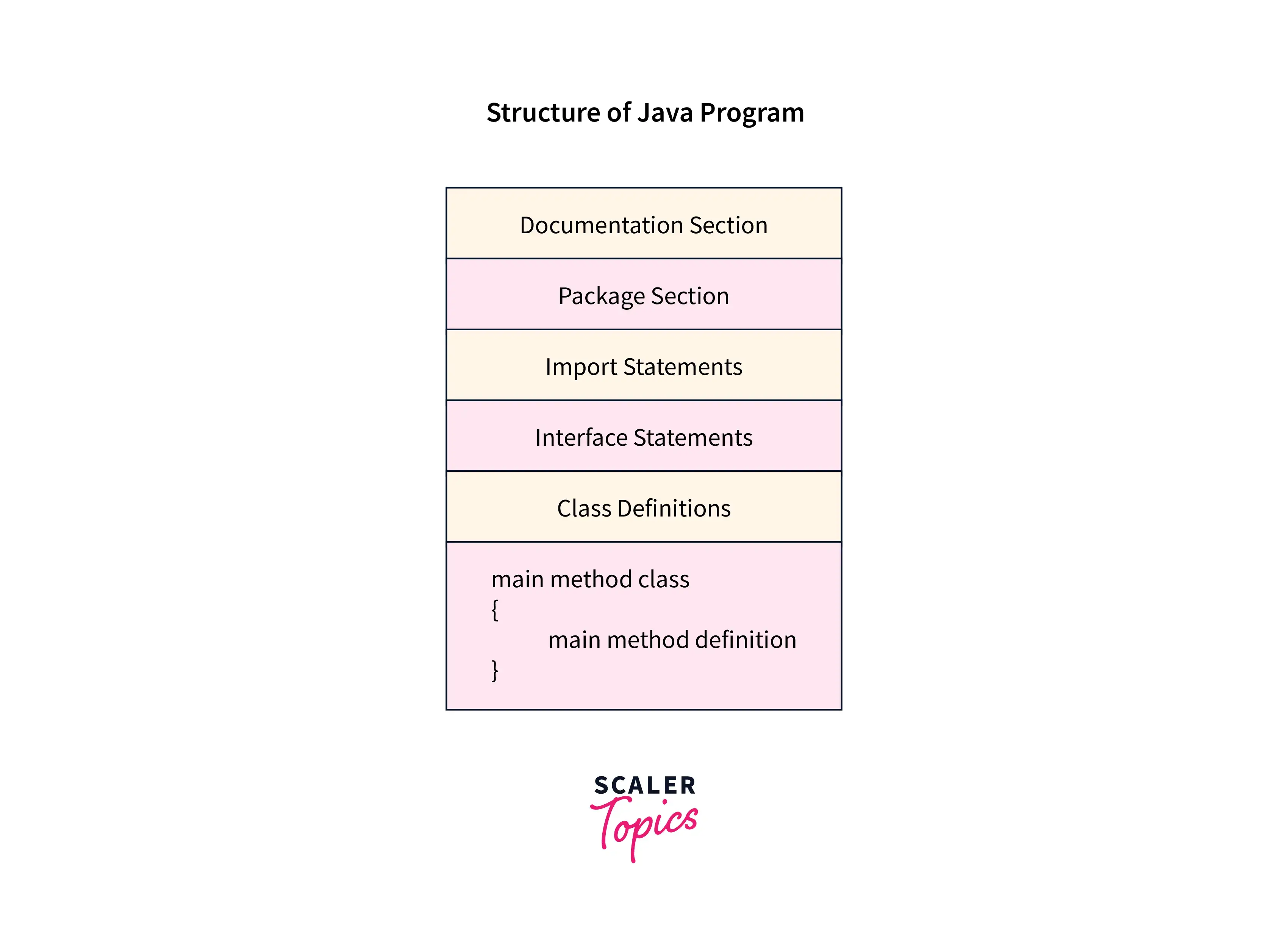
🧩 Basic Structure of a Java Program


📄 Example Program

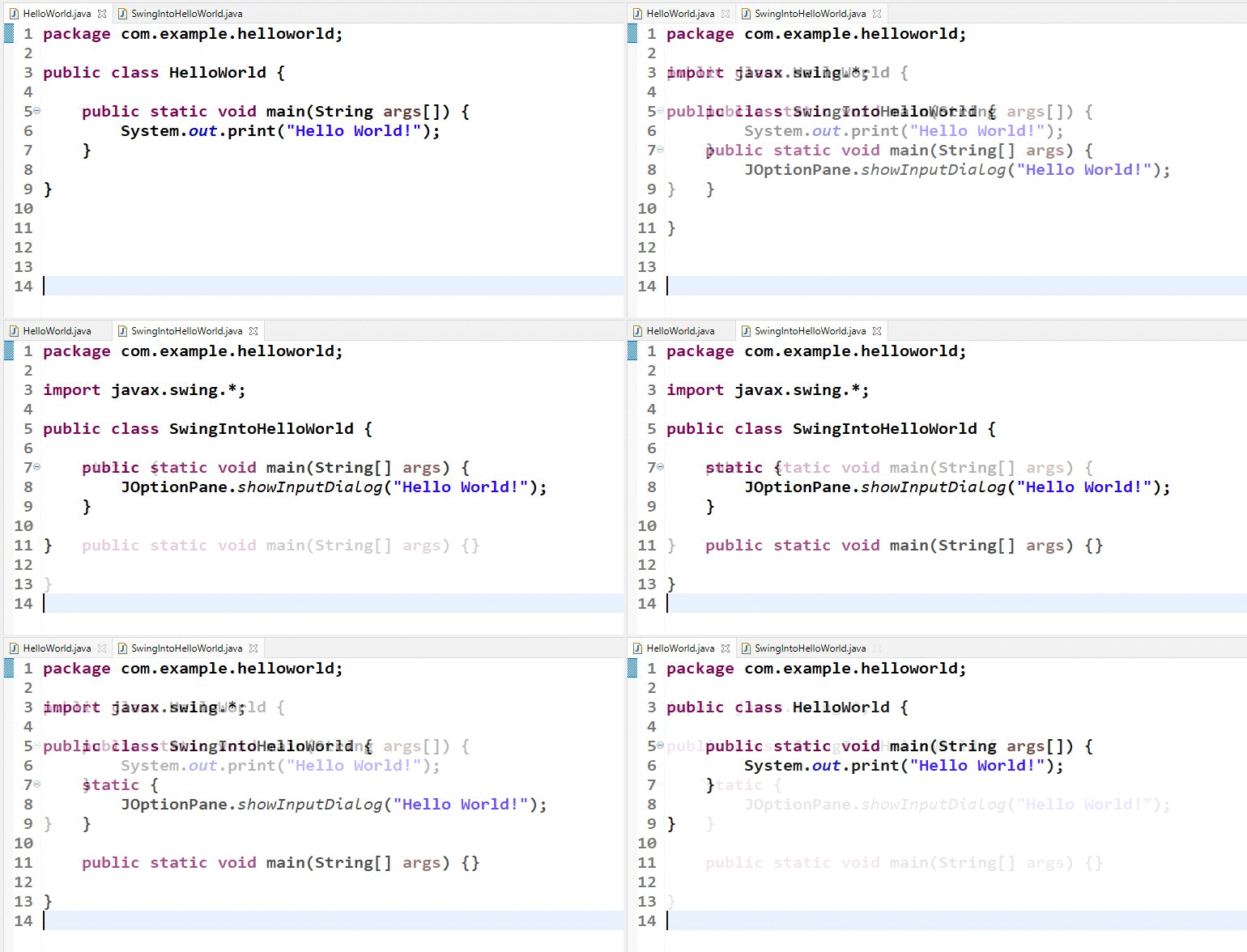
class HelloWorld {
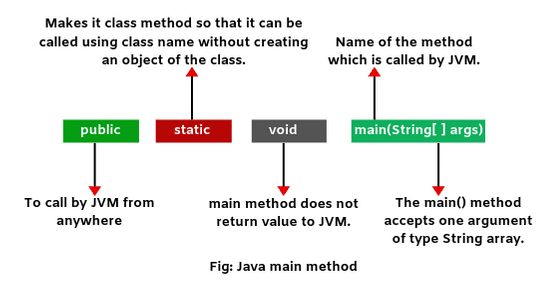
    public static void main(String[] args) {
        System.out.println("Hello, World!");
    }
}

🧠 Components:

Image
Image
Image
Image
  • Class definition
  • Main method
  • Statements
  • Output functions

⚙️ Java Architecture


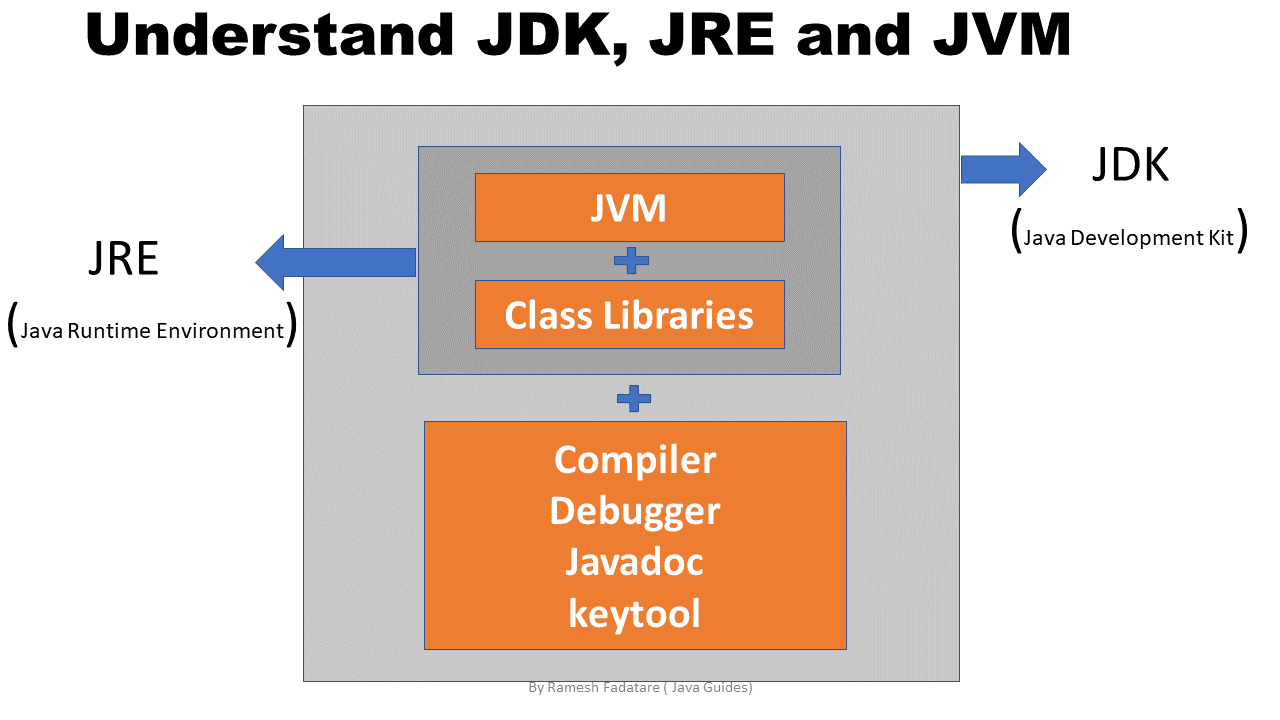
🧠 JVM, JRE, JDK

Image
Image
Image
Image

🔹 JVM (Java Virtual Machine)

  • Executes bytecode

🔹 JRE (Java Runtime Environment)

  • Provides runtime environment

🔹 JDK (Java Development Kit)

  • Tools for development

⚙️ Data Types in Java


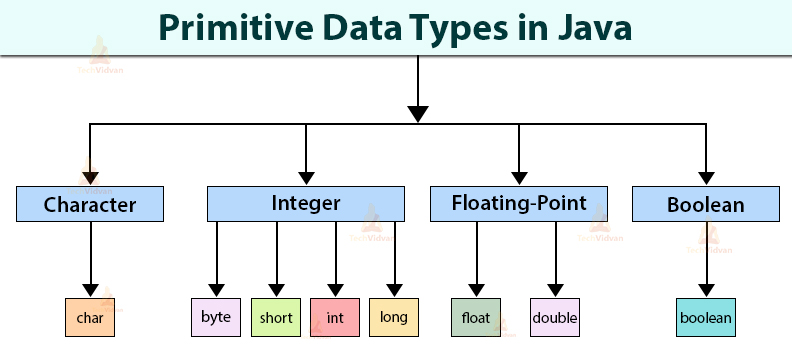
🔢 Primitive Data Types

Image
Image
Image
Image
TypeExample
int10
float3.14
char‘A’
booleantrue

🧩 Non-Primitive Types

  • Strings
  • Arrays
  • Classes

🔤 Variables and Constants


📌 Variables

int x = 10;

🔒 Constants

final int MAX = 100;

⚙️ Operators in Java


🔢 Types:

  • Arithmetic (+, -, *, /)
  • Relational (==, >, <)
  • Logical (&&, ||)
  • Bitwise (&, |, ^)

🔄 Control Structures

🔀 Conditional Statements

Image
Image
Image
Image

🔁 Loops

Image
Image
Image
Image

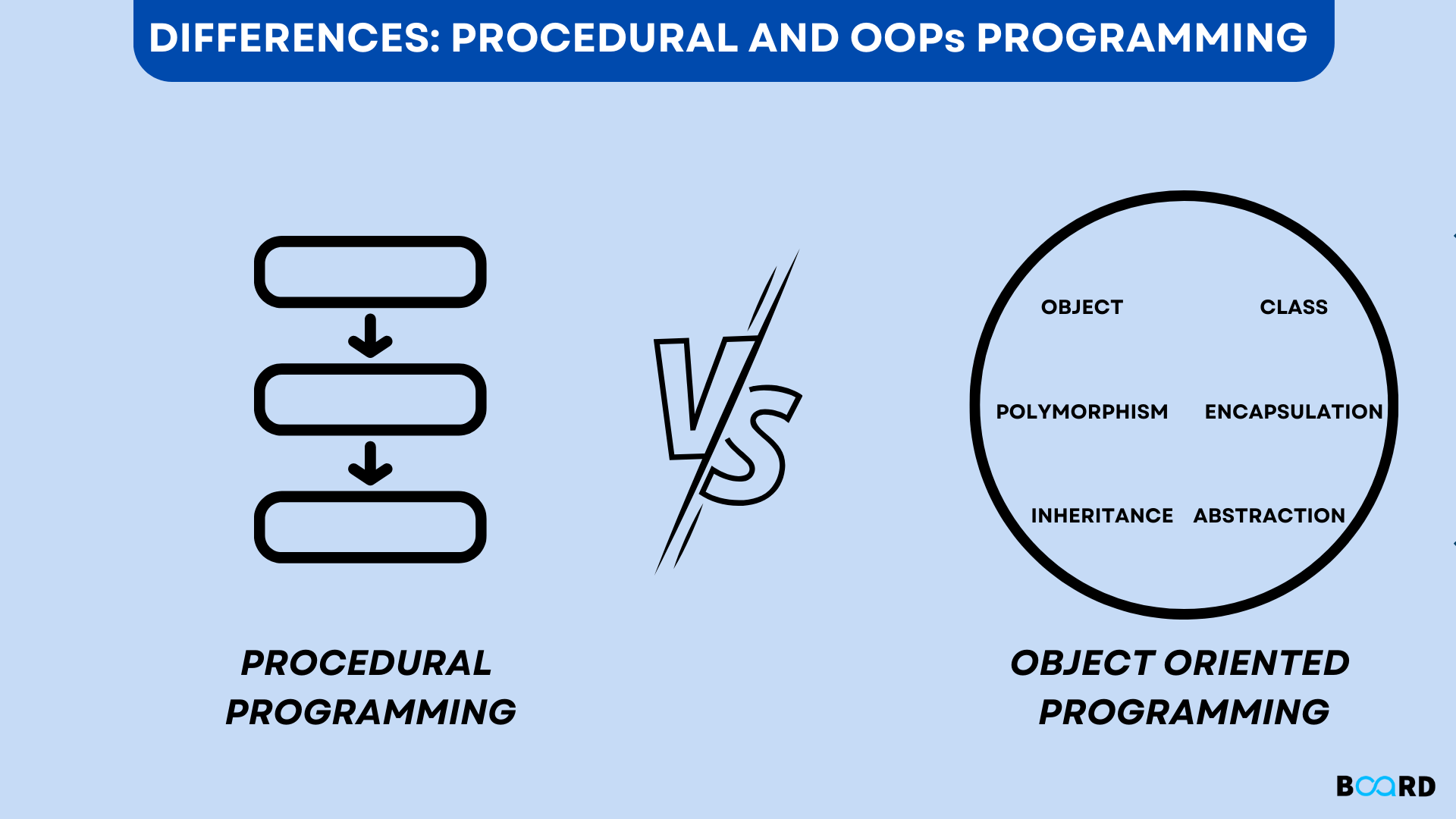
🧠 Object-Oriented Programming in Java


🧩 Core Concepts

Image
Image
Image
Image

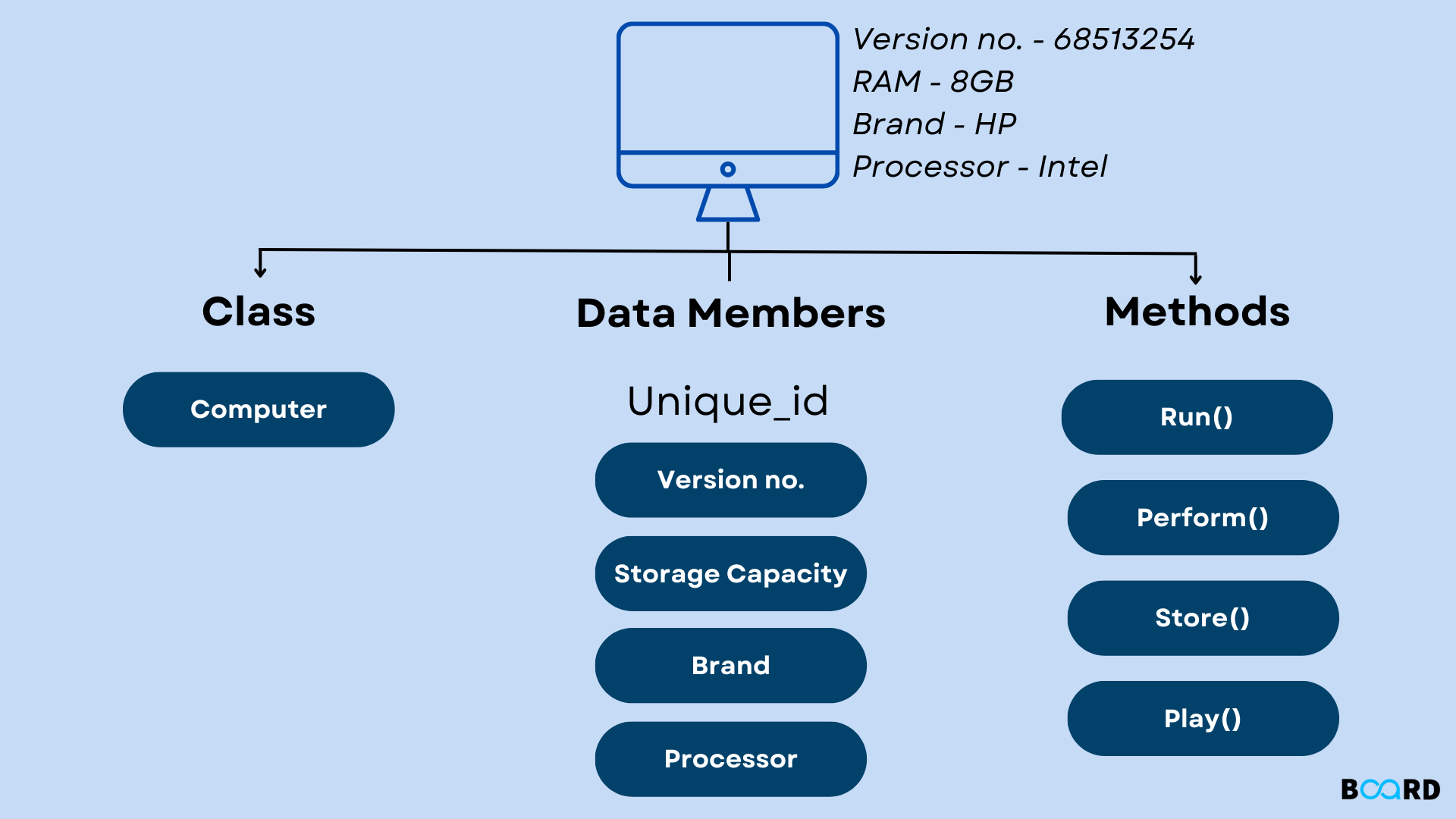
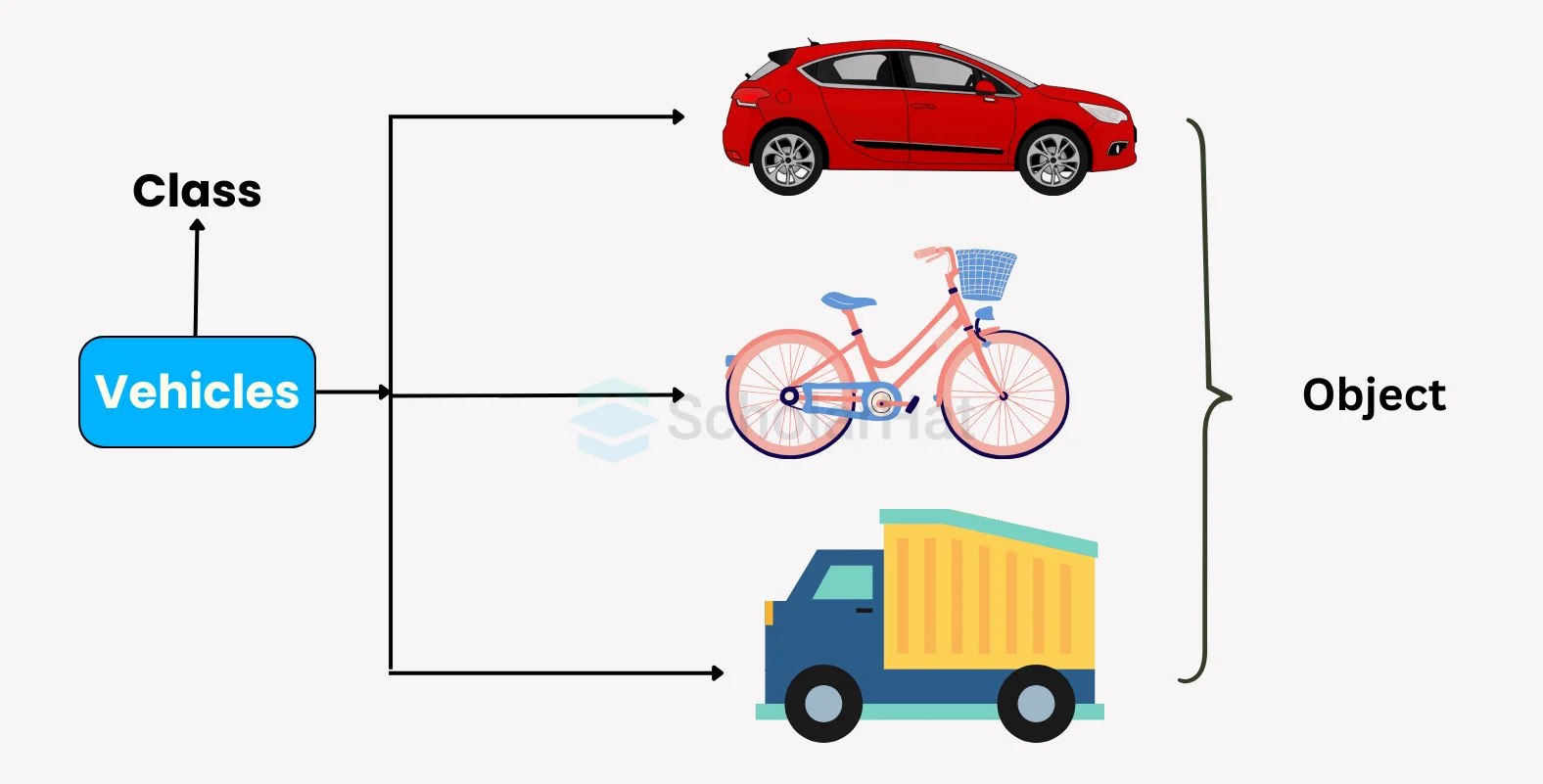
🔹 Class and Object

class Car {
    int speed;
}

🔹 Encapsulation

  • Data hiding using private variables

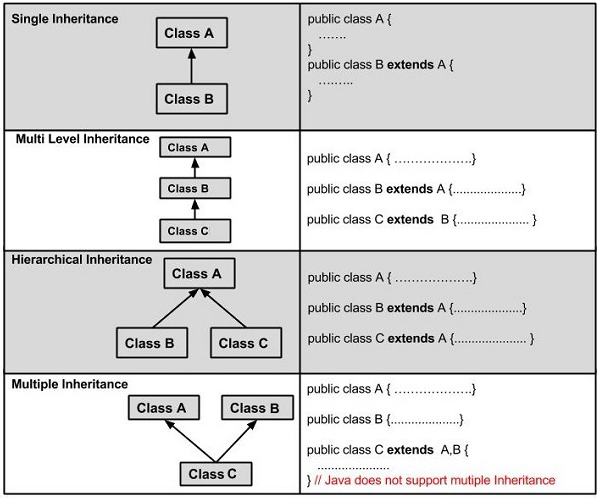
🔹 Inheritance

Image
Image
Image
Image

🔹 Polymorphism

  • Method overloading
  • Method overriding

🔹 Abstraction

  • Abstract classes
  • Interfaces

🧠 Strings in Java

Image
Image
Image
Image
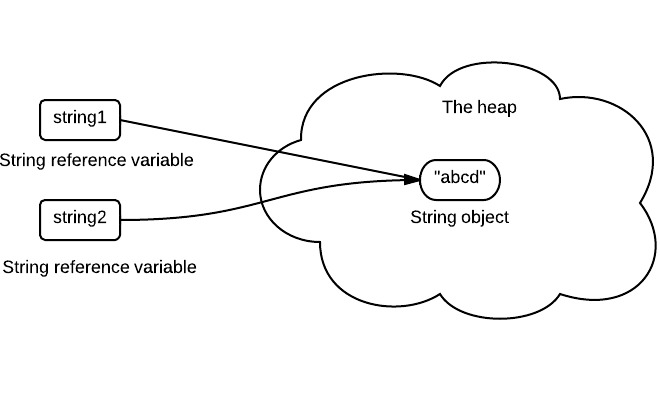
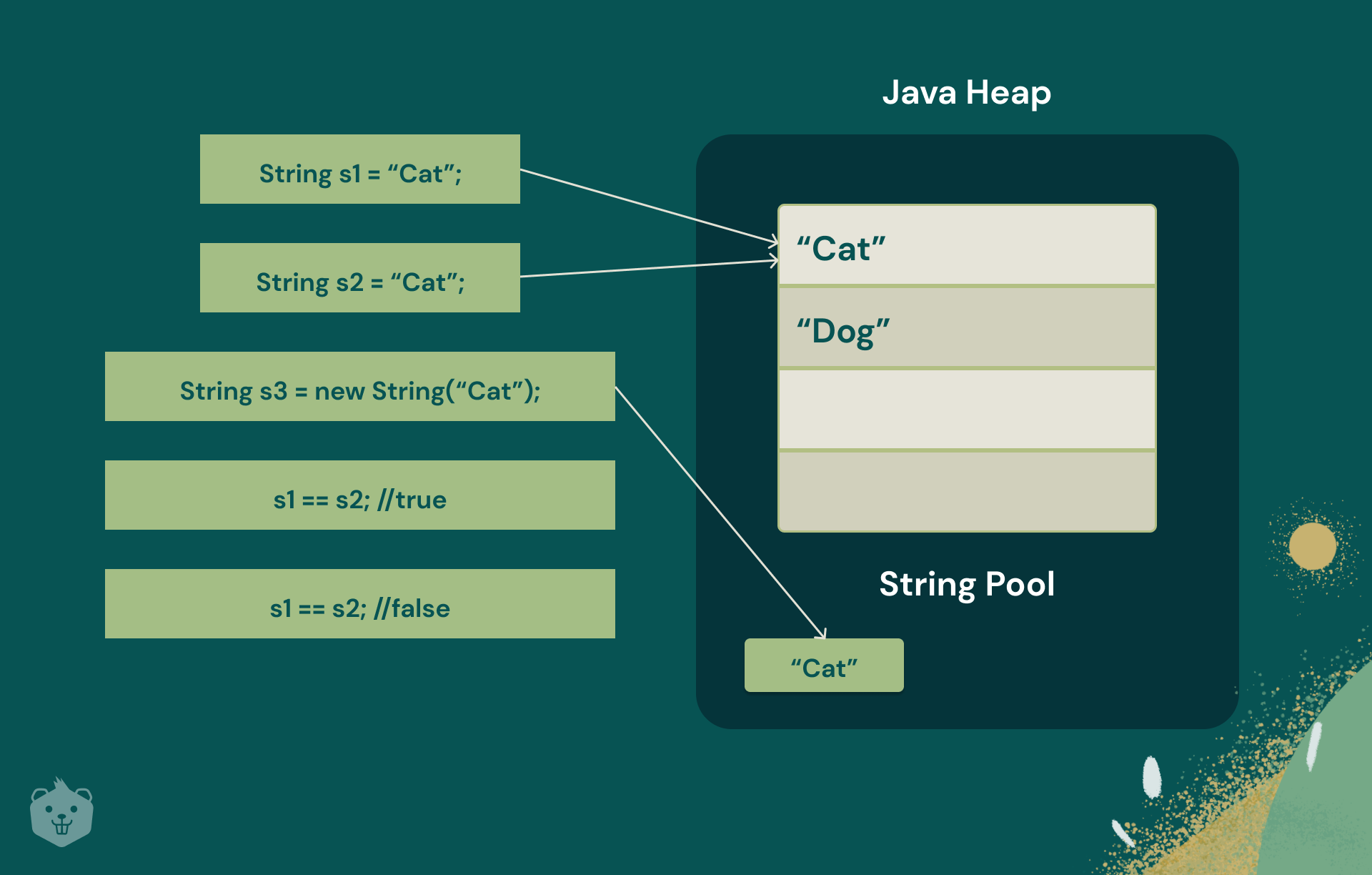
  • Immutable
  • Stored in string pool

🧩 Arrays in Java

Image
Image
Image
Image

🧠 Exception Handling


⚠️ Example:

try {
    int x = 10 / 0;
} catch (Exception e) {
    System.out.println("Error");
}

🔹 Types:

  • Checked exceptions
  • Unchecked exceptions

💾 File Handling


📄 Streams:

Image
Image
Image
  • FileReader
  • FileWriter
  • BufferedReader

🧠 Multithreading


⚙️ Concept

Image
Image
Image
Image
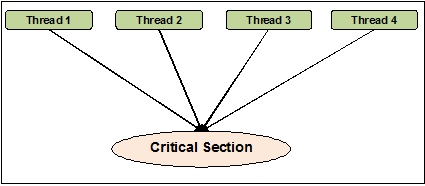
  • Multiple threads run concurrently

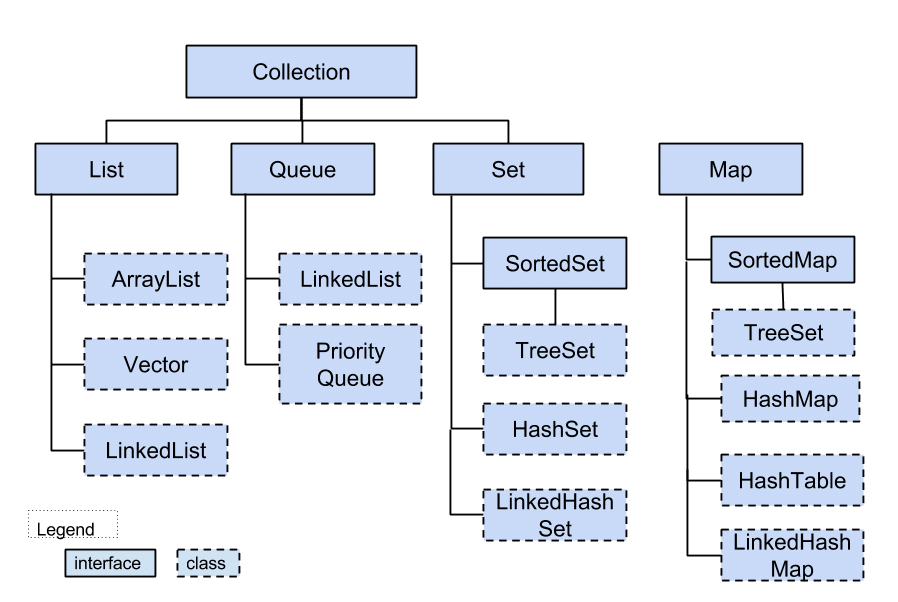
📦 Collections Framework


🧩 Components

Image
Image
Image
Image
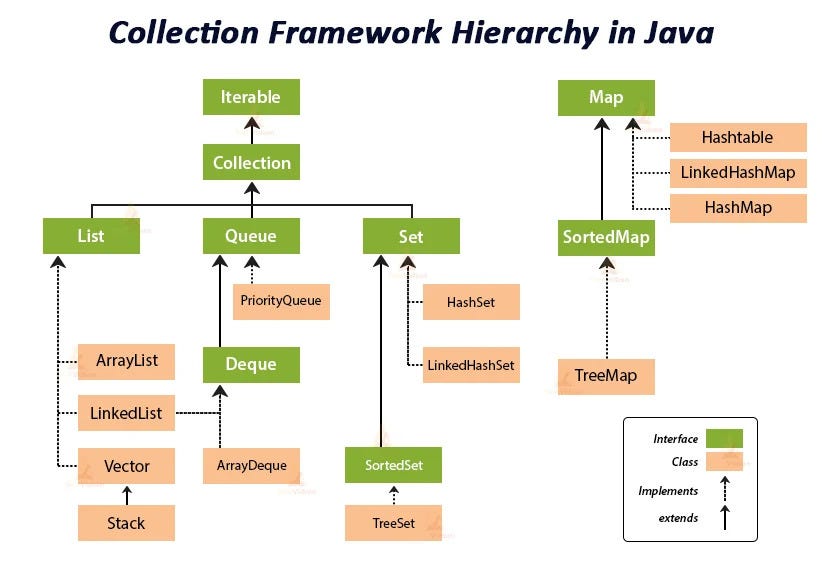
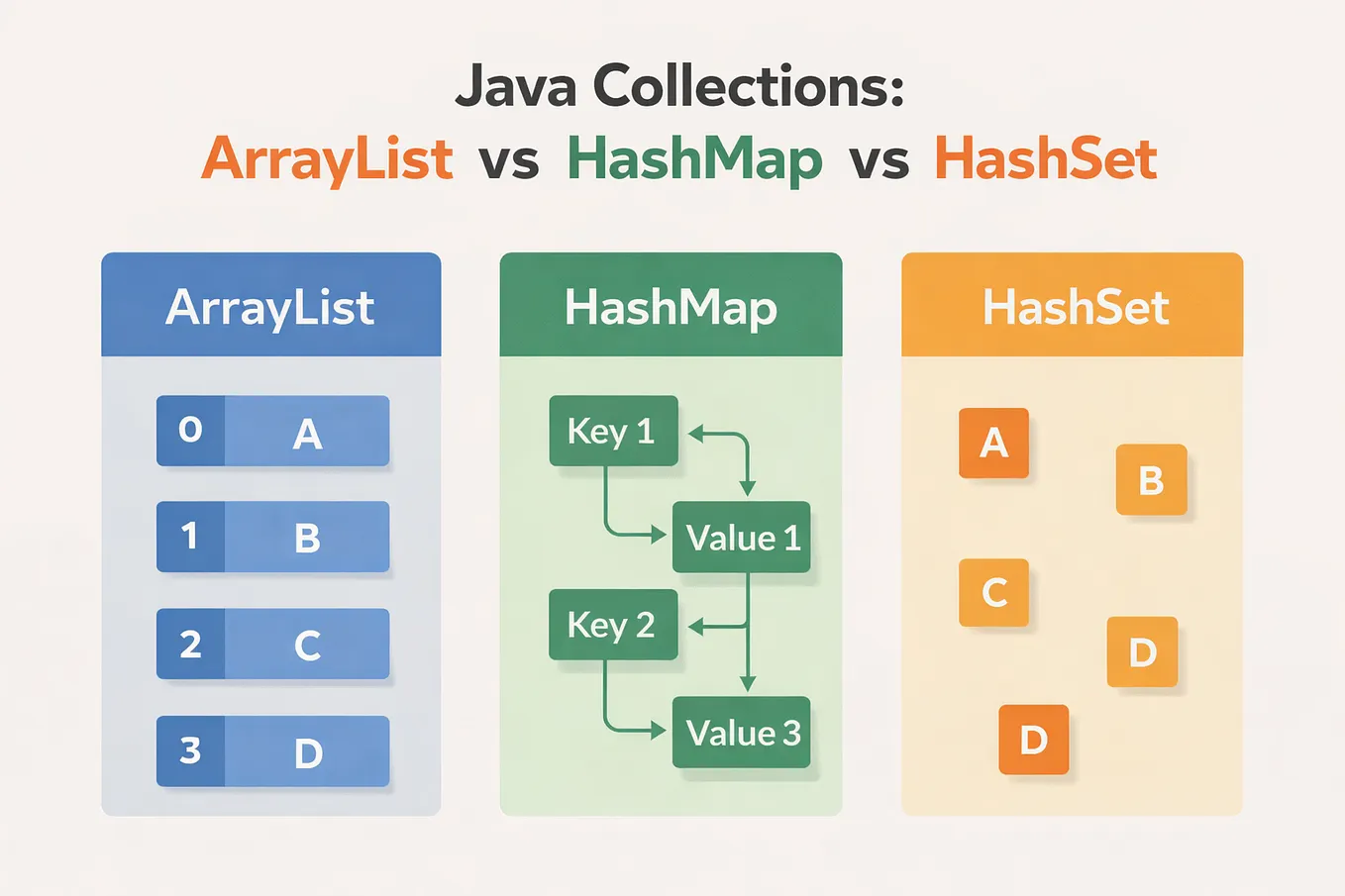
  • List
  • Set
  • Map

🌐 Java in Software Development Context


🧠 Role Among Languages

Image
Image
Image
Image

⚖️ Comparison

LanguageStrength
JavaEnterprise, portability
PythonSimplicity
C++Performance

🚀 Applications of Java


🌐 Web Development

Image
Image
Image
Image

📱 Android Development

  • Android apps use Java/Kotlin

🏦 Enterprise Systems

  • Banking
  • ERP systems

☁️ Cloud Applications

  • Distributed systems

⚡ Advantages of Java

  • Platform independence
  • Secure
  • Robust
  • Scalable

⚠️ Limitations

  • Slower than C++
  • Verbose syntax
  • Higher memory usage

🚀 Modern Java Trends

Image
Image
Image
Image
  • Lambda expressions
  • Streams API
  • Microservices
  • Cloud-native development

🧾 Conclusion

Java is a powerful, versatile, and widely used programming language that:

  • Supports enterprise-level applications
  • Ensures platform independence
  • Provides strong OOP features

Learning Java helps in:

  • Building scalable systems
  • Understanding OOP deeply
  • Entering enterprise software development

🏷️ Tags

🐍 Python Programming – Complete Detailed Guide (with Software Development Language Context)


🌐 Introduction to Python Programming

Image
Image
Image
Image

Python is a high-level, interpreted, general-purpose programming language known for its simplicity, readability, and versatility. It is one of the most popular languages in the world and widely used across industries.

In simple terms:

Python = easy-to-learn, powerful language for almost everything

Python supports multiple programming paradigms:

  • Procedural
  • Object-Oriented
  • Functional

🧠 Importance of Python

  • Beginner-friendly syntax
  • Massive ecosystem of libraries
  • Used in AI, Data Science, Web Development
  • Cross-platform compatibility
  • Rapid development and prototyping

🧩 Basic Structure of a Python Program


📄 Example Program

print("Hello, World!")

🧠 Key Features:

Image
Image
Image
Image
  • No need for semicolons
  • Indentation-based syntax
  • Dynamic typing
  • Interpreted execution

⚙️ Data Types in Python


🔢 Basic Data Types

Image
Image
Image
Image
TypeExample
int10
float3.14
str“Hello”
boolTrue

🧩 Complex Data Types

  • List
  • Tuple
  • Dictionary
  • Set

🔤 Variables and Constants


📌 Variables

x = 10
name = "Python"

🔒 Constants

Python uses naming conventions:

PI = 3.14

⚙️ Operators in Python


🔢 Types:

  • Arithmetic (+, -, *, /)
  • Relational (==, >, <)
  • Logical (and, or, not)
  • Assignment (=, +=)

🔄 Control Structures


🔀 Conditional Statements

Image
Image
Image
Image
if x > 0:
    print("Positive")

🔁 Loops

Image
Image
Image
Image
  • for loop
  • while loop

🧠 Functions in Python


📌 Definition

def add(a, b):
    return a + b

⚙️ Features:

  • Default arguments
  • Keyword arguments
  • Lambda functions

🧩 Data Structures in Python

📦 Lists

Image
Image
Image
Image
  • Ordered, mutable

🔒 Tuples

Image
Image
Image
Image
  • Ordered, immutable

📚 Dictionaries

Image
Image
Image
Image
  • Key-value pairs

🔗 Sets

Image
Image
Image
Image
  • Unique elements

🔤 Strings in Python


📌 Features

Image
Image
Image
Image
  • Immutable
  • Supports slicing

🔹 Example:

text = "Hello"
print(text[0])

🧠 Object-Oriented Programming in Python


🧩 Concepts

Image
Image
Image
Image

🔹 Class Example

class Car:
    def __init__(self, speed):
        self.speed = speed

💾 File Handling


📄 Operations

Image
Image
Image
Image
file = open("data.txt", "r")

🧠 Exception Handling


⚠️ Example:

try:
    x = 10 / 0
except:
    print("Error")

📦 Modules and Packages


🧩 Concept

Image
Image
Image
Image
  • Modules = single file
  • Packages = collection of modules

🌐 Python in Software Development Context


🧠 Role Among Languages

Image
Image
Image
Image

🔹 Compared to Other Languages:

LanguageStrength
PythonEasy, versatile
C++Performance
JavaEnterprise

🚀 Applications of Python


🤖 Artificial Intelligence

Image
Image
Image
Image

🌐 Web Development

  • Django
  • Flask

📊 Data Science

  • Pandas
  • NumPy

🎮 Game Development

  • Pygame

🔐 Cybersecurity

  • Automation tools

⚡ Advantages of Python

  • Easy to learn
  • Large community
  • Cross-platform
  • Rich libraries

⚠️ Limitations

  • Slower than C/C++
  • High memory usage
  • Not ideal for low-level tasks

🚀 Modern Python Trends

Image
Image
Image
Image
  • AI & Machine Learning
  • Automation
  • Cloud computing
  • IoT

🧾 Conclusion

Python is one of the most powerful and versatile programming languages today. It:

  • Simplifies coding
  • Supports multiple domains
  • Enables rapid development

Learning Python helps in:

  • Software development
  • Data science
  • AI and automation

🏷️ Tags

💻 C++ Programming – Complete Detailed Guide (with Software Development Language Context)


🌐 Introduction to C++ Programming

Image
Image
Image
Image

C++ is a powerful, high-performance programming language that extends the C language by adding object-oriented programming (OOP) features, along with many modern programming capabilities. It is widely used in system software, game development, embedded systems, and high-performance applications.

In simple terms:

C++ = C + Object-Oriented + High Performance

C++ supports multiple programming paradigms:

  • Procedural
  • Object-Oriented
  • Generic (templates)

🧠 Importance of C++

  • Combines low-level and high-level programming
  • Used in performance-critical applications
  • Foundation for many modern technologies
  • Widely used in competitive programming
  • Supports OOP and reusable code

🧩 Basic Structure of a C++ Program


📄 Example Program

#include <iostream>
using namespace std;

int main() {
    cout << "Hello, World!";
    return 0;
}

🧠 Components:

Image
Image
  • #include → Header files
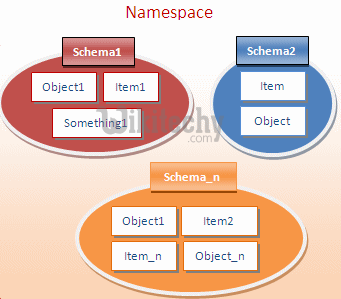
  • namespace → Scope management
  • main() → Entry point
  • cout → Output

⚙️ Data Types in C++


🔢 Basic Data Types

TypeDescription
intInteger
floatDecimal
doubleHigh precision
charCharacter
boolBoolean

🧩 Derived Types

  • Arrays
  • Pointers
  • References

🧠 User-Defined Types

  • struct
  • class
  • enum

🔤 Variables and Constants


📌 Variables

int x = 10;

🔒 Constants

const int MAX = 100;

⚙️ Operators in C++


🔢 Types:

  • Arithmetic (+, -, *, /)
  • Relational (==, >, <)
  • Logical (&&, ||)
  • Bitwise (&, |, ^)
  • Assignment (=, +=)

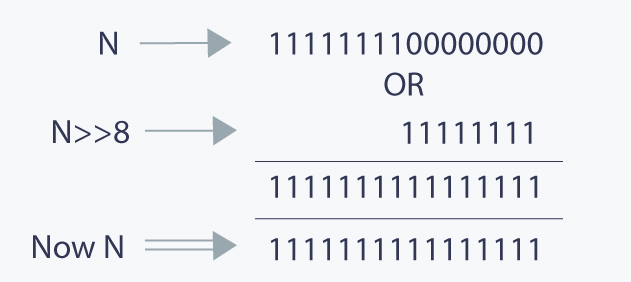
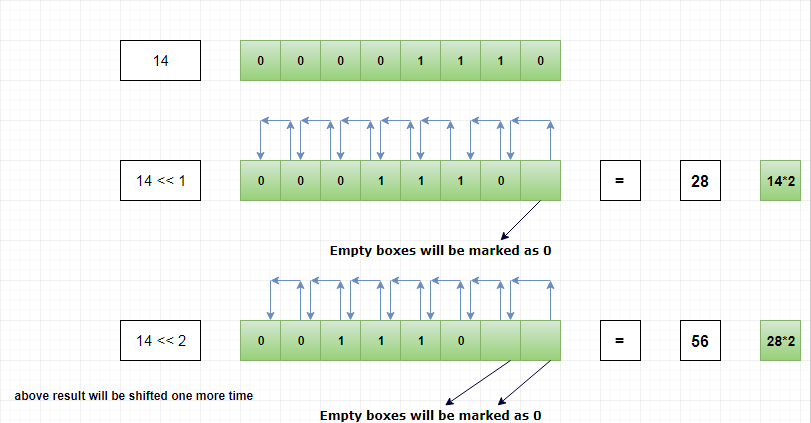
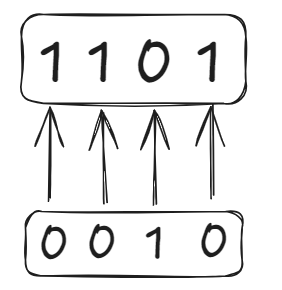
🧮 Bitwise Operations

Image
Image
Image
Image

🔄 Control Structures


🔀 Decision Making

Image
Image
Image

🔁 Loops

Image
Image
Image
Image

🧠 Functions in C++


📌 Definition

int add(int a, int b) {
    return a + b;
}

⚙️ Features:

  • Function overloading
  • Inline functions
  • Recursion

🧩 Object-Oriented Programming (OOP)


🧠 Core Concepts

Image
Image
Image
Image

🔹 1. Class and Object

class Car {
public:
    int speed;
};

🔹 2. Encapsulation

  • Data hiding
  • Use of access modifiers

🔹 3. Inheritance

Image
Image
Image
Image
  • Reuse of code

🔹 4. Polymorphism

  • Function overloading
  • Operator overloading

🔹 5. Abstraction

  • Hide implementation details

🧠 Arrays in C++

Image
Image
Image
Image
  • Same as C but with enhancements

🔤 Strings in C++


📌 Types:

Image
Image
Image
Image
  • C-style strings
  • std::string

🧠 Pointers and References


📌 Pointers

Image
Image
Image
Image

🔄 References

  • Alias for variables
int &ref = x;

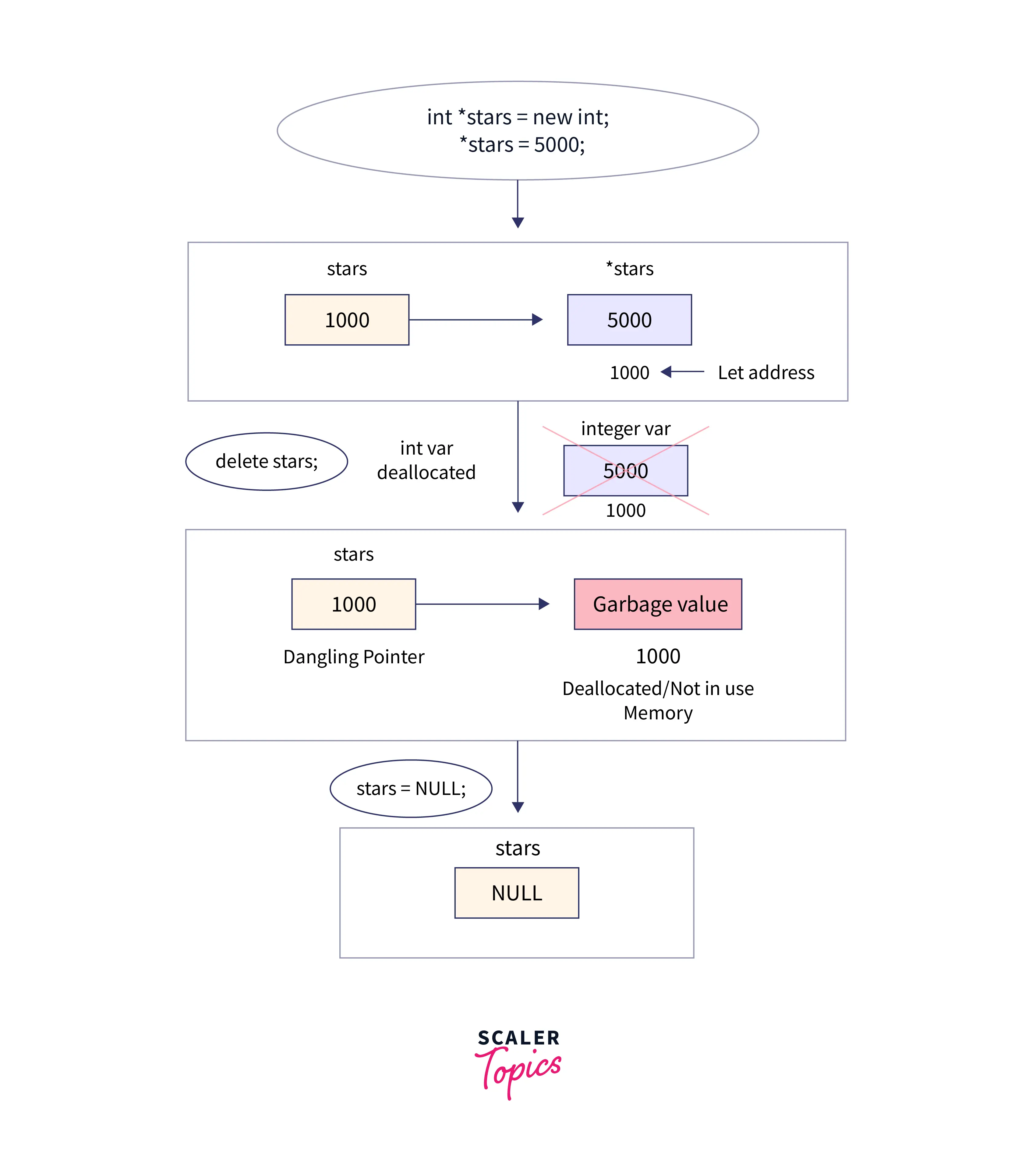
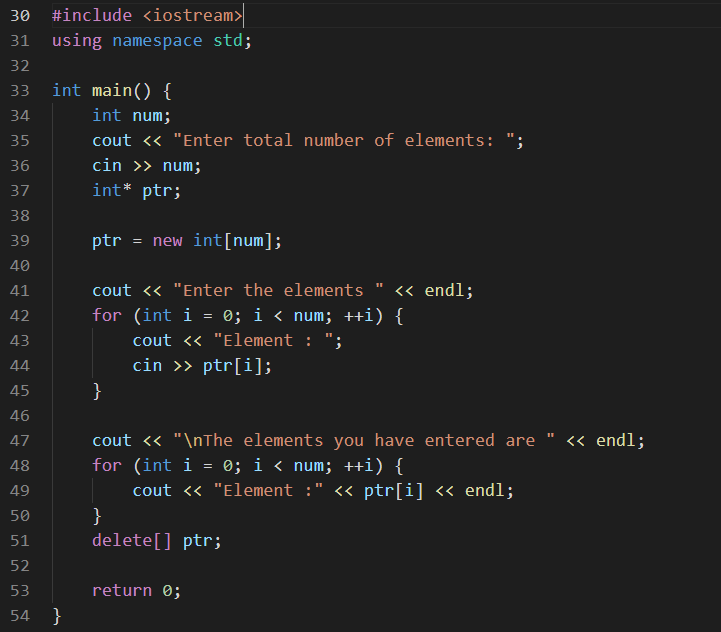
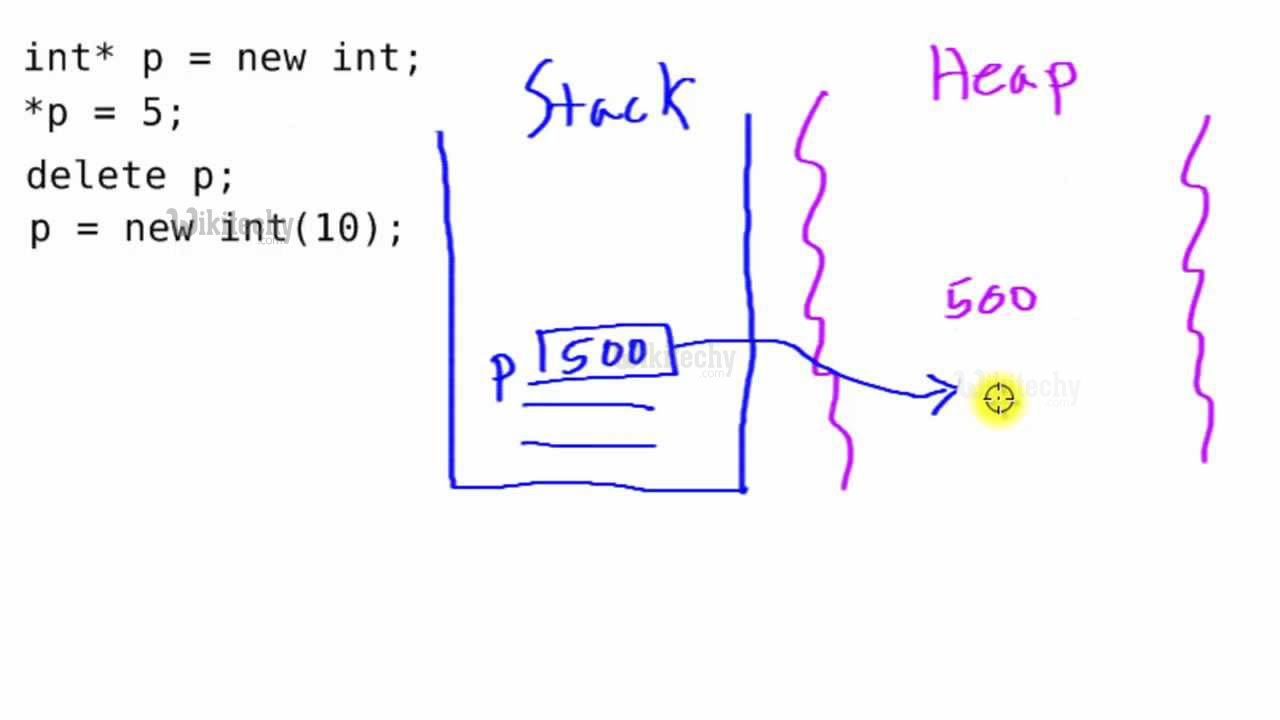
💾 Dynamic Memory Allocation


📦 Operators:

Image
Image
Image
Image
  • new
  • delete

🧩 Structures and Classes


⚖️ Difference:

FeatureStructClass
Default AccessPublicPrivate

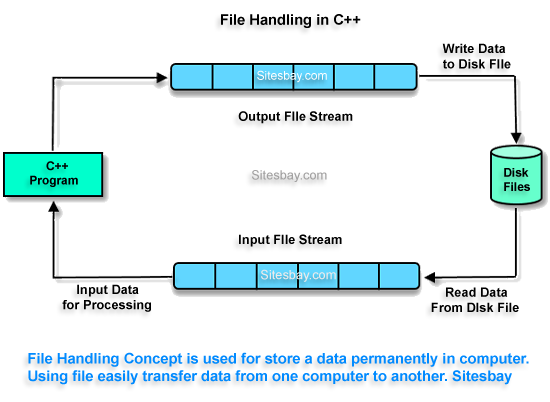
📂 File Handling


📄 Streams:

Image
Image
Image
Image
  • ifstream
  • ofstream
  • fstream

🧠 Standard Template Library (STL)


📦 Components

Image
Image
Image
Image
  • Containers (vector, list, map)
  • Algorithms (sort, search)
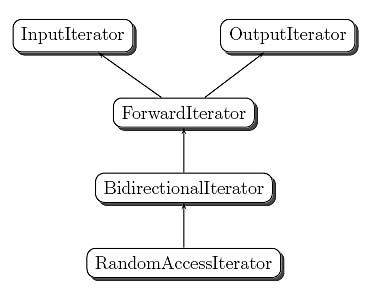
  • Iterators

⚙️ Exception Handling


🔥 Concept:

try {
    // code
} catch (...) {
    // handle error
}

🧠 Templates (Generic Programming)


📌 Example:

template <typename T>
T add(T a, T b) {
    return a + b;
}

🌐 C++ in Software Development Context


🧠 Role Among Languages

Image
Image
Image
Image

🔹 Compared to Other Languages:

LanguageTypeUse
C++OOP + Low-levelSystems, games
PythonHigh-levelAI, scripting
JavaOOPEnterprise

🚀 Applications of C++


🎮 Game Development

Image
Image
Image
Image

⚙️ System Software

  • Operating systems
  • Compilers

🚗 Embedded Systems

  • Robotics
  • Automotive systems

💹 Finance Systems

  • High-frequency trading

⚡ Advantages of C++

  • High performance
  • Object-oriented
  • Flexible
  • Rich libraries

⚠️ Limitations

  • Complex syntax
  • Manual memory management
  • Steep learning curve

🚀 Modern C++ Trends

Image
Image
Image
Image
  • Smart pointers
  • Lambda expressions
  • Multithreading
  • C++20 features

🧾 Conclusion

C++ is a powerful and versatile programming language that:

  • Combines performance with abstraction
  • Supports multiple paradigms
  • Powers modern applications

Learning C++ helps in:

  • Mastering programming fundamentals
  • Building high-performance systems
  • Understanding advanced concepts

🏷️ Tags

💻 C Programming – Complete Detailed Guide (with Software Development Language Context)


🌐 Introduction to C Programming

Image
Image

C programming is one of the most influential and widely used programming languages in the world. Developed in the early 1970s, it is a general-purpose, procedural programming language that provides low-level access to memory and system resources.

In simple terms:

C = powerful language that connects software with hardware

C is often called the mother of modern programming languages because many languages (like C++, Java, Python) are derived from or influenced by it.


🧠 Importance of C Programming

  • Foundation for learning programming
  • Used in operating systems (e.g., Linux kernel)
  • High performance and efficiency
  • Direct memory access using pointers
  • Widely used in embedded systems

🧩 Basic Structure of a C Program


📄 Structure Overview

Image
Image
Image

Example:

#include <stdio.h>

int main() {
    printf("Hello, World!");
    return 0;
}

🧠 Components:

  • Preprocessor directives (#include)
  • Main function (main())
  • Statements and expressions
  • Return statement

⚙️ Data Types in C


🔢 Basic Data Types

TypeDescription
intInteger values
floatDecimal values
charCharacters
doubleHigh precision numbers

🧩 Derived Data Types

  • Arrays
  • Pointers
  • Structures
  • Unions

🧠 User-Defined Types

  • typedef
  • struct
  • enum

🔤 Variables and Constants


📌 Variables

Used to store data:

int x = 10;

🔒 Constants

  • Fixed values
#define PI 3.14

⚙️ Operators in C


🔢 Types of Operators


➕ Arithmetic Operators

  • +, -, *, /, %

⚖️ Relational Operators

  • ==, !=, >, <

🔗 Logical Operators

  • &&, ||, !

🧮 Bitwise Operators

Image
Image
Image
Image
  • &, |, ^, <<, >>

🔄 Control Structures

🔀 Decision Making

Image
if (x > 0) {
    printf("Positive");
}

🔁 Loops

Image
Image
  • for
  • while
  • do-while

🧠 Functions in C


📌 Definition

Functions are reusable blocks of code.

int add(int a, int b) {
    return a + b;
}

⚙️ Types:

  • Library functions
  • User-defined functions

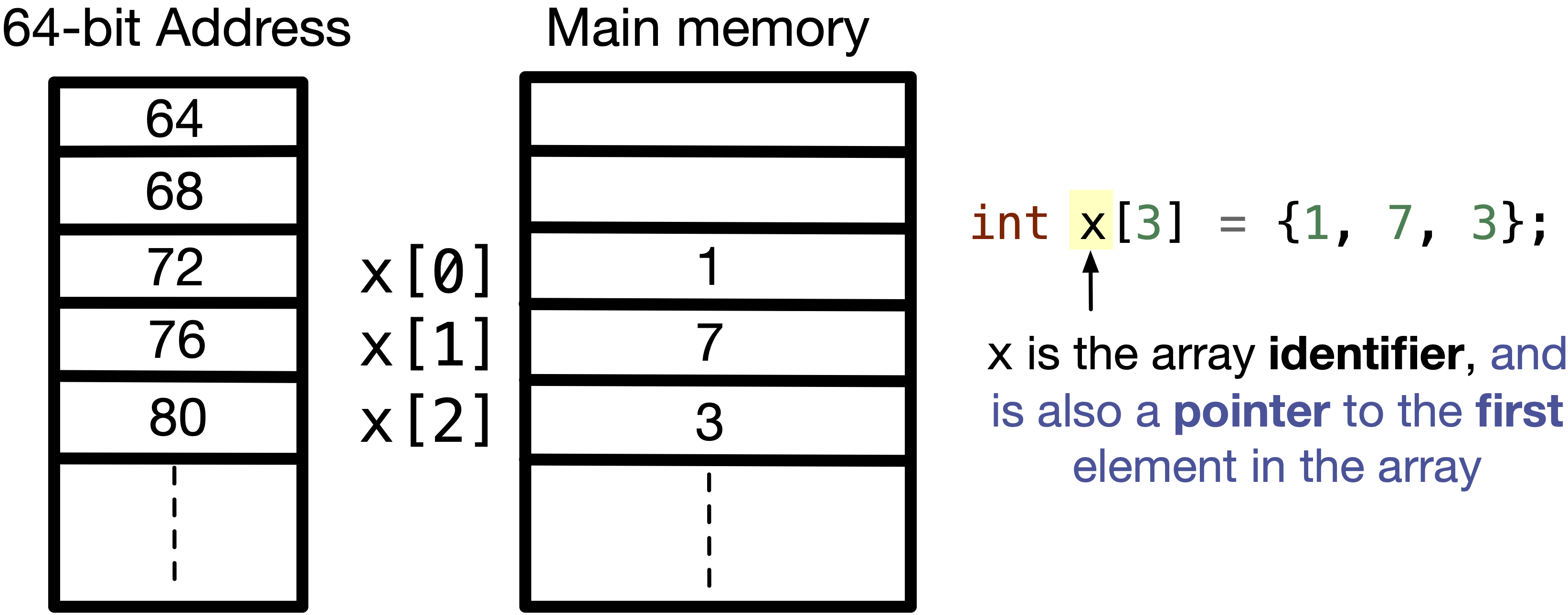
🧩 Arrays in C

Image
Image
Image
Image
  • Store multiple values
  • Indexed structure

🔤 Strings in C

Image
Image
Image
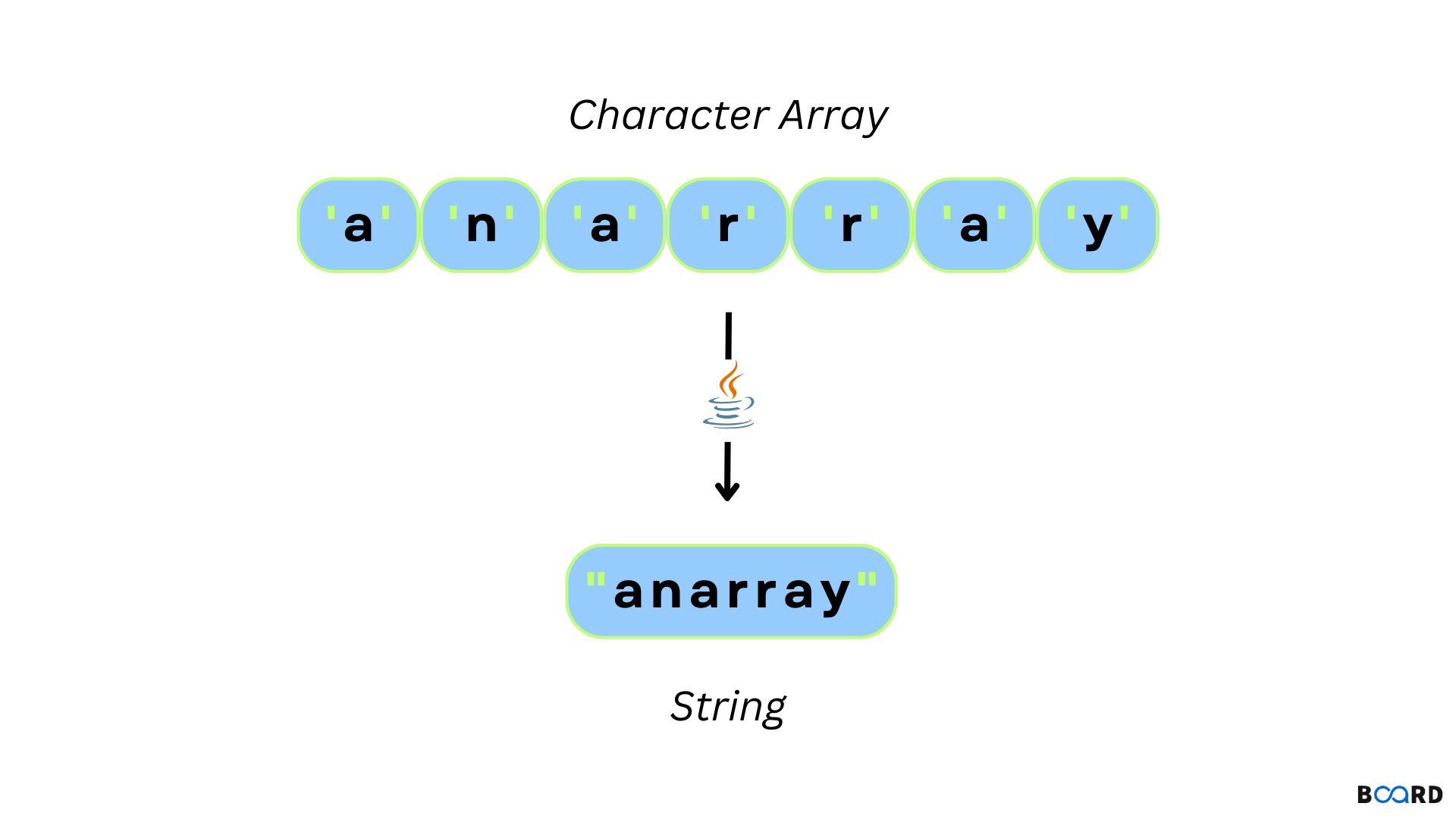
  • Array of characters
  • Null-terminated

🧠 Pointers in C


📌 Concept

Image
Image
Image
Image

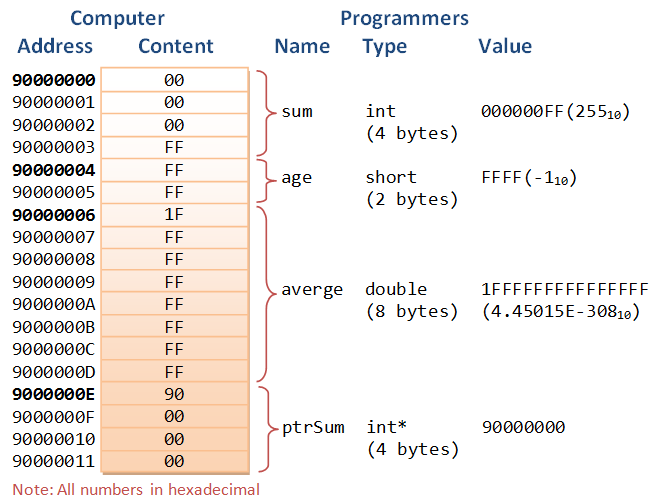
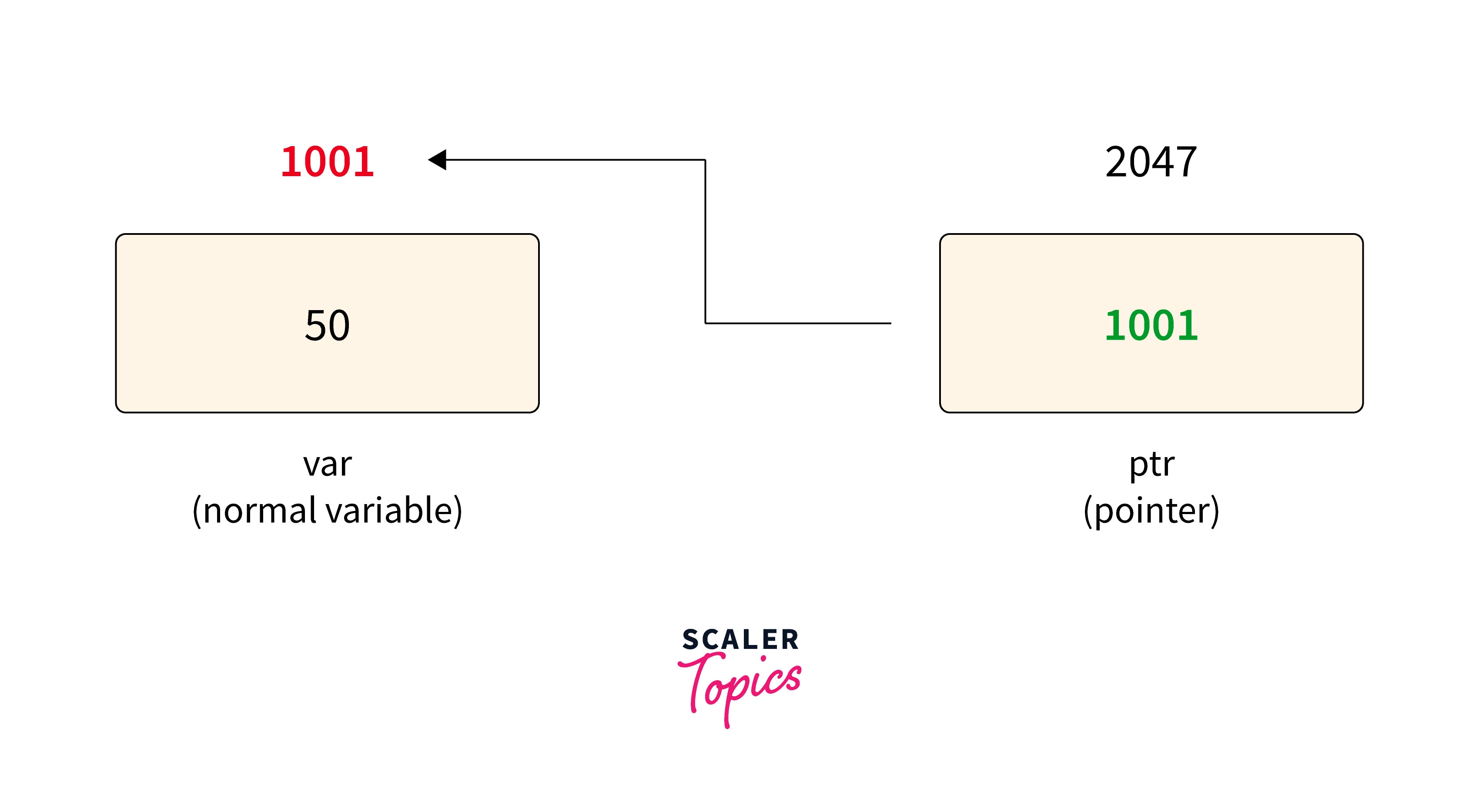
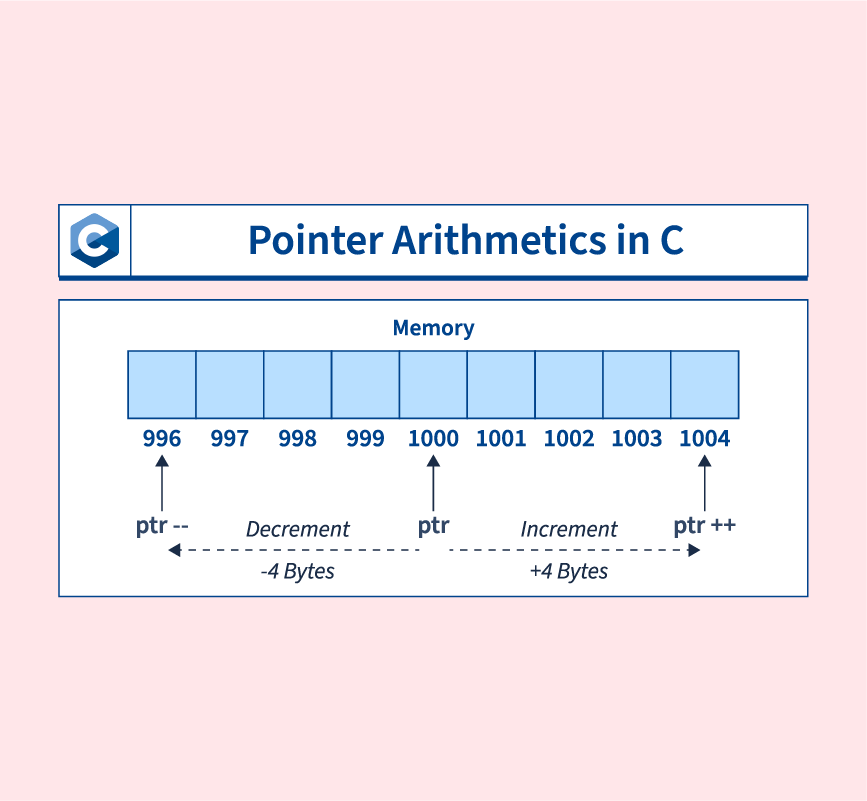
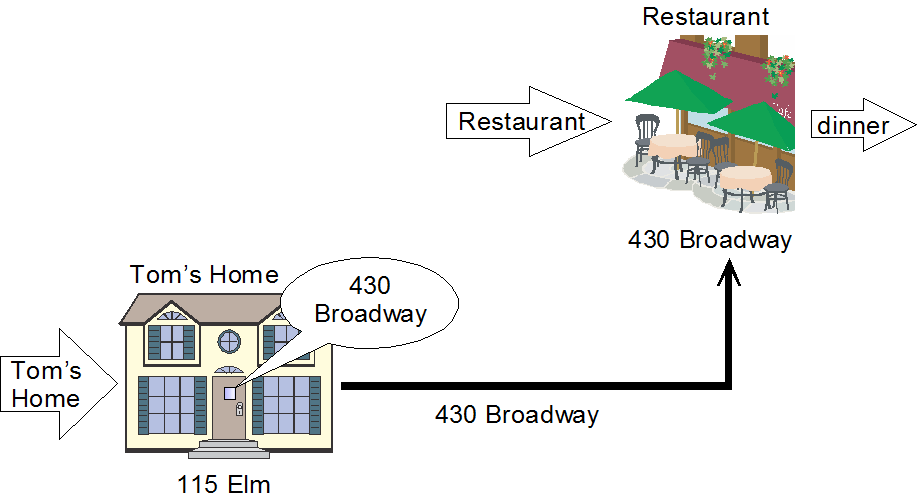
Pointers store memory addresses.

int *ptr;

⚙️ Uses:

  • Dynamic memory allocation
  • Efficient array handling
  • Function arguments

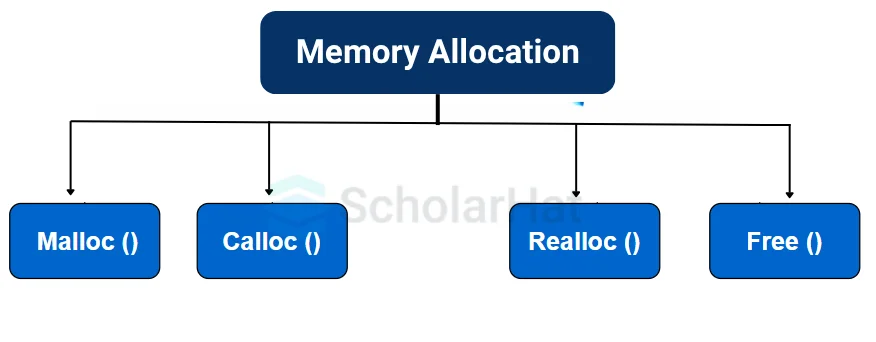
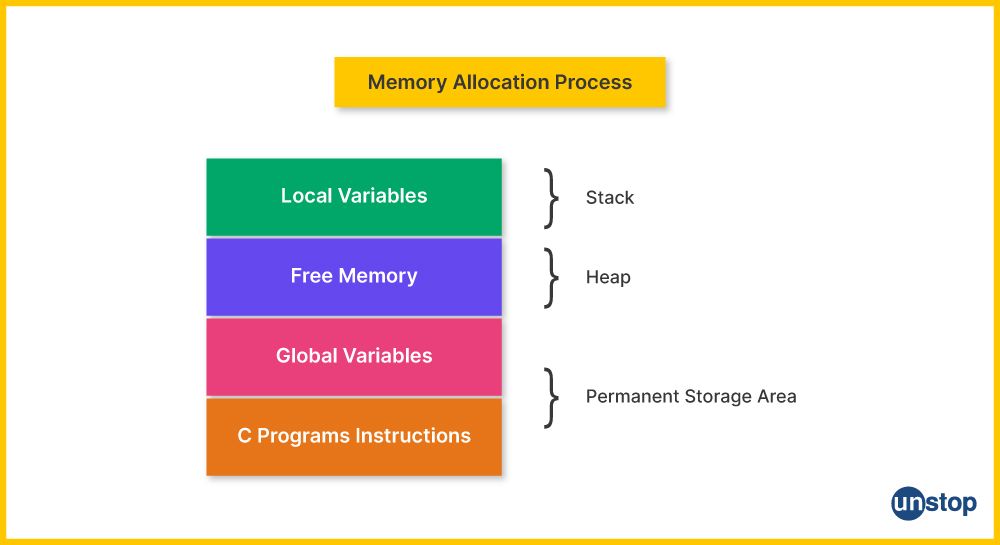
💾 Dynamic Memory Allocation


📦 Functions:

Image
Image
Image
Image
  • malloc()
  • calloc()
  • realloc()
  • free()

🧩 Structures and Unions


📦 Structures
Image
Image
Image
Image
struct Student {
    int id;
    char name[20];
};

🔄 Unions

  • Share memory among variables
📂 File Handling in C


📄 Operations:

Image
Image
Image
Image
  • fopen()
  • fread()
  • fwrite()
  • fclose()

🧠 Preprocessor Directives


🔹 Examples:

  • #include
  • #define
  • #ifdef

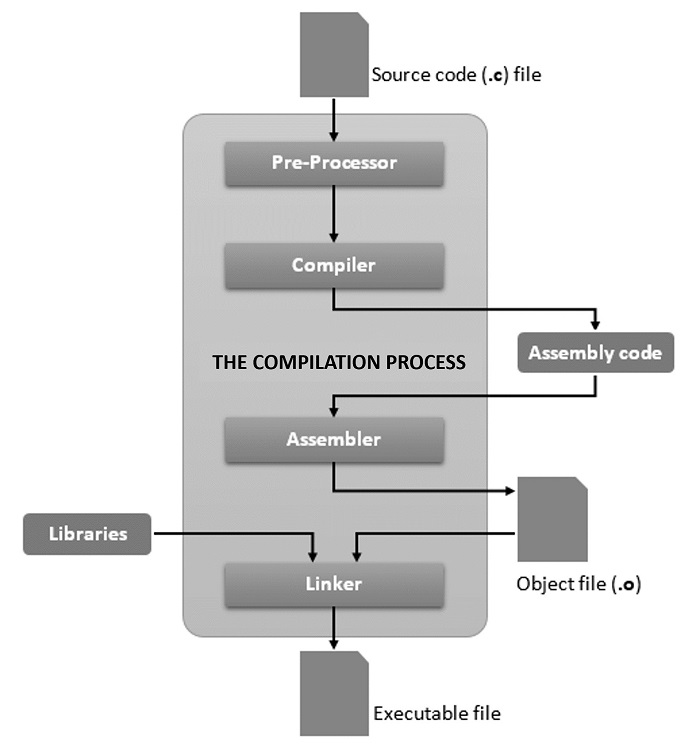
⚙️ Compilation Process


🔄 Steps

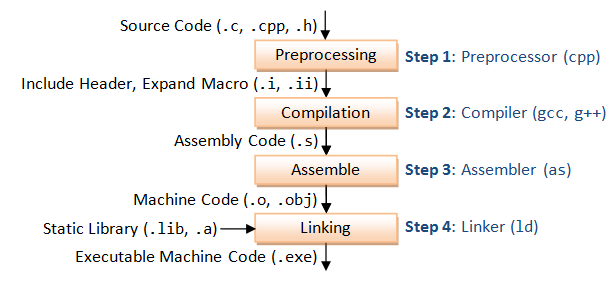
Image
Image
Image
Image
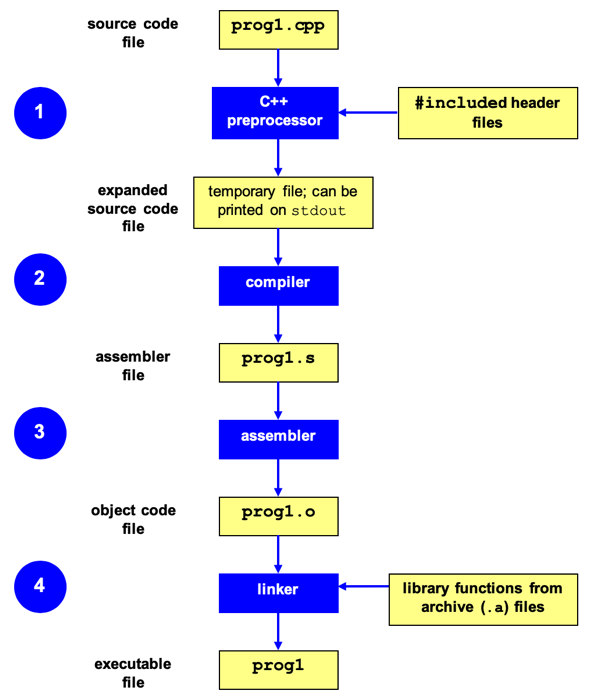
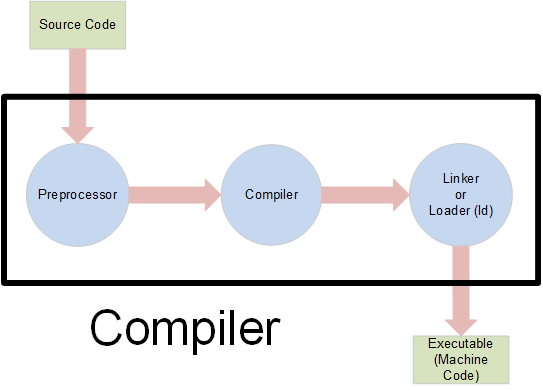
  1. Preprocessing
  2. Compilation
  3. Linking
  4. Execution

🧠 Applications of C Programming


💻 System Programming

  • Operating systems
  • Compilers

⚙️ Embedded Systems

  • Microcontrollers
  • IoT devices

🎮 Game Development

  • Performance-critical code

🌐 Networking

  • Protocol implementations

⚡ Advantages of C

  • Fast and efficient
  • Portable
  • Low-level access
  • Rich library support

⚠️ Limitations

  • No built-in OOP
  • Manual memory management
  • Error-prone

🌐 C in Software Development Languages Context


🧠 Role of C Among Languages

Image
Image
Image
Image

🔹 Low-Level Languages

  • C
  • Assembly

🔹 High-Level Languages

  • Python
  • Java
  • JavaScript

🔹 Object-Oriented Languages

  • C++
  • Java

⚖️ Comparison

LanguageTypeUse
CProceduralSystem programming
PythonHigh-levelAI, scripting
JavaOOPEnterprise apps

🚀 Modern Trends


🔬 Developments

Image
Image
Image
Image
  • Embedded systems
  • IoT
  • High-performance computing
  • Kernel development

🧾 Conclusion

C programming is a powerful foundational language that:

  • Teaches core programming concepts
  • Enables system-level programming
  • Forms the base for many modern languages

Learning C helps in:

  • Understanding memory and performance
  • Building efficient applications
  • Mastering advanced programming concepts

🏷️ Tag

Algebra in Mathematics: A Comprehensive Guide

Introduction to Algebra

Algebra is one of the central branches of mathematics that deals with symbols and the rules for manipulating those symbols. Unlike arithmetic, which focuses on specific numerical values, algebra introduces variables—letters that represent numbers—to express general relationships and patterns. Through algebra, mathematicians can formulate equations, model real-world problems, and explore abstract structures.

The word “algebra” originates from the Arabic term al-jabr, from the title of a 9th-century book written by the Persian mathematician Muhammad ibn Musa al-Khwarizmi. His work laid the foundation for systematic equation solving and influenced mathematical development in Europe and beyond.

Algebra is not merely about solving for “x”; it is a powerful language that describes patterns, relationships, structures, and transformations. It serves as the gateway to higher mathematics such as calculus, linear algebra, abstract algebra, number theory, and mathematical modeling.


Historical Development of Algebra

Algebra evolved gradually across civilizations.

Ancient Civilizations

  • Babylonians solved quadratic-type problems using geometric reasoning.
  • Egyptians used algebraic thinking in solving practical problems involving trade and land measurement.
  • Greeks, especially Diophantus of Alexandria, introduced symbolic representations and solved indeterminate equations.

Indian Contributions

Indian mathematicians like Brahmagupta made significant contributions to quadratic equations and introduced rules involving zero and negative numbers.

Islamic Golden Age

The most significant breakthrough came with Muhammad ibn Musa al-Khwarizmi, whose systematic methods for solving linear and quadratic equations formalized algebra as a discipline.

European Renaissance

Mathematicians such as Gerolamo Cardano and François Viète advanced symbolic algebra and solved cubic and quartic equations.

Modern Era

The 19th century saw the development of abstract algebra, led by mathematicians like Évariste Galois, who connected algebra to group theory.


Basic Concepts of Algebra

1. Variables

Variables are symbols, usually letters like x, y, or z, that represent unknown or changing values.

Example:
x + 5 = 10

Here, x is a variable.


2. Constants

Constants are fixed numerical values.

Example:
In 3x + 7, the numbers 3 and 7 are constants.


3. Expressions

An algebraic expression is a combination of variables, numbers, and operations.

Examples:

  • 2x + 3
  • 4a² − 5a + 6

Expressions do not contain equality signs.


4. Equations

An equation states that two expressions are equal.

Example:
2x + 3 = 7

Solving an equation means finding the value of the variable that makes the equation true.


5. Inequalities

Inequalities compare expressions using symbols such as:

  • (greater than)
  • < (less than)
  • ≥ (greater than or equal to)
  • ≤ (less than or equal to)

Example:
x + 2 > 5


Algebraic Operations

Algebra involves operations similar to arithmetic but applied to variables.

Addition and Subtraction

Like terms (terms with the same variables and exponents) can be combined.

Example:
3x + 2x = 5x


Multiplication

Multiplication distributes over addition:

a(b + c) = ab + ac

Example:
2(x + 3) = 2x + 6


Division

Division can simplify expressions:

6x ÷ 3 = 2x


Laws of Exponents

Algebra uses exponent rules:

  • a^m × a^n = a^(m+n)
  • (a^m)^n = a^(mn)
  • a^0 = 1
  • a^−n = 1 / a^n

These rules simplify complex expressions.


Linear Equations

A linear equation has degree 1.

Example:
2x + 5 = 11

Solution:
2x = 6
x = 3

Linear equations can have:

  • One solution
  • No solution
  • Infinitely many solutions

Systems of Linear Equations

A system contains two or more equations.

Example:
x + y = 5
x − y = 1

Methods of solving:

  • Substitution
  • Elimination
  • Graphing

Quadratic Equations

A quadratic equation has degree 2.

Standard form:
ax² + bx + c = 0

Methods of solving:

  1. Factoring
  2. Completing the square
  3. Quadratic formula:

x = (-b ± √(b² − 4ac)) / 2a

The expression b² − 4ac is called the discriminant.


Polynomials

A polynomial is an expression consisting of variables and coefficients.

Examples:

  • 3x² + 2x + 1
  • 5a³ − 4a + 7

Degree of a polynomial: highest exponent.

Operations with polynomials:

  • Addition
  • Subtraction
  • Multiplication
  • Division (long division or synthetic division)

Factoring

Factoring breaks expressions into products.

Examples:
x² − 9 = (x − 3)(x + 3)

Factoring techniques:

  • Common factors
  • Difference of squares
  • Trinomials
  • Grouping

Rational Expressions

Rational expressions are fractions containing polynomials.

Example:
(x + 1)/(x − 2)

They follow fraction rules:

  • Multiply numerators and denominators
  • Find common denominators for addition

Restrictions apply where denominator ≠ 0.


Radical Expressions

Radicals involve roots.

Example:
√(x²) = x (with restrictions)

Simplifying radicals involves factoring perfect squares.


Functions in Algebra

A function relates one input to one output.

Notation:
f(x) = 2x + 3

If x = 4:
f(4) = 11

Types of functions:

  • Linear
  • Quadratic
  • Polynomial
  • Rational
  • Exponential

Graphing in Algebra

Graphing shows relationships visually.

A linear equation:
y = 2x + 1

Has slope (2) and y-intercept (1).

Graphing helps:

  • Visualize solutions
  • Analyze trends
  • Understand functions

Exponential and Logarithmic Functions

Exponential function:
y = a^x

Logarithmic function:
log_a(x)

They are inverses.

Applications:

  • Population growth
  • Radioactive decay
  • Finance (compound interest)

Matrices and Determinants

Matrices organize numbers in rows and columns.

Example:
[ 1 2 ]
[ 3 4 ]

Used in:

  • Solving systems
  • Transformations
  • Computer graphics

Abstract Algebra

Abstract algebra studies algebraic structures:

  • Groups
  • Rings
  • Fields

Group theory studies symmetry and transformations.


Algebraic Identities

Common identities:

(a + b)² = a² + 2ab + b²
(a − b)² = a² − 2ab + b²
a² − b² = (a − b)(a + b)


Word Problems

Algebra translates real-world problems into equations.

Example:
If a number increased by 5 equals 12, find the number.

Let x = number
x + 5 = 12
x = 7


Applications of Algebra

Algebra is used in:

  1. Engineering
  2. Physics
  3. Computer Science
  4. Economics
  5. Cryptography
  6. Data Science
  7. Architecture

Importance of Algebra

  • Develops logical reasoning.
  • Enhances problem-solving.
  • Builds foundation for calculus.
  • Essential for scientific research.
  • Critical in technology development.

Common Mistakes in Algebra

  • Misapplying exponent rules
  • Sign errors
  • Incorrect distribution
  • Ignoring restrictions in rational expressions

Algebra in Modern Education

Algebra is taught progressively:

  • Pre-algebra
  • Elementary algebra
  • Intermediate algebra
  • Advanced algebra

It prepares students for STEM fields.


Relationship Between Algebra and Other Fields

  • Algebra + Geometry = Coordinate Geometry
  • Algebra + Calculus = Advanced mathematical modeling
  • Algebra + Statistics = Data analysis

Conclusion

Algebra is a powerful and essential branch of mathematics that extends arithmetic into the realm of generalization and abstraction. It introduces variables to represent unknowns and relationships, enabling the formulation of equations and mathematical models.

From solving simple linear equations to exploring abstract algebraic structures, algebra forms the backbone of advanced mathematics and scientific research. It is indispensable in engineering, physics, economics, computing, and many other disciplines.

The development of algebra through centuries—from ancient Babylonian methods to modern abstract theory—demonstrates its evolving and dynamic nature. Mastering algebra equips individuals with analytical skills, logical reasoning, and the ability to model and solve real-world problems.

Algebra is not just about symbols and equations; it is a language that describes patterns, relationships, and structures across the universe.

Tags

Algebra, Mathematics, Variables, Equations, Linear Equations, Quadratic Equations, Polynomials, Factoring, Functions, Inequalities, Exponents, Logarithms, Matrices, Abstract Algebra, Group Theory, Rational Expressions, Radical Expressions, Mathematical Modeling, STEM Education, Mathematical Structures