Tag Archives: Objects

🌐 JavaScript Programming – Complete Detailed Guide (with Software Development Language Context)


🌐 Introduction to JavaScript Programming

Image
Image
Image
Image

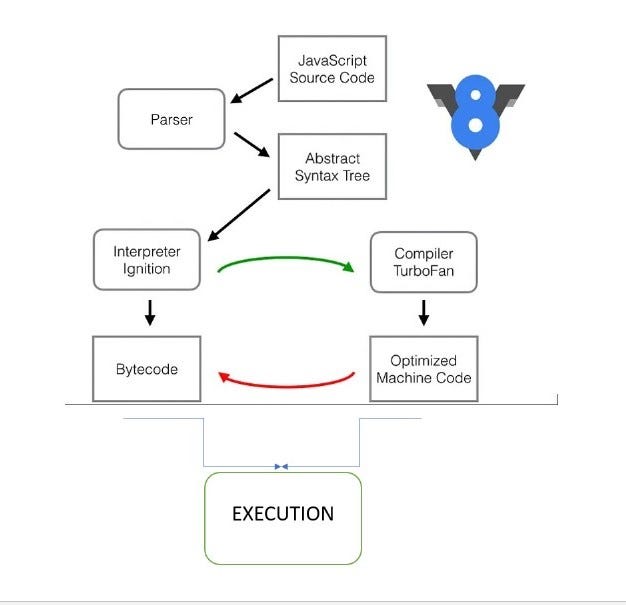
JavaScript (JS) is a high-level, interpreted programming language primarily used to create interactive and dynamic web applications. It is one of the core technologies of the web, alongside HTML and CSS.

In simple terms:

JavaScript = the language that makes websites interactive

Originally designed for browsers, JavaScript is now used for:

  • Frontend development
  • Backend development (Node.js)
  • Mobile apps
  • Desktop apps
  • Game development

🧠 Importance of JavaScript

  • Runs in all web browsers
  • Enables dynamic content
  • Essential for modern web apps
  • Full-stack development capability
  • Massive ecosystem

🧩 Basic Structure of JavaScript


📄 Example Program

console.log("Hello, World!");

🧠 Features:

Image
Image
Image
Image
  • Dynamic typing
  • Interpreted language
  • Event-driven
  • Prototype-based

⚙️ Data Types in JavaScript


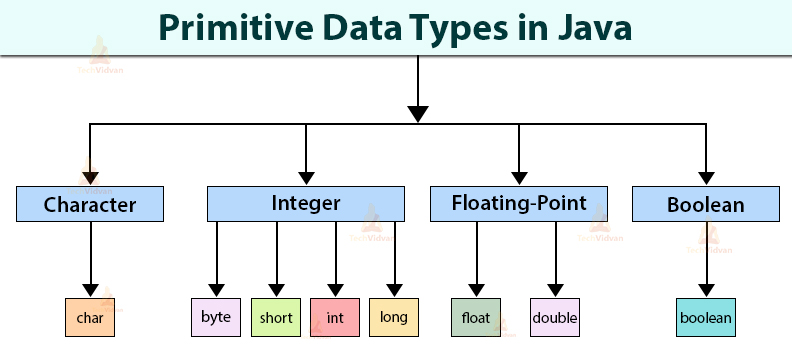
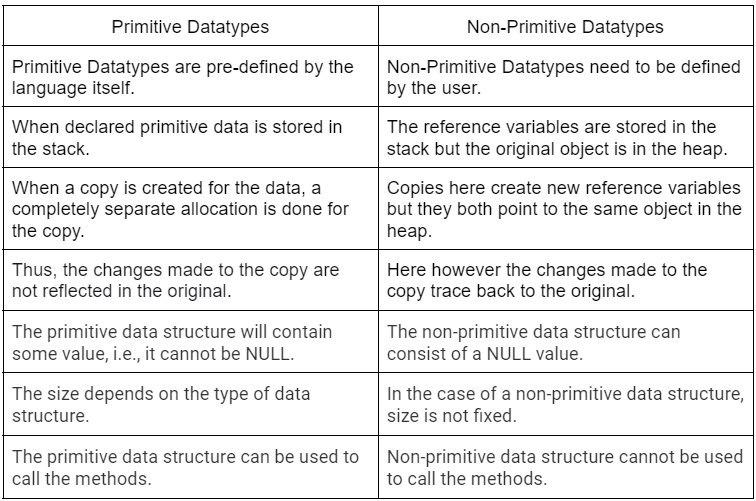
🔢 Primitive Data Types

Image
Image
Image
Image
TypeExample
Number10
String“Hello”
Booleantrue
Undefinedundefined
Nullnull

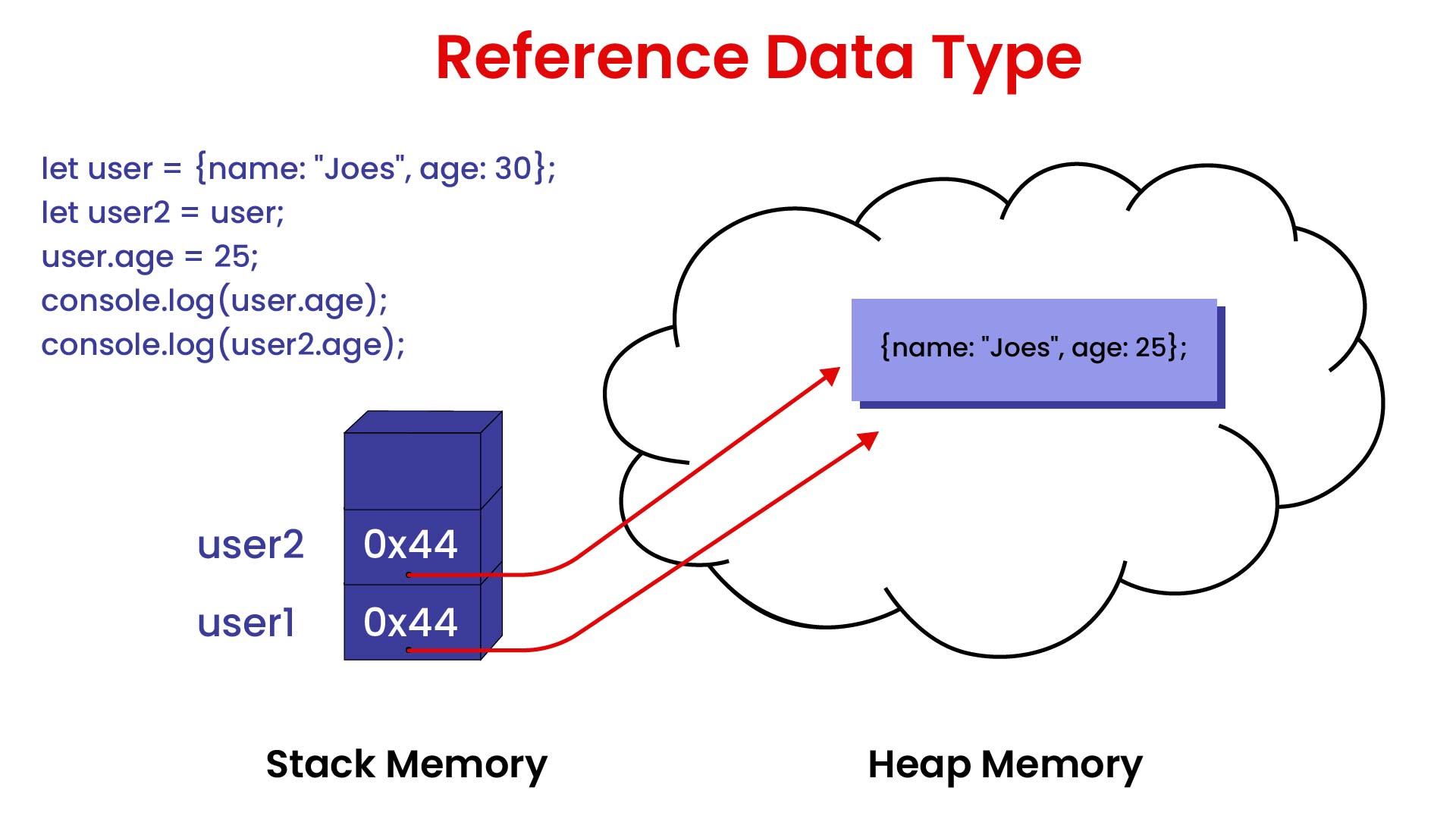
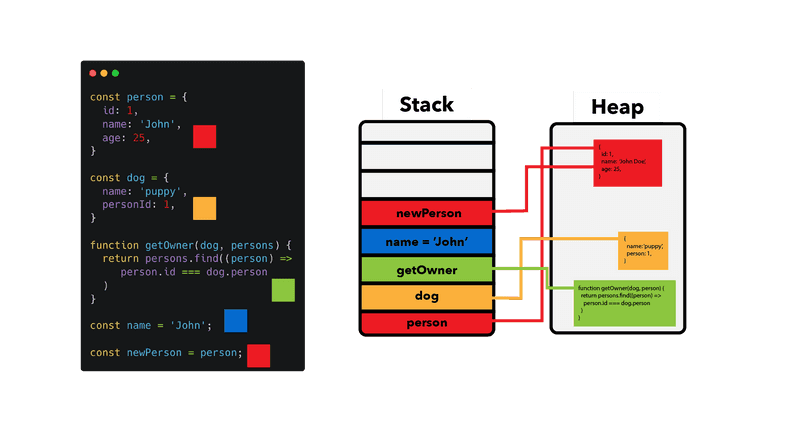
🧩 Reference Types

  • Objects
  • Arrays
  • Functions

🔤 Variables and Scope


📌 Variables

let x = 10;
const name = "JS";

🔄 Scope Types:

  • Global
  • Local
  • Block scope

⚙️ Operators in JavaScript


🔢 Types:

  • Arithmetic (+, -, *, /)
  • Comparison (==, ===)
  • Logical (&&, ||)
  • Assignment (=, +=)

🔄 Control Structures


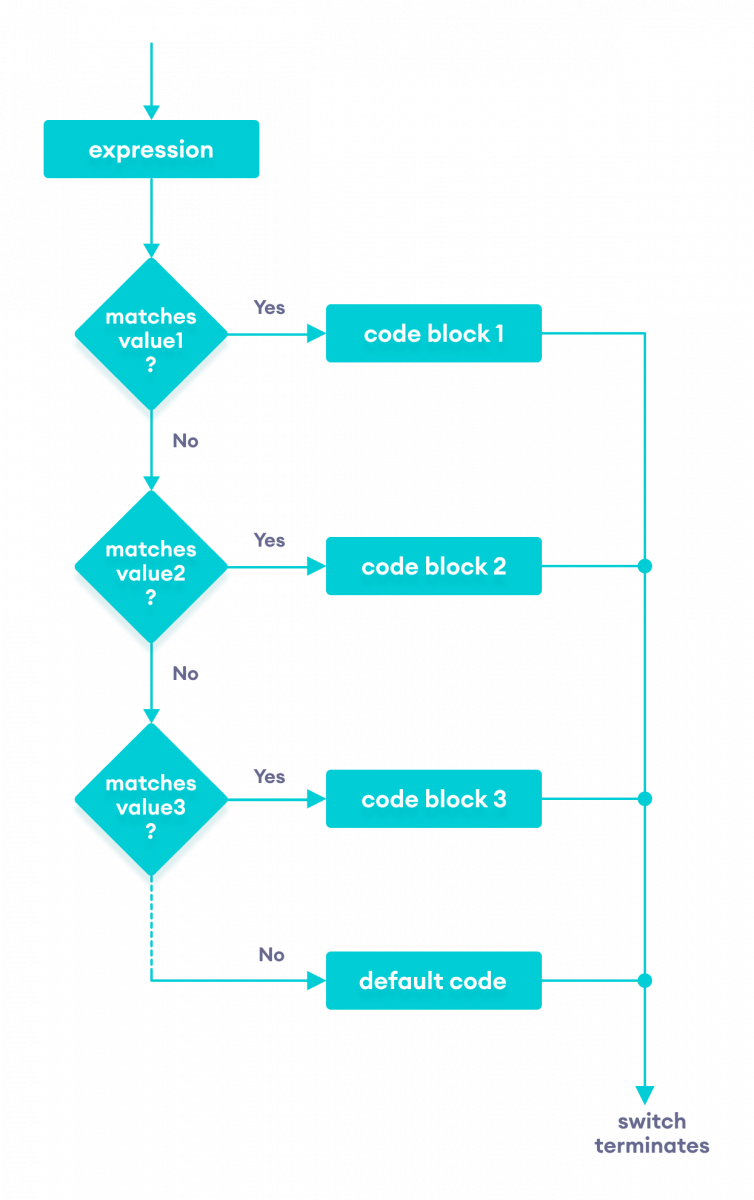
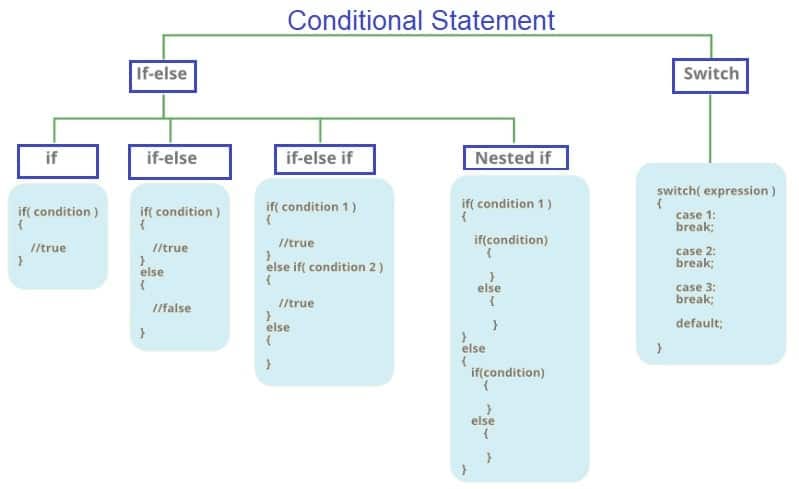
🔀 Conditional Statements

Image
Image
Image
Image

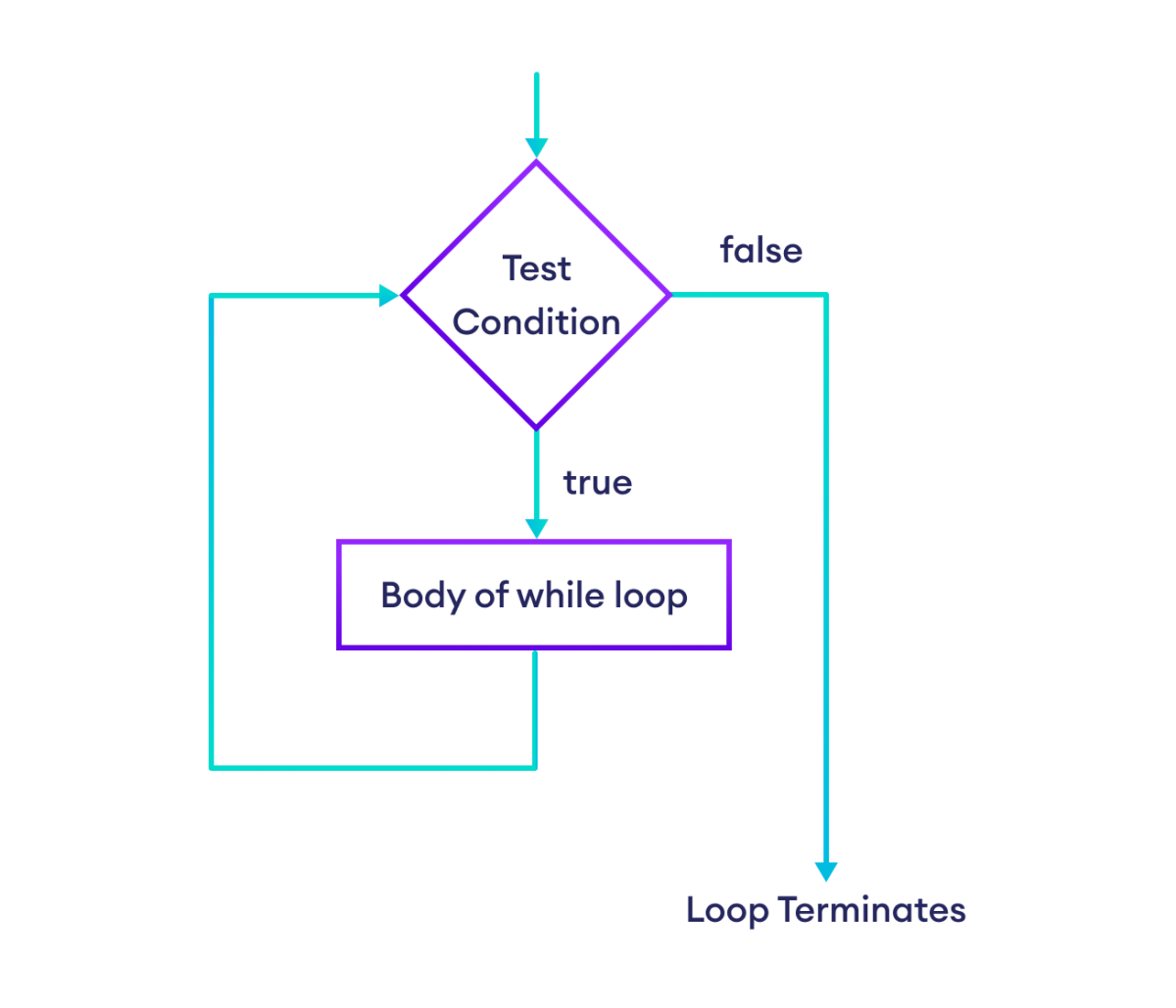
🔁 Loops

Image
Image
Image
Image

🧠 Functions in JavaScript


📌 Example:

function add(a, b) {
    return a + b;
}

⚙️ Types:

  • Function declaration
  • Function expression
  • Arrow functions

🧩 Objects in JavaScript


📦 Concept

Image
Image
Image
Image
let person = {
    name: "John",
    age: 25
};

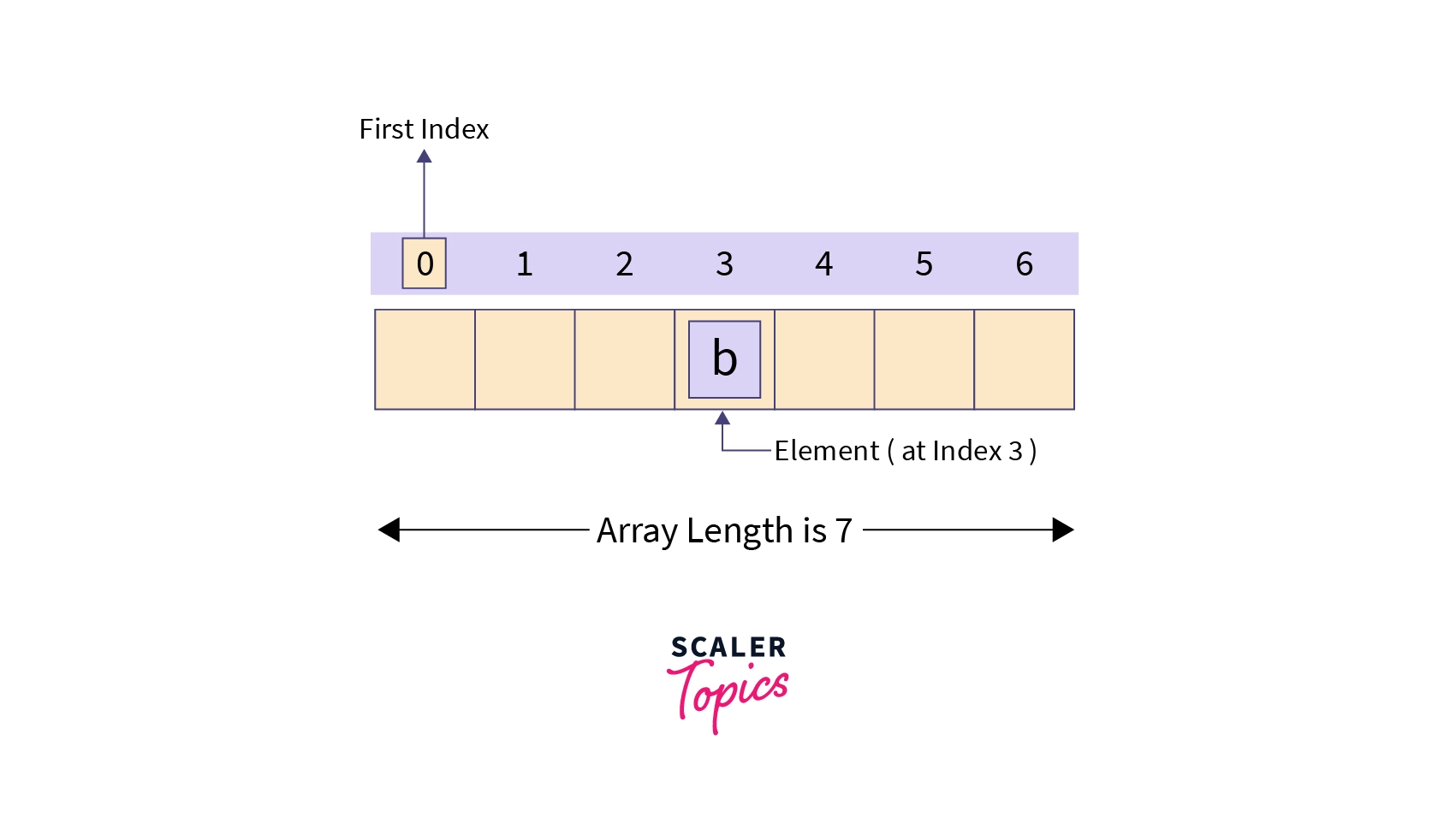
🔤 Arrays in JavaScript

Image
Image
Image
Image
  • Dynamic
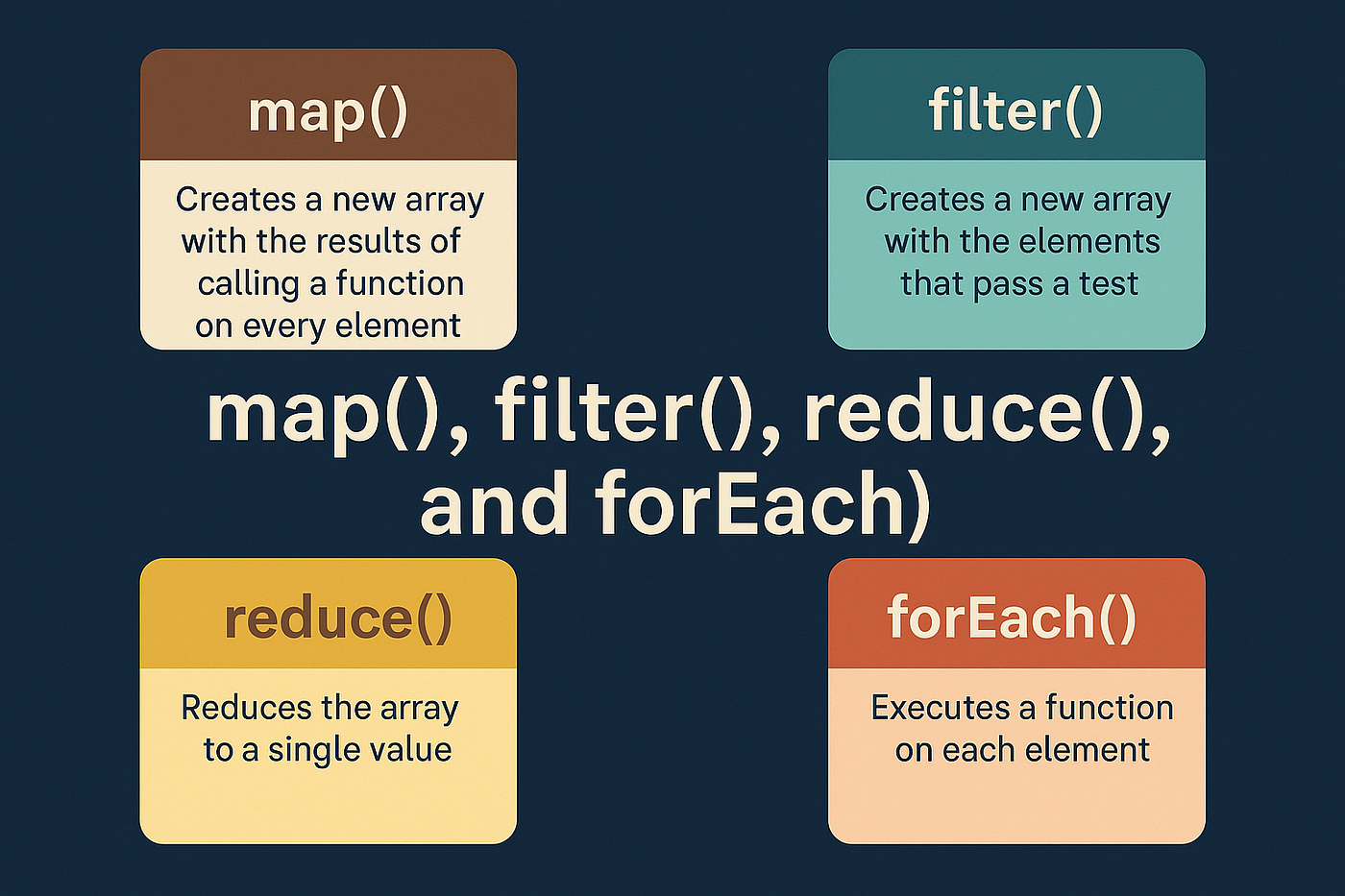
  • Methods: map(), filter(), reduce()

🔤 Strings in JavaScript

Image
Image
Image
Image
  • Immutable
  • Template literals

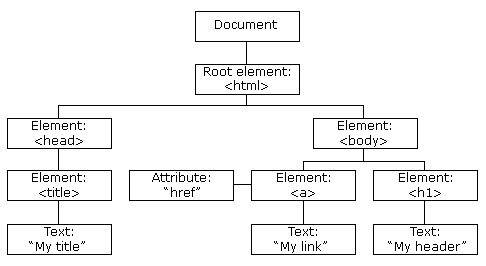
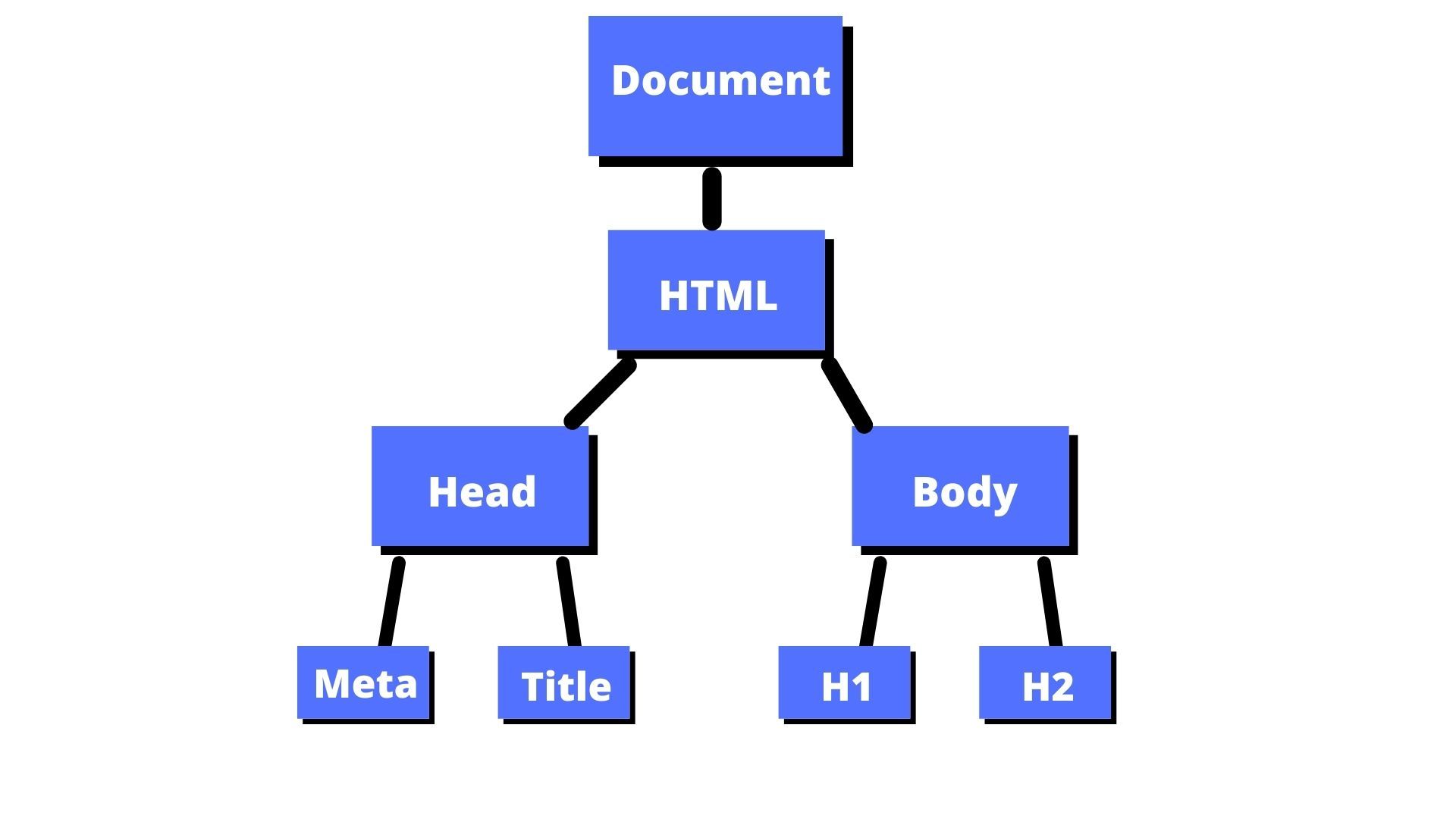
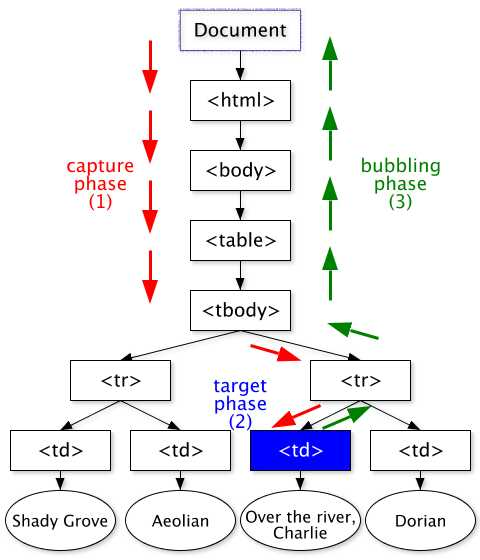
🌐 DOM (Document Object Model)


🧠 Concept

Image
Image
Image
Image
  • Represents HTML structure
  • Allows dynamic updates

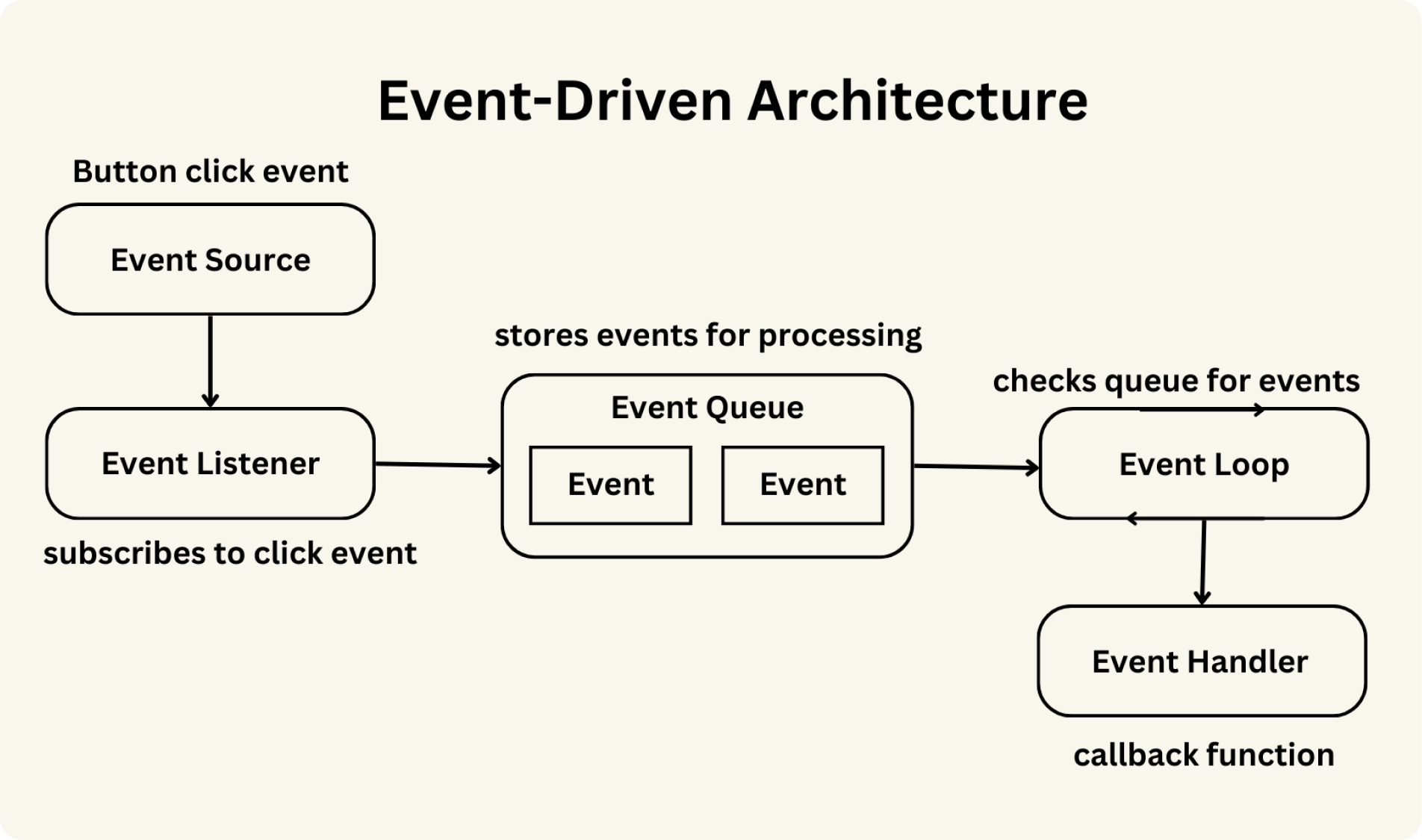
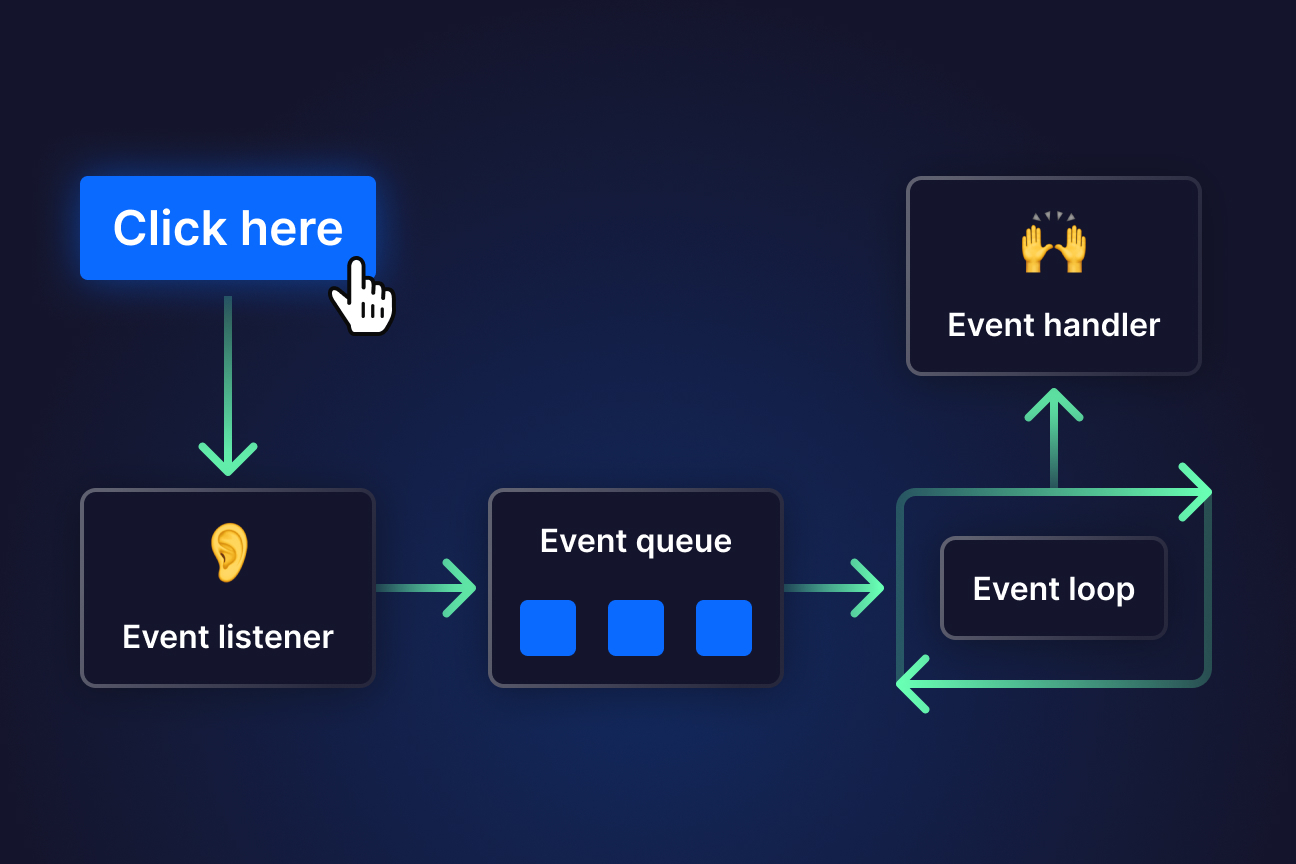
⚡ Event Handling


📌 Example:

button.addEventListener("click", function() {
    alert("Clicked!");
});

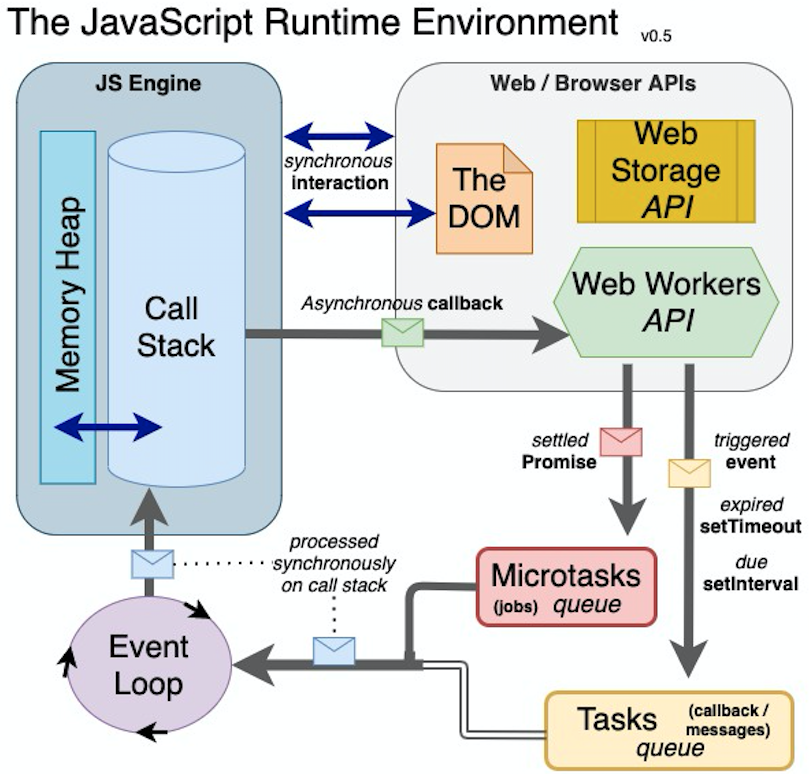
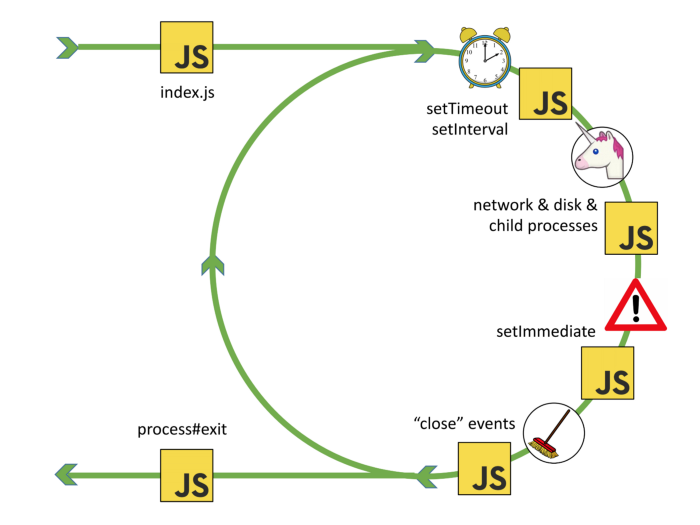
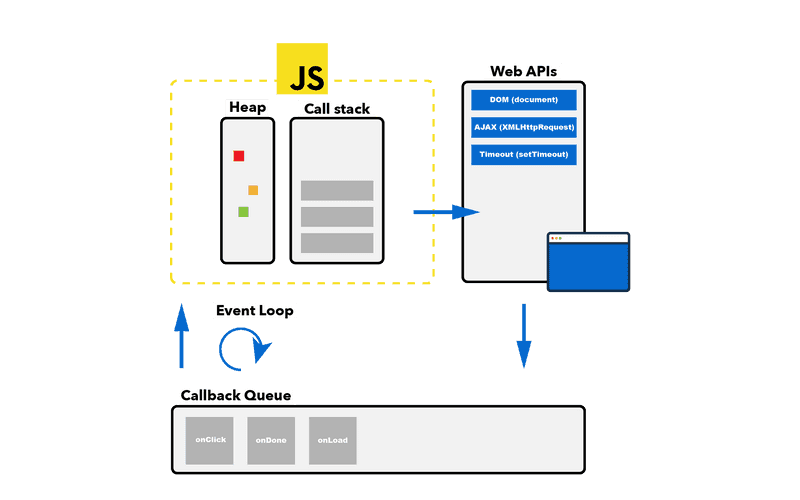
🔄 Asynchronous JavaScript


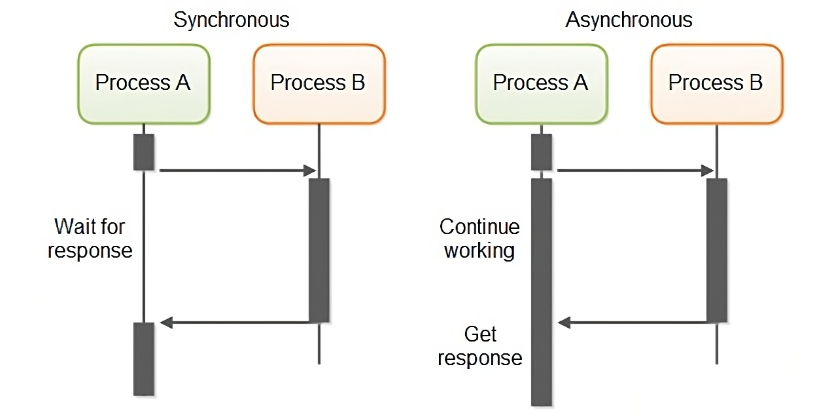
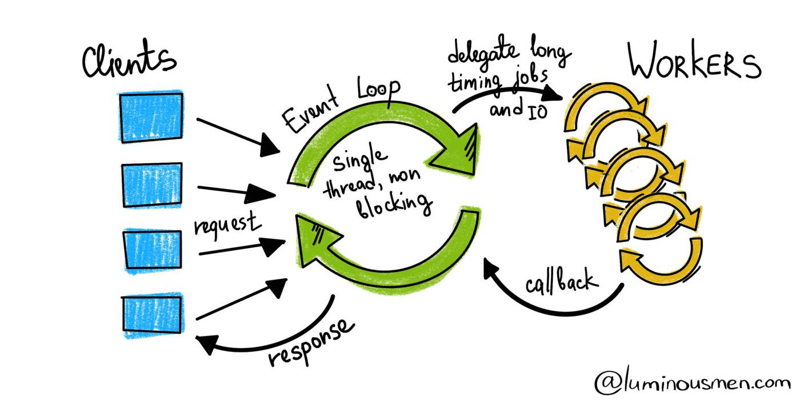
🧠 Concepts

Image
Image
Image
Image

🔹 Techniques:

  • Callbacks
  • Promises
  • Async/Await

💾 Error Handling


⚠️ Example:

try {
    let x = y;
} catch (e) {
    console.log("Error");
}

📦 Modules in JavaScript


🧩 Concept

Image
Image
Image
Image
  • Import/export functionality

🌐 JavaScript in Software Development Context


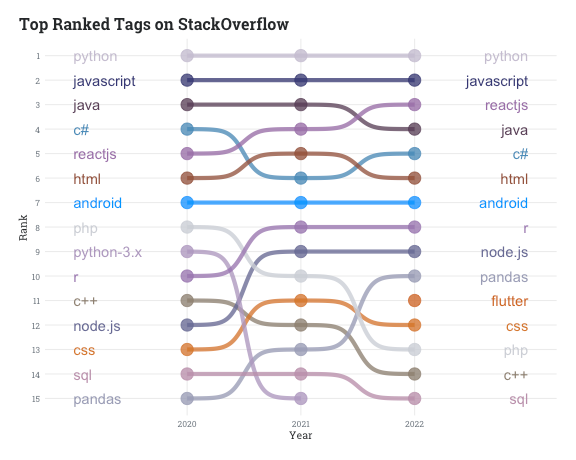
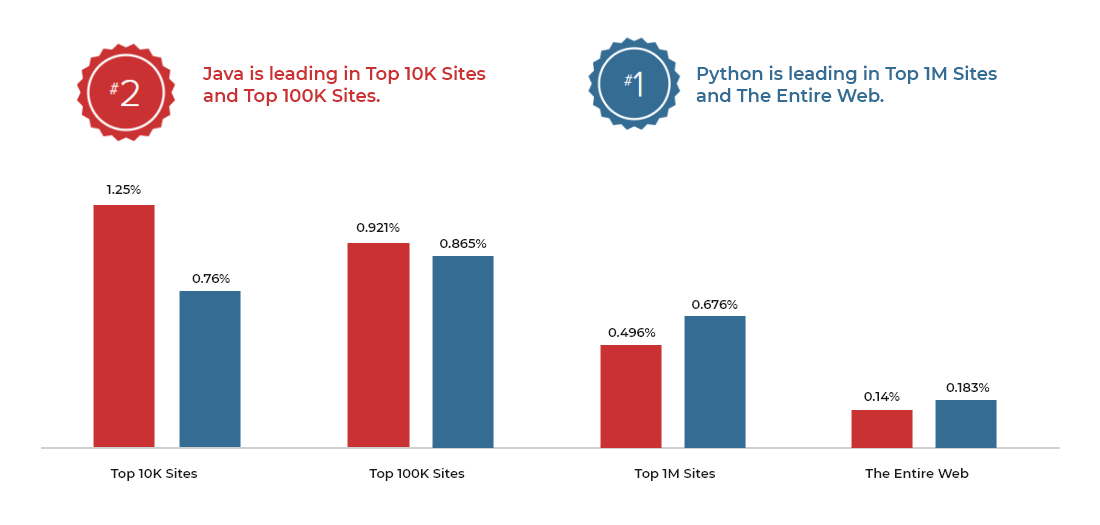
🧠 Role Among Languages

Image
Image
Image
Image

⚖️ Comparison

LanguageStrength
JavaScriptWeb development
PythonData science
JavaEnterprise

🚀 Applications of JavaScript


🌐 Frontend Development

Image
Image
Image
Image

🖥️ Backend Development

  • Node.js

📱 Mobile Apps

  • React Native

🎮 Game Development

  • Browser-based games

⚡ Advantages of JavaScript

  • Runs in browsers
  • Versatile
  • Large ecosystem
  • Supports full-stack

⚠️ Limitations

  • Security issues
  • Browser inconsistencies
  • Single-threaded

🚀 Modern JavaScript Trends

Image
Image
Image
Image
  • ES6+ features
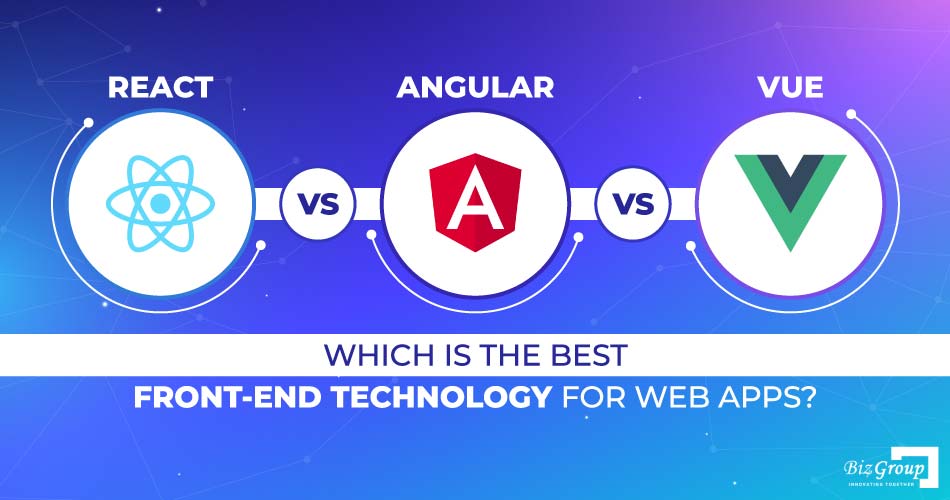
  • Frameworks (React, Vue)
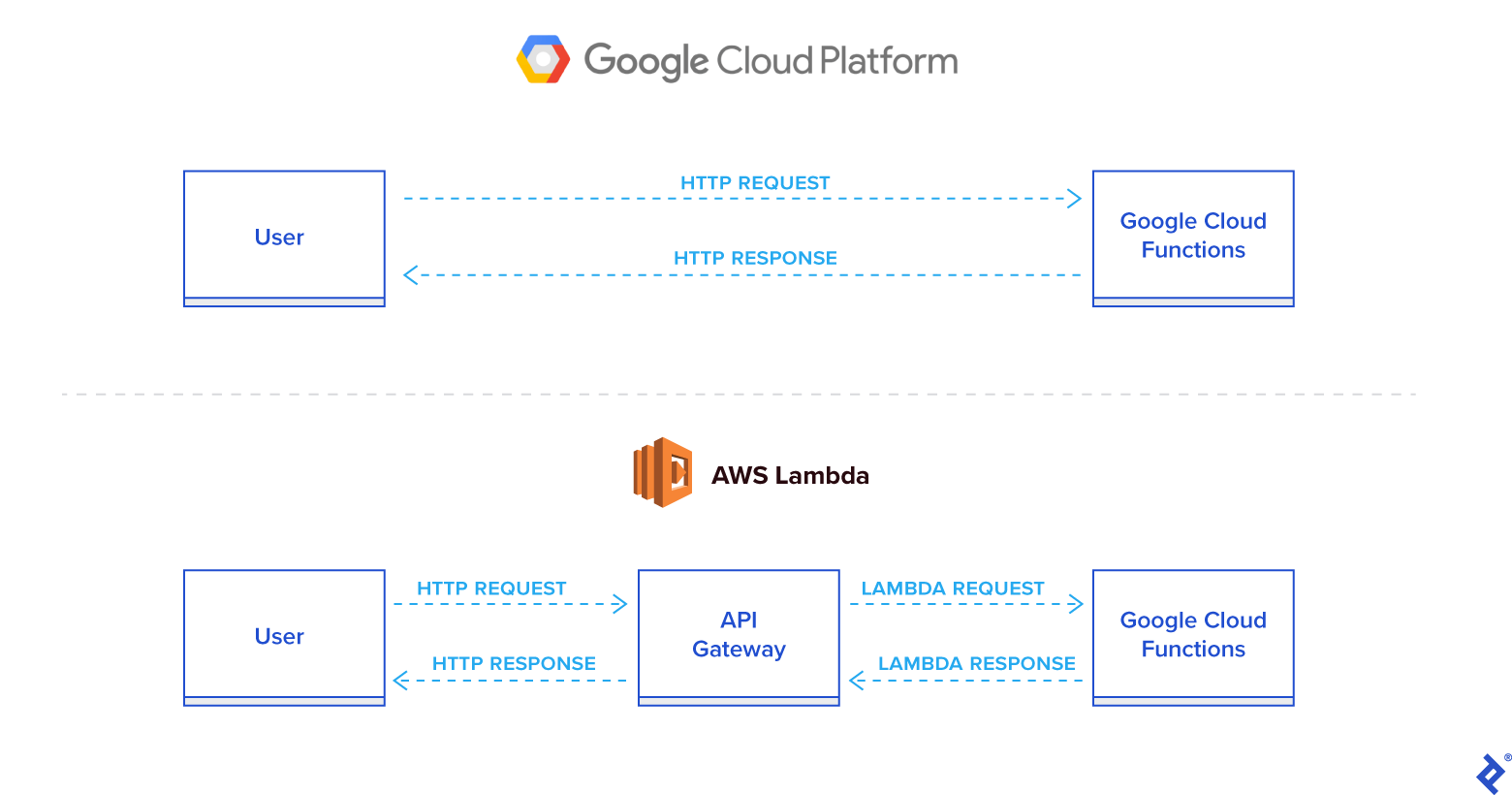
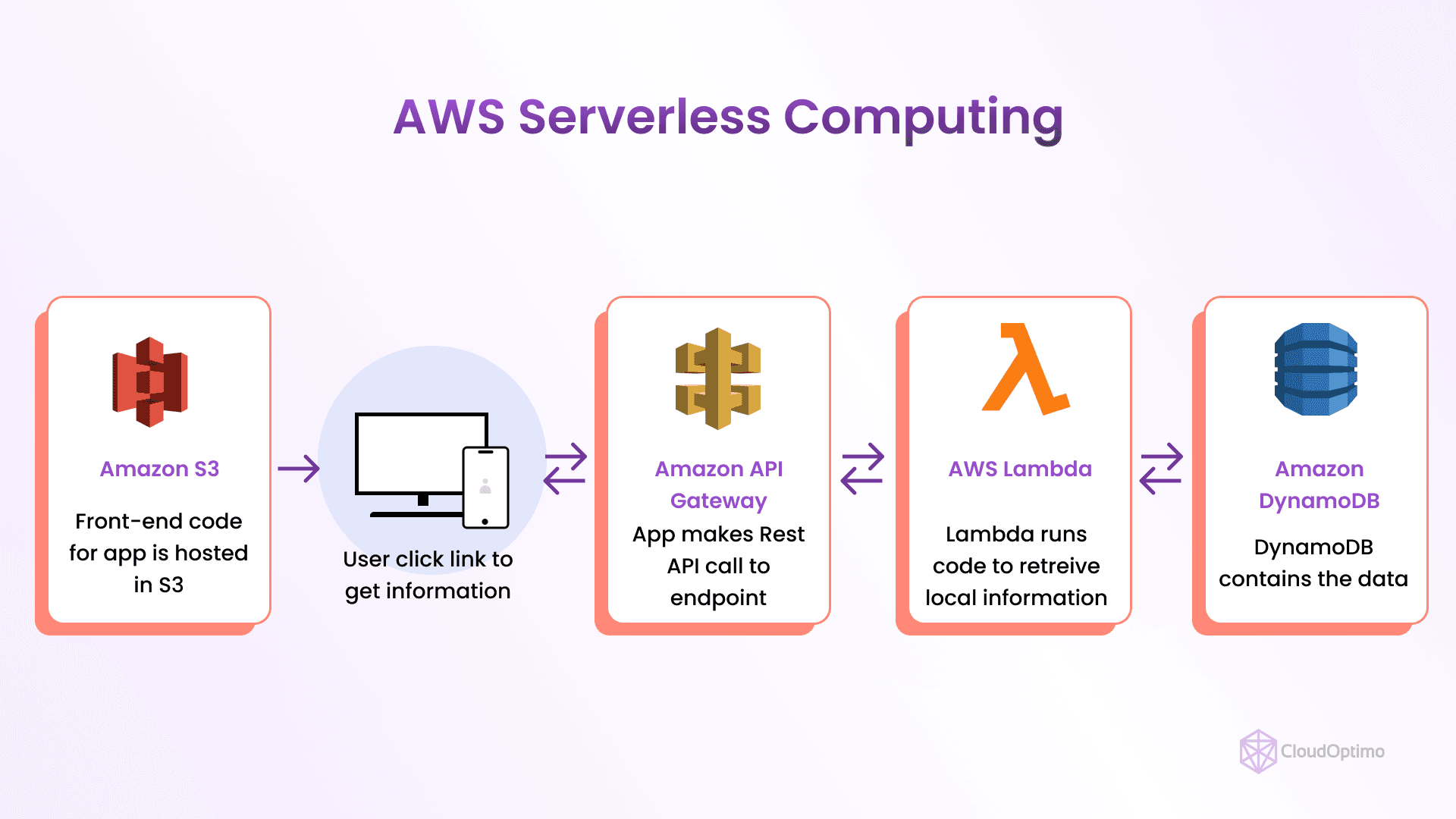
  • Serverless computing
  • Progressive Web Apps

🧾 Conclusion

JavaScript is a core language of the web that:

  • Powers interactive applications
  • Enables full-stack development
  • Continues to evolve rapidly

Learning JavaScript is essential for:

  • Web developers
  • Software engineers
  • Full-stack development

🏷️ Tags

☕ Java Programming – Complete Detailed Guide (with Software Development Language Context)


🌐 Introduction to Java Programming

Image
Image
Image
Image

Java is a high-level, object-oriented, platform-independent programming language widely used for building enterprise applications, mobile apps, web systems, and large-scale software.

It was designed with the philosophy:

“Write Once, Run Anywhere” (WORA)

This means Java programs can run on any system that has a Java Virtual Machine (JVM).


🧠 Importance of Java

  • Platform-independent
  • Strong object-oriented features
  • Widely used in enterprise applications
  • Secure and robust
  • Large ecosystem and community

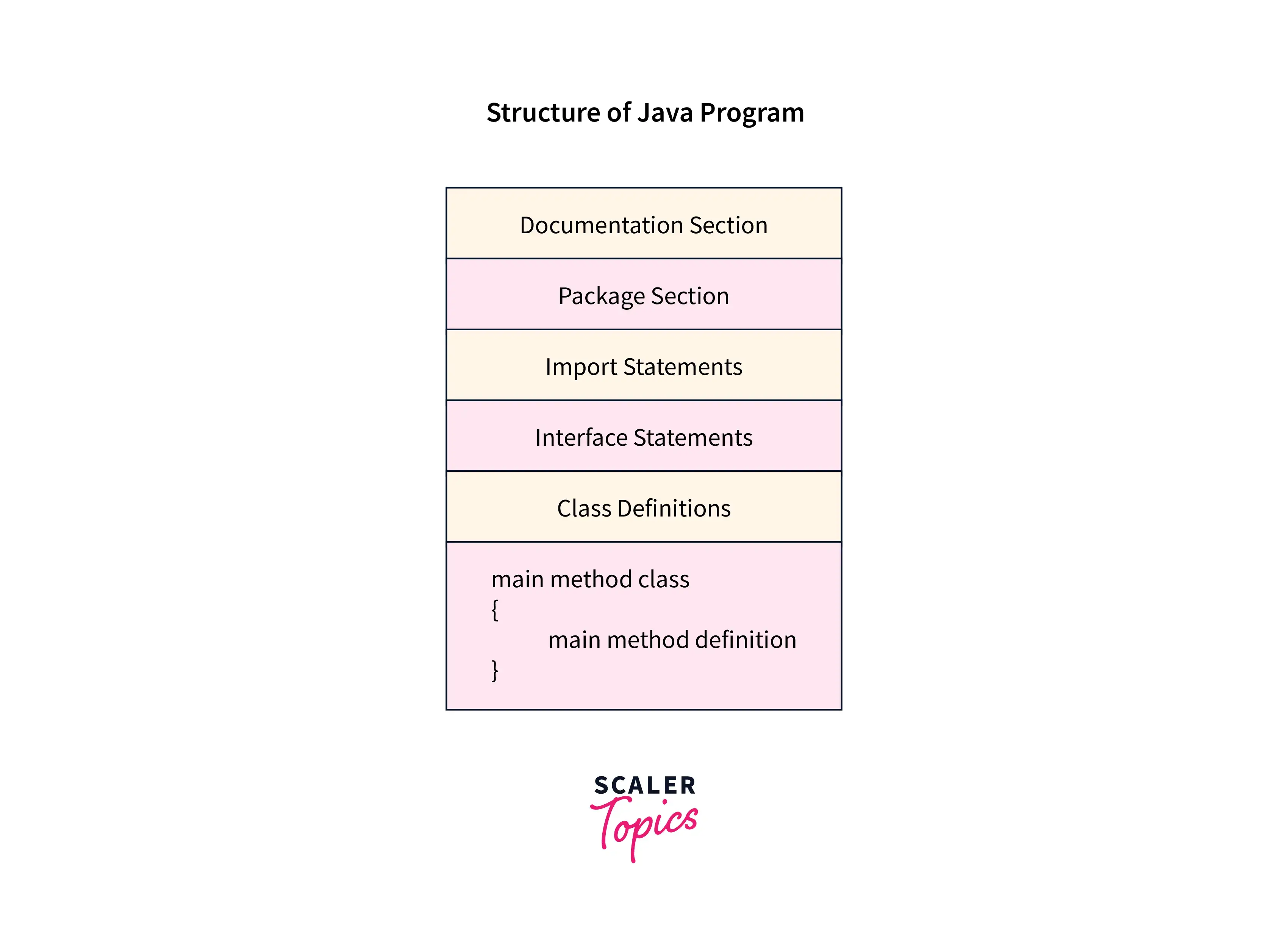
🧩 Basic Structure of a Java Program


📄 Example Program

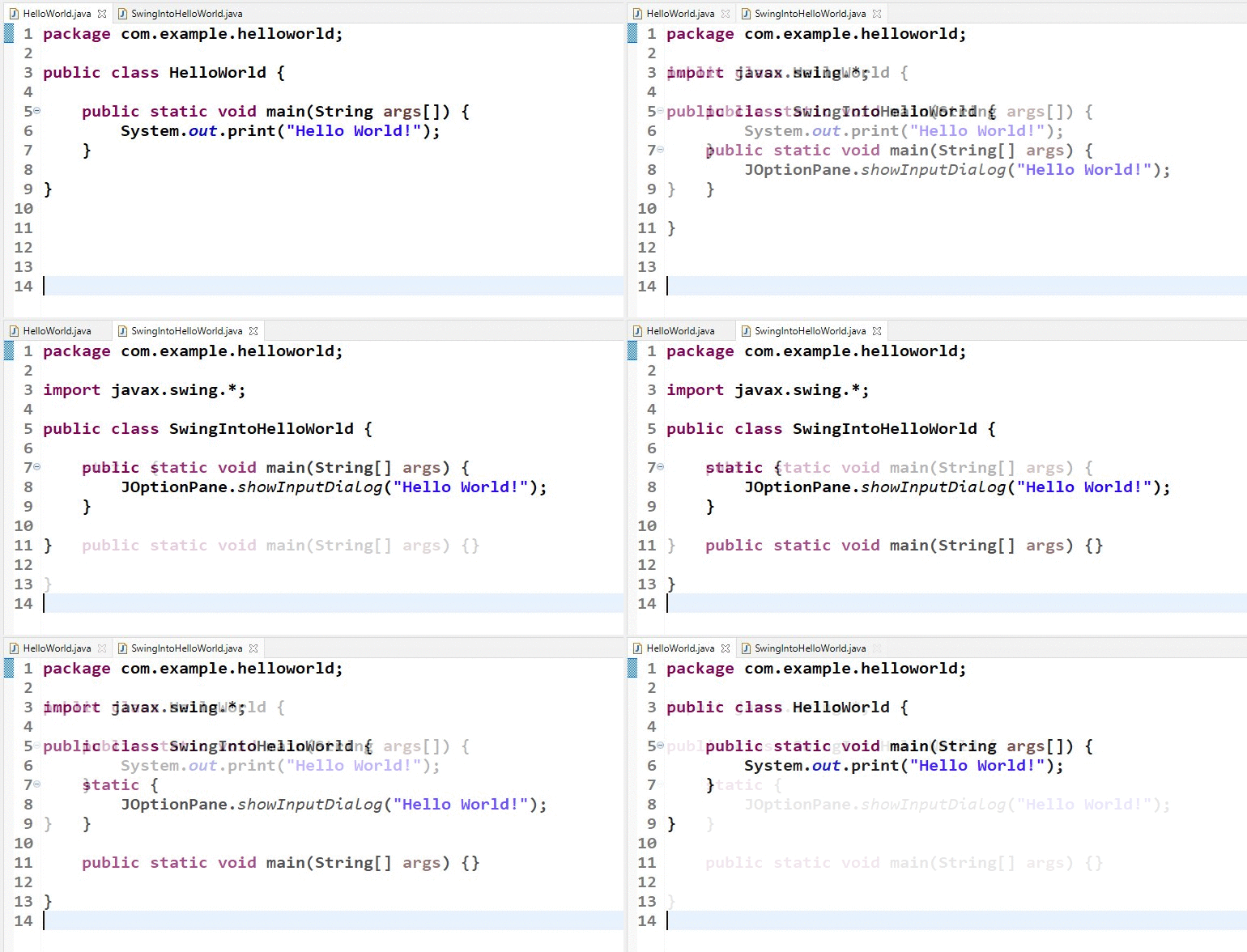
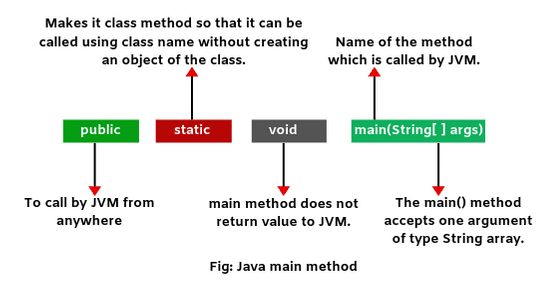
class HelloWorld {
    public static void main(String[] args) {
        System.out.println("Hello, World!");
    }
}

🧠 Components:

Image
Image
Image
Image
  • Class definition
  • Main method
  • Statements
  • Output functions

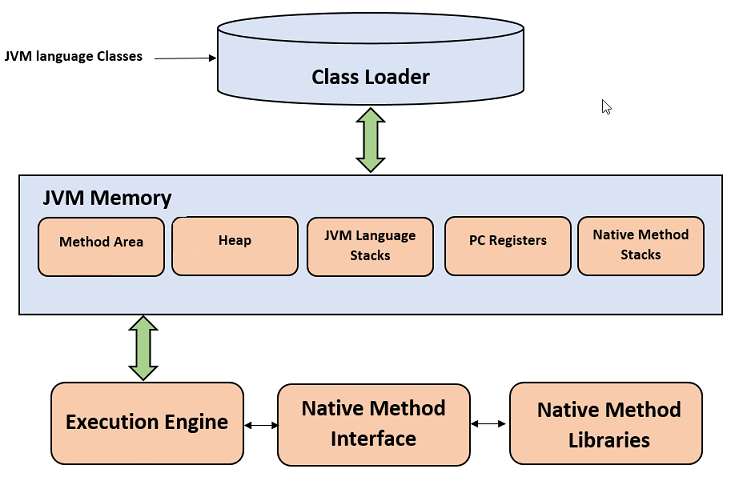
⚙️ Java Architecture


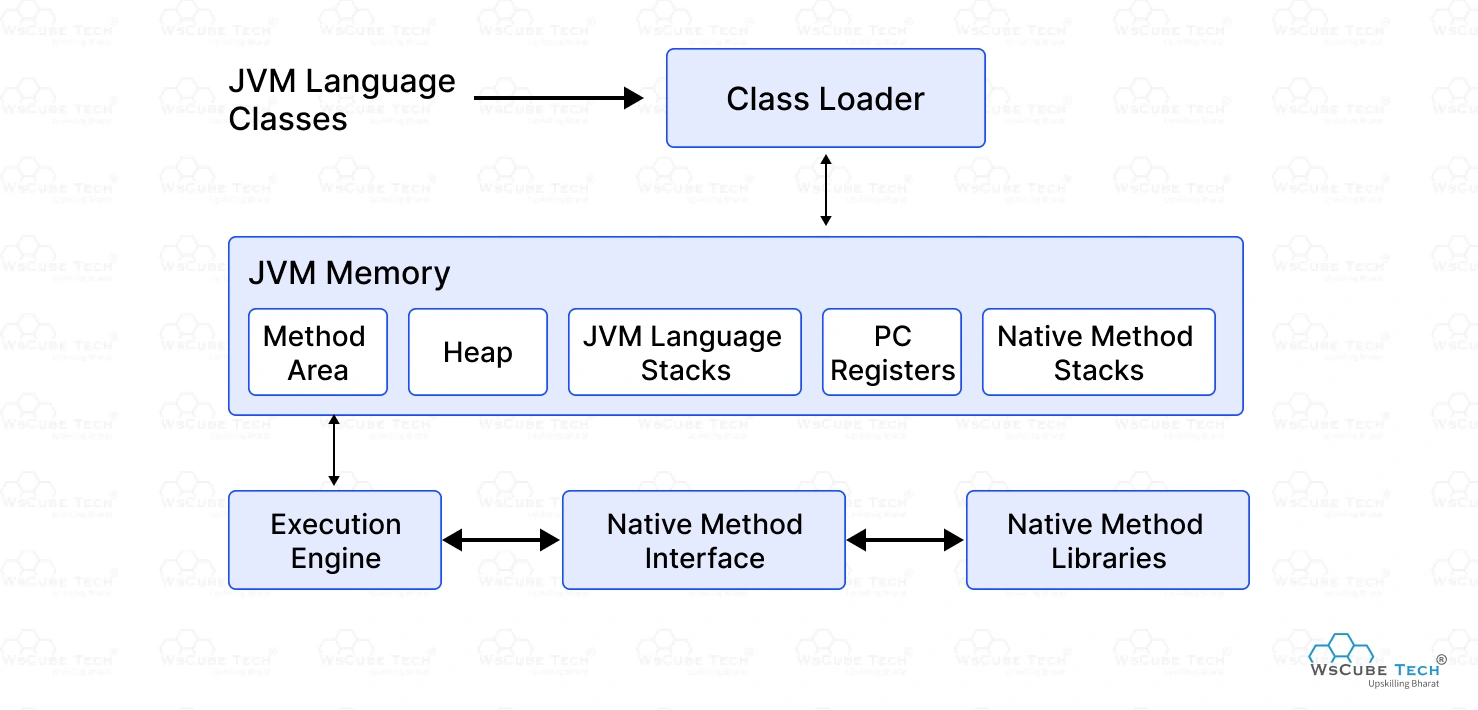
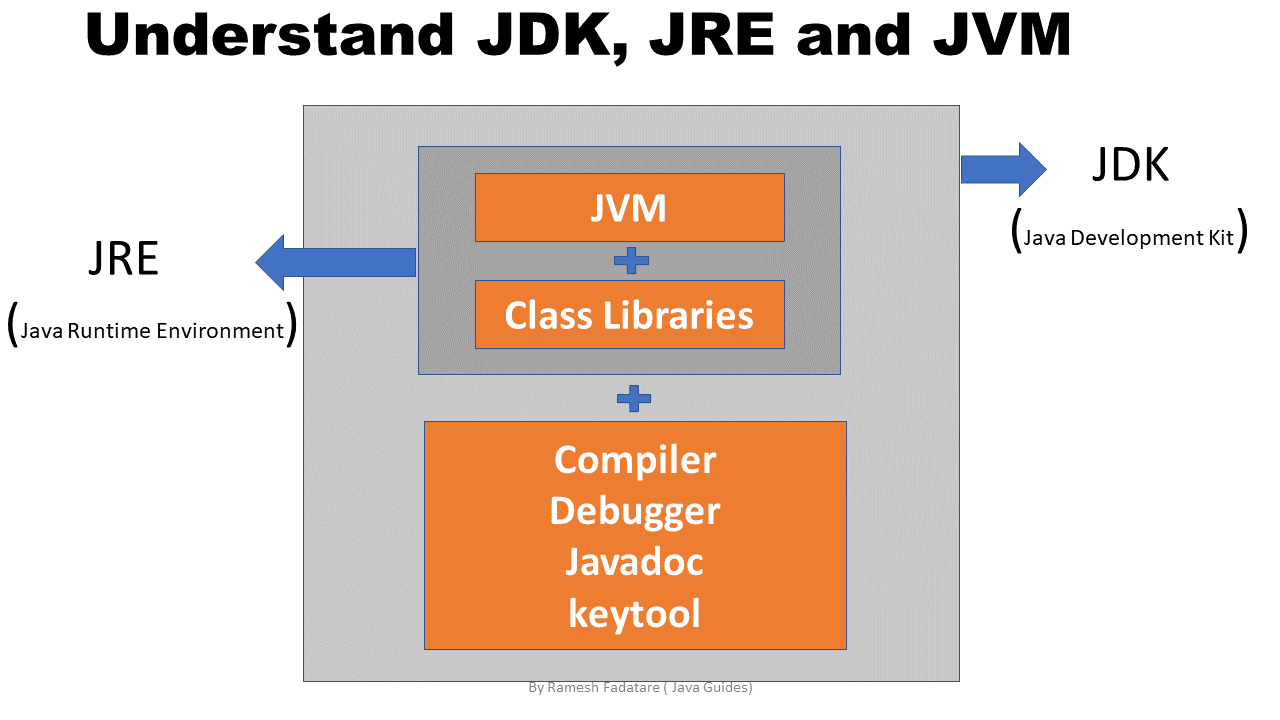
🧠 JVM, JRE, JDK

Image
Image
Image
Image

🔹 JVM (Java Virtual Machine)

  • Executes bytecode

🔹 JRE (Java Runtime Environment)

  • Provides runtime environment

🔹 JDK (Java Development Kit)

  • Tools for development

⚙️ Data Types in Java


🔢 Primitive Data Types

Image
Image
Image
Image
TypeExample
int10
float3.14
char‘A’
booleantrue

🧩 Non-Primitive Types

  • Strings
  • Arrays
  • Classes

🔤 Variables and Constants


📌 Variables

int x = 10;

🔒 Constants

final int MAX = 100;

⚙️ Operators in Java


🔢 Types:

  • Arithmetic (+, -, *, /)
  • Relational (==, >, <)
  • Logical (&&, ||)
  • Bitwise (&, |, ^)

🔄 Control Structures


🔀 Conditional Statements
Image
Image
Image
Image

🔁 Loops

Image
Image
Image
Image

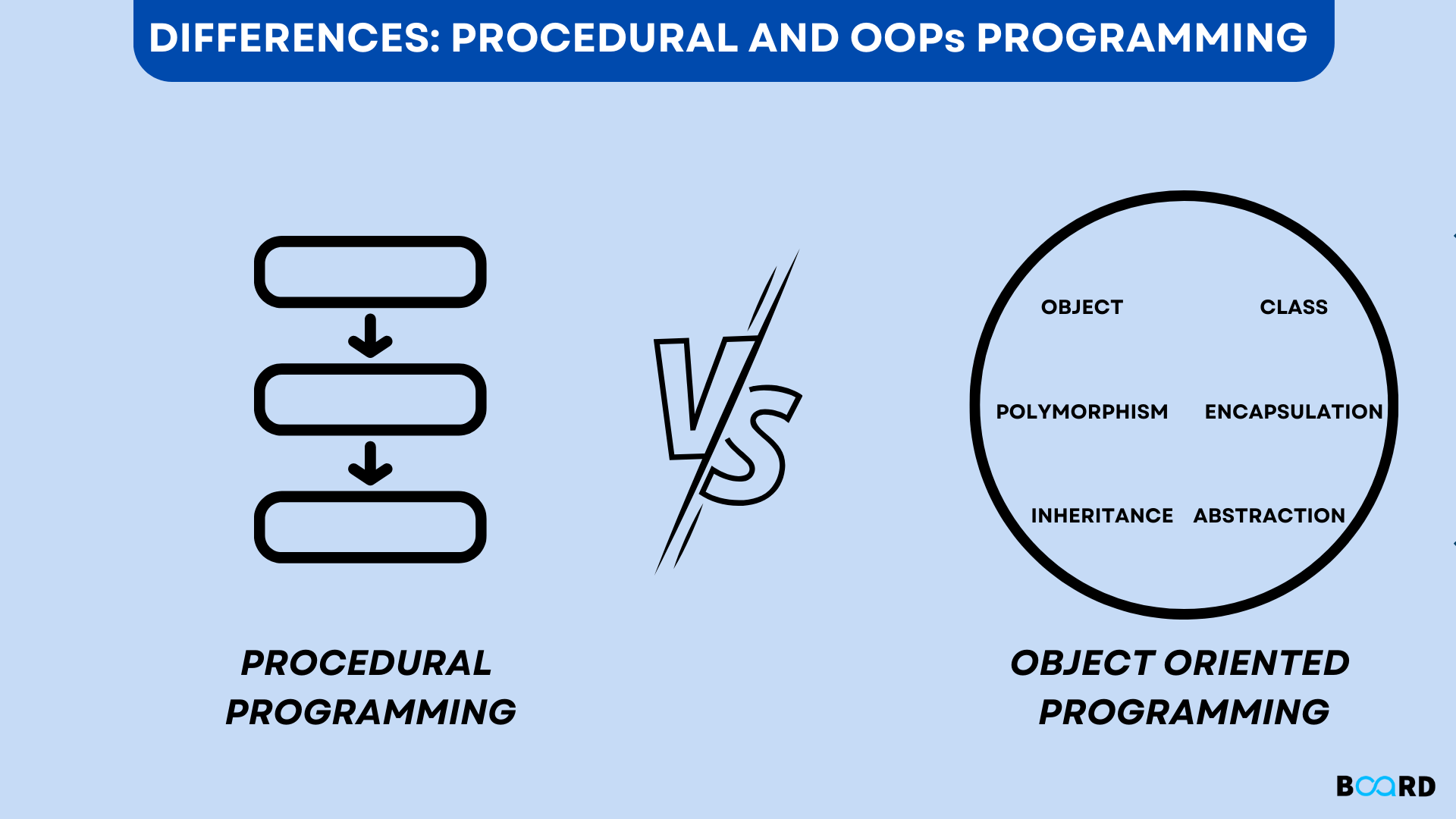
🧠 Object-Oriented Programming in Java


🧩 Core Concepts

Image
Image
Image
Image

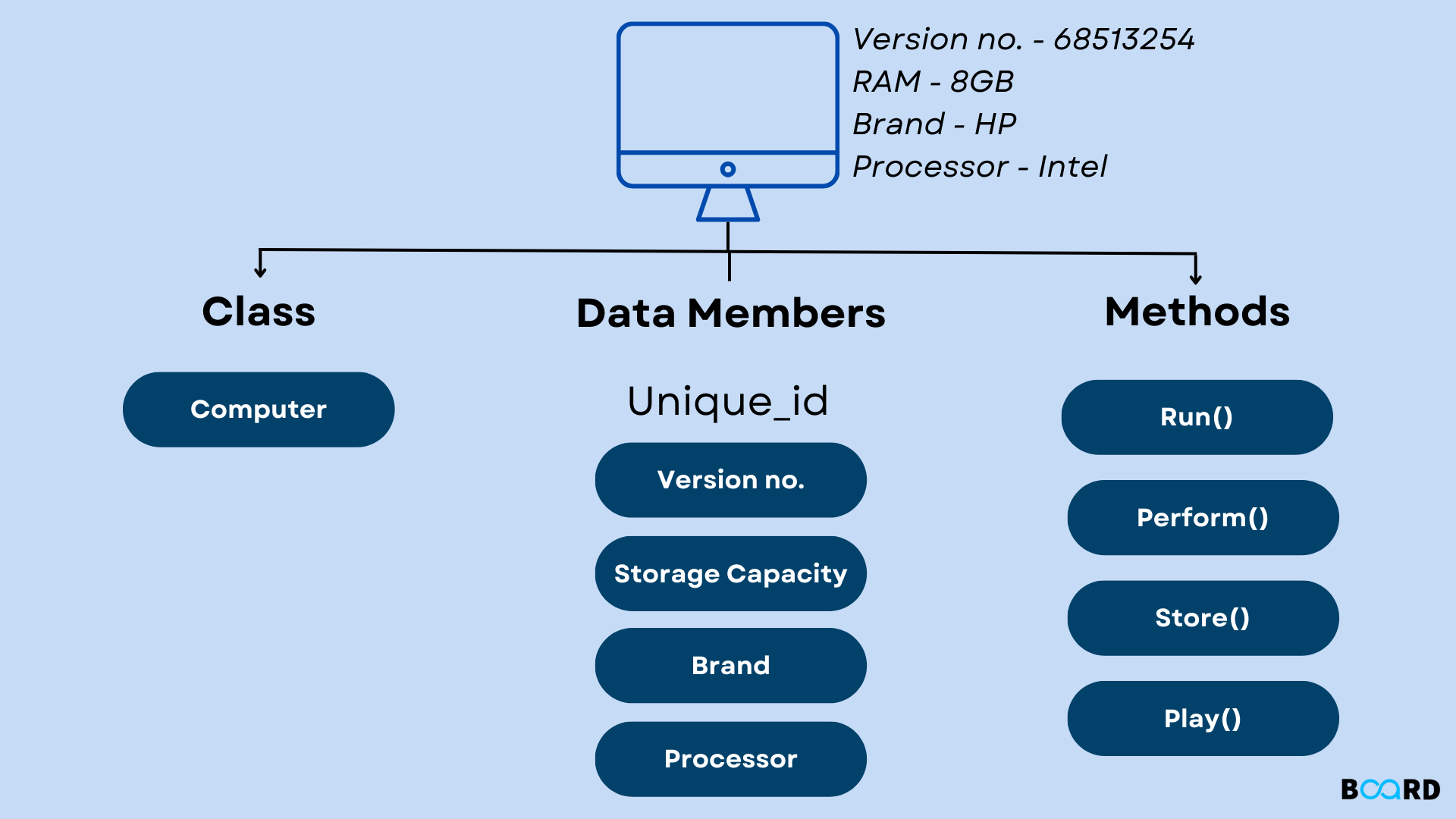
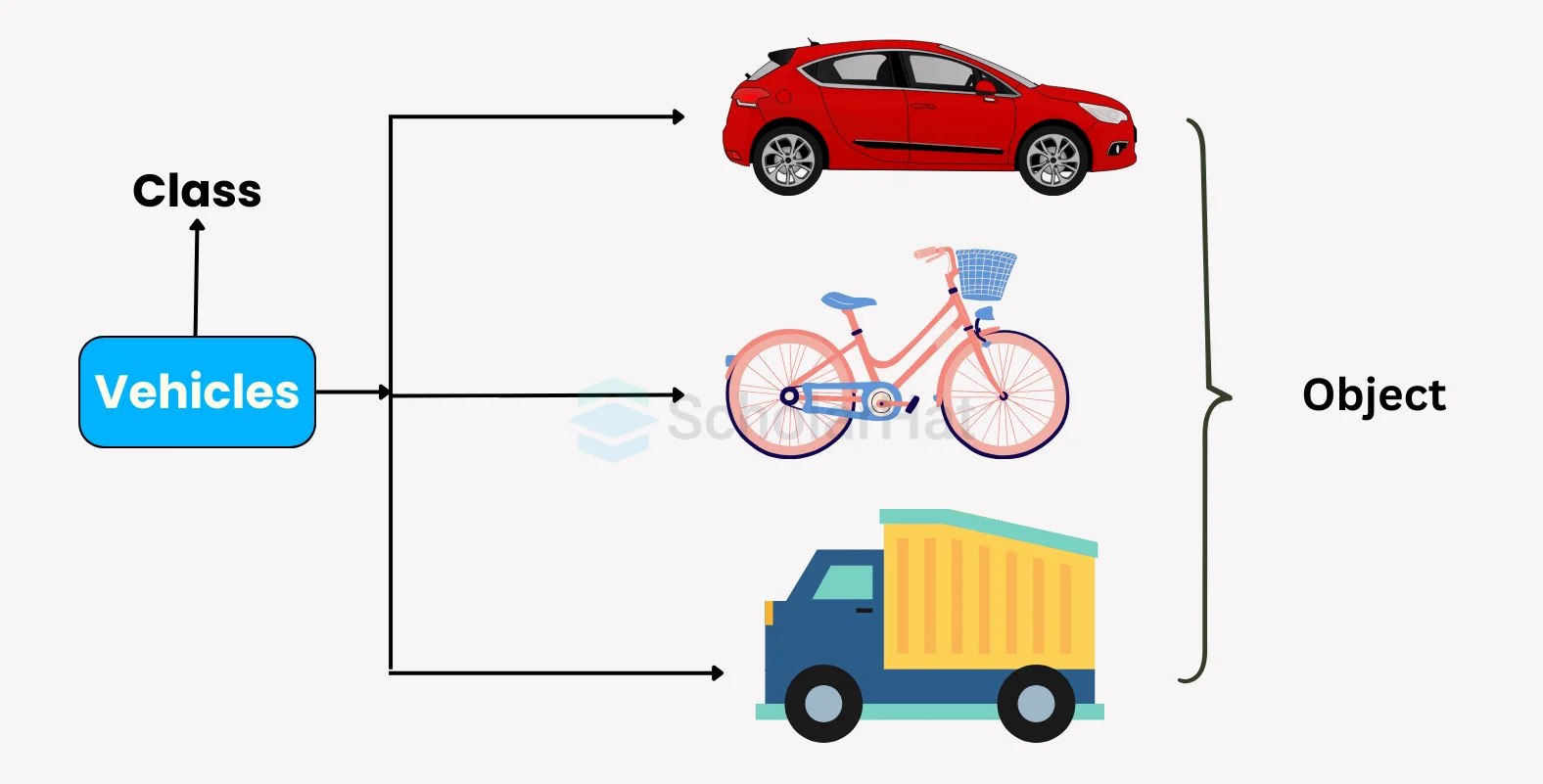
🔹 Class and Object

class Car {
    int speed;
}

🔹 Encapsulation

  • Data hiding using private variables

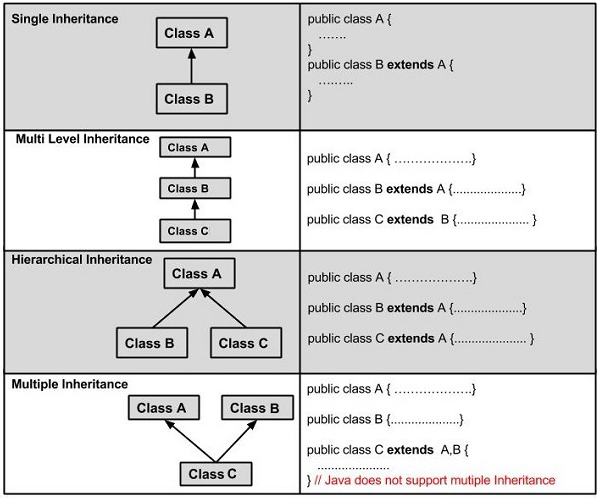
🔹 Inheritance

Image
Image
Image
Image

🔹 Polymorphism

  • Method overloading
  • Method overriding

🔹 Abstraction

  • Abstract classes
  • Interfaces

🧠 Strings in Java

Image
Image
Image
Image
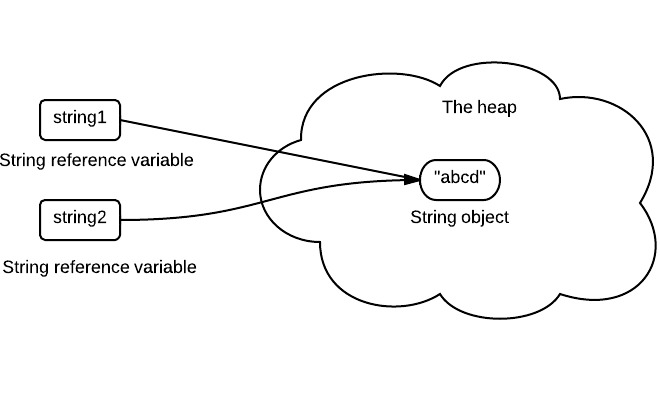
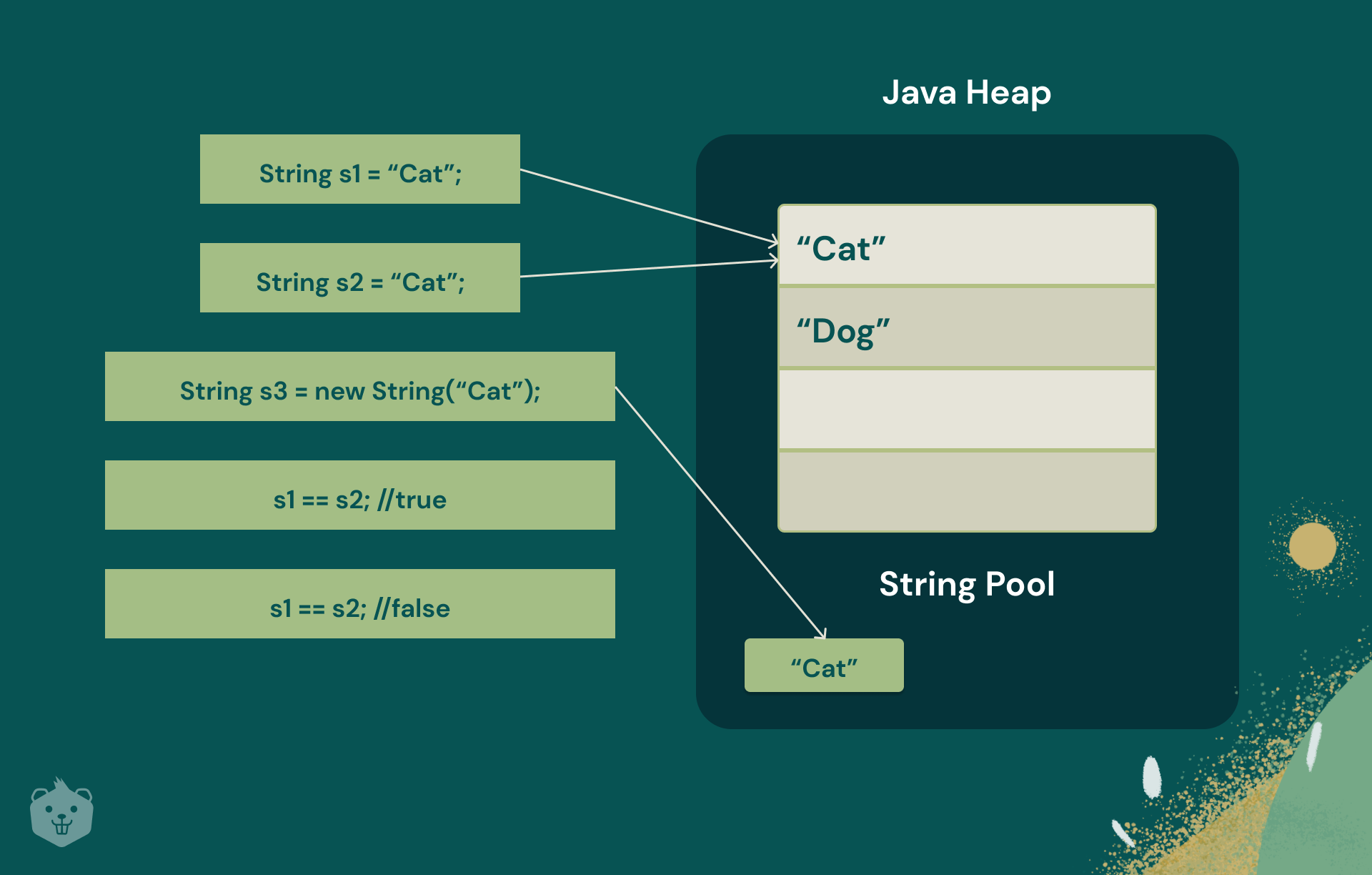
  • Immutable
  • Stored in string pool

🧩 Arrays in Java

Image
Image
Image
Image

🧠 Exception Handling


⚠️ Example:

try {
    int x = 10 / 0;
} catch (Exception e) {
    System.out.println("Error");
}

🔹 Types:

  • Checked exceptions
  • Unchecked exceptions

💾 File Handling


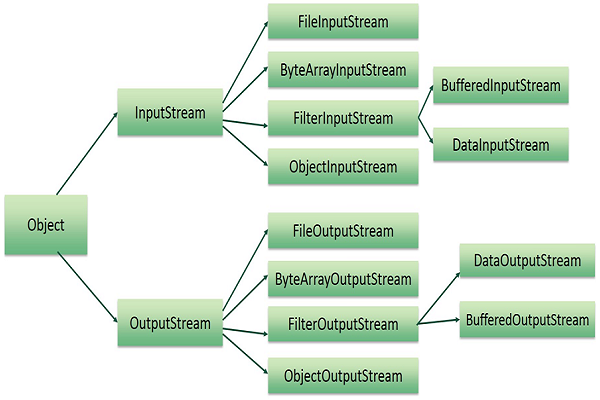
📄 Streams:

Image
Image
Image
  • FileReader
  • FileWriter
  • BufferedReader

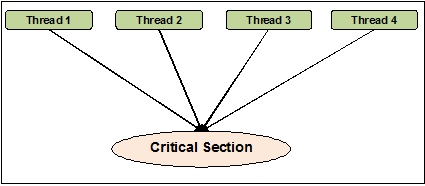
🧠 Multithreading


⚙️ Concept

Image
Image
Image
Image
  • Multiple threads run concurrently

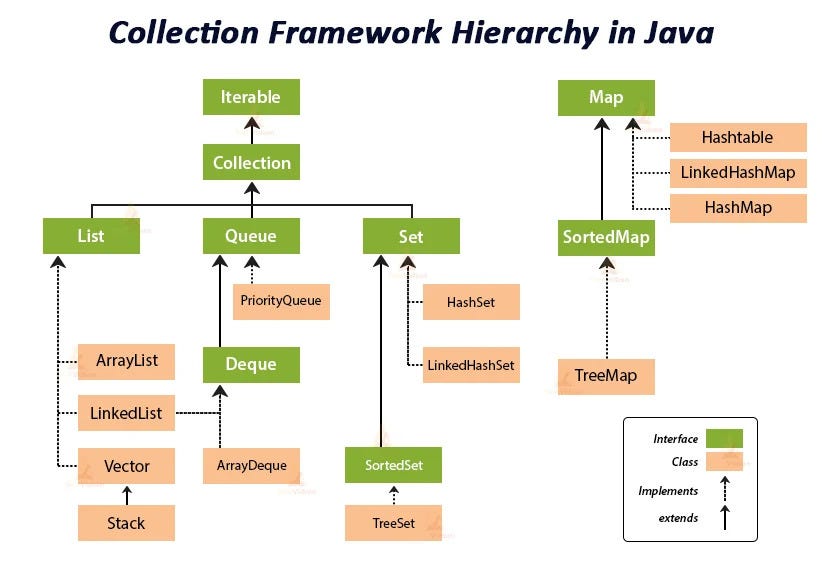
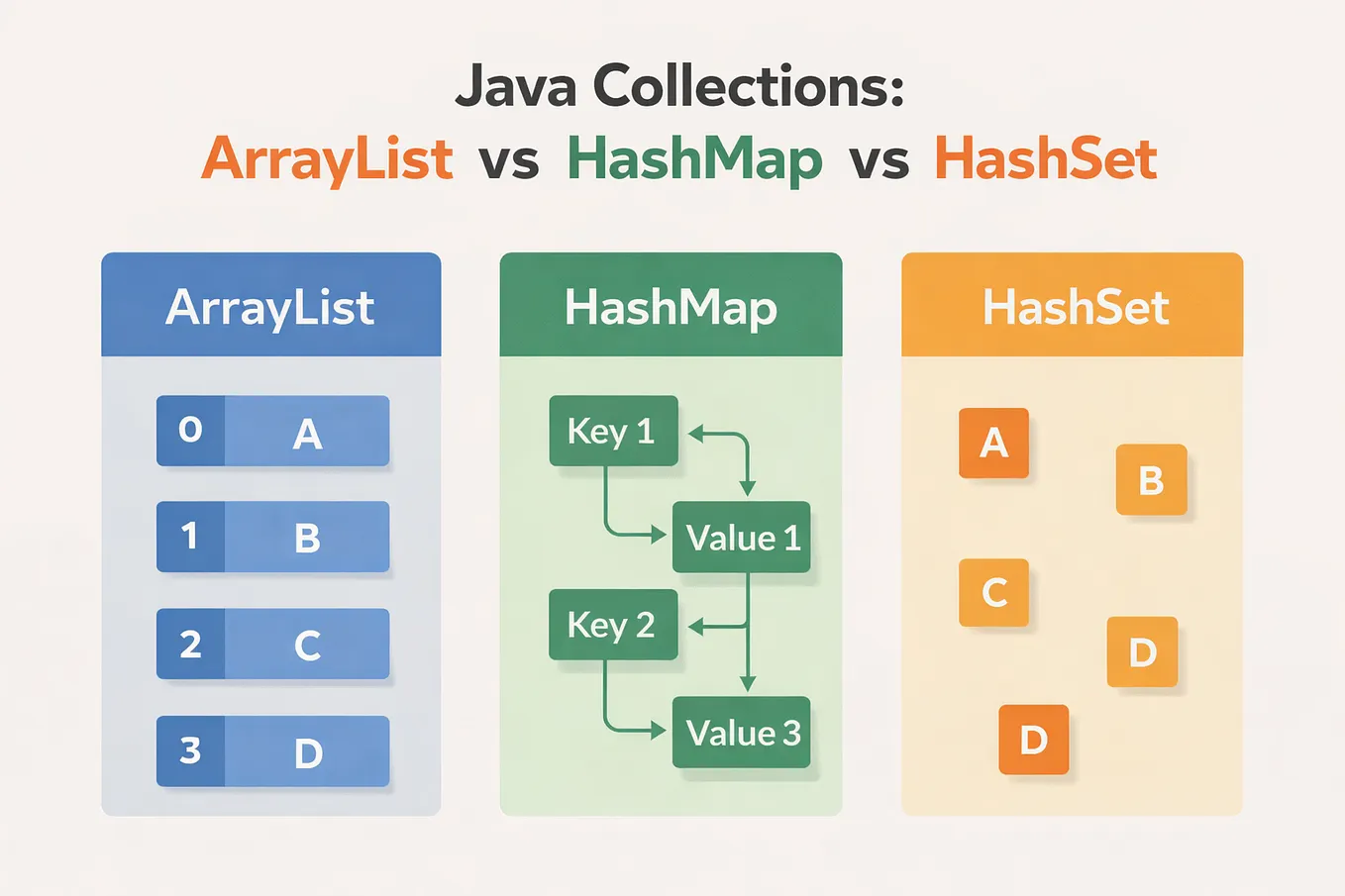
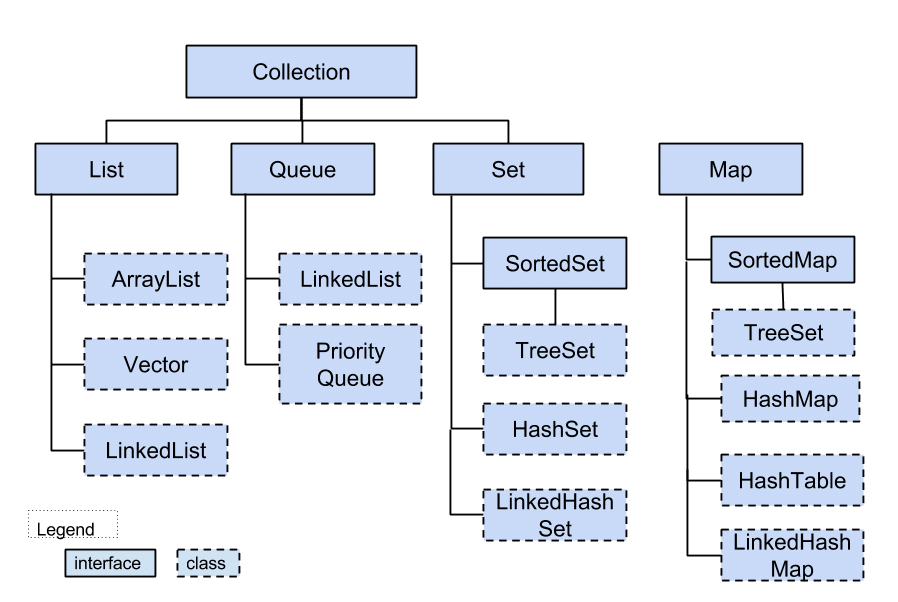
📦 Collections Framework


🧩 Components

Image
Image
Image
Image
  • List
  • Set
  • Map

🌐 Java in Software Development Context


🧠 Role Among Languages

Image
Image
Image
Image

⚖️ Comparison

LanguageStrength
JavaEnterprise, portability
PythonSimplicity
C++Performance

🚀 Applications of Java


🌐 Web Development

Image
Image
Image
Image

📱 Android Development

  • Android apps use Java/Kotlin

🏦 Enterprise Systems

  • Banking
  • ERP systems

☁️ Cloud Applications

  • Distributed systems

⚡ Advantages of Java

  • Platform independence
  • Secure
  • Robust
  • Scalable

⚠️ Limitations

  • Slower than C++
  • Verbose syntax
  • Higher memory usage

🚀 Modern Java Trends

Image
Image
Image
Image
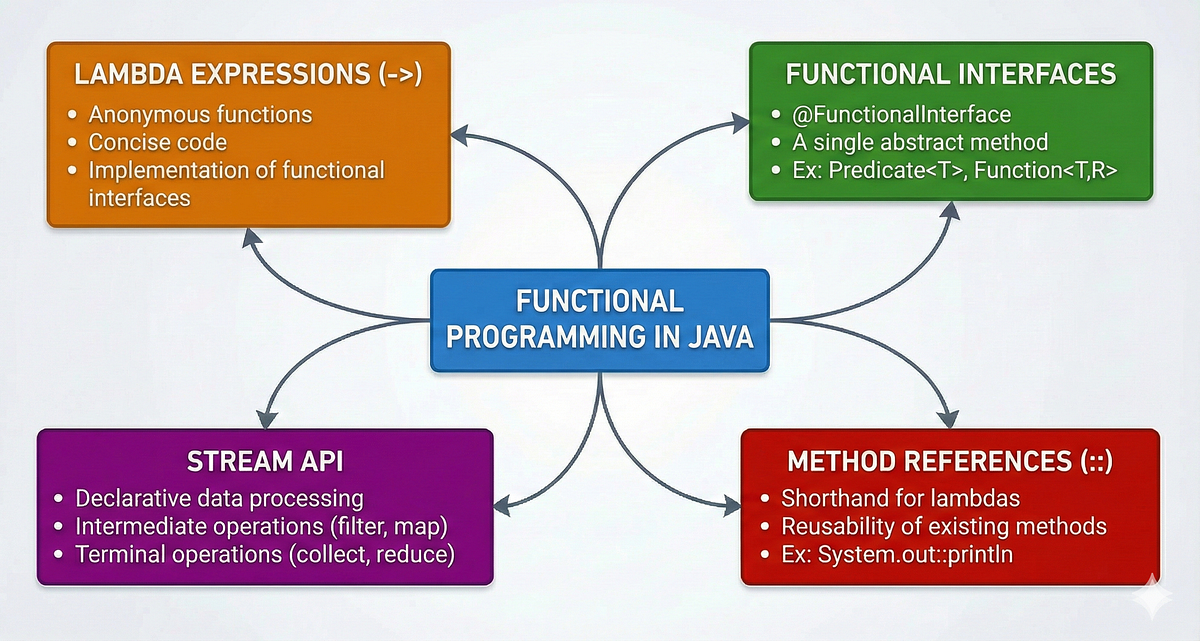
  • Lambda expressions
  • Streams API
  • Microservices
  • Cloud-native development

🧾 Conclusion

Java is a powerful, versatile, and widely used programming language that:

  • Supports enterprise-level applications
  • Ensures platform independence
  • Provides strong OOP features

Learning Java helps in:

  • Building scalable systems
  • Understanding OOP deeply
  • Entering enterprise software development

🏷️ Tags

💻 C++ Programming – Complete Detailed Guide (with Software Development Language Context)


🌐 Introduction to C++ Programming

Image
Image
Image
Image

C++ is a powerful, high-performance programming language that extends the C language by adding object-oriented programming (OOP) features, along with many modern programming capabilities. It is widely used in system software, game development, embedded systems, and high-performance applications.

In simple terms:

C++ = C + Object-Oriented + High Performance

C++ supports multiple programming paradigms:

  • Procedural
  • Object-Oriented
  • Generic (templates)

🧠 Importance of C++

  • Combines low-level and high-level programming
  • Used in performance-critical applications
  • Foundation for many modern technologies
  • Widely used in competitive programming
  • Supports OOP and reusable code

🧩 Basic Structure of a C++ Program


📄 Example Program

#include <iostream>
using namespace std;

int main() {
    cout << "Hello, World!";
    return 0;
}

🧠 Components:

Image
Image
  • #include → Header files
  • namespace → Scope management
  • main() → Entry point
  • cout → Output

⚙️ Data Types in C++


🔢 Basic Data Types

TypeDescription
intInteger
floatDecimal
doubleHigh precision
charCharacter
boolBoolean

🧩 Derived Types

  • Arrays
  • Pointers
  • References

🧠 User-Defined Types

  • struct
  • class
  • enum

🔤 Variables and Constants


📌 Variables

int x = 10;

🔒 Constants

const int MAX = 100;

⚙️ Operators in C++


🔢 Types:

  • Arithmetic (+, -, *, /)
  • Relational (==, >, <)
  • Logical (&&, ||)
  • Bitwise (&, |, ^)
  • Assignment (=, +=)

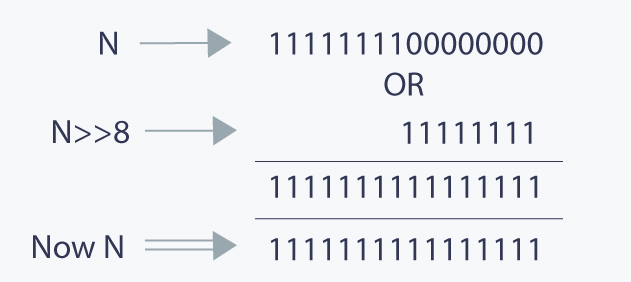
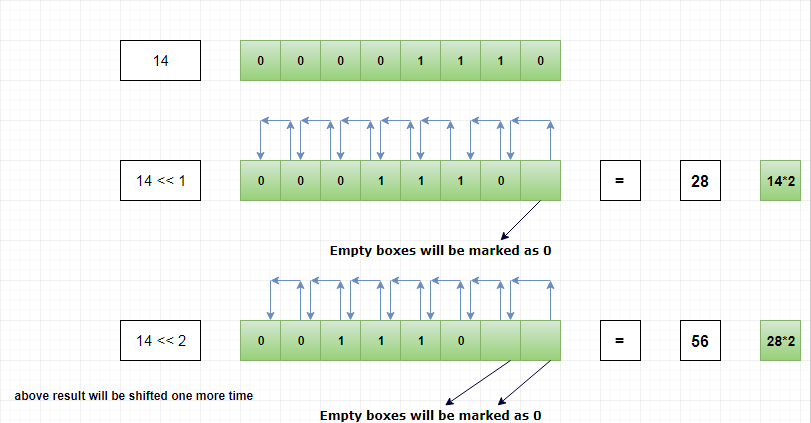
🧮 Bitwise Operations

Image
Image
Image
Image

🔄 Control Structures


🔀 Decision Making

Image
Image
Image

🔁 Loops

Image
Image
Image
Image

🧠 Functions in C++


📌 Definition

int add(int a, int b) {
    return a + b;
}

⚙️ Features:

  • Function overloading
  • Inline functions
  • Recursion

🧩 Object-Oriented Programming (OOP)


🧠 Core Concepts

Image
Image
Image
Image

🔹 1. Class and Object

class Car {
public:
    int speed;
};

🔹 2. Encapsulation

  • Data hiding
  • Use of access modifiers

🔹 3. Inheritance

Image
Image
Image
Image
  • Reuse of code

🔹 4. Polymorphism

  • Function overloading
  • Operator overloading

🔹 5. Abstraction

  • Hide implementation details

🧠 Arrays in C++

Image
Image
Image
Image
  • Same as C but with enhancements

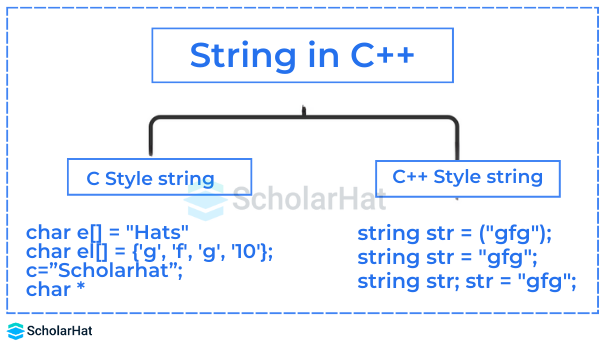
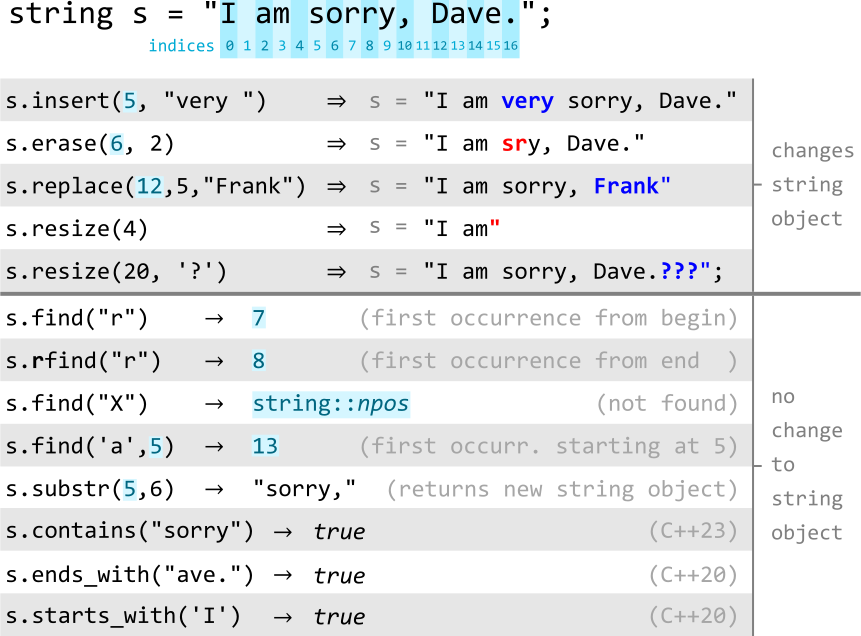
🔤 Strings in C++


📌 Types:

Image
Image
Image
Image
  • C-style strings
  • std::string

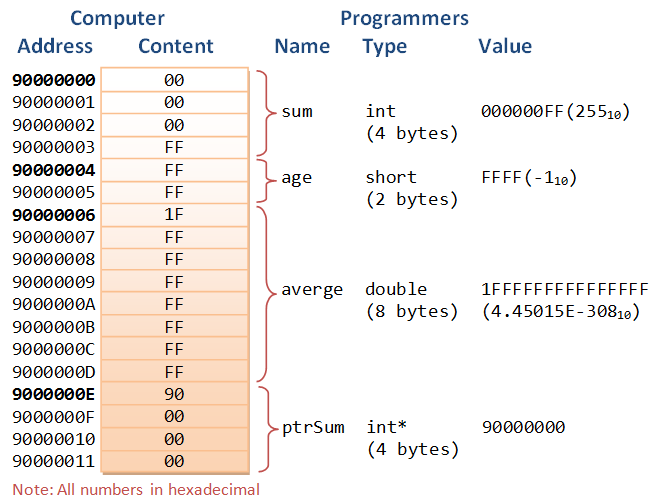
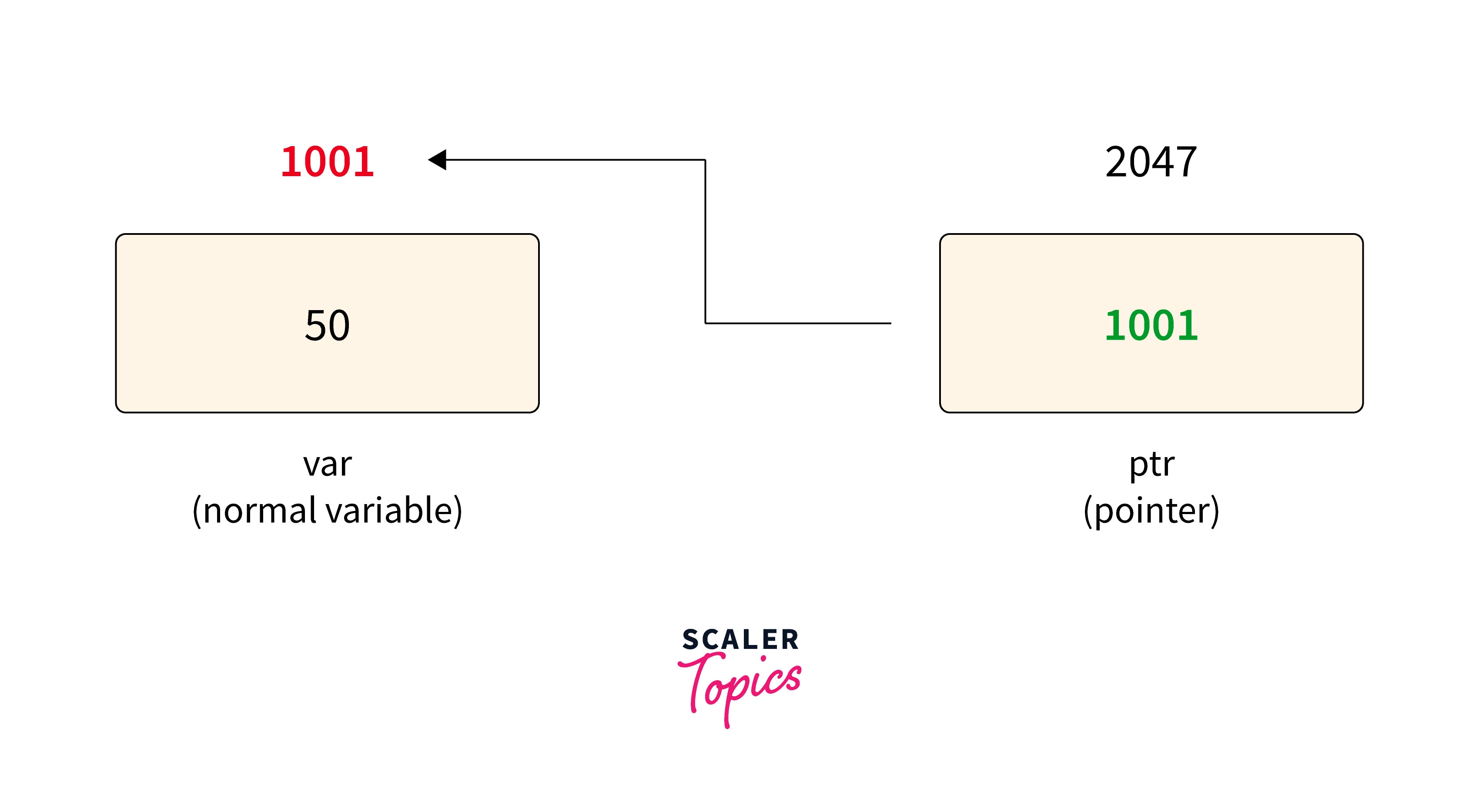
🧠 Pointers and References


📌 Pointers

Image
Image
Image
Image

🔄 References

  • Alias for variables
int &ref = x;

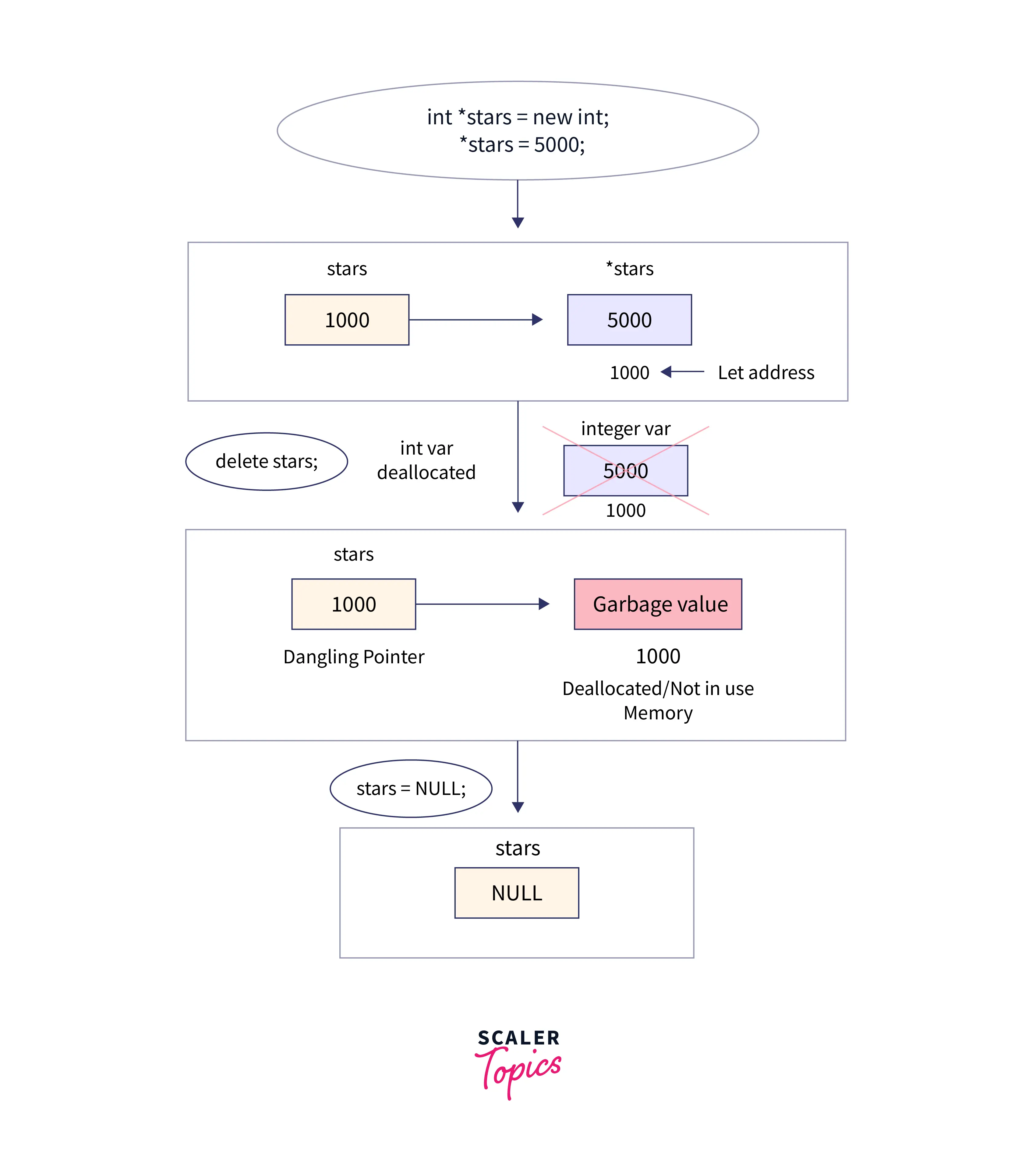
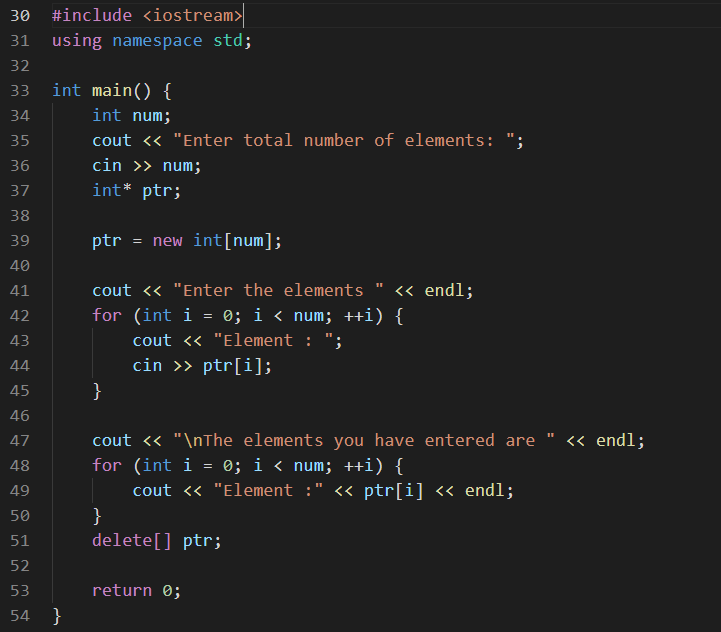
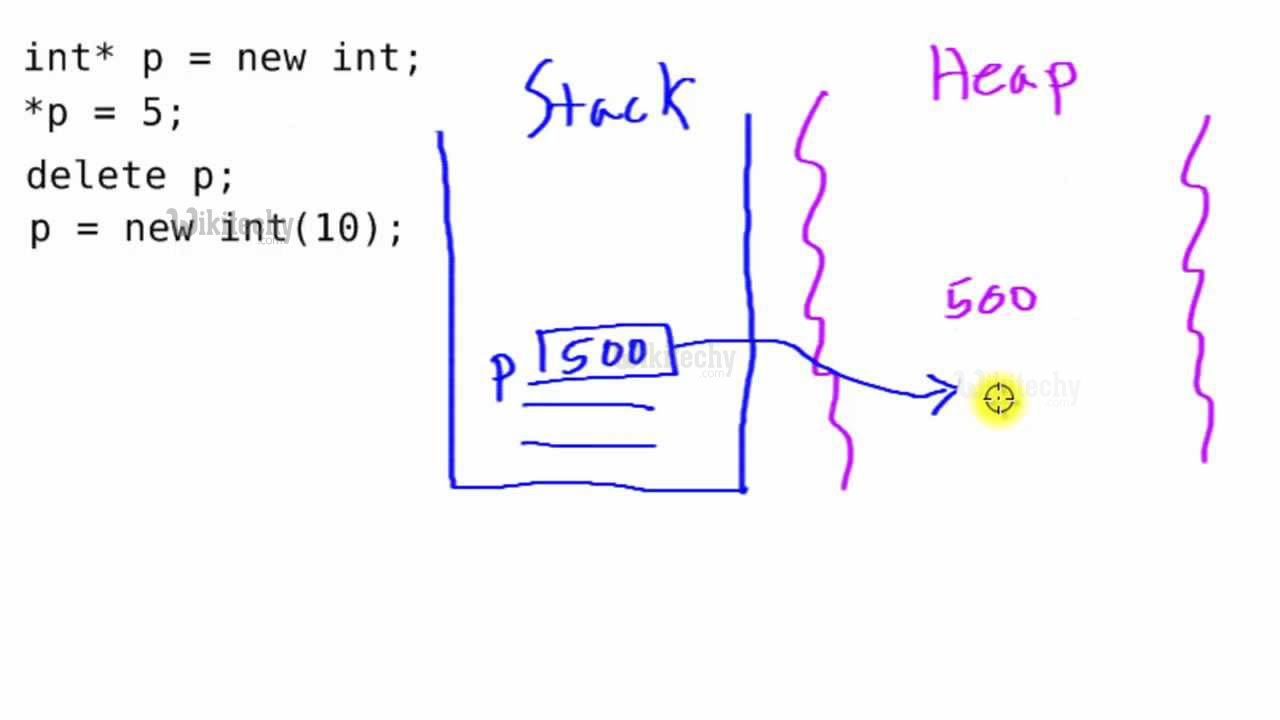
💾 Dynamic Memory Allocation


📦 Operators:

Image
Image
Image
Image
  • new
  • delete

🧩 Structures and Classes


⚖️ Difference:

FeatureStructClass
Default AccessPublicPrivate

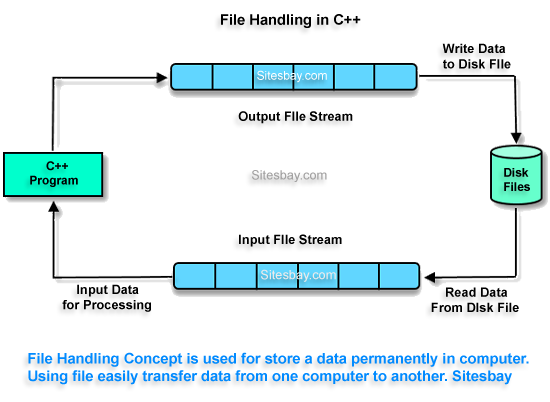
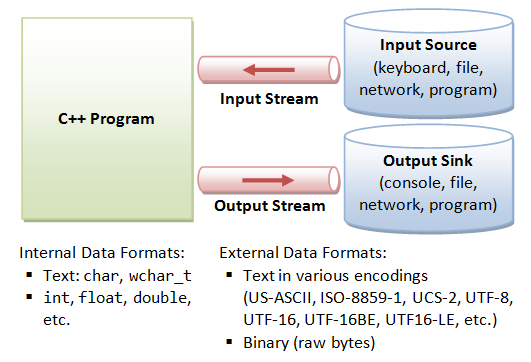
📂 File Handling


📄 Streams:

Image
Image
Image
Image
  • ifstream
  • ofstream
  • fstream

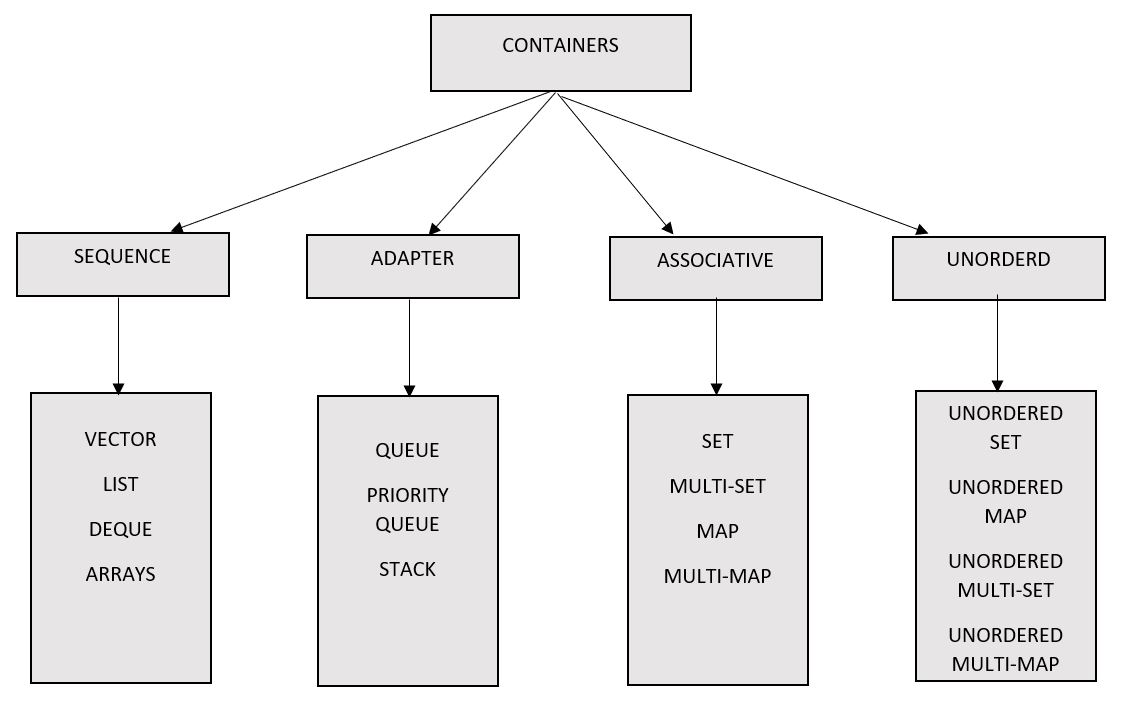
🧠 Standard Template Library (STL)


📦 Components

Image
Image
Image
Image
  • Containers (vector, list, map)
  • Algorithms (sort, search)
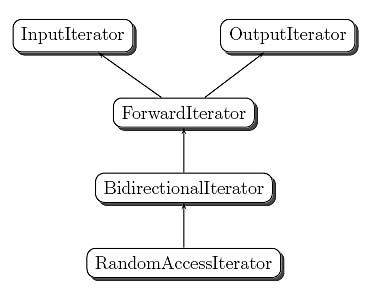
  • Iterators

⚙️ Exception Handling


🔥 Concept:

try {
    // code
} catch (...) {
    // handle error
}

🧠 Templates (Generic Programming)


📌 Example:

template <typename T>
T add(T a, T b) {
    return a + b;
}

🌐 C++ in Software Development Context


🧠 Role Among Languages
Image
Image
Image
Image

🔹 Compared to Other Languages:

LanguageTypeUse
C++OOP + Low-levelSystems, games
PythonHigh-levelAI, scripting
JavaOOPEnterprise

🚀 Applications of C++


🎮 Game Development

Image
Image
Image
Image

⚙️ System Software

  • Operating systems
  • Compilers

🚗 Embedded Systems

  • Robotics
  • Automotive systems

💹 Finance Systems

  • High-frequency trading

⚡ Advantages of C++

  • High performance
  • Object-oriented
  • Flexible
  • Rich libraries

⚠️ Limitations

  • Complex syntax
  • Manual memory management
  • Steep learning curve

🚀 Modern C++ Trends

Image
Image
Image
Image
  • Smart pointers
  • Lambda expressions
  • Multithreading
  • C++20 features

🧾 Conclusion

C++ is a powerful and versatile programming language that:

  • Combines performance with abstraction
  • Supports multiple paradigms
  • Powers modern applications

Learning C++ helps in:

  • Mastering programming fundamentals
  • Building high-performance systems
  • Understanding advanced concepts

🏷️ Tags