🚀 Introduction to Go Programming


Go (also known as Golang) is a statically typed, compiled programming language designed for simplicity, efficiency, and reliability. It was developed at Google in 2007 by Robert Griesemer, Rob Pike, and Ken Thompson, and officially released in 2009.
Go was created to address common issues in large-scale software development, such as slow compilation times, complex dependency management, and difficulties in writing concurrent programs. Today, Go is widely used in backend systems, cloud infrastructure, DevOps tools, and distributed systems.
📌 Key Characteristics of Go
Go stands out because of its unique combination of features:
1. Simplicity
Go has a minimalistic syntax with fewer keywords (only about 25), making it easy to learn and read.
2. Fast Compilation
Unlike many compiled languages, Go compiles extremely quickly, making development cycles faster.
3. Built-in Concurrency
Go’s concurrency model using goroutines and channels is one of its most powerful features.
4. Garbage Collection
Automatic memory management reduces the risk of memory leaks.
5. Strong Standard Library
Go comes with a rich set of built-in packages for networking, file handling, cryptography, and more.
6. Cross-Platform
Go programs can be compiled for multiple platforms without modification.
🧠 History and Evolution


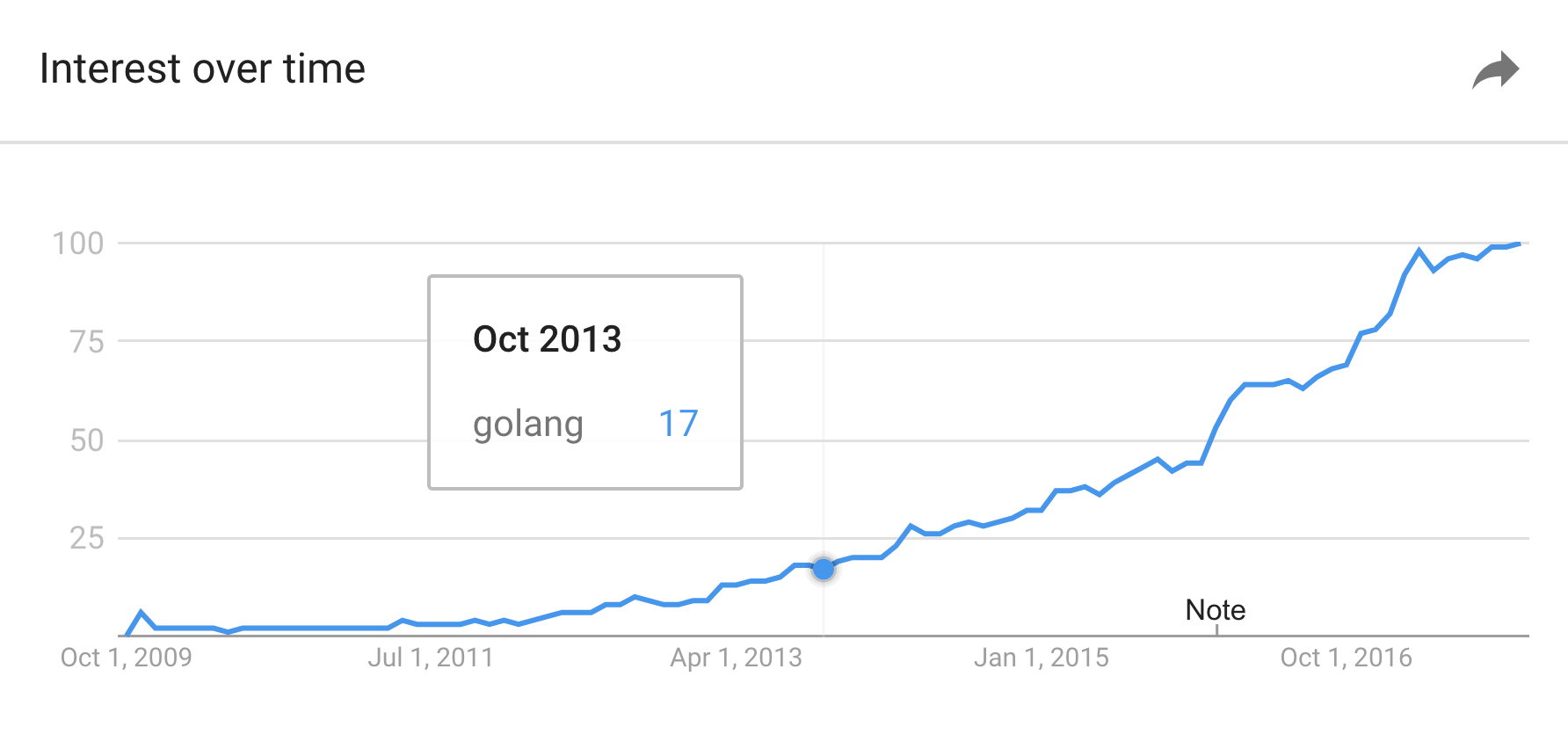
Before Go, developers at Google faced issues with languages like C++ and Java:
- Slow compilation times
- Complex dependency systems
- Difficult concurrency handling
Go was designed to combine:
- The performance of C/C++
- The simplicity of Python
- The concurrency support of Erlang
Major milestones:
- 2009: First public release
- 2012: Go 1.0 released (stable version)
- 2018+: Modules introduced for dependency management
- Present: Widely used in cloud-native technologies
🧩 Basic Syntax and Structure
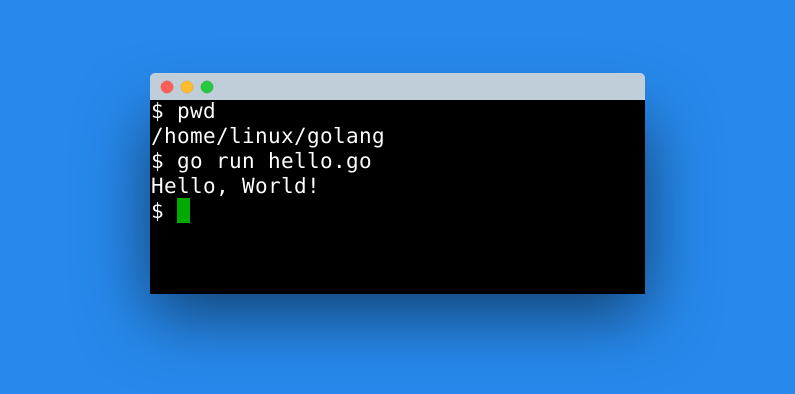
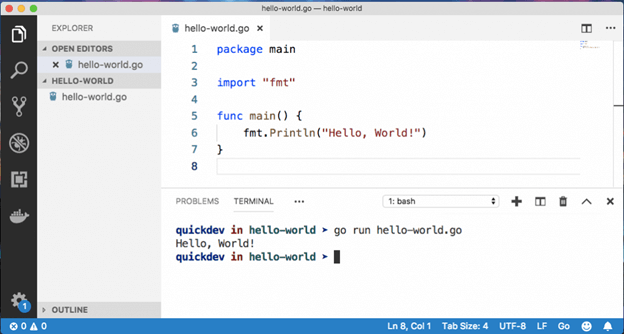

Example: Hello World Program
package main

import "fmt"

func main() {
    fmt.Println("Hello, World!")
}
Explanation:
package main: Entry point packageimport: Includes external packagesfunc main(): Starting functionfmt.Println: Prints output
🔢 Data Types in Go
Go provides several built-in data types:
Basic Types
- Integers:
int,int8,int16,int32,int64 - Floats:
float32,float64 - Boolean:
bool - String:
string
Composite Types
- Arrays
- Slices
- Maps
- Structs
Example:
var age int = 25
name := "Rishan"
isActive := true
🔁 Control Structures
Conditional Statements
if age > 18 {
    fmt.Println("Adult")
} else {
    fmt.Println("Minor")
}
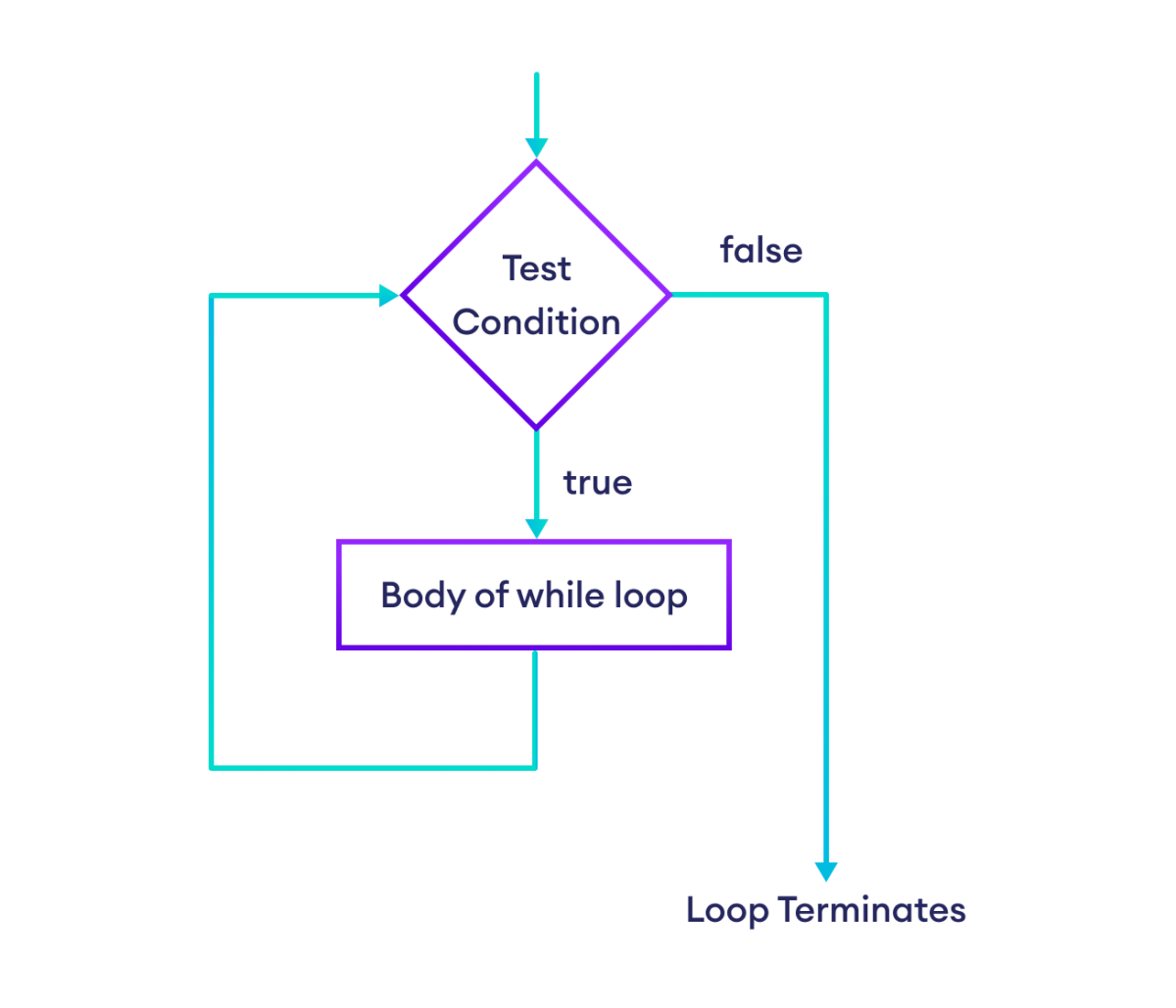
Loops (Only one loop: for)
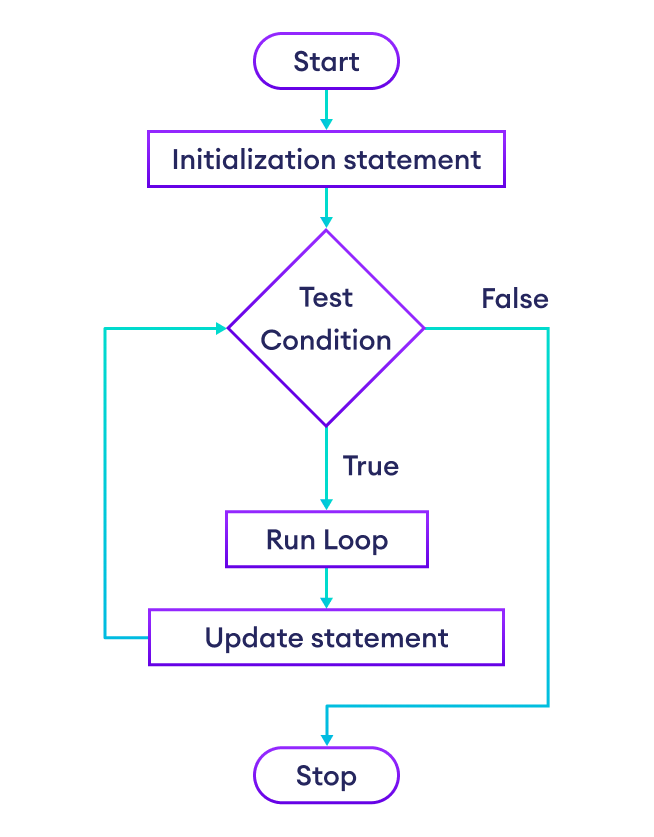
for i := 0; i < 5; i++ {
    fmt.Println(i)
}
Go simplifies looping with a single for construct.
🧵 Concurrency in Go
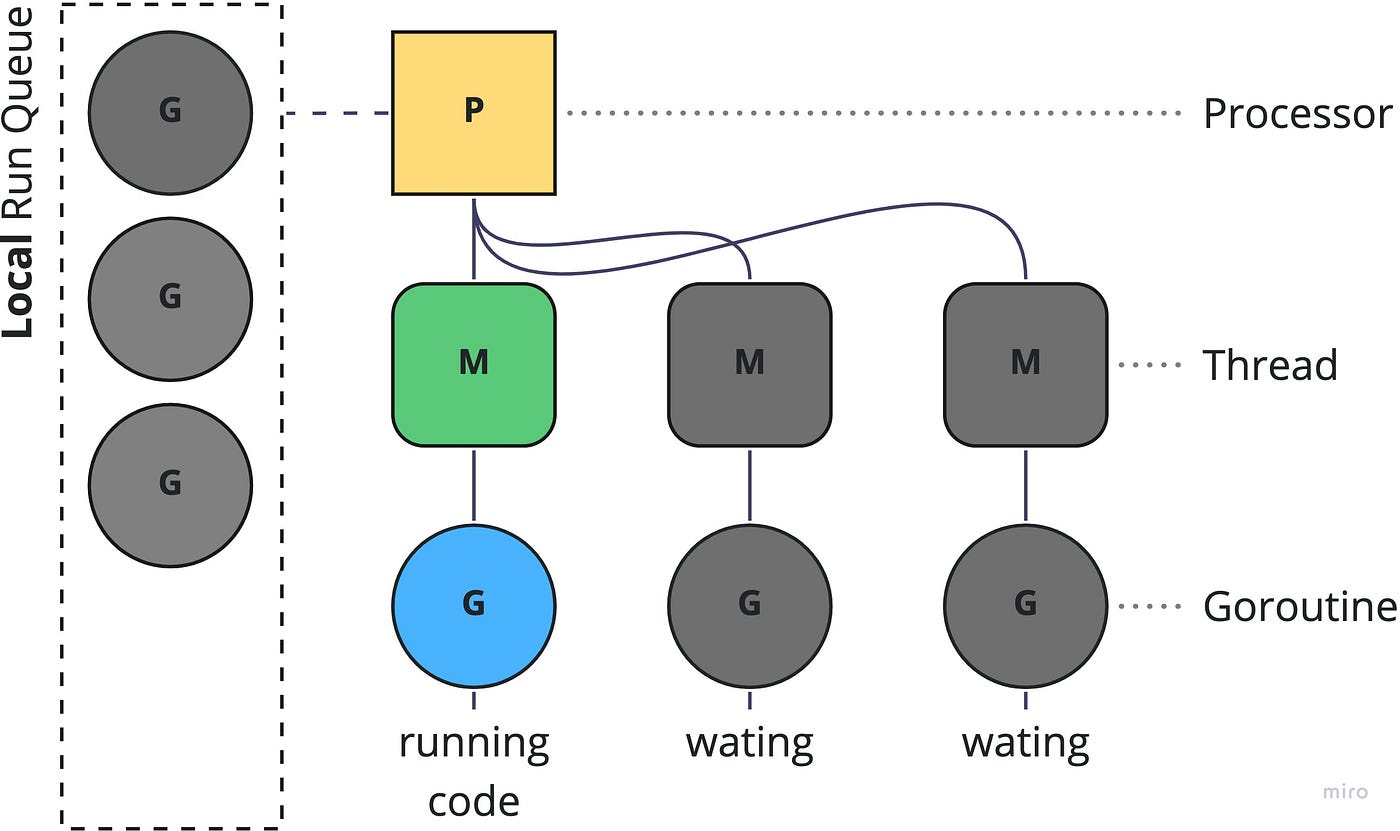
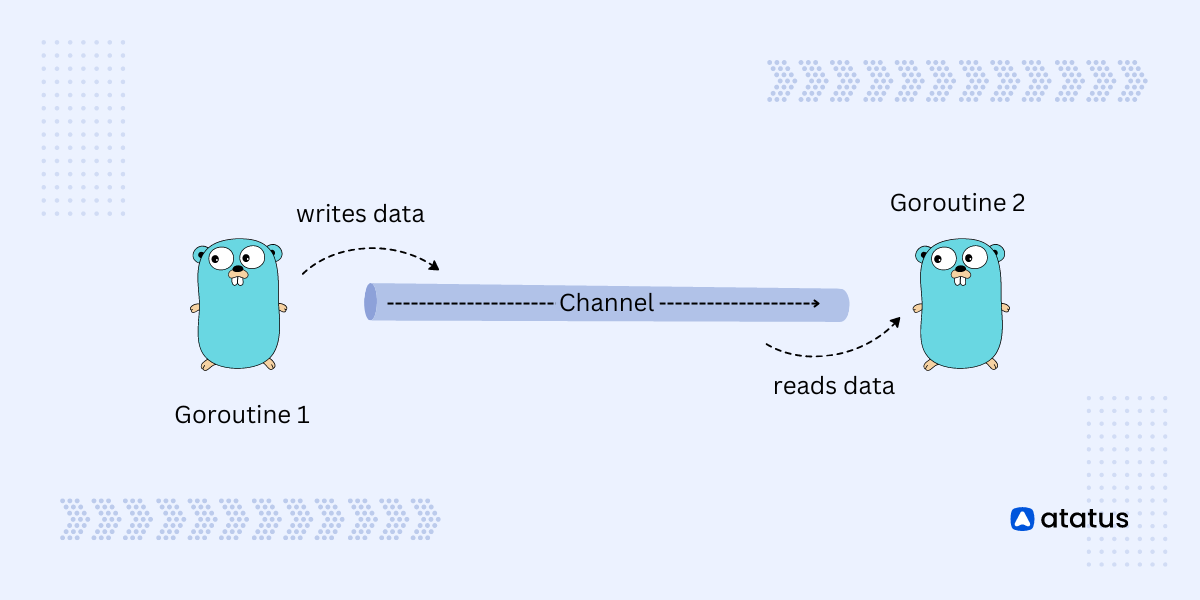
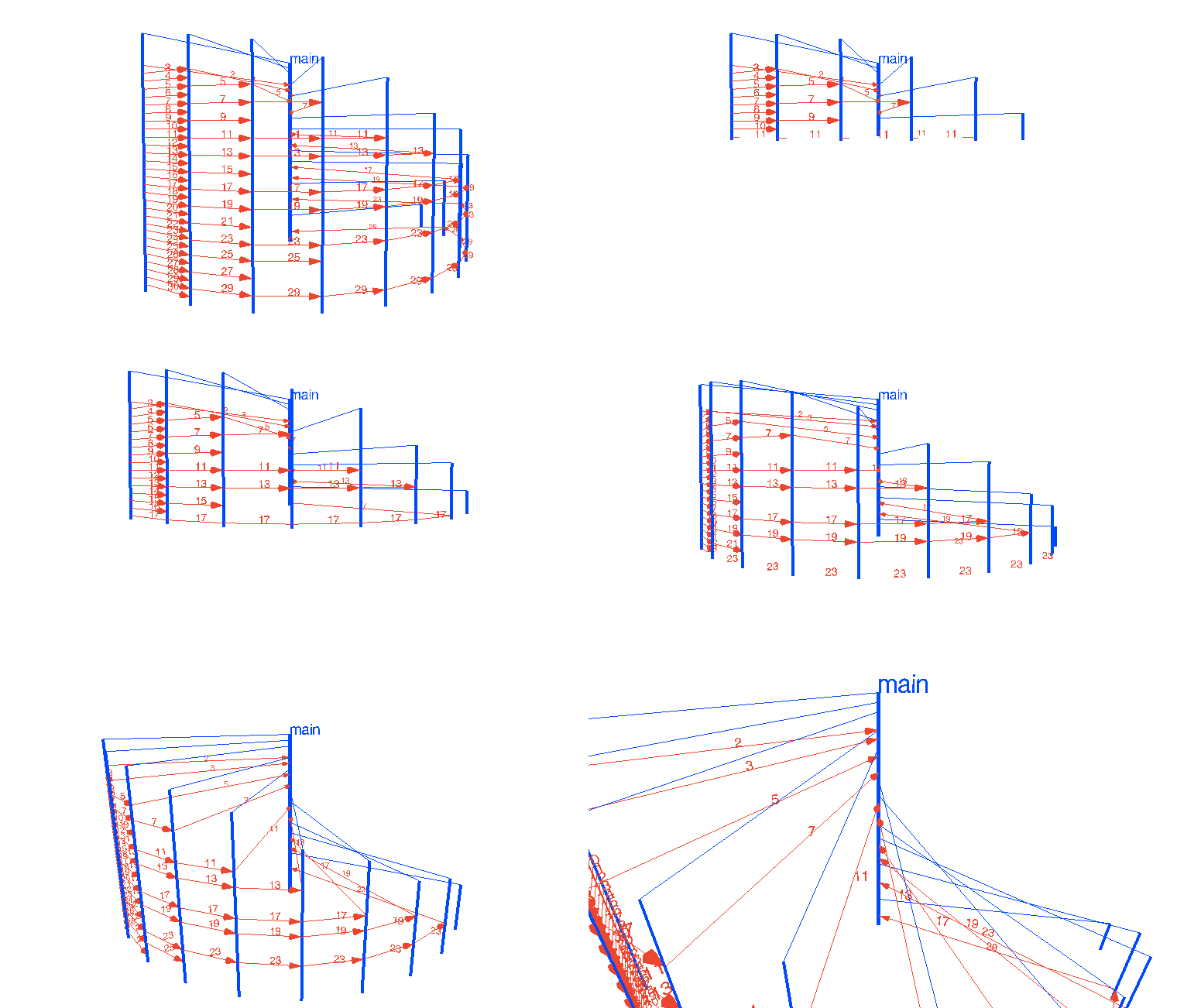
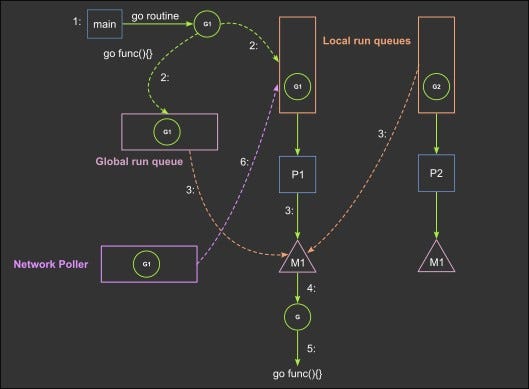
Concurrency is one of Go’s strongest features.
Goroutines
Lightweight threads managed by Go runtime:
go func() {
    fmt.Println("Running concurrently")
}()
Channels
Used for communication between goroutines:
ch := make(chan string)

go func() {
    ch <- "Hello"
}()

msg := <-ch
fmt.Println(msg)
Benefits:
- Efficient parallel execution
- Simplified thread management
- Avoids complex locking mechanisms
🏗️ Functions in Go
Functions are first-class citizens in Go.
Example:
func add(a int, b int) int {
    return a + b
}
Multiple Return Values:
func divide(a, b int) (int, int) {
    return a / b, a % b
}
🧱 Structs and Interfaces
Structs (Custom Types)
type Person struct {
    Name string
    Age  int
}
Interfaces
type Shape interface {
    Area() float64
}
Interfaces define behavior, not structure.
📦 Packages and Modules
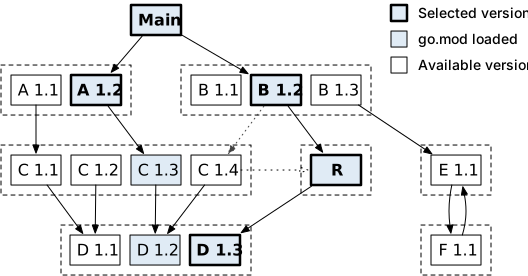

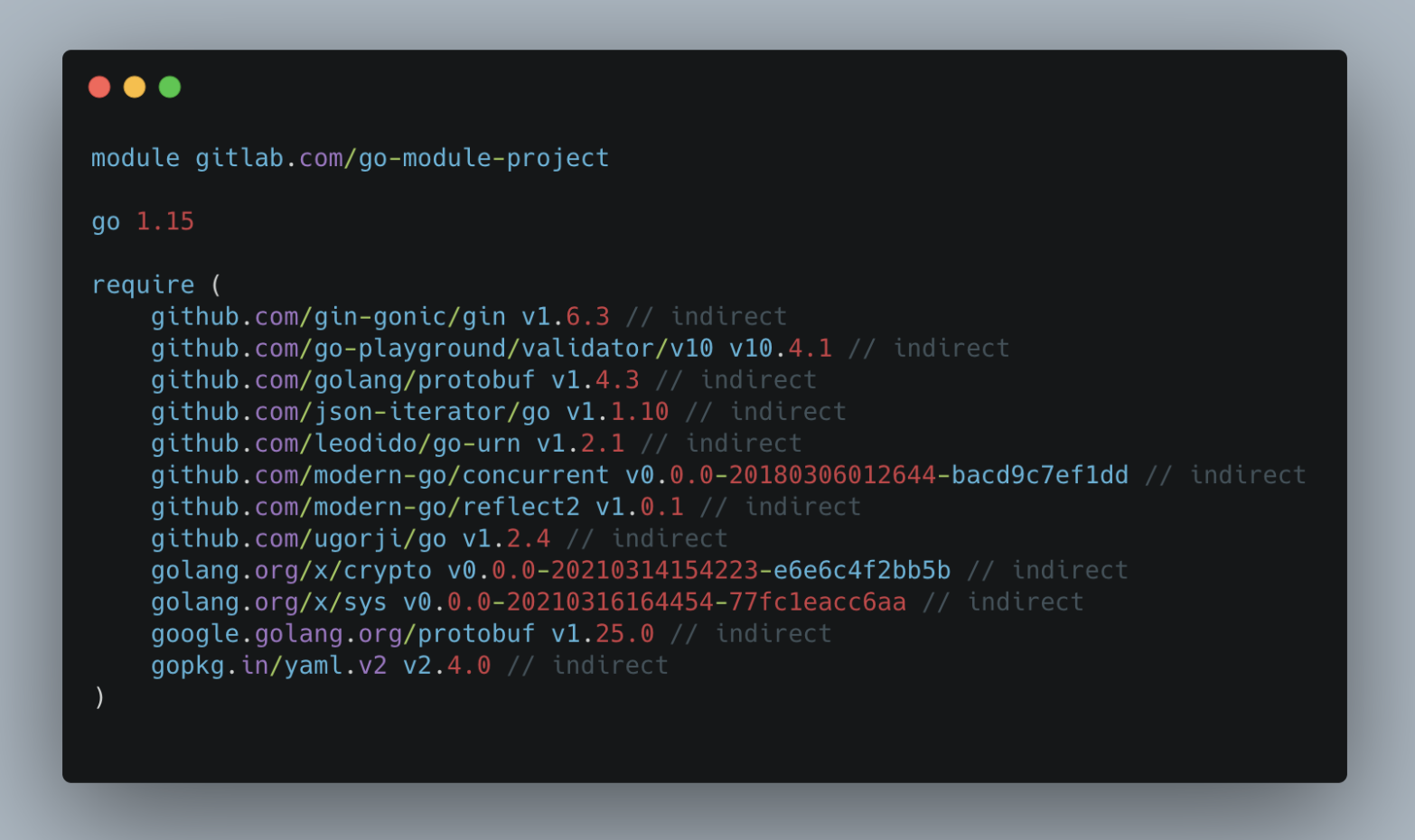
Go organizes code into packages.
Creating a Module:
go mod init myproject
Importing Packages:
import "fmt"
Modules help manage dependencies efficiently.
🌐 Error Handling in Go
Go does not use exceptions. Instead, it uses explicit error handling.
result, err := someFunction()
if err != nil {
    fmt.Println("Error:", err)
}
This approach improves code clarity and reliability.
⚙️ Memory Management
- Automatic garbage collection
- No manual memory allocation required
- Efficient runtime performance
🧰 Standard Library
Go’s standard library includes powerful packages:
fmt– formatting I/Onet/http– web serversos– operating system interfaceio– input/output utilitiesencoding/json– JSON handling
🌍 Applications of Go

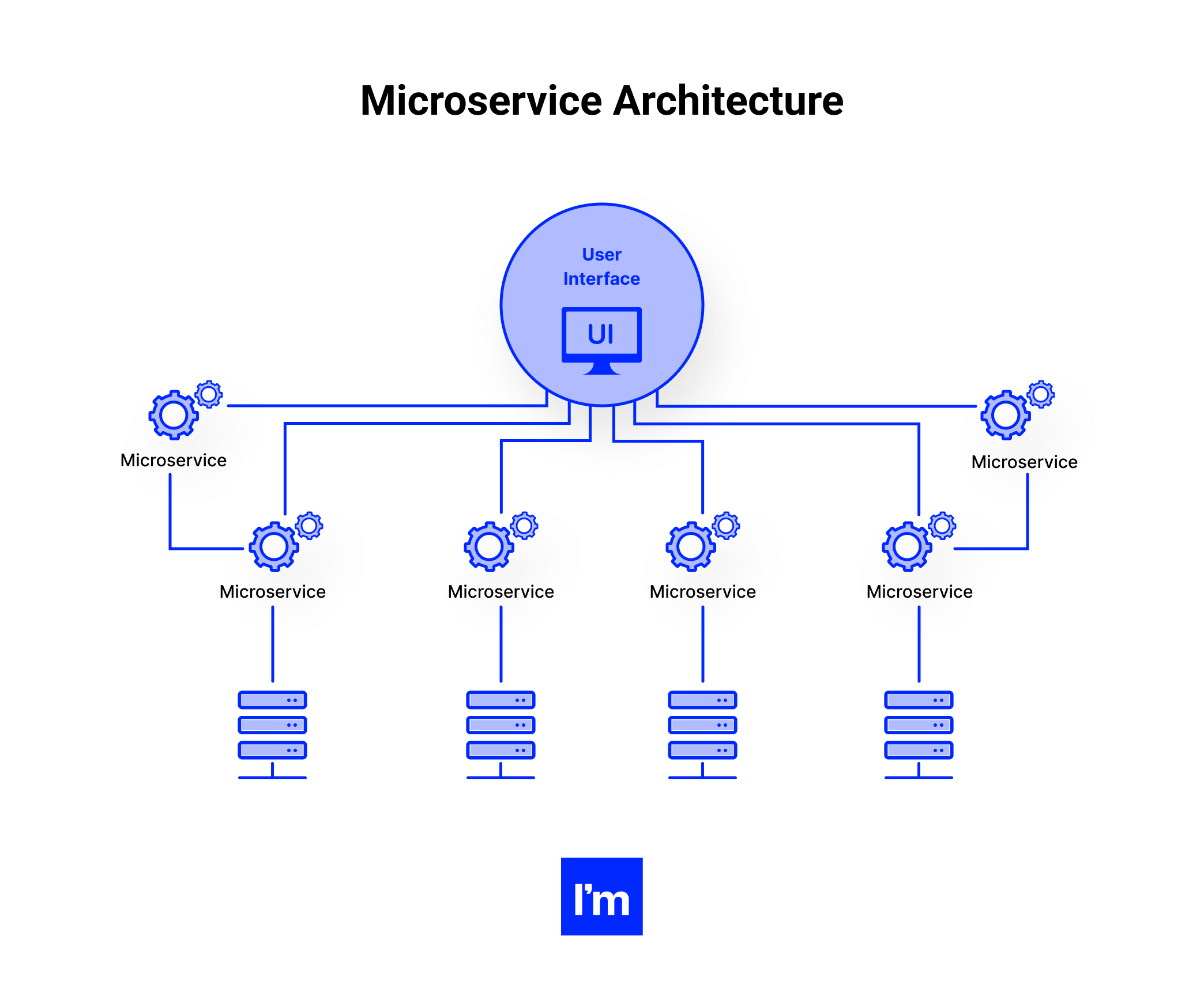
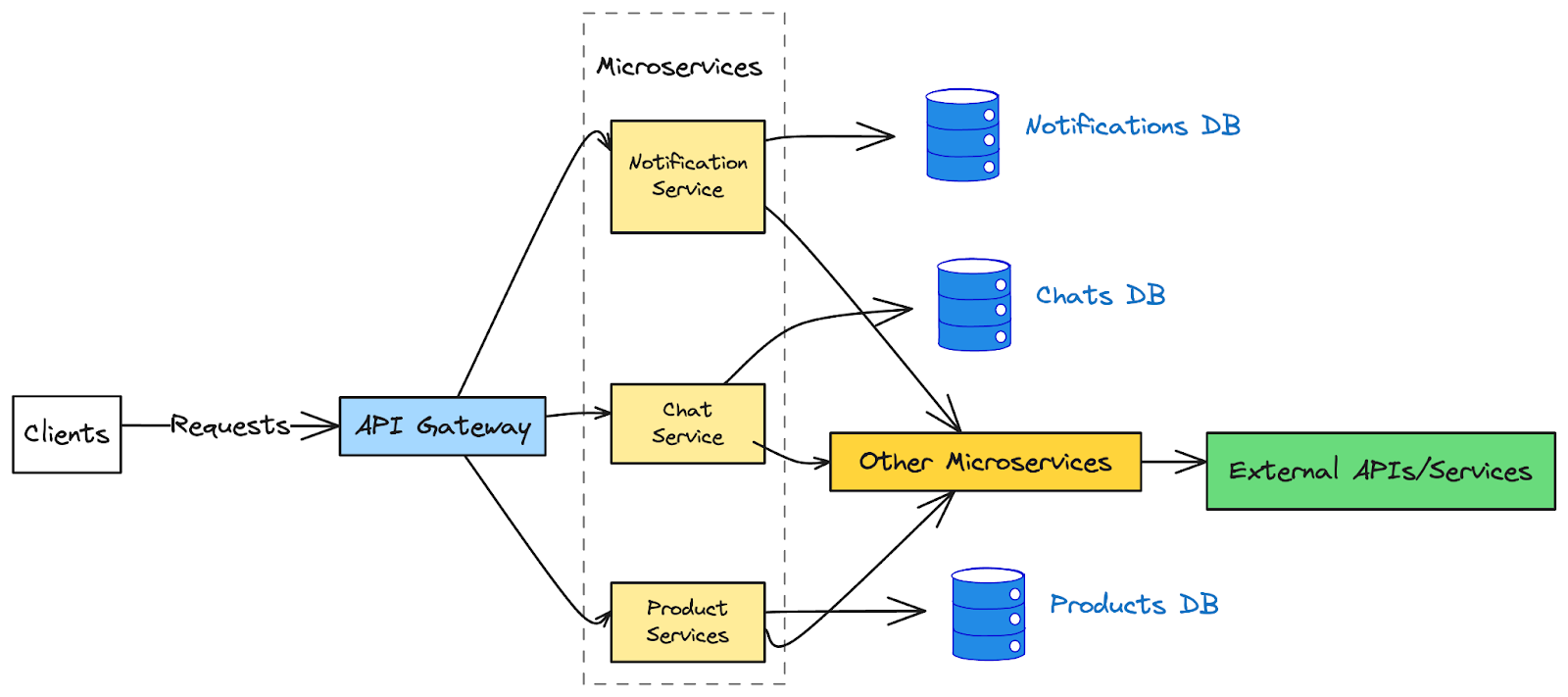
Go is widely used in:
1. Web Development
- REST APIs
- Backend services
2. Cloud Computing
- Kubernetes (written in Go)
- Docker
3. DevOps Tools
- Terraform
- Prometheus
4. Microservices
- Lightweight and fast services
5. Networking
- High-performance servers
🔥 Advantages of Go
- Simple and clean syntax
- Fast execution
- Excellent concurrency support
- Strong ecosystem for cloud and DevOps
- Cross-platform compatibility
⚠️ Limitations of Go
- Limited generics (improving in newer versions)
- No inheritance (uses composition instead)
- Verbose error handling
- Smaller ecosystem compared to older languages
🧪 Testing in Go
Go has built-in testing support.
func TestAdd(t *testing.T) {
    result := add(2, 3)
    if result != 5 {
        t.Errorf("Expected 5, got %d", result)
    }
}
Run tests using:
go test
📊 Go vs Other Languages
| Feature | Go | Python | Java | C++ |
|---|---|---|---|---|
| Speed | High | Medium | High | Very High |
| Simplicity | High | Very High | Medium | Low |
| Concurrency | Excellent | Limited | Good | Complex |
| Compilation | Fast | Interpreted | Medium | Slow |
🛠️ Tools and Ecosystem
Popular tools:
- Go CLI (
go build,go run) - VS Code Go extension
- GoLand IDE
- Delve debugger
📚 Learning Path for Go
Beginner Level
- Syntax and variables
- Control structures
- Functions
Intermediate Level
- Structs and interfaces
- Concurrency
- Error handling
Advanced Level
- Microservices
- Performance optimization
- Distributed systems
🔮 Future of Go
Go is rapidly growing in:
- Cloud-native development
- AI infrastructure tools
- Scalable backend systems
With continuous improvements, Go is becoming a top choice for modern software engineering.
🏁 Conclusion
Go programming language offers a perfect balance between simplicity and performance. It is particularly well-suited for modern applications that require scalability, concurrency, and efficiency.
Whether you’re building APIs, cloud systems, or DevOps tools, Go provides a robust and efficient solution.