Tag Archives: High Level Language

🐍 Python Programming – Complete Detailed Guide (with Software Development Language Context)


🌐 Introduction to Python Programming
Image
Image
Image
Image

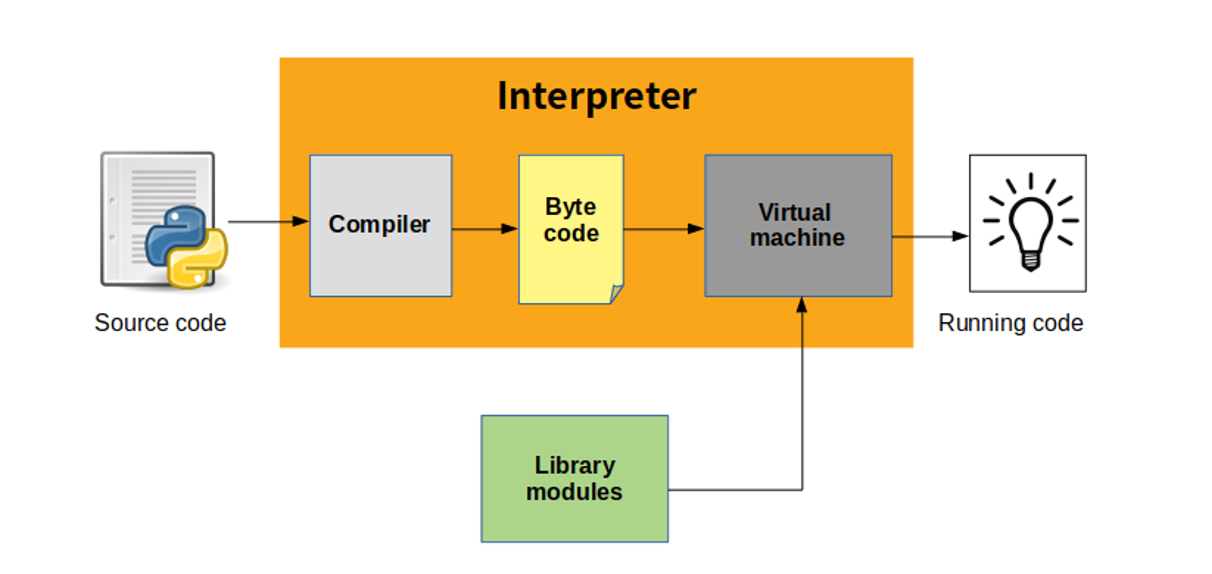
Python is a high-level, interpreted, general-purpose programming language known for its simplicity, readability, and versatility. It is one of the most popular languages in the world and widely used across industries.

In simple terms:

Python = easy-to-learn, powerful language for almost everything

Python supports multiple programming paradigms:

  • Procedural
  • Object-Oriented
  • Functional

🧠 Importance of Python

  • Beginner-friendly syntax
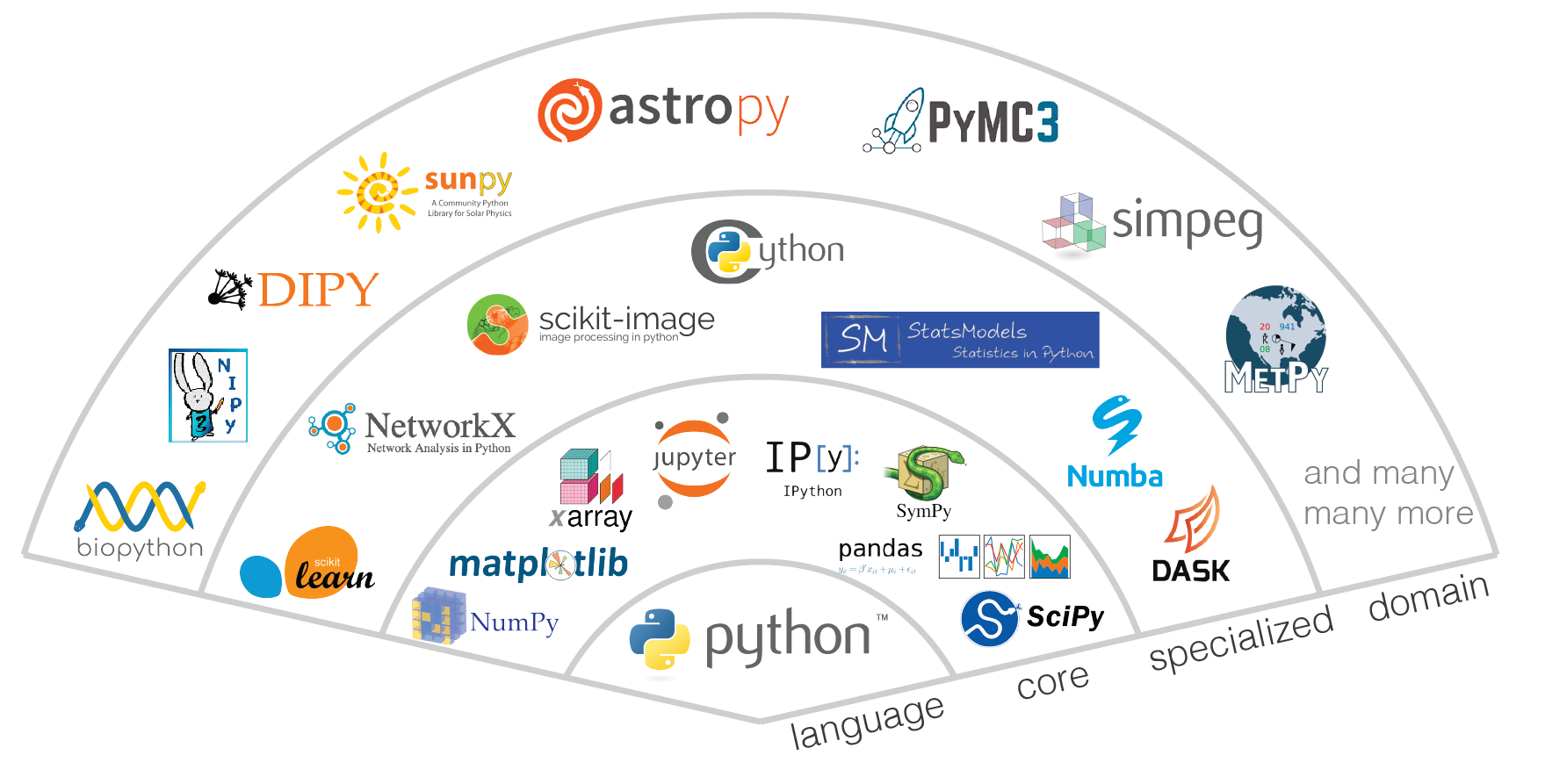
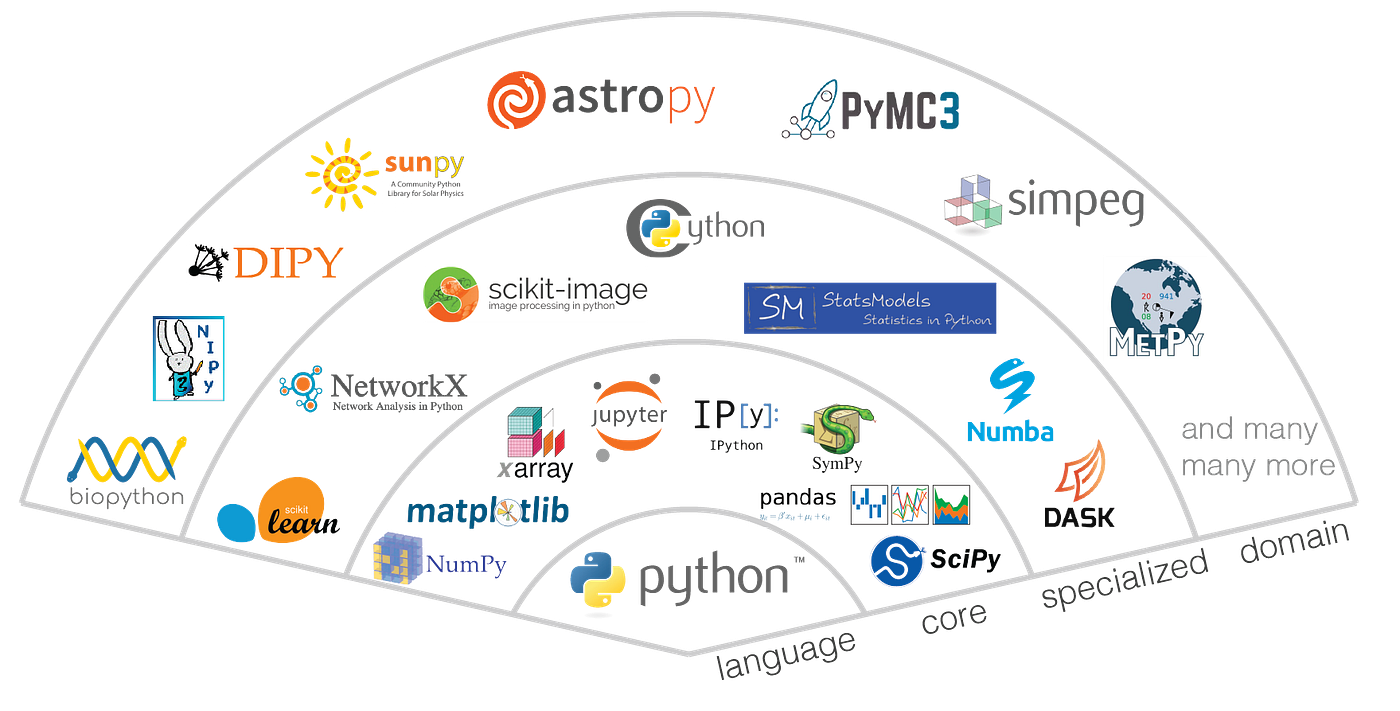
  • Massive ecosystem of libraries
  • Used in AI, Data Science, Web Development
  • Cross-platform compatibility
  • Rapid development and prototyping

🧩 Basic Structure of a Python Program


📄 Example Program

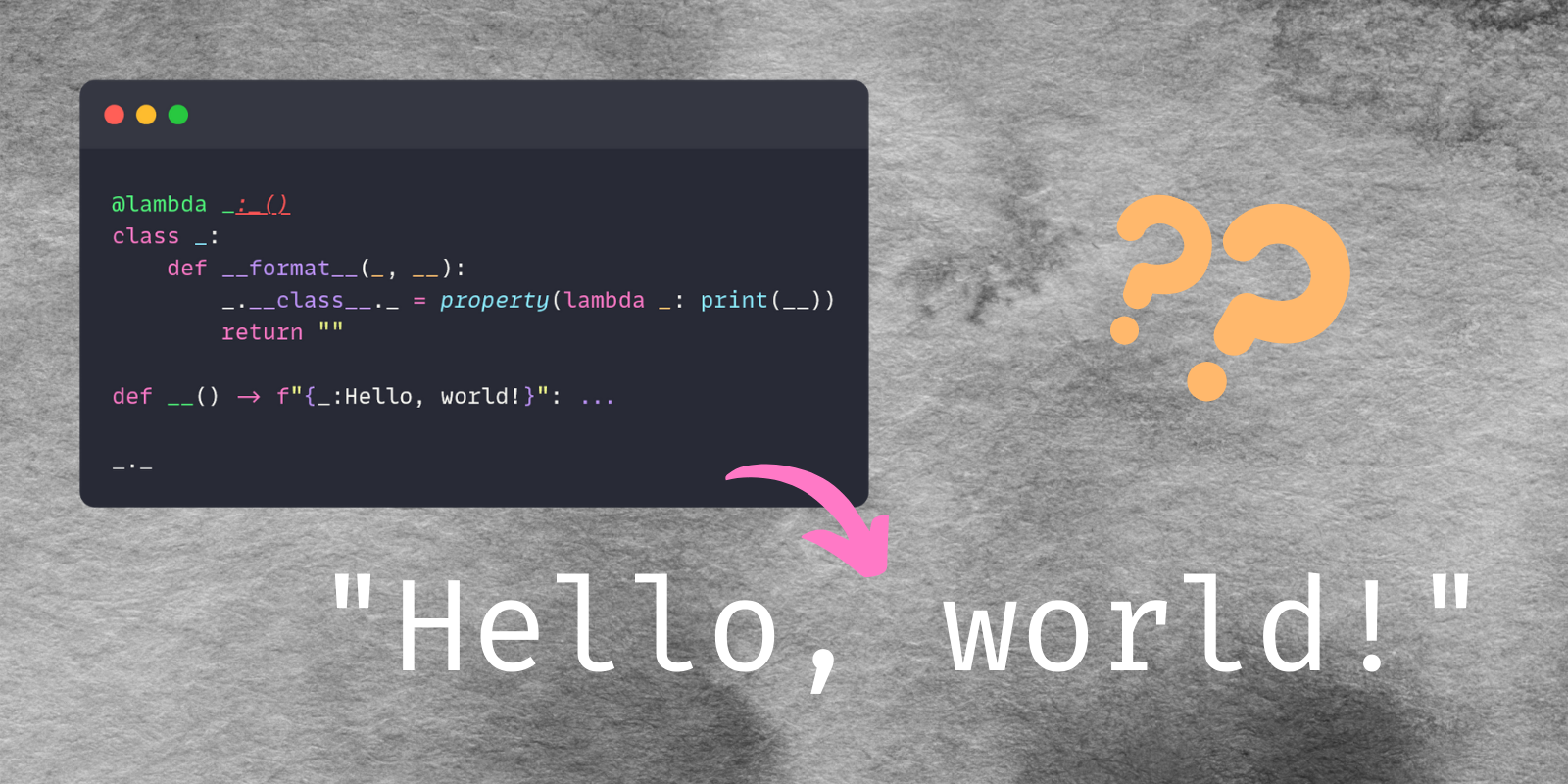
print("Hello, World!")

🧠 Key Features:

Image
Image
Image
Image
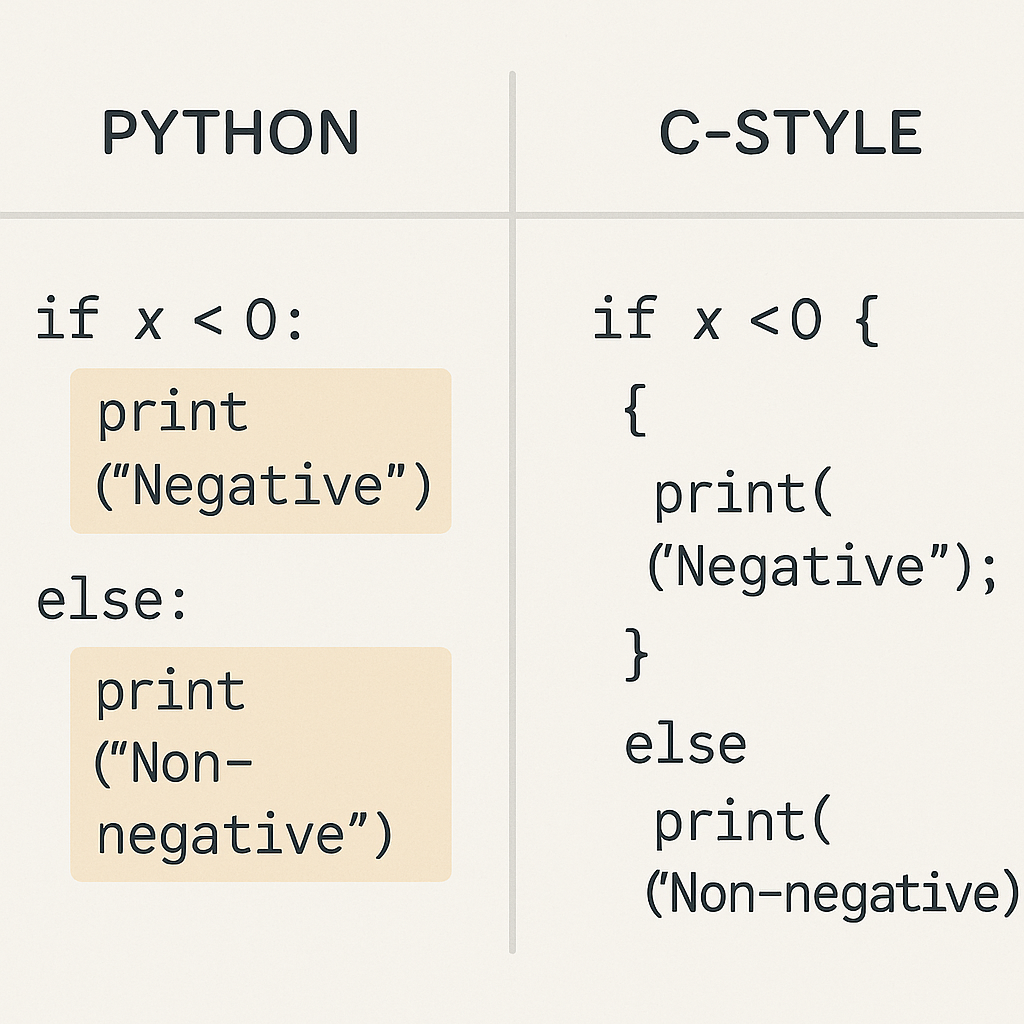
  • No need for semicolons
  • Indentation-based syntax
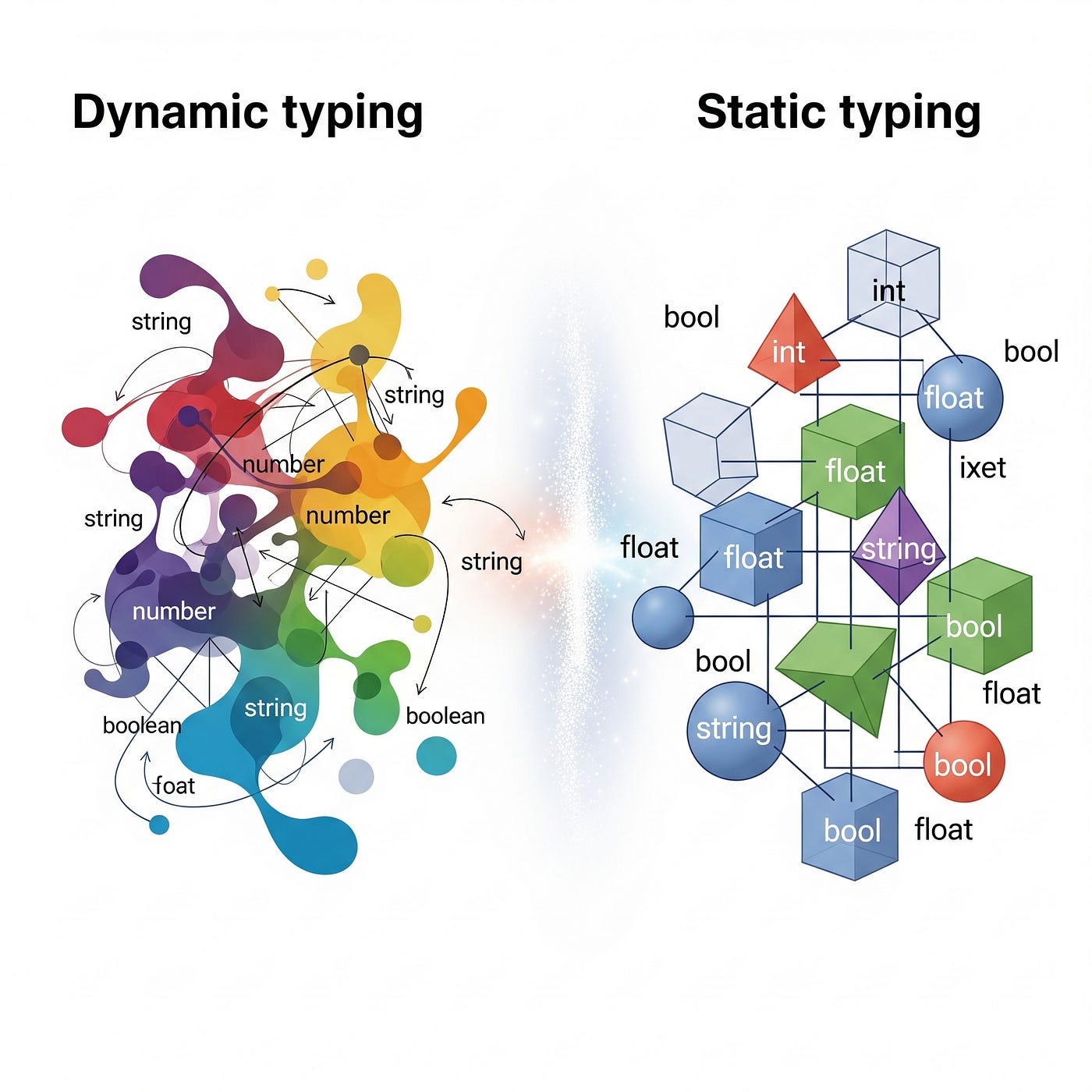
  • Dynamic typing
  • Interpreted execution

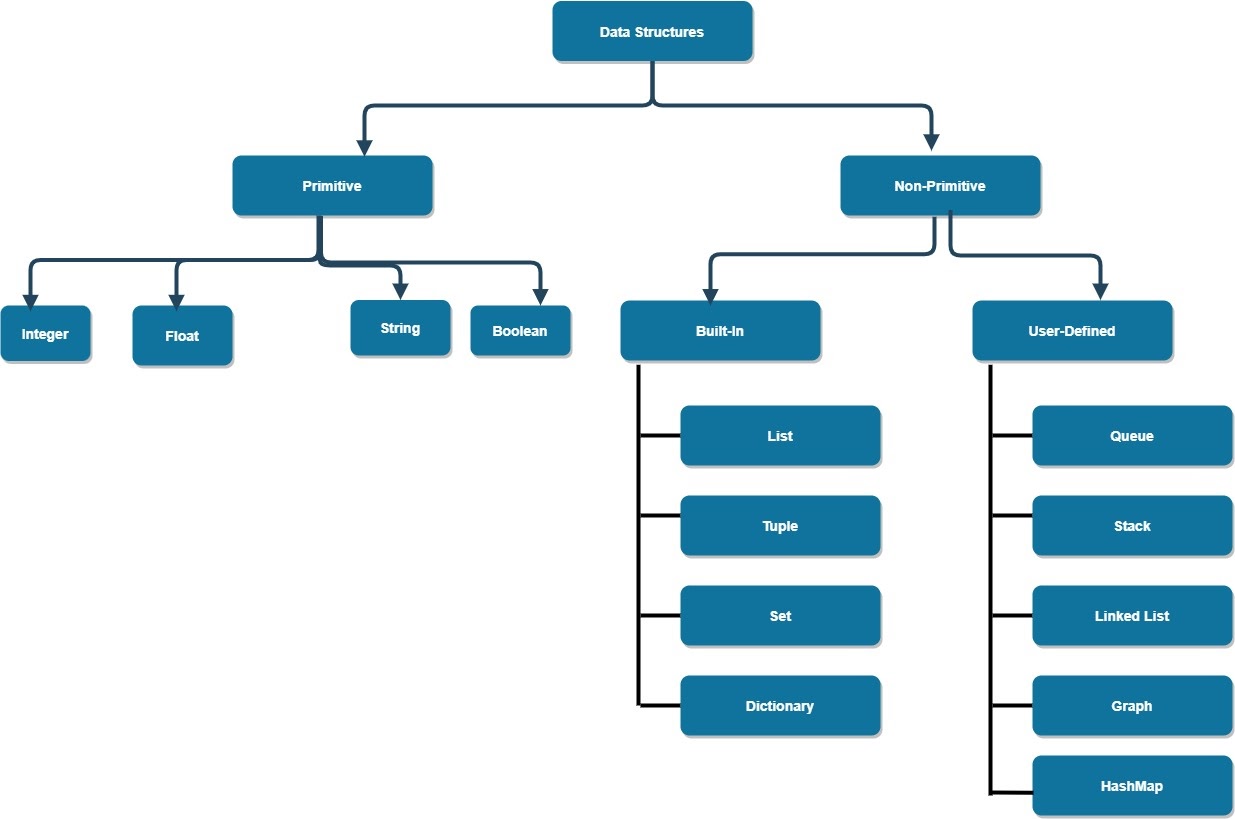
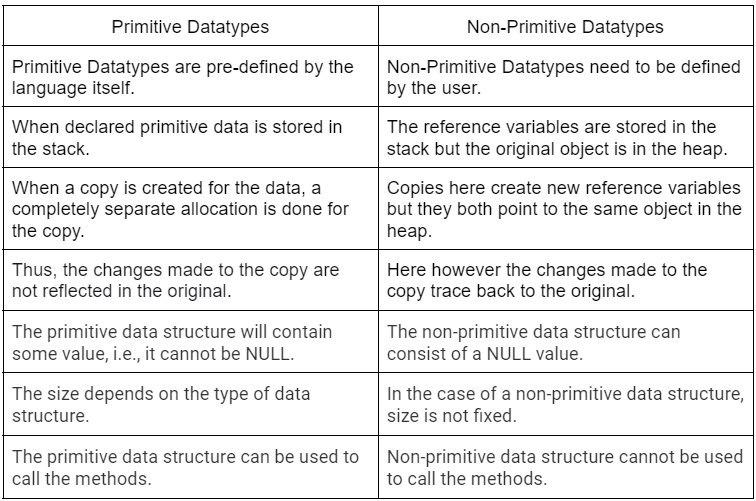
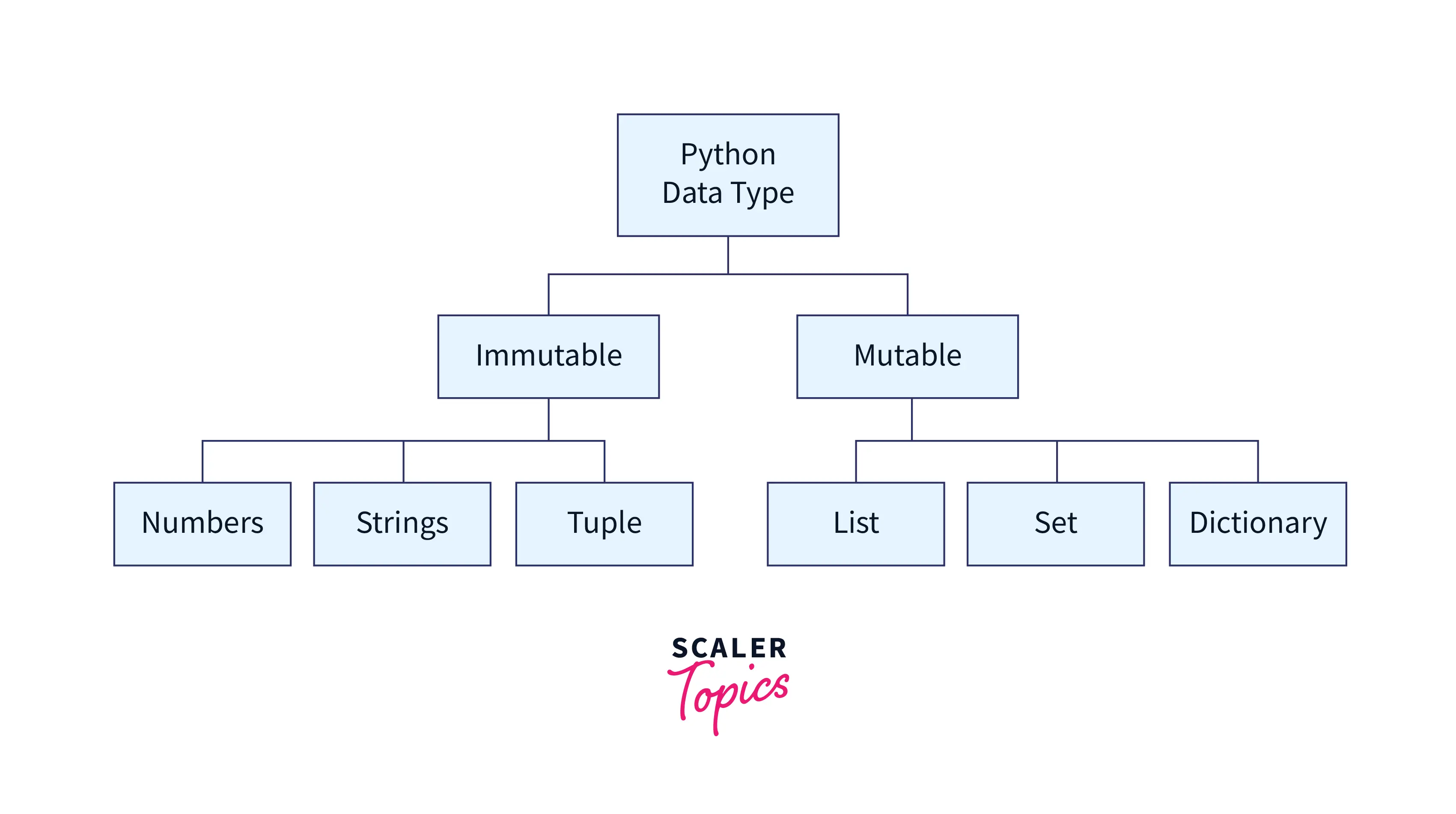
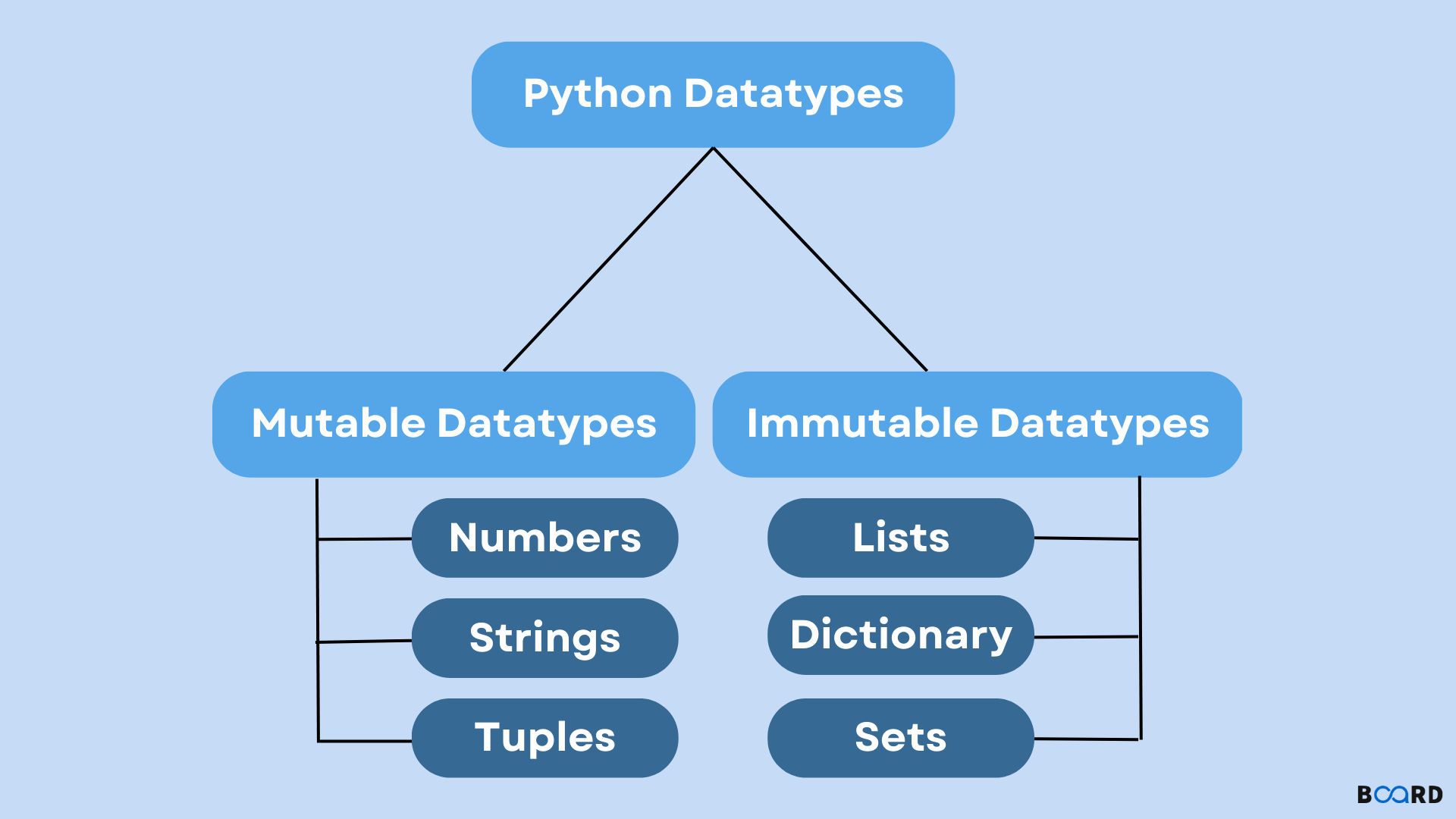
⚙️ Data Types in Python


🔢 Basic Data Types
Image
Image
Image
Image
TypeExample
int10
float3.14
str“Hello”
boolTrue

🧩 Complex Data Types

  • List
  • Tuple
  • Dictionary
  • Set

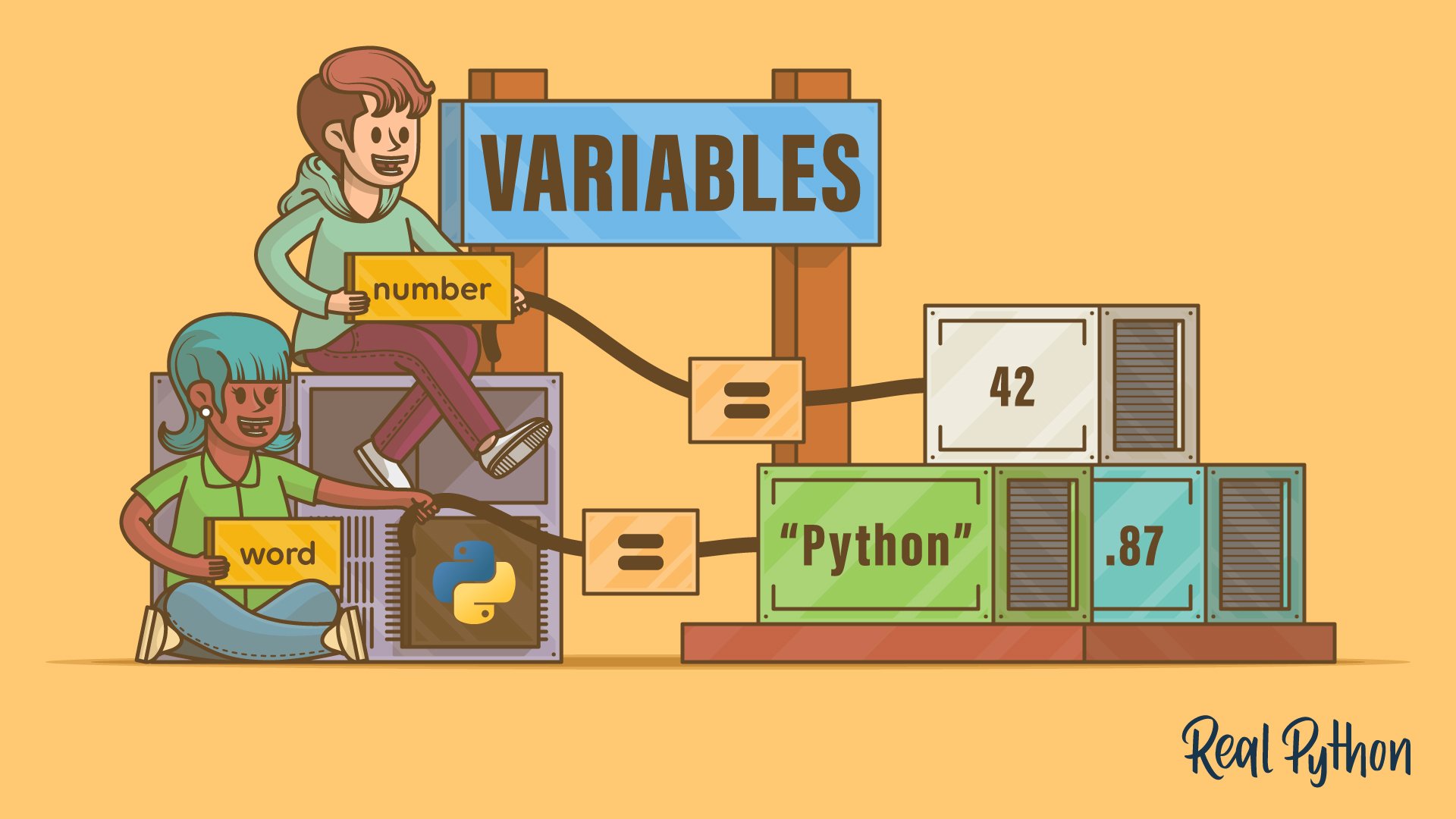
🔤 Variables and Constants


📌 Variables

x = 10
name = "Python"

🔒 Constants

Python uses naming conventions:

PI = 3.14

⚙️ Operators in Python


🔢 Types:

  • Arithmetic (+, -, *, /)
  • Relational (==, >, <)
  • Logical (and, or, not)
  • Assignment (=, +=)

🔄 Control Structures


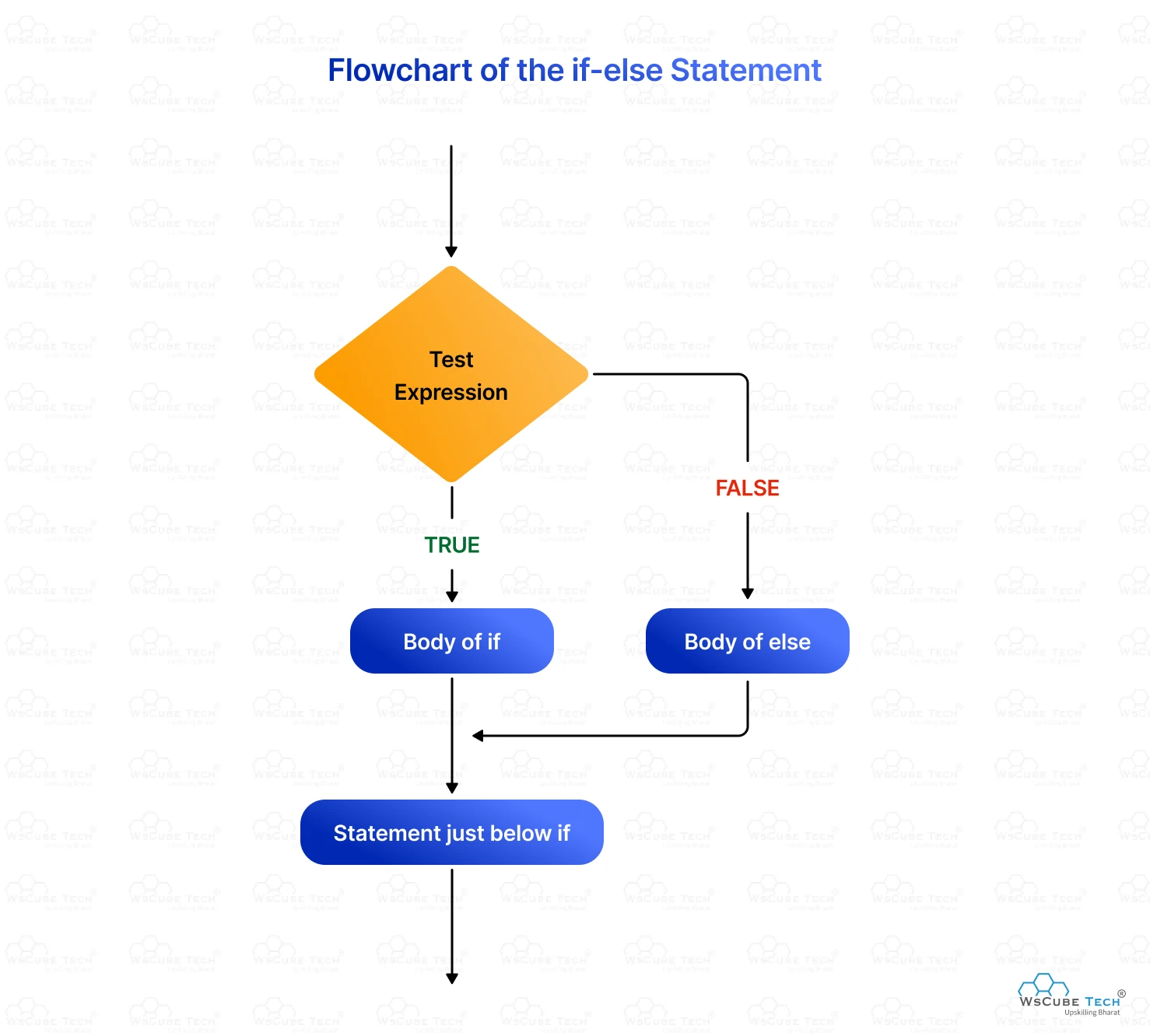
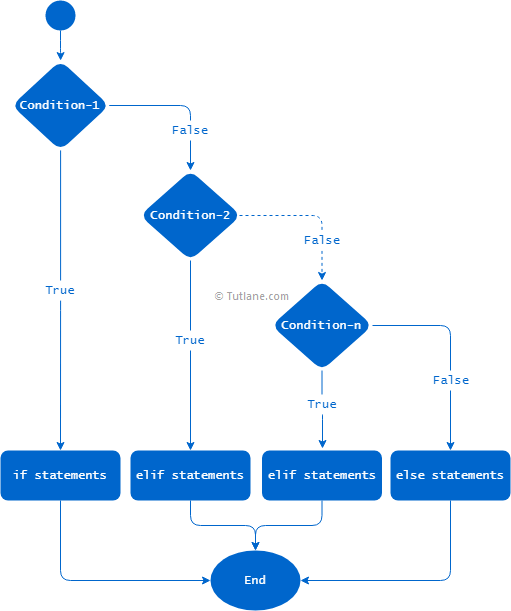
🔀 Conditional Statements
Image
Image
Image
Image
if x > 0:
    print("Positive")

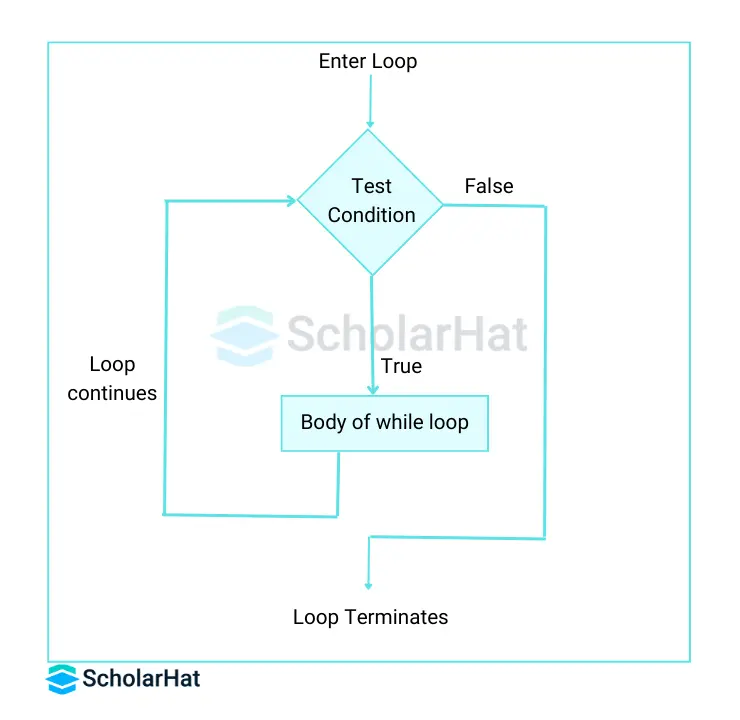
🔁 Loops
Image
Image
Image
Image
  • for loop
  • while loop

🧠 Functions in Python


📌 Definition

def add(a, b):
    return a + b

⚙️ Features:

  • Default arguments
  • Keyword arguments
  • Lambda functions

🧩 Data Structures in Python


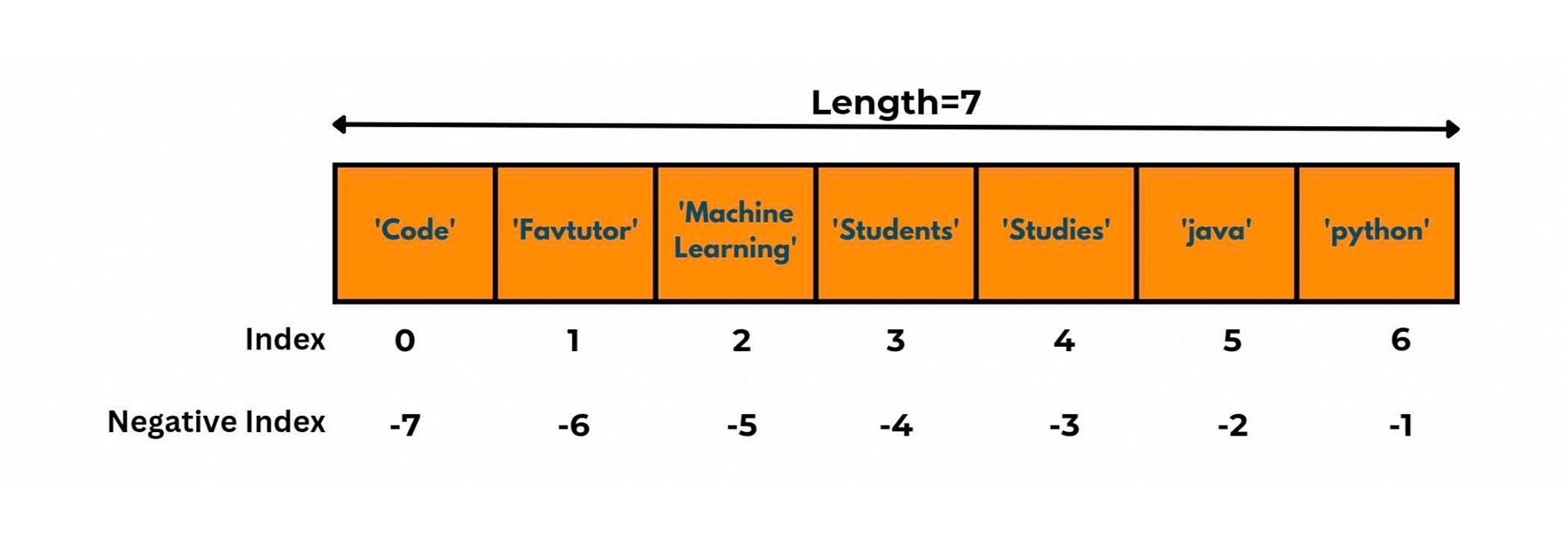
📦 Lists
Image
Image
Image
Image
  • Ordered, mutable

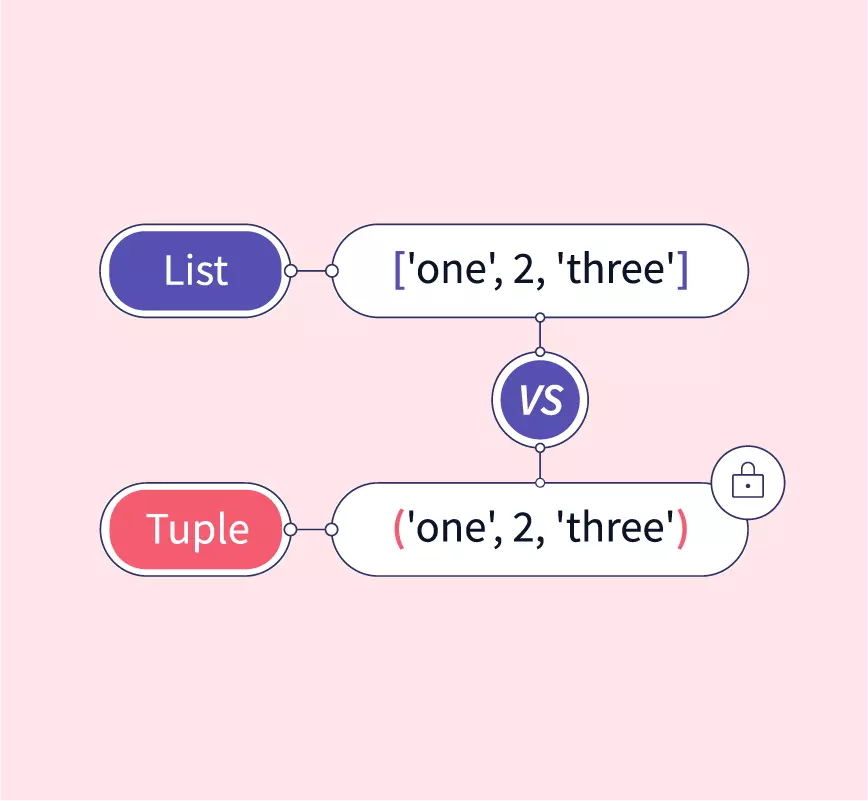
🔒 Tuples

Image
Image
Image
Image
  • Ordered, immutable

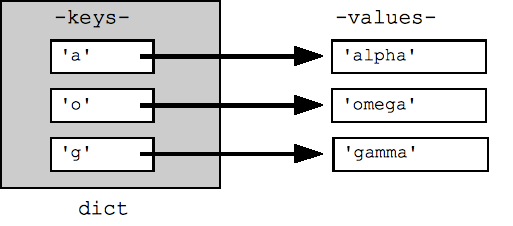
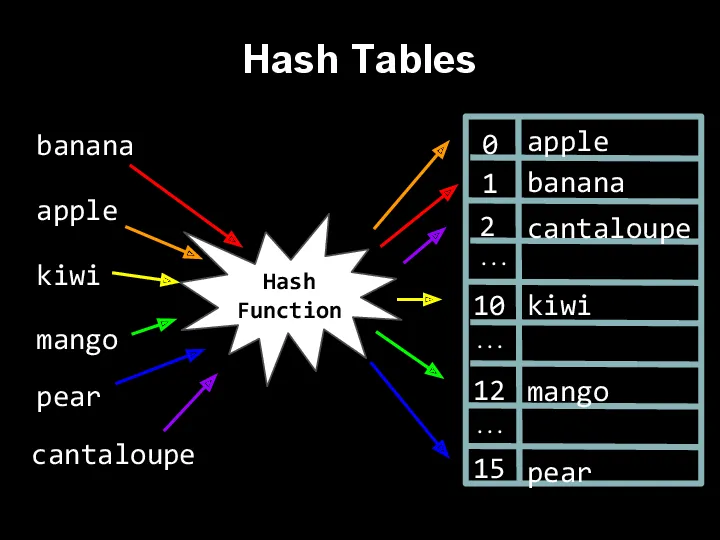
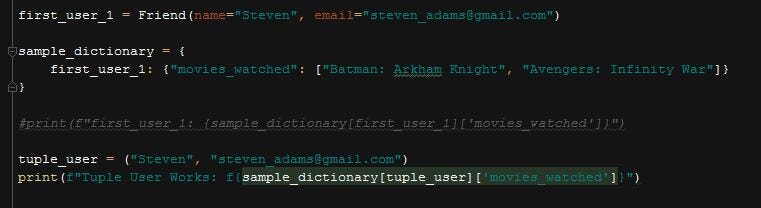
📚 Dictionaries

Image
Image
Image
Image
  • Key-value pairs

🔗 Sets

Image
Image
Image
Image
  • Unique elements

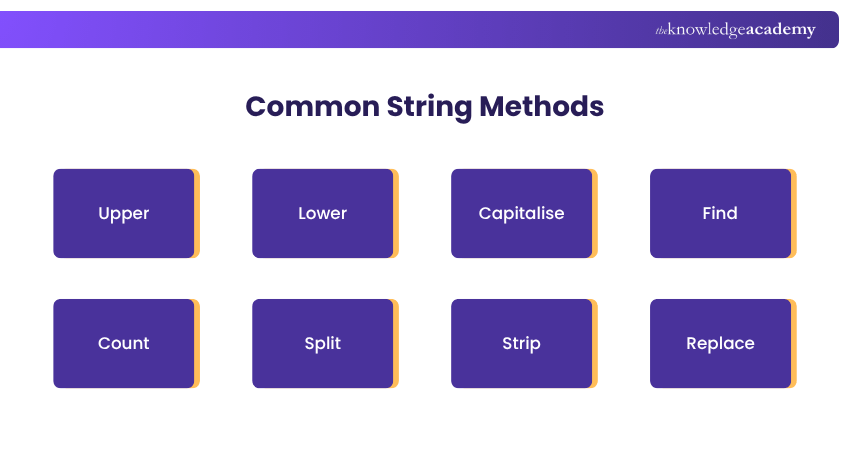
🔤 Strings in Python


📌 Features

Image
Image
Image
Image
  • Immutable
  • Supports slicing

🔹 Example:

text = "Hello"
print(text[0])

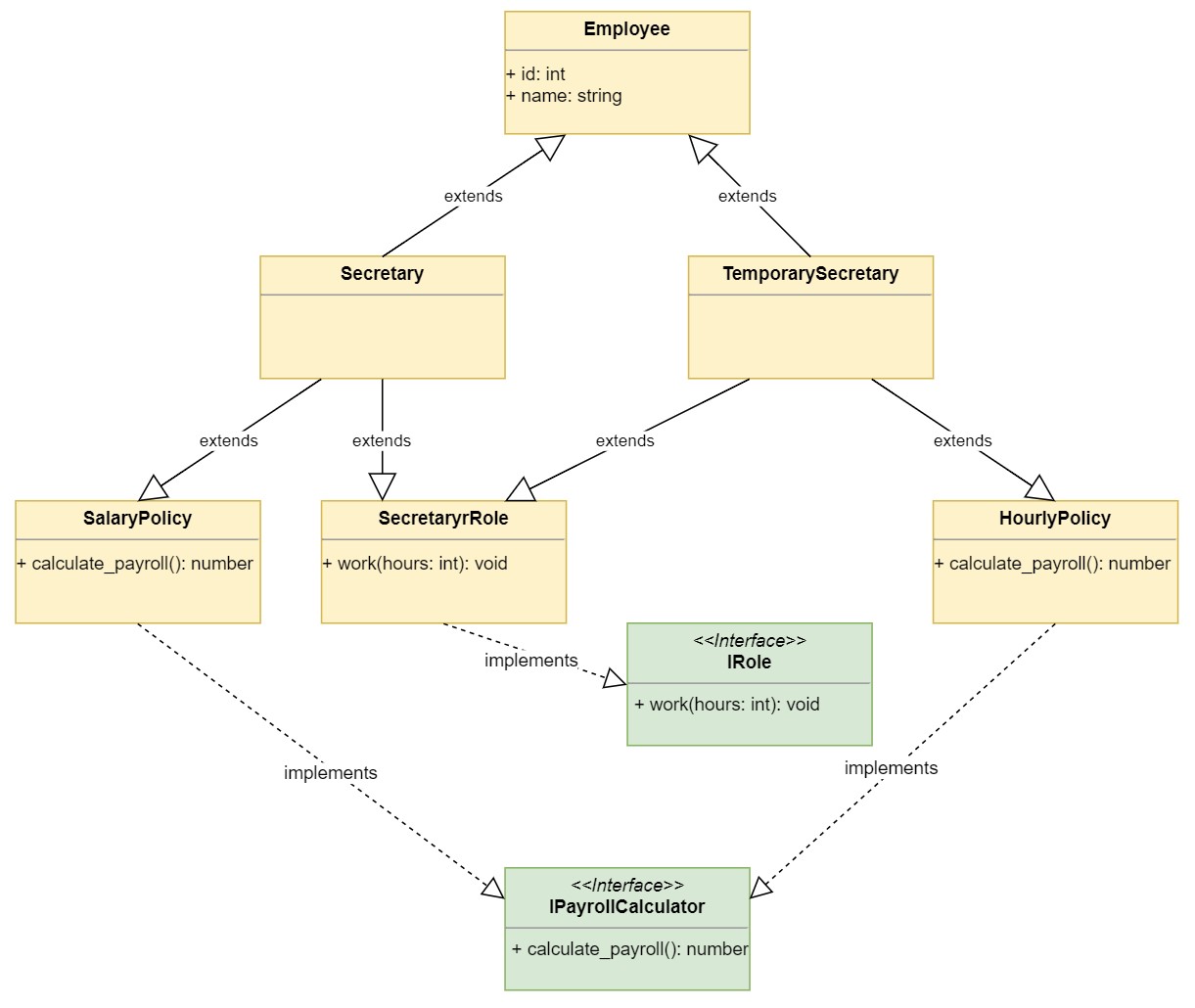
🧠 Object-Oriented Programming in Python


🧩 Concepts
Image
Image
Image
Image

🔹 Class Example

class Car:
    def __init__(self, speed):
        self.speed = speed

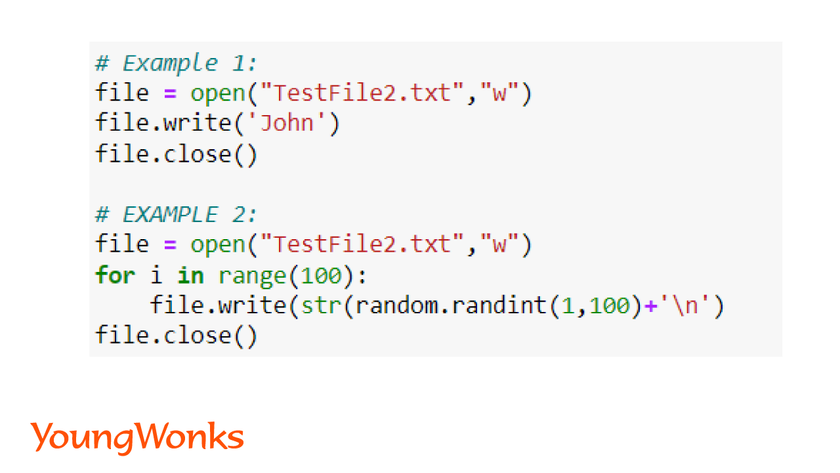
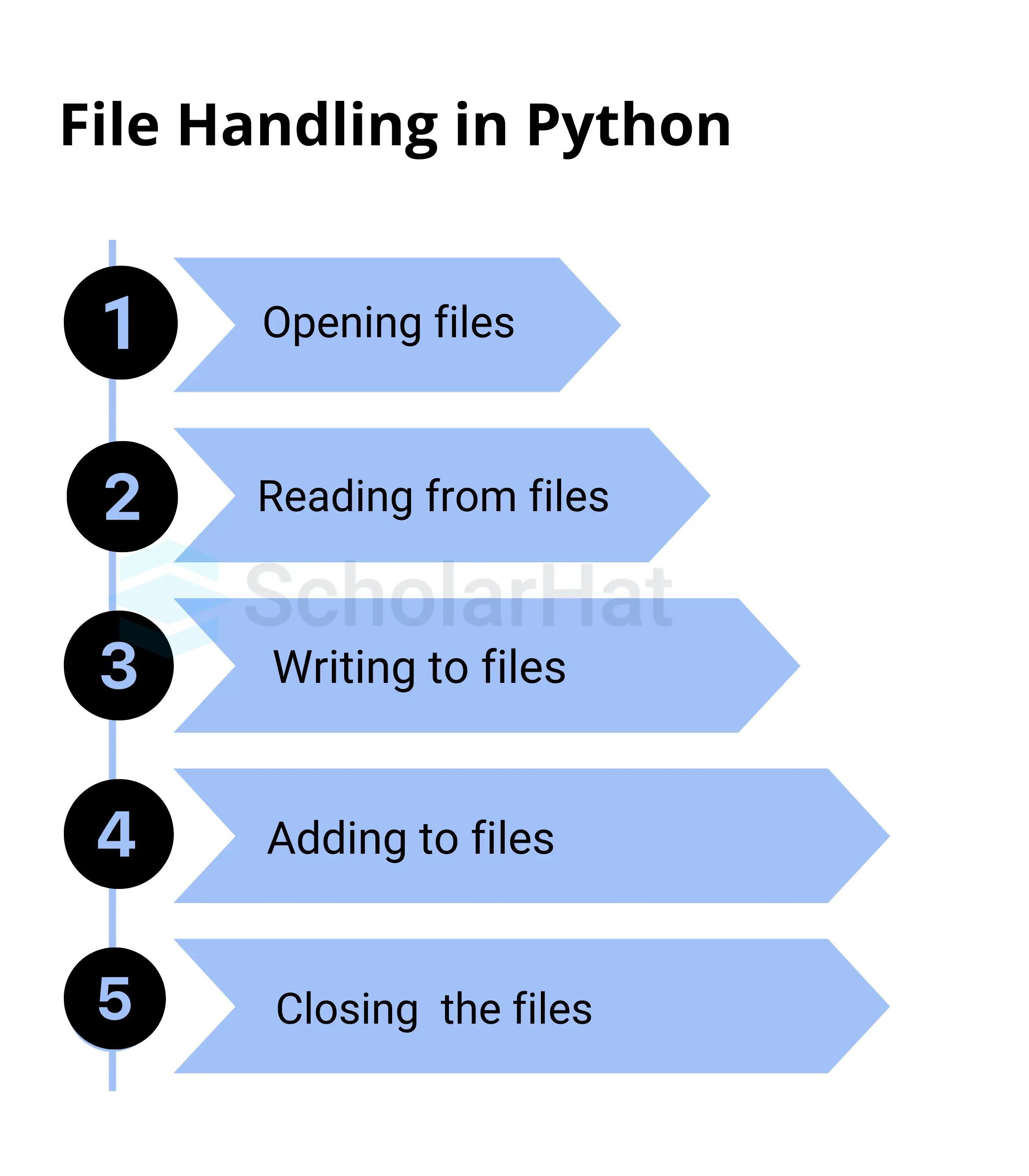
💾 File Handling


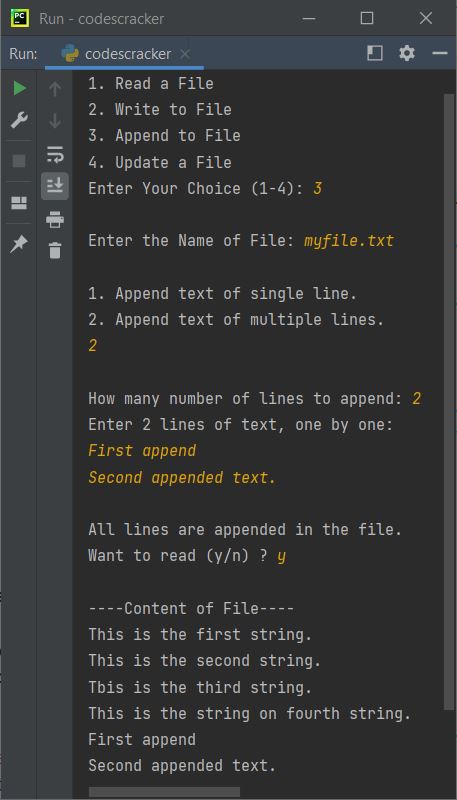
📄 Operations
Image
Image
Image
Image
file = open("data.txt", "r")

🧠 Exception Handling


⚠️ Example:

try:
    x = 10 / 0
except:
    print("Error")

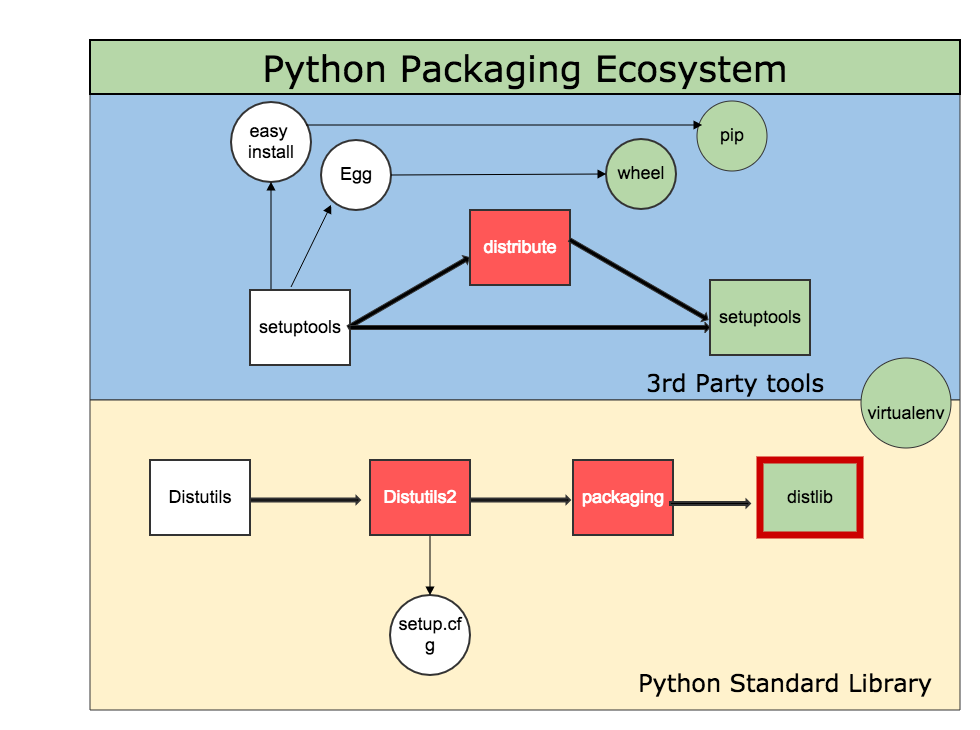
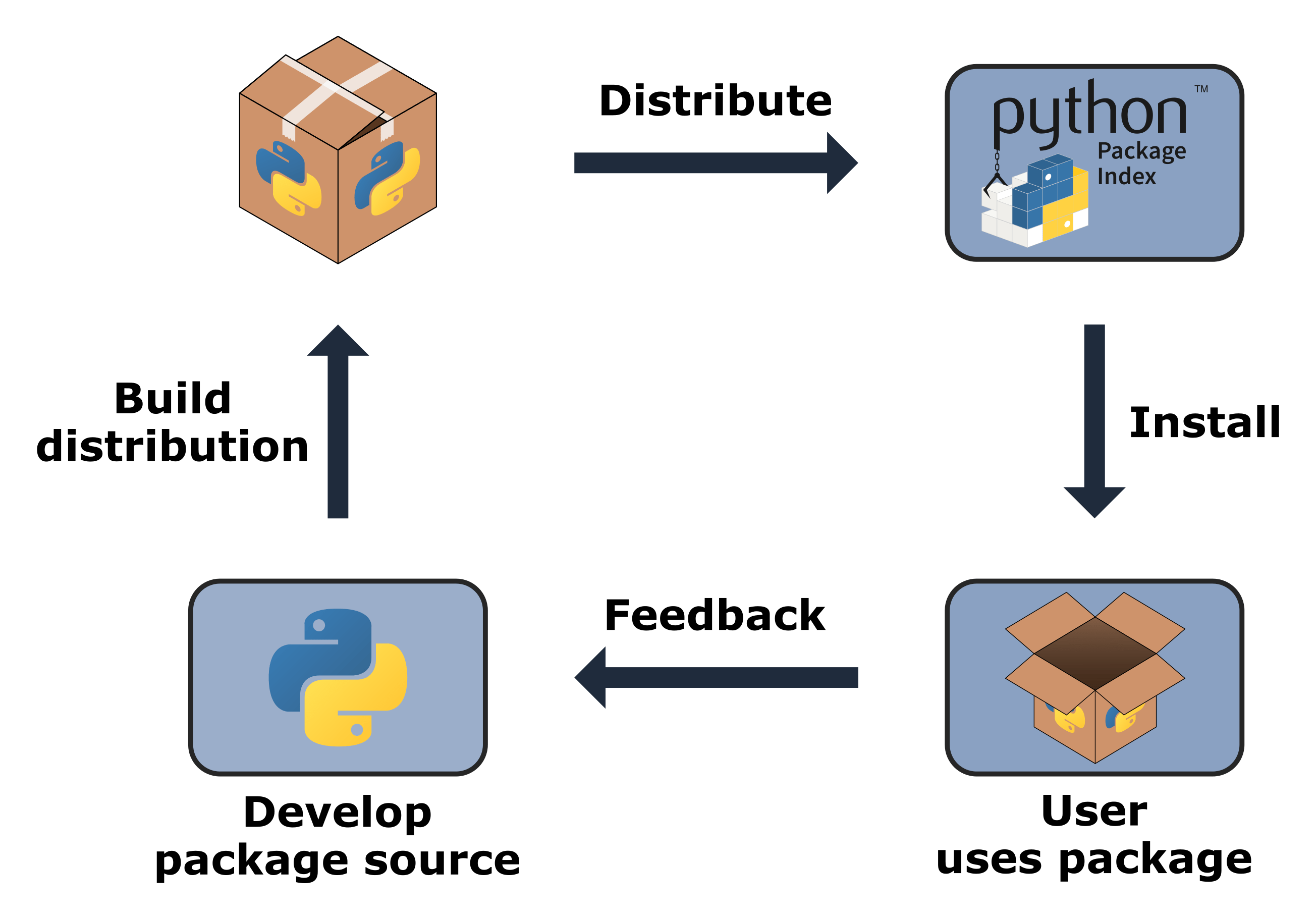
📦 Modules and Packages


🧩 Concept
Image
Image
Image
Image
  • Modules = single file
  • Packages = collection of modules

🌐 Python in Software Development Context


🧠 Role Among Languages
Image
Image
Image
Image

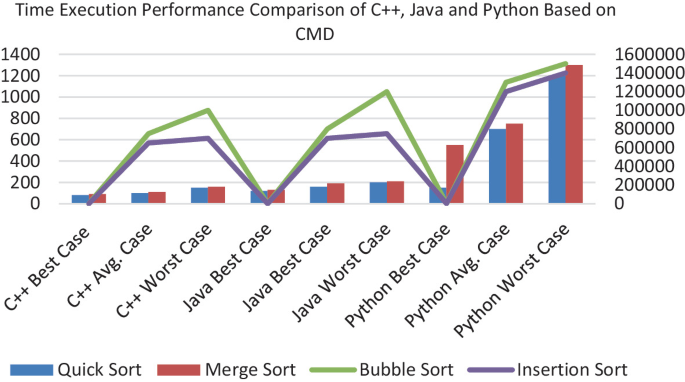
🔹 Compared to Other Languages:

LanguageStrength
PythonEasy, versatile
C++Performance
JavaEnterprise

🚀 Applications of Python


🤖 Artificial Intelligence

Image
Image
Image
Image

🌐 Web Development

  • Django
  • Flask

📊 Data Science

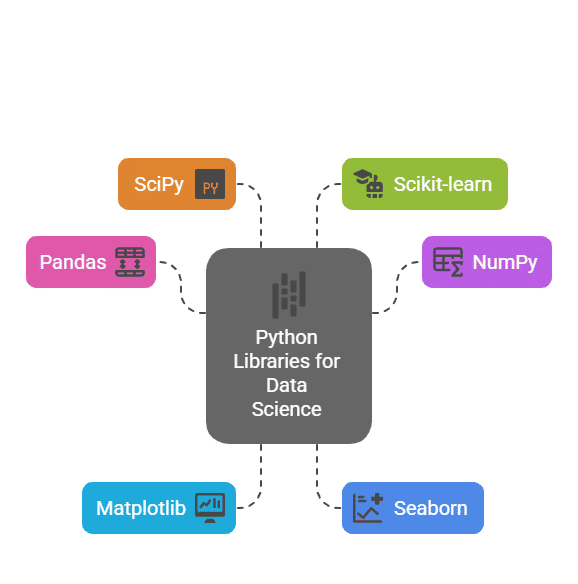
  • Pandas
  • NumPy

🎮 Game Development

  • Pygame

🔐 Cybersecurity

  • Automation tools

⚡ Advantages of Python

  • Easy to learn
  • Large community
  • Cross-platform
  • Rich libraries

⚠️ Limitations

  • Slower than C/C++
  • High memory usage
  • Not ideal for low-level tasks

🚀 Modern Python Trends
Image
Image
Image
Image
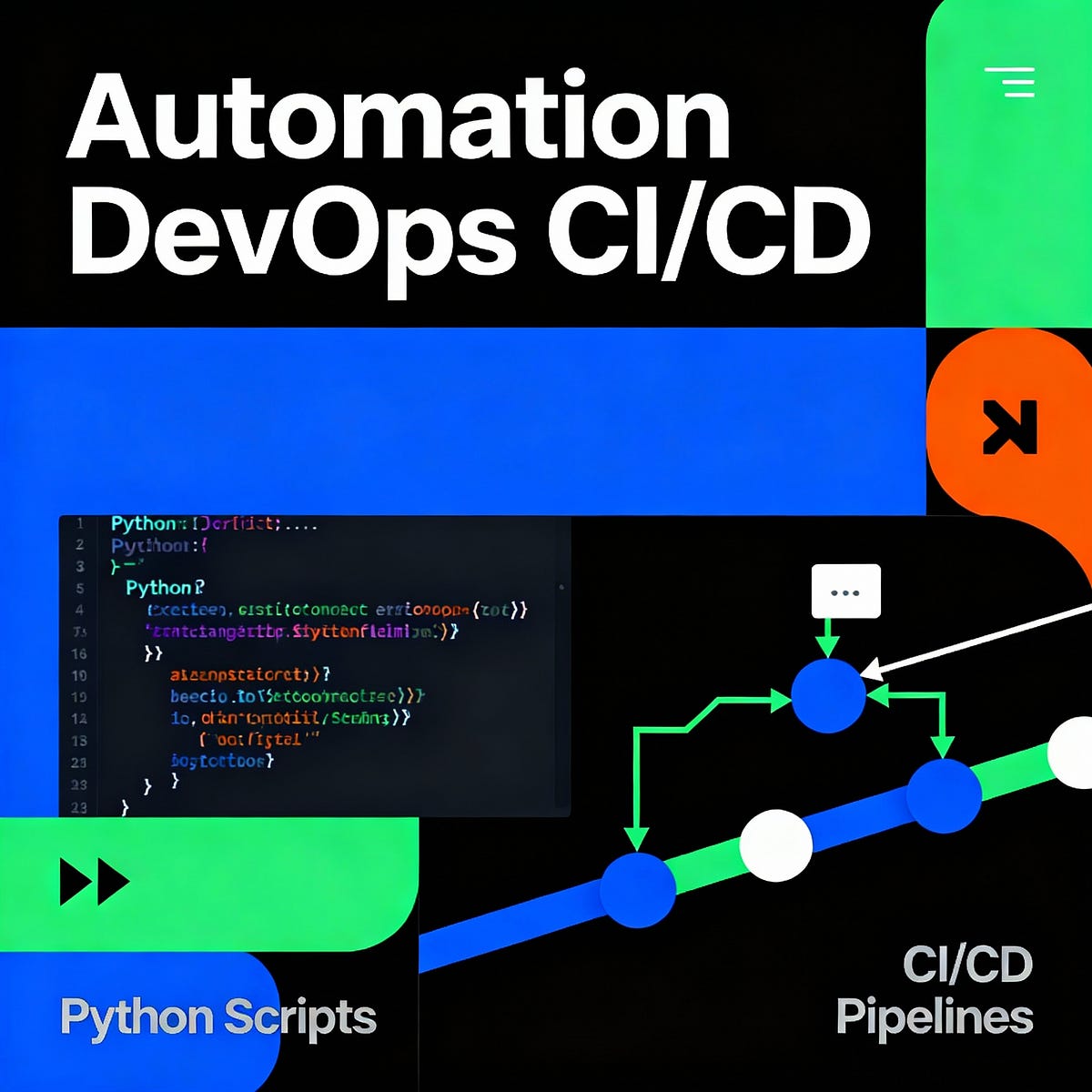
  • AI & Machine Learning
  • Automation
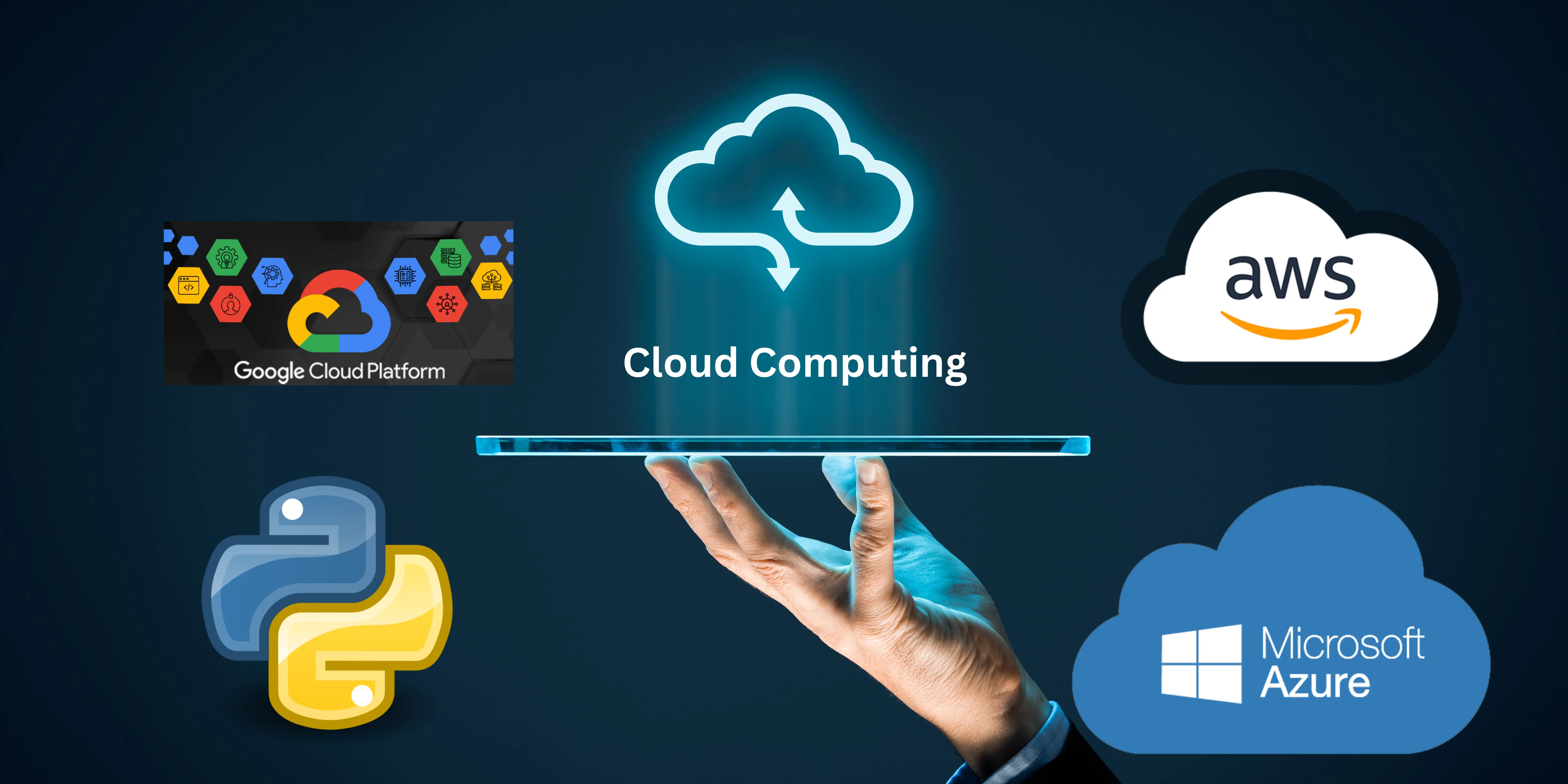
  • Cloud computing
  • IoT

🧾 Conclusion

Python is one of the most powerful and versatile programming languages today. It:

  • Simplifies coding
  • Supports multiple domains
  • Enables rapid development

Learning Python helps in:

  • Software development
  • Data science
  • AI and automation

🏷️ Tags

💻 C Programming – Complete Detailed Guide (with Software Development Language Context)


🌐 Introduction to C Programming

Image
Image

C programming is one of the most influential and widely used programming languages in the world. Developed in the early 1970s, it is a general-purpose, procedural programming language that provides low-level access to memory and system resources.

In simple terms:

C = powerful language that connects software with hardware

C is often called the mother of modern programming languages because many languages (like C++, Java, Python) are derived from or influenced by it.


🧠 Importance of C Programming

  • Foundation for learning programming
  • Used in operating systems (e.g., Linux kernel)
  • High performance and efficiency
  • Direct memory access using pointers
  • Widely used in embedded systems

🧩 Basic Structure of a C Program


📄 Structure Overview

Image
Image
Image

Example:

#include <stdio.h>

int main() {
    printf("Hello, World!");
    return 0;
}

🧠 Components:

  • Preprocessor directives (#include)
  • Main function (main())
  • Statements and expressions
  • Return statement

⚙️ Data Types in C


🔢 Basic Data Types

TypeDescription
intInteger values
floatDecimal values
charCharacters
doubleHigh precision numbers

🧩 Derived Data Types

  • Arrays
  • Pointers
  • Structures
  • Unions

🧠 User-Defined Types

  • typedef
  • struct
  • enum

🔤 Variables and Constants


📌 Variables

Used to store data:

int x = 10;

🔒 Constants

  • Fixed values
#define PI 3.14

⚙️ Operators in C


🔢 Types of Operators


➕ Arithmetic Operators

  • +, -, *, /, %

⚖️ Relational Operators

  • ==, !=, >, <

🔗 Logical Operators

  • &&, ||, !

🧮 Bitwise Operators

Image
Image
Image
Image
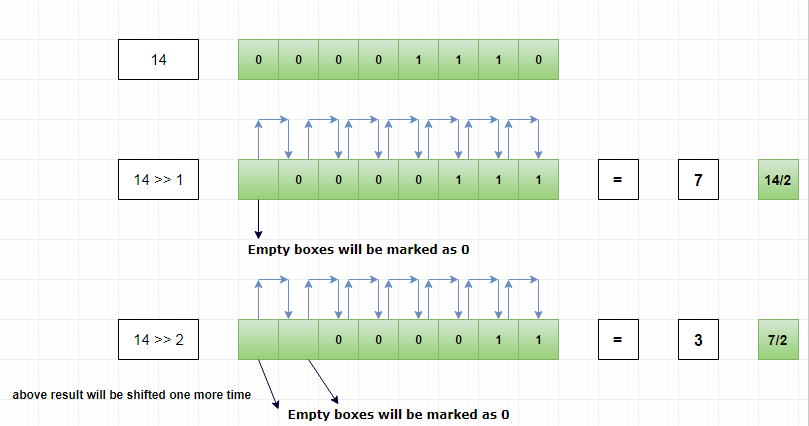
  • &, |, ^, <<, >>

🔄 Control Structures


🔀 Decision Making

Image
if (x > 0) {
    printf("Positive");
}

🔁 Loops

Image
Image
  • for
  • while
  • do-while

🧠 Functions in C


📌 Definition

Functions are reusable blocks of code.

int add(int a, int b) {
    return a + b;
}

⚙️ Types:

  • Library functions
  • User-defined functions

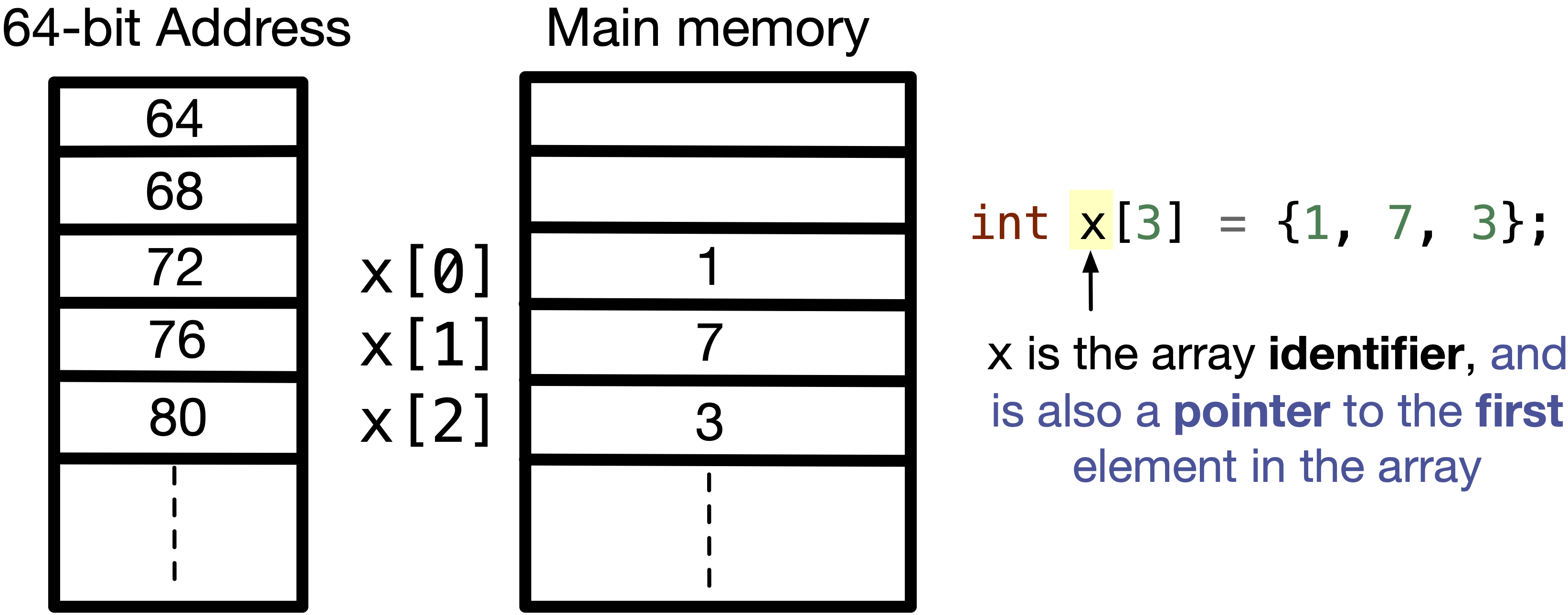
🧩 Arrays in C

Image
Image
Image
Image
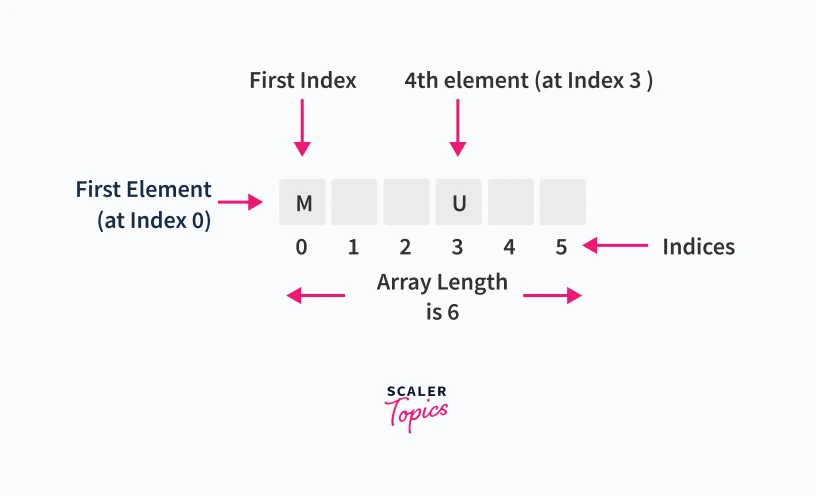
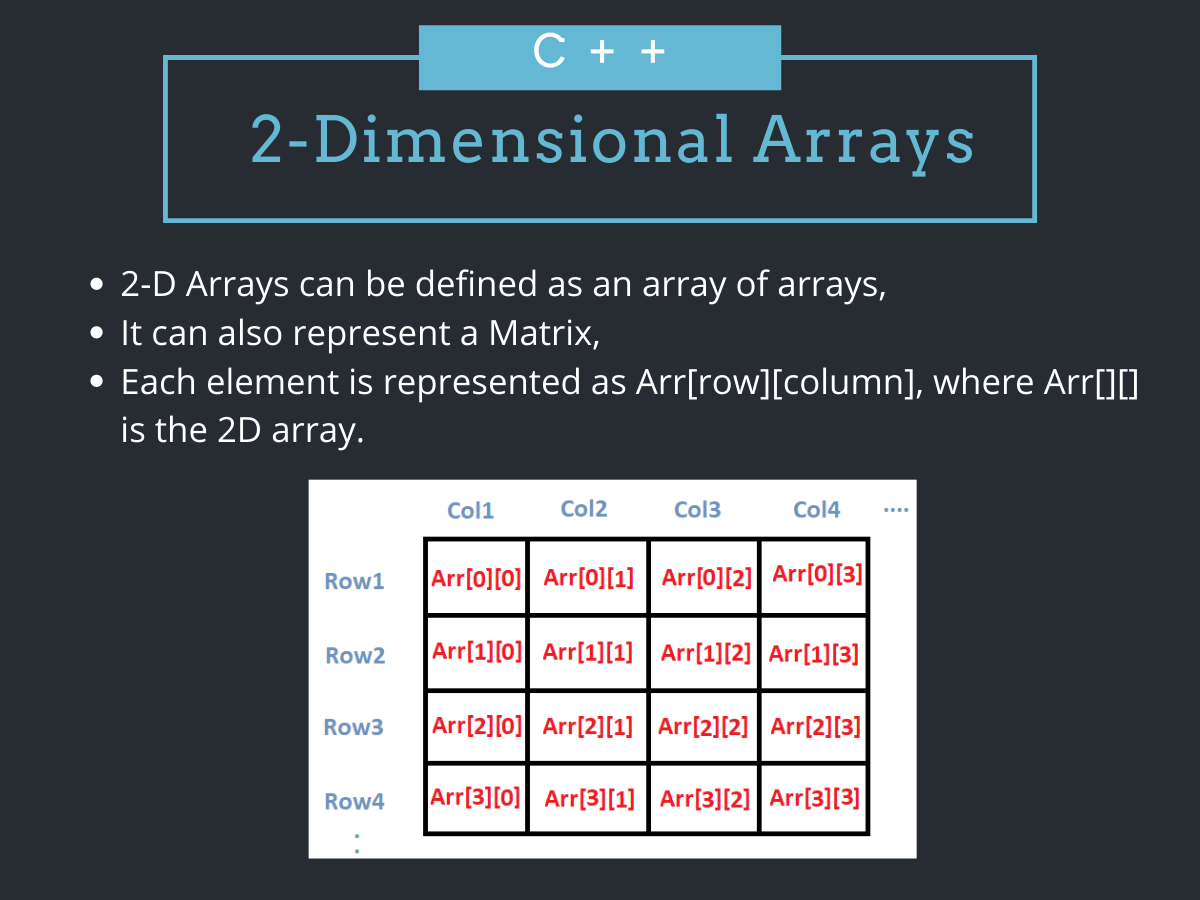
  • Store multiple values
  • Indexed structure

🔤 Strings in C

Image
Image
Image
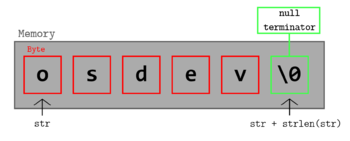
  • Array of characters
  • Null-terminated

🧠 Pointers in C


📌 Concept

Image
Image
Image
Image

Pointers store memory addresses.

int *ptr;

⚙️ Uses:

  • Dynamic memory allocation
  • Efficient array handling
  • Function arguments

💾 Dynamic Memory Allocation


📦 Functions:

Image
Image
Image
Image
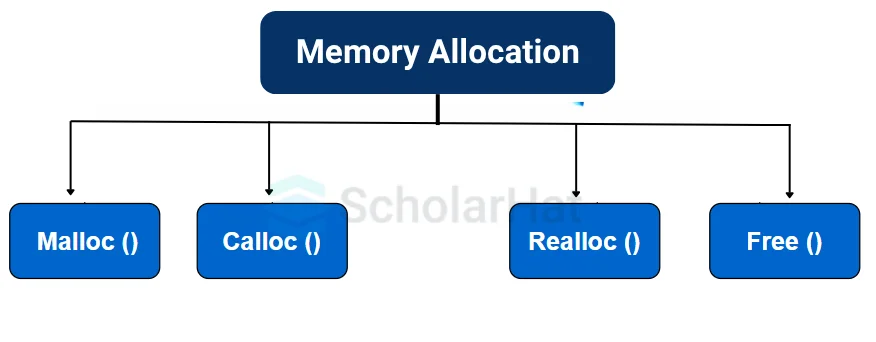
  • malloc()
  • calloc()
  • realloc()
  • free()

🧩 Structures and Unions


📦 Structures

Image
Image
Image
Image
struct Student {
    int id;
    char name[20];
};

🔄 Unions

  • Share memory among variables

📂 File Handling in C


📄 Operations:

Image
Image
Image
Image
  • fopen()
  • fread()
  • fwrite()
  • fclose()

🧠 Preprocessor Directives


🔹 Examples:

  • #include
  • #define
  • #ifdef

⚙️ Compilation Process


🔄 Steps

Image
Image
Image
Image
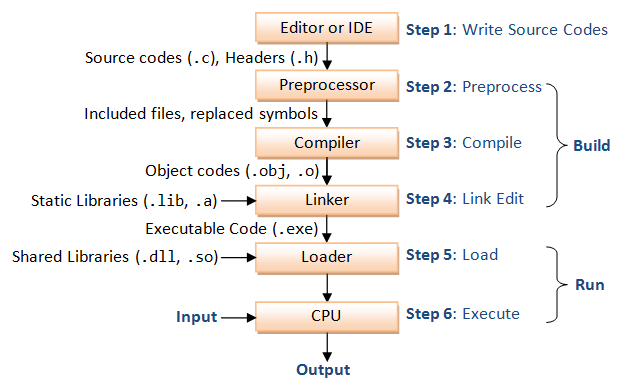
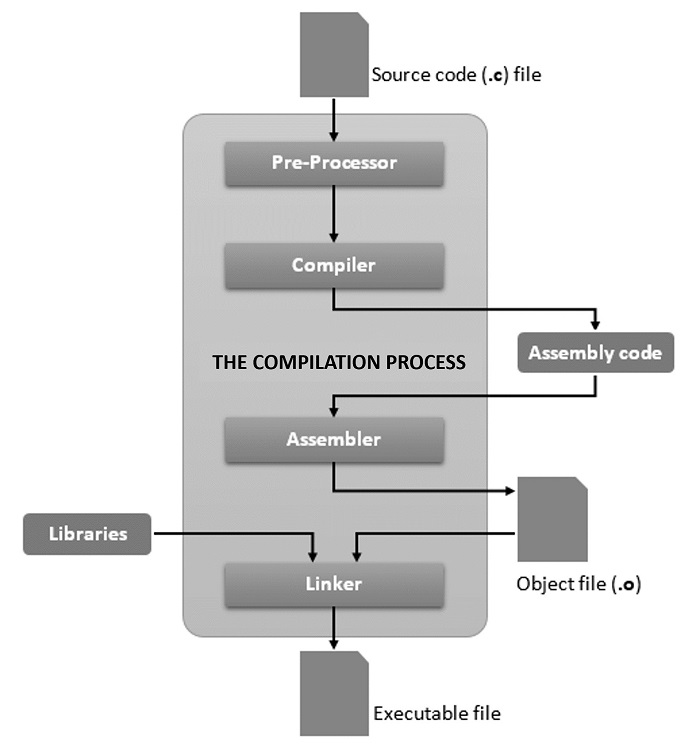
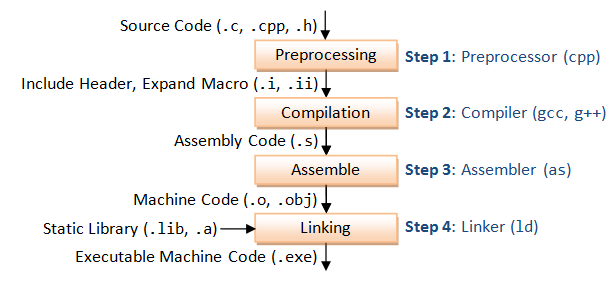
  1. Preprocessing
  2. Compilation
  3. Linking
  4. Execution

🧠 Applications of C Programming


💻 System Programming

  • Operating systems
  • Compilers

⚙️ Embedded Systems

  • Microcontrollers
  • IoT devices

🎮 Game Development

  • Performance-critical code

🌐 Networking

  • Protocol implementations

⚡ Advantages of C

  • Fast and efficient
  • Portable
  • Low-level access
  • Rich library support

⚠️ Limitations

  • No built-in OOP
  • Manual memory management
  • Error-prone

🌐 C in Software Development Languages Context


🧠 Role of C Among Languages

Image
Image
Image
Image

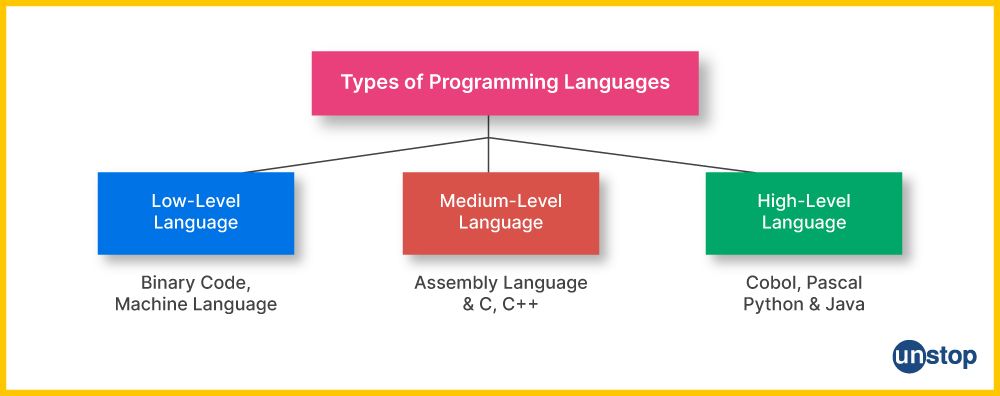
🔹 Low-Level Languages

  • C
  • Assembly

🔹 High-Level Languages

  • Python
  • Java
  • JavaScript

🔹 Object-Oriented Languages

  • C++
  • Java

⚖️ Comparison

LanguageTypeUse
CProceduralSystem programming
PythonHigh-levelAI, scripting
JavaOOPEnterprise apps

🚀 Modern Trends


🔬 Developments

Image
Image
Image
Image
  • Embedded systems
  • IoT
  • High-performance computing
  • Kernel development

🧾 Conclusion

C programming is a powerful foundational language that:

  • Teaches core programming concepts
  • Enables system-level programming
  • Forms the base for many modern languages

Learning C helps in:

  • Understanding memory and performance
  • Building efficient applications
  • Mastering advanced programming concepts

🏷️ Tag

💻 Computer Software Basics


🌐 Introduction to Computer Software

Image
Image

Computer software refers to the set of instructions, programs, and data that tell a computer how to perform tasks. Unlike hardware, software is intangible—it cannot be touched but can be executed.

In simple terms:

Hardware is the body, software is the brain

Software enables users to interact with hardware and perform useful work such as writing documents, browsing the internet, or running applications.


🧠 Importance of Software

  • Controls hardware operations
  • Provides user interface
  • Enables automation and productivity
  • Supports communication and networking
  • Drives innovation (AI, cloud, mobile apps)

🧩 Types of Computer Software


⚙️ 1. System Software

Image
Image
Image
Image

System software acts as a bridge between hardware and user applications.

Examples:

  • Operating Systems
  • Device Drivers
  • Utility Programs

🧠 Operating System (OS)

The OS is the most important system software.

Functions:

  • Process management
  • Memory management
  • File system management
  • Device management
  • Security

Examples:

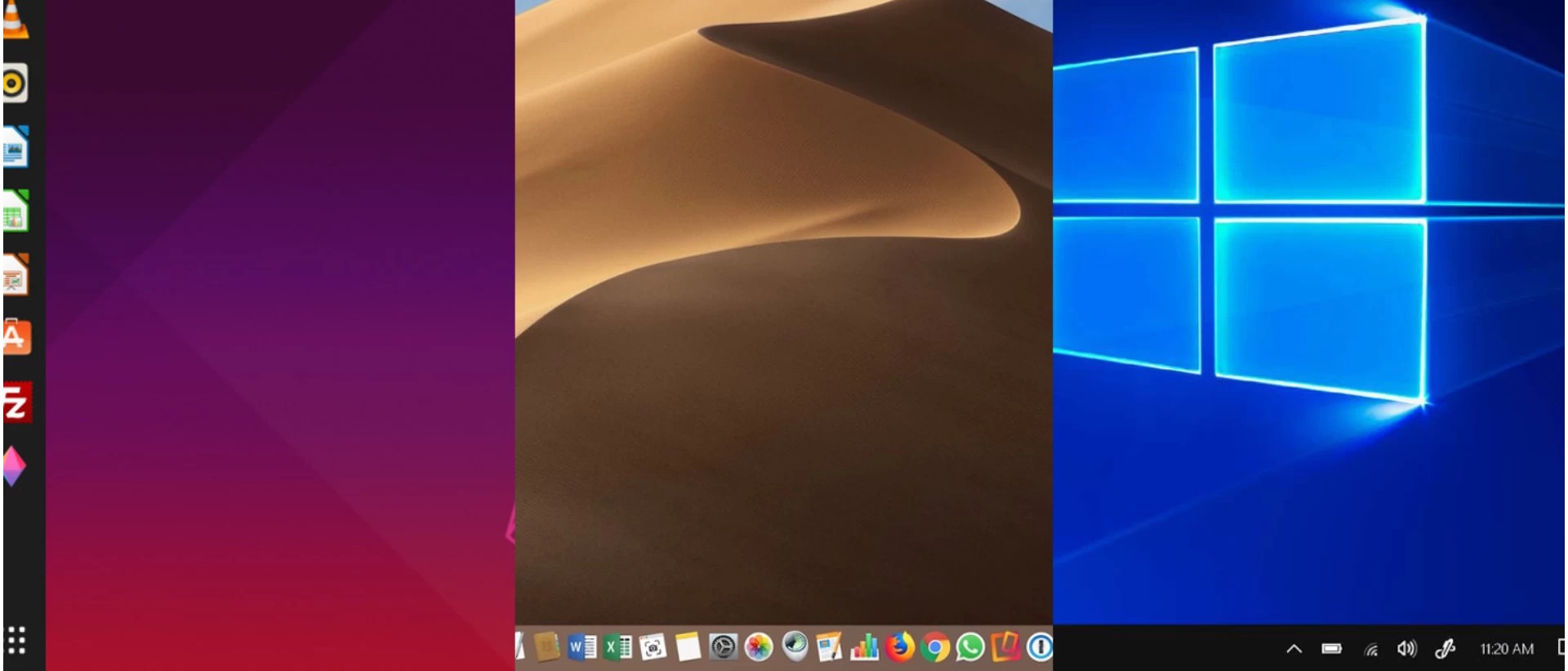
  • Windows
  • Linux
  • macOS
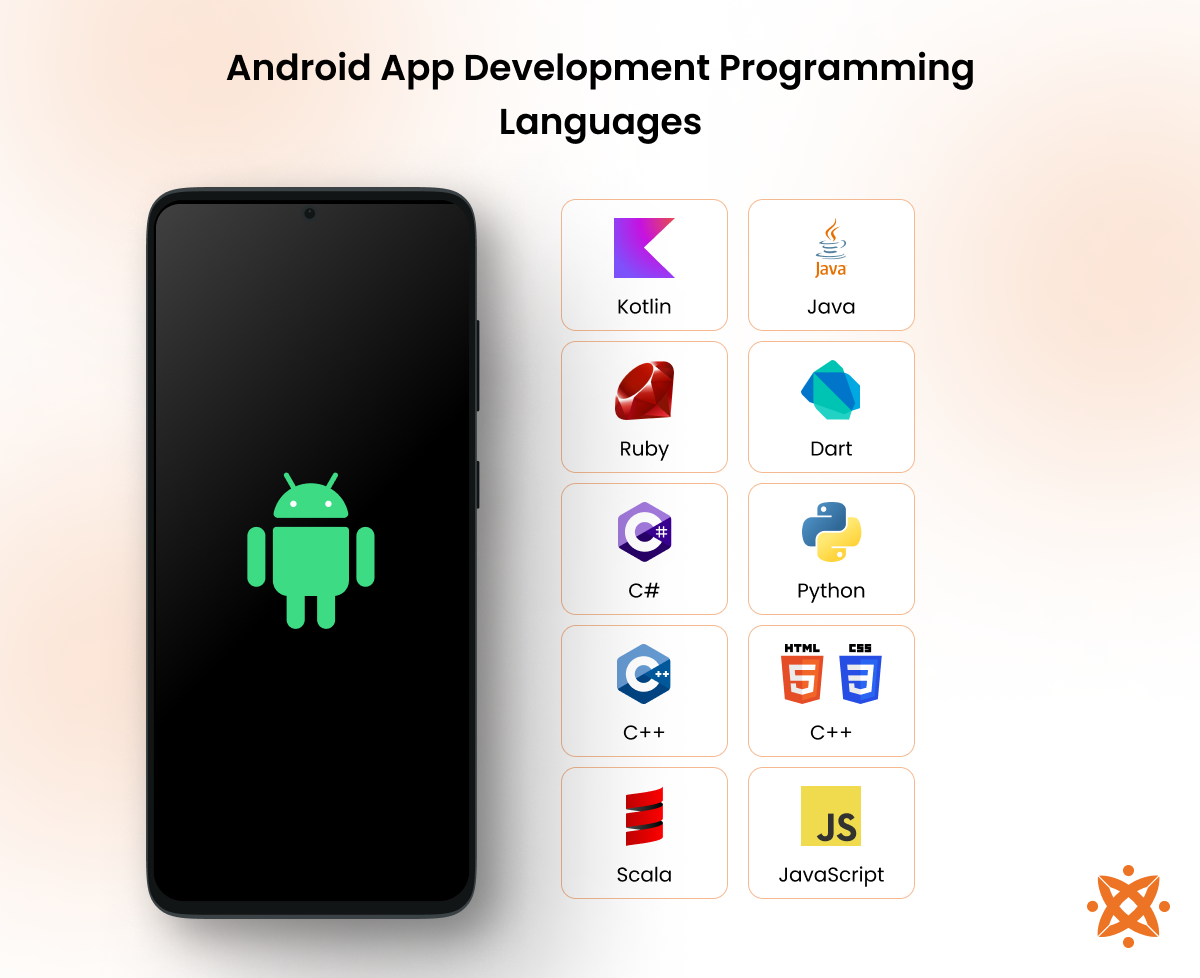
  • Android

⚙️ 2. Device Drivers

  • Enable communication between hardware and OS
  • Example: printer driver

🧰 3. Utility Software

  • Helps maintain system performance

Examples:

  • Antivirus
  • Disk cleanup
  • Backup tools

🖥️ 4. Application Software

Image
Image
Image
Image

Application software allows users to perform specific tasks.

Types:

📄 General Purpose

  • Word processors
  • Spreadsheets

🎨 Specialized

  • Graphic design
  • Video editing

🌐 Web Applications

  • Browsers
  • Online tools

🧠 5. Programming Software

Image
Image
Image
Image

Used to develop software.

Includes:

  • Compilers
  • Interpreters
  • Debuggers
  • IDEs

🧠 Software Development Process


🔄 Software Development Life Cycle (SDLC)

Image
Image
Image
Image

Stages:

  1. Planning
  2. Analysis
  3. Design
  4. Development
  5. Testing
  6. Deployment
  7. Maintenance

🧩 Programming Languages


🔤 Types:

Image
Image
Image
Image

🔹 Low-Level Languages

  • Machine language
  • Assembly language

🔹 High-Level Languages

  • Python
  • Java
  • C++

⚙️ Compilation vs Interpretation

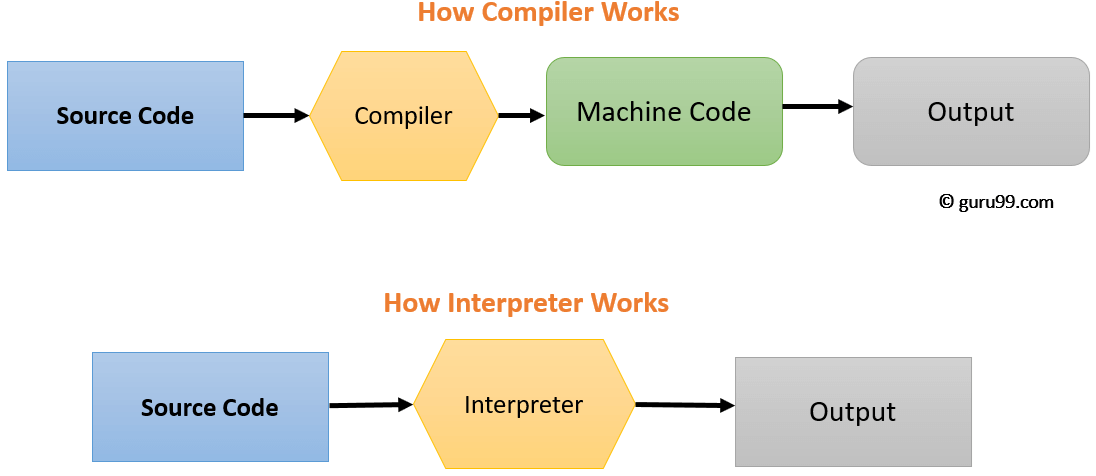
  • Compiler → Converts entire code at once
  • Interpreter → Executes line by line

🧠 Software Components


📦 Modules

  • Independent units of software

🔗 Libraries

  • Reusable code

🧩 APIs

  • Allow communication between programs

🖥️ User Interface (UI)


🧭 Types:

Image
Image
Image
Image
  • GUI (Graphical User Interface)
  • CLI (Command Line Interface)
  • Touch Interface
  • Voice Interface

💾 Software Installation and Execution


🔄 Steps:

  • Install program
  • Load into memory
  • Execute via CPU

🔐 Software Security


⚠️ Threats:

Image
Image
Image
Image
  • Malware
  • Viruses
  • Ransomware

🛡️ Protection:

  • Antivirus
  • Firewalls
  • Encryption

🧠 Types of Software Based on Distribution


🌐 Open Source Software

  • Free to use and modify
  • Example: Linux

🔒 Proprietary Software

  • Owned by companies
  • Example: Windows

🆓 Freeware

  • Free but not modifiable

💰 Shareware

  • Trial-based software

⚙️ Software Performance Factors

  • Efficiency
  • Speed
  • Scalability
  • Reliability

🔄 Software vs Hardware

FeatureSoftwareHardware
NatureIntangiblePhysical
FunctionInstructionsExecution
DependencyRuns on hardwareNeeds software

🧠 Modern Software Trends

Image
Image
Image
Image
  • Artificial Intelligence
  • Cloud Computing
  • Mobile Applications
  • Blockchain

🧩 Advantages of Software

  • Automation
  • Flexibility
  • Scalability
  • Productivity

⚠️ Limitations

  • Bugs and errors
  • Security risks
  • Dependency on hardware
  • Maintenance required

🧠 Future of Software

  • AI-driven automation
  • Quantum software
  • Intelligent assistants
  • Low-code/no-code platforms

🧾 Conclusion

Computer software is the core driver of modern computing systems. It enables:

  • Interaction between users and machines
  • Execution of complex tasks
  • Innovation across industries

Understanding software basics is essential for:

  • Programming
  • IT careers
  • System design
  • Digital transformation
🏷️ Tags