
Tag Archives: mindfulness

🧠 Self-Awareness and Personal Identity β€” A Comprehensive Detailed Study


🌱 Introduction

Image
Image
Image
Image

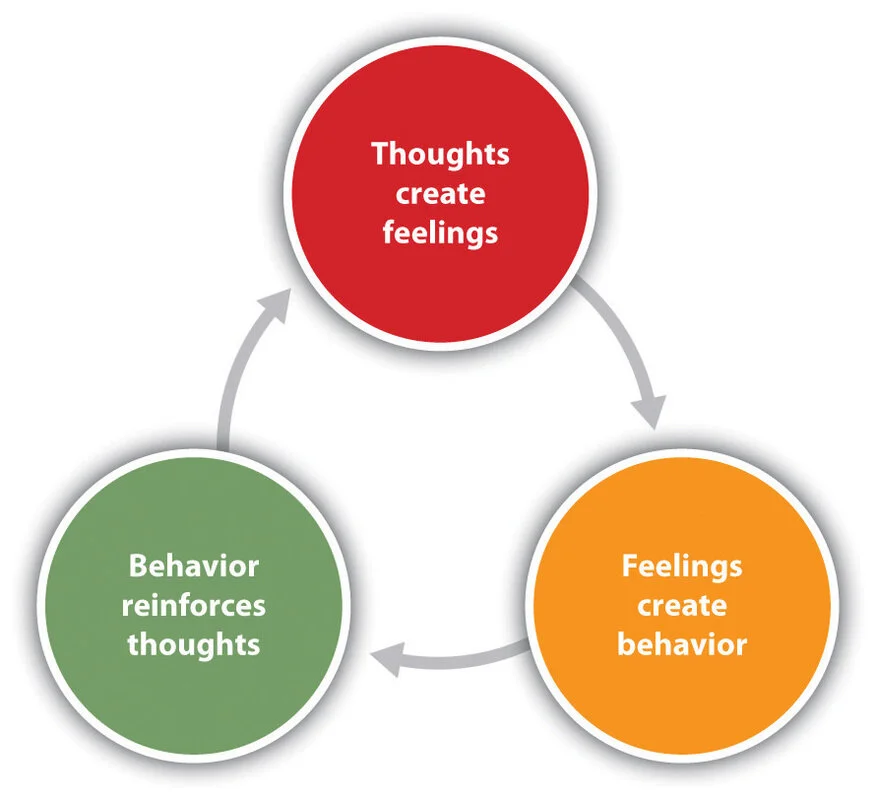
Self-awareness and personal identity are foundational concepts in human values, psychology, and personal development. They help individuals understand who they are, what they believe, and how they relate to the world around them. These concepts influence behavior, decision-making, relationships, and overall life satisfaction.

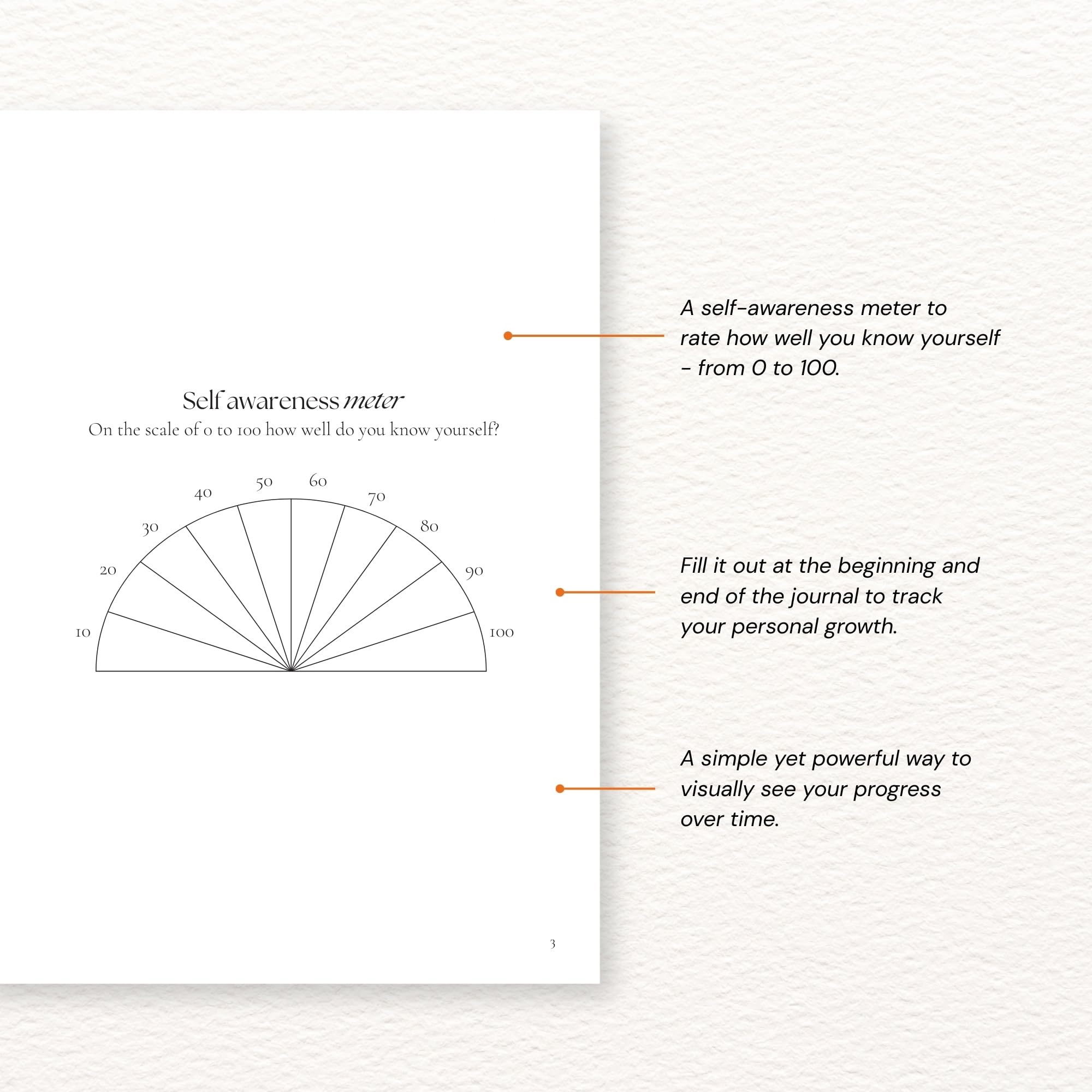
Self-awareness is the ability to recognize one’s thoughts, emotions, strengths, weaknesses, and motivations. Personal identity, on the other hand, is the sense of self that develops over time, shaped by experiences, culture, values, and social interactions.

Together, they form the basis of authentic living, emotional intelligence, and ethical behavior.


🧭 Meaning of Self-Awareness


πŸ”Ή Definition

Self-awareness is the conscious knowledge of one’s own character, feelings, motives, and desires.

It involves:

  • Understanding internal states (thoughts, emotions)
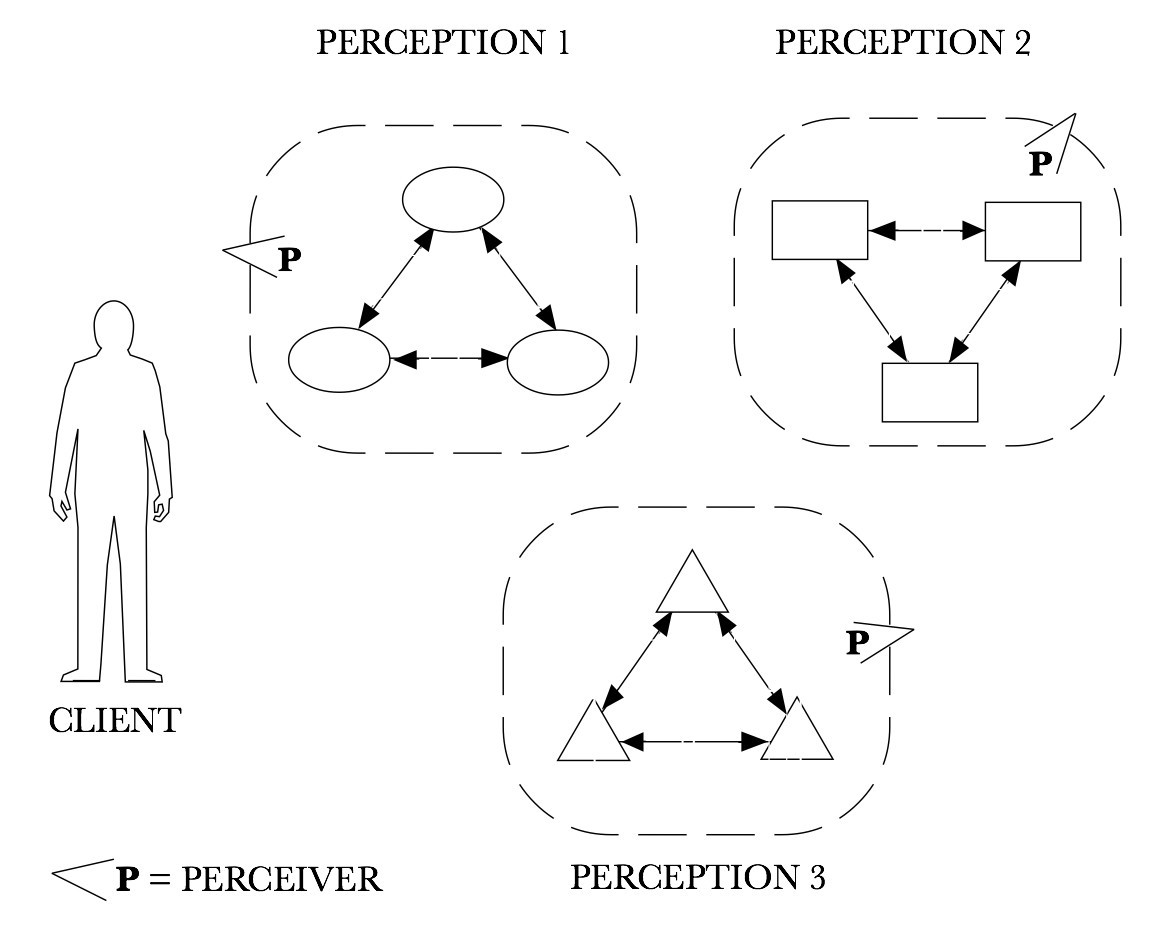
  • Recognizing how others perceive you
  • Being mindful of your actions and their consequences

πŸ”Ή Types of Self-Awareness

1. Internal Self-Awareness

  • Understanding your own values, passions, and aspirations
  • Knowing your strengths and weaknesses

2. External Self-Awareness

  • Understanding how others view you
  • Awareness of social impact and behavior

πŸ”Ή Key Elements of Self-Awareness

  • Self-concept – beliefs about oneself
  • Self-esteem – evaluation of self-worth
  • Self-image – perception of one’s appearance and personality

🌿 Meaning of Personal Identity


πŸ”Ή Definition

Personal identity refers to the distinctive characteristics, beliefs, values, and experiences that define an individual.

It answers the question:
πŸ‘‰ β€œWho am I?”


πŸ”Ή Components of Personal Identity

  • Personality traits
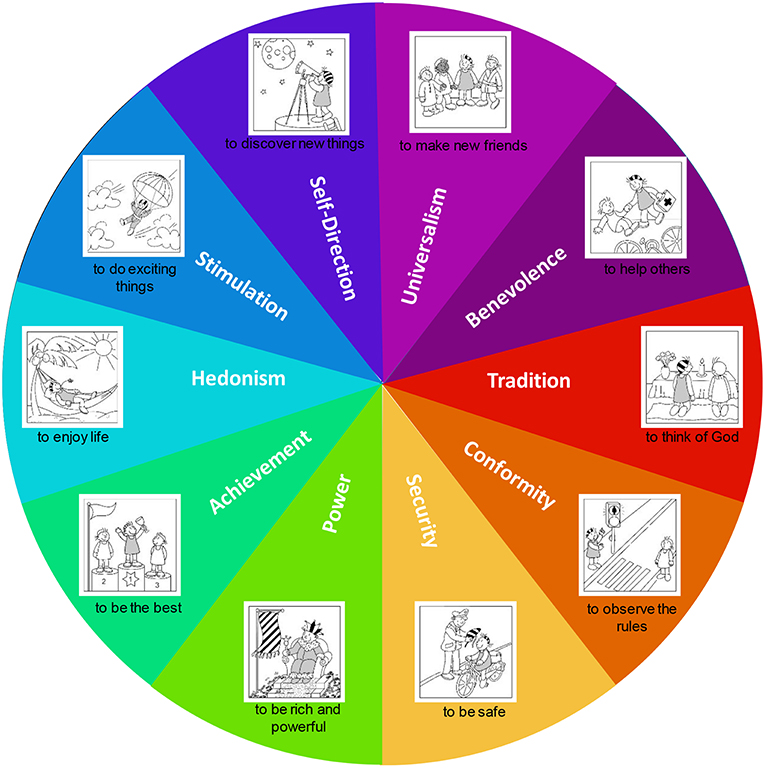
  • Beliefs and values
  • Culture and background
  • Roles (student, friend, citizen)
  • Life experiences

πŸ”Ή Types of Identity

  • Individual Identity – unique traits
  • Social Identity – group affiliations
  • Cultural Identity – traditions and customs
  • Digital Identity – online presence

🌟 Nature of Self-Awareness


πŸ”Ή 1. Conscious and Reflective

Image
Image
Image
Image

Self-awareness requires conscious effort:

  • Reflection
  • Introspection
  • Mindfulness

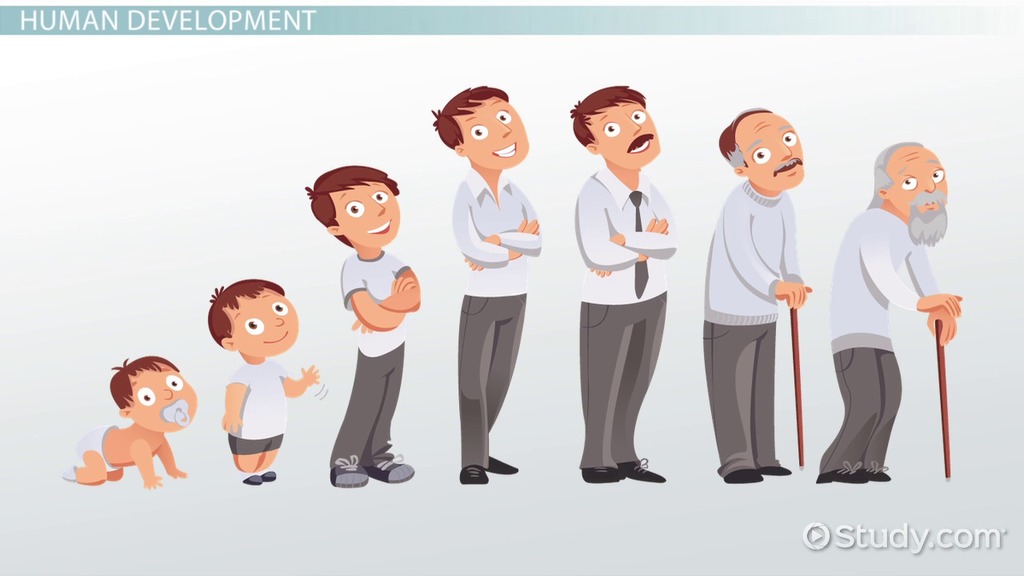
πŸ”Ή 2. Dynamic and Evolving

Image
Image
Image
Image
  • Changes with experiences
  • Develops over time
  • Influenced by learning

πŸ”Ή 3. Subjective yet Objective

Image
Image
Image
Image
  • Internal perception (subjective)
  • External feedback (objective)

πŸ”Ή 4. Foundational to Behavior

Image
Image
Image
Image
  • Influences decisions
  • Shapes actions
  • Affects relationships

🌍 Nature of Personal Identity


πŸ”Ή 1. Unique and Individual

Image
Image
Image
Image
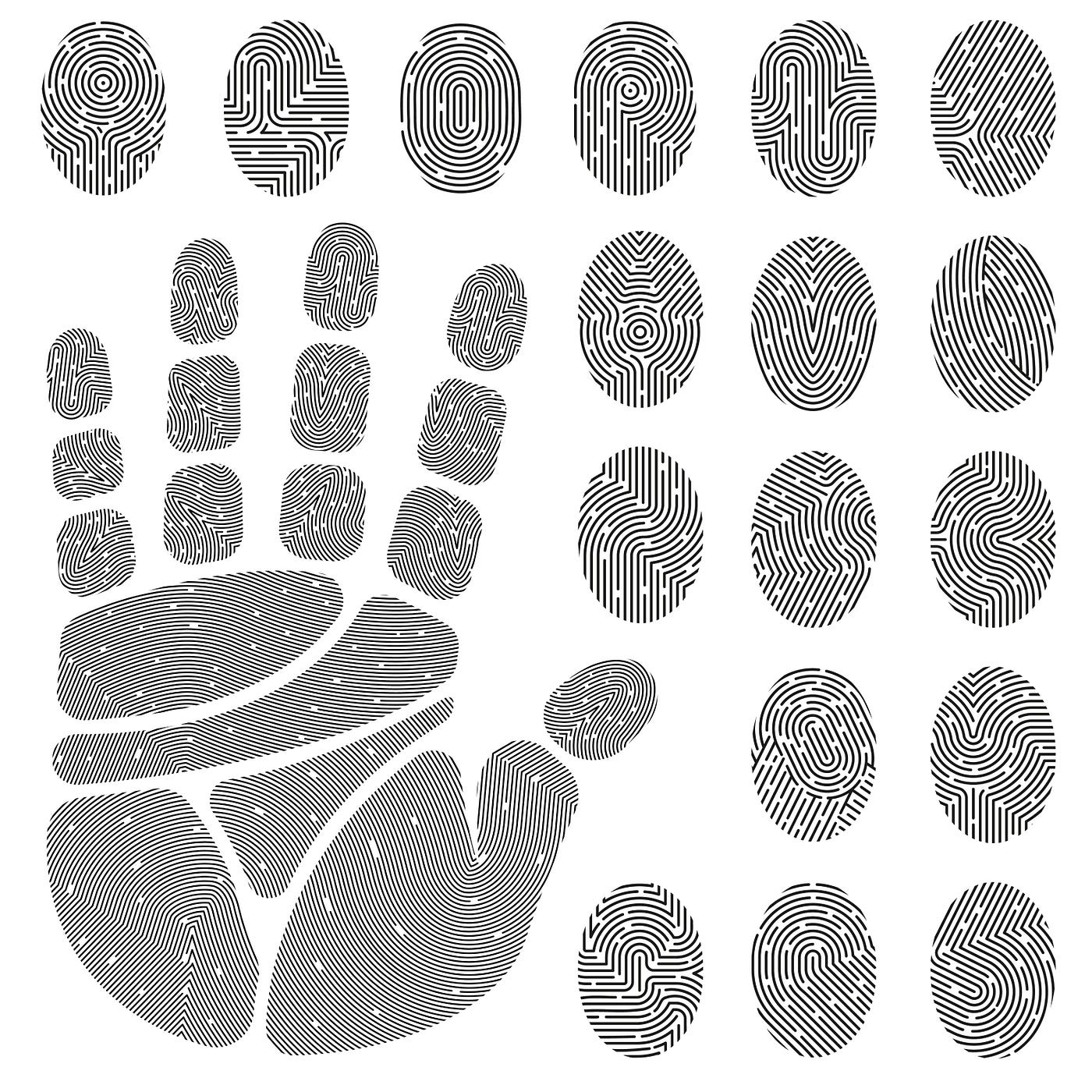
  • Each person is different
  • No two identities are identical

πŸ”Ή 2. Socially Constructed

Image
Image
Image
Image
  • Influenced by society
  • Shaped by relationships

πŸ”Ή 3. Multi-Dimensional

Image
Image
Image
Image
  • Includes multiple roles
  • Combines various aspects of life

πŸ”Ή 4. Dynamic and Evolving

Image
Image
Image
Image
  • Changes over time
  • Influenced by experiences

🧠 Importance of Self-Awareness


πŸ”Ή 1. Better Decision-Making

  • Helps align actions with values

πŸ”Ή 2. Emotional Regulation

  • Improves control over emotions

πŸ”Ή 3. Improved Relationships

  • Enhances empathy and communication

πŸ”Ή 4. Personal Growth

  • Identifies strengths and weaknesses

πŸ”Ή 5. Leadership Development

  • Essential for effective leadership

🌟 Importance of Personal Identity


πŸ”Ή 1. Sense of Belonging

  • Connects individuals to groups

πŸ”Ή 2. Self-Confidence

  • Builds self-esteem

πŸ”Ή 3. Life Direction

  • Provides purpose

πŸ”Ή 4. Stability and Consistency

  • Maintains continuity in life

πŸ”„ Relationship Between Self-Awareness and Identity

  • Self-awareness helps understand identity
  • Identity influences self-awareness
  • Both are interconnected and interdependent

🌱 Development of Self-Awareness


πŸ”Ή Methods:

1. Reflection and Journaling

  • Writing thoughts and feelings

2. Mindfulness and Meditation

  • Being present in the moment

3. Feedback from Others

  • Constructive criticism

4. Self-Assessment Tools

  • Personality tests

🌍 Development of Personal Identity


πŸ”Ή Influencing Factors:

  • Family
  • Culture
  • Education
  • Experiences
  • Media

βš–οΈ Challenges in Self-Awareness and Identity


πŸ”Ή Internal Conflicts

  • Confusion about goals

πŸ”Ή Social Pressure

  • Conformity vs individuality

πŸ”Ή Identity Crisis

  • Common during adolescence

πŸ”Ή Digital Influence

  • Online vs real identity

🌐 Role in Modern Society


πŸ”Ή Digital Age Impact

  • Social media shapes identity

πŸ”Ή Globalization

  • Exposure to diverse cultures

πŸ”Ή Career and Personal Growth

  • Identity linked to profession

🌱 Self-Awareness and Emotional Intelligence

  • Self-awareness is a key component
  • Enhances empathy and social skills

🌍 Ethical Implications

  • Promotes responsible behavior
  • Encourages authenticity
  • Supports moral decision-making

🧩 Practical Applications


πŸ”Ή Education

  • Helps students understand themselves

πŸ”Ή Workplace

  • Improves teamwork and leadership

πŸ”Ή Relationships

  • Enhances communication

🌟 Conclusion

Self-awareness and personal identity are essential for understanding oneself and navigating life effectively. They influence behavior, relationships, and decision-making, forming the foundation of personal growth and social interaction.

In a rapidly changing world, developing self-awareness and a strong personal identity helps individuals remain grounded, make ethical choices, and lead meaningful lives. By cultivating these qualities, people can achieve greater clarity, confidence, and purpose.


Patience and Tolerance

🌿 Introduction

Image
Image
Image
Image

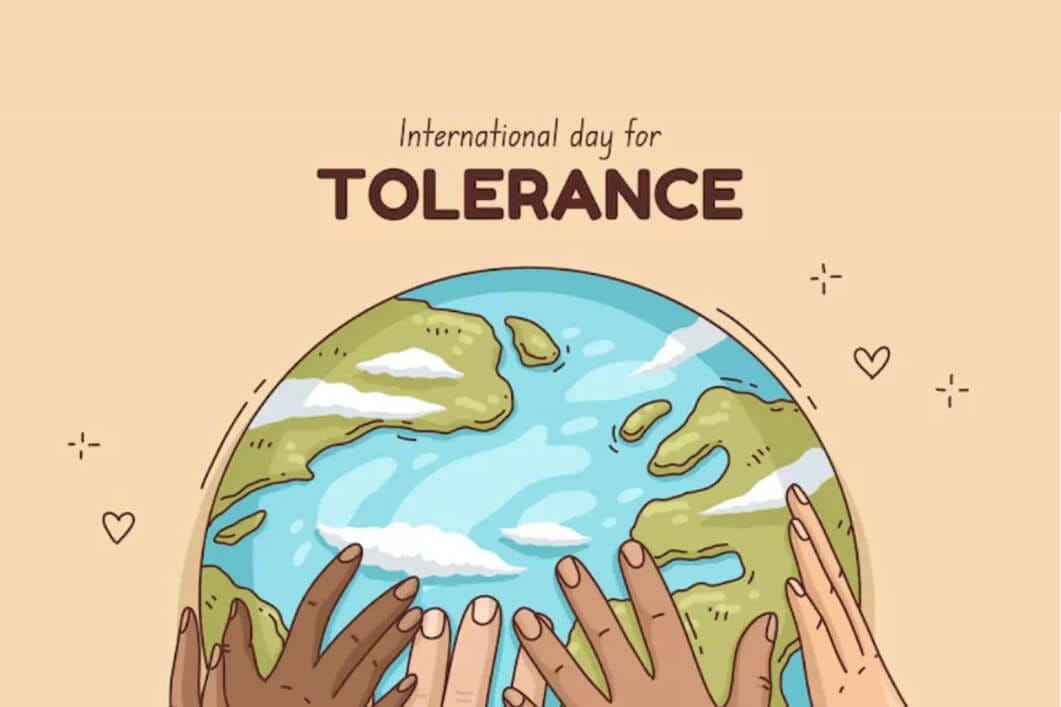
Patience and tolerance are essential virtues that enable individuals to navigate life’s challenges with calmness, understanding, and resilience. In a world that often demands instant results and is marked by diversity in beliefs, cultures, and opinions, these qualities are more important than ever. They help individuals maintain emotional balance, build harmonious relationships, and contribute to a peaceful and inclusive society.

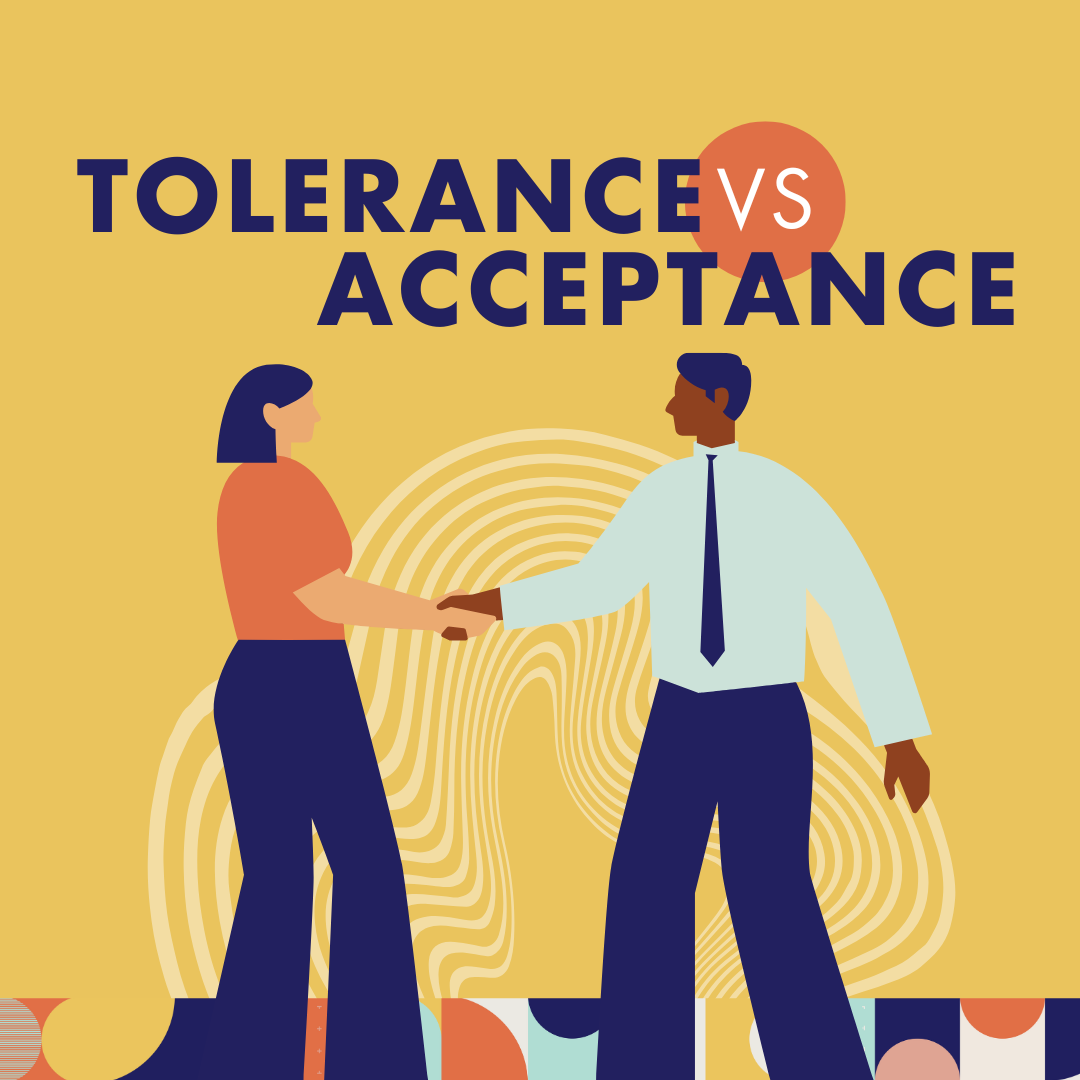
Patience is the ability to remain calm and composed in difficult situations, delays, or adversity. Tolerance, on the other hand, refers to accepting and respecting differences in others, including their beliefs, values, and behaviors. Together, these values foster understanding, reduce conflict, and promote cooperation.


🌱 Meaning and Definitions

πŸ”Ή Patience

Patience is:

  • The ability to endure delays, difficulties, or discomfort without frustration
  • Remaining calm under pressure
  • Persisting despite challenges

Examples:

  • Waiting for results without anxiety
  • Handling setbacks calmly
  • Practicing perseverance in long-term goals

πŸ”Ή Tolerance

Tolerance is:

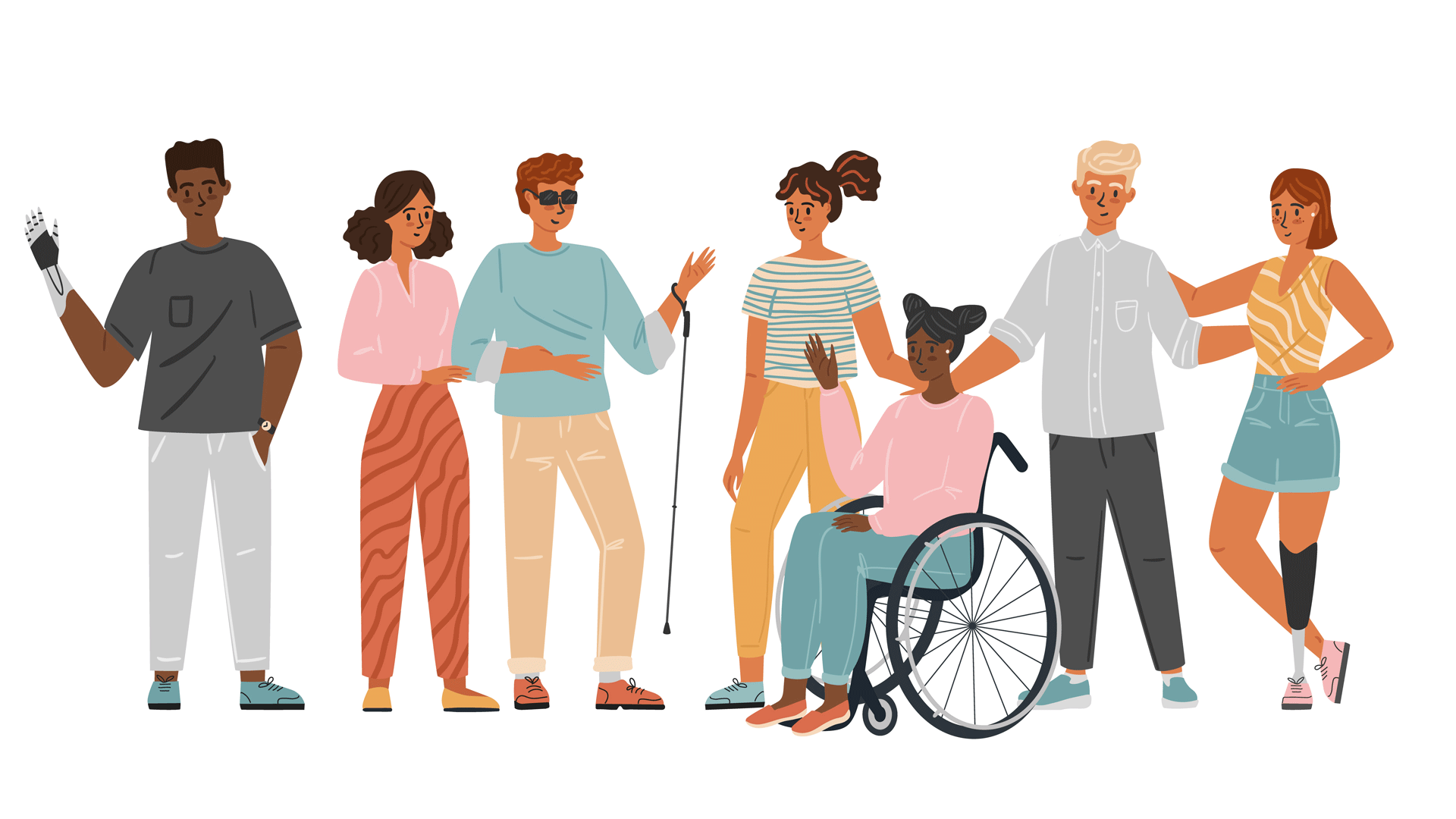
  • Acceptance and respect for diversity
  • Openness to different opinions and lifestyles
  • Avoiding prejudice and discrimination

Examples:

  • Respecting cultural differences
  • Listening to opposing viewpoints
  • Living peacefully with diverse communities

πŸ”Ή Key Differences

AspectPatienceTolerance
FocusTime and emotionsPeople and diversity
NatureInternal controlSocial acceptance
ExampleWaiting calmlyRespecting others’ beliefs

🧠 Psychological Foundations

Image
Image
Image
Image

πŸ”Ή Emotional Regulation

  • Patience involves controlling emotions like anger and frustration
  • Linked to emotional intelligence

πŸ”Ή Cognitive Flexibility

  • Tolerance requires open-minded thinking
  • Ability to consider multiple perspectives

πŸ”Ή Stress Management

  • Patience reduces stress and anxiety
  • Tolerance improves social interactions

πŸ›οΈ Philosophical Perspectives

Image
Image
Image
Image

πŸ”Έ Ancient Philosophy

  • Stoicism emphasizes patience and control over emotions
  • Encourages acceptance of what cannot be changed

πŸ”Έ Eastern Philosophy

  • Buddhism teaches patience (Kshanti) and compassion
  • Hinduism values tolerance and harmony

πŸ”Έ Modern Thinkers

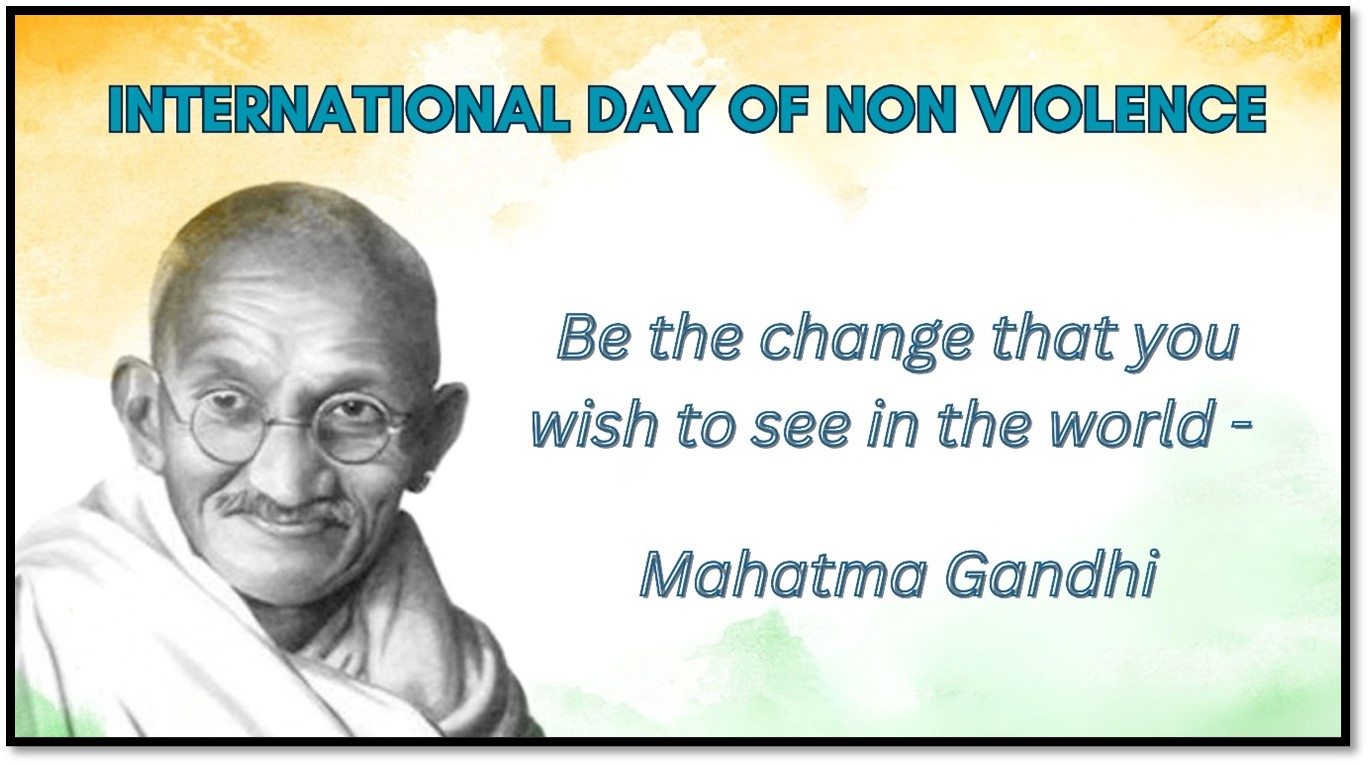
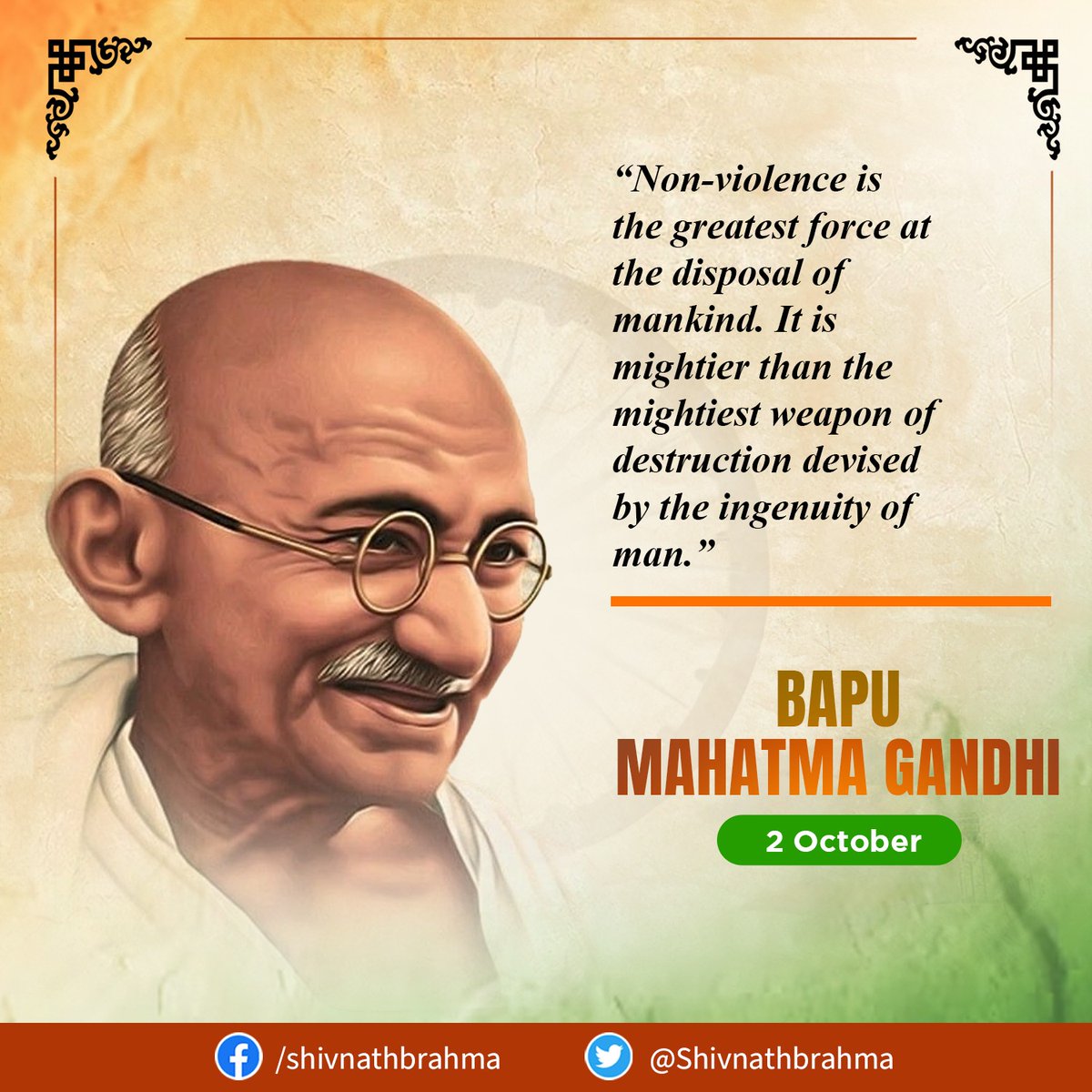
  • Mahatma Gandhi practiced tolerance through non-violence
  • Advocated peaceful coexistence

🧘 Spiritual and Religious Significance

Image
Image
Image
Image

πŸ”Ή Patience in Religion

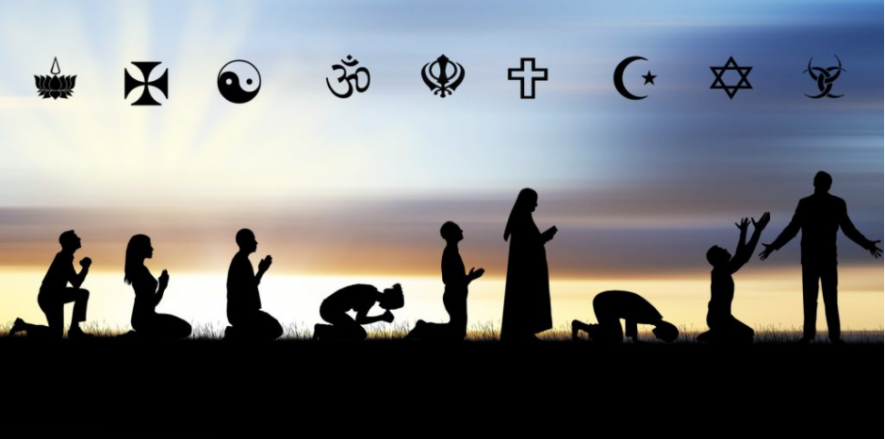
  • Seen as a virtue in many faiths
  • Associated with faith and perseverance

πŸ”Ή Tolerance in Religion

  • Promotes peace and coexistence
  • Encourages respect for diversity

🏠 Role in Personal Life

🌟 Emotional Stability

  • Patience helps manage stress and anger
  • Promotes calmness

🌟 Relationships

  • Tolerance reduces conflicts
  • Encourages understanding

🌟 Personal Growth

  • Patience leads to perseverance
  • Tolerance broadens perspective

🌍 Social Importance

Image
Image
Image
Image

πŸ”Ή Social Harmony

  • Reduces conflicts and violence
  • Promotes peaceful coexistence

πŸ”Ή Inclusivity

  • Encourages acceptance of diversity
  • Builds inclusive communities

πŸ”Ή Global Peace

  • Essential for international relations
  • Promotes cooperation among nations

🏫 Importance in Education

πŸ“˜ Student Development

  • Patience improves learning
  • Tolerance fosters respect

πŸ“˜ Classroom Environment

  • Encourages collaboration
  • Reduces bullying

πŸ“˜ Teacher Role

  • Teaching values of patience and tolerance

πŸ’Ό Workplace Relevance

Image
Image
Image
Image

πŸ”Ή Teamwork

  • Tolerance improves collaboration

πŸ”Ή Stress Management

  • Patience helps handle pressure

πŸ”Ή Leadership

  • Leaders must demonstrate patience and tolerance

βš–οΈ Ethical Dimensions

πŸ”Έ Respect for Others

  • Tolerance ensures respect for diversity

πŸ”Έ Fairness

  • Treating others equally

πŸ”Έ Non-Violence

  • Promotes peaceful solutions

🧩 Challenges to Patience and Tolerance

Image
Image
Image
Image

πŸ”Ή Impatience

  • Desire for instant results

πŸ”Ή Prejudice

  • Bias against others

πŸ”Ή Stress

  • Reduces emotional control

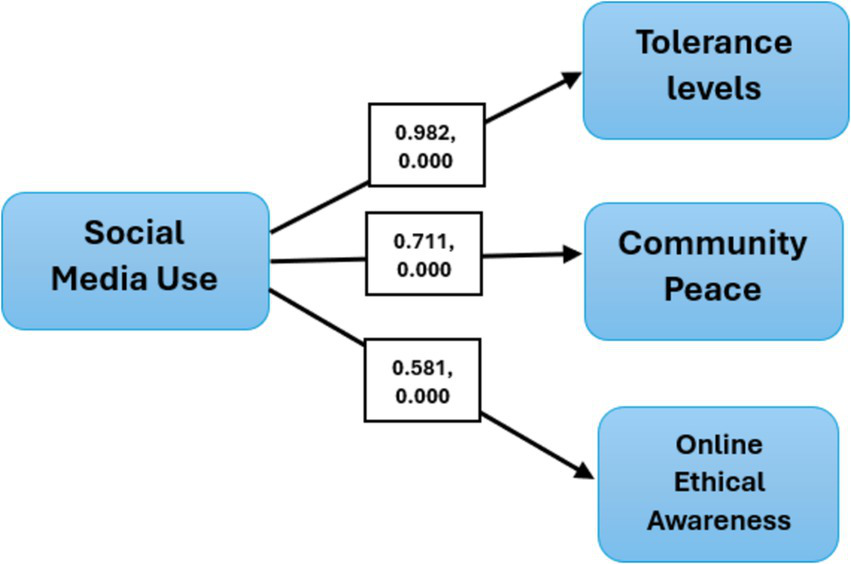
πŸ”Ή Social Media

  • Promotes quick reactions and intolerance

🌟 Benefits of Patience and Tolerance

βœ… Personal Benefits

  • Better emotional control
  • Increased resilience
  • Improved mental health

βœ… Social Benefits

  • Stronger relationships
  • Peaceful communities

βœ… Professional Benefits

  • Better teamwork
  • Effective leadership

πŸ› οΈ Ways to Develop Patience and Tolerance

Image
Image
Image
Image

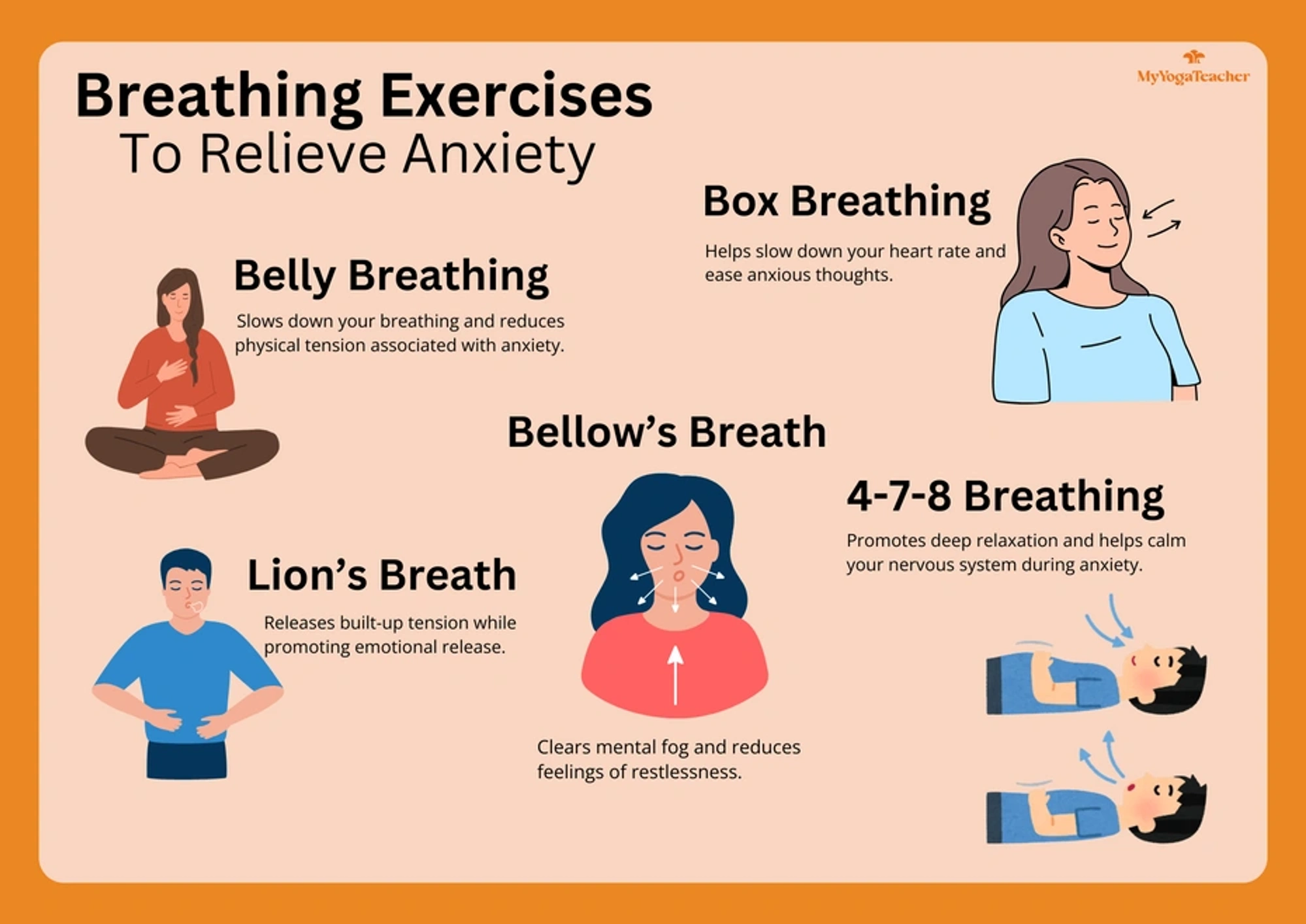
πŸ”Ή Practice Mindfulness

  • Stay present and calm

πŸ”Ή Develop Empathy

  • Understand others’ perspectives

πŸ”Ή Control Reactions

  • Pause before responding

πŸ”Ή Exposure to Diversity

  • Learn about different cultures

πŸ”Ή Build Habits

  • Practice patience daily

πŸ“± Patience and Tolerance in the Digital Age

Image
Image
Image
Image

πŸ”Ή Online Behavior

  • Avoid impulsive reactions
  • Respect differing opinions

πŸ”Ή Digital Challenges

  • Fast-paced communication reduces patience

πŸ”Ή Promoting Positivity

  • Encourage respectful discussions

🧭 Real-Life Examples

πŸ”Ή Personal Life

  • Handling delays calmly
  • Accepting differences

πŸ”Ή Social Context

  • Peaceful coexistence in diverse communities

πŸ”Ή Global Context

  • International cooperation

πŸ“Š Comparison with Related Values

ValueRelation
EmpathySupports tolerance
Self-controlEssential for patience
RespectBasis of tolerance
PerseveranceRelated to patience

🧾 Conclusion

Patience and tolerance are essential virtues that contribute to personal well-being, social harmony, and global peace. They enable individuals to manage emotions, accept diversity, and respond to challenges with calmness and understanding. In a world characterized by rapid change and diversity, these values are more important than ever.

By cultivating patience and tolerance, individuals can improve their relationships, enhance their emotional intelligence, and contribute to a more inclusive and peaceful society. These values are not just moral idealsβ€”they are practical skills that help individuals navigate life with wisdom and resilience.


🏷️ Tags