
🌐 Introduction to C Programming

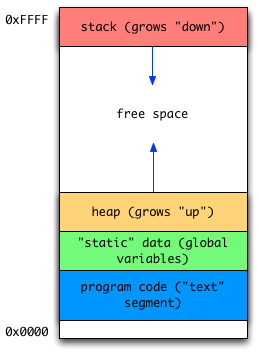
C programming is one of the most influential and widely used programming languages in the world. Developed in the early 1970s, it is a general-purpose, procedural programming language that provides low-level access to memory and system resources.
In simple terms:
C = powerful language that connects software with hardware
C is often called the mother of modern programming languages because many languages (like C++, Java, Python) are derived from or influenced by it.
🧠 Importance of C Programming
- Foundation for learning programming
- Used in operating systems (e.g., Linux kernel)
- High performance and efficiency
- Direct memory access using pointers
- Widely used in embedded systems
🧩 Basic Structure of a C Program
📄 Structure Overview

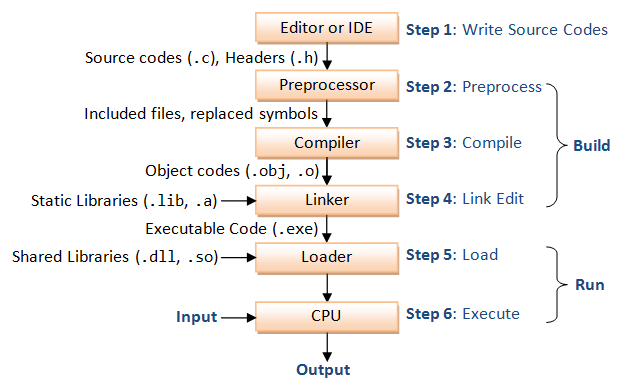

Example:
#include <stdio.h>

int main() {
    printf("Hello, World!");
    return 0;
}
🧠 Components:
- Preprocessor directives (
#include) - Main function (
main()) - Statements and expressions
- Return statement
⚙️ Data Types in C
🔢 Basic Data Types
| Type | Description |
|---|---|
| int | Integer values |
| float | Decimal values |
| char | Characters |
| double | High precision numbers |
🧩 Derived Data Types
- Arrays
- Pointers
- Structures
- Unions
🧠 User-Defined Types
- typedef
- struct
- enum
🔤 Variables and Constants
📌 Variables
Used to store data:
int x = 10;
🔒 Constants
- Fixed values
#define PI 3.14
⚙️ Operators in C
🔢 Types of Operators
➕ Arithmetic Operators
- +, -, *, /, %
⚖️ Relational Operators
- ==, !=, >, <
🔗 Logical Operators
- &&, ||, !
🧮 Bitwise Operators
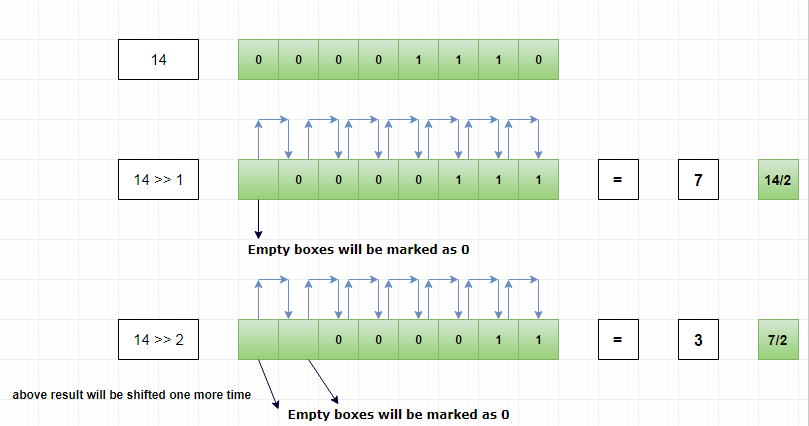

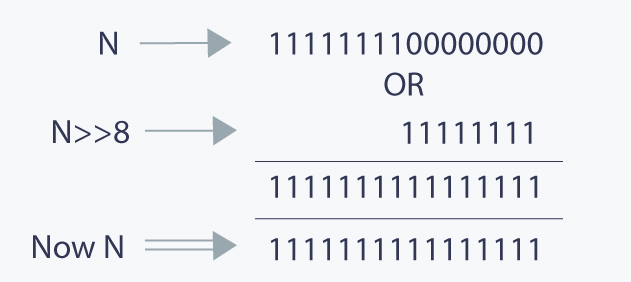
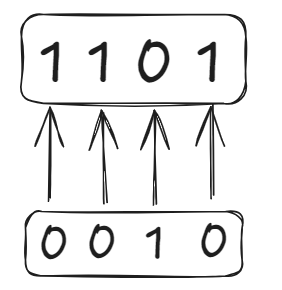
- &, |, ^, <<, >>
🔄 Control Structures
🔀 Decision Making
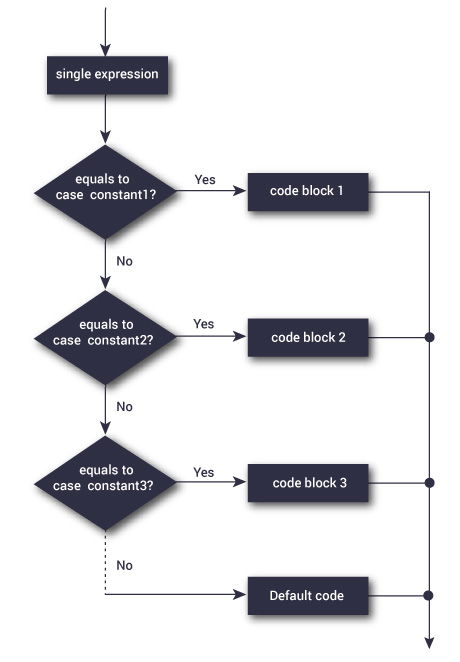
if (x > 0) {
    printf("Positive");
}
🔁 Loops

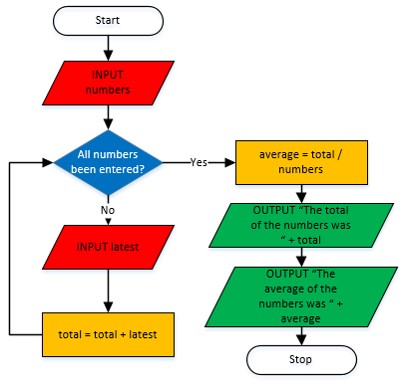
- for
- while
- do-while
🧠 Functions in C
📌 Definition
Functions are reusable blocks of code.
int add(int a, int b) {
    return a + b;
}
⚙️ Types:
- Library functions
- User-defined functions
🧩 Arrays in C
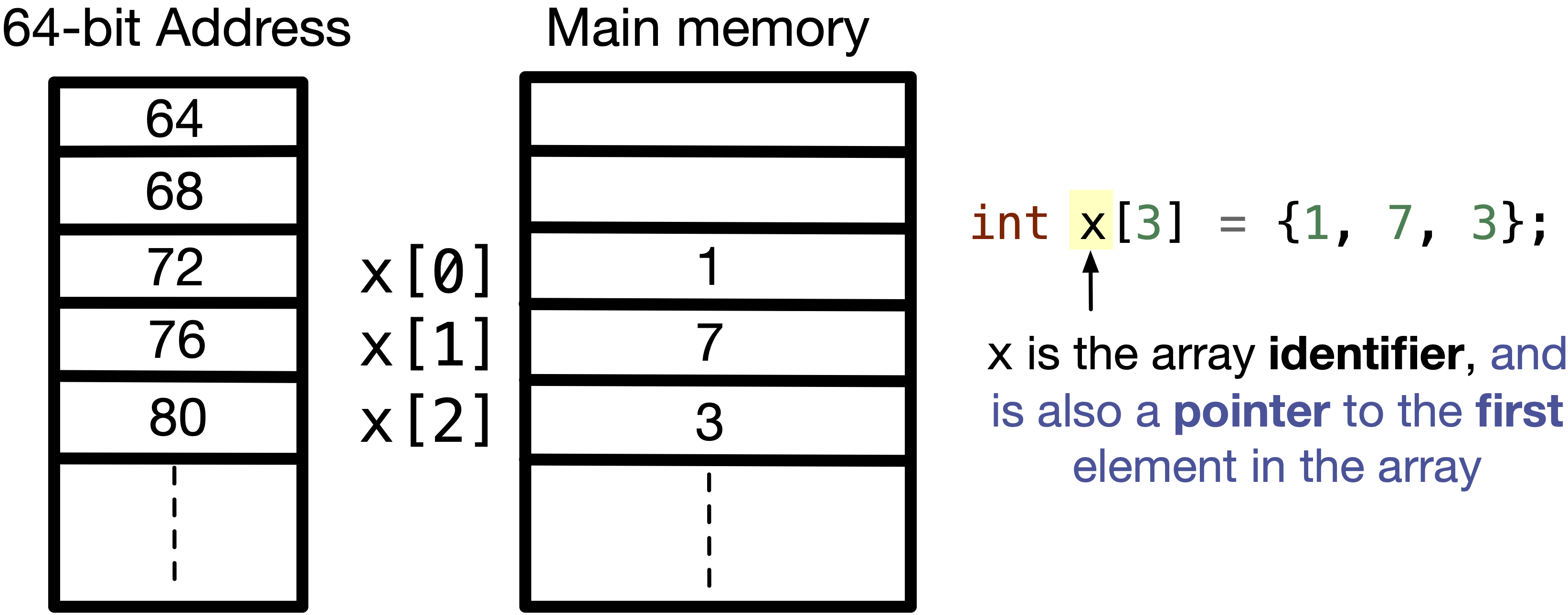
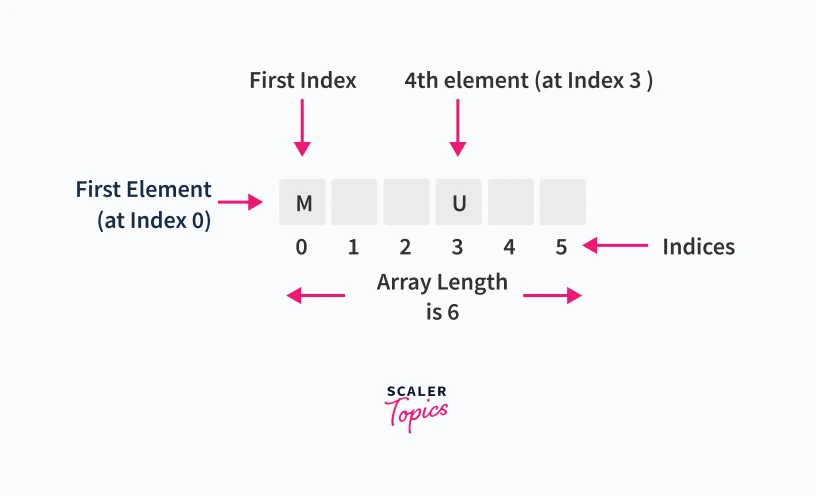

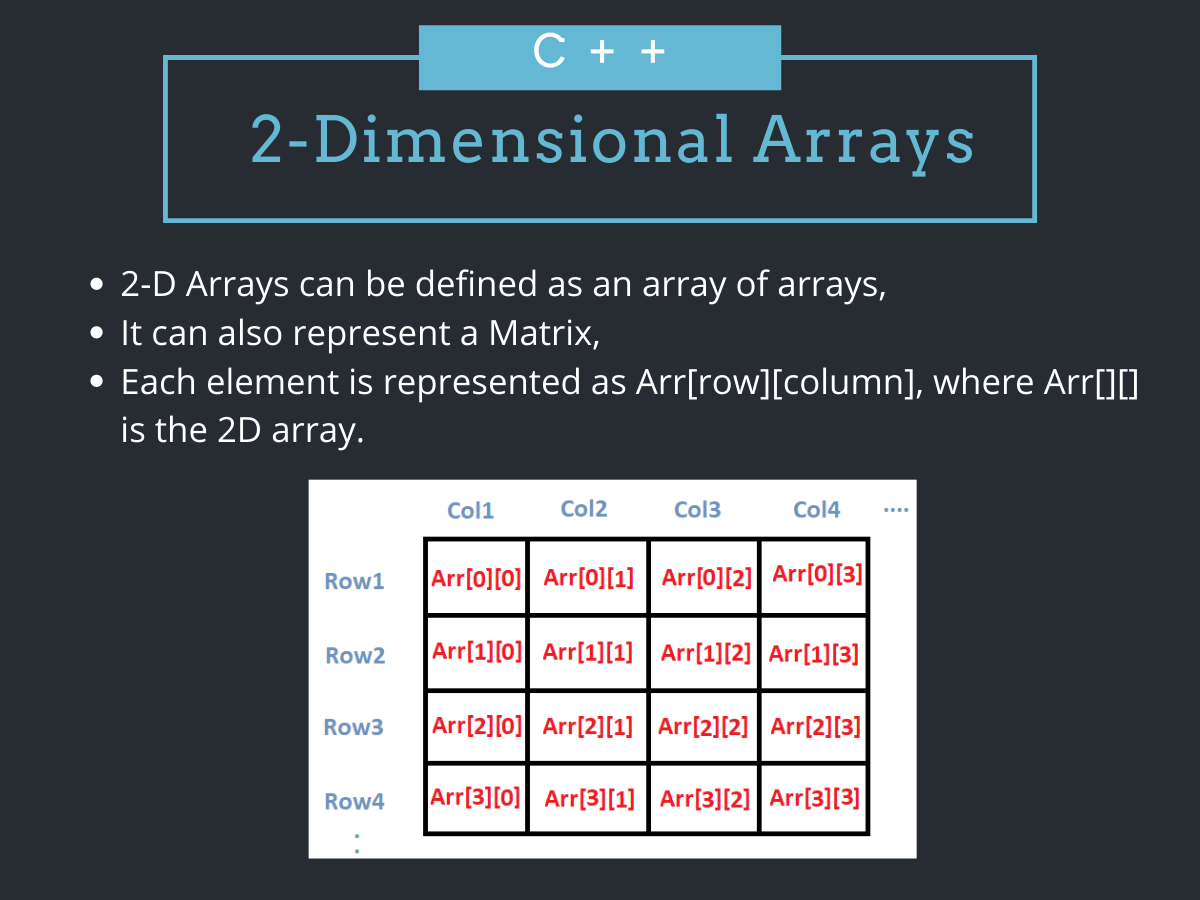
- Store multiple values
- Indexed structure
🔤 Strings in C
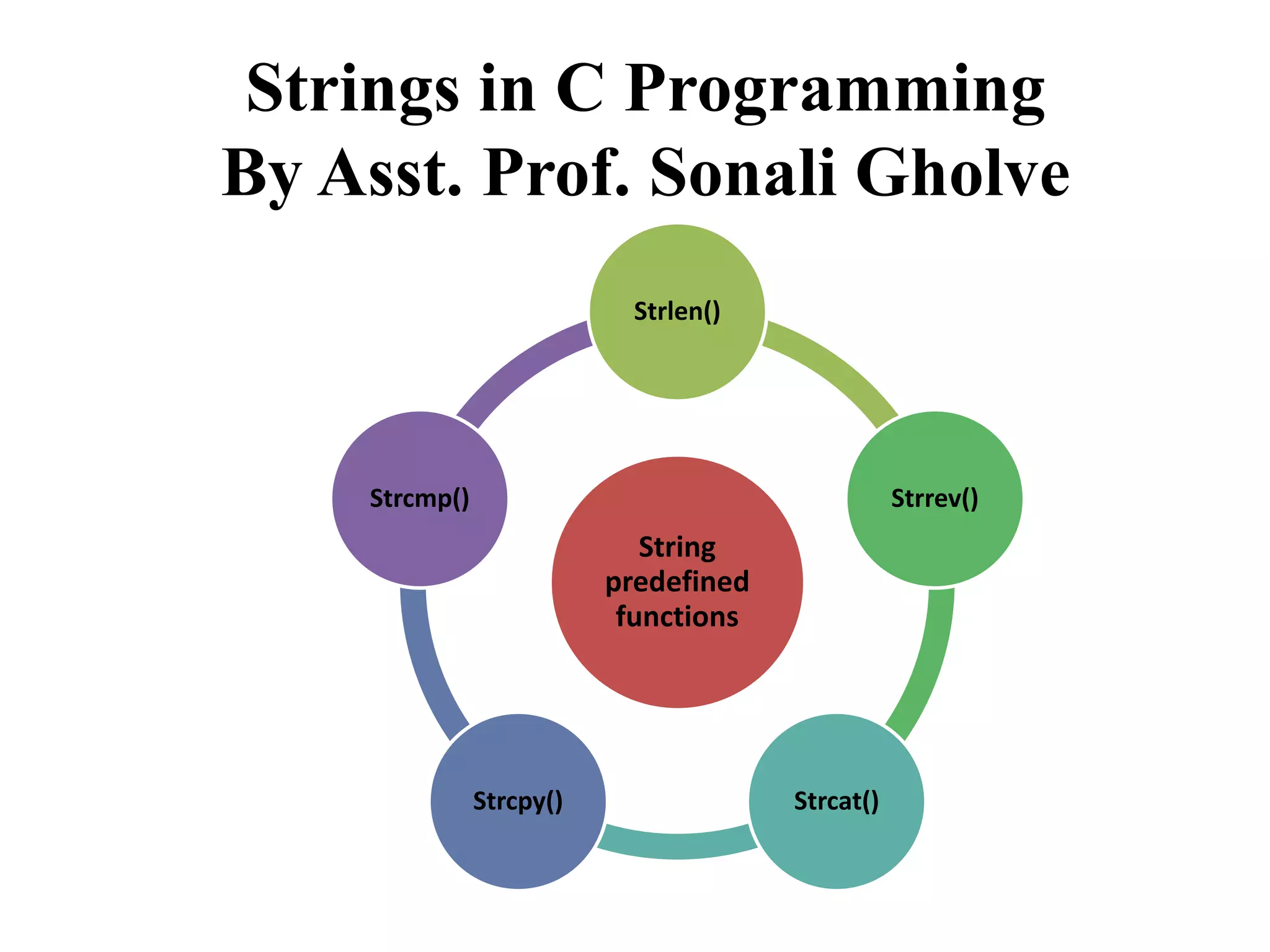

- Array of characters
- Null-terminated
🧠 Pointers in C
📌 Concept
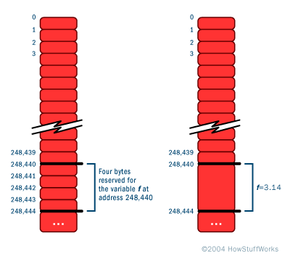
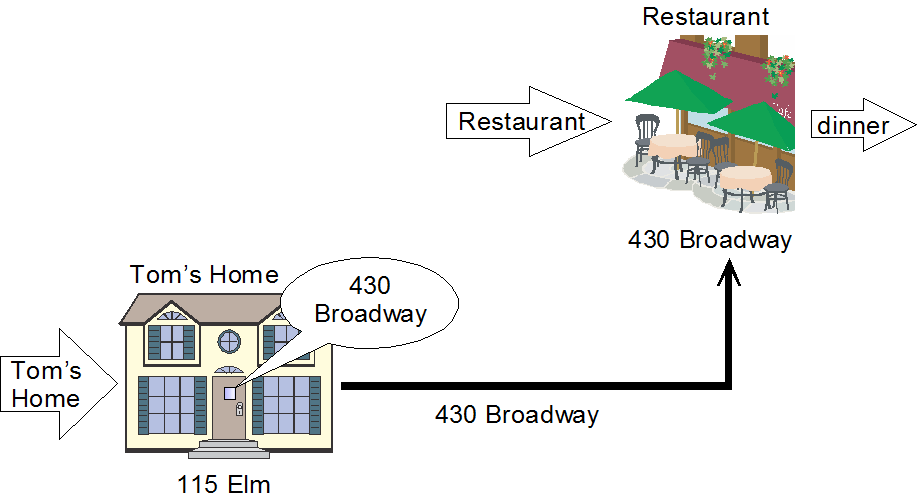


Pointers store memory addresses.
int *ptr;
⚙️ Uses:
- Dynamic memory allocation
- Efficient array handling
- Function arguments
💾 Dynamic Memory Allocation
📦 Functions:
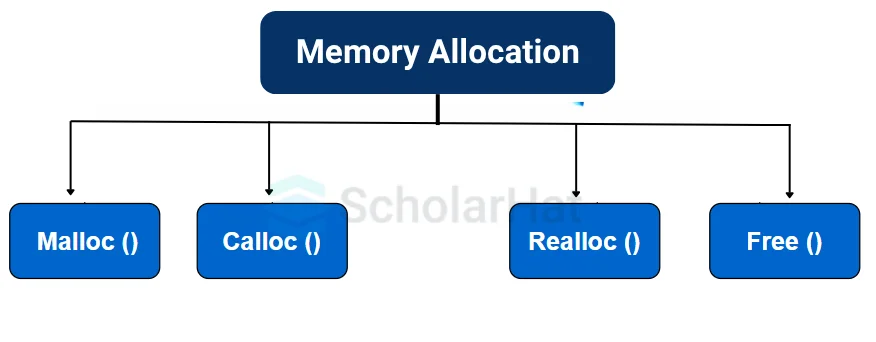

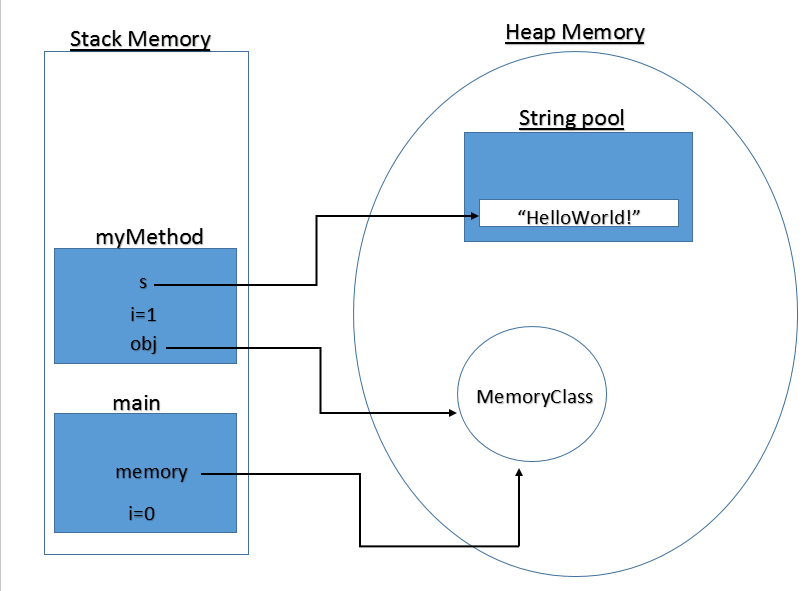
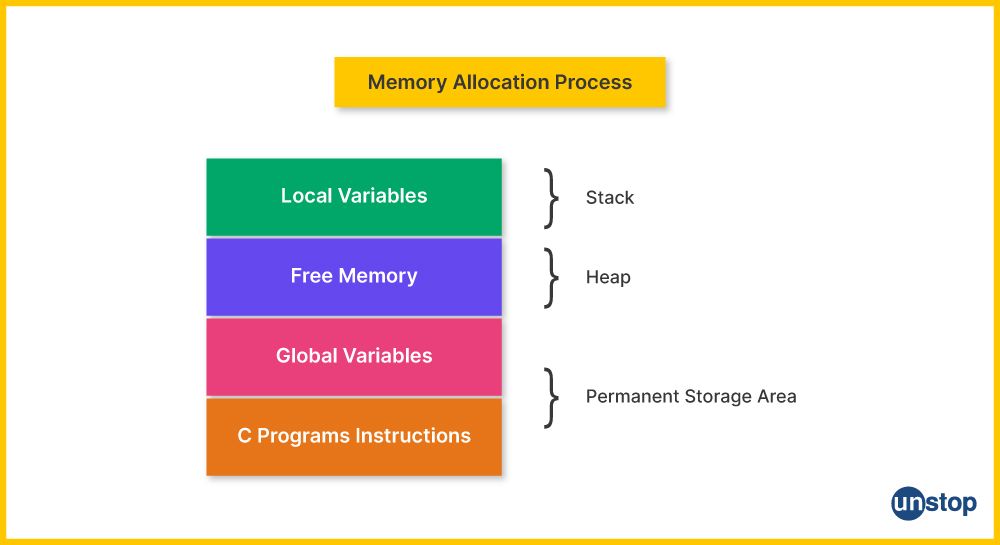
- malloc()
- calloc()
- realloc()
- free()
🧩 Structures and Unions
📦 Structures
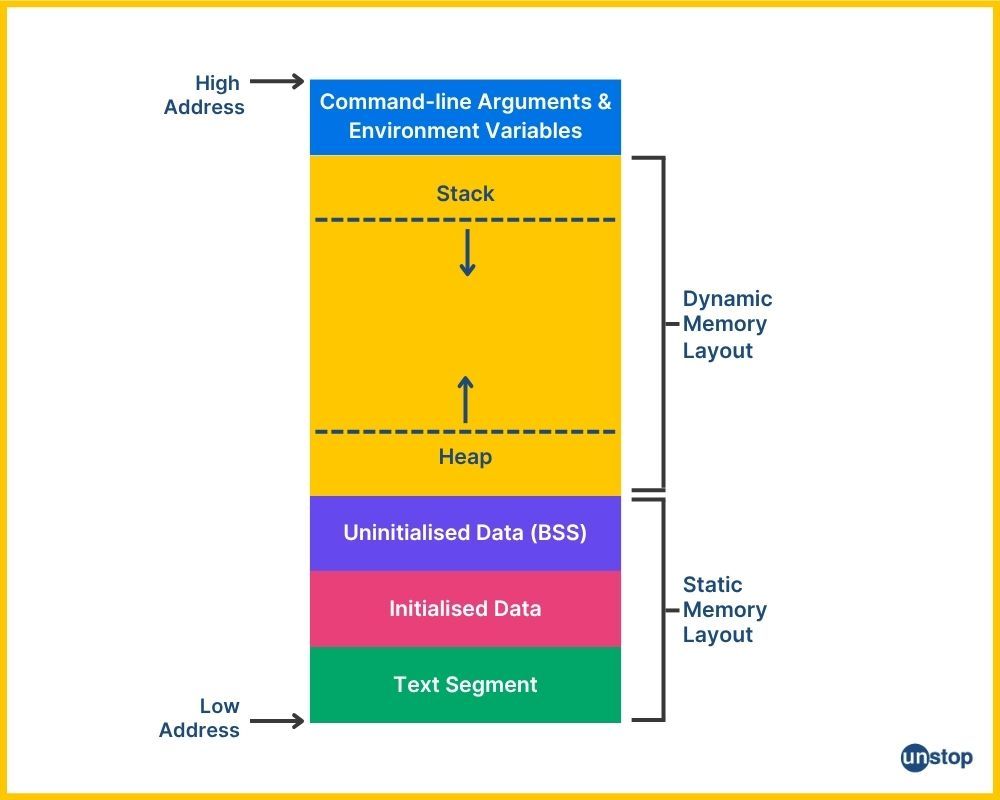


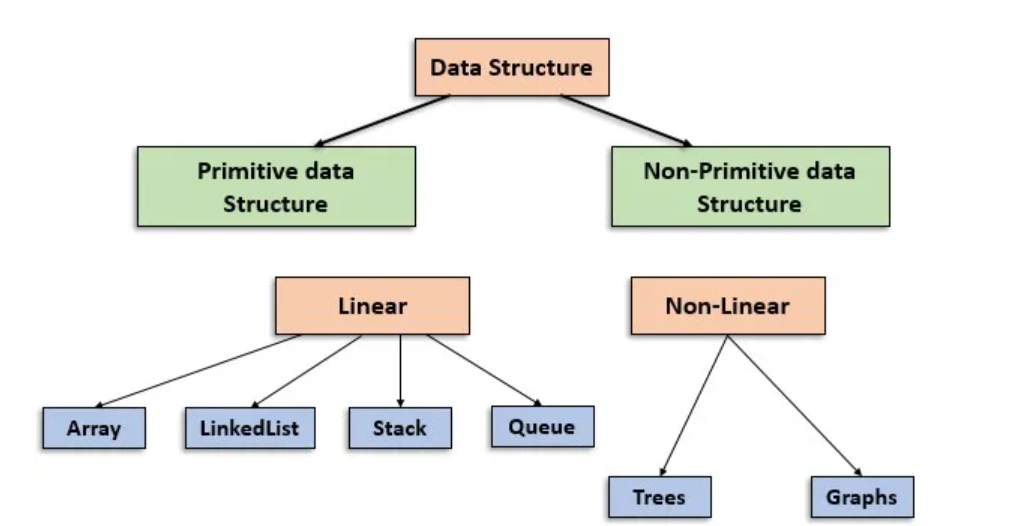
struct Student {
    int id;
    char name[20];
};
🔄 Unions
- Share memory among variables
📂 File Handling in C
📄 Operations:

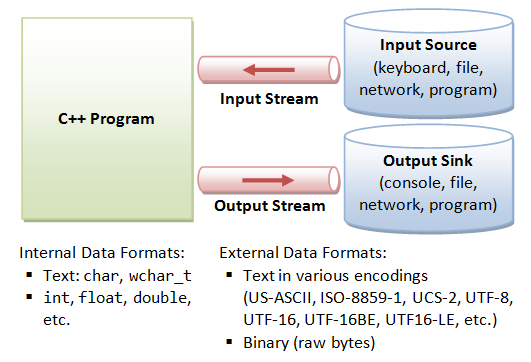
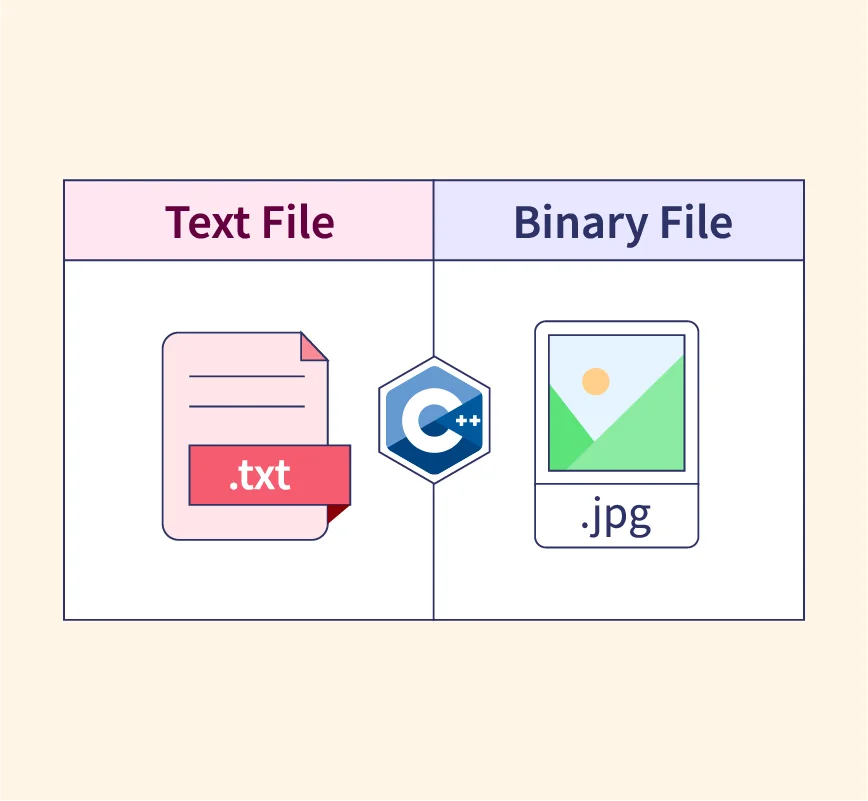

- fopen()
- fread()
- fwrite()
- fclose()
🧠 Preprocessor Directives
🔹 Examples:
- #include
- #define
- #ifdef
⚙️ Compilation Process
🔄 Steps
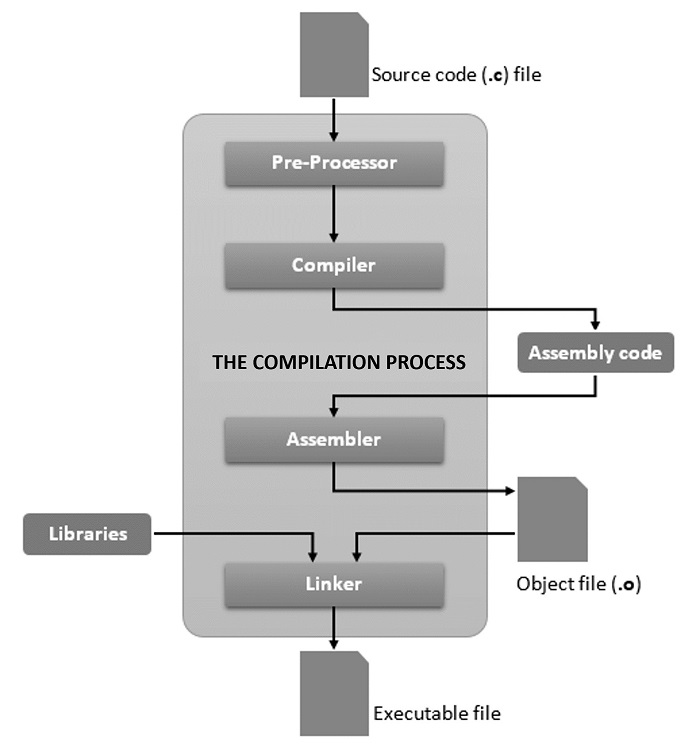
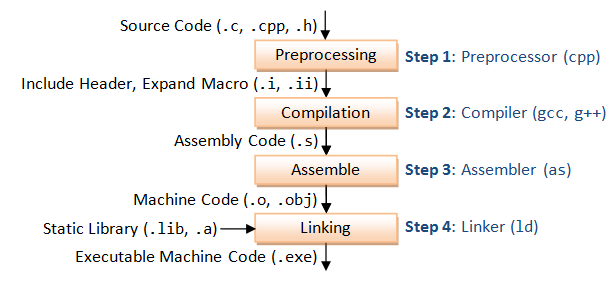

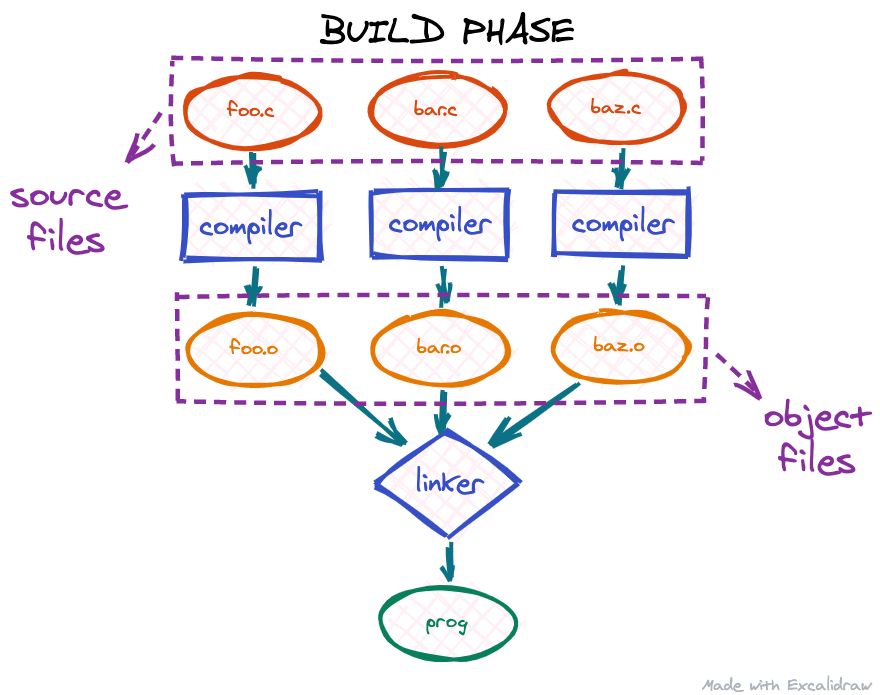
- Preprocessing
- Compilation
- Linking
- Execution
🧠 Applications of C Programming
💻 System Programming
- Operating systems
- Compilers
⚙️ Embedded Systems
- Microcontrollers
- IoT devices
🎮 Game Development
- Performance-critical code
🌐 Networking
- Protocol implementations
⚡ Advantages of C
- Fast and efficient
- Portable
- Low-level access
- Rich library support
⚠️ Limitations
- No built-in OOP
- Manual memory management
- Error-prone
🌐 C in Software Development Languages Context
🧠 Role of C Among Languages


🔹 Low-Level Languages
- C
- Assembly
🔹 High-Level Languages
- Python
- Java
- JavaScript
🔹 Object-Oriented Languages
- C++
- Java
⚖️ Comparison
| Language | Type | Use |
|---|---|---|
| C | Procedural | System programming |
| Python | High-level | AI, scripting |
| Java | OOP | Enterprise apps |
🚀 Modern Trends
🔬 Developments


- Embedded systems
- IoT
- High-performance computing
- Kernel development
🧾 Conclusion
C programming is a powerful foundational language that:
- Teaches core programming concepts
- Enables system-level programming
- Forms the base for many modern languages
Learning C helps in:
- Understanding memory and performance
- Building efficient applications
- Mastering advanced programming concepts