Tag Archives: time complexity

๐Ÿ“Š Sorting Algorithms


๐Ÿงฉ What is Sorting?

Image
Image
Image
Image

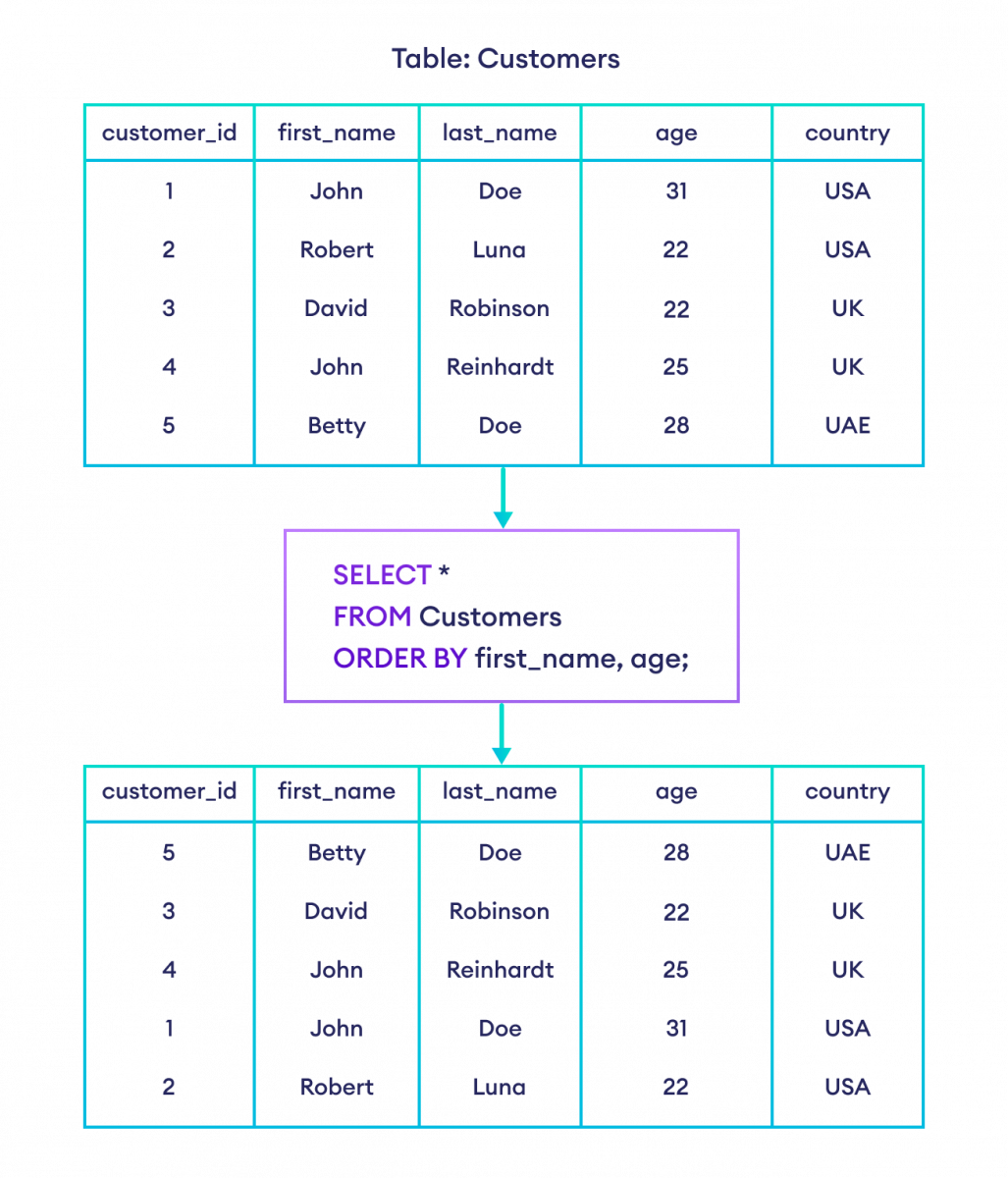
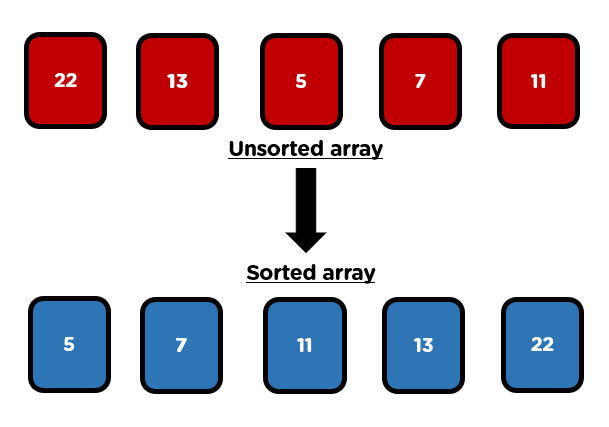
Sorting is the process of arranging data in a specific order, typically:

  • Ascending order (small โ†’ large)
  • Descending order (large โ†’ small)

Sorting is a fundamental operation in computer science and plays a crucial role in:

  • Searching algorithms
  • Data analysis
  • Database management
  • Optimization problems

Example:

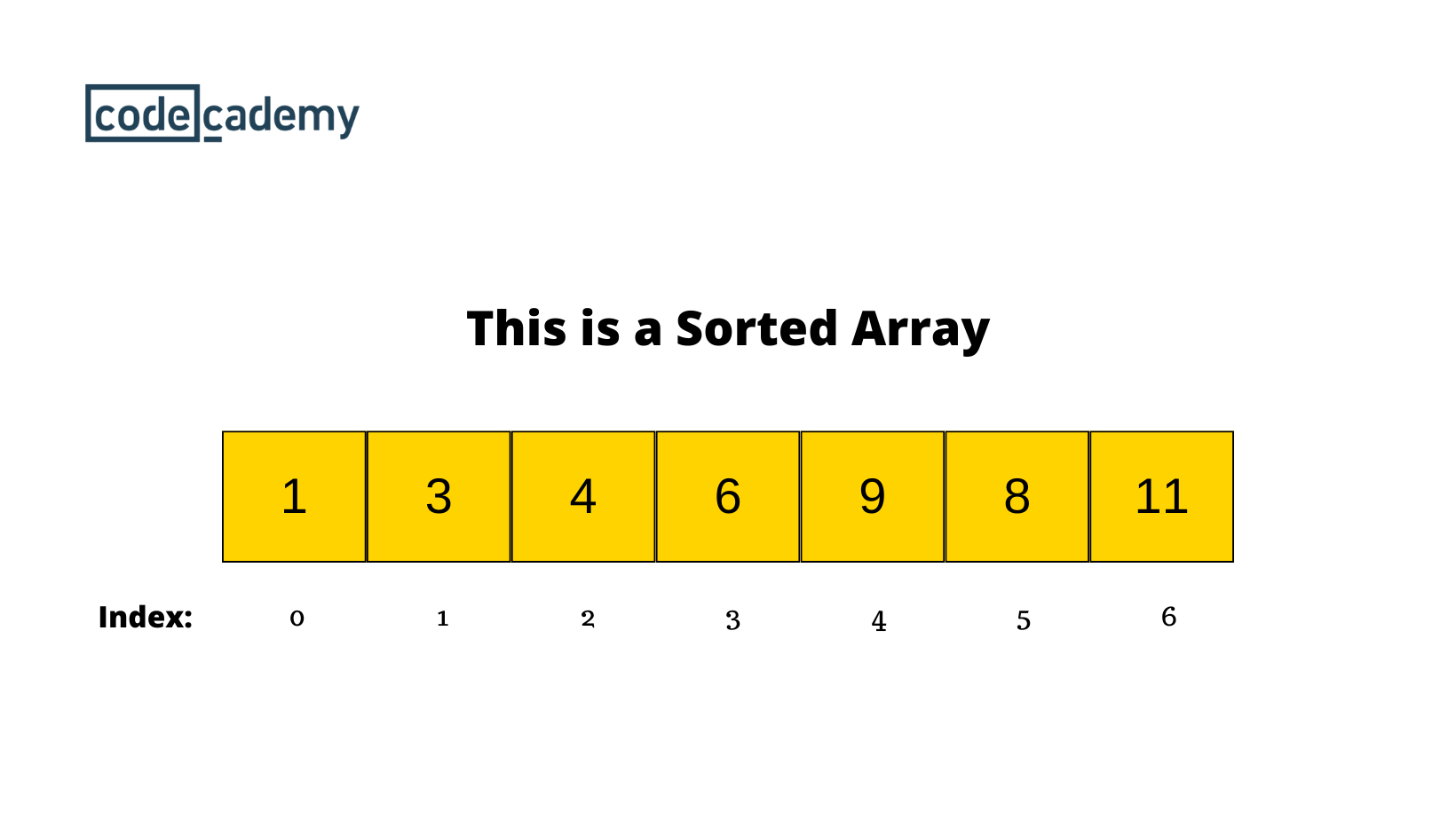
Unsorted: [5, 2, 9, 1, 6]
Sorted:   [1, 2, 5, 6, 9]

๐Ÿง  Why Sorting is Important

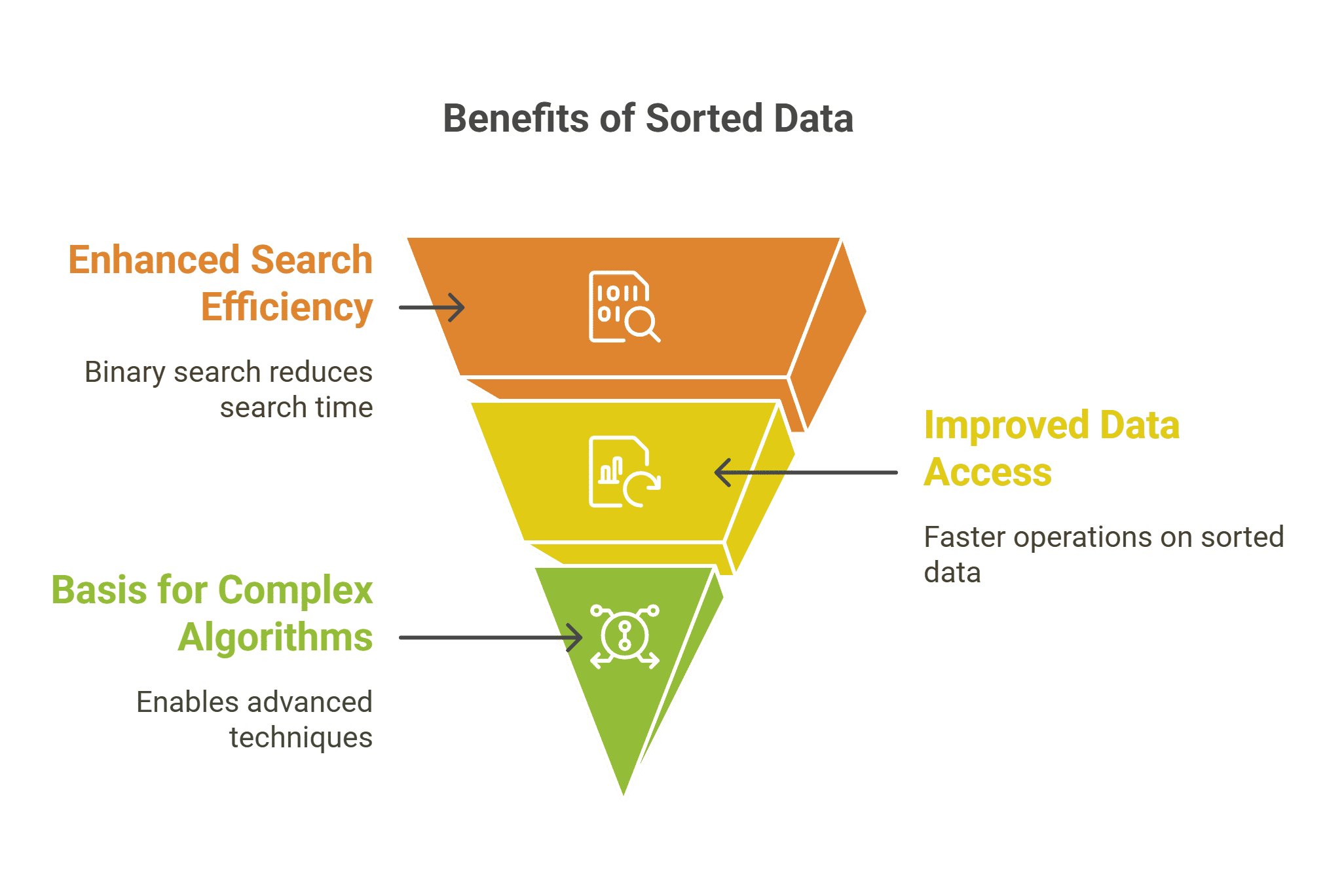
  • Improves efficiency of searching (e.g., Binary Search)
  • Enables easier data analysis
  • Helps in duplicate detection
  • Forms the backbone of many algorithms

โš™๏ธ Classification of Sorting Algorithms

Sorting algorithms can be classified based on several criteria:

๐Ÿ”น Based on Method

  • Comparison-based sorting
  • Non-comparison-based sorting

๐Ÿ”น Based on Memory Usage

  • In-place sorting
  • Out-of-place sorting

๐Ÿ”น Based on Stability

  • Stable sorting
  • Unstable sorting

๐Ÿ”ข Comparison-Based Sorting Algorithms


๐Ÿ”น 1. Bubble Sort

Image
Image
Image

๐Ÿ“Œ Concept:

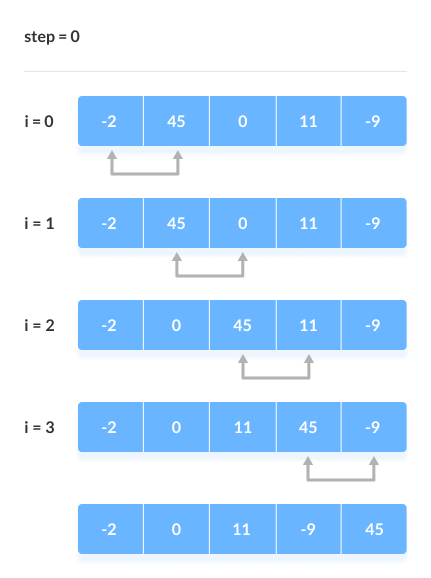
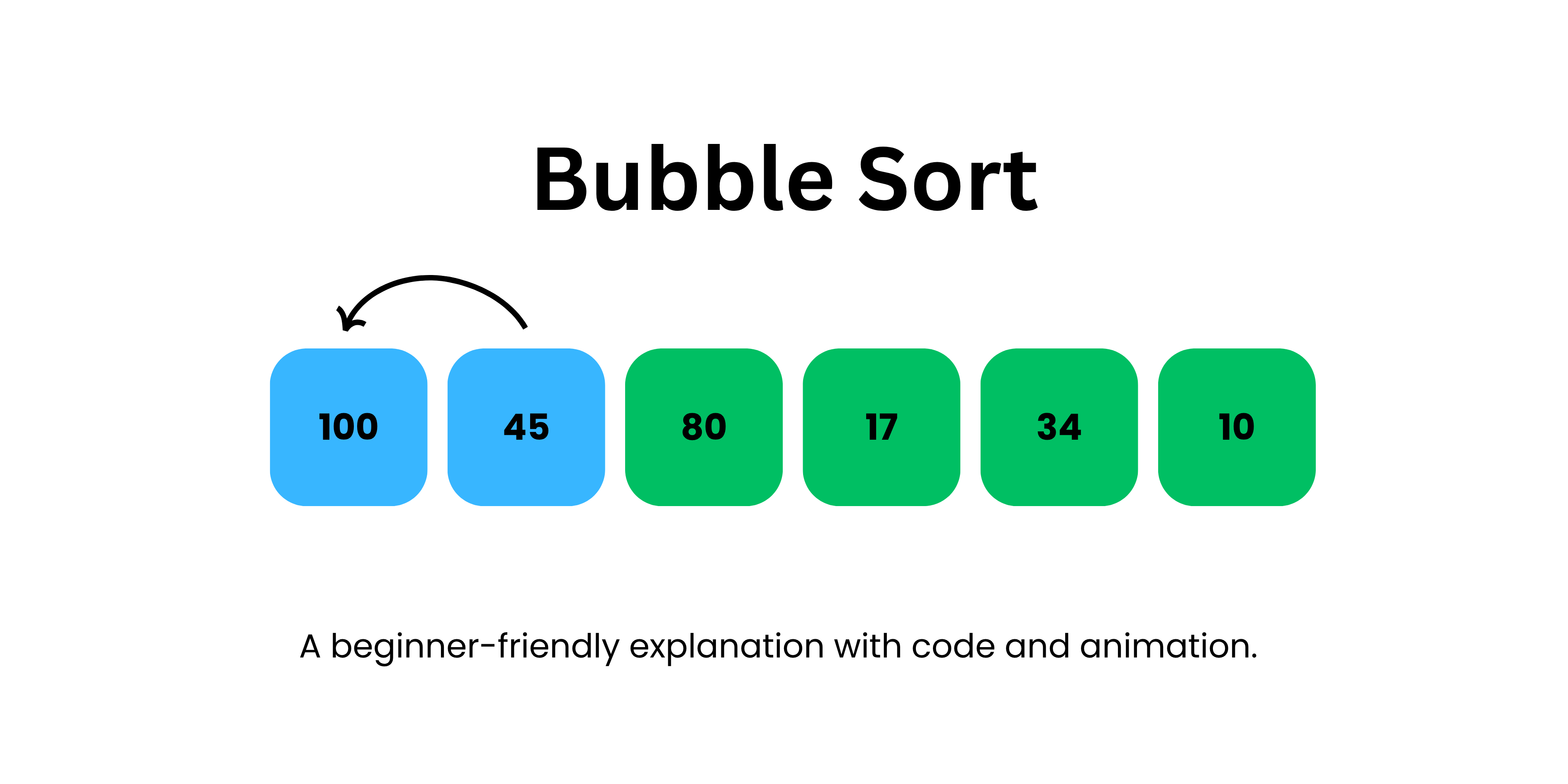
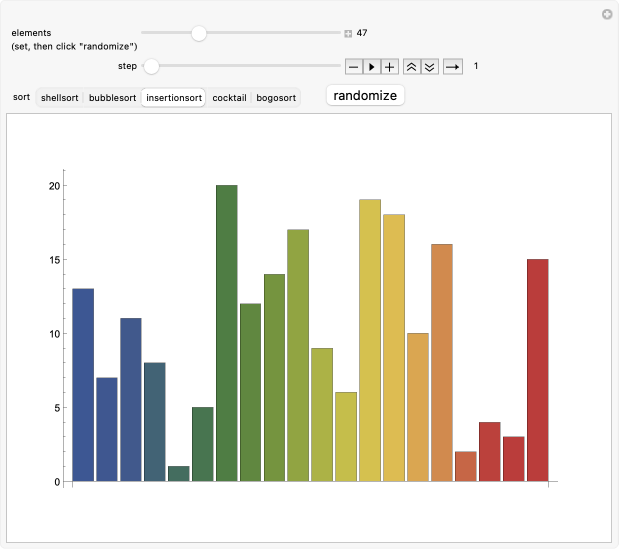
Repeatedly compares adjacent elements and swaps them if they are in the wrong order.

๐Ÿงพ Algorithm:

  1. Compare adjacent elements
  2. Swap if needed
  3. Repeat until sorted

๐Ÿ’ป Example:

def bubble_sort(arr):
    n = len(arr)
    for i in range(n):
        for j in range(0, n-i-1):
            if arr[j] > arr[j+1]:
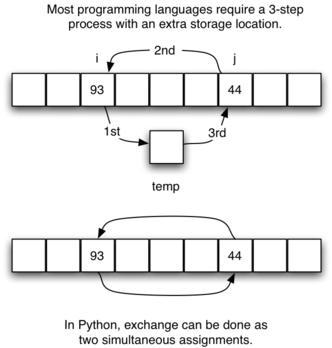
                arr[j], arr[j+1] = arr[j+1], arr[j]

โฑ๏ธ Complexity:

  • Best: O(n)
  • Average: O(nยฒ)
  • Worst: O(nยฒ)

โœ… Pros:

  • Simple
  • Easy to understand

โŒ Cons:

  • Very slow for large data

๐Ÿ”น 2. Selection Sort

Image
Image
Image

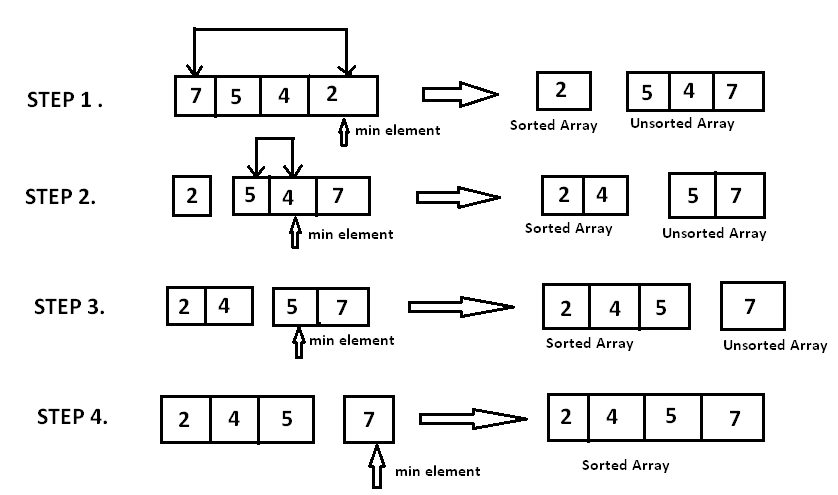
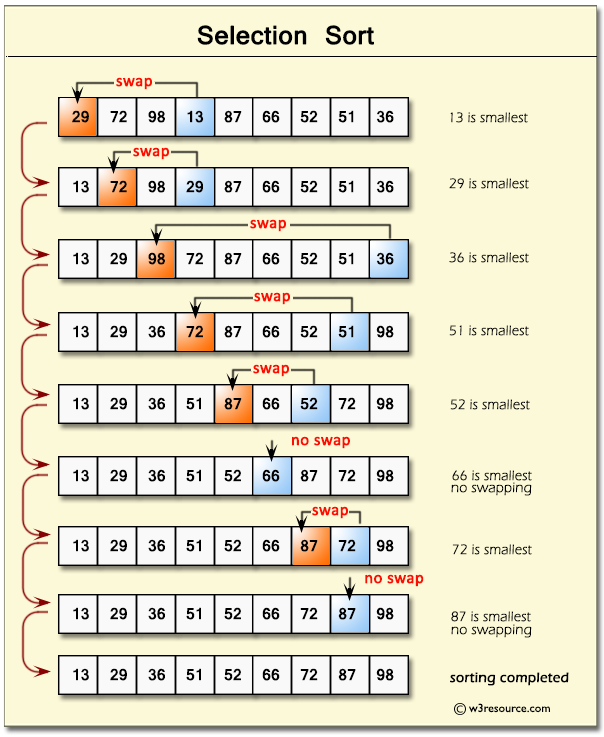
๐Ÿ“Œ Concept:

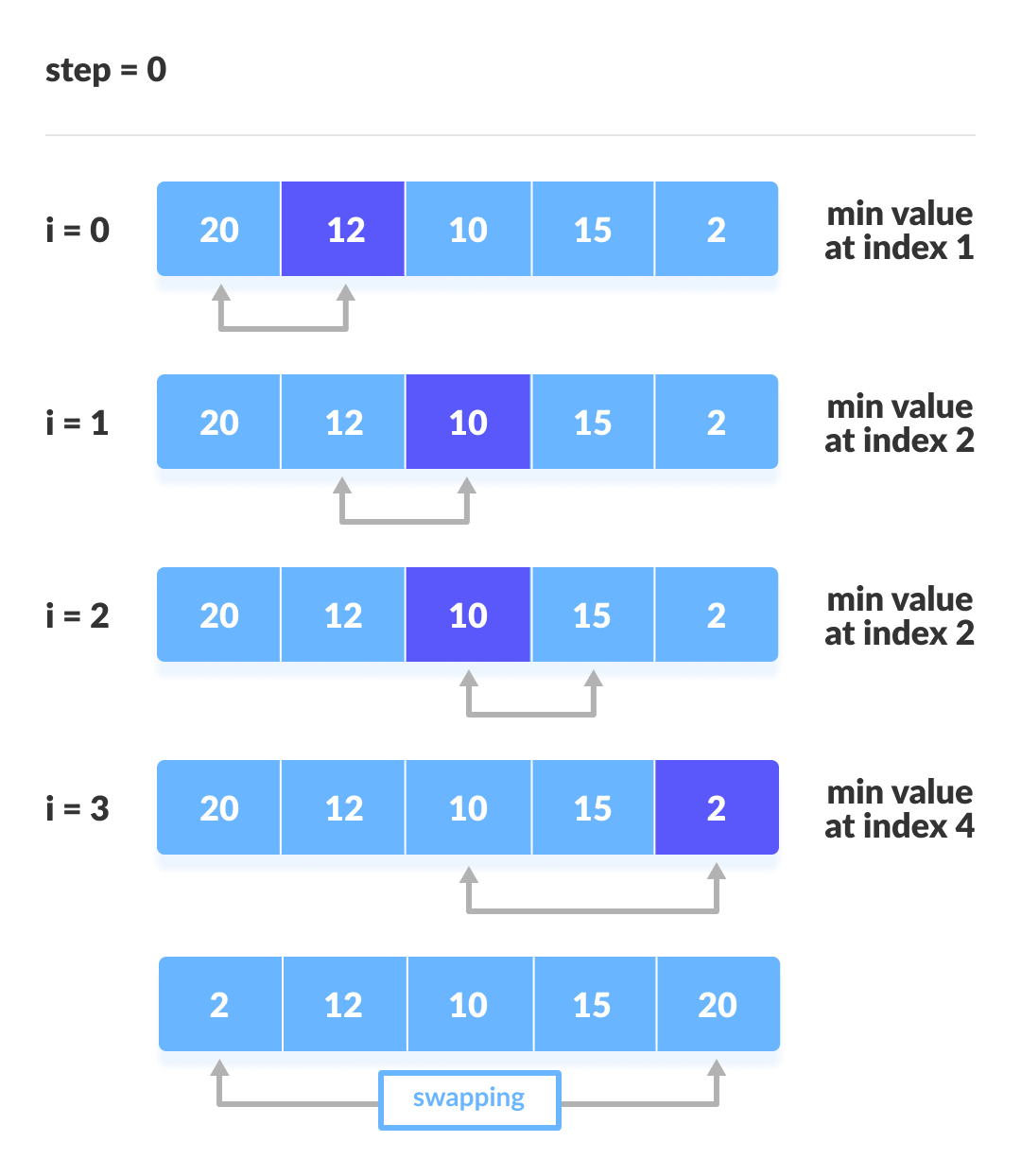
Selects the smallest element and places it in correct position.

โฑ๏ธ Complexity:

  • O(nยฒ) for all cases

๐Ÿ”น 3. Insertion Sort

Image
Image
Image
Image

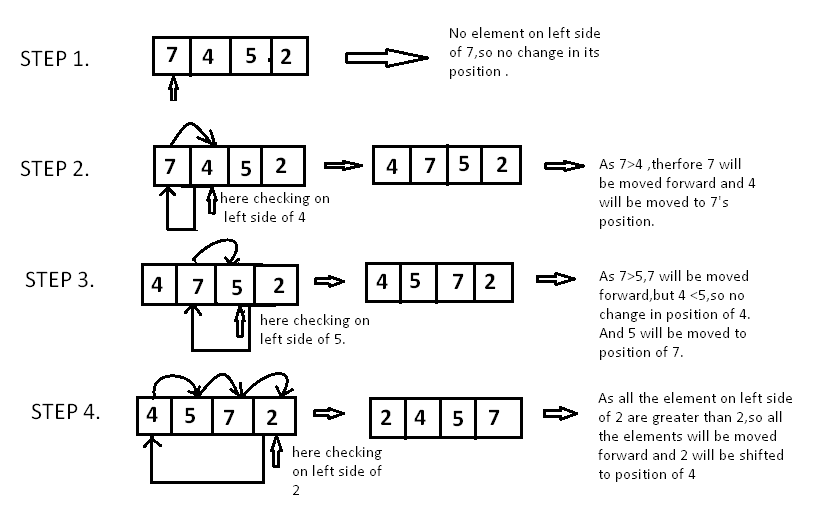
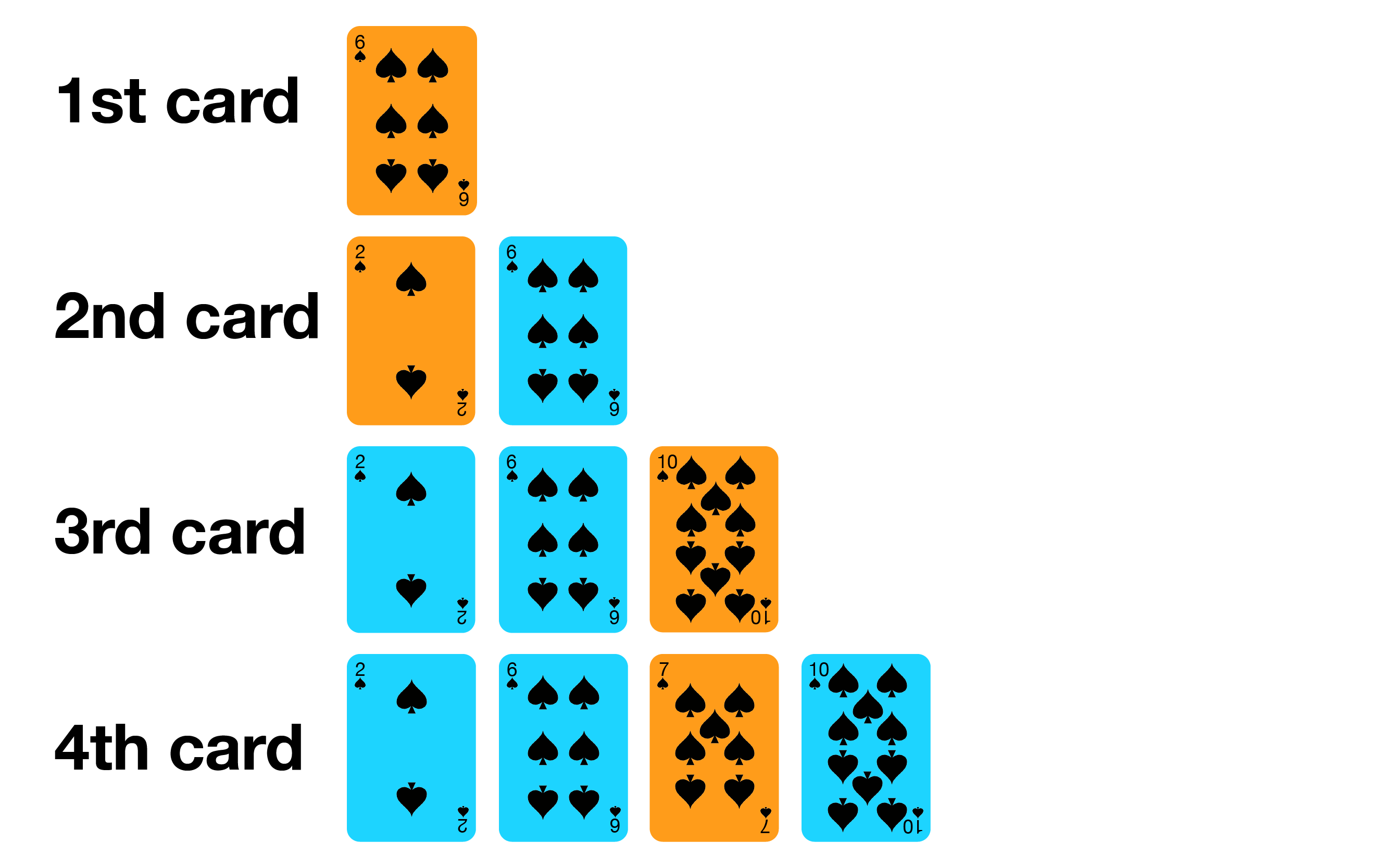
๐Ÿ“Œ Concept:

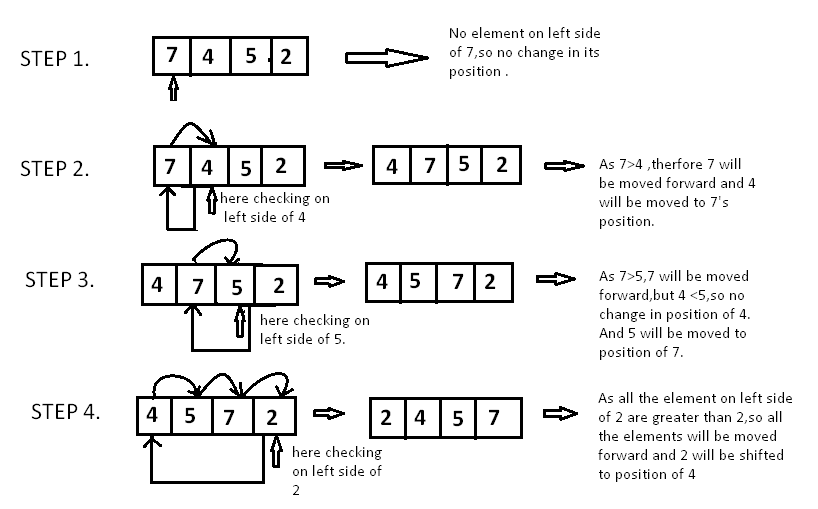
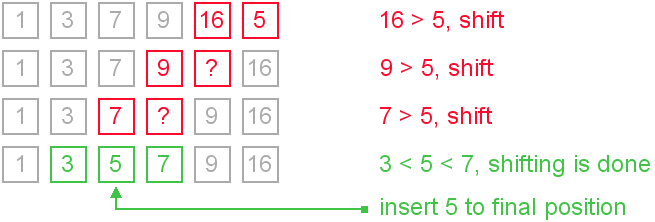
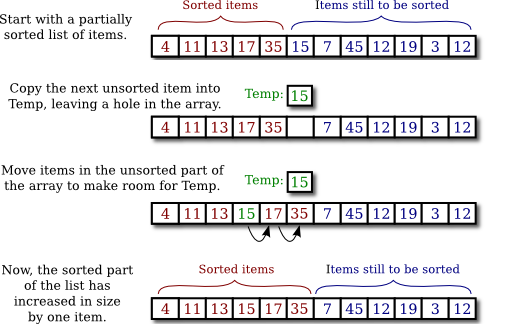
Builds sorted array one element at a time.

โฑ๏ธ Complexity:

  • Best: O(n)
  • Worst: O(nยฒ)

๐Ÿ“Œ Use Case:

Small datasets


๐Ÿ”น 4. Merge Sort

Image
Image
Image
Image

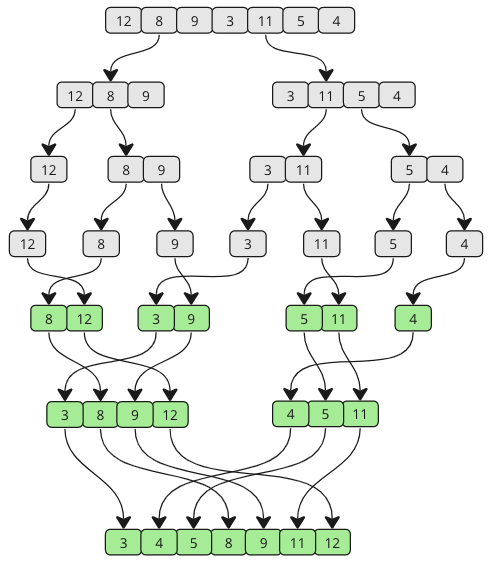
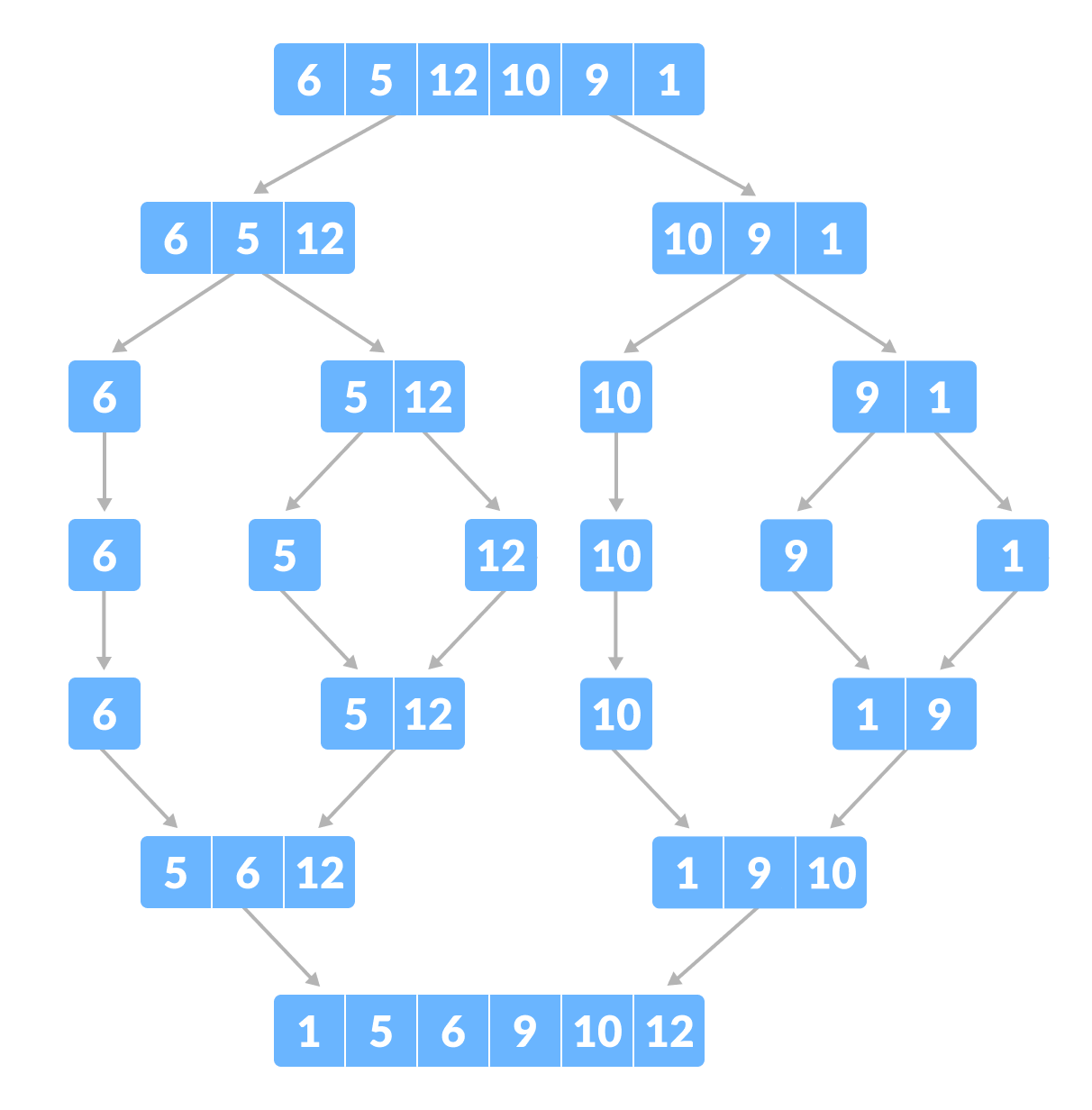
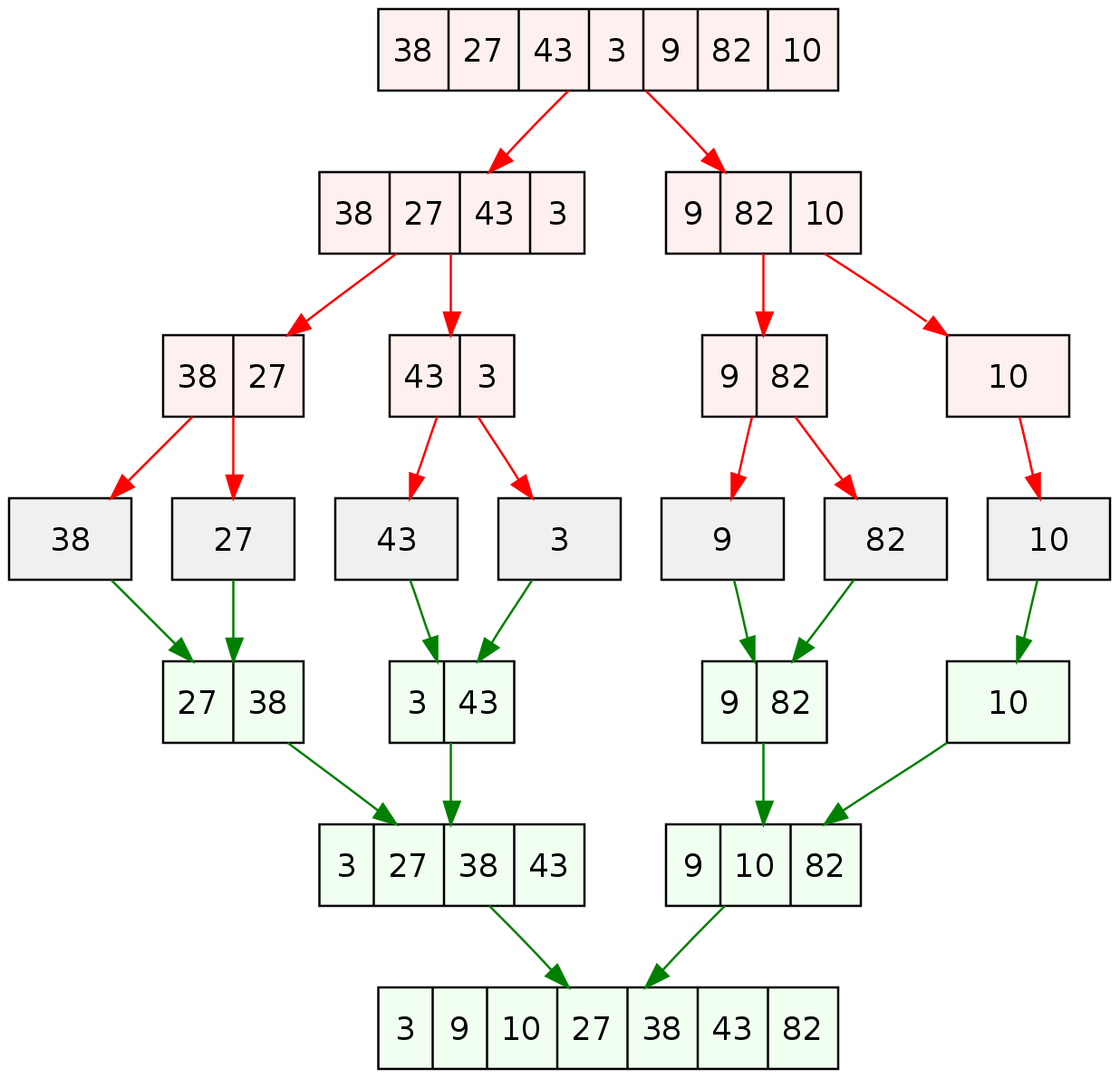
๐Ÿ“Œ Concept:

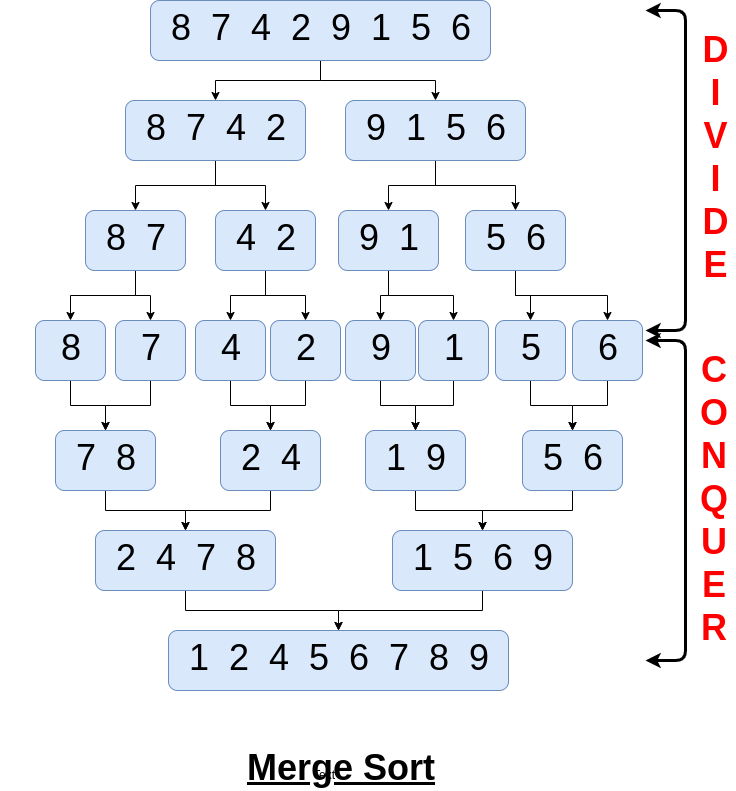
Divide and conquer algorithm.

Steps:

  1. Divide array into halves
  2. Sort each half
  3. Merge them

โฑ๏ธ Complexity:

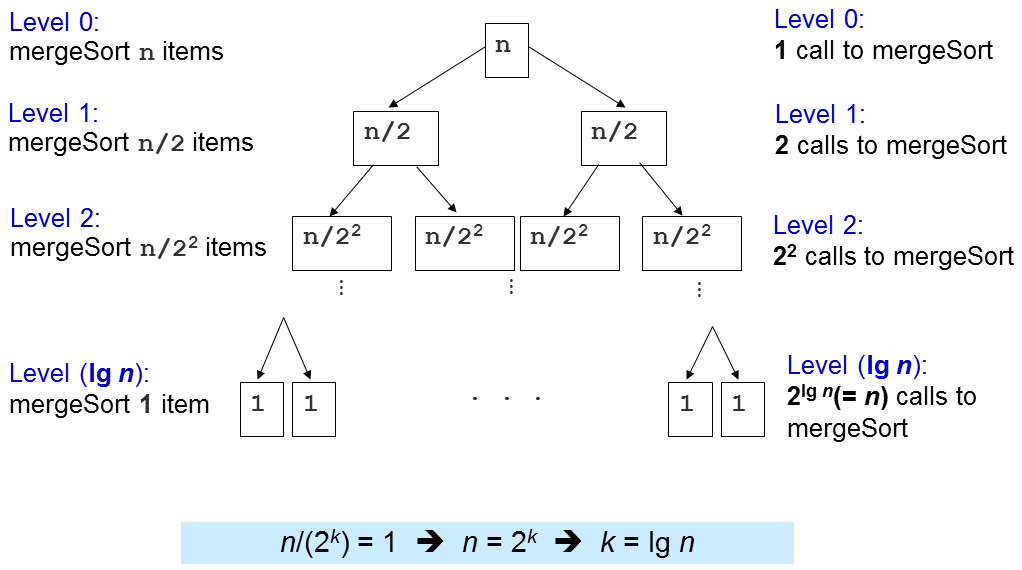
  • O(n log n)

โœ… Pros:

  • Stable
  • Efficient

โŒ Cons:

  • Extra memory needed

๐Ÿ”น 5. Quick Sort

Image
Image
Image
Image

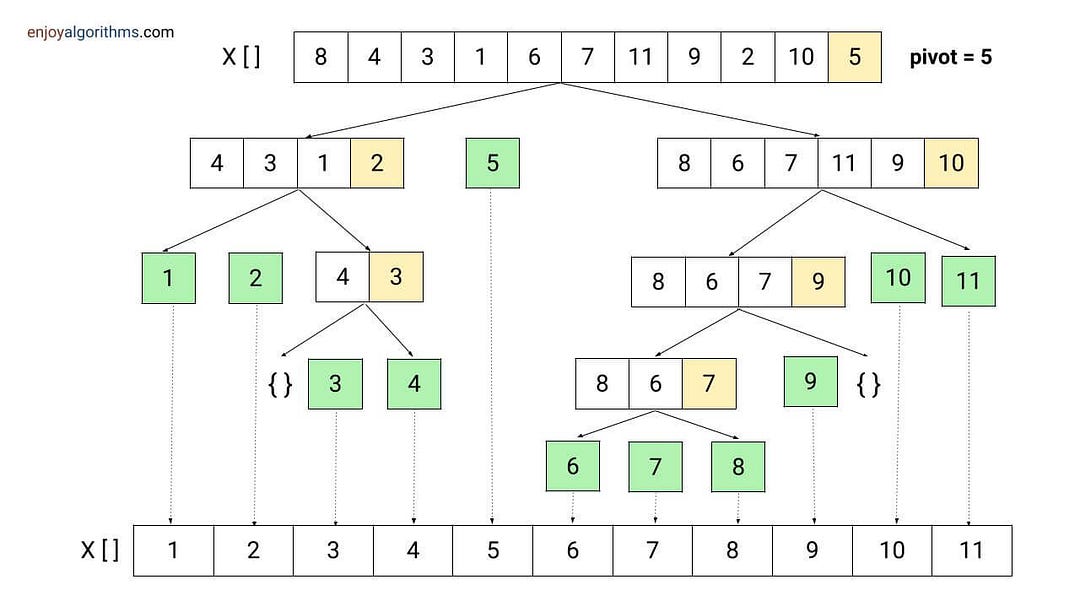
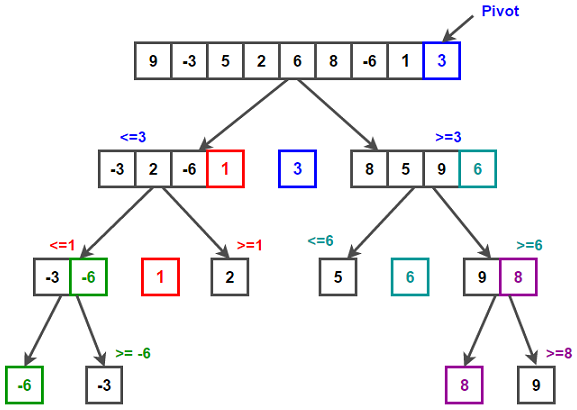
๐Ÿ“Œ Concept:

Uses pivot to partition array.

โฑ๏ธ Complexity:

  • Best: O(n log n)
  • Worst: O(nยฒ)

โœ… Pros:

  • Fast in practice

๐Ÿ”น 6. Heap Sort

Image
Image
Image
Image

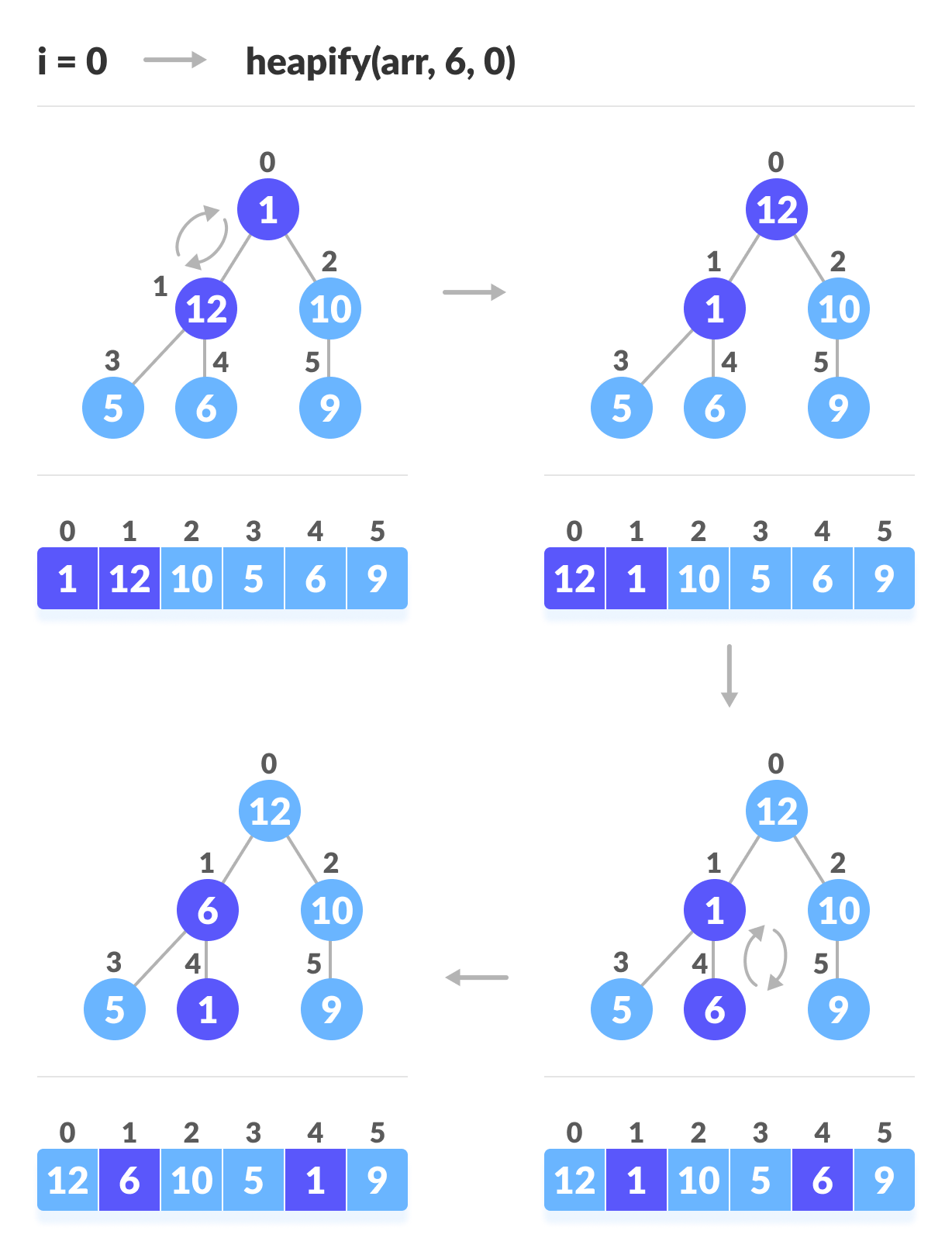
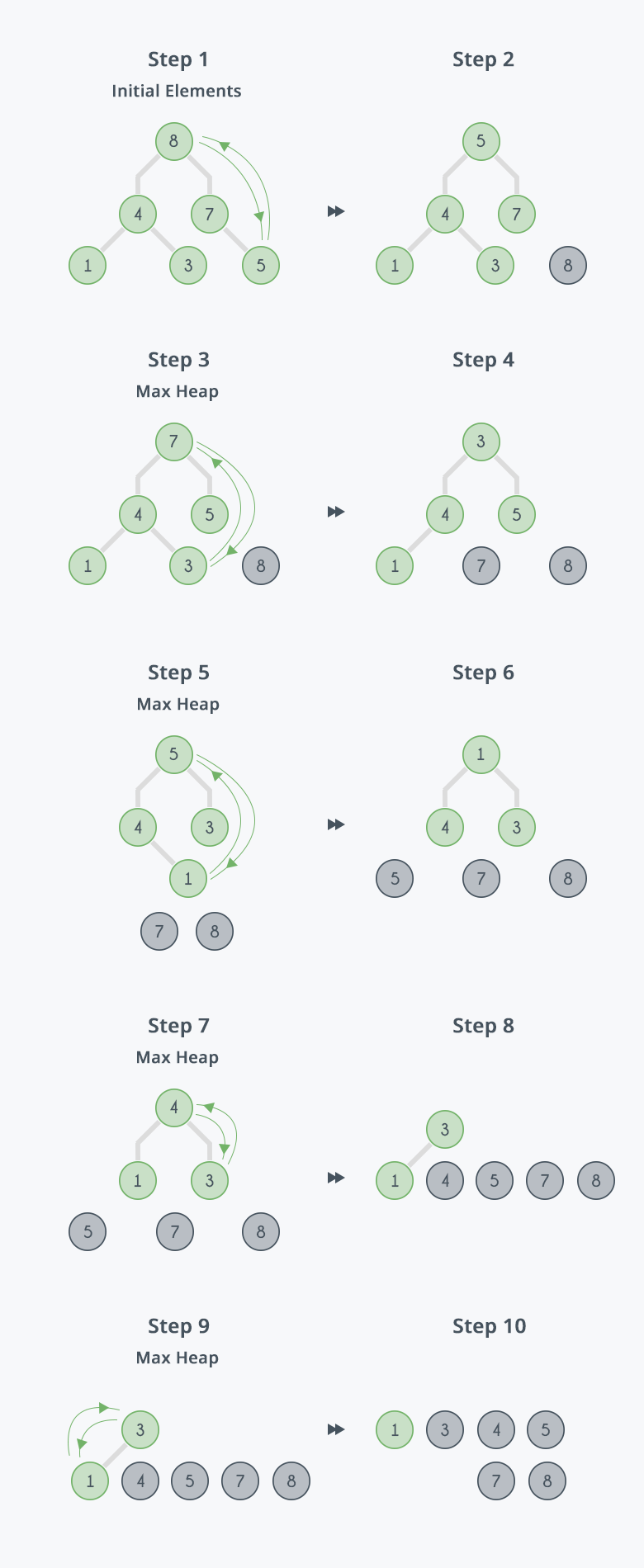
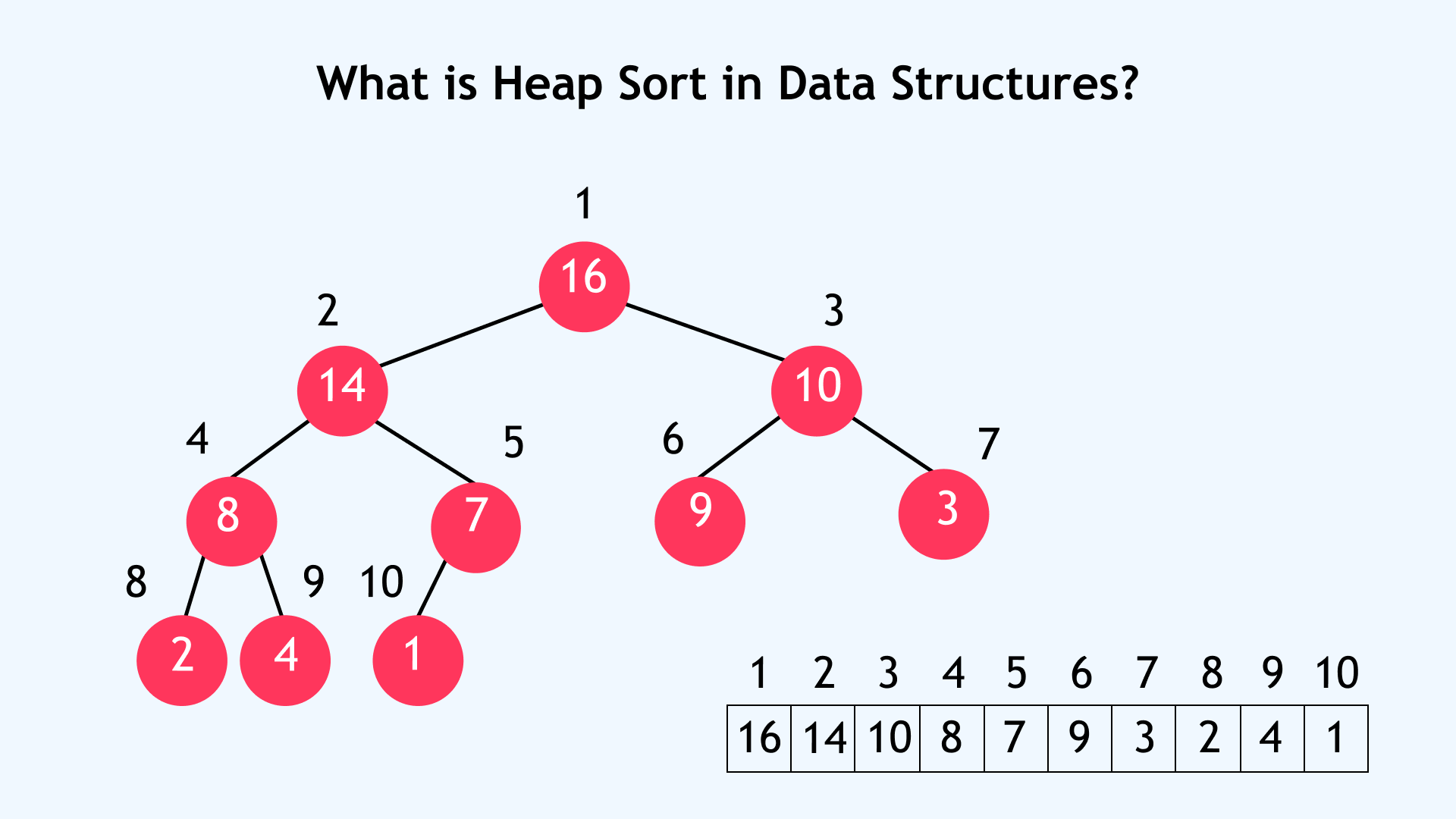
๐Ÿ“Œ Concept:

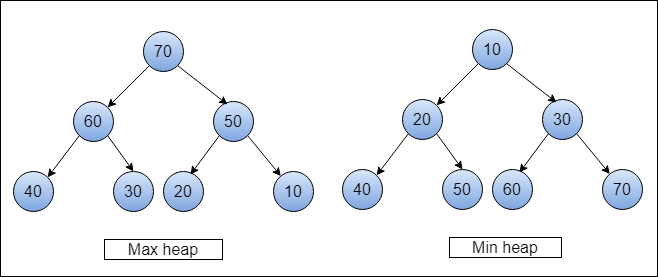
Uses binary heap.

โฑ๏ธ Complexity:

  • O(n log n)

๐Ÿ”ข Non-Comparison Sorting Algorithms


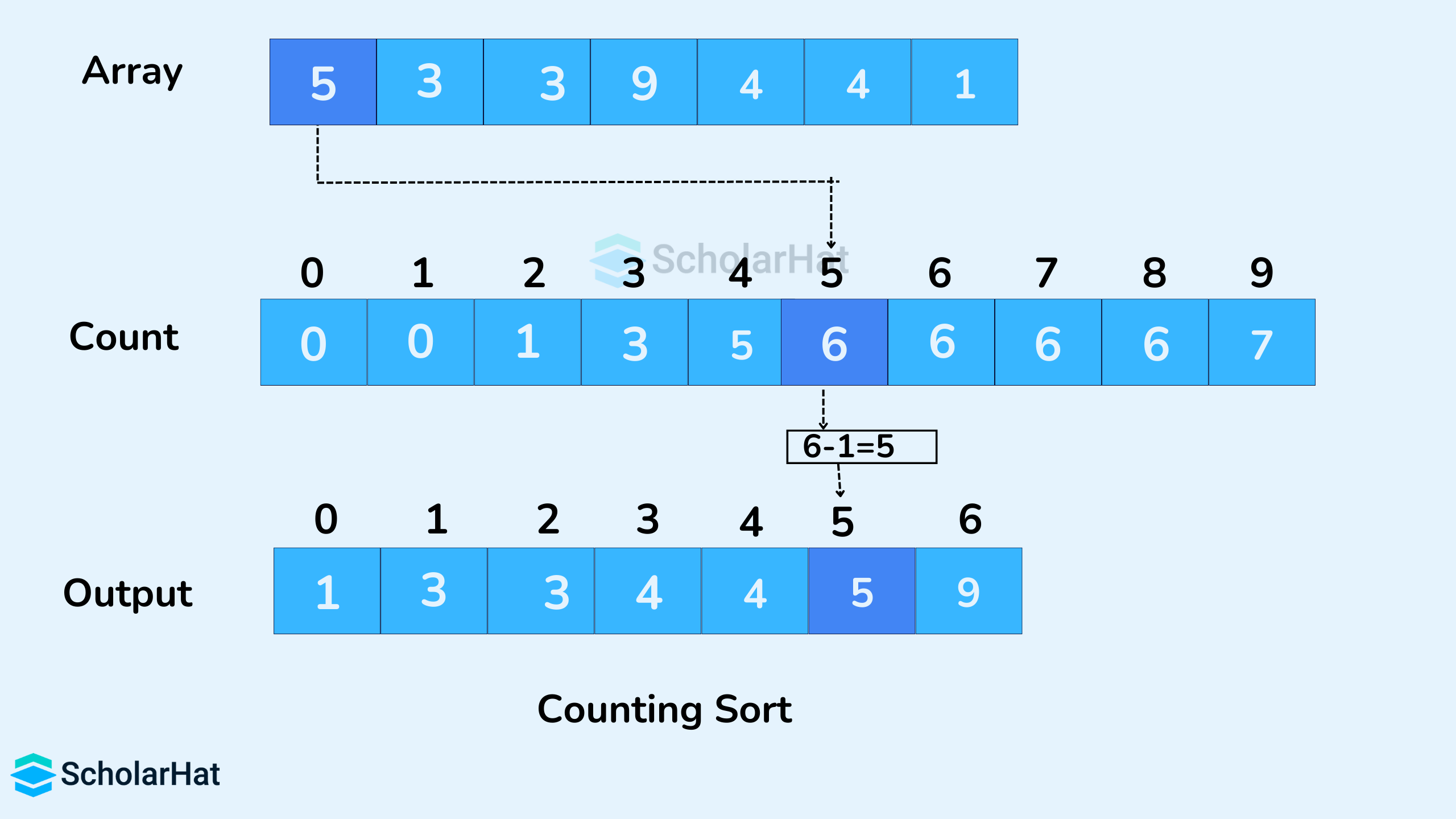
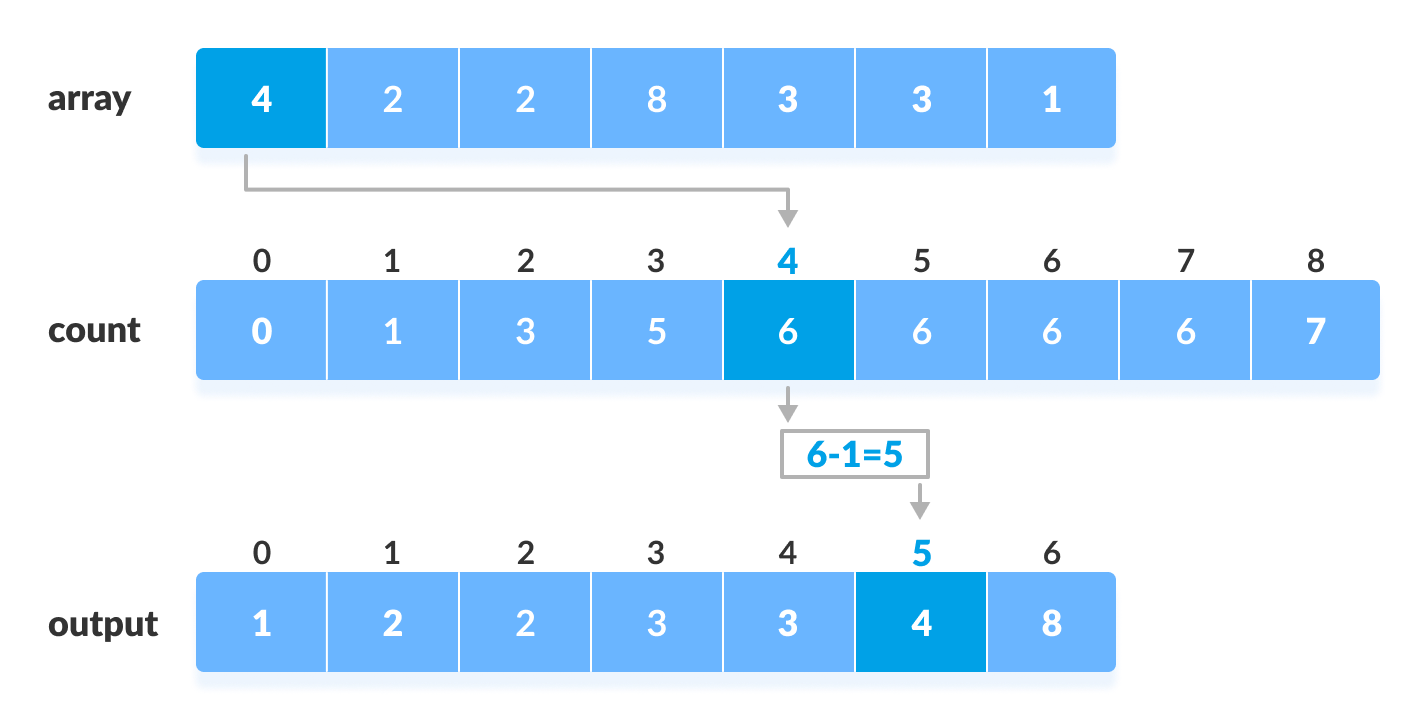
๐Ÿ”น 1. Counting Sort

Image
Image
Image
Image

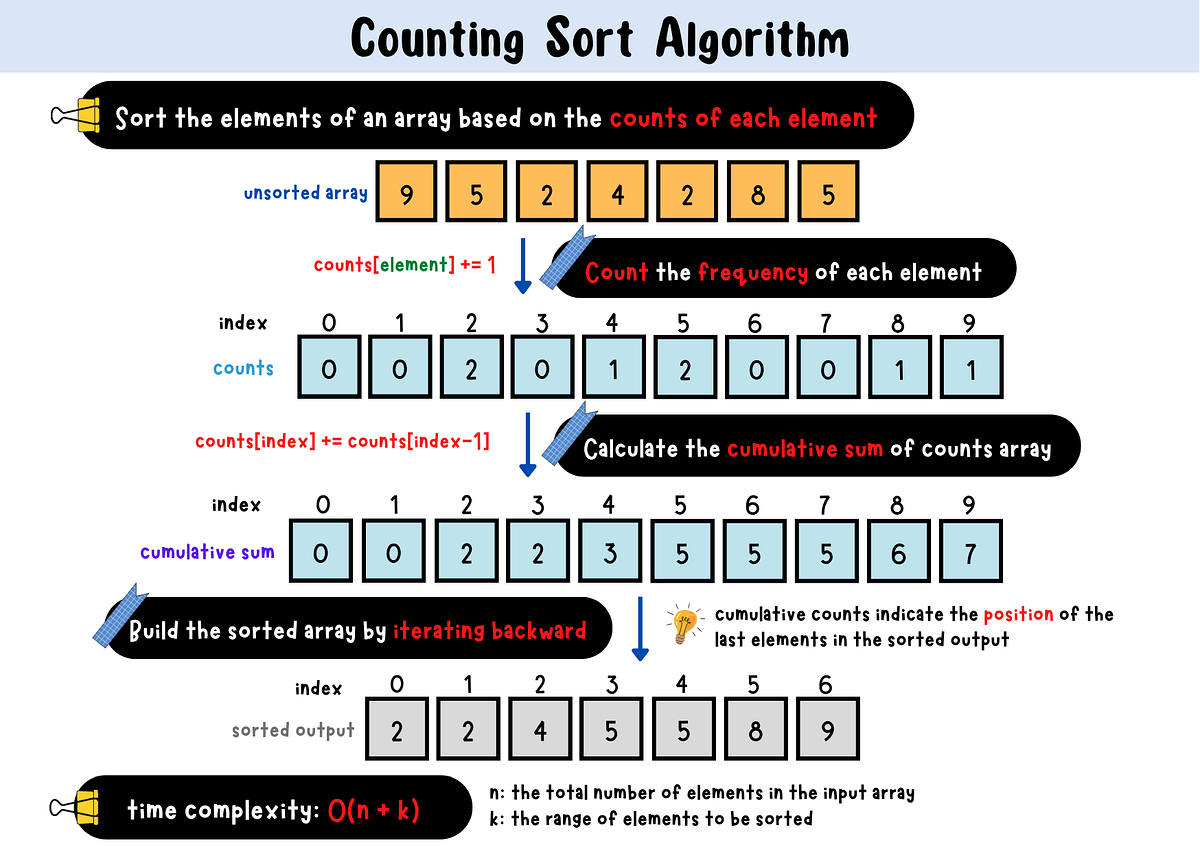
๐Ÿ“Œ Concept:

Counts occurrences of elements.

โฑ๏ธ Complexity:

  • O(n + k)

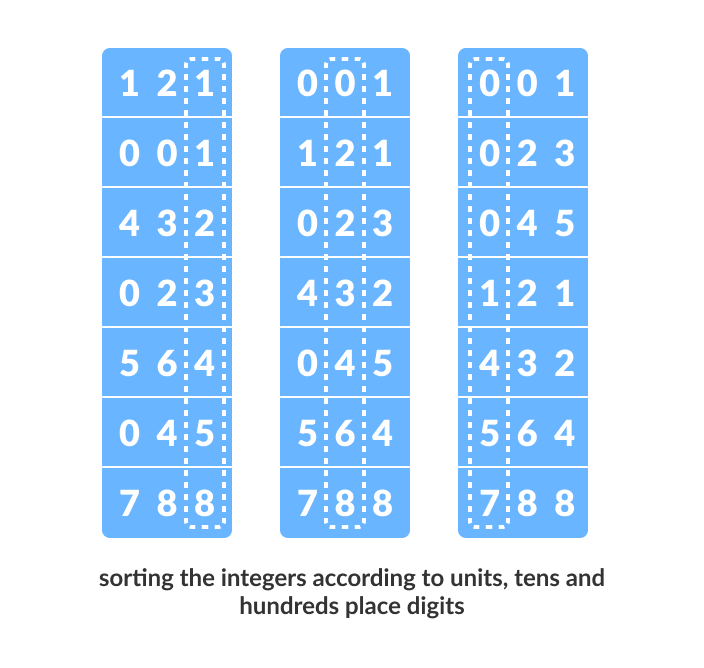
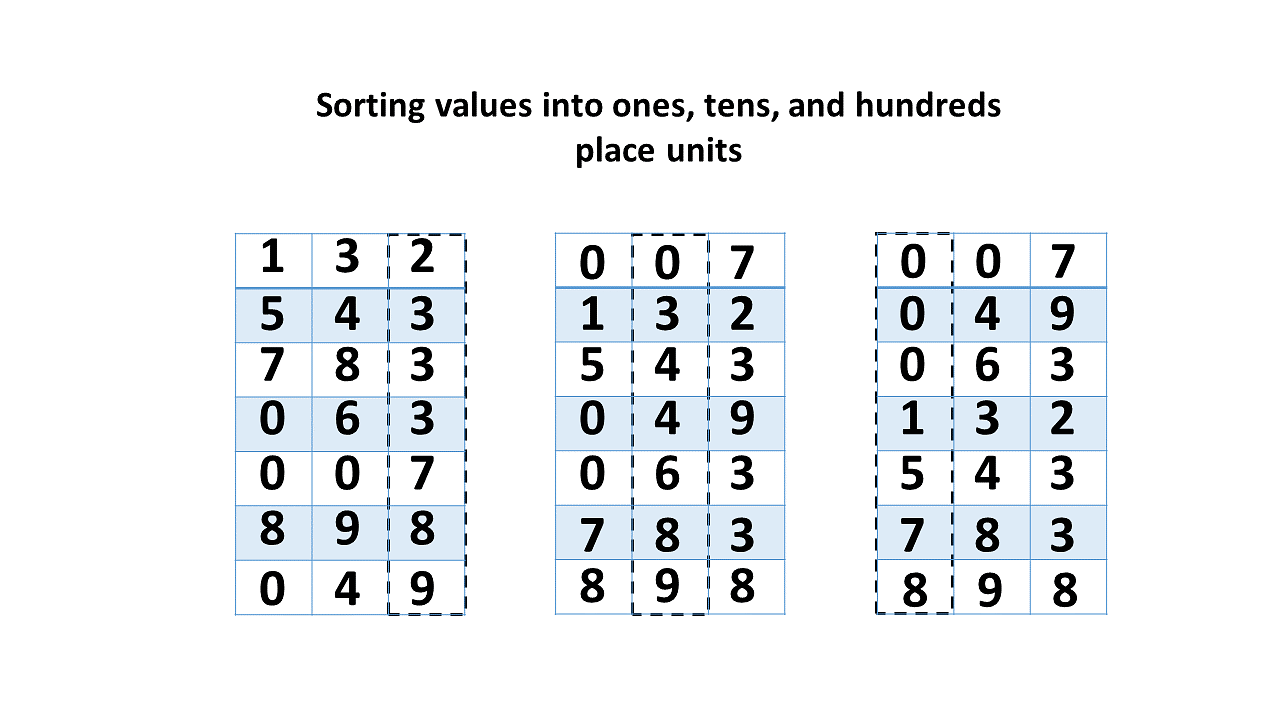
๐Ÿ”น 2. Radix Sort

Image
Image
Image
Image

๐Ÿ“Œ Concept:

Sorts digits from least to most significant.


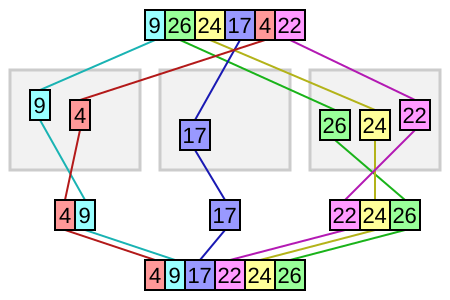
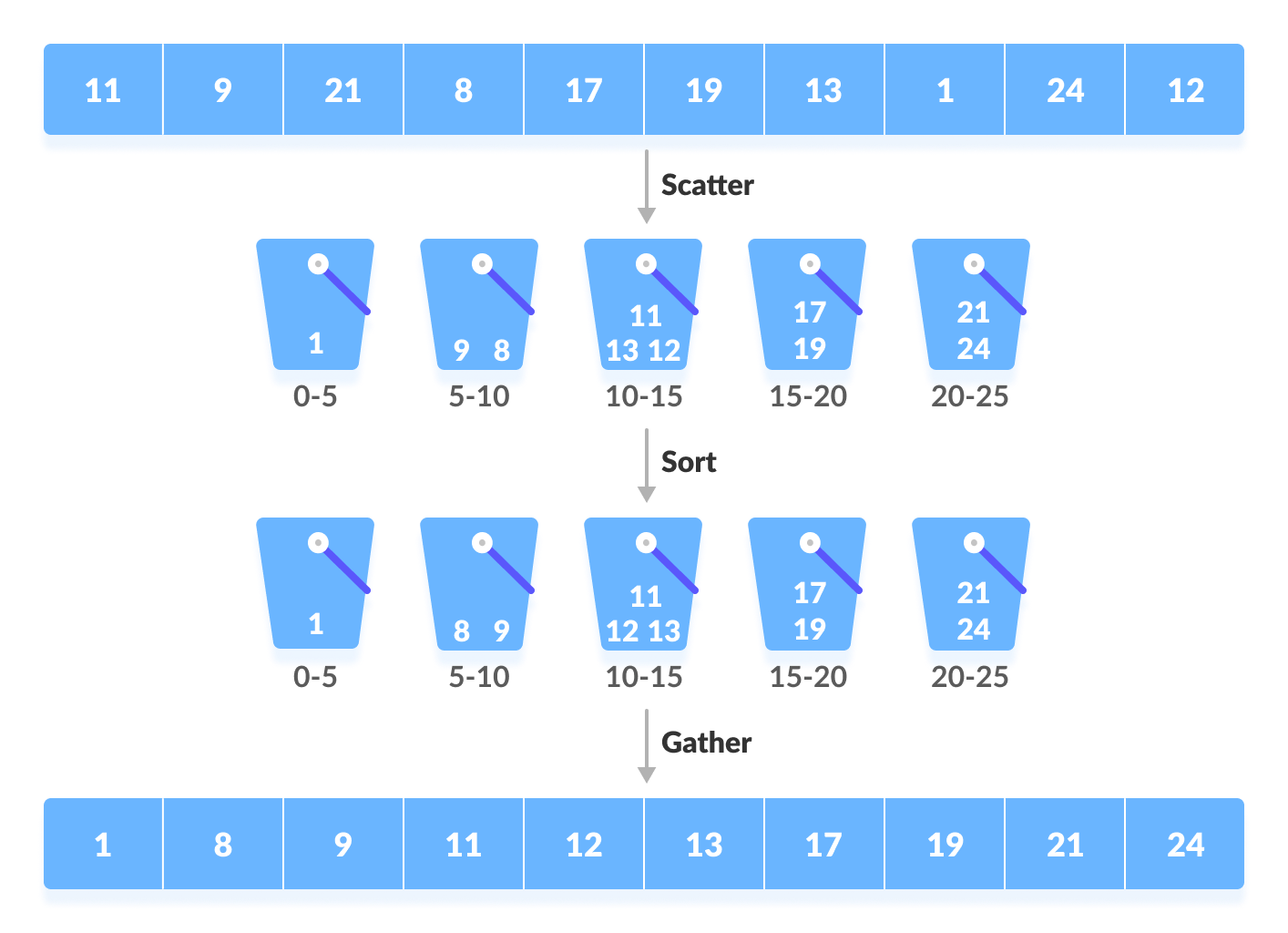
๐Ÿ”น 3. Bucket Sort

Image
Image
Image

๐Ÿ“Œ Concept:

Distributes elements into buckets.


๐Ÿงฎ Time Complexity Comparison Table

AlgorithmBest CaseAverageWorst Case
Bubble SortO(n)O(nยฒ)O(nยฒ)
Selection SortO(nยฒ)O(nยฒ)O(nยฒ)
Insertion SortO(n)O(nยฒ)O(nยฒ)
Merge SortO(n log n)O(n log n)O(n log n)
Quick SortO(n log n)O(n log n)O(nยฒ)
Heap SortO(n log n)O(n log n)O(n log n)
Counting SortO(n+k)O(n+k)O(n+k)
Radix SortO(nk)O(nk)O(nk)

โšก Stable vs Unstable Sorting

Stable Sorting:

Maintains order of equal elements.

  • Merge Sort
  • Insertion Sort

Unstable Sorting:

Does not preserve order.

  • Quick Sort
  • Heap Sort

๐Ÿง  Advanced Sorting Concepts


๐Ÿ”น 1. External Sorting

Image
Image
Image
Image

Used for data that doesnโ€™t fit in memory.


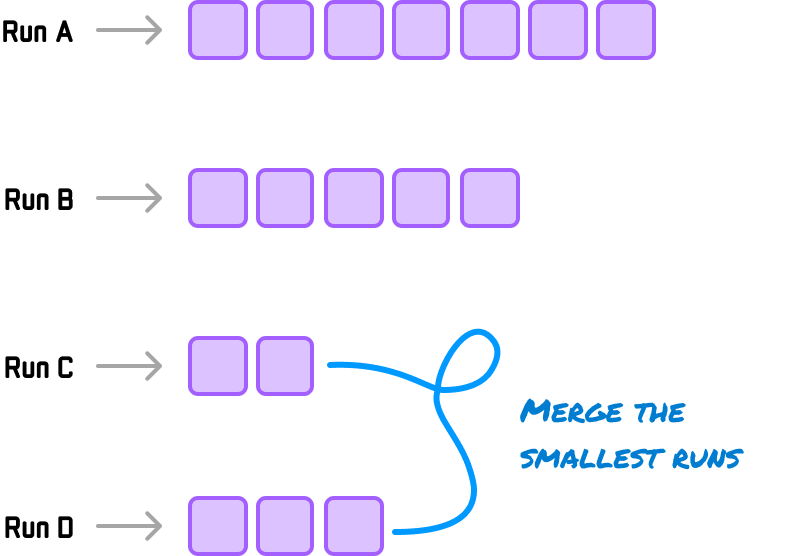
๐Ÿ”น 2. Tim Sort

Image
Image
Image
Image

Hybrid of merge and insertion sort.


๐Ÿ”น 3. Intro Sort

Image
Image
Image
Image

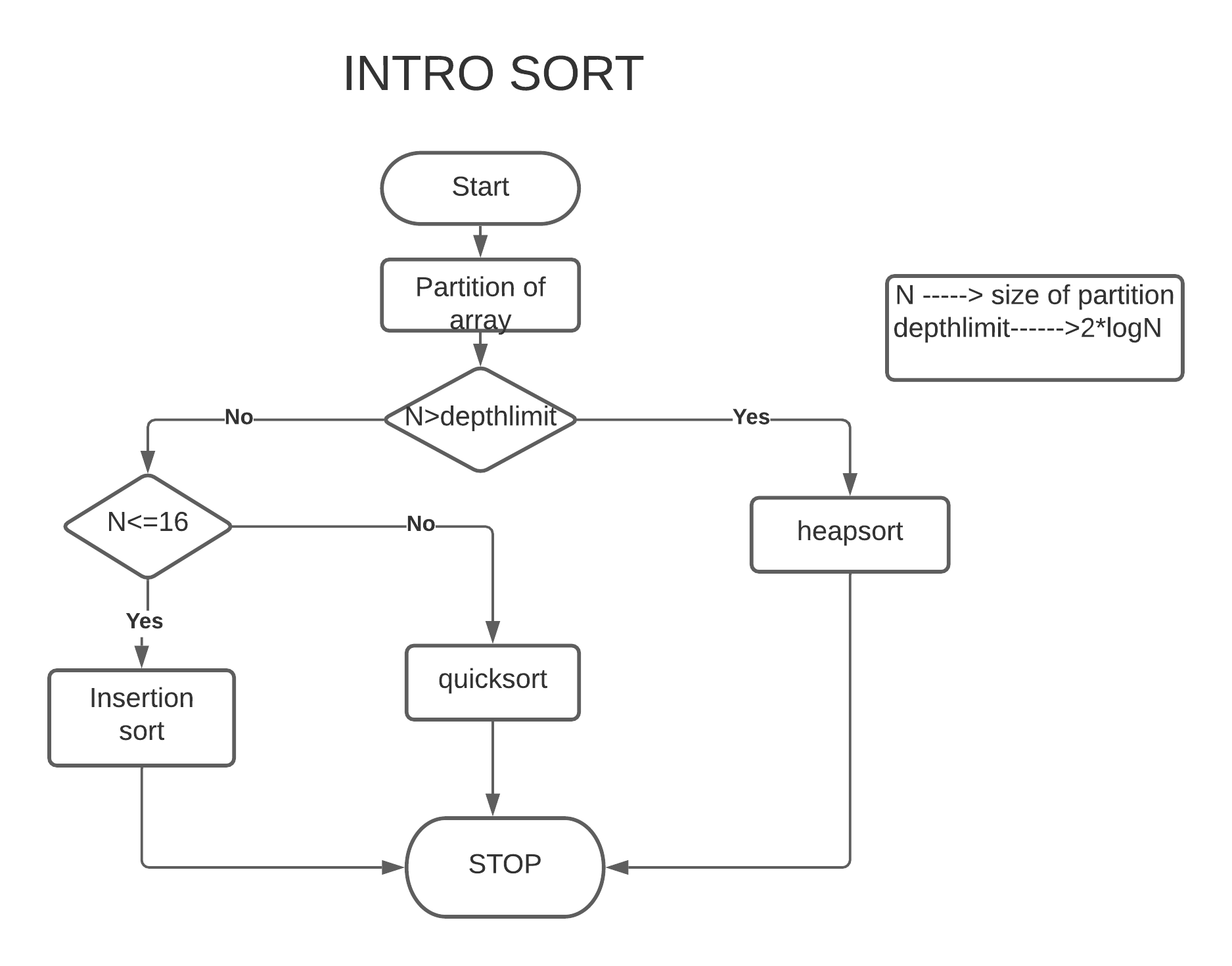
Combines Quick + Heap sort.


๐Ÿ”ฌ Applications of Sorting


๐Ÿ“Š 1. Data Analysis

Image
Image
Image
Image

๐ŸŒ 2. Search Optimization

Image
Image
Image
Image

๐Ÿงพ 3. Database Systems

Image
Image
Image
Image

๐ŸŽฎ 4. Game Development

Image
Image
Image
Image

๐Ÿง  5. Machine Learning

Image
Image
Image
Image

๐Ÿ” Choosing the Right Algorithm

ScenarioBest Algorithm
Small dataInsertion Sort
Large dataMerge / Quick Sort
Memory limitedHeap Sort
Integer range smallCounting Sort

๐Ÿงช In-Place vs Out-of-Place

  • In-place: Quick Sort, Heap Sort
  • Out-of-place: Merge Sort

๐Ÿš€ Real-World Importance

Sorting is used in:

  • Operating systems
  • Databases
  • AI systems
  • Web applications
  • Financial systems

๐Ÿงพ Conclusion

Sorting algorithms are essential tools in computer science that enable efficient data organization and processing. Each algorithm has its strengths and weaknesses, and choosing the right one depends on the specific problem.

Mastering sorting algorithms is crucial for:

  • Algorithm design
  • Competitive programming
  • Software engineering
๐Ÿท๏ธ Tags

๐Ÿ“˜ Arrays in Computer Science


๐Ÿงฉ What is an Array?

Image
Image
Image

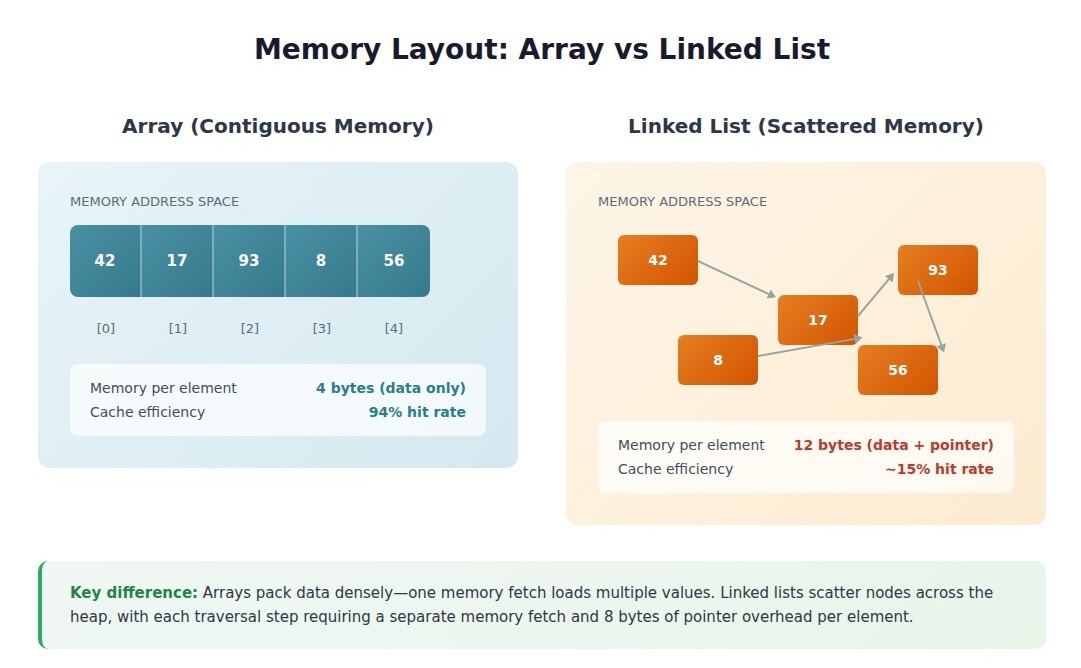
An array is one of the most fundamental and widely used data structures in computer science. It is a collection of elements stored in contiguous memory locations, where each element can be accessed directly using an index. Arrays are used to store multiple values of the same data type in a single variable, making them extremely efficient for certain operations.

At its core, an array provides a way to group related data together. For example, instead of creating separate variables for storing marks of students:

int m1 = 90, m2 = 85, m3 = 88;

You can use an array:

int marks[3] = {90, 85, 88};

This not only simplifies code but also enables powerful operations such as iteration, sorting, searching, and more.


๐Ÿง  Key Characteristics of Arrays

1. Contiguous Memory Allocation

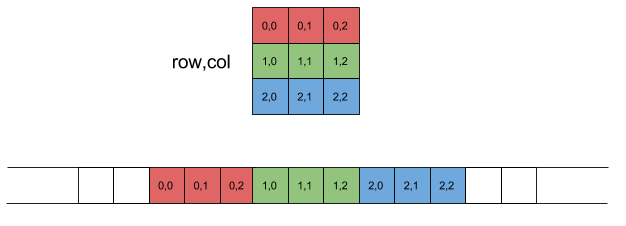
All elements of an array are stored in adjacent memory locations. This allows fast access using pointer arithmetic.

2. Fixed Size

Once declared, the size of an array is usually fixed (in most languages like C, C++). However, some languages provide dynamic arrays.

3. Homogeneous Elements

All elements in an array must be of the same data type.

4. Indexed Access

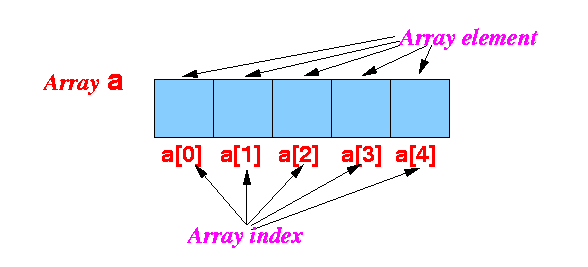
Each element is accessed using an index (starting from 0 in most languages).


๐Ÿงฎ Types of Arrays

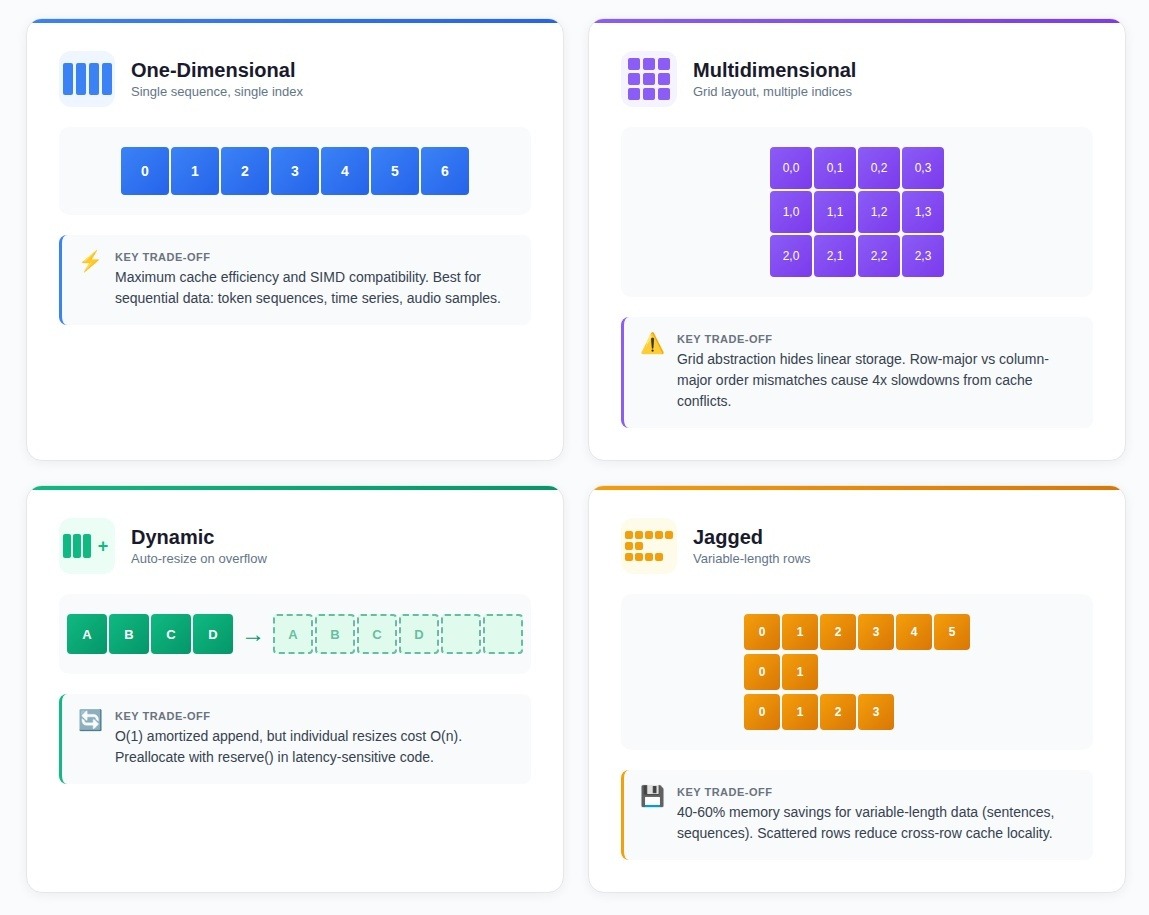
๐Ÿ”น 1. One-Dimensional Array

Image
Image

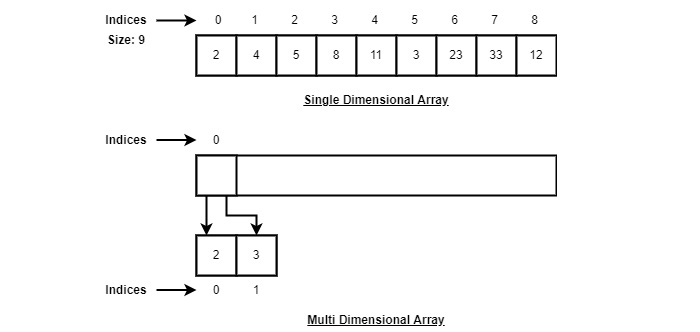
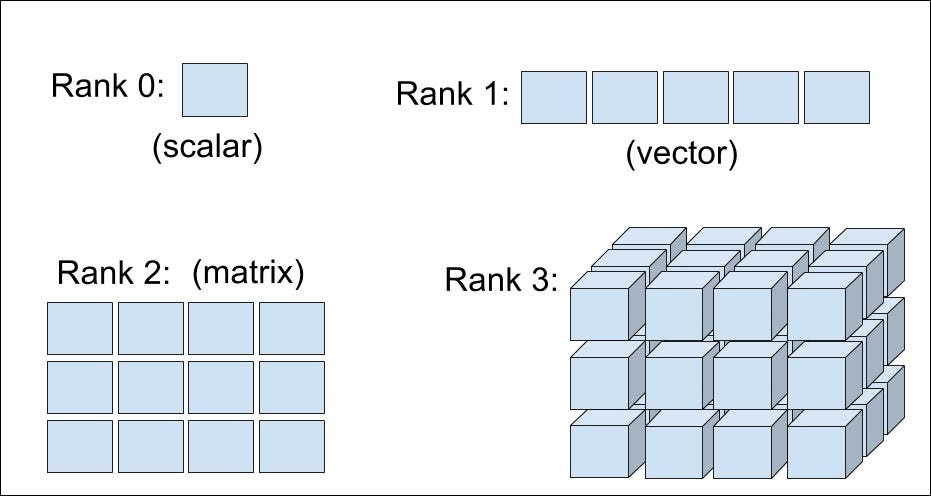
A one-dimensional array is a linear collection of elements.

Example:

arr = [10, 20, 30, 40, 50]

Indexing:

  • arr[0] = 10
  • arr[1] = 20

๐Ÿ”น 2. Two-Dimensional Array (Matrix)

Image
Image
Image
Image

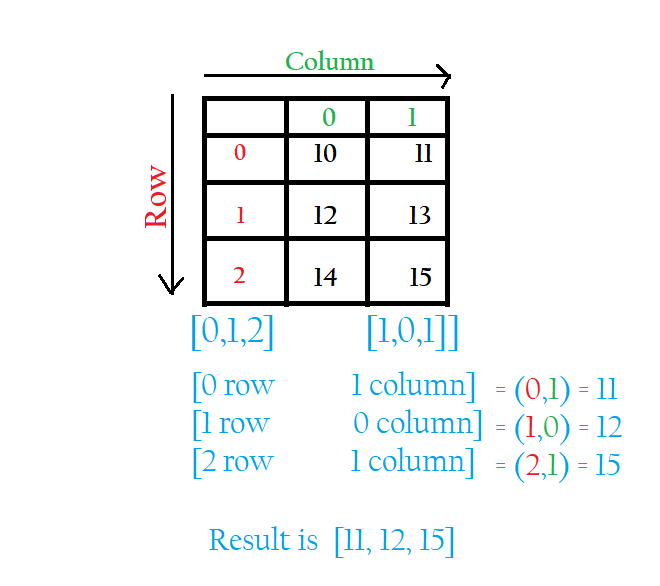
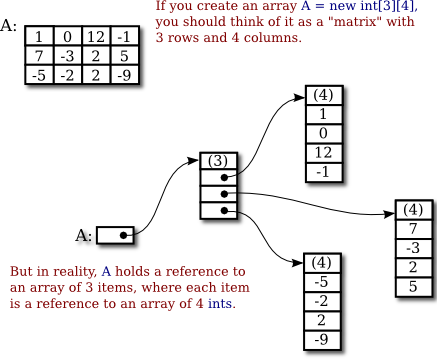
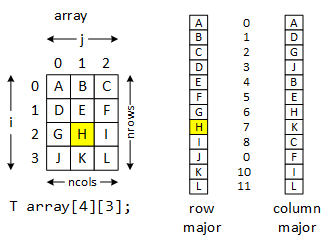
A two-dimensional array represents data in rows and columns.

Example:

matrix = [
  [1, 2, 3],
  [4, 5, 6]
]

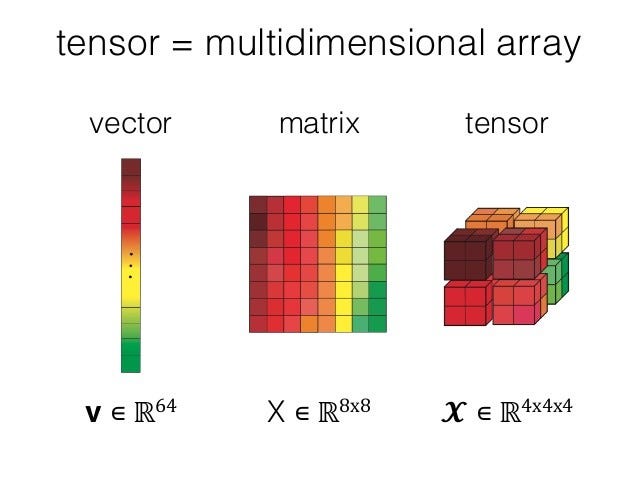
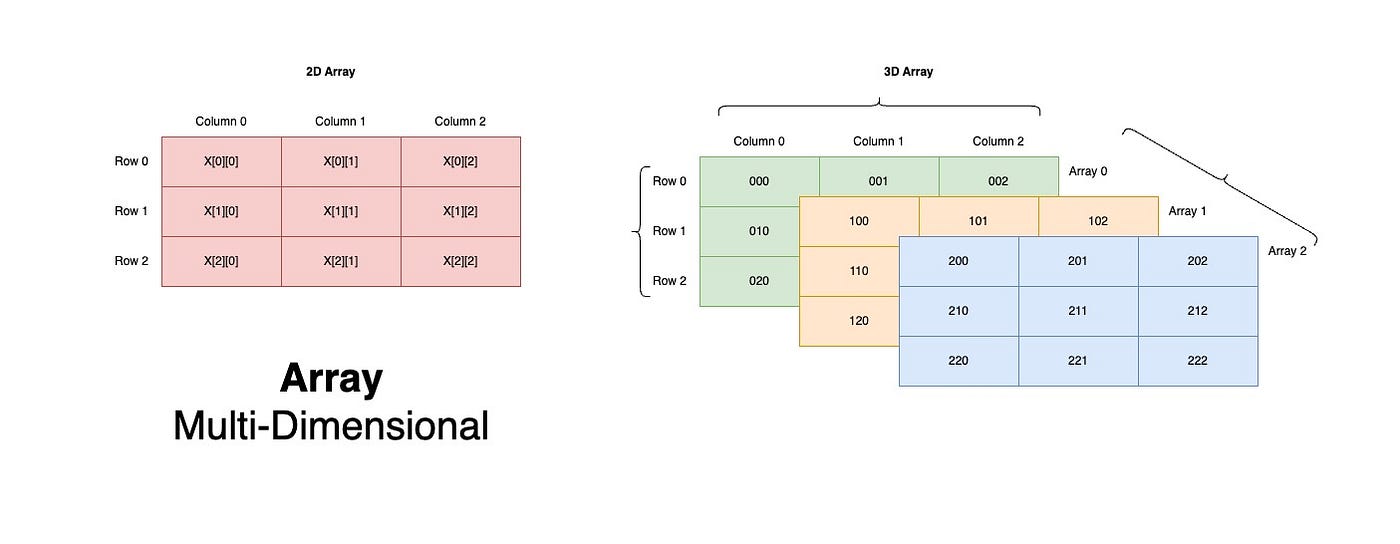
๐Ÿ”น 3. Multi-Dimensional Arrays

Image
Image
Image

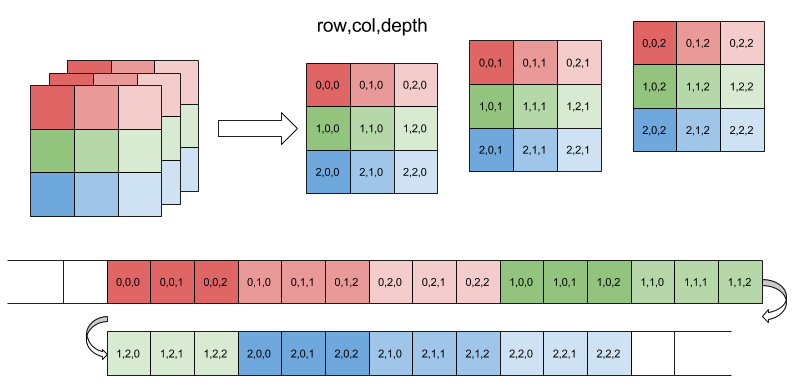
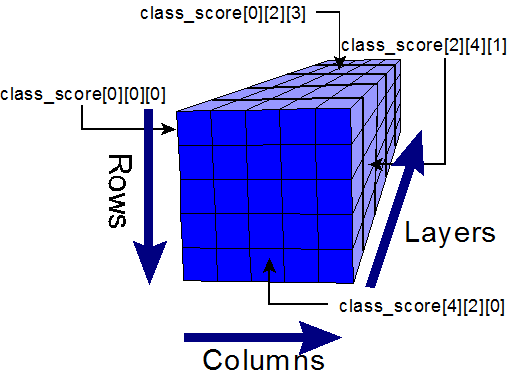
These extend beyond two dimensions, such as 3D arrays used in scientific computing.


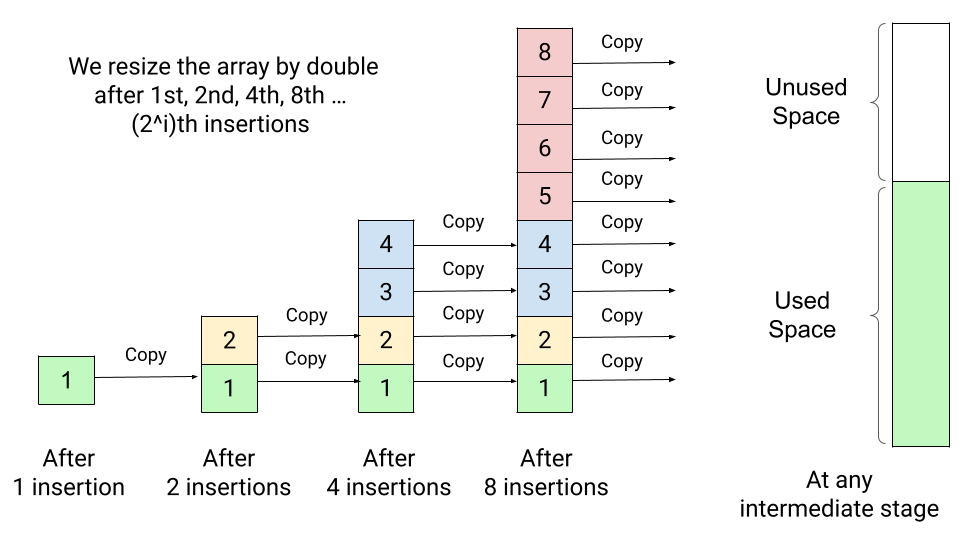
๐Ÿ”น 4. Dynamic Arrays

Image
Image
Image
Image

Dynamic arrays can grow or shrink in size during runtime.

Examples:

  • Python lists
  • C++ vectors
  • Java ArrayList

โš™๏ธ Array Operations

1. Traversal

Accessing each element sequentially.

for i in arr:
    print(i)

2. Insertion

Image
Image

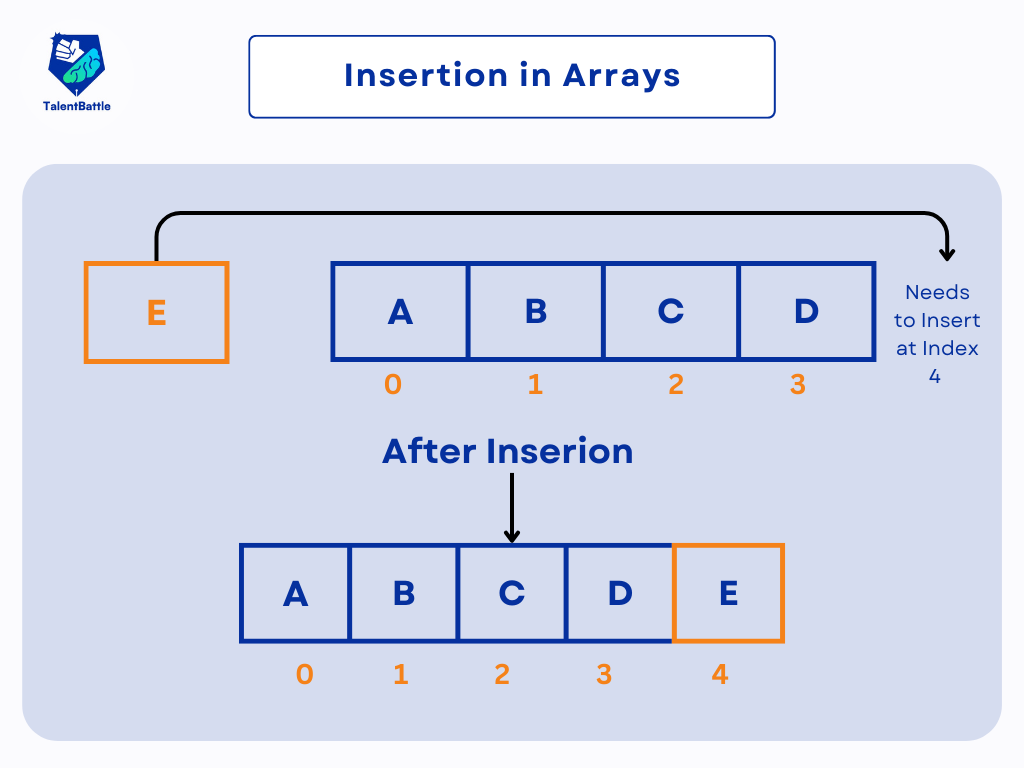
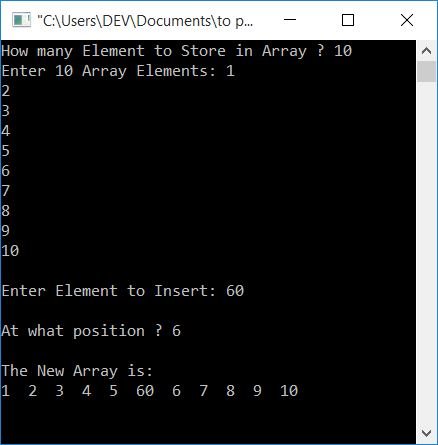
Insertion requires shifting elements.


3. Deletion

Image
Image
Image
Image

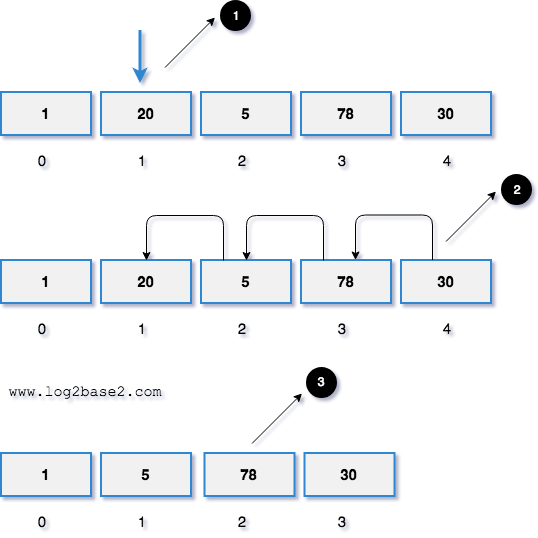
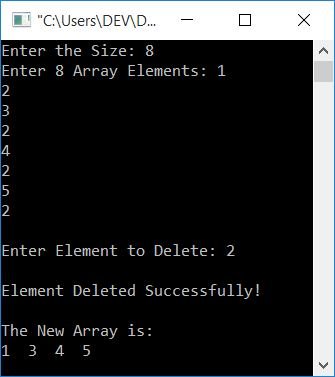
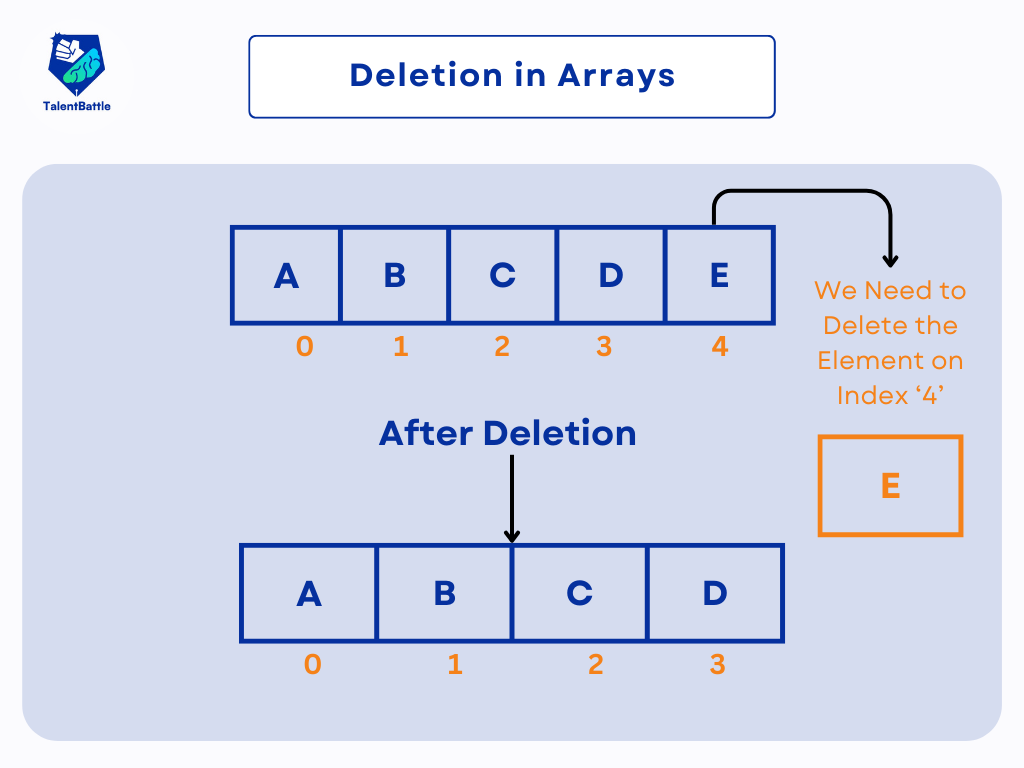
Deletion involves removing an element and shifting remaining elements.


4. Searching

Linear Search

for i in range(len(arr)):
    if arr[i] == key:
        return i

Binary Search (Sorted Arrays)

# Efficient search

5. Sorting

Image
Image
Image
Image

Common algorithms:

  • Bubble Sort
  • Selection Sort
  • Merge Sort
  • Quick Sort

๐Ÿงช Memory Representation

Array elements are stored in contiguous memory blocks.

Address Calculation:

Address = Base Address + (Index ร— Size of Element)

Example:
If base address = 1000 and each element is 4 bytes:

  • arr[2] โ†’ 1000 + (2ร—4) = 1008

โšก Advantages of Arrays

  • Fast access (O(1))
  • Easy to traverse
  • Efficient memory usage
  • Suitable for mathematical computations

โš ๏ธ Disadvantages of Arrays

  • Fixed size (in static arrays)
  • Insertion/deletion costly
  • Wasted memory if unused
  • Homogeneous data only

๐Ÿงฉ Arrays vs Other Data Structures

FeatureArrayLinked List
MemoryContiguousNon-contiguous
AccessFastSlow
SizeFixedDynamic

๐Ÿง‘โ€๐Ÿ’ป Arrays in Different Programming Languages

Python

arr = [1, 2, 3]

C

int arr[3] = {1, 2, 3};

Java

int[] arr = {1, 2, 3};

JavaScript

let arr = [1, 2, 3];

๐Ÿ“Š Time Complexity of Array Operations

OperationTime Complexity
AccessO(1)
SearchO(n)
InsertO(n)
DeleteO(n)

๐Ÿง  Advanced Concepts

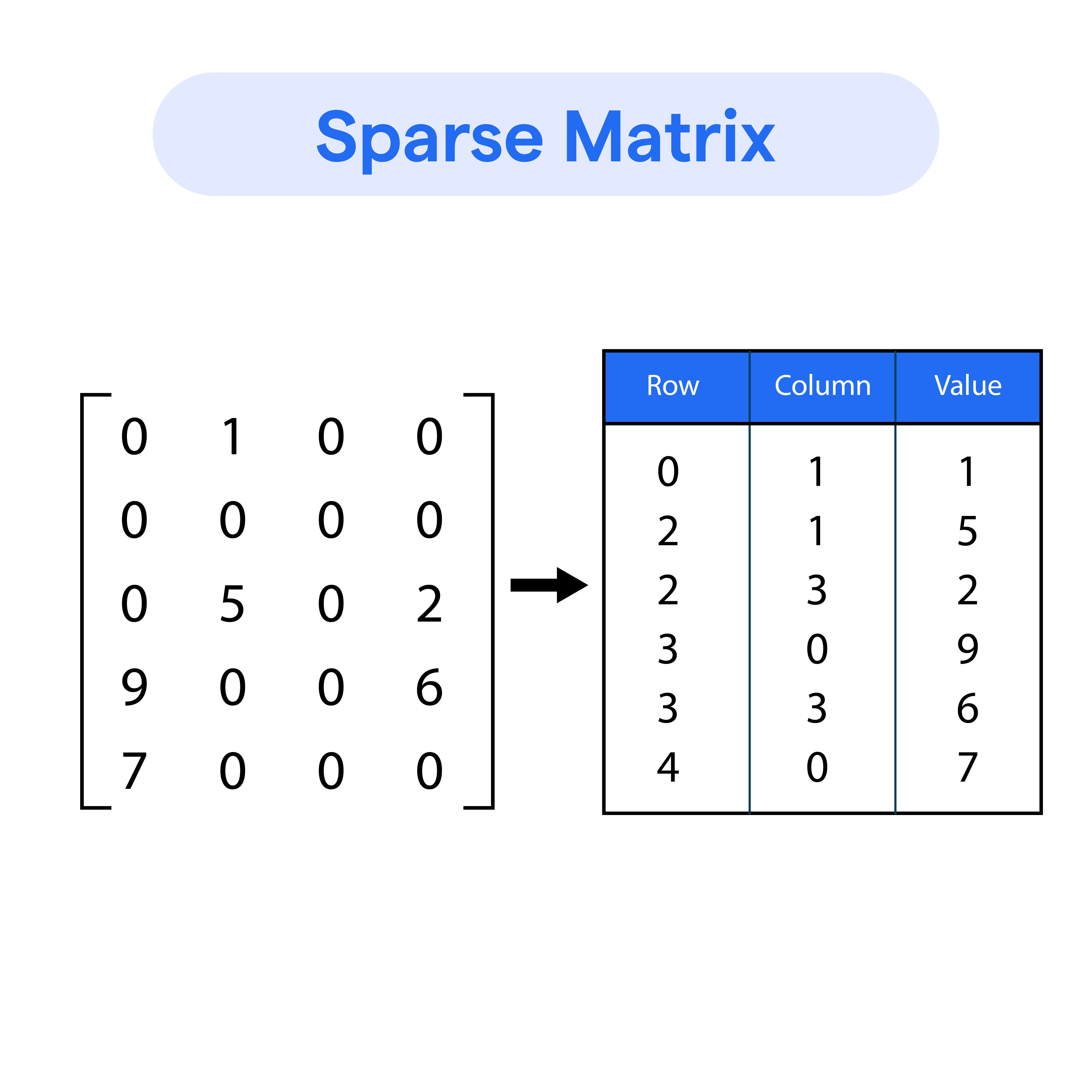
๐Ÿ”น Sparse Arrays

Image
Image
Image
Image

Arrays with many zero elements.


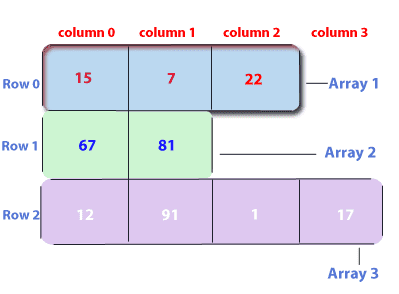
๐Ÿ”น Jagged Arrays

Image
Image

Arrays with varying row lengths.


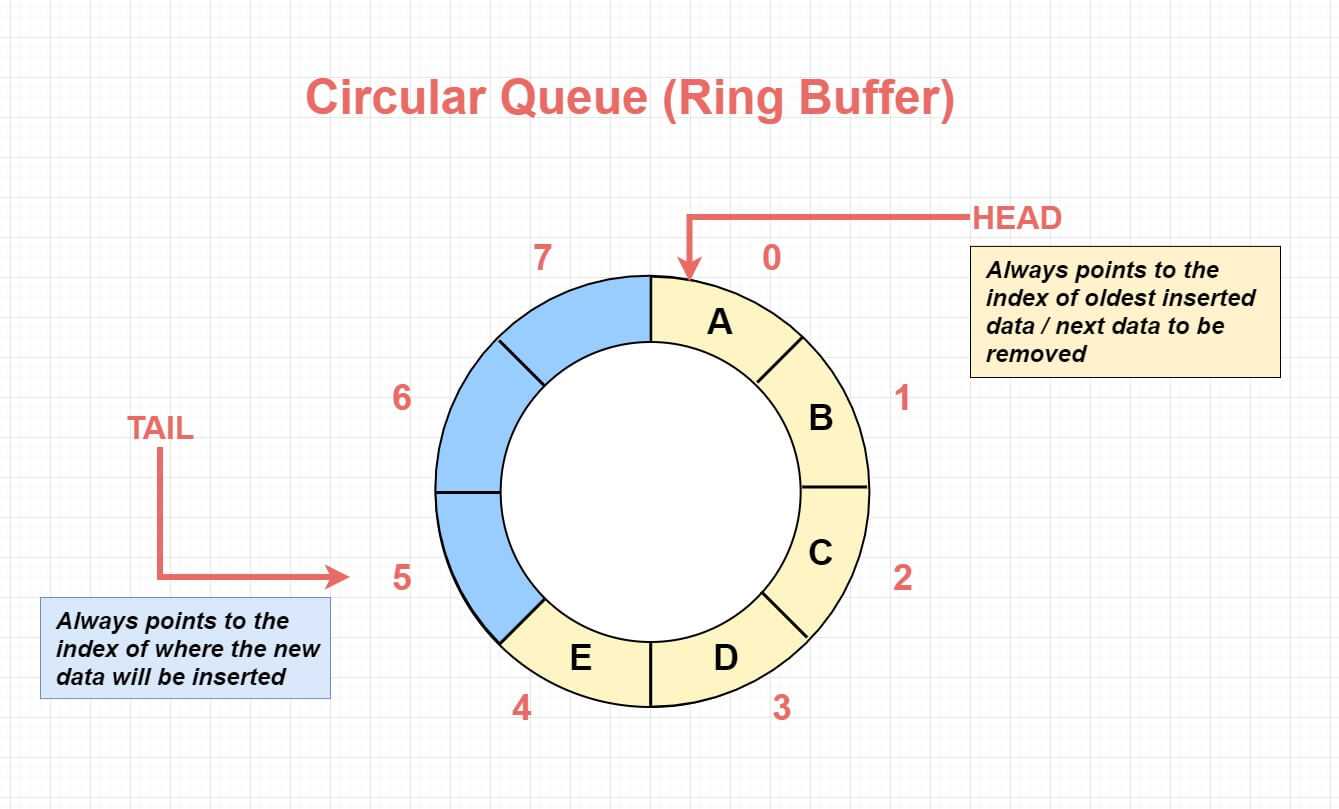
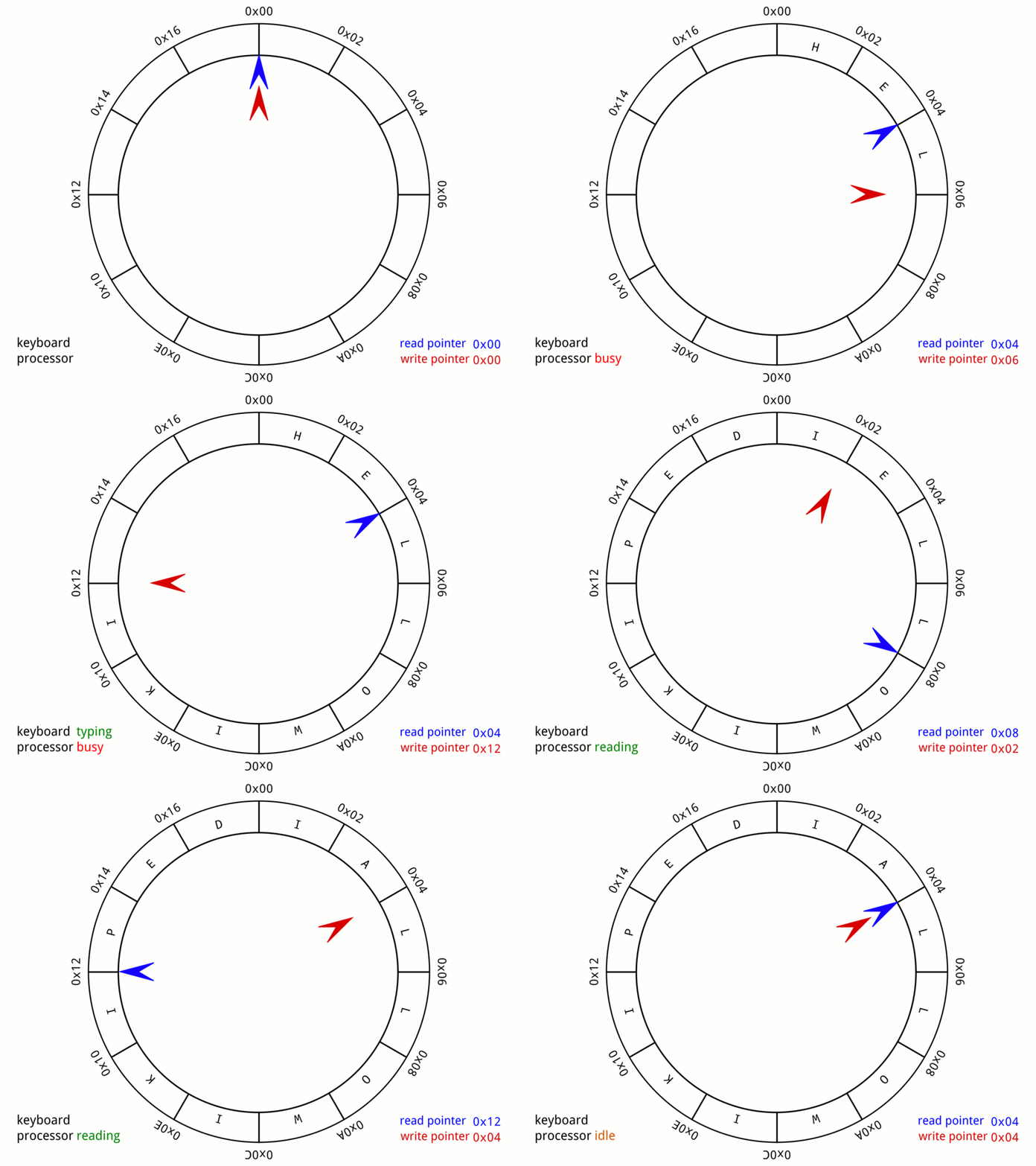
๐Ÿ”น Circular Arrays

Image
Image
Image
Image

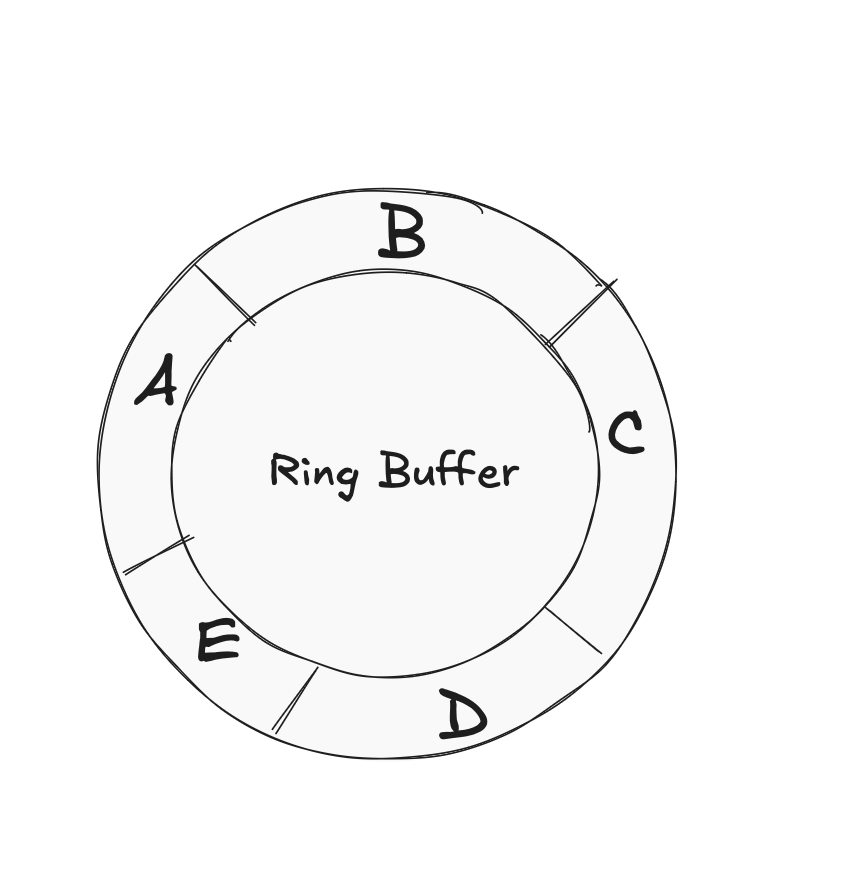
Used in buffers and queues.


๐Ÿ”ฌ Real-World Applications of Arrays

๐Ÿ“ฑ 1. Image Processing

Image
Image
Image
Image

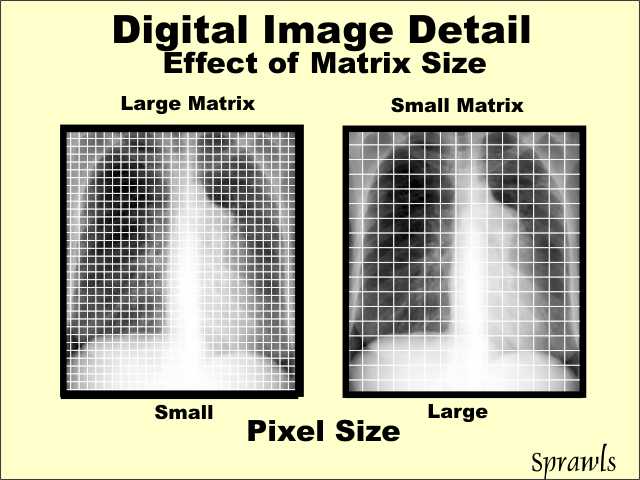
Images are stored as arrays of pixels.


๐ŸŽฎ 2. Game Development

Image
Image
Image
Image

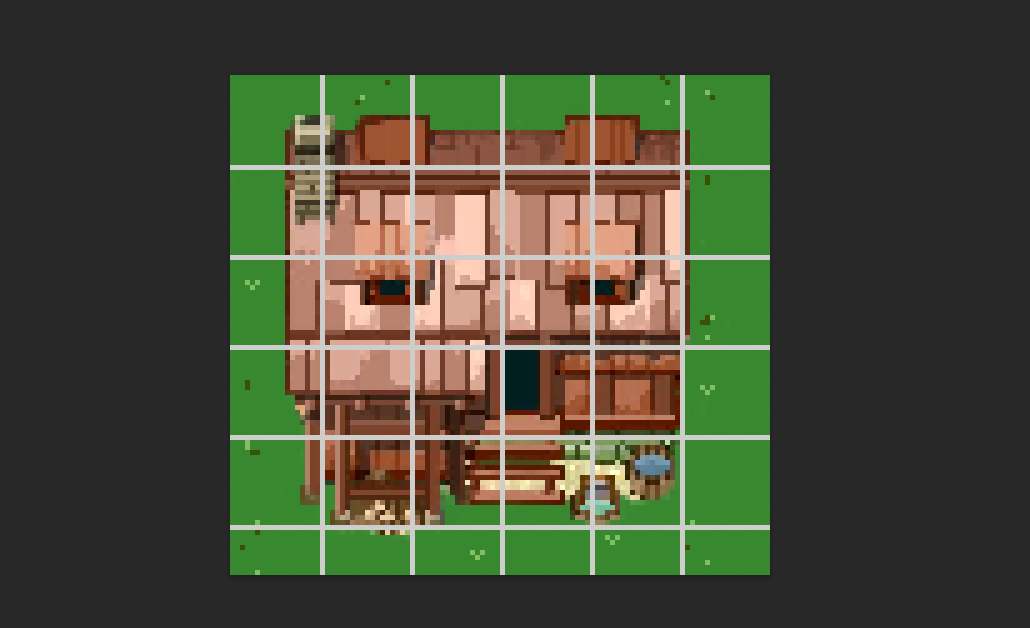
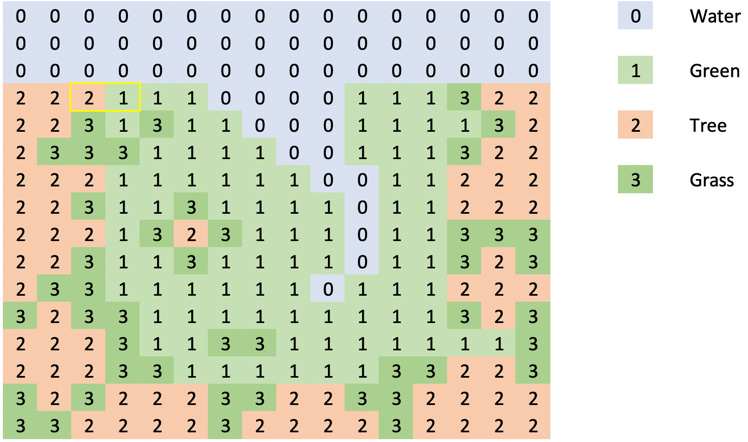
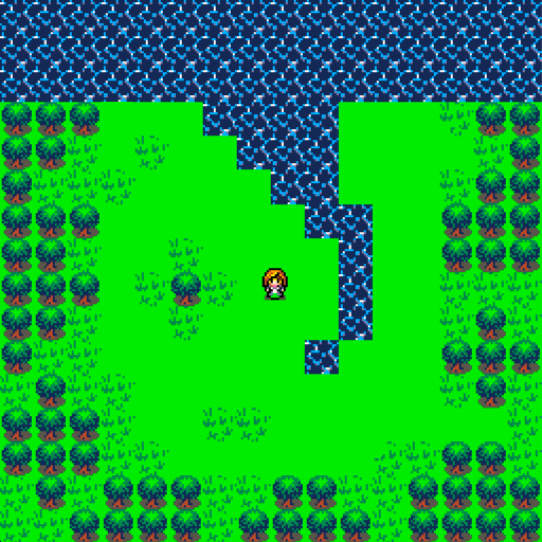
Game boards and maps use arrays.


๐Ÿ“Š 3. Data Analysis

Image
Image
Image
Image

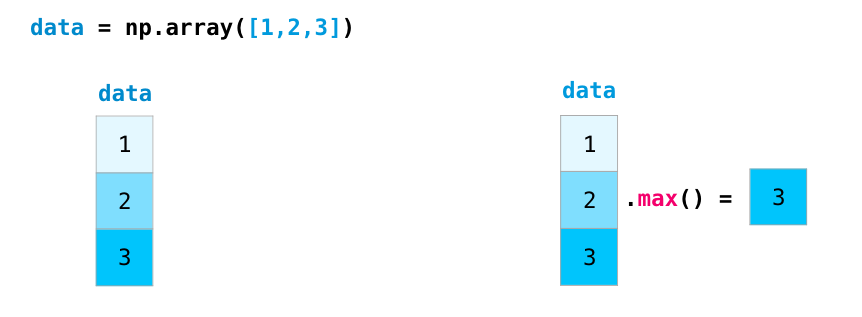
Libraries like NumPy rely on arrays.


๐ŸŒ 4. Databases

Image
Image
Image
Image

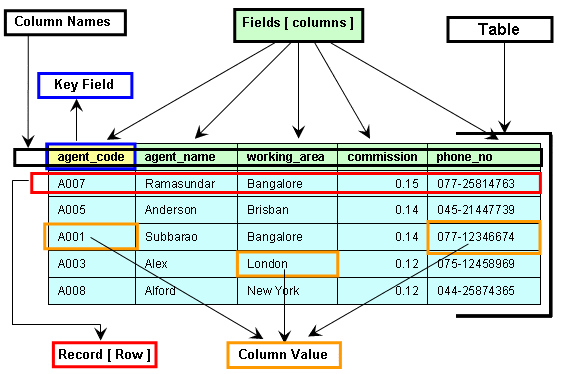
Tables resemble 2D arrays.


๐Ÿš€ Conclusion

Arrays are a foundational concept in programming and computer science. They provide an efficient way to store and manipulate collections of data. Despite their limitations, arrays are essential for understanding more complex data structures like lists, stacks, queues, and trees.

Mastering arrays builds a strong base for algorithms, problem-solving, and software development.

๐Ÿท๏ธ Tags