Tag Archives: Pointers

๐Ÿ’ป C++ Programming โ€“ Complete Detailed Guide (with Software Development Language Context)


๐ŸŒ Introduction to C++ Programming

Image
Image
Image
Image

C++ is a powerful, high-performance programming language that extends the C language by adding object-oriented programming (OOP) features, along with many modern programming capabilities. It is widely used in system software, game development, embedded systems, and high-performance applications.

In simple terms:

C++ = C + Object-Oriented + High Performance

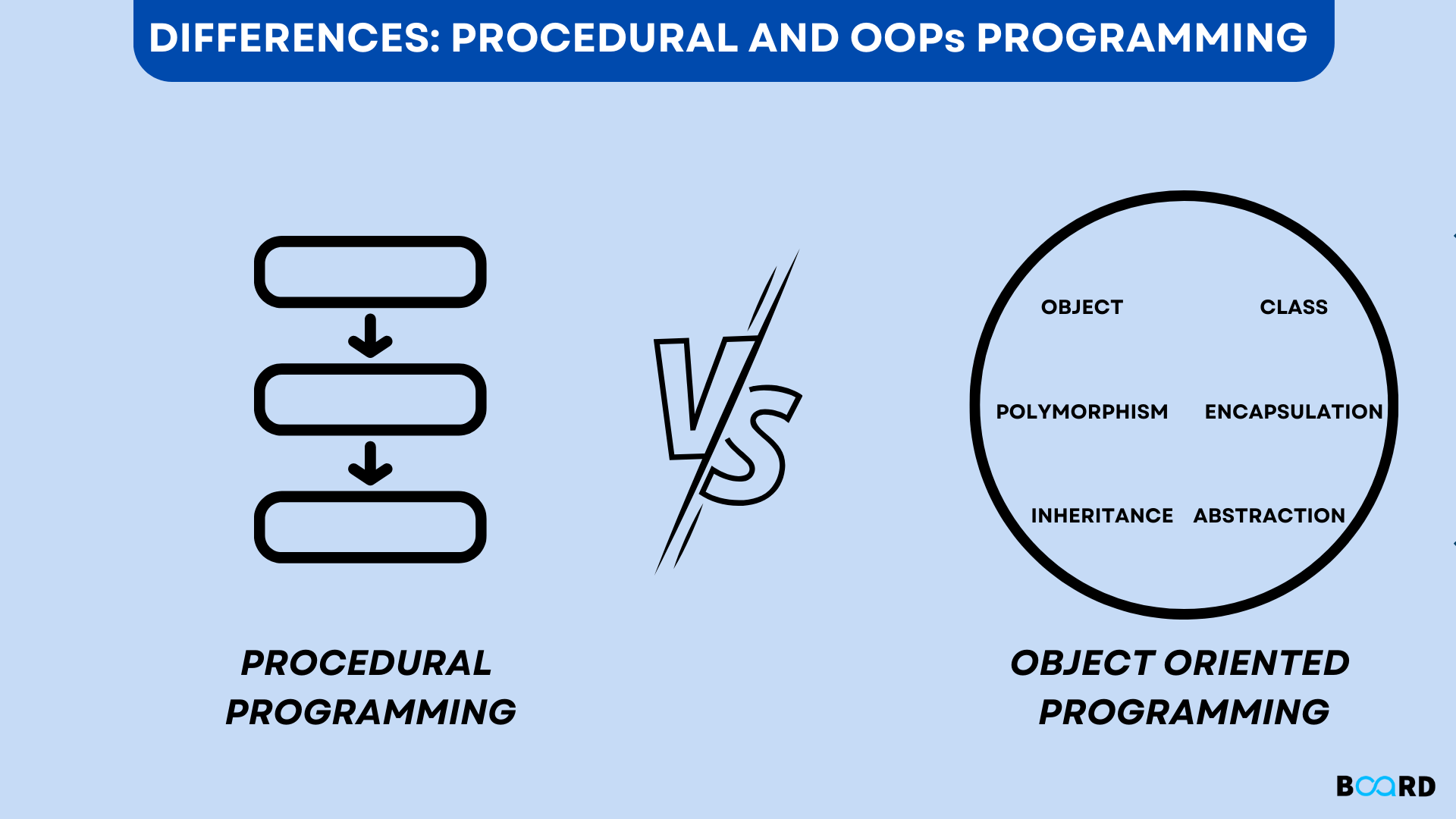
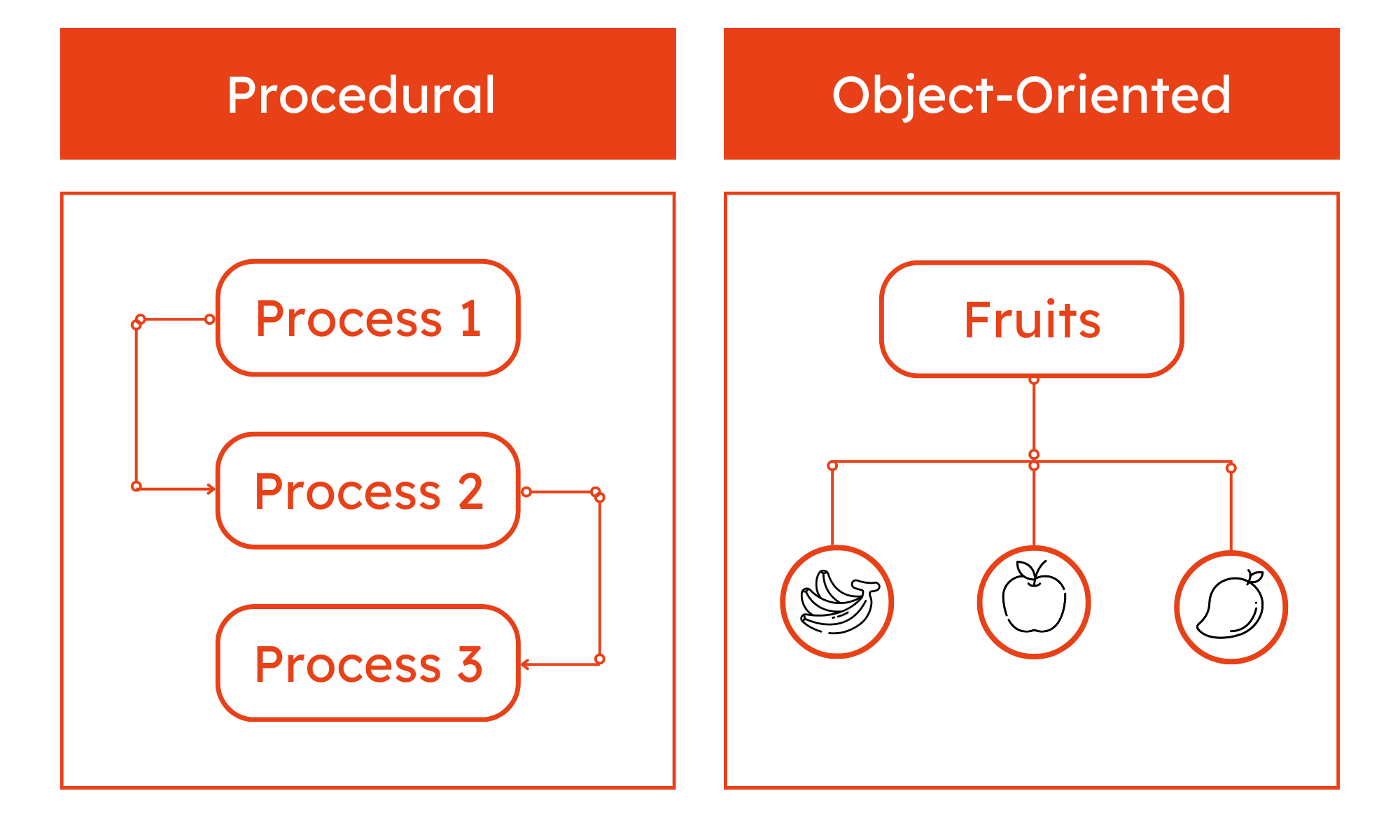
C++ supports multiple programming paradigms:

  • Procedural
  • Object-Oriented
  • Generic (templates)

๐Ÿง  Importance of C++

  • Combines low-level and high-level programming
  • Used in performance-critical applications
  • Foundation for many modern technologies
  • Widely used in competitive programming
  • Supports OOP and reusable code

๐Ÿงฉ Basic Structure of a C++ Program


๐Ÿ“„ Example Program

#include <iostream>
using namespace std;

int main() {
    cout << "Hello, World!";
    return 0;
}

๐Ÿง  Components:

Image
Image
  • #include โ†’ Header files
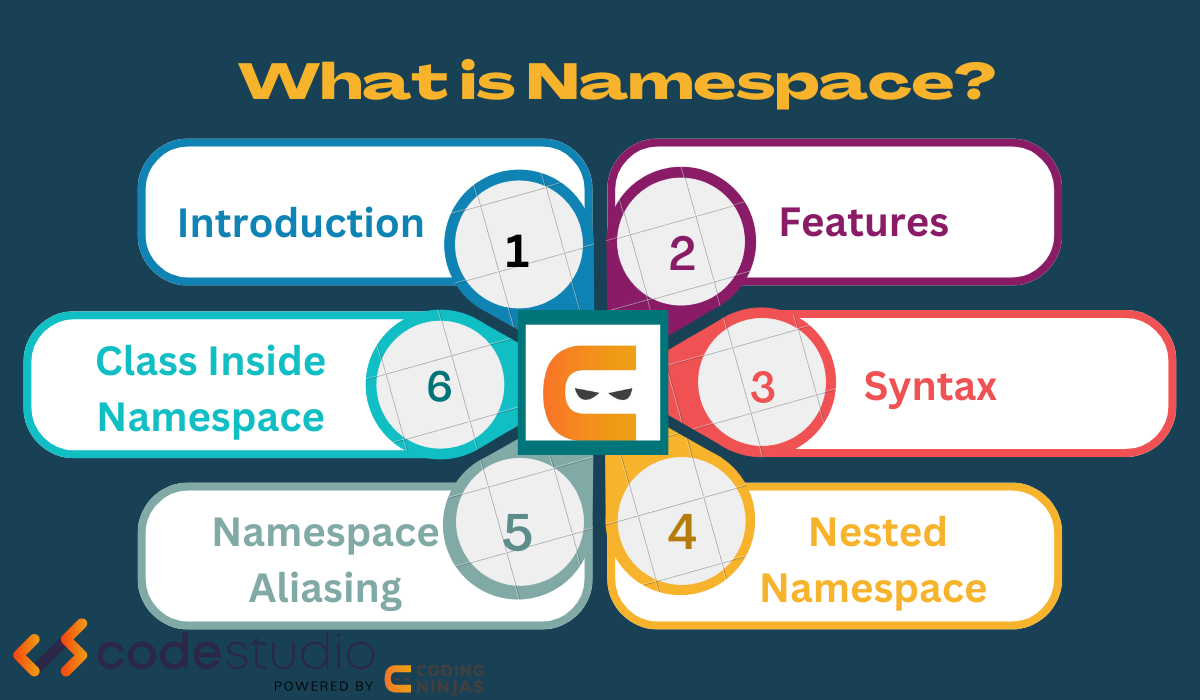
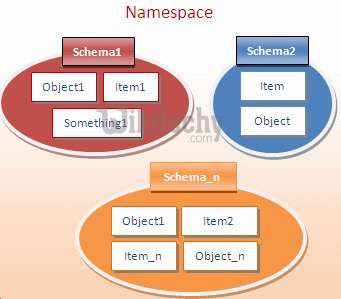
  • namespace โ†’ Scope management
  • main() โ†’ Entry point
  • cout โ†’ Output

โš™๏ธ Data Types in C++


๐Ÿ”ข Basic Data Types

TypeDescription
intInteger
floatDecimal
doubleHigh precision
charCharacter
boolBoolean

๐Ÿงฉ Derived Types

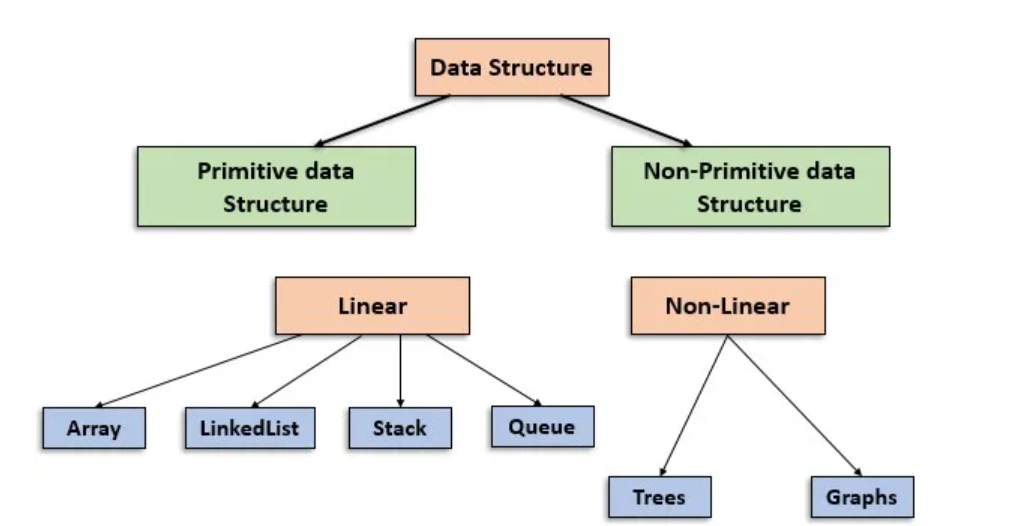
  • Arrays
  • Pointers
  • References

๐Ÿง  User-Defined Types

  • struct
  • class
  • enum

๐Ÿ”ค Variables and Constants


๐Ÿ“Œ Variables

int x = 10;

๐Ÿ”’ Constants

const int MAX = 100;

โš™๏ธ Operators in C++


๐Ÿ”ข Types:

  • Arithmetic (+, -, *, /)
  • Relational (==, >, <)
  • Logical (&&, ||)
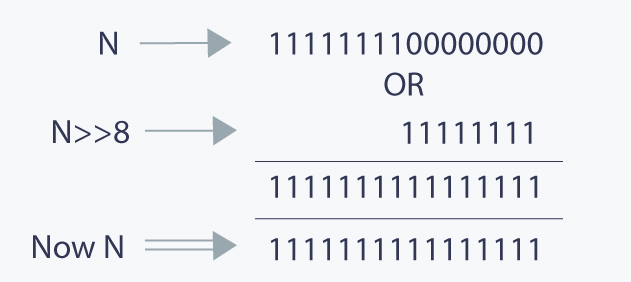
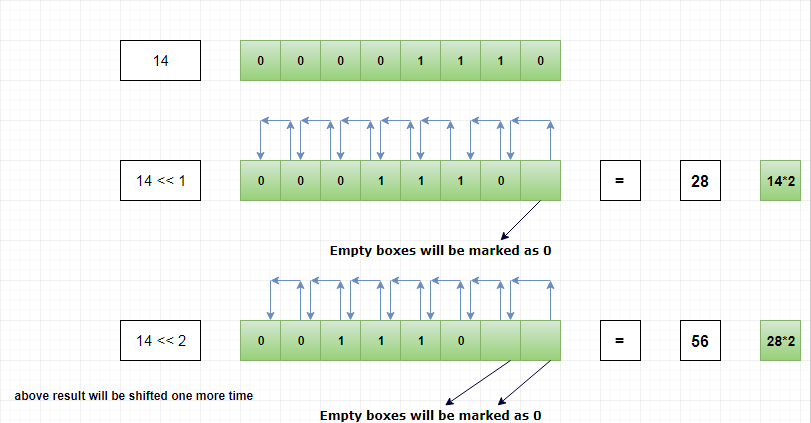
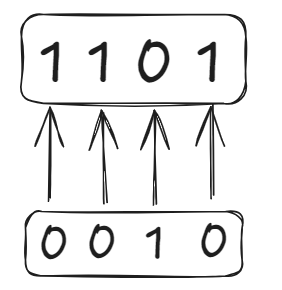
  • Bitwise (&, |, ^)
  • Assignment (=, +=)

๐Ÿงฎ Bitwise Operations

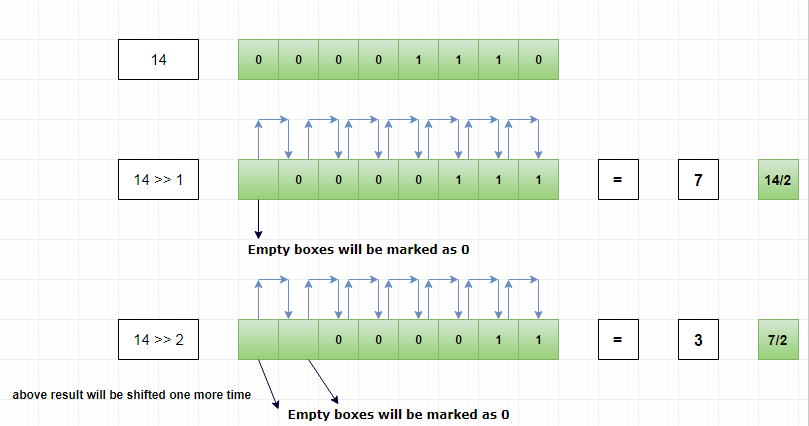
Image
Image
Image
Image

๐Ÿ”„ Control Structures


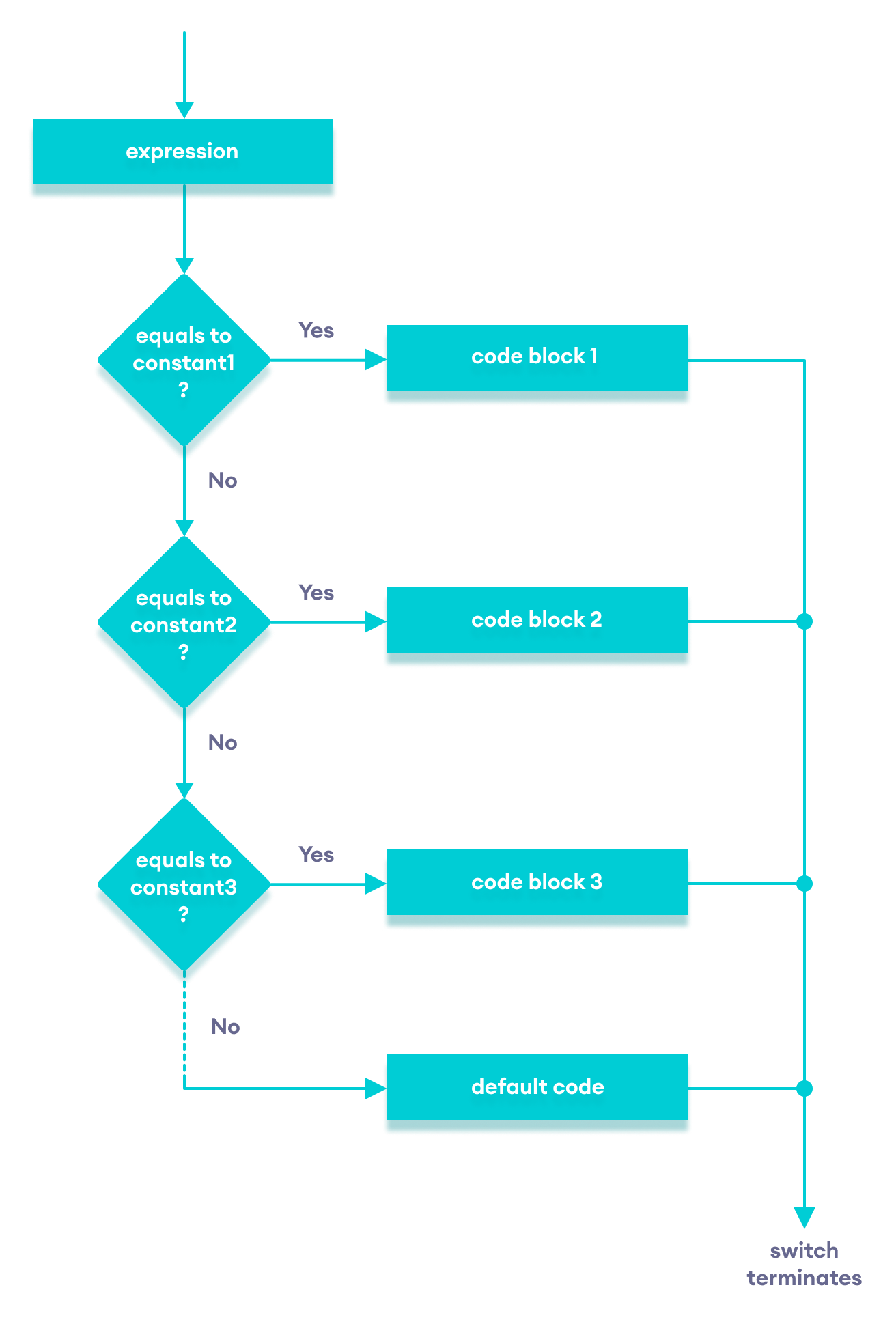
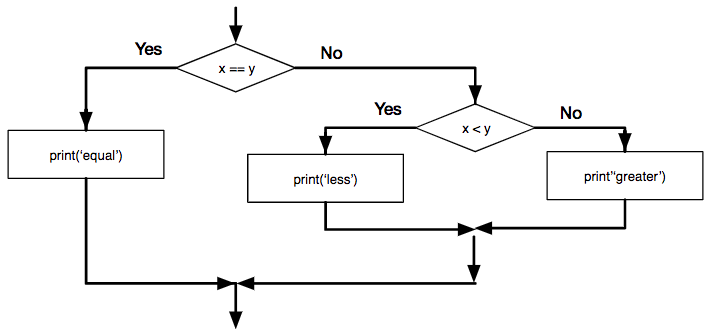
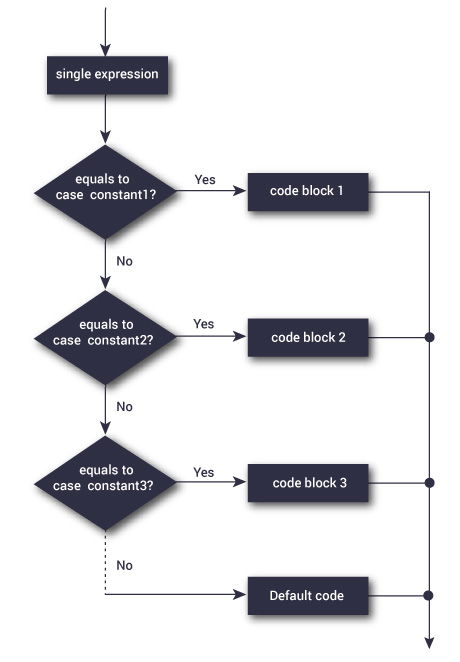
๐Ÿ”€ Decision Making

Image
Image
Image

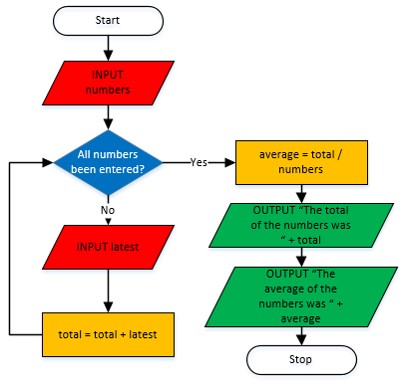
๐Ÿ” Loops

Image
Image
Image
Image

๐Ÿง  Functions in C++


๐Ÿ“Œ Definition

int add(int a, int b) {
    return a + b;
}

โš™๏ธ Features:

  • Function overloading
  • Inline functions
  • Recursion

๐Ÿงฉ Object-Oriented Programming (OOP)


๐Ÿง  Core Concepts

Image
Image
Image
Image

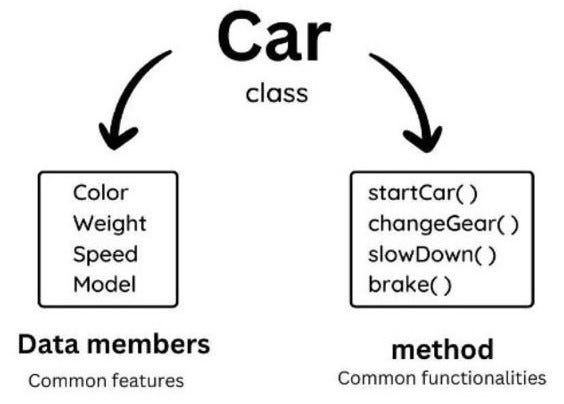
๐Ÿ”น 1. Class and Object

class Car {
public:
    int speed;
};

๐Ÿ”น 2. Encapsulation

  • Data hiding
  • Use of access modifiers

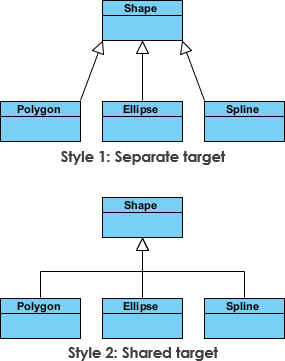
๐Ÿ”น 3. Inheritance

Image
Image
Image
Image
  • Reuse of code

๐Ÿ”น 4. Polymorphism

  • Function overloading
  • Operator overloading

๐Ÿ”น 5. Abstraction

  • Hide implementation details

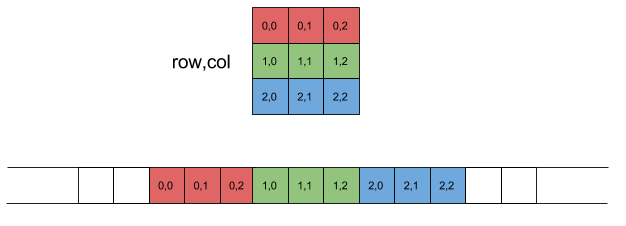
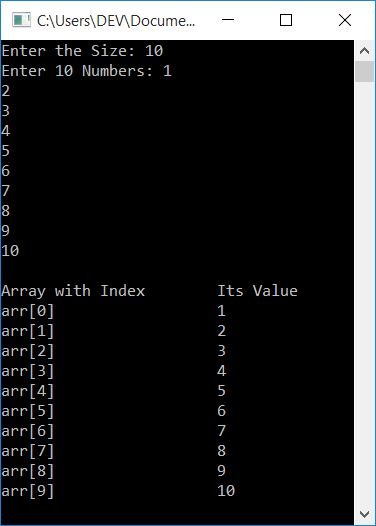
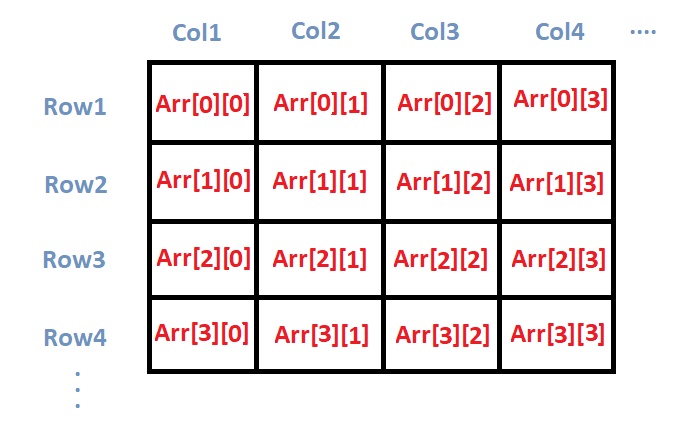
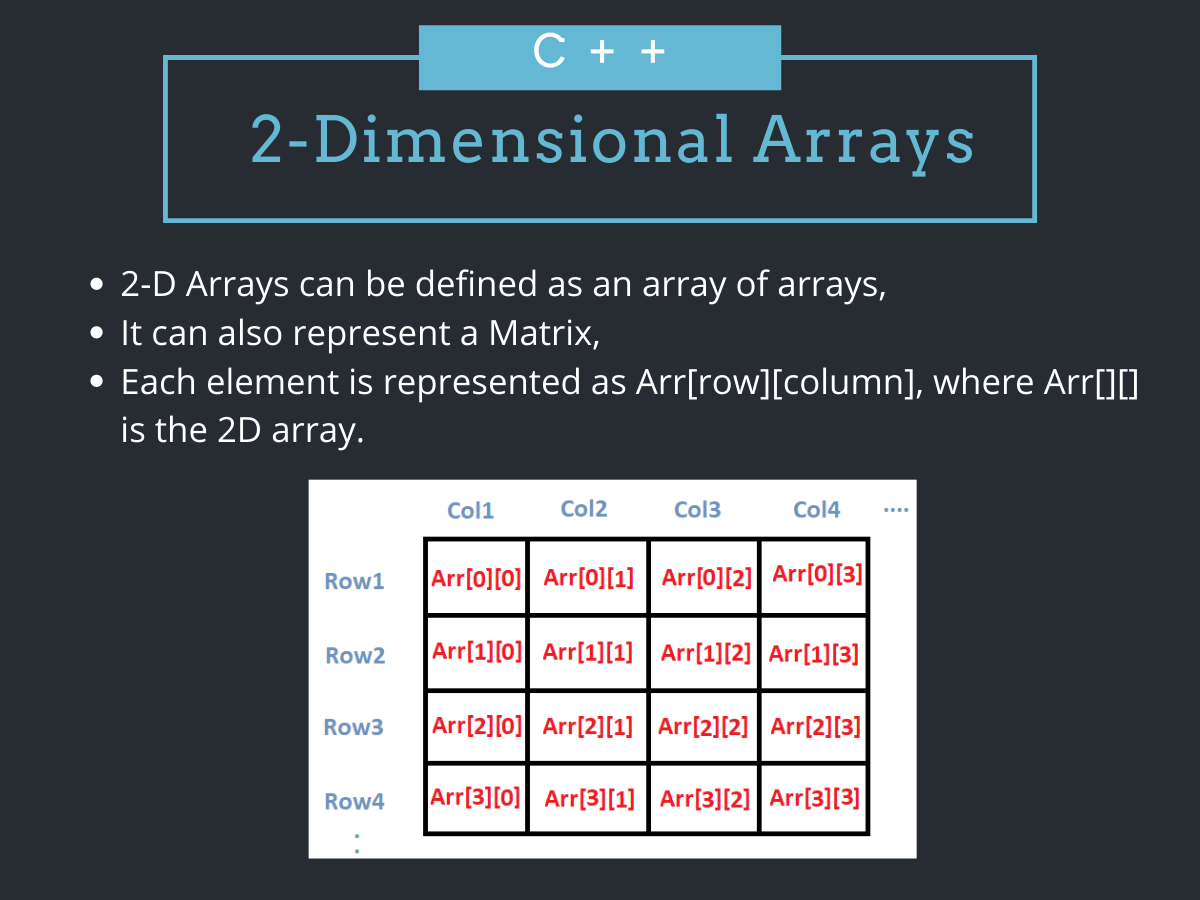
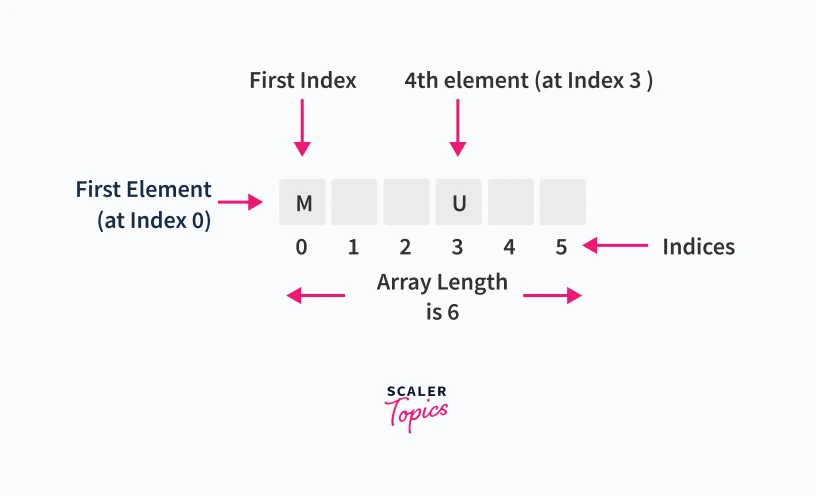
๐Ÿง  Arrays in C++

Image
Image
Image
Image
  • Same as C but with enhancements

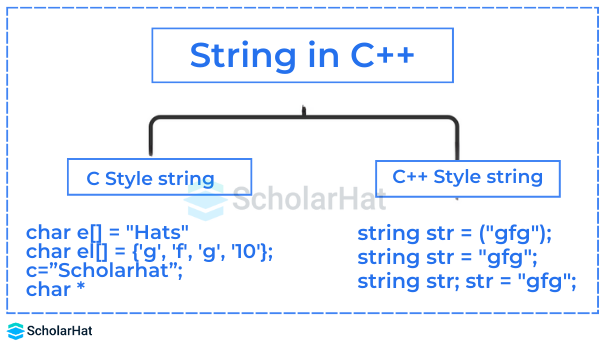
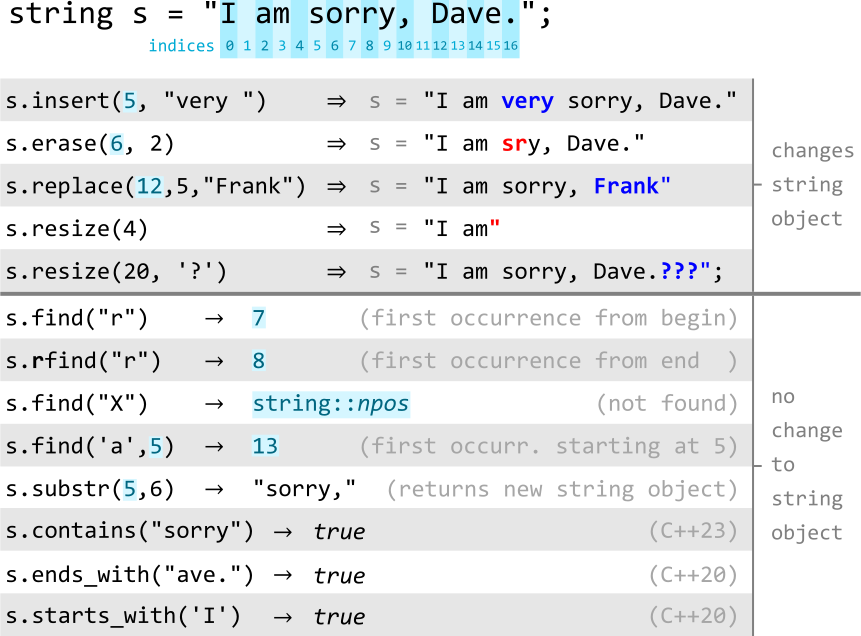
๐Ÿ”ค Strings in C++


๐Ÿ“Œ Types:

Image
Image
Image
Image
  • C-style strings
  • std::string

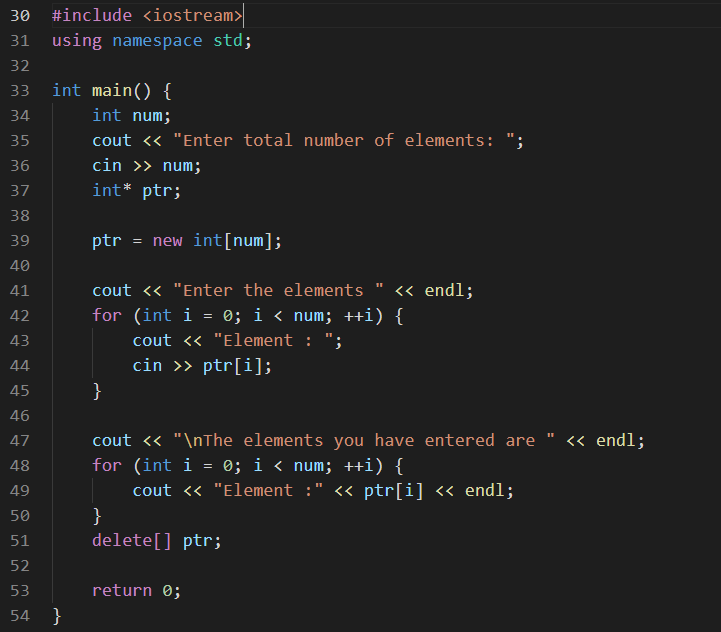
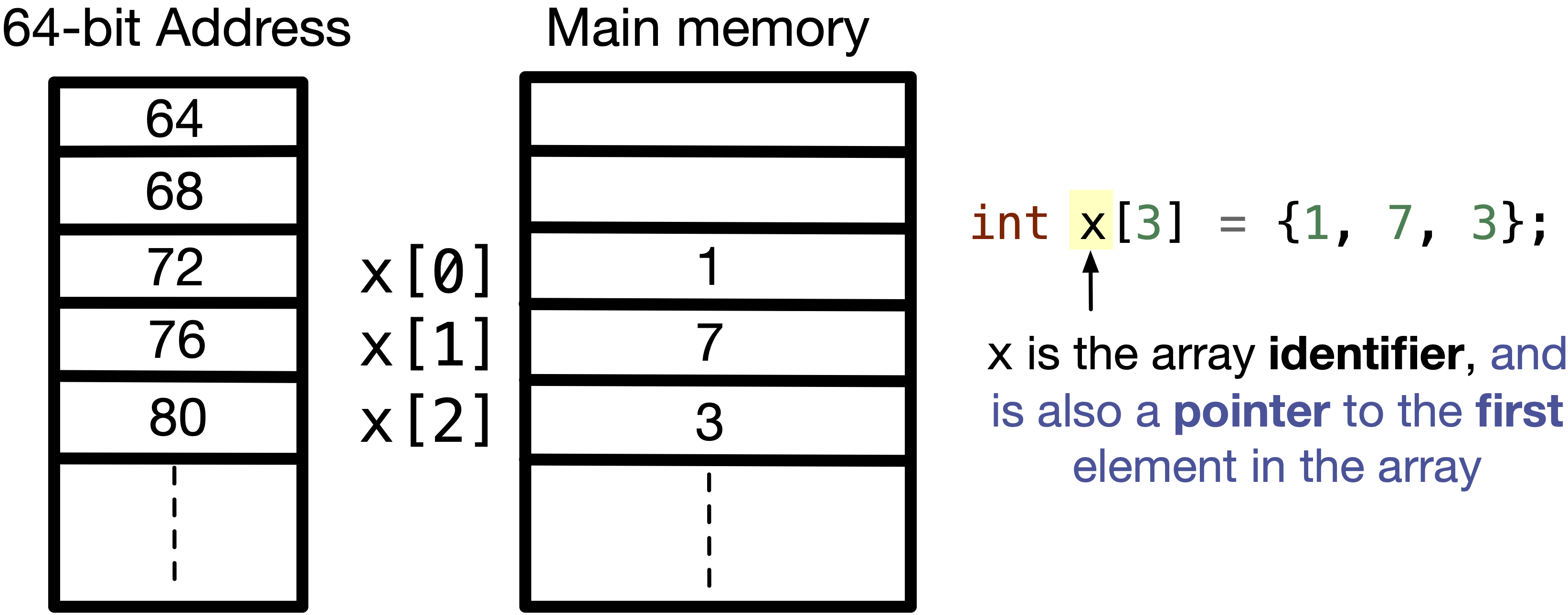
๐Ÿง  Pointers and References


๐Ÿ“Œ Pointers

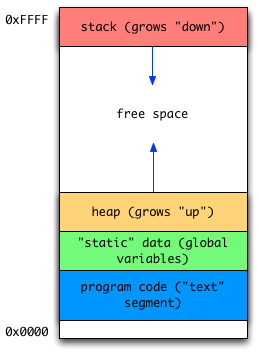
Image
Image
Image
Image

๐Ÿ”„ References

  • Alias for variables
int &ref = x;

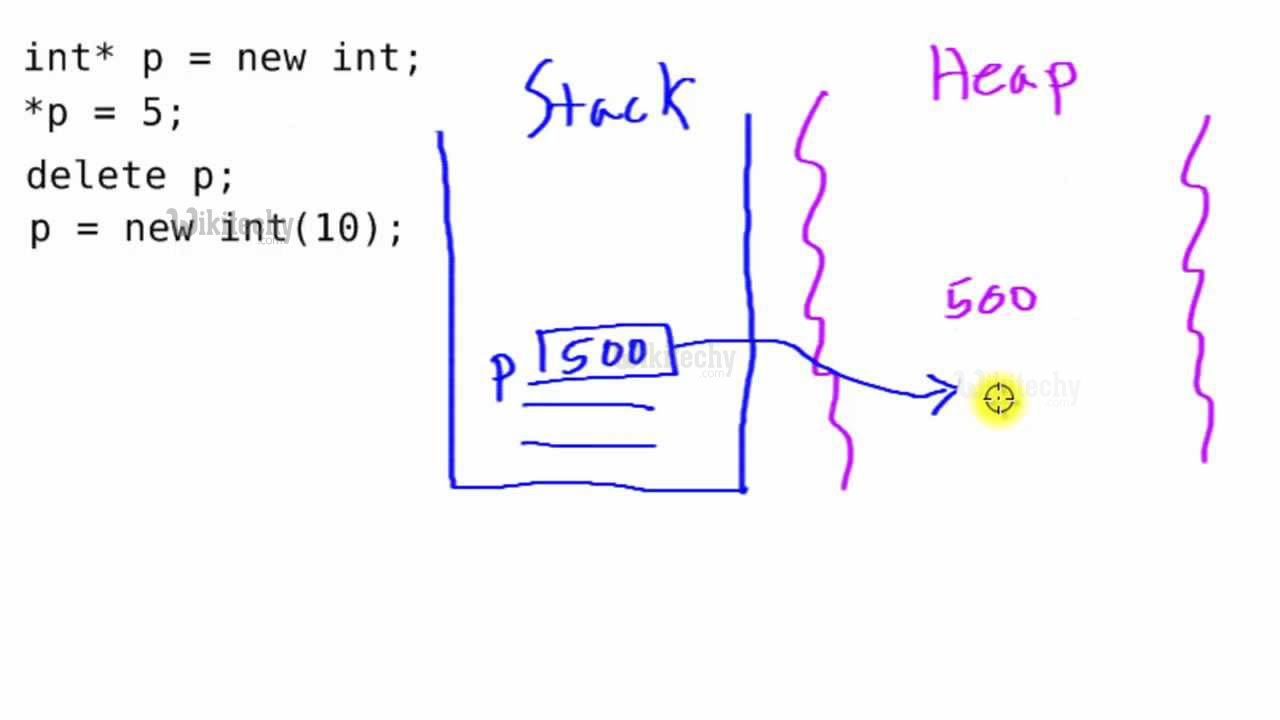
๐Ÿ’พ Dynamic Memory Allocation


๐Ÿ“ฆ Operators:

Image
Image
Image
Image
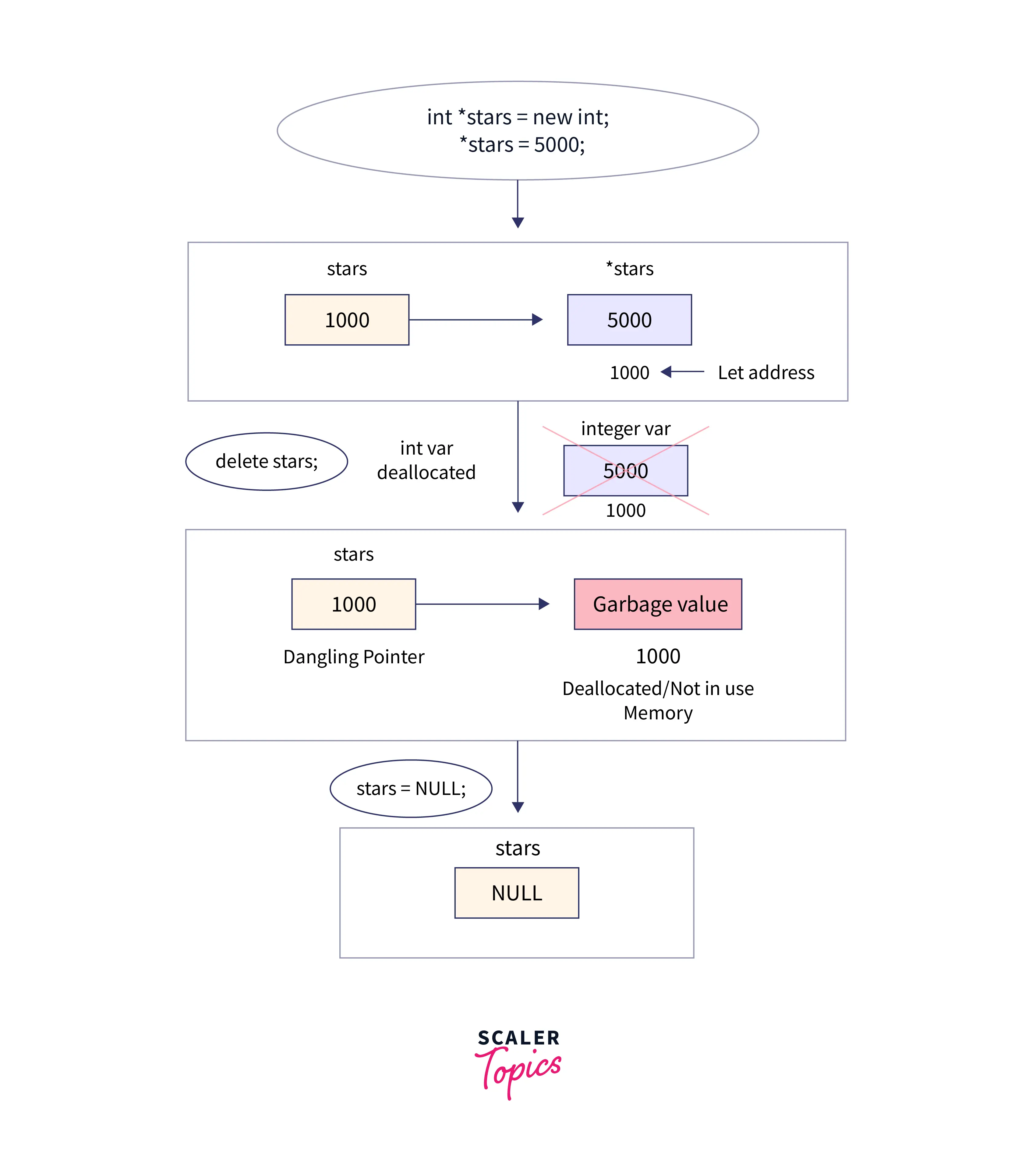
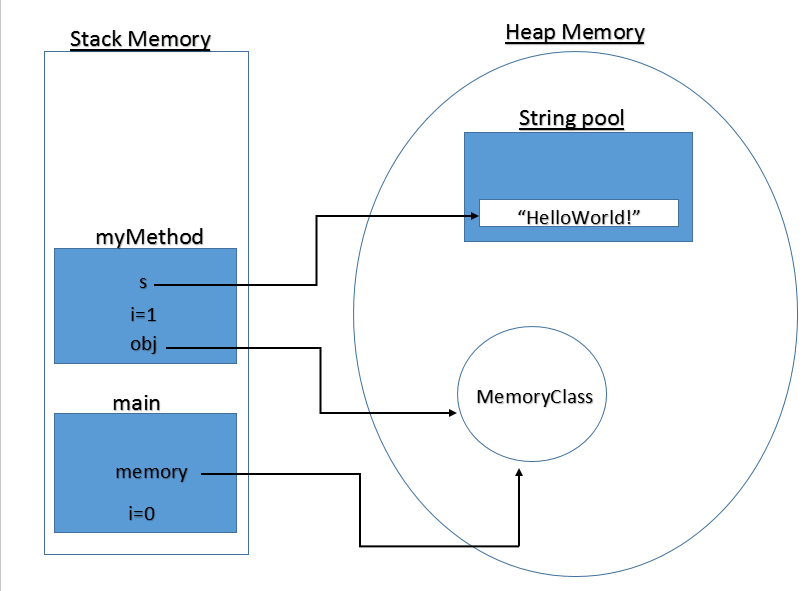
  • new
  • delete

๐Ÿงฉ Structures and Classes


โš–๏ธ Difference:

FeatureStructClass
Default AccessPublicPrivate

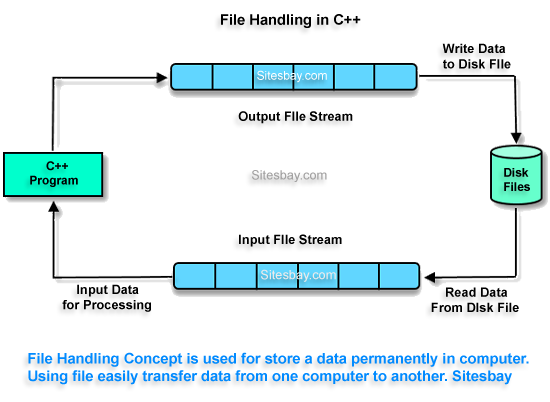
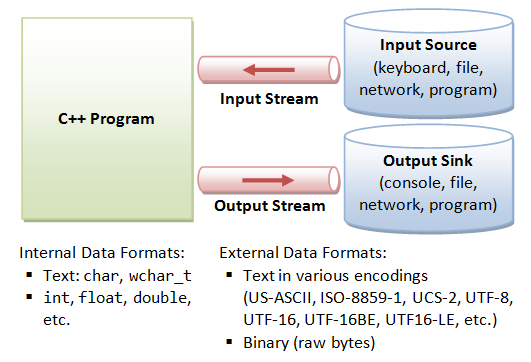
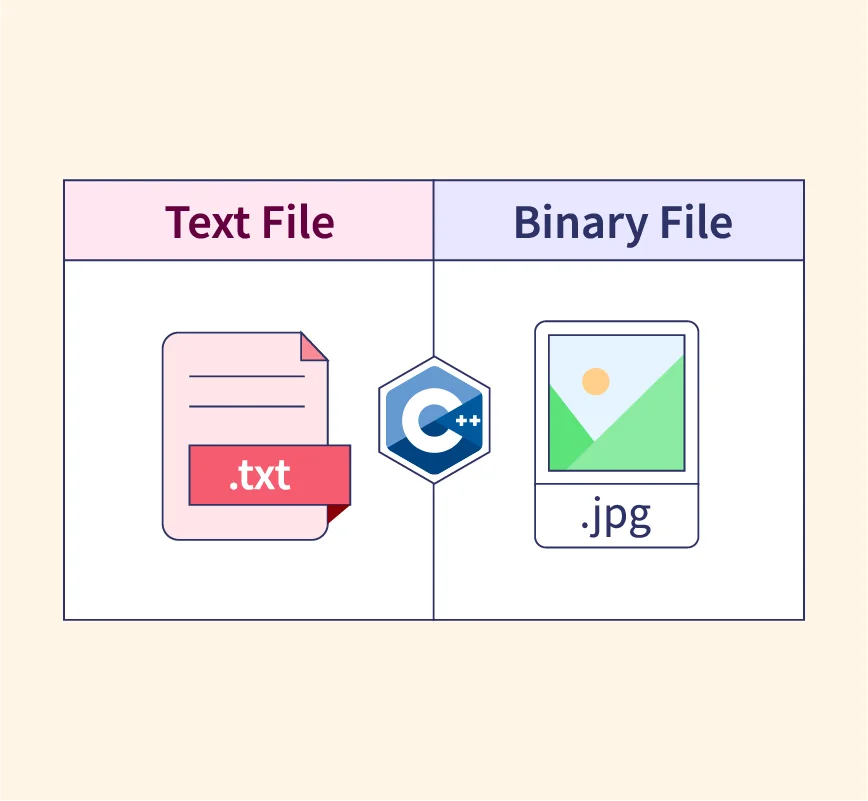
๐Ÿ“‚ File Handling


๐Ÿ“„ Streams:

Image
Image
Image
Image
  • ifstream
  • ofstream
  • fstream

๐Ÿง  Standard Template Library (STL)


๐Ÿ“ฆ Components

Image
Image
Image
Image
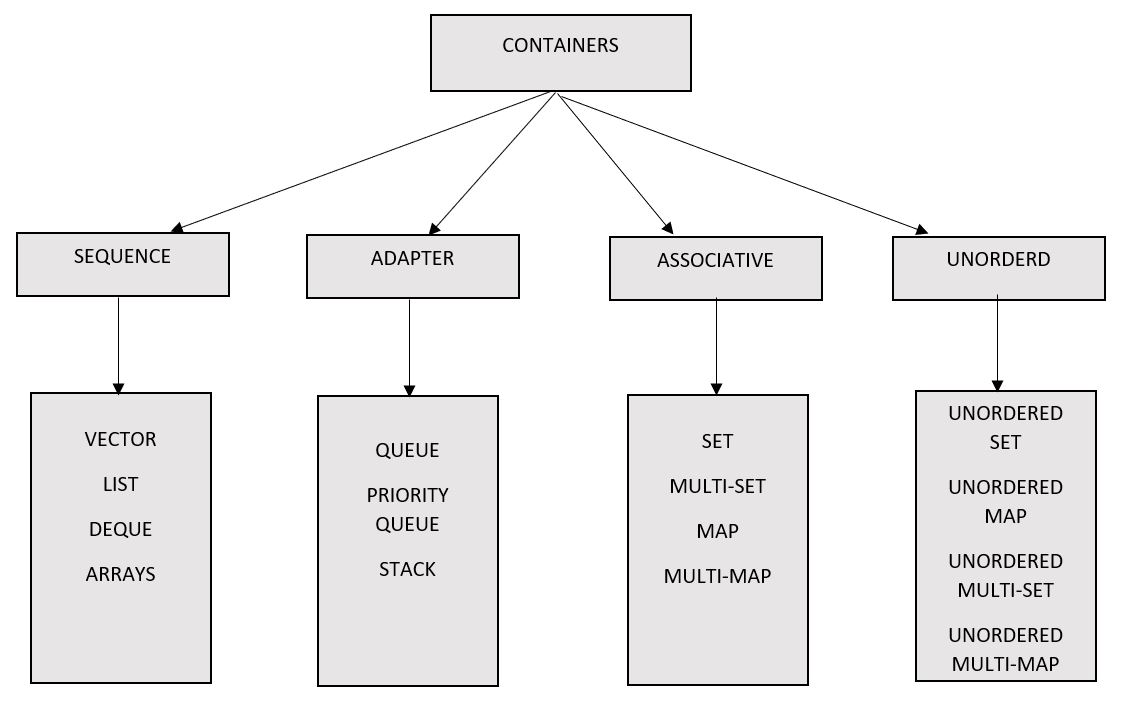
  • Containers (vector, list, map)
  • Algorithms (sort, search)
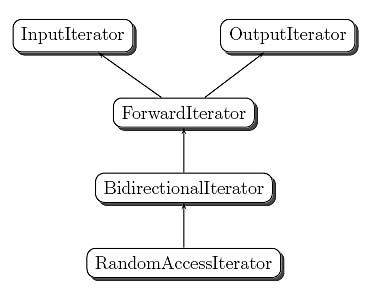
  • Iterators

โš™๏ธ Exception Handling


๐Ÿ”ฅ Concept:

try {
    // code
} catch (...) {
    // handle error
}

๐Ÿง  Templates (Generic Programming)


๐Ÿ“Œ Example:

template <typename T>
T add(T a, T b) {
    return a + b;
}

๐ŸŒ C++ in Software Development Context


๐Ÿง  Role Among Languages

Image
Image
Image
Image

๐Ÿ”น Compared to Other Languages:

LanguageTypeUse
C++OOP + Low-levelSystems, games
PythonHigh-levelAI, scripting
JavaOOPEnterprise

๐Ÿš€ Applications of C++


๐ŸŽฎ Game Development

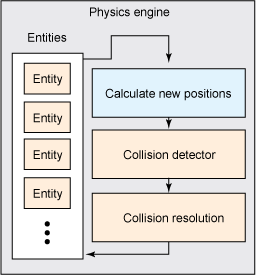
Image
Image
Image
Image

โš™๏ธ System Software

  • Operating systems
  • Compilers

๐Ÿš— Embedded Systems

  • Robotics
  • Automotive systems

๐Ÿ’น Finance Systems

  • High-frequency trading

โšก Advantages of C++

  • High performance
  • Object-oriented
  • Flexible
  • Rich libraries

โš ๏ธ Limitations

  • Complex syntax
  • Manual memory management
  • Steep learning curve

๐Ÿš€ Modern C++ Trends

Image
Image
Image
Image
  • Smart pointers
  • Lambda expressions
  • Multithreading
  • C++20 features

๐Ÿงพ Conclusion

C++ is a powerful and versatile programming language that:

  • Combines performance with abstraction
  • Supports multiple paradigms
  • Powers modern applications

Learning C++ helps in:

  • Mastering programming fundamentals
  • Building high-performance systems
  • Understanding advanced concepts
๐Ÿท๏ธ Tags

๐Ÿ’ป C Programming โ€“ Complete Detailed Guide (with Software Development Language Context)


๐ŸŒ Introduction to C Programming

Image
Image

C programming is one of the most influential and widely used programming languages in the world. Developed in the early 1970s, it is a general-purpose, procedural programming language that provides low-level access to memory and system resources.

In simple terms:

C = powerful language that connects software with hardware

C is often called the mother of modern programming languages because many languages (like C++, Java, Python) are derived from or influenced by it.


๐Ÿง  Importance of C Programming

  • Foundation for learning programming
  • Used in operating systems (e.g., Linux kernel)
  • High performance and efficiency
  • Direct memory access using pointers
  • Widely used in embedded systems

๐Ÿงฉ Basic Structure of a C Program


๐Ÿ“„ Structure Overview

Image
Image
Image

Example:

#include <stdio.h>

int main() {
    printf("Hello, World!");
    return 0;
}

๐Ÿง  Components:

  • Preprocessor directives (#include)
  • Main function (main())
  • Statements and expressions
  • Return statement

โš™๏ธ Data Types in C


๐Ÿ”ข Basic Data Types

TypeDescription
intInteger values
floatDecimal values
charCharacters
doubleHigh precision numbers

๐Ÿงฉ Derived Data Types

  • Arrays
  • Pointers
  • Structures
  • Unions

๐Ÿง  User-Defined Types

  • typedef
  • struct
  • enum

๐Ÿ”ค Variables and Constants


๐Ÿ“Œ Variables

Used to store data:

int x = 10;

๐Ÿ”’ Constants

  • Fixed values
#define PI 3.14

โš™๏ธ Operators in C


๐Ÿ”ข Types of Operators


โž• Arithmetic Operators

  • +, -, *, /, %

โš–๏ธ Relational Operators

  • ==, !=, >, <

๐Ÿ”— Logical Operators

  • &&, ||, !

๐Ÿงฎ Bitwise Operators

Image
Image
Image
Image
  • &, |, ^, <<, >>

๐Ÿ”„ Control Structures


๐Ÿ”€ Decision Making

Image
if (x > 0) {
    printf("Positive");
}

๐Ÿ” Loops

Image
Image
  • for
  • while
  • do-while

๐Ÿง  Functions in C


๐Ÿ“Œ Definition

Functions are reusable blocks of code.

int add(int a, int b) {
    return a + b;
}

โš™๏ธ Types:

  • Library functions
  • User-defined functions

๐Ÿงฉ Arrays in C

Image
Image
Image
Image
  • Store multiple values
  • Indexed structure

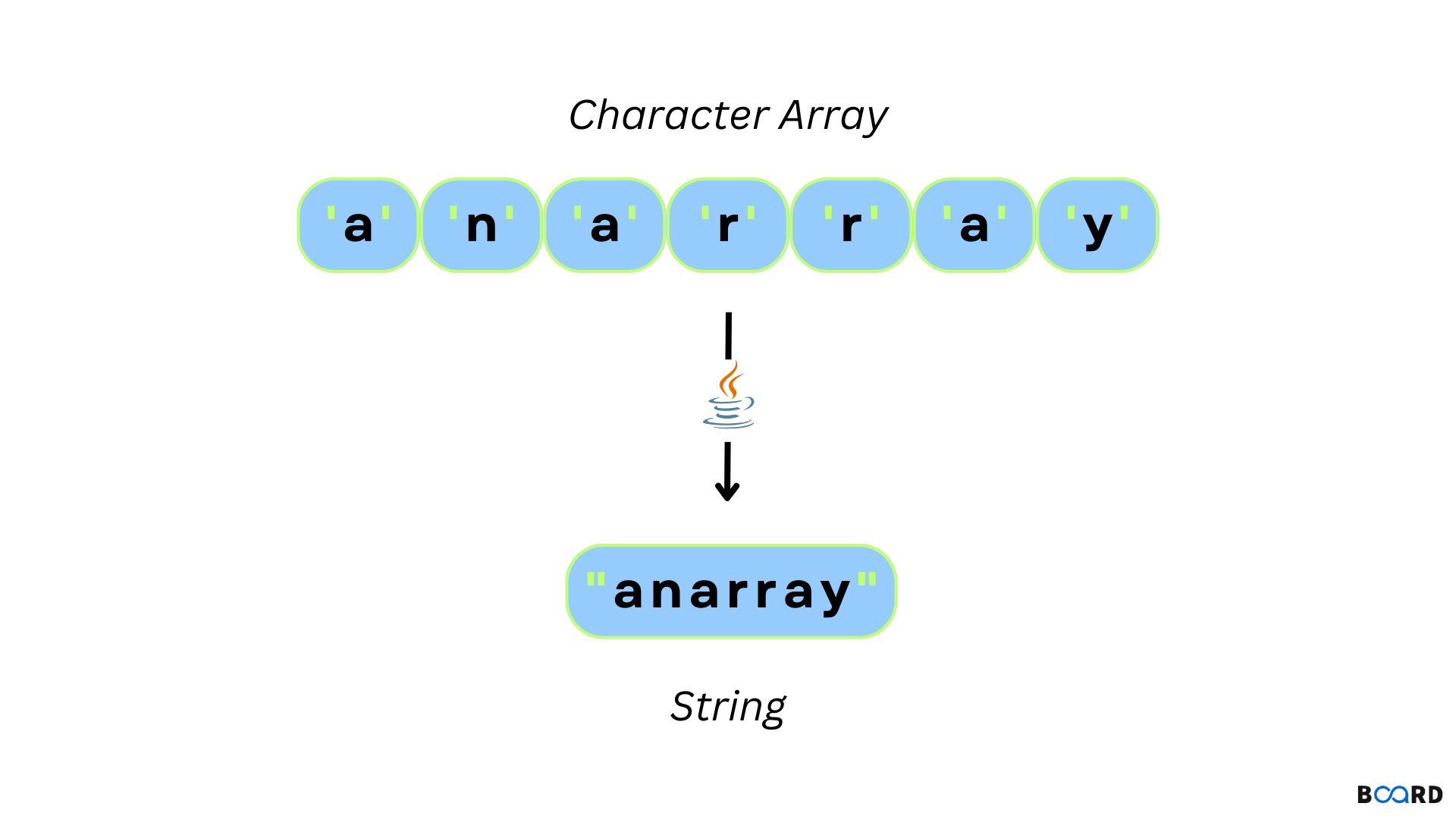
๐Ÿ”ค Strings in C

Image
Image
Image
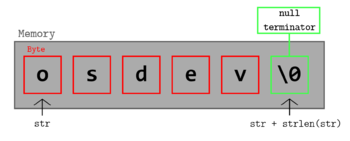
  • Array of characters
  • Null-terminated

๐Ÿง  Pointers in C


๐Ÿ“Œ Concept

Image
Image
Image
Image

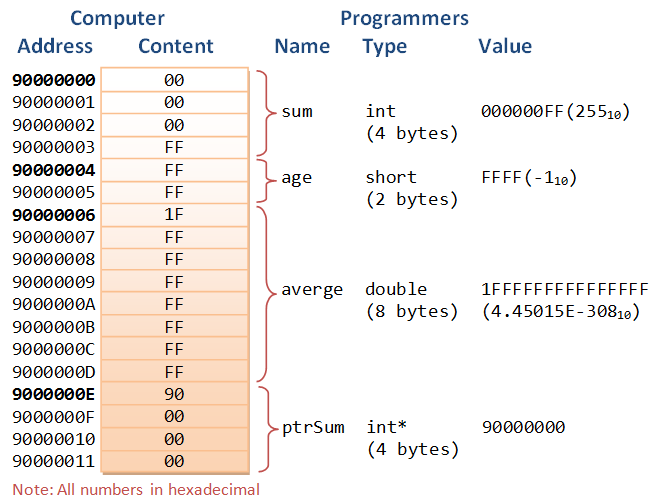
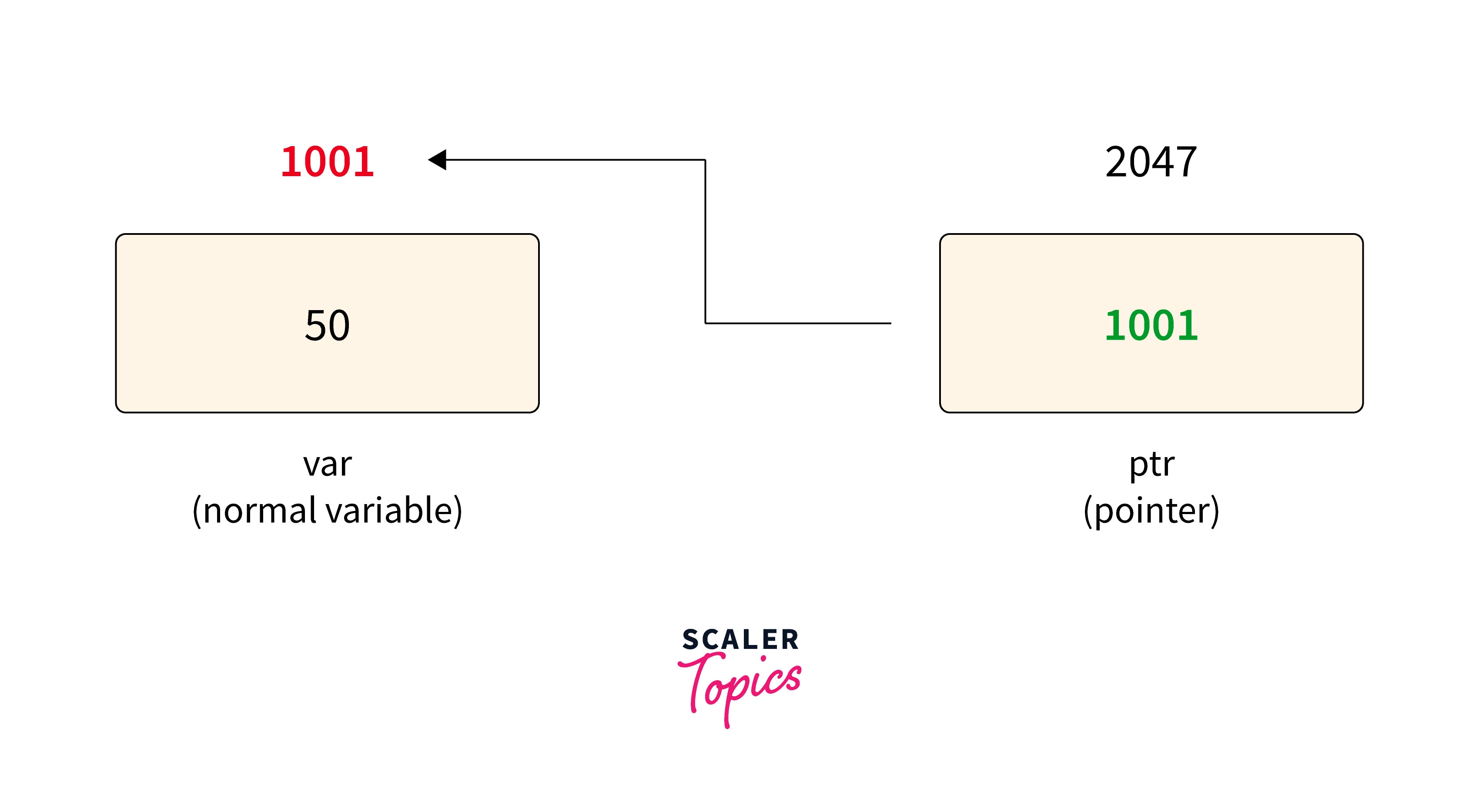
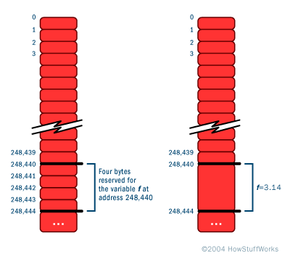
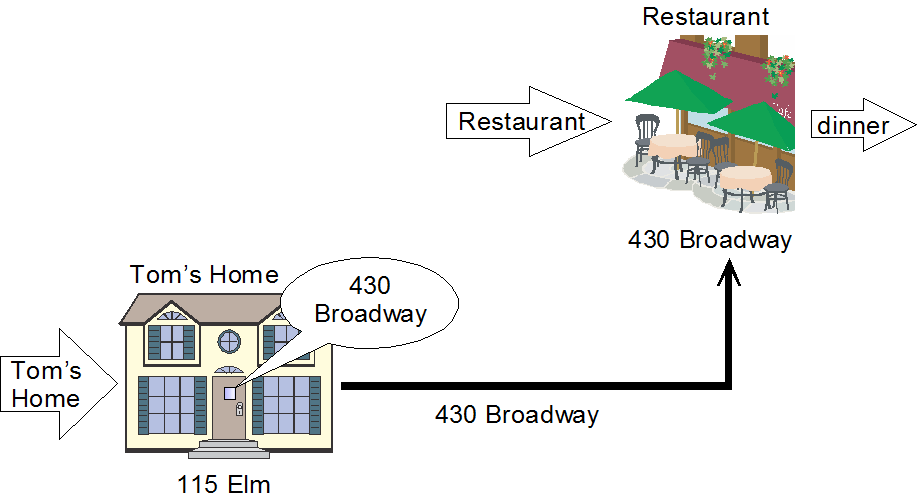
Pointers store memory addresses.

int *ptr;

โš™๏ธ Uses:

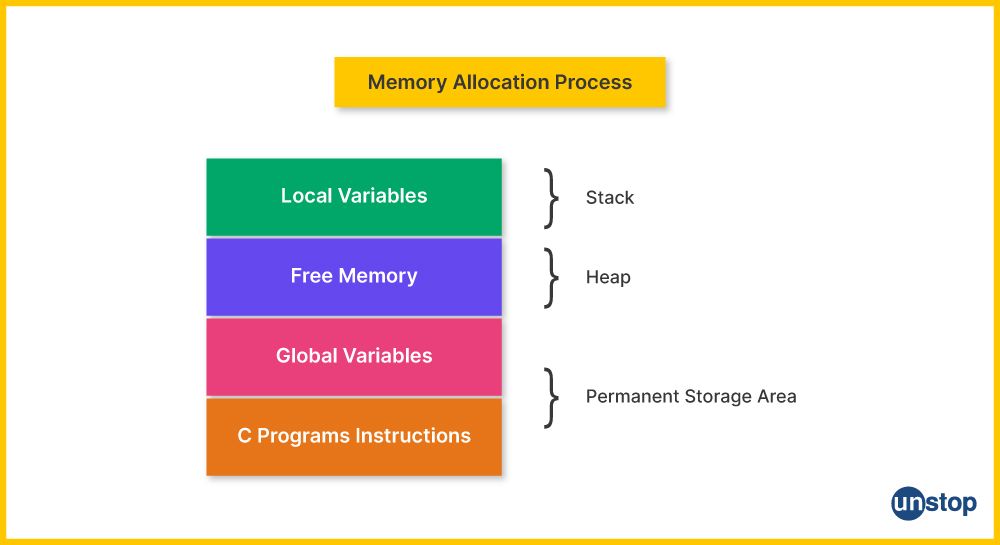
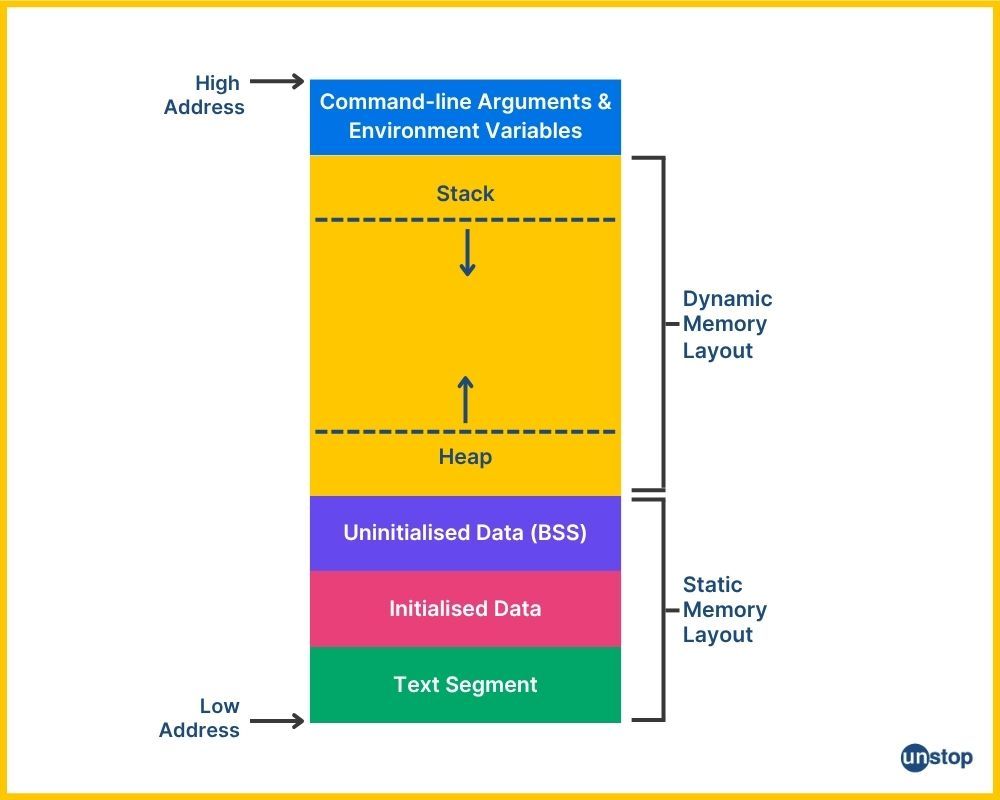
  • Dynamic memory allocation
  • Efficient array handling
  • Function arguments

๐Ÿ’พ Dynamic Memory Allocation


๐Ÿ“ฆ Functions:

Image
Image
Image
Image
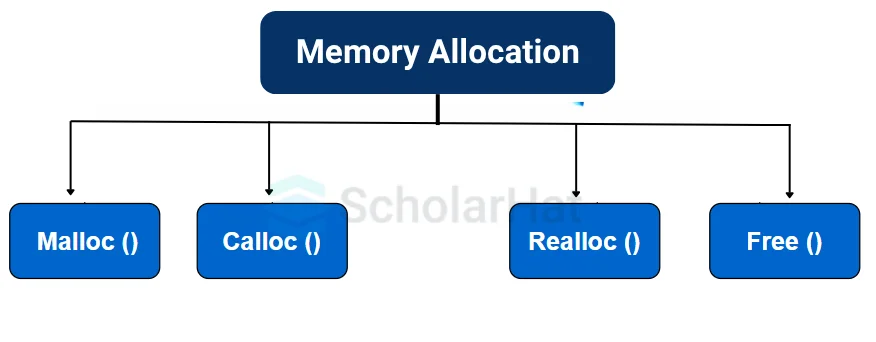
  • malloc()
  • calloc()
  • realloc()
  • free()

๐Ÿงฉ Structures and Unions


๐Ÿ“ฆ Structures

Image
Image
Image
Image
struct Student {
    int id;
    char name[20];
};

๐Ÿ”„ Unions

  • Share memory among variables

๐Ÿ“‚ File Handling in C


๐Ÿ“„ Operations:

Image
Image
Image
Image
  • fopen()
  • fread()
  • fwrite()
  • fclose()

๐Ÿง  Preprocessor Directives


๐Ÿ”น Examples:

  • #include
  • #define
  • #ifdef

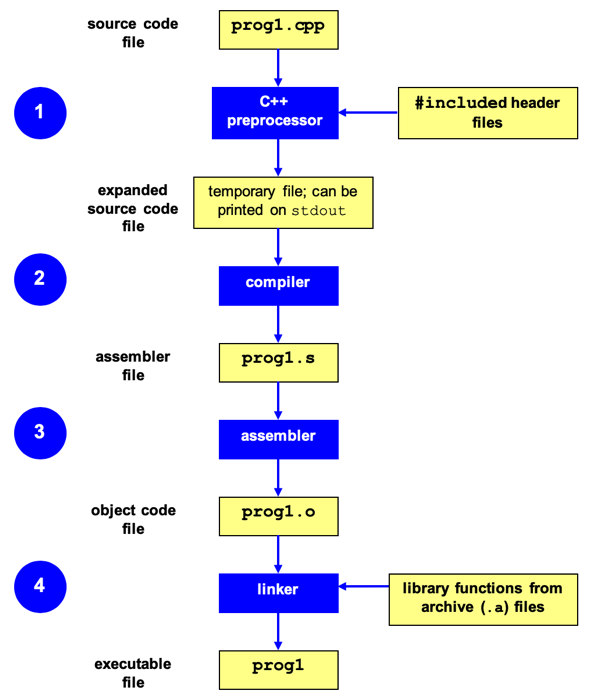
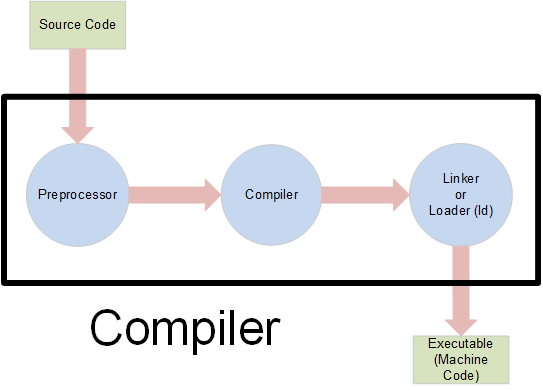
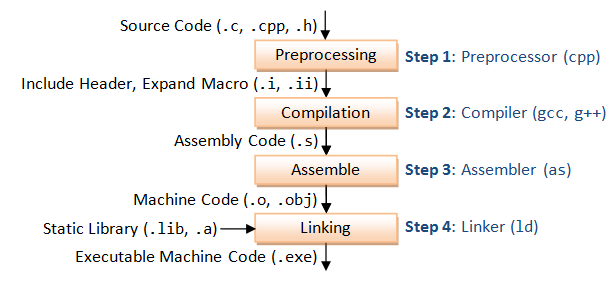
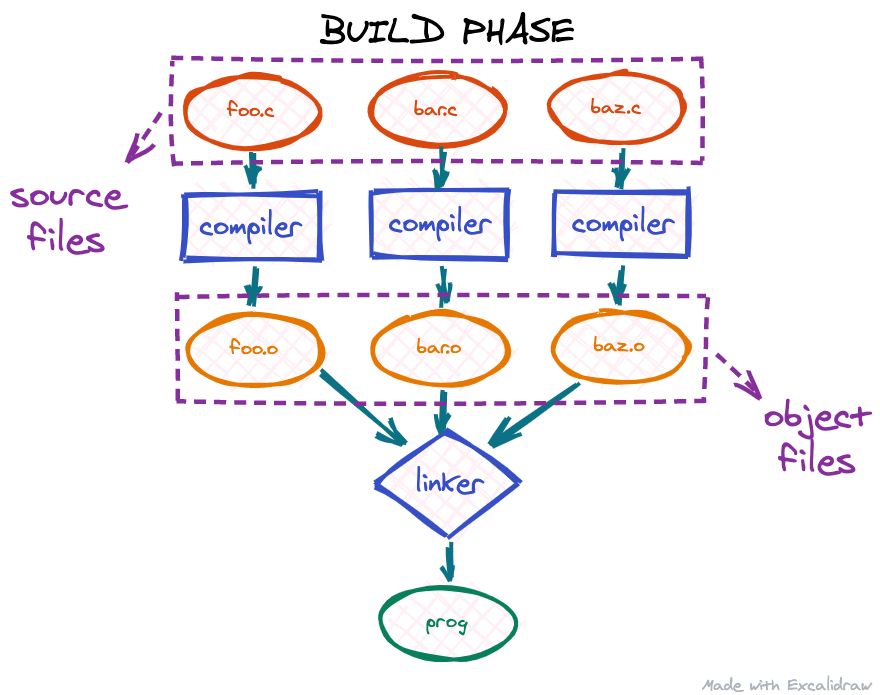
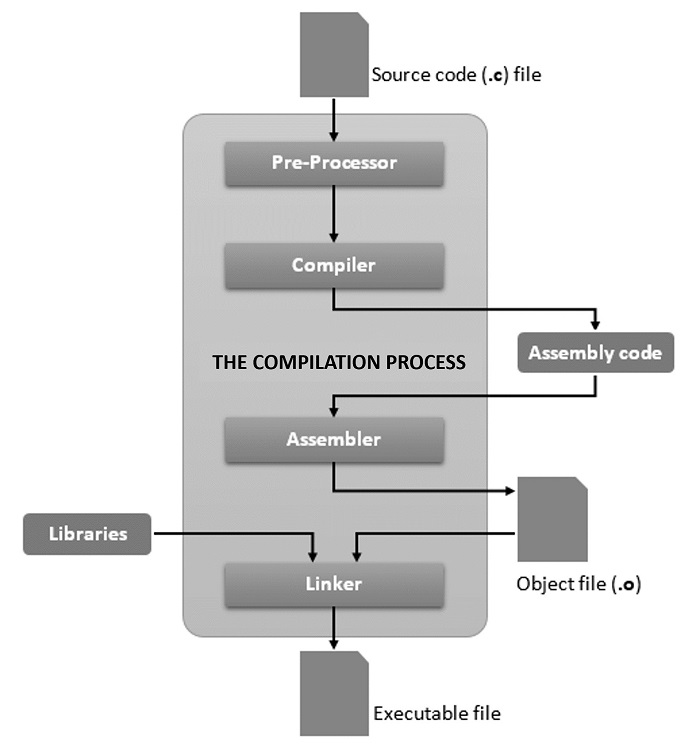
โš™๏ธ Compilation Process


๐Ÿ”„ Steps

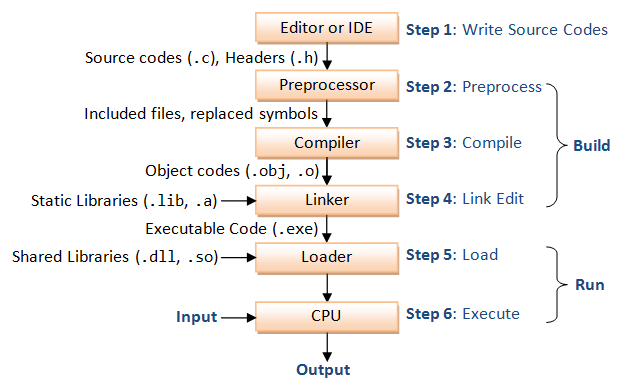
Image
Image
Image
Image
  1. Preprocessing
  2. Compilation
  3. Linking
  4. Execution

๐Ÿง  Applications of C Programming


๐Ÿ’ป System Programming

  • Operating systems
  • Compilers

โš™๏ธ Embedded Systems

  • Microcontrollers
  • IoT devices

๐ŸŽฎ Game Development

  • Performance-critical code

๐ŸŒ Networking

  • Protocol implementations

โšก Advantages of C

  • Fast and efficient
  • Portable
  • Low-level access
  • Rich library support

โš ๏ธ Limitations

  • No built-in OOP
  • Manual memory management
  • Error-prone

๐ŸŒ C in Software Development Languages Context


๐Ÿง  Role of C Among Languages

Image
Image
Image
Image

๐Ÿ”น Low-Level Languages

  • C
  • Assembly

๐Ÿ”น High-Level Languages

  • Python
  • Java
  • JavaScript

๐Ÿ”น Object-Oriented Languages

  • C++
  • Java

โš–๏ธ Comparison

LanguageTypeUse
CProceduralSystem programming
PythonHigh-levelAI, scripting
JavaOOPEnterprise apps

๐Ÿš€ Modern Trends


๐Ÿ”ฌ Developments

Image
Image
Image
Image
  • Embedded systems
  • IoT
  • High-performance computing
  • Kernel development

๐Ÿงพ Conclusion

C programming is a powerful foundational language that:

  • Teaches core programming concepts
  • Enables system-level programming
  • Forms the base for many modern languages

Learning C helps in:

  • Understanding memory and performance
  • Building efficient applications
  • Mastering advanced programming concepts
๐Ÿท๏ธ Tag