
🌐 Introduction to JavaScript Programming


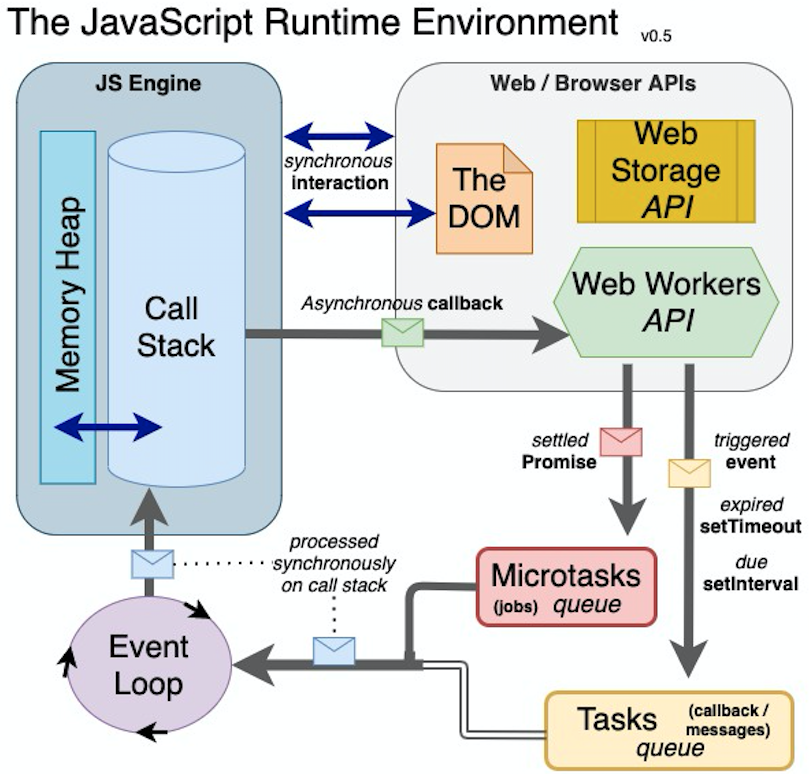
JavaScript (JS) is a high-level, interpreted programming language primarily used to create interactive and dynamic web applications. It is one of the core technologies of the web, alongside HTML and CSS.
In simple terms:
JavaScript = the language that makes websites interactive
Originally designed for browsers, JavaScript is now used for:
- Frontend development
- Backend development (Node.js)
- Mobile apps
- Desktop apps
- Game development
🧠 Importance of JavaScript
- Runs in all web browsers
- Enables dynamic content
- Essential for modern web apps
- Full-stack development capability
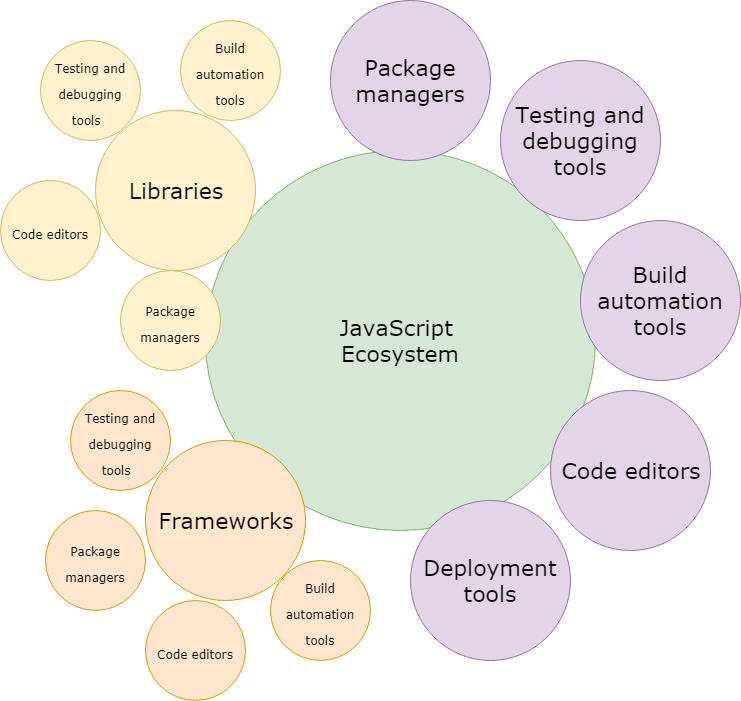
- Massive ecosystem
🧩 Basic Structure of JavaScript
📄 Example Program
console.log("Hello, World!");
🧠 Features:

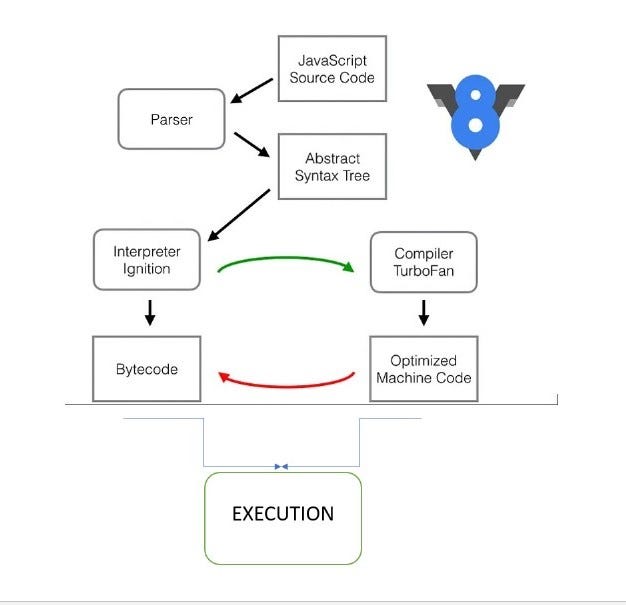
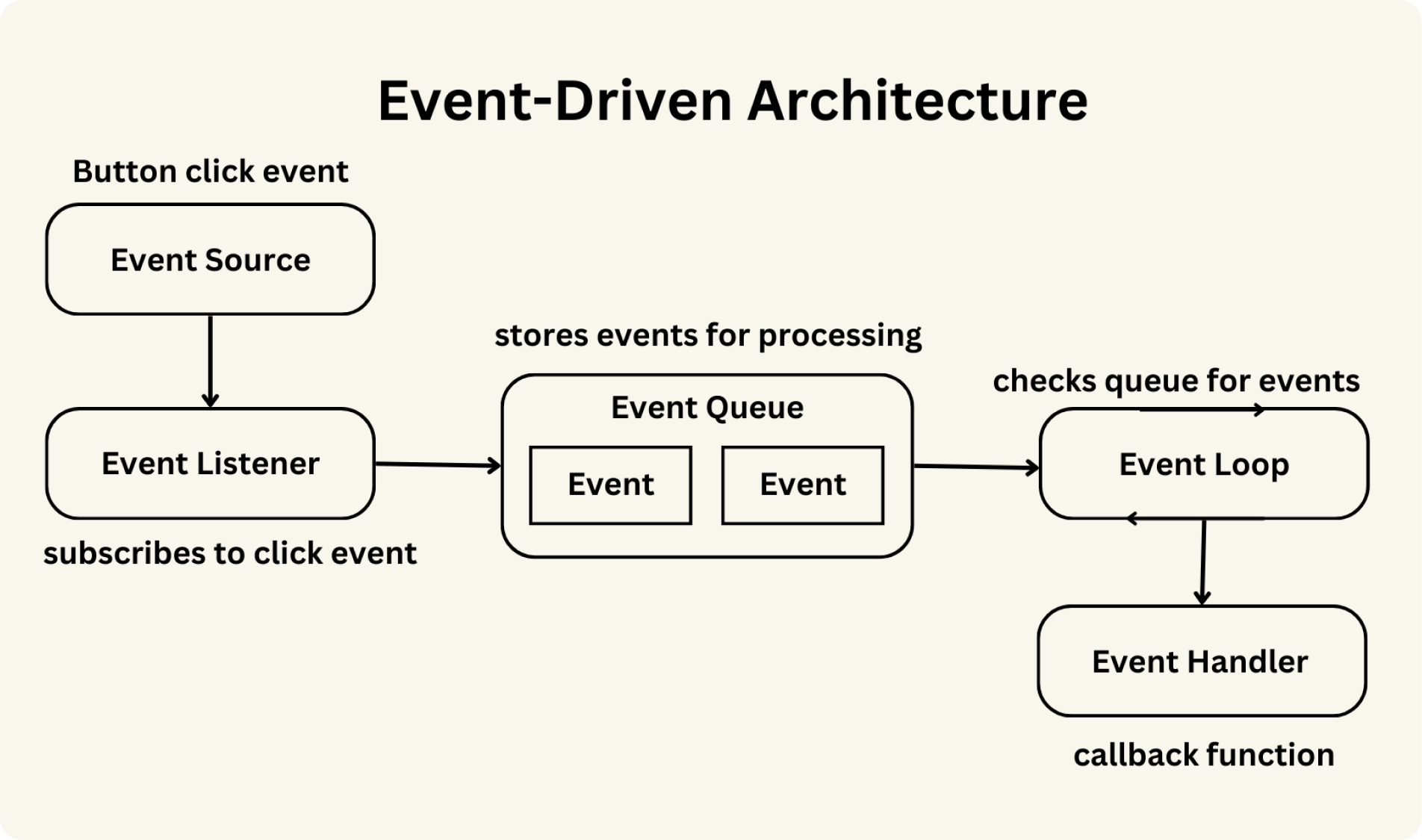
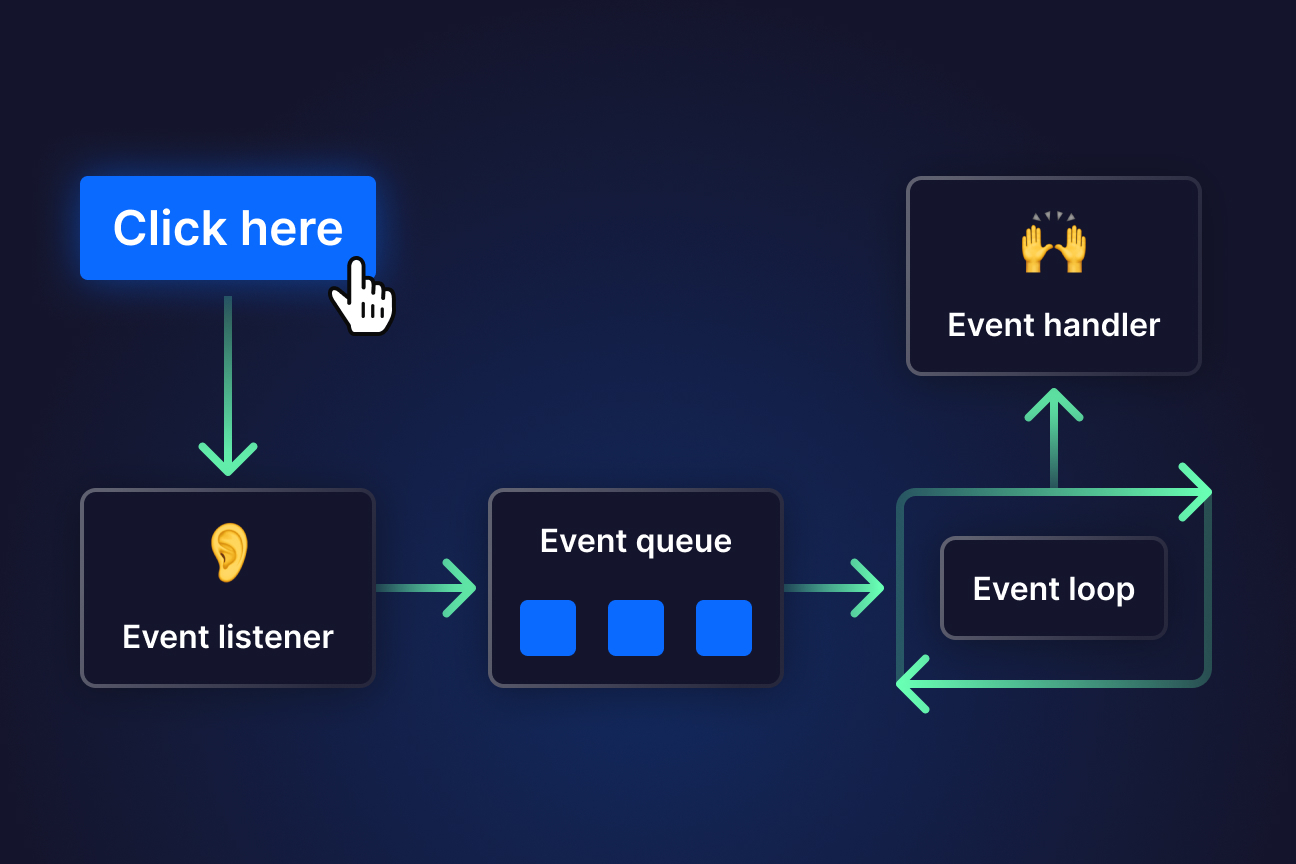
- Dynamic typing
- Interpreted language
- Event-driven
- Prototype-based
⚙️ Data Types in JavaScript
🔢 Primitive Data Types


| Type | Example |
|---|---|
| Number | 10 |
| String | “Hello” |
| Boolean | true |
| Undefined | undefined |
| Null | null |
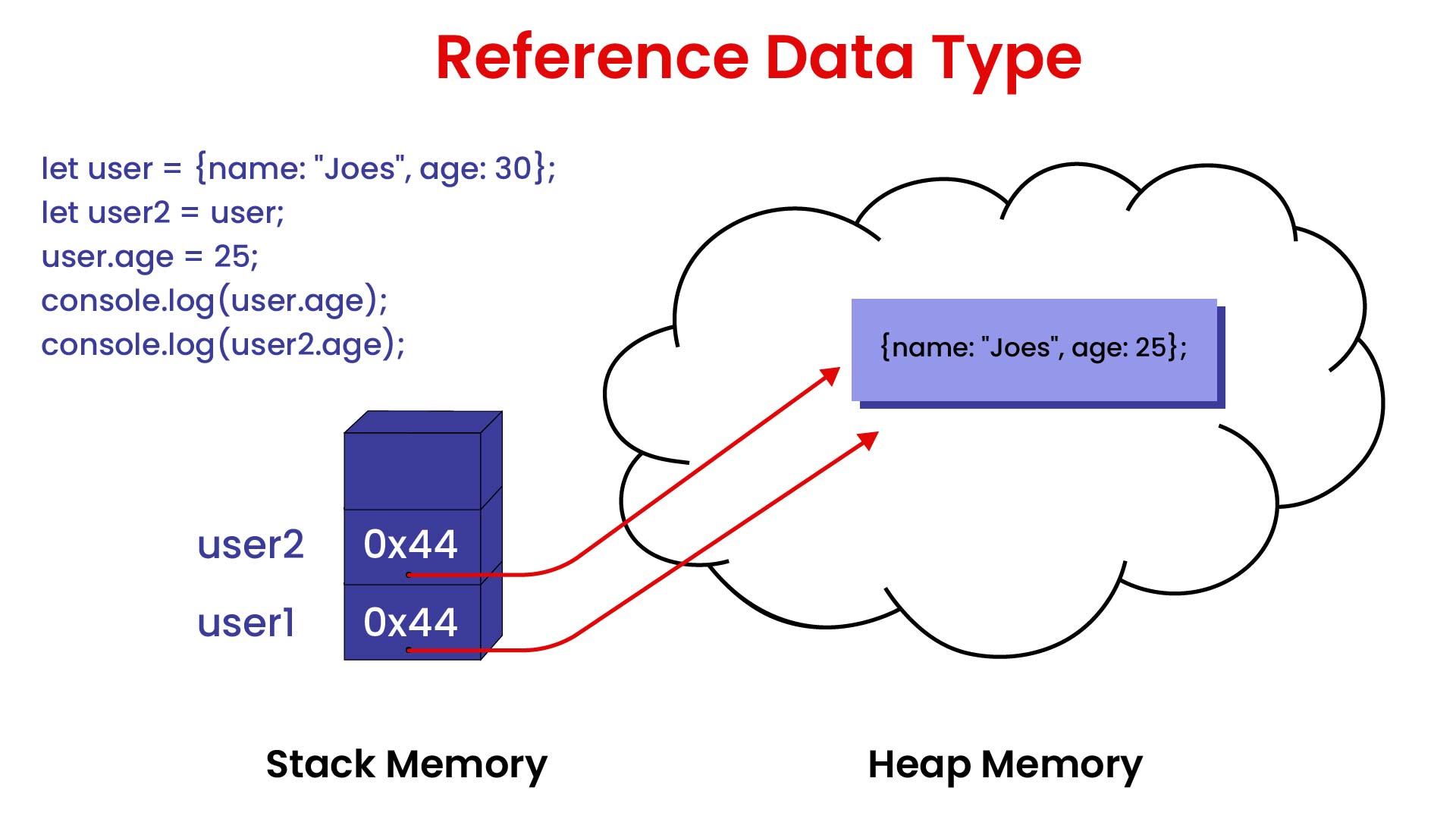
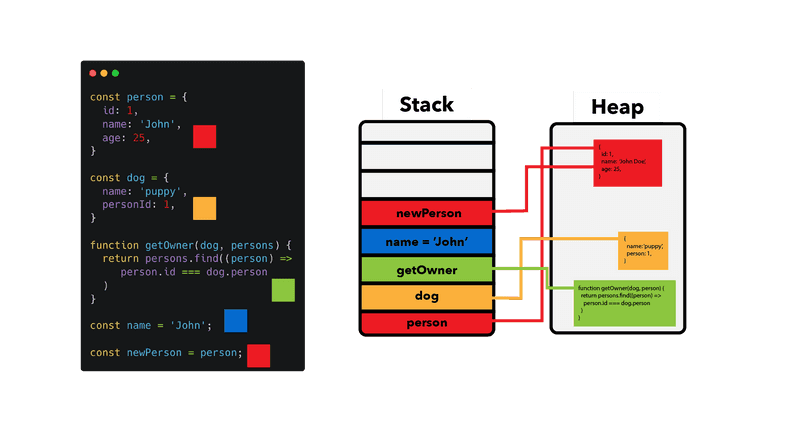
🧩 Reference Types
- Objects
- Arrays
- Functions
🔤 Variables and Scope
📌 Variables
let x = 10;
const name = "JS";
🔄 Scope Types:
- Global
- Local
- Block scope
⚙️ Operators in JavaScript
🔢 Types:
- Arithmetic (+, -, *, /)
- Comparison (==, ===)
- Logical (&&, ||)
- Assignment (=, +=)
🔄 Control Structures
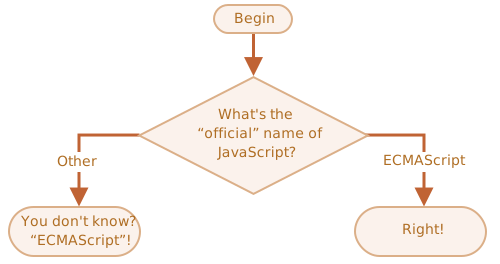
🔀 Conditional Statements



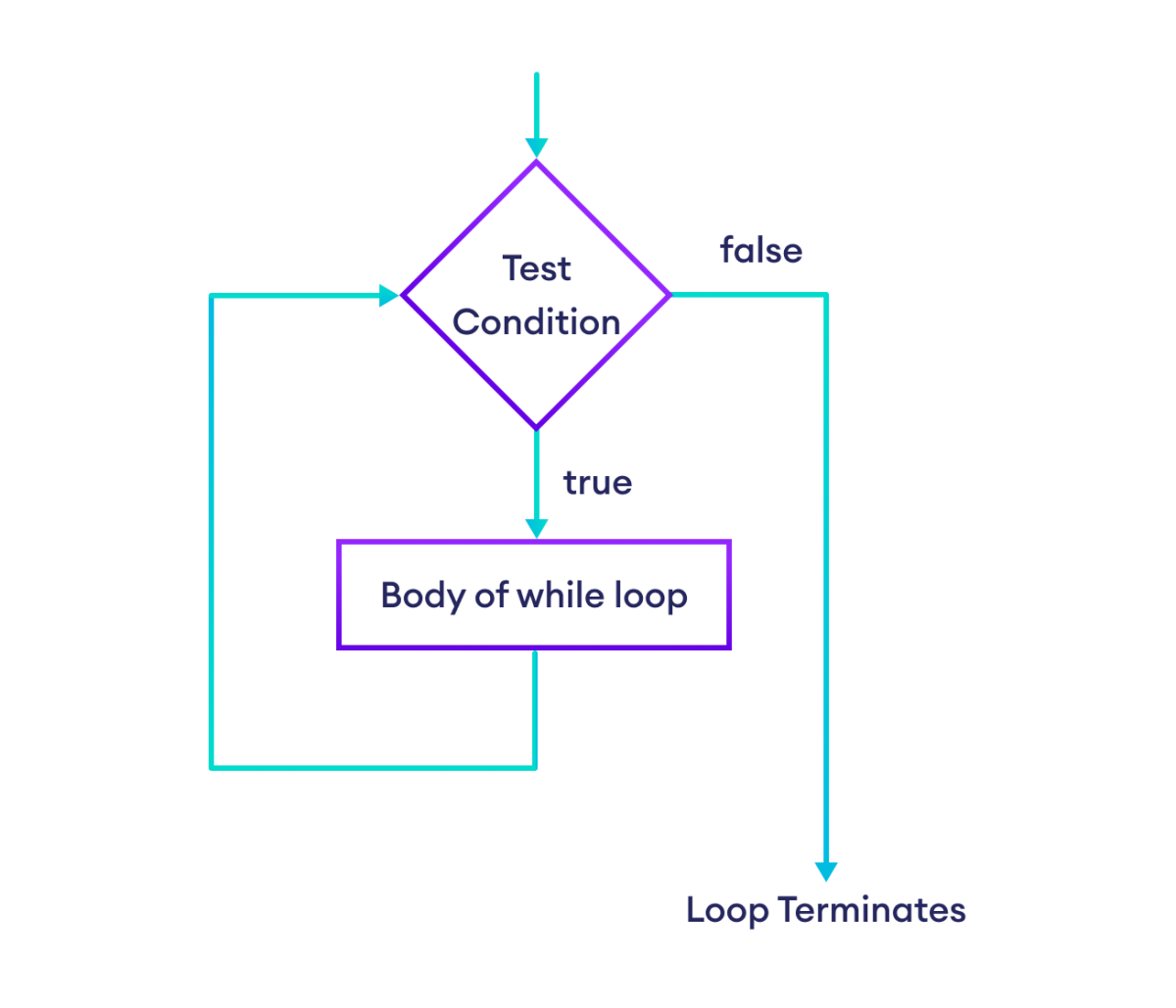
🔁 Loops

🧠 Functions in JavaScript
📌 Example:
function add(a, b) {
    return a + b;
}
⚙️ Types:
- Function declaration
- Function expression
- Arrow functions
🧩 Objects in JavaScript
📦 Concept


let person = {
    name: "John",
    age: 25
};
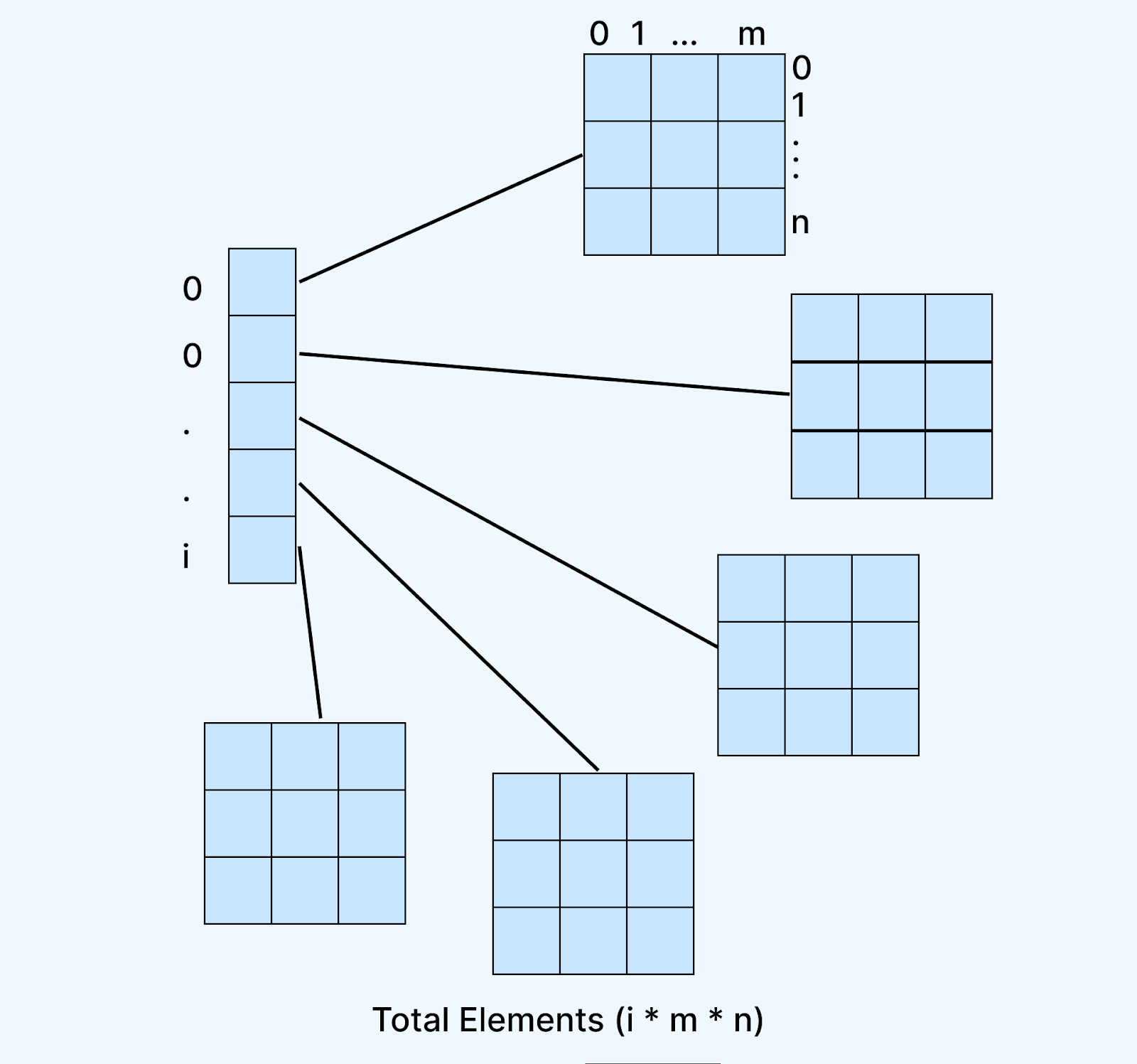
🔤 Arrays in JavaScript


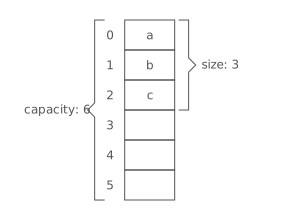
- Dynamic
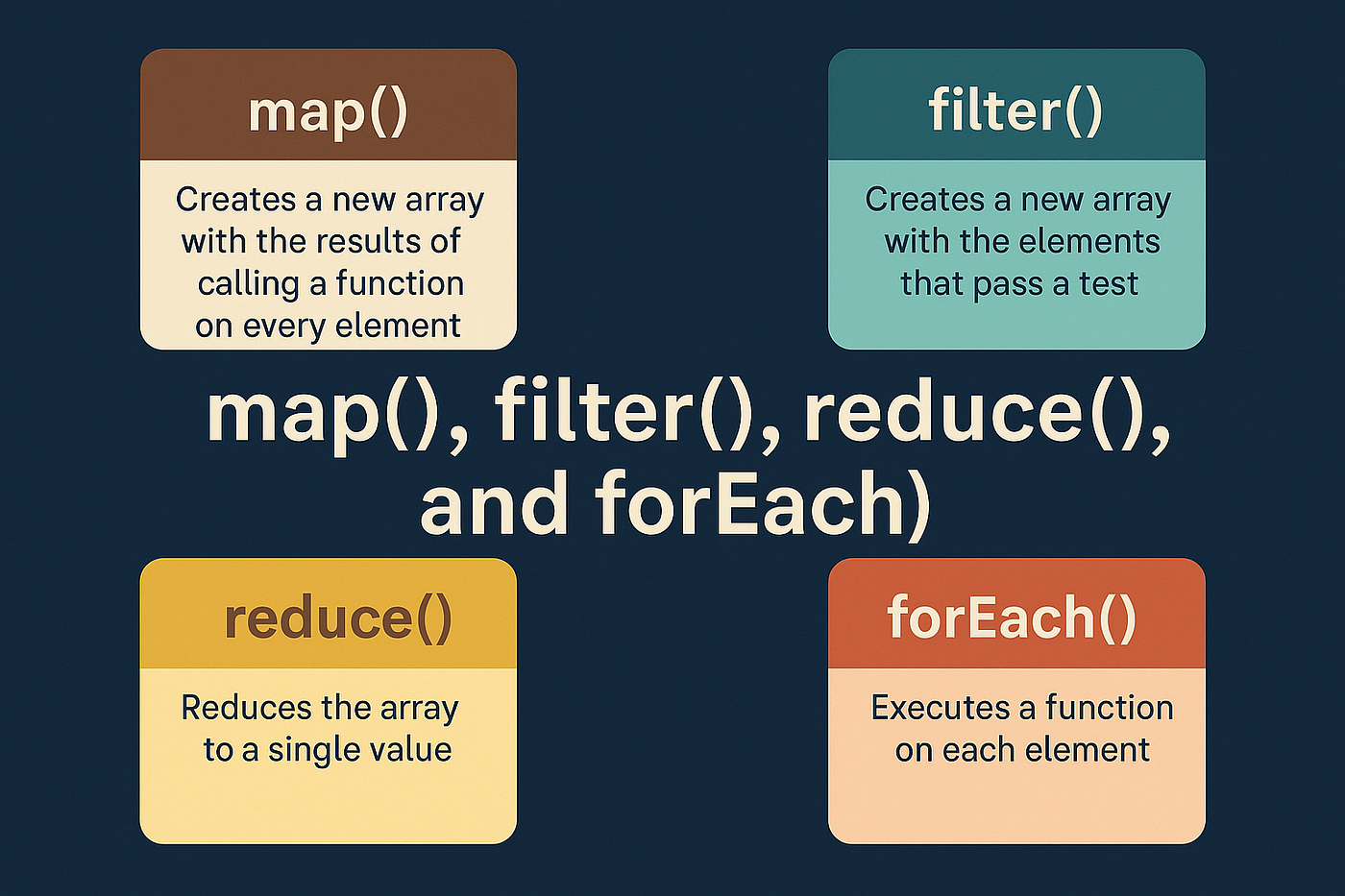
- Methods: map(), filter(), reduce()
🔤 Strings in JavaScript



- Immutable
- Template literals
🌐 DOM (Document Object Model)
🧠 Concept
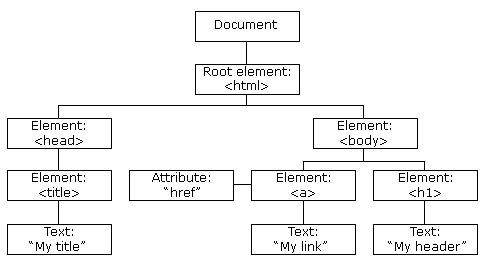
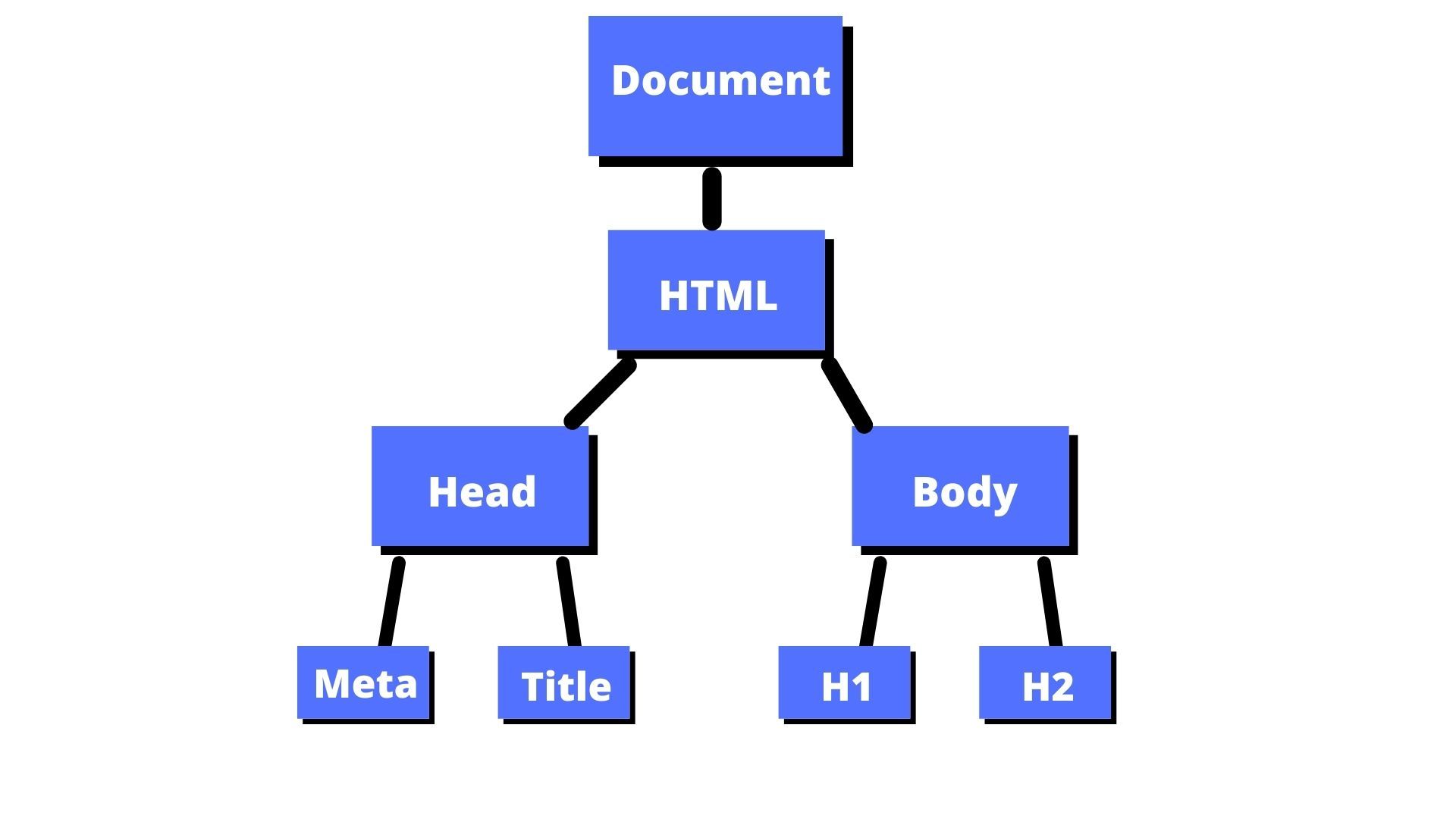

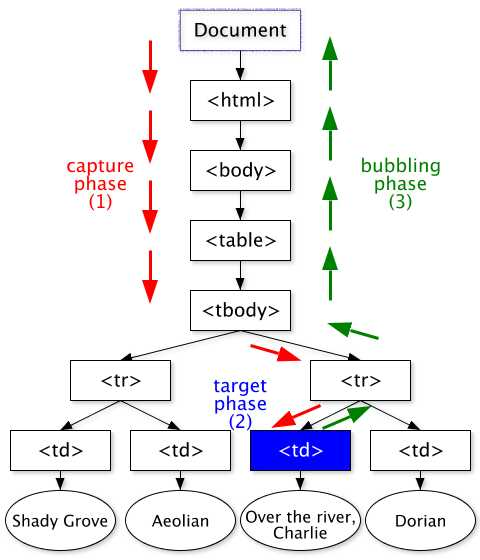
- Represents HTML structure
- Allows dynamic updates
⚡ Event Handling
📌 Example:
button.addEventListener("click", function() {
    alert("Clicked!");
});
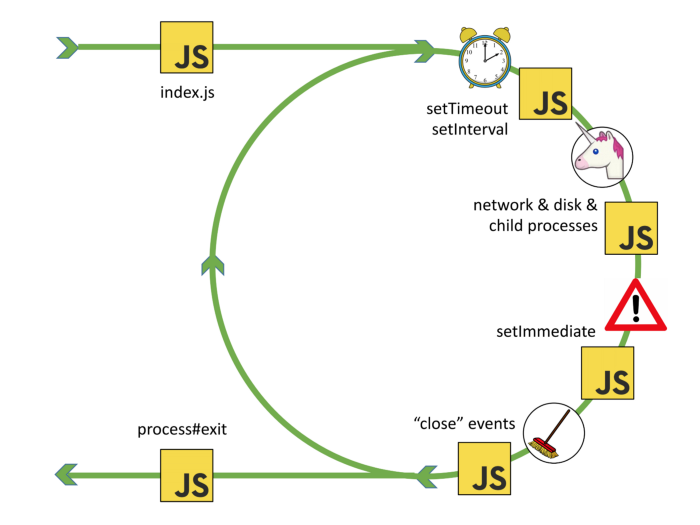
🔄 Asynchronous JavaScript
🧠 Concepts
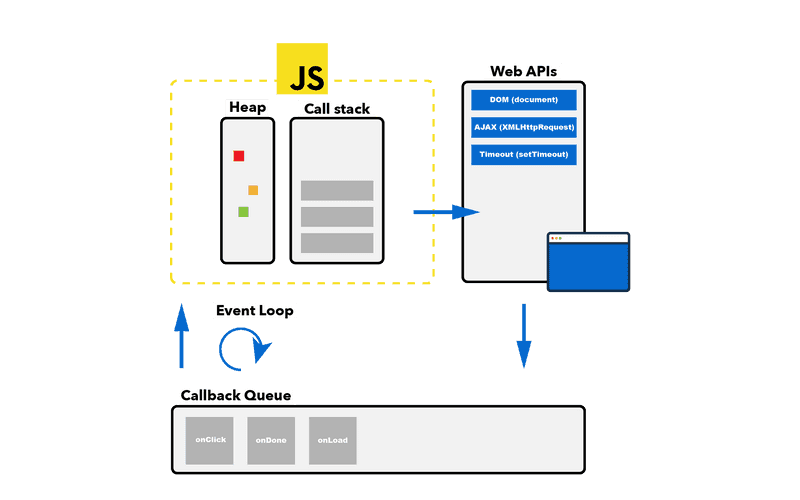

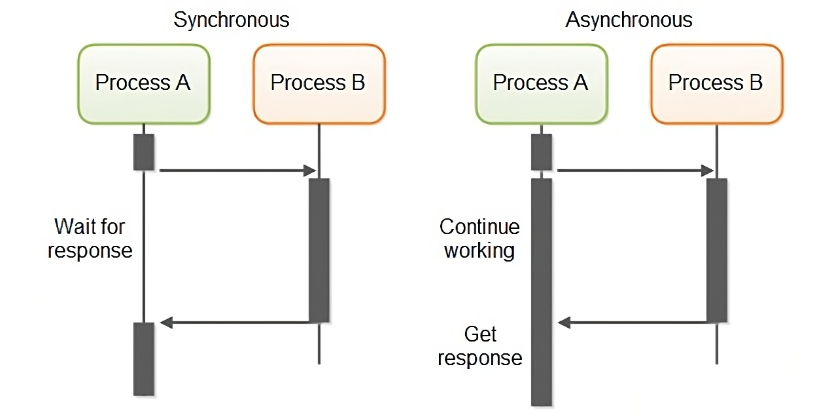
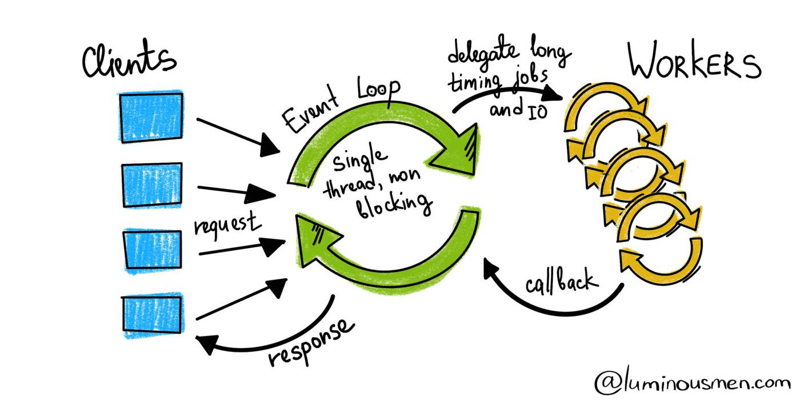
🔹 Techniques:
- Callbacks
- Promises
- Async/Await
💾 Error Handling
⚠️ Example:
try {
    let x = y;
} catch (e) {
    console.log("Error");
}
📦 Modules in JavaScript
🧩 Concept

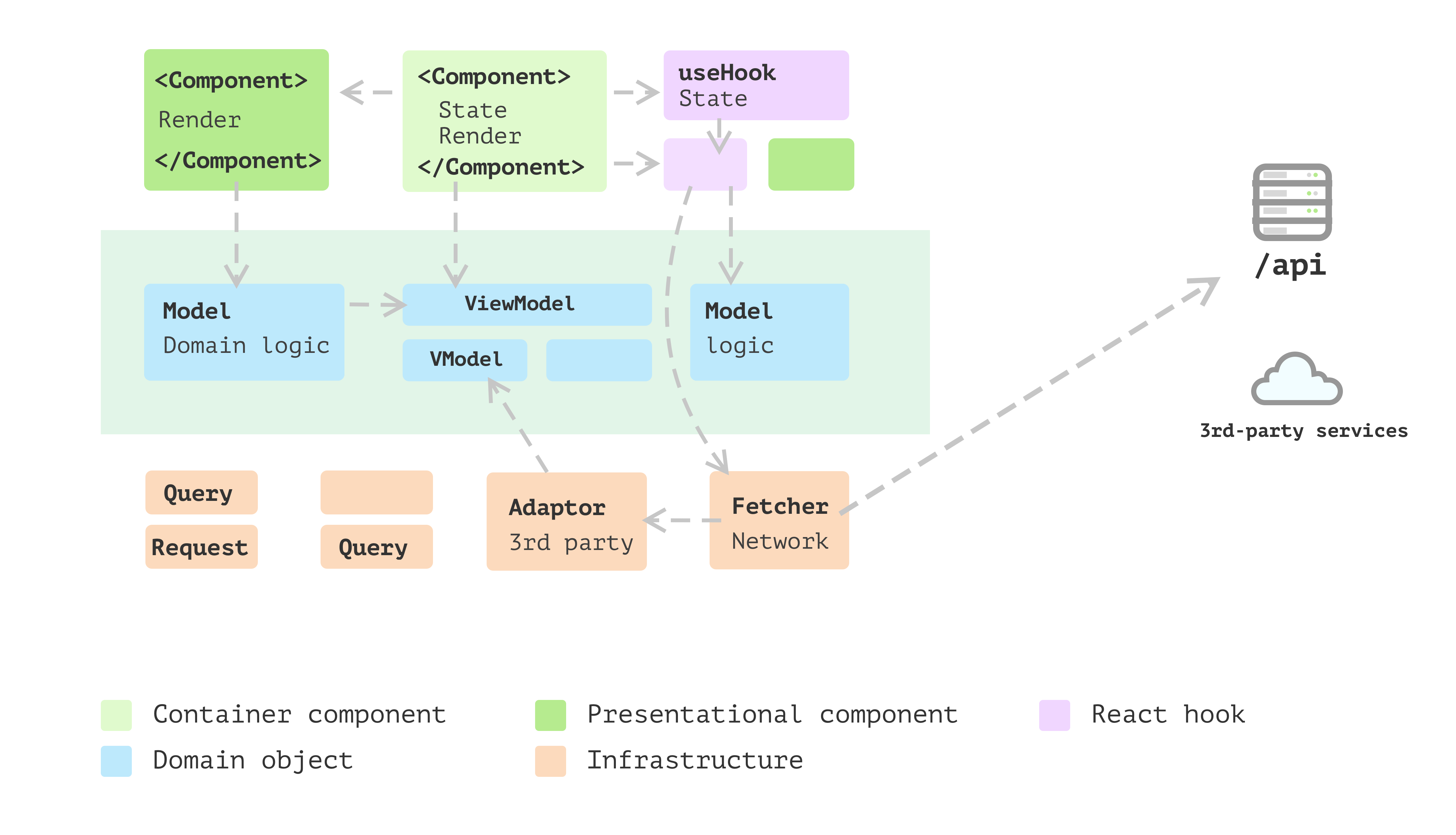

- Import/export functionality
🌐 JavaScript in Software Development Context
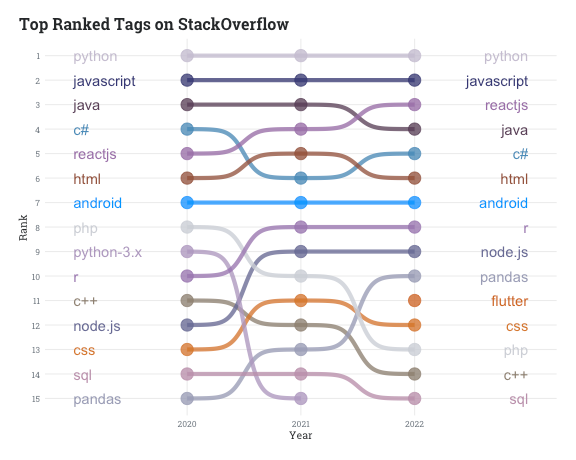
🧠 Role Among Languages


⚖️ Comparison
| Language | Strength |
|---|---|
| JavaScript | Web development |
| Python | Data science |
| Java | Enterprise |
🚀 Applications of JavaScript
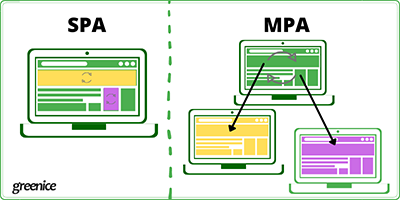
🌐 Frontend Development


🖥️ Backend Development
- Node.js
📱 Mobile Apps
- React Native
🎮 Game Development
- Browser-based games
⚡ Advantages of JavaScript
- Runs in browsers
- Versatile
- Large ecosystem
- Supports full-stack
⚠️ Limitations
- Security issues
- Browser inconsistencies
- Single-threaded
🚀 Modern JavaScript Trends


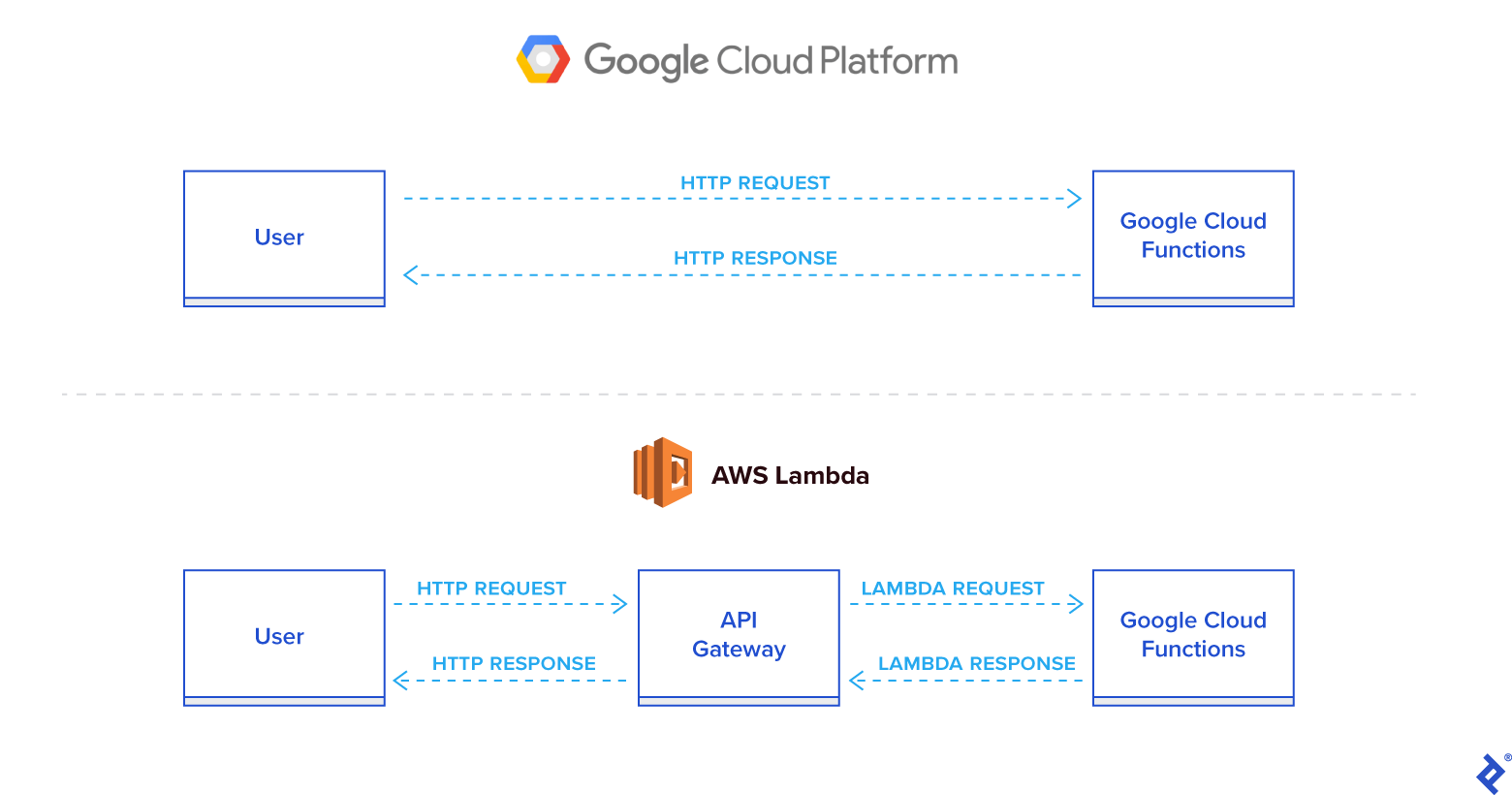
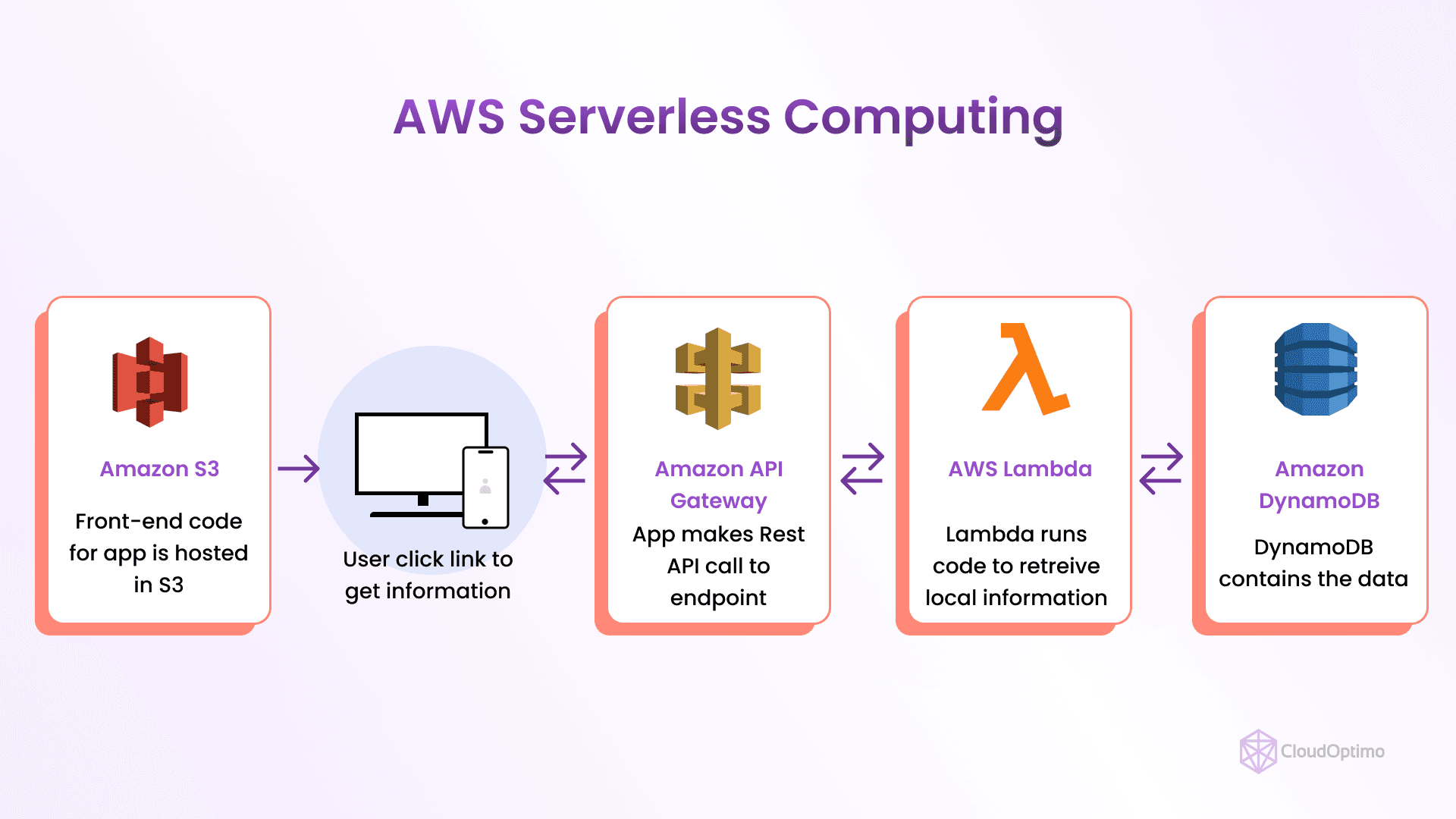
- ES6+ features
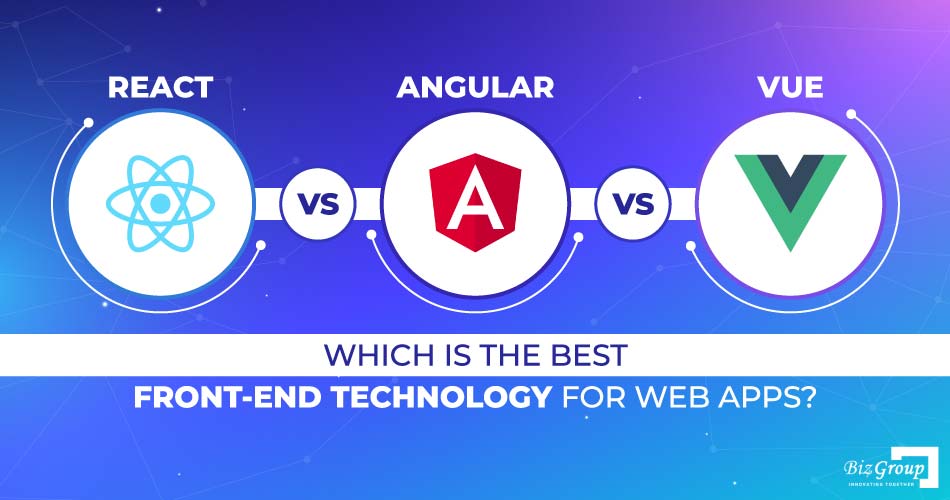
- Frameworks (React, Vue)
- Serverless computing
- Progressive Web Apps
🧾 Conclusion
JavaScript is a core language of the web that:
- Powers interactive applications
- Enables full-stack development
- Continues to evolve rapidly
Learning JavaScript is essential for:
- Web developers
- Software engineers
- Full-stack development