
Category Archives: Uncategorized

Courage and Standing for What is Right

🌿 Introduction

Image
Image
Image

Courage and standing for what is right are among the most admirable and transformative human qualities. These values define individuals who choose integrity over convenience, justice over fear, and truth over silence. Courage is not merely the absence of fear—it is the ability to act despite fear. Standing for what is right involves making ethical decisions and taking action to uphold justice, even in difficult or risky situations.

In every era of history, progress has been driven by individuals who demonstrated courage—those who challenged injustice, defended the vulnerable, and upheld truth. Whether in personal life, society, or global movements, courage plays a vital role in shaping a just and ethical world.


🌱 Meaning and Definitions

🔹 Courage

Courage is:

  • The ability to face fear, danger, or difficulty
  • Acting with bravery and determination
  • Standing firm in challenging situations

Examples:

  • Speaking up against wrongdoing
  • Facing personal fears
  • Taking risks for a good cause

🔹 Standing for What is Right

This means:

  • Upholding moral and ethical principles
  • Defending truth and justice
  • Acting with integrity even under pressure

Examples:

  • Reporting unethical behavior
  • Supporting fairness and equality
  • Refusing to participate in wrongdoing

🔹 Key Differences

AspectCourageStanding for What is Right
NaturePersonal strengthEthical action
FocusOvercoming fearUpholding values
ExampleFacing dangerDefending justice

🧠 Psychological Foundations

Image
Image
Image
Image

🔹 Fear and Courage

  • Fear is a natural human response
  • Courage involves managing and overcoming fear

🔹 Moral Decision-Making

  • Requires evaluating right and wrong
  • Influenced by values, beliefs, and experiences

🔹 Confidence and Self-Efficacy

  • Belief in one’s ability to act
  • Strengthens courageous behavior

🏛️ Philosophical Perspectives

Image
Image
Image
Image

🔸 Ancient Philosophy

  • Aristotle considered courage a virtue between cowardice and recklessness

🔸 Stoicism

  • Emphasizes resilience and inner strength
  • Courage to accept and face reality

🔸 Eastern Philosophy

  • Buddhism promotes courage through mindfulness
  • Hinduism values bravery in fulfilling duty (Dharma)

🔸 Modern Thinkers

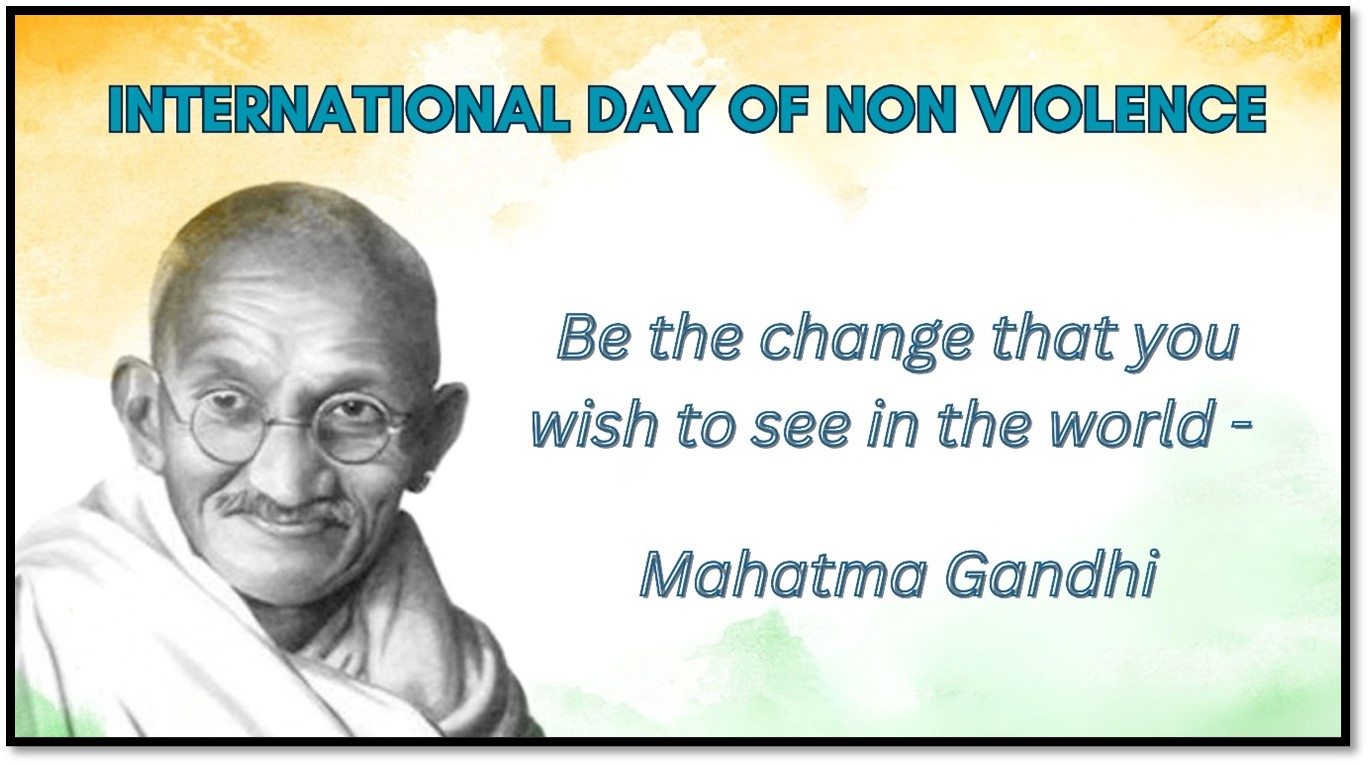
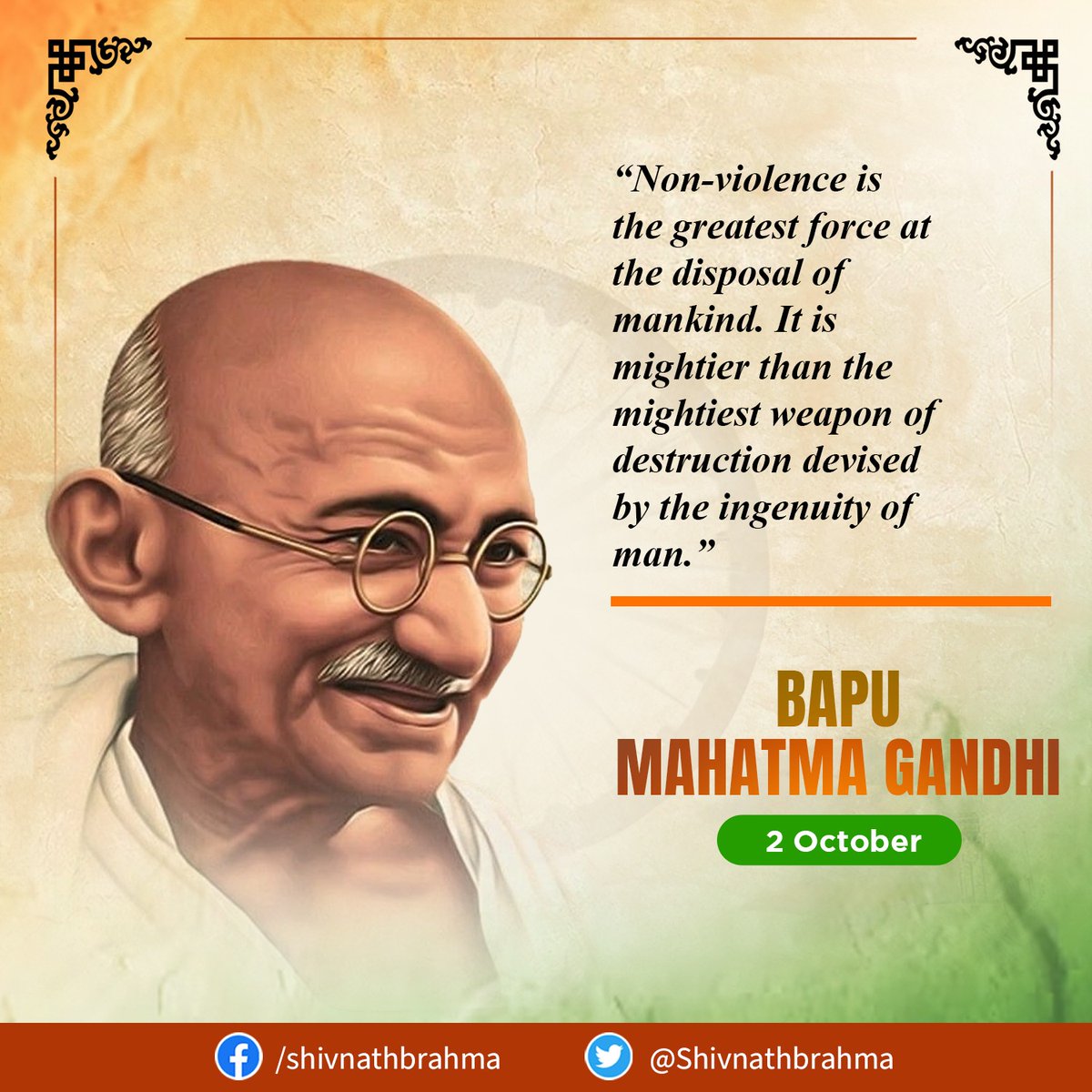
  • Mahatma Gandhi demonstrated courage through non-violent resistance

🧘 Spiritual and Religious Significance

Image
Image
Image
Image

🔹 Moral Courage

  • Standing for truth is a spiritual duty

🔹 Faith and Strength

  • Many religions encourage courage in adversity

🔹 Justice and Righteousness

  • Promoting fairness and truth

🏠 Role in Personal Life

🌟 Self-Confidence

  • Courage builds inner strength

🌟 Decision-Making

  • Helps make ethical choices

🌟 Personal Integrity

  • Aligns actions with values

🌍 Social Importance

Image
Image
Image
Image

🔹 Social Justice

  • Courage drives change and reform

🔹 Protecting Rights

  • Defending the vulnerable

🔹 Inspiring Others

  • Encourages collective action

🏫 Importance in Education

📘 Student Development

  • Encourages honesty and integrity

📘 Classroom Environment

  • Promotes fairness and respect

📘 Moral Education

  • Teaching courage through stories and examples

💼 Workplace Relevance

Image
Image
Image
Image

🔹 Ethical Leadership

  • Leaders must act with courage

🔹 Whistleblowing

  • Reporting wrongdoing

🔹 Workplace Integrity

  • Promoting honesty and fairness

⚖️ Ethical Dimensions

🔸 Moral Courage

  • Acting ethically despite risks

🔸 Justice

  • Upholding fairness and equality

🔸 Responsibility

  • Taking action for the greater good

🧩 Challenges to Courage

Image
Image
Image
Image

🔹 Fear of Consequences

  • Risk of punishment or rejection

🔹 Peer Pressure

  • Influence of others discouraging action

🔹 Lack of Confidence

  • Doubt in one’s abilities

🔹 Social Norms

  • Fear of going against the majority

🌟 Benefits of Courage

✅ Personal Benefits

  • Increased confidence
  • Strong character

✅ Social Benefits

  • Promotes justice
  • Encourages positive change

✅ Professional Benefits

  • Builds leadership qualities
  • Enhances reputation

🛠️ Ways to Develop Courage

Image
Image
Image
Image

🔹 Face Small Fears

  • Start with manageable challenges

🔹 Build Confidence

  • Practice and preparation

🔹 Know Your Values

  • Be clear about right and wrong

🔹 Seek Support

  • Surround yourself with supportive people

🔹 Take Action

  • Courage grows through action

📱 Courage in the Digital Age

Image
Image
Image
Image

🔹 Digital Activism

  • Using platforms to raise awareness

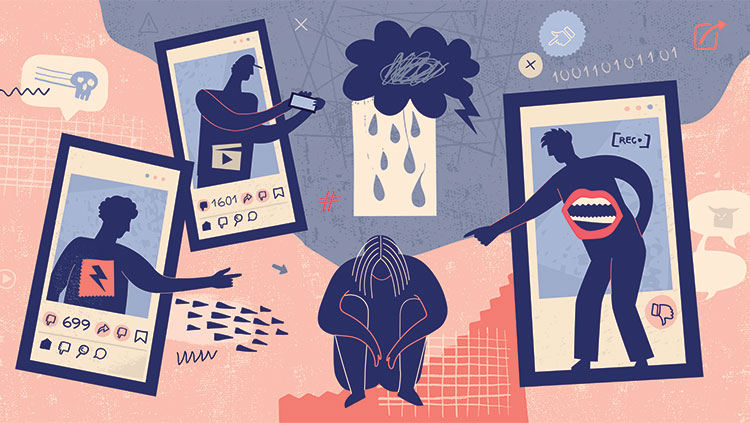
🔹 Standing Against Cyberbullying

  • Supporting victims

🔹 Ethical Online Behavior

  • Promoting truth and fairness

🧭 Real-Life Examples

🔹 Personal Life

  • Standing up for oneself

🔹 Social Context

  • Fighting injustice

🔹 Global Context

  • Movements for equality and rights

📊 Comparison with Related Values

ValueRelation
IntegrityFoundation of courage
HonestyRequires courage
ResponsibilityEncourages action
ResilienceSupports courage

🧾 Conclusion

Courage and standing for what is right are essential values that shape individuals and societies. They empower people to overcome fear, uphold justice, and act with integrity. In a world filled with challenges and ethical dilemmas, these values serve as guiding principles for making meaningful and impactful decisions.

By cultivating courage, individuals can build confidence, strengthen their character, and contribute to a more just and equitable society. Standing for what is right is not always easy, but it is always necessary for progress and positive change.

Ultimately, courage is not just about bold actions—it is about making the right choices, even when they are difficult.


🏷️ Tags

Forgiveness

🌿 Introduction

Image
Image
Image
Image

Forgiveness is a profound human virtue that involves letting go of resentment, anger, or the desire for revenge toward someone who has caused harm. It is not about forgetting the wrongdoing or excusing harmful behavior; rather, it is a conscious decision to release negative emotions and move toward healing, peace, and understanding.

In personal relationships, forgiveness acts as a bridge that repairs broken bonds. In society, it fosters reconciliation and harmony. Psychologically, it promotes emotional well-being and reduces stress. Spiritually, it is often regarded as a path to inner peace and moral growth.

Forgiveness is not always easy—it requires courage, empathy, and strength. However, its benefits extend far beyond the individual, influencing relationships, communities, and even global peace.


🌱 Meaning and Definitions

🔹 Forgiveness

Forgiveness is:

  • The act of letting go of anger or resentment
  • Choosing not to seek revenge
  • Moving toward emotional healing

🔹 Key Elements of Forgiveness

  • Acknowledgment: Recognizing the harm done
  • Emotional Release: Letting go of negative feelings
  • Empathy: Understanding the offender’s perspective
  • Healing: Moving forward without bitterness

🔹 Forgiveness vs Forgetting

AspectForgivenessForgetting
NatureConscious choicePassive loss of memory
FocusEmotional releaseMemory absence
ImpactHealing and growthMay not resolve emotions

🧠 Psychological Foundations

Image
Image
Image
Image

🔹 Emotional Processing

  • Forgiveness helps process negative emotions
  • Reduces anger, resentment, and stress

🔹 Mental Health Benefits

  • Improves psychological well-being
  • Reduces anxiety and depression

🔹 Cognitive Shift

  • Involves reframing thoughts about the situation
  • Encourages understanding and acceptance

🏛️ Philosophical Perspectives

Image
Image
Image
Image

🔸 Ancient Philosophy

  • Philosophers emphasized forgiveness as a virtue
  • Linked to moral strength and wisdom

🔸 Stoicism

  • Encourages letting go of anger
  • Focus on inner peace

🔸 Eastern Philosophy

  • Buddhism teaches compassion and forgiveness
  • Hinduism values forgiveness as a virtue (Kshama)

🔸 Modern Thinkers

  • Mahatma Gandhi promoted forgiveness through non-violence
  • Emphasized reconciliation and peace

🧘 Spiritual and Religious Significance

Image
Image
Image
Image

🔹 Hinduism

  • Forgiveness (Kshama) is a divine quality

🔹 Buddhism

  • Encourages letting go of anger

🔹 Christianity

  • Emphasizes forgiveness as a central teaching

🔹 Islam

  • Promotes mercy and forgiveness

🏠 Role in Personal Life

🌟 Emotional Healing

  • Reduces emotional burden
  • Promotes inner peace

🌟 Relationships

  • Repairs broken bonds
  • Builds trust and understanding

🌟 Self-Forgiveness

  • Accepting one’s own mistakes
  • Encourages growth and learning

🌍 Social Importance

Image
Image
Image
Image

🔹 Conflict Resolution

  • Helps resolve disputes peacefully

🔹 Social Harmony

  • Reduces hostility and violence

🔹 Reconciliation

  • Essential in post-conflict societies

🏫 Importance in Education

📘 Student Development

  • Encourages emotional maturity

📘 Classroom Environment

  • Reduces conflicts among students

📘 Teacher Role

  • Teaching values of forgiveness and understanding

💼 Workplace Relevance

Image
Image
Image
Image

🔹 Conflict Management

  • Resolves workplace disputes

🔹 Teamwork

  • Builds trust and cooperation

🔹 Leadership

  • Encourages positive work culture

⚖️ Ethical Dimensions

🔸 Moral Responsibility

  • Forgiveness reflects ethical maturity

🔸 Justice vs Mercy

  • Balancing accountability with compassion

🔸 Personal Integrity

  • Choosing forgiveness over revenge

🧩 Challenges to Forgiveness

Image
Image
Image
Image

🔹 Deep Emotional Hurt

  • Severe pain makes forgiveness difficult

🔹 Ego and Pride

  • Prevents letting go

🔹 Fear of Repetition

  • Concern about being hurt again

🔹 Misunderstanding Forgiveness

  • Belief that it means weakness

🌟 Benefits of Forgiveness

✅ Personal Benefits

  • Improved mental health
  • Reduced stress
  • Emotional freedom

✅ Social Benefits

  • Stronger relationships
  • Peaceful communities

✅ Physical Health Benefits

  • Lower blood pressure
  • Improved immune function

🛠️ Steps to Practice Forgiveness

Image
Image
Image
Image

🔹 Acknowledge the Hurt

  • Accept feelings and emotions

🔹 Decide to Forgive

  • Make a conscious choice

🔹 Develop Empathy

  • Understand the other person’s perspective

🔹 Let Go of Anger

  • Release negative emotions

🔹 Move Forward

  • Focus on healing and growth

📱 Forgiveness in the Digital Age

Image
Image
Image
Image

🔹 Online Conflicts

  • Miscommunication can lead to disputes

🔹 Digital Apologies

  • Expressing regret and forgiveness online

🔹 Challenges

  • Lack of emotional cues

🧭 Real-Life Examples

🔹 Personal Life

  • Forgiving friends or family

🔹 Social Context

  • Resolving community conflicts

🔹 Global Context

  • Peace and reconciliation efforts

📊 Comparison with Related Values

ValueRelation
CompassionLeads to forgiveness
EmpathyHelps understand others
PatienceSupports forgiveness
KindnessExpression of forgiveness

🧾 Conclusion

Forgiveness is a powerful virtue that transforms individuals and societies. It enables people to release negative emotions, heal from past hurts, and build stronger relationships. While it may be challenging, forgiveness offers immense benefits for mental, emotional, and physical well-being.

In a world often marked by conflict and misunderstanding, forgiveness serves as a pathway to peace, reconciliation, and harmony. It reflects strength, wisdom, and compassion—qualities essential for a meaningful and fulfilling life.

By embracing forgiveness, individuals can move beyond pain and create a future filled with understanding, trust, and positivity.


🏷️ Tags

Patience and Tolerance

🌿 Introduction

Image
Image
Image
Image

Patience and tolerance are essential virtues that enable individuals to navigate life’s challenges with calmness, understanding, and resilience. In a world that often demands instant results and is marked by diversity in beliefs, cultures, and opinions, these qualities are more important than ever. They help individuals maintain emotional balance, build harmonious relationships, and contribute to a peaceful and inclusive society.

Patience is the ability to remain calm and composed in difficult situations, delays, or adversity. Tolerance, on the other hand, refers to accepting and respecting differences in others, including their beliefs, values, and behaviors. Together, these values foster understanding, reduce conflict, and promote cooperation.


🌱 Meaning and Definitions

🔹 Patience

Patience is:

  • The ability to endure delays, difficulties, or discomfort without frustration
  • Remaining calm under pressure
  • Persisting despite challenges

Examples:

  • Waiting for results without anxiety
  • Handling setbacks calmly
  • Practicing perseverance in long-term goals

🔹 Tolerance

Tolerance is:

  • Acceptance and respect for diversity
  • Openness to different opinions and lifestyles
  • Avoiding prejudice and discrimination

Examples:

  • Respecting cultural differences
  • Listening to opposing viewpoints
  • Living peacefully with diverse communities

🔹 Key Differences

AspectPatienceTolerance
FocusTime and emotionsPeople and diversity
NatureInternal controlSocial acceptance
ExampleWaiting calmlyRespecting others’ beliefs

🧠 Psychological Foundations

Image
Image
Image
Image

🔹 Emotional Regulation

  • Patience involves controlling emotions like anger and frustration
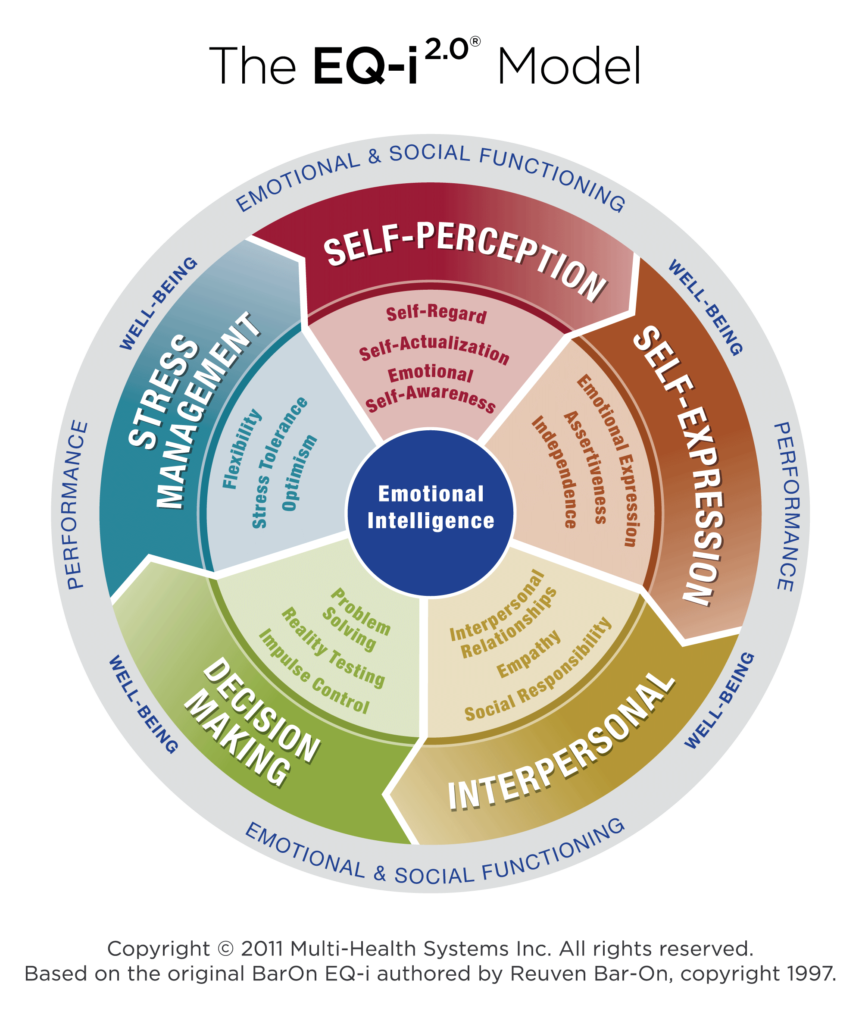
  • Linked to emotional intelligence

🔹 Cognitive Flexibility

  • Tolerance requires open-minded thinking
  • Ability to consider multiple perspectives

🔹 Stress Management

  • Patience reduces stress and anxiety
  • Tolerance improves social interactions

🏛️ Philosophical Perspectives

Image
Image
Image
Image

🔸 Ancient Philosophy

  • Stoicism emphasizes patience and control over emotions
  • Encourages acceptance of what cannot be changed

🔸 Eastern Philosophy

  • Buddhism teaches patience (Kshanti) and compassion
  • Hinduism values tolerance and harmony

🔸 Modern Thinkers

  • Mahatma Gandhi practiced tolerance through non-violence
  • Advocated peaceful coexistence

🧘 Spiritual and Religious Significance

Image
Image
Image
Image

🔹 Patience in Religion

  • Seen as a virtue in many faiths
  • Associated with faith and perseverance

🔹 Tolerance in Religion

  • Promotes peace and coexistence
  • Encourages respect for diversity

🏠 Role in Personal Life

🌟 Emotional Stability

  • Patience helps manage stress and anger
  • Promotes calmness

🌟 Relationships

  • Tolerance reduces conflicts
  • Encourages understanding

🌟 Personal Growth

  • Patience leads to perseverance
  • Tolerance broadens perspective

🌍 Social Importance

Image
Image
Image
Image

🔹 Social Harmony

  • Reduces conflicts and violence
  • Promotes peaceful coexistence

🔹 Inclusivity

  • Encourages acceptance of diversity
  • Builds inclusive communities

🔹 Global Peace

  • Essential for international relations
  • Promotes cooperation among nations

🏫 Importance in Education

📘 Student Development

  • Patience improves learning
  • Tolerance fosters respect

📘 Classroom Environment

  • Encourages collaboration
  • Reduces bullying

📘 Teacher Role

  • Teaching values of patience and tolerance

💼 Workplace Relevance

Image
Image
Image
Image

🔹 Teamwork

  • Tolerance improves collaboration

🔹 Stress Management

  • Patience helps handle pressure

🔹 Leadership

  • Leaders must demonstrate patience and tolerance

⚖️ Ethical Dimensions

🔸 Respect for Others

  • Tolerance ensures respect for diversity

🔸 Fairness

  • Treating others equally

🔸 Non-Violence

  • Promotes peaceful solutions

🧩 Challenges to Patience and Tolerance

Image
Image
Image
Image

🔹 Impatience

  • Desire for instant results

🔹 Prejudice

  • Bias against others

🔹 Stress

  • Reduces emotional control

🔹 Social Media

  • Promotes quick reactions and intolerance

🌟 Benefits of Patience and Tolerance

✅ Personal Benefits

  • Better emotional control
  • Increased resilience
  • Improved mental health

✅ Social Benefits

  • Stronger relationships
  • Peaceful communities

✅ Professional Benefits

  • Better teamwork
  • Effective leadership

🛠️ Ways to Develop Patience and Tolerance

Image
Image
Image
Image

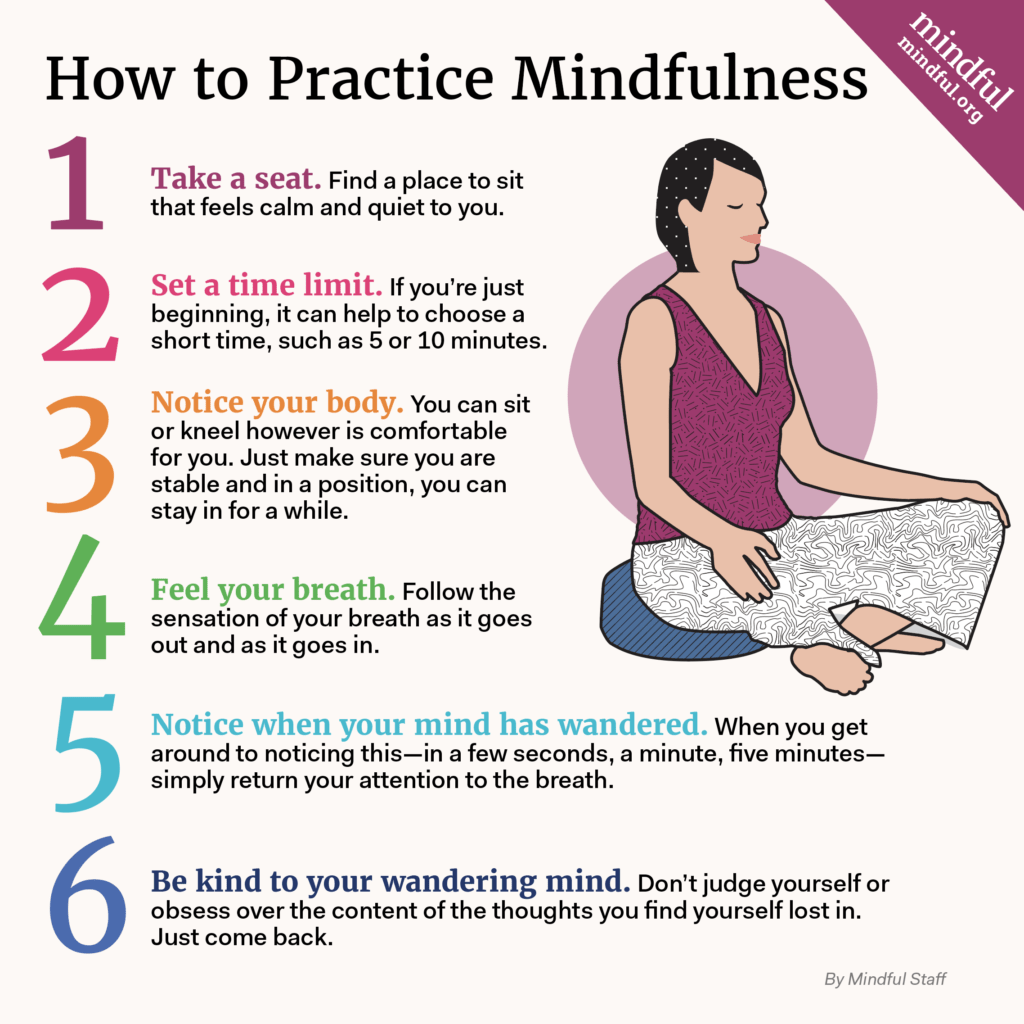
🔹 Practice Mindfulness

  • Stay present and calm

🔹 Develop Empathy

  • Understand others’ perspectives

🔹 Control Reactions

  • Pause before responding

🔹 Exposure to Diversity

  • Learn about different cultures

🔹 Build Habits

  • Practice patience daily

📱 Patience and Tolerance in the Digital Age

Image
Image
Image
Image

🔹 Online Behavior

  • Avoid impulsive reactions
  • Respect differing opinions

🔹 Digital Challenges

  • Fast-paced communication reduces patience

🔹 Promoting Positivity

  • Encourage respectful discussions

🧭 Real-Life Examples

🔹 Personal Life

  • Handling delays calmly
  • Accepting differences

🔹 Social Context

  • Peaceful coexistence in diverse communities

🔹 Global Context

  • International cooperation

📊 Comparison with Related Values

ValueRelation
EmpathySupports tolerance
Self-controlEssential for patience
RespectBasis of tolerance
PerseveranceRelated to patience

🧾 Conclusion

Patience and tolerance are essential virtues that contribute to personal well-being, social harmony, and global peace. They enable individuals to manage emotions, accept diversity, and respond to challenges with calmness and understanding. In a world characterized by rapid change and diversity, these values are more important than ever.

By cultivating patience and tolerance, individuals can improve their relationships, enhance their emotional intelligence, and contribute to a more inclusive and peaceful society. These values are not just moral ideals—they are practical skills that help individuals navigate life with wisdom and resilience.


🏷️ Tags

Empathy (Understanding Others’ Feelings)

🌿 Introduction

Image
Image
Image
Image

Empathy is one of the most powerful and essential human qualities that enables individuals to understand and share the feelings of others. It is the ability to step into another person’s shoes, to perceive their emotions, thoughts, and experiences, and to respond with care and sensitivity. In a world marked by diversity, complexity, and rapid change, empathy serves as a bridge that connects individuals, promotes understanding, and fosters harmonious relationships.

Empathy is not merely about feeling sorry for someone—it goes beyond sympathy. It involves actively understanding another person’s emotional state and responding in a supportive and meaningful way. Whether in personal relationships, education, healthcare, or global interactions, empathy plays a crucial role in building trust, reducing conflicts, and promoting cooperation.


🌱 Meaning and Definitions

🔹 Empathy

Empathy is:

  • The ability to understand and share the feelings of others
  • Experiencing another person’s emotions from their perspective
  • Responding with care and compassion

🔹 Types of Empathy

TypeDescription
Cognitive EmpathyUnderstanding another person’s thoughts and perspective
Emotional EmpathyFeeling what another person feels
Compassionate EmpathyUnderstanding and taking action to help

🔹 Empathy vs Sympathy

AspectEmpathySympathy
ConnectionDeep emotional understandingAcknowledgment of feelings
ResponseShared experienceFeeling sorry
ActionOften leads to helpingMay not involve action

🧠 Psychological Foundations

Image
Image
Image
Image

🔹 Brain Mechanisms

  • Mirror neurons play a role in understanding others’ emotions
  • The brain simulates others’ experiences

🔹 Emotional Intelligence

  • Empathy is a key component of emotional intelligence
  • Helps in recognizing and managing emotions

🔹 Development in Childhood

  • Begins early in life through observation and interaction
  • Influenced by parenting and environment

🏛️ Philosophical Perspectives

Image
Image
Image
Image

🔸 Ancient Philosophy

  • Aristotle emphasized understanding others for moral behavior

🔸 Eastern Philosophy

  • Buddhism promotes compassion (Karuna) and empathy
  • Confucianism emphasizes understanding and respect

🔸 Modern Thinkers

  • Mahatma Gandhi practiced empathy through non-violence and understanding

🧘 Spiritual and Religious Significance

Image
Image
Image
Image

🔹 Hinduism

  • Encourages compassion and understanding

🔹 Buddhism

  • Empathy is central to achieving enlightenment

🔹 Christianity

  • Teaches love and empathy for others

🔹 Islam

  • Emphasizes kindness and understanding

🏠 Role in Personal Life

🌟 Relationships

  • Strengthens emotional bonds
  • Builds trust and understanding

🌟 Conflict Resolution

  • Helps in resolving misunderstandings
  • Encourages peaceful communication

🌟 Emotional Support

  • Enables individuals to support others effectively

🌍 Social Importance

Image
Image
Image
Image

🔹 Social Harmony

  • Reduces conflicts and misunderstandings

🔹 Inclusivity

  • Promotes acceptance of diversity

🔹 Justice and Equality

  • Drives efforts to support marginalized groups

🏫 Importance in Education

📘 Classroom Environment

  • Encourages respect and cooperation

📘 Teacher Role

  • Teachers model empathetic behavior

📘 Student Development

  • Enhances social and emotional skills

💼 Workplace Relevance

Image
Image
Image
Image

🔹 Leadership

  • Empathetic leaders build trust

🔹 Teamwork

  • Improves communication and collaboration

🔹 Employee Well-being

  • Supports mental health

⚖️ Ethical Dimensions

🔸 Moral Responsibility

  • Understanding others is an ethical duty

🔸 Compassionate Action

  • Empathy leads to helping behavior

🔸 Fairness

  • Promotes just and ethical decisions

🧩 Challenges to Empathy

Image
Image
Image
Image

🔹 Bias and Prejudice

  • Limits understanding of others

🔹 Stress and Distraction

  • Reduces emotional awareness

🔹 Digital Disconnect

  • Less face-to-face interaction

🔹 Emotional Burnout

  • Excessive empathy can lead to fatigue

🌟 Benefits of Empathy

✅ Personal Benefits

  • Better relationships
  • Emotional growth
  • Increased happiness

✅ Social Benefits

  • Stronger communities
  • Reduced conflicts

✅ Professional Benefits

  • Effective leadership
  • Improved teamwork

🛠️ Ways to Develop Empathy

Image
Image
Image
Image

🔹 Active Listening

  • Pay attention without interrupting

🔹 Perspective-Taking

  • Try to see situations from others’ viewpoint

🔹 Emotional Awareness

  • Recognize your own emotions

🔹 Practice Kindness

  • Engage in helping behaviors

🔹 Exposure to Diversity

  • Interact with different cultures and people

📱 Empathy in the Digital Age

Image
Image
Image
Image

🔹 Online Communication

  • Use respectful and understanding language

🔹 Digital Communities

  • Support others through online platforms

🔹 Challenges

  • Misinterpretation of messages
  • Lack of emotional cues

🧭 Real-Life Examples

🔹 Everyday Situations

  • Comforting a friend
  • Helping someone in distress

🔹 Professional Settings

  • Doctors understanding patients
  • Teachers supporting students

🔹 Global Context

  • Humanitarian efforts
  • Social justice movements

📊 Comparison with Related Values

ValueRelation
CompassionEmpathy leads to compassionate action
KindnessExpression of empathy
SympathyLess deep than empathy
Emotional IntelligenceIncludes empathy

🧾 Conclusion

Empathy is a cornerstone of human connection and social harmony. It enables individuals to understand, support, and care for one another, creating a more compassionate and inclusive world. In an era marked by diversity and complexity, empathy is more important than ever.

By developing empathy, individuals can improve their relationships, enhance their emotional intelligence, and contribute positively to society. It is not just a feeling—it is a skill that can be cultivated through practice, awareness, and intention.

Ultimately, empathy reminds us of our shared humanity and the importance of understanding one another. It is a powerful force that can transform individuals, communities, and the world.


🏷️ Tags

Self-Discipline and Time Management

🌿 Introduction

Image
Image
Image

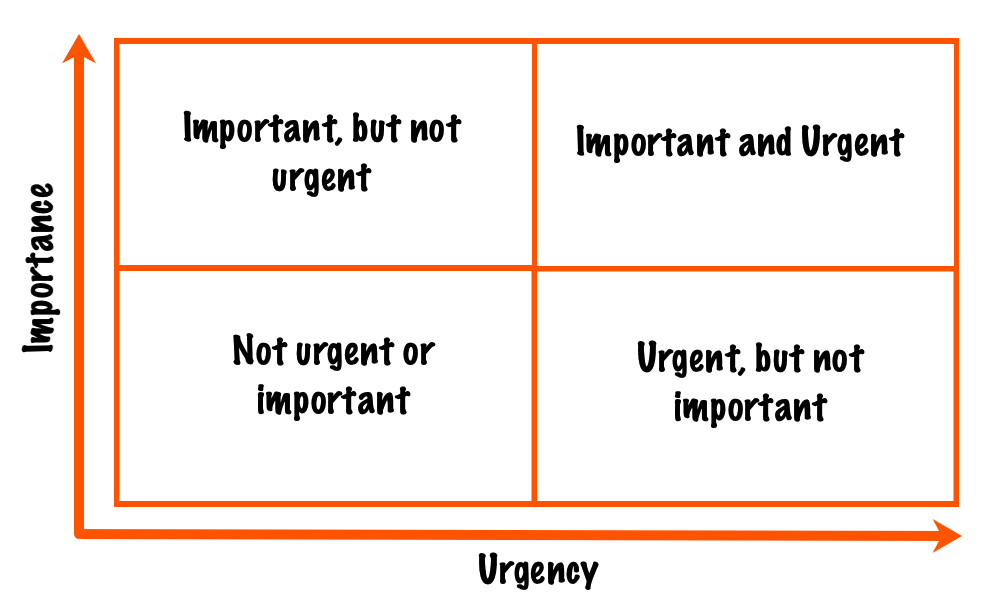
Self-discipline and time management are two of the most powerful life skills that determine personal success, productivity, and overall well-being. In an increasingly fast-paced and distraction-filled world, the ability to control one’s actions and effectively manage time is essential for achieving goals and maintaining balance in life.

Self-discipline refers to the ability to regulate one’s behavior, emotions, and habits in order to stay focused on long-term objectives. Time management, on the other hand, involves planning, organizing, and prioritizing tasks to make the best use of available time. Together, these skills enable individuals to maximize efficiency, reduce stress, and accomplish both personal and professional goals.

Without self-discipline, time management becomes ineffective, and without proper time management, self-discipline lacks direction. These two values are interconnected and mutually reinforcing, forming the foundation of success in education, career, and life.


🌱 Meaning and Definitions

🔹 Self-Discipline

Self-discipline is:

  • The ability to control impulses and stay focused
  • Maintaining consistency in actions and habits
  • Prioritizing long-term benefits over short-term pleasures

Examples:

  • Avoiding distractions while studying
  • Following a fitness routine
  • Maintaining consistency in work

🔹 Time Management

Time management is:

  • Planning and organizing tasks efficiently
  • Allocating time based on priorities
  • Avoiding wastage of time

Examples:

  • Creating a daily schedule
  • Setting deadlines
  • Prioritizing important tasks

🔹 Key Differences

AspectSelf-DisciplineTime Management
FocusInternal controlExternal organization
NatureBehavioralStrategic
ExampleResisting distractionsScheduling tasks

🧠 Psychological Foundations

Image
Image
Image
Image

🔹 Habit Formation

  • Repeated actions create habits
  • Discipline strengthens positive routines

🔹 Delayed Gratification

  • Ability to delay rewards improves success
  • Linked to stronger self-control

🔹 Cognitive Control

  • Involves attention, planning, and decision-making
  • Essential for effective time management

🏛️ Philosophical Perspectives

Image
Image
Image
Image

🔸 Ancient Philosophy

  • Aristotle emphasized moderation and disciplined living
  • Balance between extremes

🔸 Stoicism

  • Focus on self-control and rational thinking
  • Avoiding distractions and emotional impulses

🔸 Eastern Philosophy

  • Buddhism promotes mindfulness and discipline
  • Hinduism emphasizes control over senses

🔸 Modern Thinkers

  • Mahatma Gandhi practiced strict self-discipline
  • Advocated simplicity and time-conscious living

🧘 Spiritual and Moral Significance

Image
Image
Image
Image

🔹 Discipline as a Virtue

  • Reflects inner strength and control
  • Essential for spiritual growth

🔹 Time as a Resource

  • Seen as valuable and sacred
  • Encourages purposeful living

🏠 Role in Personal Life

🌟 Goal Achievement

  • Helps in setting and reaching goals
  • Maintains consistency

🌟 Work-Life Balance

  • Proper time allocation reduces stress
  • Ensures time for family and rest

🌟 Emotional Stability

  • Discipline helps control emotions
  • Reduces anxiety and procrastination

🌍 Social Importance

Image
Image
Image
Image

🔹 Social Order

  • Discipline ensures punctuality and reliability

🔹 Cooperation

  • Time management improves coordination

🔹 Productivity

  • Contributes to economic and social progress

🏫 Importance in Education

📘 Academic Success

  • Regular study schedules improve performance
  • Avoid last-minute stress

📘 Student Development

  • Builds responsibility and independence

📘 Classroom Discipline

  • Maintains order and focus

💼 Workplace Relevance

Image
Image
Image
Image

🔹 Productivity

  • Efficient use of time increases output

🔹 Professional Growth

  • Discipline leads to career advancement

🔹 Leadership

  • Leaders must manage time effectively
  • Inspire disciplined work culture

⚖️ Ethical Dimensions

🔸 Responsibility

  • Managing time reflects accountability

🔸 Integrity

  • Following commitments consistently

🔸 Self-Control

  • Avoiding harmful habits and distractions

🧩 Challenges to Self-Discipline and Time Management

Image
Image
Image
Image

🔹 Procrastination

  • Delaying tasks reduces productivity

🔹 Distractions

  • Social media and technology

🔹 Lack of Planning

  • Poor organization leads to inefficiency

🔹 Stress and Fatigue

  • Reduces focus and discipline

🌟 Benefits of Self-Discipline and Time Management

✅ Personal Benefits

  • Increased productivity
  • Better mental health
  • Stronger self-confidence

✅ Social Benefits

  • Reliability and trust
  • Improved relationships

✅ Professional Benefits

  • Career growth
  • Efficient performance

🛠️ Techniques for Developing Self-Discipline

Image
Image
Image
Image

🔹 Set Clear Goals

  • Define objectives clearly

🔹 Build Habits

  • Start with small consistent actions

🔹 Practice Mindfulness

  • Stay aware of actions and thoughts

🔹 Avoid Temptations

  • Reduce distractions

🔹 Stay Consistent

  • Discipline grows with practice

🛠️ Techniques for Effective Time Management

Image
Image
Image
Image

🔹 Prioritization

  • Focus on important tasks

🔹 Scheduling

  • Plan daily and weekly activities

🔹 Time Blocking

  • Allocate specific time slots

🔹 Avoid Multitasking

  • Focus on one task at a time

🔹 Use Tools

  • Calendars, apps, and planners

📱 Self-Discipline in the Digital Age

Image
Image
Image
Image

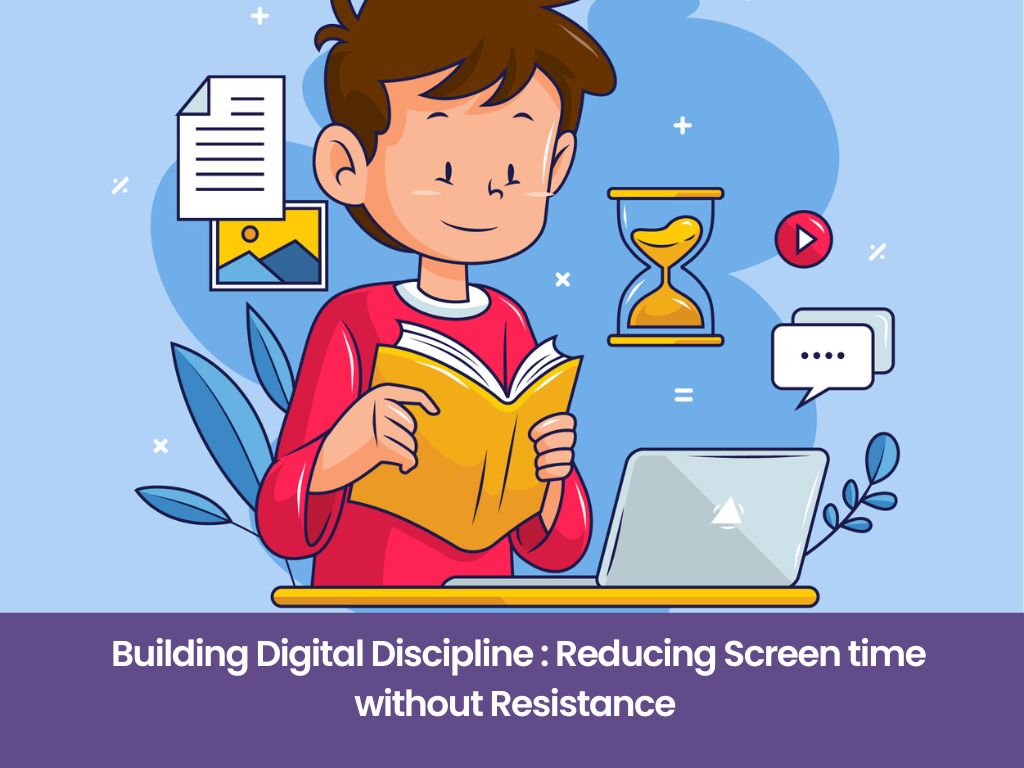
🔹 Managing Screen Time

  • Limit unnecessary usage

🔹 Digital Productivity Tools

  • Use apps for scheduling and tracking

🔹 Online Learning Discipline

  • Maintain focus in virtual environments

🧭 Real-Life Examples

🔹 Students

  • Following study schedules

🔹 Athletes

  • Maintaining strict training routines

🔹 Professionals

  • Meeting deadlines and managing tasks

📊 Comparison with Related Values

ValueRelation
DisciplineCore of self-discipline
ResponsibilityEnsures time management
FocusEssential for productivity
PerseveranceSustains long-term efforts

🧾 Conclusion

Self-discipline and time management are essential skills that empower individuals to lead productive, balanced, and successful lives. They enable individuals to control their actions, manage their time effectively, and achieve their goals with consistency and determination.

In a world full of distractions and challenges, these values act as guiding principles that help individuals stay focused, organized, and motivated. By cultivating self-discipline and mastering time management, individuals can unlock their full potential and contribute positively to society.

Ultimately, these skills are not just about productivity—they are about creating a purposeful and fulfilling life.


🏷️ Tags

Friendship and Cooperation

🌿 Introduction

Image
Image
Image
Image

Friendship and cooperation are two of the most essential social values that shape human relationships and enable collective progress. Humans are inherently social beings, and our ability to form friendships and work together has been key to survival, development, and success throughout history. These values foster trust, mutual support, understanding, and unity—qualities necessary for both personal happiness and societal harmony.

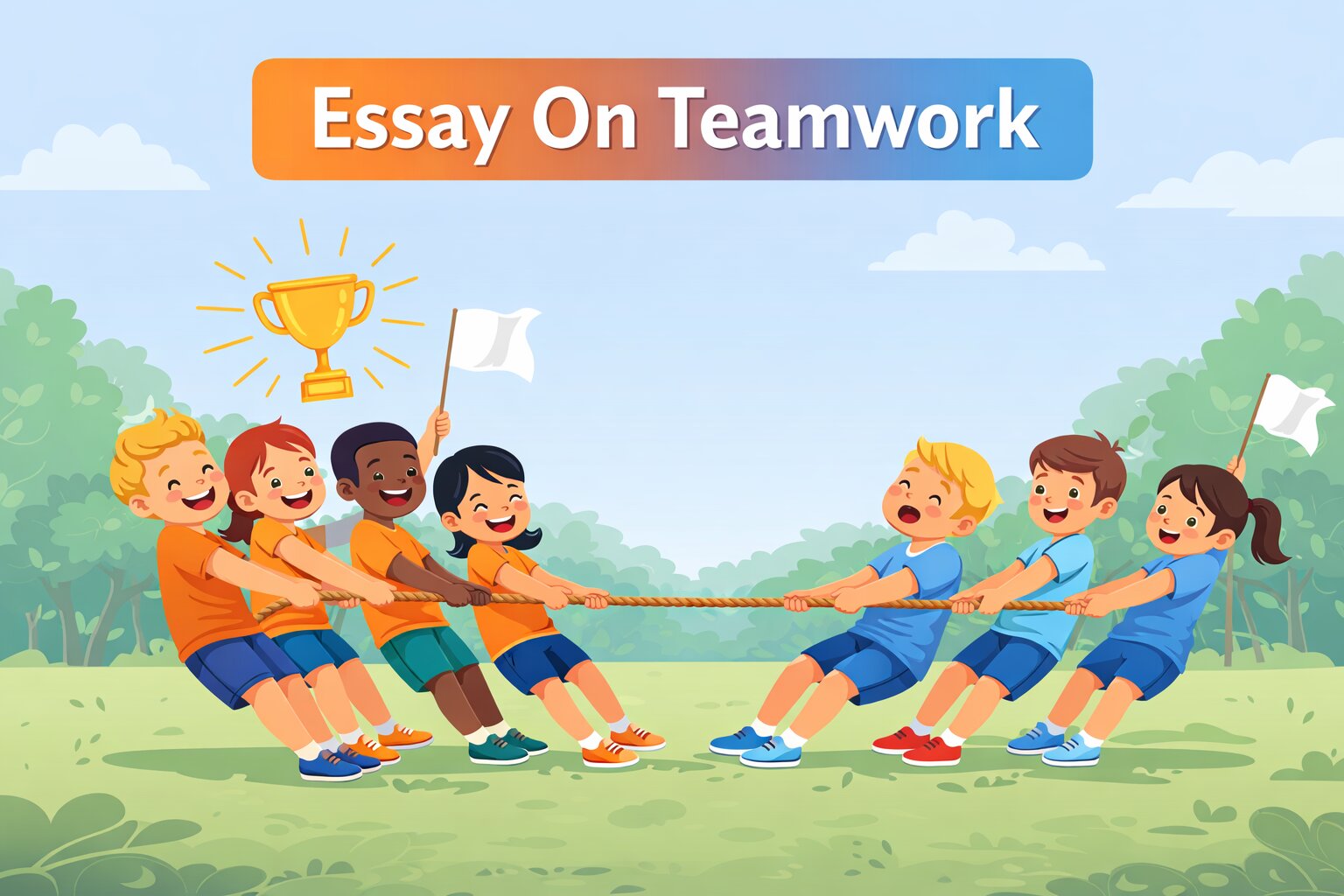
Friendship refers to a close and meaningful relationship between individuals based on trust, affection, and mutual respect. Cooperation, on the other hand, involves working together toward a common goal, sharing responsibilities, and supporting one another’s efforts. While friendship emphasizes emotional bonds, cooperation focuses on collective action. Together, they create strong social networks that enhance well-being and productivity.

In today’s interconnected world, where collaboration is essential in education, workplaces, and global problem-solving, friendship and cooperation play a crucial role in building a harmonious and successful society.


🌱 Meaning and Definitions

🔹 Friendship

Friendship is:

  • A relationship based on trust, care, and mutual understanding
  • Built on shared experiences, values, and emotions
  • Characterized by loyalty and support

Examples:

  • Helping a friend in need
  • Sharing joys and challenges
  • Offering emotional support

🔹 Cooperation

Cooperation is:

  • Working together to achieve common goals
  • Sharing responsibilities and resources
  • Supporting collective efforts

Examples:

  • Teamwork in school projects
  • Collaborating in workplace tasks
  • Community efforts in social activities

🔹 Key Differences

AspectFriendshipCooperation
NatureEmotional bondAction-oriented
FocusRelationshipGoal achievement
ExampleSupporting a friendWorking in a team

🧠 Psychological Foundations

Image
Image
Image
Image

🔹 Social Nature of Humans

  • Humans are naturally inclined toward forming relationships
  • Social connections are essential for survival and happiness

🔹 Emotional Benefits

  • Friendship reduces loneliness and stress
  • Cooperation builds a sense of belonging

🔹 Cognitive Development

  • Group interactions enhance problem-solving skills
  • Cooperation improves communication and learning

🏛️ Cultural and Historical Perspectives

Image
Image
Image
Image

🔸 Traditional Societies

  • Communities relied on cooperation for survival
  • Shared resources and collective work

🔸 Indian Culture

  • Emphasizes unity and friendship
  • Concepts like Vasudhaiva Kutumbakam (world as one family)

🔸 Global Perspectives

  • Cooperation is key in international relations
  • Friendship between nations promotes peace

🧘 Spiritual and Moral Significance

Image
Image
Image
Image

🔹 Moral Values

  • Friendship promotes loyalty and trust
  • Cooperation encourages selflessness and teamwork

🔹 Spiritual Teachings

  • Many religions emphasize unity and helping others
  • Encourages compassion and harmony

🏠 Role in Personal Life

🌟 Emotional Support

  • Friends provide comfort and encouragement
  • Help in difficult times

🌟 Personal Growth

  • Friends influence behavior and values
  • Cooperation builds skills

🌟 Happiness

  • Strong friendships increase life satisfaction
  • Cooperative relationships reduce stress

🌍 Social Importance

Image
Image
Image
Image

🔹 Social Harmony

  • Reduces conflicts
  • Promotes understanding

🔹 Community Development

  • Cooperation leads to progress
  • Shared efforts improve living conditions

🔹 Global Cooperation

  • Essential for solving global challenges
  • Encourages peace and collaboration

🏫 Importance in Education

📘 Classroom Friendship

  • Builds a supportive learning environment
  • Encourages collaboration

📘 Group Activities

  • Teamwork improves learning outcomes
  • Develops communication skills

📘 Student Development

  • Enhances social skills
  • Promotes leadership qualities

💼 Workplace Relevance

Image
Image
Image
Image

🔹 Teamwork

  • Cooperation improves productivity
  • Builds strong teams

🔹 Professional Relationships

  • Friendly interactions enhance work environment
  • Reduce workplace conflicts

🔹 Leadership

  • Encourages collaboration and trust

⚖️ Ethical Dimensions

🔸 Trust and Loyalty

  • Essential for strong friendships

🔸 Fairness

  • Equal contribution in cooperative efforts

🔸 Respect

  • Valuing others’ opinions and efforts

🧩 Challenges to Friendship and Cooperation

Image
Image
Image
Image

🔹 Miscommunication

  • Leads to misunderstandings

🔹 Ego and Competition

  • Can damage relationships

🔹 Lack of Trust

  • Weakens friendships

🔹 Cultural Differences

  • May create barriers in cooperation

🌟 Benefits of Friendship and Cooperation

✅ Personal Benefits

  • Emotional support
  • Increased happiness
  • Better mental health

✅ Social Benefits

  • Strong communities
  • Reduced conflicts
  • Greater unity

✅ Professional Benefits

  • Improved teamwork
  • Higher productivity

🛠️ Ways to Build Friendship and Cooperation

Image
Image
Image
Image

🔹 Communication

  • Express thoughts clearly
  • Listen actively

🔹 Trust Building

  • Be honest and reliable

🔹 Empathy

  • Understand others’ feelings

🔹 Team Participation

  • Engage in group activities

🔹 Conflict Resolution

  • Address issues calmly and respectfully

📱 Friendship and Cooperation in the Digital Age

Image
Image
Image
Image

🔹 Online Friendships

  • Connecting across distances
  • Sharing experiences digitally

🔹 Virtual Cooperation

  • Remote work and online collaboration
  • Digital tools for teamwork

🔹 Challenges

  • Lack of face-to-face interaction
  • Miscommunication online

🧭 Real-Life Examples

🔹 Students

  • Group projects and study groups

🔹 Communities

  • Collective efforts in social work

🔹 Global Initiatives

  • International cooperation for development

📊 Comparison with Related Values

ValueRelation
TrustFoundation of friendship
TeamworkResult of cooperation
EmpathyStrengthens relationships
CommunicationEssential for both

🧾 Conclusion

Friendship and cooperation are vital values that enrich human life and strengthen society. They foster trust, understanding, and collaboration, enabling individuals to achieve personal and collective goals. In a world that increasingly relies on teamwork and connectivity, these values are more important than ever.

By nurturing friendships and practicing cooperation, individuals can build meaningful relationships, enhance their well-being, and contribute to a harmonious and progressive society. These values remind us that together, we are stronger, more capable, and better equipped to face life’s challenges.


🏷️ Tags

Responsibility in Daily Life

🌿 Introduction

Image
Image
Image
Image

Responsibility in daily life is one of the most essential values that defines a person’s character, reliability, and maturity. It is the ability to take ownership of one’s actions, fulfill duties, and accept the consequences of decisions. Responsibility is not limited to major tasks or roles—it is reflected in everyday behaviors, from completing homework on time to respecting others, managing time effectively, and contributing positively to society.

In a fast-paced and interconnected world, responsibility has become more important than ever. It ensures that individuals remain accountable, disciplined, and ethical in their actions. Whether at home, school, workplace, or in society, responsibility acts as a guiding principle that helps individuals navigate life with integrity and purpose.


🌱 Meaning and Definitions

🔹 Responsibility

Responsibility is:

  • The duty or obligation to perform tasks and roles
  • Being accountable for one’s actions and decisions
  • Acting with awareness of consequences

Examples:

  • Completing assignments on time
  • Taking care of personal belongings
  • Following rules and commitments

🔹 Accountability

  • Accepting the outcomes of actions
  • Owning mistakes and learning from them

🔹 Reliability

  • Being dependable and trustworthy
  • Fulfilling commitments consistently

🔹 Key Characteristics

  • Commitment
  • Discipline
  • Honesty
  • Awareness
  • Dependability

🧠 Psychological Foundations

Image
Image
Image
Image

🔹 Development of Responsibility

  • Begins in early childhood
  • Influenced by family, education, and environment

🔹 Cognitive Aspects

  • Involves decision-making and problem-solving
  • Requires understanding consequences

🔹 Emotional Growth

  • Builds self-confidence and independence
  • Encourages maturity and self-control

🏛️ Philosophical Perspectives

Image
Image
Image
Image

🔸 Ancient Philosophy

  • Aristotle viewed responsibility as part of virtuous living
  • Emphasized ethical behavior and accountability

🔸 Kantian Ethics

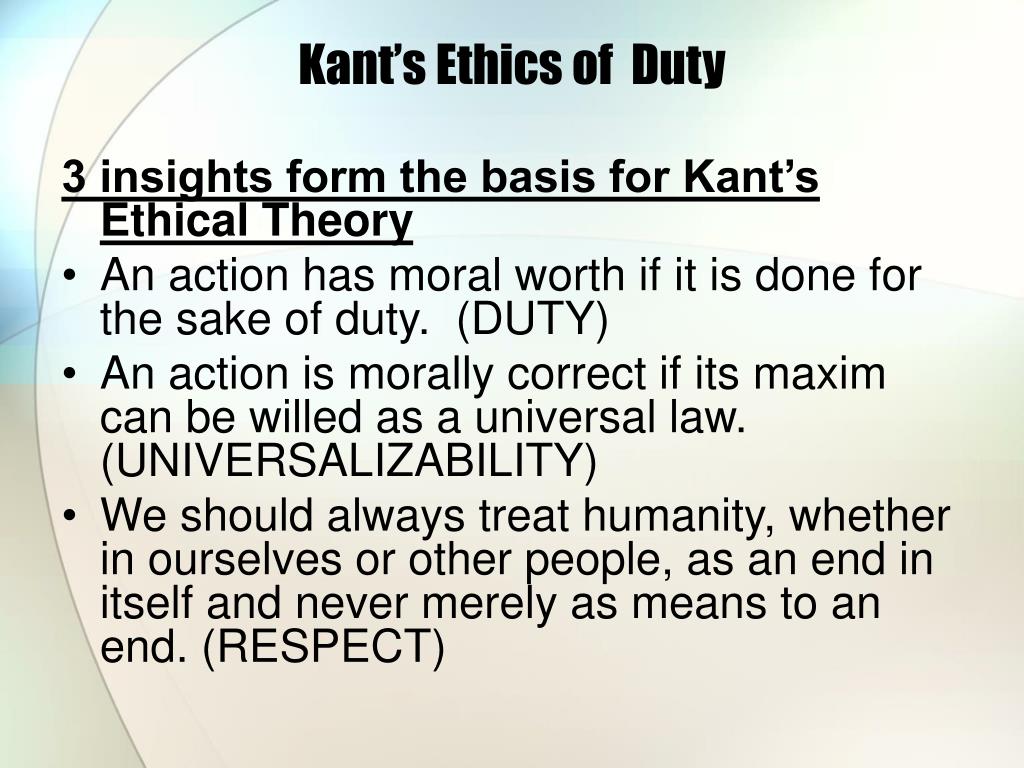
  • Immanuel Kant emphasized duty and moral responsibility
  • Actions should follow universal moral laws

🔸 Eastern Philosophy

  • Confucius highlighted duties toward family and society
  • Mahatma Gandhi emphasized responsibility toward truth and non-violence

🧘 Spiritual and Moral Significance

Image
Image
Image
Image

🔹 Moral Duty

  • Responsibility is a core ethical principle
  • Reflects integrity and character

🔹 Spiritual Teachings

  • Many religions emphasize duty and accountability
  • Actions have consequences (karma, moral judgment)

🏠 Responsibility at Home

🌟 Family Duties

  • Helping with household chores
  • Respecting family members
  • Taking care of younger or elderly members

🌟 Personal Responsibility

  • Maintaining cleanliness
  • Managing personal belongings
  • Following routines

🌟 Emotional Responsibility

  • Supporting family members
  • Communicating respectfully

🏫 Responsibility in Education

Image
Image
Image
Image

📘 Academic Responsibility

  • Completing assignments on time
  • Attending classes regularly
  • Preparing for exams

📘 Behavioral Responsibility

  • Following school rules
  • Respecting teachers and peers

📘 Social Responsibility

  • Helping classmates
  • Participating in group activities

💼 Responsibility in the Workplace

Image
Image
Image
Image

🔹 Professional Duties

  • Completing tasks efficiently
  • Meeting deadlines

🔹 Accountability

  • Taking responsibility for work outcomes

🔹 Team Responsibility

  • Collaborating with colleagues
  • Supporting team goals

🔹 Leadership

  • Responsible leaders inspire trust and respect

🌍 Social Responsibility

Image
Image
Image
Image

🔹 Civic Responsibility

  • Following laws and rules
  • Participating in community activities

🔹 Environmental Responsibility

  • Protecting nature
  • Reducing waste and pollution

🔹 Social Awareness

  • Helping disadvantaged groups
  • Promoting equality and justice

⚖️ Ethical Dimensions

🔸 Moral Responsibility

  • Acting ethically and fairly
  • Avoiding harm to others

🔸 Legal Responsibility

  • Following laws and regulations

🔸 Personal Responsibility

  • Taking ownership of actions

🧩 Challenges to Responsibility

Image
Image
Image
Image

🔹 Procrastination

  • Delaying tasks and responsibilities

🔹 Lack of Awareness

  • Not understanding importance

🔹 External Influences

  • Peer pressure and distractions

🔹 Avoiding Accountability

  • Blaming others for mistakes

🌟 Benefits of Responsibility

✅ Personal Benefits

  • Builds confidence and independence
  • Enhances decision-making skills

✅ Social Benefits

  • Strengthens relationships
  • Promotes trust and cooperation

✅ Professional Benefits

  • Career growth
  • Reputation for reliability

🛠️ Ways to Develop Responsibility

Image
Image
Image
Image

🔹 Set Clear Goals

  • Define responsibilities and priorities

🔹 Time Management

  • Plan and organize tasks

🔹 Self-Discipline

  • Stay consistent in actions

🔹 Learn from Mistakes

  • Accept and correct errors

🔹 Take Initiative

  • Act without waiting for instructions

📱 Responsibility in the Digital Age

Image
Image
Image
Image

🔹 Online Behavior

  • Being respectful and ethical

🔹 Information Sharing

  • Avoid spreading misinformation

🔹 Cyber Responsibility

  • Protecting privacy and security

🧭 Real-Life Examples

🔹 Students

  • Managing studies and extracurricular activities

🔹 Families

  • Sharing responsibilities at home

🔹 Professionals

  • Meeting work commitments

📊 Comparison with Related Values

ValueRelation
DisciplineSupports responsibility
AccountabilityCore aspect of responsibility
IntegrityEnsures ethical responsibility
DependabilityResult of responsibility

🧾 Conclusion

Responsibility in daily life is a cornerstone of personal growth, social harmony, and professional success. It enables individuals to act with awareness, fulfill their duties, and contribute positively to society. From simple daily tasks to complex decisions, responsibility guides behavior and builds character.

In a rapidly evolving world, where challenges and opportunities coexist, being responsible is more important than ever. It fosters trust, reliability, and ethical conduct, creating a foundation for a better future.

By cultivating responsibility in everyday life, individuals not only improve their own lives but also contribute to the well-being of their families, communities, and society as a whole.


🏷️ Tags

Cleanliness and Personal Hygiene

🌿 Introduction

Image
Image
Image
Image

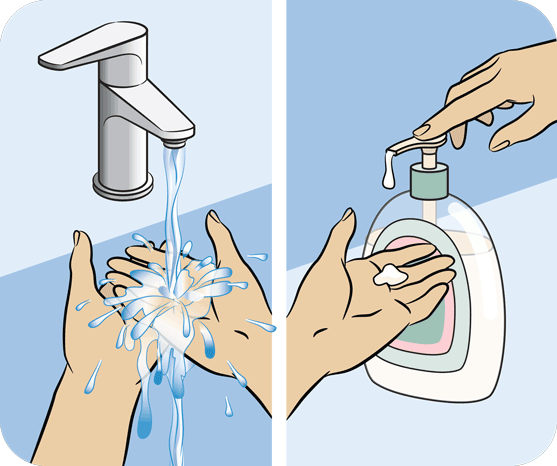
Cleanliness and personal hygiene are fundamental aspects of a healthy, dignified, and disciplined life. These practices are not merely about physical appearance—they play a vital role in preventing diseases, maintaining mental well-being, and promoting social acceptance. From ancient civilizations to modern societies, cleanliness has been regarded as a virtue closely associated with purity, discipline, and respect for oneself and others.

Personal hygiene refers to the practices individuals adopt to maintain bodily cleanliness and health, such as bathing, brushing teeth, washing hands, and wearing clean clothes. Cleanliness, in a broader sense, includes maintaining a clean environment—homes, schools, workplaces, and public spaces.

In today’s world, where infectious diseases, pollution, and lifestyle-related health issues are prevalent, cleanliness and hygiene have become more important than ever. They are essential for individual health, public safety, and overall quality of life.


🌱 Meaning and Definitions

🔹 Cleanliness

Cleanliness is:

  • The state of being free from dirt, germs, and impurities
  • Maintaining a neat and orderly environment
  • A reflection of discipline and responsibility

Examples:

  • Keeping surroundings clean
  • Proper waste disposal
  • Maintaining tidy living spaces

🔹 Personal Hygiene

Personal hygiene is:

  • Practices that maintain bodily cleanliness and health
  • Daily routines that prevent illness
  • Care of skin, hair, teeth, and overall body

Examples:

  • Bathing regularly
  • Brushing teeth twice a day
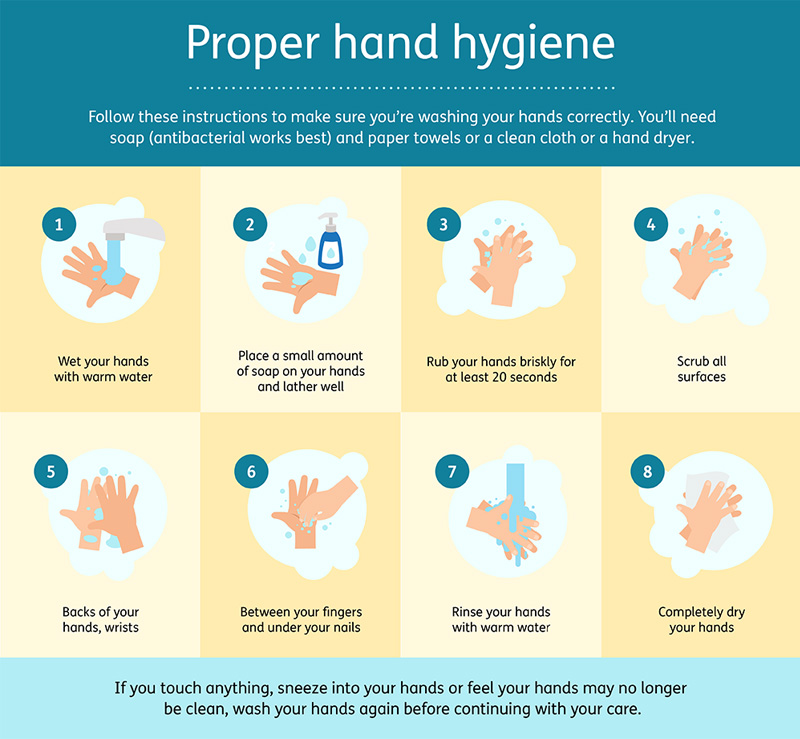
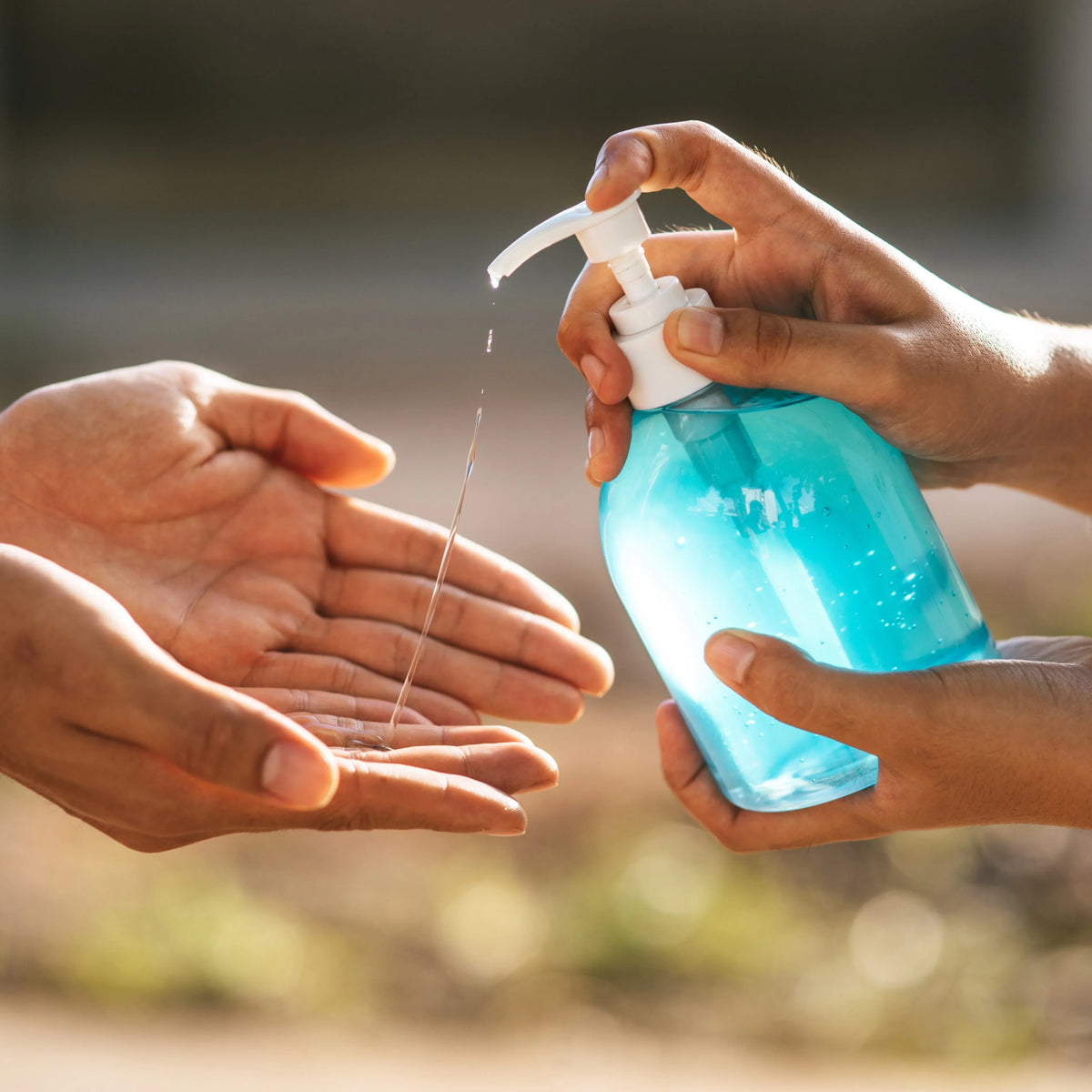
  • Washing hands before meals

🔹 Key Differences

AspectCleanlinessPersonal Hygiene
ScopeEnvironmentIndividual body
FocusSurroundingsHealth and grooming
ExampleClean roomClean hands

🧠 Scientific and Health Foundations

Image
Image
Image
Image

🔹 Germ Theory

  • Microorganisms like bacteria and viruses cause diseases
  • Poor hygiene increases risk of infections

🔹 Disease Prevention

  • Regular hygiene practices reduce spread of diseases
  • Important in preventing illnesses like flu, infections, and food poisoning

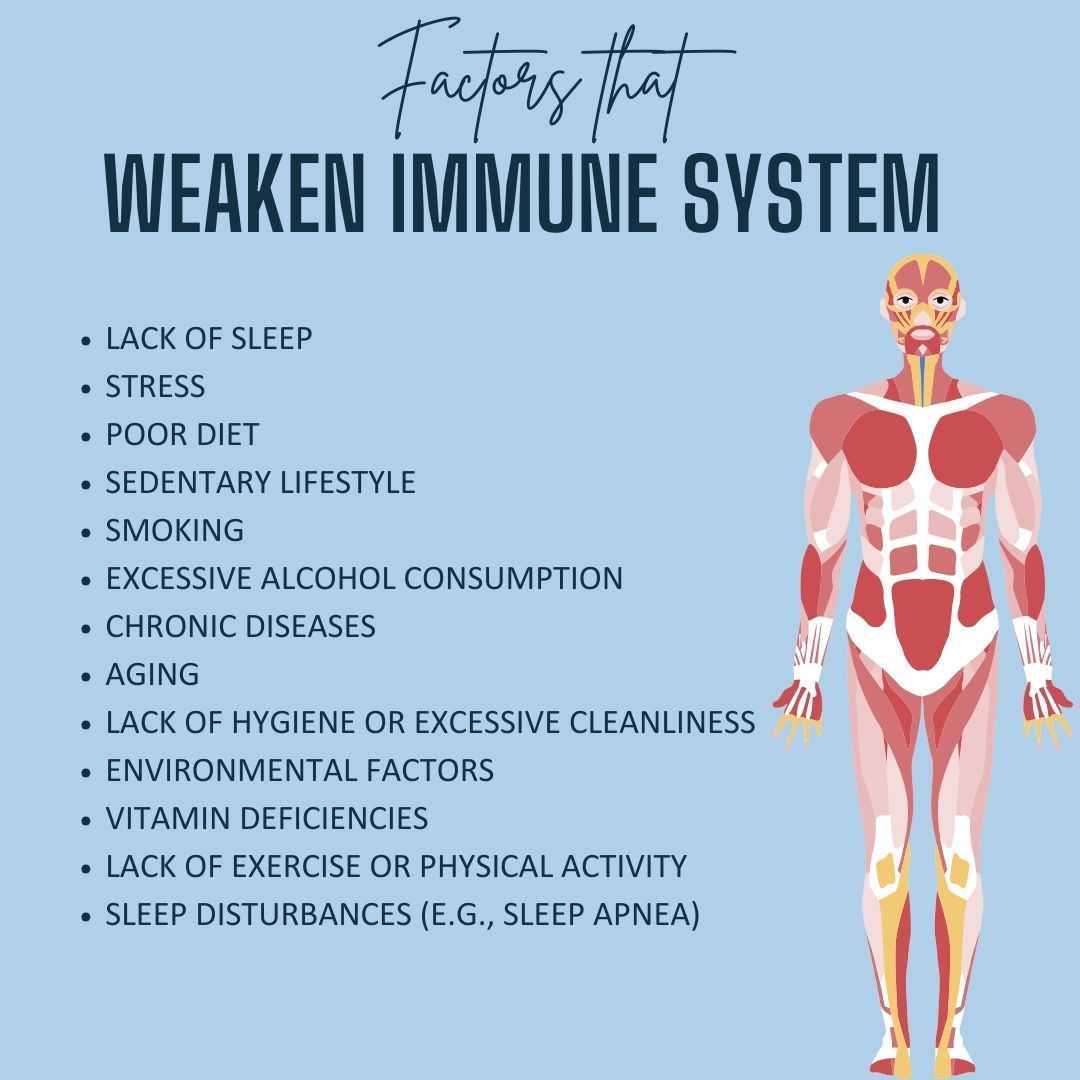
🔹 Immune System Support

  • Clean habits strengthen body defenses
  • Reduce exposure to harmful pathogens

🏛️ Historical and Cultural Perspectives

Image
Image
Image
Image

🔸 Ancient Civilizations

  • Romans built public baths and sanitation systems
  • Indus Valley Civilization had advanced drainage systems

🔸 Indian Culture

  • Cleanliness linked with spirituality and purity
  • Practices like daily bathing and clean surroundings

🔸 Modern Initiatives

  • Campaigns like cleanliness drives promote hygiene awareness
  • Public health programs emphasize sanitation

🧘 Spiritual and Moral Significance

Image
Image
Image
Image

🔹 Cleanliness as a Virtue

  • Often associated with purity and discipline
  • Reflects respect for oneself and environment

🔹 Religious Practices

  • Many religions emphasize cleanliness before prayers
  • Symbolizes inner and outer purity

🏠 Role in Personal Life

🌟 Physical Health

  • Prevents infections and diseases
  • Maintains body functions

🌟 Mental Well-being

  • Clean environment reduces stress
  • Promotes clarity and focus

🌟 Self-Confidence

  • Good hygiene improves appearance
  • Enhances social interactions

🌍 Social Importance

Image
Image
Image
Image

🔹 Public Health

  • Reduces spread of epidemics
  • Improves quality of life

🔹 Social Acceptance

  • Clean individuals are more respected
  • Promotes positive social interactions

🔹 Environmental Protection

  • Proper waste management reduces pollution
  • Supports sustainability

🏫 Importance in Education

📘 School Hygiene

  • Clean classrooms improve learning environment
  • Prevent spread of diseases among students

📘 Student Habits

  • Teaching hygiene from early age
  • Encouraging regular routines

📘 Awareness Programs

  • Health education campaigns
  • Activities promoting cleanliness

💼 Workplace Relevance

Image
Image
Image
Image

🔹 Productivity

  • Clean environment enhances efficiency
  • Reduces absenteeism due to illness

🔹 Professional Image

  • Personal hygiene reflects professionalism
  • Builds confidence and credibility

🔹 Workplace Safety

  • Hygiene prevents workplace hazards

⚖️ Ethical and Civic Responsibility

🔸 Responsibility Toward Society

  • Maintaining cleanliness is a civic duty
  • Prevents harm to others

🔸 Environmental Ethics

  • Reducing waste and pollution
  • Promoting sustainable practices

🧩 Challenges to Cleanliness and Hygiene

Image
Image
Image
Image

🔹 Lack of Awareness

  • People may not understand importance

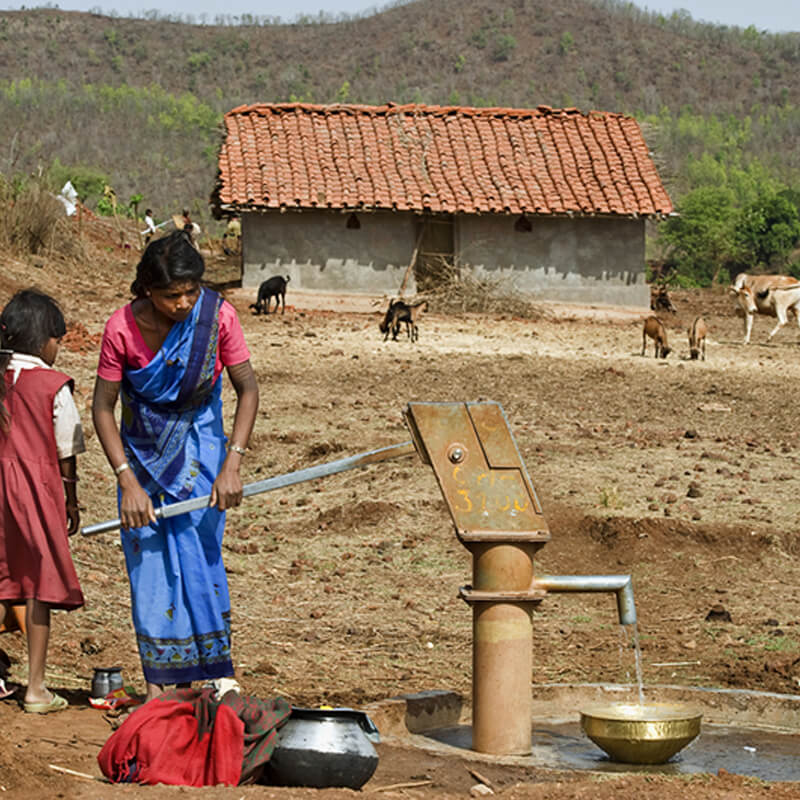
🔹 Limited Resources

  • Water scarcity and poor sanitation

🔹 Poor Habits

  • Neglecting hygiene routines

🔹 Urbanization

  • Increased waste and pollution

🌟 Benefits of Cleanliness and Personal Hygiene

✅ Health Benefits

  • Reduced risk of diseases
  • Improved immunity

✅ Social Benefits

  • Better relationships
  • Increased respect

✅ Psychological Benefits

  • Improved mood
  • Reduced stress

🛠️ Daily Hygiene Practices

Image
Image
Image
Image

🔹 Personal Hygiene Routine

  • Bathing regularly
  • Brushing teeth twice daily
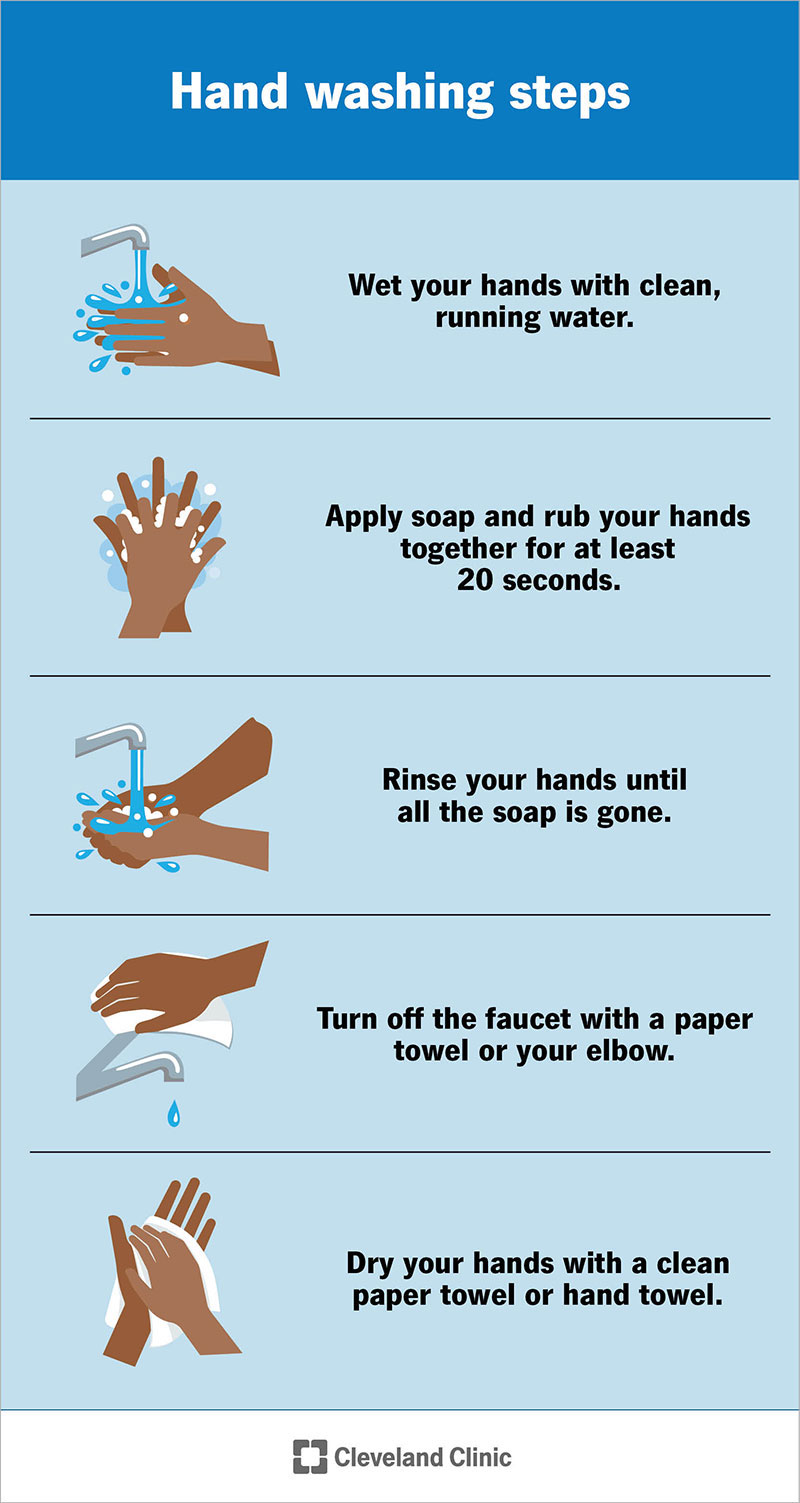
  • Washing hands frequently
  • Keeping nails trimmed

🔹 Environmental Cleanliness

  • Cleaning living spaces
  • Proper waste disposal
  • Maintaining hygiene in public places

📱 Cleanliness in the Modern World

Image
Image
Image
Image

🔹 Technology and Hygiene

  • Use of sanitizers and cleaning products
  • Smart cleaning devices

🔹 Public Awareness

  • Campaigns through media
  • Health education

🧭 Real-Life Examples

🔹 Daily Life

  • Maintaining personal hygiene routines

🔹 Community Efforts

  • Cleanliness drives and campaigns

🔹 Global Health Initiatives

  • Programs promoting sanitation and hygiene

📊 Comparison with Related Values

ValueRelation
DisciplineHelps maintain hygiene routines
ResponsibilityEnsures cleanliness
HealthResult of hygiene
RespectCleanliness shows respect for others

🧾 Conclusion

Cleanliness and personal hygiene are essential for a healthy, productive, and respectful life. They play a crucial role in preventing diseases, improving mental well-being, and promoting social harmony. These practices are not just personal choices—they are responsibilities toward oneself, others, and the environment.
In a rapidly changing world, where health challenges and environmental issues are increasing, the importance of cleanliness and hygiene cannot be overstated. By adopting good hygiene practices and maintaining clean surroundings, individuals contribute to a safer and healthier society.

Ultimately, cleanliness and personal hygiene reflect discipline, awareness, and respect. They are simple yet powerful tools for improving quality of life and building a better future.


🏷️ Tags

Discipline and Self-Control

🌿 Introduction

Image
Image
Image
Image

Discipline and self-control are foundational virtues that shape personal success, moral character, and overall well-being. These qualities enable individuals to regulate their thoughts, emotions, and actions in pursuit of long-term goals, even in the face of distractions, temptations, and challenges. In a world filled with instant gratification and constant stimulation, discipline and self-control have become more important than ever.

Discipline refers to the ability to follow rules, maintain consistency, and adhere to a structured approach in life. Self-control, on the other hand, is the capacity to regulate impulses, emotions, and desires. Together, they empower individuals to make rational decisions, stay focused on goals, and lead balanced, meaningful lives.

These qualities are not innate—they are developed through practice, awareness, and commitment. Whether in academics, career, relationships, or personal health, discipline and self-control are key determinants of success and fulfillment.


🌱 Meaning and Definitions

🔹 Discipline

Discipline is:

  • The practice of training oneself to follow rules or a code of behavior
  • Maintaining consistency and order in actions
  • Prioritizing long-term goals over short-term pleasures

Examples:

  • Following a daily study schedule
  • Maintaining punctuality
  • Adhering to rules and responsibilities

🔹 Self-Control

Self-control is:

  • The ability to regulate emotions and impulses
  • Resisting temptations and distractions
  • Acting thoughtfully rather than impulsively

Examples:

  • Avoiding procrastination
  • Managing anger or frustration
  • Controlling unhealthy habits

🔹 Key Differences

AspectDisciplineSelf-Control
NatureExternal structureInternal regulation
FocusHabits and routinesEmotions and impulses
ExampleFollowing a timetableResisting distractions

🧠 Psychological Foundations

Image
Image
Image
Image

🔹 Brain Function

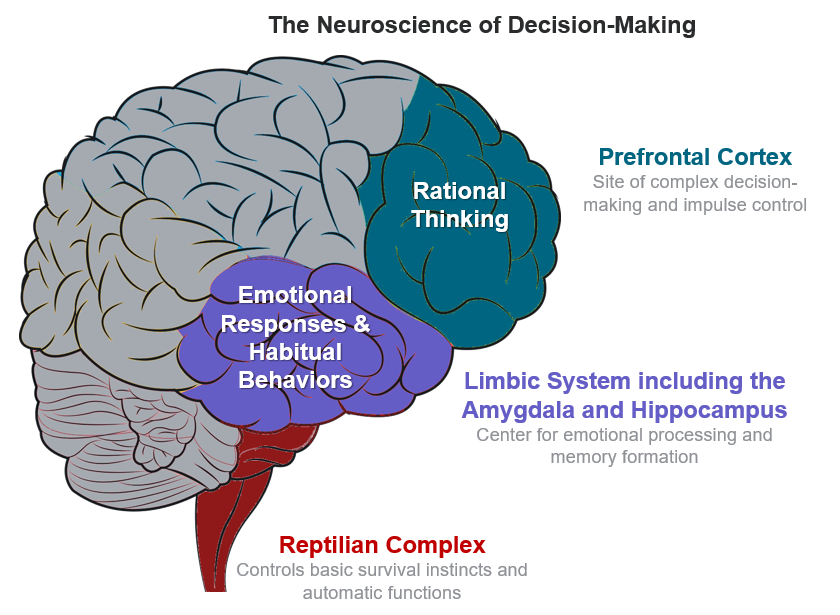
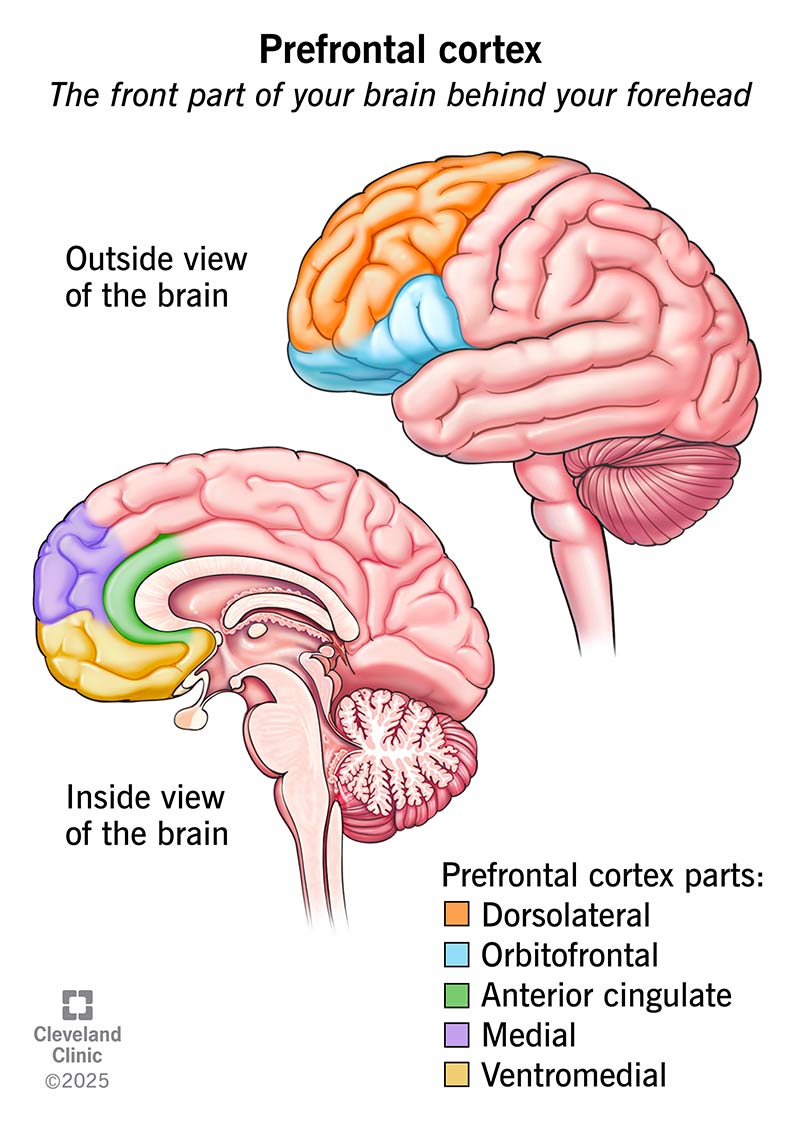
  • The prefrontal cortex is responsible for decision-making and impulse control
  • Strong self-control is linked to better cognitive functioning

🔹 Delayed Gratification

  • Ability to delay immediate rewards for future benefits
  • Famous “marshmallow test” demonstrates importance

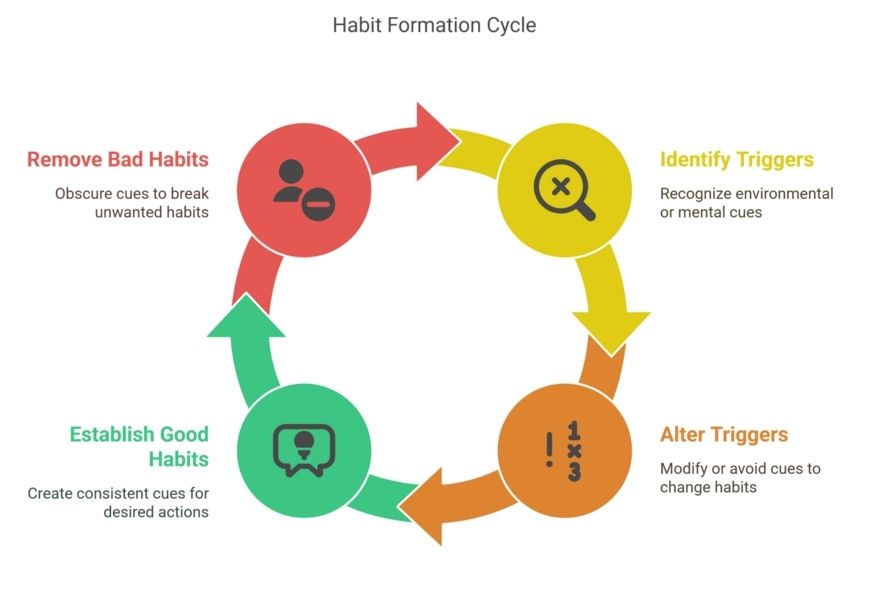
🔹 Habit Formation

  • Discipline is built through repeated actions
  • Habits reduce the need for constant decision-making

🏛️ Philosophical Perspectives

Image
Image
Image
Image

🔸 Ancient Philosophy

  • Aristotle emphasized moderation and self-control as virtues
  • Balance between excess and deficiency

🔸 Stoicism

  • Advocates control over emotions and desires
  • Focus on inner strength and resilience

🔸 Eastern Philosophy

  • Buddhism teaches mindfulness and self-discipline
  • Hinduism emphasizes control of senses (Indriya Nigraha)

🔸 Modern Thinkers

  • Mahatma Gandhi practiced strict self-discipline
  • Emphasized simplicity and control

🧘 Spiritual and Religious Significance

Image
Image
Image
Image

🔹 Hinduism

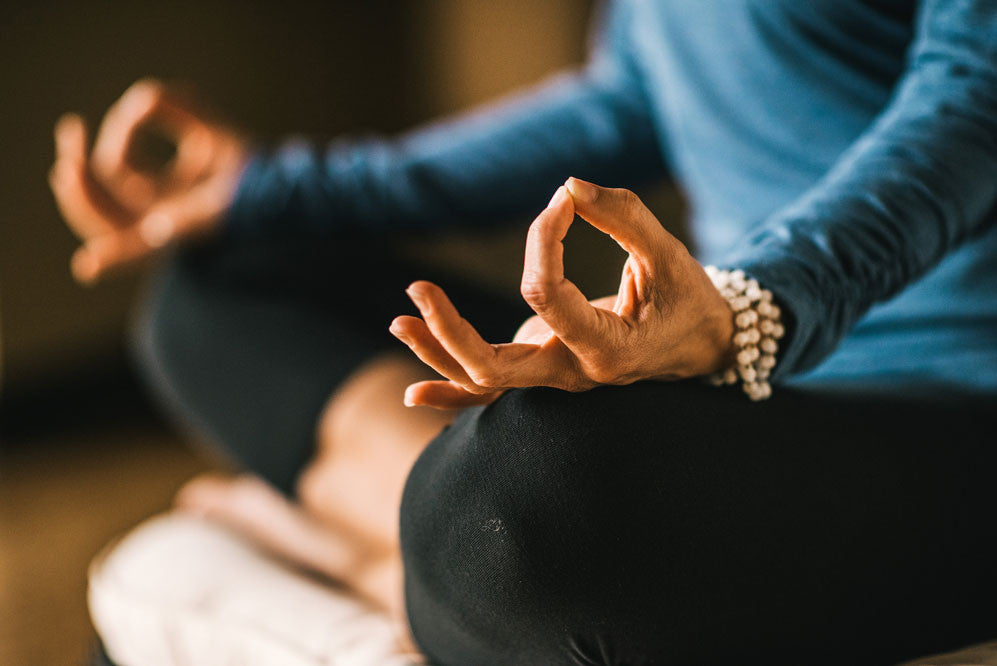
  • Practices like yoga and meditation develop discipline

🔹 Buddhism

  • Emphasizes mindfulness and control over desires

🔹 Christianity

  • Encourages self-control as a virtue

🔹 Islam

  • Fasting during Ramadan teaches discipline and restraint

🏠 Role in Personal Life

🌟 Goal Achievement

  • Helps in setting and achieving long-term goals
  • Maintains focus and consistency

🌟 Emotional Stability

  • Controls anger, stress, and anxiety
  • Promotes mental balance

🌟 Healthy Lifestyle

  • Encourages regular exercise and proper diet
  • Avoids harmful habits

🌍 Social Importance

Image
Image
Image
Image

🔹 Social Order

  • Discipline ensures law and order
  • Promotes responsible behavior

🔹 Relationships

  • Self-control prevents conflicts
  • Encourages respect and understanding

🔹 Community Development

  • Disciplined citizens contribute to progress

🏫 Importance in Education

📘 Academic Success

  • Regular study habits improve performance
  • Time management enhances productivity

📘 Classroom Discipline

  • Maintains order and effective learning
  • Encourages respect for teachers

📘 Student Development

  • Builds responsibility and independence

💼 Workplace Relevance

Image
Image
Image
Image

🔹 Productivity

  • Disciplined employees meet deadlines
  • Improve efficiency

🔹 Leadership

  • Self-control helps in decision-making
  • Builds trust and respect

🔹 Professional Growth

  • Consistency leads to career advancement

⚖️ Ethical Dimensions

🔸 Moral Responsibility

  • Discipline reflects integrity and responsibility

🔸 Freedom vs Control

  • True freedom comes from self-control

🔸 Accountability

  • Taking responsibility for actions

🧩 Challenges to Discipline and Self-Control

Image
Image
Image

🔹 Distractions

  • Social media and technology

🔹 Instant Gratification

  • Desire for immediate pleasure

🔹 Lack of Motivation

  • Difficulty in maintaining consistency

🔹 Stress and Fatigue

  • Reduces ability to self-regulate

🌟 Benefits of Discipline and Self-Control

✅ Personal Benefits

  • Increased productivity
  • Better mental health
  • Stronger willpower

✅ Social Benefits

  • Responsible behavior
  • Improved relationships

✅ Long-Term Success

  • Achievement of goals
  • Sustainable growth

🛠️ Ways to Develop Discipline and Self-Control

Image
Image
Image
Image

🔹 Set Clear Goals

  • Define short-term and long-term objectives

🔹 Create Routines

  • Establish daily habits

🔹 Practice Mindfulness

  • Increase awareness of thoughts and actions

🔹 Avoid Temptations

  • Limit distractions

🔹 Stay Consistent

  • Small efforts daily lead to big results

📱 Discipline in the Digital Age

Image
Image
Image
Image

🔹 Managing Screen Time

  • Avoid excessive use of devices

🔹 Digital Productivity

  • Use tools for organization

🔹 Online Learning Discipline

  • Stay focused in virtual environments

🧭 Real-Life Examples

🔹 Students

  • Maintaining study schedules

🔹 Athletes

  • Rigorous training routines

🔹 Professionals

  • Consistent work habits

📊 Comparison with Related Values

ValueRelation
WillpowerCore of self-control
ResponsibilityOutcome of discipline
PerseveranceSustained effort
FocusEssential for discipline

🧾 Conclusion

Discipline and self-control are essential qualities that enable individuals to lead successful and meaningful lives. They provide the foundation for achieving goals, maintaining emotional balance, and contributing positively to society. In an era of distractions and instant gratification, cultivating these values is more important than ever.

By developing discipline and self-control, individuals gain mastery over their actions and decisions, leading to personal growth and long-term success. These qualities are not restrictions—they are tools that empower individuals to live with purpose, clarity, and resilience.


🏷️ Tags