🌍 Introduction

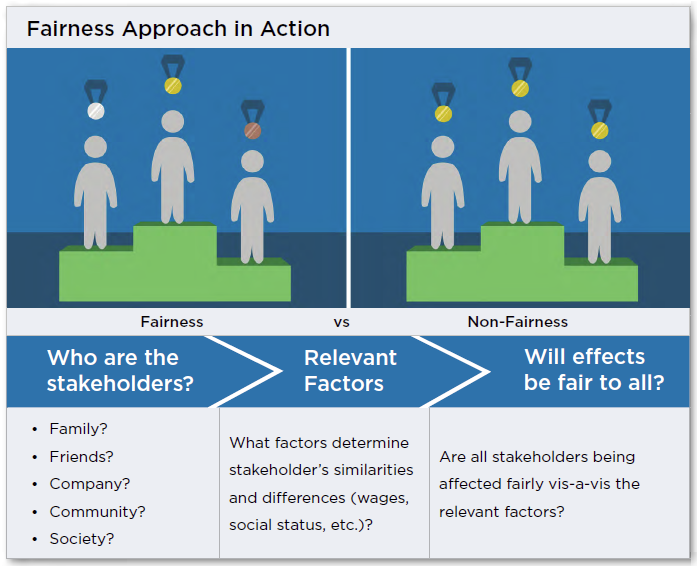
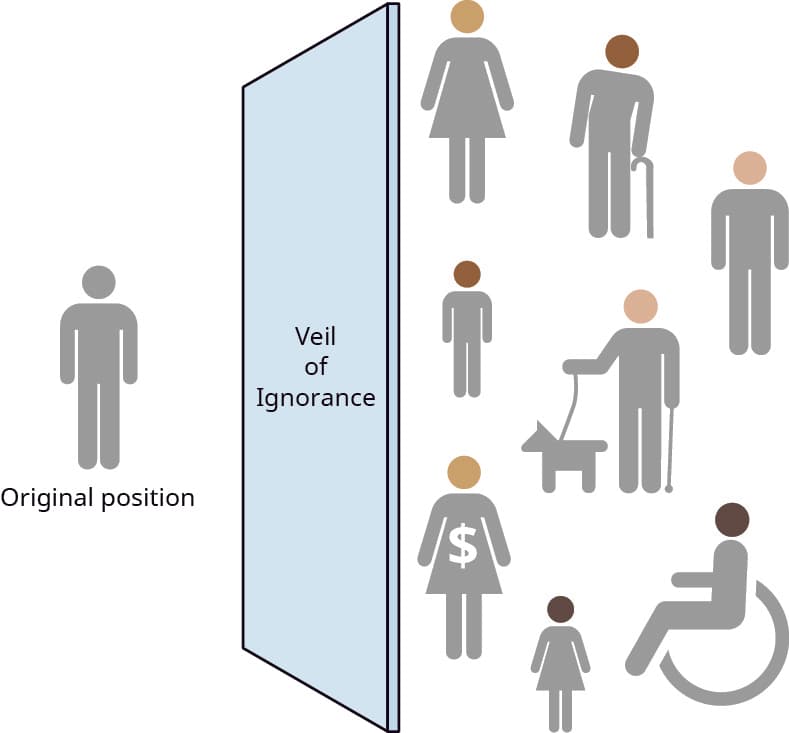
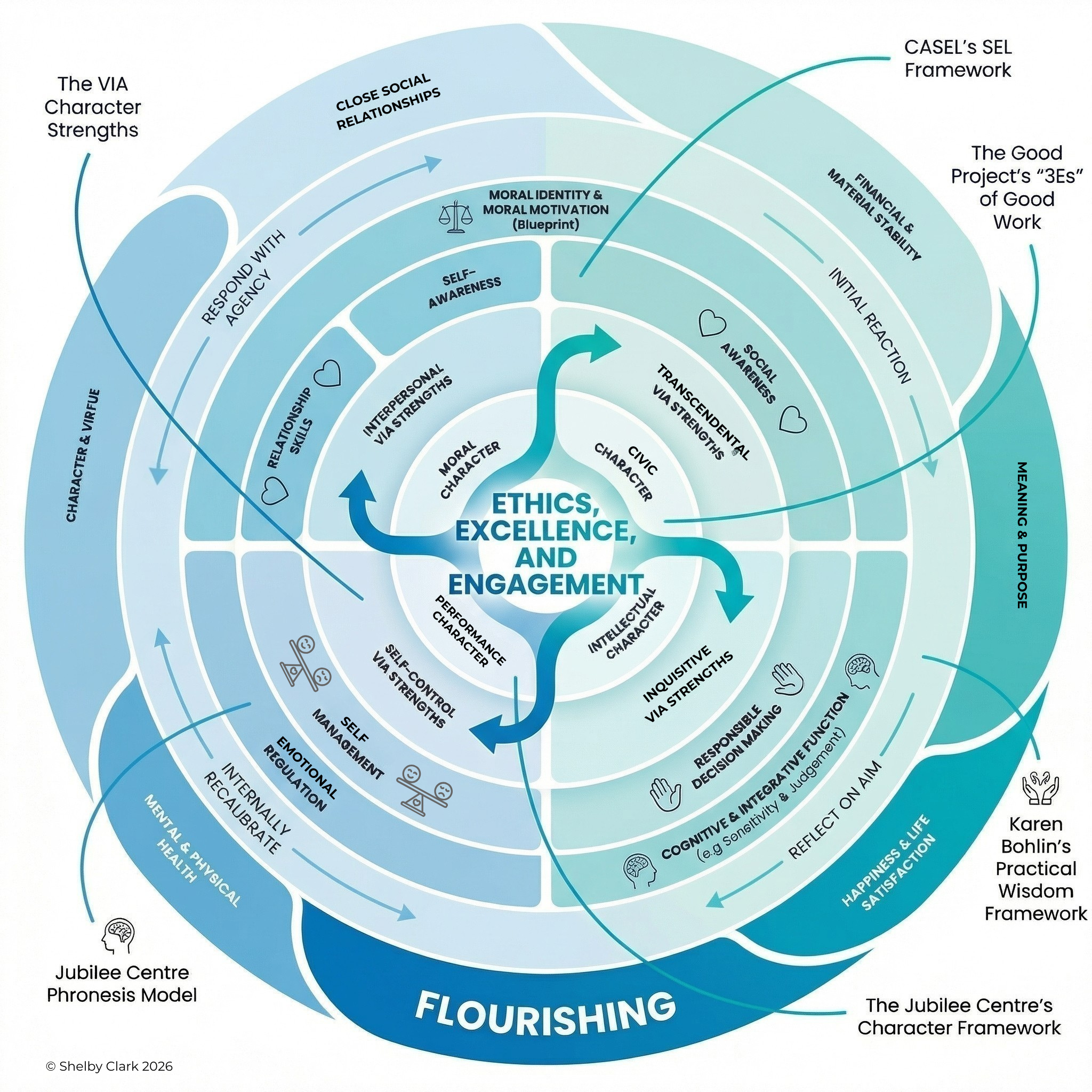
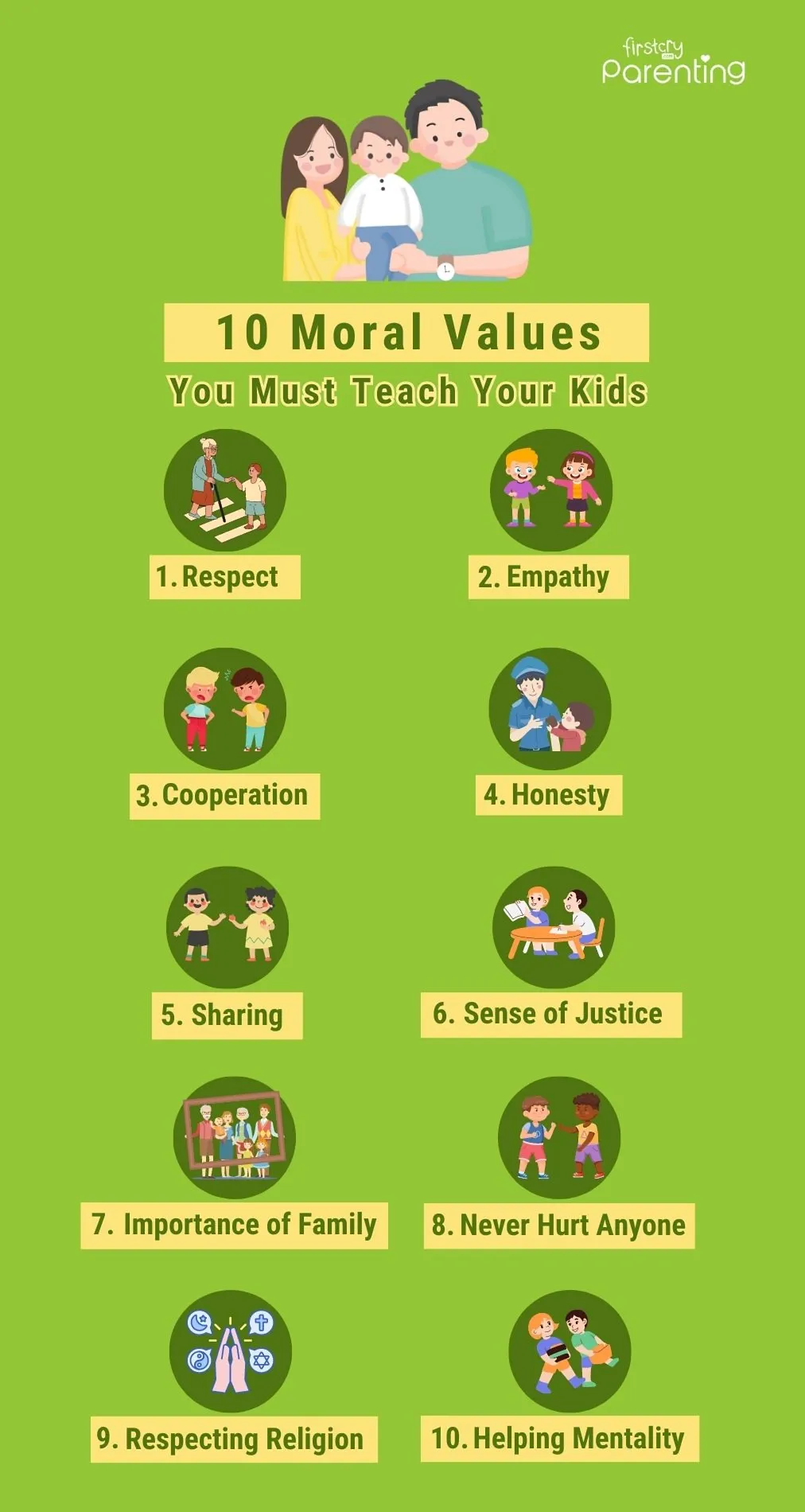
Ethics and morality are fundamental concepts that guide human behavior, decision-making, and social interaction. Although often used interchangeably, they have distinct meanings, origins, and applications. Understanding the difference between ethics and morality is essential for developing critical thinking, ethical reasoning, and responsible behavior.
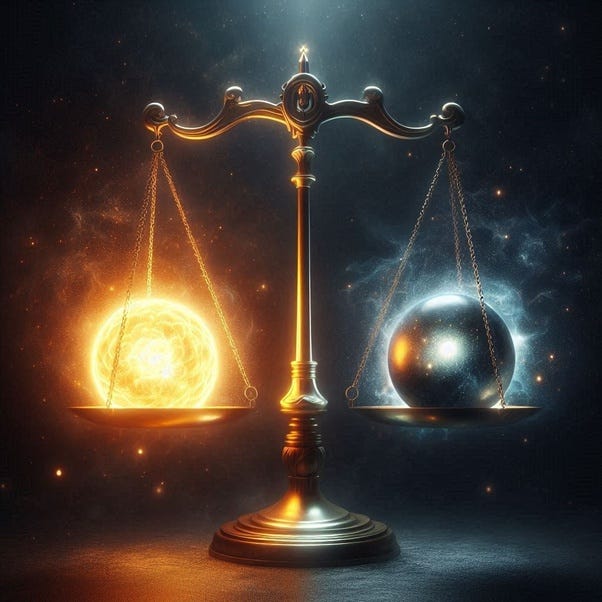
Both ethics and morality deal with questions of right and wrong, but they differ in their sources, scope, and implementation. Together, they form the foundation of human values, laws, and social norms.
🧭 Meaning of Morality
🔹 Definition
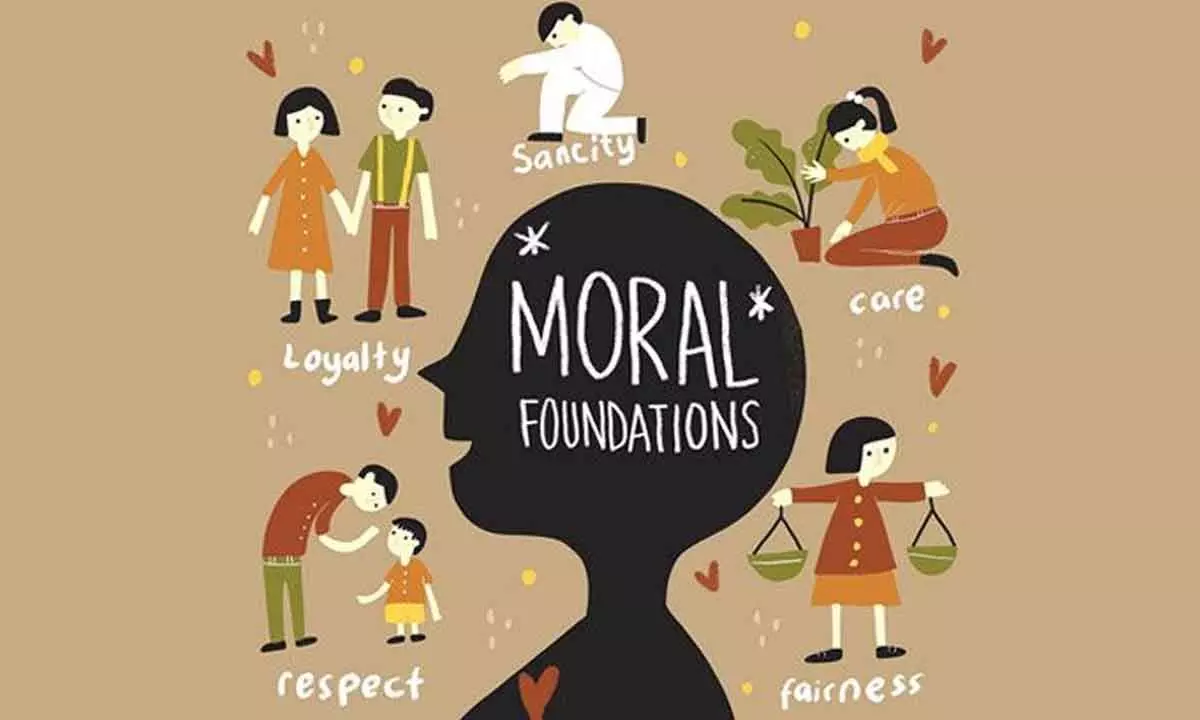
Morality refers to the principles, beliefs, and values that individuals use to determine what is right and wrong.
🔹 Key Features
- Personal and internal
- Influenced by upbringing and culture
- Based on conscience
🌱 Nature of Morality
🔹 1. Subjective
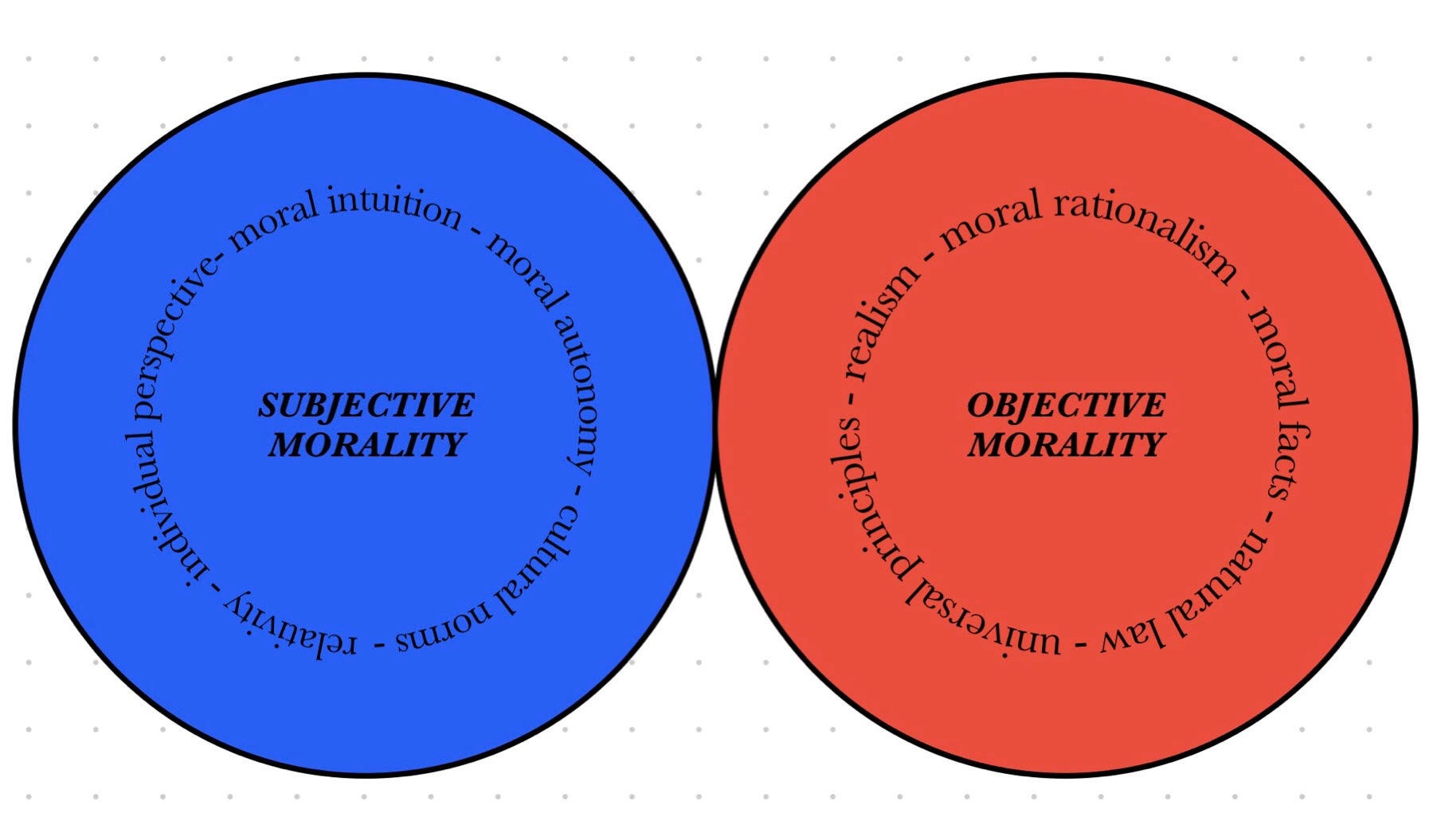


- Varies from person to person
🔹 2. Cultural

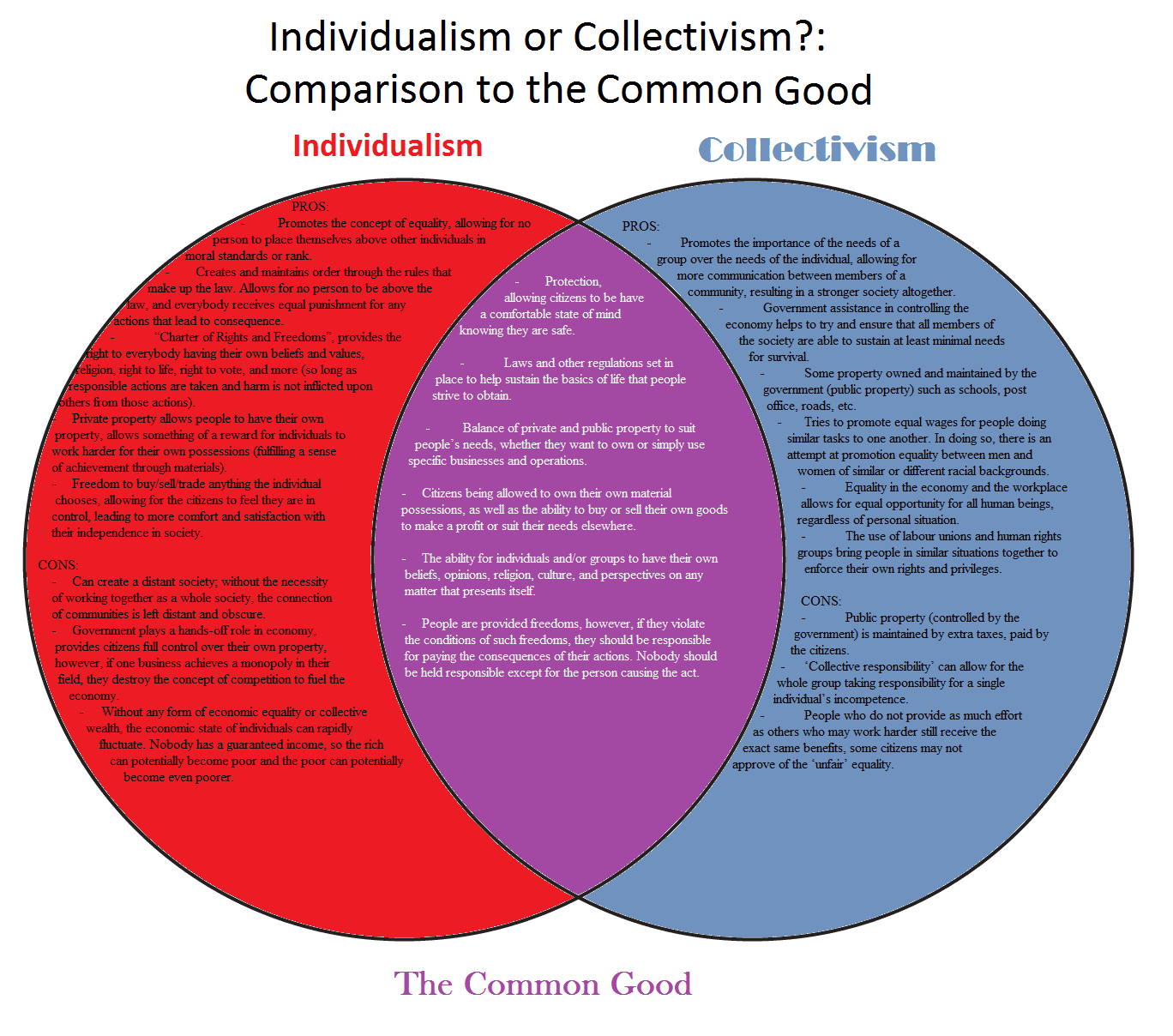
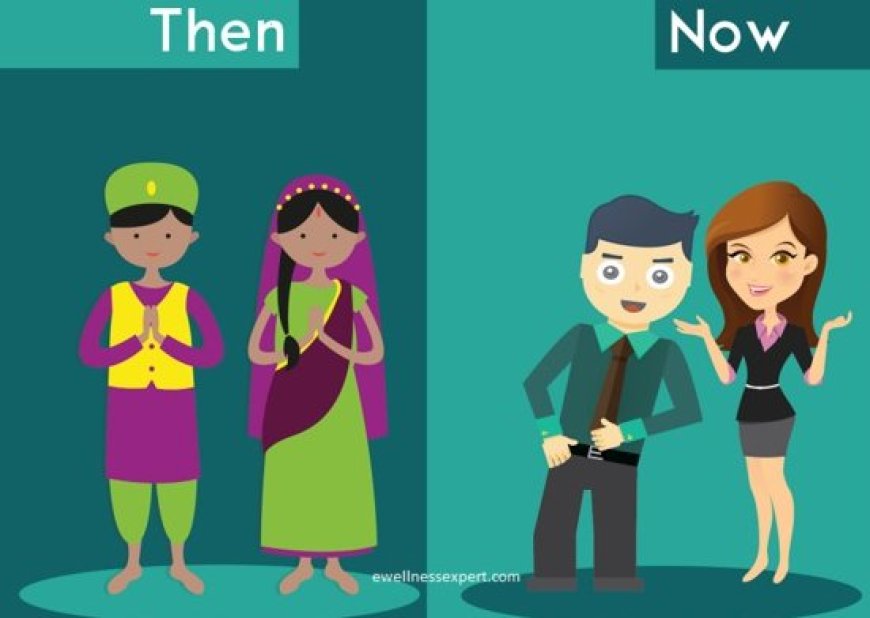
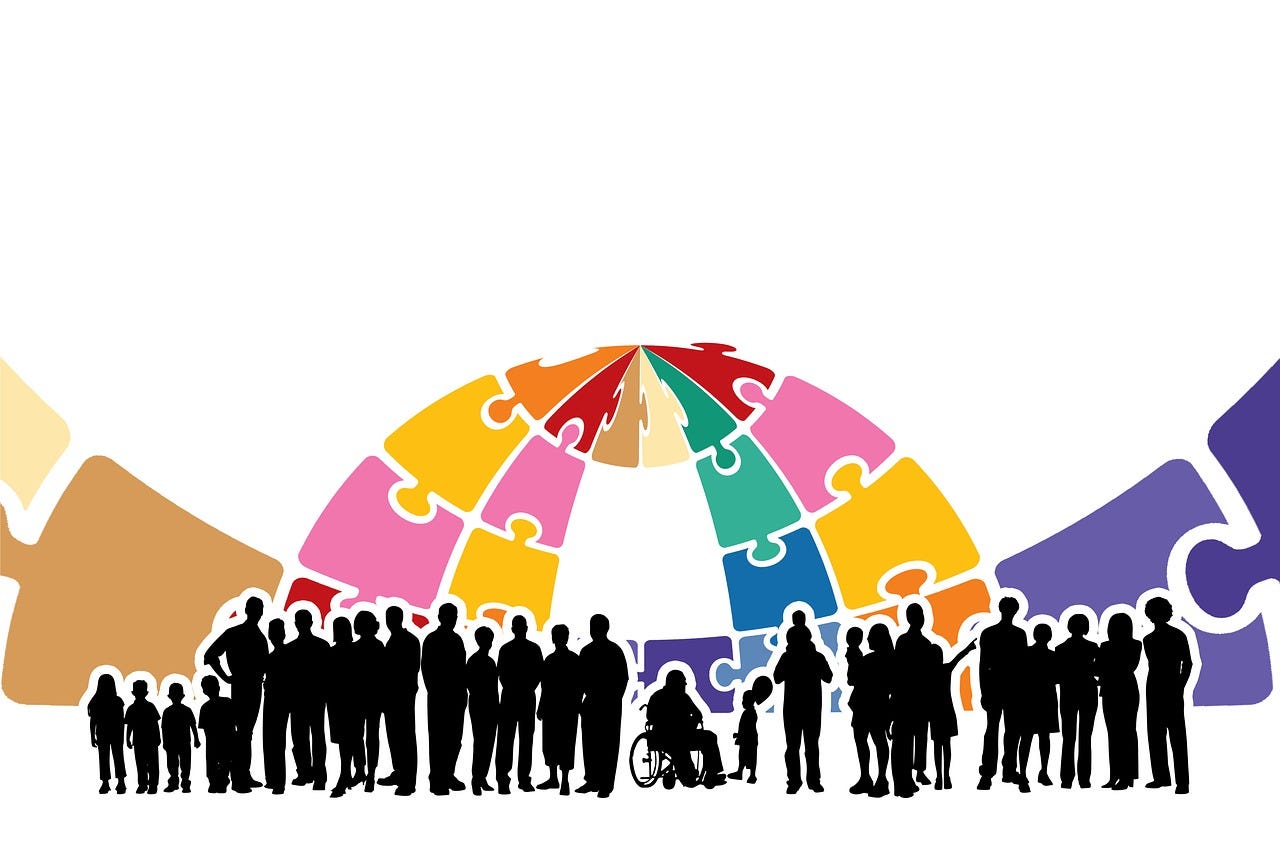
- Influenced by society
🔹 3. Emotional and Intuitive
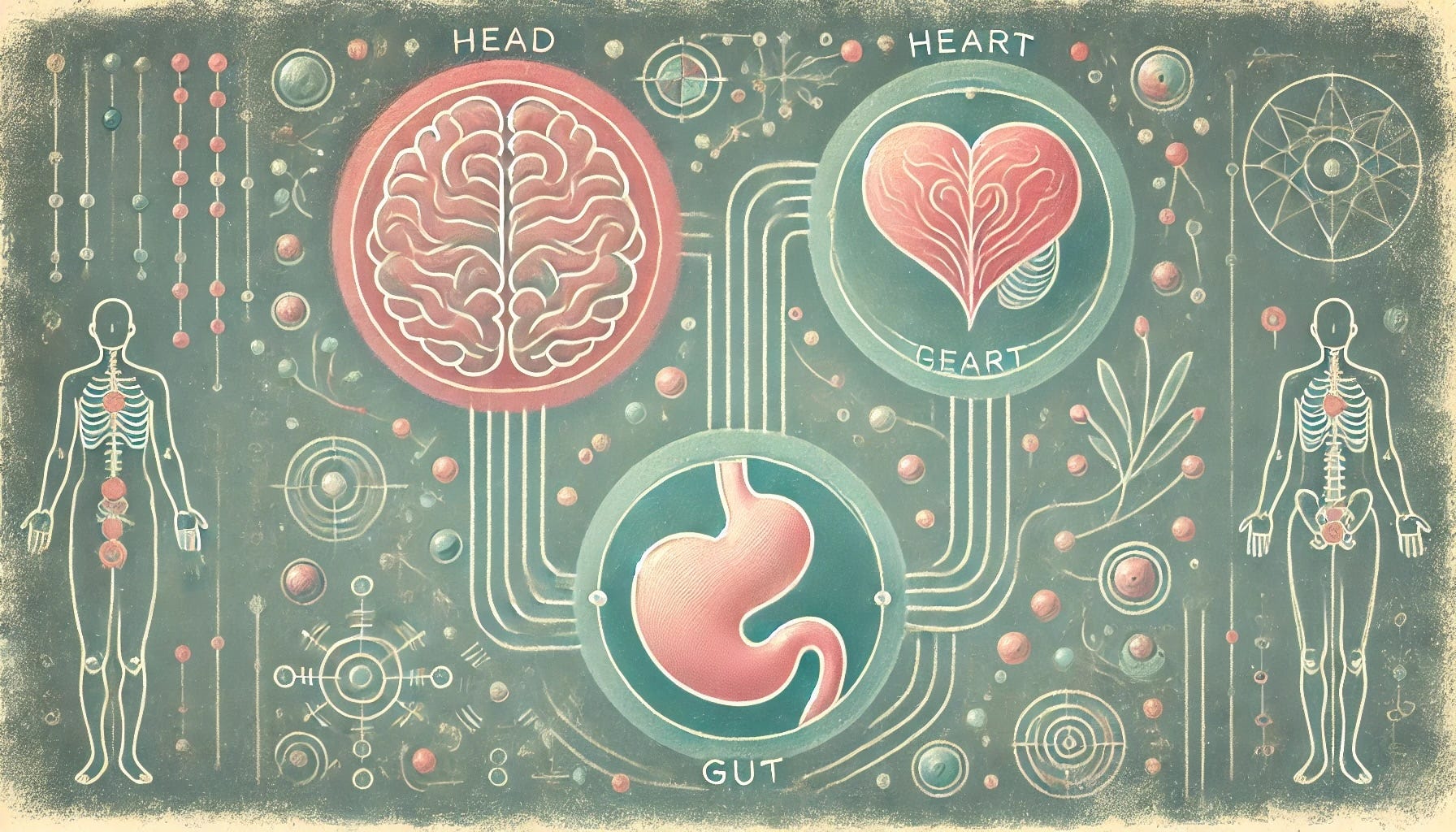


- Based on feelings
🌟 Meaning of Ethics
🔹 Definition
Ethics refers to the systematic study and application of principles that govern right and wrong behavior, often in a professional or social context.
🔹 Key Features
- Formal and structured
- Based on rules and standards
- Applied in professions
🌿 Nature of Ethics
🔹 1. Objective


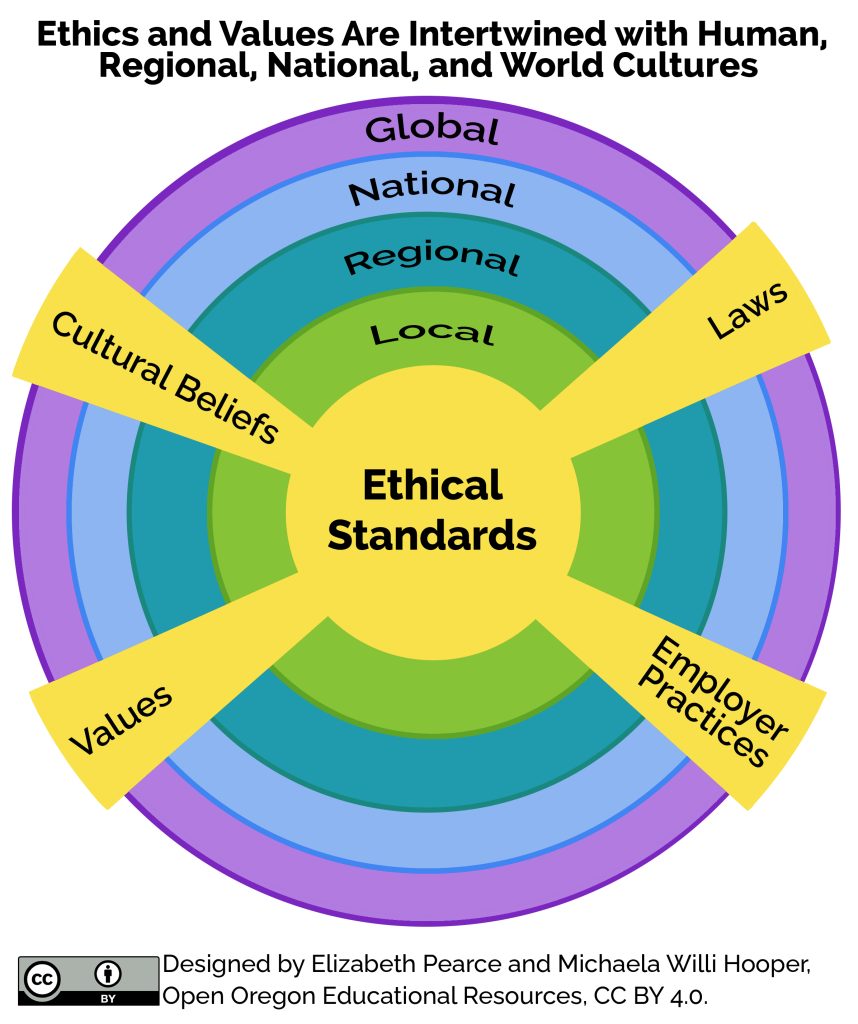
- Based on universal principles
🔹 2. Systematic


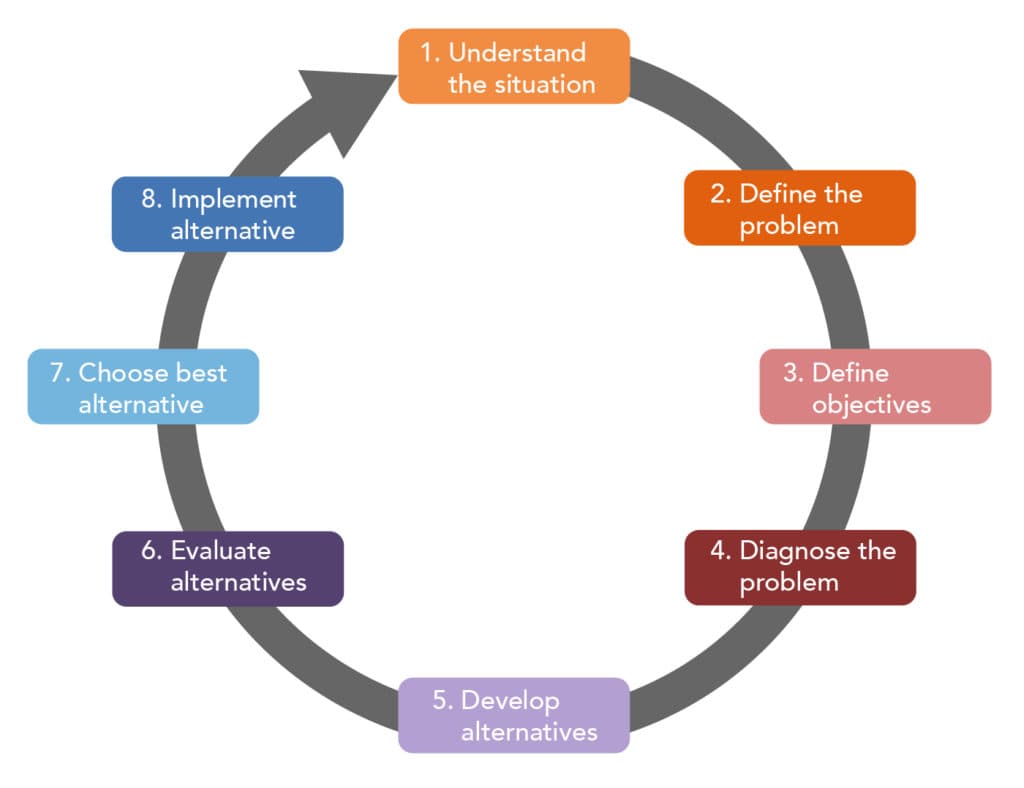
- Organized and logical
🔹 3. Professional


- Applied in workplaces
⚖️ Ethics vs Morality — Key Differences
🔹 Comparison Table
| Aspect | Morality | Ethics |
|---|---|---|
| Nature | Personal | Social/Professional |
| Source | Culture, upbringing | Rules, systems |
| Scope | Individual | Group/Organization |
| Flexibility | Flexible | More structured |
| Example | Personal beliefs | Professional codes |
🌟 Conceptual Understanding
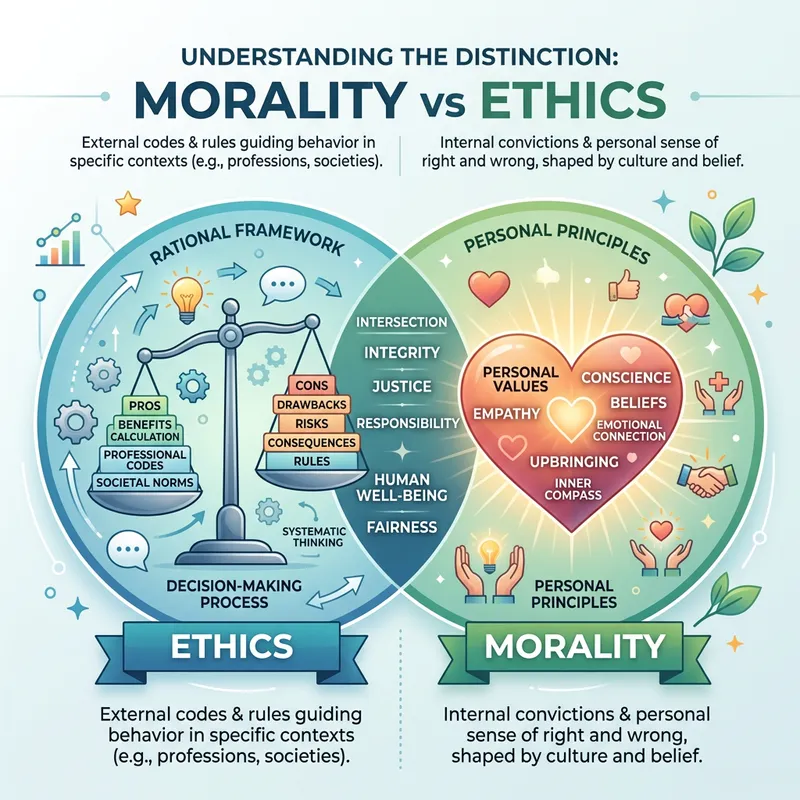


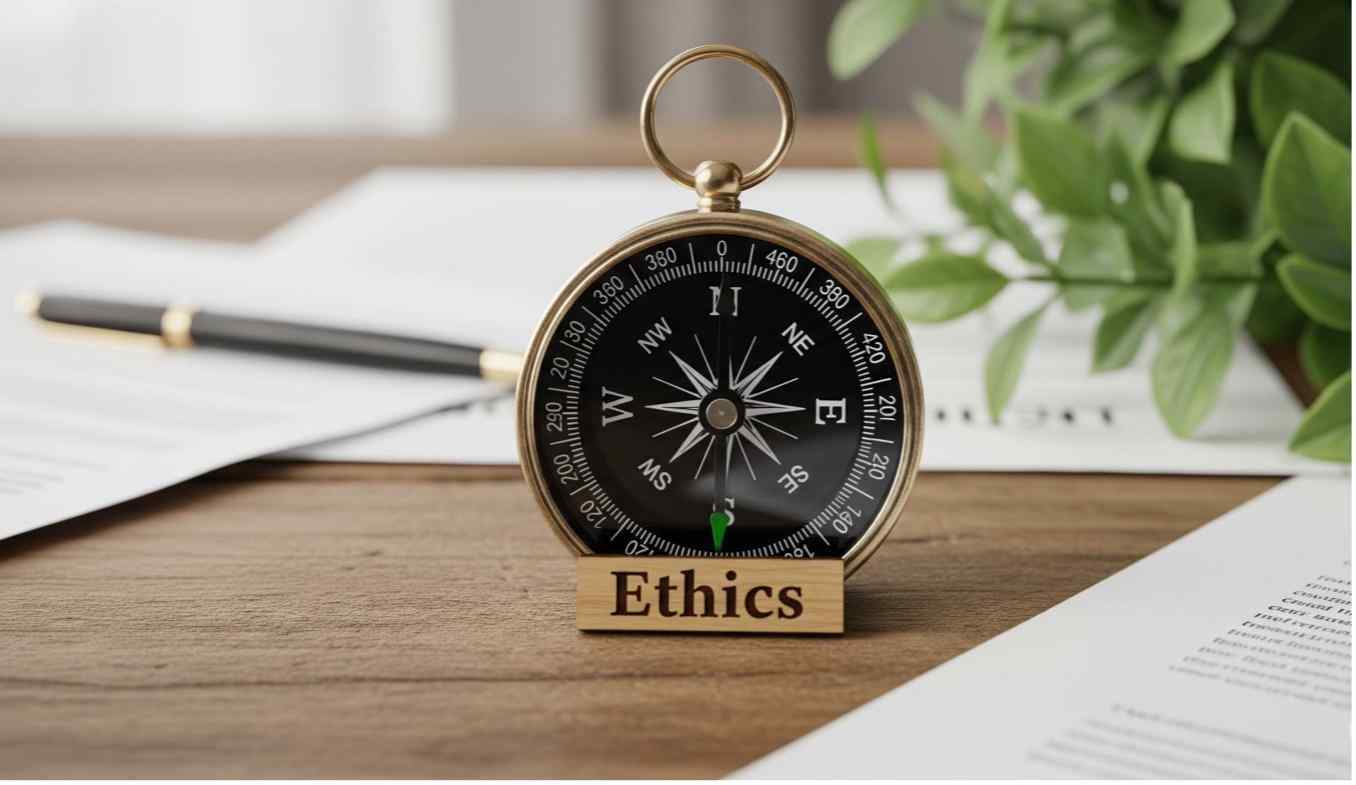
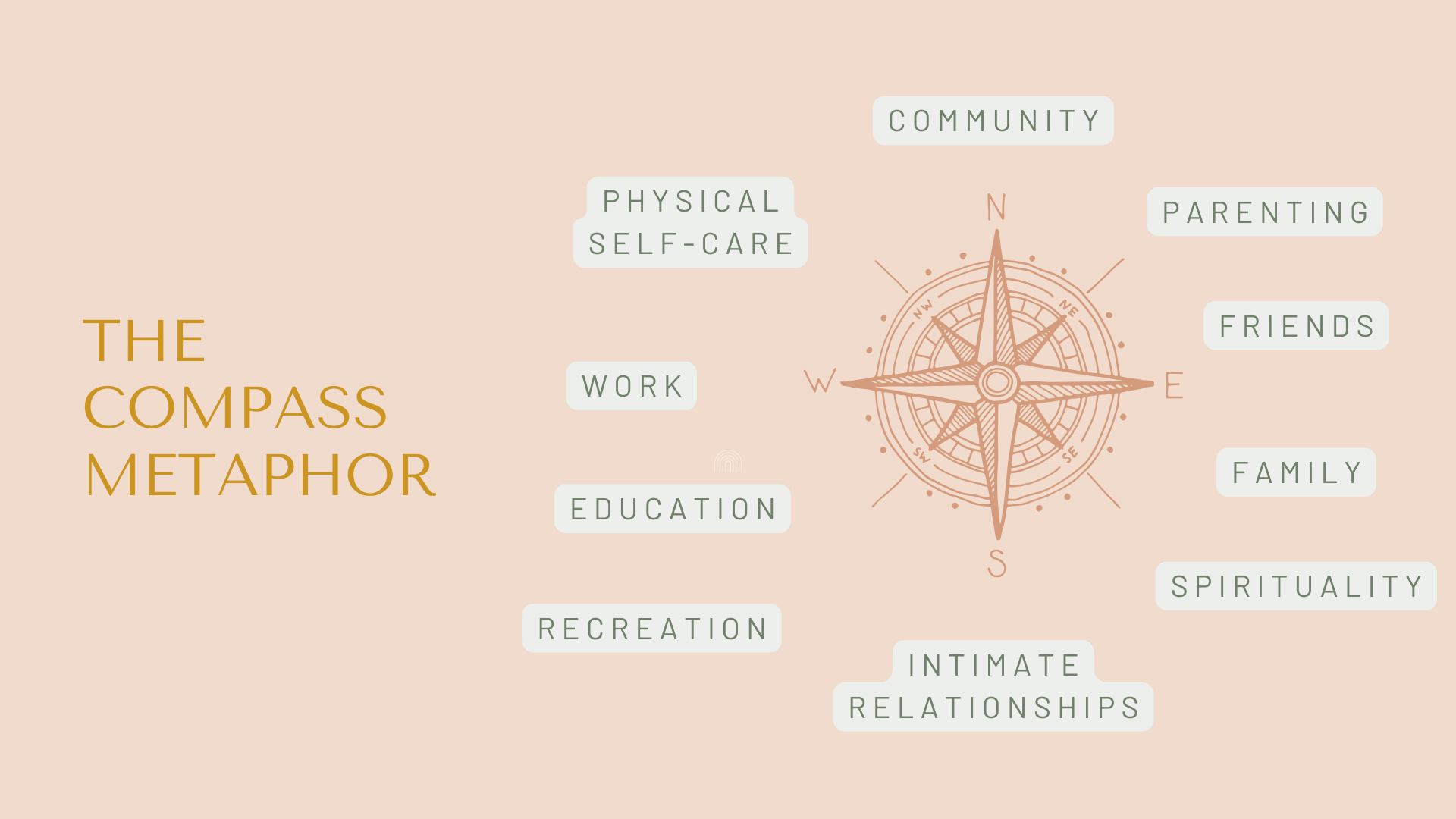
- Morality → Internal compass
- Ethics → External guidelines
🌍 Relationship Between Ethics and Morality
- Ethics often arise from moral values
- Morality influences ethical standards
- Both guide behavior
🌱 Ethical Theories
🔹 1. Utilitarianism
- Focus on greatest good
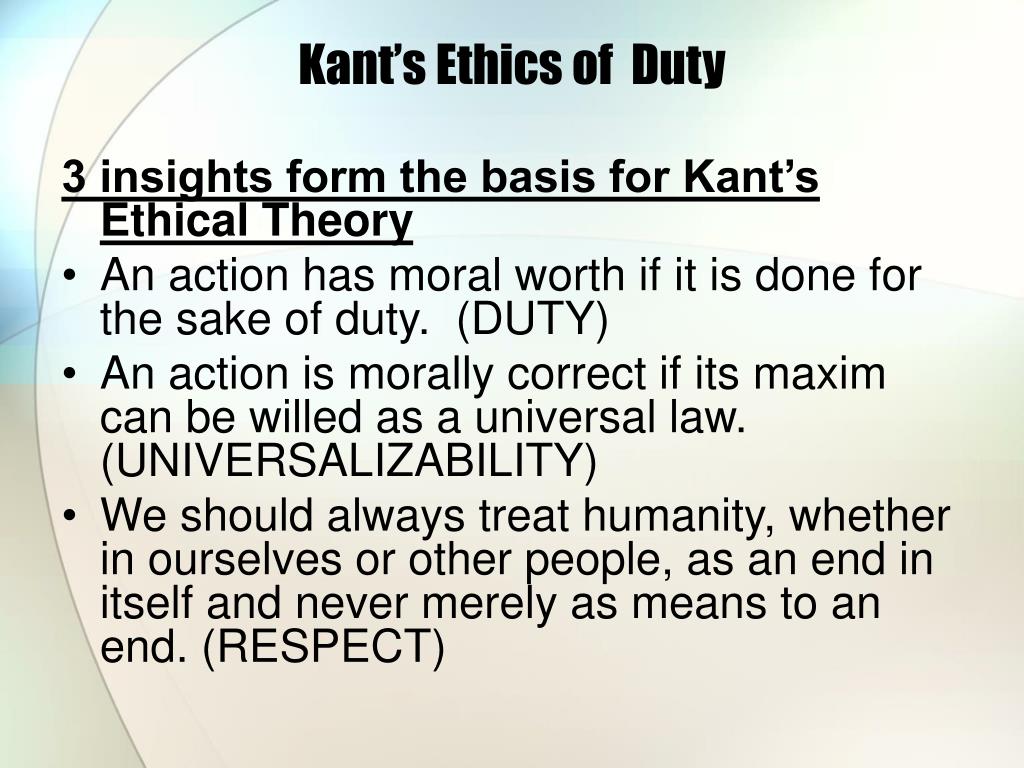
🔹 2. Deontology
- Duty-based ethics
🔹 3. Virtue Ethics
- Focus on character
🌍 Moral Development
🔹 Stages
- Childhood (learning right/wrong)
- Adolescence (questioning values)
- Adulthood (ethical reasoning)
🌱 Importance of Ethics
🔹 1. Professional Conduct
🔹 2. Social Order
🔹 3. Fairness
🔹 4. Trust
🌍 Importance of Morality
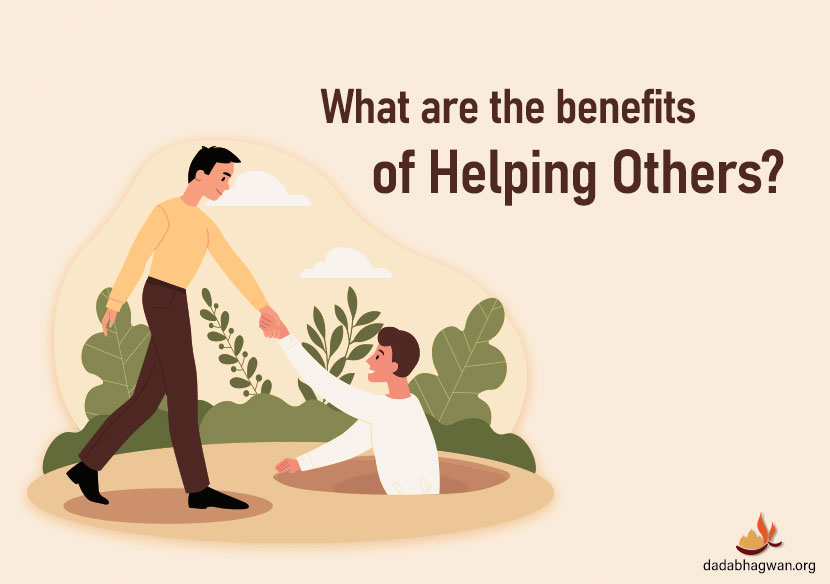
🔹 1. Personal Integrity
🔹 2. Inner Peace
🔹 3. Character Building
🌱 Ethics and Morality in Daily Life
🔹 Personal Life
- Moral decisions
🔹 Workplace
- Ethical conduct
🔹 Society
- Social norms
🌍 Challenges
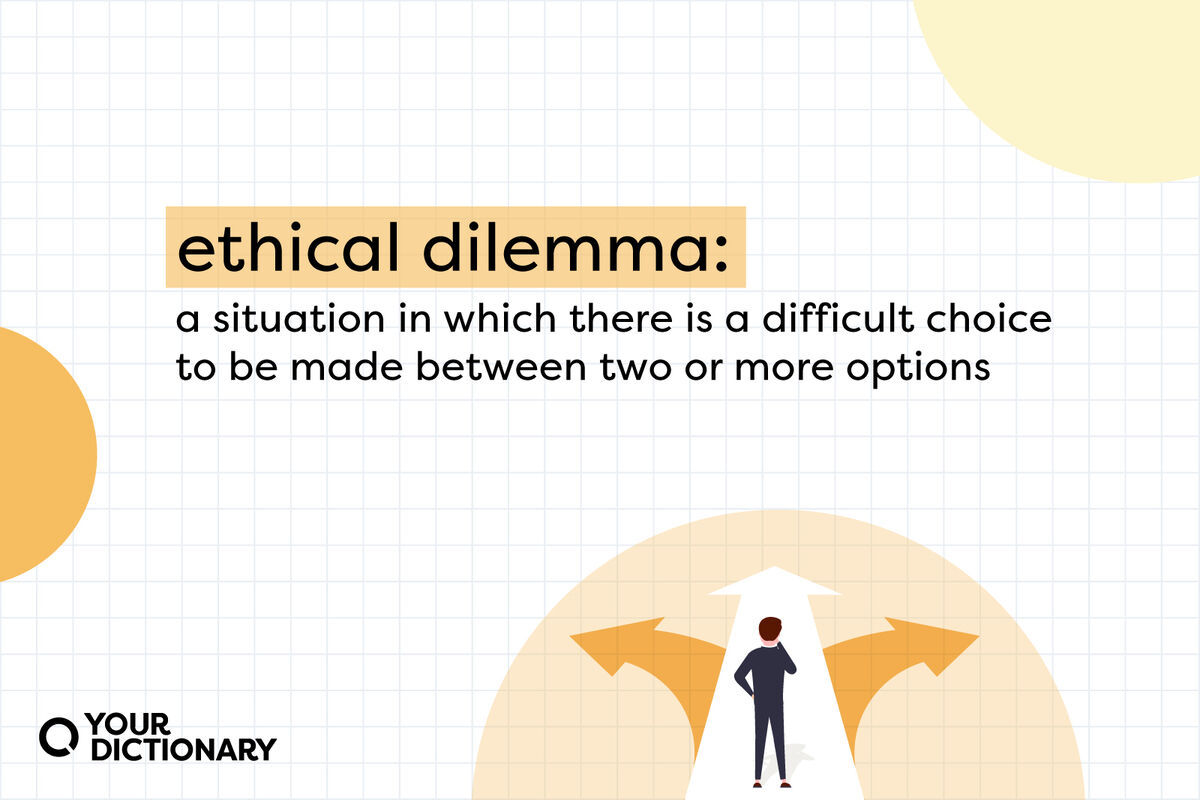
🔹 Ethical Dilemmas
🔹 Cultural Differences
🔹 Conflicts between personal and professional values
🌱 Ethics and Law
- Ethics influence laws
- Laws enforce ethical behavior
🌍 Ethics in Modern World
🔹 Technology Ethics
🔹 Environmental Ethics
🔹 Business Ethics
🌱 Practical Applications
🔹 Students
- Academic honesty
🔹 Professionals
- Workplace ethics
🔹 Citizens
- Social responsibility
🌟 Conclusion
Ethics and morality are essential for guiding human behavior and ensuring a just and harmonious society. While morality is personal and internal, ethics is structured and external. Together, they help individuals make responsible decisions, maintain integrity, and contribute positively to society.
Understanding the distinction between ethics and morality enables individuals to navigate complex situations and uphold values in both personal and professional life.