Tag Archives: Political Theory

Liberalism (Classical & Modern)


1. Introduction to Liberalism
Image
Image
Image
Image

Liberalism is one of the most influential political ideologies in the modern world, shaping governance, economics, and social structures across continents. At its core, liberalism emphasizes individual freedom, equality, rationality, and the protection of rights. The ideology emerged during the Enlightenment period in Europe, when thinkers began questioning absolute monarchy, feudal privileges, and religious authority.

The word “liberal” originates from the Latin liber, meaning “free.” Liberalism advocates that individuals should be free to pursue their own goals, provided they do not harm others. It supports limited government, rule of law, constitutionalism, and civil liberties.

Over time, liberalism evolved into two major strands:

  • Classical Liberalism – emphasizes minimal state intervention and economic freedom.
  • Modern Liberalism – supports a more active state role in ensuring social welfare and equality.

2. Historical Development of Liberalism

Image
Image
Image
Image

Liberalism emerged in response to historical transformations:

a) Enlightenment Roots

Thinkers such as John Locke argued that individuals possess natural rights—life, liberty, and property. Governments exist to protect these rights and derive authority from the consent of the governed.

b) Revolutions

Liberal ideas influenced major revolutions:

  • The American Revolution (1776)
  • The French Revolution (1789)

These movements promoted constitutional governance, democracy, and equality before law.

c) Industrial Revolution

The rise of capitalism strengthened classical liberal ideas like free markets and minimal regulation, but also exposed inequalities, which later inspired modern liberal reforms.


3. Core Principles of Liberalism

Image
Image
Image
Image

Liberalism rests on several foundational principles:

a) Individual Liberty

Freedom of thought, expression, religion, and association.

b) Equality

Equality before the law and equal opportunities.

c) Rule of Law

No one is above the law, including rulers.

d) Consent of the Governed

Government legitimacy comes from people’s consent.

e) Tolerance

Respect for diverse beliefs and lifestyles.

f) Limited Government

State power must be restricted to prevent tyranny.


4. Classical Liberalism

Image
Image
Image
Image

4.1 Meaning and Definition

Classical liberalism developed during the 17th and 18th centuries and emphasizes maximum individual freedom with minimal government interference.

4.2 Key Thinkers

  • John Locke – Natural rights and social contract
  • Adam Smith – Free market economy and “invisible hand”
  • Jeremy Bentham – Utilitarianism
  • J.S. Mill – Liberty and individual autonomy

4.3 Core Features

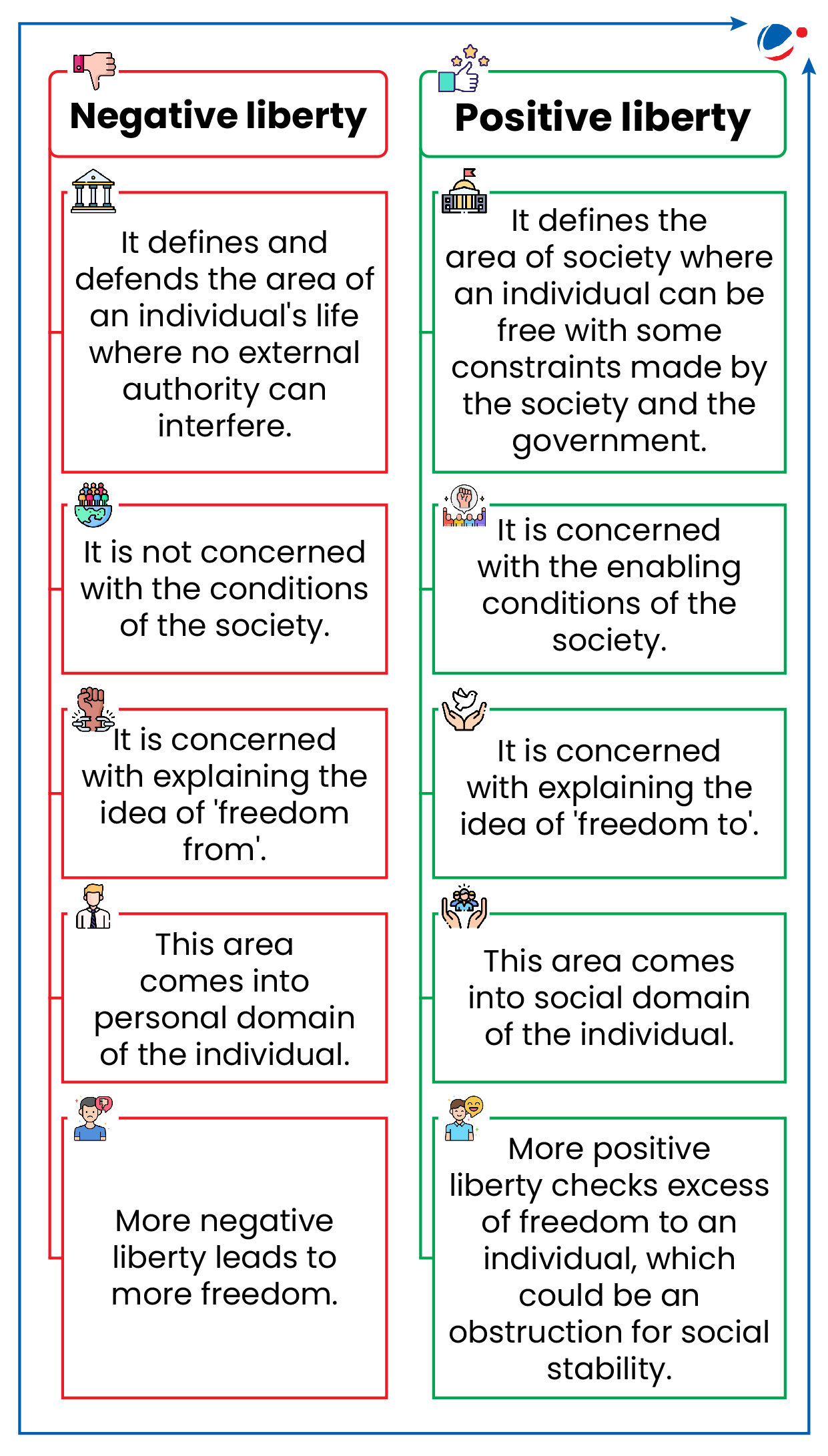
a) Negative Liberty

Freedom from interference.

b) Laissez-faire Economy

Government should not interfere in economic activities.

c) Private Property

Essential for individual freedom and economic growth.

d) Limited State

State functions limited to:

  • Defense
  • Law and order
  • Protection of property

4.4 Economic Ideas

Classical liberals believe:

  • Markets regulate themselves
  • Competition leads to efficiency
  • State intervention distorts economic outcomes

4.5 Political Ideas

  • Constitutional government
  • Representative democracy (initially limited suffrage)
  • Protection of civil liberties

4.6 Criticism of Classical Liberalism

  • Ignores social inequality
  • Leads to exploitation during industrialization
  • Weak protection for vulnerable groups

5. Modern Liberalism

Image
Image
Image
Image

5.1 Meaning and Evolution

Modern liberalism emerged in the late 19th and early 20th centuries as a response to the failures of classical liberalism, especially social and economic inequalities.

5.2 Key Thinkers

  • T.H. Green – Positive liberty
  • L.T. Hobhouse – Social liberalism
  • John Maynard Keynes – Government role in economy
  • John Rawls – Theory of justice

5.3 Core Features

a) Positive Liberty

Freedom to achieve one’s potential.

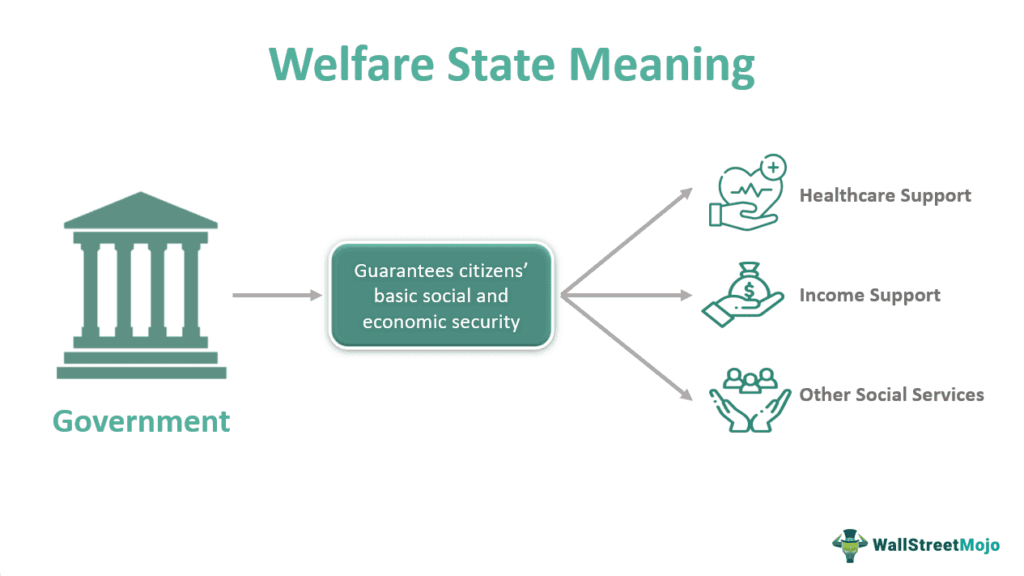
b) Welfare State

Government provides:

  • Education
  • Healthcare
  • Social security

c) Economic Regulation

State intervenes to correct market failures.

d) Social Justice

Focus on reducing inequality.

5.4 Role of the State

Modern liberalism supports:

  • Active government
  • Redistribution of wealth
  • Protection of disadvantaged groups

5.5 Economic Ideas

  • Mixed economy
  • Regulation of industries
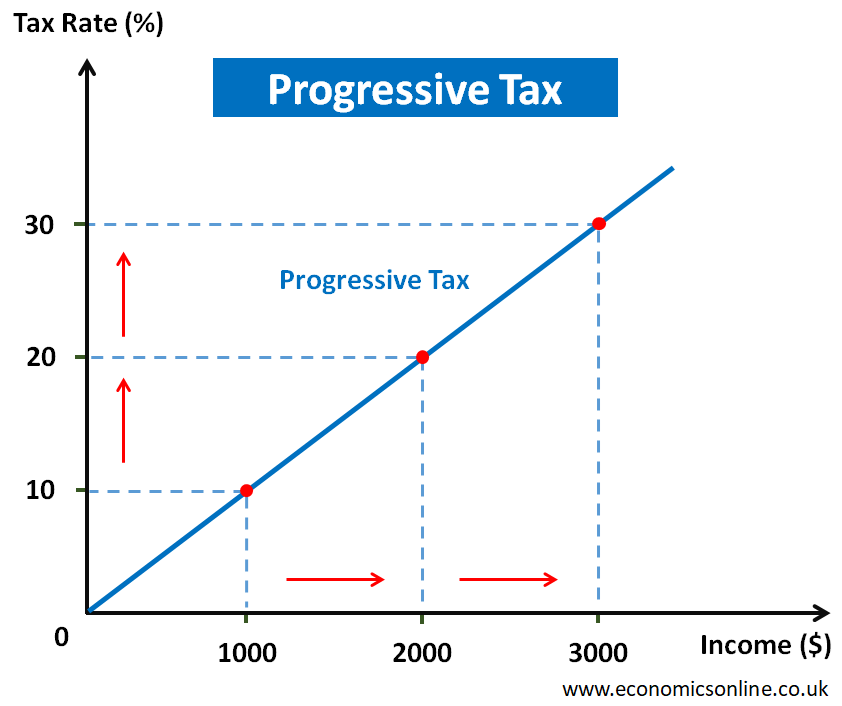
  • Progressive taxation

5.6 Political Ideas

  • Universal suffrage
  • Human rights protection
  • Inclusive democracy

5.7 Criticism of Modern Liberalism

  • Too much state control
  • High taxation
  • Bureaucracy and inefficiency

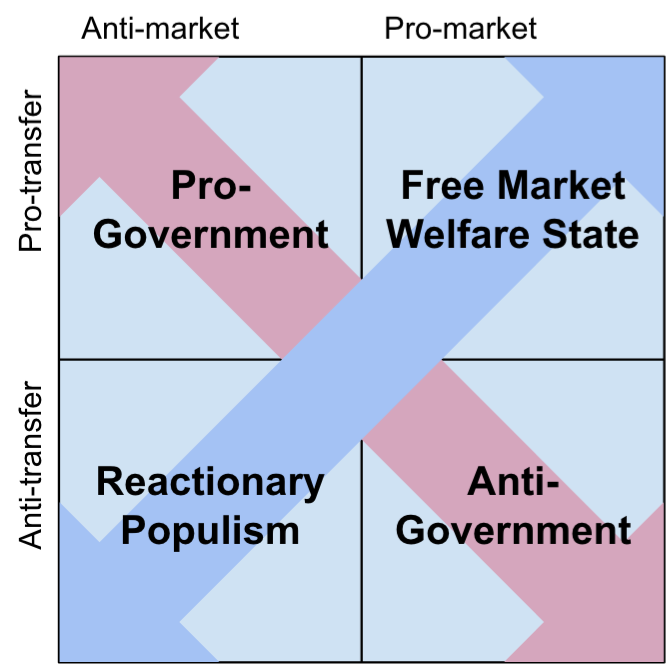
6. Classical vs Modern Liberalism
Image
Image
Image
Image
AspectClassical LiberalismModern Liberalism
LibertyNegative libertyPositive liberty
State RoleMinimalActive
EconomyFree marketMixed economy
EqualityLegal equalitySocial & economic equality
WelfareNot emphasizedStrongly emphasized

7. Liberalism in Practice

Image
Image
Image
Image

Liberalism has shaped modern political systems:

a) Democratic Governance

Most democracies follow liberal principles.

b) Human Rights

Universal Declaration of Human Rights reflects liberal values.

c) Economic Systems

Countries adopt varying mixes of capitalism and regulation.

d) Global Influence

Institutions like international organizations promote liberal norms.


8. Contemporary Relevance

Image
Image
Image
Image

Modern liberalism addresses new challenges:

  • Digital freedom and privacy
  • Environmental protection
  • Gender and minority rights
  • Global inequality

9. Conclusion

Liberalism remains a dynamic and evolving ideology. While classical liberalism laid the foundation for freedom and economic growth, modern liberalism expanded its scope to include social justice and welfare. Together, they form the backbone of contemporary democratic societies.

The balance between individual freedom and social responsibility continues to define debates within liberalism, making it one of the most adaptable and enduring political ideologies.

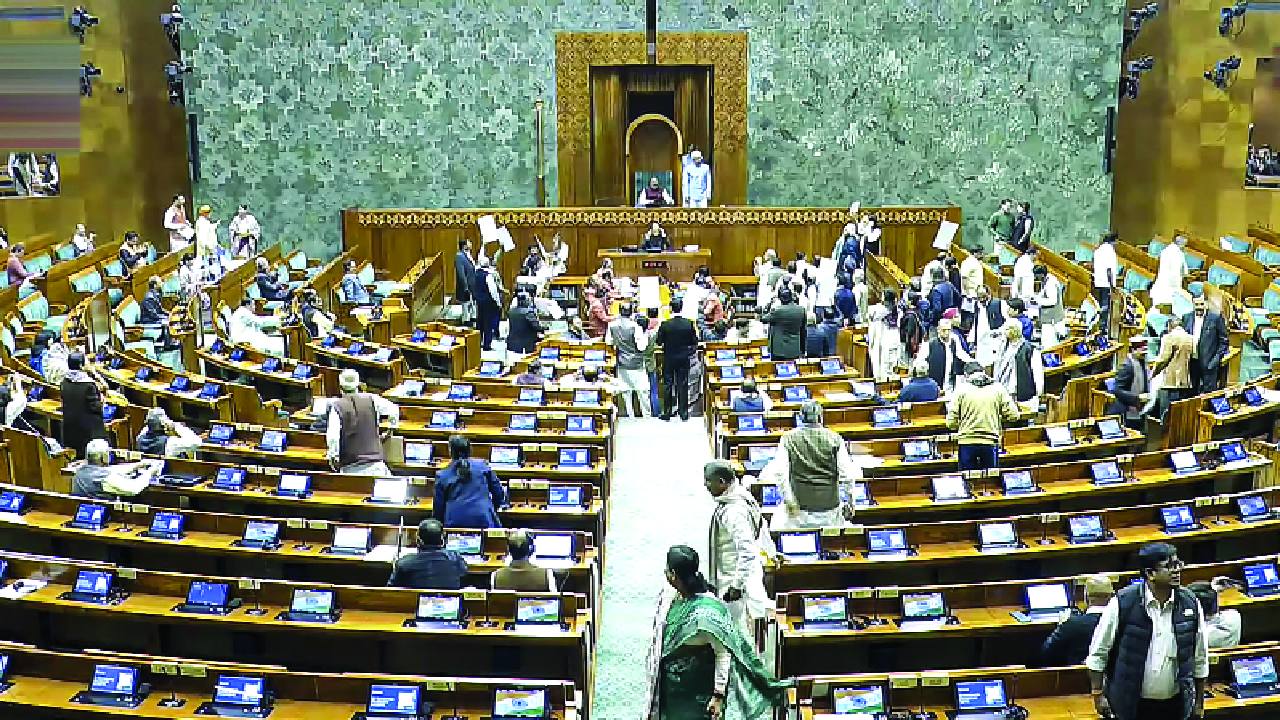
🗳️ Democracy: Types and Principles (Comprehensive Explanation)


🌍 Visual Overview: Democracy in Practice

Image
Image
Image
Image

📘 1. Introduction to Democracy

Democracy is one of the most influential and widely practiced systems of government in the modern world. It represents a political arrangement where power ultimately rests with the people, either directly or through their elected representatives.

The term democracy is derived from the Greek words demos (people) and kratos (power), meaning “rule of the people.” Over centuries, democracy has evolved from small city-state participation to complex modern systems involving millions of citizens.

Democracy is not just a form of government; it is also a way of life, a set of values, and a system of governance based on participation, equality, and accountability.


🧠 2. Meaning and Definitions of Democracy

📌 Basic Meaning

Democracy refers to a system of government in which people have the authority to choose their leaders and influence decision-making.


🧾 Definitions

  • Abraham Lincoln:
    “Government of the people, by the people, for the people.”
  • Joseph Schumpeter:
    Democracy is a system where leaders are selected through competitive elections.
  • Robert Dahl:
    Democracy is characterized by political equality and participation.

🔑 Key Features of Democracy

  • Popular sovereignty
  • Political equality
  • Rule of law
  • Free and fair elections
  • Protection of rights

⚖️ 3. Types of Democracy

Democracy can be classified into several types based on how people exercise their power.


🟢 3.1 Direct Democracy

📌 Meaning

Direct democracy is a system where citizens directly participate in decision-making without intermediaries.

🌍 Visual Representation

Image
Image
Image
Image

🧩 Features

  • Direct participation
  • No representatives
  • Immediate decision-making

📊 Examples

  • Ancient Athens
  • Referendums
  • Initiatives and recalls

✅ Advantages

  • High participation
  • Transparency
  • Accountability

⚠️ Disadvantages

  • Impractical in large societies
  • Time-consuming
  • Risk of uninformed decisions

🔵 3.2 Representative Democracy

📌 Meaning

Citizens elect representatives who make decisions on their behalf.


🌍 Visual Representation

Image
Image
Image
Image

🧩 Features

  • Indirect participation
  • Elected representatives
  • Structured governance

📊 Examples

  • India
  • United States
  • United Kingdom

✅ Advantages

  • Efficient
  • Suitable for large populations
  • Professional decision-making

⚠️ Disadvantages

  • Risk of corruption
  • Gap between leaders and people
  • Limited direct participation

🟣 3.3 Liberal Democracy

📌 Meaning

A form of democracy that emphasizes individual rights, rule of law, and limited government.


🧩 Features

  • Protection of fundamental rights
  • Independent judiciary
  • Free media

📊 Examples

  • Western democracies

🔴 3.4 Illiberal Democracy

📌 Meaning

Elections exist, but civil liberties and rights are restricted.


🧩 Features

  • Weak rule of law
  • Limited freedoms

🟡 3.5 Participatory Democracy

📌 Meaning

Encourages active involvement of citizens beyond voting.


🧩 Features

  • Public consultations
  • Local governance participation

3.6 Deliberative Democracy

📌 Meaning

Focuses on discussion and reasoning before decision-making.


🧩 Features

  • Public debate
  • Rational discourse

⚖️ 4. Principles of Democracy


🟢 4.1 Popular Sovereignty

📌 Meaning

Ultimate authority lies with the people.


🌍 Visual

Image
Image
Image
Image


🔵 4.2 Political Equality

  • Equal voting rights
  • Equal opportunity to participate

🟣 4.3 Rule of Law

  • Law applies equally to all
  • No arbitrary power

🔴 4.4 Protection of Rights

  • Freedom of speech
  • Freedom of religion

🟡 4.5 Free and Fair Elections

  • Transparent process
  • Independent election bodies

4.6 Accountability and Transparency

  • Government answerable to people
  • Open governance

4.7 Separation of Powers

  • Legislature, Executive, Judiciary

🧩 4.8 Majority Rule with Minority Rights

  • Decisions by majority
  • Protection of minorities

🔗 5. Democracy and Other Concepts

⚖️ Democracy and Liberty

  • Ensures freedom

⚖️ Democracy and Equality

  • Promotes equal participation

⚖️ Democracy and Justice

  • Ensures fairness

🌍 6. Merits of Democracy

  • Protects rights
  • Encourages participation
  • Promotes accountability
  • Peaceful conflict resolution

⚠️ 7. Demerits of Democracy

  • Slow decision-making
  • Influence of money and media
  • Political instability
  • Populism

🌐 8. Democracy in Modern World

📱 Digital Democracy

  • Online participation

🌍 Global Democracy

  • International cooperation

🧑‍🤝‍🧑 Inclusive Democracy

  • Gender and minority inclusion

⚠️ 9. Challenges to Democracy

  • Corruption
  • Misinformation
  • Voter apathy
  • Authoritarian tendencies

🧠 10. Importance of Democracy

  • Ensures freedom
  • Promotes development
  • Protects rights
  • Enhances stability

🧾 11. Conclusion

Democracy is a dynamic and evolving system that balances power, participation, and accountability. Its various forms—from direct to representative—highlight its adaptability to different societies.

The principles of democracy ensure that governance remains fair, inclusive, and responsive. Despite challenges, democracy continues to be the most preferred system for ensuring human dignity and political freedom.


⚖️ Rights and Duties in Political Science (Comprehensive Explanation)


🌍 Visual Overview: Rights and Duties in Society

Image
Image
Image
Image

📘 1. Introduction to Rights and Duties

Rights and duties are two sides of the same coin in political theory. They form the foundation of a well-ordered society and democratic governance. While rights empower individuals, duties ensure that individuals act responsibly and respect the rights of others.

A society that emphasizes only rights without duties may lead to chaos, while a society that stresses duties without rights may become oppressive. Therefore, a balance between rights and duties is essential for maintaining harmony, justice, and order.


🧠 2. Meaning and Definitions of Rights

📌 Meaning

Rights are claims or entitlements that individuals possess and that are recognized and protected by society and the state.


🧾 Definitions

  • Harold J. Laski:
    Rights are those conditions of social life without which no man can seek to be his best self.
  • T.H. Green:
    Rights are powers necessary for the fulfillment of human personality.
  • John Locke:
    Individuals possess natural rights to life, liberty, and property.

🔑 Key Features of Rights

  • Social recognition
  • Legal protection
  • Universal in nature
  • Dynamic and evolving
  • Linked with duties

🧱 3. Types of Rights


🟢 3.1 Natural Rights

📌 Meaning

Rights that are inherent and exist by virtue of being human.

📊 Examples

  • Right to life
  • Right to liberty

🔵 3.2 Legal Rights

📌 Meaning

Rights granted and protected by the state through laws.

📊 Examples

  • Right to vote
  • Right to property

🟣 3.3 Fundamental Rights

📌 Meaning

Basic rights guaranteed by the constitution.

📊 Examples

  • Freedom of speech
  • Equality before law

🔴 3.4 Political Rights

📌 Meaning

Rights that enable participation in political processes.

📊 Examples

  • Voting
  • Contesting elections

🟡 3.5 Economic Rights

📌 Meaning

Rights related to economic well-being.

📊 Examples

  • Right to work
  • Fair wages

🟤 3.6 Social and Cultural Rights

📌 Meaning

Rights ensuring social welfare and cultural identity.

📊 Examples

  • Right to education
  • Right to culture

🌍 Visual Representation of Rights

Image
Image
Image
Image

⚖️ 4. Meaning and Definitions of Duties

📌 Meaning

Duties are obligations or responsibilities that individuals are expected to fulfill towards society and the state.


🧾 Definitions

  • Harold J. Laski:
    Duties are obligations that correspond to rights.
  • Mahatma Gandhi:
    The true source of rights is duty. If we perform our duties, rights will follow.

🔑 Key Features of Duties

  • Moral and legal obligations
  • Promote social order
  • Complement rights
  • Essential for democracy

🧩 5. Types of Duties


🟢 5.1 Moral Duties

📌 Meaning

Duties based on ethical principles.

📊 Examples

  • Helping others
  • Respecting elders

🔵 5.2 Legal Duties

📌 Meaning

Duties enforced by law.

📊 Examples

  • Paying taxes
  • Obeying laws

🟣 5.3 Civic Duties

📌 Meaning

Duties of citizens in a democracy.

📊 Examples

  • Voting
  • Participating in public life

🔴 5.4 Fundamental Duties

📌 Meaning

Duties mentioned in the constitution (in some countries like India).

📊 Examples

  • Respecting the constitution
  • Protecting the environment

🌍 Visual Representation of Duties

Image
Image
Image
Image

🔗 6. Relationship Between Rights and Duties

Image
Image
Image
Image

📌 Key Idea

👉 Every right implies a corresponding duty


🧩 Examples

  • Right to freedom → Duty to respect others’ freedom
  • Right to education → Duty to learn and contribute
  • Right to vote → Duty to vote responsibly

⚖️ Interdependence

RightsDuties
ClaimsObligations
FreedomResponsibility
Individual focusSocial focus

🏛️ 7. Rights and Duties in Democracy

🟢 Importance of Rights

  • Protect individual freedom
  • Ensure equality
  • Promote participation

🔵 Importance of Duties

  • Maintain order
  • Promote responsibility
  • Strengthen democracy

🌍 8. Evolution of Rights and Duties

🏺 Ancient Period

  • Focus on duties (e.g., in traditional societies)

🏰 Medieval Period

  • Limited rights

👑 Modern Period

  • Rise of rights (liberalism)

🌐 Contemporary Period

  • Balance of rights and duties

⚖️ 9. Theories of Rights

🧠 Natural Rights Theory

  • John Locke

🧠 Legal Theory

  • Rights created by law

🧠 Idealist Theory

  • T.H. Green

🧠 Marxist Theory

  • Karl Marx

⚠️ 10. Limitations of Rights

  • Not absolute
  • Subject to restrictions
  • Depend on social conditions

⚠️ 11. Challenges in Modern Society

  • Misuse of rights
  • Lack of awareness
  • Conflict between rights
  • Neglect of duties

🌐 12. Rights and Duties in Global Context

📱 Digital Rights

  • Privacy
  • Freedom of expression

🌍 Human Rights

  • Universal rights

🌱 Environmental Duties

  • Protecting nature

🧠 13. Importance of Rights and Duties

  • Maintain social balance
  • Promote justice
  • Ensure stability
  • Encourage responsible citizenship

🧾 14. Measures to Promote Awareness

  • Education
  • Legal enforcement
  • Public campaigns
  • Civic participation

🧠 15. Conclusion

Rights and duties are essential for a just, democratic, and harmonious society. While rights empower individuals, duties ensure that society functions smoothly. A proper balance between the two leads to a stable and progressive political system.

A responsible citizen not only demands rights but also fulfills duties, contributing to the overall development of society.


⚖️ Justice in Political Science (Distributive, Social, and Rawls’ Theory – Comprehensive Explanation)


🌍 Visual Overview: Justice in Society

Image
Image
Image
Image

📘 1. Introduction to Justice

Justice is one of the most central and enduring concepts in political philosophy, closely linked with fairness, morality, equality, and rights. It concerns how individuals are treated within society, how benefits and burdens are distributed, and how institutions should operate to ensure fairness.

From ancient times to modern political theory, thinkers have debated what constitutes justice and how it can be achieved. Justice is not only a philosophical idea but also a practical principle guiding laws, governance, and public policies.

🧠 2. Meaning and Definitions of Justice

📌 Basic Meaning

Justice refers to fairness in the treatment of individuals and the distribution of resources, rights, and responsibilities in society.


🧾 Classical Definitions

  • Aristotle:
    Justice means giving each person what they deserve.
  • Plato:
    Justice is harmony in society where each part performs its proper function.
  • John Rawls:
    Justice is fairness, achieved through equal basic rights and fair distribution.

🔑 Key Features of Justice

  • Fairness and impartiality
  • Equality and equity
  • Protection of rights
  • Moral and legal dimensions

⚖️ 3. Types of Justice

Justice is broadly divided into different categories, but the most important ones in political science are:

  • Distributive Justice
  • Social Justice
  • Procedural Justice (brief mention)
  • Corrective Justice (brief mention)

🟢 4. Distributive Justice

📌 Meaning

Distributive justice deals with the fair allocation of resources, wealth, opportunities, and benefits among members of society.


🧩 Principles of Distribution

1. Equality

  • Equal share for all

2. Equity (Merit-based)

  • Based on contribution or ability

3. Need

  • Based on individual needs

🌍 Visual Representation

Image
Image
Image
Image

🧠 Thinkers and Approaches

  • Aristotle → Proportional equality
  • Karl Marx → Distribution based on need
  • John Rawls → Fair distribution

📊 Examples

  • Taxation policies
  • Welfare schemes
  • Subsidies and public services

⚠️ Challenges

  • Measuring fairness
  • Balancing equality and efficiency
  • Economic disparities

🔵 5. Social Justice

📌 Meaning

Social justice refers to the creation of a fair and inclusive society where all individuals have equal rights, opportunities, and access to resources.


🧩 Key Components

1. Equality of Opportunity

  • Everyone gets a fair chance

2. Protection of Rights

  • Civil, political, and human rights

3. Elimination of Discrimination

  • Based on caste, gender, race

4. Welfare and Support

  • Assistance to disadvantaged groups

🌍 Visual Representation

Image
Image
Image
Image

📊 Examples

  • Reservation/affirmative action
  • Anti-discrimination laws
  • Social welfare programs

⚠️ Challenges

  • Deep-rooted inequalities
  • Social prejudices
  • Resource limitations

🟣 6. Rawls’ Theory of Justice (Justice as Fairness)

👤 About John Rawls

Image
Image
Image
Image

John Rawls (1921–2002) is one of the most influential modern political philosophers. His theory, presented in A Theory of Justice, revolutionized the understanding of justice.


📌 Core Idea

👉 Justice should be based on fairness, ensuring that social arrangements benefit everyone, especially the least advantaged.


🧩 Key Concepts in Rawls’ Theory


🎭 1. Original Position

  • Hypothetical situation where individuals decide principles of justice

🕶️ 2. Veil of Ignorance

  • People do not know their:
    • Social status
    • Wealth
    • Abilities
    • Gender

👉 Ensures impartial decision-making


🌍 Visual Representation

Image
Image
Image
Image

⚖️ 3. Two Principles of Justice

🟢 First Principle: Equal Basic Liberties

  • Equal rights for all
  • Freedom of speech, religion

🔵 Second Principle: Difference Principle

  • Inequalities are allowed only if:
    • They benefit the least advantaged
    • There is equal opportunity

📊 Example

  • Higher salaries for skilled workers are acceptable
    👉 Only if they improve overall welfare

🔍 Importance of Rawls’ Theory

  • Balances liberty and equality
  • Supports welfare policies
  • Influences modern democracies

⚠️ Criticism of Rawls

  • Robert Nozick → Too much redistribution
  • Marxists → Not radical enough
  • Communitarians → Ignores social context

🔗 7. Relationship Between Distributive and Social Justice

Image
Image
Image
Image
  • Distributive justice → Focus on resources
  • Social justice → Focus on society as a whole

👉 Both are interconnected and essential


⚖️ 8. Justice vs Equality vs Liberty

  • Justice ensures fairness
  • Equality ensures equal treatment
  • Liberty ensures freedom

👉 A balanced system integrates all three


🌍 9. Justice in Modern Context

📱 Digital Justice

  • Access to technology

🌐 Global Justice

  • Fair distribution between nations

🧑‍🤝‍🧑 Environmental Justice

  • Fair use of resources

⚠️ 10. Challenges to Justice

  • Economic inequality
  • Social discrimination
  • Political corruption
  • Global disparities

🧠 11. Importance of Justice

  • Maintains social order
  • Promotes fairness
  • Protects rights
  • Enhances stability

🧾 12. Measures to Achieve Justice

  • Legal frameworks
  • Welfare policies
  • Education and awareness
  • Democratic governance

🧠 13. Conclusion

Justice is the foundation of a fair and stable society. Distributive justice ensures fair allocation of resources, social justice promotes equality and inclusion, and Rawls’ theory provides a modern framework for fairness.

A just society balances liberty, equality, and fairness, ensuring that every individual can live with dignity and opportunity.


🕊️ Liberty in Political Science (Positive vs Negative Liberty – Comprehensive Explanation)


🌍 Visual Overview: Freedom and Liberty in Society

Image
Image
Image
Image

📘 1. Introduction to Liberty

Liberty is one of the most fundamental and cherished concepts in political theory, closely associated with human dignity, autonomy, and the development of personality. It lies at the heart of democratic systems and is essential for ensuring that individuals can live meaningful and fulfilling lives.

The term “liberty” is often used interchangeably with “freedom,” but in political philosophy, it has a deeper and more structured meaning. Liberty is not merely the absence of restraint; it also involves the presence of conditions that allow individuals to flourish.


🧠 2. Meaning and Definitions of Liberty

📌 Basic Meaning

Liberty refers to the freedom of individuals to act according to their will without undue interference, while also ensuring that such freedom does not harm others.


🧾 Classical Definitions

  • John Stuart Mill:
    Liberty is the freedom to act as one pleases, provided it does not harm others.
  • T.H. Green:
    Liberty is the power to do or enjoy something worth doing or enjoying.
  • Isaiah Berlin:
    Distinguished between negative liberty and positive liberty.

🔑 Key Features of Liberty

  • Absence of arbitrary restraint
  • Presence of enabling conditions
  • Linked with rights and justice
  • Balanced by law and responsibility

⚖️ 3. Types of Liberty (General Classification)

Before diving into positive vs negative liberty, it is useful to understand broader forms:

🟢 Natural Liberty

Freedom in the state of nature (unrestricted)

🔵 Civil Liberty

Freedom protected by laws

🟣 Political Liberty

Participation in governance

🔴 Economic Liberty

Freedom to earn and use resources


🔍 4. Negative Liberty (Freedom From)

📌 Meaning

Negative liberty refers to the absence of external interference in an individual’s actions.

👉 “Freedom from constraints”


🧠 Key Thinker: Isaiah Berlin

Image
Image
Image
Image

Berlin defined negative liberty as the area within which a person can act unobstructed by others.


🧩 Core Features of Negative Liberty

  • Absence of coercion
  • Minimal state intervention
  • Focus on individual autonomy
  • Emphasis on rights

⚙️ Philosophical Roots

  • Classical liberalism
  • Thinkers like John Locke and Adam Smith

📊 Examples

  • Freedom of speech
  • Freedom of religion
  • Freedom of movement
  • Freedom from arbitrary arrest

⚠️ Limitations of Negative Liberty

  • Ignores social inequality
  • May favor the powerful
  • Lack of support systems
  • Can lead to exploitation

🌱 5. Positive Liberty (Freedom To)

📌 Meaning

Positive liberty refers to the ability and capacity to act upon one’s free will and achieve one’s potential.

👉 “Freedom to achieve”


🧠 Key Thinker: T.H. Green

Image
Image
Image
Image

Green argued that liberty requires enabling conditions such as education, health, and opportunities.


🧩 Core Features of Positive Liberty

  • Presence of opportunities
  • Role of the state
  • Focus on welfare
  • Emphasis on development

⚙️ Philosophical Roots

  • Modern liberalism
  • Idealist philosophy
  • Welfare state theory

📊 Examples

  • Right to education
  • Right to healthcare
  • Employment opportunities
  • Social security

⚠️ Limitations of Positive Liberty

  • Risk of excessive state control
  • May justify paternalism
  • Can reduce individual autonomy

⚖️ 6. Positive vs Negative Liberty (Comparison)

Image
Image
Image
Image
AspectNegative LibertyPositive Liberty
MeaningFreedom from interferenceFreedom to develop
FocusIndividualSociety
Role of StateMinimalActive
ThinkersBerlin, LockeGreen
RiskInequalityAuthoritarianism

🔗 7. Relationship Between the Two

  • Complementary, not contradictory
  • Both necessary for a balanced society
  • Negative liberty ensures freedom from oppression
  • Positive liberty ensures capacity for growth

🏛️ 8. Liberty in Democracy

🟢 Importance:

  • Ensures individual rights
  • Promotes participation
  • Encourages diversity

⚖️ Safeguards:

  • Rule of law
  • Independent judiciary
  • Fundamental rights

🌍 9. Liberty in Modern Context

📱 Digital Liberty

  • Freedom of expression online
  • Privacy concerns

🌐 Globalization

  • Cross-border freedoms
  • Economic liberty

🧑‍🤝‍🧑 Social Justice

  • Equality and inclusion
  • Minority rights

⚠️ 10. Challenges to Liberty

  • Authoritarian governments
  • Surveillance and data control
  • Economic inequality
  • Social discrimination

🧠 11. Importance of Liberty

  • Human development
  • Innovation and creativity
  • Political participation
  • Social harmony

🧾 12. Conclusion

Liberty is not a single-dimensional concept but a complex and evolving idea. The distinction between negative liberty (freedom from) and positive liberty (freedom to) helps us understand different approaches to freedom.

While negative liberty protects individuals from interference, positive liberty empowers them to achieve their potential. A just and democratic society must balance both to ensure true freedom.


👑 Sovereignty in Political Science (Austin’s Theory & Pluralist Critique – Comprehensive Explanation)


🌍 Visual Overview: Sovereignty and State Power

Image
Image
Image
Image

📘 1. Introduction to Sovereignty

Sovereignty is one of the most fundamental and defining concepts of the modern state. It represents the supreme authority within a territory and the independence of a state in the international arena. Without sovereignty, a state cannot exist as an independent political entity.

The idea of sovereignty emerged prominently in the early modern period when centralized states replaced feudal systems. It became the cornerstone of political organization, law, governance, and international relations.


🧠 2. Meaning and Definitions of Sovereignty

📌 Basic Meaning

Sovereignty refers to the ultimate, absolute, and uncontested authority within a political community.

👉 In simple terms:
Sovereignty = Supreme power to make and enforce laws without external interference.


🧾 Classical Definitions

  • Jean Bodin:
    Sovereignty is the absolute and perpetual power of the state.
  • John Austin:
    Sovereignty is the power of a determinate human superior not in the habit of obedience to any like superior.
  • Hugo Grotius:
    Sovereignty is the supreme political authority not subject to external control.

🔑 Key Features of Sovereignty

  • Supreme (no higher authority)
  • Absolute (unlimited power in theory)
  • Indivisible (cannot be divided)
  • Permanent (continues despite government changes)
  • Universal (applies to all within territory)

🧱 3. Types of Sovereignty

🟢 1. Internal Sovereignty

  • Authority within the state
  • Control over citizens and institutions

🔵 2. External Sovereignty

  • Independence from other states
  • Recognition in international relations

🟣 3. Legal Sovereignty

  • Authority recognized by law

🔴 4. Political Sovereignty

  • Real power exercised by people or political forces

⚖️ 4. Austin’s Theory of Sovereignty

👤 About John Austin

Image
Image
Image
Image

John Austin (1790–1859) was a British legal philosopher who developed the Analytical School of Jurisprudence. His theory of sovereignty is one of the most influential classical theories.


📌 Core Idea

Austin defined sovereignty as:

👉 A determinate human superior who is habitually obeyed by the majority and does not obey any other superior.


🧩 Key Elements of Austin’s Theory

1. Determinate Human Superior

  • Sovereignty lies in a specific person or body
  • Example: monarch, parliament

2. Habitual Obedience

  • People regularly obey the sovereign

3. Not in Habit of Obedience

  • Sovereign does not obey anyone else

4. Absolute Power

  • Sovereign’s authority is unlimited

⚙️ Austin’s Command Theory of Law

Austin linked sovereignty with law:

👉 Law = Command of the sovereign backed by sanctions

🔍 Components:

  • Command → Order issued by sovereign
  • Duty → Obligation to obey
  • Sanction → Punishment for disobedience

📊 Characteristics of Austinian Sovereignty

  • Absolute and unlimited
  • Indivisible
  • Determinate (clearly identifiable)
  • Legalistic (focused on law)

📌 Example:

In a monarchy:

  • King = Sovereign
  • People obey king’s commands
  • King is not subject to higher authority

⚠️ Criticism of Austin’s Theory

Even before pluralists, several criticisms were raised:

  • Ignores democratic systems
  • Overemphasizes coercion
  • Neglects moral and social factors
  • Unrealistic in modern states

🧠 5. Pluralist Critique of Sovereignty

📌 Introduction to Pluralism

Pluralism challenges the idea of absolute and indivisible sovereignty. It argues that power is distributed among multiple groups and institutions rather than concentrated in a single authority.


👥 Key Pluralist Thinkers

  • Harold J. Laski
  • G.D.H. Cole
  • J.N. Figgis

🧩 Core Ideas of Pluralism

1. Rejection of Absolute Sovereignty

  • No single authority is supreme

2. Importance of Social Groups

  • Trade unions, churches, associations
  • These groups have their own authority

3. State as One Association Among Many

  • State is not superior to all

4. Decentralization of Power

  • Power is shared across institutions

🏛️ Pluralist View of Society

Image
Image
Image
Image

Pluralists see society as a network of associations, each exercising authority in its domain.


⚖️ Criticism of Austin by Pluralists

🔴 1. Unrealistic View of Absolute Power

  • No state has unlimited authority

🔴 2. Ignoring Social Institutions

  • Families, churches, unions also wield power

🔴 3. Misunderstanding Democracy

  • In democracies, power belongs to people

🔴 4. Law is Not Just Command

  • Laws reflect customs, morality, and consent

📊 Comparison: Austin vs Pluralists

AspectAustinPluralists
Nature of SovereigntyAbsoluteLimited
LocationSingle authorityMultiple centers
View of StateSupremeOne among many
LawCommandSocial product

🌐 6. Modern Perspective on Sovereignty

🌍 Globalization

Image
Image
Image
Image
  • Reduces state control
  • Increases interdependence

🏢 International Organizations

  • United Nations
  • WTO, IMF

👉 States share sovereignty in global governance


📱 Technological Changes

  • Cybersecurity challenges
  • Digital governance

🧑‍🤝‍🧑 Rise of Civil Society

  • NGOs influence policy
  • Public participation

⚠️ 7. Limitations of Sovereignty Today

  • Global economic pressures
  • Environmental issues
  • Human rights norms
  • Regional organizations (EU, ASEAN)

🧠 8. Relevance of Sovereignty Today

Despite challenges, sovereignty remains:

  • Basis of statehood
  • Essential for governance
  • Key to international relations

🧾 9. Conclusion

Sovereignty is a dynamic and evolving concept. While John Austin presented a rigid, legalistic, and absolute theory, pluralists like Harold J. Laski offered a more realistic and flexible understanding.

In the modern world, sovereignty is no longer absolute but shared, limited, and influenced by global forces. The debate between Austin and pluralists remains crucial for understanding the balance between state authority and social power.

⚖️ Power, Authority, and Legitimacy in Political Science (Comprehensive Explanation)


🌍 Visual Overview: Power, Authority & Legitimacy in Action

Image
Image
Image
Image

📘 1. Introduction

In Political Science, Power, Authority, and Legitimacy are three foundational and interconnected concepts that explain how political systems function, how decisions are enforced, and why people obey rules.

  • Power → The ability to influence or control behavior
  • Authority → Legitimate or accepted use of power
  • Legitimacy → The belief that authority is rightful and justified

These concepts form the backbone of governance, political institutions, leadership, and public obedience.


🧠 2. Understanding Power

📌 Meaning of Power

Power is the capacity of an individual or group to influence the actions, beliefs, or behavior of others, even against resistance.

🔍 Definitions:

  • Max Weber:
    Power is the probability that one actor within a social relationship will be in a position to carry out his own will despite resistance.
  • Robert Dahl:
    A has power over B to the extent that A can get B to do something B would not otherwise do.

⚙️ Types of Power

🟢 1. Political Power

  • Exercised by governments
  • Includes law-making and enforcement

🔵 2. Economic Power

  • Control over resources and wealth
  • Influence of corporations and elites

🟣 3. Social Power

  • Influence through culture, norms, traditions

🔴 4. Military Power

  • Use of force or coercion
  • Defense and war capability

🟡 5. Ideological Power

  • Control over beliefs and values
  • Media, education, religion

🧩 Forms of Power

Image
Image
Image
Image

1. Hard Power

  • Use of force or coercion
  • Example: military action

2. Soft Power

  • Persuasion and attraction
  • Example: culture, diplomacy

3. Smart Power

  • Combination of hard and soft power

🔄 Characteristics of Power

  • Relational (involves at least two actors)
  • Dynamic (changes over time)
  • Situational (depends on context)
  • Invisible or visible

⚠️ Limitations of Power

  • Resistance from people
  • Ethical constraints
  • Legal restrictions
  • International pressures

🏛️ 3. Understanding Authority

📌 Meaning of Authority

Authority is power that is considered legitimate and rightful by those who are subject to it.

👉 In simple terms:
All authority is power, but not all power is authority.


🧠 Definitions of Authority

  • Max Weber:
    Authority is legitimate power accepted by people.
  • Hannah Arendt:
    Authority is based on recognition and respect, not coercion.

🧩 Types of Authority (Max Weber’s Classification)

Image
Image
Image
Image

👑 1. Traditional Authority

  • Based on customs and traditions
  • Example: monarchies

🌟 2. Charismatic Authority

  • Based on personal qualities of leaders
  • Example: Mahatma Gandhi

⚖️ 3. Legal-Rational Authority

  • Based on laws and rules
  • Found in modern democracies

📊 Features of Authority

  • Accepted by people
  • Based on legitimacy
  • Stable and enduring
  • Institutionalized

⚖️ Authority vs Power

BasisPowerAuthority
NatureCoerciveLegitimate
AcceptanceMay not be acceptedAccepted
StabilityTemporaryMore stable
SourceForce, influenceLaw, tradition

🌐 4. Understanding Legitimacy

📌 Meaning of Legitimacy

Legitimacy is the belief that authority is justified, proper, and should be obeyed.

👉 It is the psychological and moral foundation of authority.


🧠 Definitions

  • Max Weber:
    Legitimacy is the basis of authority’s acceptance.
  • David Easton:
    Legitimacy is the belief that political arrangements are appropriate.

🧩 Sources of Legitimacy

Image
Image
Image
Image

1. Tradition

  • Long-standing customs

2. Charisma

  • Leader’s personality

3. Legal Validity

  • Constitutional rules

4. Performance

  • Good governance and development

5. Consent of the People

  • Elections and participation

📊 Types of Legitimacy

🟢 Input Legitimacy

  • Based on participation (elections)

🔵 Output Legitimacy

  • Based on results (policies, development)

⚠️ Crisis of Legitimacy

Occurs when people lose faith in the system:

  • Corruption
  • Inefficiency
  • Lack of transparency
  • Authoritarianism

🔗 5. Relationship Between Power, Authority, and Legitimacy

Image
Image
Image
Image

🔄 Interconnection:

  • Power + Legitimacy = Authority
  • Authority ensures stable governance
  • Legitimacy ensures voluntary obedience

📌 Example:

  • A dictator may have power but lacks legitimacy
  • A democratic leader has authority because of legitimacy

🏛️ 6. Role in Political Systems

🟢 In Democracies:

  • Power is limited by law
  • Authority is derived from elections
  • Legitimacy is high

🔴 In Authoritarian Systems:

  • Power dominates
  • Authority is weak
  • Legitimacy is often questioned

🌍 7. Modern Perspectives

📱 1. Media and Power

  • Social media influences public opinion

🌐 2. Globalization

  • Limits state sovereignty

🧑‍🤝‍🧑 3. Civil Society

  • Challenges authority
  • Promotes accountability

⚖️ 8. Importance of These Concepts

  • Explain political obedience
  • Help analyze governments
  • Guide policy-making
  • Ensure stability and order

⚠️ 9. Challenges in Modern Politics

  • Declining trust in institutions
  • Rise of populism
  • Fake news and misinformation
  • Political polarization

🧠 10. Conclusion

Power, authority, and legitimacy are essential for understanding political life. While power ensures control, authority ensures acceptance, and legitimacy ensures stability. A strong political system balances all three effectively.

Without legitimacy, power becomes coercion. Without authority, governance becomes unstable. Together, they form the foundation of a functioning political system.


🏷️ Tags (Comma-Separated)

🏛️ State: Meaning, Elements, and Functions (Detailed Explanation)


🌍 Visual Overview of the State

Image
Image
Image
Image

📘 1. Introduction to the Concept of the State

The concept of the State is one of the most fundamental and central ideas in Political Science. It represents the organized political community that exercises authority over a defined territory and population. The state is not just a physical entity but a complex institution that embodies authority, governance, laws, and social order.

The state is often confused with terms like nation, government, or country, but each has a distinct meaning:

  • State → Political organization with sovereignty
  • Nation → Cultural or emotional unity of people
  • Government → Machinery through which the state operates
  • Country → Geographical expression

Understanding the state is essential because it shapes political life, legal systems, economic structures, and social relationships.


🧠 2. Meaning and Definitions of the State

Different political thinkers have defined the state in various ways:

  • Aristotle:
    “The state is a union of families and villages having for its end a perfect and self-sufficing life.”
  • Harold J. Laski:
    “The state is a territorial society divided into government and subjects claiming supreme authority.”
  • Max Weber:
    “The state is a human community that successfully claims the monopoly of the legitimate use of physical force within a given territory.”
  • Woodrow Wilson:
    “The state is a people organized for law within a definite territory.”

🔑 Key Features from Definitions

  • Organized political structure
  • Defined territory
  • Sovereignty (supreme authority)
  • Legal system
  • Monopoly over legitimate force

🧱 3. Essential Elements of the State

Every state must have four essential elements. Without any one of these, a state cannot exist.


👥 3.1 Population

Image
Image
Image
Image

📌 Meaning:

Population refers to the people who live within the state and are subject to its laws.

🔍 Key Points:

  • No fixed size (e.g., China vs Monaco)
  • Includes citizens and non-citizens
  • Can be homogeneous or heterogeneous

📊 Importance:

  • Provides human resources
  • Forms the basis of governance
  • Determines political participation

⚖️ Characteristics:

  • Size
  • Density
  • Diversity (ethnic, cultural, linguistic)

🗺️ 3.2 Territory

Image
Image
Image
Image

📌 Meaning:

Territory refers to the geographical area under the control of the state.

🔍 Includes:

  • Land
  • Water (rivers, lakes, territorial seas)
  • Airspace

📊 Importance:

  • Defines jurisdiction
  • Provides natural resources
  • Establishes political identity

⚠️ Notes:

  • Boundaries may be disputed
  • Territory is essential for sovereignty

🏛️ 3.3 Government

Image
Image
Image
Image

📌 Meaning:

Government is the organization through which the will of the state is expressed and implemented.

🔍 Types:

  • Democracy
  • Monarchy
  • Dictatorship

🧩 Organs of Government:

  • Legislature → Makes laws
  • Executive → Implements laws
  • Judiciary → Interprets laws

📊 Importance:

  • Maintains order
  • Provides administration
  • Executes policies

🌐 3.4 Sovereignty

Image
Image
Image
Image

📌 Meaning:

Sovereignty is the supreme power of the state to govern itself without external interference.

🔍 Types:

  • Internal sovereignty → Authority within the state
  • External sovereignty → Independence from other states

🧠 Thinkers:

  • Jean Bodin → Absolute sovereignty
  • John Austin → Legal sovereignty

📊 Importance:

  • Defines state authority
  • Ensures independence
  • Enables international recognition

⚙️ 4. Functions of the State

The functions of the state have evolved over time—from minimal roles to welfare and global responsibilities.


🛡️ 4.1 Essential (Primary) Functions

Image
Image
Image
Image

These are basic functions necessary for the existence of the state.

1. Maintenance of Law and Order

  • Prevents crime
  • Ensures peace and stability

2. Protection from External Threats

  • Defense through military
  • Safeguards sovereignty

3. Administration of Justice

  • Courts resolve disputes
  • Upholds rule of law

4. Revenue Collection (Taxation)

  • Funds government activities

🌱 4.2 Non-Essential (Welfare) Functions

Image
Image
Image
Image

These functions reflect the modern welfare state.

1. Education

  • Schools, universities
  • Literacy promotion

2. Healthcare

  • Hospitals, vaccination programs

3. Economic Development

  • Industrial growth
  • Employment generation

4. Social Welfare

  • Poverty alleviation
  • Social security

5. Infrastructure Development

  • Roads, transport, communication

🌐 4.3 Modern and Global Functions

Image
Image
Image
Image

1. Environmental Protection

  • Climate policies
  • Sustainable development

2. International Relations

  • Diplomacy
  • Trade agreements

3. Digital Governance

  • E-governance
  • Cybersecurity

4. Disaster Management

  • Relief and rehabilitation

🔄 5. Evolution of the State

The state has evolved through different stages:

🏺 Ancient State

  • City-states (e.g., Greek polis)
  • Limited participation

🏰 Medieval State

  • Feudal system
  • Church dominance

👑 Modern State

  • Emergence of sovereignty
  • Nation-state system

🌍 Contemporary State

  • Welfare state
  • Global cooperation

⚖️ 6. Distinction Between State and Other Concepts

ConceptMeaning
StatePolitical organization with sovereignty
NationCultural unity
GovernmentAdministrative machinery
SocietySocial relationships

🧩 7. Importance of the State

  • Maintains order and stability
  • Protects rights and freedoms
  • Promotes development
  • Ensures justice
  • Represents people internationally

⚠️ 8. Challenges to the State

  • Globalization reducing sovereignty
  • Terrorism and security threats
  • Internal conflicts
  • Environmental crises
  • Technological disruptions

🧠 9. Conclusion

The state remains the central institution of political life, despite challenges from globalization and non-state actors. It is indispensable for maintaining order, ensuring justice, and promoting welfare. Its functions have expanded from mere protection to active involvement in economic and social development.

Understanding the state—its meaning, elements, and functions—provides a strong foundation for studying political systems, governance, and international relations.