Tag Archives: Data Types

๐ŸŒ JavaScript Programming โ€“ Complete Detailed Guide (with Software Development Language Context)


๐ŸŒ Introduction to JavaScript Programming

Image
Image
Image
Image

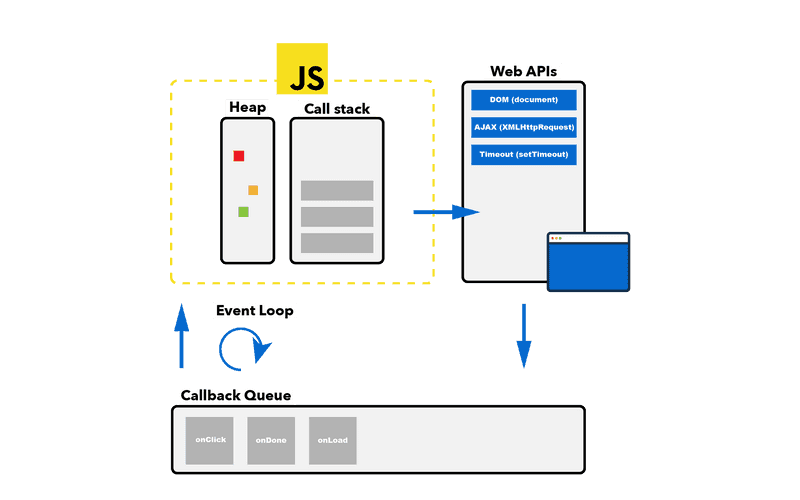
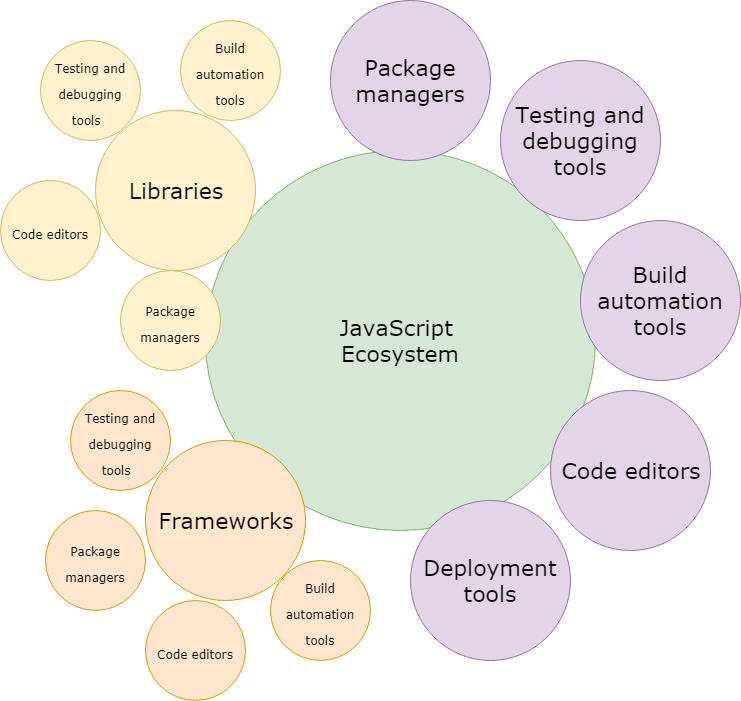
JavaScript (JS) is a high-level, interpreted programming language primarily used to create interactive and dynamic web applications. It is one of the core technologies of the web, alongside HTML and CSS.

In simple terms:

JavaScript = the language that makes websites interactive

Originally designed for browsers, JavaScript is now used for:

  • Frontend development
  • Backend development (Node.js)
  • Mobile apps
  • Desktop apps
  • Game development

๐Ÿง  Importance of JavaScript

  • Runs in all web browsers
  • Enables dynamic content
  • Essential for modern web apps
  • Full-stack development capability
  • Massive ecosystem

๐Ÿงฉ Basic Structure of JavaScript


๐Ÿ“„ Example Program

console.log("Hello, World!");

๐Ÿง  Features:

Image
Image
Image
Image
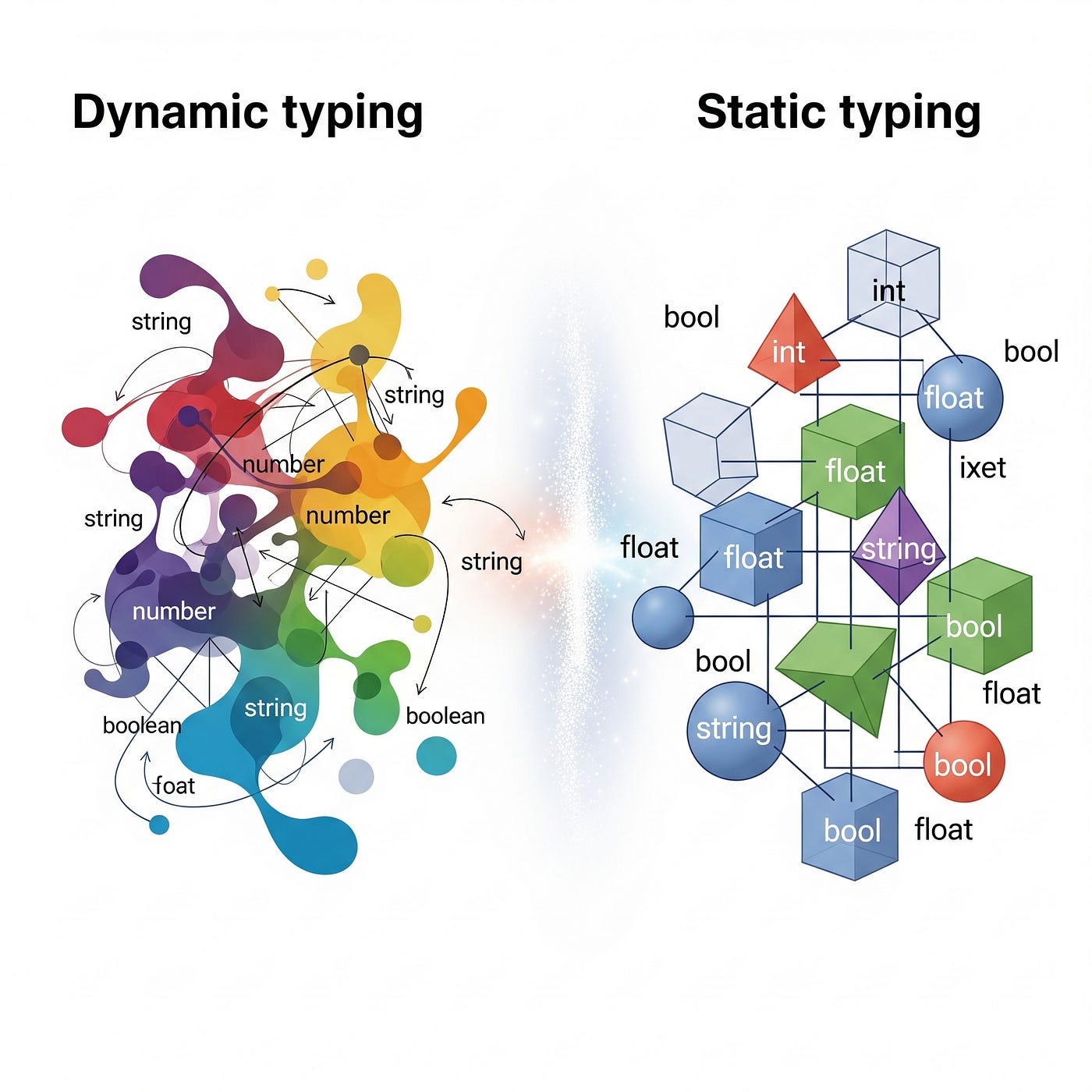
  • Dynamic typing
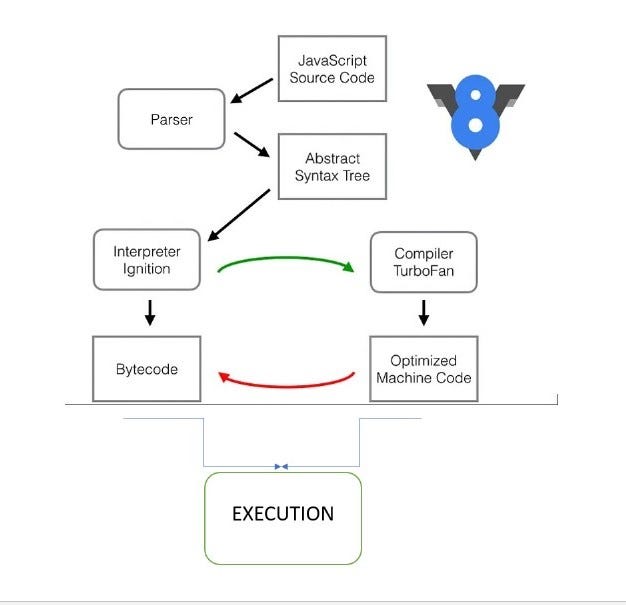
  • Interpreted language
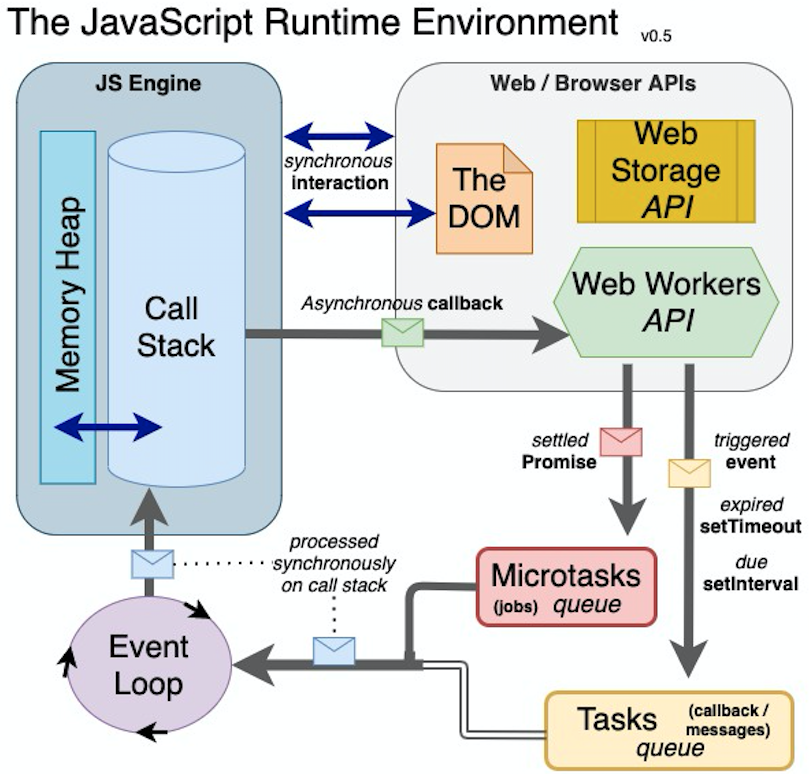
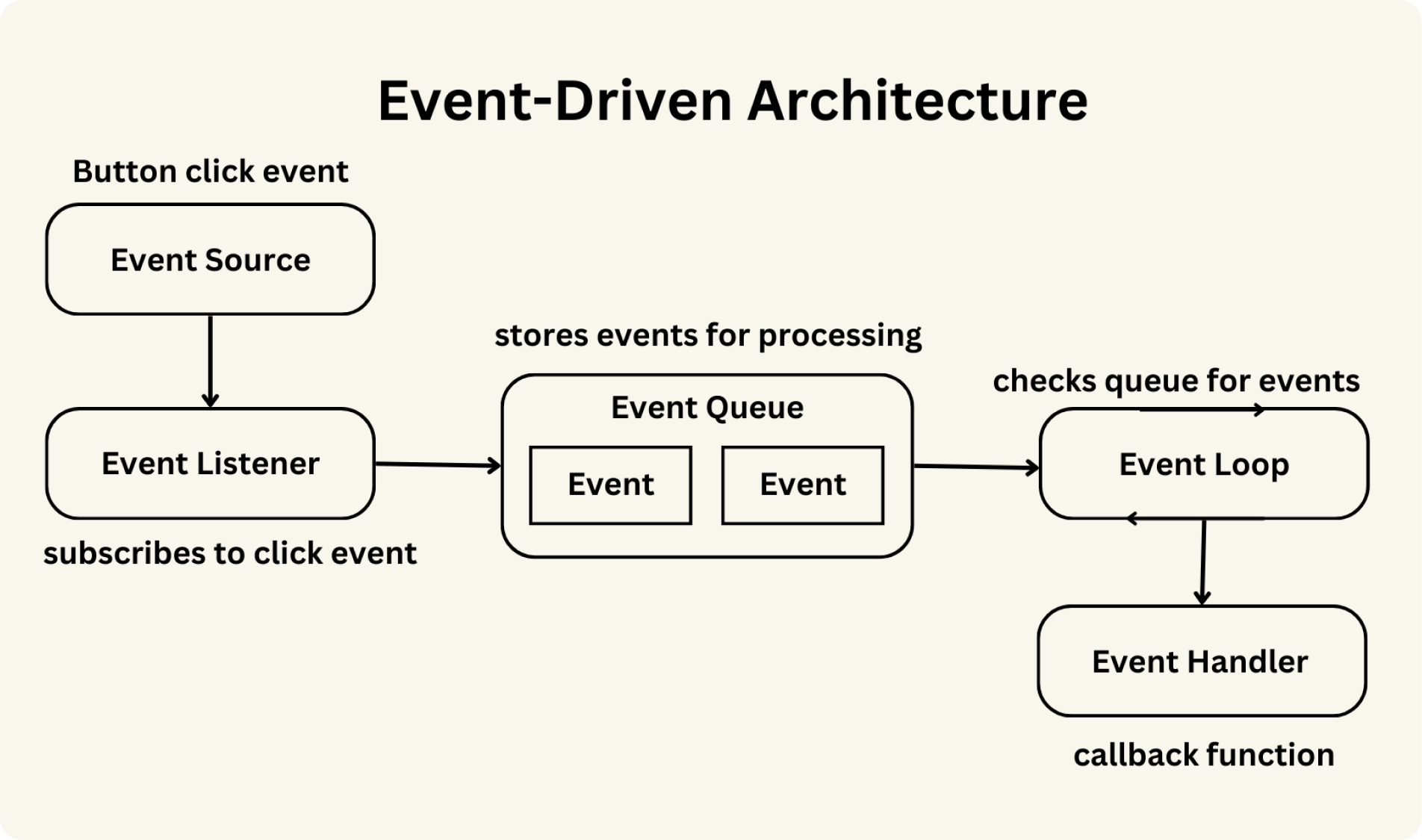
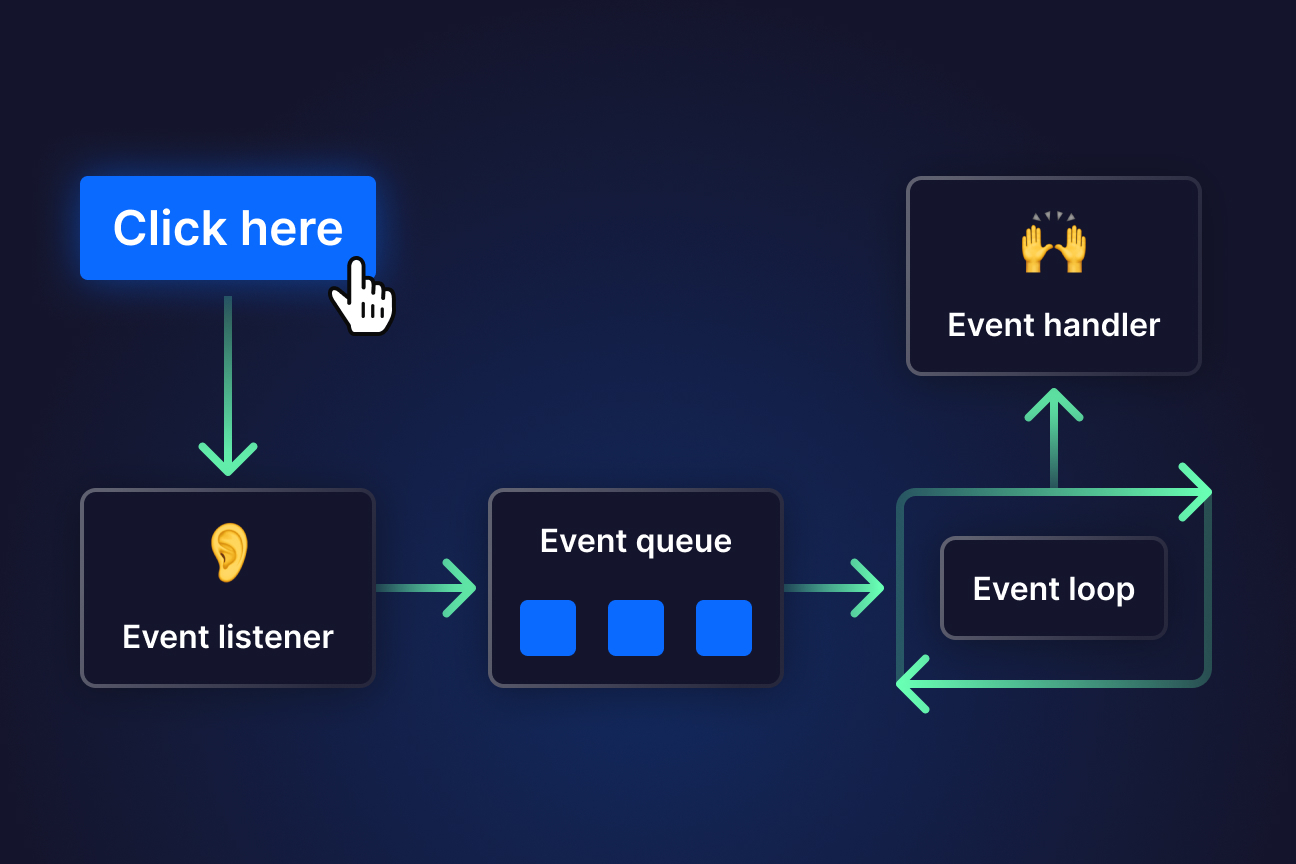
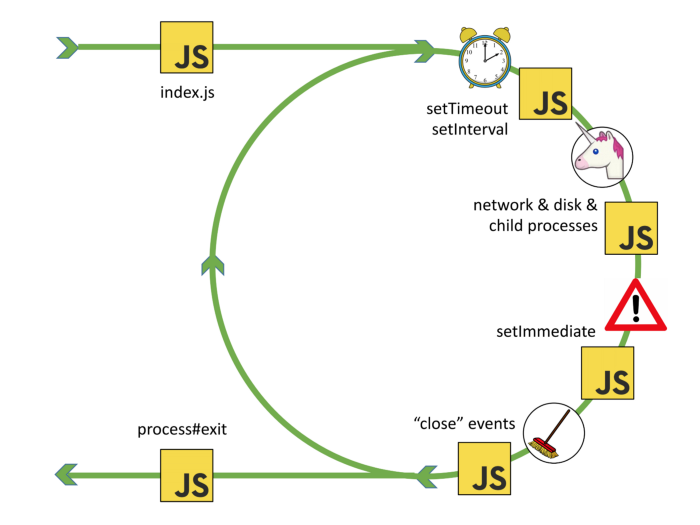
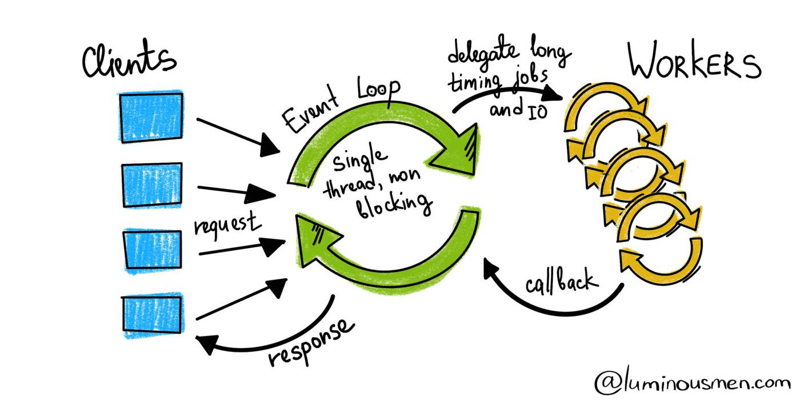
  • Event-driven
  • Prototype-based

โš™๏ธ Data Types in JavaScript


๐Ÿ”ข Primitive Data Types

Image
Image
Image
Image
TypeExample
Number10
String“Hello”
Booleantrue
Undefinedundefined
Nullnull

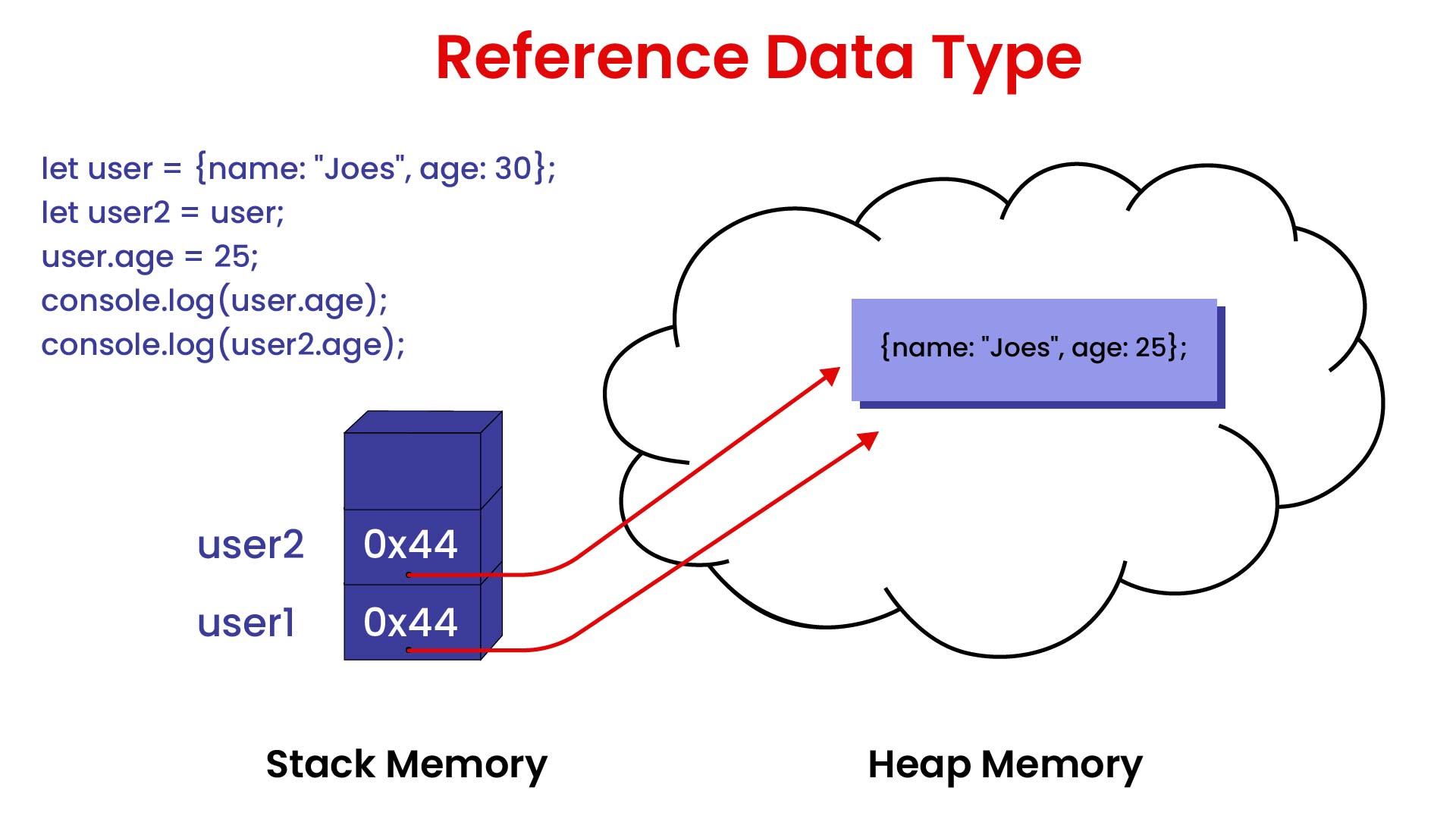
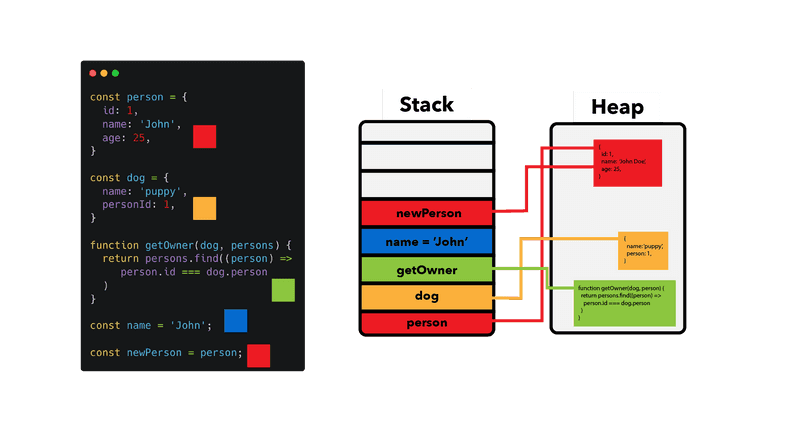
๐Ÿงฉ Reference Types

  • Objects
  • Arrays
  • Functions

๐Ÿ”ค Variables and Scope


๐Ÿ“Œ Variables

let x = 10;
const name = "JS";

๐Ÿ”„ Scope Types:

  • Global
  • Local
  • Block scope

โš™๏ธ Operators in JavaScript


๐Ÿ”ข Types:

  • Arithmetic (+, -, *, /)
  • Comparison (==, ===)
  • Logical (&&, ||)
  • Assignment (=, +=)

๐Ÿ”„ Control Structures


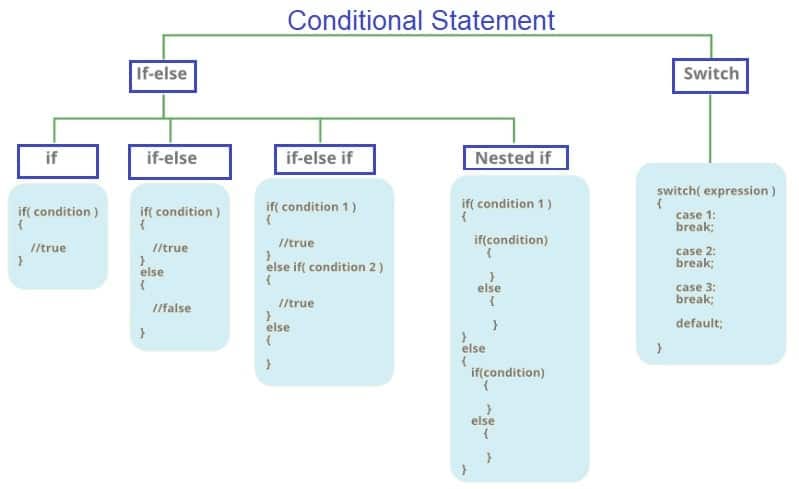
๐Ÿ”€ Conditional Statements

Image
Image
Image
Image

๐Ÿ” Loops

Image
Image
Image
Image

๐Ÿง  Functions in JavaScript


๐Ÿ“Œ Example:

function add(a, b) {
    return a + b;
}

โš™๏ธ Types:

  • Function declaration
  • Function expression
  • Arrow functions

๐Ÿงฉ Objects in JavaScript


๐Ÿ“ฆ Concept

Image
Image
Image
Image
let person = {
    name: "John",
    age: 25
};

๐Ÿ”ค Arrays in JavaScript

Image
Image
Image
Image
  • Dynamic
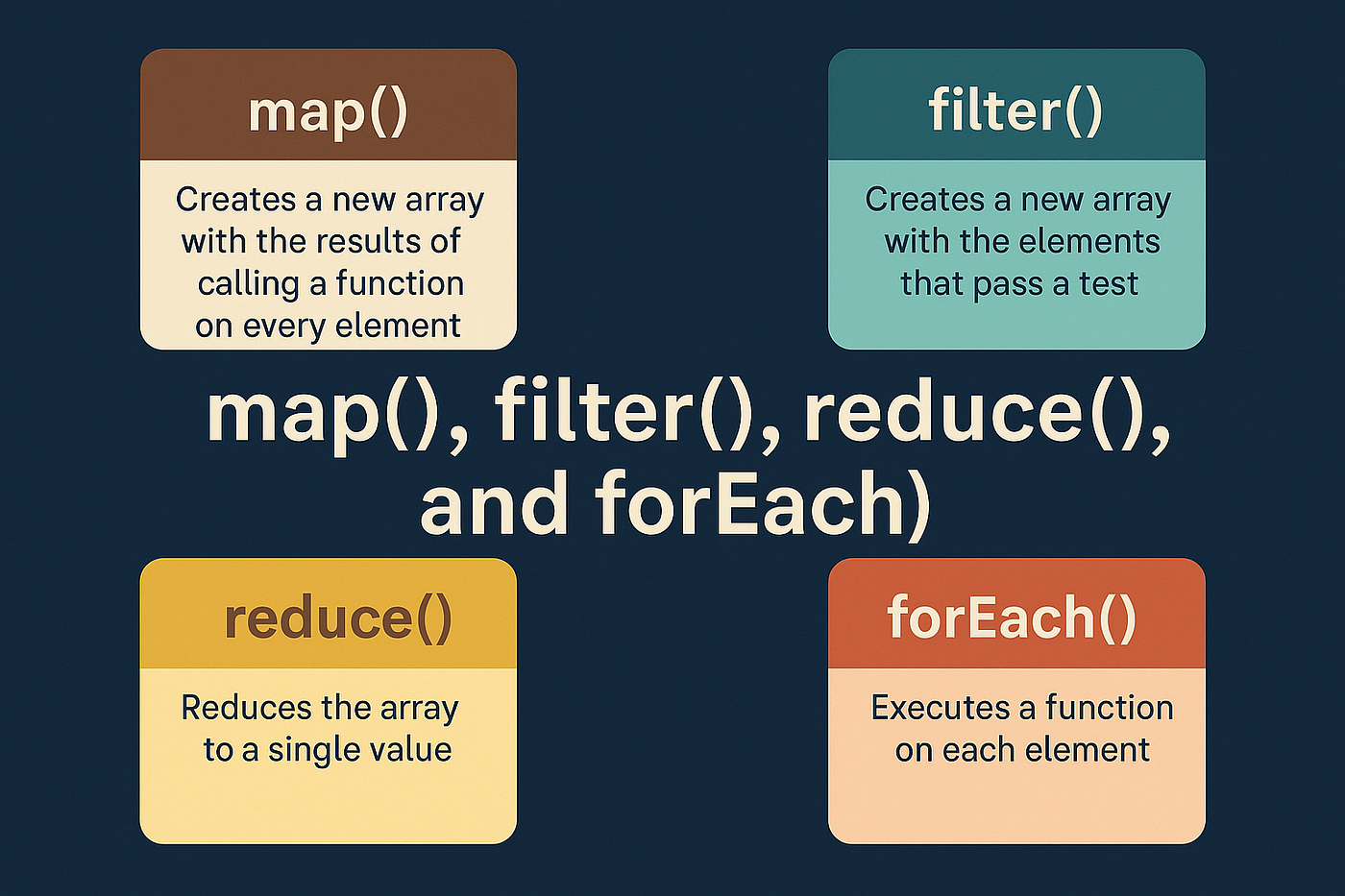
  • Methods: map(), filter(), reduce()

๐Ÿ”ค Strings in JavaScript

Image
Image
Image
Image
  • Immutable
  • Template literals

๐ŸŒ DOM (Document Object Model)


๐Ÿง  Concept

Image
Image
Image
Image
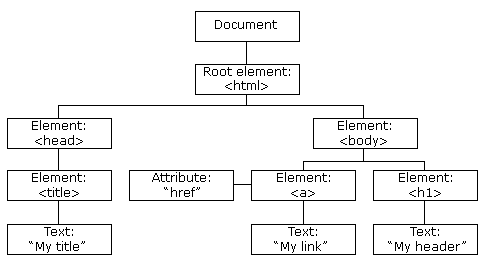
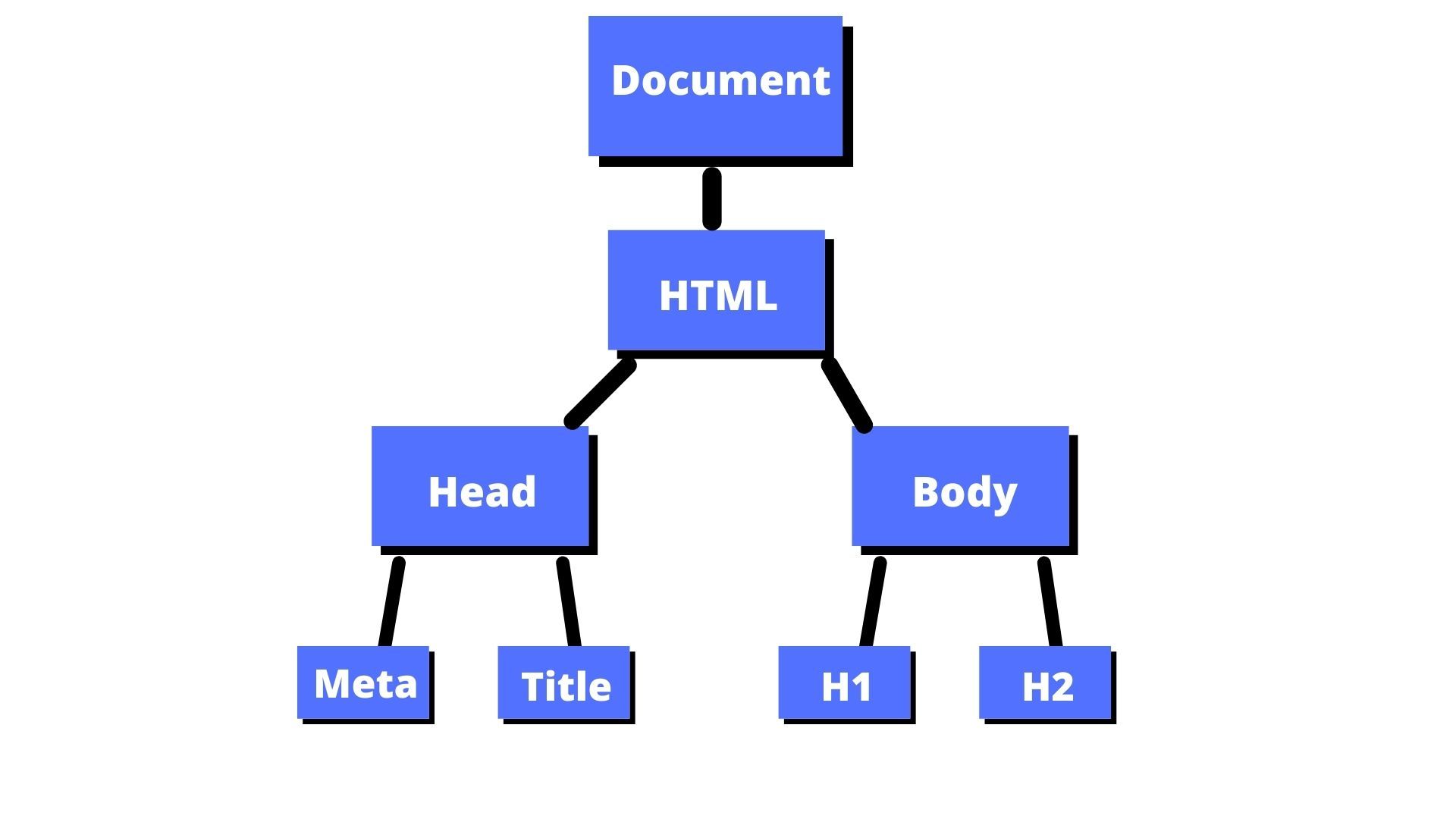
  • Represents HTML structure
  • Allows dynamic updates

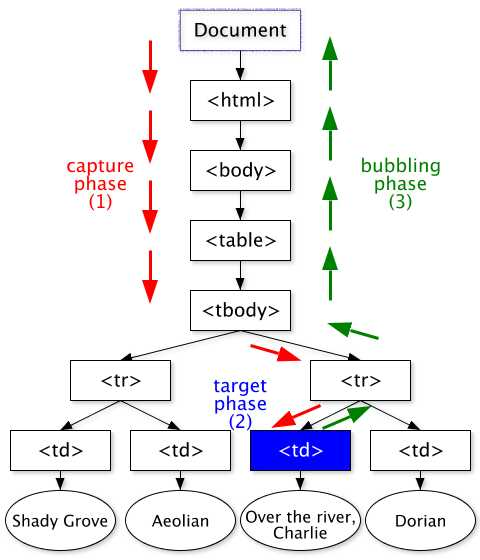
โšก Event Handling


๐Ÿ“Œ Example:

button.addEventListener("click", function() {
    alert("Clicked!");
});

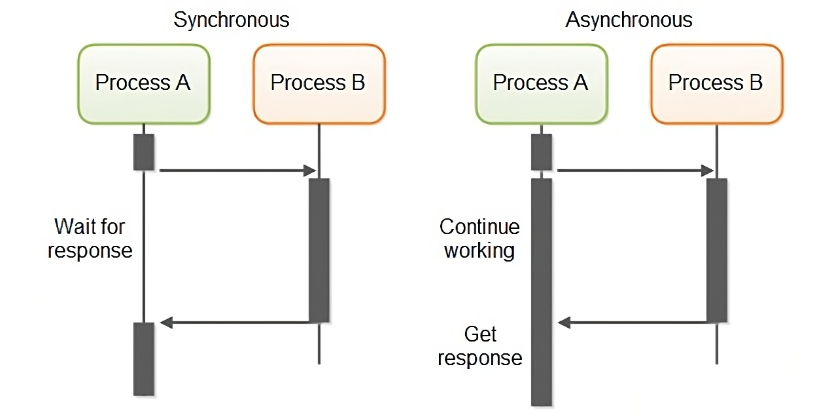
๐Ÿ”„ Asynchronous JavaScript


๐Ÿง  Concepts

Image
Image
Image
Image

๐Ÿ”น Techniques:

  • Callbacks
  • Promises
  • Async/Await

๐Ÿ’พ Error Handling


โš ๏ธ Example:

try {
    let x = y;
} catch (e) {
    console.log("Error");
}

๐Ÿ“ฆ Modules in JavaScript


๐Ÿงฉ Concept

Image
Image
Image
Image
  • Import/export functionality

๐ŸŒ JavaScript in Software Development Context


๐Ÿง  Role Among Languages

Image
Image
Image
Image

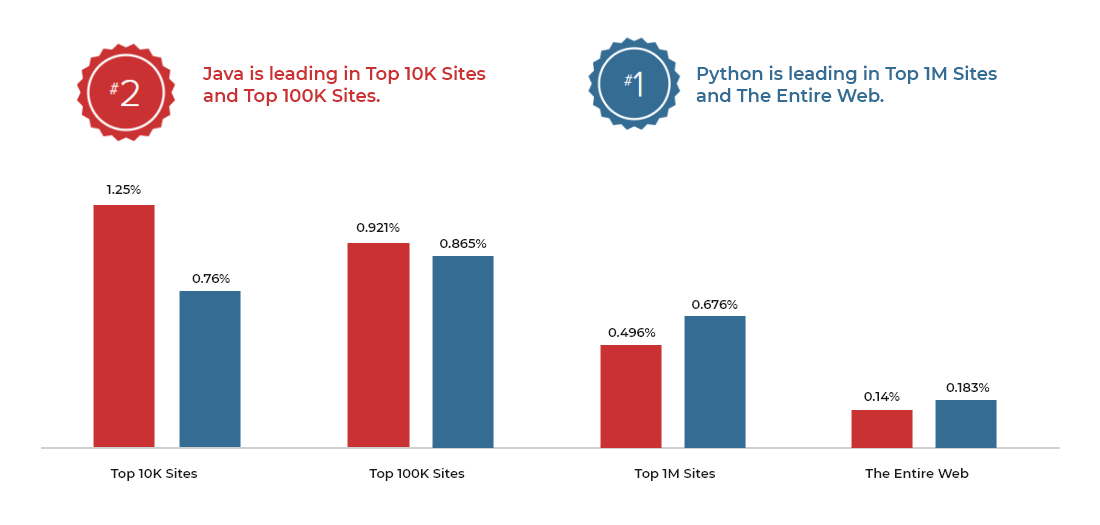
โš–๏ธ Comparison

LanguageStrength
JavaScriptWeb development
PythonData science
JavaEnterprise

๐Ÿš€ Applications of JavaScript


๐ŸŒ Frontend Development

Image
Image
Image
Image

๐Ÿ–ฅ๏ธ Backend Development

  • Node.js

๐Ÿ“ฑ Mobile Apps

  • React Native

๐ŸŽฎ Game Development

  • Browser-based games

โšก Advantages of JavaScript

  • Runs in browsers
  • Versatile
  • Large ecosystem
  • Supports full-stack

โš ๏ธ Limitations

  • Security issues
  • Browser inconsistencies
  • Single-threaded

๐Ÿš€ Modern JavaScript Trends

Image
Image
Image
Image
  • ES6+ features
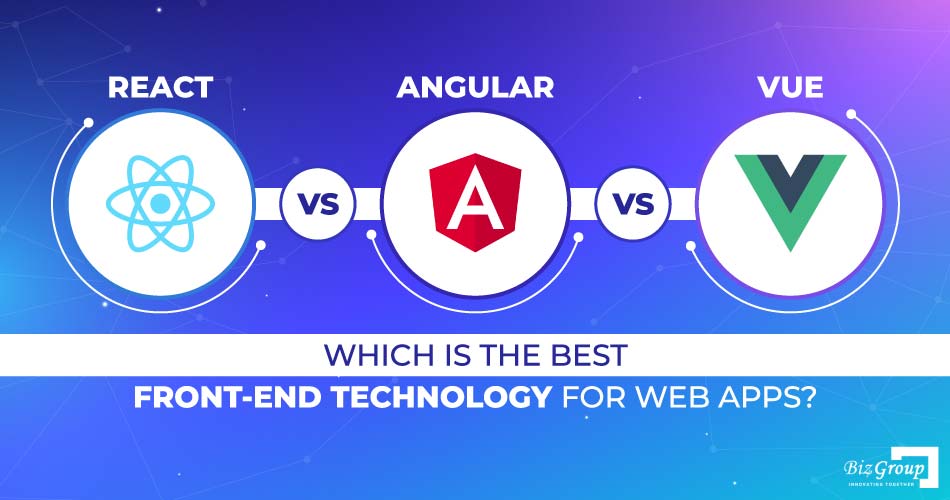
  • Frameworks (React, Vue)
  • Serverless computing
  • Progressive Web Apps

๐Ÿงพ Conclusion

JavaScript is a core language of the web that:

  • Powers interactive applications
  • Enables full-stack development
  • Continues to evolve rapidly

Learning JavaScript is essential for:

  • Web developers
  • Software engineers
  • Full-stack development
๐Ÿท๏ธ Tags

โ˜• Java Programming โ€“ Complete Detailed Guide (with Software Development Language Context)


๐ŸŒ Introduction to Java Programming

Image
Image
Image
Image

Java is a high-level, object-oriented, platform-independent programming language widely used for building enterprise applications, mobile apps, web systems, and large-scale software.

It was designed with the philosophy:

โ€œWrite Once, Run Anywhereโ€ (WORA)

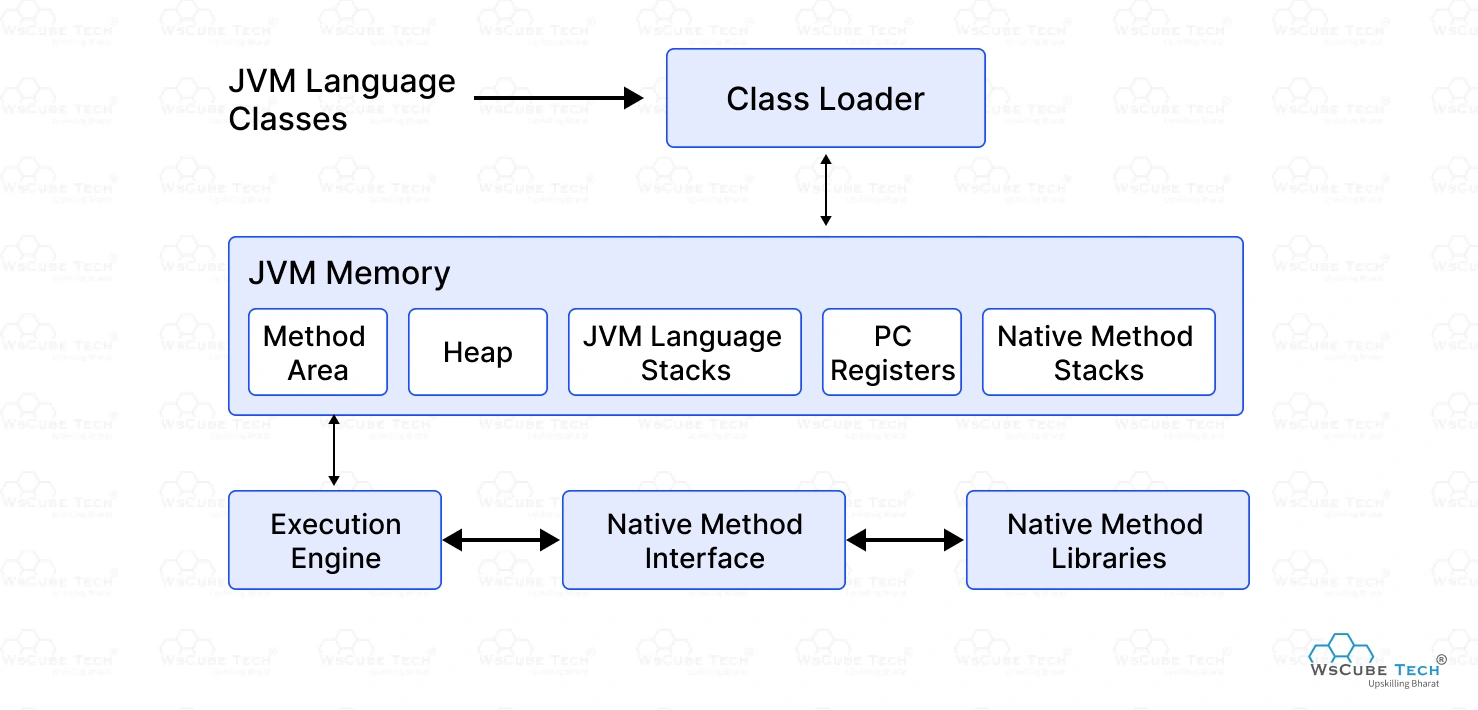
This means Java programs can run on any system that has a Java Virtual Machine (JVM).


๐Ÿง  Importance of Java

  • Platform-independent
  • Strong object-oriented features
  • Widely used in enterprise applications
  • Secure and robust
  • Large ecosystem and community

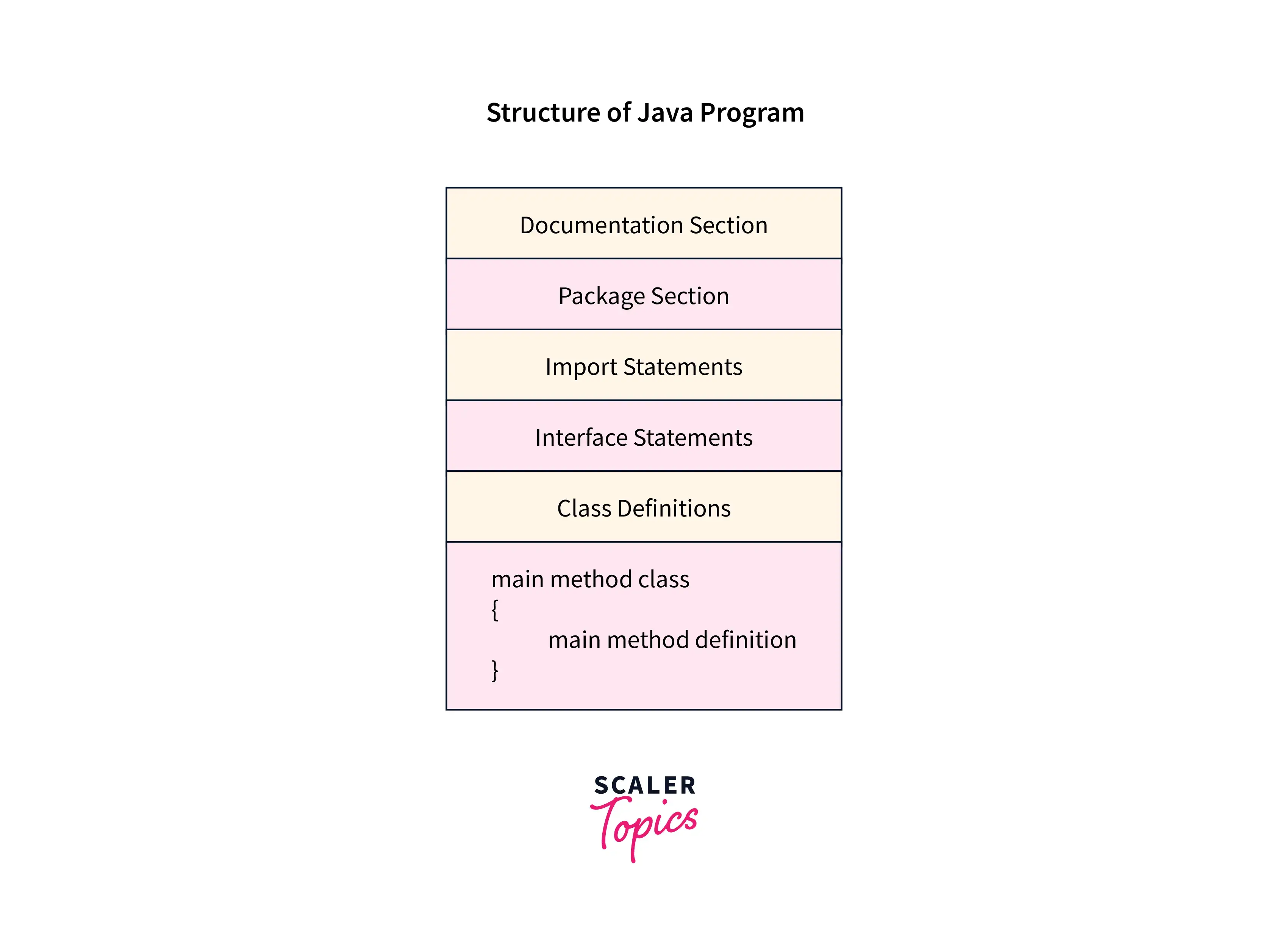
๐Ÿงฉ Basic Structure of a Java Program


๐Ÿ“„ Example Program

class HelloWorld {
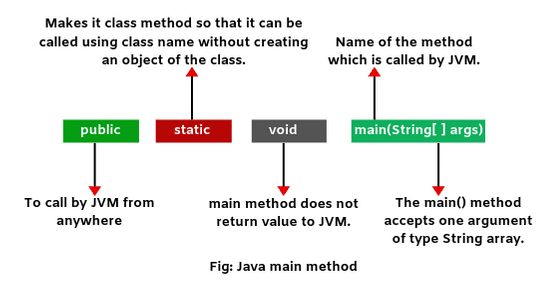
    public static void main(String[] args) {
        System.out.println("Hello, World!");
    }
}

๐Ÿง  Components:

Image
Image
Image
Image
  • Class definition
  • Main method
  • Statements
  • Output functions

โš™๏ธ Java Architecture


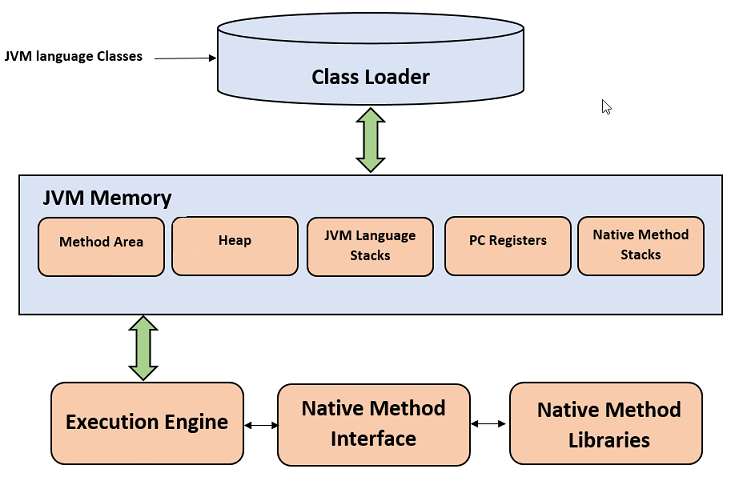
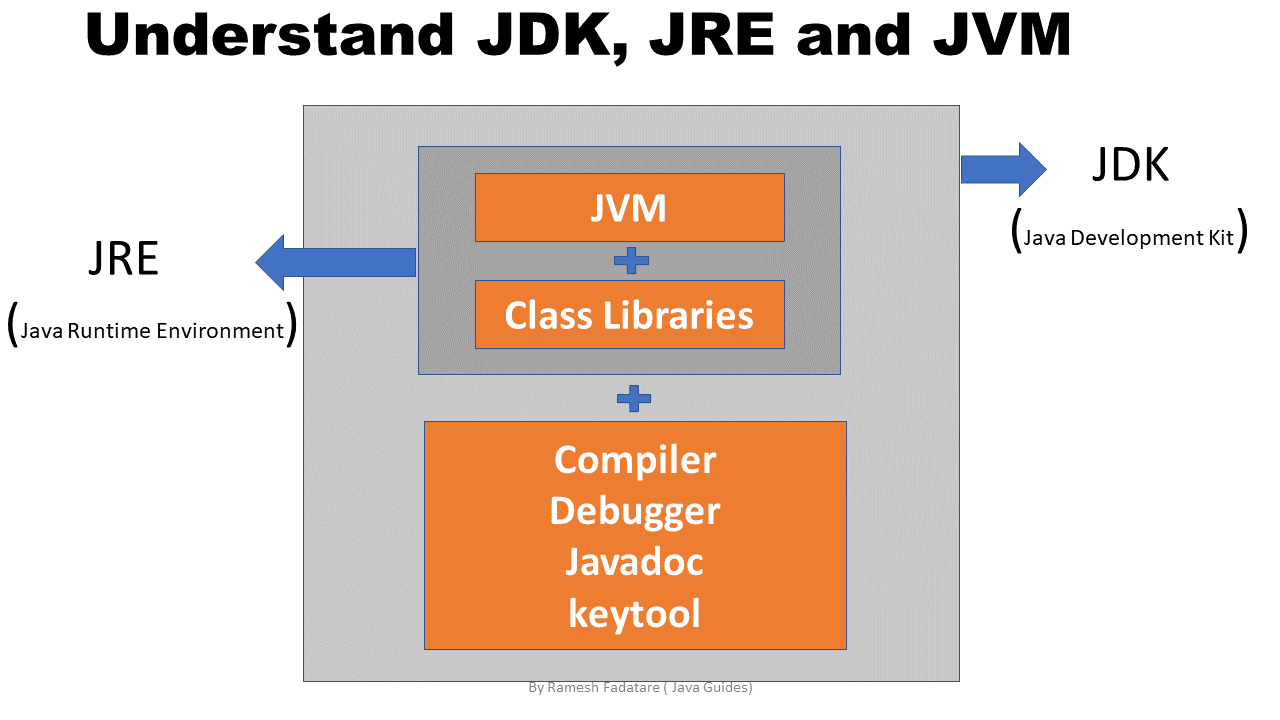
๐Ÿง  JVM, JRE, JDK

Image
Image
Image
Image

๐Ÿ”น JVM (Java Virtual Machine)

  • Executes bytecode

๐Ÿ”น JRE (Java Runtime Environment)

  • Provides runtime environment

๐Ÿ”น JDK (Java Development Kit)

  • Tools for development
โš™๏ธ Data Types in Java


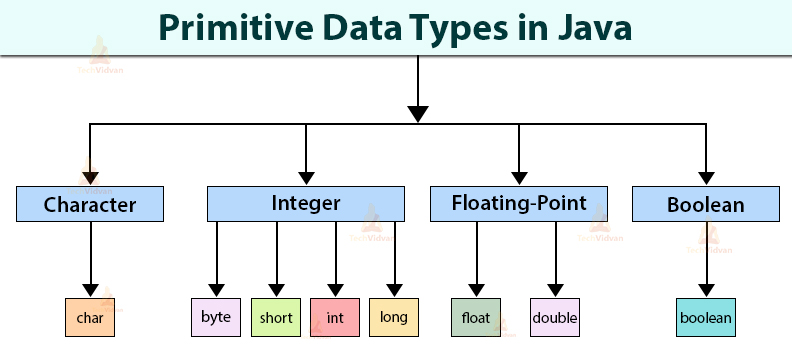
๐Ÿ”ข Primitive Data Types

Image
Image
Image
Image
TypeExample
int10
float3.14
char‘A’
booleantrue

๐Ÿงฉ Non-Primitive Types

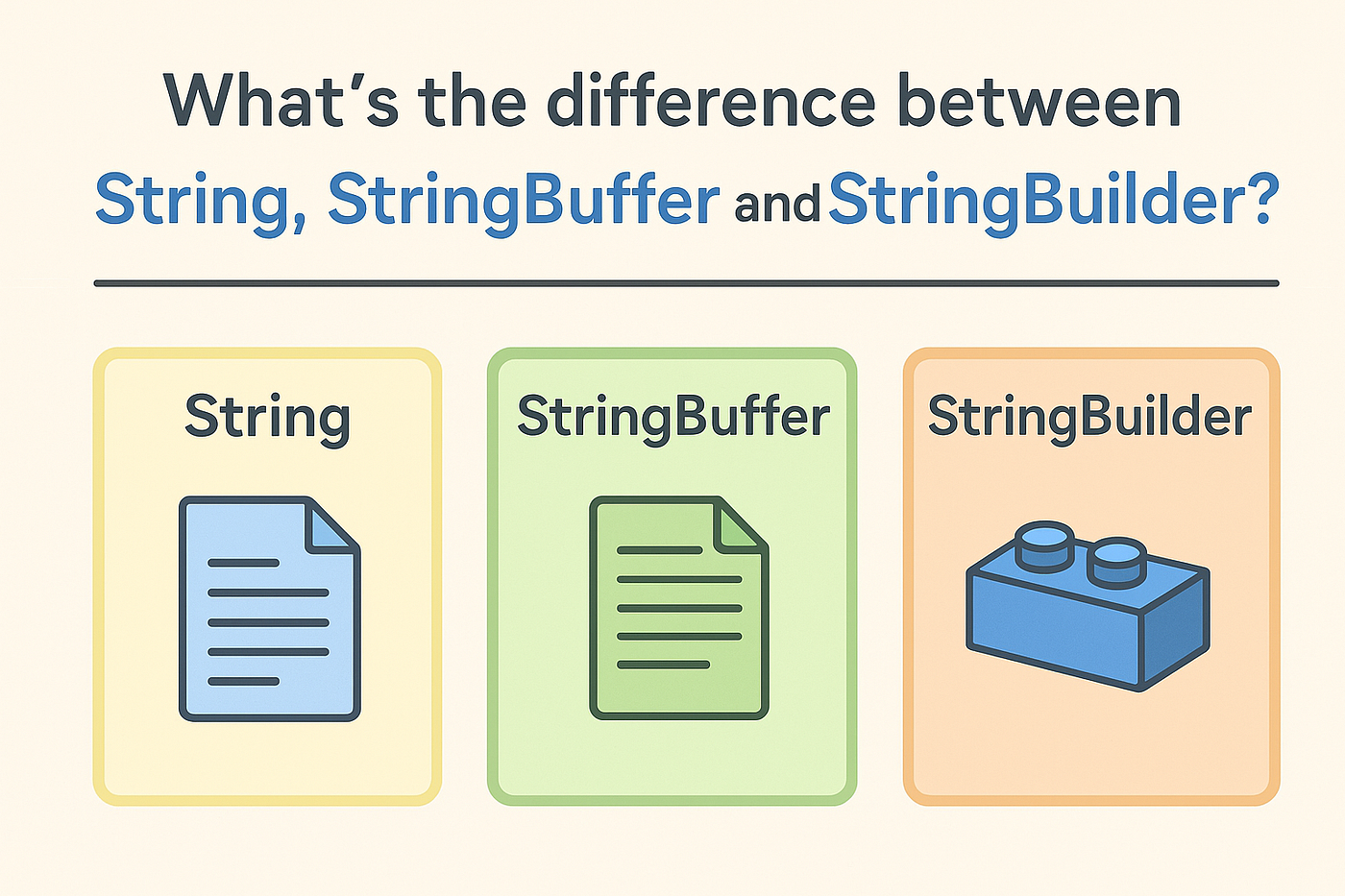
  • Strings
  • Arrays
  • Classes

๐Ÿ”ค Variables and Constants


๐Ÿ“Œ Variables

int x = 10;

๐Ÿ”’ Constants

final int MAX = 100;

โš™๏ธ Operators in Java


๐Ÿ”ข Types:

  • Arithmetic (+, -, *, /)
  • Relational (==, >, <)
  • Logical (&&, ||)
  • Bitwise (&, |, ^)

๐Ÿ”„ Control Structures


๐Ÿ”€ Conditional Statements

Image
Image
Image
Image

๐Ÿ” Loops

Image
Image
Image
Image

๐Ÿง  Object-Oriented Programming in Java


๐Ÿงฉ Core Concepts

Image
Image
Image
Image

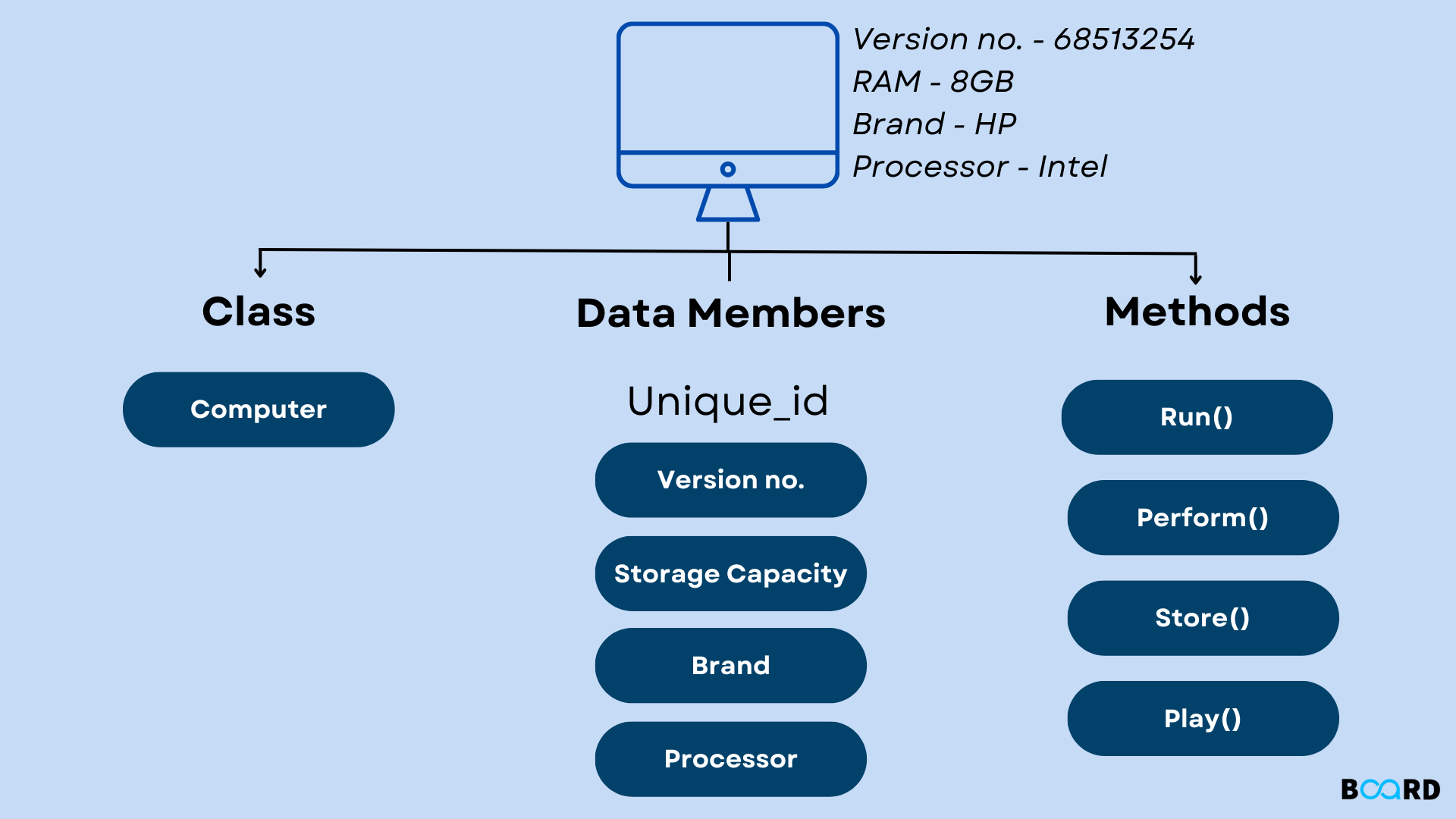
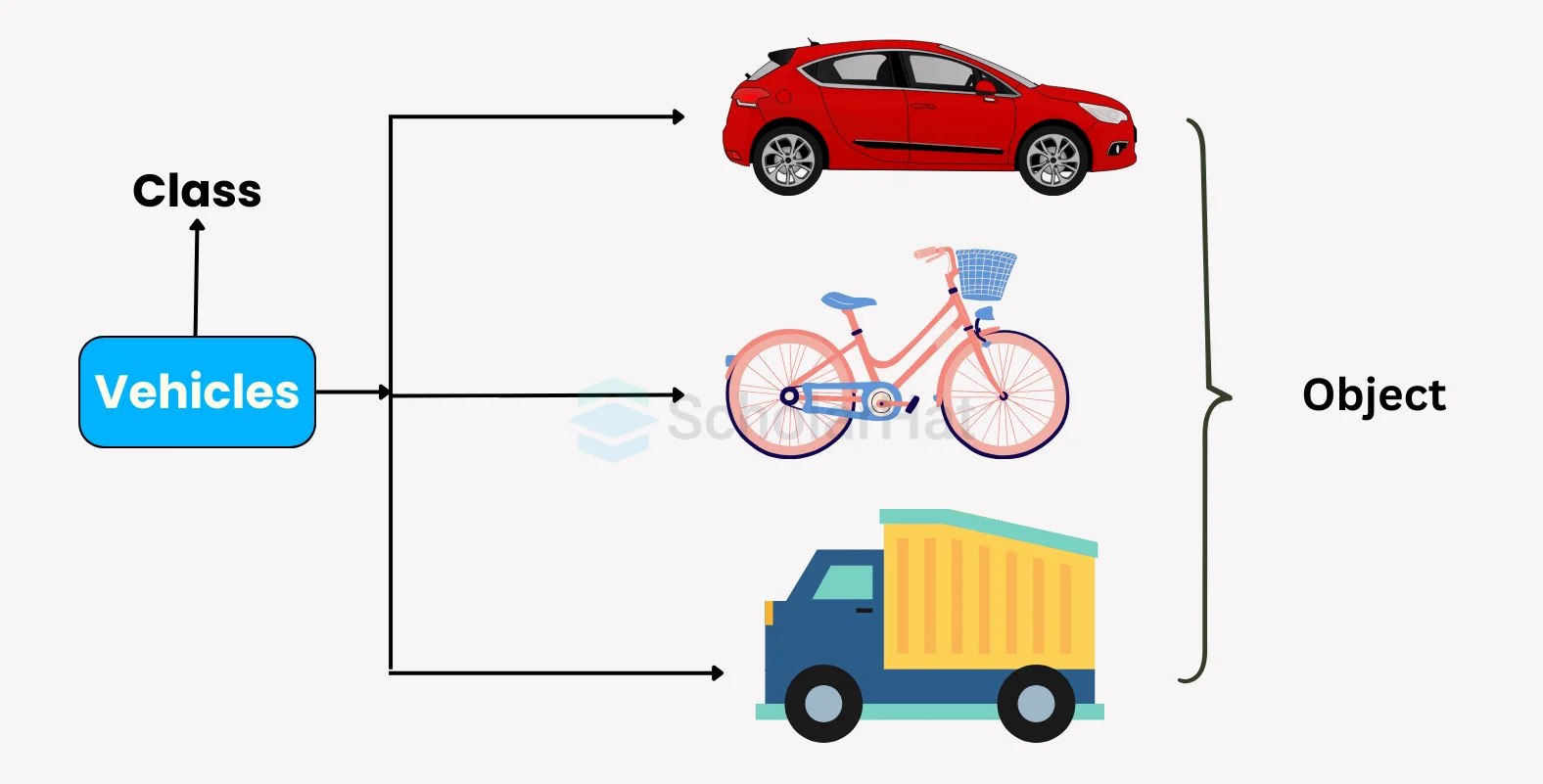
๐Ÿ”น Class and Object

class Car {
    int speed;
}

๐Ÿ”น Encapsulation

  • Data hiding using private variables

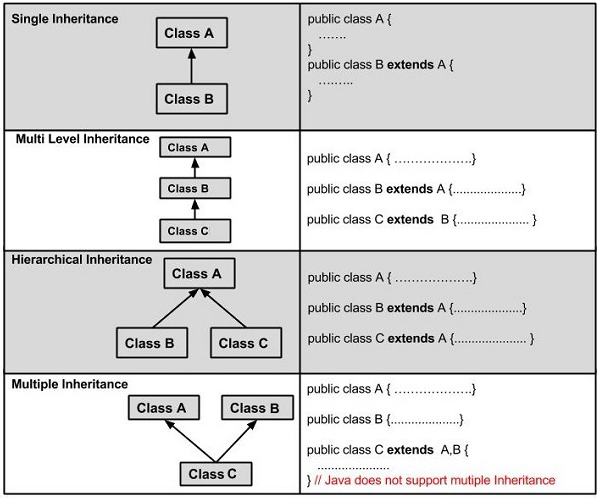
๐Ÿ”น Inheritance

Image
Image
Image
Image

๐Ÿ”น Polymorphism

  • Method overloading
  • Method overriding

๐Ÿ”น Abstraction

  • Abstract classes
  • Interfaces

๐Ÿง  Strings in Java

Image
Image
Image
Image
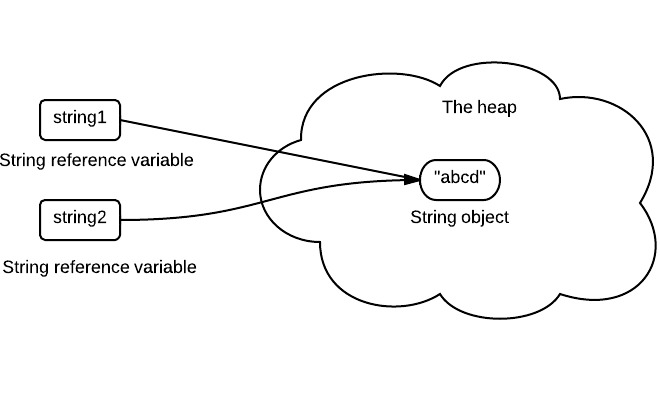
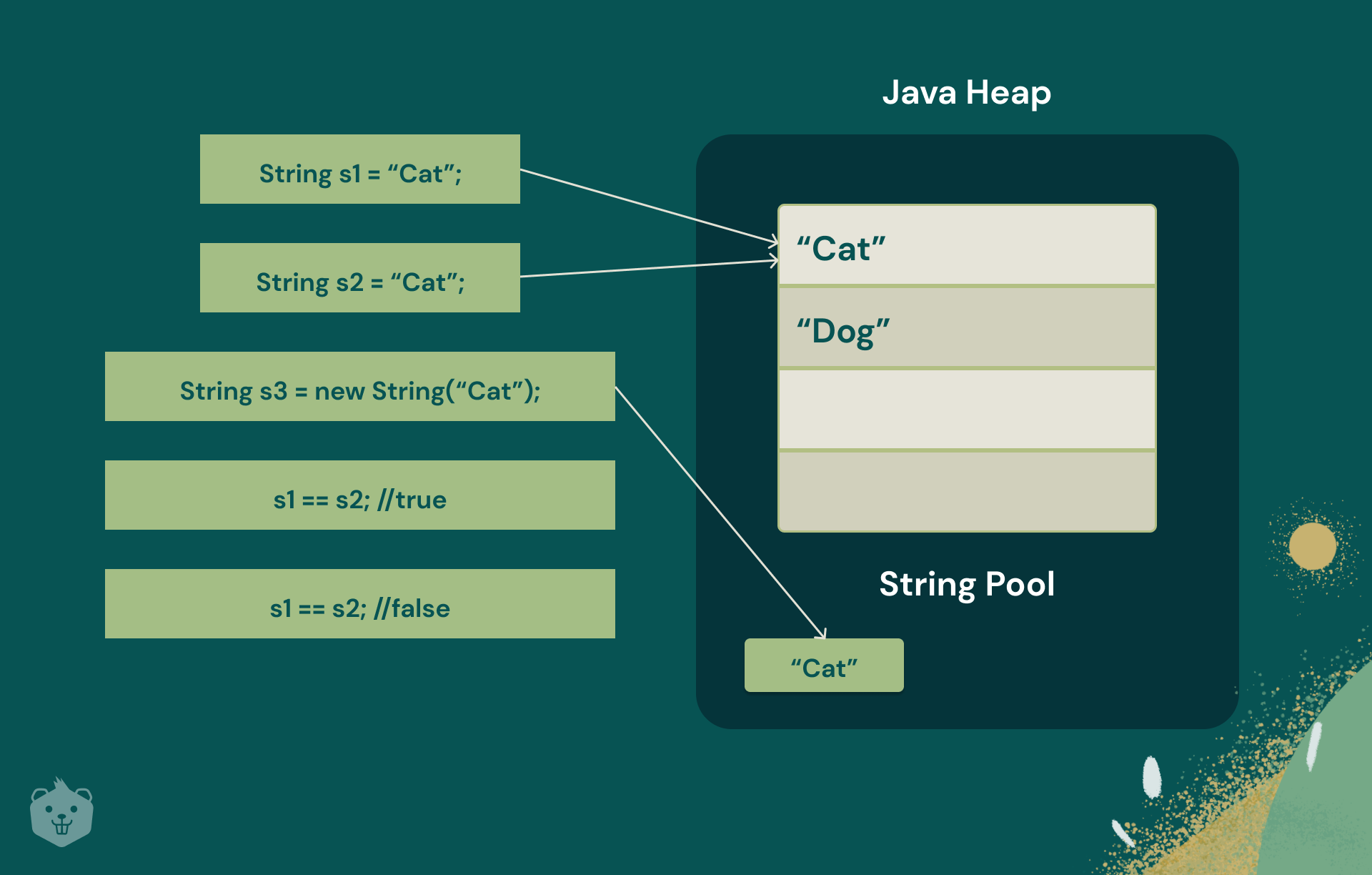
  • Immutable
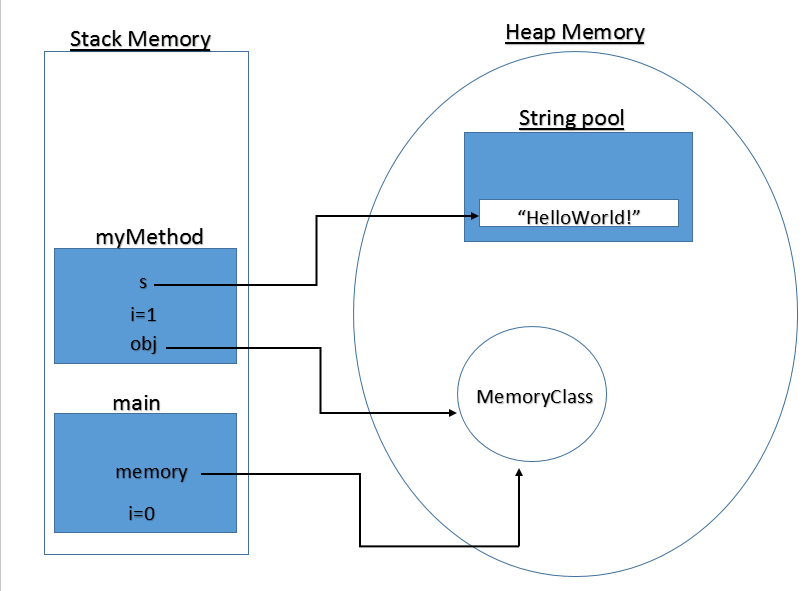
  • Stored in string pool

๐Ÿงฉ Arrays in Java

Image
Image
Image
Image

๐Ÿง  Exception Handling


โš ๏ธ Example:

try {
    int x = 10 / 0;
} catch (Exception e) {
    System.out.println("Error");
}

๐Ÿ”น Types:

  • Checked exceptions
  • Unchecked exceptions

๐Ÿ’พ File Handling


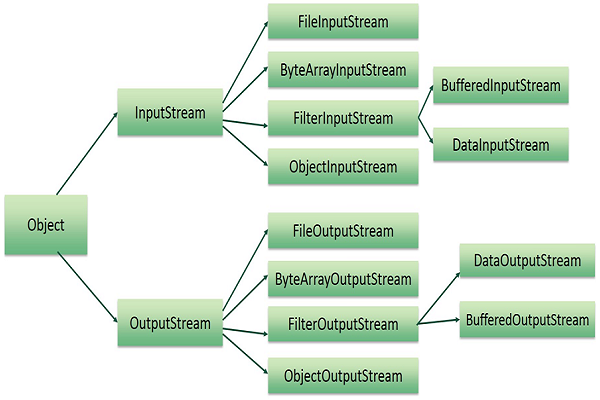
๐Ÿ“„ Streams:

Image
Image
Image
  • FileReader
  • FileWriter
  • BufferedReader

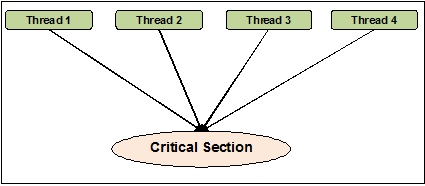
๐Ÿง  Multithreading


โš™๏ธ Concept

Image
Image
Image
Image
  • Multiple threads run concurrently

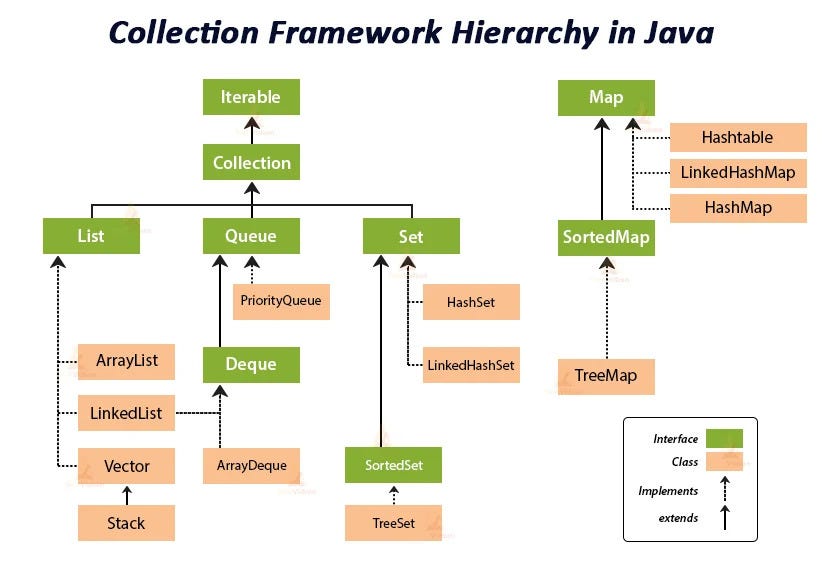
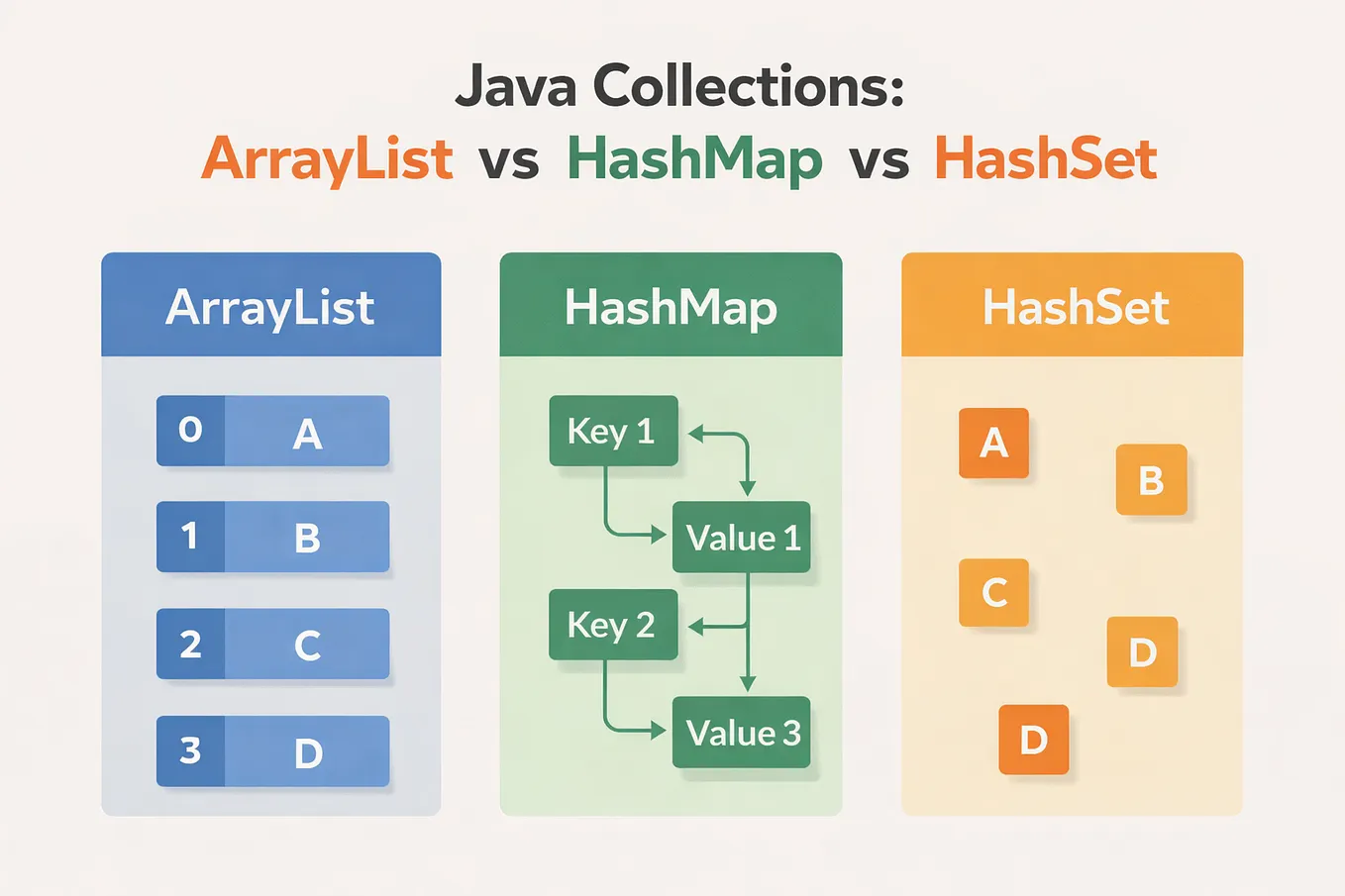
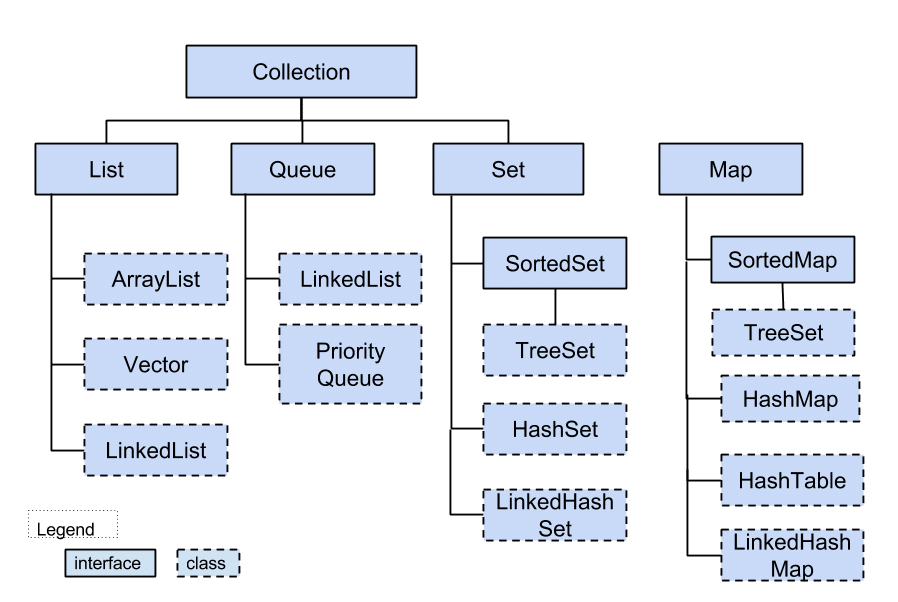
๐Ÿ“ฆ Collections Framework


๐Ÿงฉ Components

Image
Image
Image
Image
  • List
  • Set
  • Map

๐ŸŒ Java in Software Development Context


๐Ÿง  Role Among Languages

Image
Image
Image
Image

โš–๏ธ Comparison

LanguageStrength
JavaEnterprise, portability
PythonSimplicity
C++Performance

๐Ÿš€ Applications of Java


๐ŸŒ Web Development

Image
Image
Image
Image

๐Ÿ“ฑ Android Development

  • Android apps use Java/Kotlin

๐Ÿฆ Enterprise Systems

  • Banking
  • ERP systems

โ˜๏ธ Cloud Applications

  • Distributed systems

โšก Advantages of Java

  • Platform independence
  • Secure
  • Robust
  • Scalable

โš ๏ธ Limitations

  • Slower than C++
  • Verbose syntax
  • Higher memory usage

๐Ÿš€ Modern Java Trends

Image
Image
Image
Image
  • Lambda expressions
  • Streams API
  • Microservices
  • Cloud-native development

๐Ÿงพ Conclusion

Java is a powerful, versatile, and widely used programming language that:

  • Supports enterprise-level applications
  • Ensures platform independence
  • Provides strong OOP features

Learning Java helps in:

  • Building scalable systems
  • Understanding OOP deeply
  • Entering enterprise software development

๐Ÿท๏ธ Tags

๐Ÿ Python Programming โ€“ Complete Detailed Guide (with Software Development Language Context)


๐ŸŒ Introduction to Python Programming

Image
Image
Image
Image

Python is a high-level, interpreted, general-purpose programming language known for its simplicity, readability, and versatility. It is one of the most popular languages in the world and widely used across industries.

In simple terms:

Python = easy-to-learn, powerful language for almost everything

Python supports multiple programming paradigms:

  • Procedural
  • Object-Oriented
  • Functional

๐Ÿง  Importance of Python

  • Beginner-friendly syntax
  • Massive ecosystem of libraries
  • Used in AI, Data Science, Web Development
  • Cross-platform compatibility
  • Rapid development and prototyping
๐Ÿงฉ Basic Structure of a Python Program


๐Ÿ“„ Example Program

print("Hello, World!")

๐Ÿง  Key Features:

Image
Image
Image
Image
  • No need for semicolons
  • Indentation-based syntax
  • Dynamic typing
  • Interpreted execution

โš™๏ธ Data Types in Python


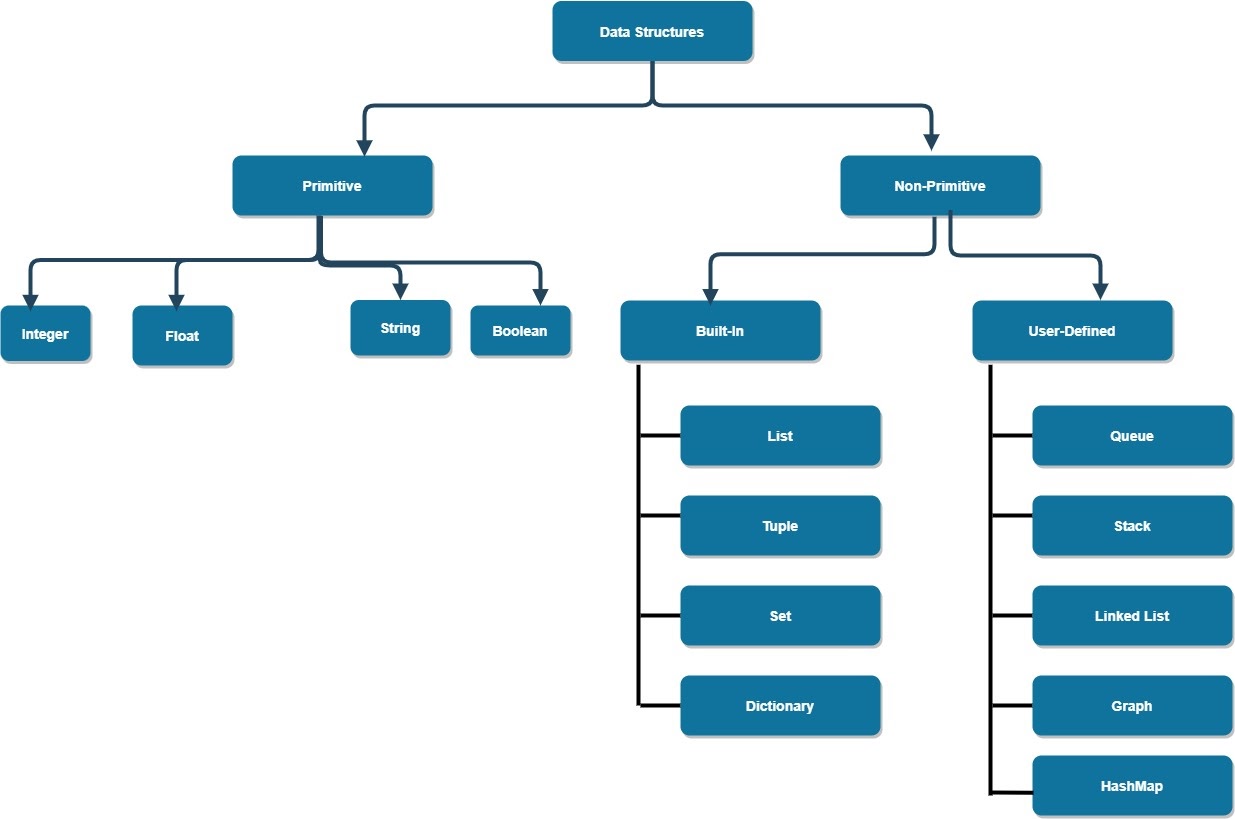
๐Ÿ”ข Basic Data Types

Image
Image
Image
Image
TypeExample
int10
float3.14
str“Hello”
boolTrue

๐Ÿงฉ Complex Data Types

  • List
  • Tuple
  • Dictionary
  • Set

๐Ÿ”ค Variables and Constants


๐Ÿ“Œ Variables

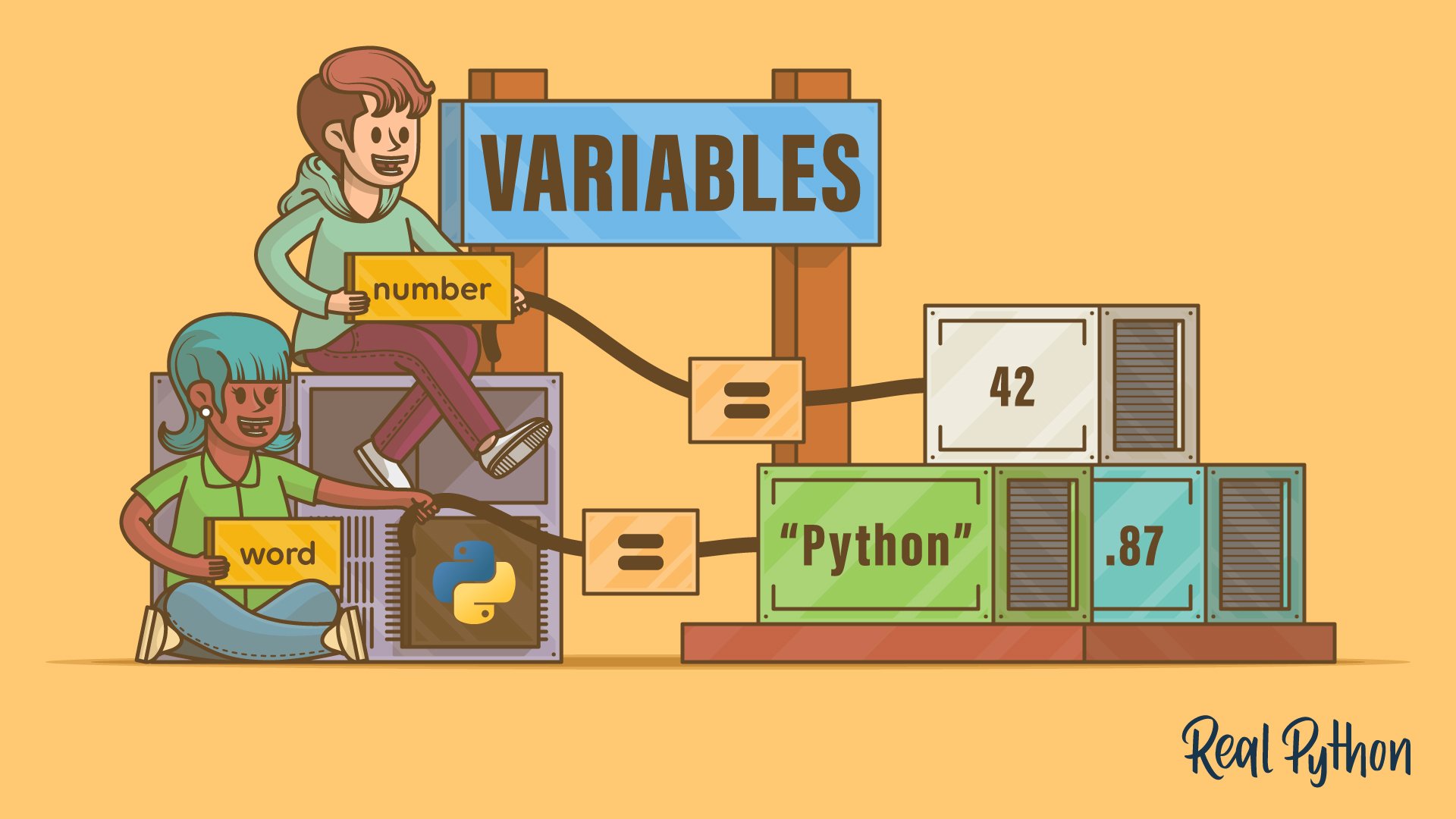
x = 10
name = "Python"

๐Ÿ”’ Constants

Python uses naming conventions:

PI = 3.14

โš™๏ธ Operators in Python


๐Ÿ”ข Types:

  • Arithmetic (+, -, *, /)
  • Relational (==, >, <)
  • Logical (and, or, not)
  • Assignment (=, +=)

๐Ÿ”„ Control Structures


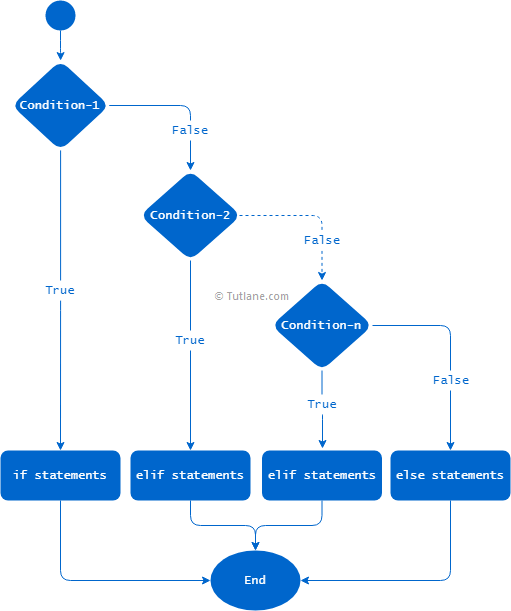
๐Ÿ”€ Conditional Statements

Image
Image
Image
Image
if x > 0:
    print("Positive")

๐Ÿ” Loops

Image
Image
Image
Image
  • for loop
  • while loop

๐Ÿง  Functions in Python


๐Ÿ“Œ Definition

def add(a, b):
    return a + b

โš™๏ธ Features:

  • Default arguments
  • Keyword arguments
  • Lambda functions

๐Ÿงฉ Data Structures in Python


๐Ÿ“ฆ Lists

Image
Image
Image
Image
  • Ordered, mutable

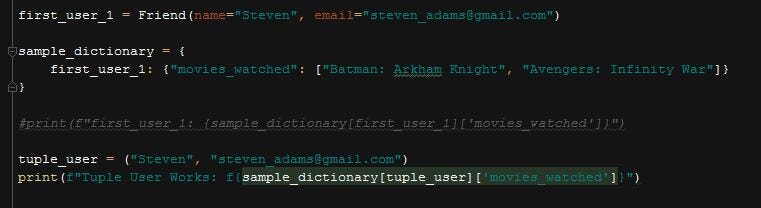
๐Ÿ”’ Tuples

Image
Image
Image
Image
  • Ordered, immutable

๐Ÿ“š Dictionaries

Image
Image
Image
Image
  • Key-value pairs

๐Ÿ”— Sets

Image
Image
Image
Image
  • Unique elements

๐Ÿ”ค Strings in Python


๐Ÿ“Œ Features

Image
Image
Image
Image
  • Immutable
  • Supports slicing

๐Ÿ”น Example:

text = "Hello"
print(text[0])

๐Ÿง  Object-Oriented Programming in Python


๐Ÿงฉ Concepts

Image
Image
Image
Image

๐Ÿ”น Class Example

class Car:
    def __init__(self, speed):
        self.speed = speed

๐Ÿ’พ File Handling


๐Ÿ“„ Operations

Image
Image
Image
Image
file = open("data.txt", "r")

๐Ÿง  Exception Handling


โš ๏ธ Example:

try:
    x = 10 / 0
except:
    print("Error")

๐Ÿ“ฆ Modules and Packages


๐Ÿงฉ Concept

Image
Image
Image
Image
  • Modules = single file
  • Packages = collection of modules

๐ŸŒ Python in Software Development Context


๐Ÿง  Role Among Languages

Image
Image
Image
Image

๐Ÿ”น Compared to Other Languages:

LanguageStrength
PythonEasy, versatile
C++Performance
JavaEnterprise

๐Ÿš€ Applications of Python


๐Ÿค– Artificial Intelligence

Image
Image
Image
Image

๐ŸŒ Web Development
  • Django
  • Flask

๐Ÿ“Š Data Science

  • Pandas
  • NumPy

๐ŸŽฎ Game Development

  • Pygame

๐Ÿ” Cybersecurity

  • Automation tools

โšก Advantages of Python

  • Easy to learn
  • Large community
  • Cross-platform
  • Rich libraries

โš ๏ธ Limitations

  • Slower than C/C++
  • High memory usage
  • Not ideal for low-level tasks

๐Ÿš€ Modern Python Trends

Image
Image
Image
Image
  • AI & Machine Learning
  • Automation
  • Cloud computing
  • IoT

๐Ÿงพ Conclusion

Python is one of the most powerful and versatile programming languages today. It:

  • Simplifies coding
  • Supports multiple domains
  • Enables rapid development
Learning Python helps in:

  • Software development
  • Data science
  • AI and automation

๐Ÿท๏ธ Tags

๐Ÿ’ป C++ Programming โ€“ Complete Detailed Guide (with Software Development Language Context)

๐ŸŒ Introduction to C++ Programming

Image
Image
Image
Image

C++ is a powerful, high-performance programming language that extends the C language by adding object-oriented programming (OOP) features, along with many modern programming capabilities. It is widely used in system software, game development, embedded systems, and high-performance applications.

In simple terms:

C++ = C + Object-Oriented + High Performance

C++ supports multiple programming paradigms:

  • Procedural
  • Object-Oriented
  • Generic (templates)

๐Ÿง  Importance of C++

  • Combines low-level and high-level programming
  • Used in performance-critical applications
  • Foundation for many modern technologies
  • Widely used in competitive programming
  • Supports OOP and reusable code

๐Ÿงฉ Basic Structure of a C++ Program


๐Ÿ“„ Example Program

#include <iostream>
using namespace std;

int main() {
    cout << "Hello, World!";
    return 0;
}

๐Ÿง  Components:

Image
Image
  • #include โ†’ Header files
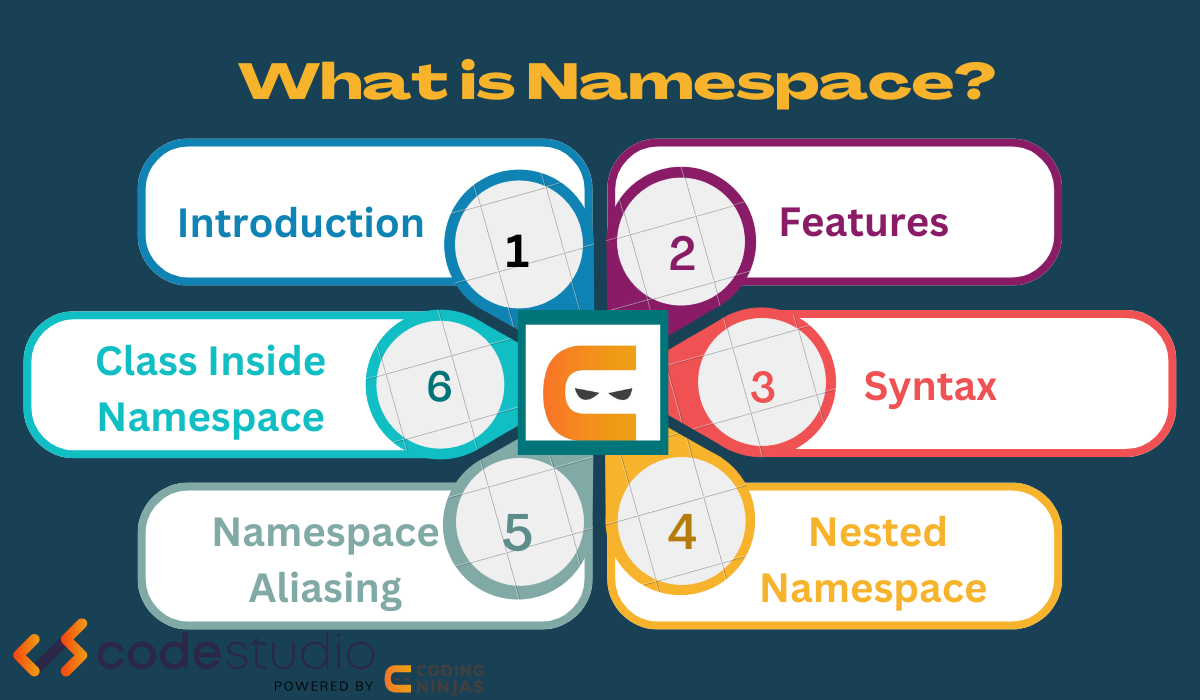
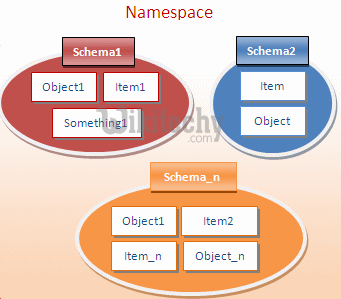
  • namespace โ†’ Scope management
  • main() โ†’ Entry point
  • cout โ†’ Output

โš™๏ธ Data Types in C++


๐Ÿ”ข Basic Data Types

TypeDescription
intInteger
floatDecimal
doubleHigh precision
charCharacter
boolBoolean

๐Ÿงฉ Derived Types

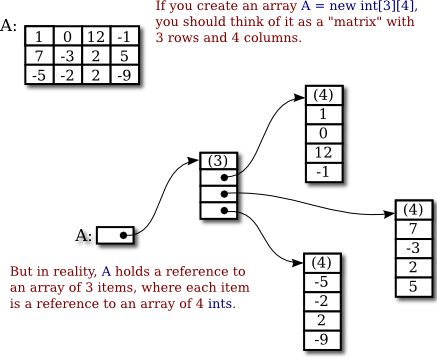
  • Arrays
  • Pointers
  • References

๐Ÿง  User-Defined Types

  • struct
  • class
  • enum

๐Ÿ”ค Variables and Constants


๐Ÿ“Œ Variables

int x = 10;

๐Ÿ”’ Constants

const int MAX = 100;

โš™๏ธ Operators in C++


๐Ÿ”ข Types:

  • Arithmetic (+, -, *, /)
  • Relational (==, >, <)
  • Logical (&&, ||)
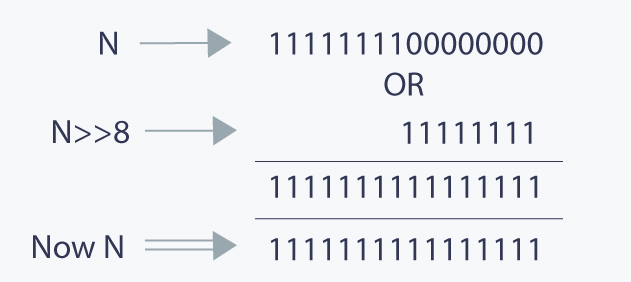
  • Bitwise (&, |, ^)
  • Assignment (=, +=)

๐Ÿงฎ Bitwise Operations

Image
Image
Image
Image

๐Ÿ”„ Control Structures


๐Ÿ”€ Decision Making

Image
Image
Image

๐Ÿ” Loops

Image
Image
Image
Image

๐Ÿง  Functions in C++


๐Ÿ“Œ Definition

int add(int a, int b) {
    return a + b;
}

โš™๏ธ Features:

  • Function overloading
  • Inline functions
  • Recursion

๐Ÿงฉ Object-Oriented Programming (OOP)


๐Ÿง  Core Concepts

Image
Image
Image
Image

๐Ÿ”น 1. Class and Object

class Car {
public:
    int speed;
};

๐Ÿ”น 2. Encapsulation

  • Data hiding
  • Use of access modifiers

๐Ÿ”น 3. Inheritance

Image
Image
Image
Image
  • Reuse of code

๐Ÿ”น 4. Polymorphism

  • Function overloading
  • Operator overloading

๐Ÿ”น 5. Abstraction

  • Hide implementation details

๐Ÿง  Arrays in C++

Image
Image
Image
Image
  • Same as C but with enhancements

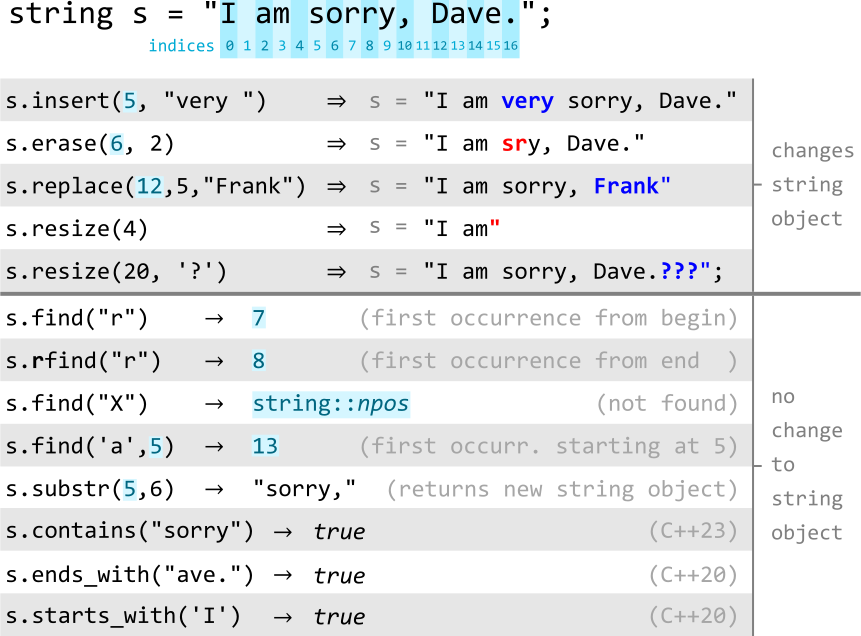
๐Ÿ”ค Strings in C++


๐Ÿ“Œ Types:

Image
Image
Image
Image
  • C-style strings
  • std::string

๐Ÿง  Pointers and References


๐Ÿ“Œ Pointers

Image
Image
Image
Image

๐Ÿ”„ References

  • Alias for variables
int &ref = x;

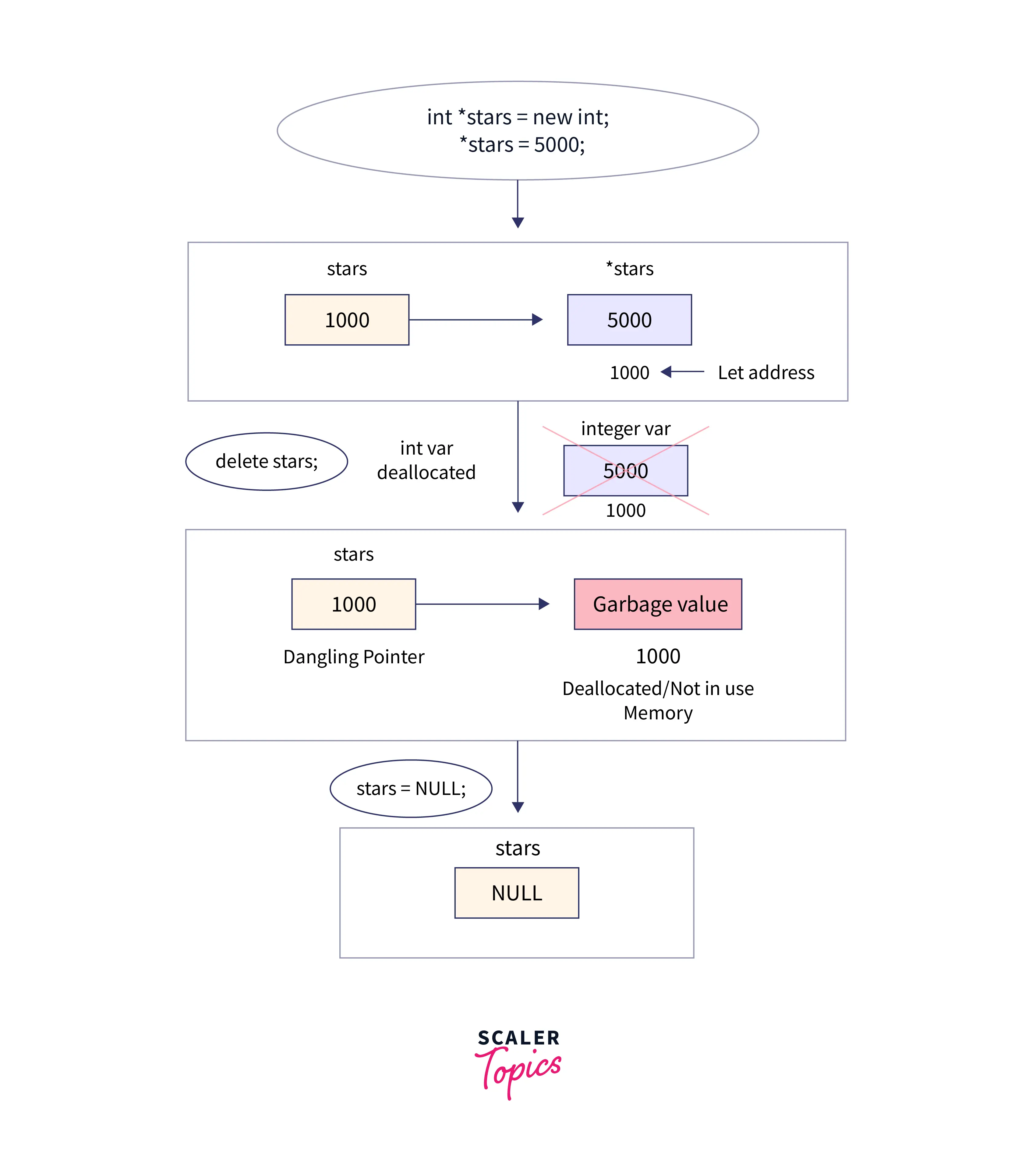
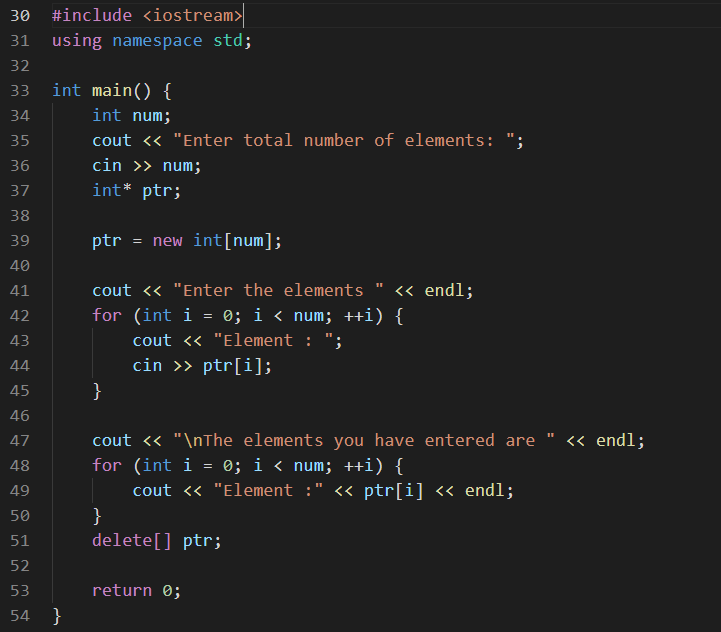
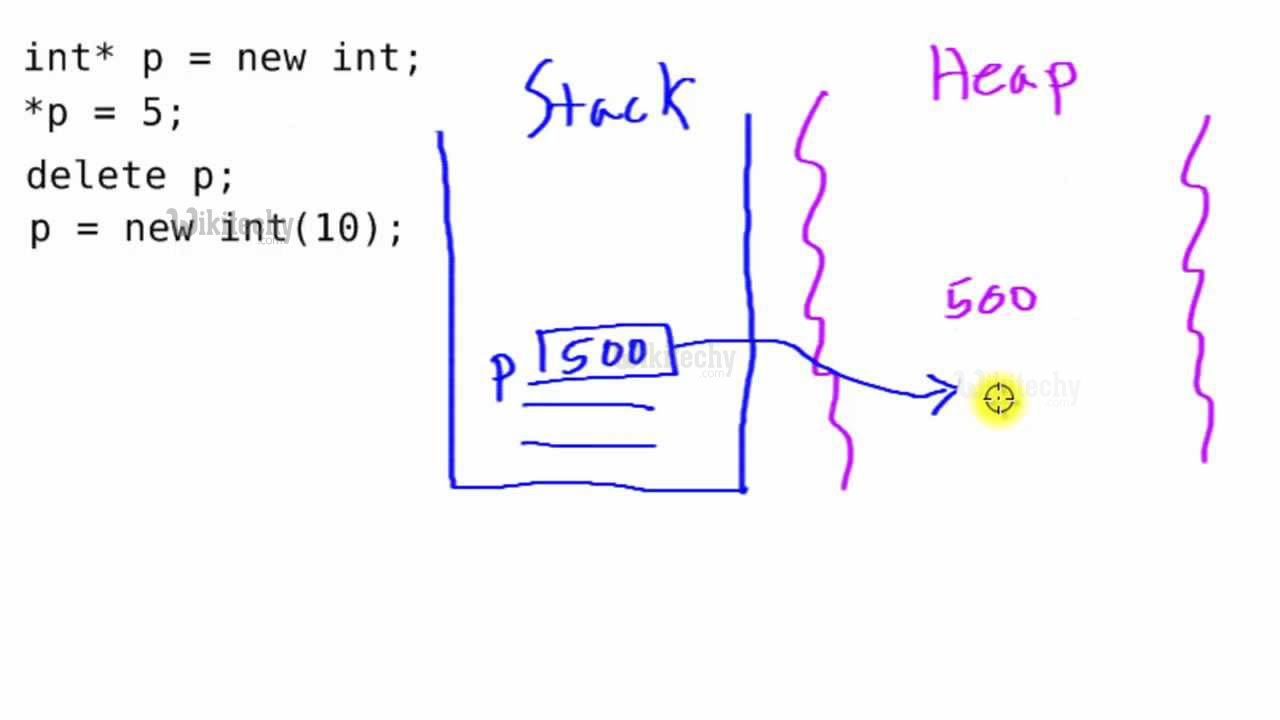
๐Ÿ’พ Dynamic Memory Allocation


๐Ÿ“ฆ Operators:

Image
Image
Image
Image
  • new
  • delete

๐Ÿงฉ Structures and Classes


โš–๏ธ Difference:

FeatureStructClass
Default AccessPublicPrivate

๐Ÿ“‚ File Handling


๐Ÿ“„ Streams:

Image
Image
Image
Image
  • ifstream
  • ofstream
  • fstream

๐Ÿง  Standard Template Library (STL)


๐Ÿ“ฆ Components

Image
Image
Image
Image
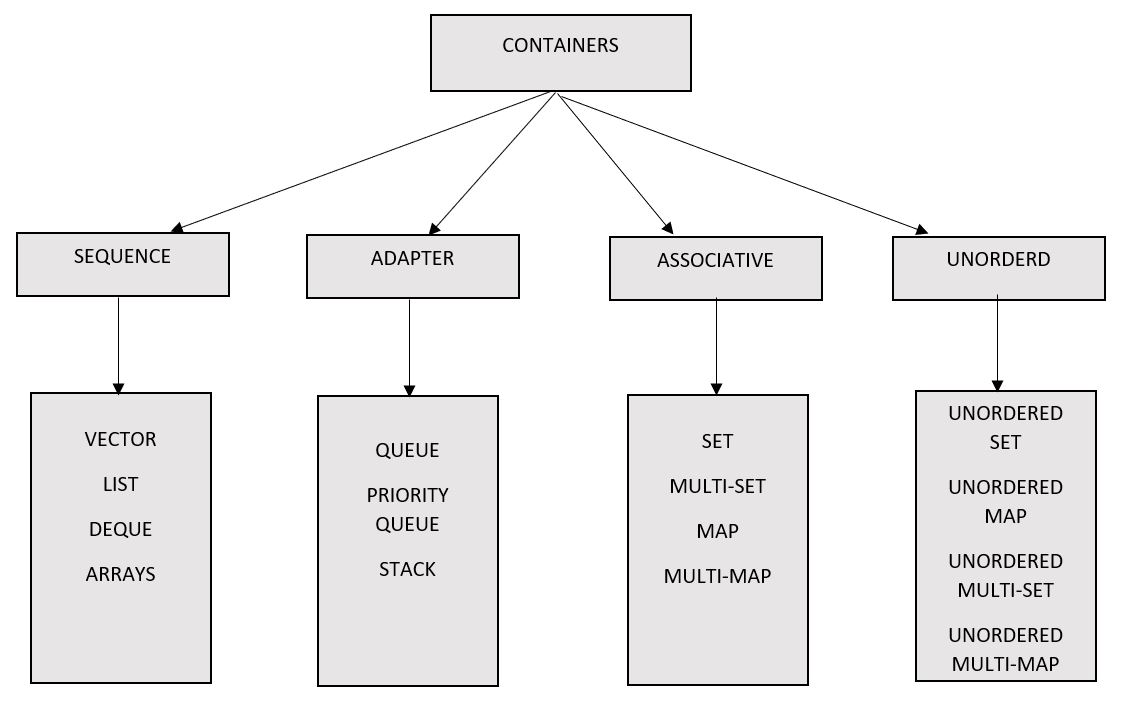
  • Containers (vector, list, map)
  • Algorithms (sort, search)
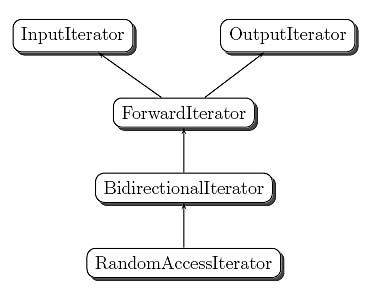
  • Iterators

โš™๏ธ Exception Handling


๐Ÿ”ฅ Concept:

try {
    // code
} catch (...) {
    // handle error
}

๐Ÿง  Templates (Generic Programming)


๐Ÿ“Œ Example:

template <typename T>
T add(T a, T b) {
    return a + b;
}

๐ŸŒ C++ in Software Development Context


๐Ÿง  Role Among Languages

Image
Image
Image
Image

๐Ÿ”น Compared to Other Languages:

LanguageTypeUse
C++OOP + Low-levelSystems, games
PythonHigh-levelAI, scripting
JavaOOPEnterprise

๐Ÿš€ Applications of C++


๐ŸŽฎ Game Development

Image
Image
Image
Image

โš™๏ธ System Software

  • Operating systems
  • Compilers

๐Ÿš— Embedded Systems

  • Robotics
  • Automotive systems

๐Ÿ’น Finance Systems

  • High-frequency trading

โšก Advantages of C++

  • High performance
  • Object-oriented
  • Flexible
  • Rich libraries

โš ๏ธ Limitations

  • Complex syntax
  • Manual memory management
  • Steep learning curve

๐Ÿš€ Modern C++ Trends

Image
Image
Image
Image
  • Smart pointers
  • Lambda expressions
  • Multithreading
  • C++20 features

๐Ÿงพ Conclusion

C++ is a powerful and versatile programming language that:

  • Combines performance with abstraction
  • Supports multiple paradigms
  • Powers modern applications

Learning C++ helps in:

  • Mastering programming fundamentals
  • Building high-performance systems
  • Understanding advanced concepts

๐Ÿท๏ธ Tags

๐Ÿ’ป C Programming โ€“ Complete Detailed Guide (with Software Development Language Context)


๐ŸŒ Introduction to C Programming

Image
Image

C programming is one of the most influential and widely used programming languages in the world. Developed in the early 1970s, it is a general-purpose, procedural programming language that provides low-level access to memory and system resources.

In simple terms:

C = powerful language that connects software with hardware

C is often called the mother of modern programming languages because many languages (like C++, Java, Python) are derived from or influenced by it.


๐Ÿง  Importance of C Programming

  • Foundation for learning programming
  • Used in operating systems (e.g., Linux kernel)
  • High performance and efficiency
  • Direct memory access using pointers
  • Widely used in embedded systems

๐Ÿงฉ Basic Structure of a C Program


๐Ÿ“„ Structure Overview

Image
Image
Image

Example:

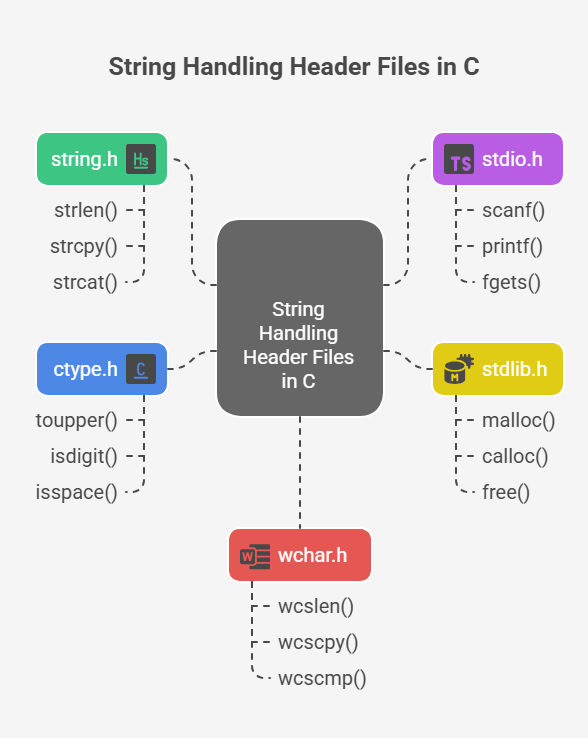
#include <stdio.h>

int main() {
    printf("Hello, World!");
    return 0;
}

๐Ÿง  Components:

  • Preprocessor directives (#include)
  • Main function (main())
  • Statements and expressions
  • Return statement

โš™๏ธ Data Types in C


๐Ÿ”ข Basic Data Types

TypeDescription
intInteger values
floatDecimal values
charCharacters
doubleHigh precision numbers

๐Ÿงฉ Derived Data Types

  • Arrays
  • Pointers
  • Structures
  • Unions

๐Ÿง  User-Defined Types

  • typedef
  • struct
  • enum

๐Ÿ”ค Variables and Constants


๐Ÿ“Œ Variables

Used to store data:

int x = 10;

๐Ÿ”’ Constants

  • Fixed values
#define PI 3.14

โš™๏ธ Operators in C


๐Ÿ”ข Types of Operators


โž• Arithmetic Operators

  • +, -, *, /, %

โš–๏ธ Relational Operators

  • ==, !=, >, <

๐Ÿ”— Logical Operators

  • &&, ||, !

๐Ÿงฎ Bitwise Operators

Image
Image
Image
Image
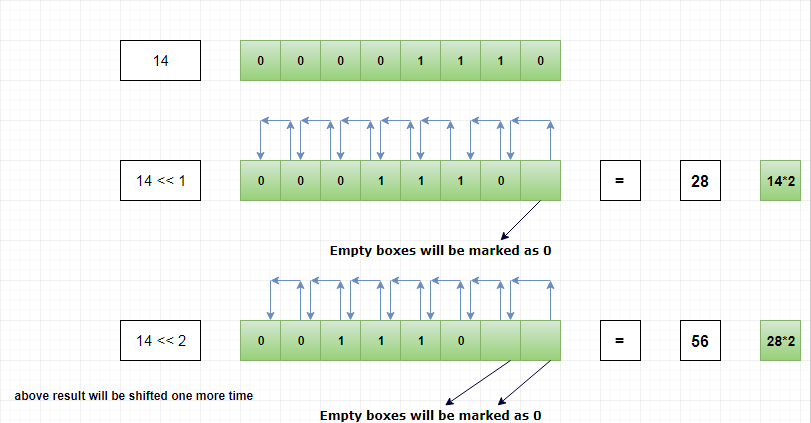
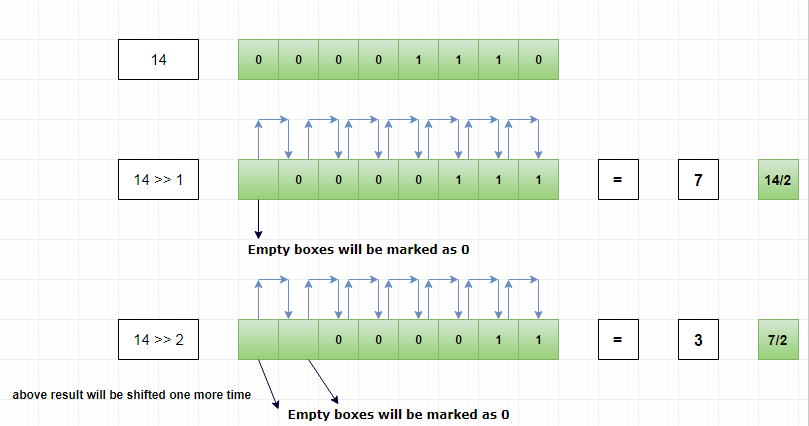
  • &, |, ^, <<, >>

๐Ÿ”„ Control Structures


๐Ÿ”€ Decision Making

Image
if (x > 0) {
    printf("Positive");
}

๐Ÿ” Loops

Image
Image
  • for
  • while
  • do-while

๐Ÿง  Functions in C


๐Ÿ“Œ Definition

Functions are reusable blocks of code.

int add(int a, int b) {
    return a + b;
}

โš™๏ธ Types:

  • Library functions
  • User-defined functions

๐Ÿงฉ Arrays in C

Image
Image
Image
Image
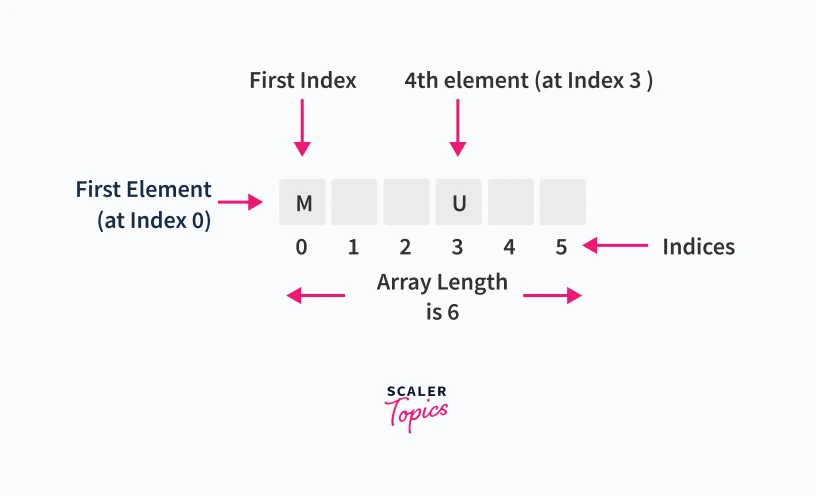
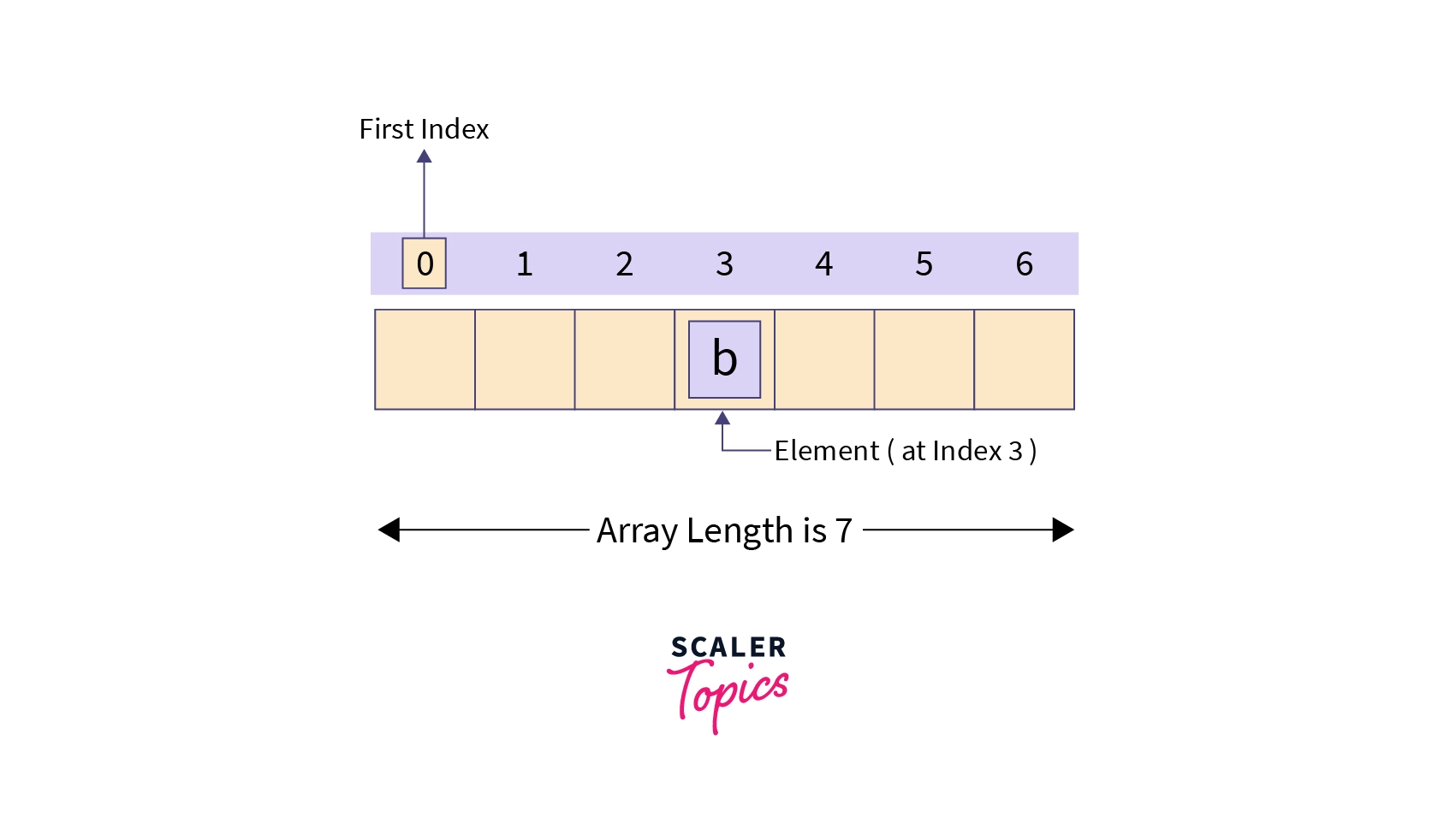
  • Store multiple values
  • Indexed structure

๐Ÿ”ค Strings in C

Image
Image
Image
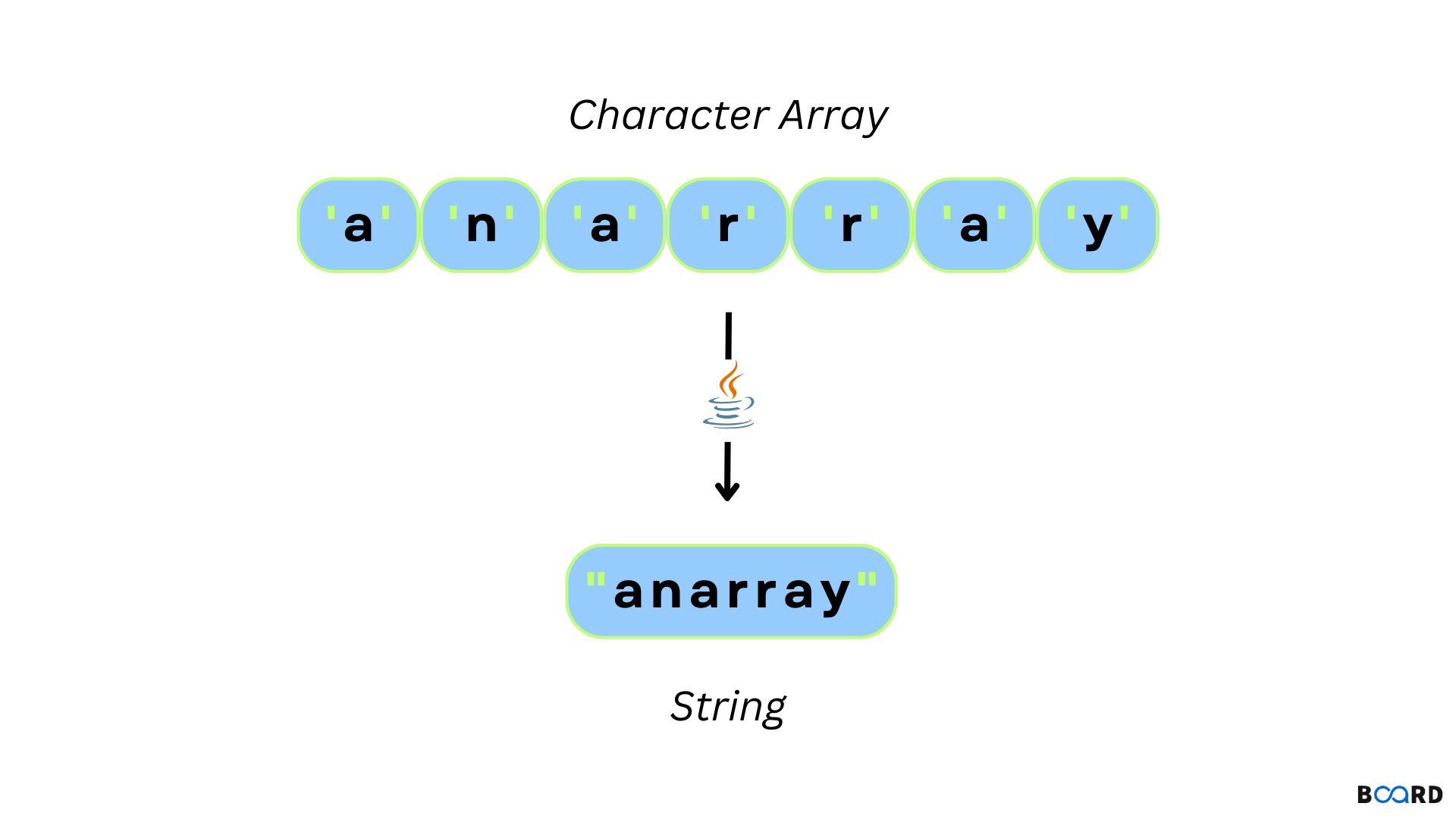
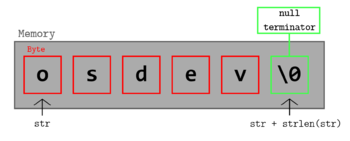
  • Array of characters
  • Null-terminated

๐Ÿง  Pointers in C


๐Ÿ“Œ Concept

Image
Image
Image
Image

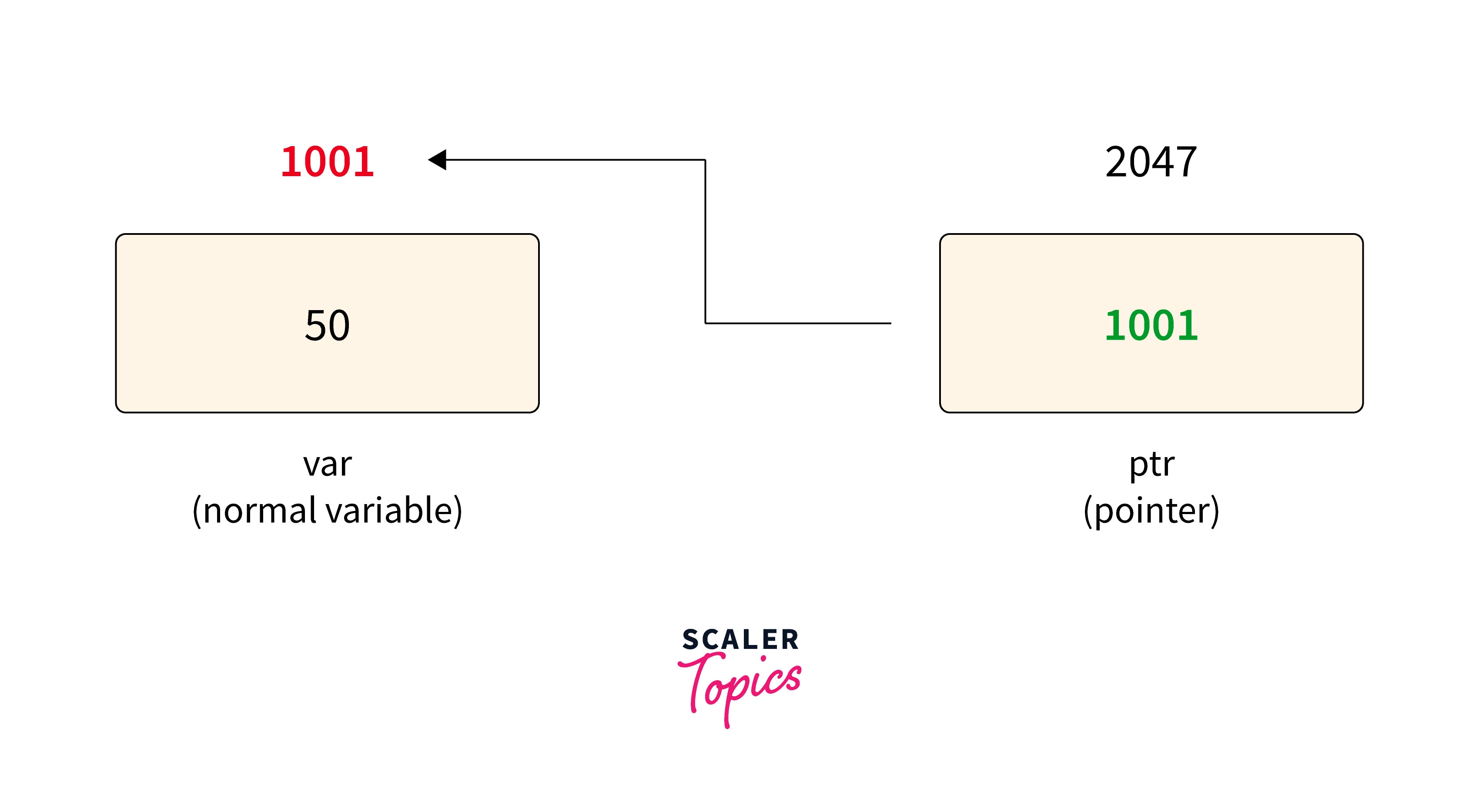
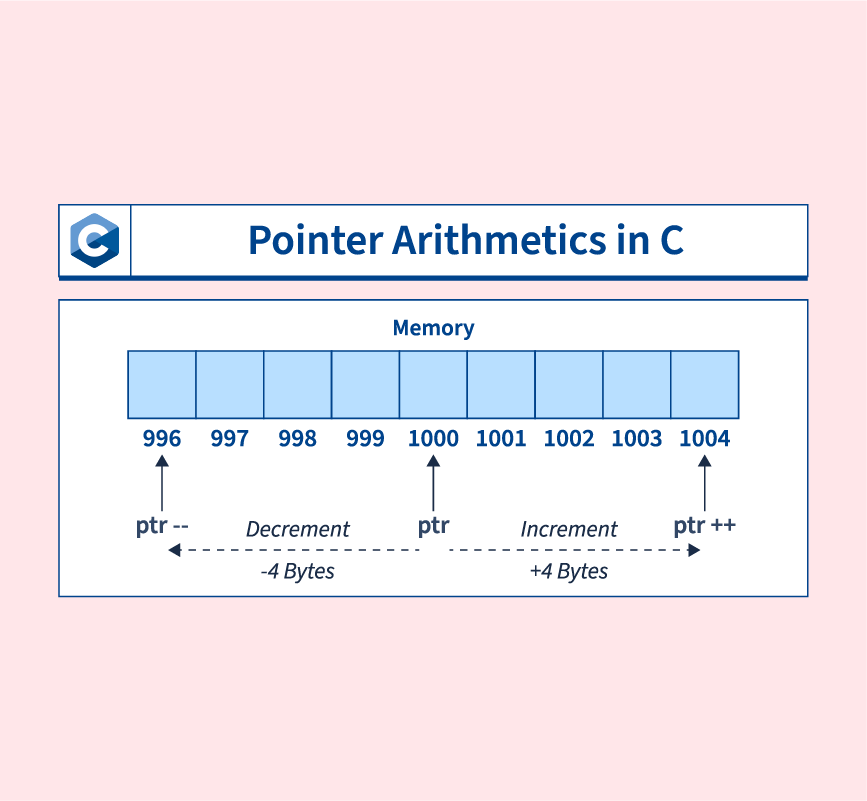
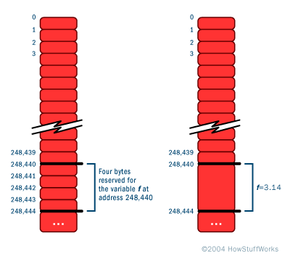
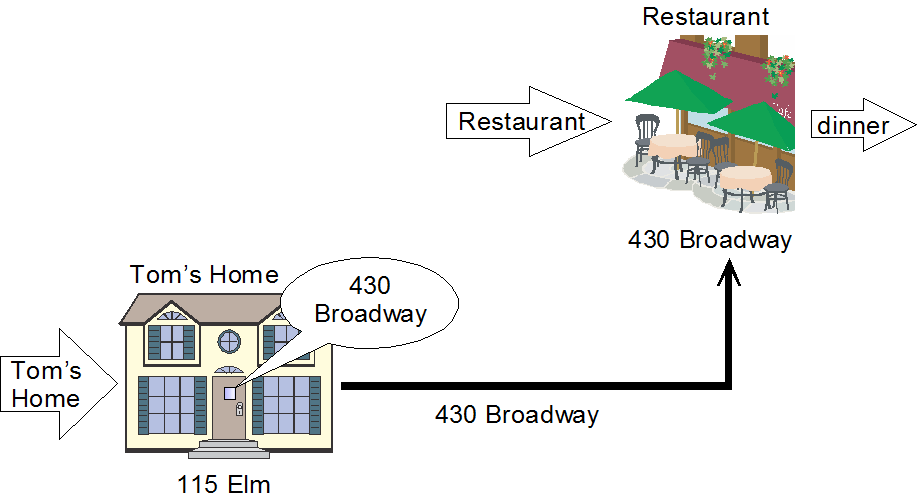
Pointers store memory addresses.

int *ptr;

โš™๏ธ Uses:

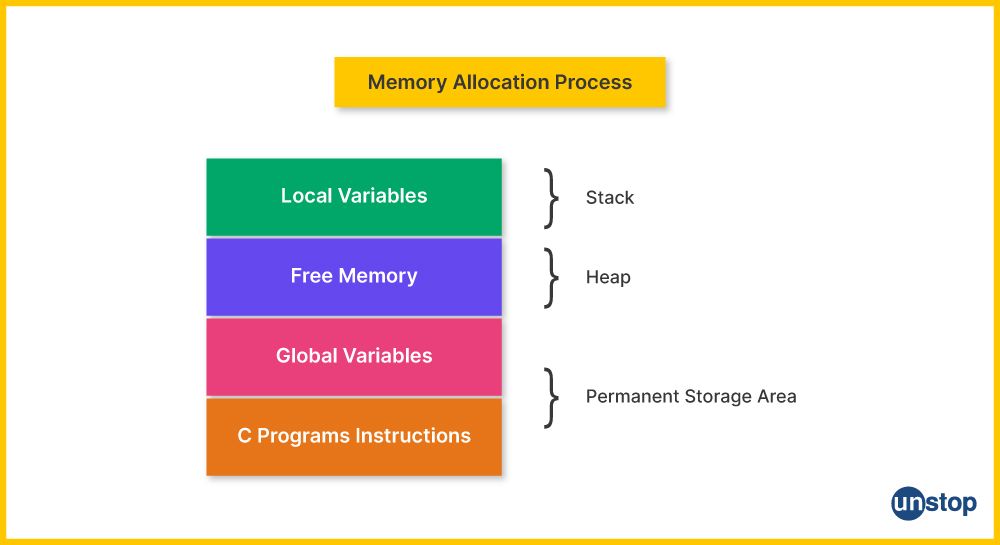
  • Dynamic memory allocation
  • Efficient array handling
  • Function arguments

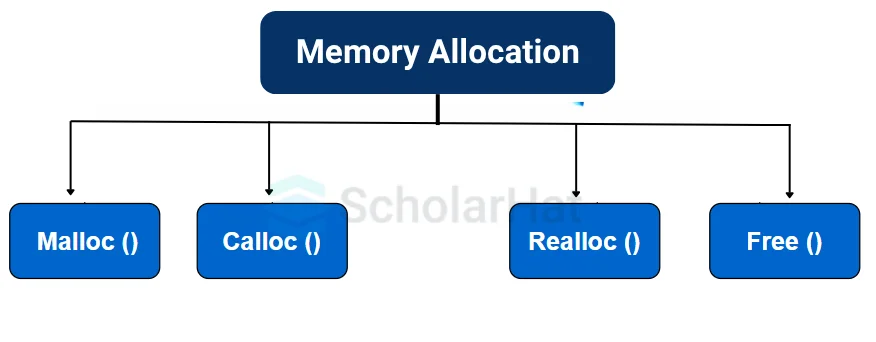
๐Ÿ’พ Dynamic Memory Allocation


๐Ÿ“ฆ Functions:

Image
Image
Image
Image
  • malloc()
  • calloc()
  • realloc()
  • free()

๐Ÿงฉ Structures and Unions


๐Ÿ“ฆ Structures

Image
Image
Image
Image
struct Student {
    int id;
    char name[20];
};

๐Ÿ”„ Unions

  • Share memory among variables

๐Ÿ“‚ File Handling in C


๐Ÿ“„ Operations:

Image
Image
Image
Image
  • fopen()
  • fread()
  • fwrite()
  • fclose()

๐Ÿง  Preprocessor Directives


๐Ÿ”น Examples:

  • #include
  • #define
  • #ifdef

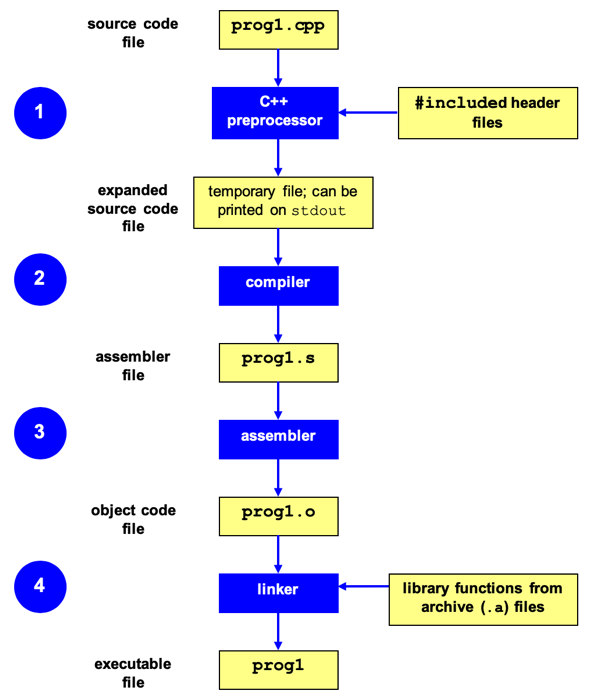
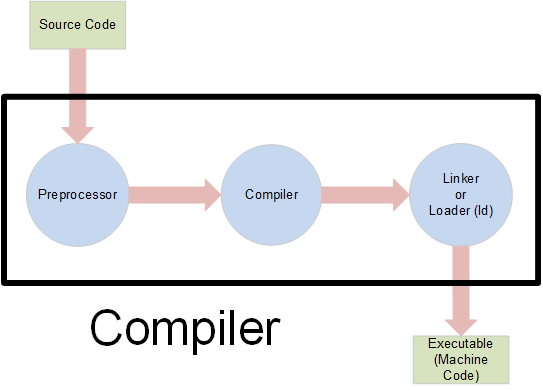
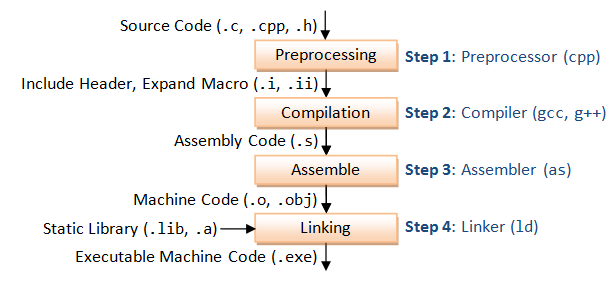
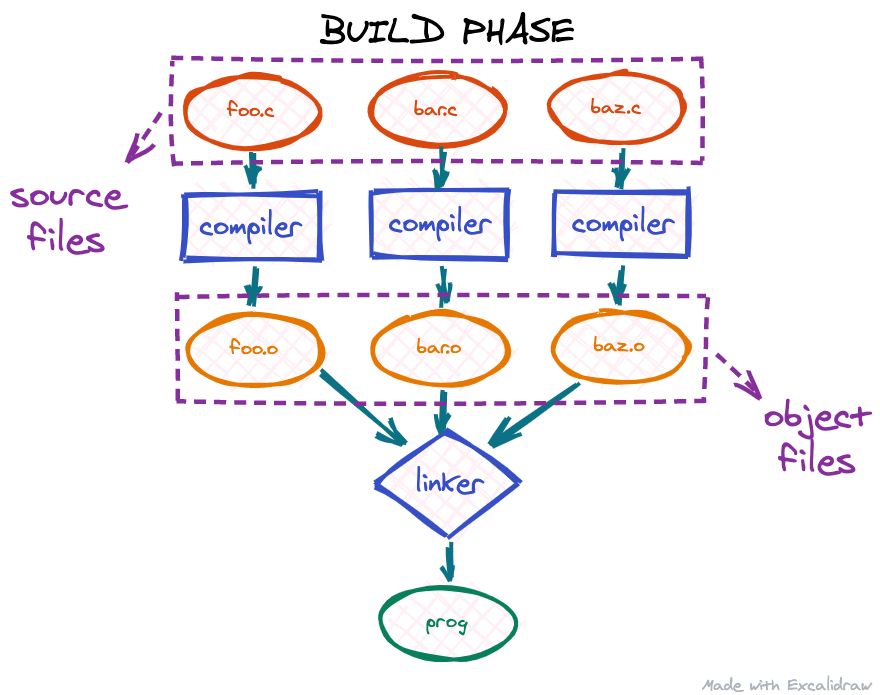
โš™๏ธ Compilation Process


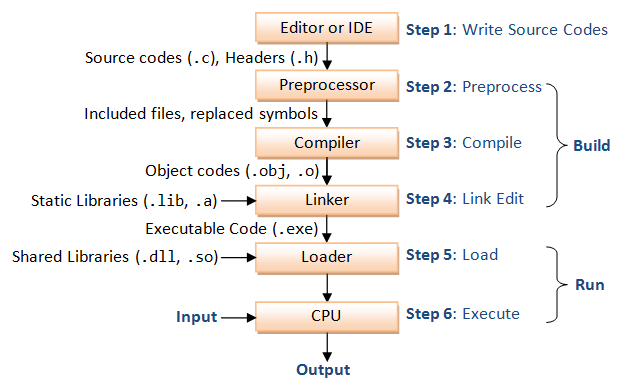
๐Ÿ”„ Steps

Image
Image
Image
Image
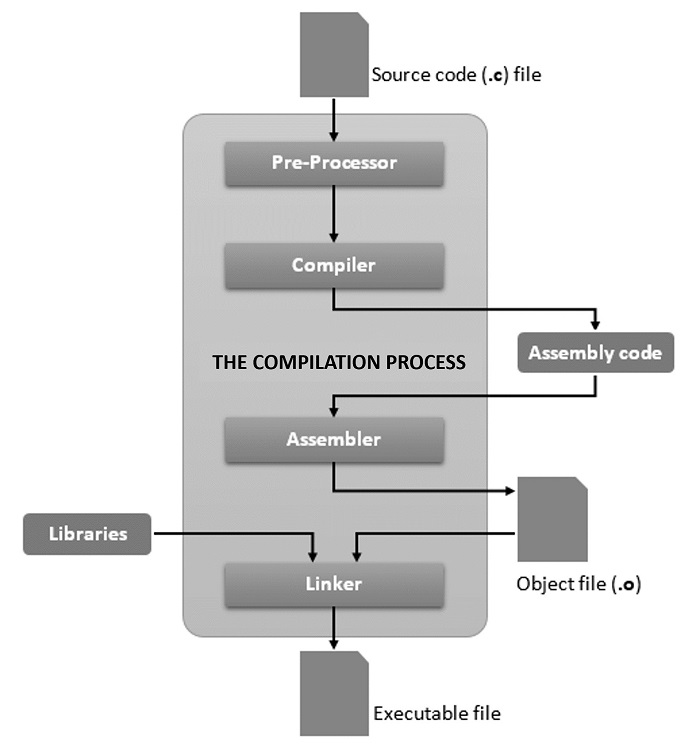
  1. Preprocessing
  2. Compilation
  3. Linking
  4. Execution

๐Ÿง  Applications of C Programming


๐Ÿ’ป System Programming

  • Operating systems
  • Compilers

โš™๏ธ Embedded Systems

  • Microcontrollers
  • IoT devices

๐ŸŽฎ Game Development

  • Performance-critical code

๐ŸŒ Networking

  • Protocol implementations

โšก Advantages of C

  • Fast and efficient
  • Portable
  • Low-level access
  • Rich library support

โš ๏ธ Limitations

  • No built-in OOP
  • Manual memory management
  • Error-prone

๐ŸŒ C in Software Development Languages Context


๐Ÿง  Role of C Among Languages

Image
Image
Image
Image

๐Ÿ”น Low-Level Languages

  • C
  • Assembly

๐Ÿ”น High-Level Languages

  • Python
  • Java
  • JavaScript

๐Ÿ”น Object-Oriented Languages

  • C++
  • Java

โš–๏ธ Comparison

LanguageTypeUse
CProceduralSystem programming
PythonHigh-levelAI, scripting
JavaOOPEnterprise apps

๐Ÿš€ Modern Trends


๐Ÿ”ฌ Developments

Image
Image
Image
Image
  • Embedded systems
  • IoT
  • High-performance computing
  • Kernel development
๐Ÿงพ Conclusion

C programming is a powerful foundational language that:

  • Teaches core programming concepts
  • Enables system-level programming
  • Forms the base for many modern languages

Learning C helps in:

  • Understanding memory and performance
  • Building efficient applications
  • Mastering advanced programming concepts

๐Ÿท๏ธ Tag

๐Ÿ“Š Data Representation in Computers โ€“ Complete Detailed Guide


๐ŸŒ Introduction to Data Representation

Image
Image
Image
Image

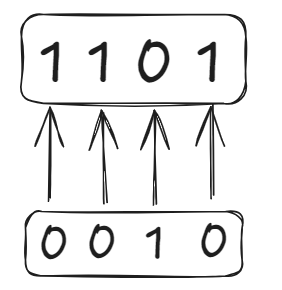
Data representation is the method by which information is encoded, stored, and processed inside a computer system. Since computers can only understand binary (0 and 1), all forms of dataโ€”numbers, text, images, audio, and videoโ€”must be converted into binary format.

In simple terms:

Data representation = Converting real-world information into binary form

This concept is fundamental to computer science, digital electronics, programming, artificial intelligence, and data communication.


๐Ÿง  Why Data Representation Is Important

  • Enables computers to process different types of data
  • Ensures efficient storage and transmission
  • Maintains accuracy and precision
  • Supports interoperability between systems
  • Forms the basis of algorithms and programming

๐Ÿ”ข Number Representation


๐Ÿงฎ 1. Number Systems Overview

Image
Image
Image
Image

Computers primarily use the binary number system, but other systems are also used:

SystemBaseUsage
Binary2Internal processing
Decimal10Human interaction
Octal8Compact binary form
Hexadecimal16Programming/debugging

๐Ÿ”ข 2. Integer Representation

Image
Image
Image
Image

Types:

a. Unsigned Integers

  • Represent only positive numbers
  • Example (8-bit):
    Range = 0 to 255

b. Signed Integers

Represent both positive and negative numbers.

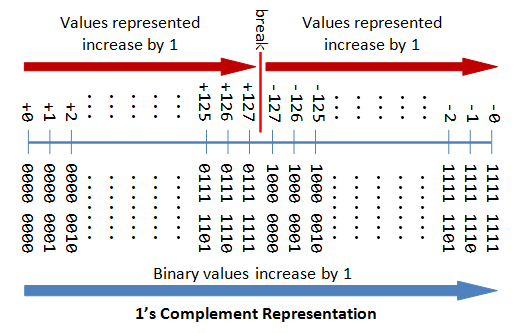
Methods:

  • Sign-Magnitude
  • Oneโ€™s Complement
  • Twoโ€™s Complement (most common)

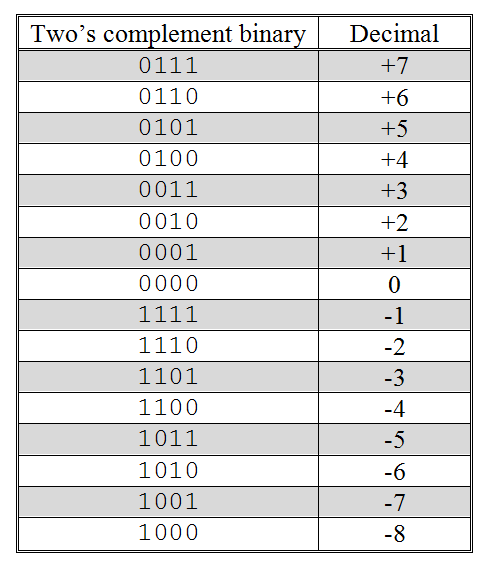
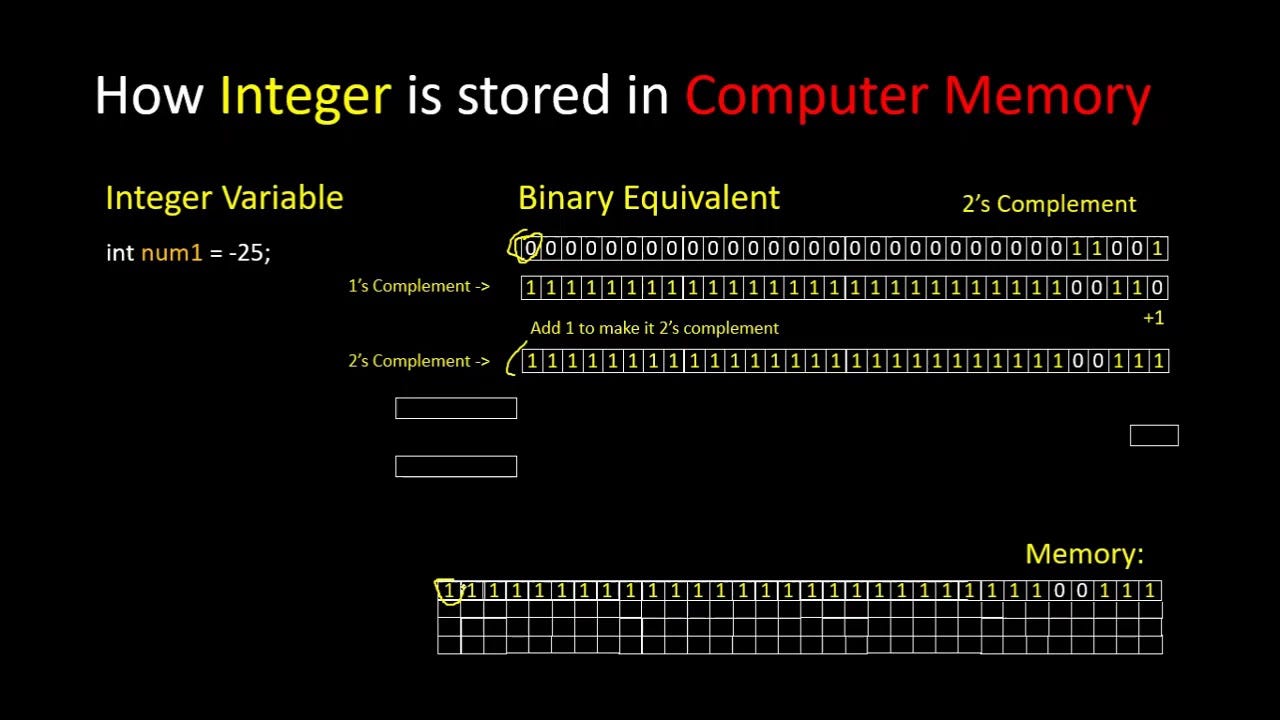
โš™๏ธ Twoโ€™s Complement Representation

Steps:

  1. Invert bits
  2. Add 1

Example:

+5 = 00000101
-5 = 11111011

Advantages:

  • Simplifies arithmetic operations
  • Only one representation for zero

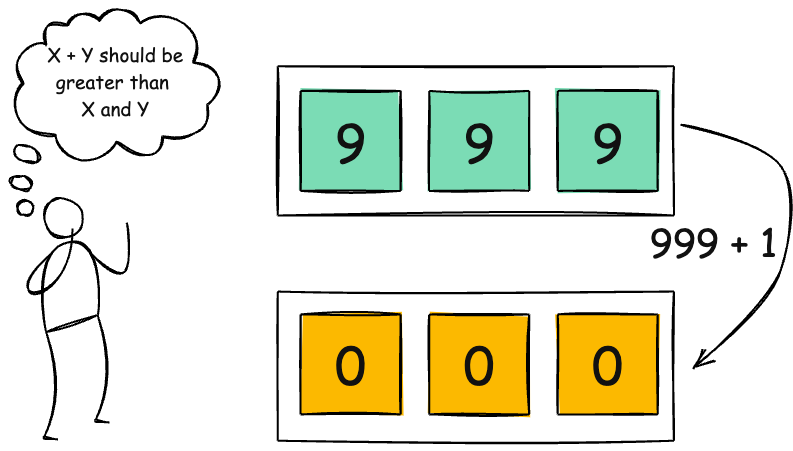
โš ๏ธ Overflow and Underflow

Occurs when:

  • Number exceeds available bits
  • Leads to incorrect results

๐Ÿ”ข 3. Floating-Point Representation

Image
Image
Image
Image

Used for representing real numbers (decimals).

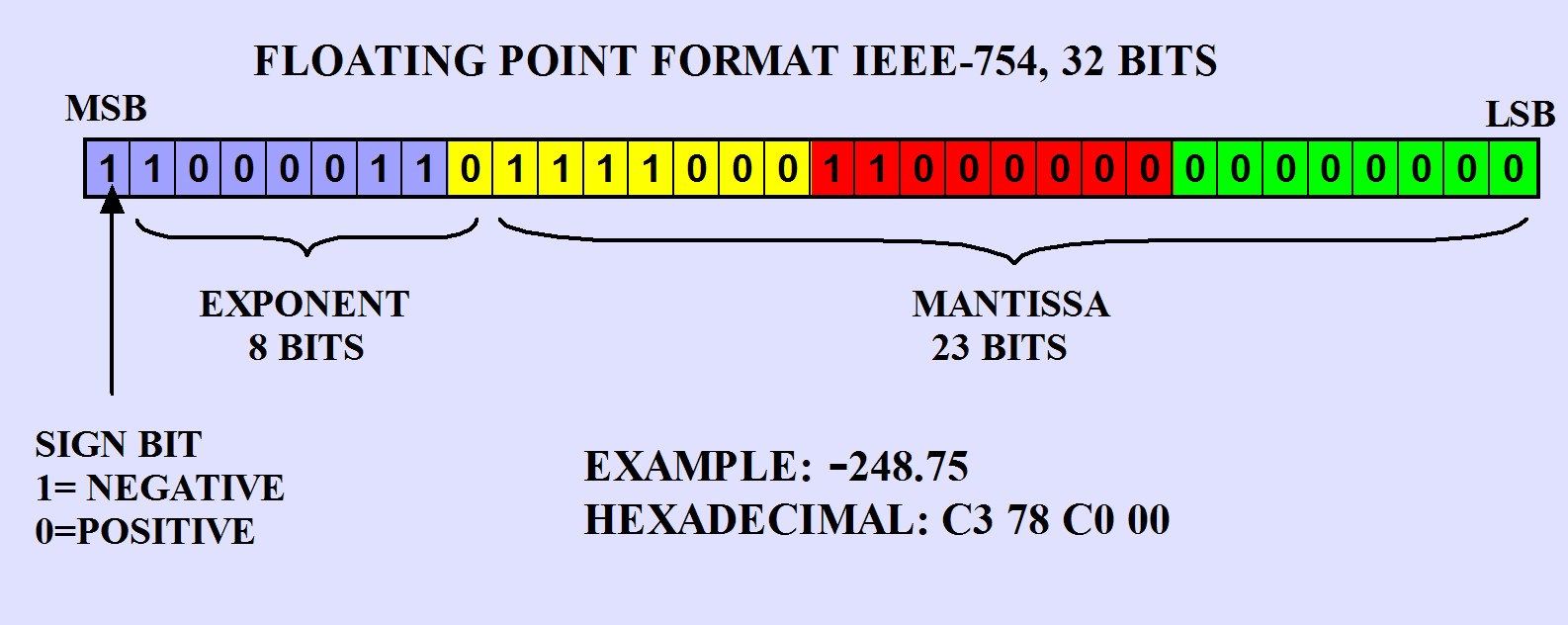
IEEE 754 Standard:

Components:

  • Sign bit
  • Exponent
  • Mantissa (fraction)

Example:

3.75 โ†’ Binary โ†’ Floating-point format

Types:

  • Single precision (32-bit)
  • Double precision (64-bit)

โš ๏ธ Precision Issues

  • Rounding errors
  • Limited precision
  • Representation gaps

๐Ÿ”ค Character Representation


๐Ÿ”ก 1. ASCII Encoding

Image
Image
Image
Image

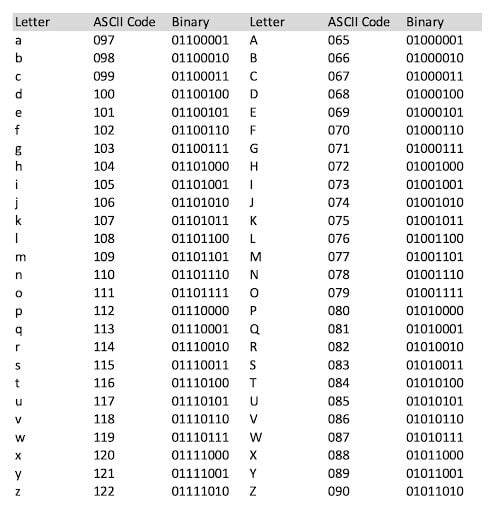
ASCII (American Standard Code for Information Interchange):

  • Uses 7 or 8 bits
  • Represents 128 or 256 characters

Example:

  • A โ†’ 65 โ†’ 01000001

๐ŸŒ 2. Unicode

Image
Image
Image
Image

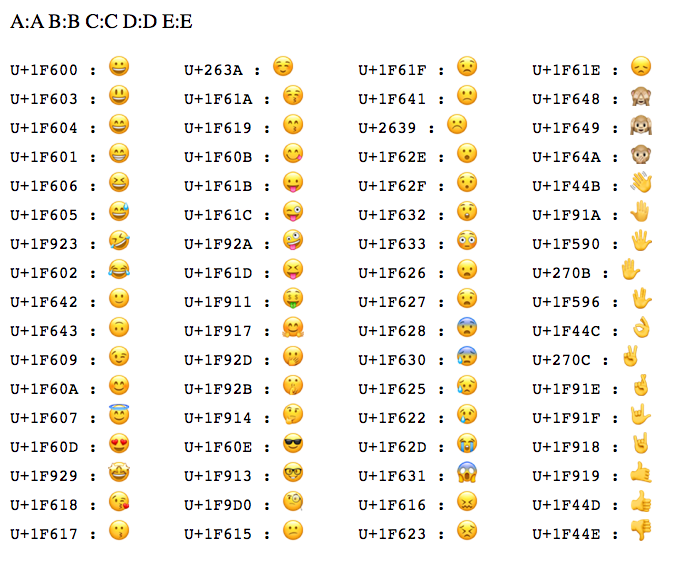
Unicode supports global languages.

Formats:

  • UTF-8
  • UTF-16
  • UTF-32

Advantages:

  • Universal character support
  • Compatible with ASCII

๐Ÿ–ผ๏ธ Image Representation


๐Ÿ“ท 1. Bitmap Images

Image
Image
Image
Image

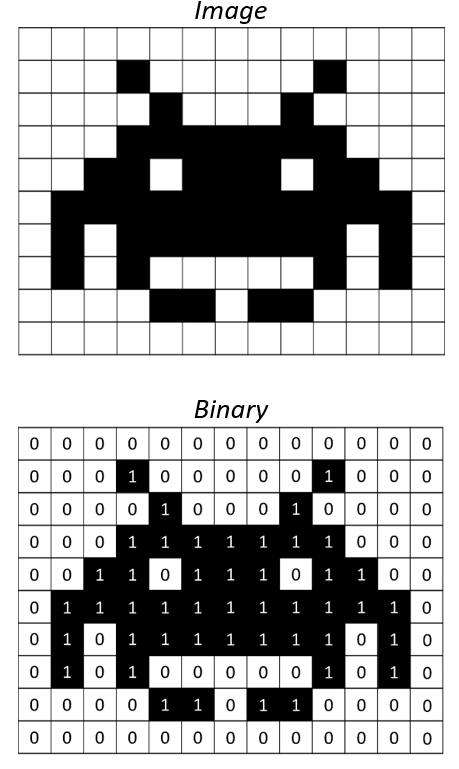
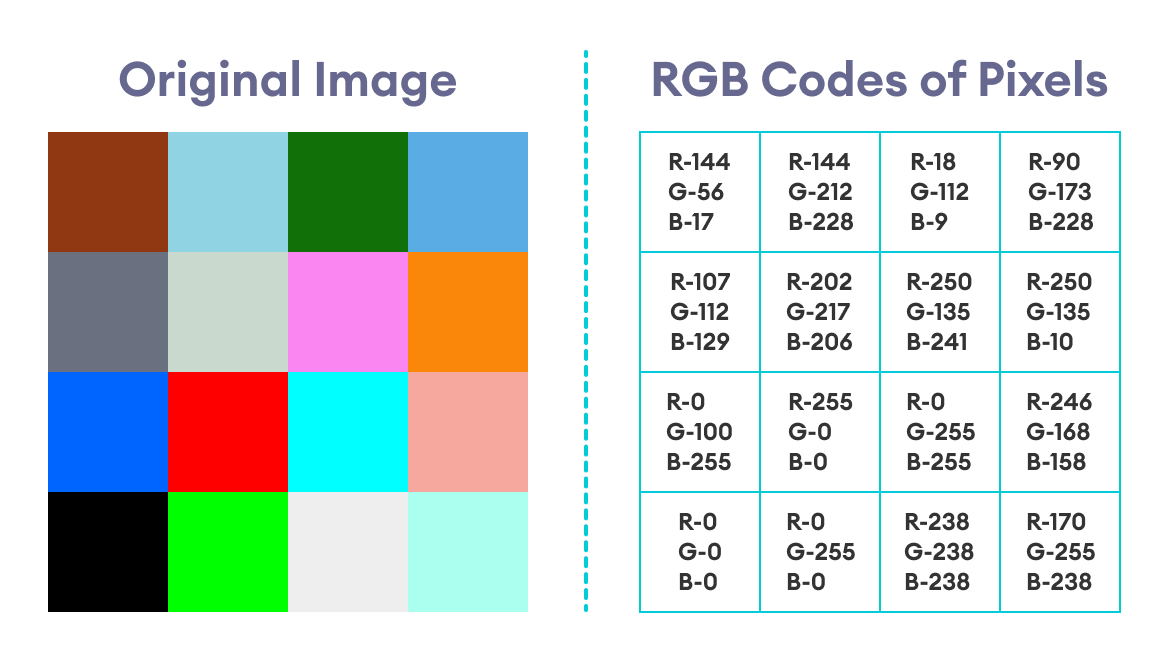
Images are represented as a grid of pixels.

Components:

  • Resolution
  • Color depth
  • Pixel values

๐ŸŽจ 2. Color Representation

Image
Image
Image
Image

RGB Model:

  • Red, Green, Blue components
  • Each color stored in binary

Example:

  • 24-bit color โ†’ 16 million colors

๐Ÿงฉ 3. Image Compression

Types:

  • Lossless (PNG)
  • Lossy (JPEG)

Purpose:

  • Reduce file size
  • Maintain quality

๐Ÿ”Š Audio Representation


๐ŸŽต 1. Analog to Digital Conversion

Image
Image
Image
Image

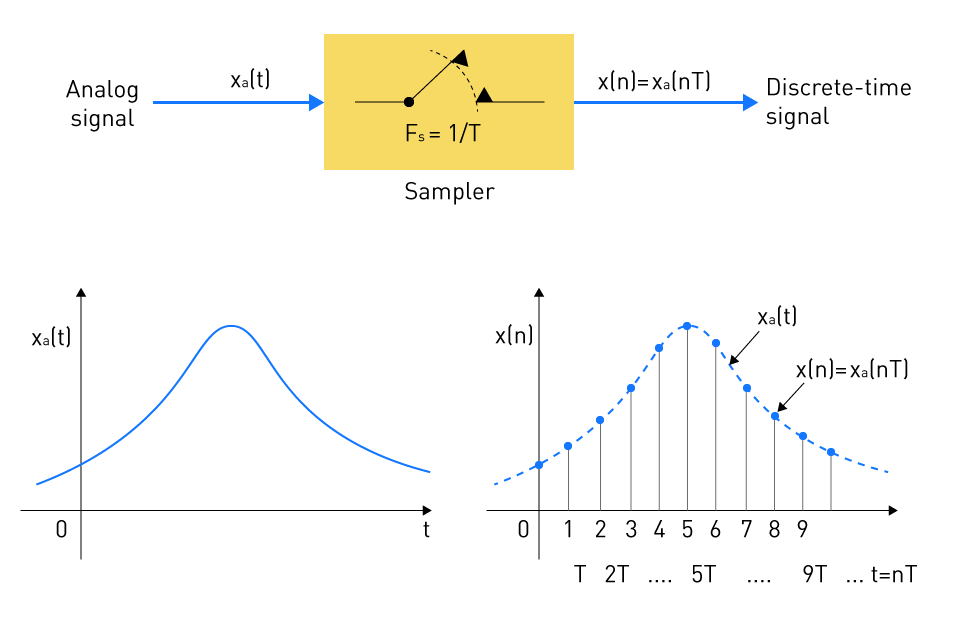
Steps:

  1. Sampling
  2. Quantization
  3. Encoding

๐Ÿ”Š 2. Sampling Rate

  • Measured in Hz
  • Example: 44.1 kHz

๐ŸŽš๏ธ 3. Bit Depth

  • Determines audio quality
  • Higher bits โ†’ better quality

๐ŸŽง 4. Audio Formats

  • WAV (uncompressed)
  • MP3 (compressed)

๐ŸŽฅ Video Representation


๐ŸŽฌ 1. Frame-Based Representation

Image
Image
Image
Image

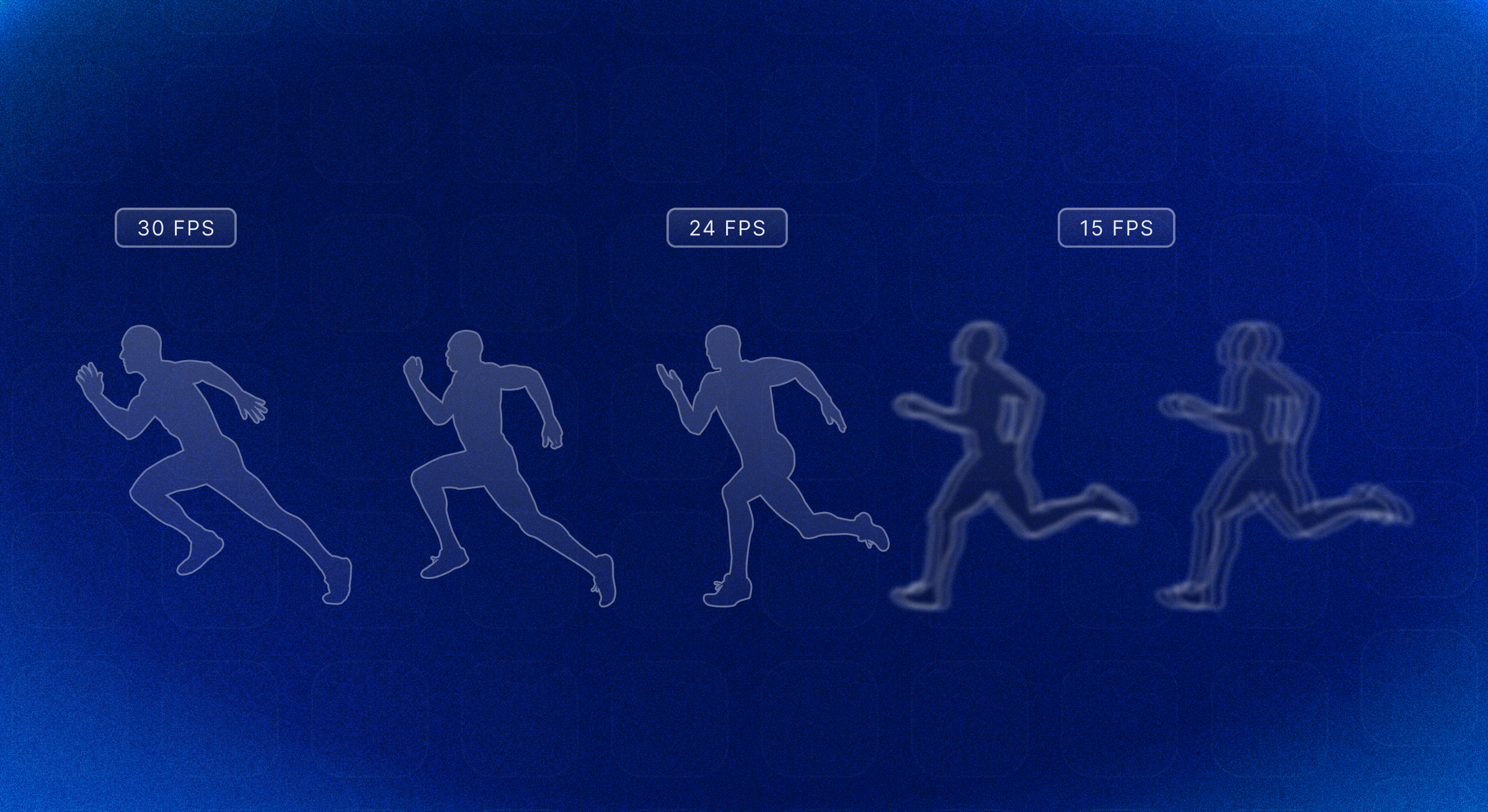
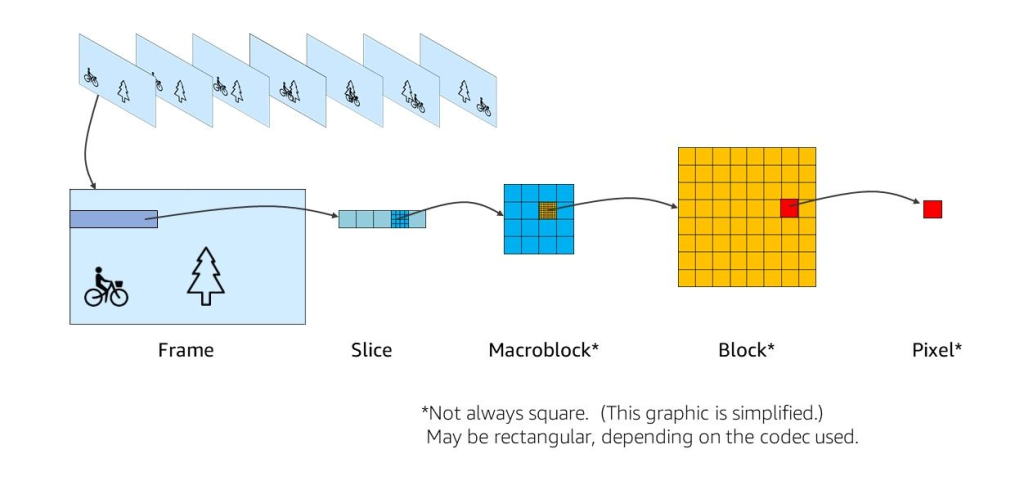
Video = sequence of images (frames)


โฑ๏ธ 2. Frame Rate

  • Frames per second (fps)
  • Example: 30 fps

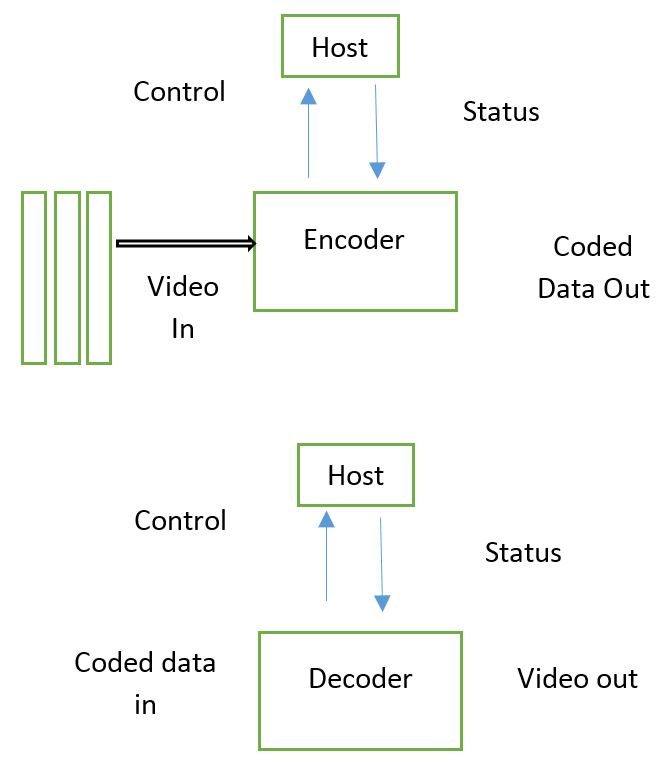
๐Ÿ“ฆ 3. Video Compression

  • Reduces file size
  • Uses codecs (H.264, HEVC)

๐Ÿง  Data Representation in Memory


๐Ÿ’พ Memory Storage

Image
Image
Image
Image
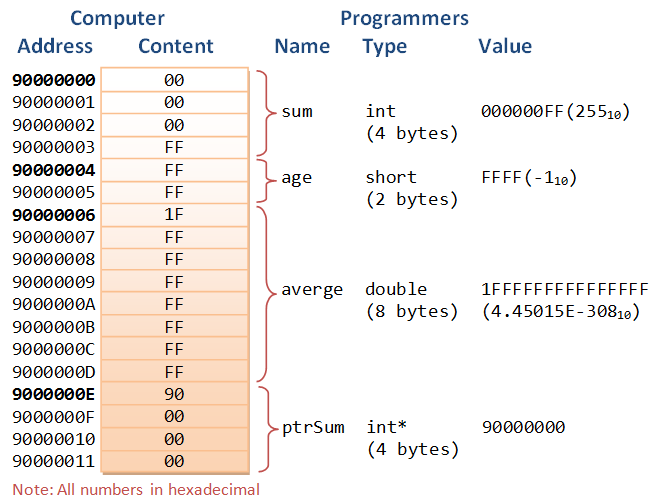
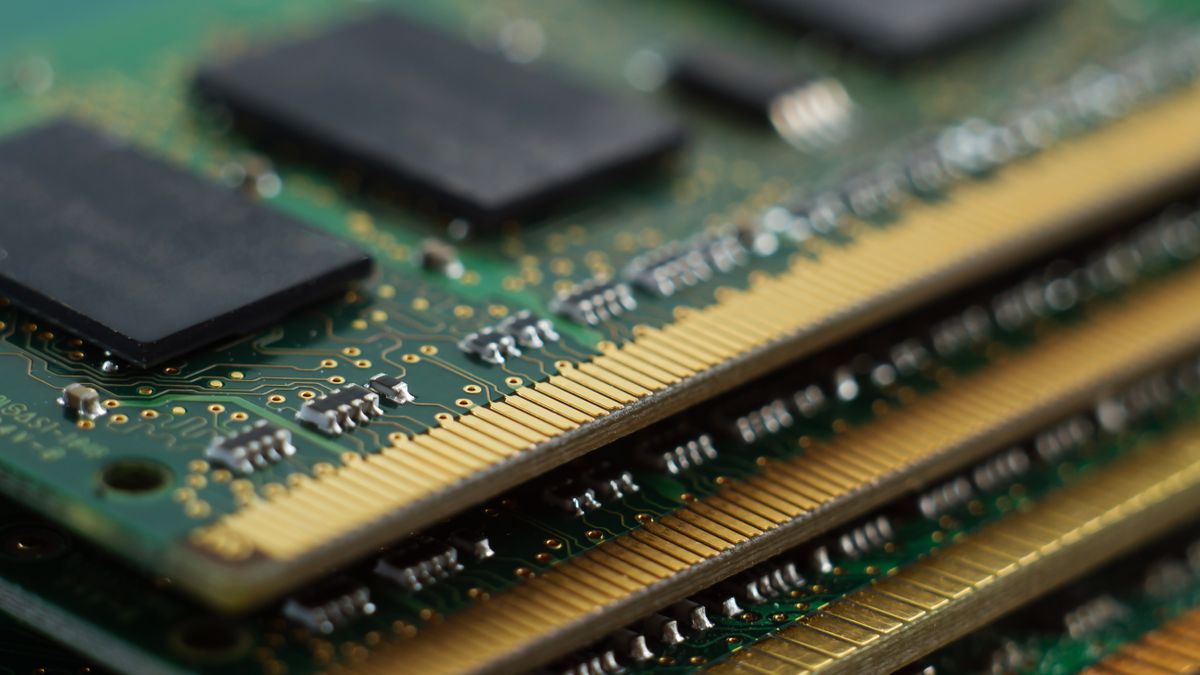
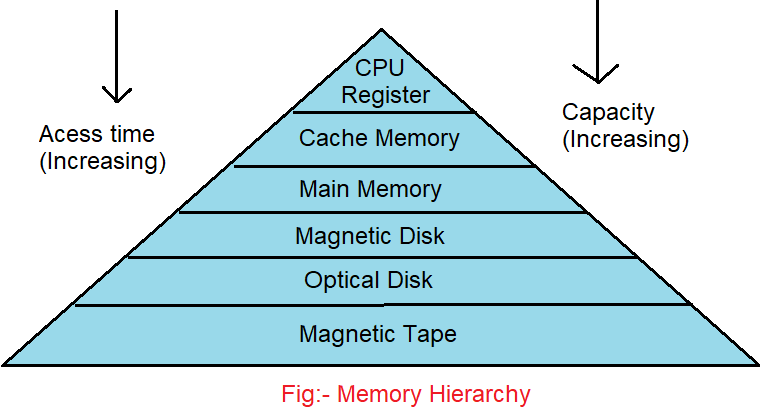
  • Data stored as binary in memory cells
  • Organized into bytes and words

๐Ÿ”ข Endianness

  • Big-endian
  • Little-endian

Defines byte order in memory.


๐Ÿ” Error Detection and Correction


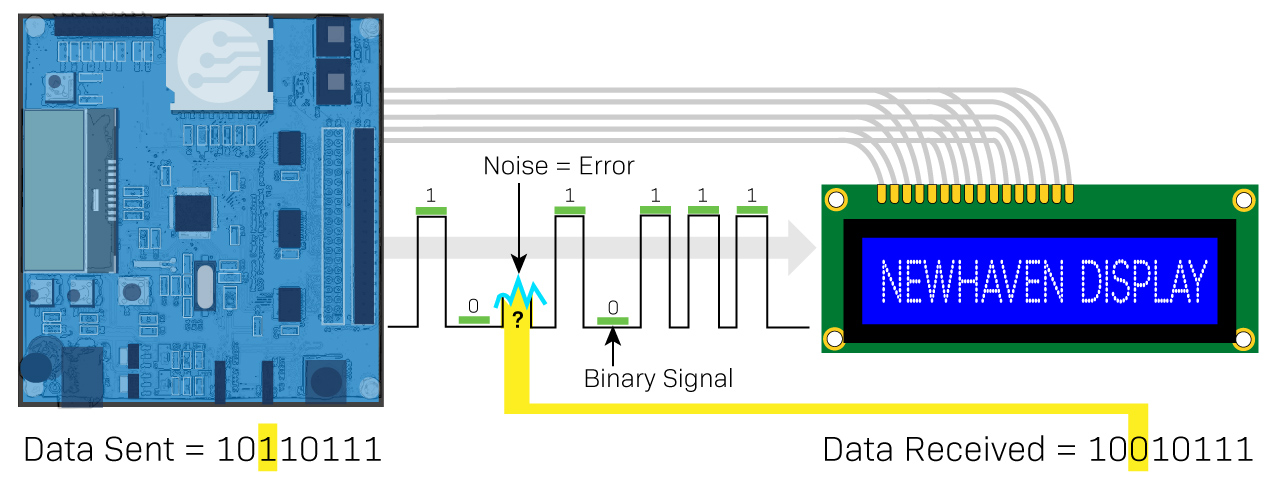
โš ๏ธ Techniques:

Image
Image
Image
Image
  • Parity bits
  • Hamming code
  • CRC

โš™๏ธ Data Compression


๐Ÿ“ฆ Types:

  • Lossless
  • Lossy

Used in:

  • Images
  • Audio
  • Video

๐Ÿงฉ Data Types in Programming


๐Ÿ”ค Types:

  • Integer
  • Float
  • Character
  • Boolean

Each type has a binary representation.


๐ŸŒ Data Representation in Networking


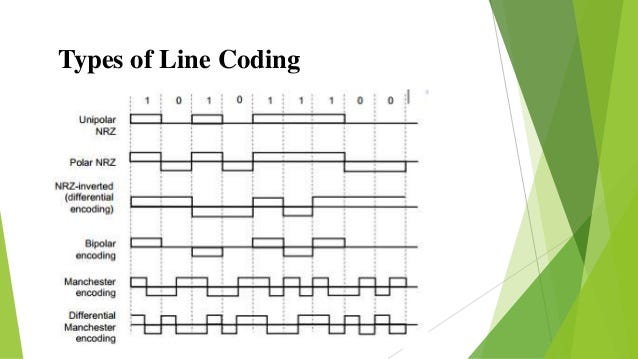
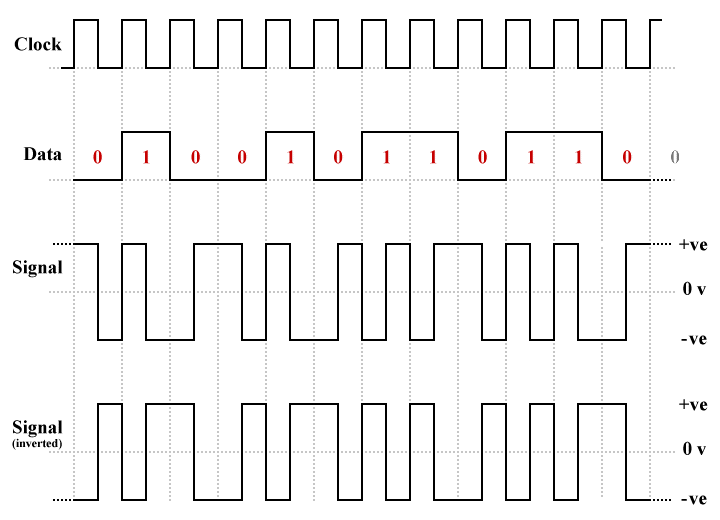
๐Ÿ“ก Encoding Techniques:

Image
Image
Image
Image
  • NRZ
  • Manchester encoding

โšก Advantages of Data Representation

  • Efficient storage
  • Fast processing
  • Standardization
  • Compatibility

โš ๏ธ Limitations

  • Precision loss
  • Complexity
  • Conversion overhead

๐Ÿง  Modern Trends


๐Ÿš€ Emerging Technologies

Image
Image
Image
Image
  • Quantum data representation
  • AI data encoding
  • Big data structures
  • Blockchain systems

๐Ÿงพ Conclusion

Data representation is the foundation of all computing processes. It enables computers to:

  • Understand real-world data
  • Process complex information
  • Store and transmit efficiently

From numbers and text to multimedia and AI systems, every digital interaction relies on how effectively data is represented.


๐Ÿท๏ธ Tags