Tag Archives: human rights

⚖️ Gender Equality and Inclusivity — A Comprehensive Detailed Study


🌍 Introduction

Image
Image
Image
Image

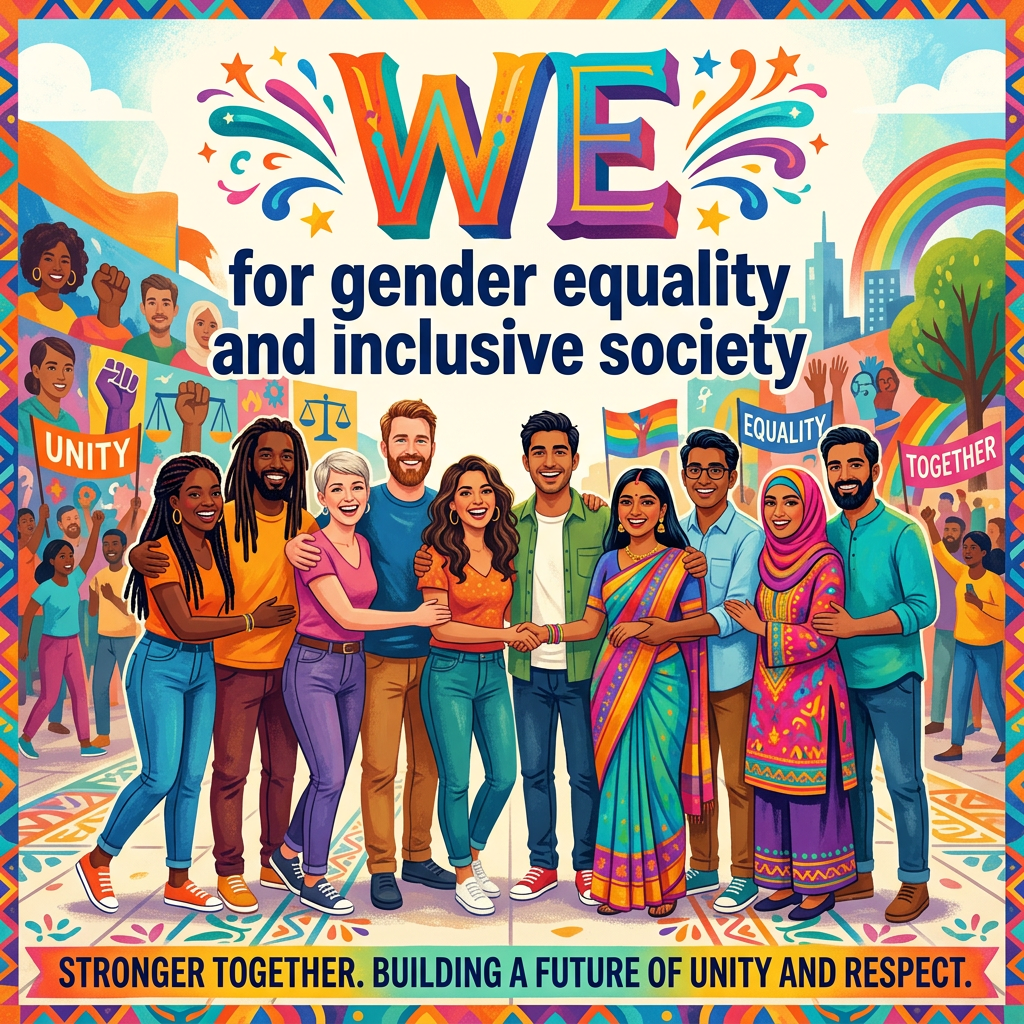
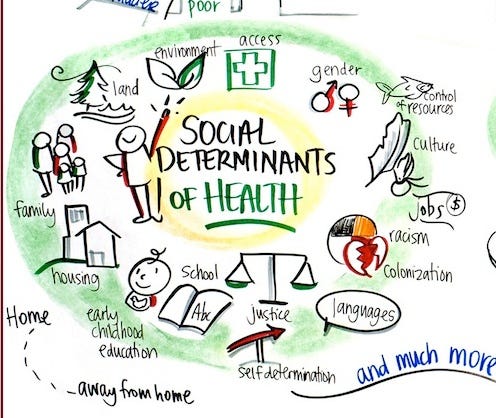
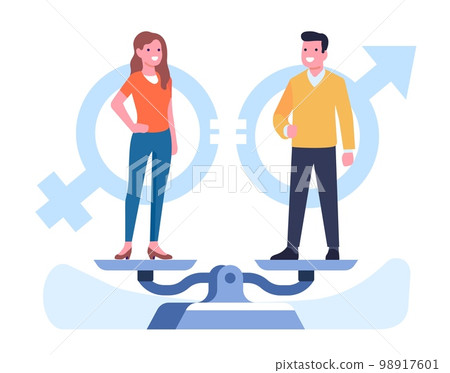
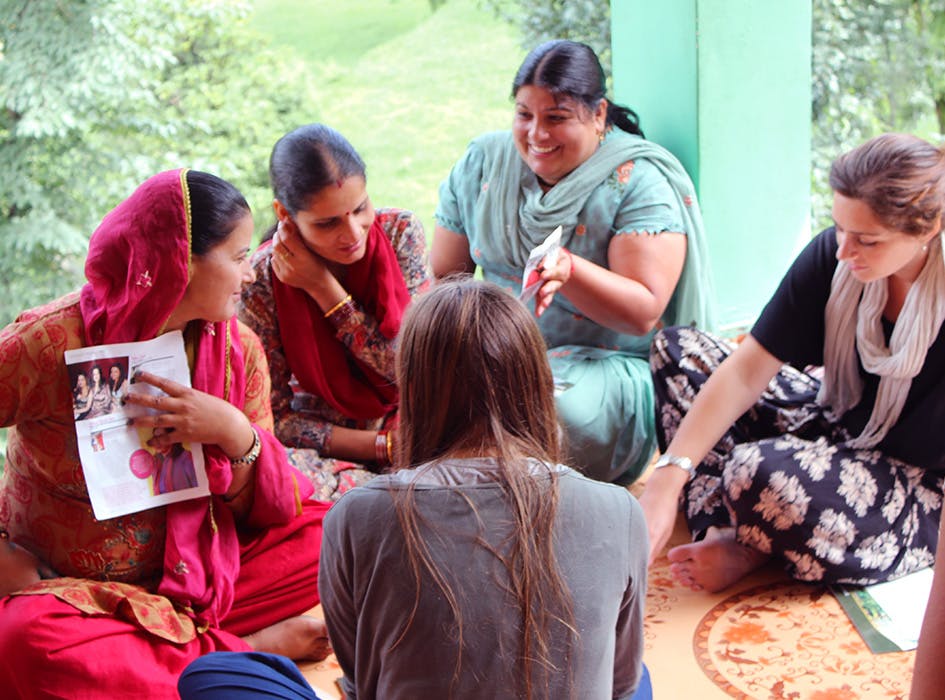
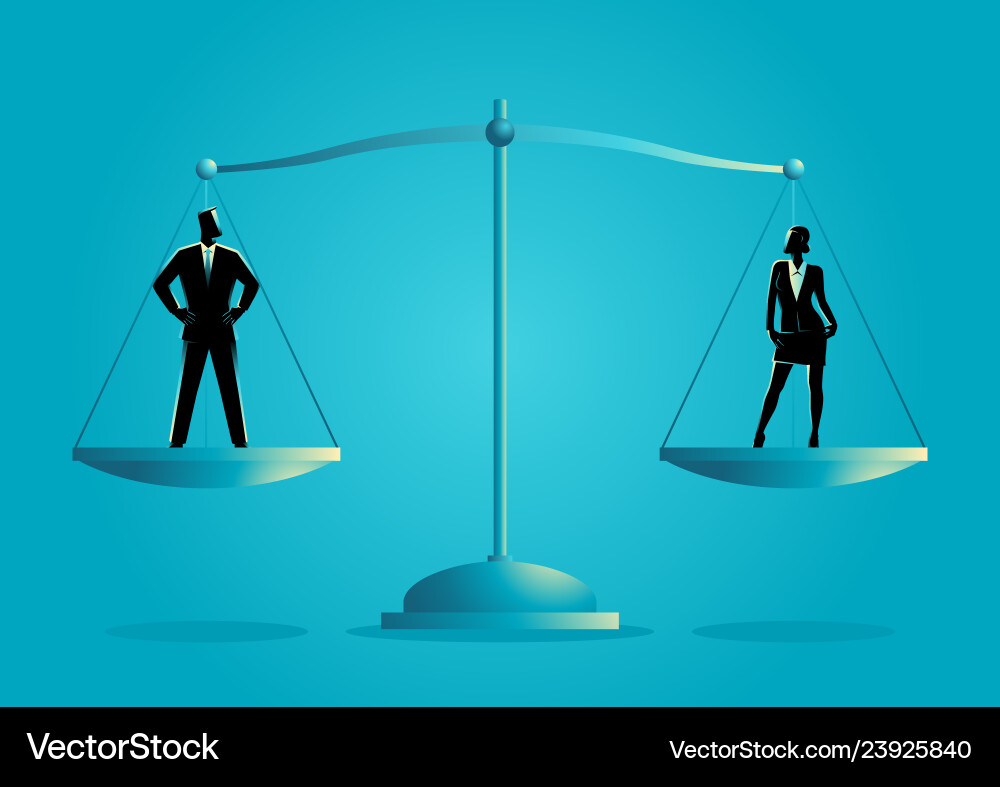
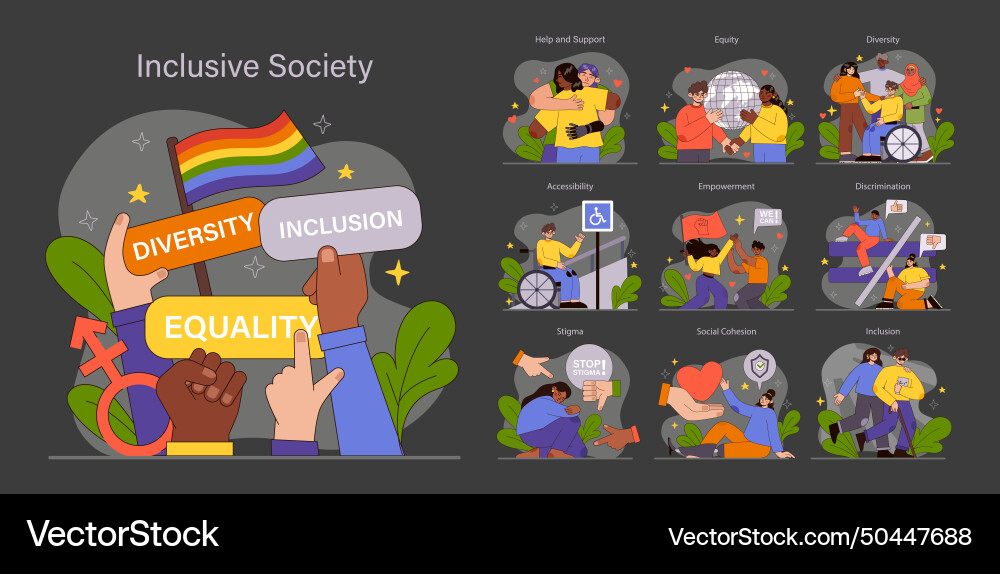
Gender equality and inclusivity are essential human values that promote fairness, dignity, and equal opportunities for all individuals regardless of gender identity. These principles aim to eliminate discrimination, ensure equal participation, and create a society where everyone can thrive.

In modern society, gender equality is not limited to men and women but includes all gender identities, making inclusivity a broader and more comprehensive concept. Together, they form the foundation of human rights, social justice, and sustainable development.


🧭 Meaning of Gender Equality


🔹 Definition

Gender equality refers to the state in which individuals of all genders have equal rights, responsibilities, and opportunities.


🔹 Key Features

  • Equal access to resources
  • Equal opportunities
  • Equal treatment
  • Freedom from discrimination

🌱 Meaning of Inclusivity


🔹 Definition

Inclusivity is the practice of including all individuals, regardless of differences, and ensuring they feel valued, respected, and supported.


🔹 Key Aspects

  • Acceptance
  • Diversity
  • Participation
  • Representation

🌿 Nature of Gender Equality


🔹 1. Universal Principle
Image
Image
Image
Image
  • Applies to all societies

🔹 2. Dynamic and Evolving
Image
Image
Image
Image
  • Changes over time

🔹 3. Rights-Based
Image
Image
Image
Image
  • Linked to human rights

🌿 Nature of Inclusivity


🔹 1. Accepting Differences

Image
Image
Image
Image
  • Values diversity

🔹 2. Participation-Oriented
Image
Image
Image
Image
  • Encourages involvement

🔹 3. Empowering

Image
Image
Image
Image
  • Supports marginalized groups

🌍 Types of Gender Equality


🔹 Social Equality

  • Equal status in society

🔹 Economic Equality

  • Equal pay and opportunities

🔹 Political Equality

  • Equal participation in governance

🔹 Educational Equality

  • Equal access to education

🌍 Dimensions of Inclusivity


🔹 Gender Inclusivity

🔹 Cultural Inclusivity

🔹 Disability Inclusivity

🔹 Economic Inclusivity


🌟 Importance of Gender Equality


🔹 1. Promotes Fairness

🔹 2. Enhances Economic Growth

🔹 3. Improves Education

🔹 4. Strengthens Society


🌟 Importance of Inclusivity


🔹 1. Encourages Diversity

🔹 2. Builds Strong Communities

🔹 3. Promotes Innovation

🔹 4. Enhances Social Harmony


🌱 Gender Equality and Inclusivity in Daily Life


🔹 Family

  • Equal responsibilities

🔹 Education

  • Equal opportunities

🔹 Workplace

  • Equal pay and respect

🔹 Society

  • Inclusive participation

🌍 Challenges


🔹 Gender Discrimination

🔹 Stereotypes

🔹 Inequality in Opportunities

🔹 Lack of Awareness


🌱 Promoting Gender Equality and Inclusivity


🔹 Education

  • Awareness programs

🔹 Policies

  • Equal rights laws

🔹 Empowerment

  • Supporting marginalized groups

🔹 Social Change

  • Breaking stereotypes

🌍 Role in Sustainable Development


  • Reduces poverty
  • Promotes equality
  • Enhances growth

🌱 Gender Equality in Workplace


  • Equal pay
  • Equal opportunities
  • Safe environment

🌍 Inclusivity in Education


  • Equal access
  • Inclusive curriculum
  • Support for all students

🌱 Role of Government and Society


  • Implement policies
  • Promote awareness

🌍 Modern Perspective


🔹 Digital Inclusion

🔹 Global Movements

🔹 Social Media Awareness


🌟 Practical Applications


🔹 Students

  • Respect diversity

🔹 Professionals

  • Inclusive workplace

🔹 Citizens

  • Promote equality

🌟 Conclusion

Gender equality and inclusivity are essential for building a fair, just, and progressive society. They ensure that all individuals, regardless of gender or background, have equal opportunities to grow and succeed.

In a world striving for sustainability and development, promoting these values is not just important—it is necessary. By embracing equality and inclusivity, societies can achieve harmony, innovation, and long-term progress.

🏷️ Tags

🌍 Human Rights and Duties — A Comprehensive Detailed Study


🌟 Introduction

Image
Image
Image
Image

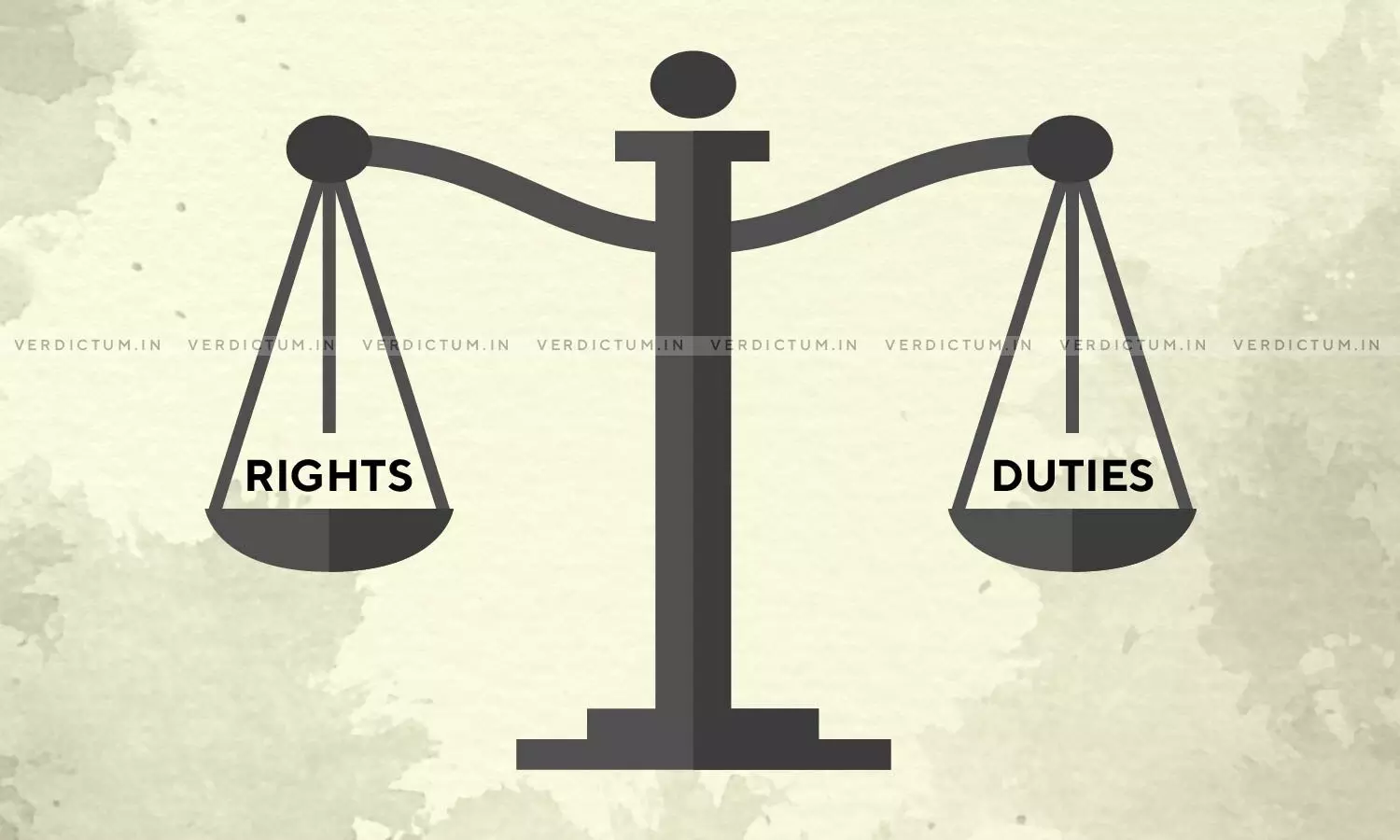
Human rights and duties are fundamental principles that ensure freedom, equality, dignity, and responsibility in society. While human rights guarantee individuals the freedom to live with dignity, duties emphasize the responsibilities individuals have toward society, the nation, and the environment.

A balanced understanding of both rights and duties is essential for maintaining social harmony, justice, and sustainable development. Rights without duties can lead to misuse of freedom, while duties without rights can result in oppression. Therefore, both are interconnected and complementary.


🧭 Meaning of Human Rights


🔹 Definition

Human rights are the basic rights and freedoms that belong to every individual simply because they are human.


🔹 Key Features

  • Universal
  • Inalienable (cannot be taken away)
  • Fundamental
  • Equal for all

🌱 Types of Human Rights


🧍 1. Civil Rights

Image
Image
Image
Image
  • Right to life
  • Freedom of speech
  • Right to equality

🏛️ 2. Political Rights

Image
Image
Image
Image
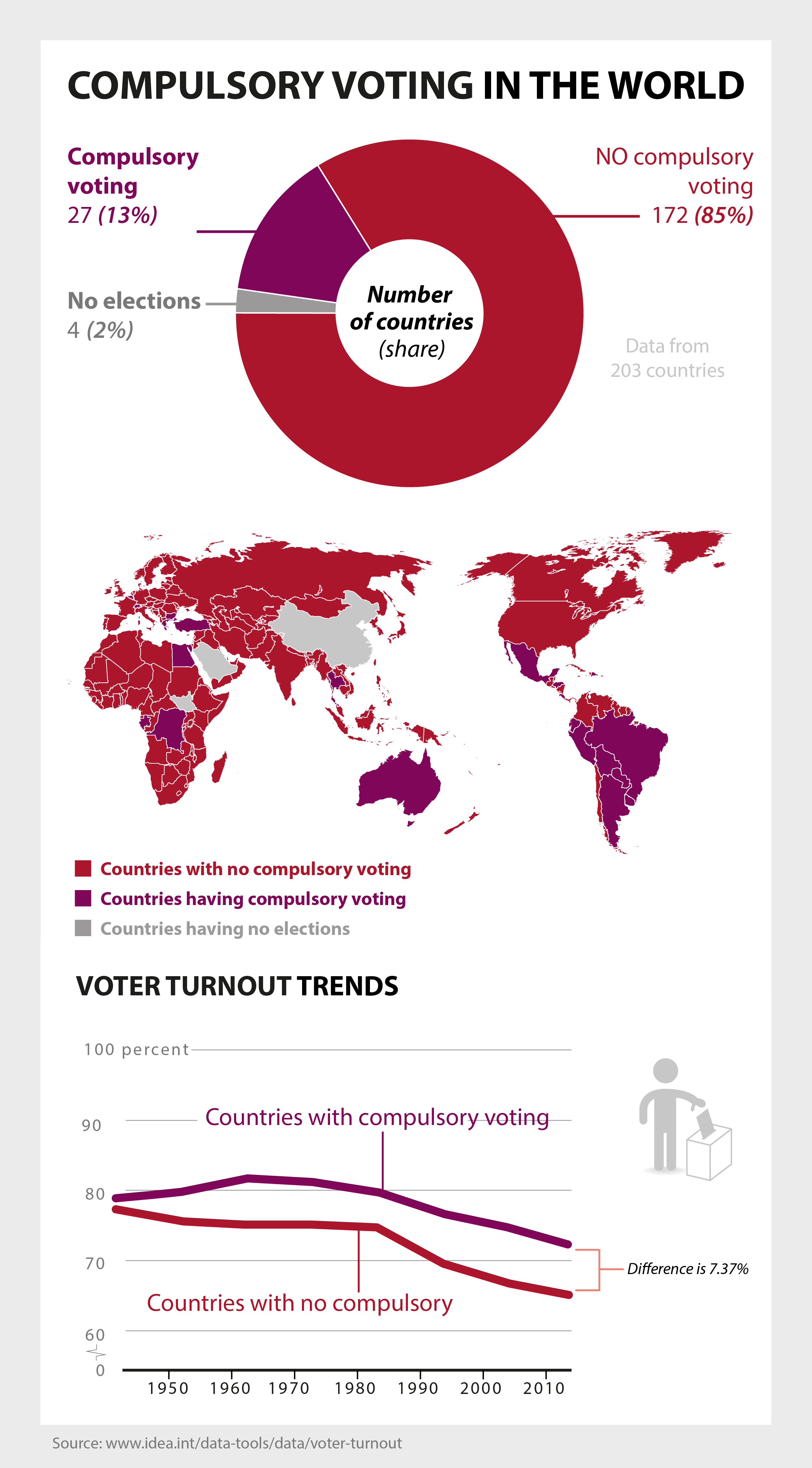
  • Right to vote
  • Right to participate in governance

💼 3. Economic Rights

Image
Image
Image
Image
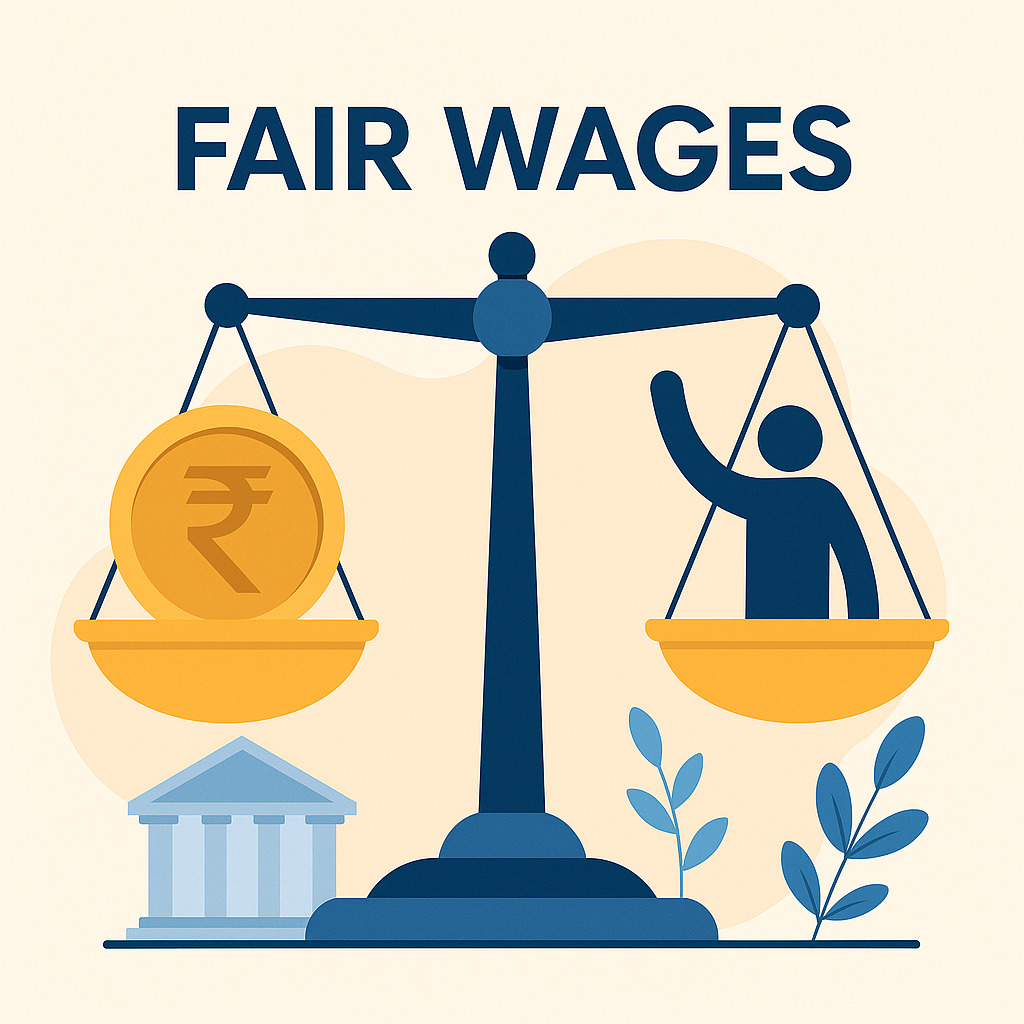
  • Right to work
  • Fair wages

🎓 4. Social Rights

Image
Image
Image
Image
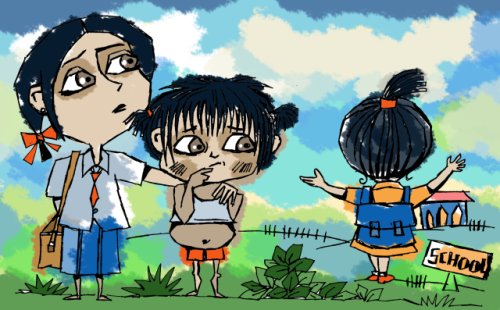
  • Right to education
  • Right to health

🌿 5. Cultural Rights

Image
Image
Image
Image
  • Right to culture
  • Freedom to practice traditions

🌟 Meaning of Duties


🔹 Definition

Duties are the responsibilities or obligations that individuals have toward society, the nation, and others.


🔹 Key Features

  • Moral and legal obligations
  • Promote social harmony
  • Ensure responsible behavior

🌿 Types of Duties


👨‍👩‍👧‍👦 1. Personal Duties

Image
Image
Image
Image
  • Self-discipline
  • Personal development

🤝 2. Social Duties

Image
Image
Image
Image
  • Helping others
  • Respecting society

🏛️ 3. National Duties

Image
Image
Image
Image
  • Respecting laws
  • Paying taxes

🌱 4. Environmental Duties

Image
Image
Image
Image
  • Protecting nature
  • Conserving resources

⚖️ Relationship Between Rights and Duties


🌟 Balance Concept

Image
Image
Image
Image
  • Rights and duties are interconnected
  • One cannot exist without the other

👉 Example:
Right to freedom → Duty to respect others’ freedom


🌍 Importance of Human Rights


🔹 1. Protect Human Dignity

🔹 2. Promote Equality

🔹 3. Ensure Freedom

🔹 4. Prevent Exploitation


🌍 Importance of Duties


🔹 1. Maintain Social Order

🔹 2. Promote Responsibility

🔹 3. Strengthen Society

🔹 4. Ensure Sustainable Development


🌱 Human Rights and Duties in Daily Life


🔹 Family

  • Respect and care

🔹 School

  • Follow rules

🔹 Workplace

  • Ethical behavior

🔹 Society

  • Civic participation

🌍 Human Rights and Duties in Constitution


  • Fundamental rights
  • Fundamental duties

🌱 Challenges


🔹 Violation of Rights

🔹 Lack of Awareness

🔹 Inequality

🔹 Neglect of Duties


🌍 Role of Education


  • Awareness of rights
  • Teaching responsibilities

🌱 Human Rights in Modern World


🔹 Digital Rights

🔹 Gender Equality

🔹 Environmental Rights


🌍 Duties in Modern World


  • Responsible digital behavior
  • Environmental protection

🌱 Practical Applications


🔹 Students

  • Respect rules

🔹 Citizens

  • Follow laws

🔹 Professionals

  • Ethical conduct

🌟 Conclusion

Human rights and duties are essential for maintaining balance, justice, and harmony in society. While rights ensure freedom and dignity, duties ensure responsibility and order. Together, they create a fair and sustainable society where individuals can thrive.

Understanding and practicing both rights and duties is crucial for building a better world based on respect, equality, and responsibility.


🏷️ Tags

🌍 Social Values — Equality, Justice & Cooperation

A Comprehensive Detailed Study


🌟 Introduction

Image
Image
Image
Image

Social values are the shared principles and standards that guide behavior within a society, ensuring harmony, fairness, and collective well-being. Among these, equality, justice, and cooperation are fundamental pillars that sustain peaceful and progressive communities.

These values influence how individuals interact, how societies are structured, and how institutions function. They promote respect for human dignity, fairness in opportunities, and collective responsibility, making them essential for both individual development and societal progress.


🧭 Meaning of Social Values


🔹 Definition

Social values are the beliefs and norms that define acceptable behavior in society and guide interactions among individuals and groups.


🔹 Key Characteristics

  • Shared by society
  • Promote harmony
  • Influence behavior
  • Evolve over time

🌱 Core Social Values


⚖️ 1. Equality


🔹 Meaning

Equality refers to the state of being equal in rights, opportunities, and treatment regardless of differences such as gender, race, religion, or social status.


🌟 Nature of Equality

Image
Image
Image
Image

🔹 1. Universal

  • Applies to all individuals

🔹 2. Inclusive

  • Promotes diversity

🔹 3. Dynamic

  • Evolves with society

🌍 Types of Equality

  • Social Equality – Equal status in society
  • Economic Equality – Fair distribution of resources
  • Political Equality – Equal rights in governance
  • Gender Equality – Equal rights for all genders

🌟 Importance of Equality

  • Promotes fairness
  • Reduces discrimination
  • Enhances social harmony
  • Encourages participation

⚠️ Challenges to Equality

  • Discrimination
  • Inequality of resources
  • Social hierarchies

⚖️ 2. Justice


🔹 Meaning

Justice refers to the principle of fairness in the distribution of rights, duties, and resources, ensuring that individuals are treated fairly.


🌟 Nature of Justice

Image
Image
Image
Image

🔹 1. Fairness

  • Equal treatment

🔹 2. Impartiality

  • No bias

🔹 3. Rule of Law

  • Based on legal systems

🌍 Types of Justice

  • Distributive Justice – Fair distribution of resources
  • Procedural Justice – Fair processes
  • Social Justice – Equal opportunities
  • Restorative Justice – Repairing harm

🌟 Importance of Justice

  • Maintains law and order
  • Protects rights
  • Promotes equality
  • Builds trust

⚠️ Challenges to Justice

  • Corruption
  • Bias
  • Ineffective systems

🤝 3. Cooperation


🔹 Meaning

Cooperation is the process of working together toward a common goal for mutual benefit.


🌟 Nature of Cooperation

Image
Image
Image
Image

🔹 1. Mutual

  • Involves shared effort

🔹 2. Goal-Oriented

  • Focus on common objectives

🔹 3. Voluntary

  • Based on willingness

🌍 Types of Cooperation

  • Direct Cooperation – Working together physically
  • Indirect Cooperation – Through division of labor
  • International Cooperation – Between countries

🌟 Importance of Cooperation

  • Achieves goals efficiently
  • Strengthens relationships
  • Promotes unity
  • Enhances productivity

⚠️ Challenges to Cooperation

  • Competition
  • Lack of trust
  • Individualism

🔄 Interrelationship Between Equality, Justice, and Cooperation


🌟 Integrated Social Framework

Image
Image
Image
Image
  • Equality ensures fair opportunities
  • Justice ensures fairness in action
  • Cooperation ensures collective progress

👉 Together, they create a balanced and harmonious society.


🌍 Importance of Social Values


🔹 1. Social Harmony

  • Reduces conflicts

🔹 2. Economic Development

  • Encourages participation

🔹 3. Political Stability

  • Ensures fairness

🔹 4. Cultural Integration

  • Promotes diversity

🌱 Social Values in Daily Life


🔹 Family

  • Equal treatment

🔹 School

  • Fair rules

🔹 Workplace

  • Team collaboration

🔹 Society

  • Justice and equality

🌍 Role in Human Development


  • Builds ethical behavior
  • Encourages responsibility
  • Promotes inclusivity

🌱 Social Values and Democracy


  • Equality ensures voting rights
  • Justice ensures rule of law
  • Cooperation ensures governance

🌍 Challenges in Modern Society


🔹 Inequality

🔹 Social Injustice

🔹 Lack of Cooperation

🔹 Cultural Conflicts


🌱 Promoting Social Values


🔹 Education

  • Value-based learning

🔹 Awareness

  • Social campaigns

🔹 Policies

  • Fair laws

🔹 Community Participation

  • Collective efforts

🌍 Role in Global Peace


  • Encourages international cooperation
  • Promotes human rights
  • Reduces conflicts

🌱 Practical Applications


🔹 Students

  • Group work

🔹 Professionals

  • Workplace ethics

🔹 Citizens

  • Civic participation

🌟 Conclusion

Social values such as equality, justice, and cooperation are essential for building a fair, inclusive, and harmonious society. They guide human behavior, promote ethical living, and ensure collective progress.

In a world facing challenges like inequality and conflict, strengthening these values is crucial for achieving sustainable development and global peace.


🏷️ Tags

⚖️ Rule of Law (Comprehensive Explanation in Political Science)


🌍 Visual Overview: Rule of Law in Action

Image
Image
Image
Image

📘 1. Introduction to Rule of Law

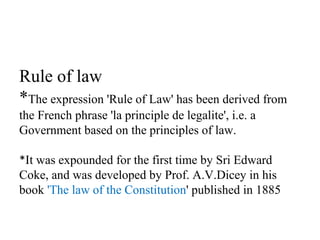
The Rule of Law is one of the most fundamental principles of modern democratic governance. It signifies that law is supreme and governs everyone equally, including rulers, government officials, and ordinary citizens.

The concept ensures that no individual or institution is above the law, and that all actions of the state must be conducted according to established legal principles. It acts as a safeguard against arbitrary use of power and is essential for maintaining justice, equality, and liberty in society.

In essence, the Rule of Law replaces the idea of “rule by men” with “rule by law.”


🧠 2. Meaning and Definitions of Rule of Law

📌 Basic Meaning

Rule of Law means that all individuals and institutions are subject to and accountable under the law, which is fairly applied and enforced.


🧾 Classical Definitions

  • A.V. Dicey:
    Rule of Law implies the absolute supremacy of law over arbitrary power.
  • Aristotle:
    “Law should govern, and those in power should be servants of the law.”
  • Lon L. Fuller:
    Law must be general, public, clear, stable, and applied consistently.

🔑 Core Ideas

  • Supremacy of law
  • Equality before law
  • Accountability
  • Fair and impartial justice

⚖️ 3. Elements of Rule of Law (Dicey’s Principles)

👤 Contribution of A.V. Dicey

Image
Image
Image
Image

Dicey identified three essential principles:


🟢 3.1 Supremacy of Law

📌 Meaning

No person can be punished except for a breach of law established in a legal manner.

🔍 Key Points

  • No arbitrary power
  • Government actions must follow law
  • Legal procedures must be followed

🔵 3.2 Equality Before Law

📌 Meaning

All individuals are equal in the eyes of the law.

🔍 Key Points

  • No special privileges
  • Same laws apply to everyone
  • Equal legal protection

🟣 3.3 Predominance of Legal Spirit

📌 Meaning

Rights are protected by ordinary courts, not arbitrary authorities.
🔍 Key Points

  • Independent judiciary
  • Judicial remedies
  • Protection of individual rights

🧩 4. Features of Rule of Law

🟢 1. Legal Supremacy

  • Law is above all

🔵 2. Equality

  • Equal treatment

🟣 3. Accountability

  • Government answerable

🔴 4. Transparency

  • Open governance

🟡 5. Fair Procedures

  • Due process

⚫ 6. Independent Judiciary

  • Ensures justice

🏛️ 5. Rule of Law vs Rule by Law

Image
Image
Image
Image
AspectRule of LawRule by Law
NatureFair and justTool of control
PurposeProtect rightsEnforce authority
SystemDemocraticAuthoritarian

🔗 6. Rule of Law and Democracy

  • Ensures free and fair elections
  • Protects fundamental rights
  • Limits government power
  • Promotes accountability

🌍 7. Rule of Law in Different Systems

🟢 In Democracies

  • Strong legal frameworks
  • Independent courts

🔴 In Authoritarian States

  • Weak rule of law
  • Arbitrary decisions

⚖️ 8. Importance of Rule of Law


🟢 1. Protects Rights

  • Safeguards freedom

🔵 2. Ensures Equality

  • No discrimination

🟣 3. Maintains Order

  • Prevents chaos

🔴 4. Promotes Justice

  • Fair decisions

🟡 5. Encourages Development

  • Stable environment

🌐 9. Rule of Law in Modern Context


📱 Digital Governance

  • Cyber laws
  • Data protection

🌍 Global Governance

  • International law

🧑‍🤝‍🧑 Human Rights

  • Protection mechanisms

⚠️ 10. Challenges to Rule of Law


🔴 1. Corruption

  • Weakens institutions

🔵 2. Political Interference

  • Undermines judiciary

🟣 3. Lack of Awareness

  • Citizens unaware of rights

🟡 4. Delayed Justice

  • Slow legal processes

⚫ 5. Inequality

  • Unequal access to justice

🧠 11. Rule of Law in India (Example)

  • Constitution is supreme
  • Independent judiciary
  • Fundamental rights
  • Judicial review

⚖️ 12. Rule of Law and Human Rights

  • Protects individual dignity
  • Prevents abuse of power
  • Ensures fairness

🔄 13. Evolution of Rule of Law


🏺 Ancient Period

  • Philosophical ideas (Aristotle)

🏰 Medieval Period

  • Limited application

👑 Modern Period

  • Development of legal systems

🌐 Contemporary Period

  • Global recognition

🧠 14. Role of Judiciary

  • Interprets law
  • Protects constitution
  • Ensures justice

🧾 15. Conclusion

The Rule of Law is the foundation of a just and democratic society. It ensures that power is exercised within limits, rights are protected, and justice is delivered fairly.

Without the Rule of Law, society would descend into arbitrariness and inequality. Therefore, strengthening legal institutions, promoting awareness, and ensuring accountability are essential for sustaining this principle.


⚖️ Rights and Duties in Political Science (Comprehensive Explanation)


🌍 Visual Overview: Rights and Duties in Society

Image
Image
Image
Image

📘 1. Introduction to Rights and Duties

Rights and duties are two sides of the same coin in political theory. They form the foundation of a well-ordered society and democratic governance. While rights empower individuals, duties ensure that individuals act responsibly and respect the rights of others.

A society that emphasizes only rights without duties may lead to chaos, while a society that stresses duties without rights may become oppressive. Therefore, a balance between rights and duties is essential for maintaining harmony, justice, and order.


🧠 2. Meaning and Definitions of Rights

📌 Meaning

Rights are claims or entitlements that individuals possess and that are recognized and protected by society and the state.


🧾 Definitions

  • Harold J. Laski:
    Rights are those conditions of social life without which no man can seek to be his best self.
  • T.H. Green:
    Rights are powers necessary for the fulfillment of human personality.
  • John Locke:
    Individuals possess natural rights to life, liberty, and property.

🔑 Key Features of Rights

  • Social recognition
  • Legal protection
  • Universal in nature
  • Dynamic and evolving
  • Linked with duties

🧱 3. Types of Rights


🟢 3.1 Natural Rights

📌 Meaning

Rights that are inherent and exist by virtue of being human.

📊 Examples

  • Right to life
  • Right to liberty

🔵 3.2 Legal Rights

📌 Meaning

Rights granted and protected by the state through laws.

📊 Examples

  • Right to vote
  • Right to property

🟣 3.3 Fundamental Rights

📌 Meaning

Basic rights guaranteed by the constitution.

📊 Examples

  • Freedom of speech
  • Equality before law

🔴 3.4 Political Rights

📌 Meaning

Rights that enable participation in political processes.

📊 Examples

  • Voting
  • Contesting elections

🟡 3.5 Economic Rights

📌 Meaning

Rights related to economic well-being.

📊 Examples

  • Right to work
  • Fair wages

🟤 3.6 Social and Cultural Rights

📌 Meaning

Rights ensuring social welfare and cultural identity.

📊 Examples

  • Right to education
  • Right to culture

🌍 Visual Representation of Rights

Image
Image
Image
Image

⚖️ 4. Meaning and Definitions of Duties

📌 Meaning

Duties are obligations or responsibilities that individuals are expected to fulfill towards society and the state.


🧾 Definitions

  • Harold J. Laski:
    Duties are obligations that correspond to rights.
  • Mahatma Gandhi:
    The true source of rights is duty. If we perform our duties, rights will follow.

🔑 Key Features of Duties

  • Moral and legal obligations
  • Promote social order
  • Complement rights
  • Essential for democracy

🧩 5. Types of Duties


🟢 5.1 Moral Duties

📌 Meaning

Duties based on ethical principles.

📊 Examples

  • Helping others
  • Respecting elders

🔵 5.2 Legal Duties

📌 Meaning

Duties enforced by law.

📊 Examples

  • Paying taxes
  • Obeying laws

🟣 5.3 Civic Duties

📌 Meaning

Duties of citizens in a democracy.

📊 Examples

  • Voting
  • Participating in public life

🔴 5.4 Fundamental Duties

📌 Meaning

Duties mentioned in the constitution (in some countries like India).

📊 Examples

  • Respecting the constitution
  • Protecting the environment

🌍 Visual Representation of Duties

Image
Image
Image
Image

🔗 6. Relationship Between Rights and Duties

Image
Image
Image
Image

📌 Key Idea

👉 Every right implies a corresponding duty


🧩 Examples

  • Right to freedom → Duty to respect others’ freedom
  • Right to education → Duty to learn and contribute
  • Right to vote → Duty to vote responsibly

⚖️ Interdependence

RightsDuties
ClaimsObligations
FreedomResponsibility
Individual focusSocial focus

🏛️ 7. Rights and Duties in Democracy

🟢 Importance of Rights

  • Protect individual freedom
  • Ensure equality
  • Promote participation

🔵 Importance of Duties

  • Maintain order
  • Promote responsibility
  • Strengthen democracy

🌍 8. Evolution of Rights and Duties

🏺 Ancient Period

  • Focus on duties (e.g., in traditional societies)

🏰 Medieval Period

  • Limited rights

👑 Modern Period

  • Rise of rights (liberalism)

🌐 Contemporary Period

  • Balance of rights and duties

⚖️ 9. Theories of Rights

🧠 Natural Rights Theory

  • John Locke

🧠 Legal Theory

  • Rights created by law

🧠 Idealist Theory

  • T.H. Green

🧠 Marxist Theory

  • Karl Marx

⚠️ 10. Limitations of Rights

  • Not absolute
  • Subject to restrictions
  • Depend on social conditions

⚠️ 11. Challenges in Modern Society

  • Misuse of rights
  • Lack of awareness
  • Conflict between rights
  • Neglect of duties

🌐 12. Rights and Duties in Global Context

📱 Digital Rights

  • Privacy
  • Freedom of expression

🌍 Human Rights

  • Universal rights

🌱 Environmental Duties

  • Protecting nature

🧠 13. Importance of Rights and Duties

  • Maintain social balance
  • Promote justice
  • Ensure stability
  • Encourage responsible citizenship

🧾 14. Measures to Promote Awareness

  • Education
  • Legal enforcement
  • Public campaigns
  • Civic participation

🧠 15. Conclusion

Rights and duties are essential for a just, democratic, and harmonious society. While rights empower individuals, duties ensure that society functions smoothly. A proper balance between the two leads to a stable and progressive political system.

A responsible citizen not only demands rights but also fulfills duties, contributing to the overall development of society.


⚖️ Equality in Political Science (Social, Political, and Economic Equality – Comprehensive Explanation)


🌍 Visual Overview: Equality in Society

Image
Image
Image
Image

📘 1. Introduction to Equality

Equality is one of the core values of modern political philosophy and democratic systems. It represents the idea that all human beings are equal in worth and dignity, and therefore deserve equal rights, opportunities, and treatment under the law.

The concept of equality has evolved over time—from a limited idea of legal equality to a broader and more inclusive notion encompassing social justice, economic fairness, and political participation.

Equality is closely related to other political concepts such as liberty, justice, and rights, and balancing these ideas is one of the key challenges in governance.


🧠 2. Meaning and Definitions of Equality

📌 Basic Meaning

Equality means that all individuals should be treated equally and provided with equal opportunities, without discrimination based on caste, race, gender, religion, or economic status.


🧾 Definitions by Thinkers

  • Harold J. Laski:
    Equality does not mean identical treatment, but absence of special privileges.
  • Aristotle:
    Equality means treating equals equally and unequals unequally in proportion to their differences.
  • Jean-Jacques Rousseau:
    Inequality arises from social and economic structures.

🔑 Key Features of Equality

  • Equal moral worth of individuals
  • Absence of discrimination
  • Equal access to opportunities
  • Fair distribution of resources

⚖️ 3. Types of Equality

Equality is not a single concept but has multiple dimensions:


🟢 4. Social Equality

📌 Meaning

Social equality refers to the absence of social discrimination and equal status for all individuals in society.


🧩 Key Aspects

1. Equality of Status

  • No person is considered superior or inferior

2. Absence of Discrimination

  • Based on caste, gender, religion, race

3. Social Inclusion

  • Equal participation in social life

🌍 Visual Representation

Image
Image
Image
Image

📊 Examples

  • Abolition of untouchability
  • Gender equality movements
  • Civil rights movements

⚠️ Challenges to Social Equality

  • Caste system
  • Racism
  • Gender inequality
  • Religious discrimination

🧠 Importance

  • Promotes dignity
  • Enhances social harmony
  • Reduces conflict

🔵 5. Political Equality

📌 Meaning

Political equality means that all citizens have equal rights to participate in political processes.


🧩 Key Features

1. Universal Adult Franchise

  • Right to vote for all adults

2. Equal Political Rights

  • Right to contest elections
  • Freedom of speech

3. Equal Representation

  • Equal value of each vote

🌍 Visual Representation

Image
Image
Image
Image

📊 Examples

  • Democratic elections
  • Right to form political parties
  • Freedom of expression

⚠️ Challenges

  • Money power in politics
  • Political corruption
  • Lack of awareness
  • Unequal representation

🧠 Importance

  • Ensures democracy
  • Empowers citizens
  • Promotes accountability

🔴 6. Economic Equality

📌 Meaning

Economic equality refers to the fair distribution of wealth, resources, and opportunities.


🧩 Key Aspects

1. Equal Opportunity

  • Access to jobs and resources

2. Reduction of Inequality

  • Narrowing income gaps

3. Social Welfare

  • Support for disadvantaged groups

🌍 Visual Representation

Image
Image
Image
Image

📊 Examples

  • Minimum wage laws
  • Welfare schemes
  • Progressive taxation

⚠️ Challenges

  • Capitalist inequality
  • Poverty
  • Unemployment
  • Global economic disparities

🧠 Importance

  • Reduces poverty
  • Promotes fairness
  • Enhances social stability

⚖️ 7. Formal vs Substantive Equality

📌 Formal Equality

  • Equality before law
  • Same rules for all

📌 Substantive Equality

  • Adjusting conditions to ensure fairness
  • Example: reservations, affirmative action

🔗 8. Relationship Between Social, Political, and Economic Equality

Image
Image
Image
Image
  • Social equality → removes discrimination
  • Political equality → ensures participation
  • Economic equality → provides resources

👉 All three are interconnected and mutually reinforcing.


🏛️ 9. Equality vs Liberty Debate

⚖️ Key Issue:

  • Too much equality → may restrict liberty
  • Too much liberty → may increase inequality

🧠 Thinkers:

  • John Rawls → Balance through justice
  • Robert Nozick → Emphasis on liberty

🌍 10. Equality in Modern Context

📱 Digital Equality

  • Access to internet and technology

🧑‍🤝‍🧑 Gender Equality

  • Women empowerment

🌐 Global Equality

  • Reducing disparities between nations

⚠️ 11. Challenges to Equality

  • Structural inequalities
  • Discrimination
  • Economic disparities
  • Political exclusion

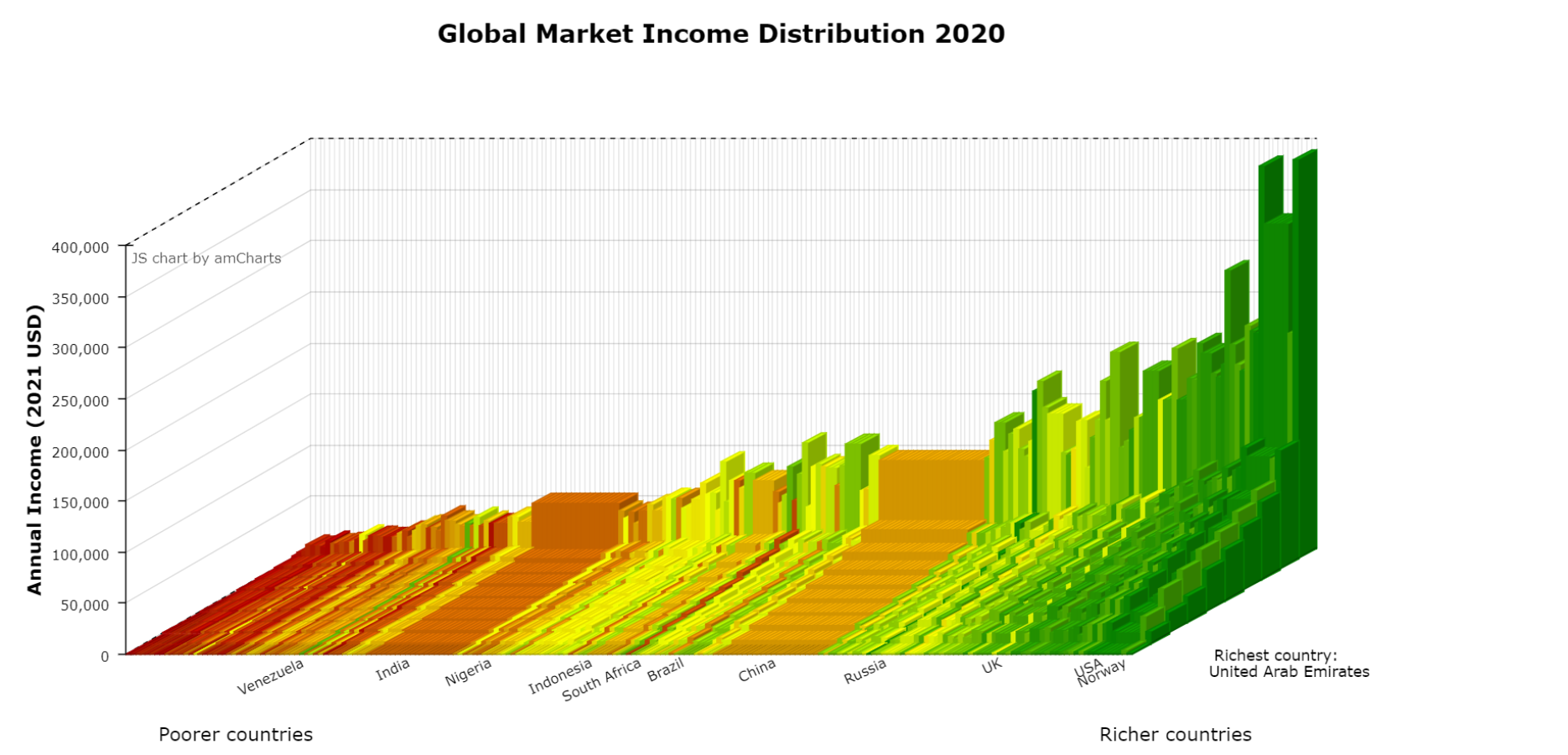
🧠 12. Importance of Equality

  • Promotes justice
  • Ensures fairness
  • Strengthens democracy
  • Enhances human development

🧾 13. Measures to Promote Equality

  • Legal reforms
  • Education
  • Welfare policies
  • Awareness programs

🧠 14. Conclusion

Equality is a dynamic and multi-dimensional concept essential for a just and democratic society. Social, political, and economic equality together create a balanced system where individuals can live with dignity, participate in governance, and access resources.

A society that achieves equality is more stable, fair, and progressive. However, achieving complete equality remains a challenge, requiring continuous efforts from governments, institutions, and citizens.


Equality and Human Rights

🌿 Introduction

Image
Image
Image
Image

Equality and human rights are fundamental principles that uphold dignity, fairness, and justice in society. They ensure that every individual, regardless of background, identity, or circumstances, is treated with respect and has access to opportunities and freedoms. These values form the cornerstone of democratic societies and are essential for peace, development, and human well-being.

Equality refers to the state of being equal in rights, opportunities, and treatment. Human rights are the basic rights and freedoms that belong to every person simply because they are human. Together, these concepts aim to create a world where discrimination is eliminated, and everyone can live with dignity and freedom.

In today’s globalized world, where diversity is vast and inequalities persist, understanding and promoting equality and human rights is more important than ever.


🌱 Meaning and Definitions

🔹 Equality

Equality is:

  • The state of being equal in status, rights, and opportunities
  • Ensuring fairness and non-discrimination
  • Providing equal access to resources and opportunities

Examples:

  • Equal pay for equal work
  • Equal access to education
  • Non-discriminatory laws

🔹 Human Rights

Human rights are:

  • Fundamental rights inherent to all human beings
  • Universal, inalienable, and indivisible
  • Protected by laws and international agreements

Examples:

  • Right to life
  • Freedom of speech
  • Right to education

🔹 Key Differences

AspectEqualityHuman Rights
NaturePrinciple of fairnessLegal and moral rights
FocusEqual treatmentBasic freedoms
ExampleEqual opportunitiesRight to freedom

🧠 Philosophical Foundations

Image
Image
Image
Image

🔸 Natural Rights Theory

  • Thinkers like John Locke argued that all humans are born with natural rights
  • Rights include life, liberty, and property

🔸 Social Contract

  • Jean-Jacques Rousseau emphasized equality in society
  • Governments should protect citizens’ rights

🔸 Marxist Perspective

  • Karl Marx focused on economic equality
  • Critiqued social and class inequalities

🔸 Eastern Philosophy

  • Buddhism promotes equality and compassion
  • Emphasizes dignity of all beings

🧾 Historical Development

Image
Image
Image
Image

🔹 Early Developments

  • Ancient laws recognized basic rights
  • Concepts evolved over centuries

🔹 Major Milestones

  • Magna Carta (1215): Limited royal power
  • French Revolution (1789): Promoted liberty and equality
  • Universal Declaration of Human Rights (1948): Global recognition of rights

🔹 Modern Era

  • Growth of human rights movements
  • Expansion of rights to marginalized groups

🌍 Types of Human Rights

Image
Image
Image
Image

🔹 Civil and Political Rights

  • Right to life
  • Freedom of speech
  • Right to vote

🔹 Economic, Social, and Cultural Rights

  • Right to education
  • Right to work
  • Right to health

🔹 Collective Rights

  • Right to development
  • Environmental rights
  • Cultural rights

🏛️ Legal and Institutional Framework

Image
Image
Image
Image

🔹 International Organizations

  • United Nations promotes and protects human rights globally

🔹 Legal Instruments

  • Universal Declaration of Human Rights
  • International treaties and conventions

🔹 National Laws

  • Constitutions guarantee fundamental rights
  • Legal systems enforce equality

🏠 Role in Personal Life

🌟 Dignity and Respect

  • Ensures individuals are treated fairly

🌟 Freedom

  • Enables individuals to express themselves

🌟 Opportunities

  • Equal access to education and employment

🌍 Social Importance

Image
Image
Image
Image

🔹 Social Justice

  • Reduces inequality and discrimination

🔹 Inclusivity

  • Promotes acceptance of diversity

🔹 Peace and Stability

  • Prevents conflicts and promotes harmony

🏫 Importance in Education

📘 Equal Access

  • Education for all regardless of background

📘 Awareness

  • Teaching human rights values

📘 Empowerment

  • Enables individuals to claim their rights

💼 Workplace Relevance

Image
Image
Image
Image

🔹 Equal Opportunities

  • Fair hiring and promotion

🔹 Non-Discrimination

  • Respect for diversity

🔹 Safe Environment

  • Protection from harassment

⚖️ Ethical Dimensions

🔸 Justice

  • Fair treatment for all

🔸 Respect

  • Valuing human dignity

🔸 Responsibility

  • Protecting others’ rights

🧩 Challenges to Equality and Human Rights

Image
Image
Image
Image

🔹 Discrimination

  • Based on race, gender, religion, etc.

🔹 Poverty

  • Limits access to basic rights

🔹 Political Issues

  • Weak enforcement of laws

🔹 Cultural Barriers

  • Traditional practices limiting equality

🌟 Benefits of Equality and Human Rights

✅ Personal Benefits

  • Freedom and dignity
  • Equal opportunities

✅ Social Benefits

  • Inclusive and harmonious society

✅ Economic Benefits

  • Better utilization of human potential

🛠️ Ways to Promote Equality and Human Rights

Image
Image
Image
Image

🔹 Education

  • Raising awareness about rights

🔹 Legal Action

  • Enforcing laws

🔹 Advocacy

  • Supporting social movements

🔹 Community Participation

  • Promoting inclusivity

📱 Equality in the Digital Age

Image
Image
Image
Image

🔹 Digital Rights

  • Right to privacy and access

🔹 Online Activism

  • Promoting equality through platforms

🔹 Challenges

  • Digital divide and cyber discrimination

🧭 Real-Life Examples

🔹 Social Movements

  • Civil rights movements
  • Gender equality campaigns

🔹 Legal Reforms

  • Laws promoting equality

🔹 Global Efforts

  • International cooperation for rights protection

📊 Comparison with Related Values

ValueRelation
JusticeEnsures fairness
FreedomCore human right
DignityBasis of rights
EquityFair distribution

🧾 Conclusion

Equality and human rights are fundamental principles that ensure dignity, fairness, and justice for all individuals. They form the foundation of peaceful and progressive societies, enabling people to live with freedom and respect. While significant progress has been made, challenges remain, making it essential to continue promoting and protecting these values.

By understanding and upholding equality and human rights, individuals can contribute to a more just, inclusive, and harmonious world. These values are not just ideals—they are essential for the well-being and advancement of humanity.


🏷️ Tags