🌍 Introduction

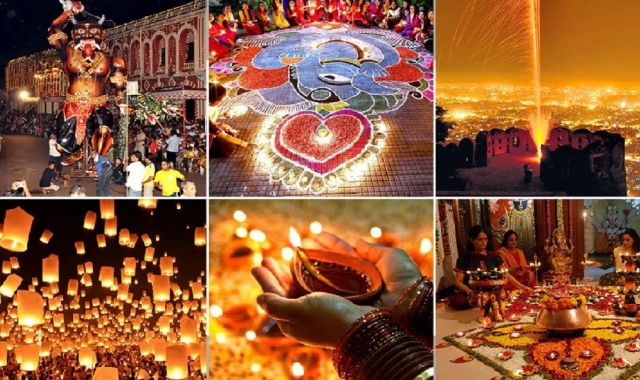
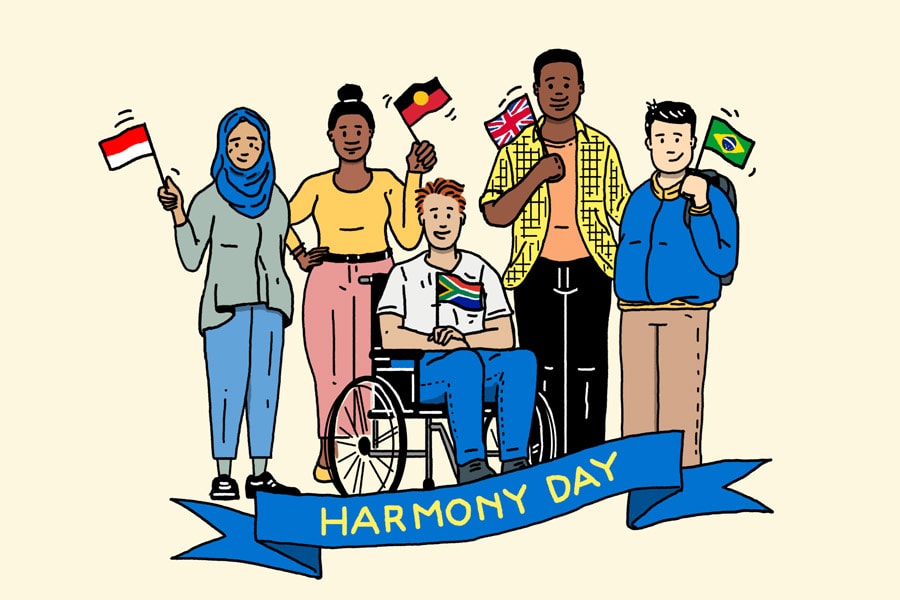

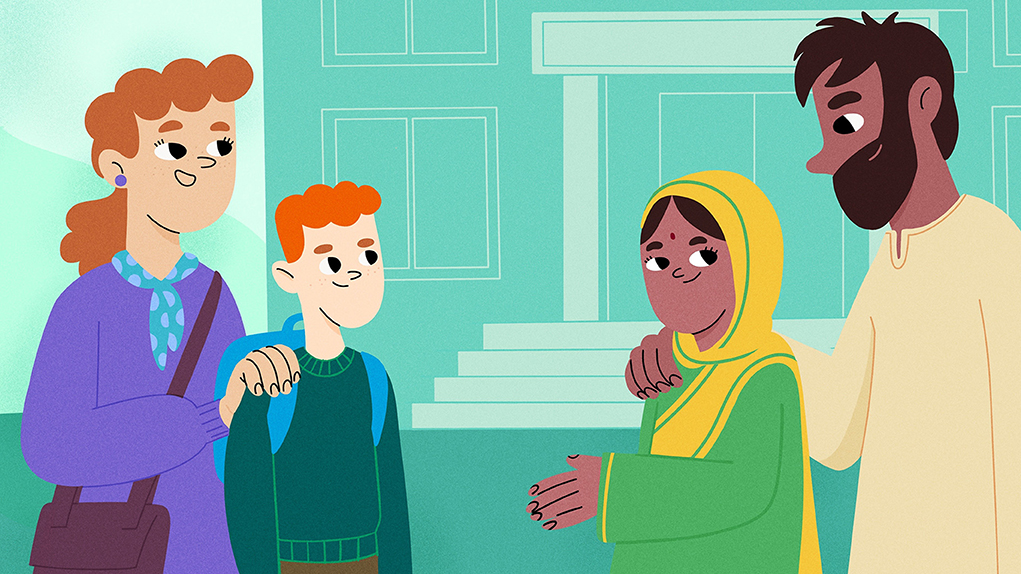
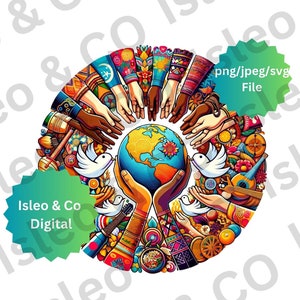
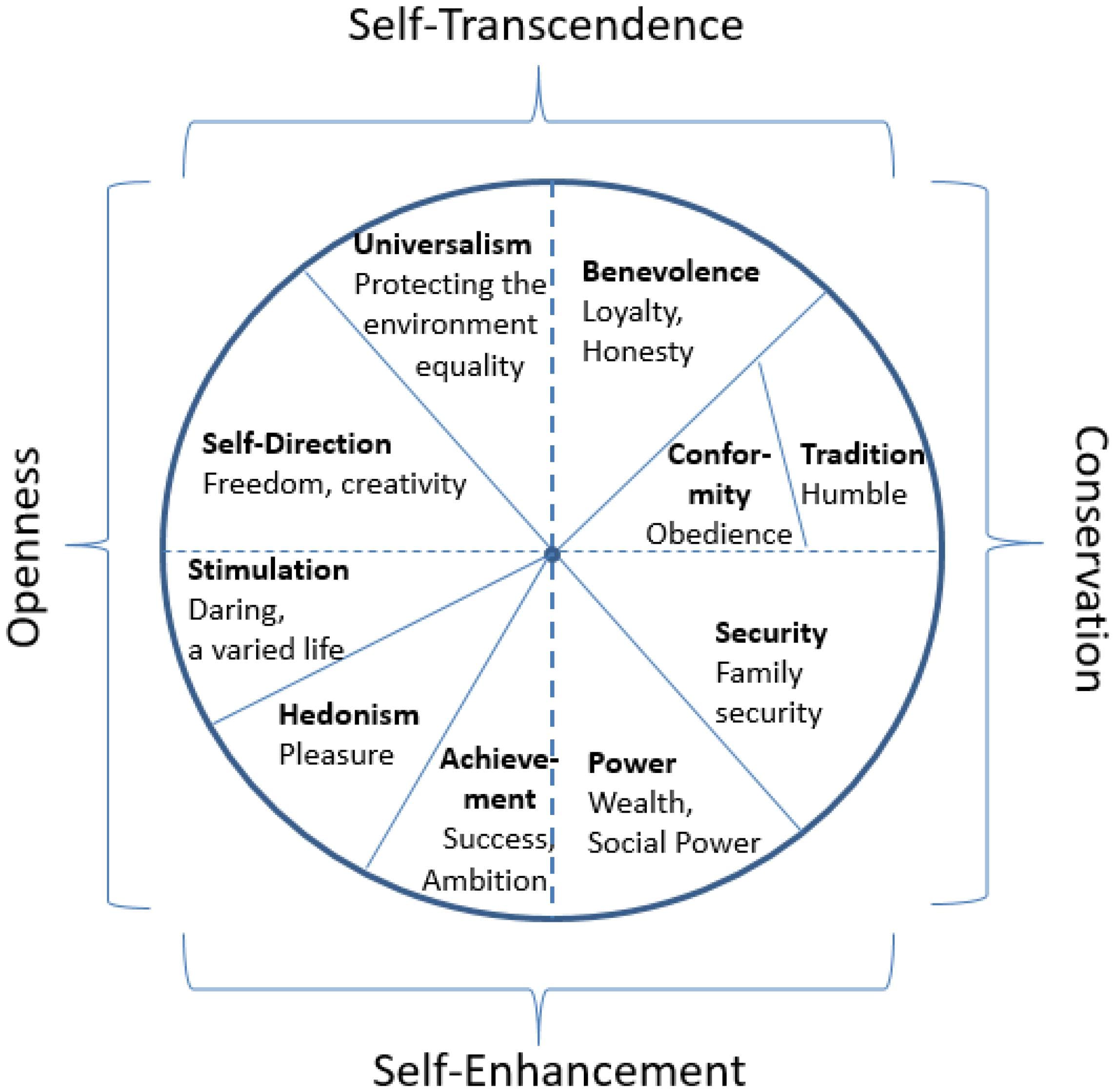
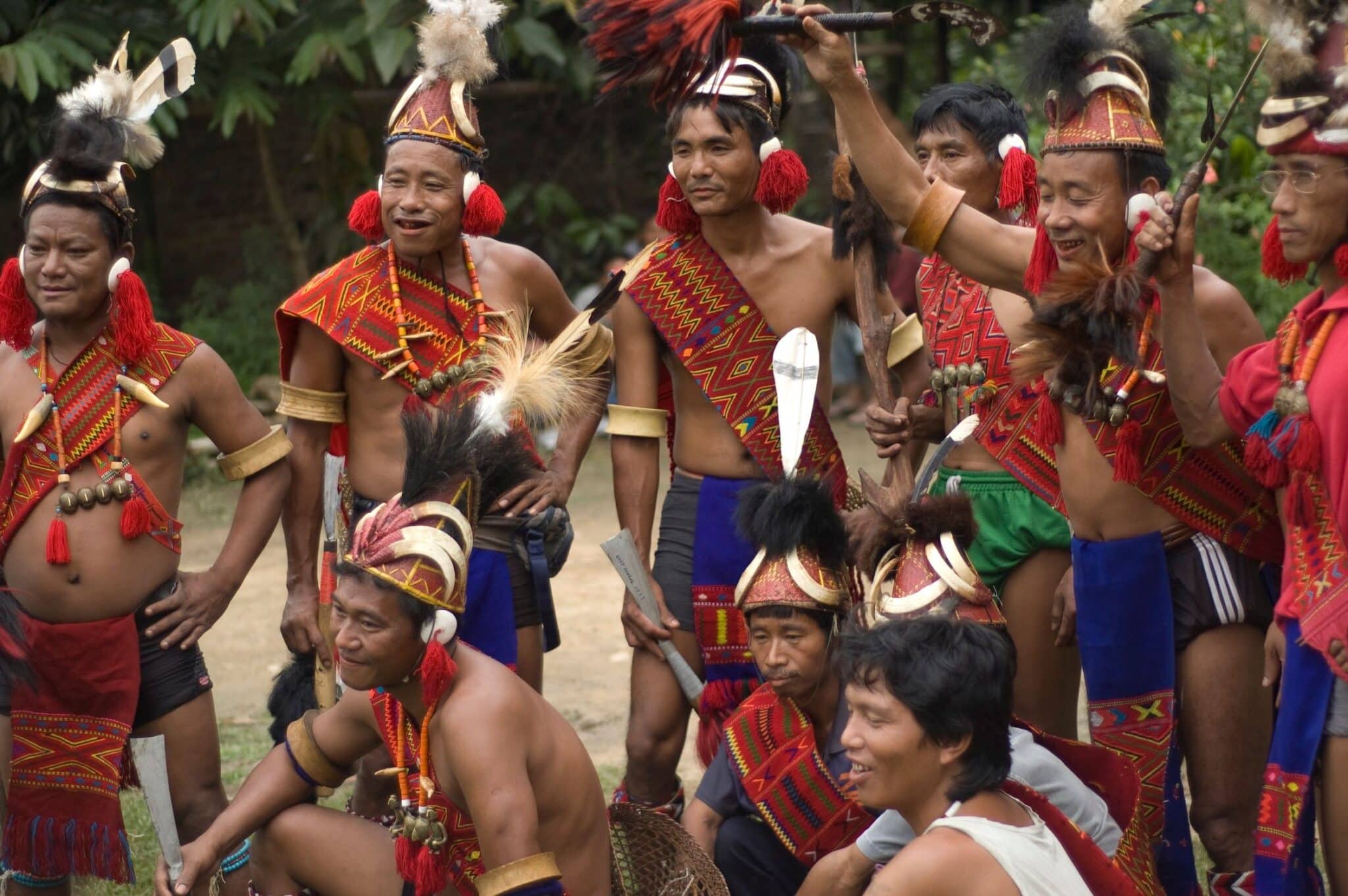
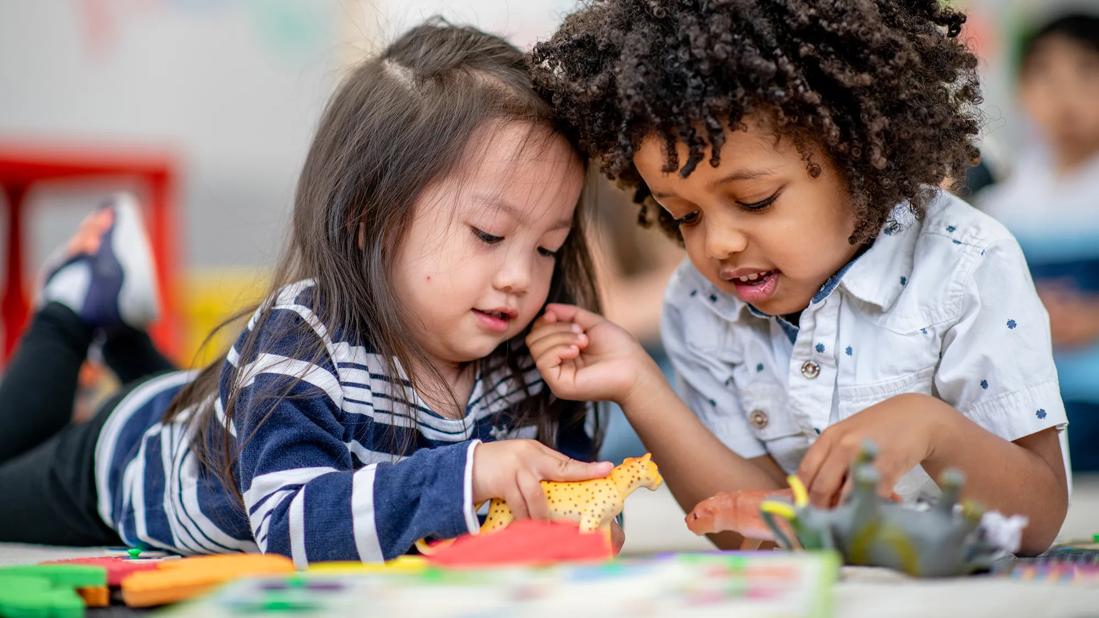
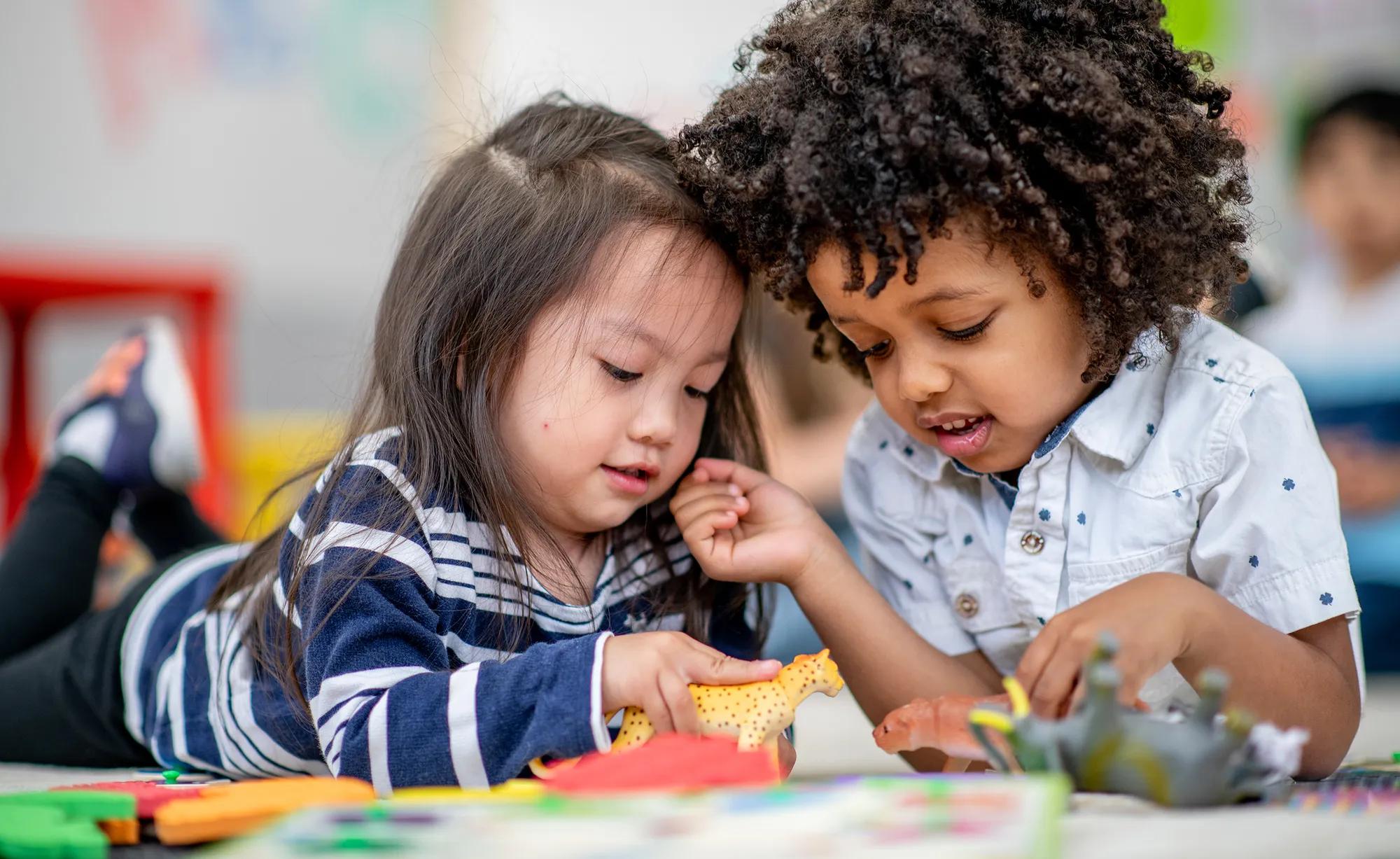
Cultural values and diversity are fundamental aspects of human society that shape identity, behavior, traditions, and social interactions. Culture represents the way of life of a group of people, including their beliefs, customs, languages, and practices. Cultural values are the guiding principles within a culture, while diversity refers to the existence of differences among individuals and groups.
In an increasingly globalized world, understanding cultural values and embracing diversity is essential for peaceful coexistence, social harmony, and sustainable development. These concepts promote mutual respect, tolerance, and appreciation of differences.
🧭 Meaning of Culture
🔹 Definition
Culture is the collective system of beliefs, values, customs, traditions, language, and practices shared by a group of people.
🔹 Components of Culture
- Language
- Religion
- Traditions
- Customs
- Art and music
- Social norms
🌱 Meaning of Cultural Values
🔹 Definition
Cultural values are the shared beliefs and principles that guide behavior within a particular culture.
🔹 Examples of Cultural Values
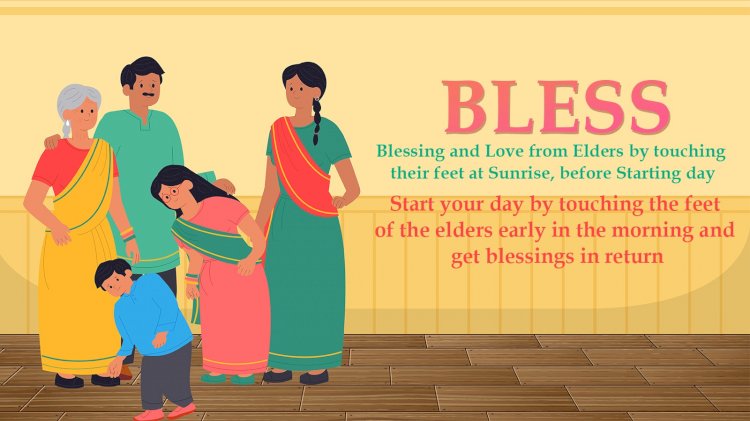
- Respect for elders
- Hospitality
- Community cooperation
- Traditions and rituals
🌿 Nature of Cultural Values
🔹 1. Shared and Collective
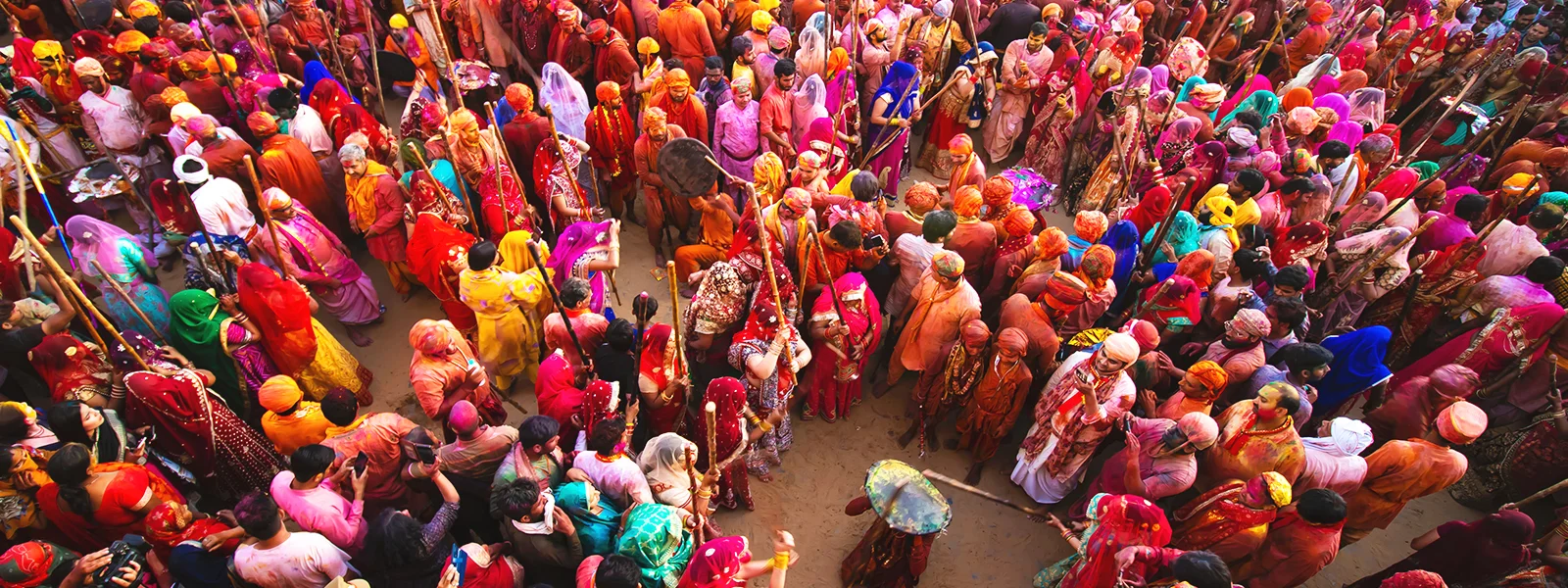

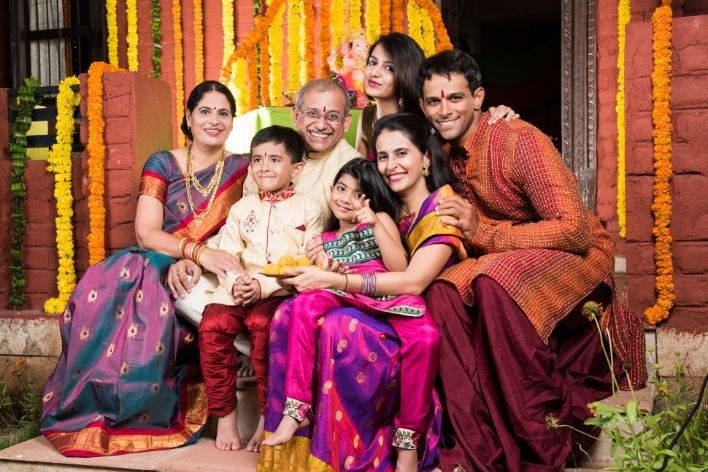
- Shared by members of society
🔹 2. Learned

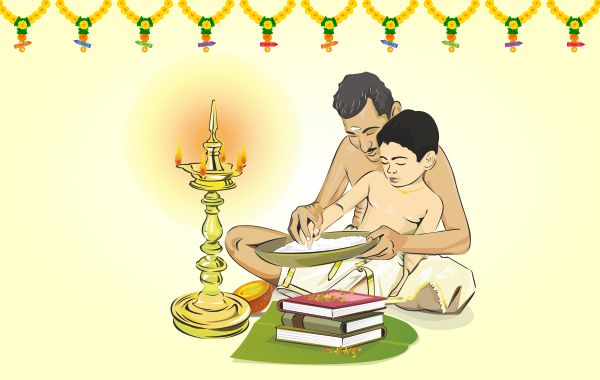
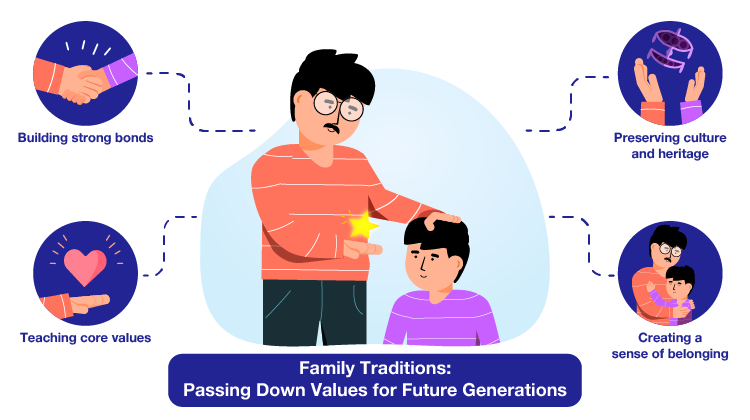

- Passed through generations
🔹 3. Dynamic
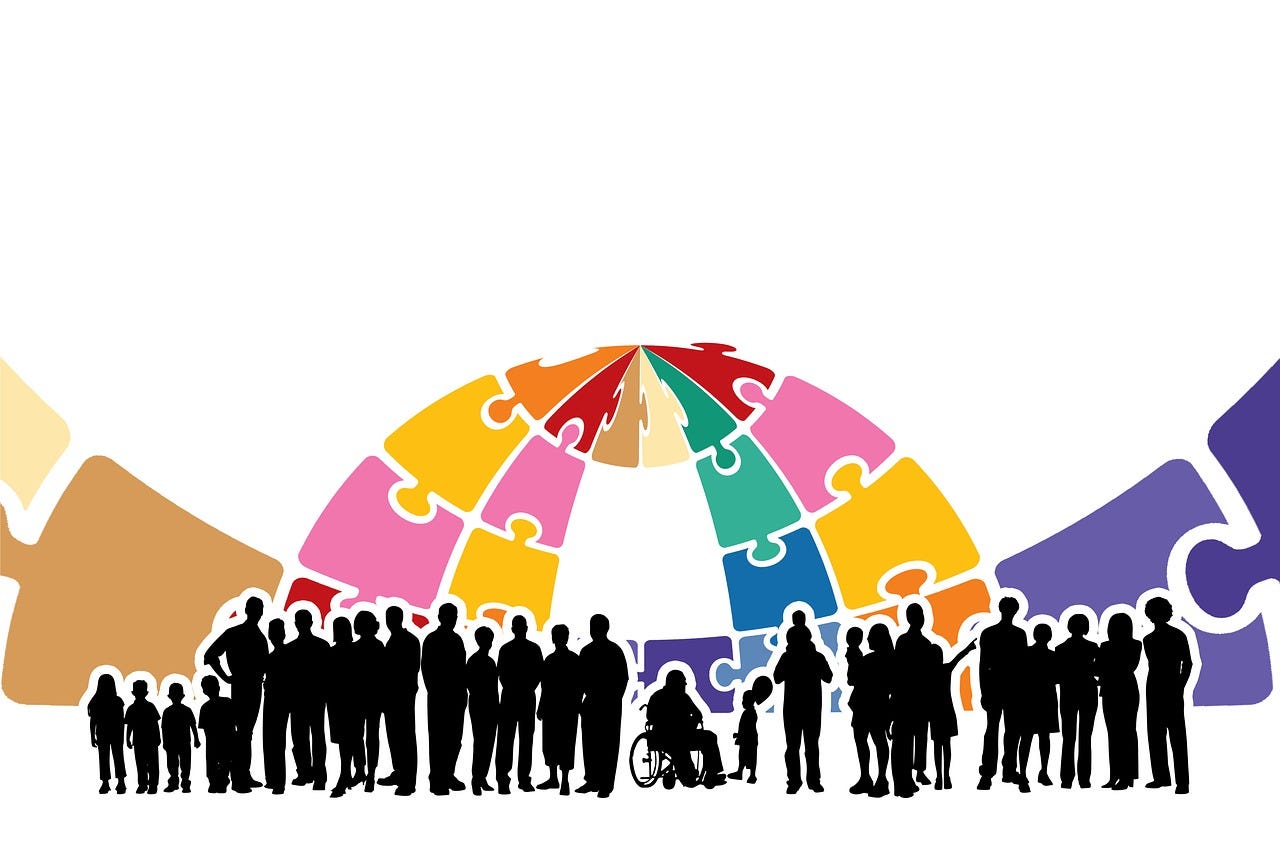


- Change over time
🔹 4. Influential


- Influence behavior and identity
🌍 Meaning of Diversity
🔹 Definition
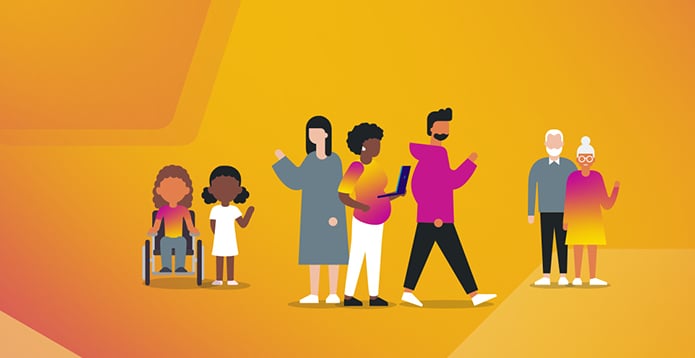
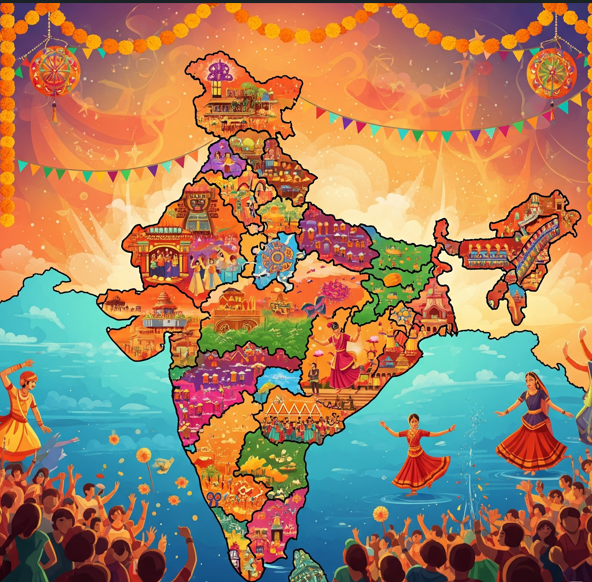
Diversity refers to the presence of differences among individuals and groups in terms of culture, language, religion, ethnicity, gender, and more.
🔹 Types of Diversity
🌐 1. Cultural Diversity
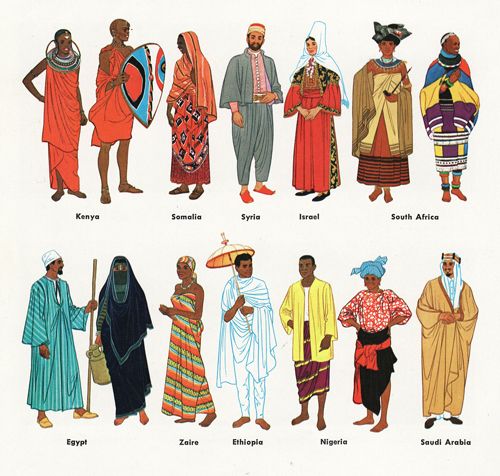
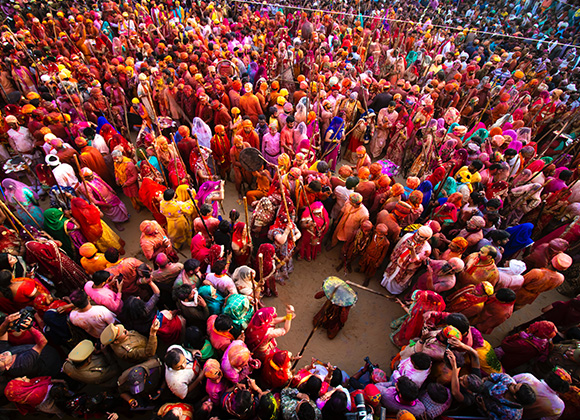
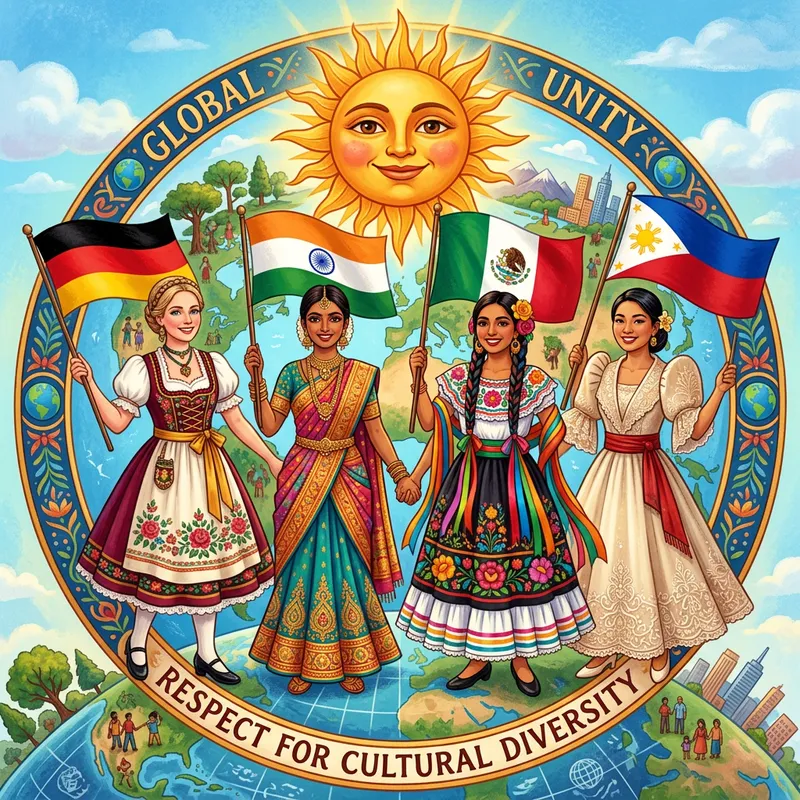

- Differences in traditions and customs
🌍 2. Ethnic Diversity


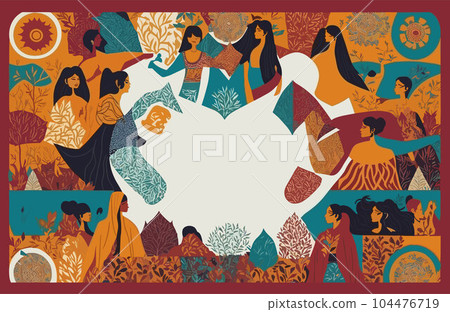

- Differences in race and origin
🗣️ 3. Linguistic Diversity
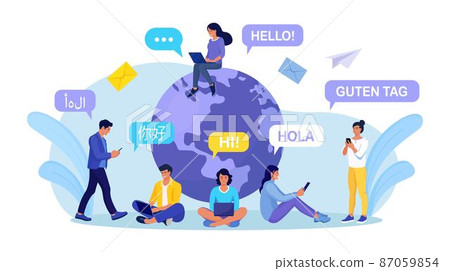

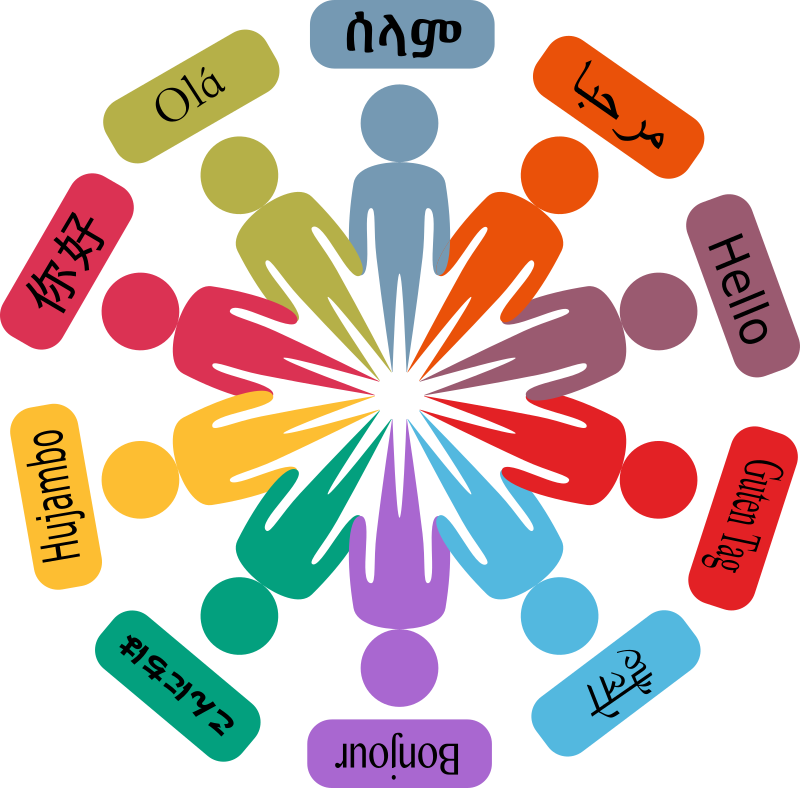
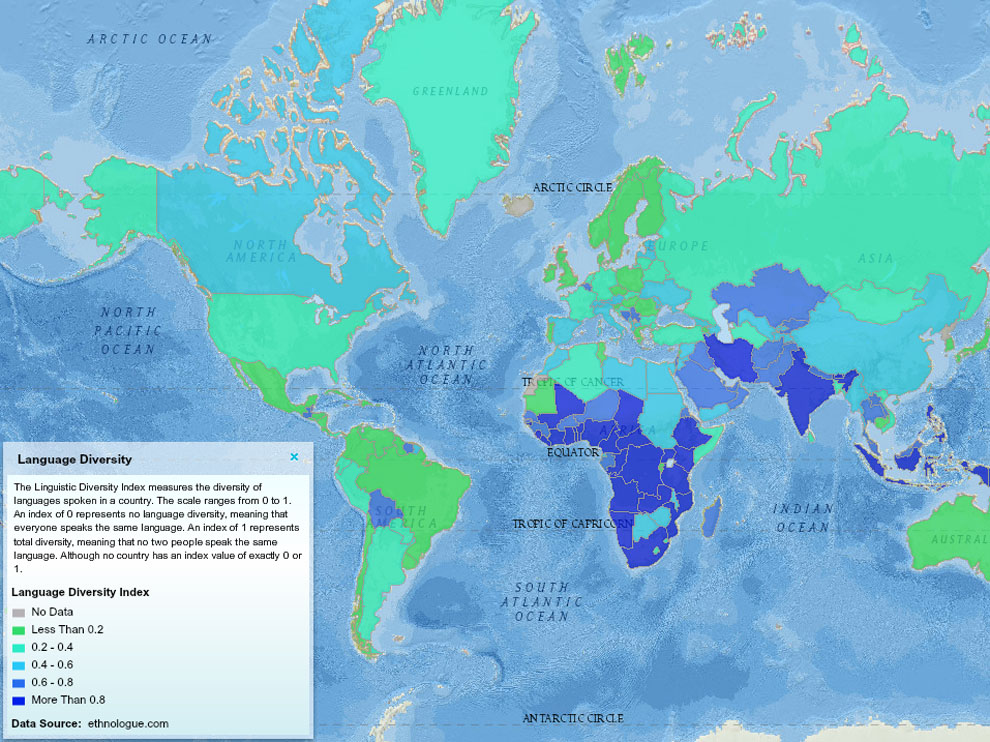
- Variety of languages
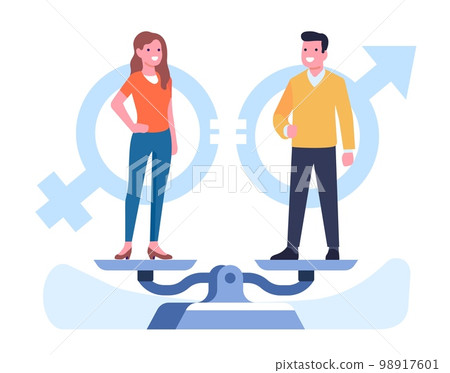
⚧️ 4. Gender Diversity

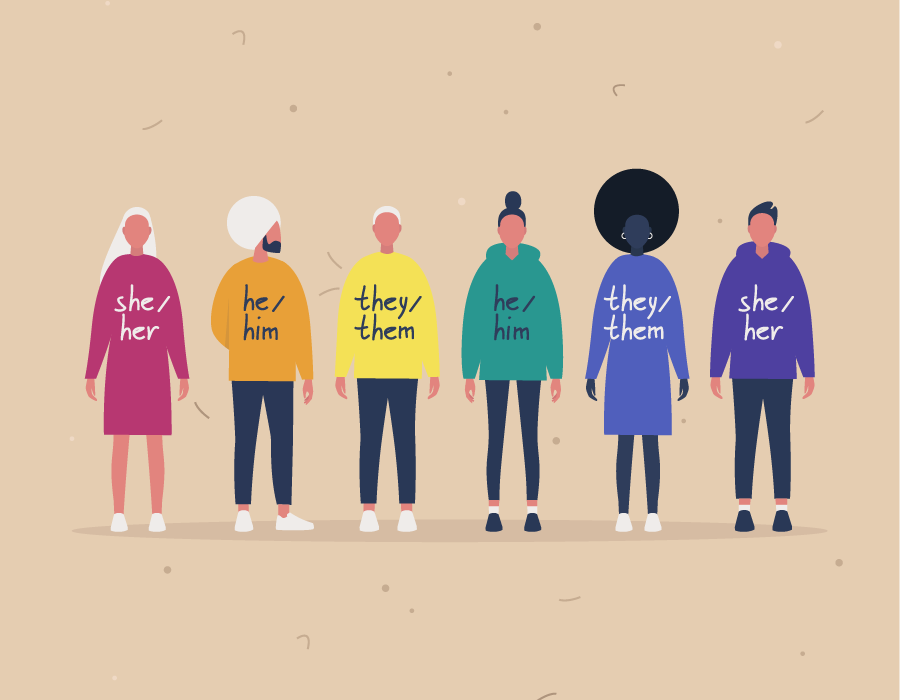
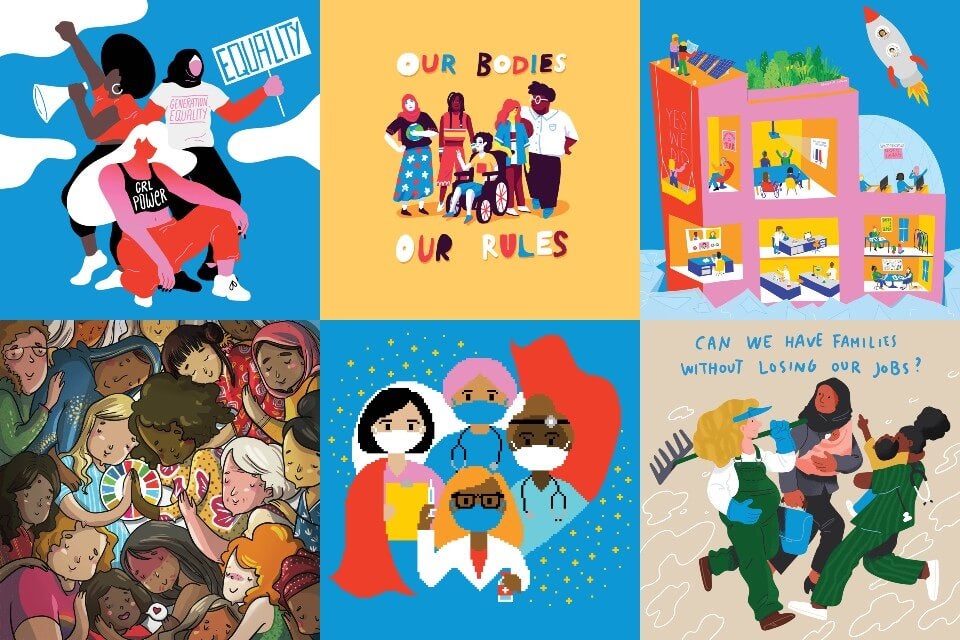
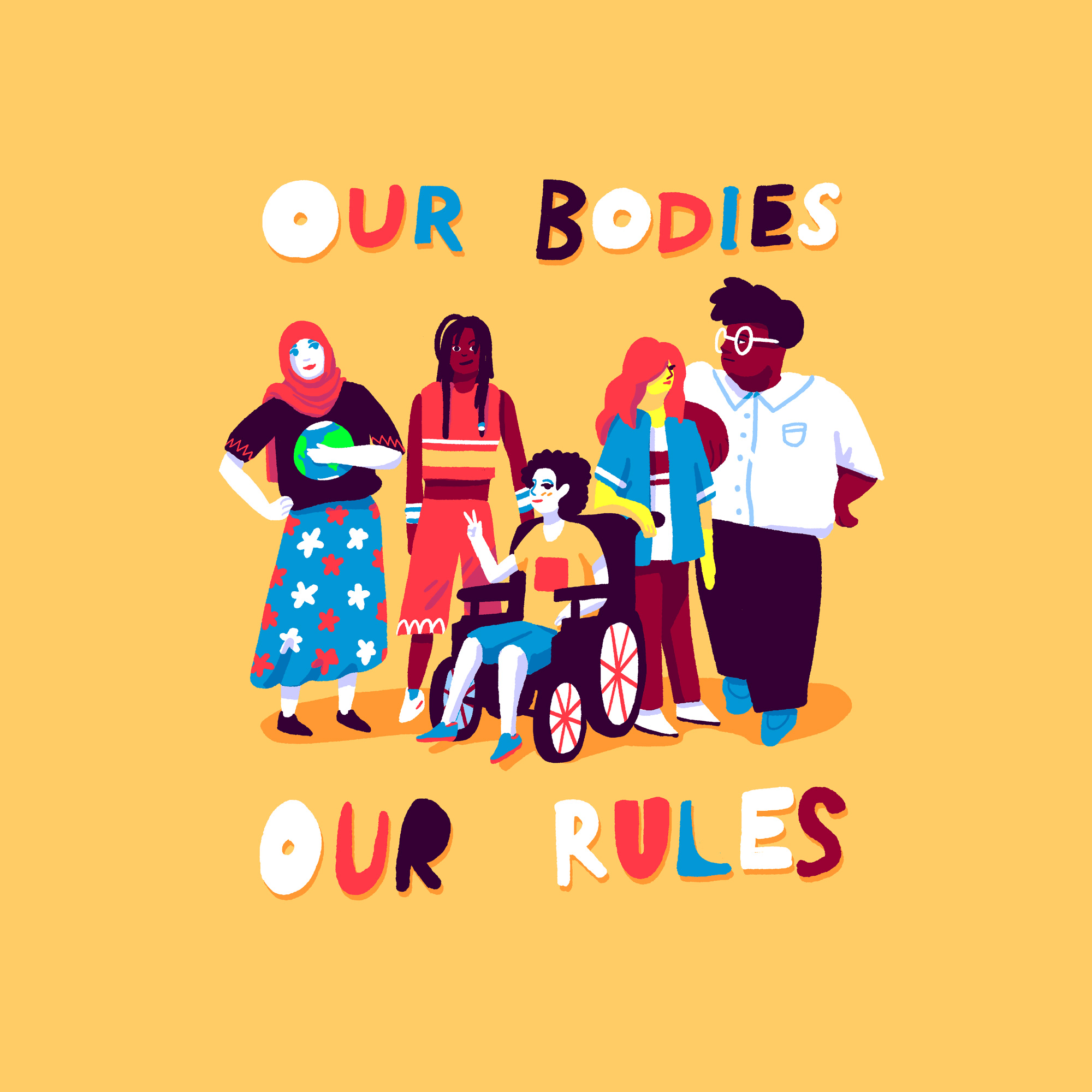
- Inclusion of all genders
🌟 Importance of Cultural Values
🔹 1. Identity Formation
- Defines who we are
🔹 2. Social Stability
- Maintains order
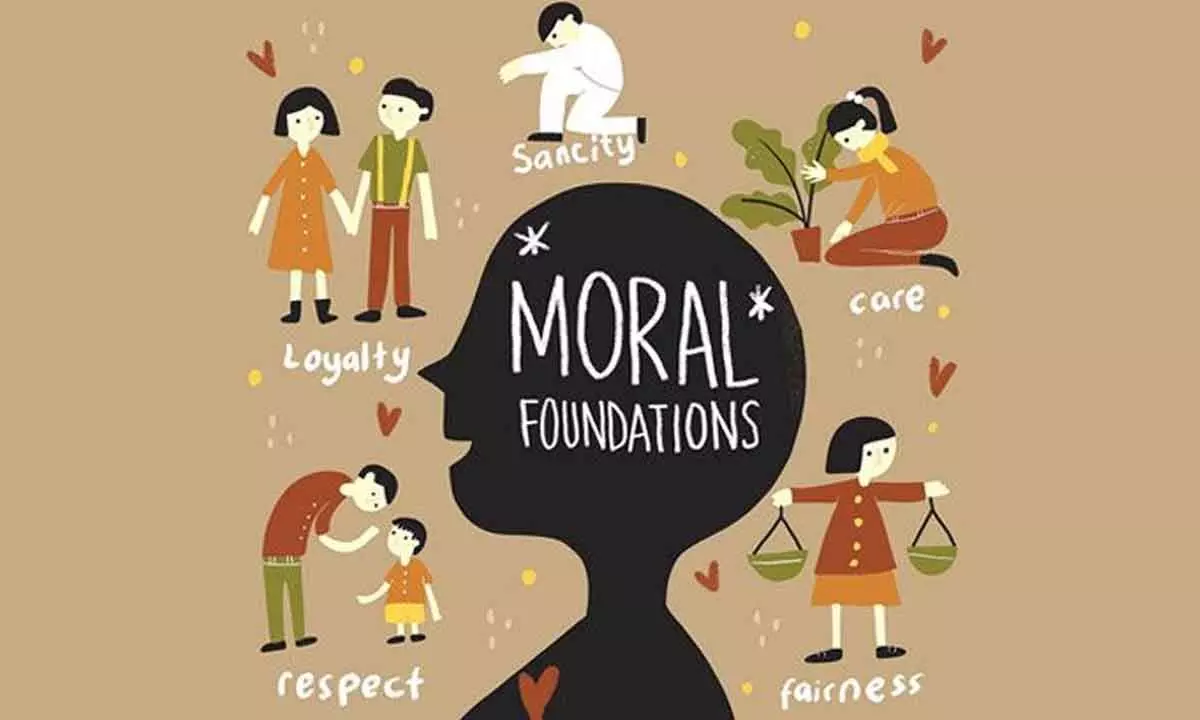
🔹 3. Moral Guidance
- Guides behavior
🔹 4. Cultural Continuity
- Preserves traditions
🌍 Importance of Diversity
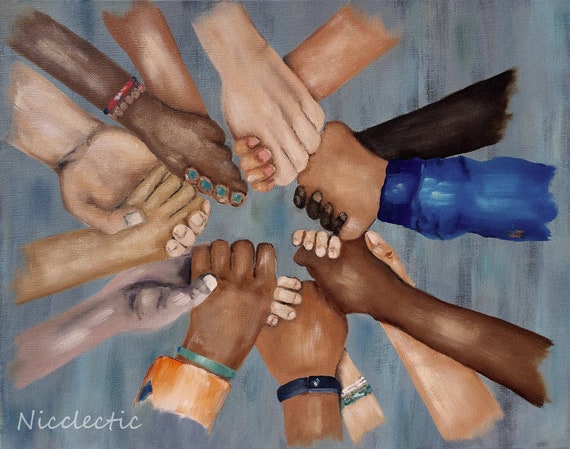
🔹 1. Promotes Tolerance
- Accept differences
🔹 2. Encourages Innovation
- Diverse ideas
🔹 3. Strengthens Society
- Inclusive communities
🔹 4. Enhances Learning
- Exposure to different perspectives
🌱 Cultural Values and Diversity — Interrelationship
🌟 Connection


- Cultural values shape diversity
- Diversity enriches cultural values
🌍 Cultural Values in Daily Life
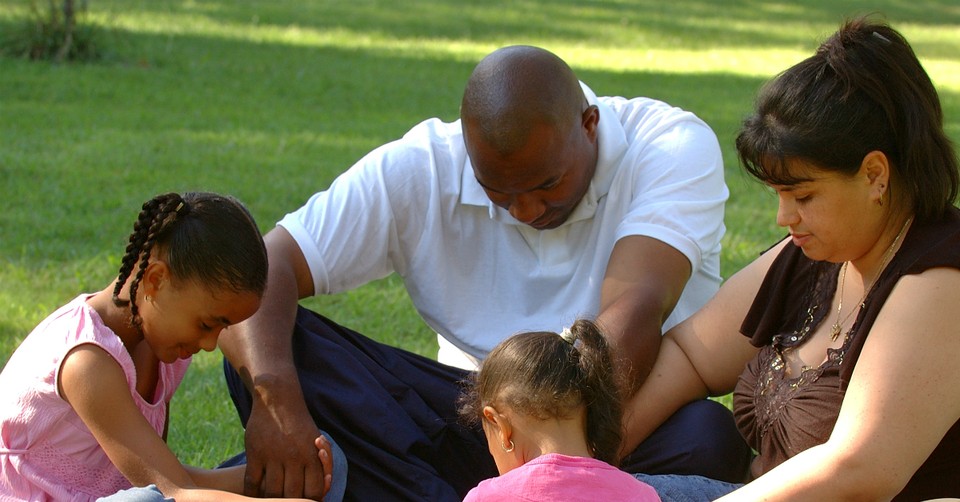
🔹 Family
- Traditions and customs
🔹 Education
- Cultural awareness
🔹 Society
- Social norms
🌱 Challenges to Cultural Values and Diversity
🔹 Cultural Conflict
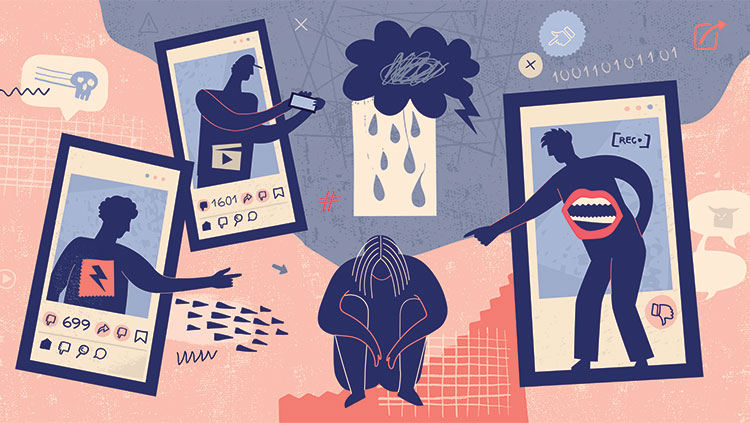
🔹 Prejudice and Discrimination
🔹 Globalization Impact
🔹 Loss of Traditions
🌍 Promoting Cultural Values and Diversity
🔹 Education
- Cultural awareness programs
🔹 Respect and Tolerance
- Accept differences
🔹 Inclusive Policies
- Equal opportunities
🔹 Cultural Exchange
- Sharing traditions
🌱 Role in Globalization
- Cultural exchange
- Increased interaction
- Need for tolerance
🌍 Cultural Values, Diversity, and Human Rights
- Promote equality
- Protect dignity
- Ensure inclusion
🌱 Practical Applications
🔹 Students
- Learning different cultures
🔹 Professionals
- Workplace diversity
🔹 Society
- Inclusive communities
🌟 Conclusion
Cultural values and diversity are essential for building a harmonious and inclusive society. While cultural values provide identity and guidance, diversity enriches society with different perspectives and experiences.
In a globalized world, embracing cultural diversity and respecting cultural values is crucial for promoting peace, understanding, and sustainable development. By fostering tolerance and inclusivity, individuals and societies can create a better future for all.