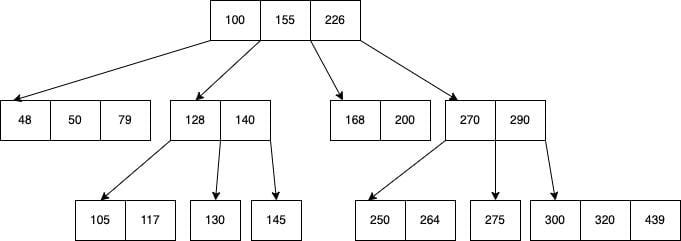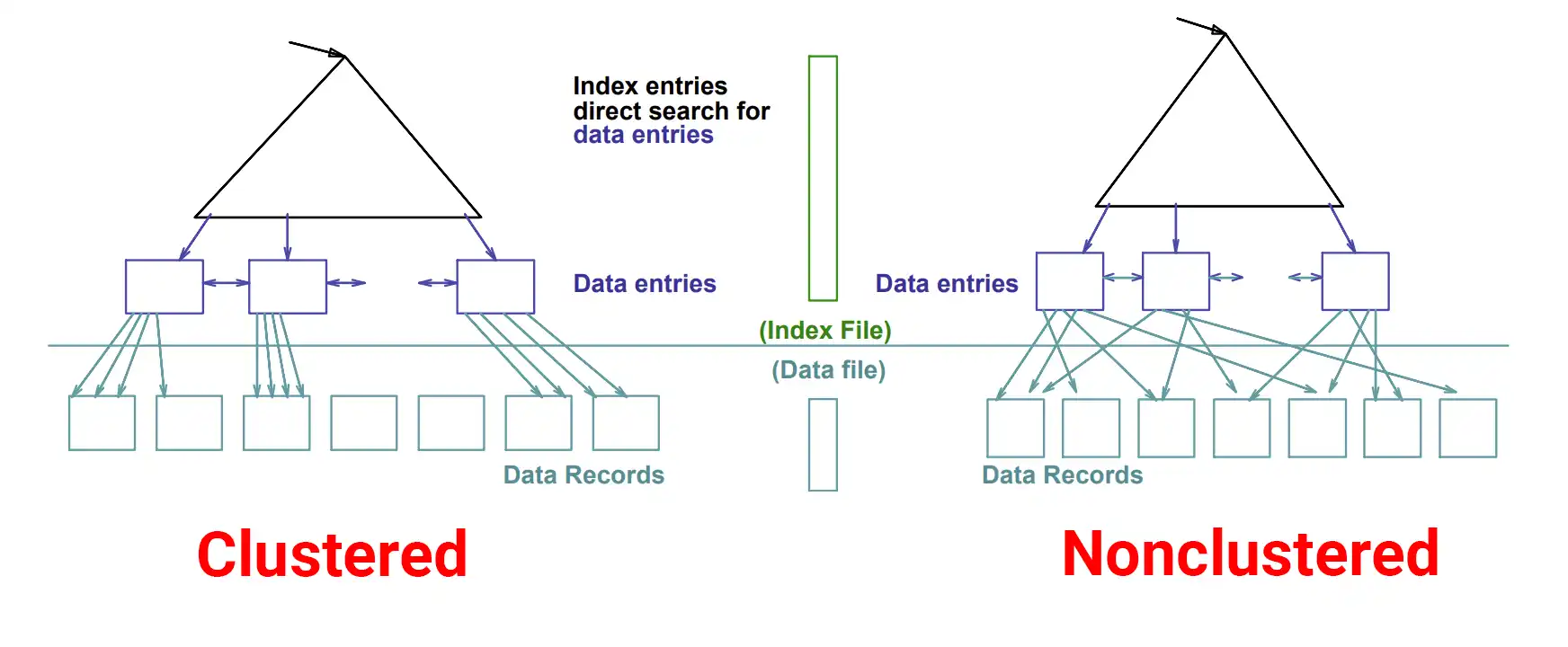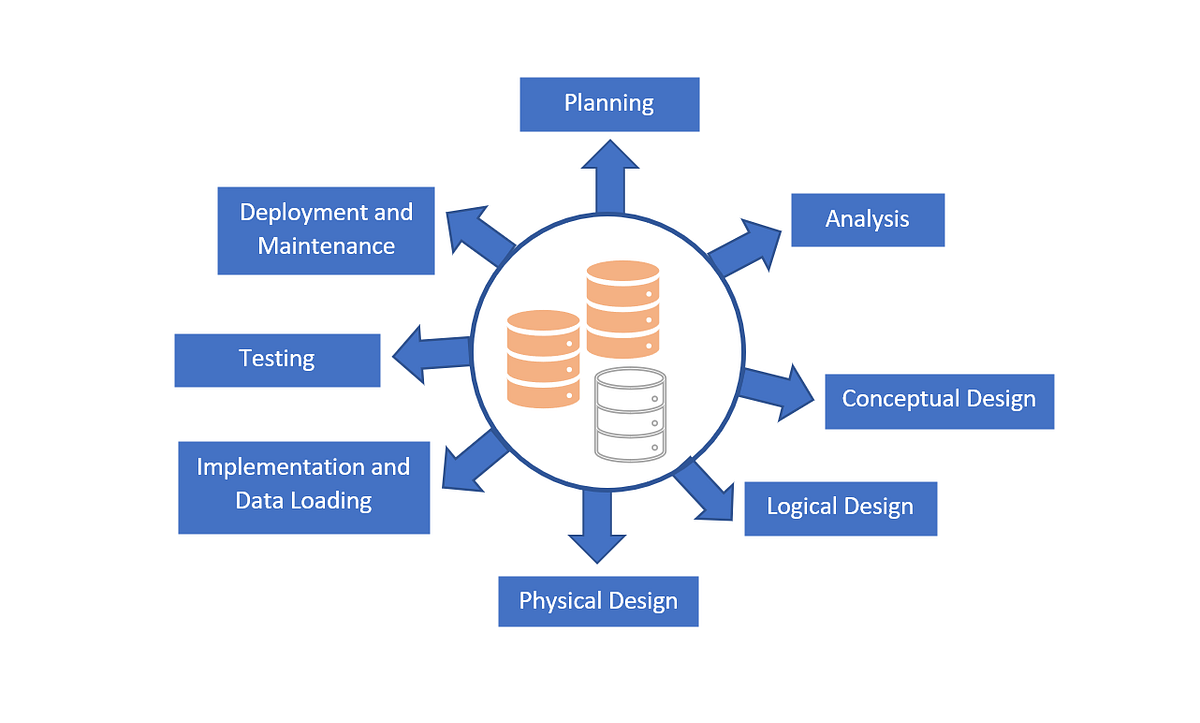
Category Archives: Technology and Computing

๐ŸŒ IP Addressing

Image
Image
Image
Image

๐Ÿ“˜ 1. Introduction to IP Addressing

IP Addressing is a fundamental concept in computer networking that enables devices to identify and communicate with each other over a network such as the Internet.

Every device connected to a networkโ€”whether it’s a smartphone, laptop, server, or IoT deviceโ€”requires a unique IP address.


๐Ÿ”น Definition

An IP address (Internet Protocol Address) is:

A unique numerical label assigned to each device connected to a network that uses the Internet Protocol for communication.


๐Ÿ”น Purpose of IP Addressing

  • Identifies devices uniquely
  • Enables data routing
  • Supports communication between networks
  • Helps locate devices globally

๐Ÿง  2. How IP Addressing Works


๐Ÿ”น Basic Concept

When data is sent over a network:

  1. Source device has an IP address
  2. Destination device has an IP address
  3. Data is broken into packets
  4. Packets travel through routers using IP addresses

๐Ÿ”น Example

  • Sender IP โ†’ 192.168.1.10
  • Receiver IP โ†’ 8.8.8.8

๐Ÿ—๏ธ 3. Structure of an IP Address

Image
Image
Image
Image

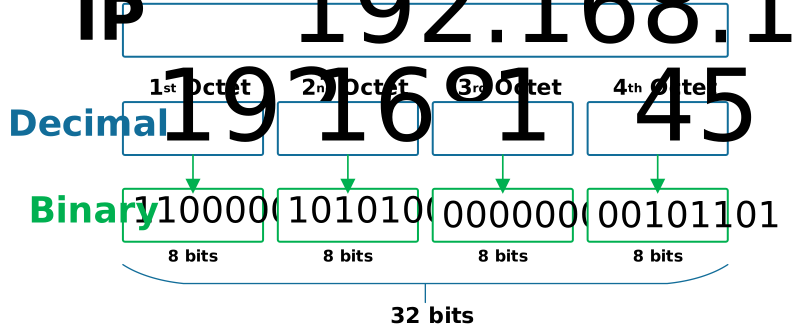
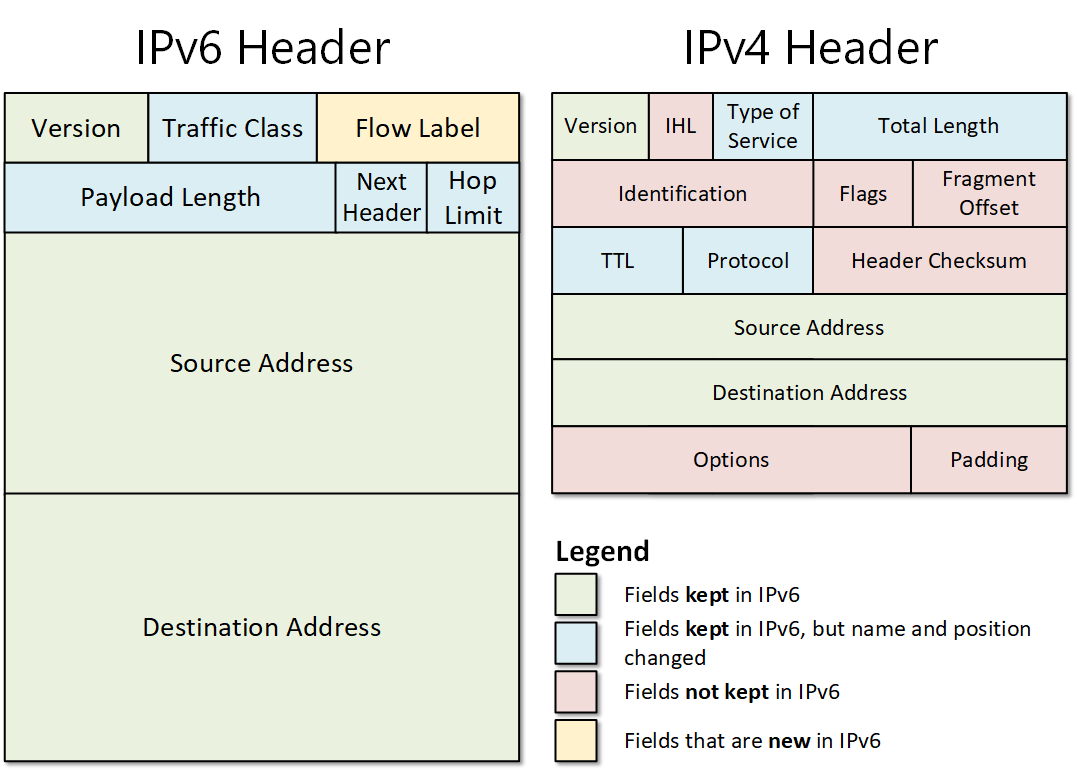
๐Ÿ”น IPv4 Structure

  • 32-bit address
  • Divided into 4 octets

Example:

192.168.1.1

๐Ÿ”น Binary Representation

11000000.10101000.00000001.00000001

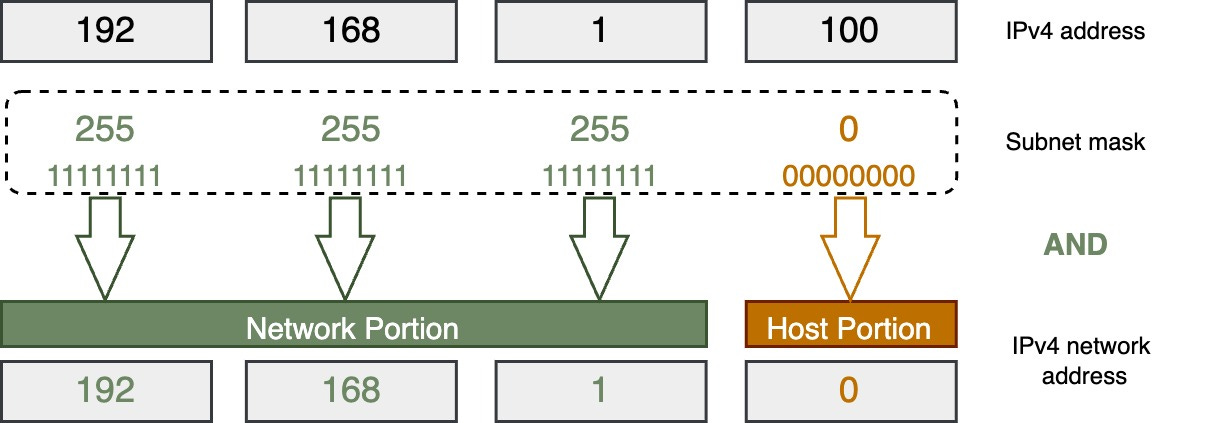
๐Ÿ”น Network vs Host Portion

  • Network โ†’ identifies network
  • Host โ†’ identifies device

๐ŸŒ 4. Types of IP Addresses


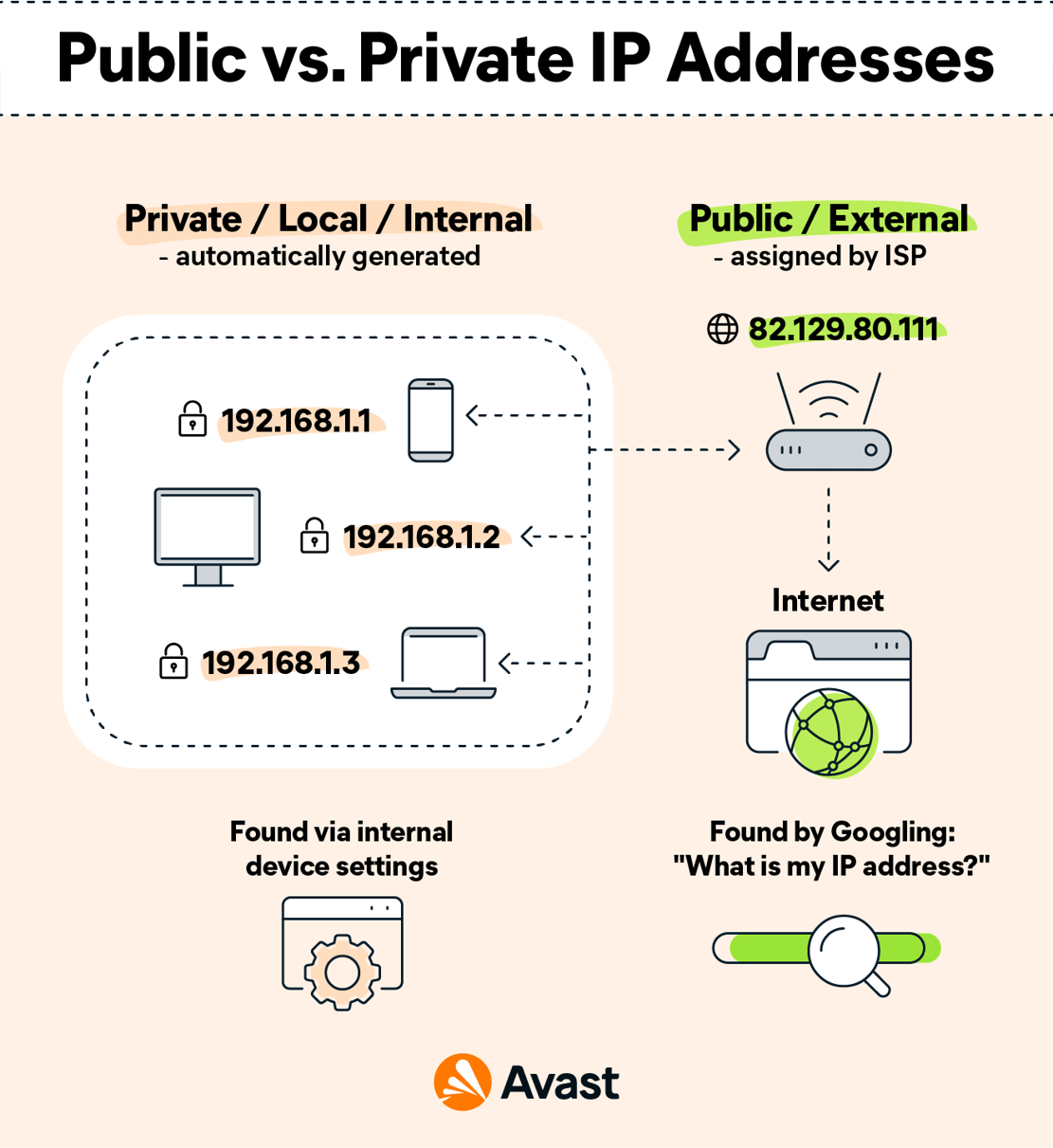
๐Ÿ”น 1. Public IP Address

  • Assigned by ISP
  • Accessible over the internet

๐Ÿ”น 2. Private IP Address

  • Used within local networks

Ranges:

  • 192.168.x.x
  • 10.x.x.x
  • 172.16.x.x

๐Ÿ”น 3. Static IP

  • Fixed address

๐Ÿ”น 4. Dynamic IP

  • Assigned automatically (DHCP)

๐Ÿ”ข 5. IPv4 Address Classes

Image
Image
Image
Image

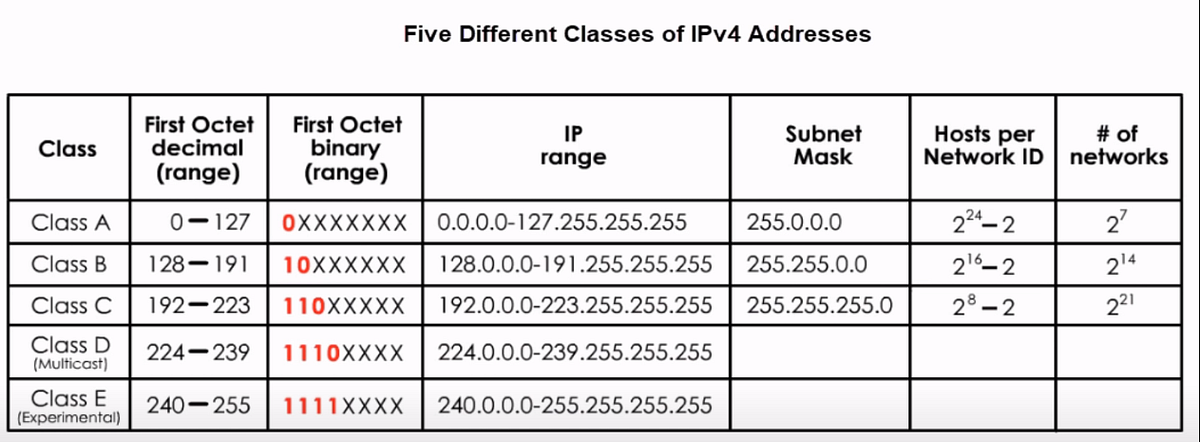
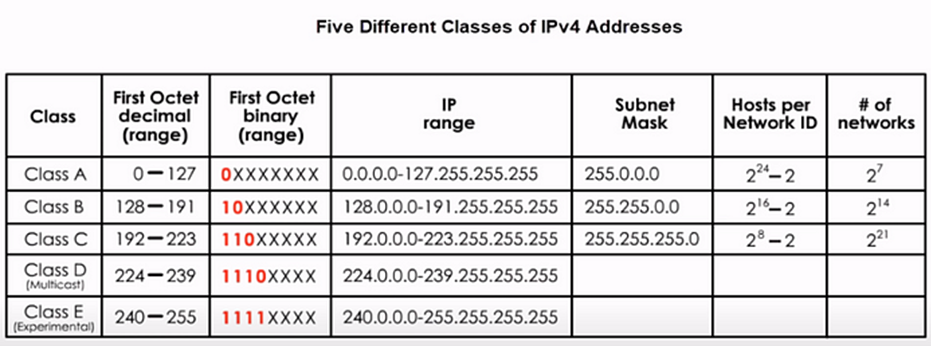
๐Ÿ”น Classes

ClassRangeUsage
A1โ€“126Large networks
B128โ€“191Medium
C192โ€“223Small
D224โ€“239Multicast
E240โ€“255Experimental

โšก 6. Subnetting

Image
Image
Image
Image

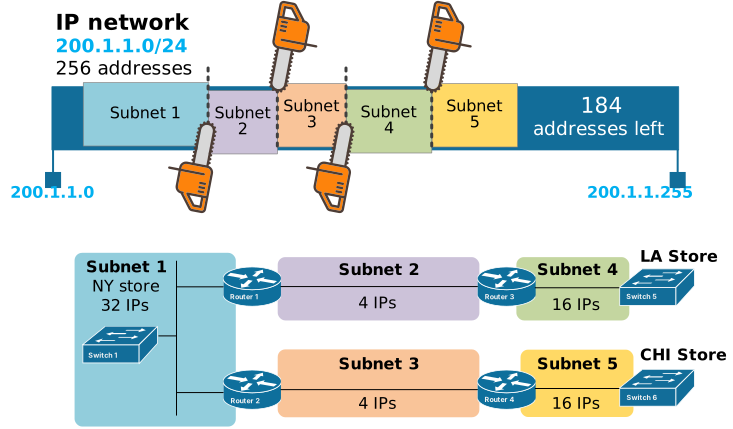
๐Ÿ”น What is Subnetting?

Dividing a network into smaller networks.


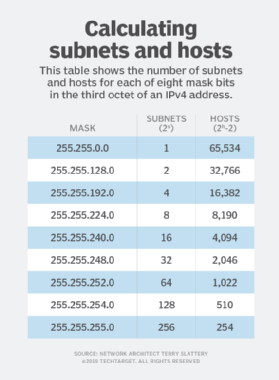
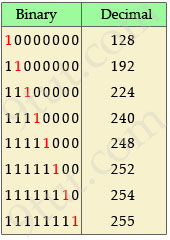
๐Ÿ”น Subnet Mask

Defines network and host portions.

Example:

255.255.255.0

๐Ÿ”น CIDR Notation

192.168.1.0/24

๐Ÿ”„ 7. IPv6 Addressing

Image
Image
Image
Image

๐Ÿ”น Why IPv6?

  • IPv4 exhaustion
  • Need for more addresses

๐Ÿ”น Features

  • 128-bit address
  • Hexadecimal format
  • Larger address space

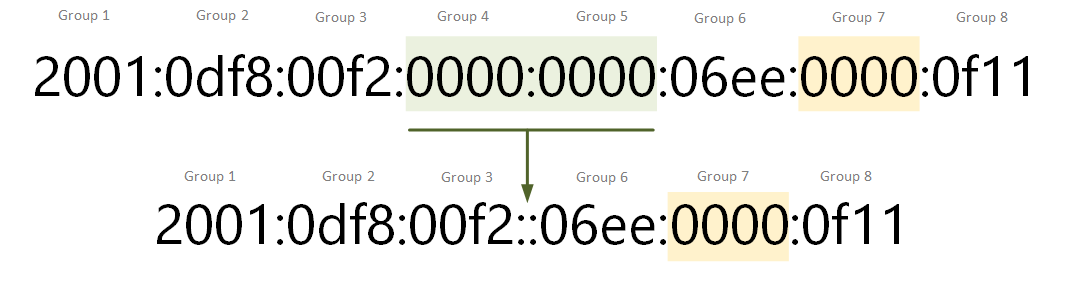
Example:

2001:0db8:85a3:0000:0000:8a2e:0370:7334

๐Ÿ” 8. Special IP Addresses


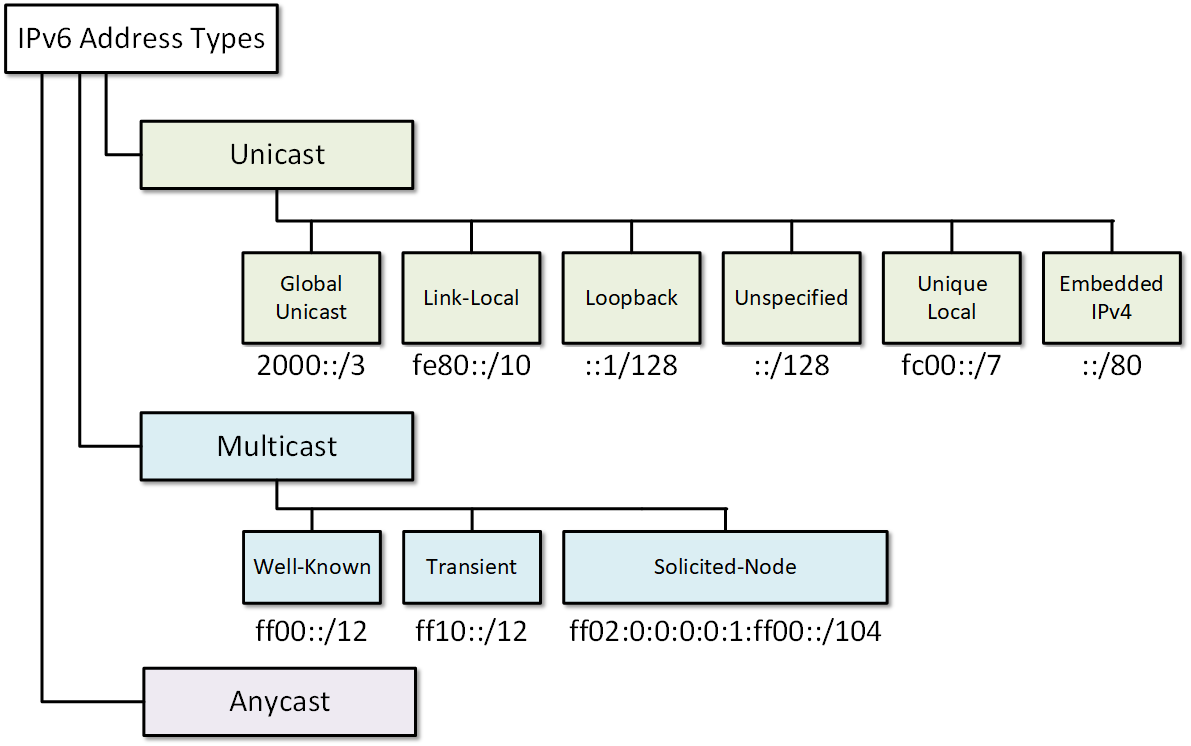
๐Ÿ”น Loopback Address

  • 127.0.0.1

๐Ÿ”น Broadcast Address

  • Sends to all devices

๐Ÿ”น Multicast Address

  • Sends to group

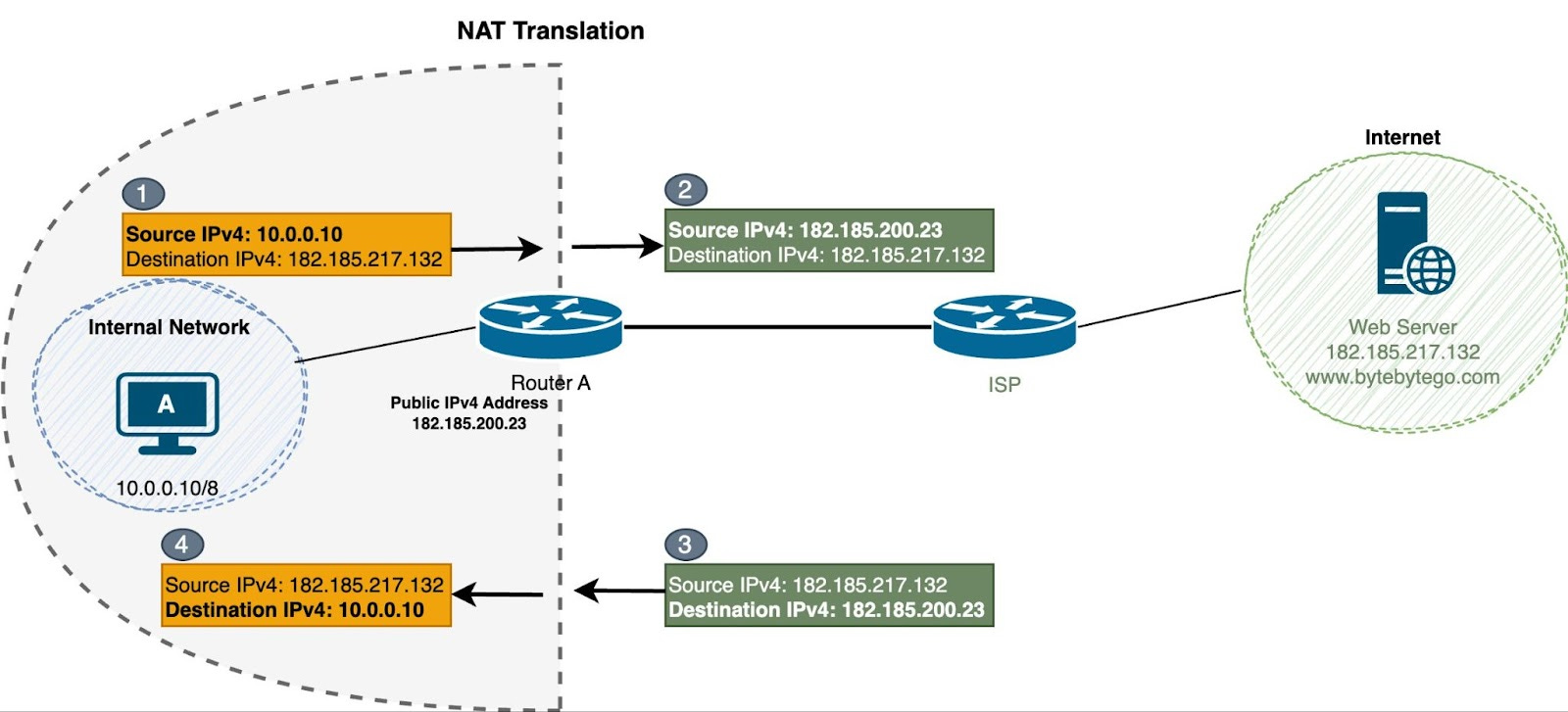
๐Ÿ”„ 9. NAT (Network Address Translation)
Image
Image
Image
Image

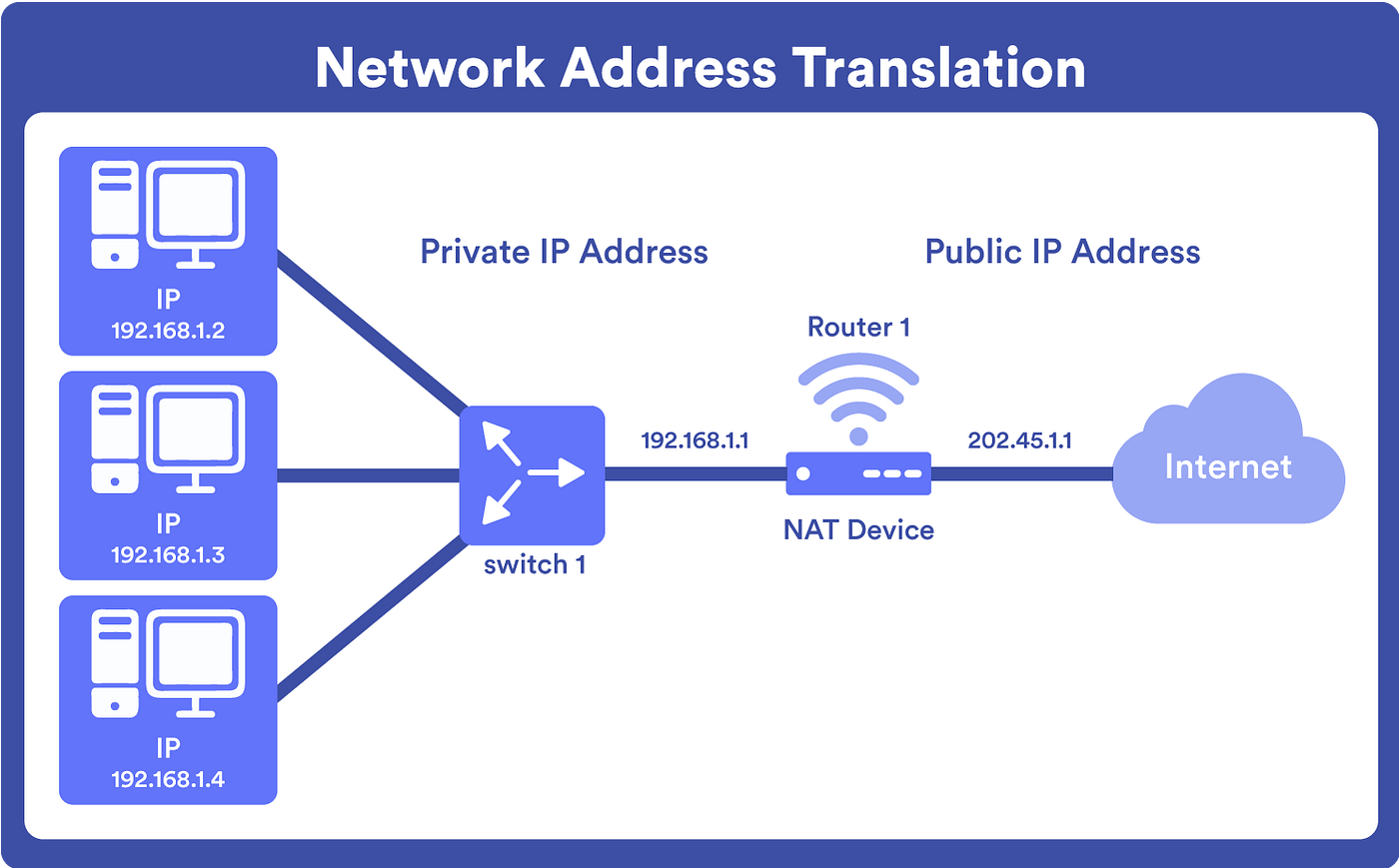
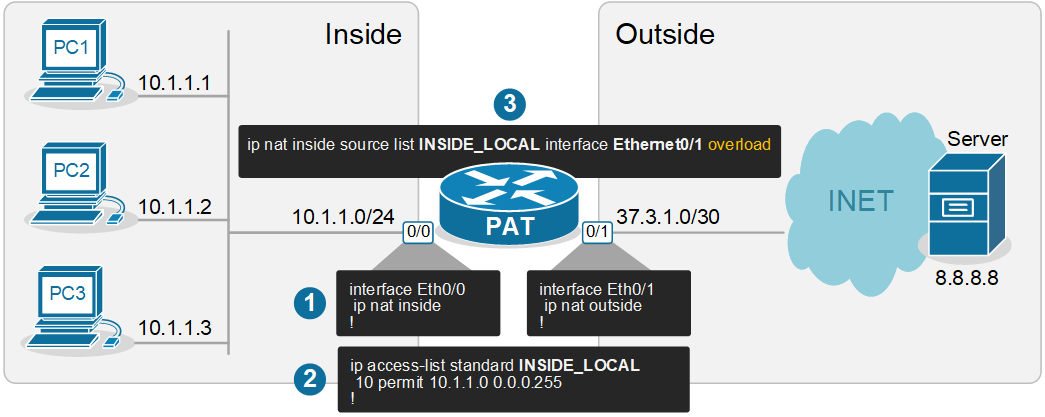
๐Ÿ”น Purpose

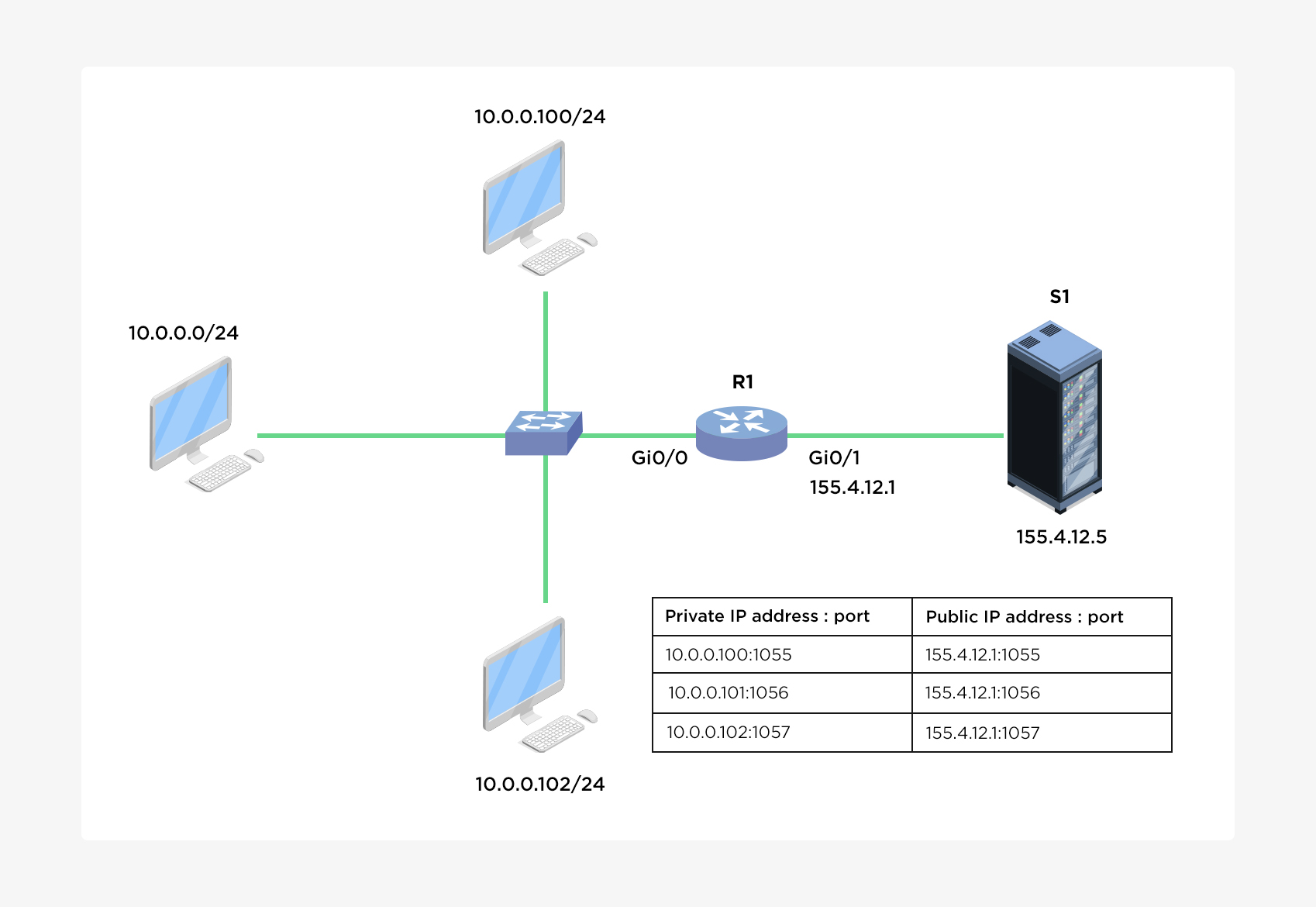
  • Converts private IP to public IP

๐Ÿ”น Types

  • Static NAT
  • Dynamic NAT
  • PAT (Port Address Translation)

โš™๏ธ 10. DHCP (Dynamic Host Configuration Protocol)


๐Ÿ”น Function

  • Automatically assigns IP addresses

๐Ÿ”น Process

  1. Discover
  2. Offer
  3. Request
  4. Acknowledge

๐ŸŒ 11. DNS and IP Addressing


๐Ÿ”น Role

  • Converts domain names to IP

๐Ÿ”น Example

  • google.com โ†’ IP address

๐Ÿง  12. Routing and IP Addressing


๐Ÿ”น Routers

  • Use IP addresses to forward packets

๐Ÿ”น Routing Tables

  • Store path information

โšก 13. Address Resolution Protocol (ARP)


๐Ÿ”น Function

  • Maps IP to MAC address

๐Ÿ”„ 14. ICMP Protocol


๐Ÿ”น Uses

  • Error reporting
  • Diagnostics

Example: ping command


๐Ÿ” 15. Security in IP Addressing


๐Ÿ”น Threats

  • IP spoofing
  • DDoS attacks

๐Ÿ”น Solutions

  • Firewalls
  • Encryption

๐Ÿงฉ 16. Advanced Concepts


  • VLSM (Variable Length Subnet Masking)
  • Supernetting
  • Anycast addressing

๐Ÿ“Š 17. Real-World Applications


  • Internet communication
  • Cloud networking
  • IoT systems
  • Enterprise networks

โš–๏ธ 18. Advantages of IP Addressing


  • Unique identification
  • Scalable
  • Standardized

โš ๏ธ 19. Limitations


  • IPv4 exhaustion
  • Security concerns

๐Ÿ”ฎ 20. Future of IP Addressing


  • IPv6 adoption
  • Smart networks
  • IoT expansion

๐Ÿ Conclusion

IP addressing is the foundation of all network communication, enabling billions of devices to connect and exchange data. Understanding IP addressing is essential for networking, cybersecurity, and modern computing systems.


๐Ÿท๏ธ Tags

๐ŸŒ TCP/IP Protocol

Image
Image
Image
Image

๐Ÿ“˜ 1. Introduction to TCP/IP

TCP/IP (Transmission Control Protocol / Internet Protocol) is the fundamental communication protocol suite that enables devices to connect and communicate over the internet and other networks.

It is the backbone of:

  • The Internet ๐ŸŒ
  • Local networks (LANs)
  • Wide Area Networks (WANs)

๐Ÿ”น Definition

TCP/IP is a set of communication protocols used to:

  • Transmit data between devices
  • Ensure reliable delivery
  • Route data across networks

๐Ÿ”น Why TCP/IP is Important

  • Enables global communication
  • Supports web browsing, email, streaming
  • Provides standardized networking

๐Ÿง  2. History of TCP/IP


๐Ÿ”น Development

  • Developed in the 1970s
  • Funded by the U.S. Department of Defense (ARPANET project)

๐Ÿ”น Key Milestones

  • 1983 โ†’ TCP/IP adopted as ARPANET standard
  • Became foundation of modern internet

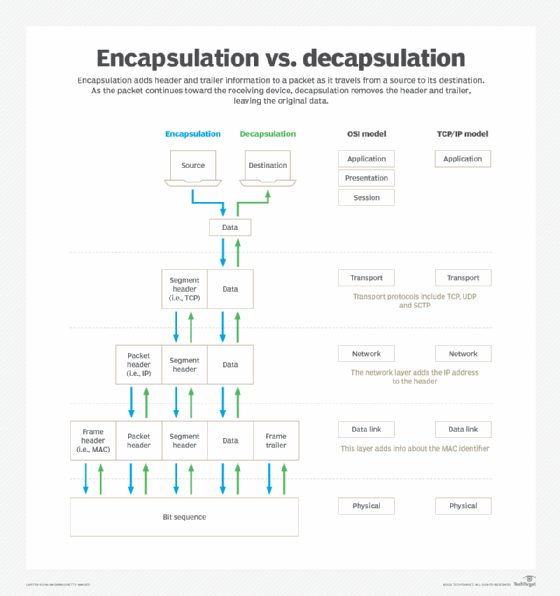
๐Ÿ—๏ธ 3. TCP/IP Model Layers

Image
Image
Image
Image

๐Ÿ”น Four Layers of TCP/IP Model


1. Application Layer

  • Interface for user applications
  • Protocols:
    • HTTP
    • FTP
    • SMTP
    • DNS

2. Transport Layer

  • End-to-end communication
  • Protocols:
    • TCP
    • UDP

3. Internet Layer

  • Logical addressing and routing
  • Protocol:
    • IP

4. Network Access Layer

  • Physical transmission
  • Includes Ethernet, Wi-Fi

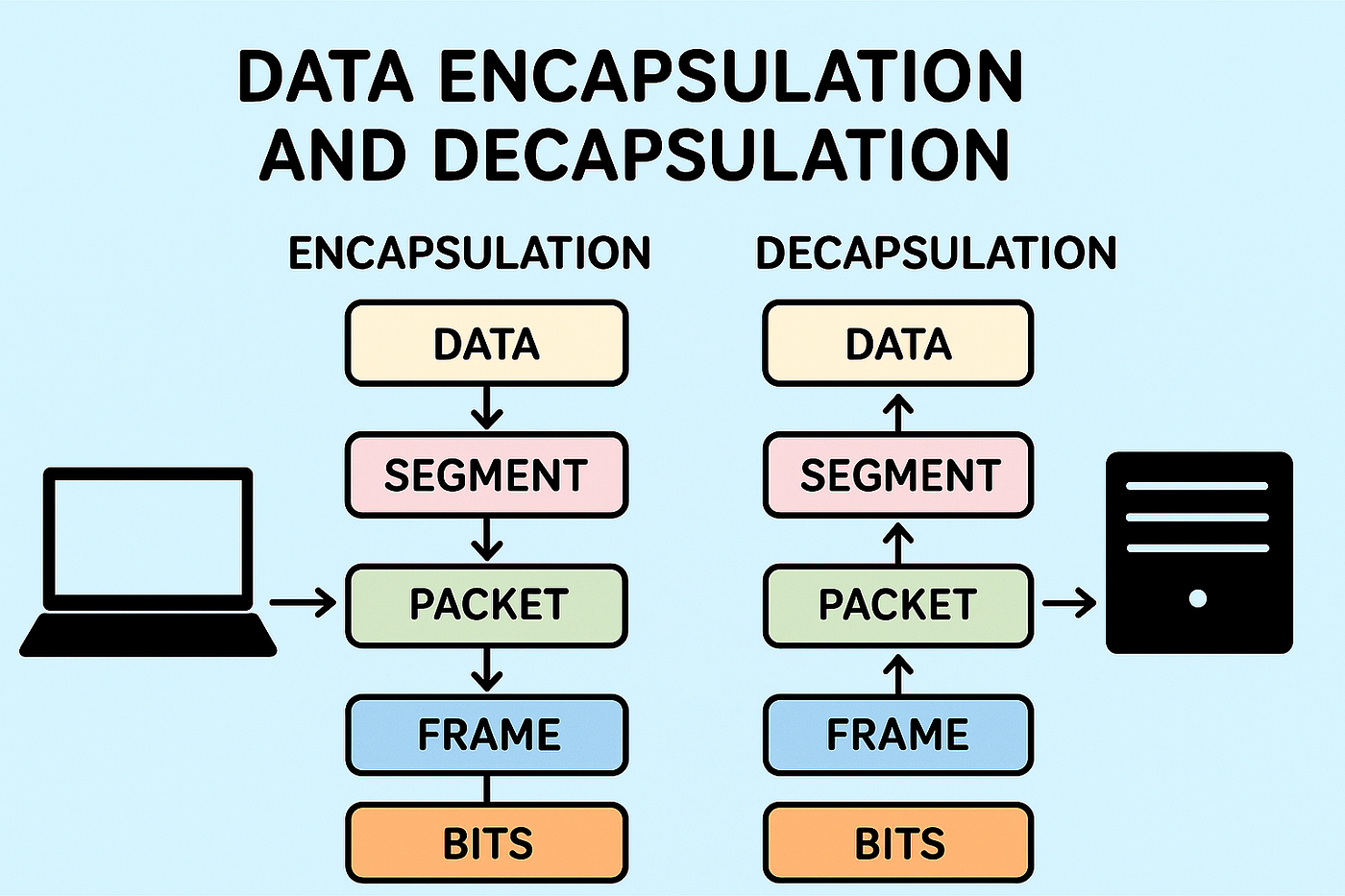
๐Ÿ”„ 4. Data Encapsulation Process

Image
Image
Image
Image

๐Ÿ”น Steps

  1. Application layer creates data
  2. Transport layer adds header โ†’ Segment
  3. Internet layer adds IP header โ†’ Packet
  4. Network layer adds frame

๐Ÿ”‘ 5. Internet Protocol (IP)


๐Ÿ”น Role of IP

  • Provides addressing
  • Routes packets

๐Ÿ”น IP Address

Unique identifier for devices.

Types:

  • IPv4 โ†’ 32-bit
  • IPv6 โ†’ 128-bit

๐Ÿ”น Example IPv4

192.168.1.1

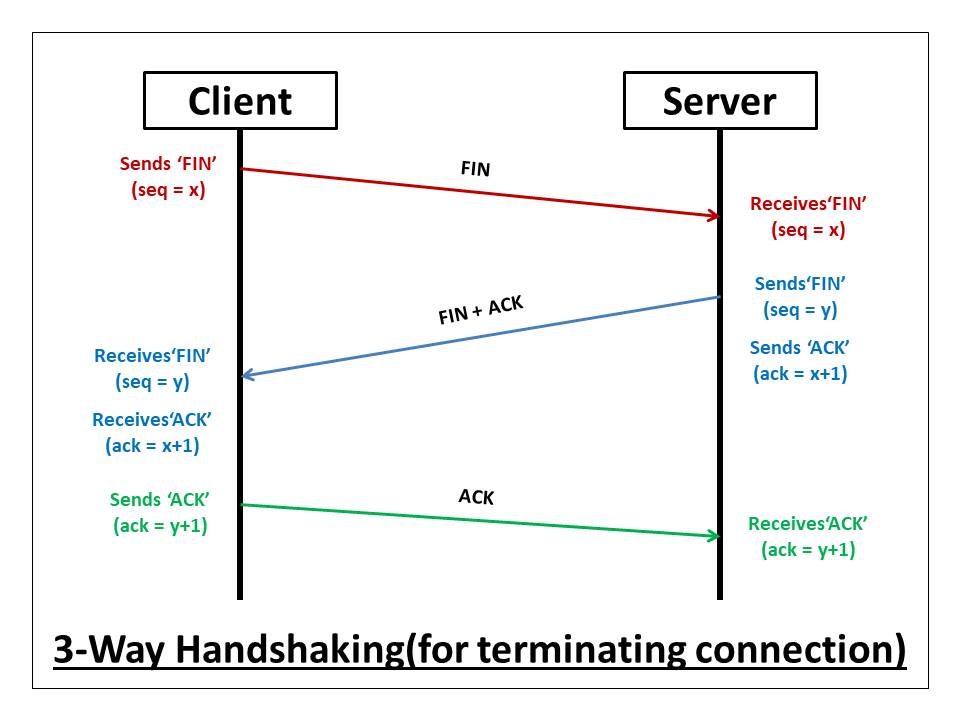
๐Ÿ”„ 6. Transmission Control Protocol (TCP)

Image
Image
Image
Image

๐Ÿ”น Features of TCP

  • Connection-oriented
  • Reliable
  • Ordered delivery
  • Error checking

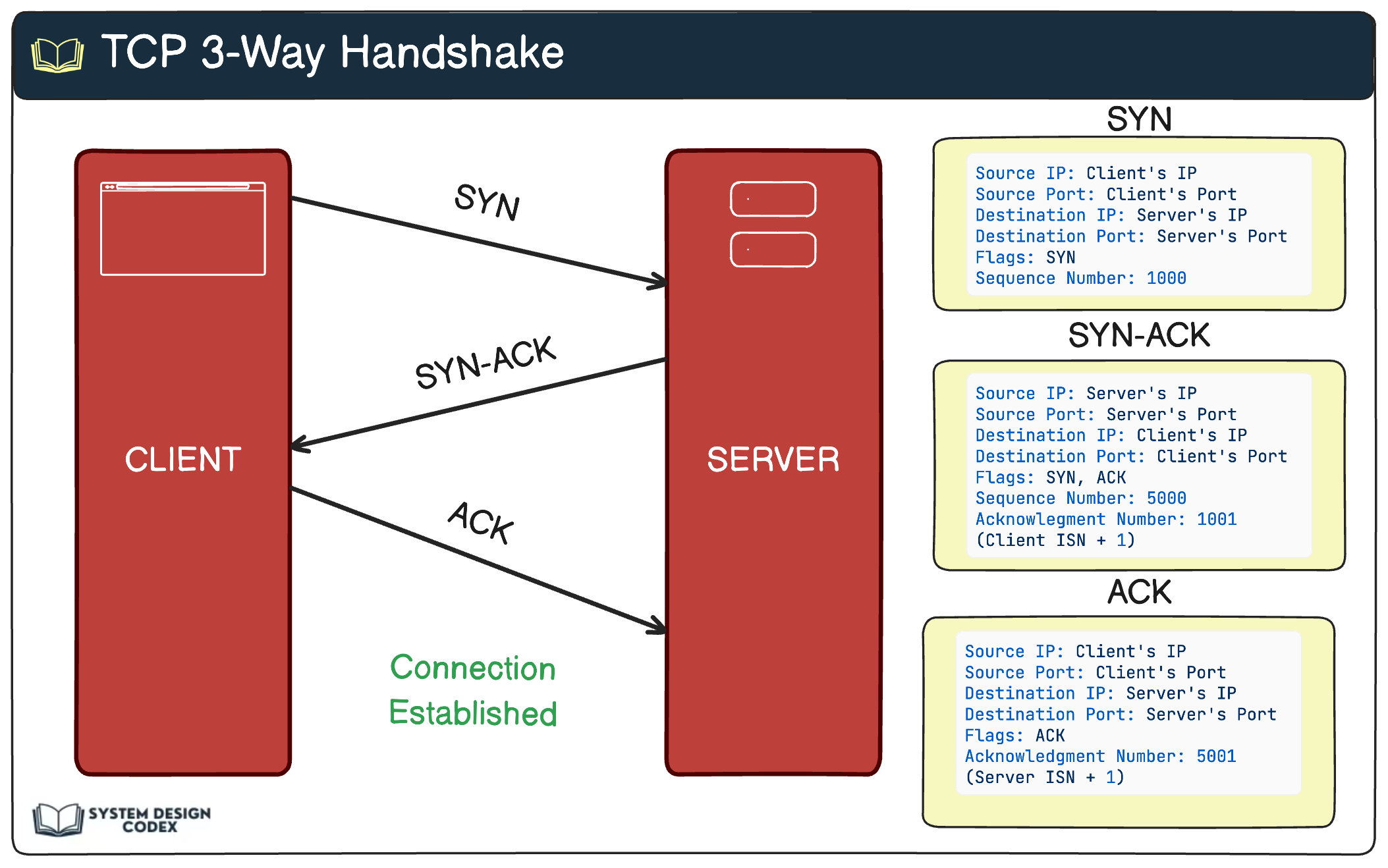
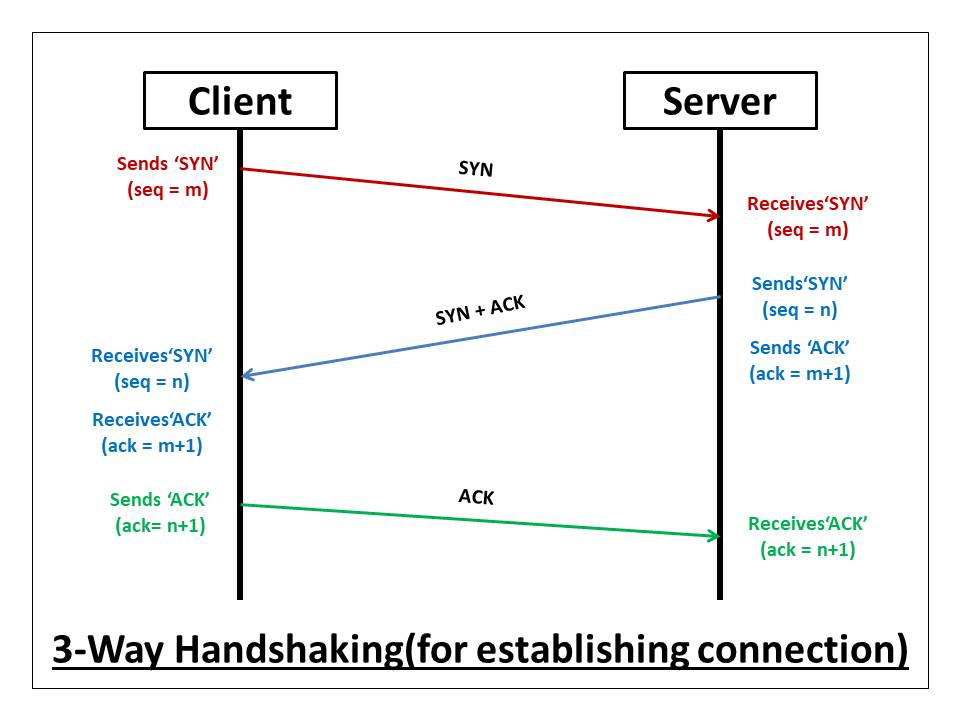
๐Ÿ”น Three-Way Handshake

  1. SYN
  2. SYN-ACK
  3. ACK

๐Ÿ”น Flow Control

  • Sliding window mechanism

๐Ÿ”น Congestion Control

  • Avoids network overload

โšก 7. User Datagram Protocol (UDP)


๐Ÿ”น Features

  • Connectionless
  • Faster
  • No guarantee of delivery

๐Ÿ”น Use Cases

  • Video streaming
  • Online gaming
  • DNS

๐Ÿง  8. TCP vs UDP


FeatureTCPUDP
ReliabilityHighLow
SpeedSlowerFaster
ConnectionYesNo

๐Ÿ” 9. Ports and Sockets


๐Ÿ”น Port Numbers

  • Identify applications

Examples:

  • HTTP โ†’ 80
  • HTTPS โ†’ 443

๐Ÿ”น Socket

Combination of:

  • IP address
  • Port number

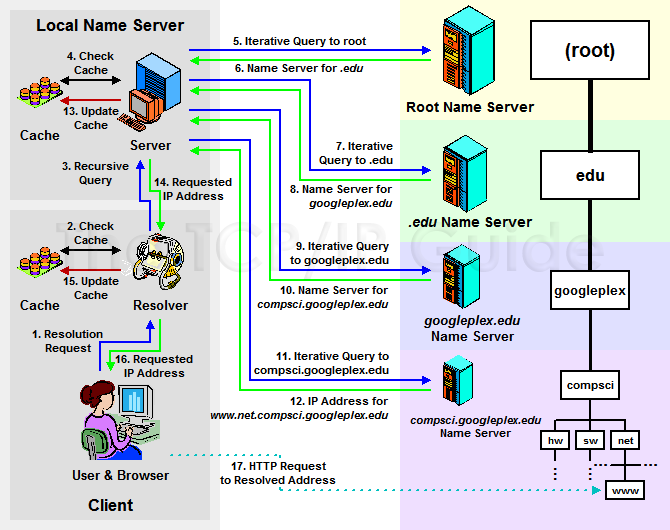
๐ŸŒ 10. DNS (Domain Name System)

Image
Image
Image
Image

๐Ÿ”น Function

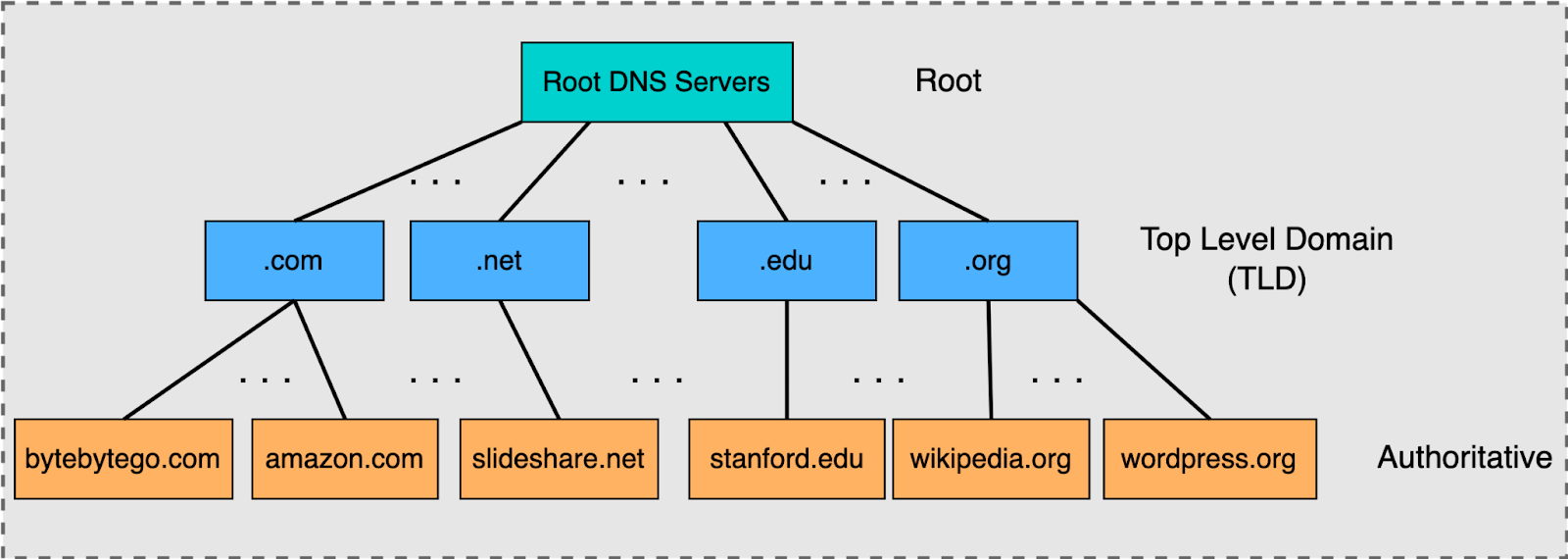
  • Converts domain names to IP addresses

๐Ÿ”„ 11. Routing


๐Ÿ”น Routers

  • Forward packets

๐Ÿ”น Routing Protocols

  • OSPF
  • BGP

๐Ÿ” 12. Security in TCP/IP


๐Ÿ”น Common Threats

  • IP spoofing
  • Man-in-the-middle attacks

๐Ÿ”น Security Measures

  • Firewalls
  • Encryption (TLS/SSL)

โšก 13. Performance Optimization


๐Ÿ”น Techniques

  • Load balancing
  • Congestion control
  • Caching

๐Ÿงช 14. Packet Structure


๐Ÿ”น Components

  • Header
  • Payload

๐ŸŒ 15. Real-World Applications


  • Web browsing
  • Email
  • Streaming
  • Cloud services

๐Ÿง  16. Advanced Concepts


  • NAT (Network Address Translation)
  • Subnetting
  • QoS (Quality of Service)

๐Ÿ”„ 17. TCP/IP vs OSI Model


TCP/IPOSI
4 layers7 layers

โš–๏ธ 18. Advantages of TCP/IP


  • Scalable
  • Reliable
  • Standardized

โš ๏ธ 19. Limitations


  • Complexity
  • Security vulnerabilities

๐Ÿ”ฎ 20. Future of TCP/IP


  • IPv6 adoption
  • IoT networking
  • 5G integration

๐Ÿ Conclusion

TCP/IP is the foundation of modern networking, enabling seamless communication across the globe. Understanding TCP/IP is essential for anyone working in networking, cybersecurity, or software development.


๐Ÿท๏ธ Tags

๐Ÿข Data Warehousing

Image
Image
Image
Image

๐Ÿ“˜ 1. Introduction to Data Warehousing

A Data Warehouse is a centralized repository designed to store large volumes of structured data collected from multiple sources for the purpose of analysis, reporting, and decision-making.

Unlike operational databases (OLTP systems), which handle day-to-day transactions, data warehouses are optimized for analytical processing (OLAP).


๐Ÿ”น Definition

A data warehouse is:

A subject-oriented, integrated, time-variant, and non-volatile collection of data that supports decision-making.


๐Ÿ”น Key Characteristics

  • Subject-Oriented โ†’ Organized around business topics (sales, customers)
  • Integrated โ†’ Combines data from multiple sources
  • Time-Variant โ†’ Stores historical data
  • Non-Volatile โ†’ Data is stable (read-heavy, not frequently updated)

๐Ÿง  2. Why Data Warehousing is Important


๐Ÿ”น Business Benefits

  • Better decision-making
  • Historical trend analysis
  • Improved reporting
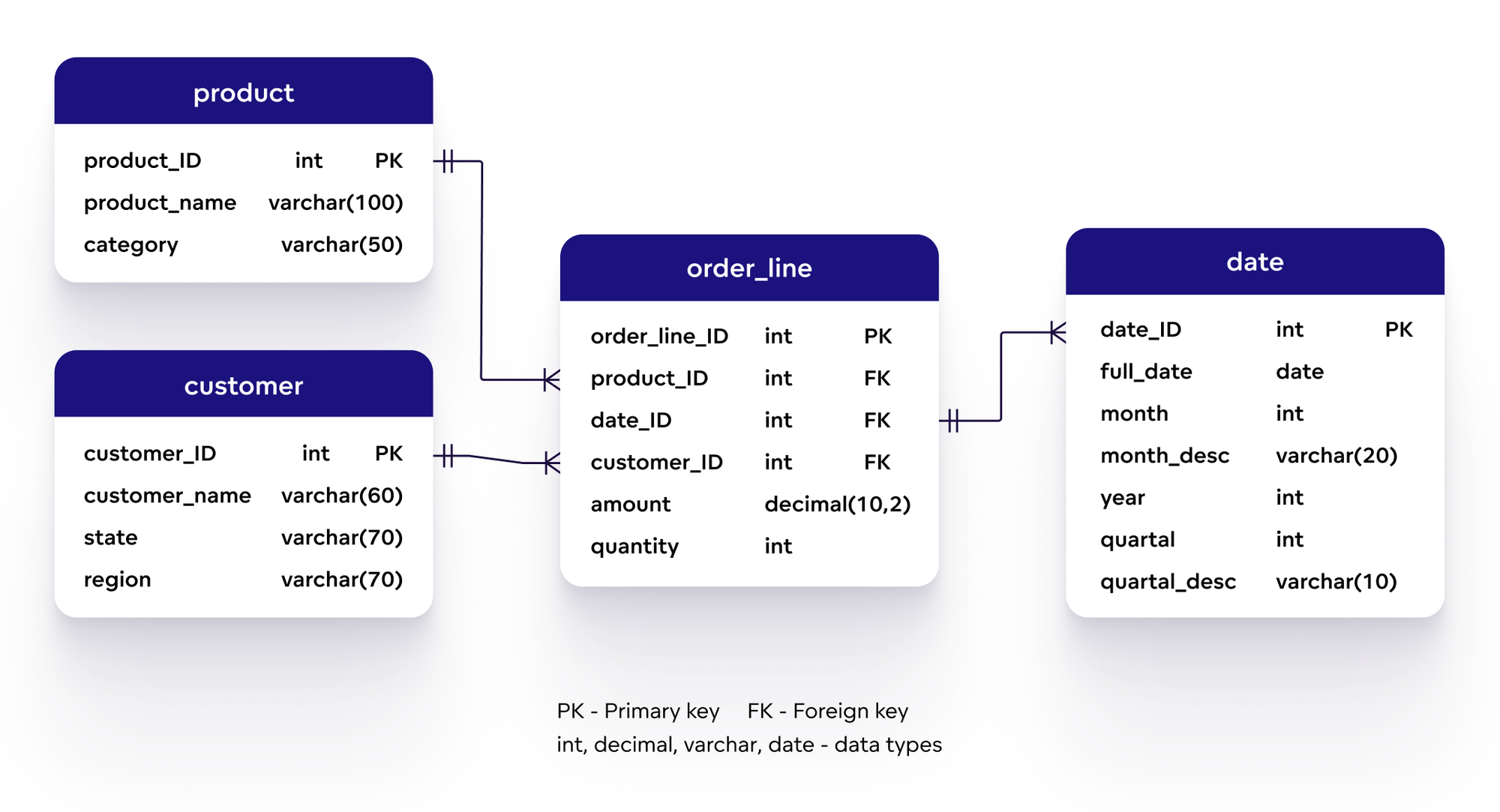
  • Data consistency across organization

๐Ÿ”น Problems It Solves

  • Data scattered across systems
  • Inconsistent formats
  • Slow reporting queries
  • Lack of historical insights

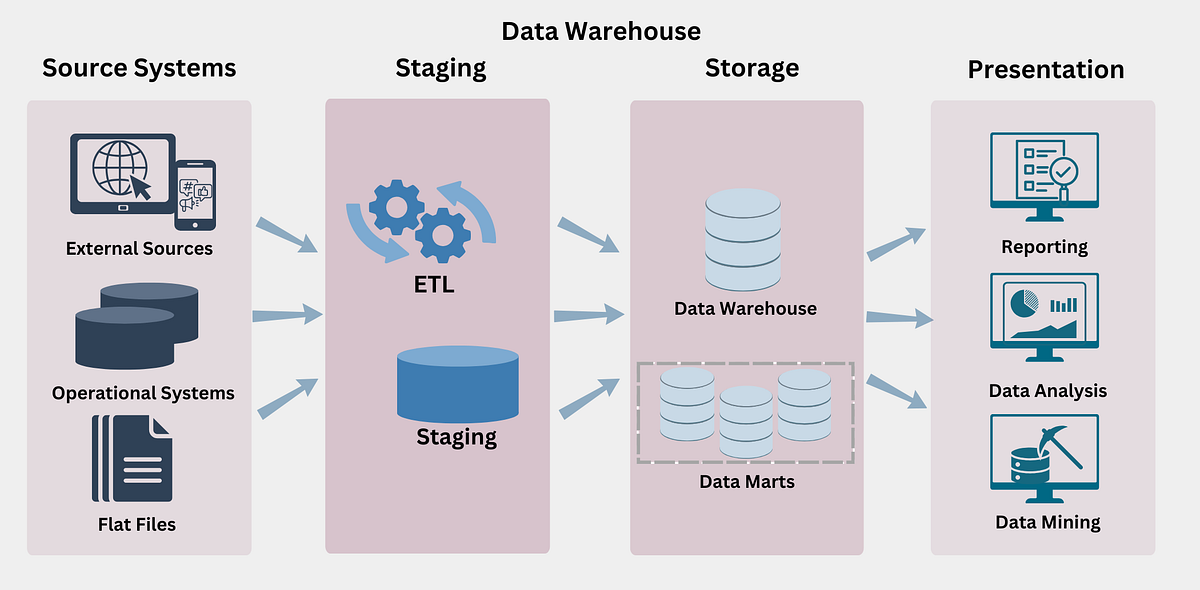
๐Ÿ—๏ธ 3. Data Warehouse Architecture

Image
Image
Image
Image

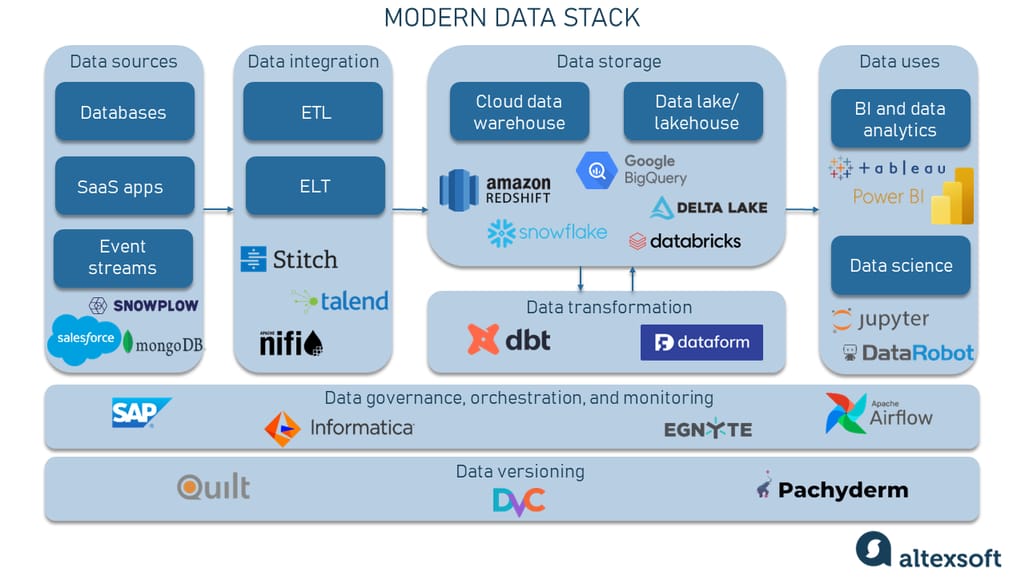
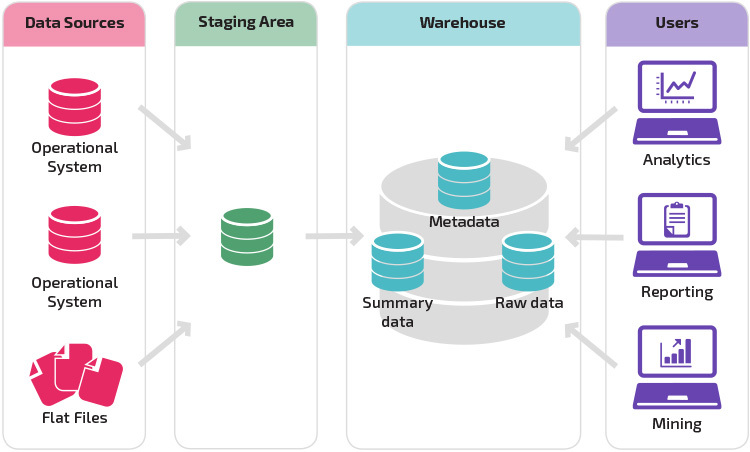
๐Ÿ”น Three-Tier Architecture

1. Bottom Tier โ€“ Data Sources

  • Operational databases
  • APIs
  • Logs
  • External data

2. Middle Tier โ€“ Data Warehouse Server

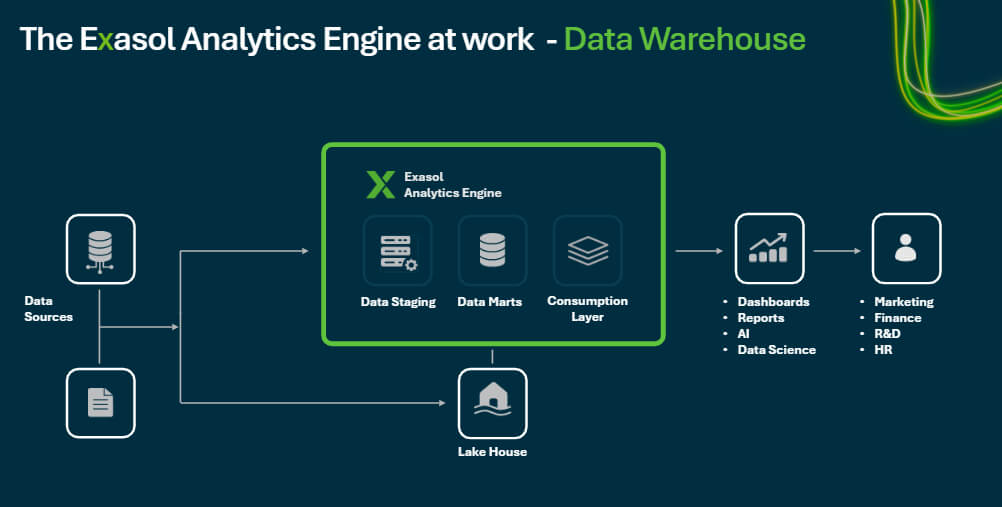
  • ETL processing
  • Storage
  • Data integration

3. Top Tier โ€“ Front-End Tools

  • Reporting tools
  • Dashboards
  • BI tools

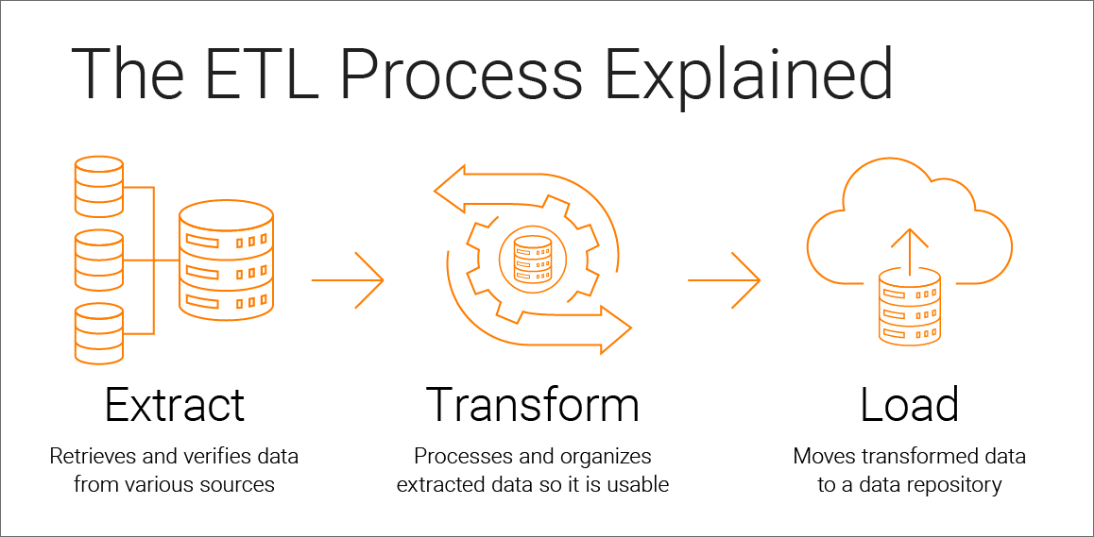
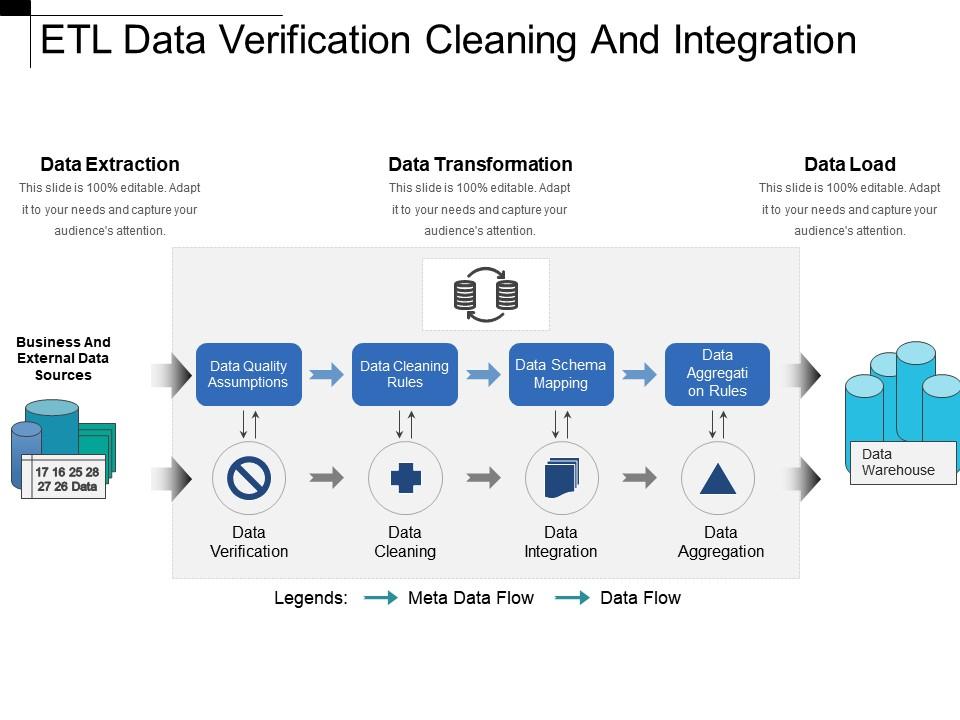
๐Ÿ”„ 4. ETL Process (Extract, Transform, Load)

Image
Image
Image
Image

๐Ÿ”น 1. Extract

  • Collect data from sources
  • Structured and unstructured

๐Ÿ”น 2. Transform

  • Clean data
  • Normalize formats
  • Apply business rules

๐Ÿ”น 3. Load

  • Store data into warehouse

๐Ÿ”น ELT (Modern Approach)

  • Load first, transform later

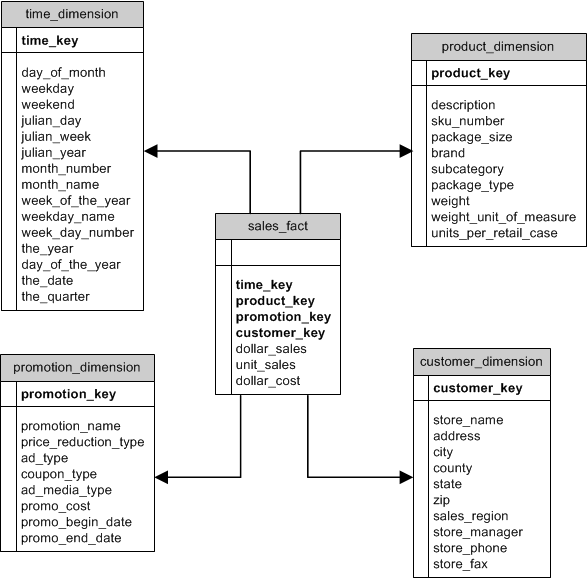
๐Ÿงฉ 5. Data Modeling in Warehousing

Image
Image
Image
Image

๐Ÿ”น Types of Models

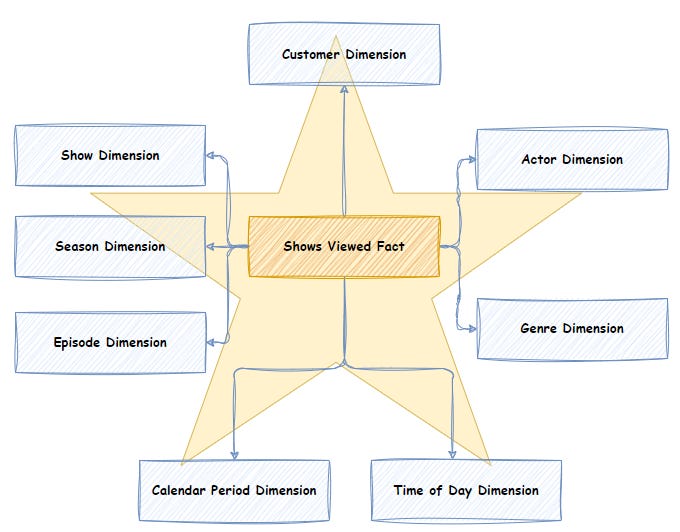
1. Star Schema โญ

  • Central fact table
  • Connected dimension tables

2. Snowflake Schema โ„๏ธ

  • Normalized dimensions
  • More complex

3. Galaxy Schema ๐ŸŒŒ

  • Multiple fact tables

๐Ÿ”น Fact vs Dimension Tables

Fact TableDimension Table
Quantitative dataDescriptive data
Sales amountCustomer info

๐Ÿ“Š 6. OLTP vs OLAP


FeatureOLTPOLAP
PurposeTransactionsAnalysis
DataCurrentHistorical
QueriesSimpleComplex

๐Ÿ”น OLAP Operations

  • Roll-up
  • Drill-down
  • Slice
  • Dice

๐Ÿง  7. Data Marts


๐Ÿ”น Definition

A data mart is a subset of a data warehouse focused on a specific department.


๐Ÿ”น Types

  • Dependent
  • Independent
  • Hybrid

โšก 8. Data Warehouse Design Approaches


๐Ÿ”น Top-Down (Inmon)

  • Build enterprise warehouse first

๐Ÿ”น Bottom-Up (Kimball)

  • Build data marts first

๐Ÿ” 9. Data Quality and Governance


๐Ÿ”น Data Quality

  • Accuracy
  • Completeness
  • Consistency

๐Ÿ”น Governance

  • Policies
  • Standards
  • Data ownership

๐Ÿ”„ 10. Data Integration


๐Ÿ”น Methods

  • ETL
  • ELT
  • Data virtualization

๐ŸŒ 11. Data Warehousing in Cloud

Image
Image
Image
Image

๐Ÿ”น Features

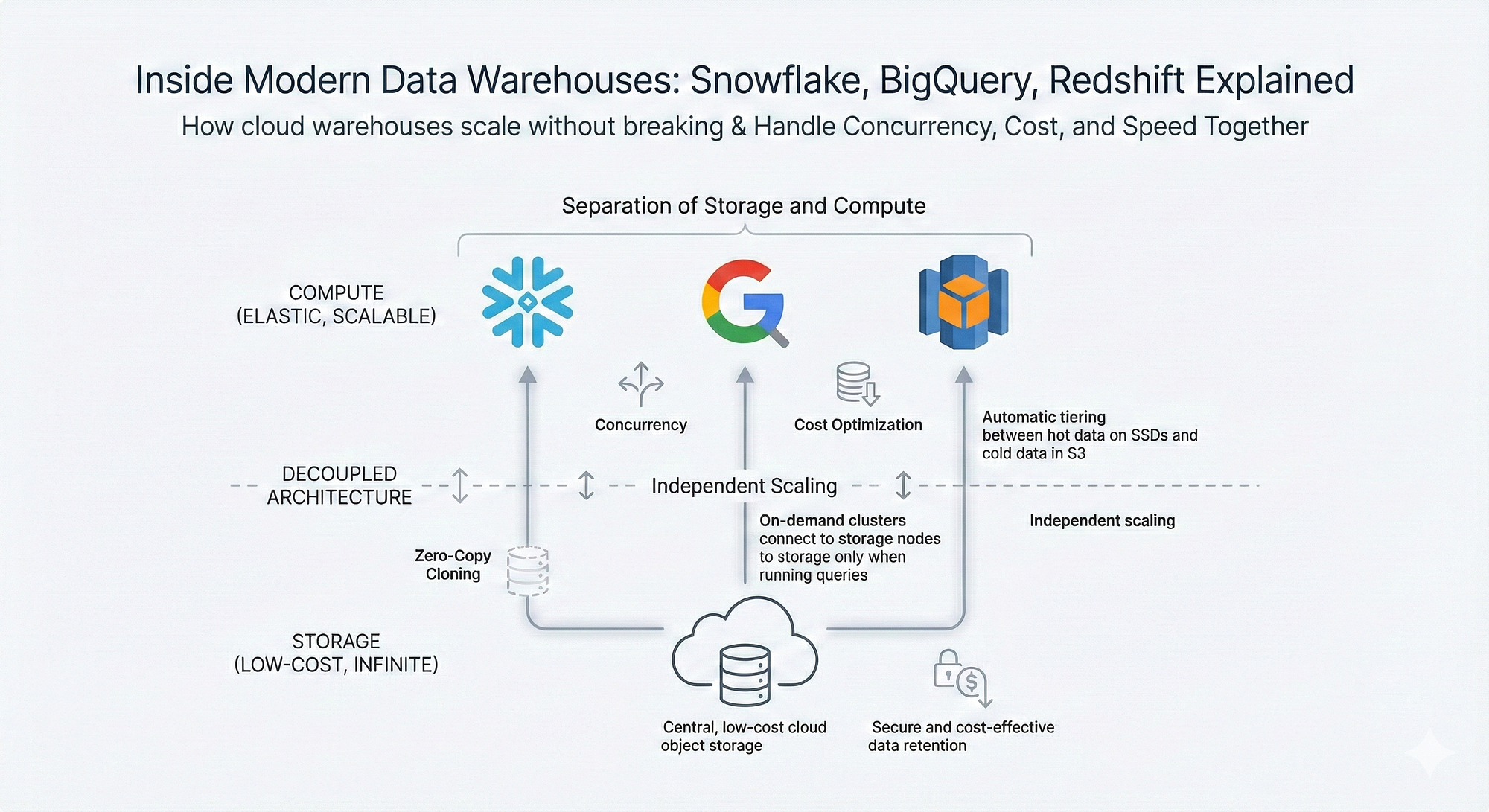
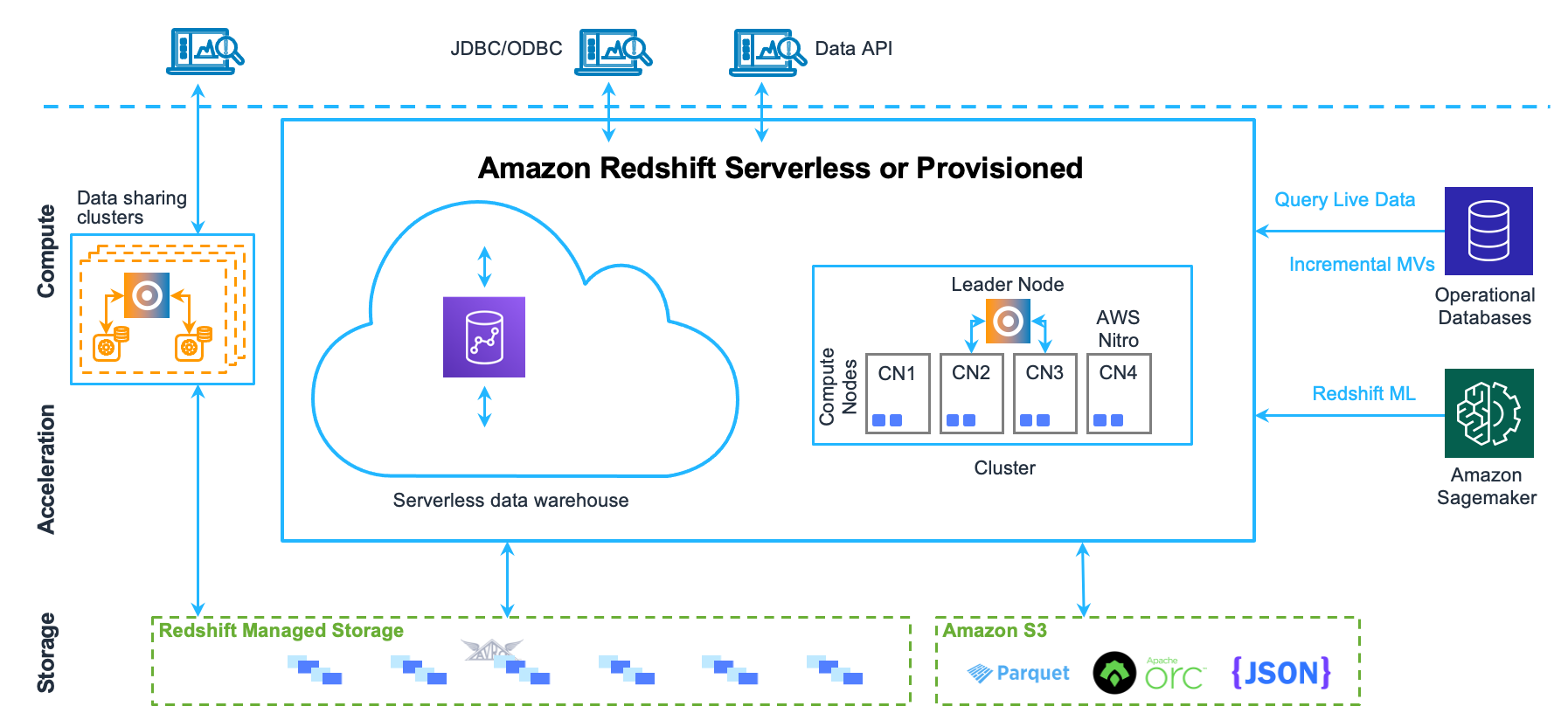
  • Scalability
  • Cost efficiency
  • Managed services

๐Ÿ”น Examples

  • Cloud warehouses
  • Serverless systems

๐Ÿงช 12. Data Warehouse Tools


  • ETL tools
  • BI tools
  • Data modeling tools

๐Ÿ“ˆ 13. Performance Optimization


๐Ÿ”น Techniques

  • Indexing
  • Partitioning
  • Materialized views

๐Ÿงฉ 14. Data Warehouse vs Data Lake


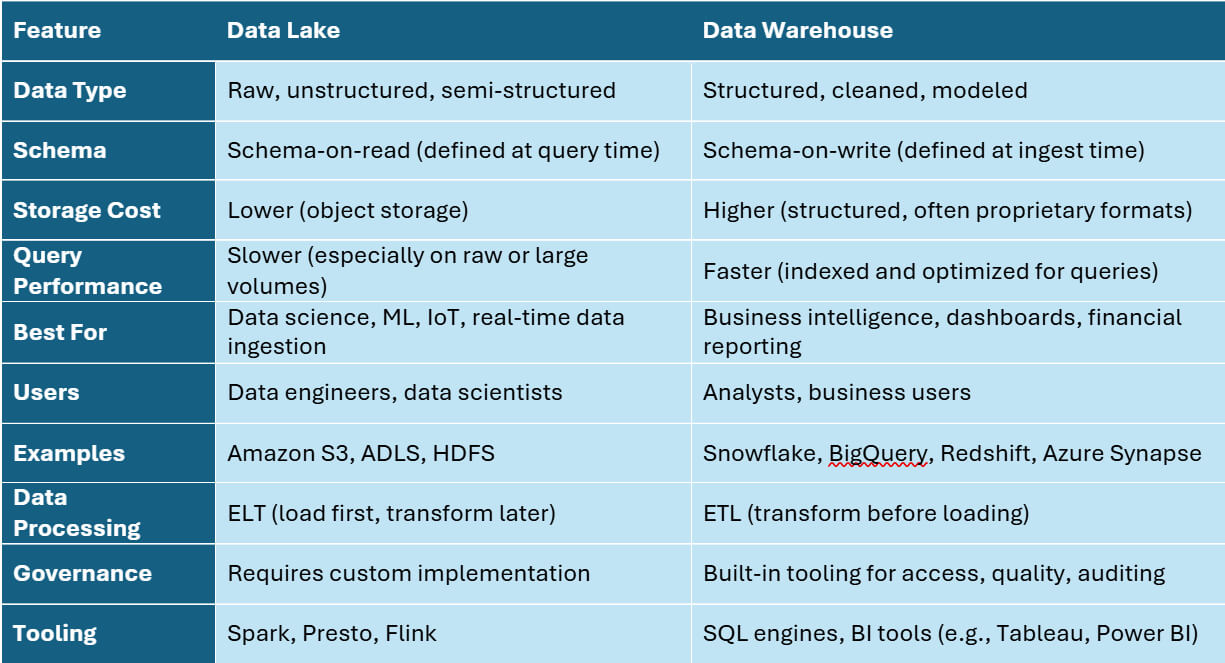
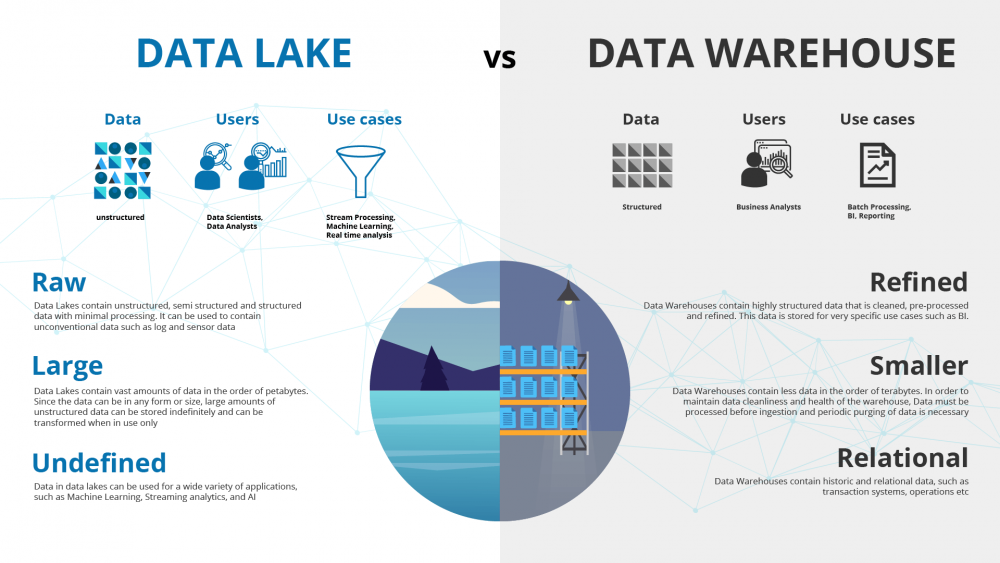
FeatureData WarehouseData Lake
DataStructuredRaw
SchemaFixedFlexible

๐Ÿ”„ 15. Data Pipeline


๐Ÿ”น Components

  • Ingestion
  • Processing
  • Storage
  • Visualization

๐Ÿง  16. Big Data and Warehousing


  • Integration with Hadoop
  • Spark processing
  • Real-time analytics

๐Ÿ” 17. Security in Data Warehousing


  • Encryption
  • Access control
  • Auditing

๐Ÿ“Š 18. Real-World Applications


๐Ÿ”น Retail

  • Sales analysis

๐Ÿ”น Banking

  • Risk analysis

๐Ÿ”น Healthcare

  • Patient analytics

๐Ÿ”น Marketing

  • Customer insights

โš–๏ธ 19. Advantages


  • Better analytics
  • Historical insights
  • Centralized data

โš ๏ธ 20. Limitations


  • High cost
  • Complex setup
  • Maintenance required

๐Ÿ”ฎ 21. Future Trends


  • AI-driven analytics
  • Real-time warehousing
  • Data lakehouse

๐Ÿ Conclusion

Data warehousing is a core component of modern data ecosystems, enabling organizations to transform raw data into meaningful insights. It plays a critical role in business intelligence, analytics, and strategic decision-making.


๐Ÿท๏ธ Tags

๐ŸŒ Distributed Databases โ€“ Complete In-Depth Guide

Image
Image
Image
Image

๐Ÿ“˜ 1. Introduction to Distributed Databases

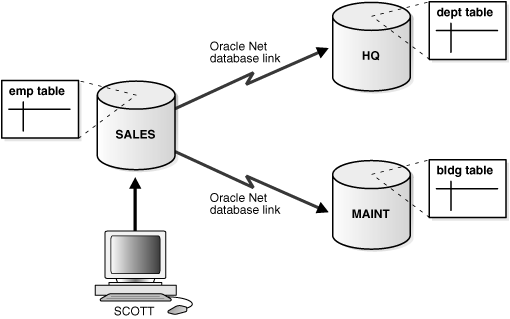
A Distributed Database is a collection of multiple interconnected databases spread across different physical locations but functioning as a single logical database system. These locations may include:

  • Different servers
  • Data centers
  • Geographic regions
  • Cloud environments

The key idea is:

๐Ÿ‘‰ Data is distributed, but access is unified.


๐Ÿ”น Definition

A distributed database system (DDBS) consists of:

  • Multiple databases located on different machines
  • A network connecting them
  • Software that manages distribution and transparency

๐Ÿ”น Key Characteristics

  • Data stored across multiple nodes
  • Appears as a single database to users
  • Supports distributed processing
  • Enables high availability and scalability

๐Ÿง  2. Why Distributed Databases Are Needed


๐Ÿ”น Limitations of Centralized Databases

  • Single point of failure
  • Limited scalability
  • High latency for distant users
  • Resource bottlenecks

๐Ÿ”น Benefits of Distribution

  • Faster access (data closer to users)
  • Fault tolerance
  • Load balancing
  • Scalability

๐Ÿ”น Real-World Examples

  • Banking systems
  • Social media platforms
  • E-commerce systems
  • Cloud-based applications

๐Ÿ—๏ธ 3. Architecture of Distributed Databases

Image
Image
Image
Image

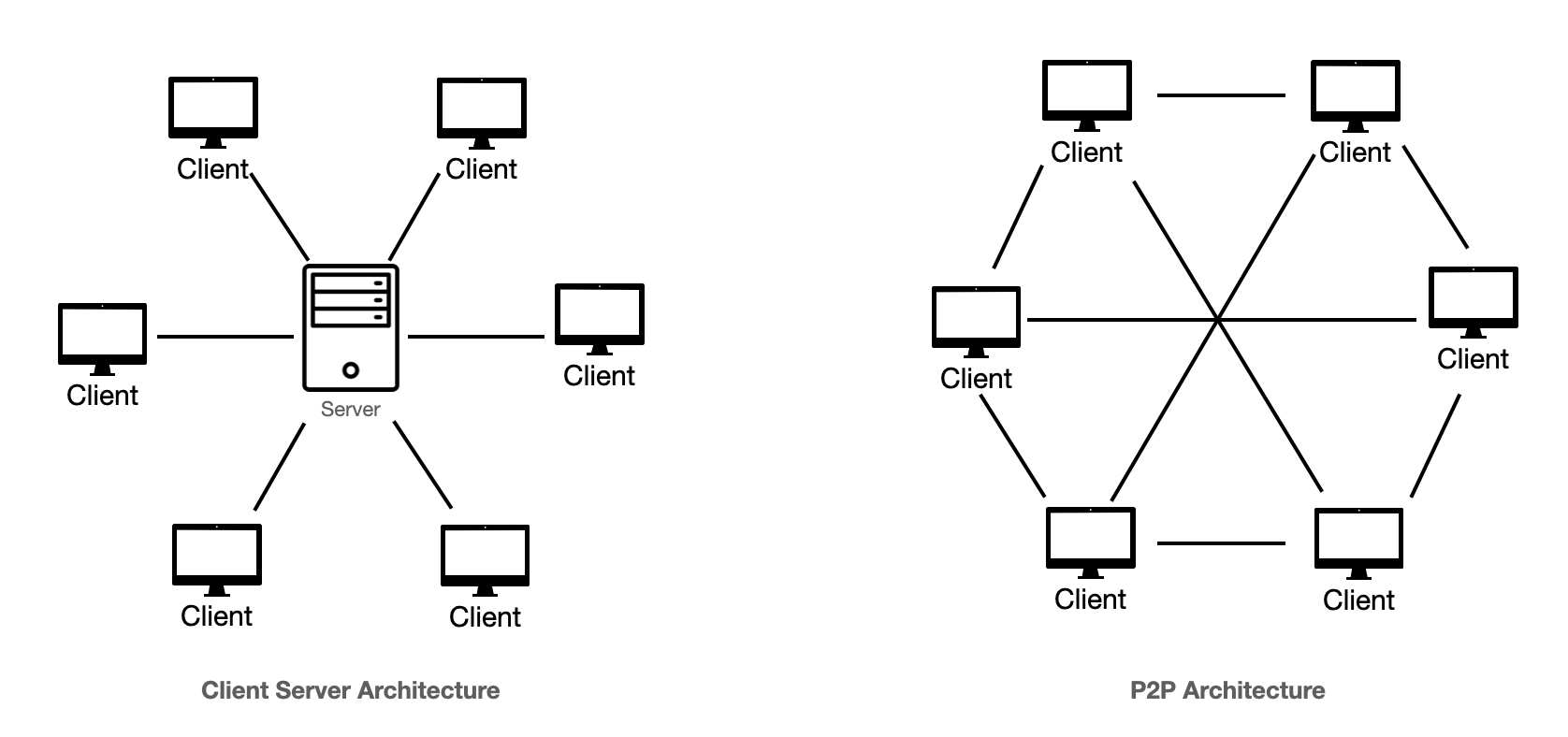
๐Ÿ”น Types of Architecture

1. Client-Server Architecture

  • Clients request data
  • Servers process queries

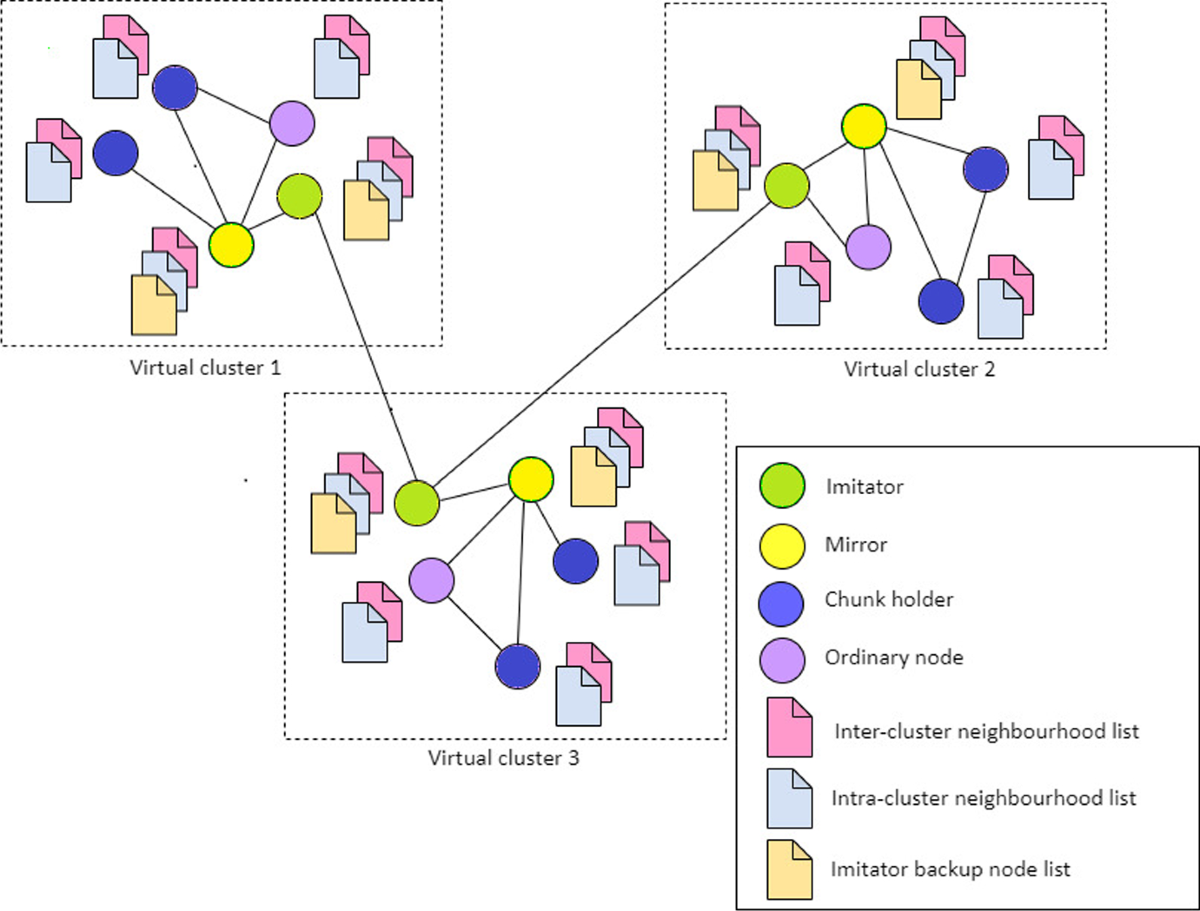
2. Peer-to-Peer Architecture

  • All nodes are equal
  • Each node can act as client and server

3. Multi-tier Architecture

  • Presentation layer
  • Application layer
  • Database layer

๐Ÿ”น Shared-Nothing Architecture

  • Each node has its own memory and storage
  • No shared resources
  • Highly scalable

๐Ÿงฉ 4. Types of Distributed Databases


๐Ÿ”น 1. Homogeneous Distributed Database

  • Same DBMS across all nodes
  • Easier to manage

๐Ÿ”น 2. Heterogeneous Distributed Database

  • Different DBMS systems
  • Complex integration

๐Ÿ”น 3. Federated Databases

  • Independent databases connected logically
  • Maintain autonomy

๐Ÿ”„ 5. Data Distribution Techniques

Image
Image
Image
Image

๐Ÿ”น 1. Fragmentation

Types:

  • Horizontal Fragmentation โ†’ rows distributed
  • Vertical Fragmentation โ†’ columns distributed
  • Hybrid Fragmentation โ†’ combination

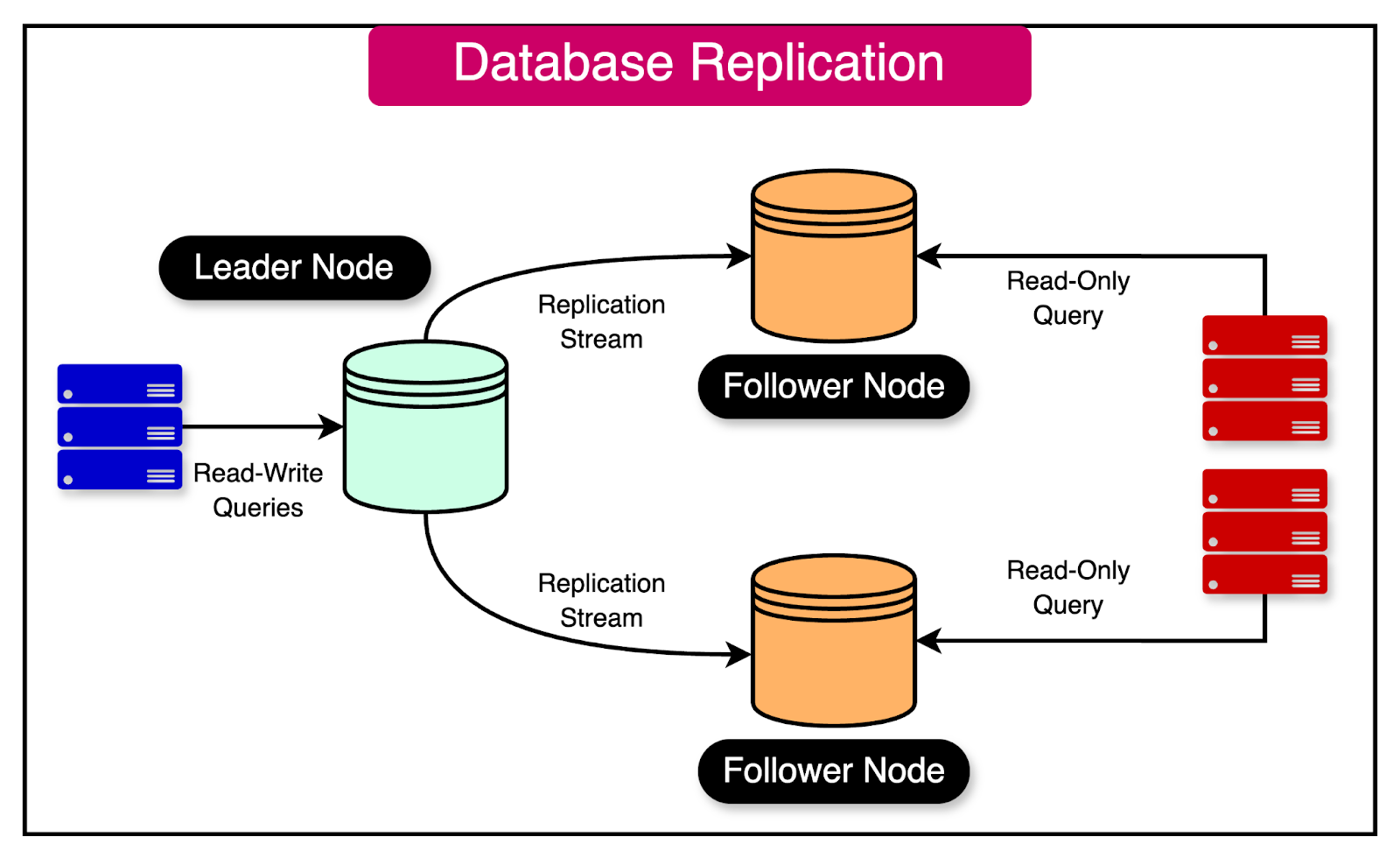
๐Ÿ”น 2. Replication

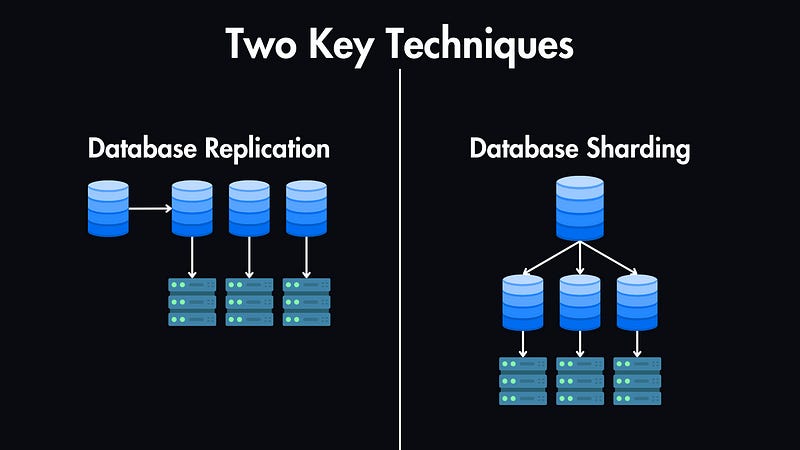
  • Copies data across multiple nodes

Types:

  • Full replication
  • Partial replication

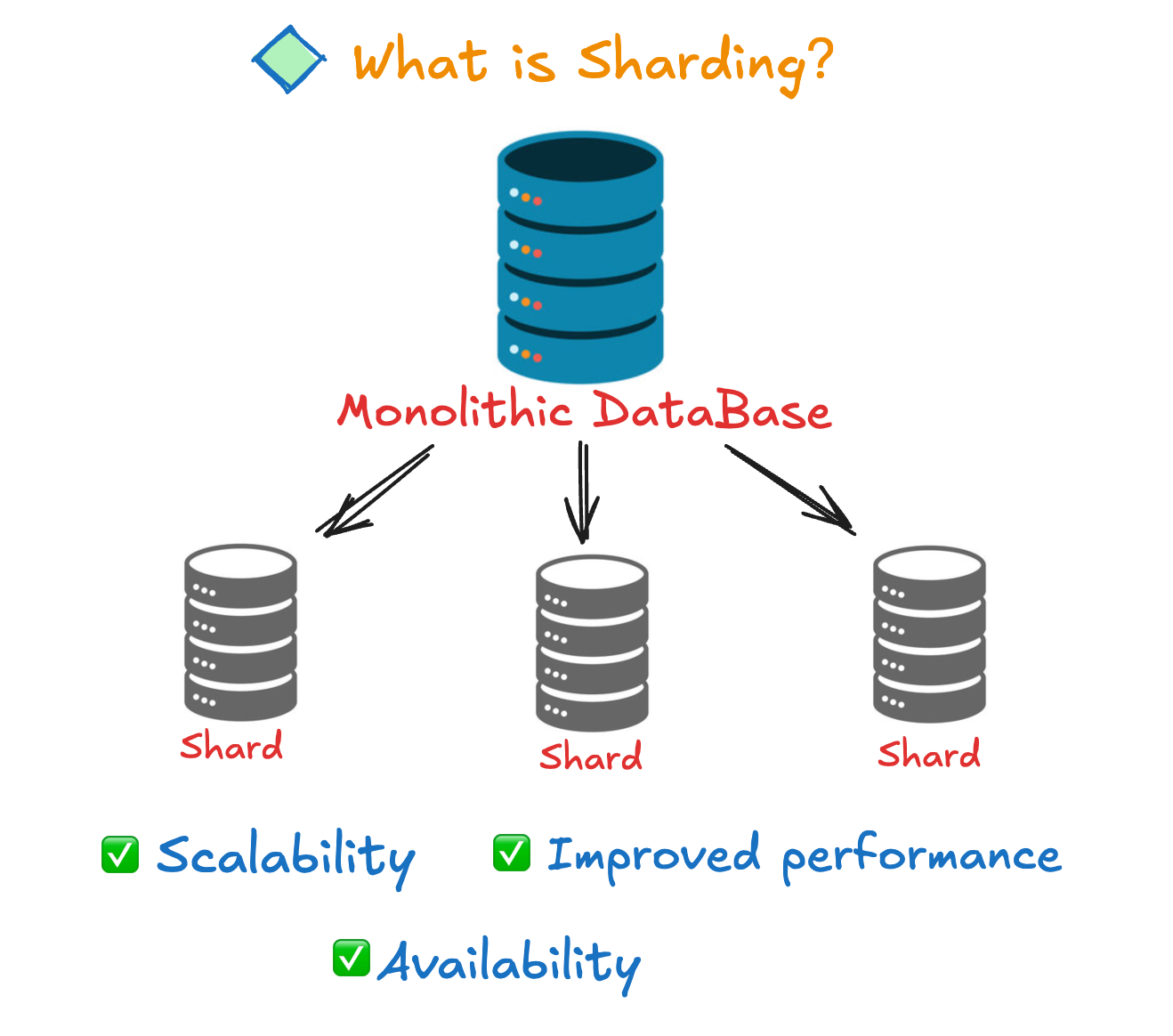
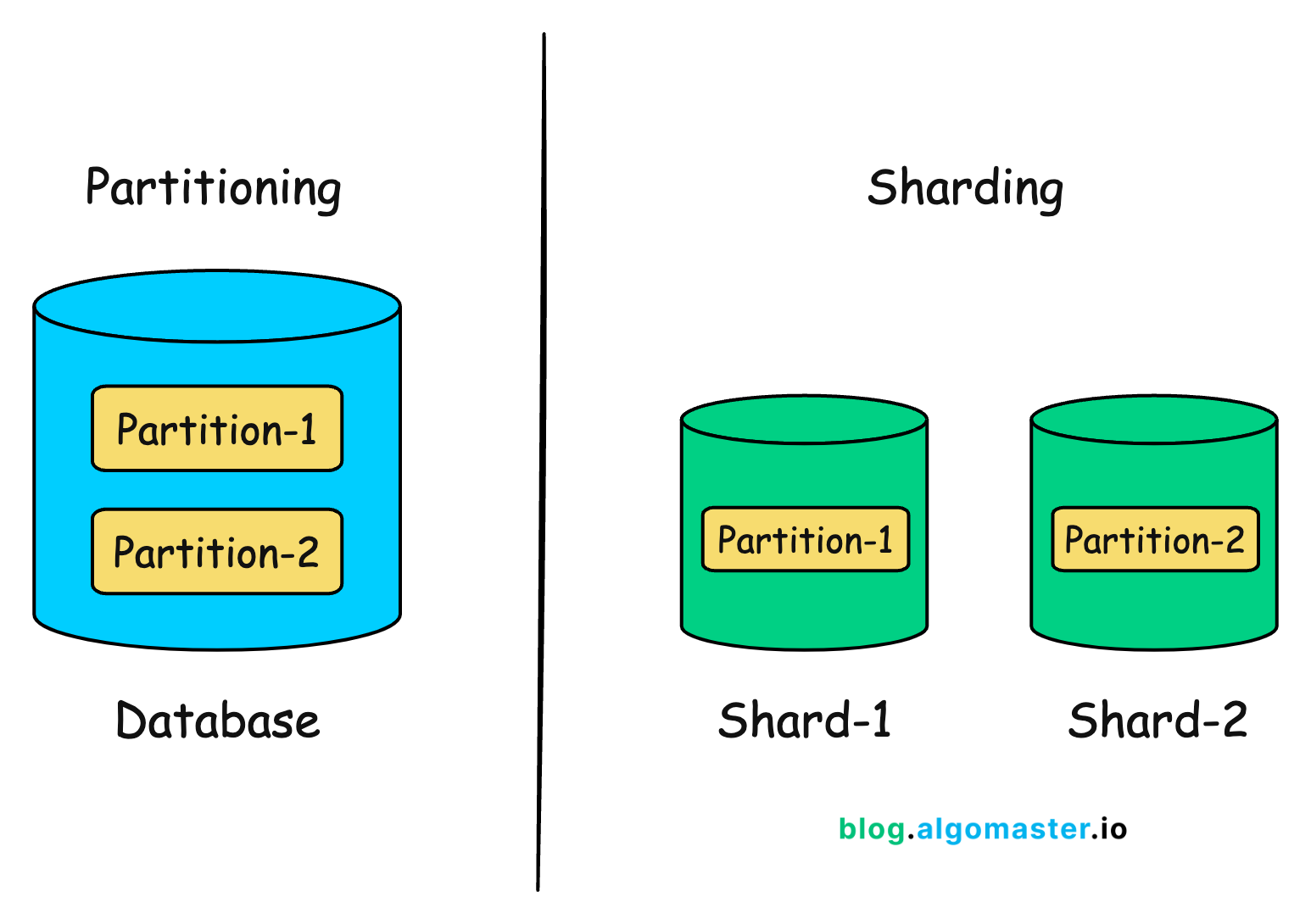
๐Ÿ”น 3. Sharding

  • Splitting data into smaller chunks (shards)

๐Ÿ” 6. Transparency in Distributed Databases


๐Ÿ”น Types of Transparency

  • Location transparency
  • Replication transparency
  • Fragmentation transparency
  • Naming transparency

๐Ÿ‘‰ Users do not need to know where data is stored.


โš–๏ธ 7. CAP Theorem

Image
Image
Image
Image

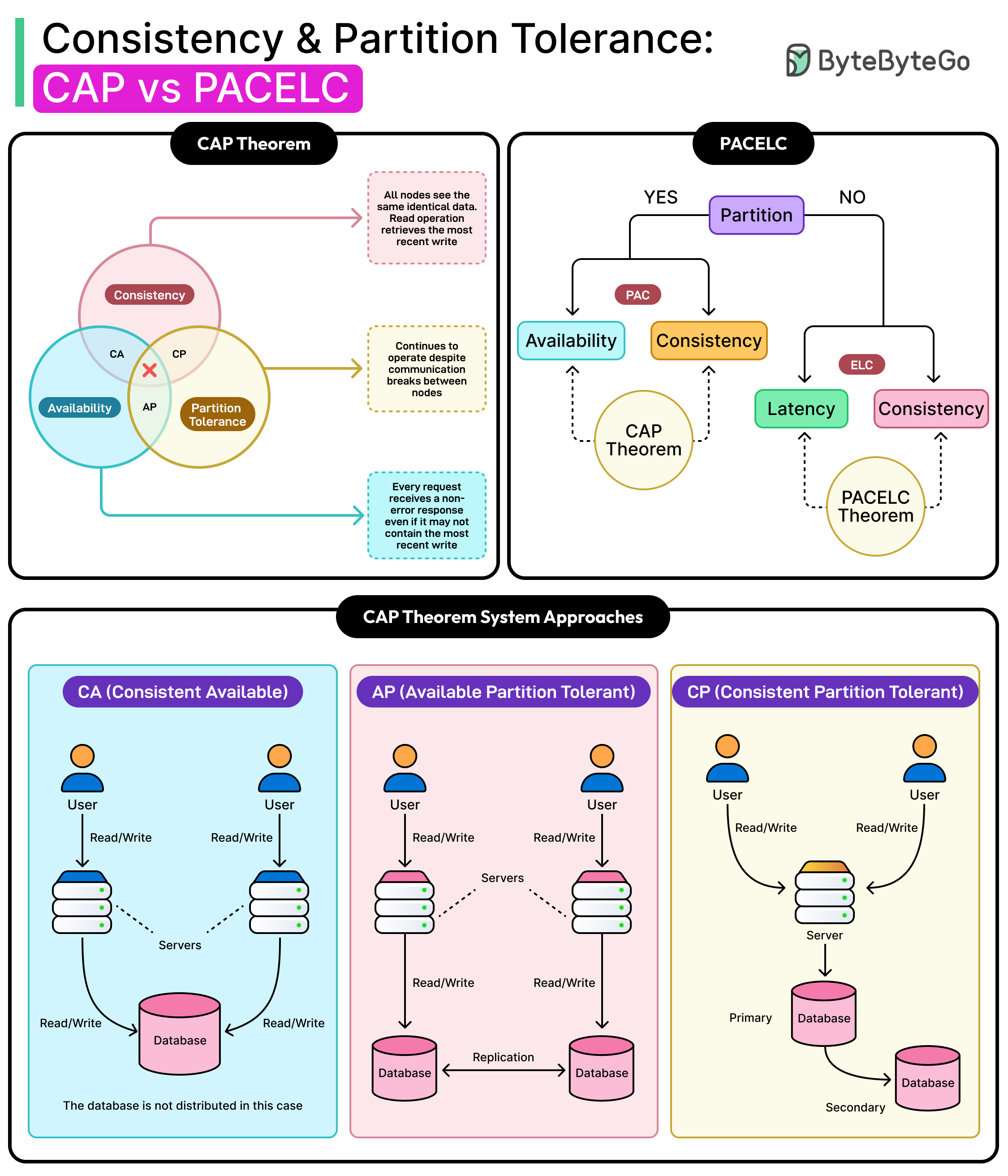
CAP theorem states that a distributed system can provide only two of:

  • Consistency
  • Availability
  • Partition tolerance

๐Ÿ”น Trade-offs

  • CP systems โ†’ strong consistency
  • AP systems โ†’ high availability

๐Ÿ”„ 8. Distributed Transactions

Image
Image
Image
Image

๐Ÿ”น Challenges

  • Maintaining consistency across nodes
  • Handling failures

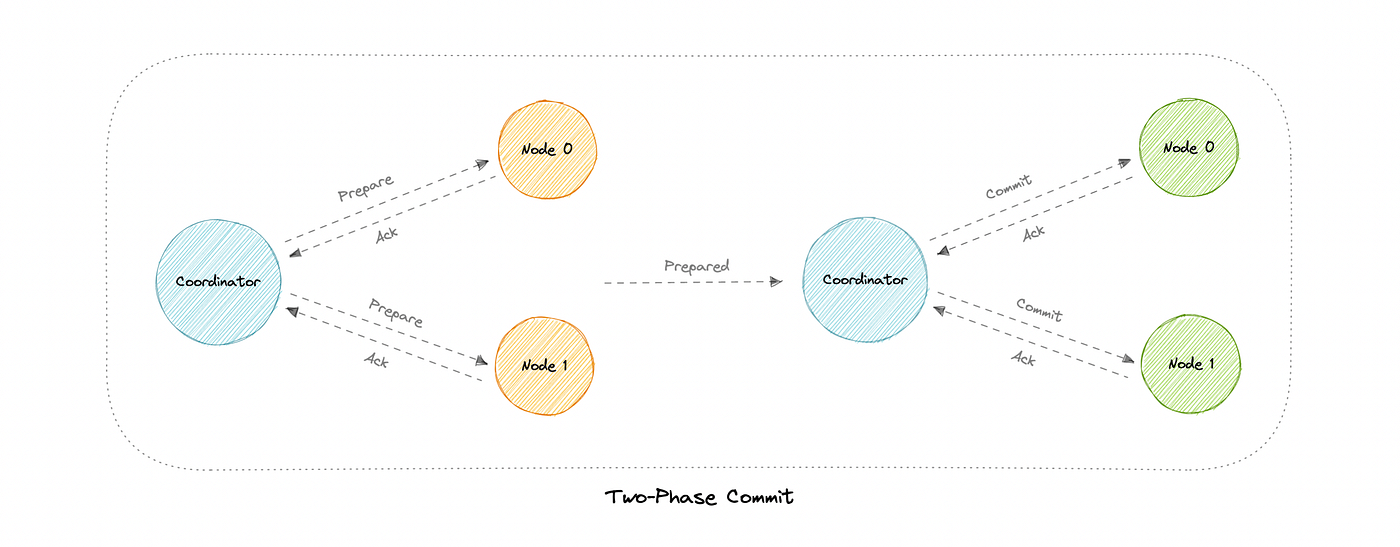
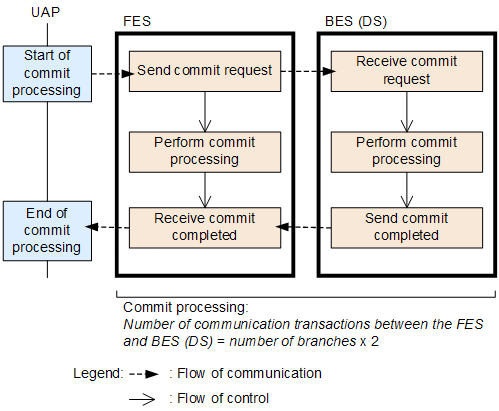
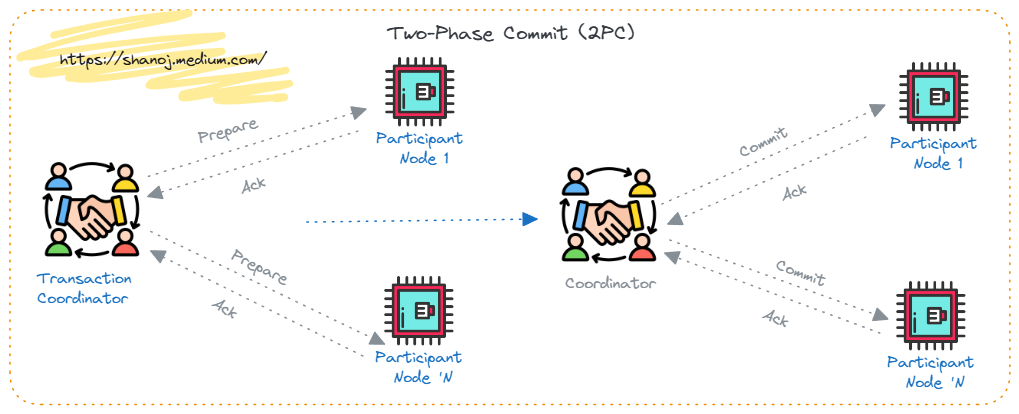
๐Ÿ”น Two-Phase Commit (2PC)

Phase 1: Prepare

  • Nodes prepare to commit

Phase 2: Commit

  • All nodes commit or rollback

๐Ÿ”น Three-Phase Commit (3PC)

  • Adds extra phase
  • Reduces blocking

๐Ÿง  9. Concurrency Control


๐Ÿ”น Techniques

  • Distributed locking
  • Timestamp ordering
  • Optimistic concurrency

๐Ÿ”น Challenges

  • Synchronization
  • Deadlocks

๐Ÿ” 10. Data Consistency Models


๐Ÿ”น Types

  • Strong consistency
  • Eventual consistency
  • Causal consistency

๐Ÿ” 11. Fault Tolerance

Image
Image
Image
Image

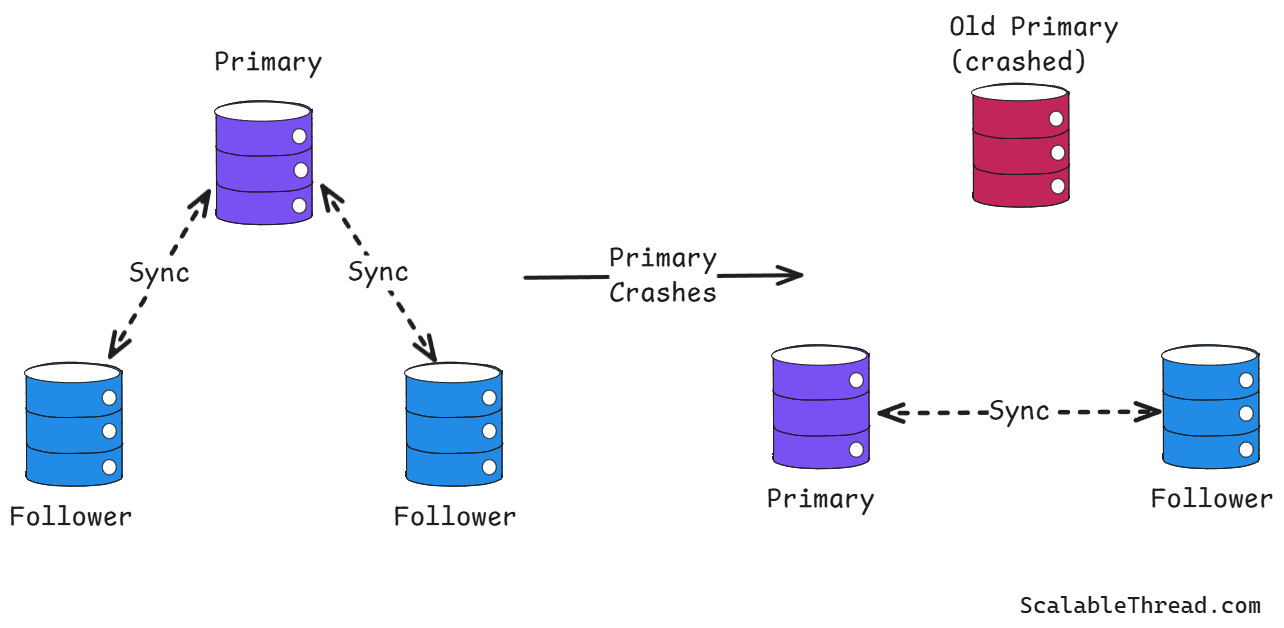
๐Ÿ”น Techniques

  • Replication
  • Failover mechanisms
  • Backup systems

โšก 12. Performance Optimization


๐Ÿ”น Techniques

  • Load balancing
  • Data locality
  • Query optimization

๐ŸŒ 13. Distributed Query Processing


๐Ÿ”น Steps

  1. Query decomposition
  2. Data localization
  3. Optimization
  4. Execution

๐Ÿงฉ 14. Distributed Database Design


๐Ÿ”น Design Considerations

  • Data distribution strategy
  • Network latency
  • Scalability

๐Ÿงช 15. Security in Distributed Databases


๐Ÿ”น Measures

  • Encryption
  • Authentication
  • Access control

๐Ÿ“Š 16. Real-World Applications


๐Ÿ”น Banking Systems

  • Global transactions

๐Ÿ”น Social Media

  • User data distribution

๐Ÿ”น E-commerce

  • Global product catalogs

๐Ÿ”น Cloud Services

  • Distributed storage

โš–๏ธ 17. Advantages of Distributed Databases


  • High availability
  • Scalability
  • Fault tolerance
  • Performance

โš ๏ธ 18. Disadvantages


  • Complexity
  • Security challenges
  • Data inconsistency risks

๐Ÿง  19. Distributed vs Centralized Databases

FeatureCentralizedDistributed
Data LocationSingleMultiple
ScalabilityLimitedHigh
Fault ToleranceLowHigh

๐Ÿ”„ 20. Emerging Trends


  • Cloud-native distributed databases
  • Serverless databases
  • Edge computing

๐Ÿ Conclusion

Distributed databases are the backbone of modern scalable systems. They enable organizations to handle massive data, global users, and high availability requirements.

While they introduce complexity, their benefits in scalability and performance make them essential for todayโ€™s applications.


๐Ÿท๏ธ Tags

๐ŸŒ NoSQL Databases โ€“ Complete In-Depth Guide

Image
Image
Image
Image

๐Ÿ“˜ 1. Introduction to NoSQL Databases

NoSQL (Not Only SQL) databases are a class of database systems designed to handle large volumes of unstructured, semi-structured, or rapidly changing data. Unlike traditional relational databases (RDBMS), NoSQL databases do not rely on fixed table schemas.

They emerged to address the limitations of relational databases in:

  • Big data environments
  • High scalability applications
  • Real-time systems
  • Distributed architectures

๐Ÿ”น What Does โ€œNoSQLโ€ Mean?

  • โ€œNot Only SQLโ€ โ†’ supports SQL-like queries in some systems
  • Focus on flexibility and scalability
  • Designed for modern applications

๐Ÿ”น Why NoSQL Was Created

Traditional SQL databases struggle with:

  • Horizontal scaling
  • Handling unstructured data
  • High-speed data ingestion
  • Distributed computing

NoSQL solves these issues by:

  • Distributing data across nodes
  • Using flexible schemas
  • Optimizing for specific use cases

๐Ÿง  2. Key Characteristics of NoSQL


๐Ÿ”น 1. Schema Flexibility

  • No fixed schema
  • Different records can have different structures

๐Ÿ”น 2. Horizontal Scalability

  • Data distributed across multiple servers
  • Easily scalable

๐Ÿ”น 3. High Performance

  • Optimized for speed and throughput

๐Ÿ”น 4. Distributed Architecture

  • Built for cloud and distributed systems

๐Ÿ”น 5. Eventual Consistency

  • Uses BASE model instead of strict ACID

โš–๏ธ 3. NoSQL vs SQL

FeatureSQLNoSQL
SchemaFixedFlexible
Data TypeStructuredUnstructured
ScalingVerticalHorizontal
ConsistencyStrong (ACID)Eventual (BASE)
Query LanguageSQLVaries

๐Ÿงฉ 4. Types of NoSQL Databases

Image
Image
Image
Image

NoSQL databases are categorized into four main types:


๐Ÿ”น 1. Key-Value Stores

Concept:

  • Data stored as key-value pairs

Example:

{
  "user123": "Rishan"
}

Features:

  • Extremely fast
  • Simple structure

Use Cases:

  • Caching
  • Session management

๐Ÿ”น 2. Document Databases

Concept:

  • Data stored in JSON-like documents

Example:

{
  "name": "Rishan",
  "age": 22,
  "skills": ["SQL", "Python"]
}

Features:

  • Flexible schema
  • Nested data

Use Cases:

  • Content management
  • Web applications

๐Ÿ”น 3. Column-Family Databases

Concept:

  • Data stored in columns instead of rows

Features:

  • High scalability
  • Efficient for large datasets

Use Cases:

  • Big data analytics

๐Ÿ”น 4. Graph Databases

Concept:

  • Data stored as nodes and edges

Features:

  • Efficient relationship handling

Use Cases:

  • Social networks
  • Recommendation systems

๐Ÿ—๏ธ 5. Data Modeling in NoSQL

Image
Image
Image
Image

๐Ÿ”น Key Approaches

1. Embedding

  • Store related data together

2. Referencing

  • Use references between documents

๐Ÿ”น Denormalization

  • Common in NoSQL
  • Improves performance
  • Reduces joins

โšก 6. CAP Theorem

Image
Image
Image
Image

CAP theorem states that a distributed system can only guarantee two of:

  • Consistency
  • Availability
  • Partition Tolerance

๐Ÿ”น Trade-offs

  • CP (Consistency + Partition Tolerance)
  • AP (Availability + Partition Tolerance)

๐Ÿ”„ 7. BASE Model


๐Ÿ”น BASE stands for:

  • Basically Available
  • Soft state
  • Eventually consistent

๐Ÿ”น Comparison with ACID

  • Less strict consistency
  • Higher scalability

๐Ÿง  8. Consistency Models


๐Ÿ”น Types

  • Strong consistency
  • Eventual consistency
  • Causal consistency

๐Ÿ” 9. Replication and Sharding

Image
Image
Image
Image

๐Ÿ”น Replication

  • Copies data across nodes

๐Ÿ”น Sharding

  • Splits data into partitions

โš™๏ธ 10. Query Mechanisms


๐Ÿ”น Examples

  • Key-based retrieval
  • Document queries
  • Graph traversal

๐Ÿงฉ 11. Indexing in NoSQL

  • Secondary indexes
  • Full-text indexes
  • Geospatial indexes

๐Ÿงช 12. Transactions in NoSQL

  • Limited ACID support
  • Some databases support multi-document transactions

๐ŸŒ 13. Popular NoSQL Databases


๐Ÿ”น Examples

  • MongoDB (Document)
  • Cassandra (Column-family)
  • Redis (Key-value)
  • Neo4j (Graph)

๐Ÿ“Š 14. Real-World Applications


๐Ÿ”น Social Media

  • User profiles
  • Feeds

๐Ÿ”น E-commerce

  • Product catalogs
  • Recommendations

๐Ÿ”น IoT Systems

  • Sensor data

๐Ÿ”น Big Data Analytics

  • Large-scale processing

โšก 15. Advantages of NoSQL


  • High scalability
  • Flexible schema
  • Fast performance
  • Handles big data

โš ๏ธ 16. Limitations of NoSQL


  • Lack of standardization
  • Complex queries
  • Eventual consistency issues

๐Ÿง  17. When to Use NoSQL


  • Large-scale applications
  • Rapid development
  • Unstructured data

๐Ÿ—๏ธ 18. NoSQL in Cloud Computing


  • Managed services
  • Auto-scaling
  • High availability

๐Ÿ”„ 19. Hybrid Databases


  • Combine SQL and NoSQL
  • Multi-model databases

๐Ÿ”ฎ 20. Future of NoSQL


  • AI integration
  • Real-time analytics
  • Edge computing

๐Ÿ Conclusion

NoSQL databases are essential for modern applications requiring scalability, flexibility, and performance. While they trade strict consistency for speed and scalability, they are ideal for handling big data and distributed systems.

Mastering NoSQL helps developers build high-performance, scalable, and resilient systems.


๐Ÿท๏ธ Tags

๐Ÿ”„ Transactions & ACID Properties

Image
Image
Image
Image

๐Ÿ“˜ 1. Introduction to Transactions

A transaction in database systems is a sequence of one or more operations performed as a single logical unit of work. These operations may include:

  • Reading data
  • Writing data
  • Updating records
  • Deleting records

The key idea is simple but powerful:

๐Ÿ‘‰ Either all operations succeed, or none of them do.


๐Ÿ”น Real-Life Example

Consider a bank transfer:

  1. Deduct โ‚น1000 from Account A
  2. Add โ‚น1000 to Account B

If step 1 succeeds but step 2 fails, the system becomes inconsistent. Transactions prevent this by ensuring all-or-nothing execution.


๐Ÿ”น Formal Definition

A transaction is:

  • A logical unit of work
  • Executed completely or not at all
  • Ensures database consistency

๐Ÿง  2. Why Transactions Are Important

Transactions are critical for:

  • Data integrity
  • Reliability
  • Consistency across operations
  • Handling system failures
  • Concurrent access management

๐Ÿ”น Without Transactions

  • Partial updates
  • Data corruption
  • Lost data
  • Inconsistent state

๐Ÿ—๏ธ 3. Transaction States

Image
Image
Image
Image

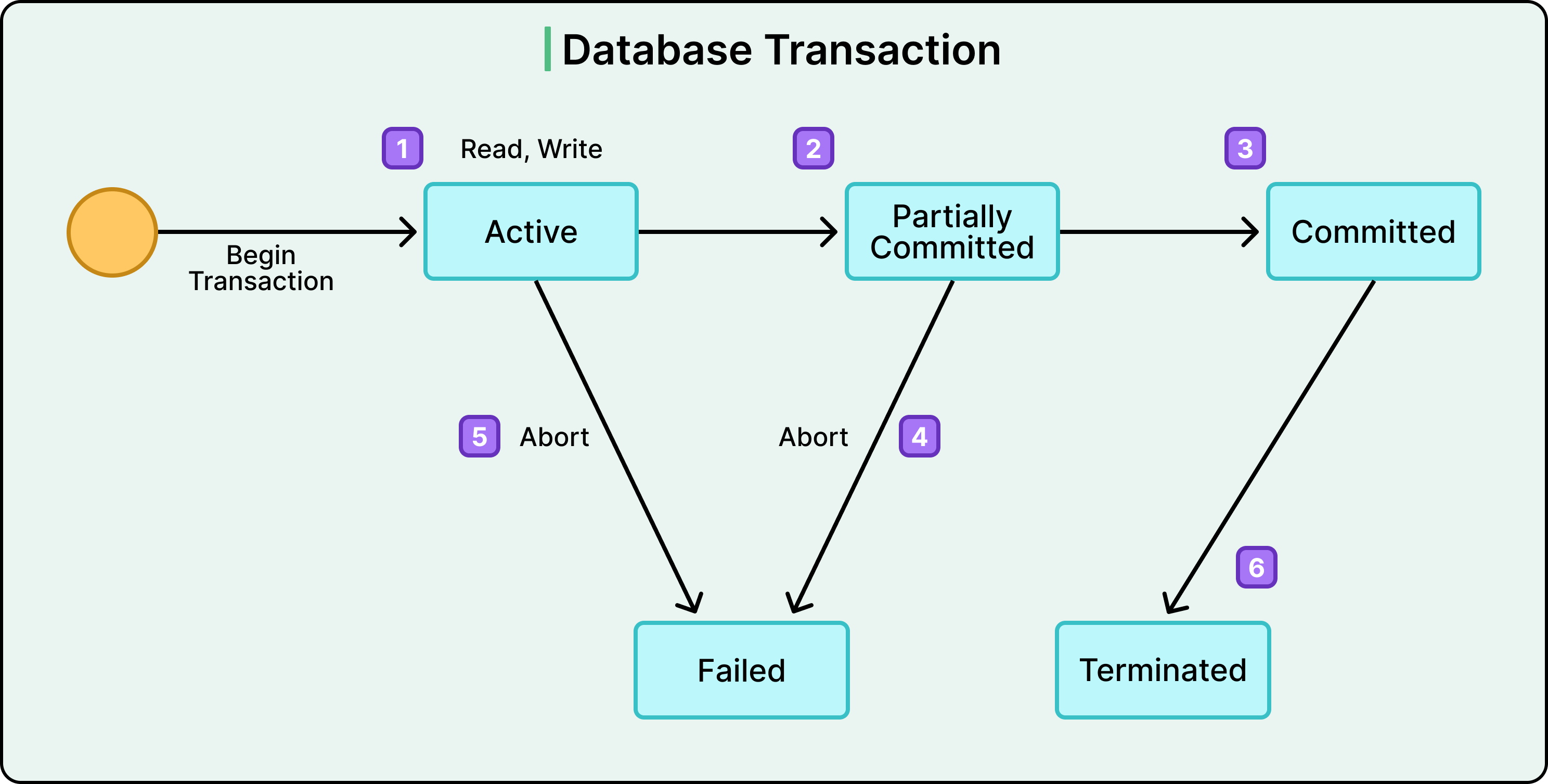
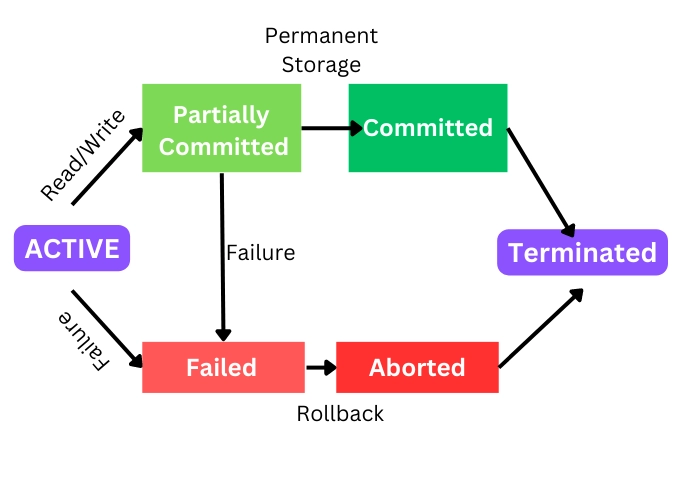
A transaction passes through several states:


๐Ÿ”น 1. Active

  • Transaction is executing

๐Ÿ”น 2. Partially Committed

  • All operations executed, waiting to commit

๐Ÿ”น 3. Committed

  • Changes permanently saved

๐Ÿ”น 4. Failed

  • Error occurs

๐Ÿ”น 5. Aborted

  • Rolled back to previous state

๐Ÿ” 4. Transaction Operations


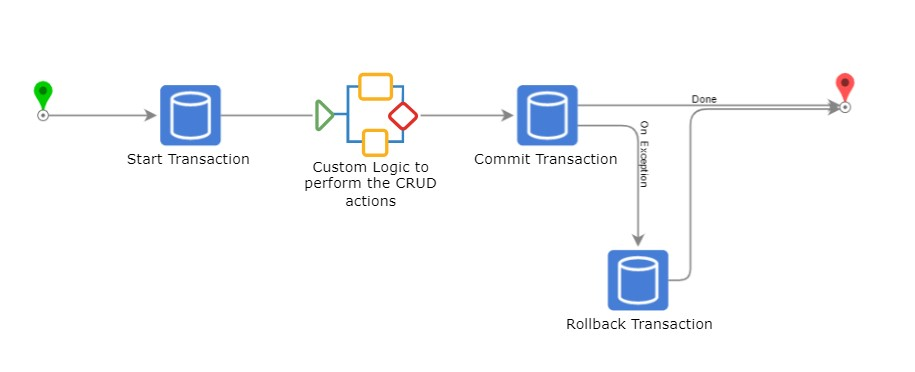
๐Ÿ”น BEGIN TRANSACTION

Starts a transaction.

BEGIN;

๐Ÿ”น COMMIT

Saves changes permanently.

COMMIT;

๐Ÿ”น ROLLBACK

Reverts changes.

ROLLBACK;

๐Ÿ”น SAVEPOINT

Creates checkpoints.

SAVEPOINT sp1;
ROLLBACK TO sp1;

โš–๏ธ 5. ACID Properties

Image
Image
Image
Image

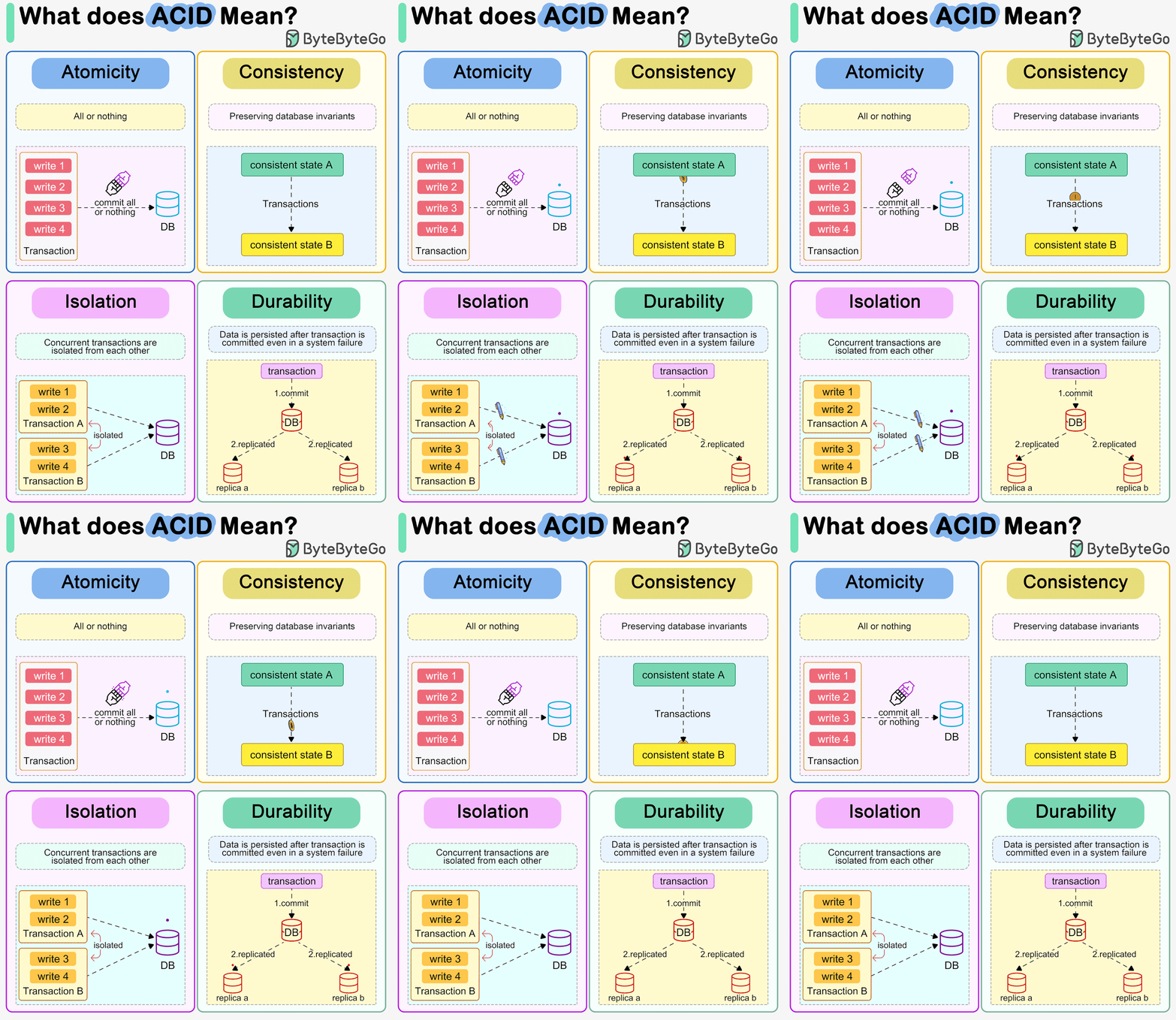
ACID properties ensure reliable transactions:


๐Ÿ”น A โ€“ Atomicity

๐Ÿ‘‰ All or nothing

  • If one operation fails โ†’ entire transaction fails
  • Ensures no partial updates

Example:

  • Money deducted but not added โ†’ rollback

๐Ÿ”น C โ€“ Consistency

๐Ÿ‘‰ Database remains valid

  • Enforces rules, constraints
  • Moves from one valid state to another

๐Ÿ”น I โ€“ Isolation

๐Ÿ‘‰ Transactions do not interfere

  • Concurrent transactions behave independently

๐Ÿ”น D โ€“ Durability

๐Ÿ‘‰ Changes are permanent

  • Even after crash, data persists

๐Ÿ” 6. Atomicity in Detail

Atomicity ensures:

  • No partial execution
  • Rollback on failure

๐Ÿ”น Implementation Techniques

  • Undo logs
  • Write-ahead logging (WAL)

๐Ÿ”น Example

BEGIN;

UPDATE Accounts SET balance = balance - 1000 WHERE id = 1;
UPDATE Accounts SET balance = balance + 1000 WHERE id = 2;

COMMIT;

If second update fails โ†’ rollback entire transaction.


๐Ÿงฉ 7. Consistency in Detail

Consistency ensures:

  • Constraints are maintained
  • Rules are enforced

๐Ÿ”น Types of Constraints

  • Primary key
  • Foreign key
  • Check constraints

๐Ÿ”น Example

  • Balance cannot be negative
  • Foreign key must exist

๐Ÿ”„ 8. Isolation in Detail

Image
Image
Image
Image

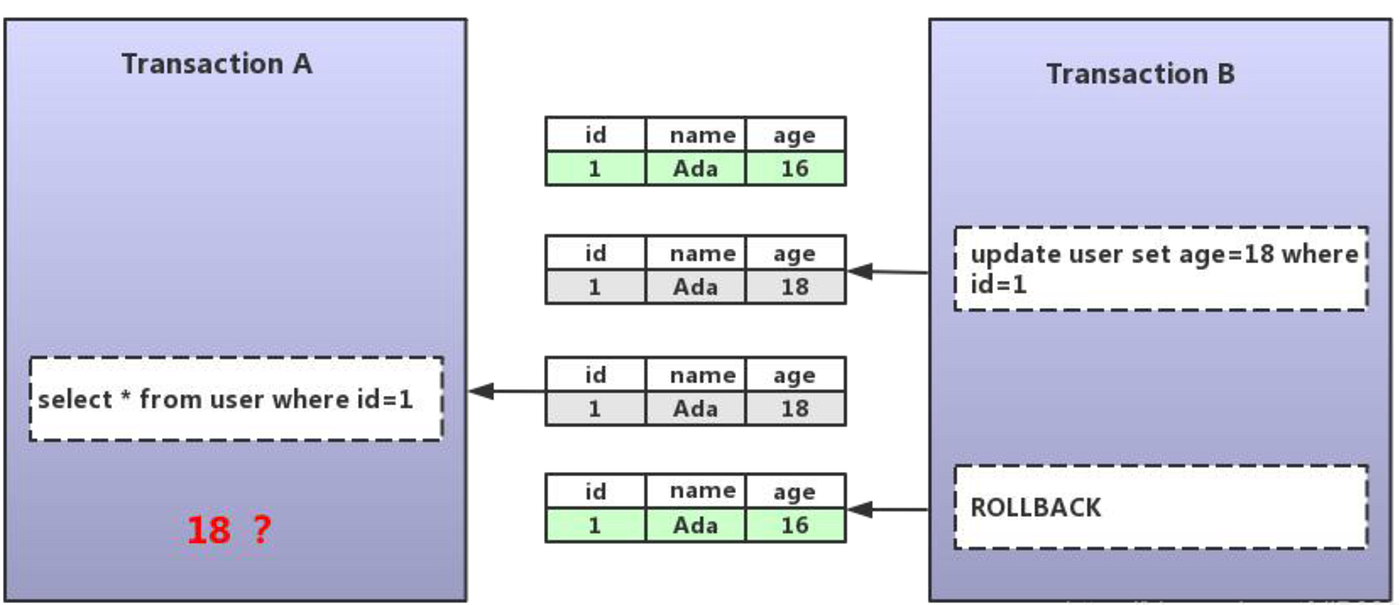
Isolation prevents interference between transactions.


๐Ÿ”น Problems Without Isolation

1. Dirty Read

Reading uncommitted data


2. Non-repeatable Read

Data changes between reads


3. Phantom Read

New rows appear unexpectedly


๐Ÿ”น Isolation Levels

LevelDescription
Read UncommittedLowest isolation
Read CommittedPrevents dirty reads
Repeatable ReadPrevents non-repeatable reads
SerializableHighest isolation

๐Ÿ” 9. Durability in Detail

Durability ensures:

  • Data survives crashes
  • Stored permanently

๐Ÿ”น Implementation

  • Transaction logs
  • Disk storage
  • Backup systems

๐Ÿ”น Example

After COMMIT:

  • Power failure occurs
  • Data still exists

๐Ÿง  10. Concurrency Control

Image
Image
Image
Image

Concurrency control manages multiple transactions.


๐Ÿ”น Techniques

1. Locking

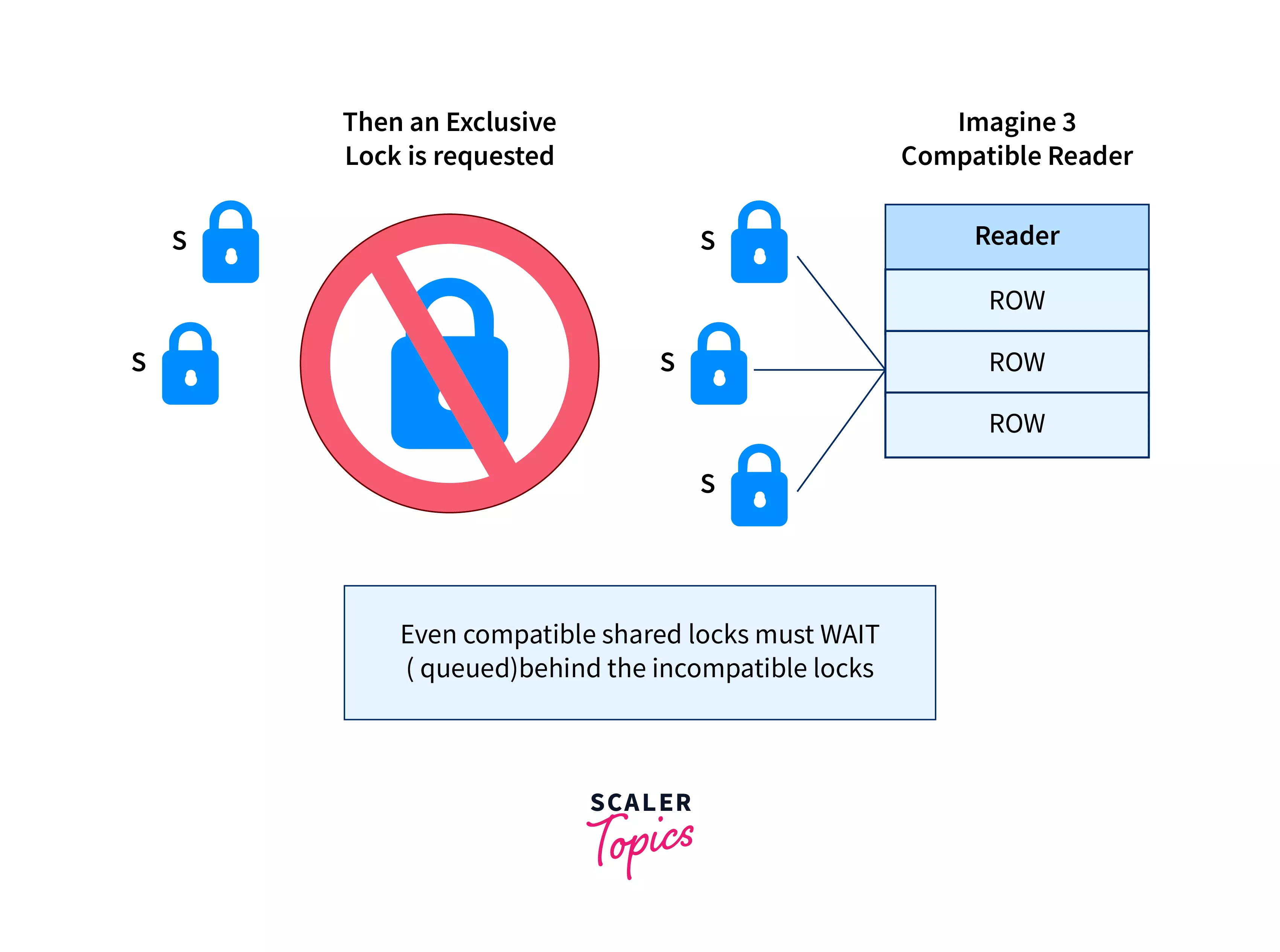
  • Shared lock (read)
  • Exclusive lock (write)

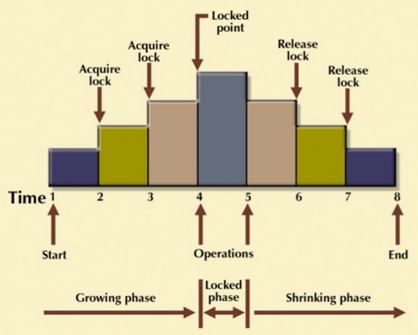
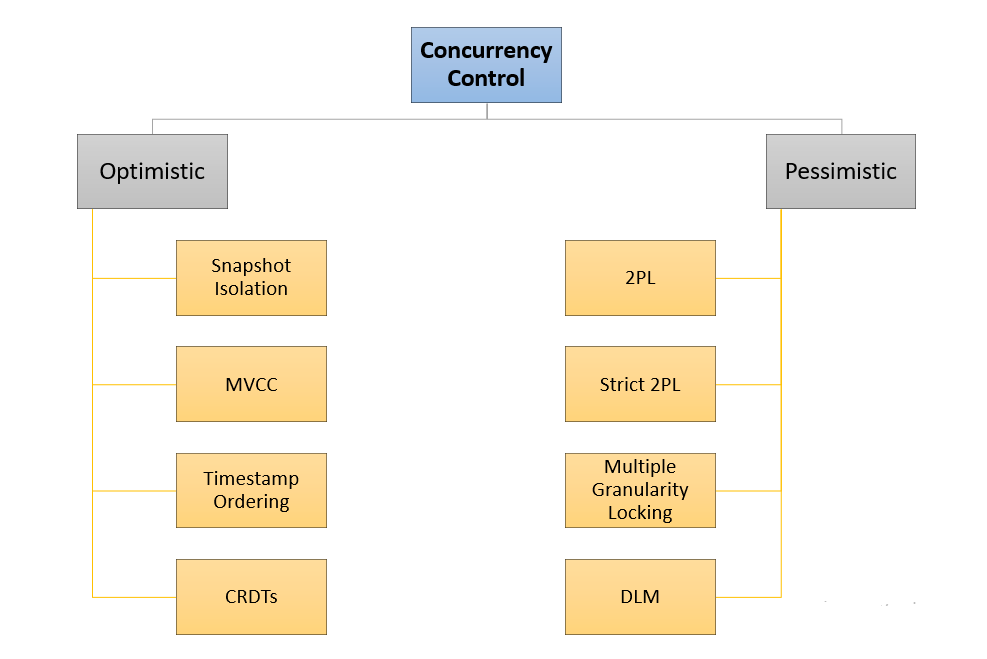
2. Two-Phase Locking (2PL)

  • Growing phase
  • Shrinking phase

3. Timestamp Ordering

  • Based on timestamps

4. MVCC (Multi-Version Concurrency Control)

  • Multiple versions of data

๐Ÿ” 11. Deadlocks


๐Ÿ”น What is Deadlock?

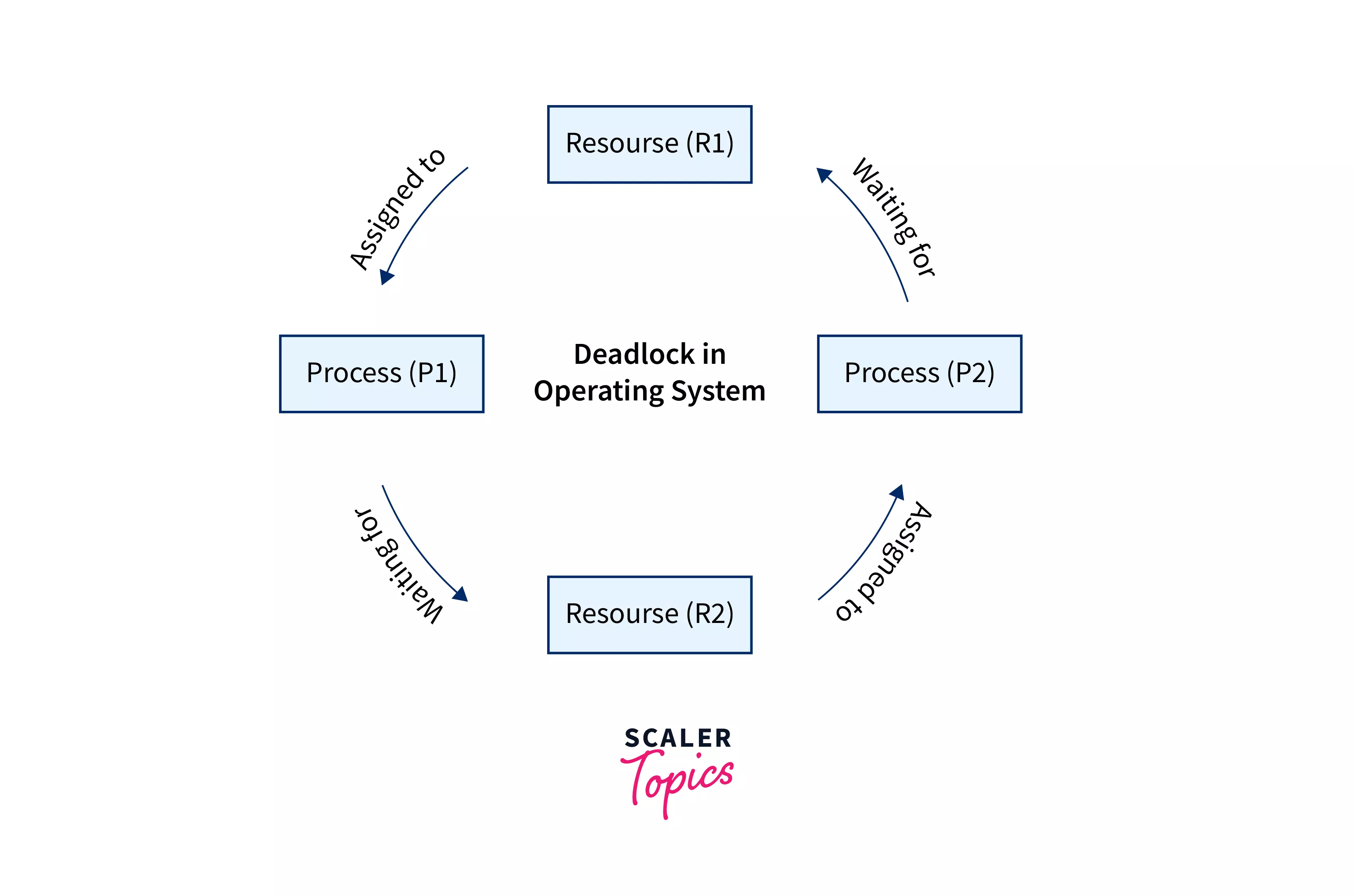
Two transactions wait for each other indefinitely.


๐Ÿ”น Example

  • T1 locks A, needs B
  • T2 locks B, needs A

๐Ÿ”น Handling Deadlocks

  • Detection
  • Prevention
  • Timeout

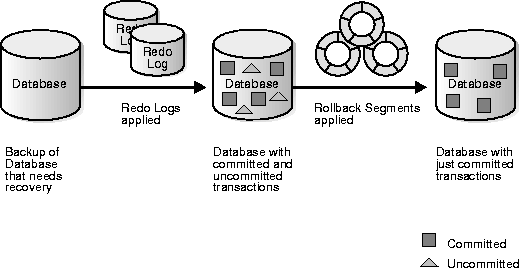
๐Ÿงช 12. Logging and Recovery

Image
Image
Image
Image

๐Ÿ”น Types of Logs

  • Undo log
  • Redo log

๐Ÿ”น Recovery Techniques

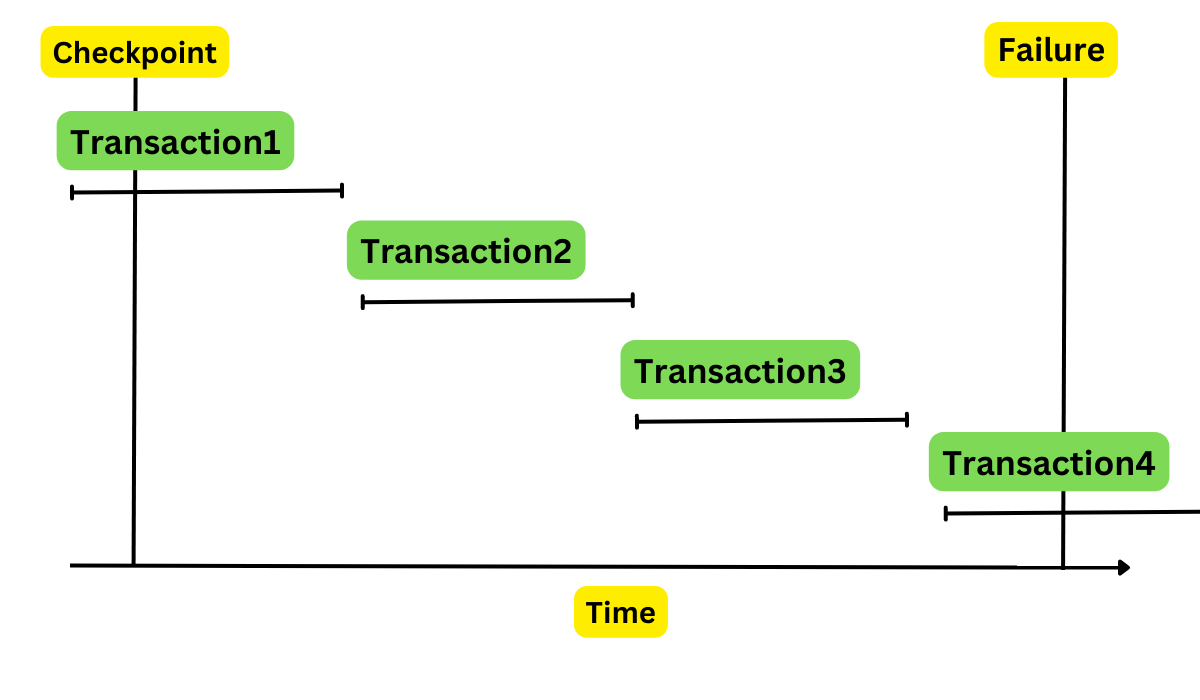
  • Checkpointing
  • Log-based recovery

๐Ÿ“Š 13. Distributed Transactions


๐Ÿ”น Challenges

  • Network failures
  • Data consistency across nodes

๐Ÿ”น Two-Phase Commit (2PC)

  1. Prepare phase
  2. Commit phase

๐Ÿ”น Three-Phase Commit (3PC)

Improved version of 2PC


๐ŸŒ 14. Transactions in Modern Databases


๐Ÿ”น SQL Databases

  • Strong ACID compliance

๐Ÿ”น NoSQL Databases

  • Often use BASE model
    • Basically Available
    • Soft state
    • Eventually consistent

โš–๏ธ 15. ACID vs BASE

FeatureACIDBASE
ConsistencyStrongEventual
AvailabilityModerateHigh
Use CaseBankingSocial media

๐Ÿ“ˆ 16. Performance Considerations

  • High isolation โ†’ slower performance
  • Low isolation โ†’ faster but risky

๐Ÿ”น Trade-offs

  • Consistency vs performance
  • Isolation vs concurrency

๐Ÿงฉ 17. Real-World Applications


๐Ÿ”น Banking Systems

  • Money transfer
  • Account updates

๐Ÿ”น E-commerce

  • Order processing
  • Payment transactions

๐Ÿ”น Airline Booking

  • Seat reservation

๐Ÿง  18. Advanced Topics

  • Nested transactions
  • Long-running transactions
  • Savepoints
  • Distributed consensus

๐Ÿ—๏ธ 19. Best Practices

  • Keep transactions short
  • Avoid unnecessary locks
  • Use proper isolation level
  • Monitor performance

โš ๏ธ 20. Common Issues

  • Deadlocks
  • Blocking
  • Performance bottlenecks
  • Data inconsistency

๐Ÿ”ฎ 21. Future Trends

  • Cloud-native transactions
  • Distributed ACID systems
  • New consistency models

๐Ÿ Conclusion

Transactions and ACID properties form the core foundation of reliable database systems. They ensure that even in complex, concurrent, and failure-prone environments, data remains:

  • Accurate
  • Consistent
  • Safe
  • Durable

Mastering transactions is essential for building robust applications, especially in systems where correctness is critical.


๐Ÿท๏ธ Tags

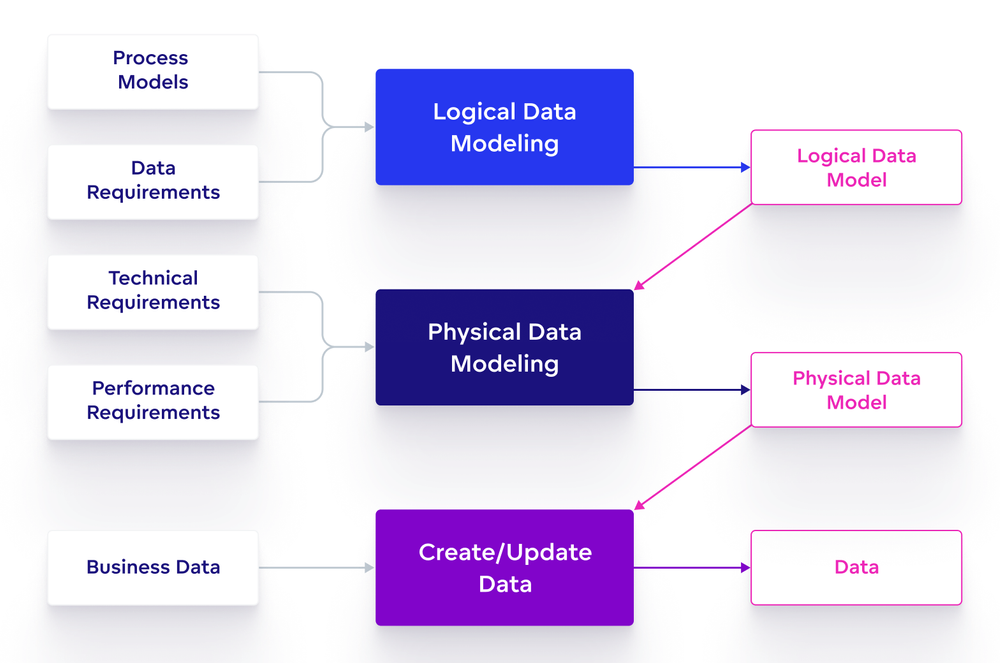
๐Ÿ—๏ธ Database Design

Image
Image
Image
Image

๐Ÿ“˜ 1. Introduction to Database Design

Database Design is the structured process of organizing data into a model that efficiently supports storage, retrieval, and manipulation. It defines how data is stored, how different data elements relate to each other, and how users interact with the database.

A well-designed database ensures:

  • High performance โšก
  • Data consistency โœ”๏ธ
  • Scalability ๐Ÿ“ˆ
  • Security ๐Ÿ”
  • Maintainability ๐Ÿ› ๏ธ

Database design is the foundation of all data-driven systems, including:

  • Web applications
  • Mobile apps
  • Enterprise software
  • Banking systems
  • AI and analytics platforms

๐Ÿง  2. Importance of Database Design

๐Ÿ”น Why It Matters

Poor database design leads to:

  • Data redundancy
  • Inconsistent data
  • Slow queries
  • Difficult maintenance
  • Scalability issues

Good database design provides:

  • Efficient data access
  • Reduced duplication
  • Logical organization
  • Improved data integrity

๐Ÿ›๏ธ 3. Types of Database Design

Image
Image
Image
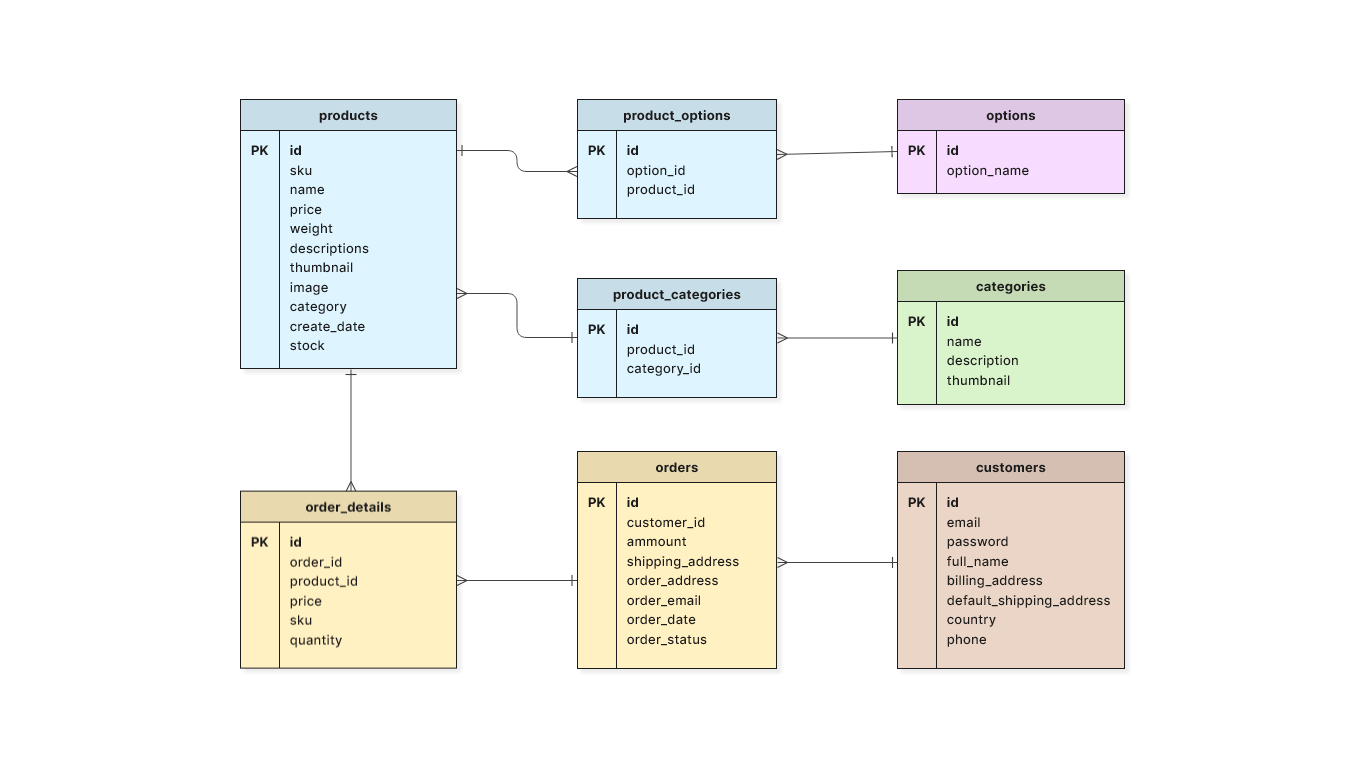
Image

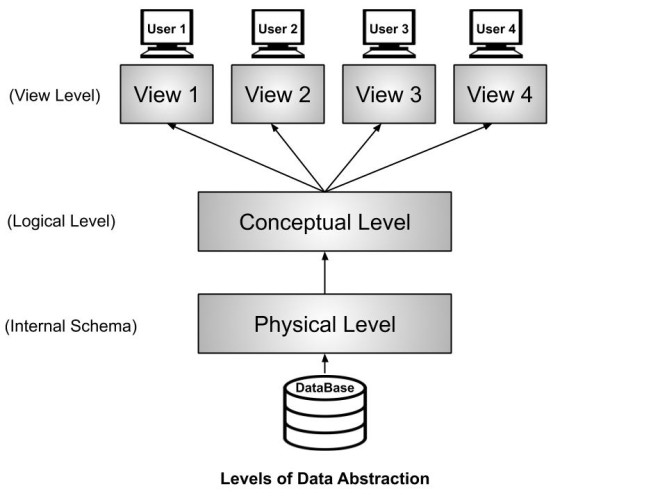
Database design is typically divided into three levels:


๐Ÿ”น 1. Conceptual Design

  • High-level design
  • Focuses on what data is needed
  • Uses Entity-Relationship Diagrams (ERD)

Example:

  • Entities: Student, Course
  • Relationship: Enrollment

๐Ÿ”น 2. Logical Design

  • Defines structure without implementation details
  • Includes tables, columns, keys

๐Ÿ”น 3. Physical Design

  • Actual implementation in DBMS
  • Includes indexing, storage, partitioning

๐Ÿงฉ 4. Data Modeling

Image
Image
Image
Image

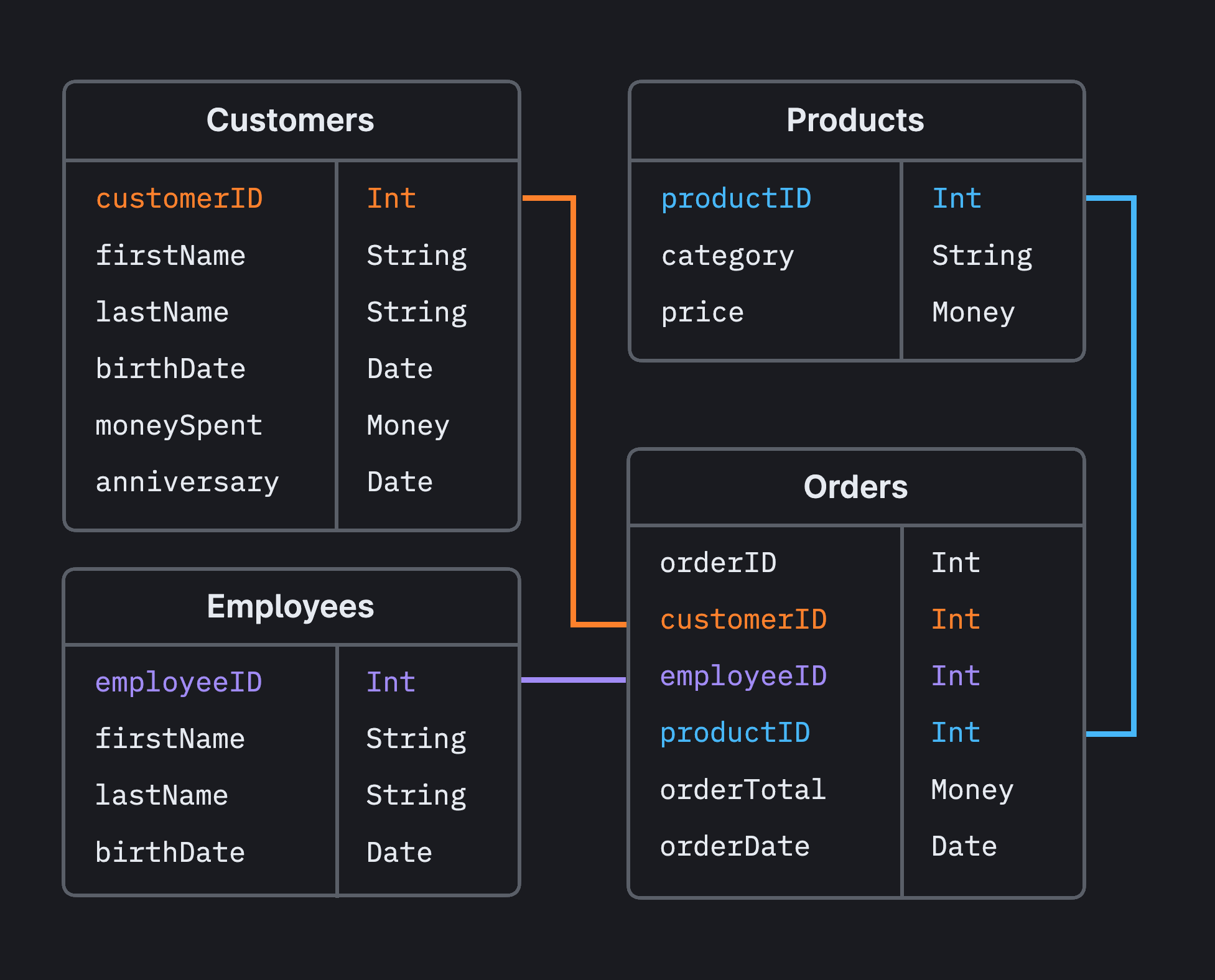
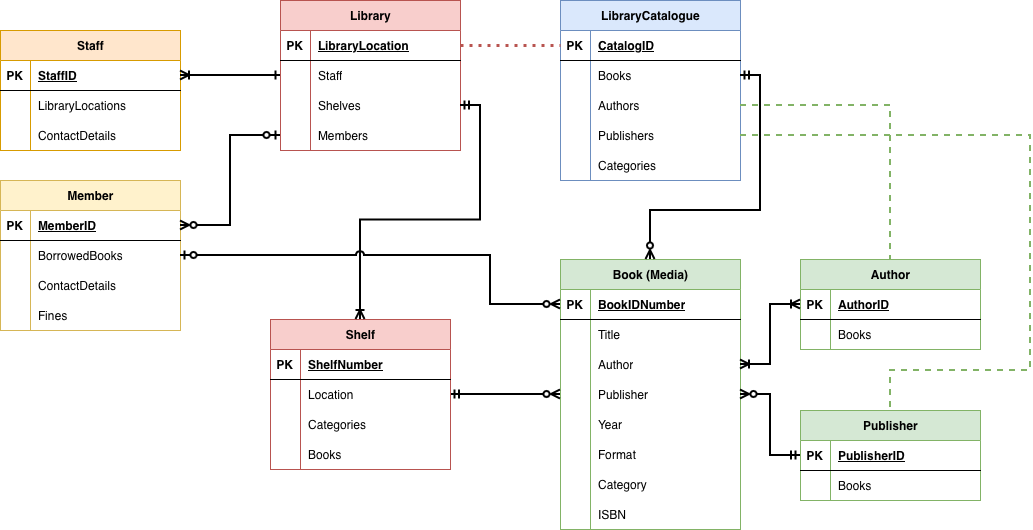
Data modeling is the process of creating a data structure.


๐Ÿ”น Components of Data Modeling

1. Entities

Objects in the system (e.g., User, Product)

2. Attributes

Properties of entities (e.g., Name, Price)

3. Relationships

Connections between entities


๐Ÿ”น Types of Relationships

  • One-to-One (1:1)
  • One-to-Many (1:N)
  • Many-to-Many (M:N)

๐Ÿ”‘ 5. Keys in Database Design

Keys uniquely identify records and define relationships.


๐Ÿ”น Types of Keys

  • Primary Key โ€“ Unique identifier
  • Foreign Key โ€“ Links tables
  • Candidate Key โ€“ Possible primary keys
  • Composite Key โ€“ Combination of columns
  • Super Key โ€“ Set of attributes that uniquely identify

๐Ÿงฑ 6. Normalization

Image
Image
Image
Image

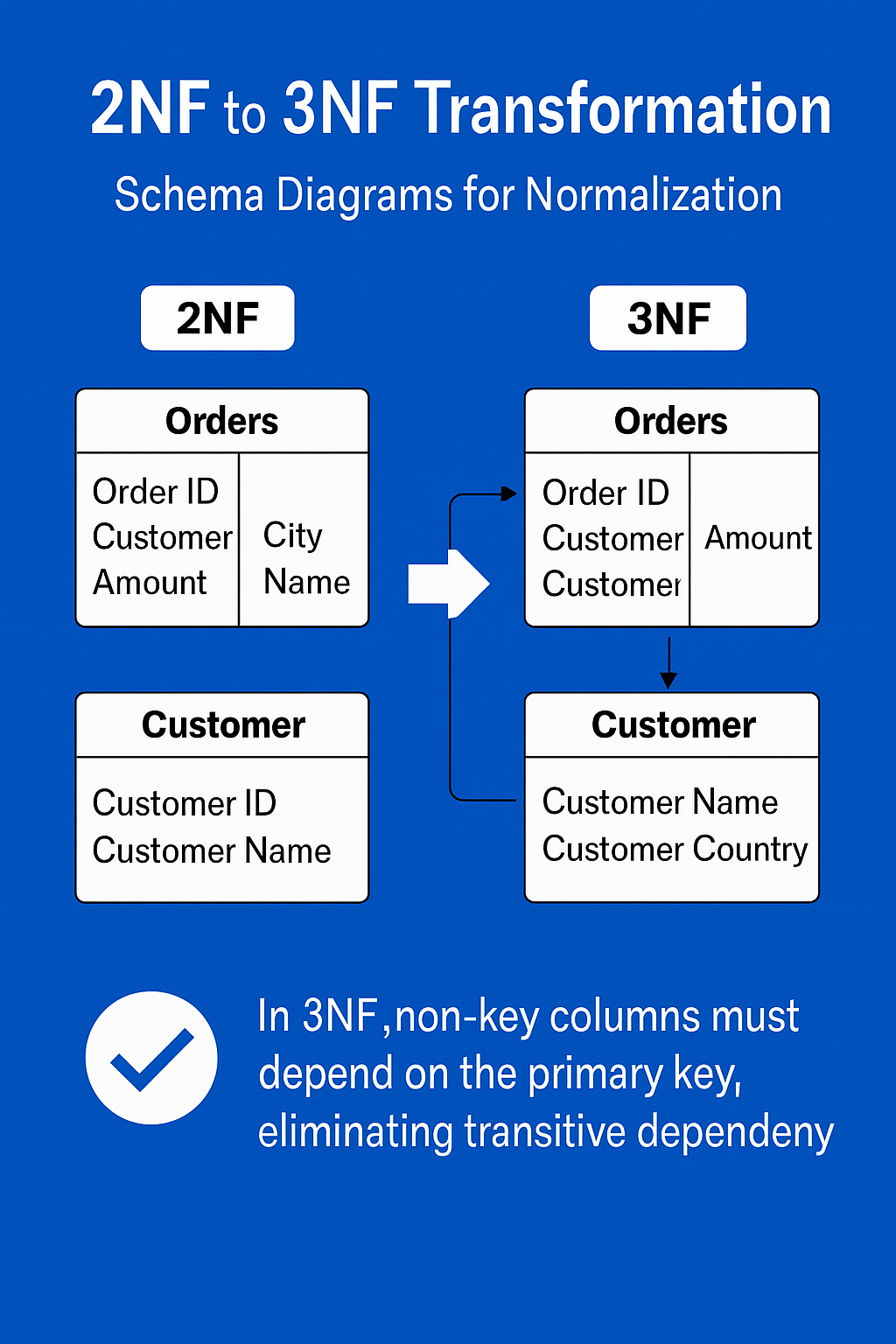
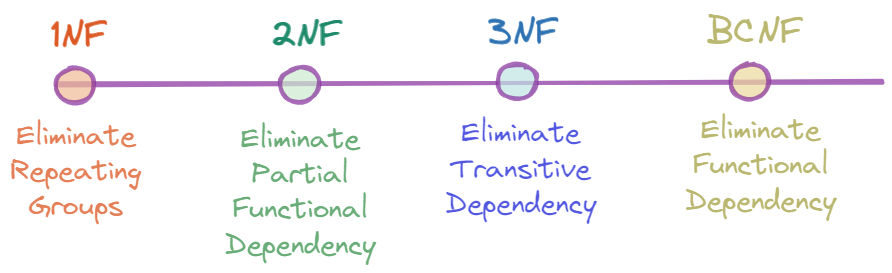
Normalization organizes data to reduce redundancy.


๐Ÿ”น Normal Forms

1NF (First Normal Form)

  • Atomic values
  • No repeating groups

2NF (Second Normal Form)

  • Remove partial dependencies

3NF (Third Normal Form)

  • Remove transitive dependencies

BCNF (Boyce-Codd Normal Form)

  • Stronger version of 3NF

๐Ÿ”น Benefits

  • Eliminates redundancy
  • Improves consistency
  • Simplifies updates

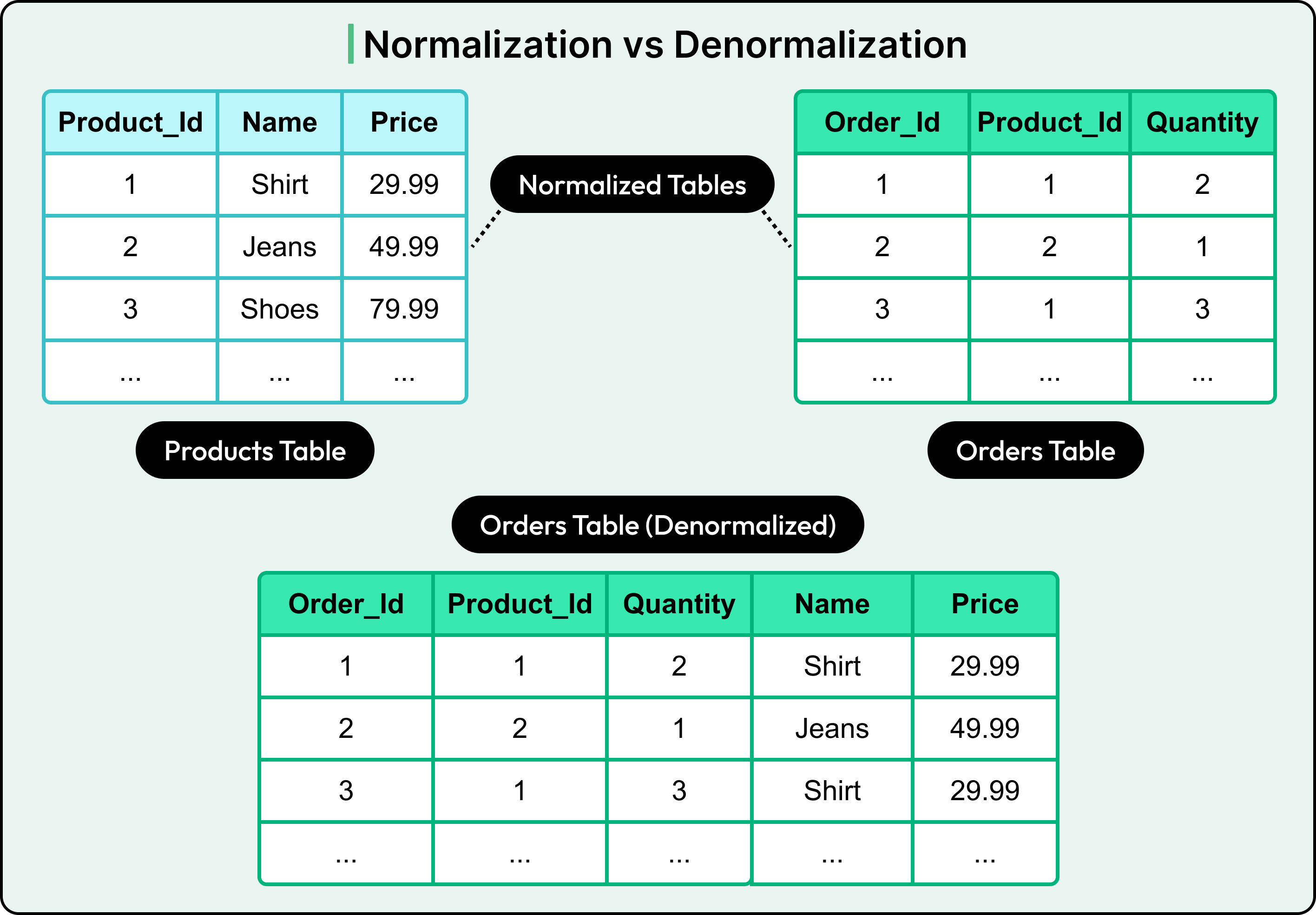
๐Ÿ”„ 7. Denormalization

Sometimes normalization is reversed for performance.

๐Ÿ”น Why Denormalize?

  • Faster reads
  • Reduced joins
  • Better performance in analytics

๐Ÿ”น Trade-offs

  • Data redundancy
  • Increased storage
  • Complex updates

๐Ÿงฎ 8. Constraints and Integrity

๐Ÿ”น Types of Constraints

  • NOT NULL
  • UNIQUE
  • PRIMARY KEY
  • FOREIGN KEY
  • CHECK

๐Ÿ”น Types of Integrity

  • Entity Integrity
  • Referential Integrity
  • Domain Integrity

๐Ÿ“Š 9. Indexing

Image
Image
Image
Image

Indexes speed up data retrieval.


๐Ÿ”น Types of Indexes

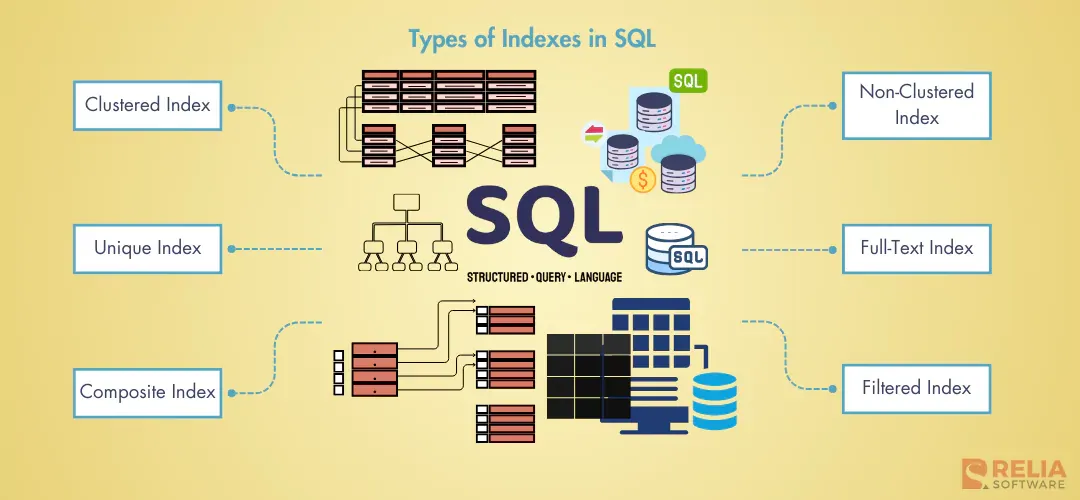
  • Clustered Index
  • Non-clustered Index
  • Composite Index
  • Unique Index

๐Ÿ”น Advantages

  • Faster queries
  • Efficient searching

๐Ÿ”น Disadvantages

  • Extra storage
  • Slower inserts/updates

๐Ÿง  10. Relationships in Depth

๐Ÿ”น One-to-One

Example: User โ†” Profile

๐Ÿ”น One-to-Many

Example: Customer โ†’ Orders

๐Ÿ”น Many-to-Many

Example: Students โ†” Courses

Requires a junction table


๐Ÿ—๏ธ 11. Schema Design

A schema defines database structure.


๐Ÿ”น Types of Schema

  • Star Schema โญ
  • Snowflake Schema โ„๏ธ
  • Flat Schema

๐Ÿ”น Star Schema

  • Central fact table
  • Connected dimension tables

๐Ÿ”น Snowflake Schema

  • Normalized version of star schema

๐Ÿ“ฆ 12. Database Design Process

Image
Image
Image
Image

๐Ÿ”น Steps

  1. Requirement Analysis
  2. Conceptual Design
  3. Logical Design
  4. Normalization
  5. Physical Design
  6. Implementation
  7. Testing
  8. Maintenance

๐Ÿ” 13. Security in Database Design

  • Authentication
  • Authorization
  • Encryption
  • Data masking

๐Ÿ”น Best Practices

  • Use least privilege
  • Encrypt sensitive data
  • Regular backups

โšก 14. Performance Optimization

  • Proper indexing
  • Query optimization
  • Caching
  • Partitioning

๐Ÿงฉ 15. Transactions and ACID

๐Ÿ”น ACID Properties

  • Atomicity
  • Consistency
  • Isolation
  • Durability

๐ŸŒ 16. Distributed Database Design

Image
Image
Image
Image

๐Ÿ”น Techniques

  • Sharding
  • Replication
  • Partitioning

๐Ÿ”„ 17. NoSQL vs Relational Design

FeatureRelationalNoSQL
SchemaFixedFlexible
ScalingVerticalHorizontal
Use CaseStructured dataBig data

๐Ÿงช 18. Advanced Concepts

  • Data Warehousing
  • OLAP vs OLTP
  • Materialized Views
  • Event Sourcing
  • CQRS

๐Ÿ“ˆ 19. Real-World Example

๐Ÿ”น E-commerce Database

Tables:

  • Users
  • Products
  • Orders
  • Payments

Relationships:

  • User โ†’ Orders (1:N)
  • Orders โ†’ Products (M:N)

๐Ÿงฐ 20. Tools for Database Design

  • ER modeling tools
  • SQL-based tools
  • Cloud DB tools

๐Ÿ“š 21. Advantages of Good Design

  • Scalability
  • Performance
  • Data integrity
  • Flexibility

โš ๏ธ 22. Common Mistakes

  • Poor normalization
  • Over-indexing
  • Ignoring scalability
  • Weak constraints

๐Ÿ”ฎ 23. Future Trends

  • Cloud-native databases
  • AI-driven optimization
  • Serverless databases
  • Multi-model databases

๐Ÿ Conclusion

Database design is a critical skill in modern computing. A well-designed database ensures that systems are efficient, scalable, and reliable. Whether you’re building a simple app or a complex enterprise system, mastering database design principles will help you create robust and high-performing solutions.


๐Ÿท๏ธ Tags

๐Ÿ—„๏ธ SQL (Structured Query Language)

Image
Image
Image
Image

๐Ÿ“˜ 1. Introduction to SQL

SQL (Structured Query Language) is a standard programming language used to store, manipulate, and retrieve data from relational databases. It is the backbone of modern data-driven applications and is widely used in industries such as finance, healthcare, e-commerce, education, and more.

SQL was developed in the 1970s at IBM by Donald D. Chamberlin and Raymond F. Boyce. Initially called SEQUEL (Structured English Query Language), it evolved into SQL and became an international standard (ANSI/ISO).


๐Ÿ”น Why SQL is Important

  • Enables efficient data management
  • Used in web applications, mobile apps, enterprise systems
  • Supports data analysis and reporting
  • Works with major database systems like:
    • MySQL
    • PostgreSQL
    • Oracle Database
    • SQL Server
    • SQLite

๐Ÿ”น Characteristics of SQL

  • Declarative language (focus on what to do, not how)
  • Supports complex queries
  • Standardized (ANSI SQL)
  • Integrates with multiple programming languages
  • Supports transactions and concurrency

๐Ÿงฑ 2. Relational Database Fundamentals

Image
Image
Image

SQL works with Relational Database Management Systems (RDBMS).

๐Ÿ”น Core Concepts

1. Table

A table is a collection of related data organized in rows and columns.

2. Row (Record)

Represents a single entry.

3. Column (Field)

Represents an attribute of the data.

4. Primary Key

  • Unique identifier for each record
  • Cannot be NULL

5. Foreign Key

  • Links two tables together
  • Maintains referential integrity

6. Schema

  • Structure of the database

๐Ÿ”น Example Table

IDNameAge
1John25
2Sara30

๐Ÿงฎ 3. Types of SQL Commands

SQL commands are divided into categories:


๐Ÿ”น 1. DDL (Data Definition Language)

Used to define database structure.

  • CREATE
  • ALTER
  • DROP
  • TRUNCATE

Example:

CREATE TABLE Students (
    ID INT PRIMARY KEY,
    Name VARCHAR(50),
    Age INT
);

๐Ÿ”น 2. DML (Data Manipulation Language)

Used to manipulate data.

  • INSERT
  • UPDATE
  • DELETE
INSERT INTO Students VALUES (1, 'John', 25);

UPDATE Students SET Age = 26 WHERE ID = 1;

DELETE FROM Students WHERE ID = 1;

๐Ÿ”น 3. DQL (Data Query Language)

  • SELECT
SELECT * FROM Students;

๐Ÿ”น 4. DCL (Data Control Language)

  • GRANT
  • REVOKE

๐Ÿ”น 5. TCL (Transaction Control Language)

  • COMMIT
  • ROLLBACK
  • SAVEPOINT

๐Ÿ” 4. SQL Queries and Clauses

Image
Image
Image
Image

๐Ÿ”น SELECT Statement

SELECT column1, column2 FROM table_name;

๐Ÿ”น WHERE Clause

SELECT * FROM Students WHERE Age > 25;

๐Ÿ”น ORDER BY

SELECT * FROM Students ORDER BY Age DESC;

๐Ÿ”น GROUP BY

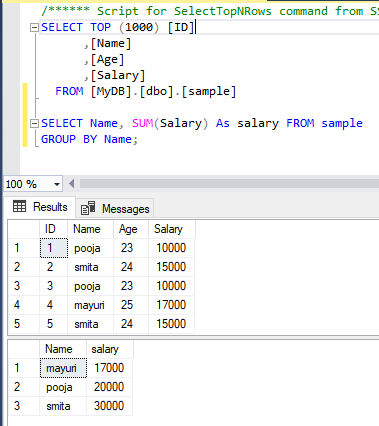
SELECT Age, COUNT(*) FROM Students GROUP BY Age;

๐Ÿ”น HAVING

SELECT Age, COUNT(*) 
FROM Students 
GROUP BY Age 
HAVING COUNT(*) > 1;

๐Ÿ”น DISTINCT

SELECT DISTINCT Age FROM Students;

๐Ÿ”— 5. SQL Joins

Image
Image
Image
Image

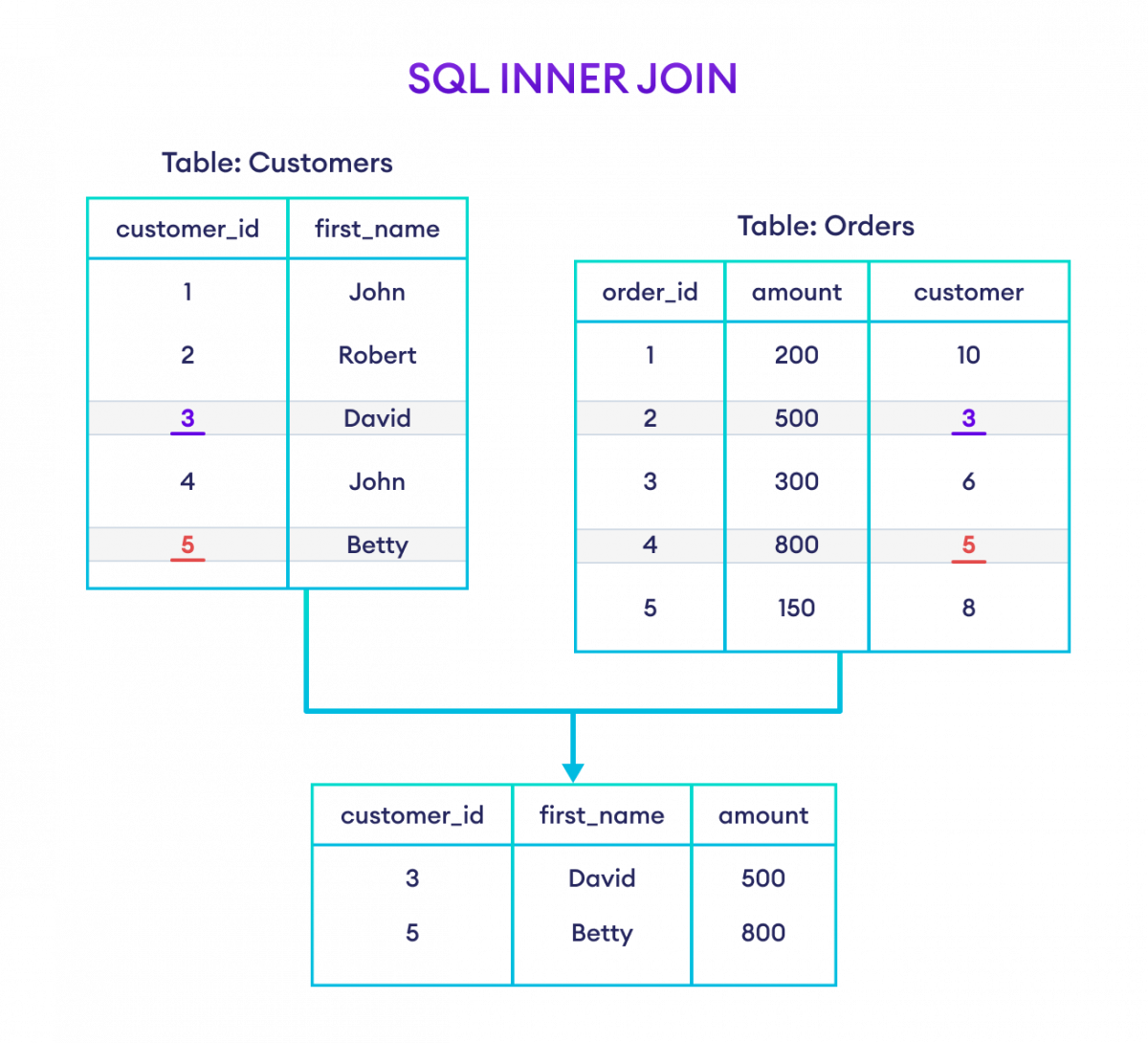
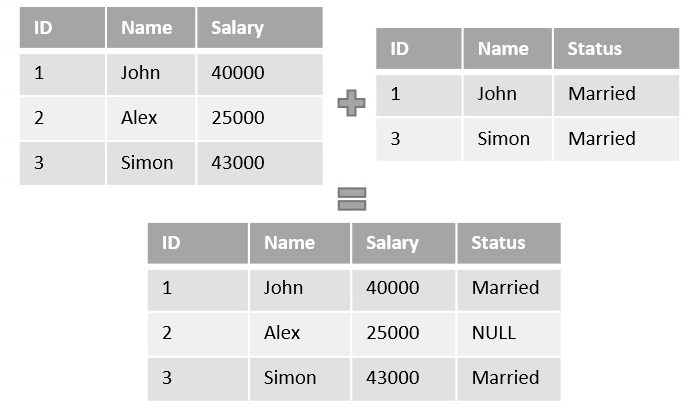
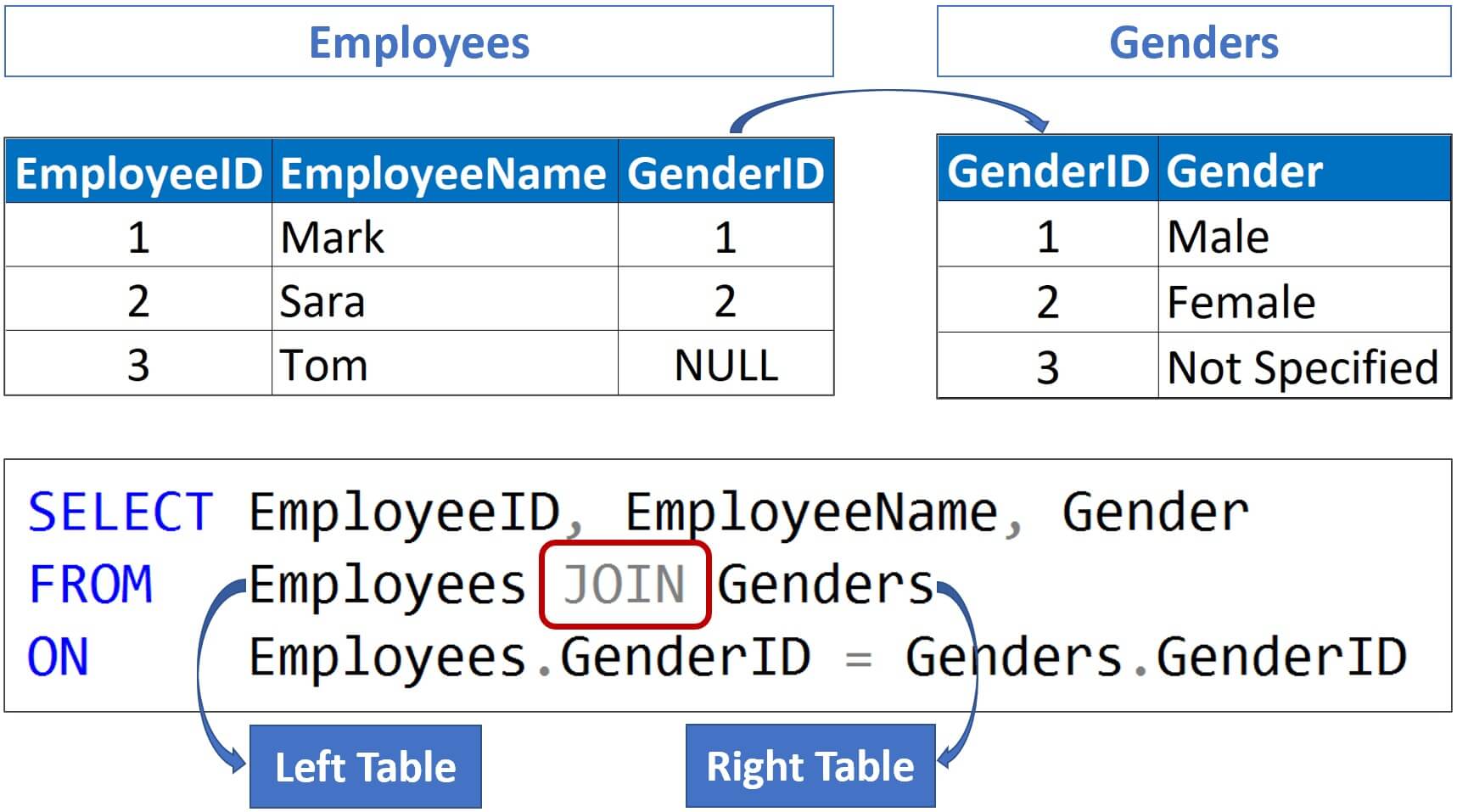
Joins combine rows from multiple tables.


๐Ÿ”น Types of Joins

1. INNER JOIN

Returns matching rows.

SELECT * FROM A INNER JOIN B ON A.id = B.id;

2. LEFT JOIN

Returns all rows from left table.


3. RIGHT JOIN

Returns all rows from right table.


4. FULL JOIN

Returns all rows from both tables.


๐Ÿง  6. SQL Functions

๐Ÿ”น Aggregate Functions

  • COUNT()
  • SUM()
  • AVG()
  • MIN()
  • MAX()
SELECT AVG(Age) FROM Students;

๐Ÿ”น String Functions

  • UPPER()
  • LOWER()
  • LENGTH()

๐Ÿ”น Date Functions

  • NOW()
  • CURDATE()

๐Ÿ—๏ธ 7. Constraints in SQL

Constraints enforce rules on data.

  • NOT NULL
  • UNIQUE
  • PRIMARY KEY
  • FOREIGN KEY
  • CHECK
  • DEFAULT
CREATE TABLE Users (
    ID INT PRIMARY KEY,
    Email VARCHAR(100) UNIQUE
);

๐Ÿ”„ 8. Normalization

Image
Image
Image
Image

Normalization reduces redundancy.

๐Ÿ”น Types:

  • 1NF: Atomic values
  • 2NF: Remove partial dependency
  • 3NF: Remove transitive dependency

โšก 9. Indexing

Indexes improve query performance.

CREATE INDEX idx_name ON Students(Name);

Types:

  • Single-column index
  • Composite index
  • Unique index

๐Ÿ” 10. Transactions

A transaction is a unit of work.

Properties (ACID):

  • Atomicity
  • Consistency
  • Isolation
  • Durability

๐Ÿ” 11. Subqueries

SELECT Name FROM Students
WHERE Age > (SELECT AVG(Age) FROM Students);

๐Ÿ“Š 12. Views

Virtual tables based on queries.

CREATE VIEW StudentView AS
SELECT Name FROM Students;

๐Ÿงฉ 13. Stored Procedures

Reusable SQL code.

CREATE PROCEDURE GetStudents()
BEGIN
    SELECT * FROM Students;
END;

๐Ÿ”” 14. Triggers

Automatically executed events.

CREATE TRIGGER before_insert
BEFORE INSERT ON Students
FOR EACH ROW
SET NEW.Name = UPPER(NEW.Name);

๐ŸŒ 15. SQL vs NoSQL

FeatureSQLNoSQL
StructureTable-basedFlexible
SchemaFixedDynamic
ScalabilityVerticalHorizontal

๐Ÿงช 16. Advanced SQL Concepts

  • Window Functions (ROW_NUMBER(), RANK())
  • CTE (Common Table Expressions)
  • Recursive Queries
  • Partitioning
  • Query Optimization

๐Ÿ“ˆ 17. SQL Performance Optimization

  • Use indexes
  • Avoid SELECT *
  • Optimize joins
  • Use caching
  • Analyze execution plans

๐Ÿงฐ 18. Popular SQL Databases

  • MySQL
  • PostgreSQL
  • Oracle
  • SQL Server
  • SQLite

๐Ÿง‘โ€๐Ÿ’ป 19. Real-World Applications

  • Banking systems
  • E-commerce platforms
  • Social media
  • Data analytics
  • Inventory systems

๐Ÿ“š 20. Advantages of SQL

  • Easy to learn
  • Powerful querying
  • High performance
  • Standardized

โš ๏ธ 21. Limitations of SQL

  • Not ideal for unstructured data
  • Scaling challenges
  • Complex queries can be slow

๐Ÿ”ฎ 22. Future of SQL

  • Integration with AI & Big Data
  • Cloud databases (AWS, Azure, GCP)
  • Real-time analytics
  • Hybrid SQL/NoSQL systems

๐Ÿ Conclusion

SQL remains one of the most essential tools in computing. Whether you are a developer, data analyst, or engineer, mastering SQL enables you to handle data efficiently, build scalable systems, and extract meaningful insights.


๐Ÿท๏ธ Tags

๐Ÿ” Searching Algorithms


๐Ÿงฉ What is Searching?

Image
Image
Image
Image

Searching is the process of locating a specific element (called a key) within a data structure such as an array, list, tree, or graph. It is one of the most fundamental operations in computer science and forms the backbone of data retrieval systems.

Example:

Array: [10, 25, 30, 45, 60]
Search Key: 30 โ†’ Found at index 2

Searching algorithms are designed to efficiently determine:

  • Whether an element exists
  • Where it is located
  • How quickly it can be found

๐Ÿง  Importance of Searching Algorithms

  • Essential for data retrieval systems
  • Used in databases and search engines
  • Helps in decision-making algorithms
  • Improves performance of applications

โš™๏ธ Classification of Searching Algorithms

Searching algorithms can be categorized based on:

๐Ÿ”น 1. Based on Data Structure

  • Searching in arrays/lists
  • Searching in trees
  • Searching in graphs

๐Ÿ”น 2. Based on Technique

  • Sequential search
  • Divide and conquer
  • Hash-based search

๐Ÿ”น 3. Based on Data Order

  • Searching in unsorted data
  • Searching in sorted data

๐Ÿ”ข Linear Search

Image
Image
Image
Image

๐Ÿ“Œ Concept

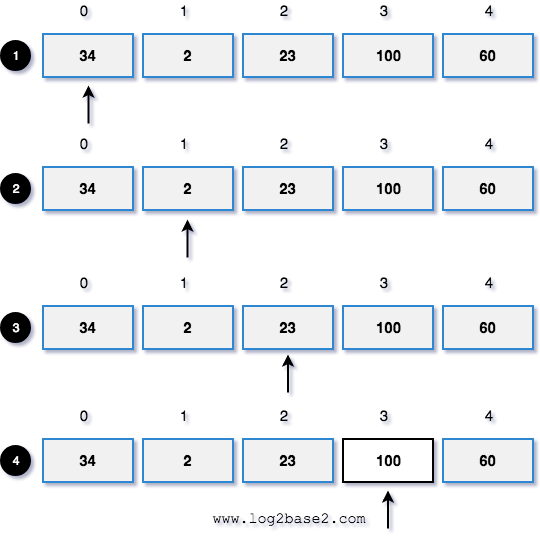
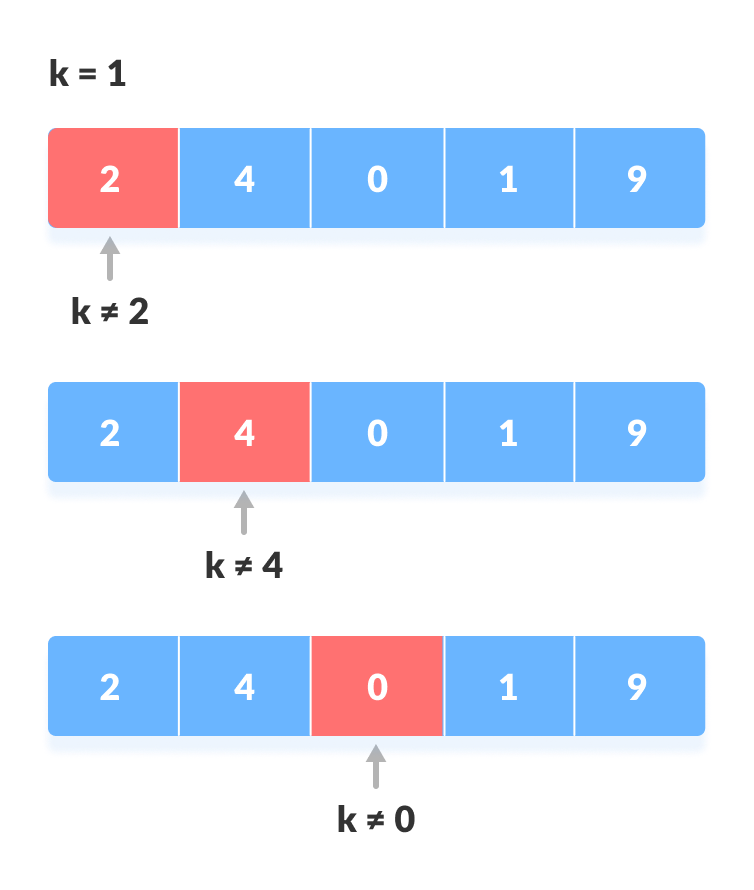
Linear search checks each element one by one until the target is found.

๐Ÿงพ Algorithm

  1. Start from first element
  2. Compare with key
  3. Move to next element
  4. Repeat until found or end

๐Ÿ’ป Code Example

def linear_search(arr, key):
    for i in range(len(arr)):
        if arr[i] == key:
            return i
    return -1

โฑ๏ธ Complexity

  • Best: O(1)
  • Average: O(n)
  • Worst: O(n)

โœ… Advantages

  • Simple
  • Works on unsorted data

โŒ Disadvantages

  • Slow for large datasets

๐Ÿ” Binary Search

Image
Image
Image
Image

๐Ÿ“Œ Concept

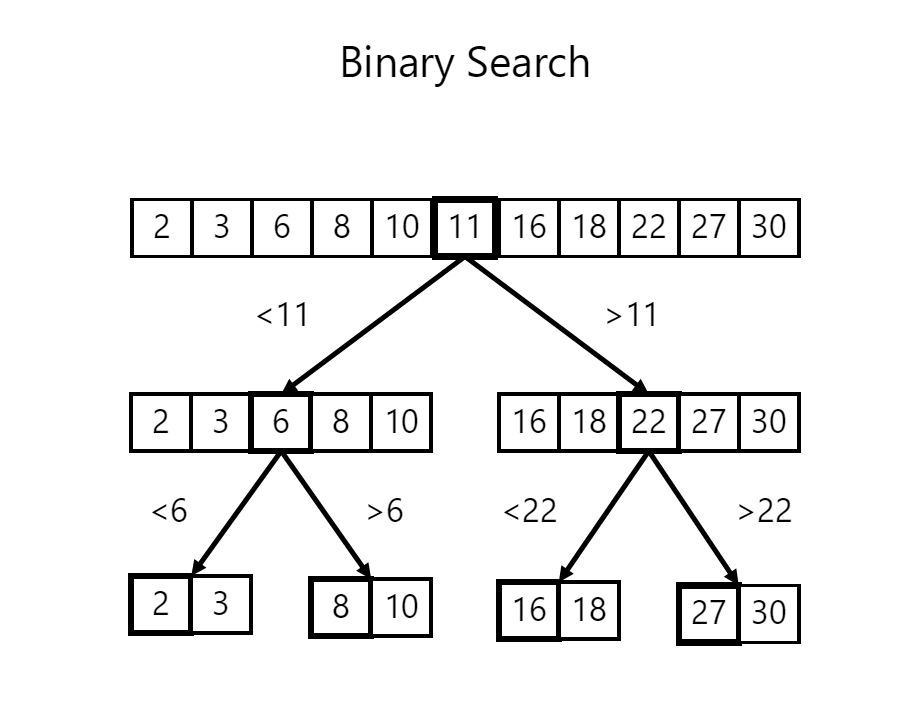
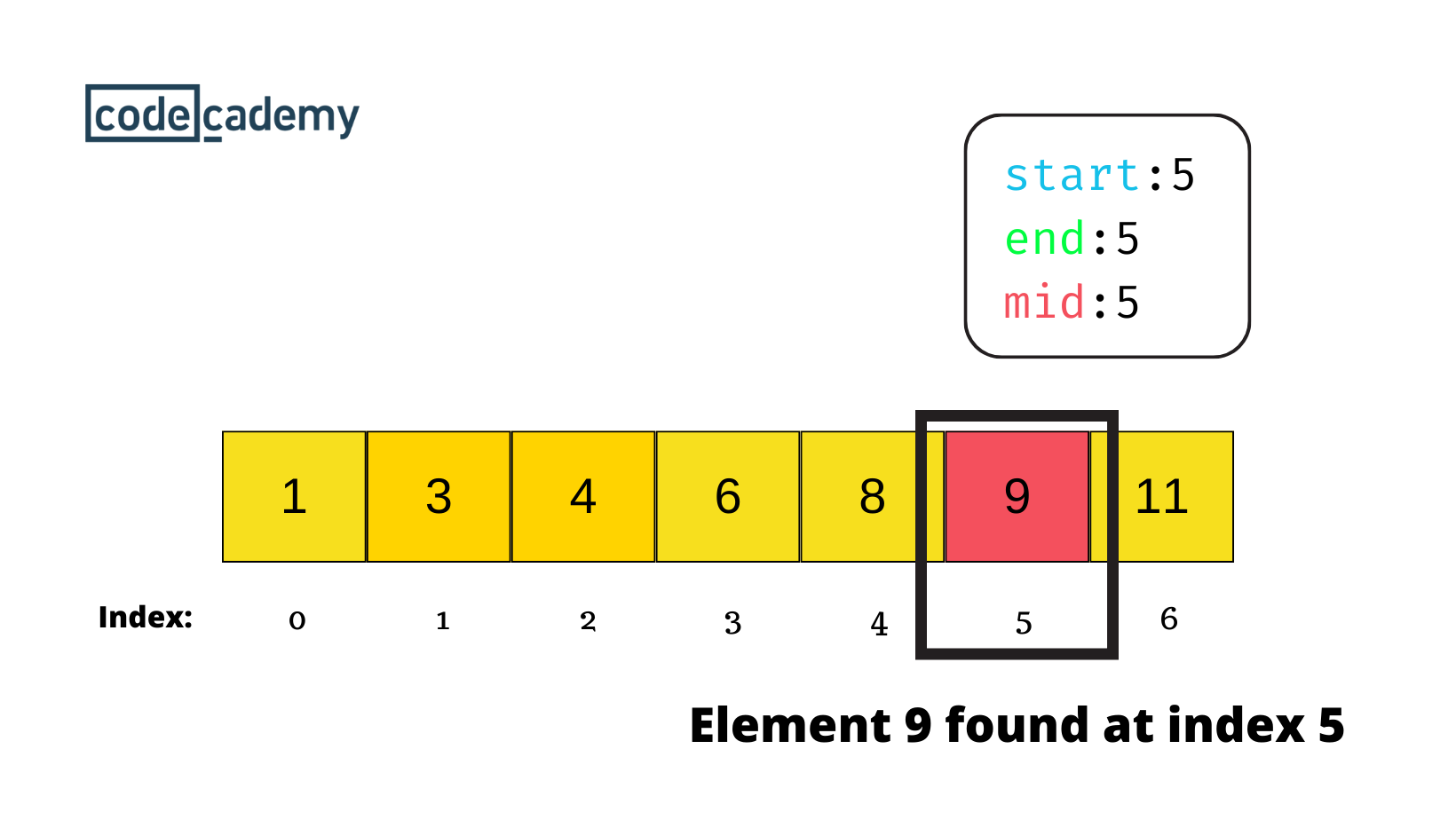
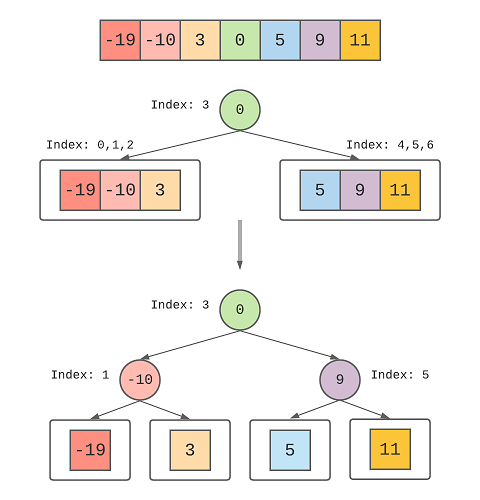
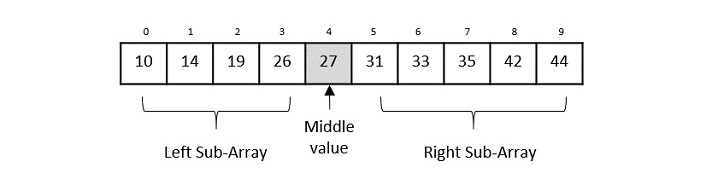
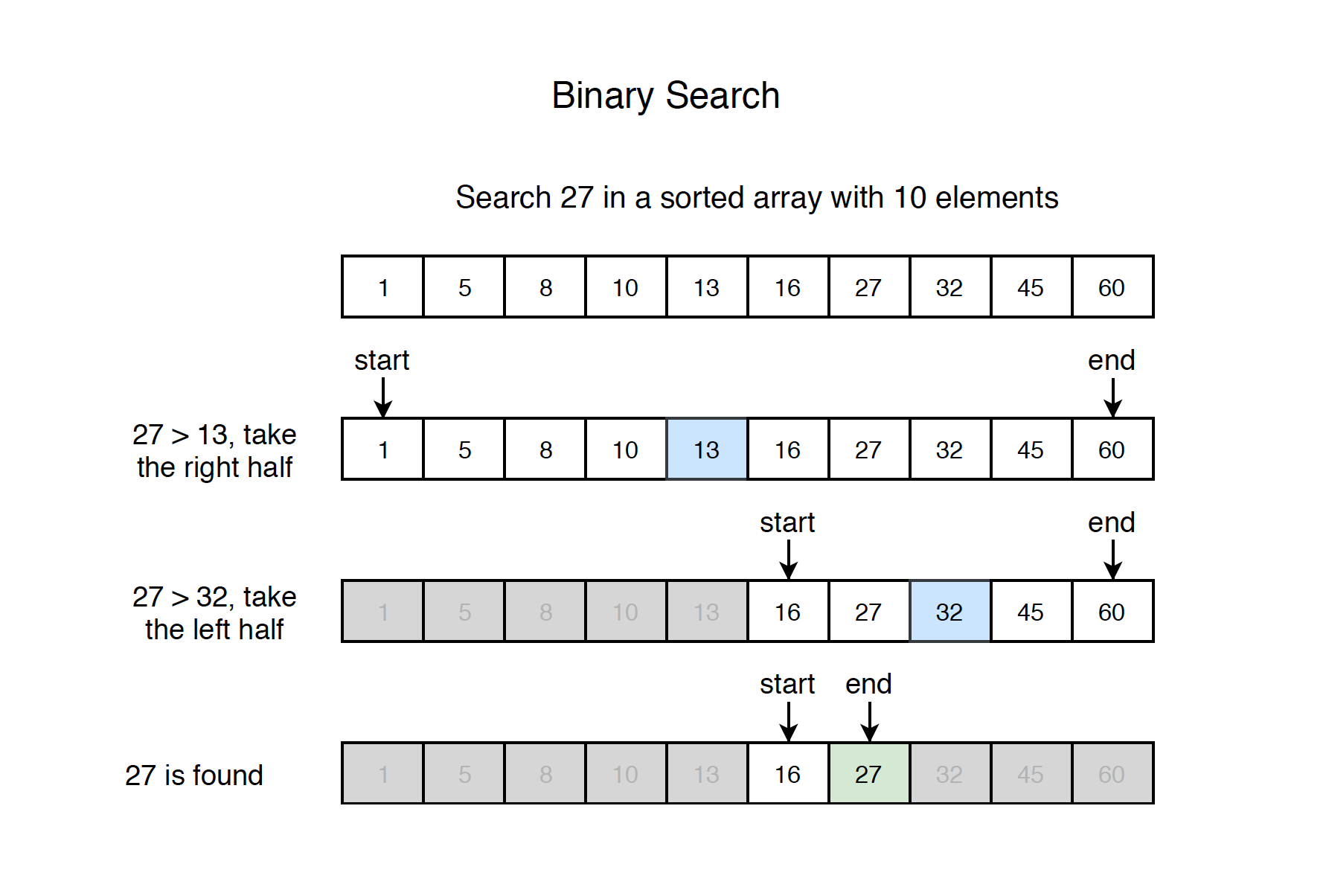
Binary search repeatedly divides a sorted array into halves.

๐Ÿงพ Algorithm

  1. Find middle element
  2. Compare with key
  3. If equal โ†’ return
  4. If smaller โ†’ search left
  5. If larger โ†’ search right

๐Ÿ’ป Code Example

def binary_search(arr, key):
    low, high = 0, len(arr)-1
    while low <= high:
        mid = (low + high) // 2
        if arr[mid] == key:
            return mid
        elif arr[mid] < key:
            low = mid + 1
        else:
            high = mid - 1
    return -1

โฑ๏ธ Complexity

  • Best: O(1)
  • Average: O(log n)
  • Worst: O(log n)

โœ… Advantages

  • Very fast
  • Efficient for large datasets

โŒ Disadvantages

  • Requires sorted data

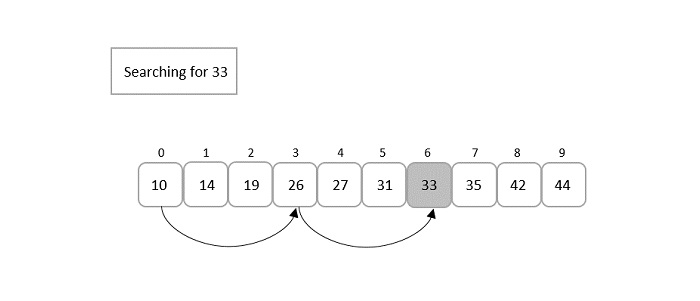
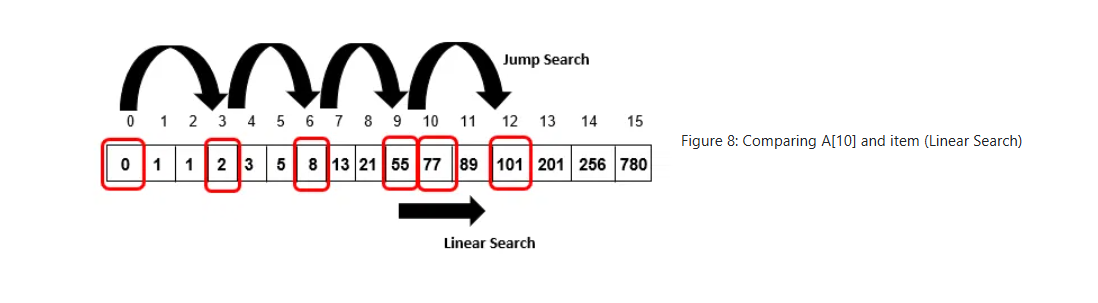
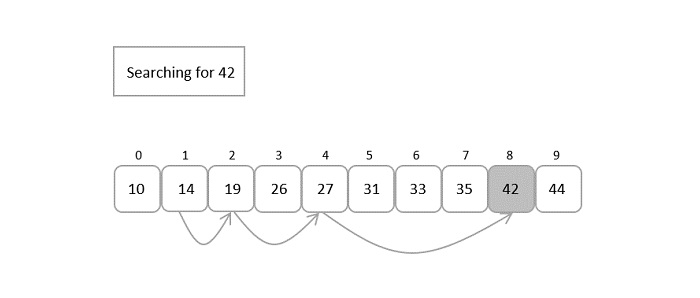
๐Ÿง  Jump Search

Image
Image
Image

๐Ÿ“Œ Concept

Jumps ahead by fixed steps and then performs linear search.

โฑ๏ธ Complexity

  • O(โˆšn)

๐Ÿ”Ž Interpolation Search

Image
Image

๐Ÿ“Œ Concept

Estimates position based on value distribution.

โฑ๏ธ Complexity

  • Best: O(log log n)
  • Worst: O(n)

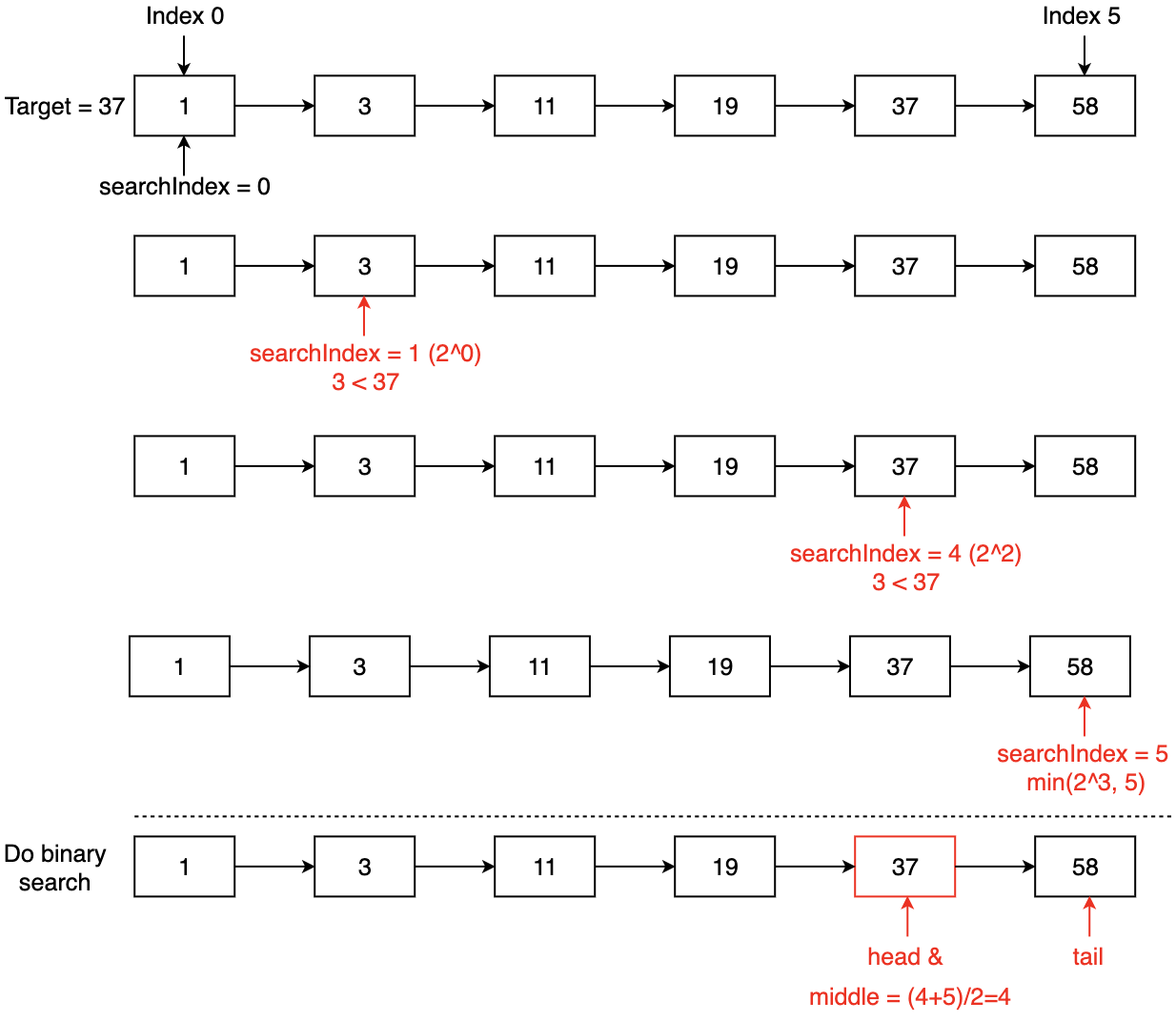
๐Ÿงญ Exponential Search

Image
Image
Image

๐Ÿ“Œ Concept

Finds range first, then applies binary search.


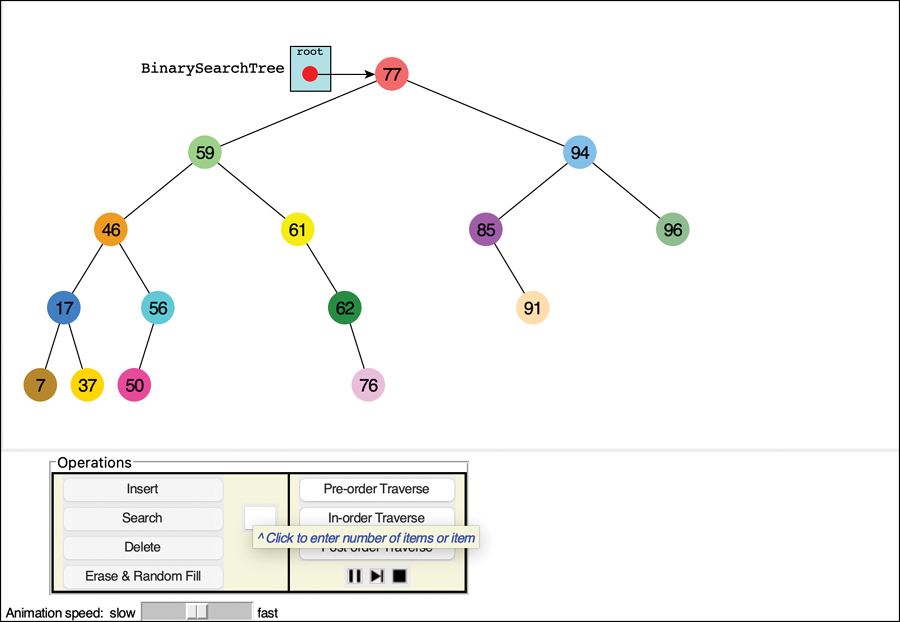
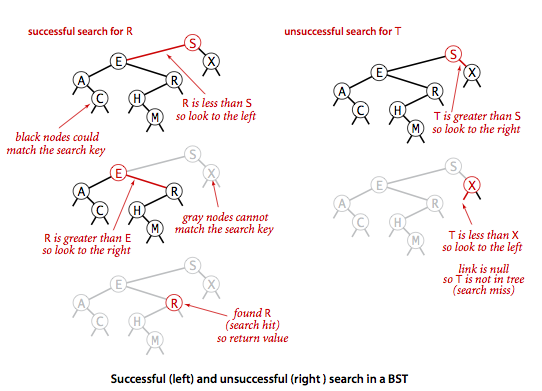
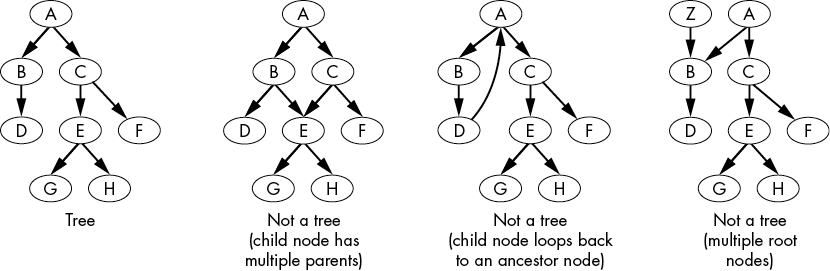
๐ŸŒณ Searching in Trees

Image
Image
Image
Image

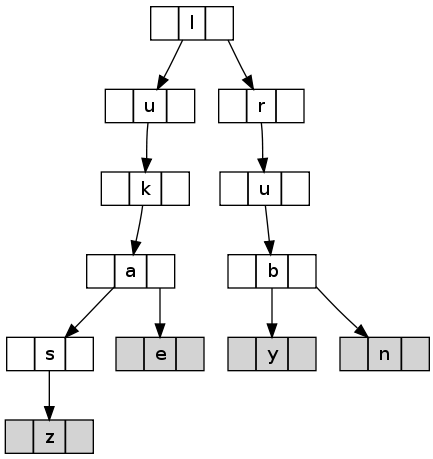
๐Ÿ“Œ Binary Search Tree (BST)

Search based on ordering:

  • Left < Root < Right

โฑ๏ธ Complexity

  • Average: O(log n)
  • Worst: O(n)

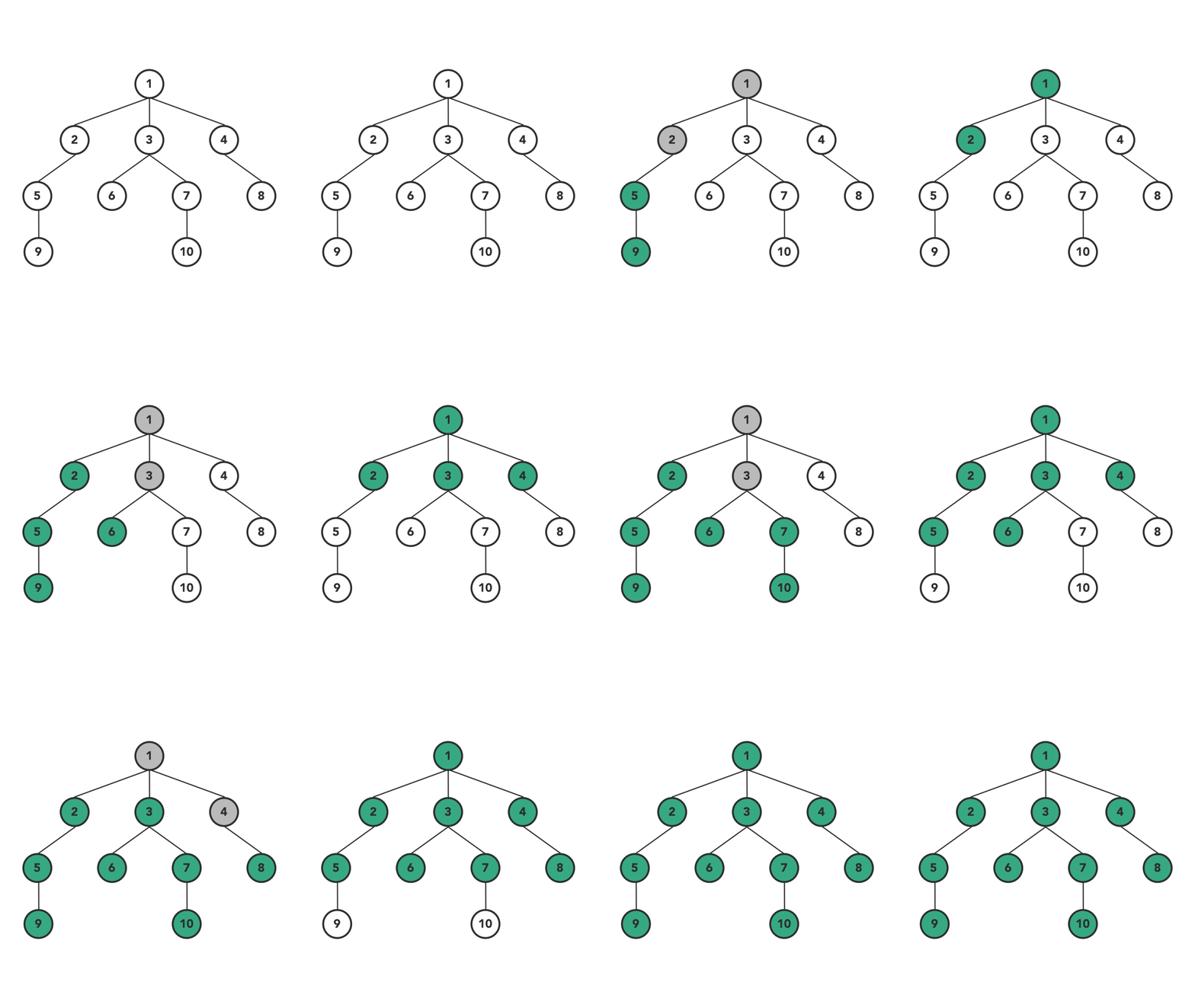
๐ŸŒ Searching in Graphs


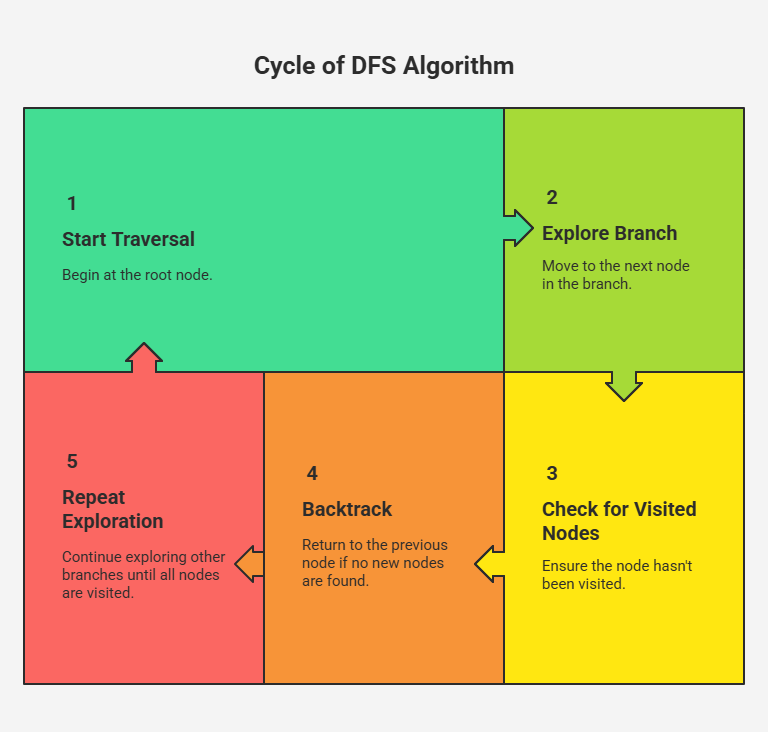
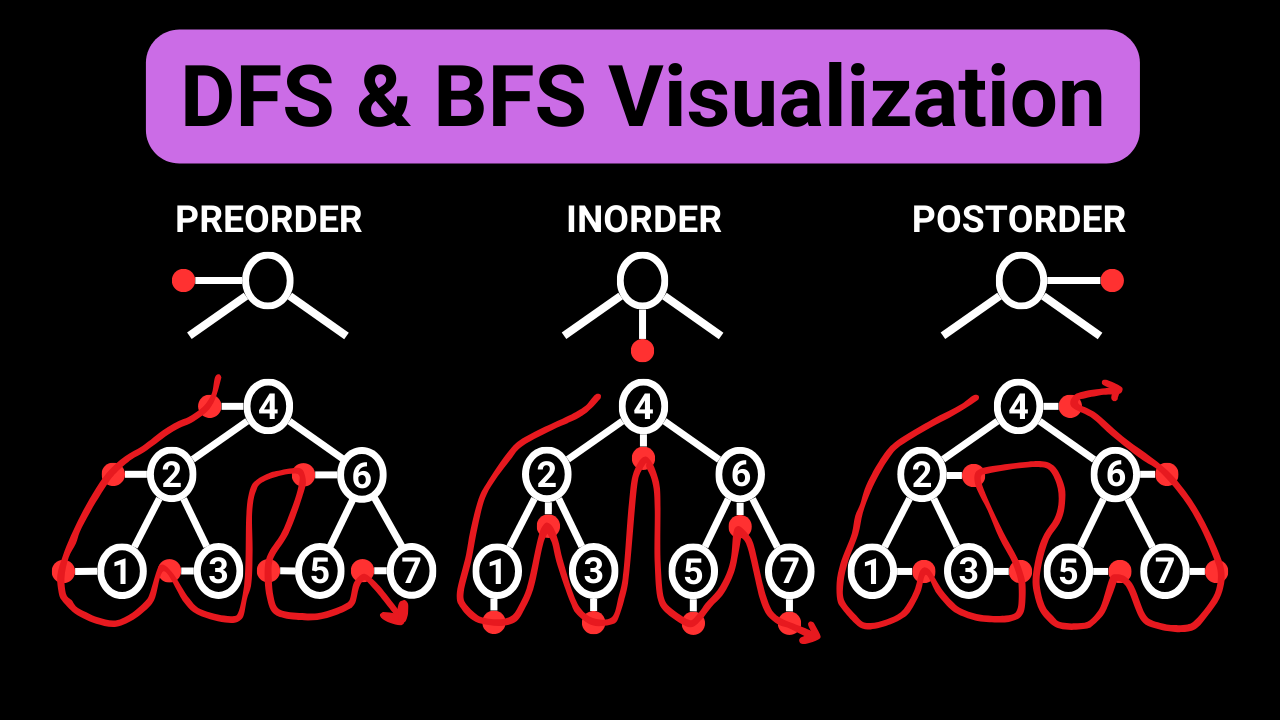
๐Ÿ”น Depth First Search (DFS)

Image
Image
Image
  • Uses stack
  • Explores deeply

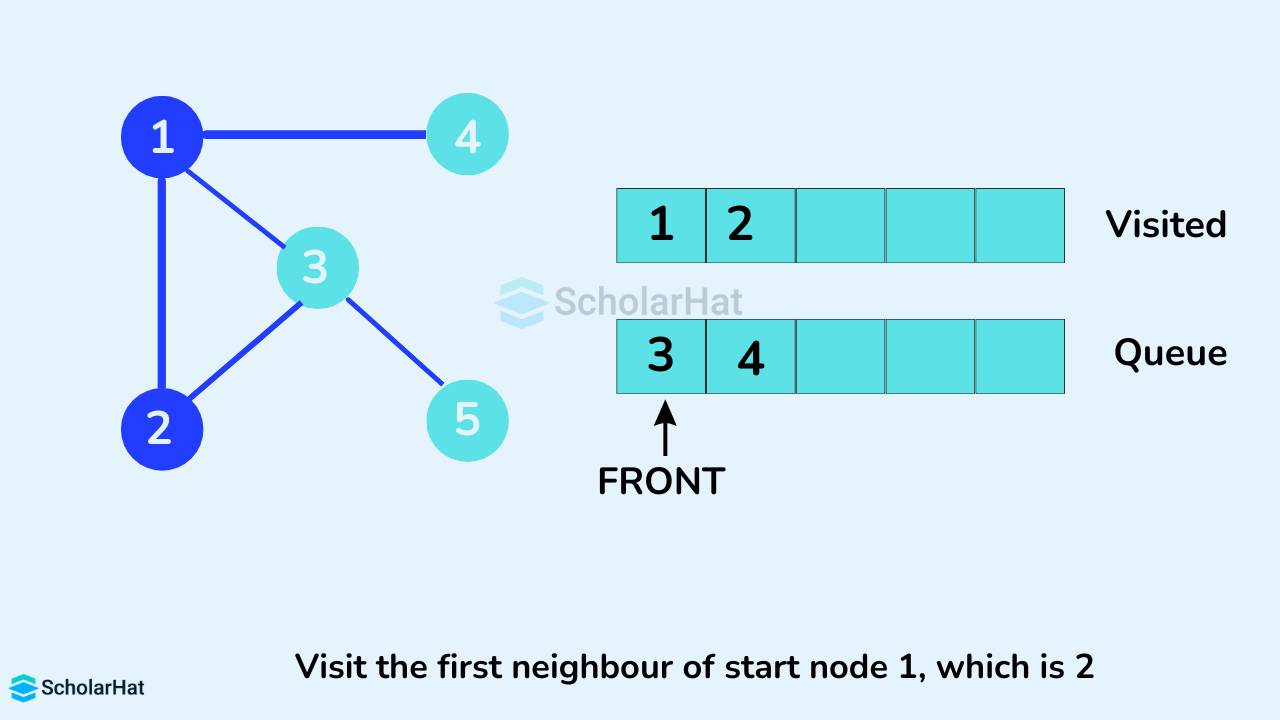
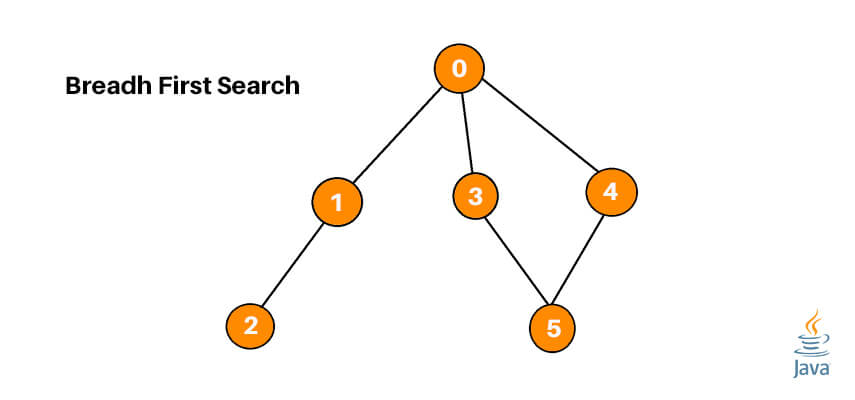
๐Ÿ”น Breadth First Search (BFS)

Image
Image
Image
  • Uses queue
  • Explores level by level

๐Ÿ”‘ Hash-Based Searching

Image
Image
Image
Image

๐Ÿ“Œ Concept

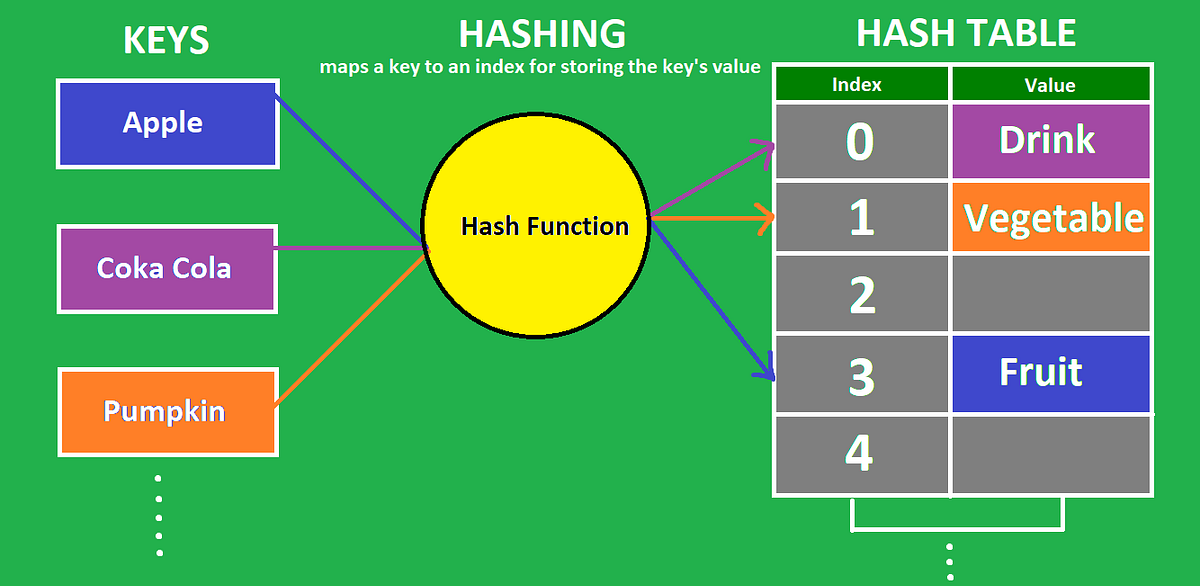
Uses hash functions to map keys to positions.

โฑ๏ธ Complexity

  • Average: O(1)
  • Worst: O(n)

๐Ÿงฎ Comparison Table

AlgorithmBest CaseAverageWorst Case
Linear SearchO(1)O(n)O(n)
Binary SearchO(1)O(log n)O(log n)
Jump SearchO(1)O(โˆšn)O(โˆšn)
InterpolationO(1)O(log log n)O(n)
ExponentialO(1)O(log n)O(log n)
HashingO(1)O(1)O(n)

โšก Advantages of Searching Algorithms

  • Efficient data retrieval
  • Reduces computation time
  • Improves system performance

โš ๏ธ Disadvantages

  • Some require sorted data
  • Complex implementation
  • Extra memory usage (hashing)

๐Ÿง  Advanced Searching Concepts


๐Ÿ”น 1. Ternary Search

Image
Image
Image

Divides array into three parts.


๐Ÿ”น 2. Fibonacci Search

Image
Image
Image
Image

Uses Fibonacci numbers.


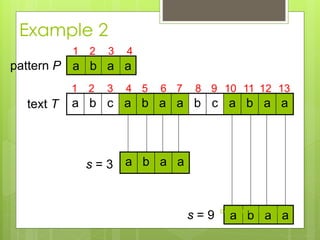
๐Ÿ”น 3. Pattern Searching

Image
Image
Image

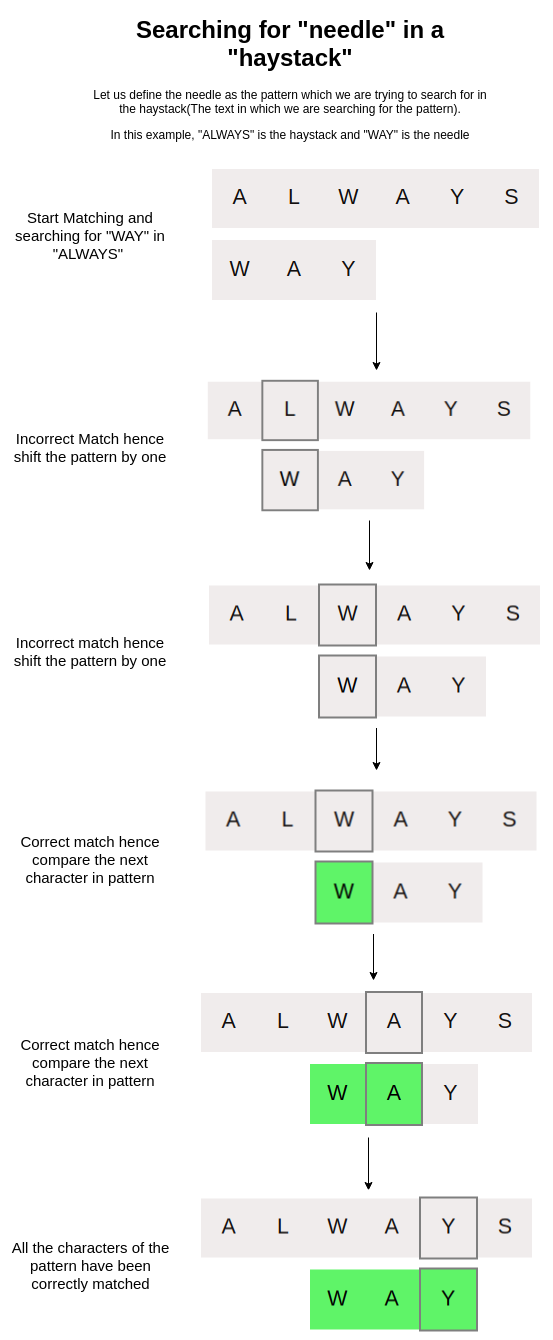
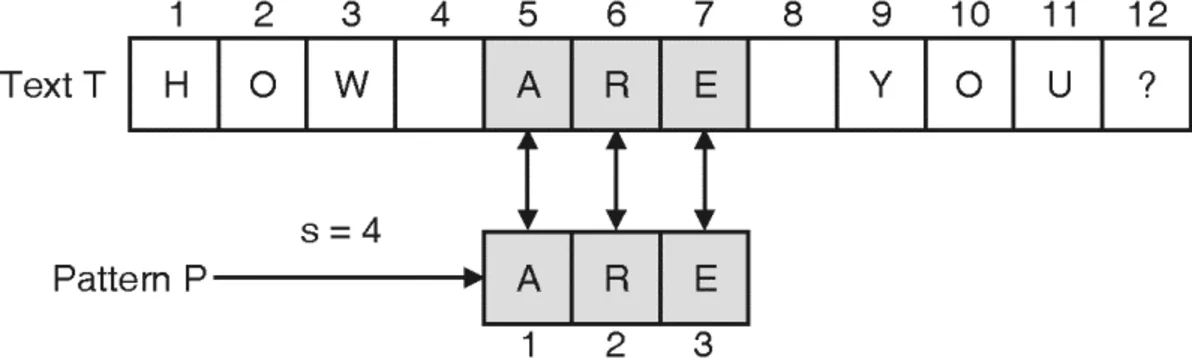
Used in strings:

  • KMP
  • Rabin-Karp

๐Ÿ”ฌ Applications of Searching


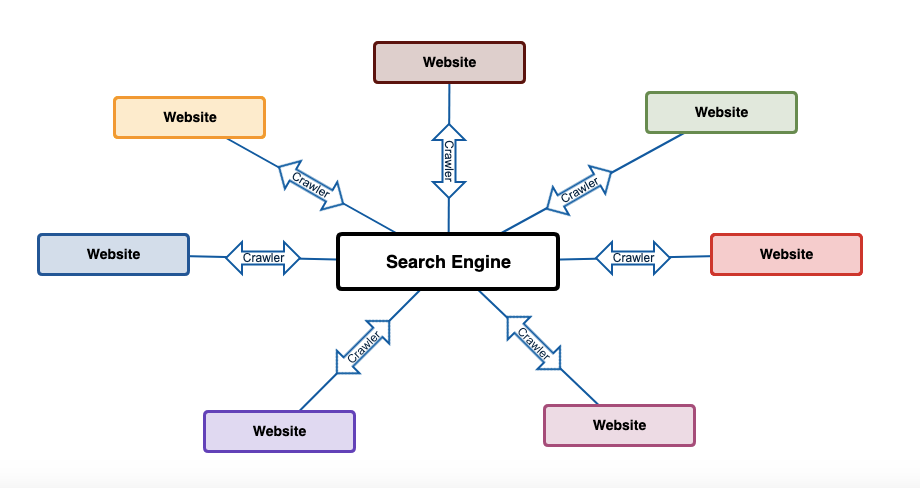
๐ŸŒ 1. Search Engines

Image
Image
Image
Image

๐Ÿงพ 2. Databases

Image
Image
Image
Image

๐Ÿง  3. Artificial Intelligence

Image
Image
Image
Image

๐ŸŽฎ 4. Games

Image
Image
Image
Image

๐Ÿ“Š 5. Data Analytics

Image
Image
Image
Image

๐Ÿ” Searching vs Sorting

FeatureSearchingSorting
PurposeFind elementArrange elements
DependencyOften needs sortingIndependent

๐Ÿงช Real-World Importance

Searching algorithms are essential in:

  • Web applications
  • Databases
  • Networking
  • AI systems
  • Cybersecurity

๐Ÿงพ Conclusion

Searching algorithms are critical for efficient data handling and retrieval. From simple linear search to advanced hashing and AI-based search methods, they form the backbone of modern computing systems.

Mastering searching algorithms enables:

  • Faster problem solving
  • Efficient coding
  • Strong algorithmic thinking

๐Ÿท๏ธ Tags

๐Ÿ“Š Sorting Algorithms


๐Ÿงฉ What is Sorting?

Image
Image
Image
Image

Sorting is the process of arranging data in a specific order, typically:

  • Ascending order (small โ†’ large)
  • Descending order (large โ†’ small)

Sorting is a fundamental operation in computer science and plays a crucial role in:

  • Searching algorithms
  • Data analysis
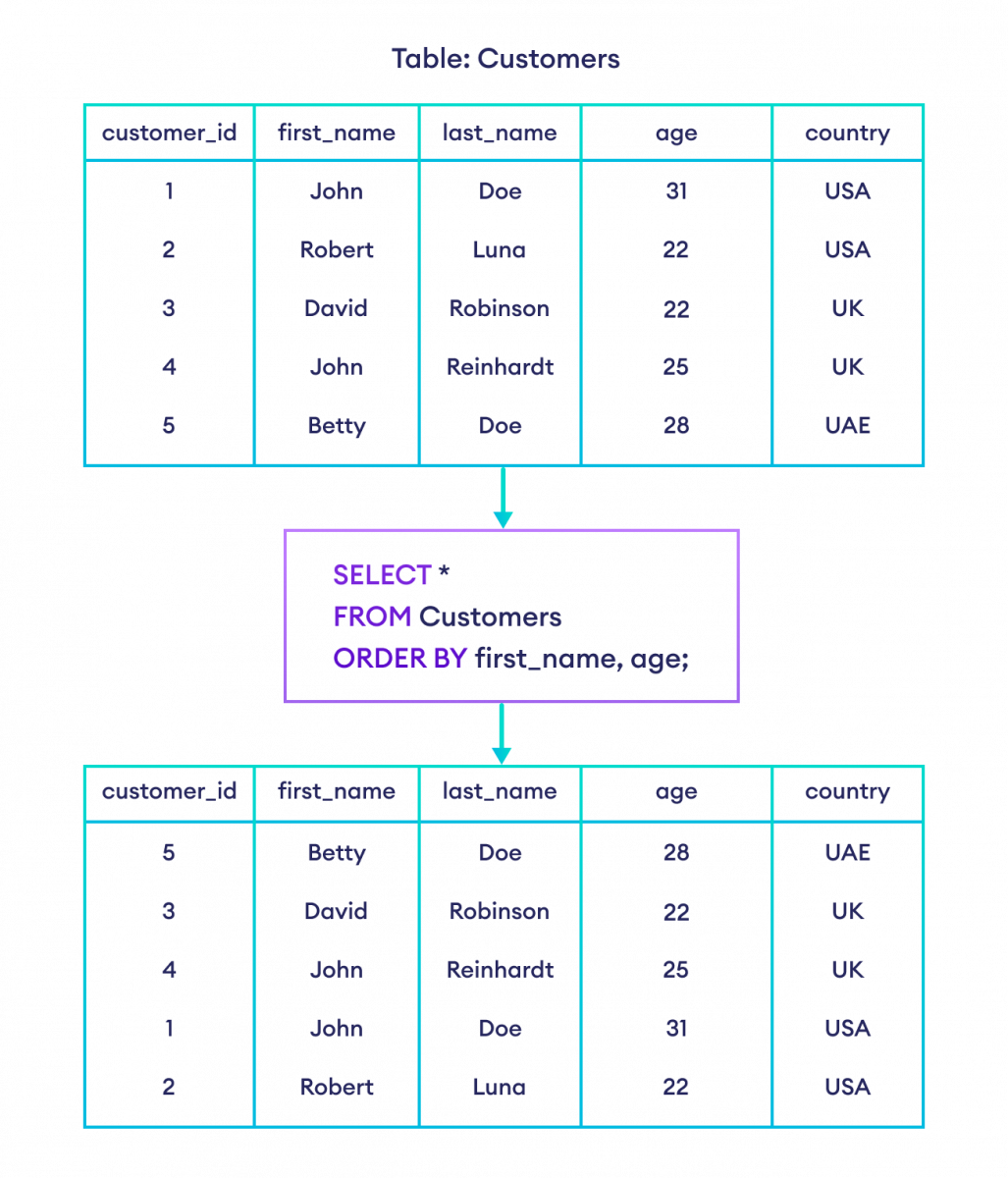
  • Database management
  • Optimization problems

Example:

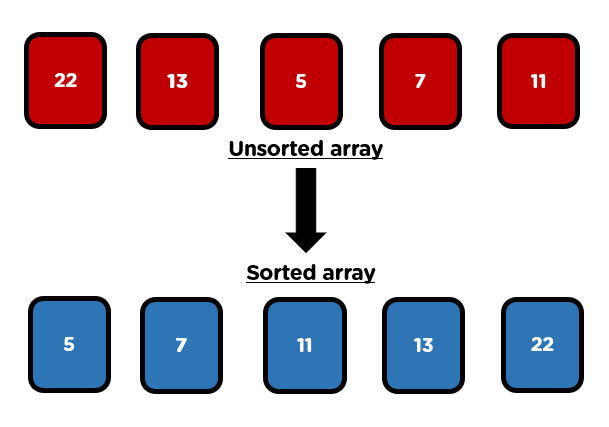
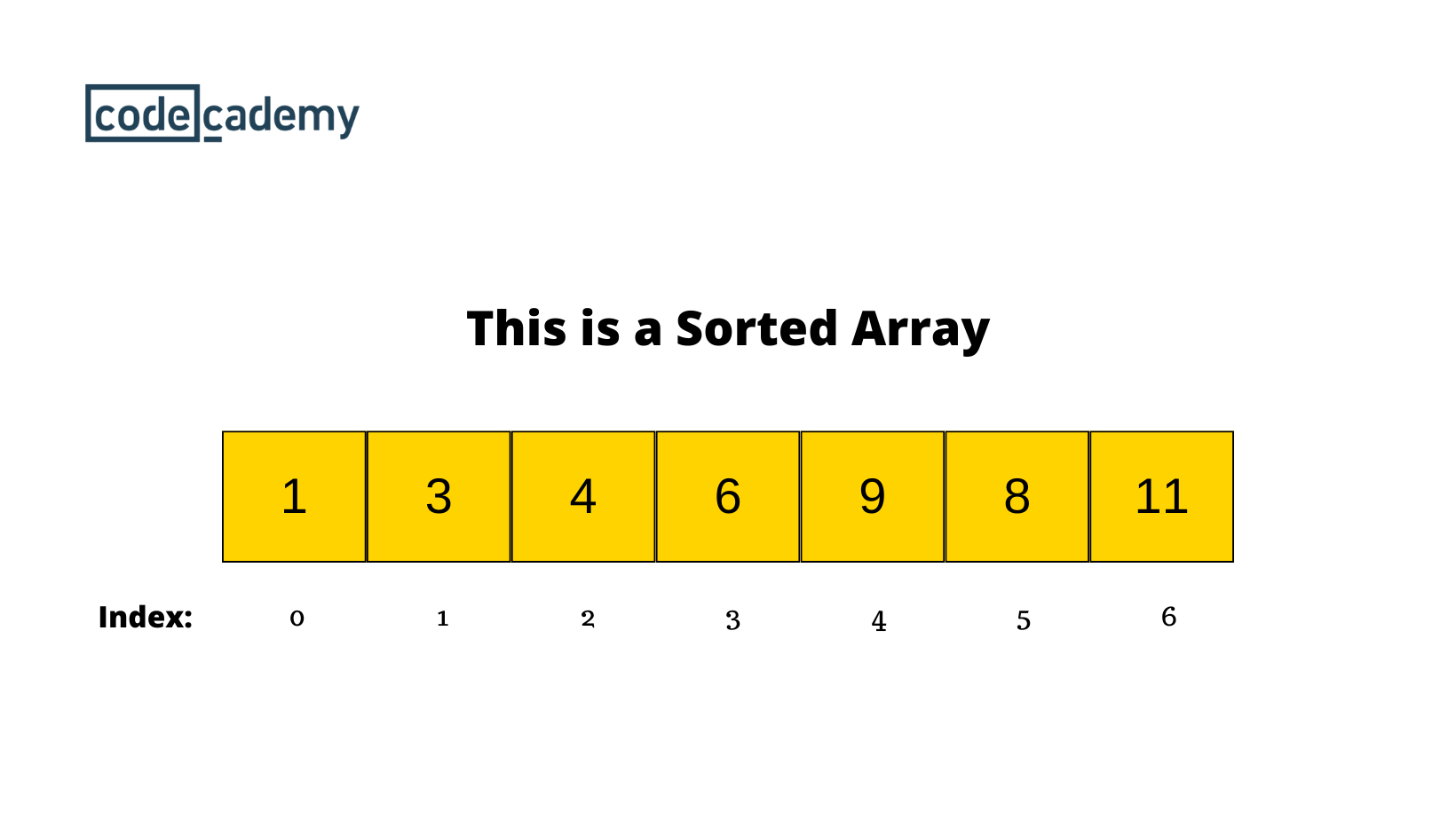
Unsorted: [5, 2, 9, 1, 6]
Sorted:   [1, 2, 5, 6, 9]

๐Ÿง  Why Sorting is Important

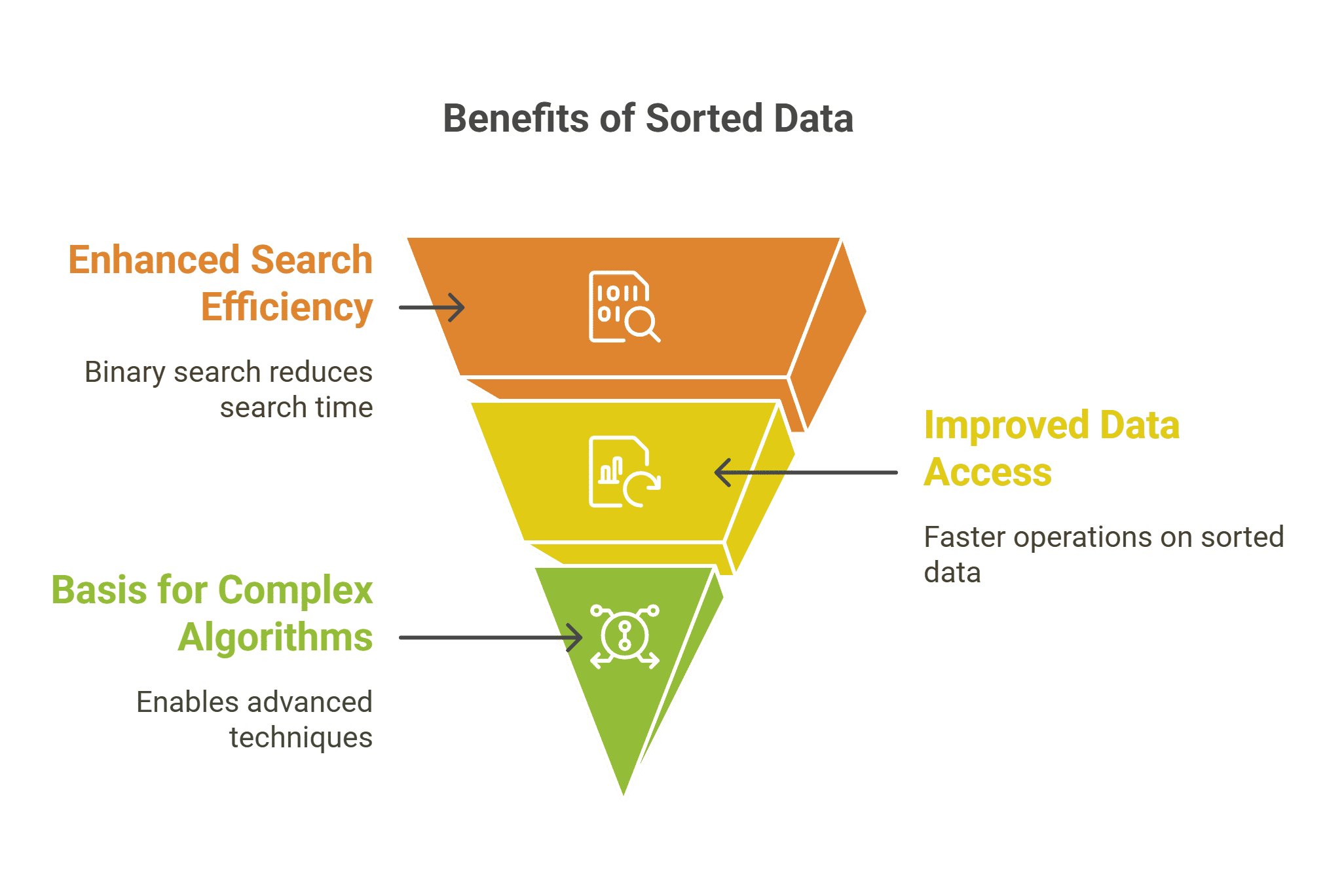
  • Improves efficiency of searching (e.g., Binary Search)
  • Enables easier data analysis
  • Helps in duplicate detection
  • Forms the backbone of many algorithms

โš™๏ธ Classification of Sorting Algorithms

Sorting algorithms can be classified based on several criteria:

๐Ÿ”น Based on Method

  • Comparison-based sorting
  • Non-comparison-based sorting

๐Ÿ”น Based on Memory Usage

  • In-place sorting
  • Out-of-place sorting

๐Ÿ”น Based on Stability

  • Stable sorting
  • Unstable sorting

๐Ÿ”ข Comparison-Based Sorting Algorithms


๐Ÿ”น 1. Bubble Sort

Image
Image
Image

๐Ÿ“Œ Concept:

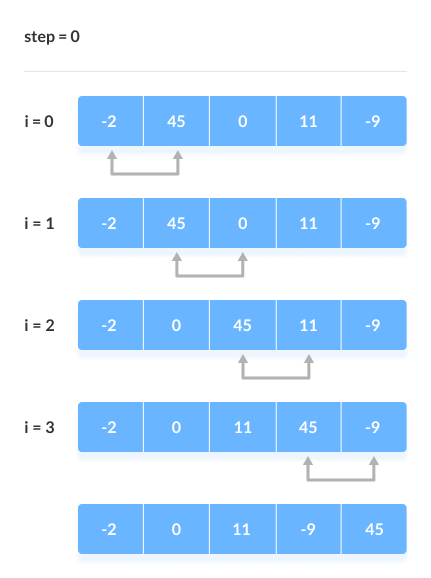
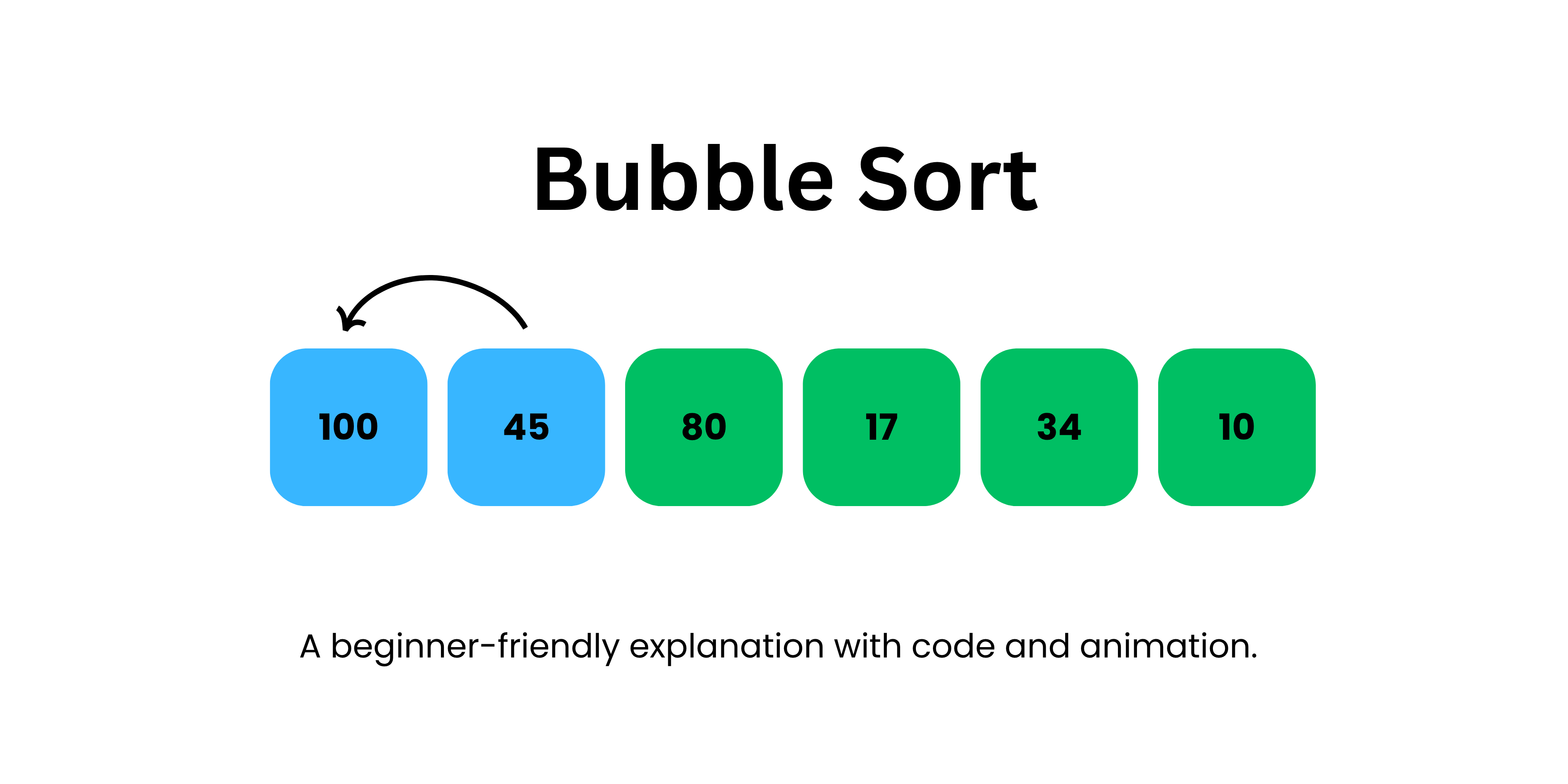
Repeatedly compares adjacent elements and swaps them if they are in the wrong order.

๐Ÿงพ Algorithm:

  1. Compare adjacent elements
  2. Swap if needed
  3. Repeat until sorted

๐Ÿ’ป Example:

def bubble_sort(arr):
    n = len(arr)
    for i in range(n):
        for j in range(0, n-i-1):
            if arr[j] > arr[j+1]:
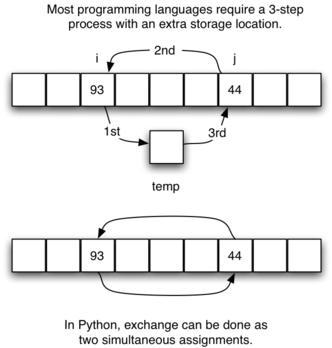
                arr[j], arr[j+1] = arr[j+1], arr[j]

โฑ๏ธ Complexity:

  • Best: O(n)
  • Average: O(nยฒ)
  • Worst: O(nยฒ)

โœ… Pros:

  • Simple
  • Easy to understand

โŒ Cons:

  • Very slow for large data

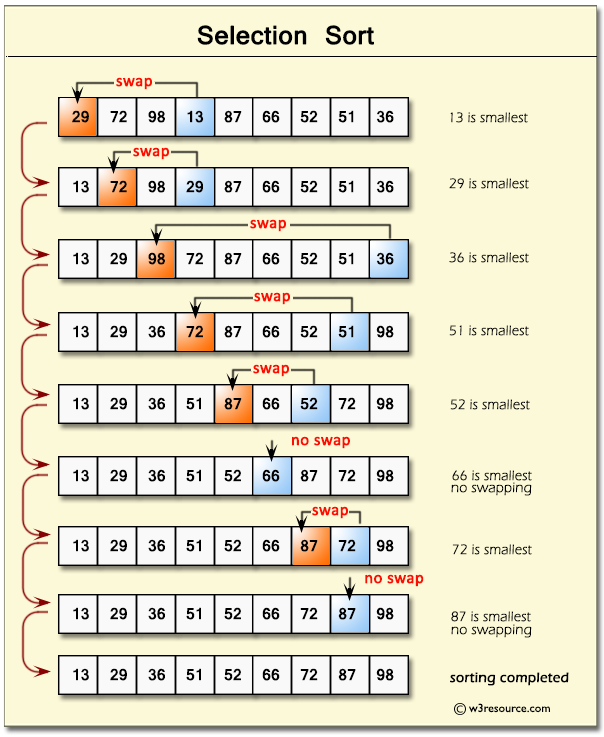
๐Ÿ”น 2. Selection Sort

Image
Image
Image

๐Ÿ“Œ Concept:

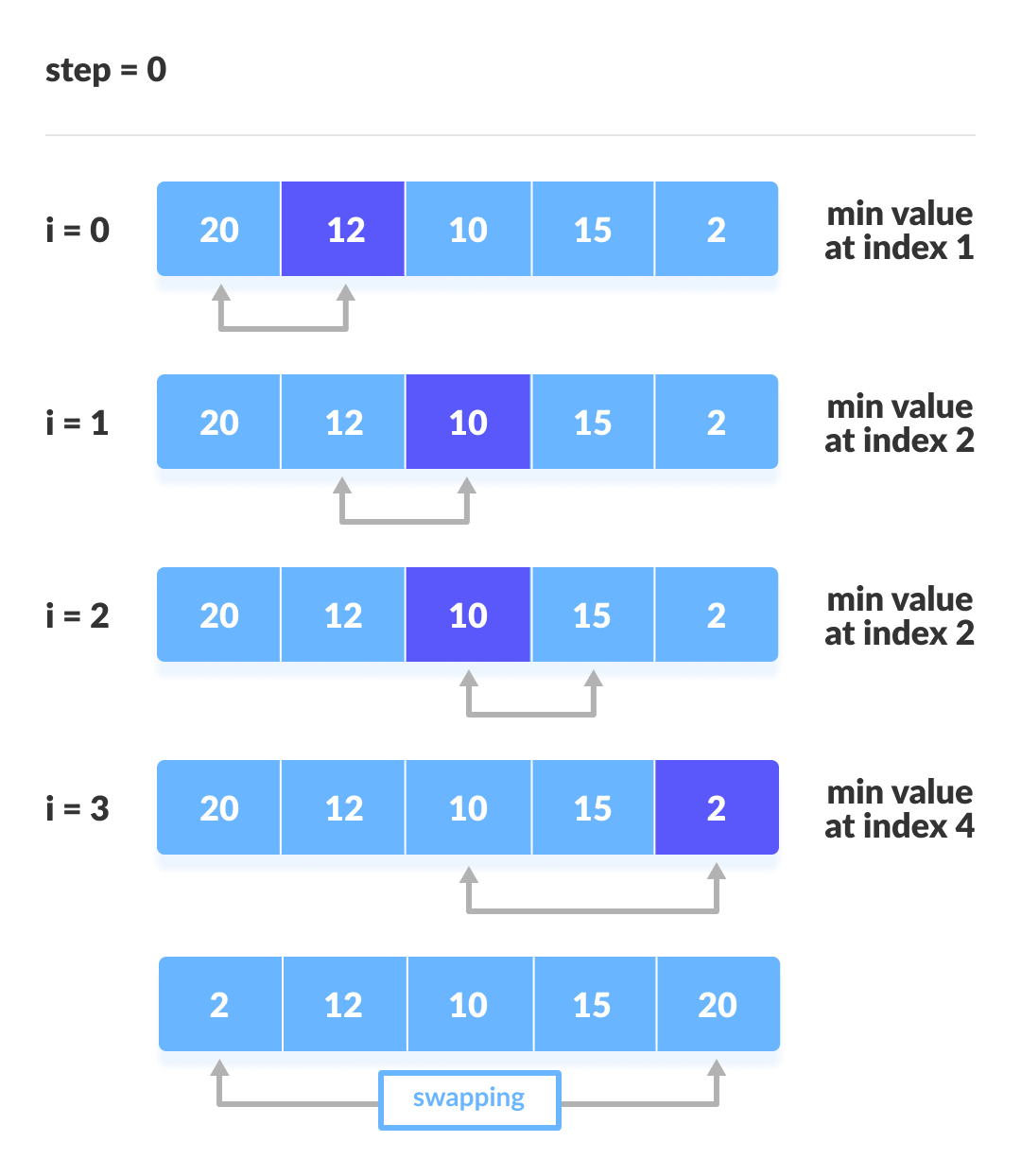
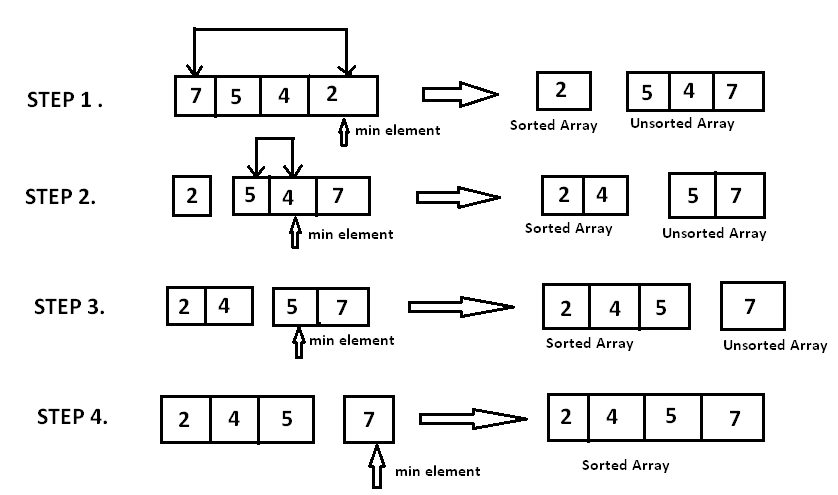
Selects the smallest element and places it in correct position.

โฑ๏ธ Complexity:

  • O(nยฒ) for all cases

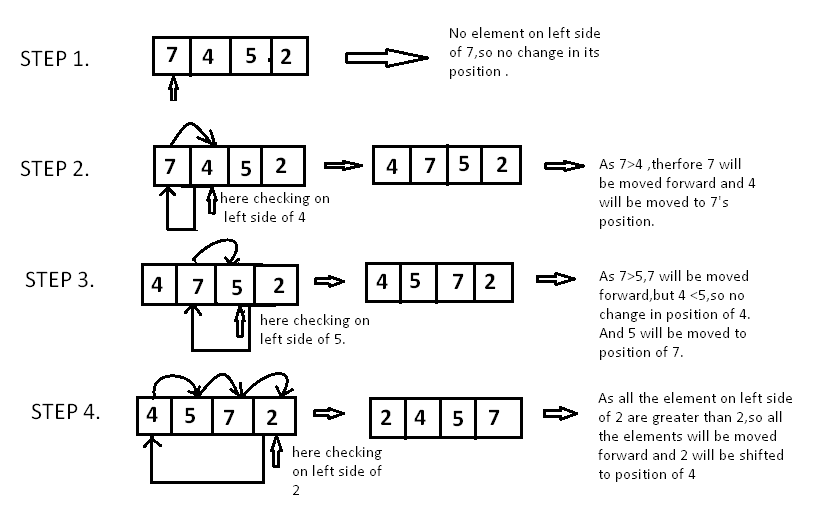
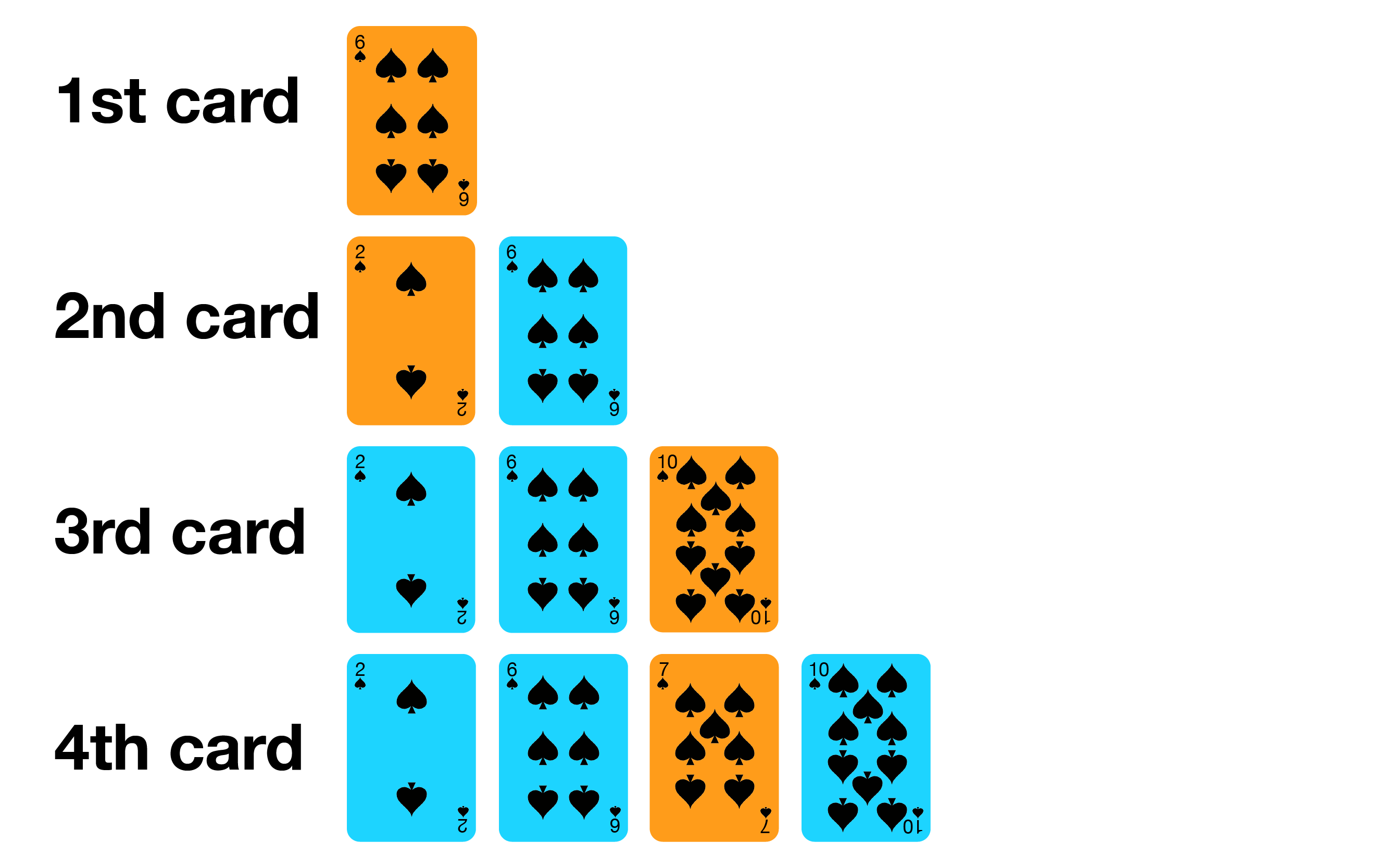
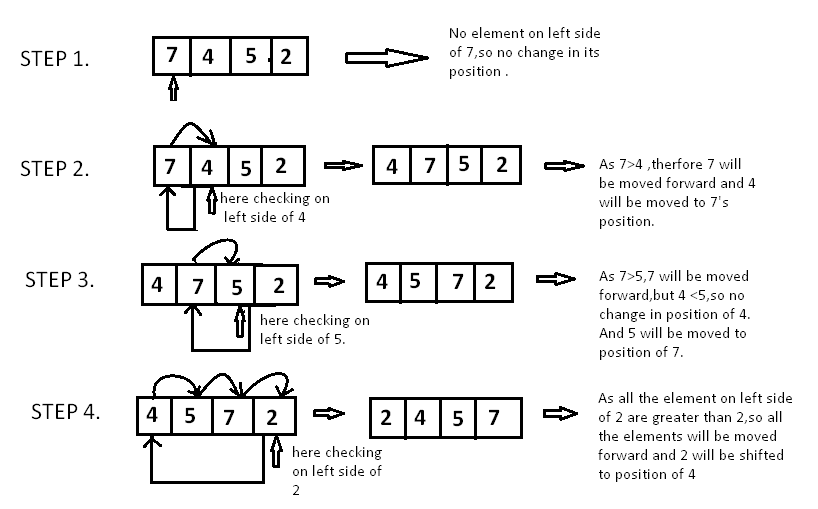
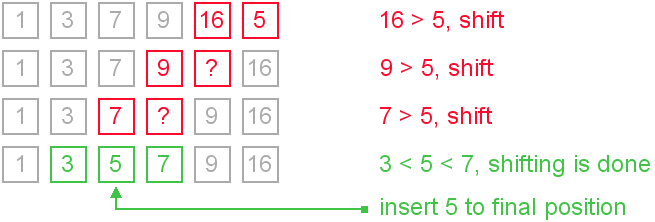
๐Ÿ”น 3. Insertion Sort

Image
Image
Image
Image

๐Ÿ“Œ Concept:

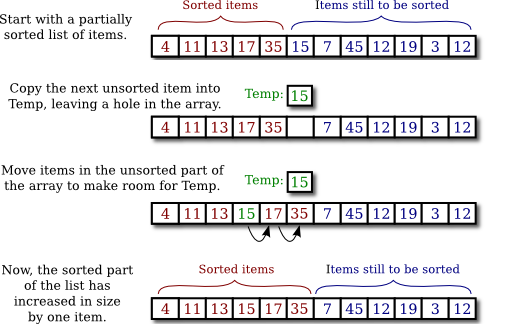
Builds sorted array one element at a time.

โฑ๏ธ Complexity:

  • Best: O(n)
  • Worst: O(nยฒ)

๐Ÿ“Œ Use Case:

Small datasets


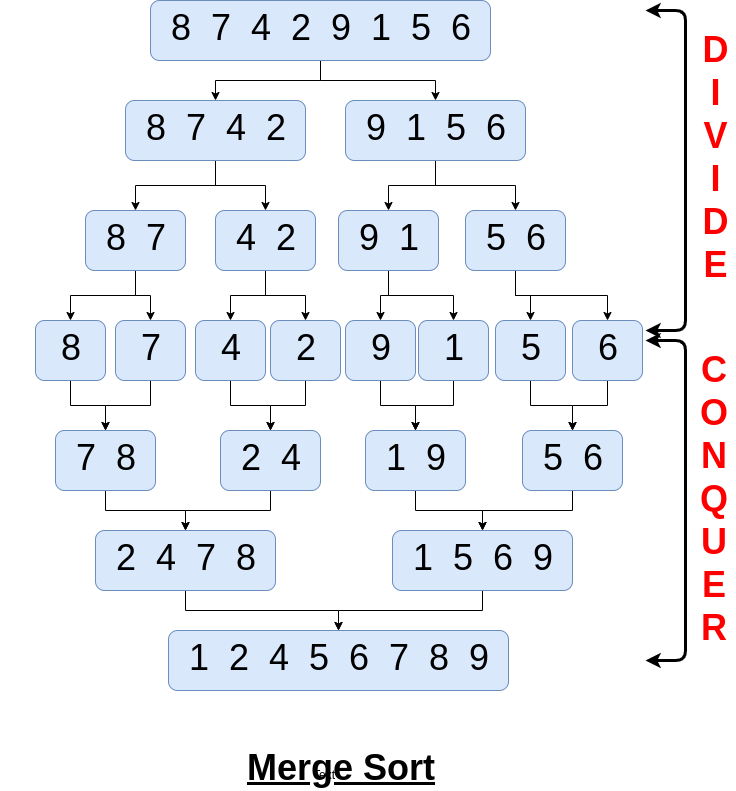
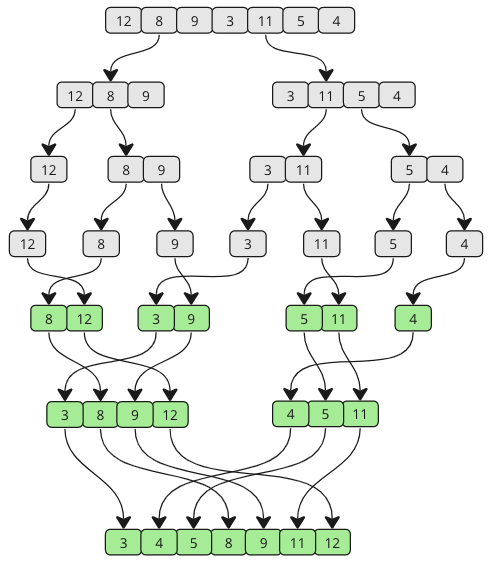
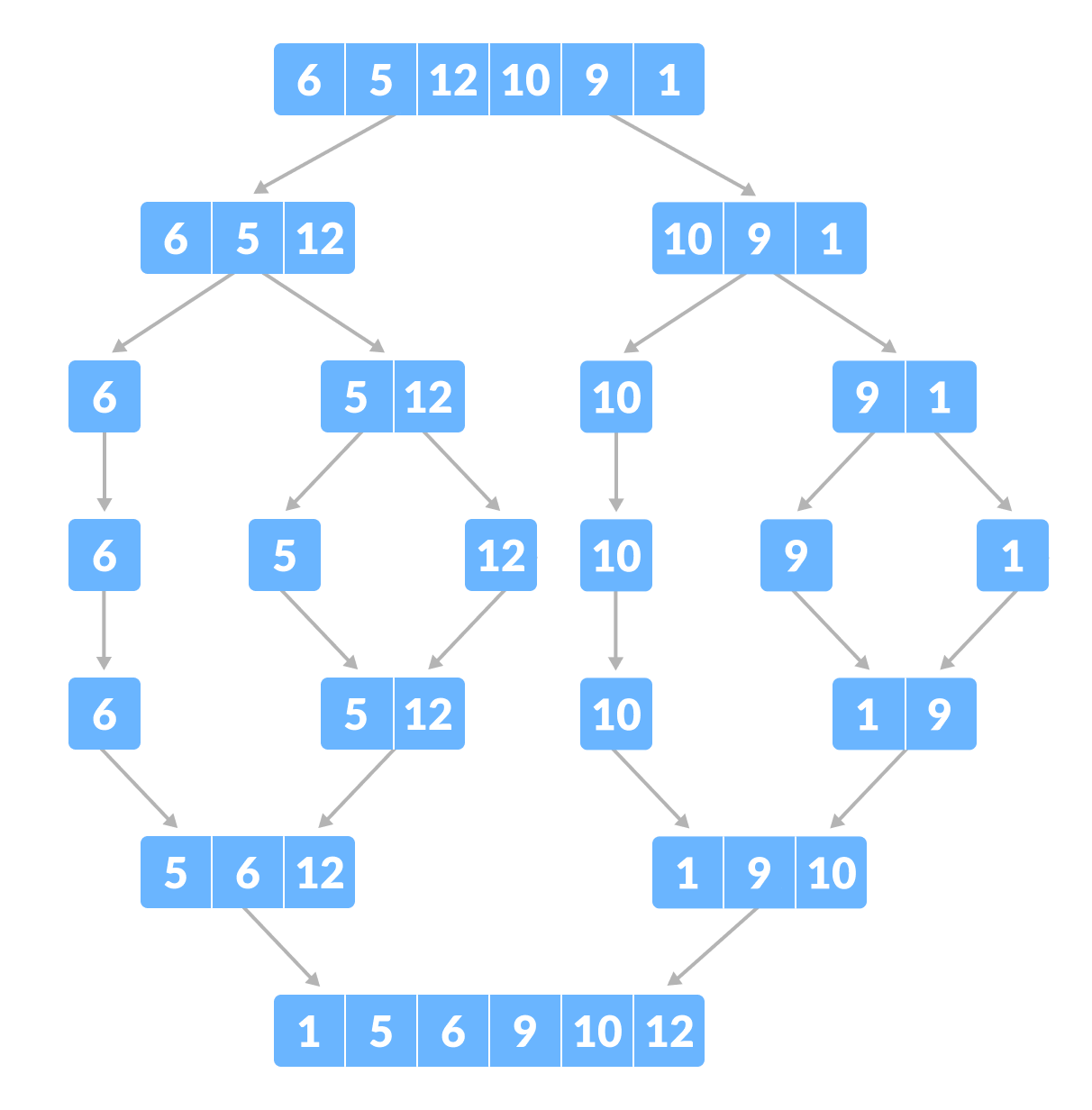
๐Ÿ”น 4. Merge Sort

Image
Image
Image
Image

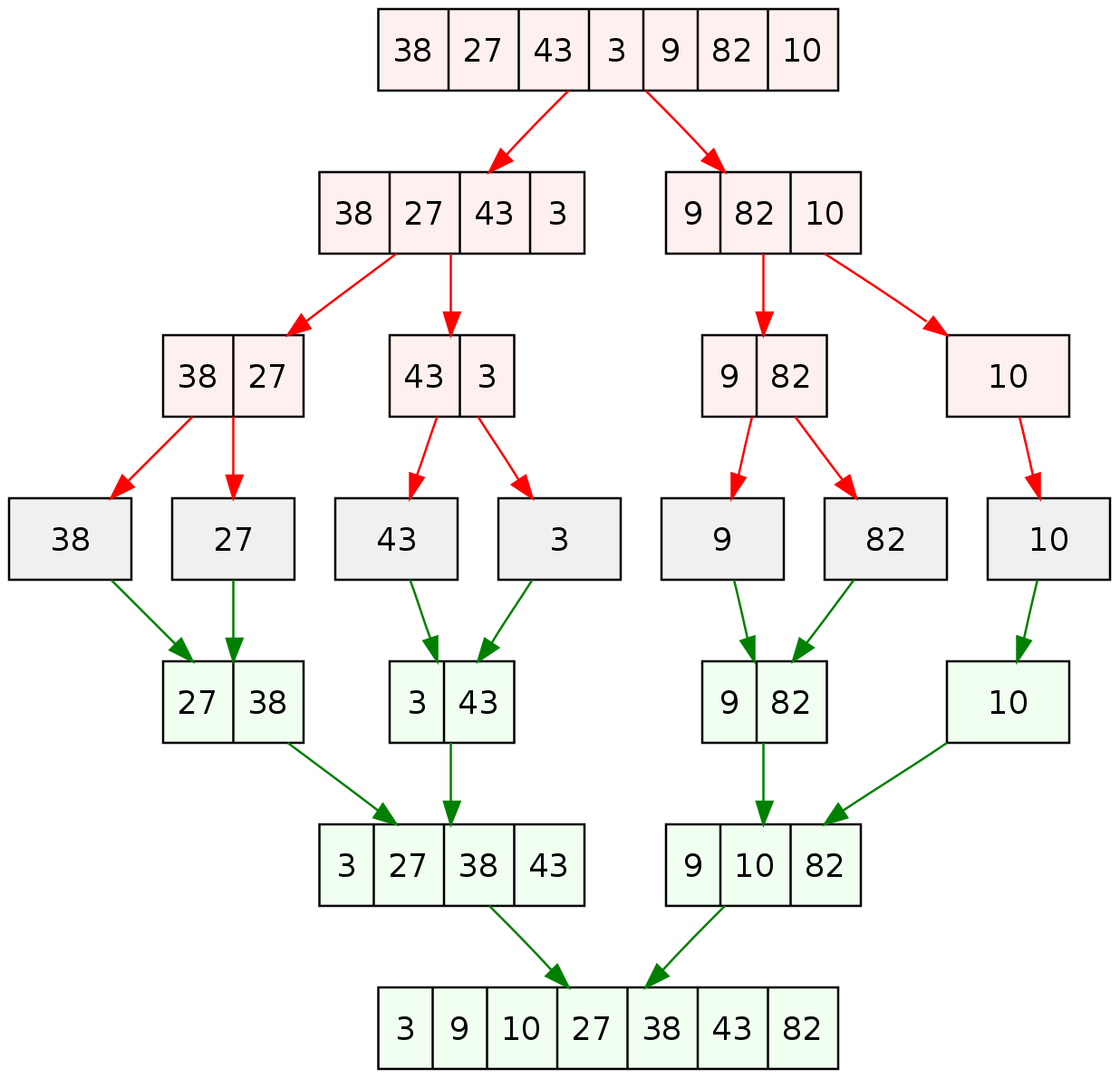
๐Ÿ“Œ Concept:

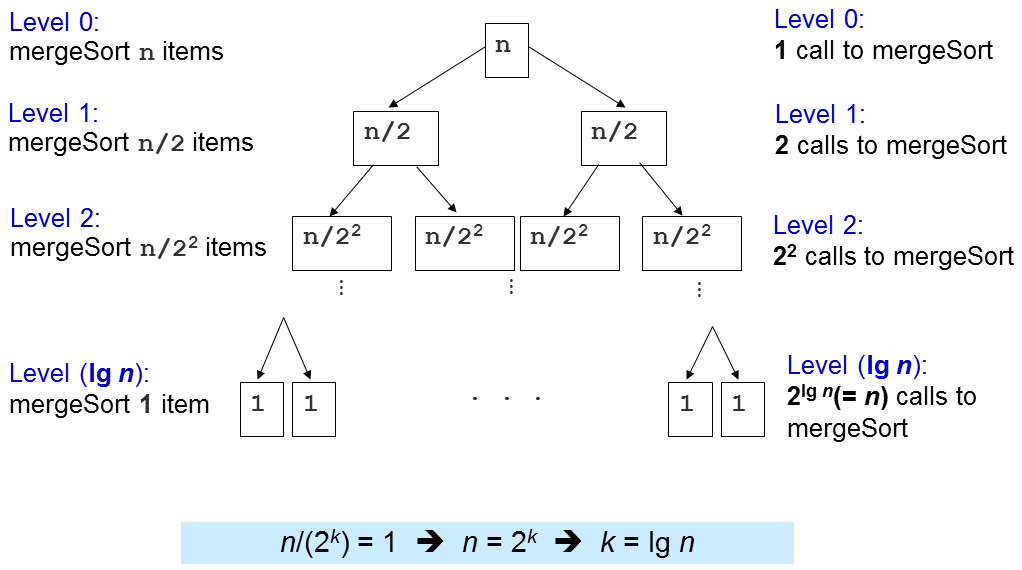
Divide and conquer algorithm.

Steps:

  1. Divide array into halves
  2. Sort each half
  3. Merge them

โฑ๏ธ Complexity:

  • O(n log n)

โœ… Pros:

  • Stable
  • Efficient

โŒ Cons:

  • Extra memory needed

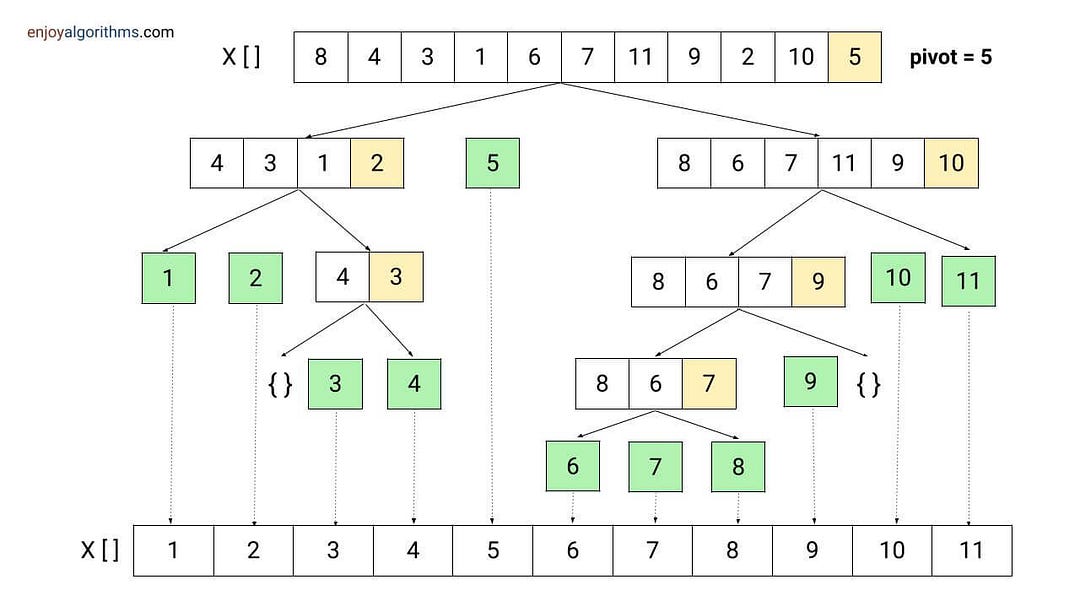
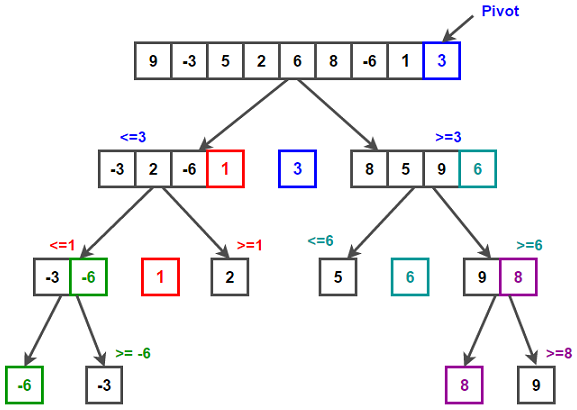
๐Ÿ”น 5. Quick Sort

Image
Image
Image
Image

๐Ÿ“Œ Concept:

Uses pivot to partition array.

โฑ๏ธ Complexity:

  • Best: O(n log n)
  • Worst: O(nยฒ)

โœ… Pros:

  • Fast in practice

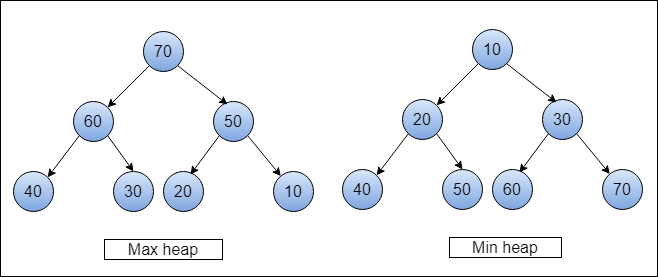
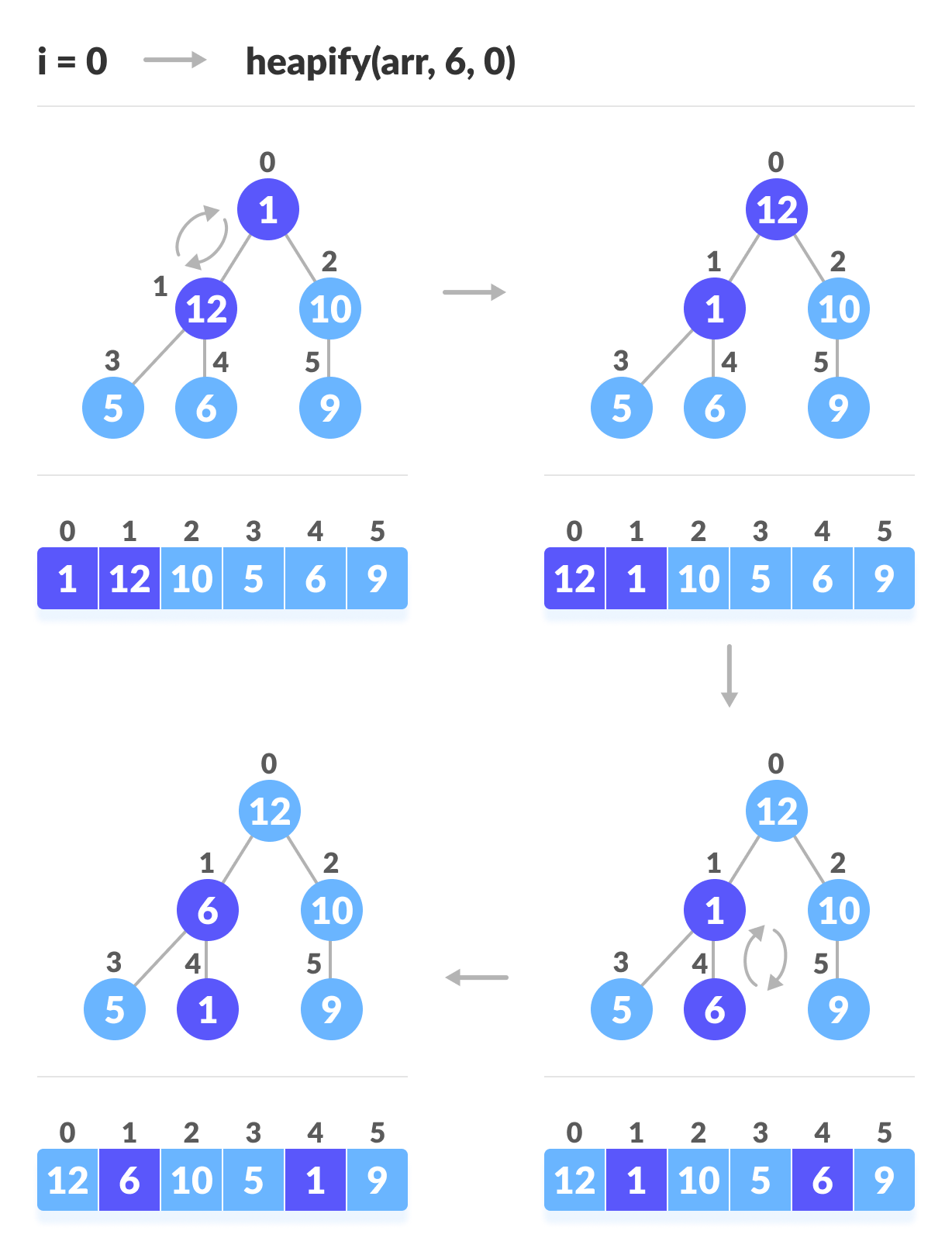
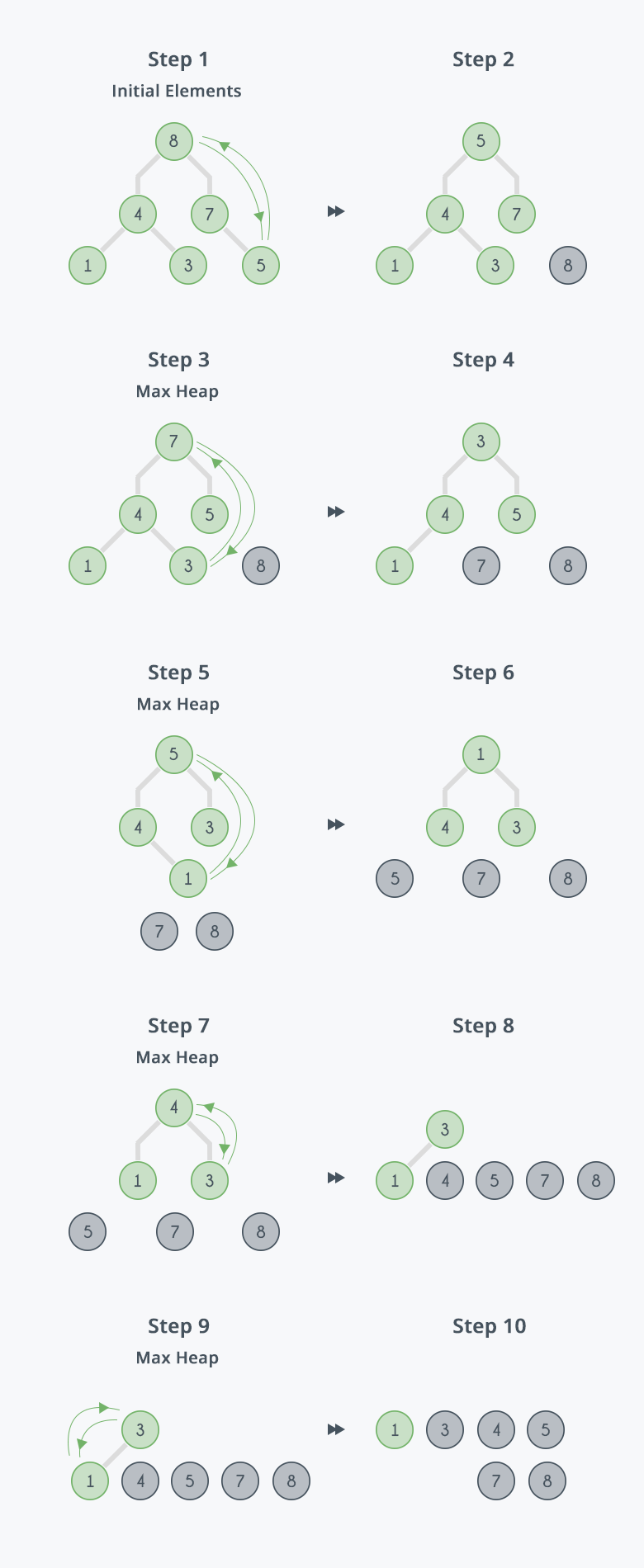
๐Ÿ”น 6. Heap Sort

Image
Image
Image
Image

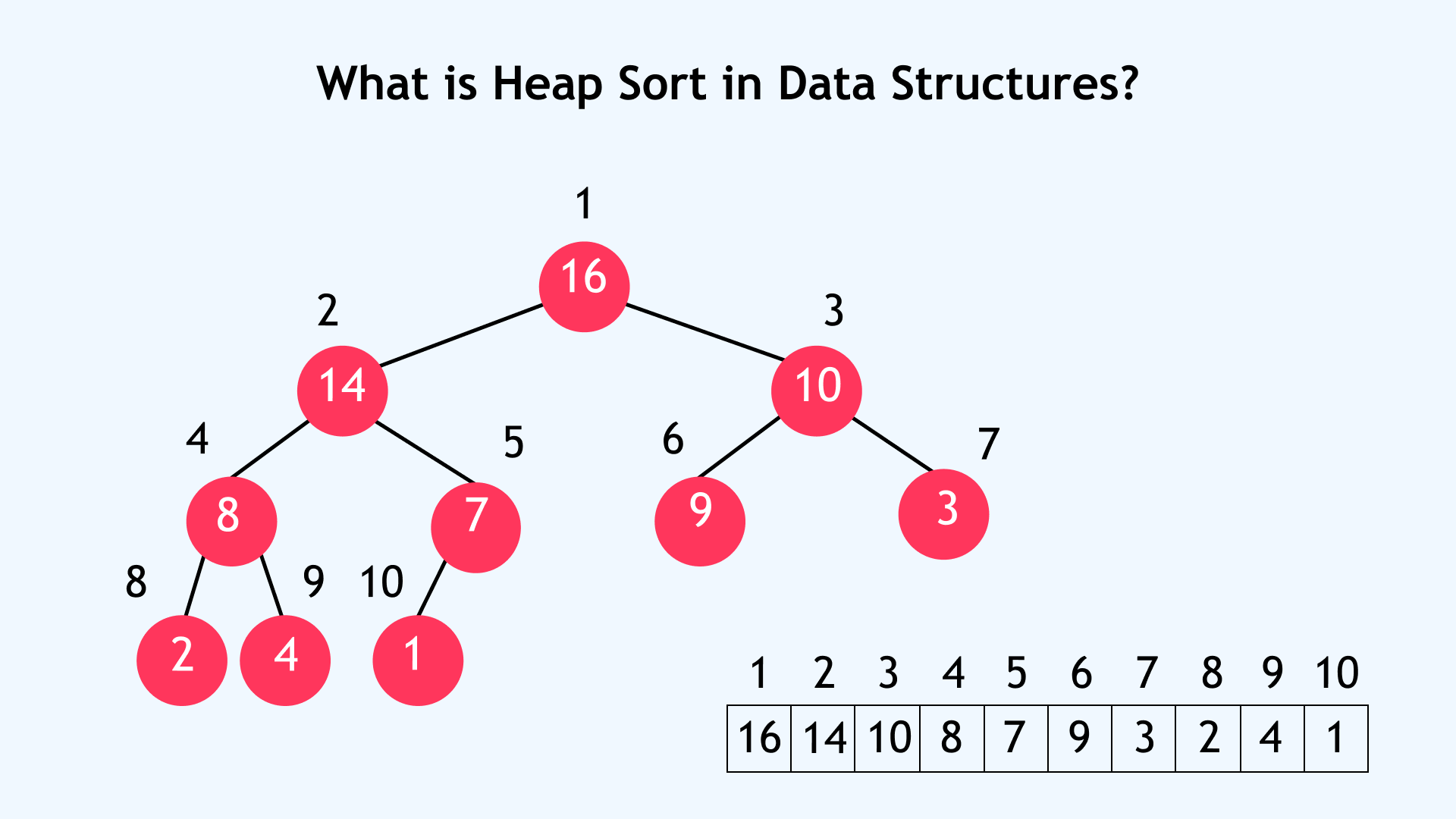
๐Ÿ“Œ Concept:

Uses binary heap.

โฑ๏ธ Complexity:

  • O(n log n)

๐Ÿ”ข Non-Comparison Sorting Algorithms


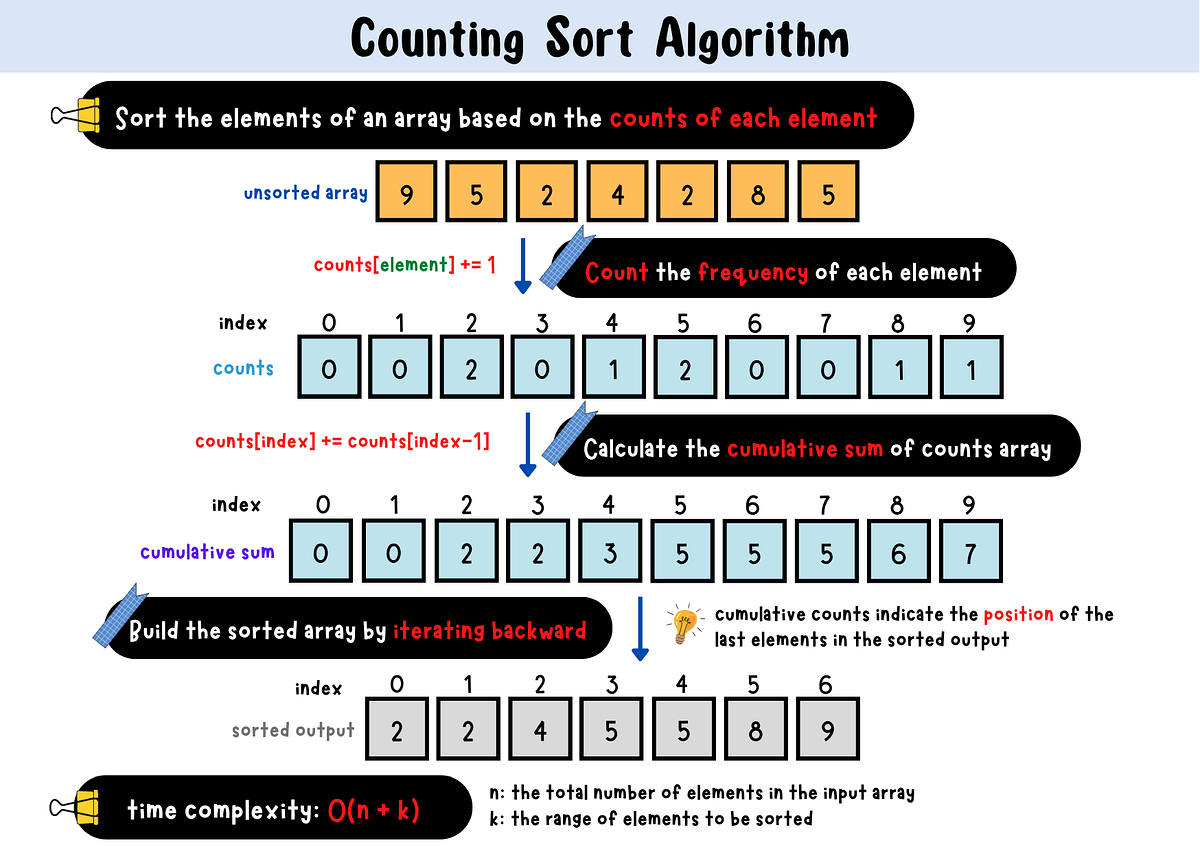
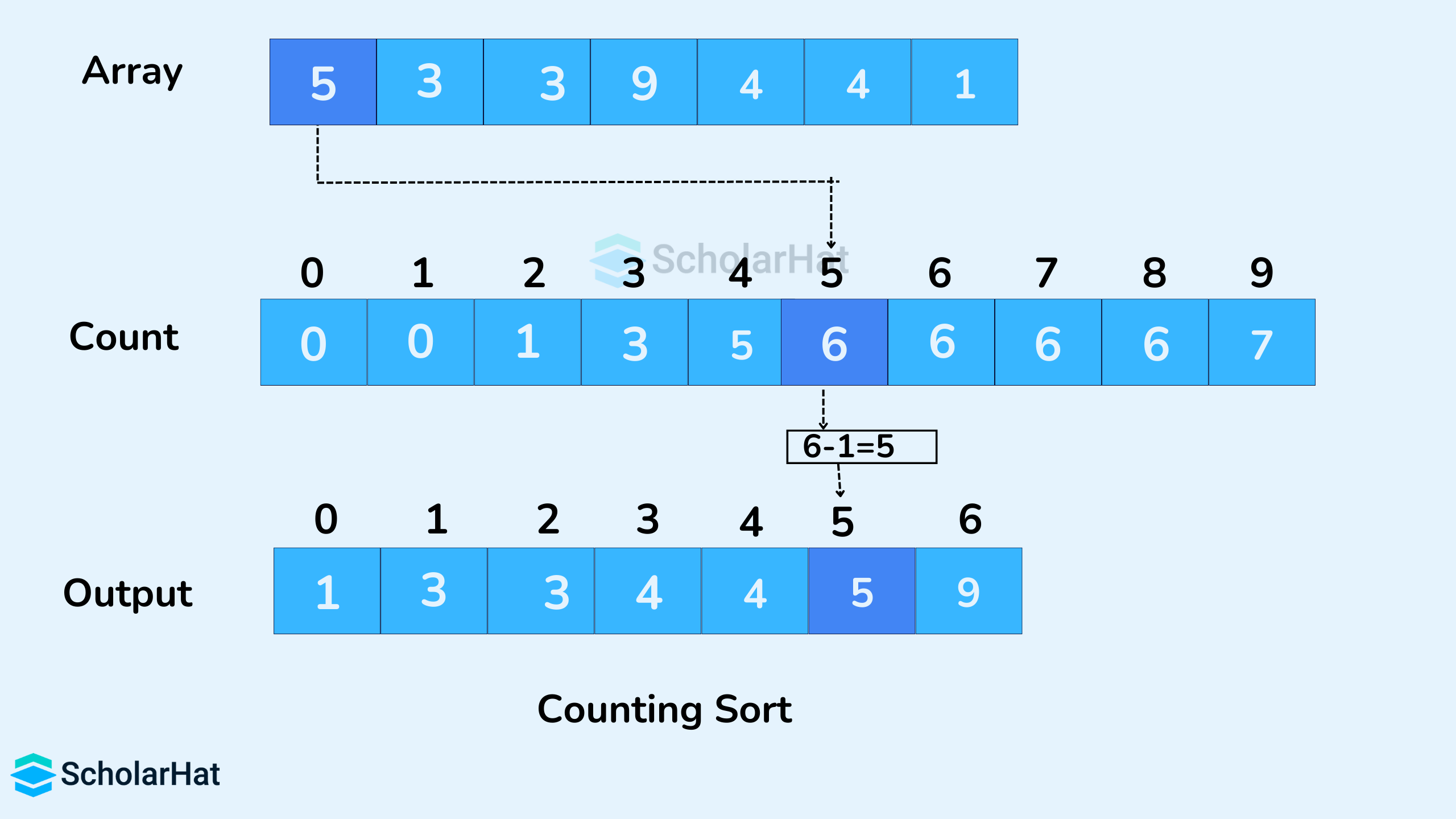
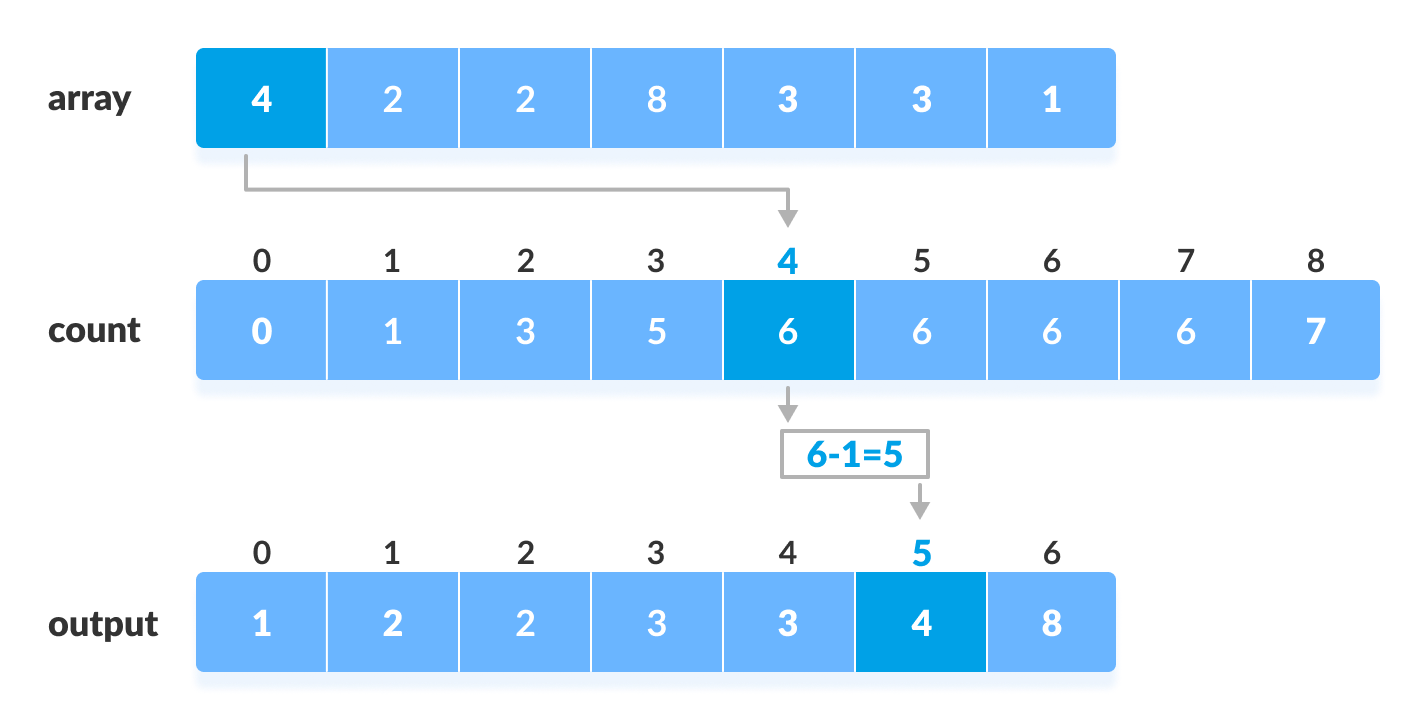
๐Ÿ”น 1. Counting Sort

Image
Image
Image
Image

๐Ÿ“Œ Concept:

Counts occurrences of elements.
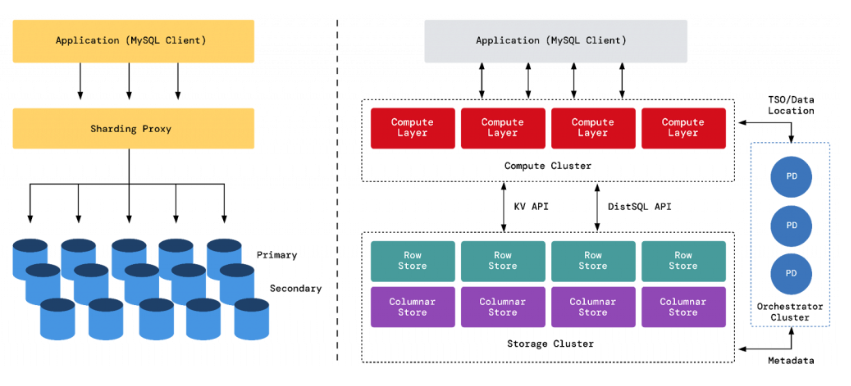
โฑ๏ธ Complexity:

  • O(n + k)

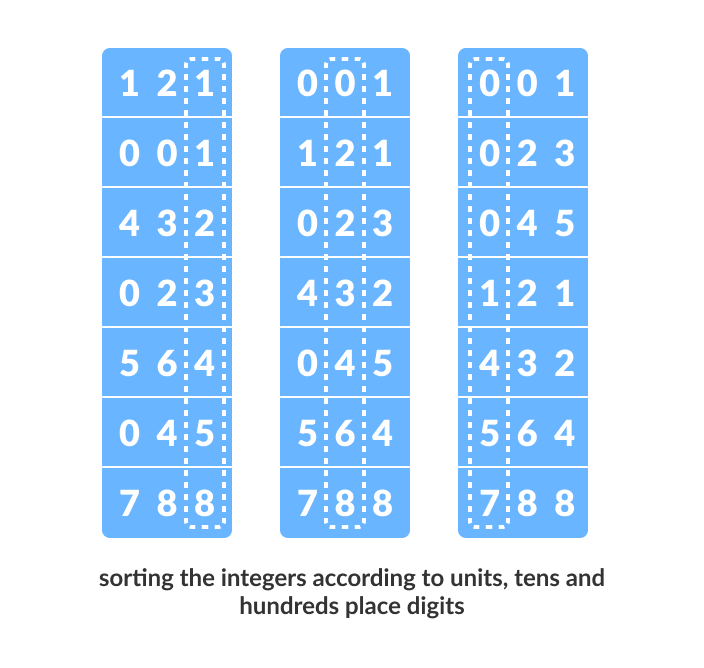
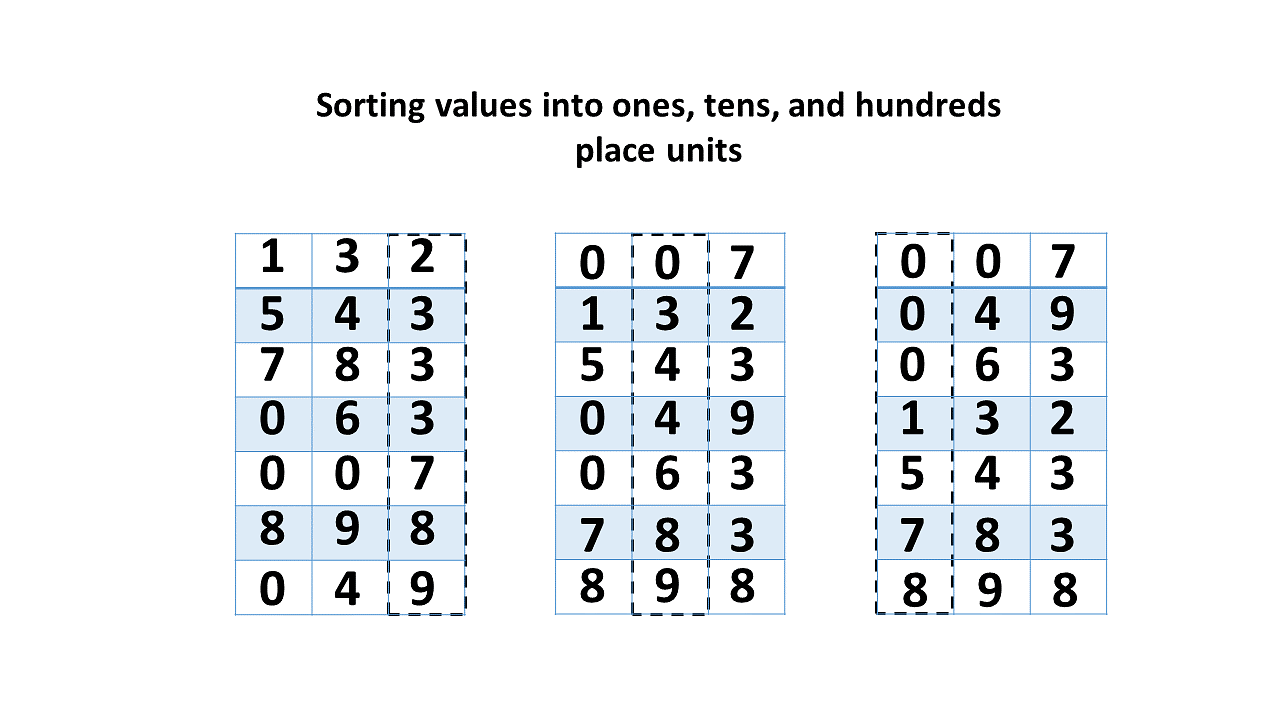
๐Ÿ”น 2. Radix Sort
Image
Image
Image
Image

๐Ÿ“Œ Concept:

Sorts digits from least to most significant.


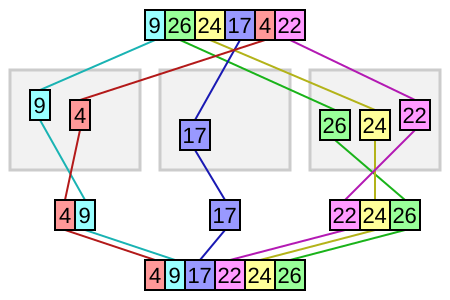
๐Ÿ”น 3. Bucket Sort

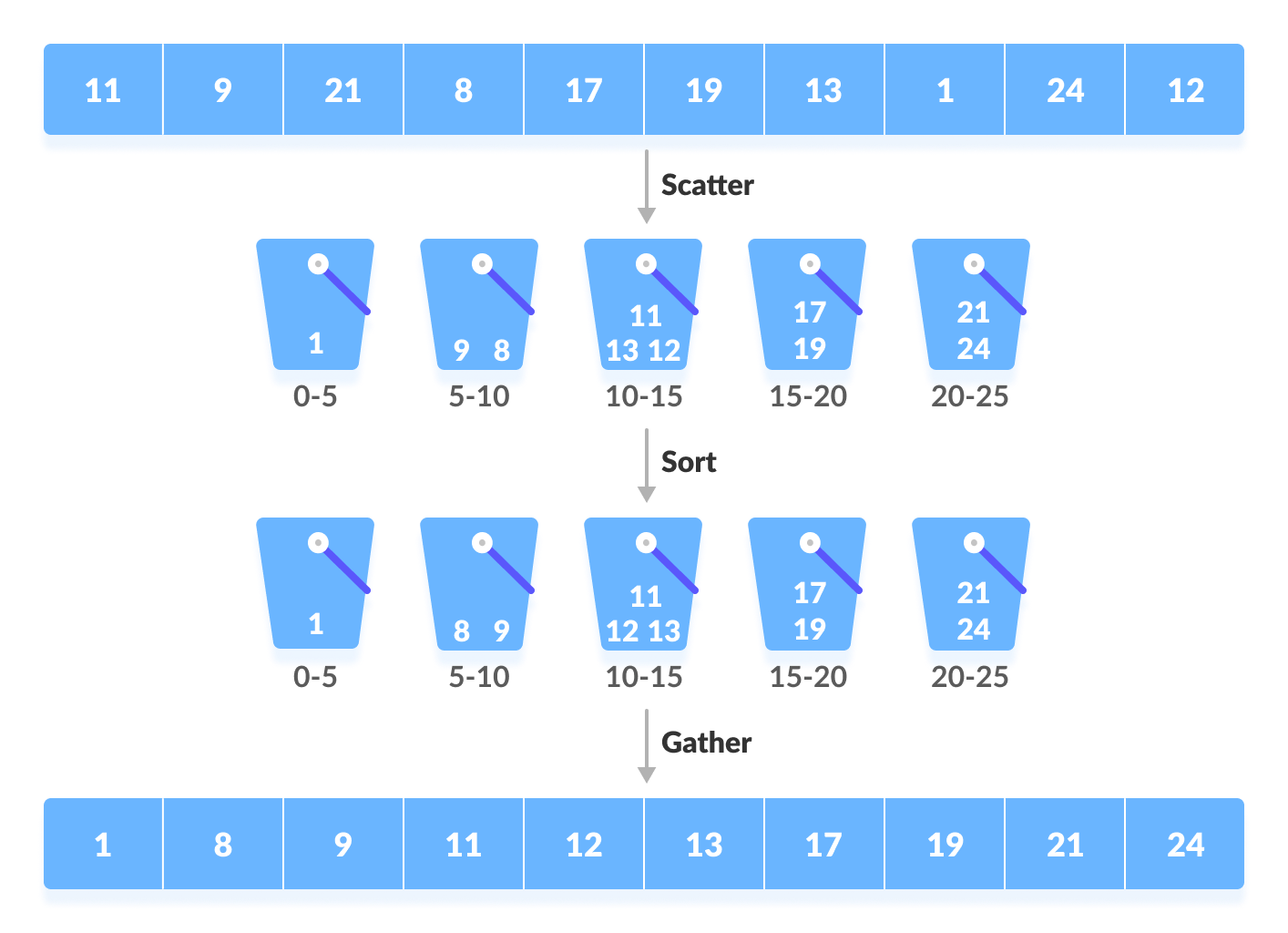
Image
Image
Image

๐Ÿ“Œ Concept:

Distributes elements into buckets.


๐Ÿงฎ Time Complexity Comparison Table

AlgorithmBest CaseAverageWorst Case
Bubble SortO(n)O(nยฒ)O(nยฒ)
Selection SortO(nยฒ)O(nยฒ)O(nยฒ)
Insertion SortO(n)O(nยฒ)O(nยฒ)
Merge SortO(n log n)O(n log n)O(n log n)
Quick SortO(n log n)O(n log n)O(nยฒ)
Heap SortO(n log n)O(n log n)O(n log n)
Counting SortO(n+k)O(n+k)O(n+k)
Radix SortO(nk)O(nk)O(nk)

โšก Stable vs Unstable Sorting

Stable Sorting:

Maintains order of equal elements.
  • Merge Sort
  • Insertion Sort

Unstable Sorting:

Does not preserve order.

  • Quick Sort
  • Heap Sort

๐Ÿง  Advanced Sorting Concepts


๐Ÿ”น 1. External Sorting

Image
Image
Image
Image

Used for data that doesnโ€™t fit in memory.


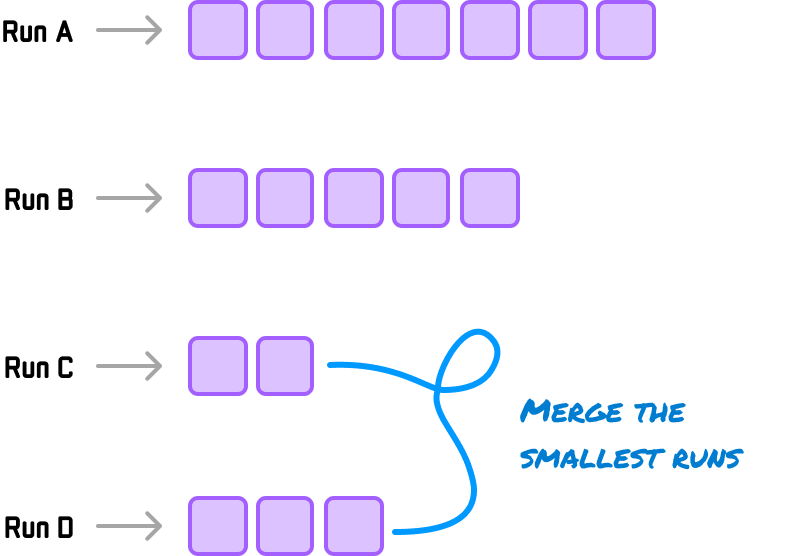
๐Ÿ”น 2. Tim Sort

Image
Image
Image
Image

Hybrid of merge and insertion sort.


๐Ÿ”น 3. Intro Sort

Image
Image
Image
Image

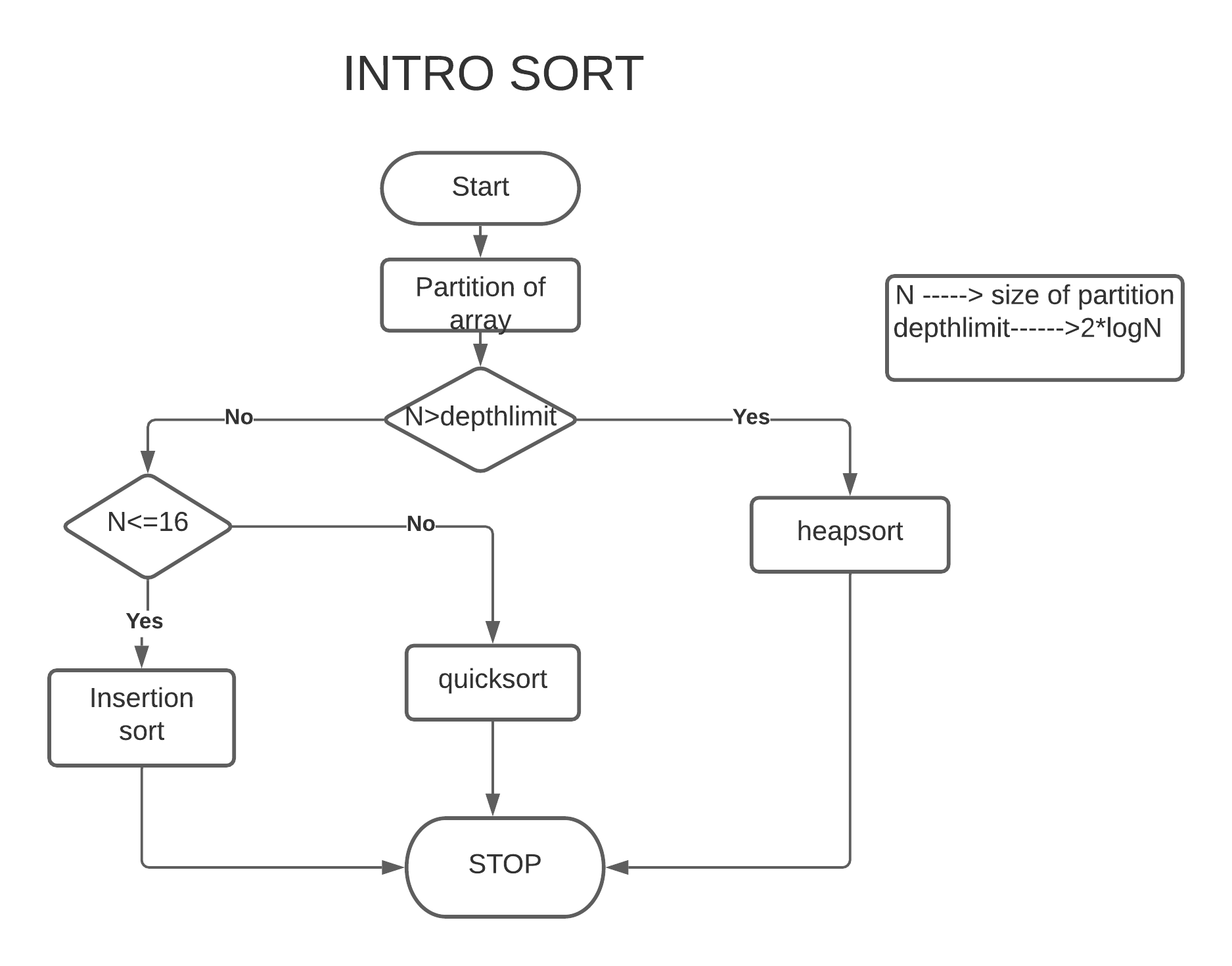
Combines Quick + Heap sort.


๐Ÿ”ฌ Applications of Sorting


๐Ÿ“Š 1. Data Analysis

Image
Image
Image
Image

๐ŸŒ 2. Search Optimization

Image
Image
Image
Image

๐Ÿงพ 3. Database Systems

Image
Image
Image
Image

๐ŸŽฎ 4. Game Development

Image
Image
Image
Image

๐Ÿง  5. Machine Learning

Image
Image
Image
Image

๐Ÿ” Choosing the Right Algorithm

ScenarioBest Algorithm
Small dataInsertion Sort
Large dataMerge / Quick Sort
Memory limitedHeap Sort
Integer range smallCounting Sort

๐Ÿงช In-Place vs Out-of-Place

  • In-place: Quick Sort, Heap Sort
  • Out-of-place: Merge Sort

๐Ÿš€ Real-World Importance

Sorting is used in:

  • Operating systems
  • Databases
  • AI systems
  • Web applications
  • Financial systems

๐Ÿงพ Conclusion

Sorting algorithms are essential tools in computer science that enable efficient data organization and processing. Each algorithm has its strengths and weaknesses, and choosing the right one depends on the specific problem.

Mastering sorting algorithms is crucial for:

  • Algorithm design
  • Competitive programming
  • Software engineering

๐Ÿท๏ธ Tags