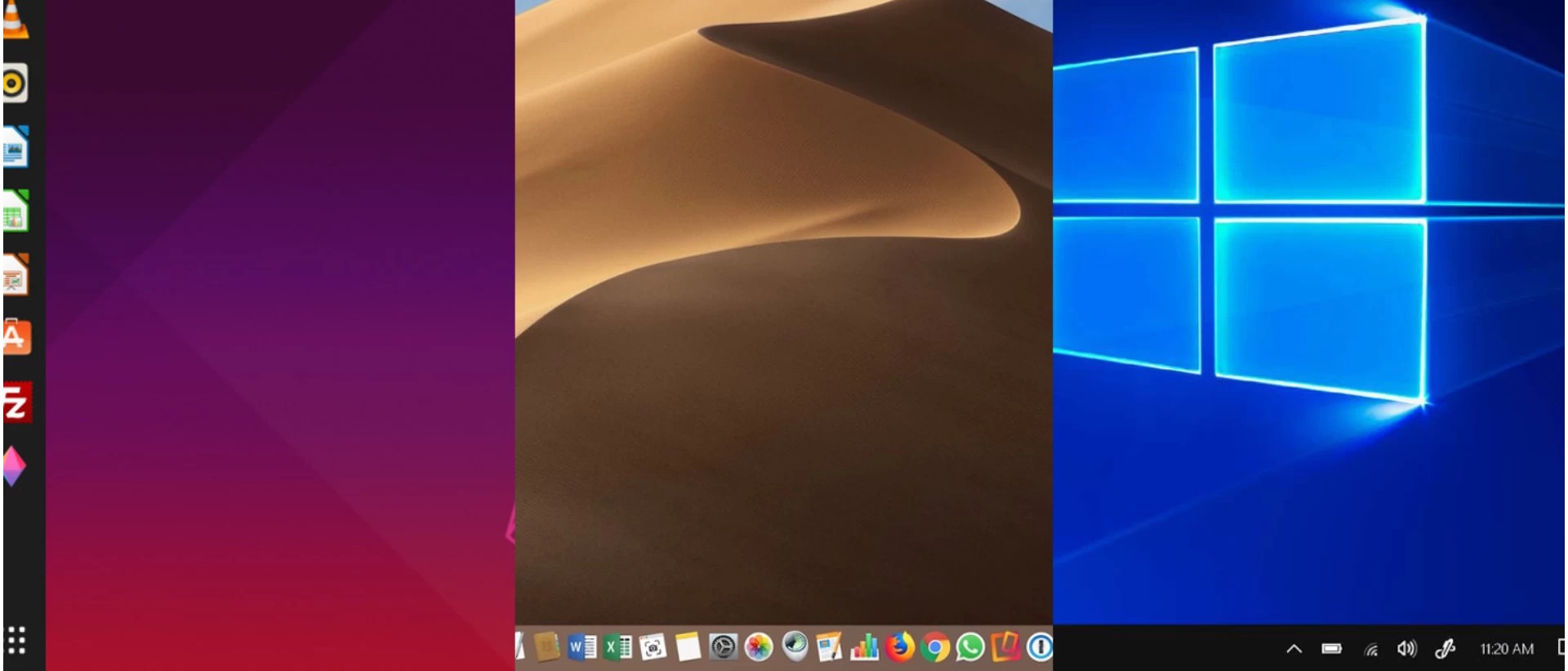
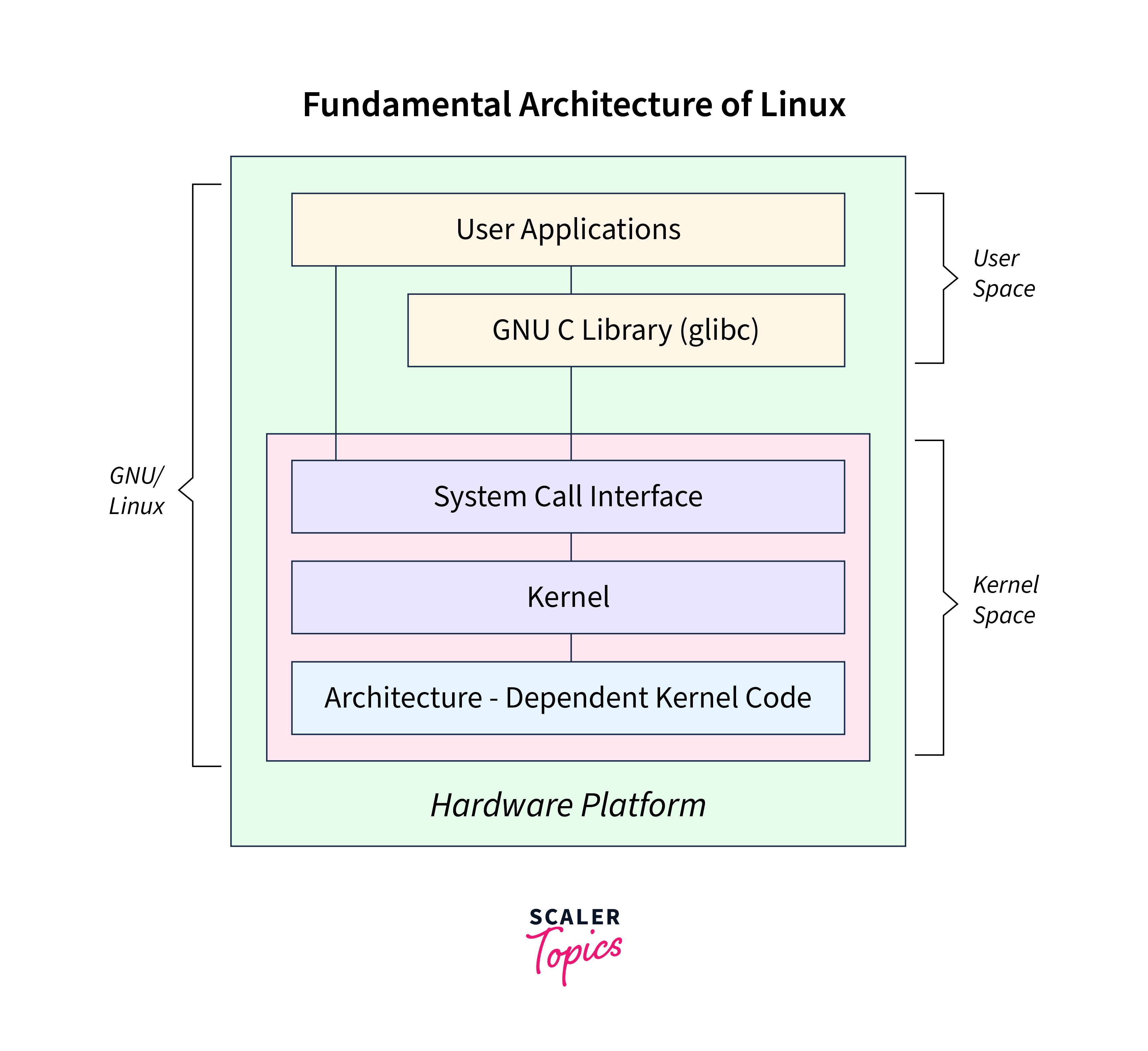
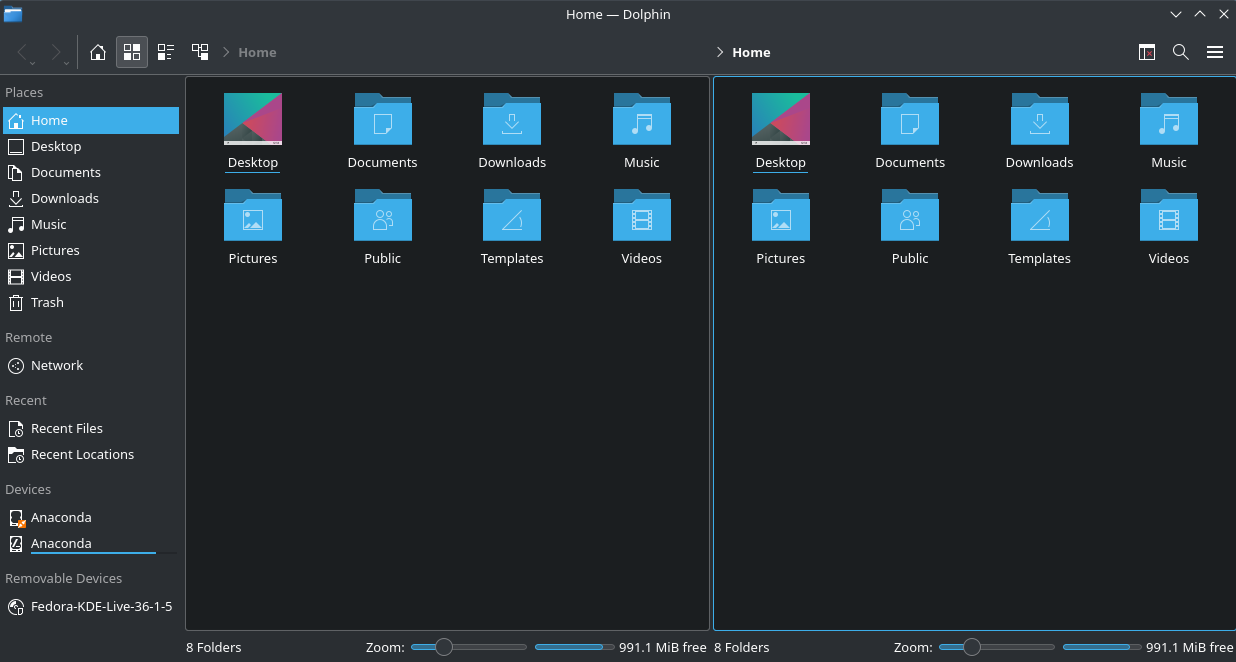
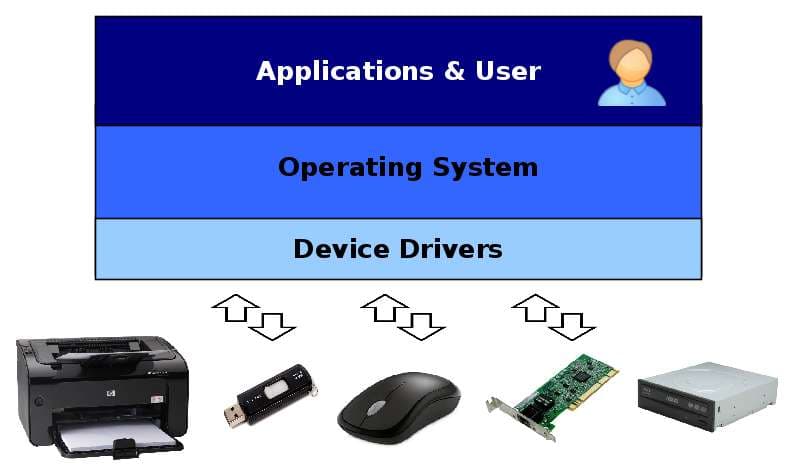
An Operating System (OS) is the most important system software that manages hardware resources and provides an interface between the user and the computer.
The three most widely used operating systems are:
Windows
Linux
macOS
Each has unique features, design philosophies, and use cases, but all share common responsibilities:
Process management
Memory management
File system control
Device management
Security
🪟 WINDOWS OPERATING SYSTEM
🧠 Overview of Windows
Windows is a widely used operating system developed by Microsoft. It is known for its user-friendly interface and broad compatibility.
⚙️ Key Features of Windows
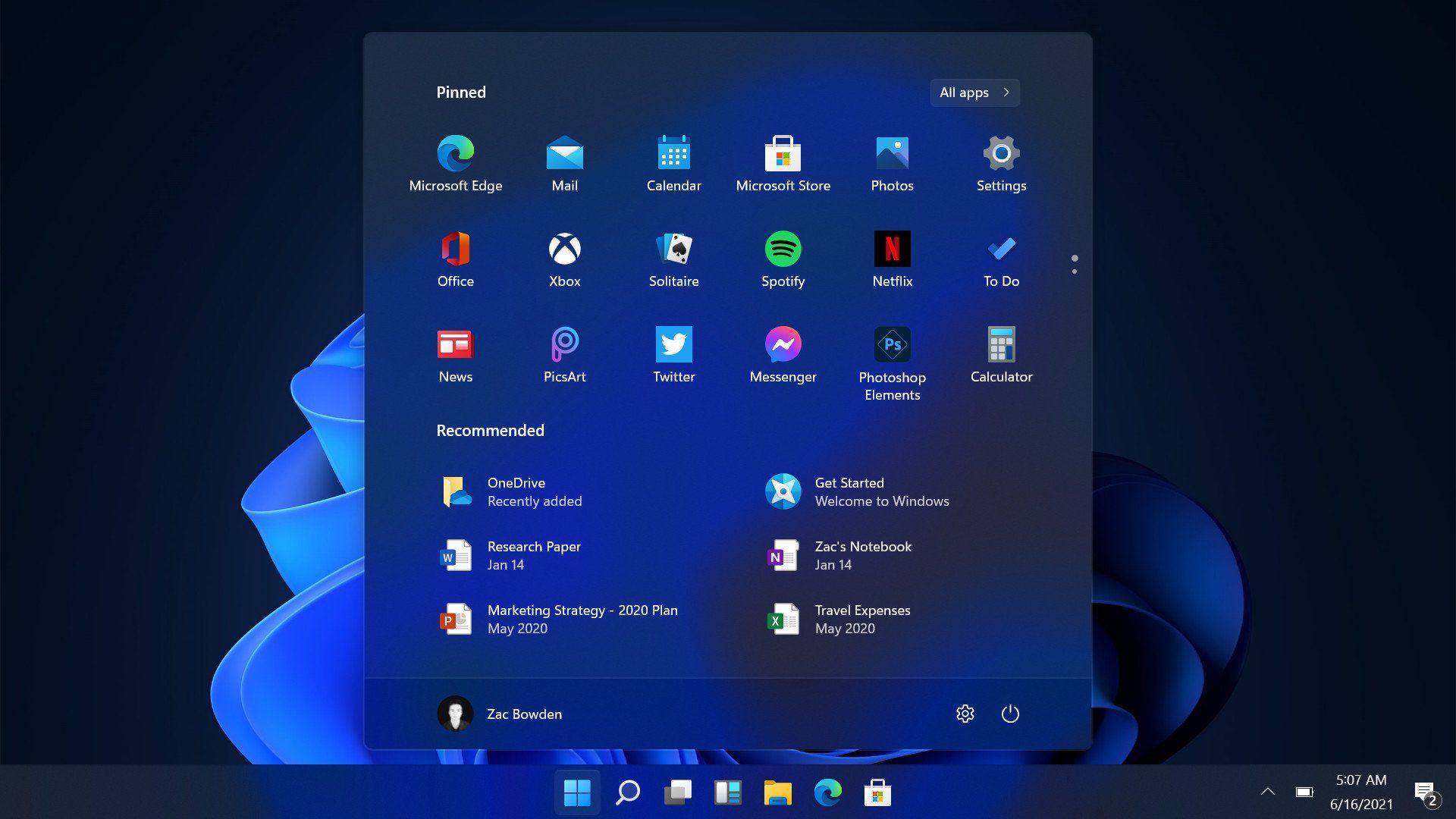
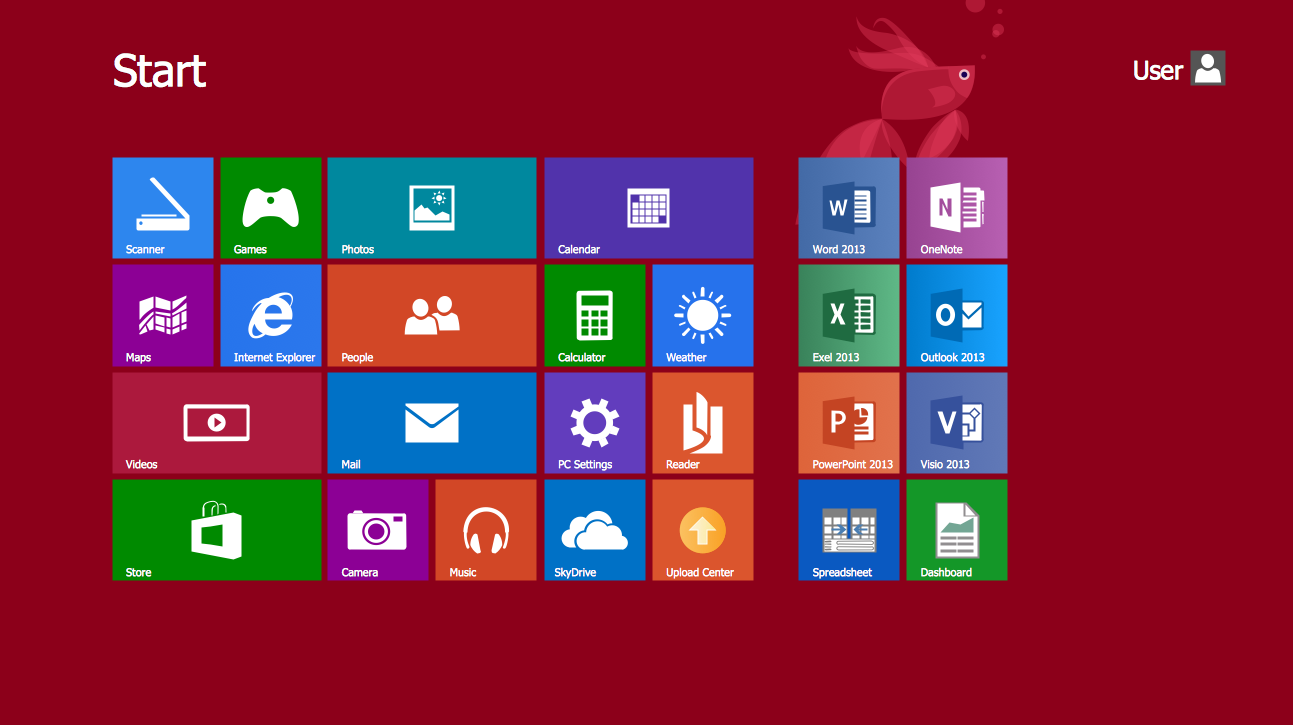
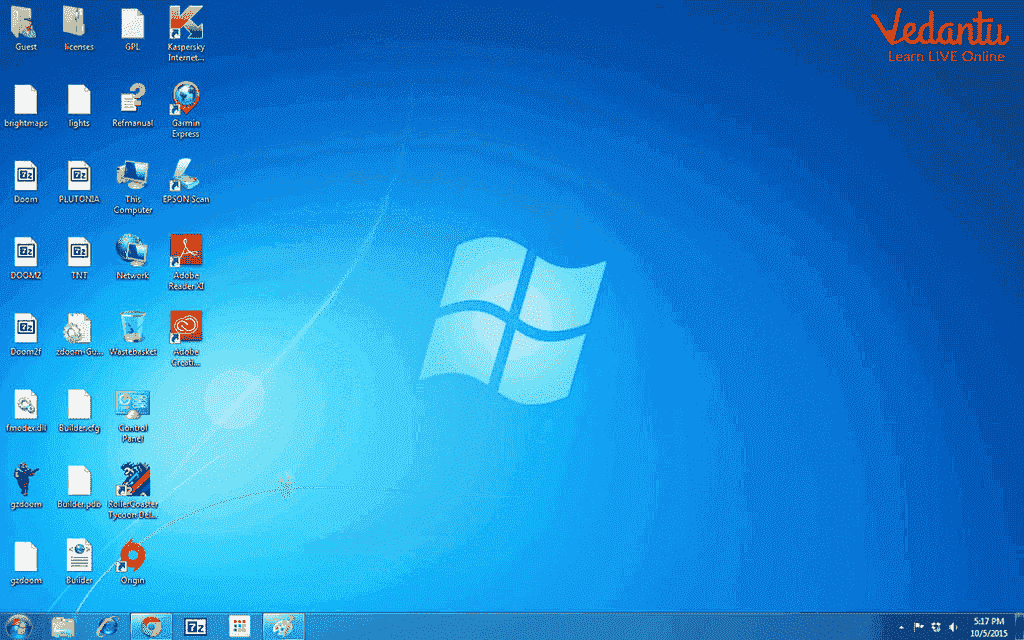
🖥️ Graphical User Interface (GUI)
Start menu
Taskbar
Desktop icons
📂 File Management
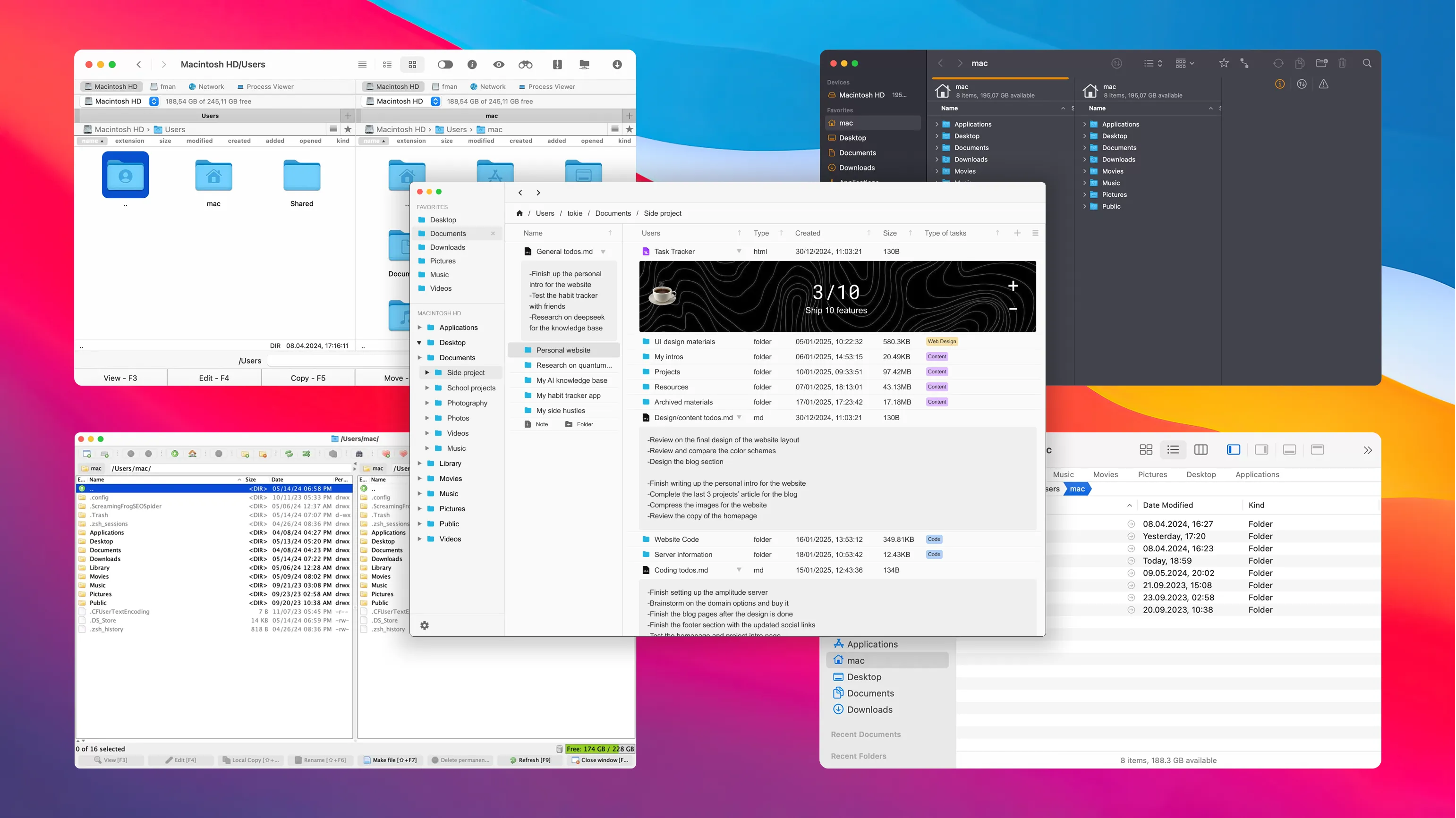
File Explorer
Folder organization
🔄 Multitasking
Run multiple applications simultaneously
🔌 Hardware Compatibility
Supports a wide range of devices
🧩 Windows Components
Kernel
Device drivers
System libraries
User interface
🔐 Security Features
Windows Defender
Firewall
User account control
📁 File System
NTFS (New Technology File System)
⚡ Advantages
Easy to use
Large software ecosystem
Strong hardware support
⚠️ Limitations
Paid license
Vulnerable to malware
Resource-intensive
🐧 LINUX OPERATING SYSTEM
🧠 Overview of Linux
Linux is an open-source operating system based on Unix principles. It is widely used in servers, embedded systems, and development environments.
⚙️ Key Features of Linux
🔓 Open Source
Free to use and modify
🧠 Multiuser & Multitasking
Supports multiple users simultaneously
⚡ Stability and Performance
Efficient resource usage
🖥️ Command Line Interface
Powerful terminal (Bash shell)
🧩 Linux Components
Kernel
Shell
File system
Utilities
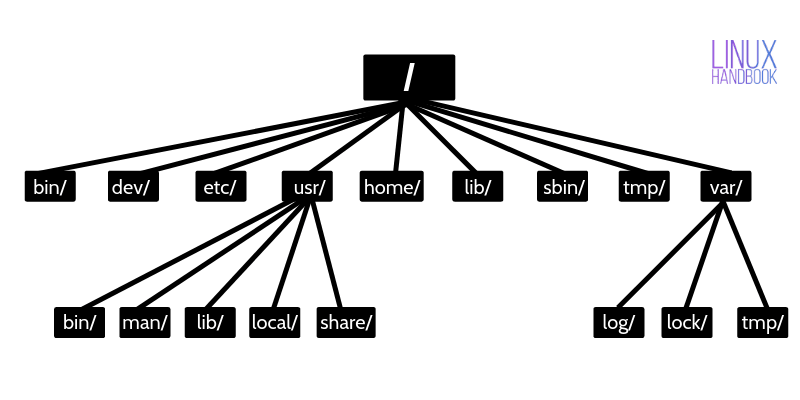
📁 Linux File System
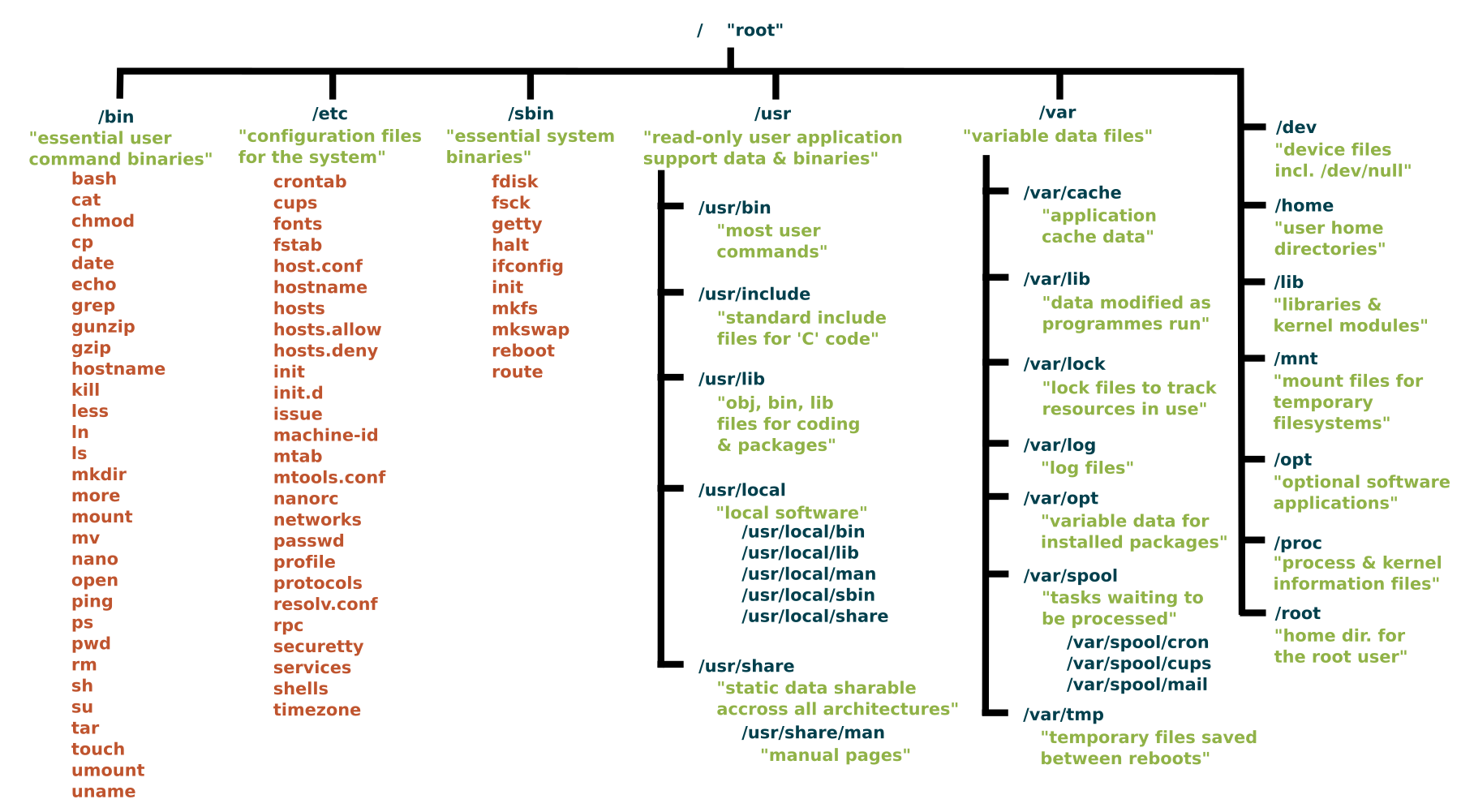
Root (/)
/home
/etc
/usr
🔐 Security Features
Strong permissions system
User/group control
SELinux/AppArmor
🧠 Popular Distributions
Ubuntu
Fedora
Debian
CentOS
⚡ Advantages
Free and open-source
Highly customizable
Secure and stable
⚠️ Limitations
Steeper learning curve
Limited commercial software
🍎 macOS OPERATING SYSTEM
🧠 Overview of macOS
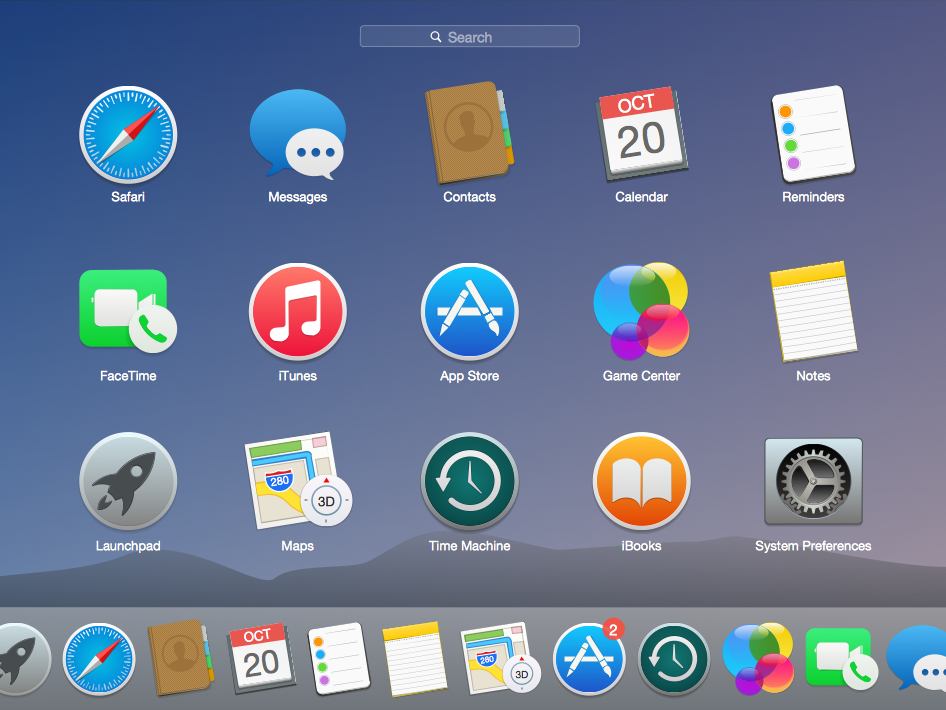
macOS is developed by Apple and is known for its smooth performance, security, and elegant design.
⚙️ Key Features of macOS
🎨 User Interface
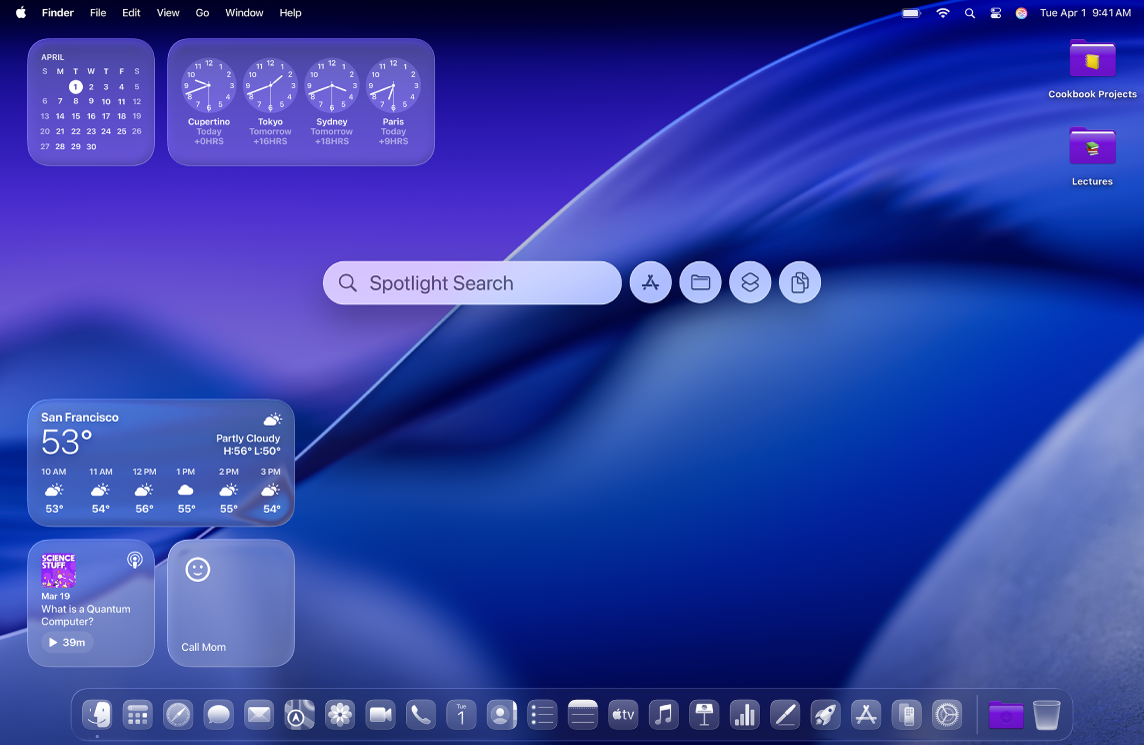
Dock
Finder
Spotlight search
🔄 Integration
Seamless integration with Apple ecosystem
⚡ Performance Optimization
Optimized for Apple hardware
🧩 macOS Components
Darwin kernel
Cocoa frameworks
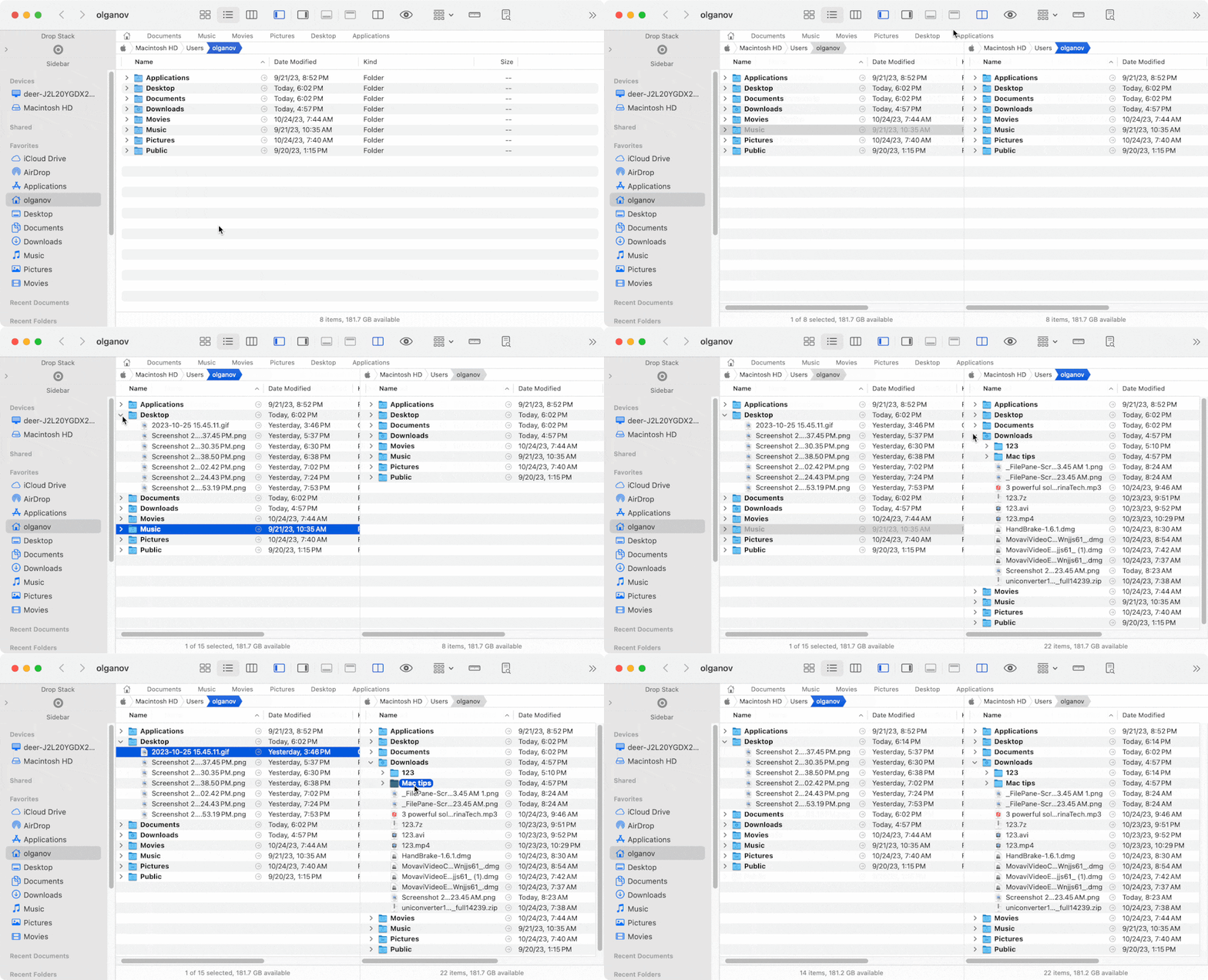
Finder (file manager)
📁 File System
APFS (Apple File System)
🔐 Security Features
Gatekeeper
FileVault
Sandbox apps
⚡ Advantages
Stable and secure
Excellent UI/UX
Optimized performance
⚠️ Limitations
Expensive hardware
Limited customization
Less gaming support
⚖️ COMPARISON: Windows vs Linux vs macOS
📊 Feature Comparison Table
Feature
Windows
Linux
macOS
Cost
Paid
Free
Paid (with hardware)
User Interface
Easy
Moderate
Very user-friendly
Security
Moderate
High
High
Customization
Limited
Very High
Limited
Software Support
Extensive
Moderate
Good
🧠 Use Cases
Windows → General users, gaming, business
Linux → Developers, servers, cybersecurity
macOS → Designers, developers, creatives
⚙️ Core OS Functions (All Systems)
🧠 Process Management
Handles running programs
Scheduling tasks
💾 Memory Management
Allocates RAM
Uses virtual memory
📂 File Management
Organizes files and directories
Controls access
🔌 Device Management
Controls hardware devices
Uses drivers
🧩 User Interfaces
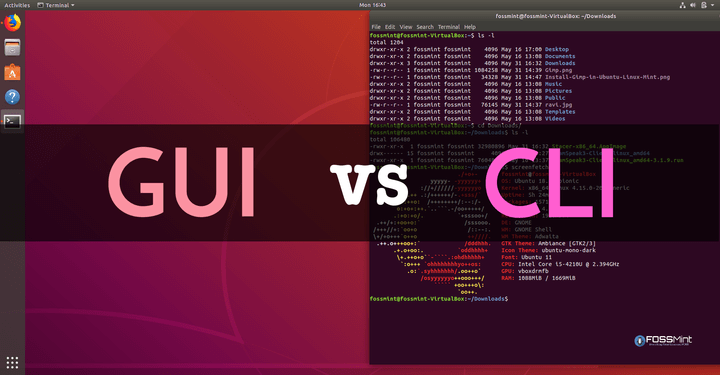
🖥️ GUI vs CLI
GUI → Easy, visual
CLI → Powerful, flexible
🌐 File Systems Comparison
OS
File System
Windows
NTFS
Linux
EXT4
macOS
APFS
🔐 Security Comparison
🛡️ Key Features:
Authentication
Encryption
Access control
Linux and macOS are generally more secure due to Unix-based design.
🚀 Modern Trends in Operating Systems
Cloud-based OS
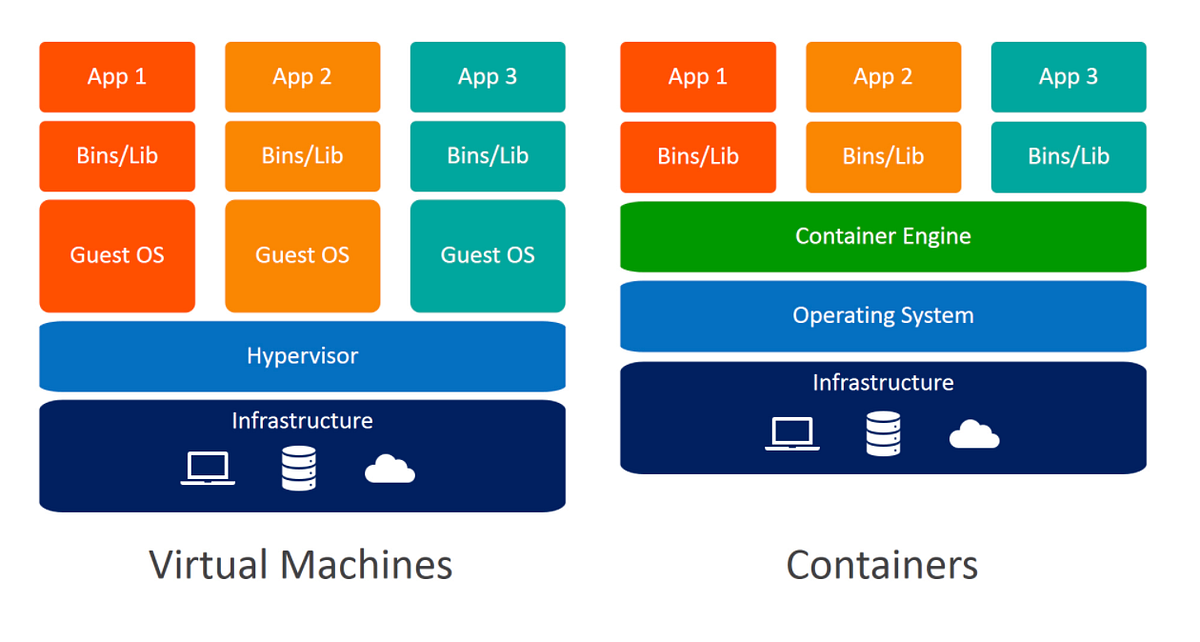
Virtualization
AI integration
Containerization
⚡ Advantages of Operating Systems
Simplifies user interaction
Efficient resource management
Enables multitasking
Provides security
⚠️ Limitations
Complexity
Resource usage
Compatibility issues
🧠 Conclusion
Windows, Linux, and macOS are the pillars of modern computing. Each offers unique strengths:
Computer software refers to the set of instructions, programs, and data that tell a computer how to perform tasks. Unlike hardware, software is intangible—it cannot be touched but can be executed.
In simple terms:
Hardware is the body, software is the brain
Software enables users to interact with hardware and perform useful work such as writing documents, browsing the internet, or running applications.
🧠 Importance of Software
Controls hardware operations
Provides user interface
Enables automation and productivity
Supports communication and networking
Drives innovation (AI, cloud, mobile apps)
🧩 Types of Computer Software
⚙️ 1. System Software
System software acts as a bridge between hardware and user applications.
Examples:
Operating Systems
Device Drivers
Utility Programs
🧠 Operating System (OS)
The OS is the most important system software.
Functions:
Process management
Memory management
File system management
Device management
Security
Examples:
Windows
Linux
macOS
Android
⚙️ 2. Device Drivers
Enable communication between hardware and OS
Example: printer driver
🧰 3. Utility Software
Helps maintain system performance
Examples:
Antivirus
Disk cleanup
Backup tools
🖥️ 4. Application Software
Application software allows users to perform specific tasks.
Types:
📄 General Purpose
Word processors
Spreadsheets
🎨 Specialized
Graphic design
Video editing
🌐 Web Applications
Browsers
Online tools
🧠 5. Programming Software
Used to develop software.
Includes:
Compilers
Interpreters
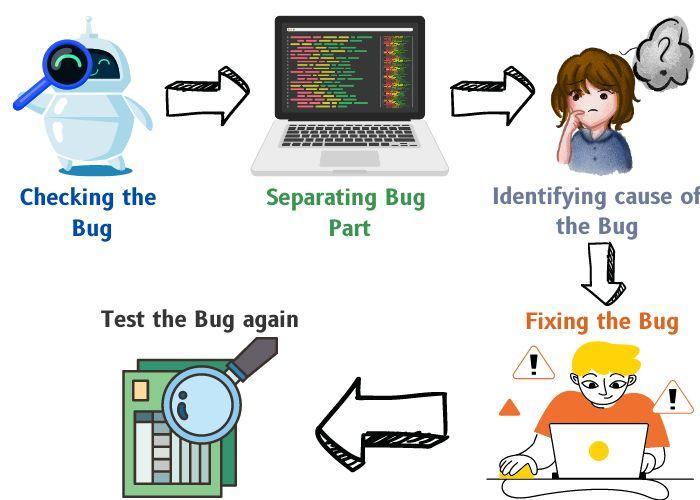
Debuggers
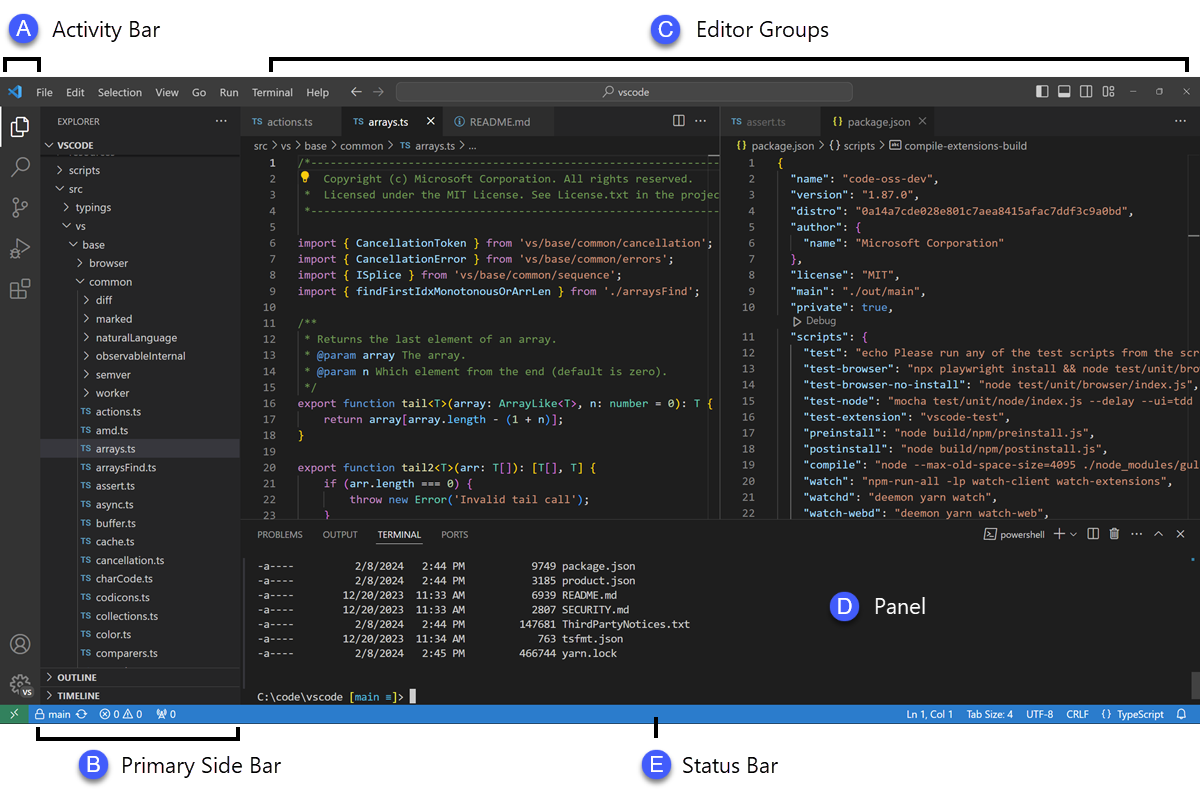
IDEs
🧠 Software Development Process
🔄 Software Development Life Cycle (SDLC)
Stages:
Planning
Analysis
Design
Development
Testing
Deployment
Maintenance
🧩 Programming Languages
🔤 Types:
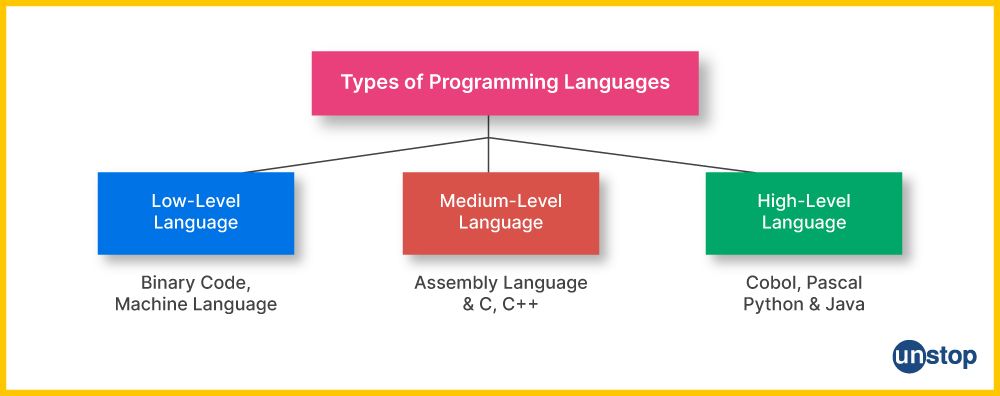
🔹 Low-Level Languages
Machine language
Assembly language
🔹 High-Level Languages
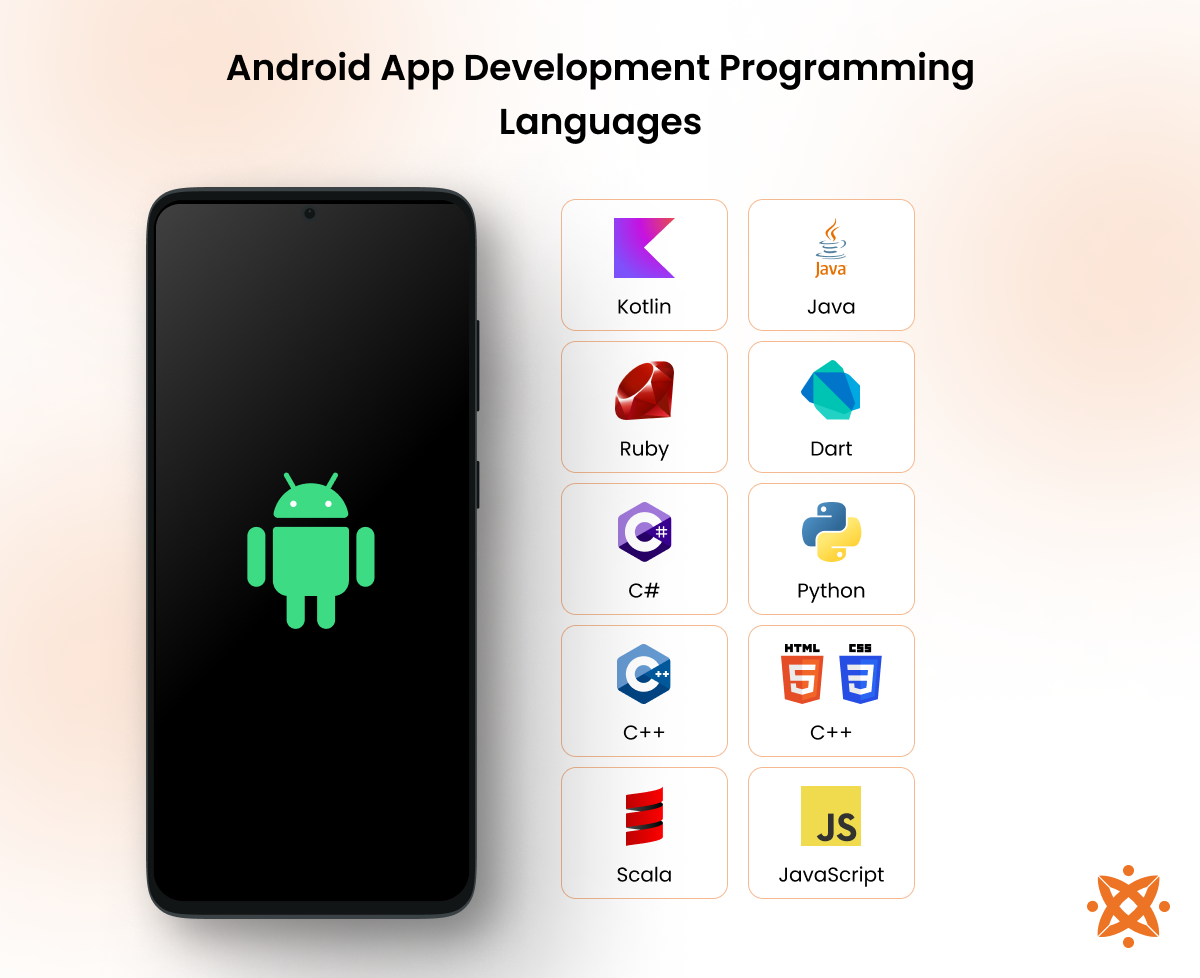
Python
Java
C++
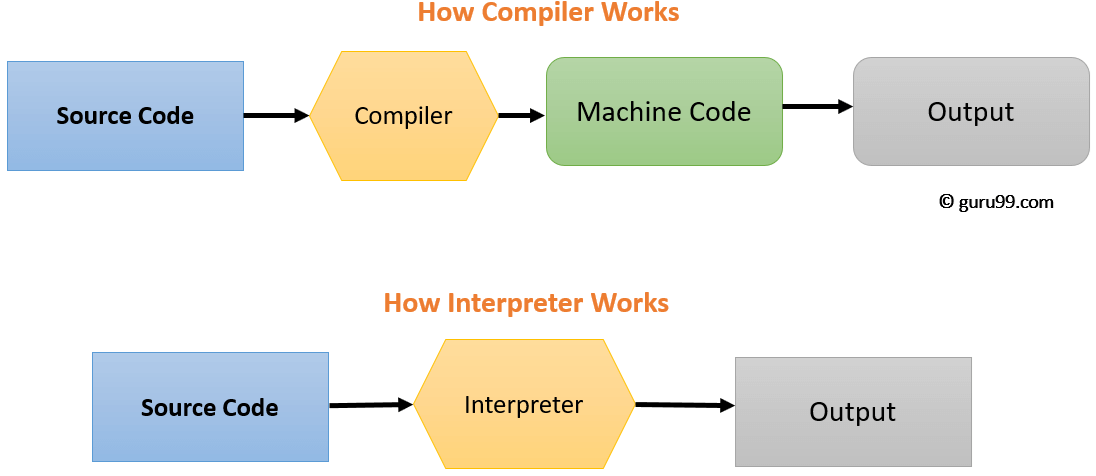
⚙️ Compilation vs Interpretation
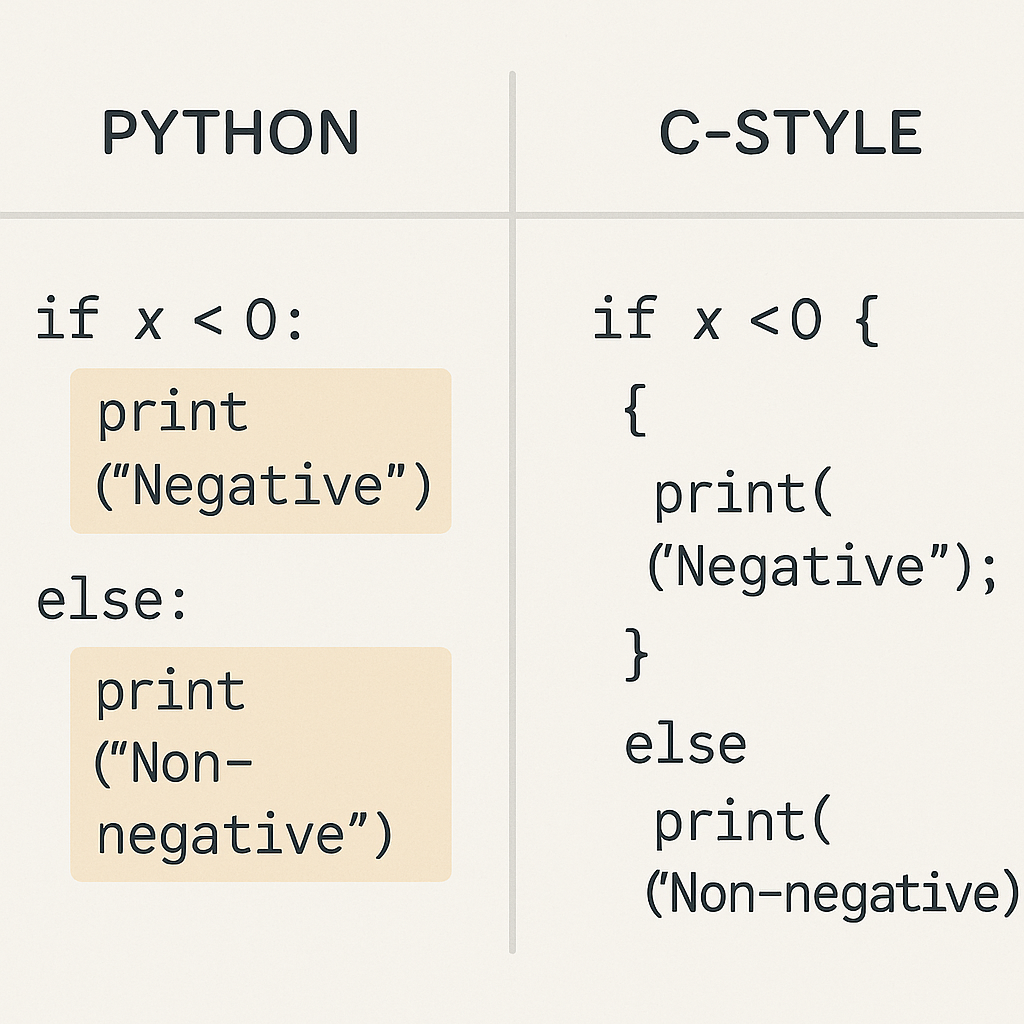
Compiler → Converts entire code at once
Interpreter → Executes line by line
🧠 Software Components
📦 Modules
Independent units of software
🔗 Libraries
Reusable code
🧩 APIs
Allow communication between programs
🖥️ User Interface (UI)
🧭 Types:
GUI (Graphical User Interface)
CLI (Command Line Interface)
Touch Interface
Voice Interface
💾 Software Installation and Execution
🔄 Steps:
Install program
Load into memory
Execute via CPU
🔐 Software Security
⚠️ Threats:
Malware
Viruses
Ransomware
🛡️ Protection:
Antivirus
Firewalls
Encryption
🧠 Types of Software Based on Distribution
🌐 Open Source Software
Free to use and modify
Example: Linux
🔒 Proprietary Software
Owned by companies
Example: Windows
🆓 Freeware
Free but not modifiable
💰 Shareware
Trial-based software
⚙️ Software Performance Factors
Efficiency
Speed
Scalability
Reliability
🔄 Software vs Hardware
Feature
Software
Hardware
Nature
Intangible
Physical
Function
Instructions
Execution
Dependency
Runs on hardware
Needs software
🧠 Modern Software Trends
Artificial Intelligence
Cloud Computing
Mobile Applications
Blockchain
🧩 Advantages of Software
Automation
Flexibility
Scalability
Productivity
⚠️ Limitations
Bugs and errors
Security risks
Dependency on hardware
Maintenance required
🧠 Future of Software
AI-driven automation
Quantum software
Intelligent assistants
Low-code/no-code platforms
🧾 Conclusion
Computer software is the core driver of modern computing systems. It enables:
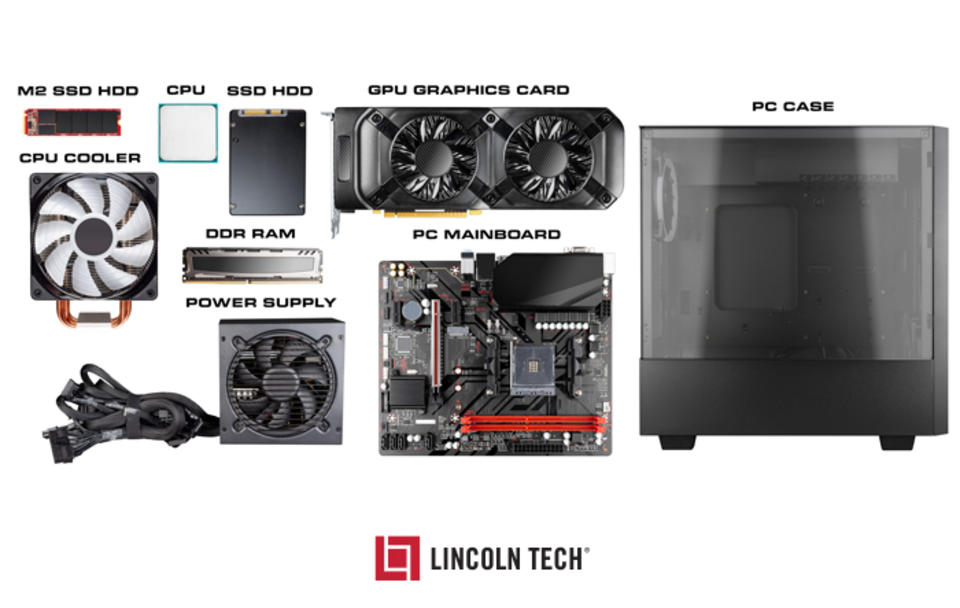
Computer hardware refers to the physical components of a computer system—the parts you can see and touch. These components work together to process data, execute instructions, and produce output.
At a high level, hardware includes:
Processing devices (CPU)
Memory and storage
Input and output devices
Communication components
Hardware is the foundation upon which software operates.
🧠 Importance of Computer Hardware
Enables data processing and computation
Provides storage for programs and data
Facilitates interaction with users
Supports networking and communication
Determines system performance and capability
🧩 Major Components of Computer Hardware
⚙️ 1. Central Processing Unit (CPU)
The CPU (Central Processing Unit) is the brain of the computer. It executes instructions and controls all operations.
Key Parts:
🔹 Arithmetic Logic Unit (ALU)
Performs arithmetic and logical operations
🔹 Control Unit (CU)
Directs data flow
Manages instruction execution
🔹 Registers
Small, high-speed storage locations
⚡ CPU Performance Factors
Clock speed (GHz)
Number of cores
Cache size
Architecture
🧠 Multi-Core Processors
Modern CPUs have multiple cores to improve multitasking and parallel processing.
🧮 2. Memory (Primary Memory)
Memory stores data temporarily or permanently.
Types:
🔹 RAM (Random Access Memory)
Volatile
Temporary storage
🔹 ROM (Read Only Memory)
Non-volatile
Stores firmware
🔹 Cache Memory
High-speed memory close to CPU
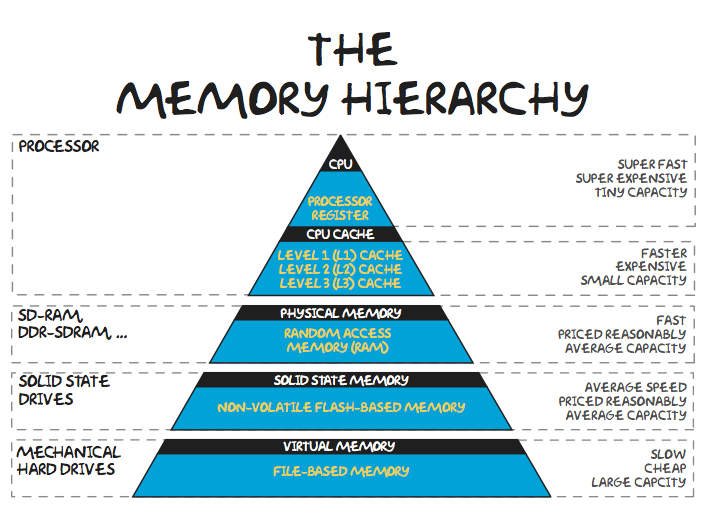
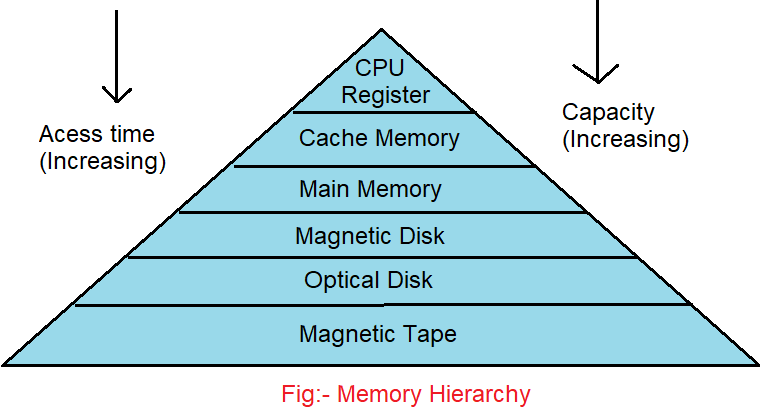
🧠 Memory Hierarchy
Registers
Cache
RAM
Secondary storage
💾 3. Storage Devices (Secondary Memory)
Storage devices store data permanently.
Types:
🔹 Hard Disk Drive (HDD)
Magnetic storage
Large capacity
🔹 Solid State Drive (SSD)
Faster, no moving parts
🔹 Optical Storage
CDs, DVDs
⚡ Storage Comparison
Feature
HDD
SSD
Speed
Slow
Fast
Durability
Low
High
Cost
Cheap
Expensive
🧩 4. Motherboard
The motherboard is the main circuit board connecting all components.
Features:
CPU socket
RAM slots
Expansion slots
Chipset
🔌 5. Power Supply Unit (PSU)
Converts AC to DC
Supplies power to components
🎮 6. Graphics Processing Unit (GPU)
Handles graphics rendering
Essential for gaming, AI, video editing
🧠 Types:
Integrated GPU
Dedicated GPU
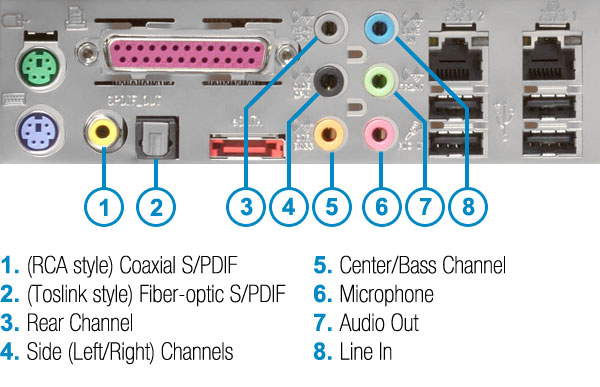
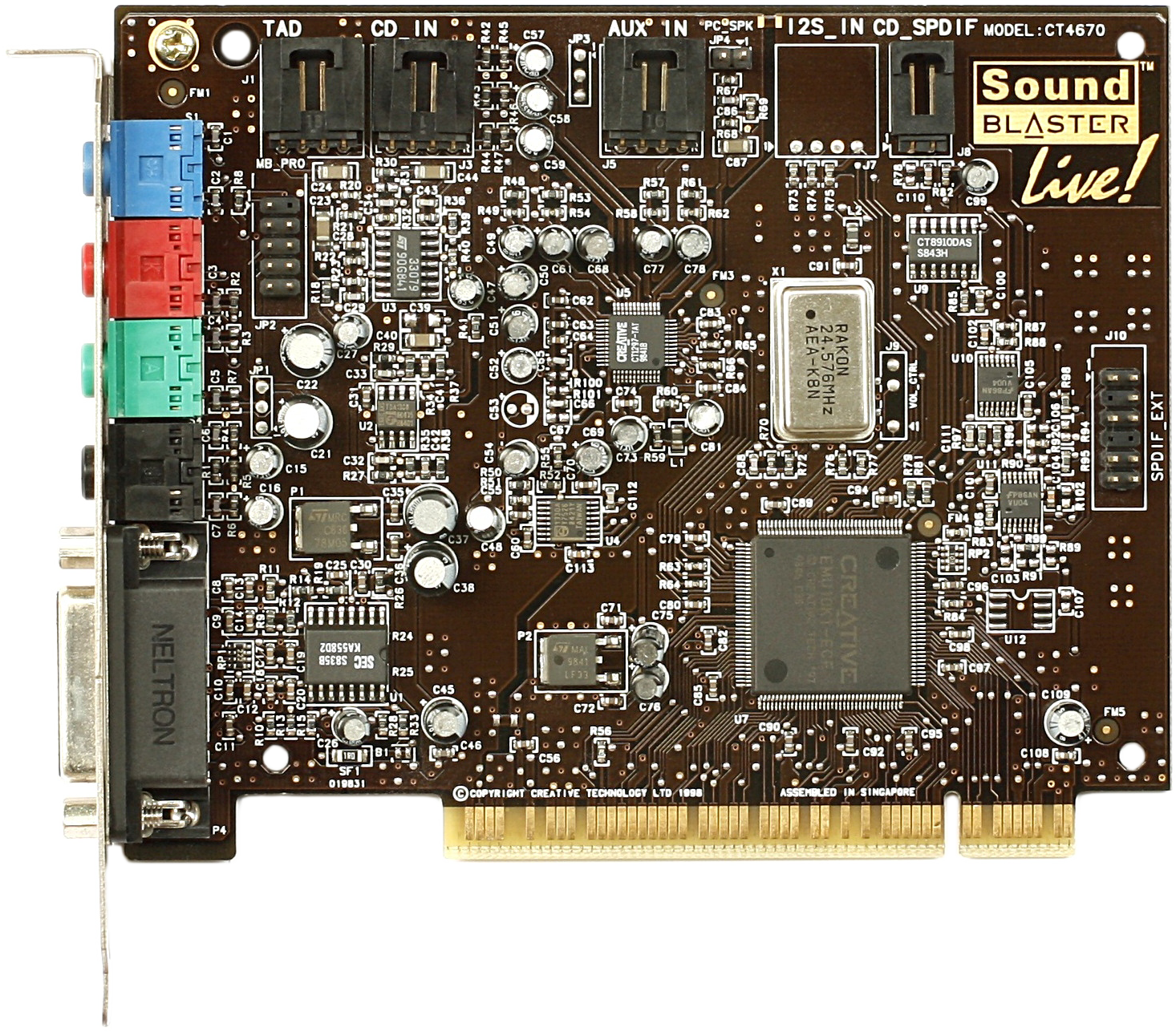
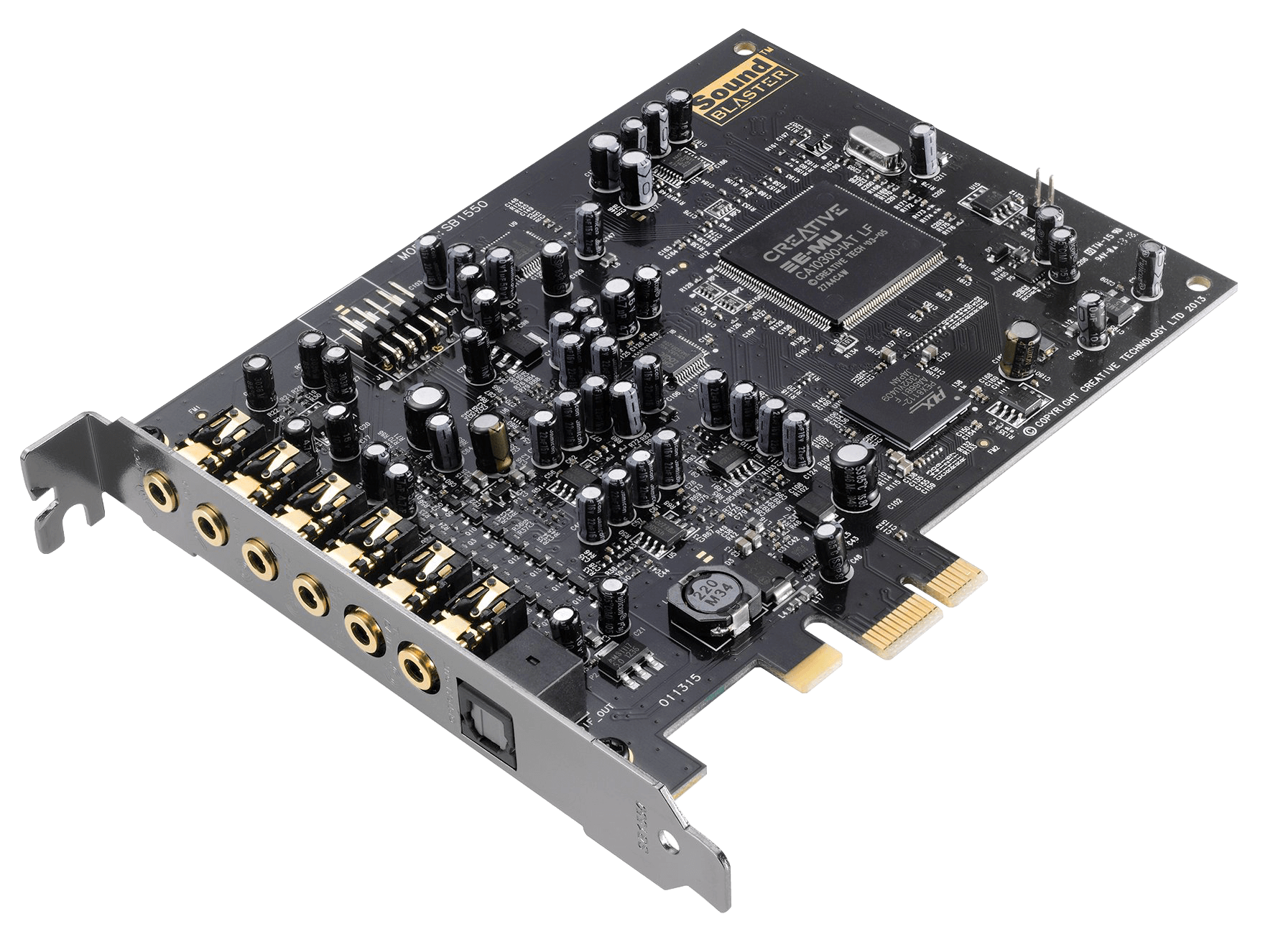
🔊 7. Sound Card
Processes audio signals
Enables sound input/output
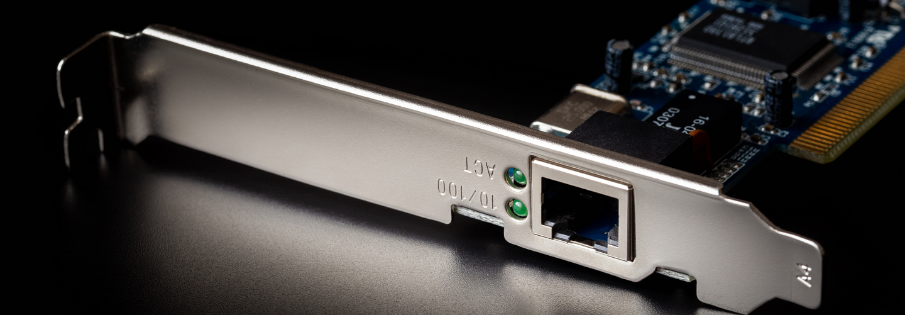
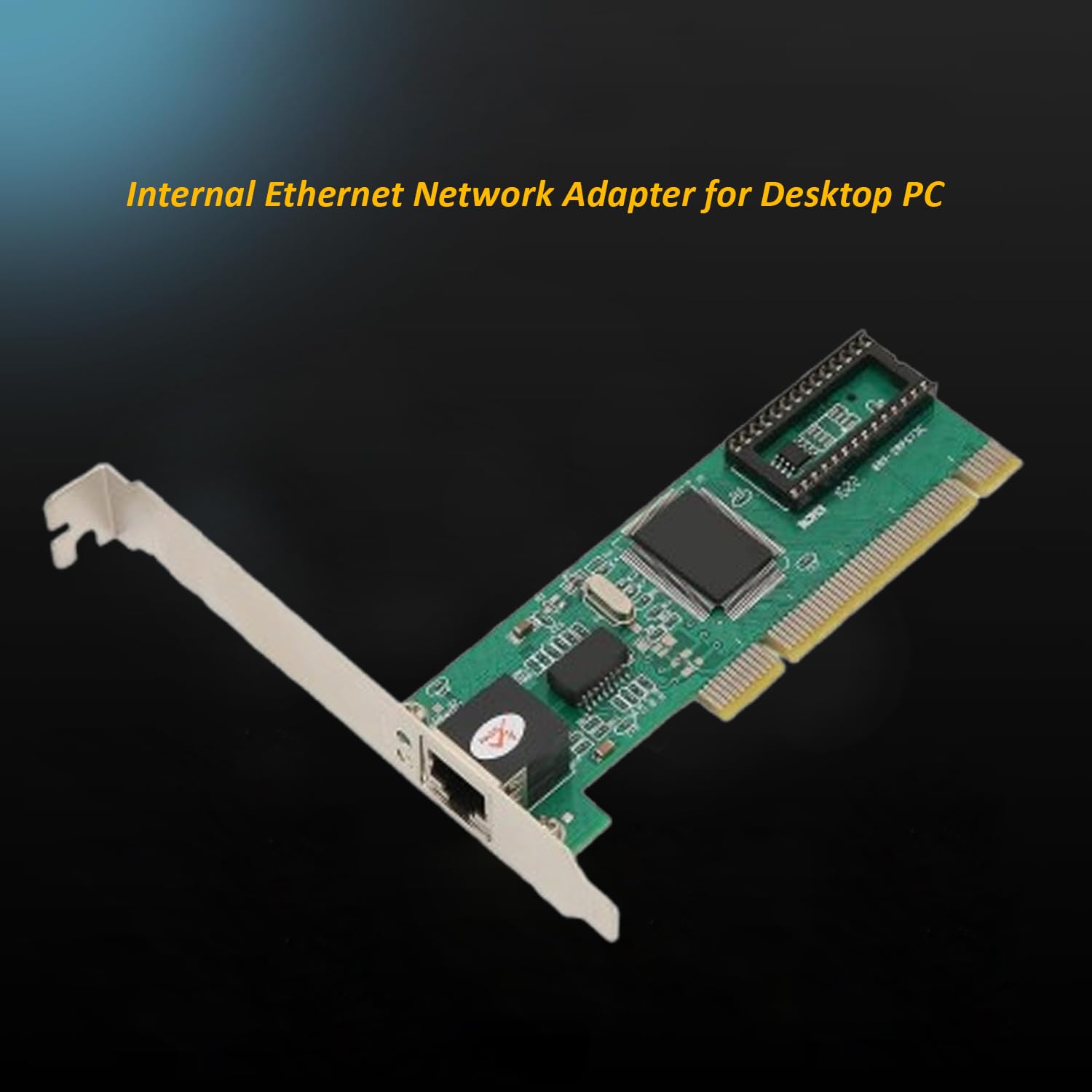
🌐 8. Network Interface Card (NIC)
Connects computer to networks
Supports wired and wireless communication
⌨️ Input Devices
Examples:
Keyboard
Mouse
Scanner
Microphone
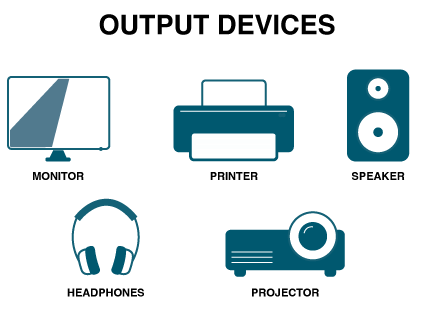
🖥️ Output Devices
Examples:
Monitor
Printer
Speakers
🔌 Ports and Connectivity
Common ports:
USB
HDMI
Ethernet
Audio jack
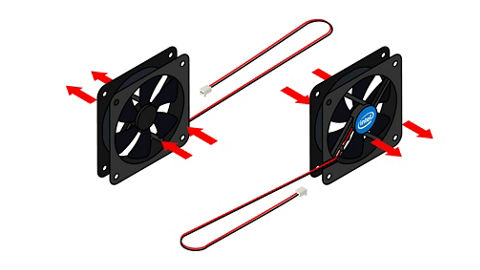
🧠 Cooling Systems
Prevent overheating
Types:
Air cooling
Liquid cooling
🧩 Expansion Cards
Graphics cards
Sound cards
Network cards
Installed via PCI slots.
🔄 Hardware Interaction
🔁 Data Flow
Input →
Processing (CPU) →
Output
🔗 Bus System
Data bus
Address bus
Control bus
⚙️ Hardware Categories
🧱 Internal Hardware
CPU
RAM
Motherboard
🔌 External Hardware
Keyboard
Monitor
Printer
🧠 Firmware
Software embedded in hardware
Example: BIOS/UEFI
⚡ Performance Factors
CPU speed
RAM size
Storage type
GPU capability
🔐 Hardware Security
TPM chips
Biometric devices
Secure boot
🧩 Emerging Hardware Technologies
Quantum computing hardware
AI accelerators (NPUs)
Edge devices
Wearables
⚡ Advantages of Computer Hardware
High-speed processing
Reliability
Scalability
Automation
⚠️ Limitations
Cost
Power consumption
Heat generation
Obsolescence
🧠 Conclusion
Computer hardware forms the physical backbone of computing systems. Understanding hardware basics helps in:
Building computers
Troubleshooting issues
Optimizing performance
Learning advanced computing concepts
Hardware continues to evolve rapidly, enabling powerful technologies like AI, cloud computing, and quantum systems.
Boolean Logic is a branch of mathematics and computer science that deals with binary variables and logical operations. It forms the foundation of digital electronics, computer architecture, programming, and decision-making systems.
Boolean logic operates on two values:
0 → False
1 → True
It was introduced by George Boole, and today it is essential for designing circuits, writing programs, and building intelligent systems.
🧠 Importance of Boolean Logic
Core of digital circuit design
Used in programming conditions (if, else)
Enables decision-making in computers
Essential for data processing and control systems
Basis of artificial intelligence logic
🔢 Basic Concepts of Boolean Logic
🔤 Boolean Variables
A Boolean variable can take only two values:
True (1)
False (0)
Example:
A = 1
B = 0
⚙️ Logical Operations
Boolean logic uses operations to manipulate variables:
AND
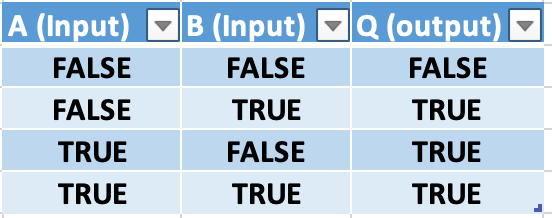
OR
NOT
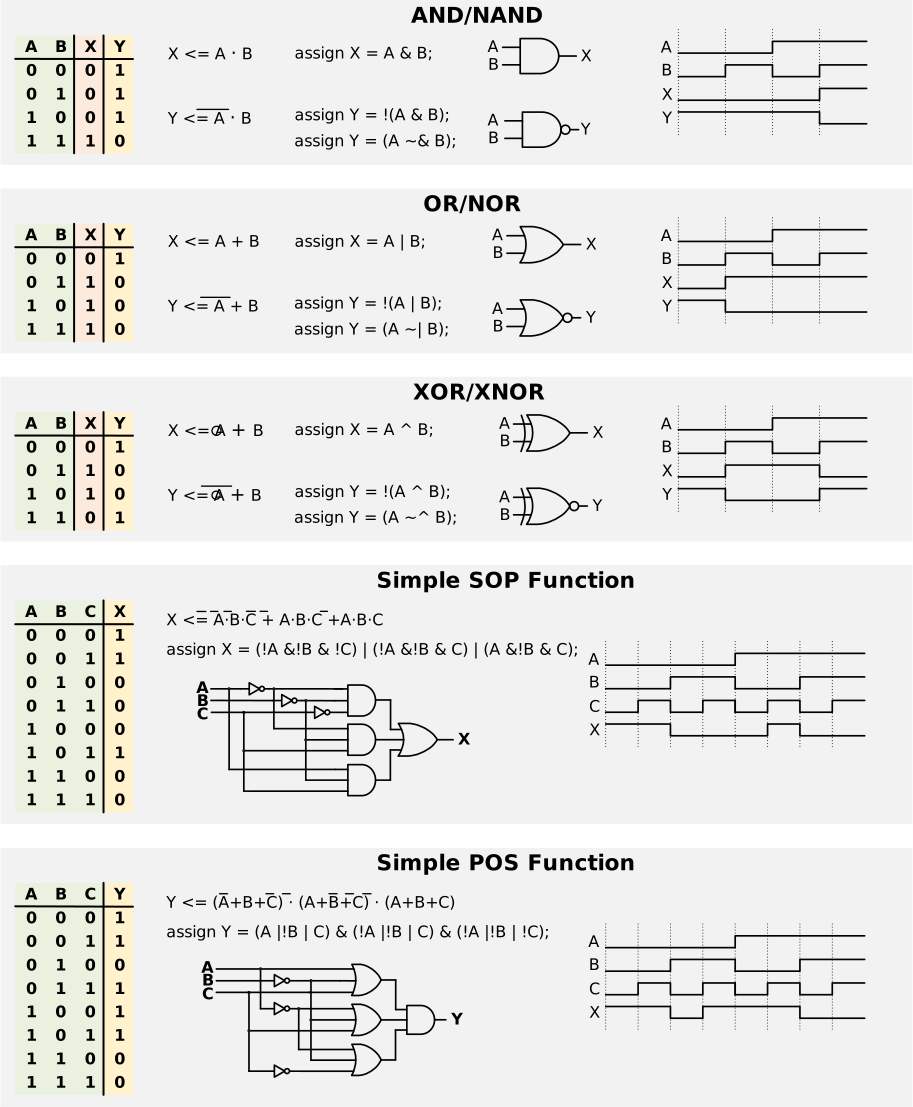
These are called basic logic gates.
🔌 Logic Gates
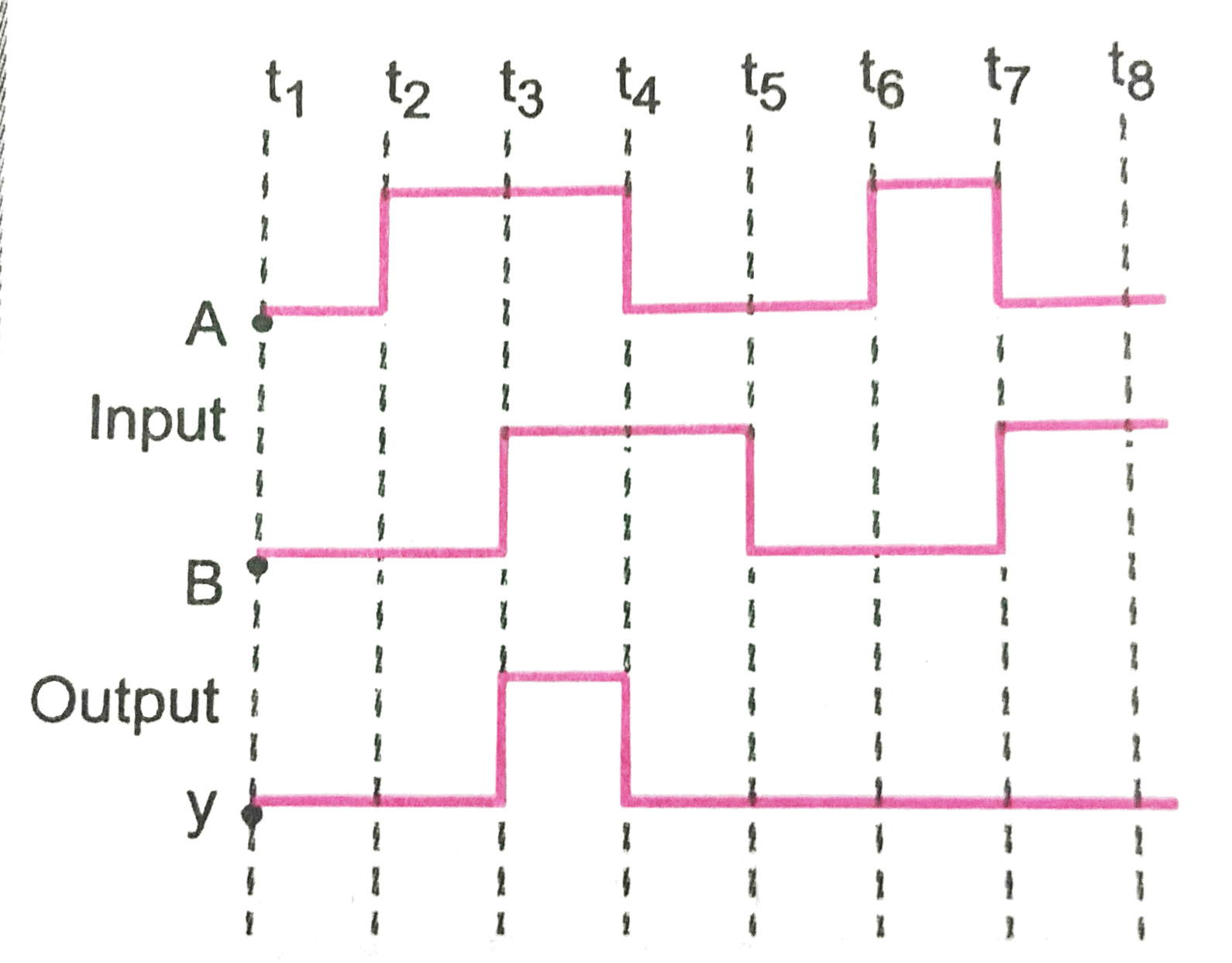
🔷 1. AND Gate
Definition:
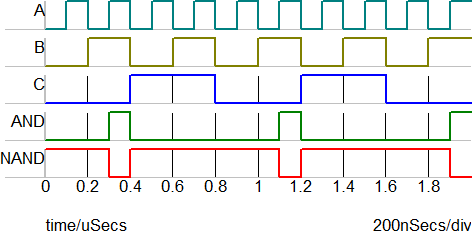
Output is 1 only when all inputs are 1
Truth Table:
A
B
Output
0
0
0
0
1
0
1
0
0
1
1
1
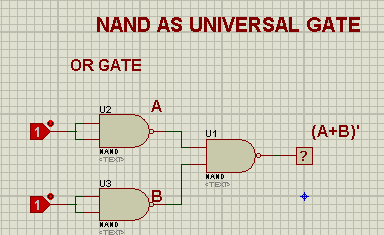
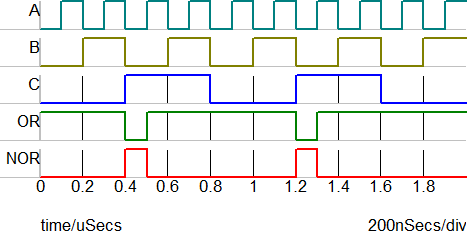
🔶 2. OR Gate
Definition:
Output is 1 if at least one input is 1
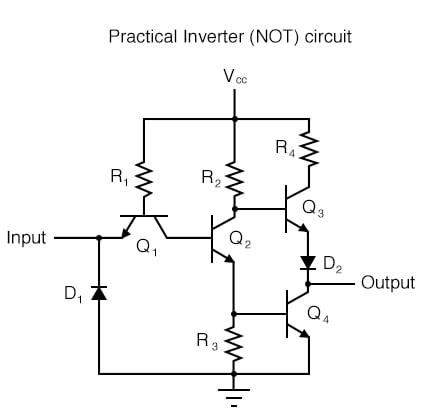
⚫ 3. NOT Gate
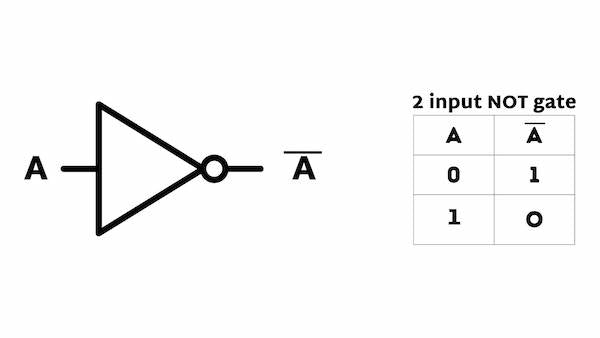
Definition:
Reverses the input
🔷 4. NAND Gate
Opposite of AND
Output is 0 only when both inputs are 1
🔶 5. NOR Gate
Opposite of OR
⚪ 6. XOR Gate
Output is 1 when inputs are different
⚫ 7. XNOR Gate
Output is 1 when inputs are same
🧮 Boolean Algebra
📘 Definition
Boolean algebra is the mathematical framework for Boolean logic.
🔑 Basic Laws of Boolean Algebra
⚖️ 1. Identity Laws
A + 0 = A
A · 1 = A
🔁 2. Null Laws
A + 1 = 1
A · 0 = 0
🔄 3. Idempotent Laws
A + A = A
A · A = A
🔃 4. Complement Laws
A + A' = 1
A · A' = 0
🔀 5. Commutative Laws
A + B = B + A
A · B = B · A
🔗 6. Associative Laws
(A + B) + C = A + (B + C)
(A · B) · C = A · (B · C)
🔁 7. Distributive Laws
A(B + C) = AB + AC
A + BC = (A + B)(A + C)
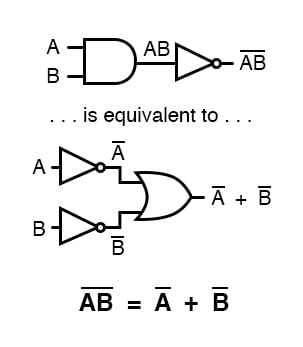
🔄 8. De Morgan’s Theorems
(A · B)' = A' + B'
(A + B)' = A' · B'
🧩 Boolean Expressions
🔤 Example:
Y = A · B + C
Used to represent logic circuits mathematically.
🔄 Simplification Techniques
📉 1. Algebraic Simplification
Use Boolean laws to reduce expressions.
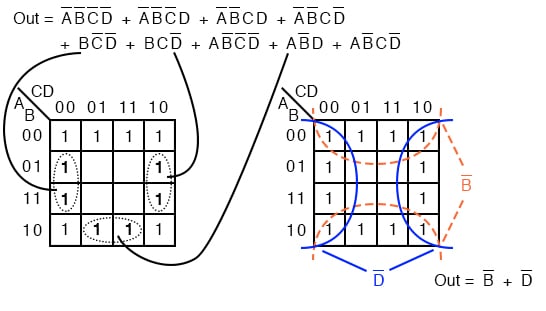
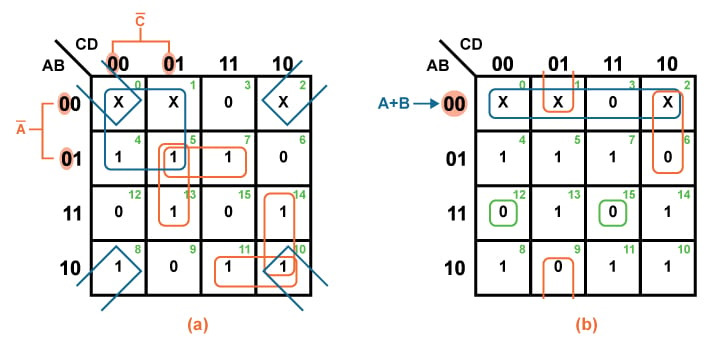
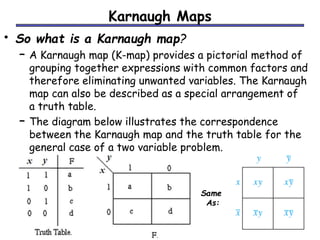
🗺️ 2. Karnaugh Map (K-Map)
Graphical method
Reduces complexity
Minimizes logic gates
🧠 Canonical Forms
🔢 1. Sum of Products (SOP)
Expression as OR of AND terms.
🔢 2. Product of Sums (POS)
Expression as AND of OR terms.
🔌 Digital Circuit Implementation
⚙️ Combinational Circuits
Output depends only on current inputs
Examples:
Adders
Multiplexers
Encoders
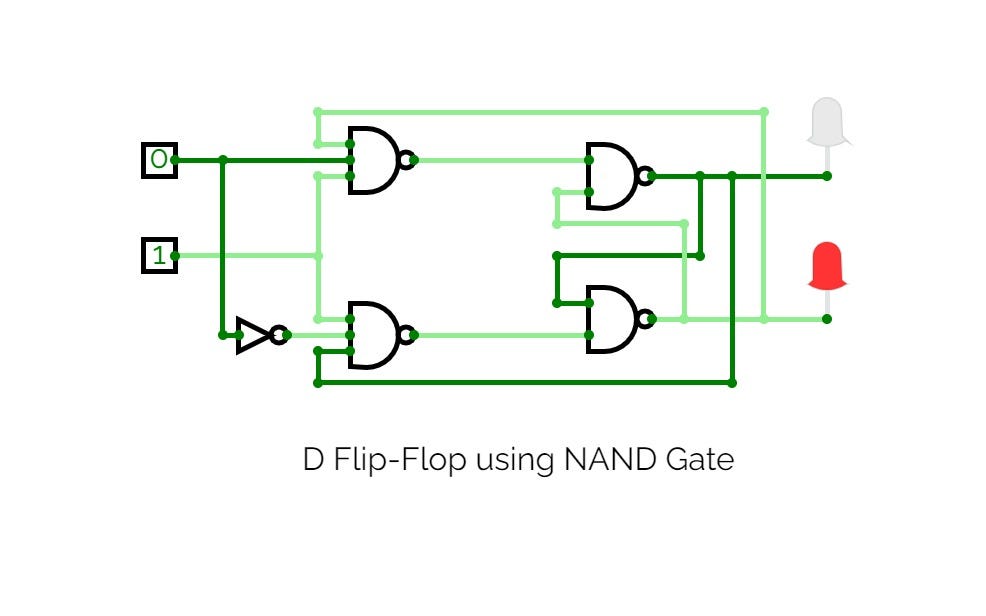
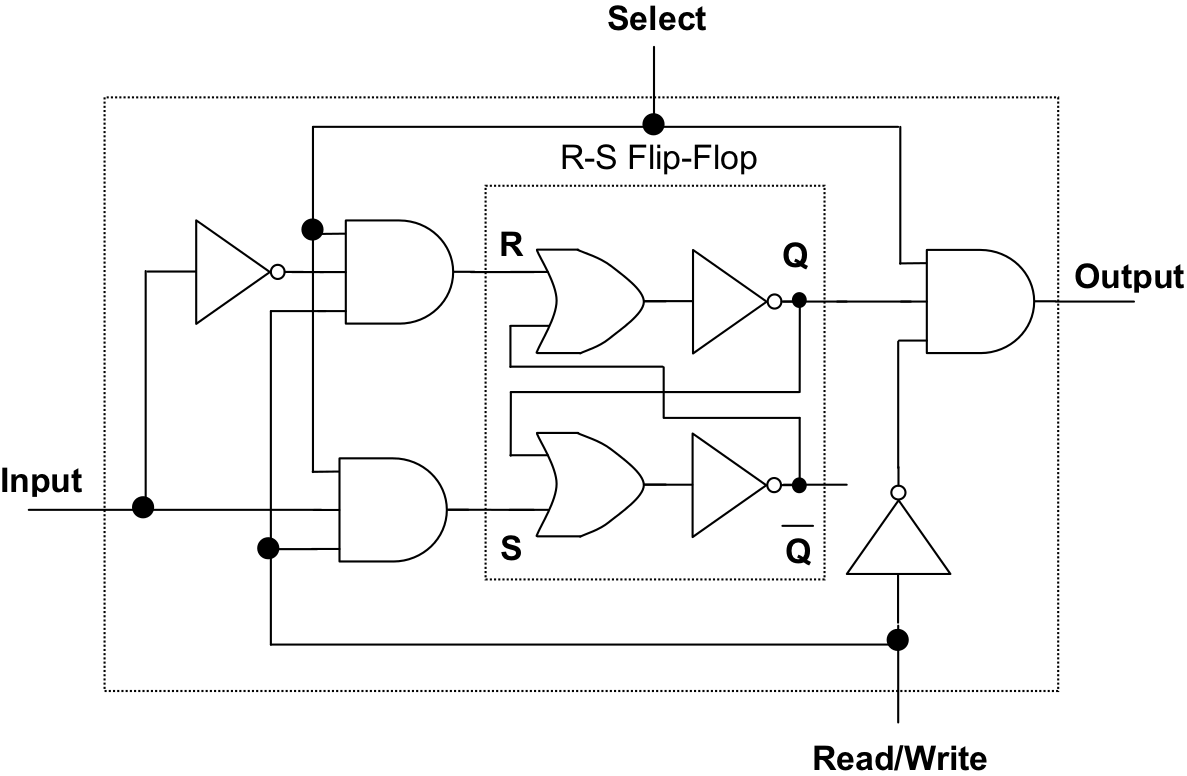
🔁 Sequential Circuits
Output depends on past inputs
Uses memory elements
Examples:
Flip-flops
Counters
🧠 Boolean Logic in Programming
💻 Conditional Statements
if (A && B)
if (A || B)
if (!A)
🔍 Logical Operators
AND (&&)
OR (||)
NOT (!)
🌐 Applications of Boolean Logic
🖥️ 1. Computer Hardware
CPU design
Memory systems
🔐 2. Cybersecurity
Encryption algorithms
Access control
🤖 3. Artificial Intelligence
Decision trees
Rule-based systems
📡 4. Networking
Packet filtering
Routing decisions
🎮 5. Gaming
Game logic
AI behavior
⚡ Advantages of Boolean Logic
Simple and efficient
Reliable
Easy to implement in hardware
Scalable
⚠️ Limitations
Limited to binary values
Complex for large systems
Requires optimization
🚀 Advanced Topics
🧠 Fuzzy Logic
Extends Boolean logic
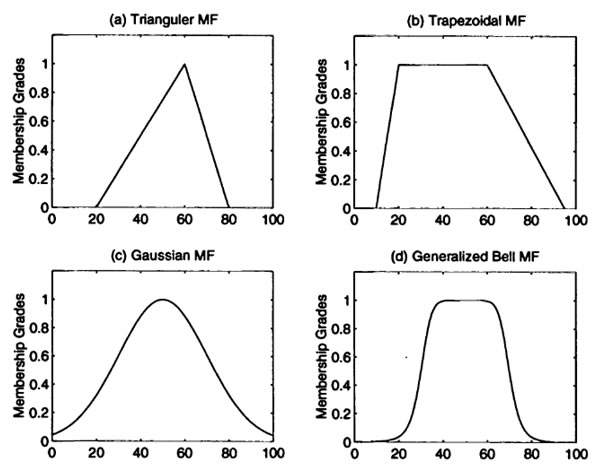
Allows partial truth (0 to 1)
⚛️ Quantum Logic
Uses qubits
Supports superposition
🧠 Neural Logic Systems
Combines Boolean logic with AI
🧾 Conclusion
Boolean logic is the foundation of digital systems and computing. It enables:
Logical decision-making
Circuit design
Programming conditions
Advanced computing technologies
Understanding Boolean logic is essential for anyone studying:
Data representation is the method by which information is encoded, stored, and processed inside a computer system. Since computers can only understand binary (0 and 1), all forms of data—numbers, text, images, audio, and video—must be converted into binary format.
In simple terms:
Data representation = Converting real-world information into binary form
This concept is fundamental to computer science, digital electronics, programming, artificial intelligence, and data communication.
🧠 Why Data Representation Is Important
Enables computers to process different types of data
Ensures efficient storage and transmission
Maintains accuracy and precision
Supports interoperability between systems
Forms the basis of algorithms and programming
🔢 Number Representation
🧮 1. Number Systems Overview
Computers primarily use the binary number system, but other systems are also used:
System
Base
Usage
Binary
2
Internal processing
Decimal
10
Human interaction
Octal
8
Compact binary form
Hexadecimal
16
Programming/debugging
🔢 2. Integer Representation
Types:
a. Unsigned Integers
Represent only positive numbers
Example (8-bit): Range = 0 to 255
b. Signed Integers
Represent both positive and negative numbers.
Methods:
Sign-Magnitude
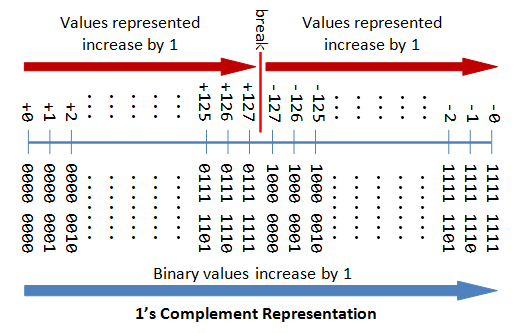
One’s Complement
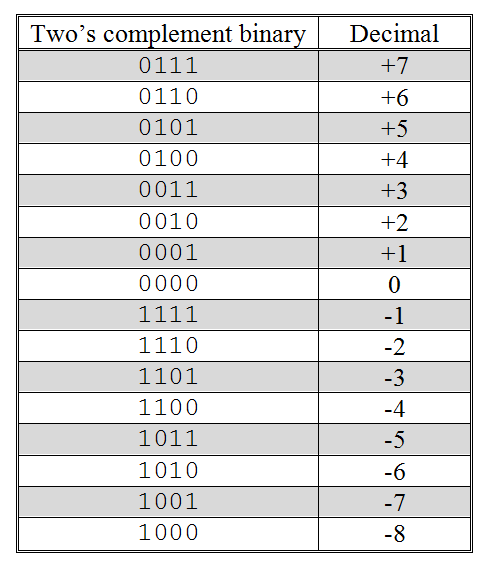
Two’s Complement (most common)
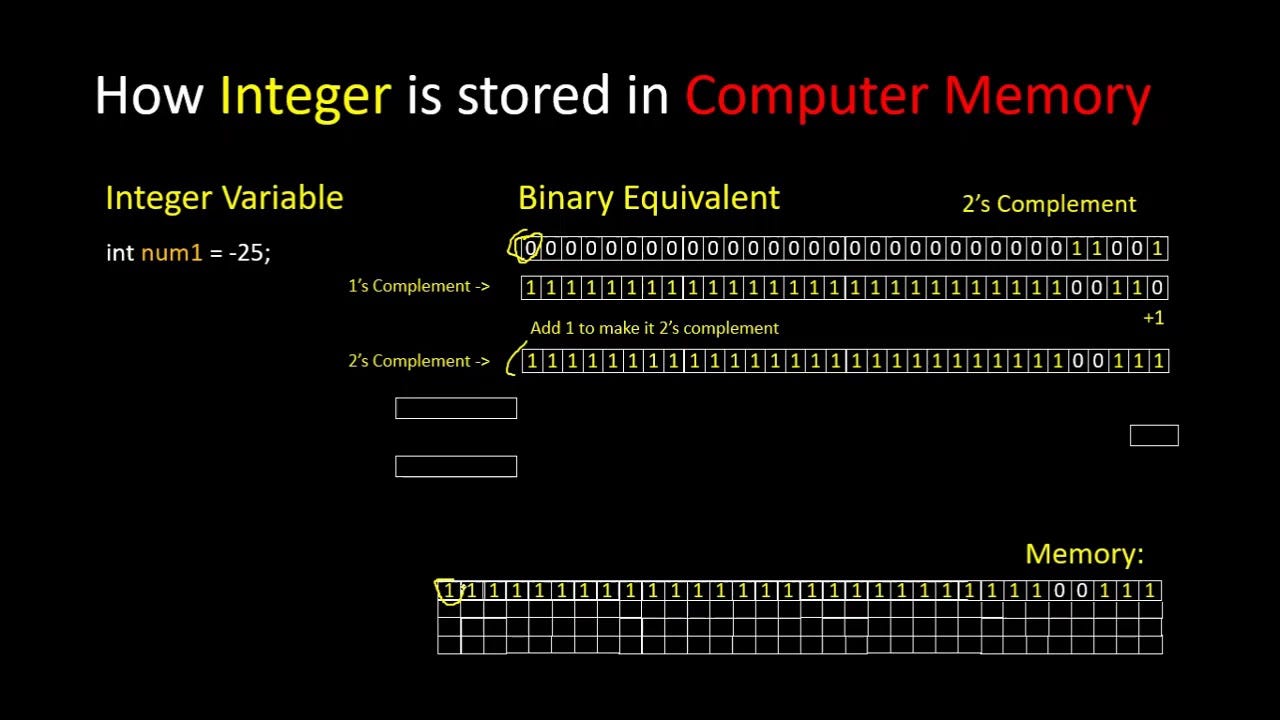
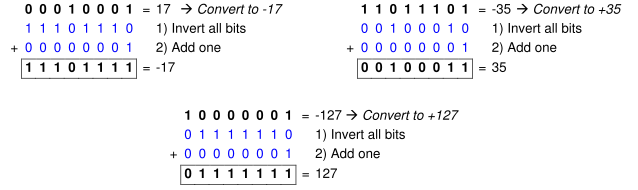
⚙️ Two’s Complement Representation
Steps:
Invert bits
Add 1
Example:
+5 = 00000101
-5 = 11111011
Advantages:
Simplifies arithmetic operations
Only one representation for zero
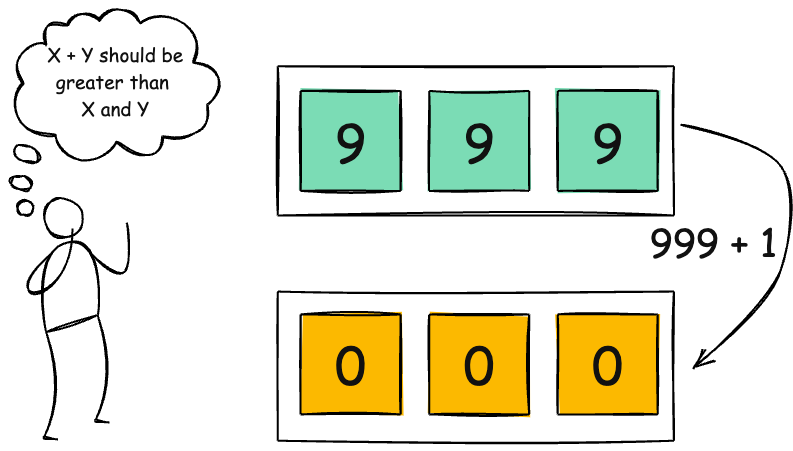
⚠️ Overflow and Underflow
Occurs when:
Number exceeds available bits
Leads to incorrect results
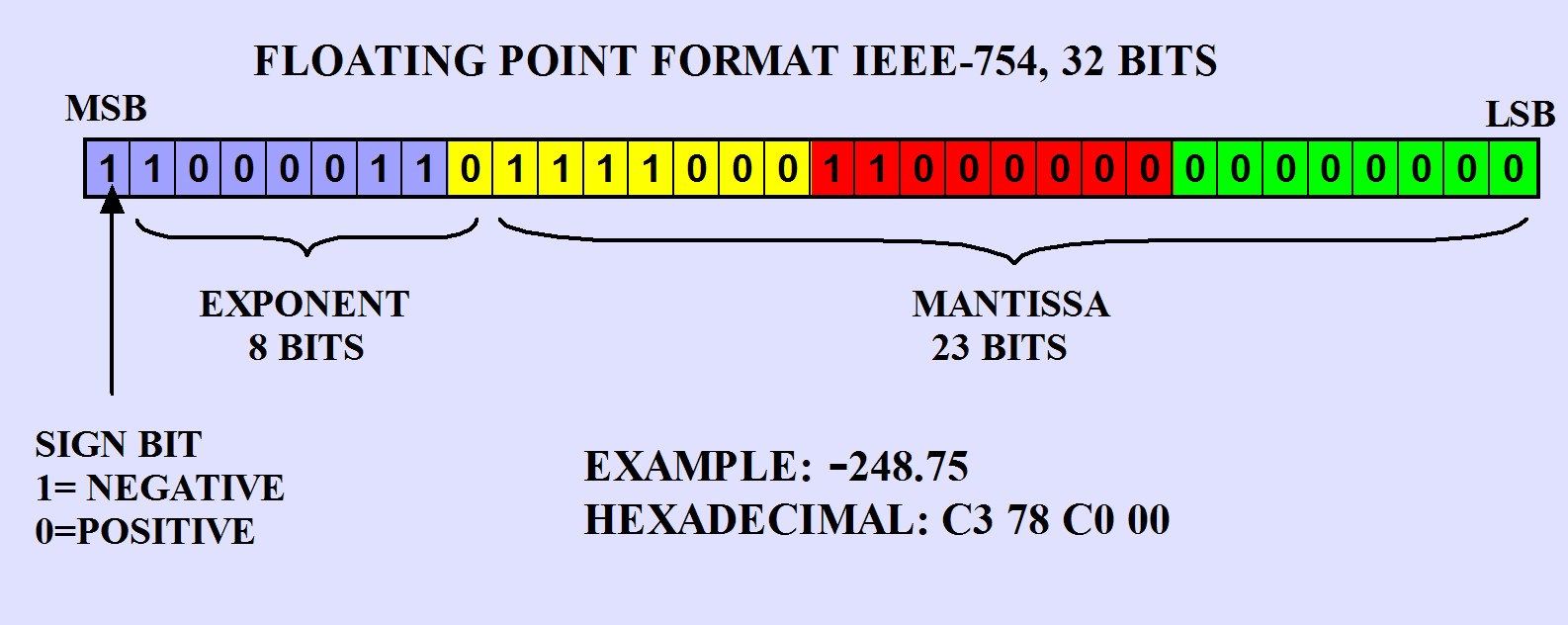
🔢 3. Floating-Point Representation
Used for representing real numbers (decimals).
IEEE 754 Standard:
Components:
Sign bit
Exponent
Mantissa (fraction)
Example:
3.75 → Binary → Floating-point format
Types:
Single precision (32-bit)
Double precision (64-bit)
⚠️ Precision Issues
Rounding errors
Limited precision
Representation gaps
🔤 Character Representation
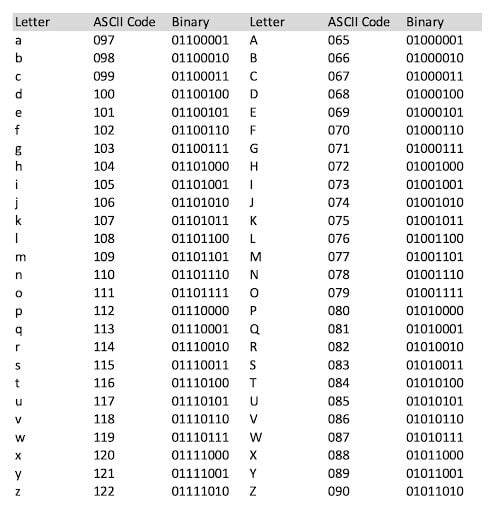
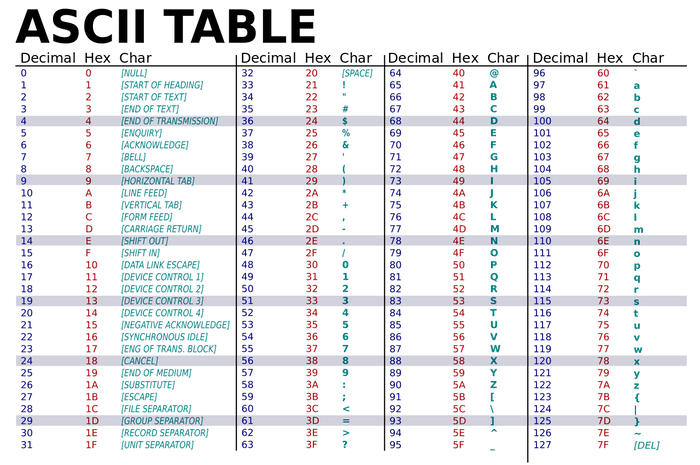
🔡 1. ASCII Encoding
ASCII (American Standard Code for Information Interchange):
Uses 7 or 8 bits
Represents 128 or 256 characters
Example:
A → 65 → 01000001
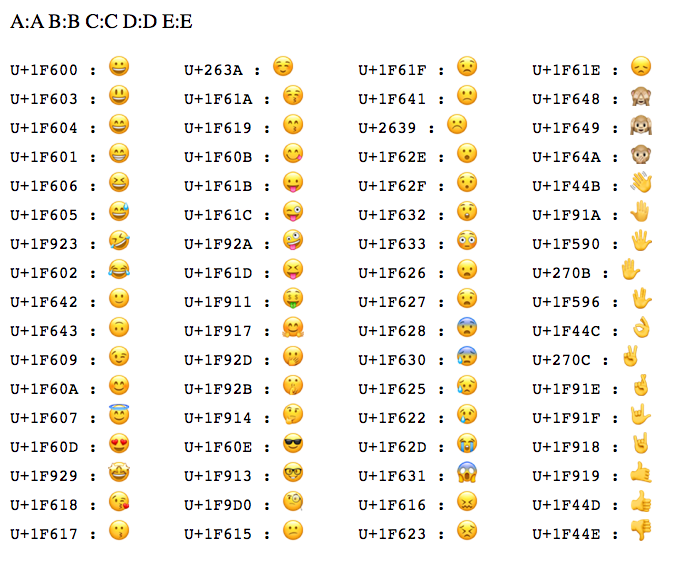
🌍 2. Unicode
Unicode supports global languages.
Formats:
UTF-8
UTF-16
UTF-32
Advantages:
Universal character support
Compatible with ASCII
🖼️ Image Representation
📷 1. Bitmap Images
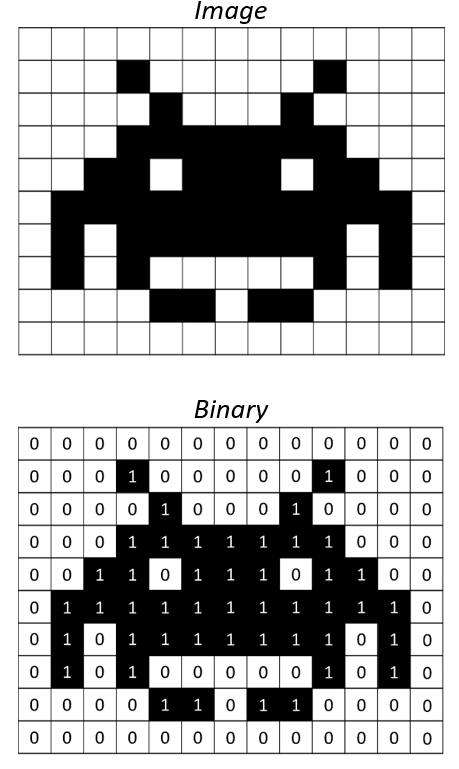
Images are represented as a grid of pixels.
Components:
Resolution
Color depth
Pixel values
🎨 2. Color Representation
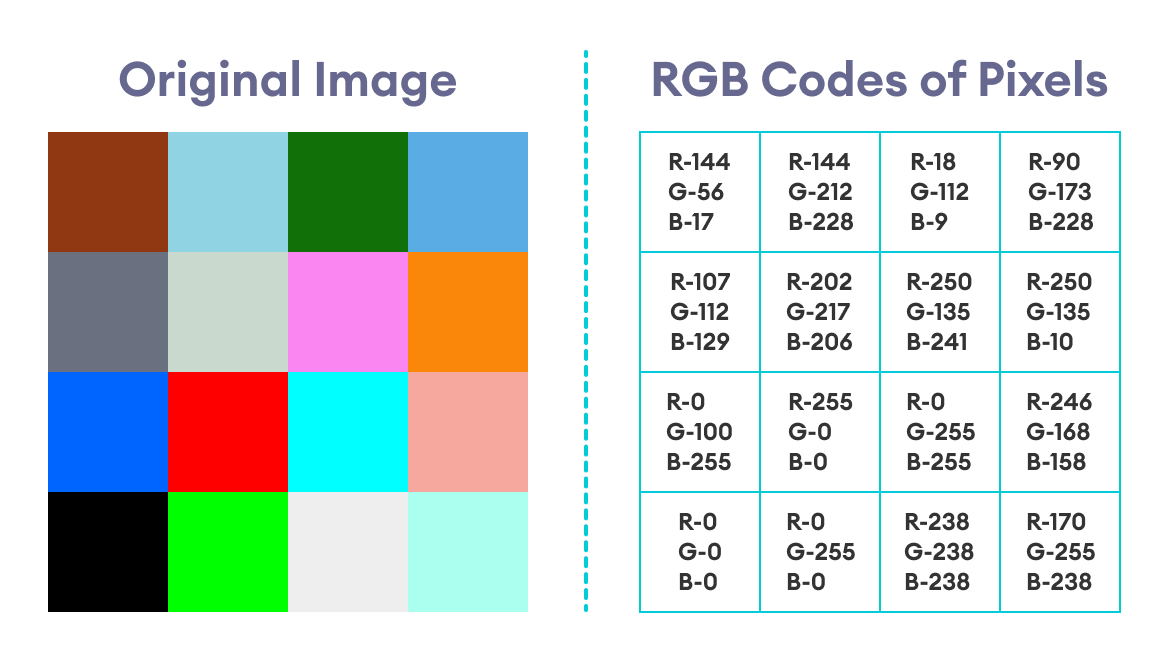
RGB Model:
Red, Green, Blue components
Each color stored in binary
Example:
24-bit color → 16 million colors
🧩 3. Image Compression
Types:
Lossless (PNG)
Lossy (JPEG)
Purpose:
Reduce file size
Maintain quality
🔊 Audio Representation
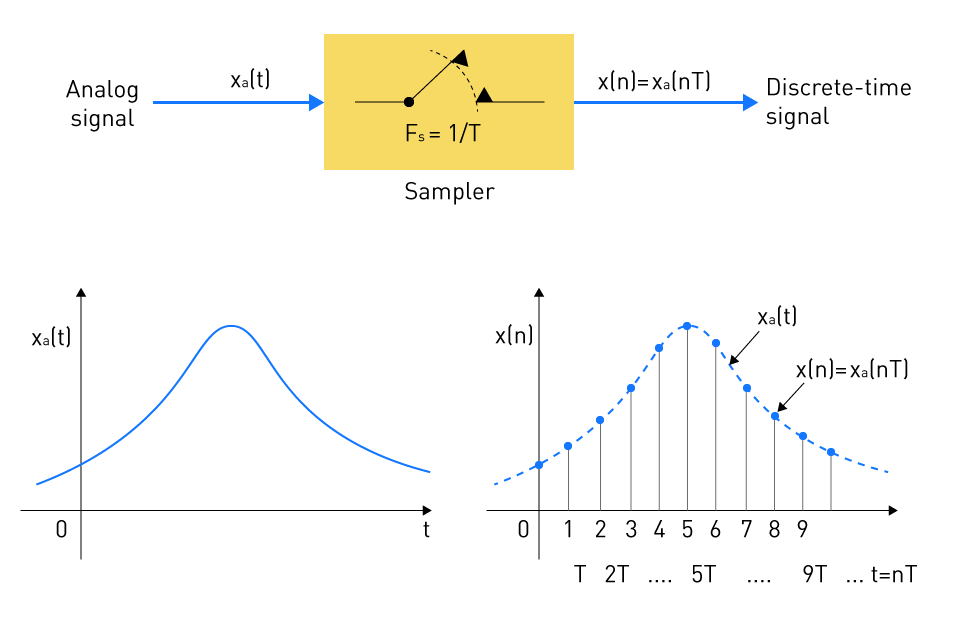
🎵 1. Analog to Digital Conversion
Steps:
Sampling
Quantization
Encoding
🔊 2. Sampling Rate
Measured in Hz
Example: 44.1 kHz
🎚️ 3. Bit Depth
Determines audio quality
Higher bits → better quality
🎧 4. Audio Formats
WAV (uncompressed)
MP3 (compressed)
🎥 Video Representation
🎬 1. Frame-Based Representation
Video = sequence of images (frames)
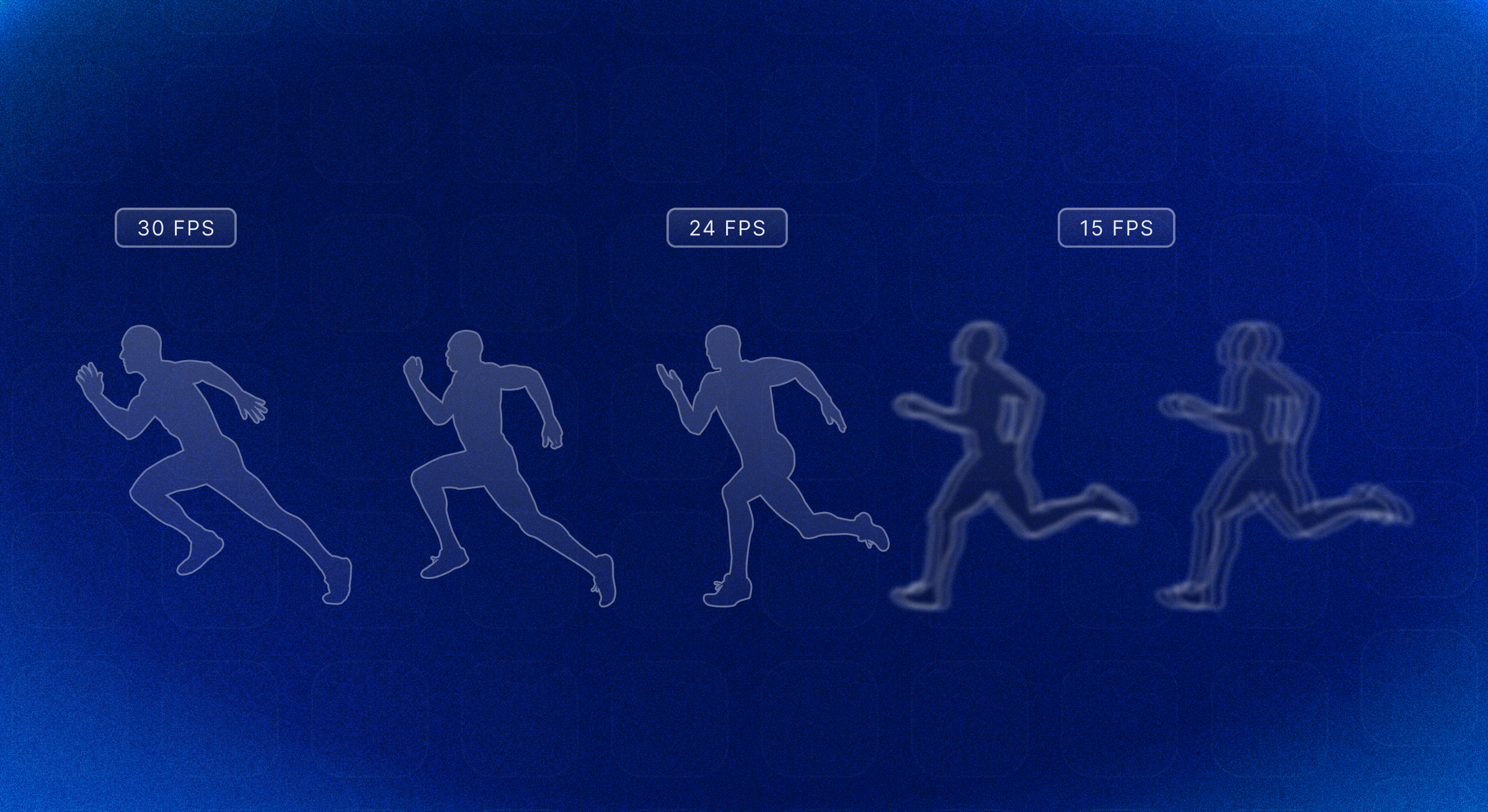
⏱️ 2. Frame Rate
Frames per second (fps)
Example: 30 fps
📦 3. Video Compression
Reduces file size
Uses codecs (H.264, HEVC)
🧠 Data Representation in Memory
💾 Memory Storage
Data stored as binary in memory cells
Organized into bytes and words
🔢 Endianness
Big-endian
Little-endian
Defines byte order in memory.
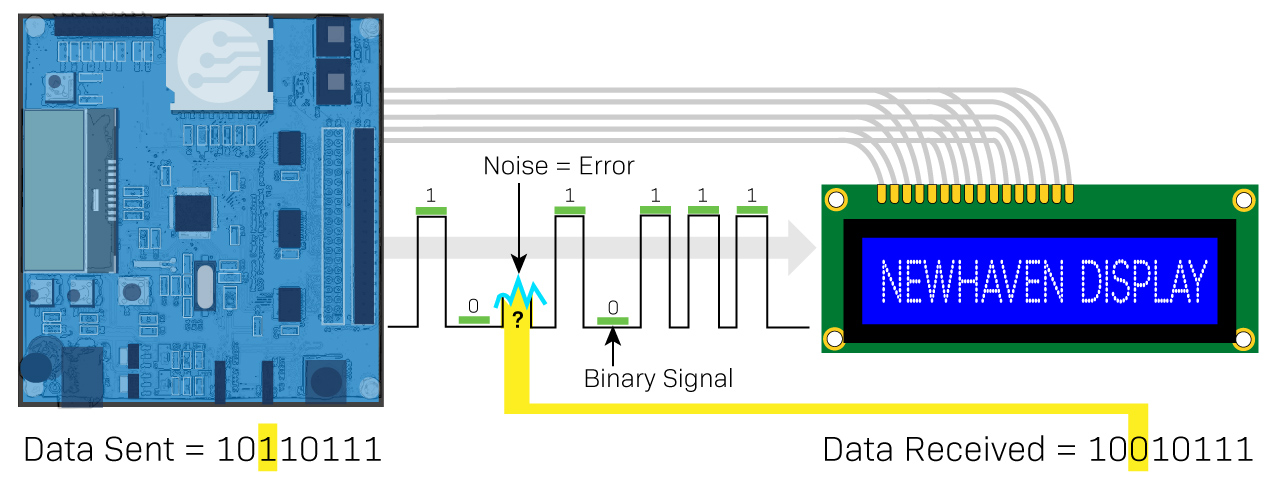
🔐 Error Detection and Correction
⚠️ Techniques:
Parity bits
Hamming code
CRC
⚙️ Data Compression
📦 Types:
Lossless
Lossy
Used in:
Images
Audio
Video
🧩 Data Types in Programming
🔤 Types:
Integer
Float
Character
Boolean
Each type has a binary representation.
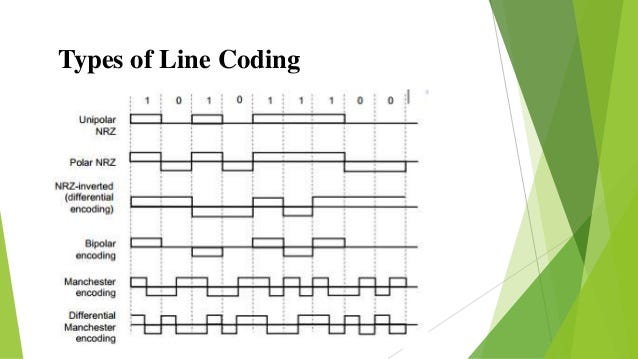
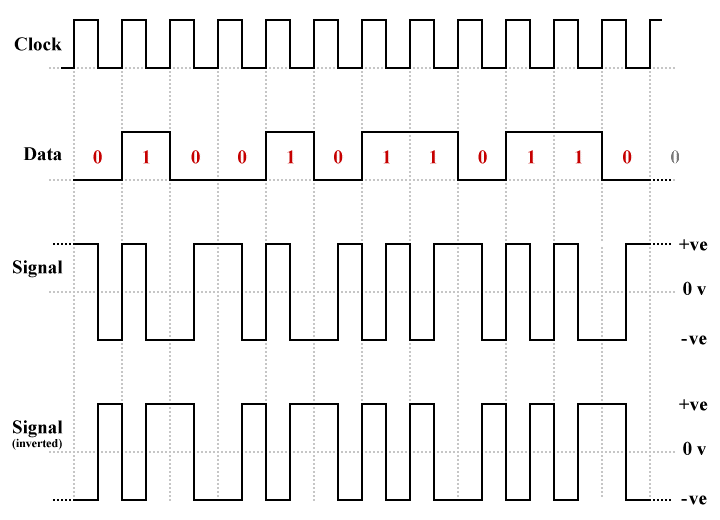
🌐 Data Representation in Networking
📡 Encoding Techniques:
NRZ
Manchester encoding
⚡ Advantages of Data Representation
Efficient storage
Fast processing
Standardization
Compatibility
⚠️ Limitations
Precision loss
Complexity
Conversion overhead
🧠 Modern Trends
🚀 Emerging Technologies
Quantum data representation
AI data encoding
Big data structures
Blockchain systems
🧾 Conclusion
Data representation is the foundation of all computing processes. It enables computers to:
Understand real-world data
Process complex information
Store and transmit efficiently
From numbers and text to multimedia and AI systems, every digital interaction relies on how effectively data is represented.
The binary number system is the foundation of all modern computing and digital electronics. It is a base-2 number system, meaning it uses only two digits:
0 and 1
Every piece of data inside a computer—whether text, images, videos, or programs—is ultimately represented using binary digits (bits).
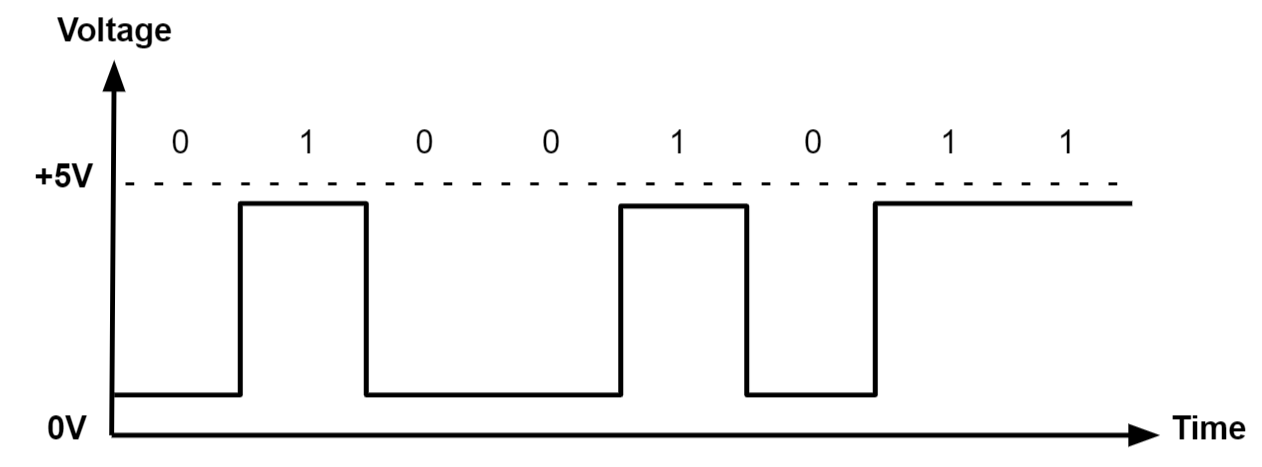
Binary works because electronic circuits can easily represent two states:
0 → OFF (Low voltage)
1 → ON (High voltage)
🧠 Why Binary Is Used in Computers
Computers rely on binary because:
Electronic circuits have two stable states (on/off)
Binary simplifies hardware design
It reduces errors in signal transmission
It is efficient for logic operations
🔢 Understanding Number Systems
Before diving deeper, it’s important to understand number systems:
System
Base
Digits
Decimal
10
0–9
Binary
2
0–1
Octal
8
0–7
Hexadecimal
16
0–9, A–F
🧮 Structure of Binary Numbers
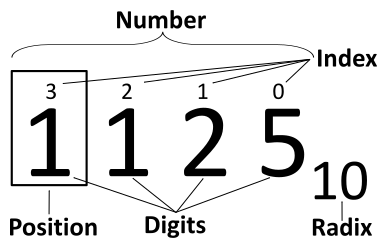
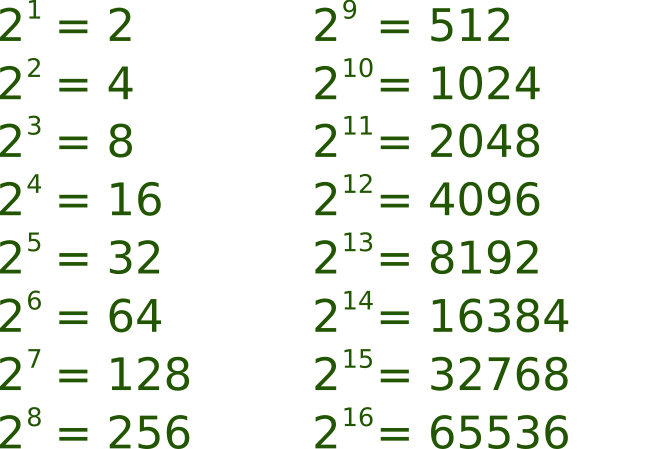
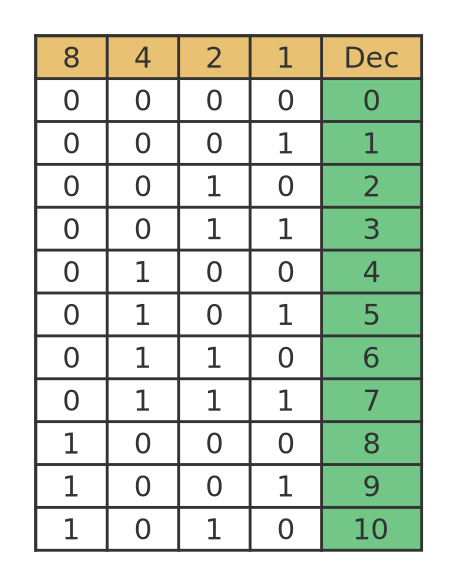
Each position in a binary number represents a power of 2:
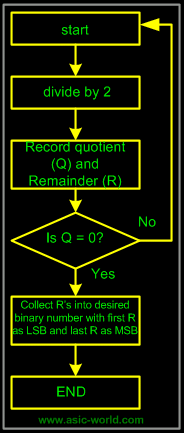
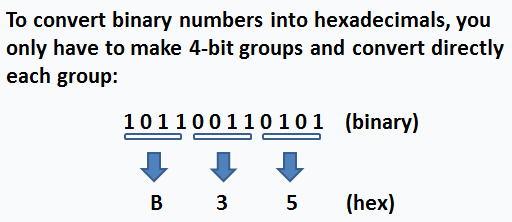
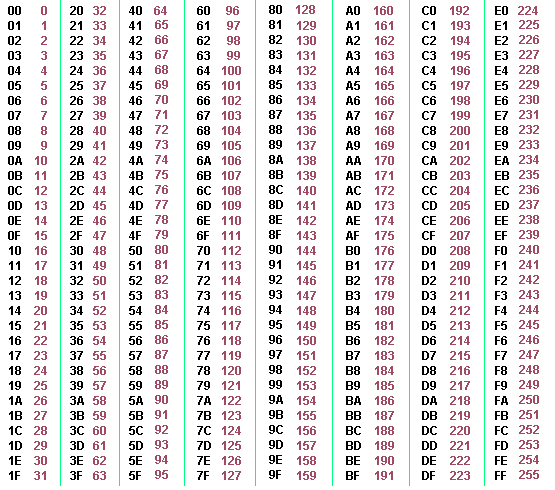
Performed using repeated subtraction or long division method.
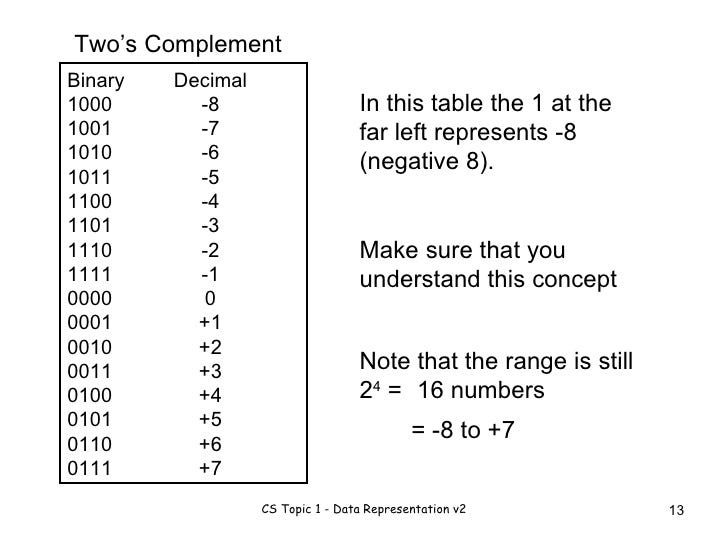
🧠 Signed Binary Numbers
🔢 1. Sign-Magnitude Representation
First bit = sign
Remaining bits = magnitude
🔢 2. One’s Complement
Flip all bits
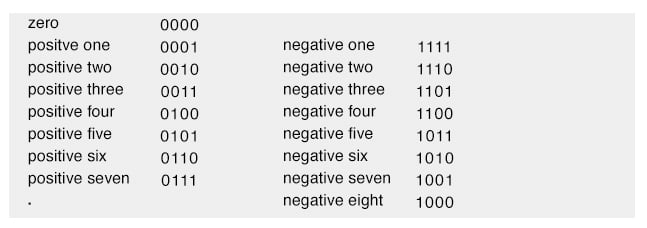
🔢 3. Two’s Complement
Steps:
Invert bits
Add 1
Example:
+5 = 0101
-5 = 1011
🧮 Binary Codes
🔤 1. ASCII Code
Represents characters using binary
Example:
A = 65 = 01000001
🌍 2. Unicode
Supports global languages
Uses more bits than ASCII
🔢 3. BCD (Binary Coded Decimal)
Represents decimal digits separately.
⚙️ Binary in Digital Circuits
Binary is used in:
Logic gates (AND, OR, NOT)
Flip-flops
Registers
Memory circuits
🔌 Boolean Algebra and Binary
0 = False
1 = True
Operations:
AND
OR
NOT
🧠 Applications of Binary System
💻 1. Computer Processing
All operations inside CPU use binary.
📡 2. Communication Systems
Binary signals used in:
Networking
Data transmission
🖼️ 3. Image Representation
Images are stored as binary pixel data.
🎵 4. Audio Encoding
Sound converted into binary signals.
🎮 5. Gaming and Graphics
All rendering uses binary computations.
🔐 6. Cryptography
Binary used in encryption algorithms.
⚡ Advantages of Binary System
Simple implementation
Reliable
Efficient for machines
Error-resistant
⚠️ Limitations
Lengthy representations
Hard for humans to read
Conversion required
🔄 Binary vs Decimal
Feature
Binary
Decimal
Base
2
10
Digits
0,1
0–9
Usage
Computers
Humans
🧠 Advanced Concepts
⚡ Floating Point Representation
Used for real numbers.
🔢 Fixed Point Representation
Used for precise calculations.
🧩 Gray Code
Only one bit changes at a time.
🔄 Error Detection Codes
Parity bits
Hamming code
🧠 Future of Binary
Although binary dominates today:
Quantum computing uses qubits
Multi-valued logic systems are emerging
🧾 Conclusion
The binary number system is the backbone of computing technology. From basic calculations to advanced AI systems, everything depends on binary representation. Understanding binary is essential for:
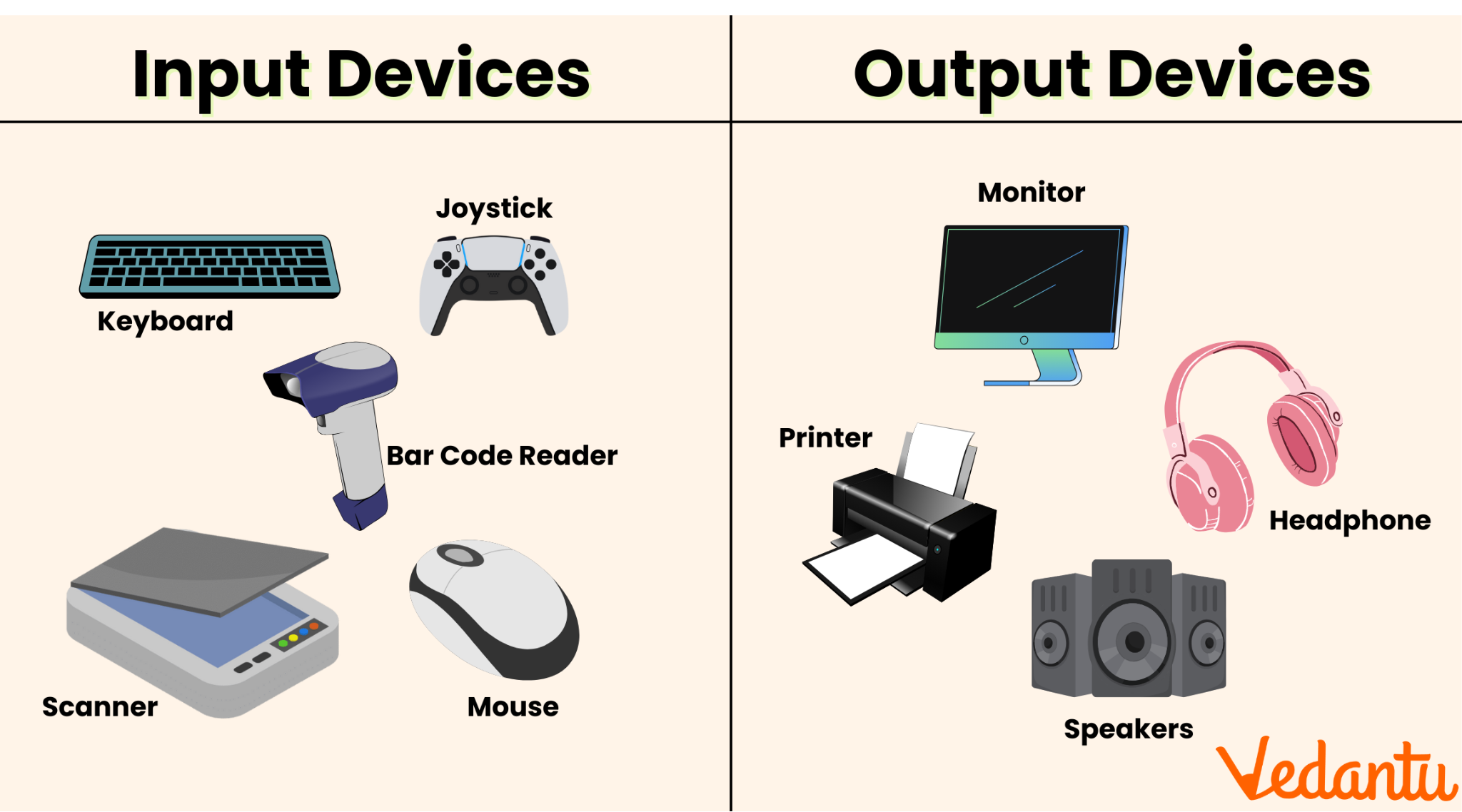
Input and Output (I/O) devices are essential components of any computer system. They serve as the communication bridge between humans and machines, allowing users to provide data (input) and receive processed results (output).
Input Devices → Send data into the computer
Output Devices → Receive data from the computer
Without I/O devices, a computer would be an isolated machine incapable of interaction.
🧠 Understanding the I/O System
The I/O system consists of:
Physical devices (keyboard, monitor, etc.)
Controllers and interfaces
Software drivers
Communication buses
Key Functions:
Data acquisition
Data presentation
Control signals
Feedback mechanisms
⌨️ INPUT DEVICES
📌 What Are Input Devices?
Input devices allow users to enter data, commands, and instructions into a computer system.
Characteristics:
Convert human actions into machine-readable signals
Provide control and interaction
Can be manual or automatic
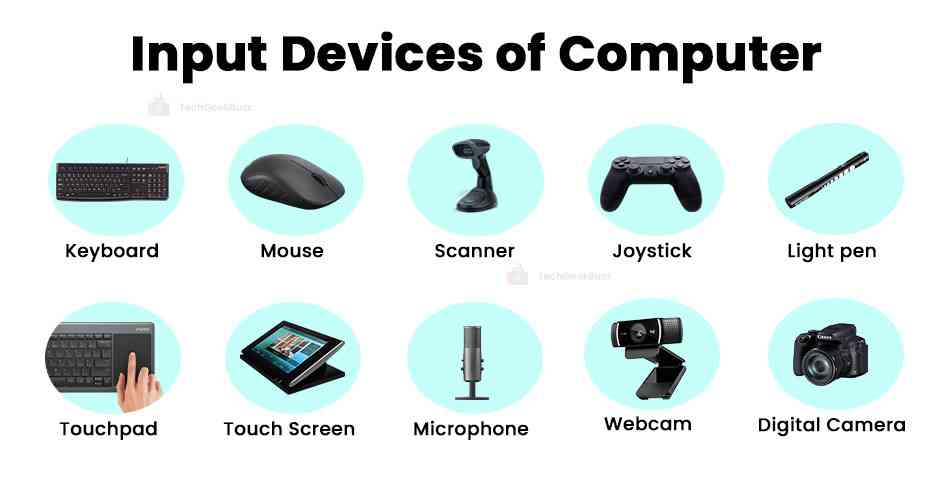
🔤 Types of Input Devices
1. Keyboard
The keyboard is the most common input device.
Features:
QWERTY layout
Function keys (F1–F12)
Numeric keypad
Special keys (Ctrl, Alt, Shift)
Types:
Mechanical keyboards
Membrane keyboards
Virtual keyboards
Working:
Each key press generates a scan code, which is interpreted by the computer.
🖱️ 2. Mouse
The mouse is a pointing device used to control the cursor.
Types:
Optical mouse
Laser mouse
Wireless mouse
Functions:
Clicking
Dragging
Scrolling
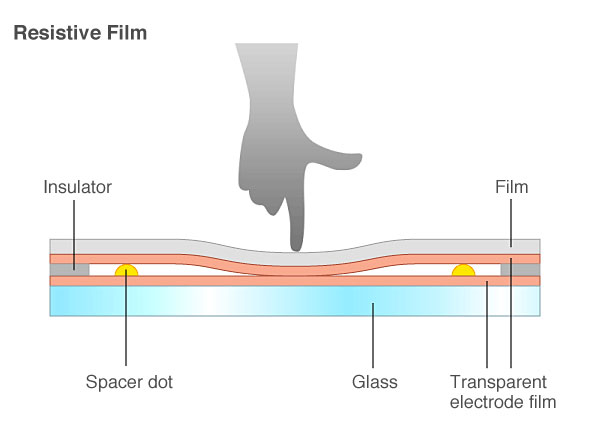
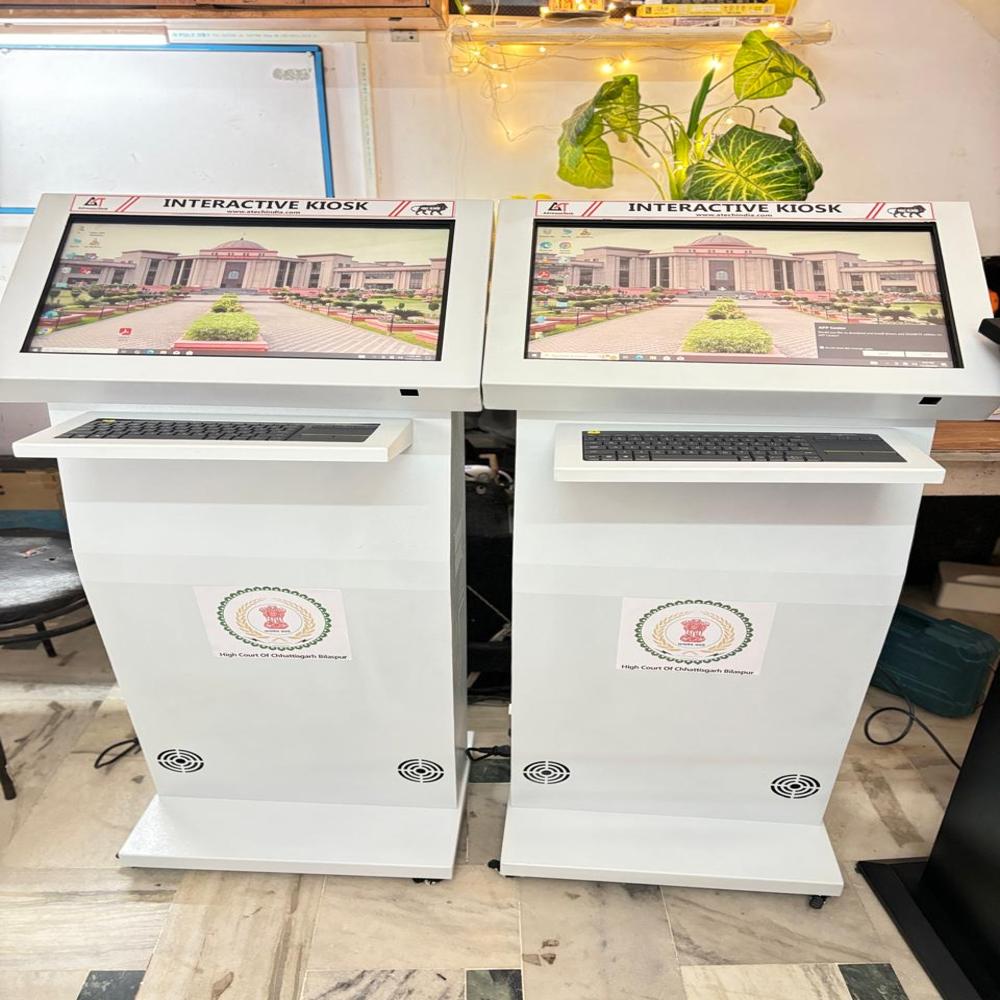
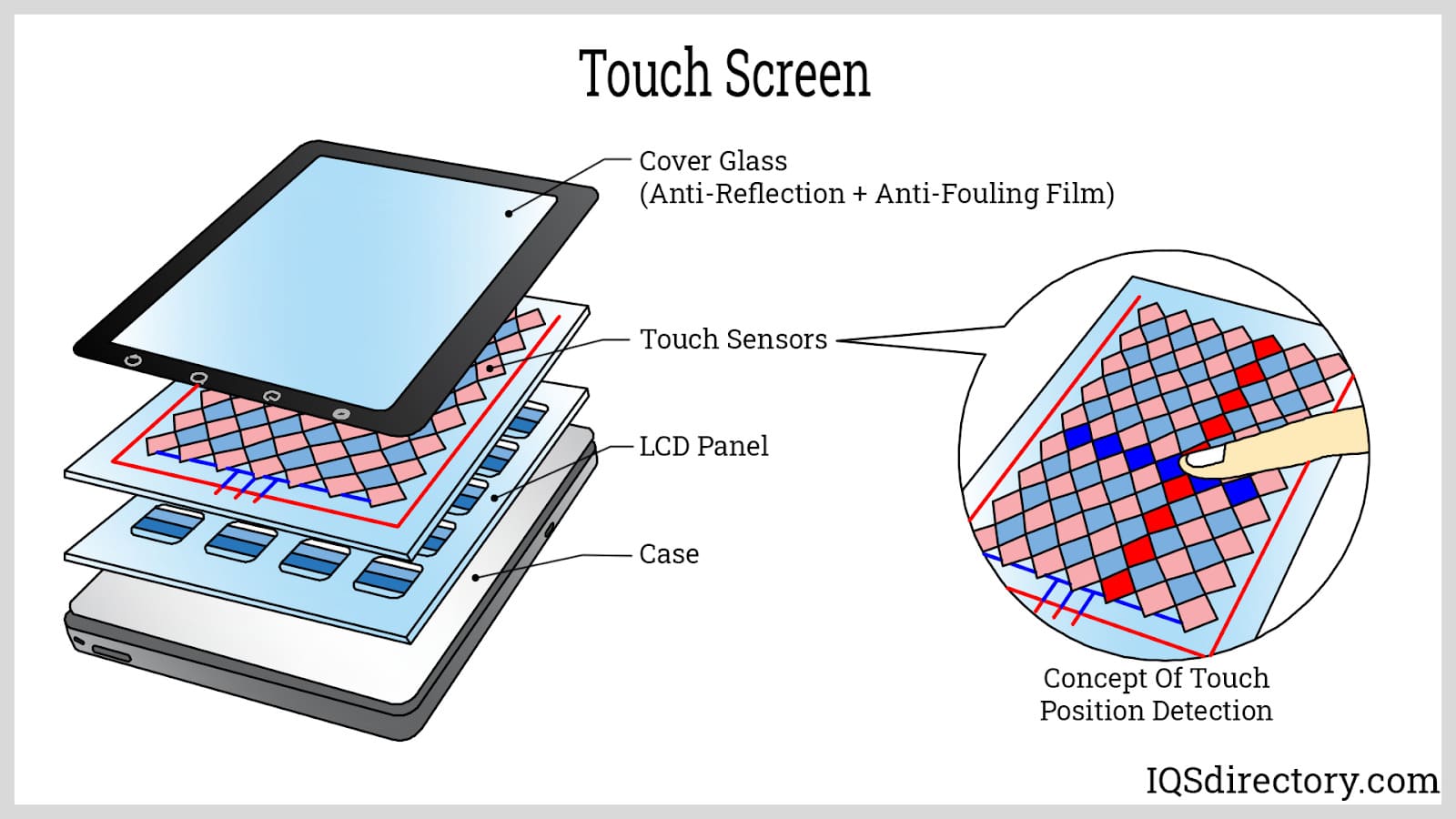
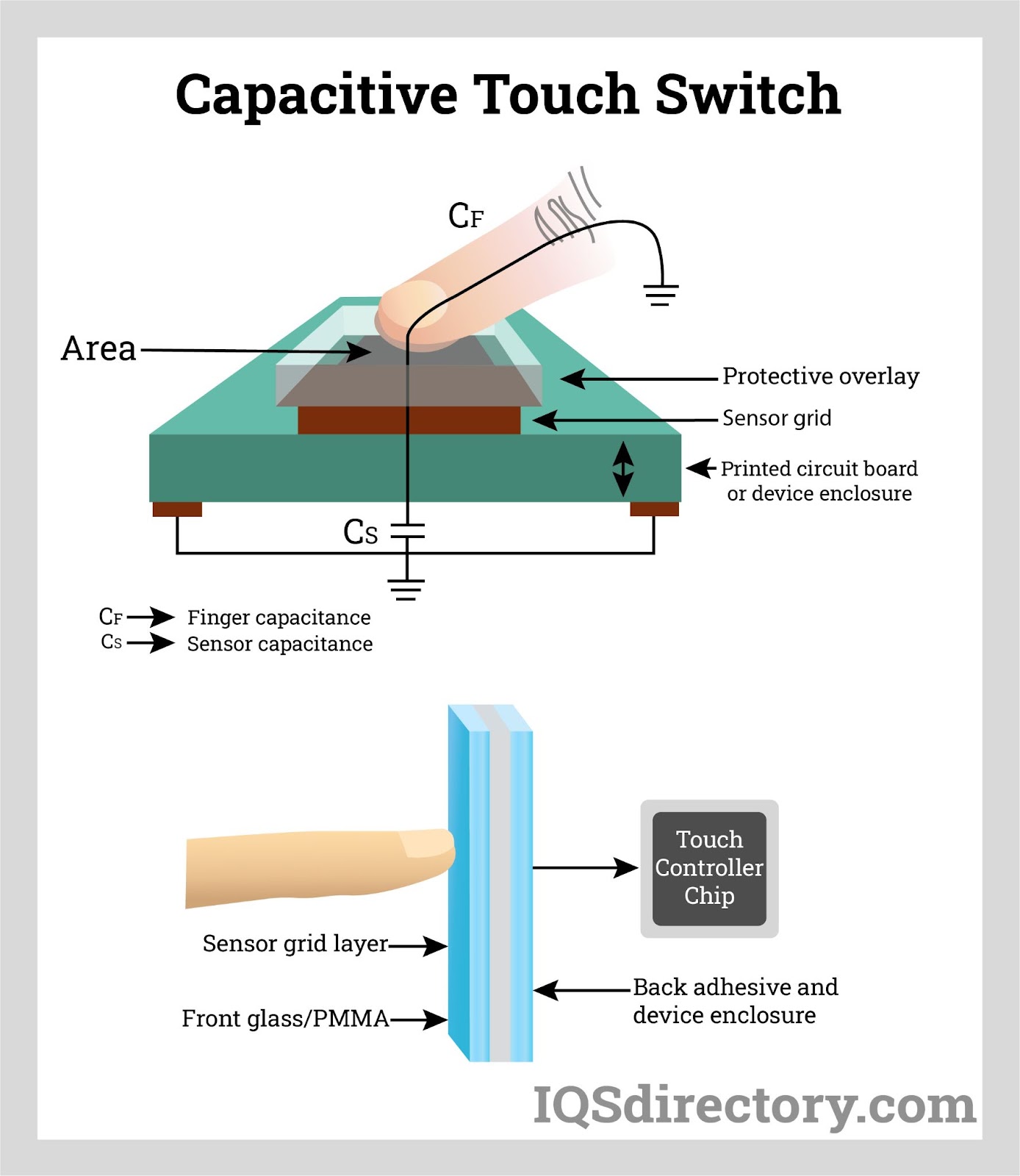
📱 3. Touchscreen
Touchscreens allow direct interaction using fingers.
Types:
Resistive
Capacitive
Infrared
Uses:
Smartphones
ATMs
Interactive kiosks
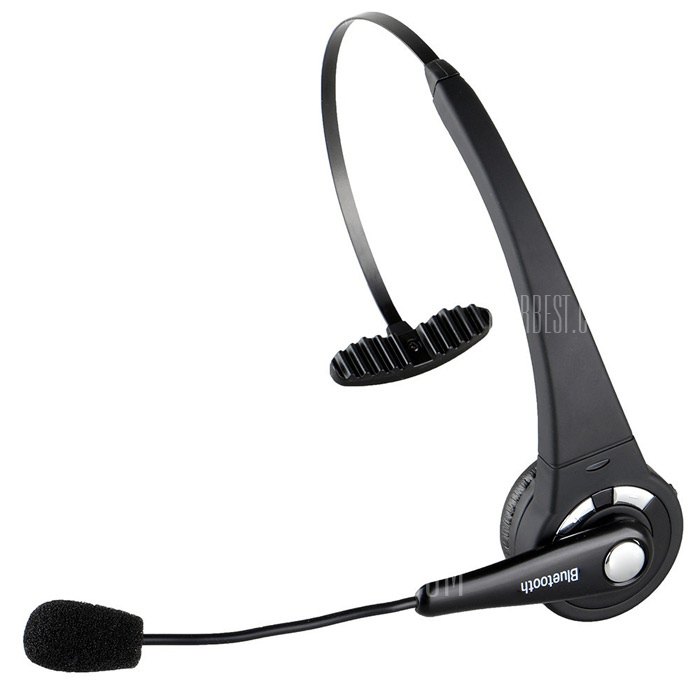
🎤 4. Microphone
Used to input audio signals.
Applications:
Voice commands
Recording
Communication
📷 5. Scanner
Converts physical documents into digital format.
Types:
Flatbed scanner
Handheld scanner
Barcode scanner
Technology:
Uses optical sensors to capture images.
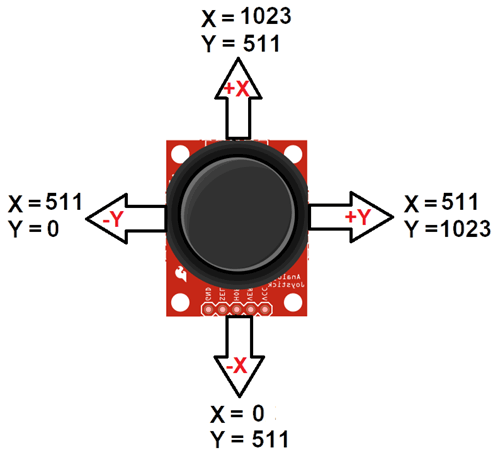
🎮 6. Joystick
Used mainly for gaming and simulations.
📸 7. Webcam
Captures images and video.
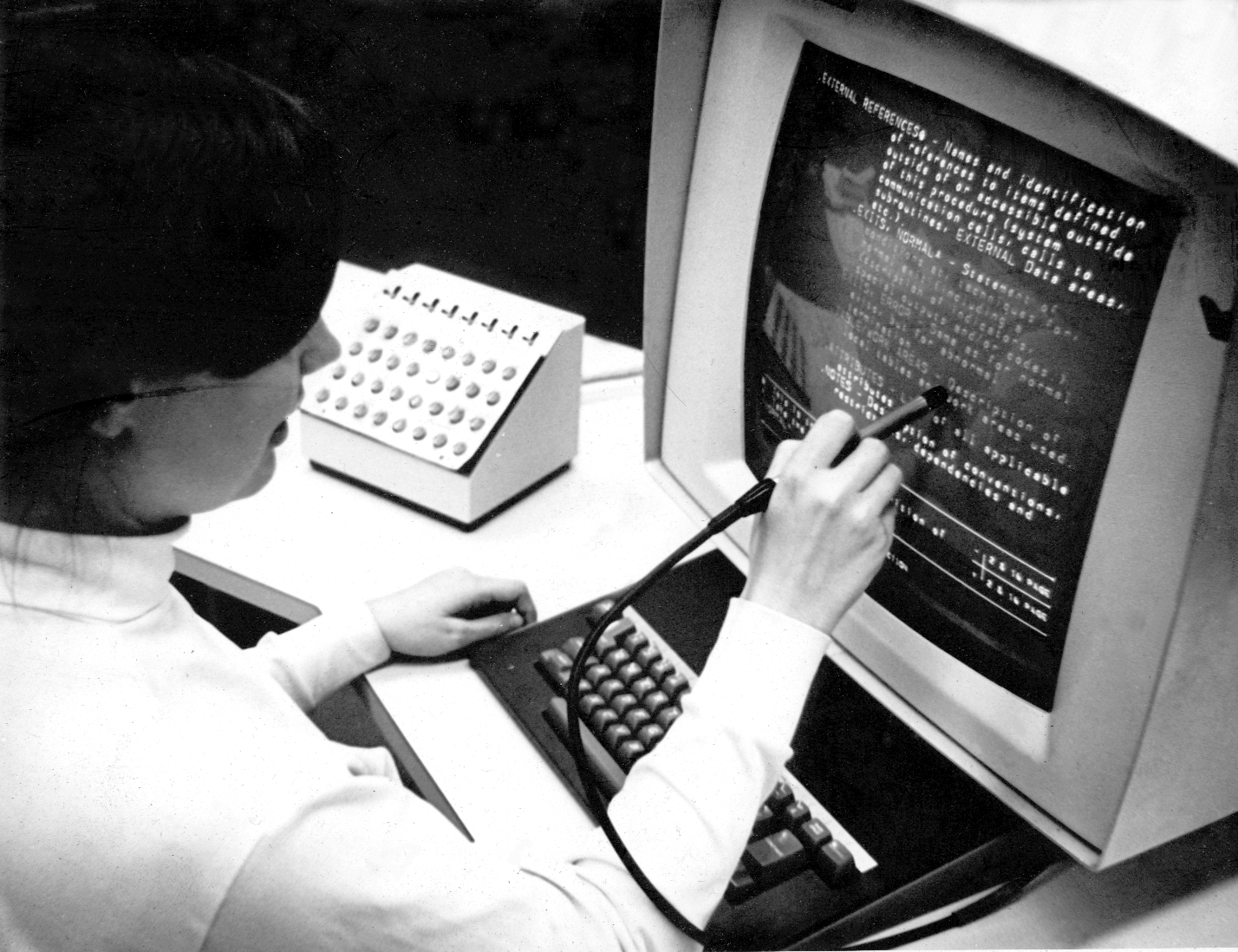
✍️ 8. Light Pen
Used for drawing directly on screens (older tech).
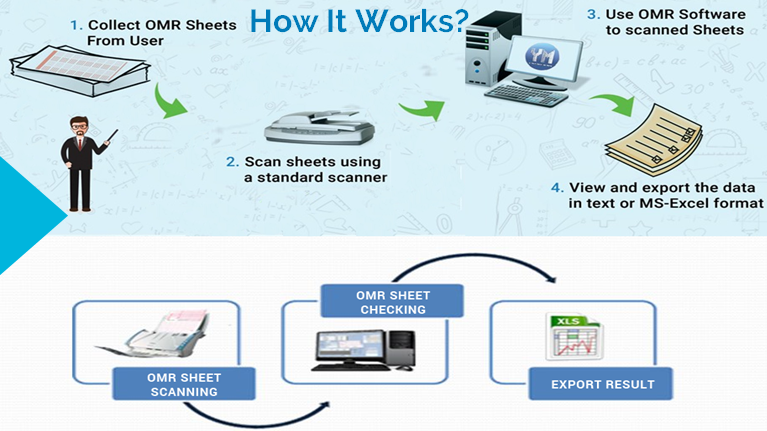
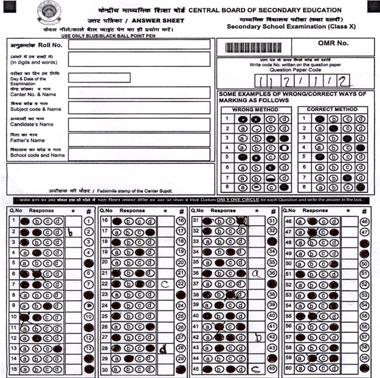
🧾 9. Optical Mark Reader (OMR)
Reads marked answers (e.g., exams).
🔤 10. Optical Character Reader (OCR)
Converts printed text into editable digital text.
🧬 11. Biometric Devices
Used for security and identification.
Types:
Fingerprint scanner
Iris scanner
Face recognition
🌐 Advanced Input Devices
Motion sensors
Gesture recognition
VR controllers
Eye-tracking devices
🖥️ OUTPUT DEVICES
📌 What Are Output Devices?
Output devices present processed data to users.
Characteristics:
Convert digital signals into human-readable form
Provide visual, audio, or physical output
📺 Types of Output Devices
🖥️ 1. Monitor
Displays visual output.
Types:
CRT (old)
LCD
LED
OLED
Features:
Resolution
Refresh rate
Screen size
🖨️ 2. Printer
Produces hard copies.
Types:
Inkjet
Laser
Dot matrix
🔊 3. Speakers
Produce sound output.
🎧 4. Headphones
Provide personal audio output.
📽️ 5. Projector
Displays visuals on large screens.
🧾 6. Plotter
Used for large technical drawings.
📟 7. Braille Display
Helps visually impaired users.
🌐 Advanced Output Devices
VR headsets
AR displays
Holographic displays
🔄 Input vs Output Devices
Feature
Input Devices
Output Devices
Function
Enter data
Display results
Direction
User → Computer
Computer → User
Examples
Keyboard, Mouse
Monitor, Printer
⚙️ Input/Output Interfaces
🔌 Ports and Connections
Common interfaces:
USB
HDMI
VGA
Bluetooth
Wi-Fi
🔄 I/O Data Transfer Methods
Programmed I/O
Interrupt-driven I/O
Direct Memory Access (DMA)
🧠 Drivers and Software
Device drivers enable communication
OS manages I/O operations
Examples: printer drivers, audio drivers
⚡ Performance Factors
Speed
Accuracy
Latency
Bandwidth
🔐 Security in I/O Devices
Biometric authentication
Encryption
Secure input methods
🧩 Emerging Trends
AI-based interfaces
Voice assistants
Brain-computer interfaces
Smart wearables
📊 Advantages of I/O Devices
User interaction
Automation
Accessibility
Efficiency
⚠️ Limitations
Cost
Maintenance
Compatibility issues
Security risks
🧠 Conclusion
Input and Output devices are fundamental to computing systems. They enable:
Human-computer interaction
Data processing and visualization
Automation and control
As technology evolves, I/O devices are becoming more intelligent, immersive, and intuitive, shaping the future of human-computer interaction.
Computer architecture refers to the design, structure, and functional behavior of a computer system. It defines how different components of a computer—such as the CPU, memory, and input/output devices—interact with each other to execute programs.
At its core, computer architecture answers three main questions:
What does the system do? (Functionality)
How is it organized? (Structure)
How does it operate? (Behavior)
The architecture of a computer is usually divided into:
Instruction Set Architecture (ISA) – Interface between hardware and software
Microarchitecture – Internal implementation of the processor
System Design – Integration of hardware components
🧠 Historical Background
1. Early Computing Machines
The development of computer architecture began with early mechanical devices:
Abacus – First counting tool
Analytical Engine (Charles Babbage) – Concept of programmable machines
ENIAC – First electronic general-purpose computer
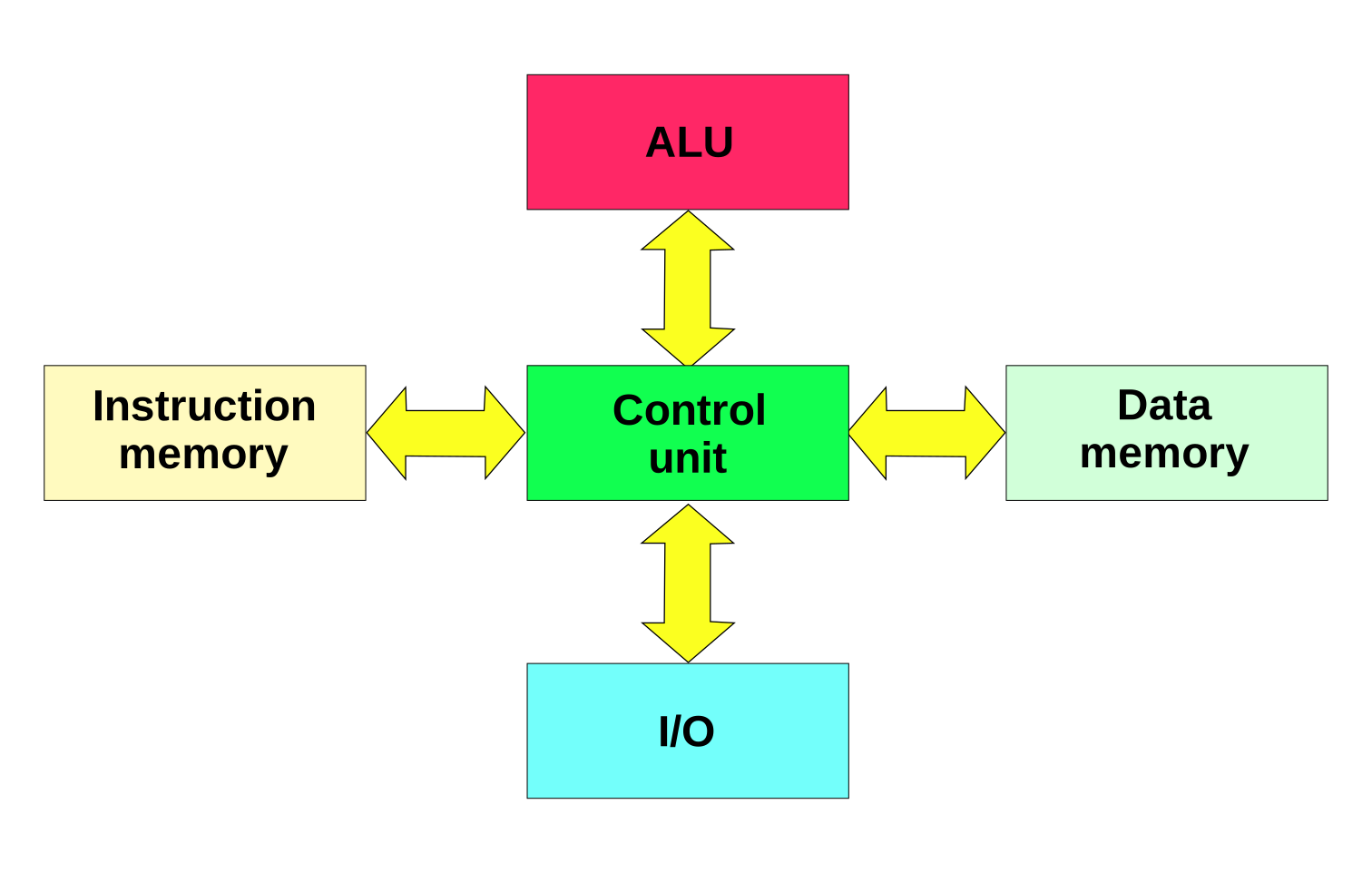
2. Von Neumann Architecture
The Von Neumann architecture is the foundation of modern computers. It introduced the stored-program concept, where instructions and data are stored in the same memory.
Key components:
Central Processing Unit (CPU)
Memory
Input/Output devices
Bus system
⚙️ Core Components of Computer Architecture
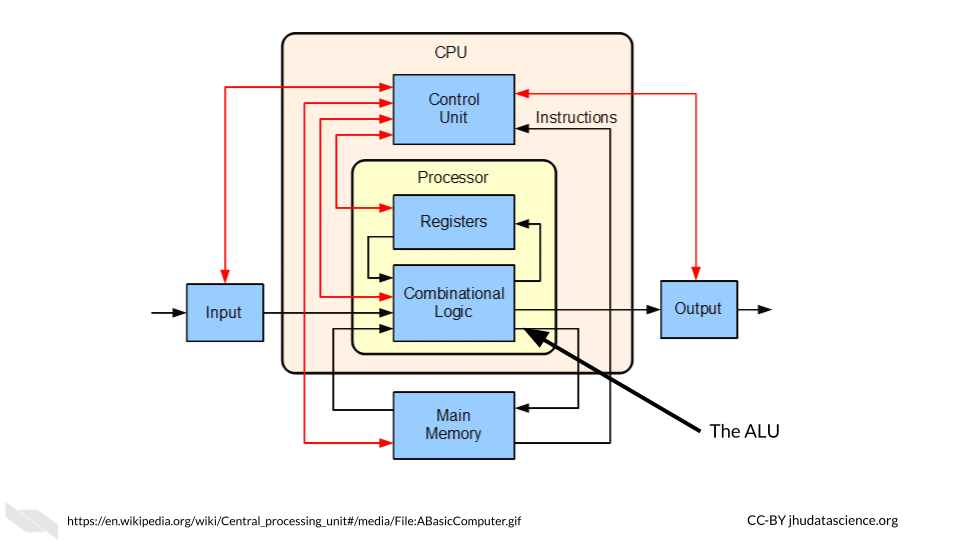
1. Central Processing Unit (CPU)
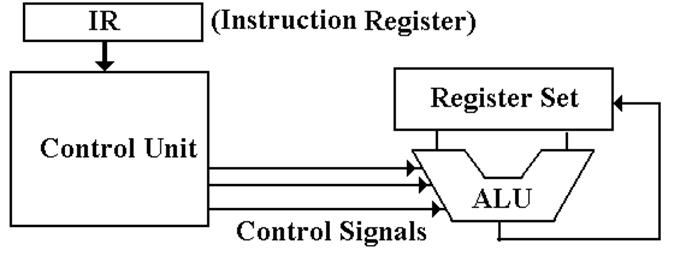
The CPU is the brain of the computer, responsible for executing instructions.
These units enable communication between user and computer.
4. Bus System
The bus is a communication system that transfers data between components.
Types of Buses:
Data Bus – Transfers data
Address Bus – Carries memory addresses
Control Bus – Sends control signals
🔄 Instruction Cycle (Fetch-Decode-Execute)
The CPU processes instructions in a cycle:
Fetch – Retrieve instruction from memory
Decode – Interpret instruction
Execute – Perform operation
This cycle repeats continuously.
🧮 Instruction Set Architecture (ISA)
ISA defines:
Instruction formats
Addressing modes
Data types
Registers
Examples:
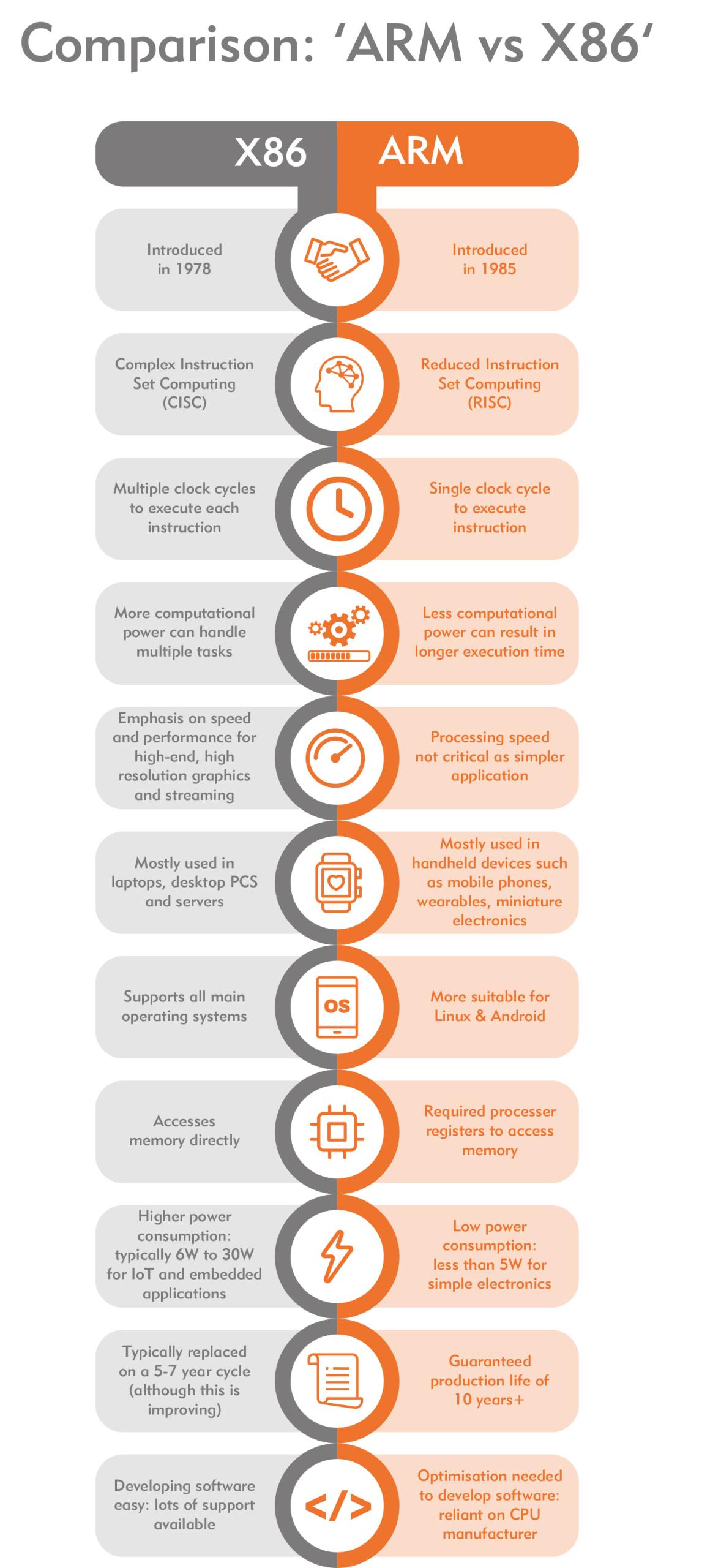
RISC (Reduced Instruction Set Computer)
CISC (Complex Instruction Set Computer)
⚡ RISC vs CISC Architecture
Feature
RISC
CISC
Instructions
Simple
Complex
Execution
Fast
Slower
Examples
ARM
x86
🧠 Memory Hierarchy
Memory is organized based on speed and cost:
Registers (fastest)
Cache
RAM
Secondary Storage (slowest)
Key principle:
Faster memory is more expensive and smaller.
⚙️ Microarchitecture
Microarchitecture refers to:
Internal design of CPU
Pipelining
Superscalar execution
Branch prediction
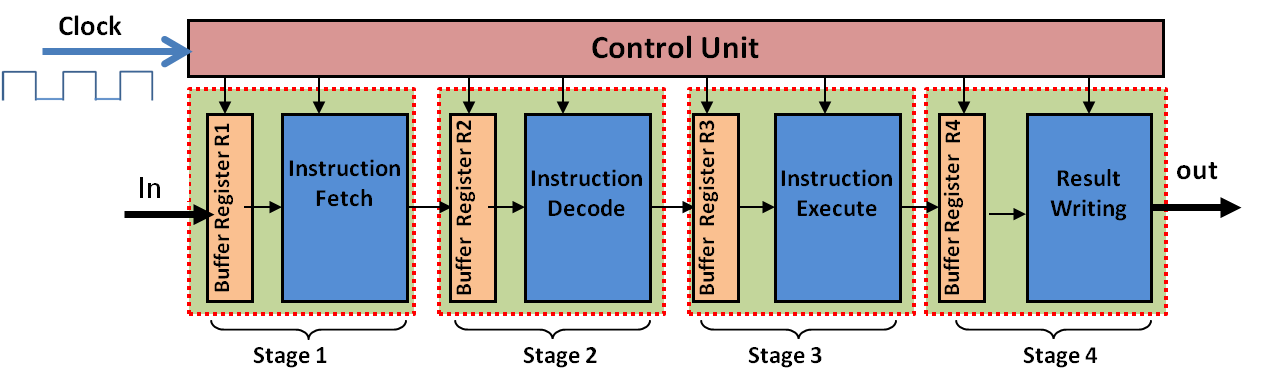
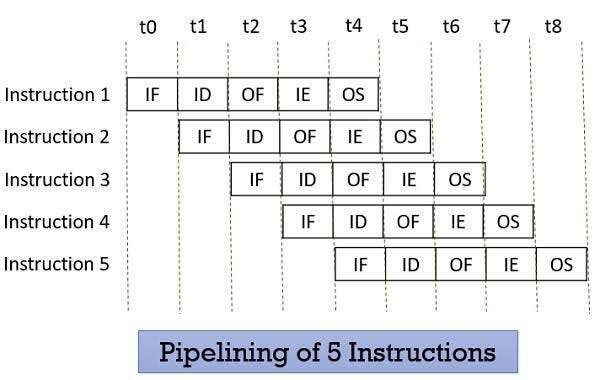
🔁 Pipelining
Pipelining improves performance by overlapping instruction execution.
Stages:
Fetch
Decode
Execute
Memory
Write-back
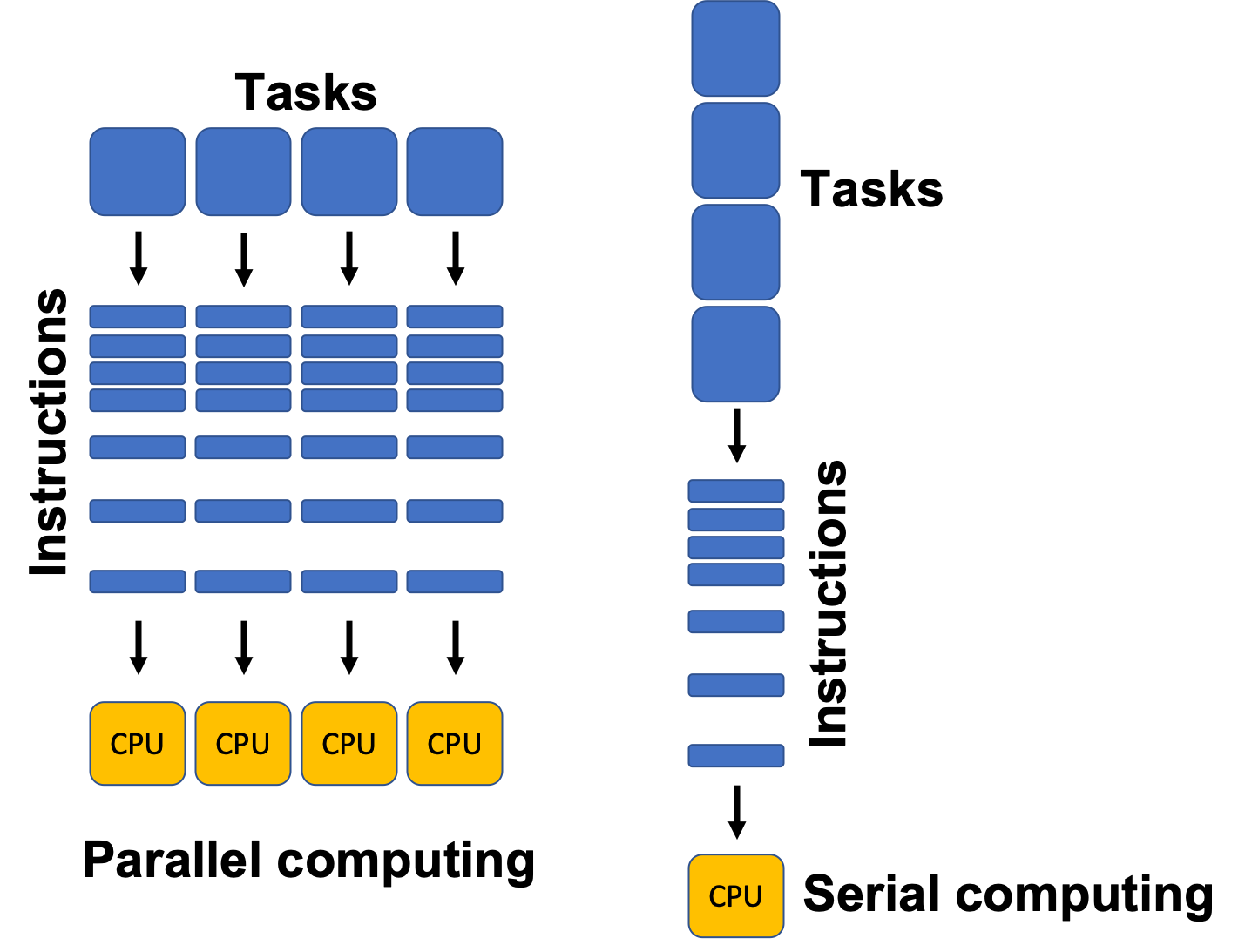
🧩 Parallelism in Architecture
Types:
Instruction-Level Parallelism (ILP)
Data-Level Parallelism (DLP)
Thread-Level Parallelism (TLP)
Examples:
Multi-core processors
GPUs
🖥️ Types of Computer Architectures
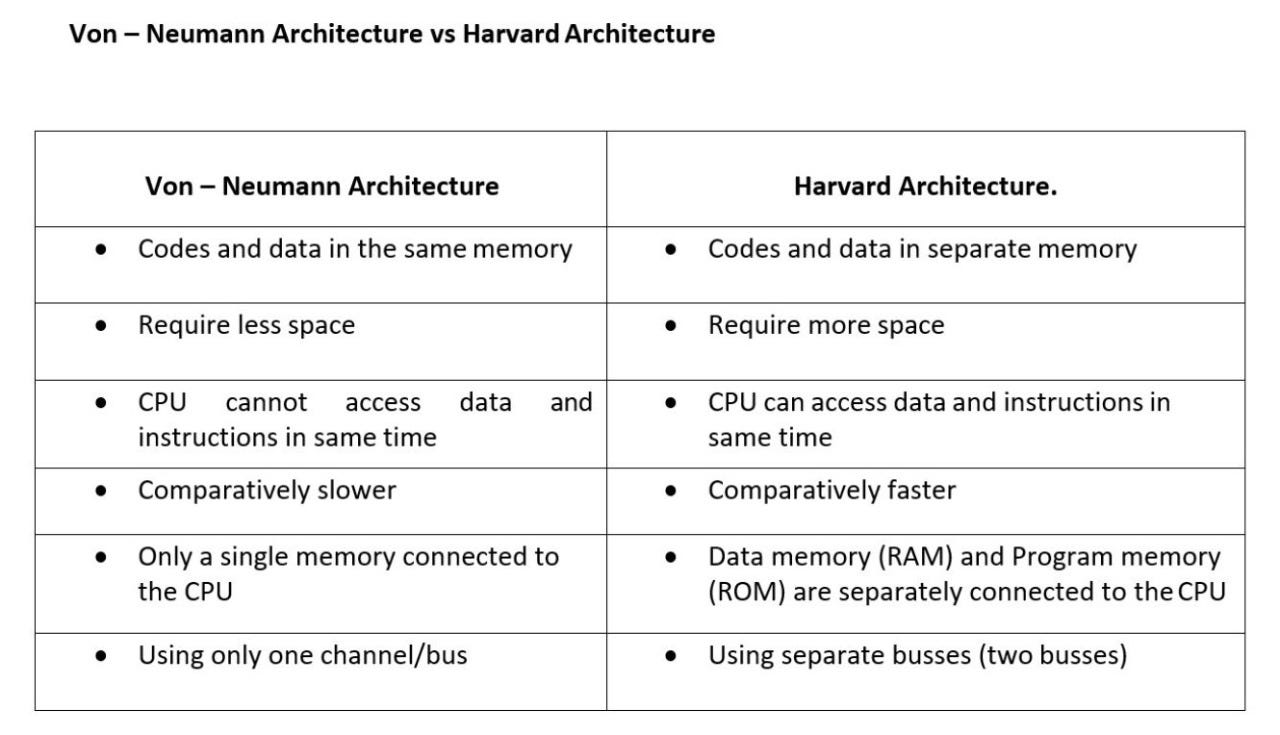
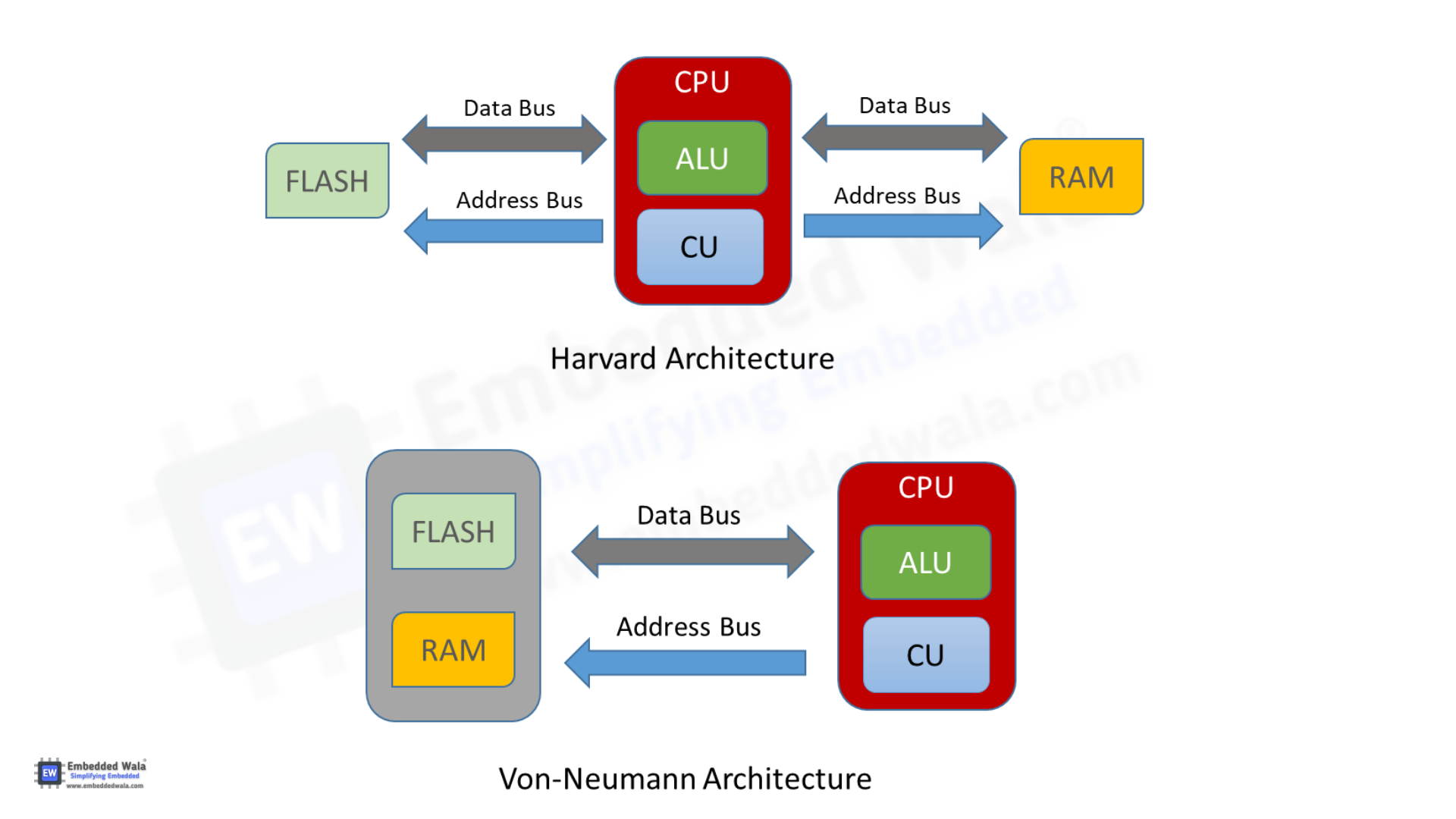
1. Von Neumann Architecture
Single memory for data and instructions
Simpler design
Bottleneck issue
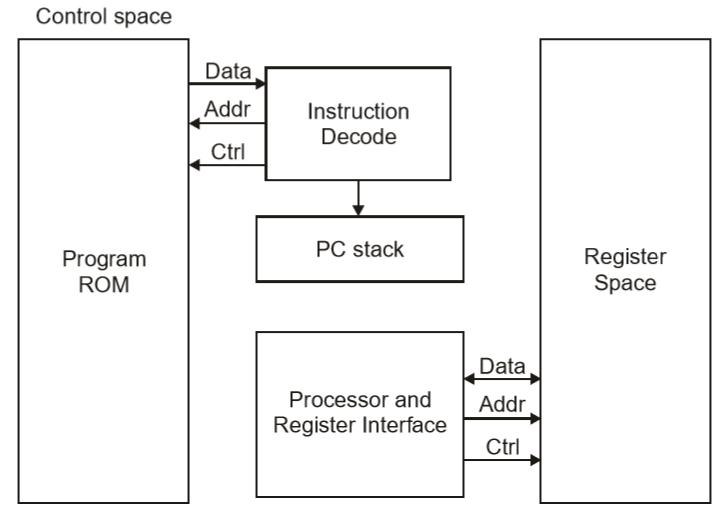
2. Harvard Architecture
Separate memory for data and instructions
Faster access
Used in embedded systems
🧮 Addressing Modes
Defines how operands are accessed:
Immediate
Direct
Indirect
Indexed
Register
⚡ Performance Metrics
1. Clock Speed
Measured in GHz
Determines how many cycles per second
2. Throughput
Number of tasks per unit time
3. Latency
Time taken to execute a task
🔐 Control Signals and Timing
Control unit generates signals
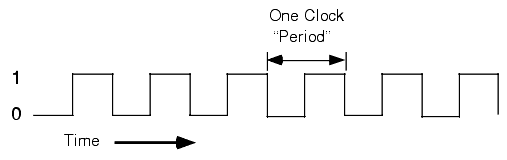
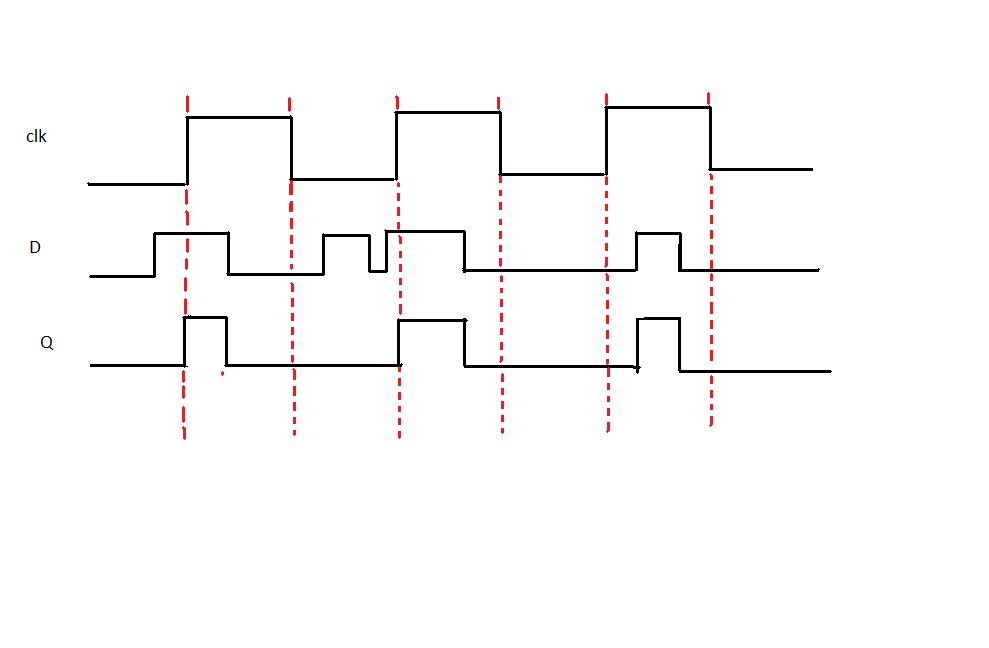
Synchronization through clock pulses
Ensures proper sequencing
🧠 Registers in Detail
Types:
General-purpose registers
Special-purpose registers:
Program Counter
Stack Pointer
Status Register
📦 Cache Memory Levels
L1 Cache – fastest, smallest
L2 Cache – larger, slower
L3 Cache – shared among cores
🧩 Multiprocessing and Multicore Systems
Multiple processors or cores
Improves performance and multitasking
🔄 Interrupts in Computer Architecture
Signals from devices to CPU
Types:
Hardware interrupts
Software interrupts
🧮 Input/Output Organization
Methods:
Programmed I/O
Interrupt-driven I/O
Direct Memory Access (DMA)
🔐 Bus Arbitration
Determines which device controls the bus
Methods:
Centralized
Distributed
🧠 Evolution of Computer Architecture
Generations:
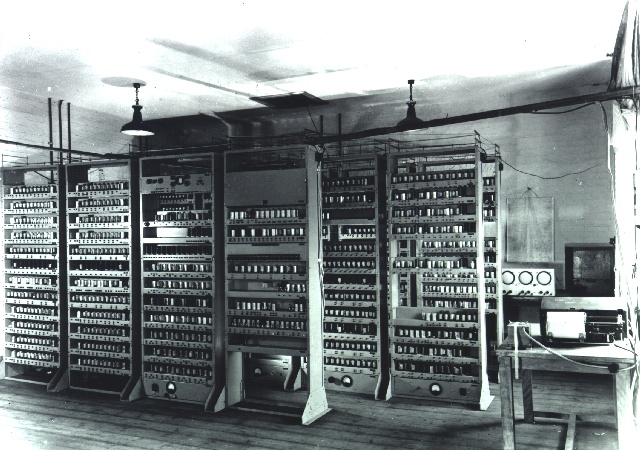
Vacuum Tubes
Transistors
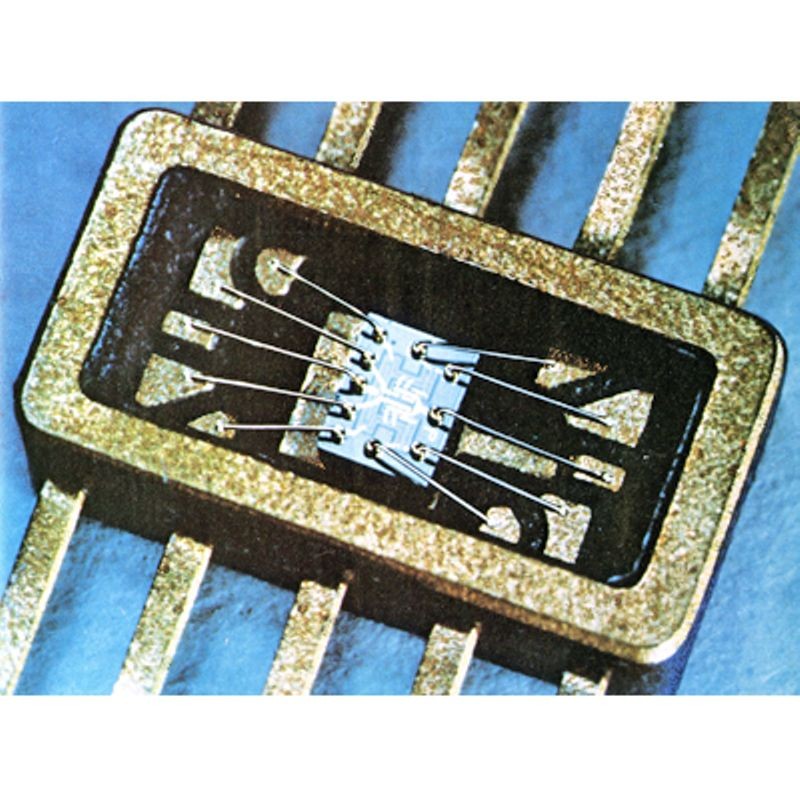
Integrated Circuits
Microprocessors
AI-based architectures
⚙️ Modern Trends in Computer Architecture
Quantum Computing
Neuromorphic Computing
Edge Computing
Cloud Computing
🧾 Advantages of Computer Architecture Design
Efficient processing
Scalability
Flexibility
Optimization of resources
⚠️ Limitations
Complexity
Cost
Power consumption
Heat generation
🧠 Conclusion
Basic computer architecture forms the foundation of all computing systems. From simple machines to modern AI-powered systems, understanding architecture helps in:
Designing efficient systems
Improving performance
Building advanced technologies
It connects hardware and software, enabling computers to solve complex problems efficiently.
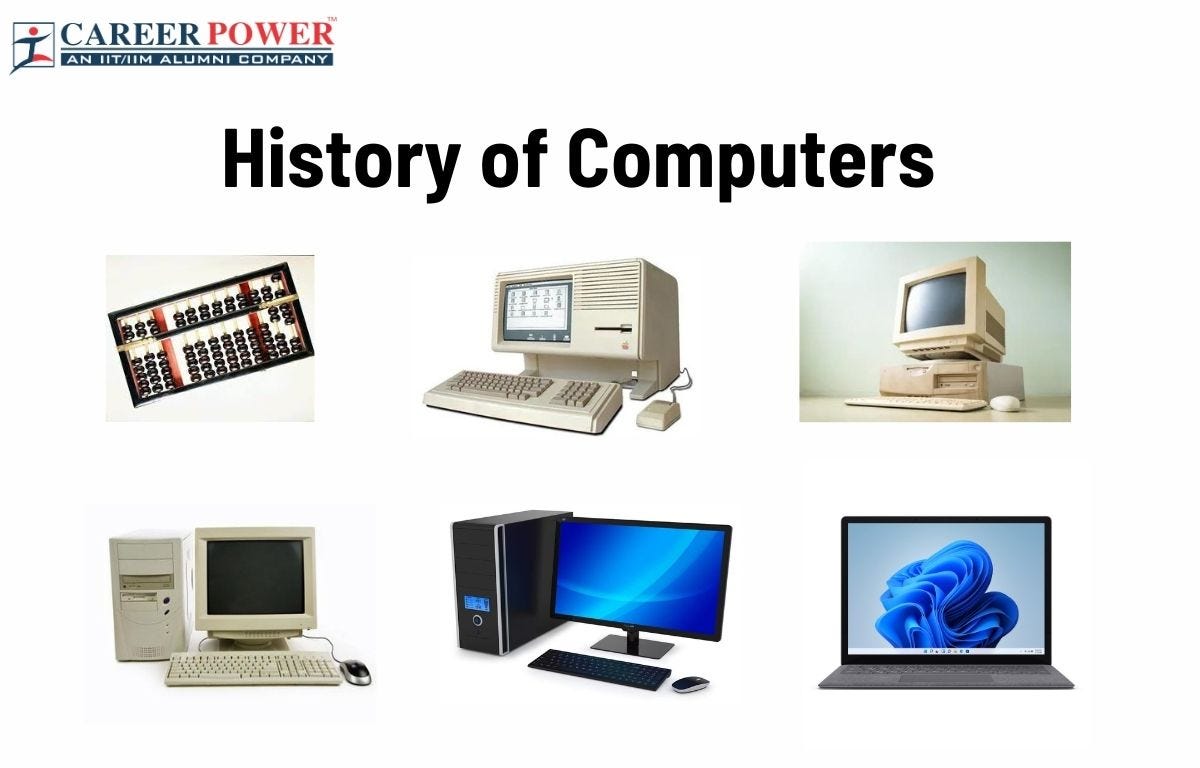
The history of computing is a fascinating journey that spans thousands of years, from simple counting tools used in ancient civilizations to the highly advanced digital systems that power modern society. Computing has evolved through continuous innovation, driven by the human need to calculate, automate tasks, and process information efficiently.
Computing is not just about machines—it reflects the development of mathematical thinking, engineering ingenuity, and scientific progress. Over time, the concept of computation expanded from manual calculations to mechanical devices, then to electronic systems, and now to intelligent and quantum-based technologies.
Understanding the history of computing provides insights into how current technologies came into existence and helps us anticipate future advancements.
2. Early Computing Devices (Pre-Mechanical Era)
2.1 The Abacus
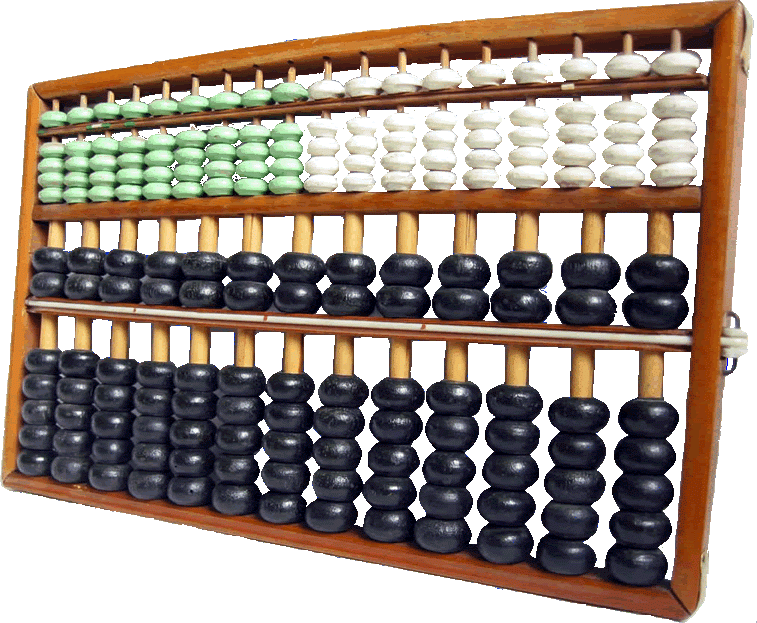
The abacus, developed around 2500 BCE, is considered the earliest known computing device. It consists of beads sliding on rods, used for performing arithmetic operations such as addition and subtraction.
Key features:
Used in ancient civilizations like China, Mesopotamia, and Egypt
Enabled fast manual calculations
Still used today for teaching arithmetic
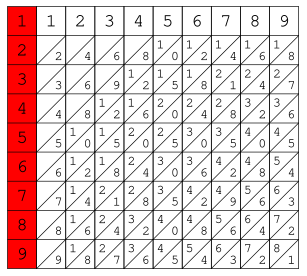
2.2 Napier’s Bones
Invented by John Napier in 1617, Napier’s Bones were a set of rods used to perform multiplication and division.
Importance:
Simplified complex arithmetic operations
Introduced logarithmic thinking
Influenced later calculating devices
2.3 Slide Rule
The slide rule, invented in the 17th century, was widely used by engineers and scientists until the 1970s.
Features:
Based on logarithmic scales
Used for multiplication, division, roots, and trigonometry
Essential tool before electronic calculators
3. Mechanical Computing Era
3.1 Pascaline
Invented by Blaise Pascal in 1642, the Pascaline was a mechanical calculator designed to perform addition and subtraction.
Significance:
One of the first automatic calculators
Used gear-based mechanisms
Limited functionality
3.2 Leibniz Stepped Reckoner
Developed by Gottfried Wilhelm Leibniz, this machine could perform multiplication and division.
Innovations:
Introduced stepped drum mechanism
Improved on Pascal’s design
Concept of binary system (later used in computers)
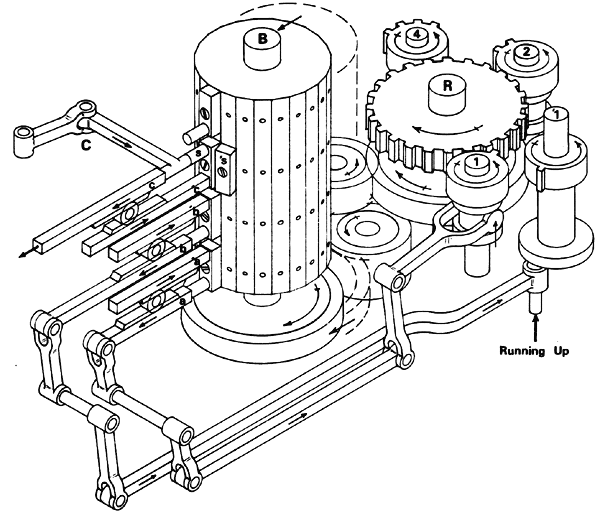
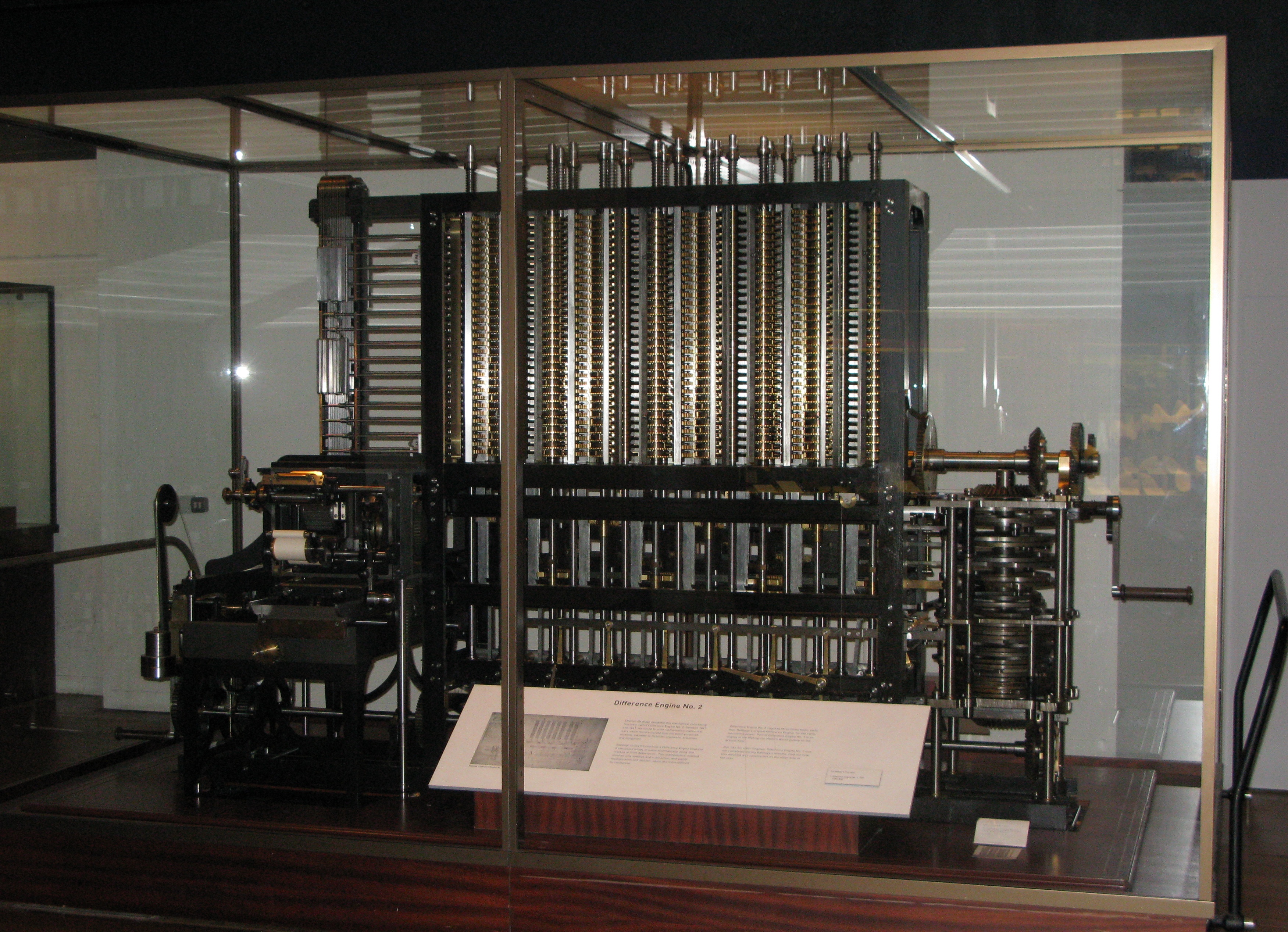
3.3 Charles Babbage and the Analytical Engine
Charles Babbage is known as the Father of the Computer.
Difference Engine
Designed to compute mathematical tables
Used mechanical components
Analytical Engine
First concept of a general-purpose computer
Included components similar to modern computers:
Memory (store)
Processor (mill)
Input/output (punch cards)
3.4 Ada Lovelace
Ada Lovelace is considered the first computer programmer.
Contributions:
Wrote algorithms for the Analytical Engine
Recognized potential beyond calculations
Envisioned computers processing symbols and music
4. Electro-Mechanical Era
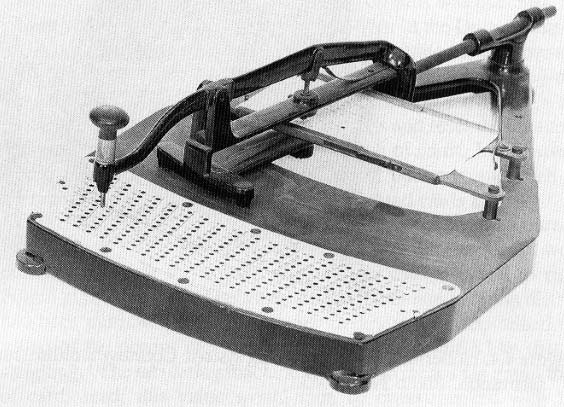
4.1 Herman Hollerith’s Tabulating Machine
Developed for the 1890 U.S. Census.
Features:
Used punch cards for data storage
Reduced processing time significantly
Led to the formation of IBM
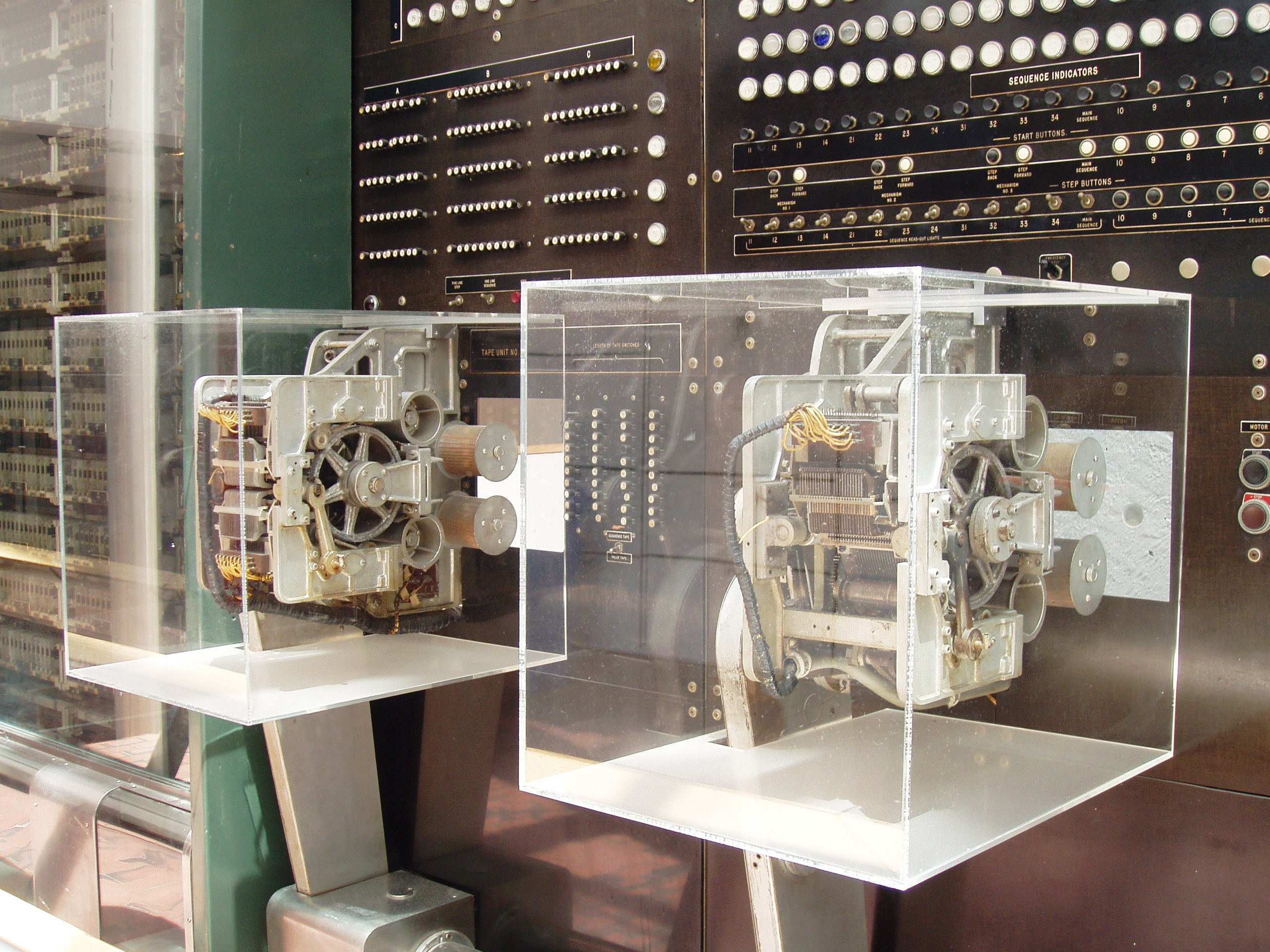
4.2 Harvard Mark I
An early electromechanical computer developed in the 1940s.
Characteristics:
Used relays and mechanical components
Could perform automatic calculations
Large and slow compared to modern computers
5. Electronic Computing Era
5.1 Colossus
Developed during World War II
Used for codebreaking
First programmable electronic digital computer
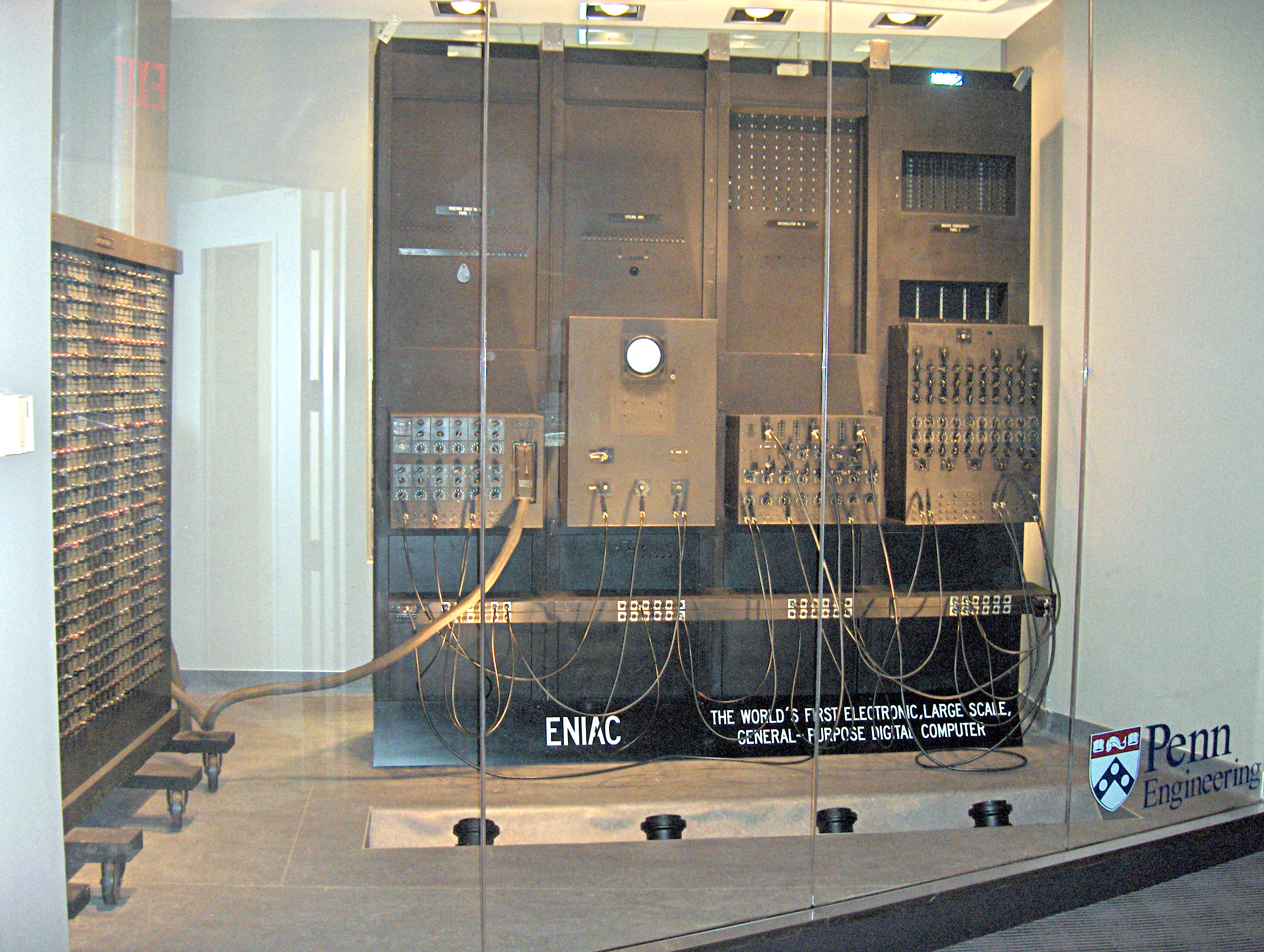
5.2 ENIAC (Electronic Numerical Integrator and Computer)
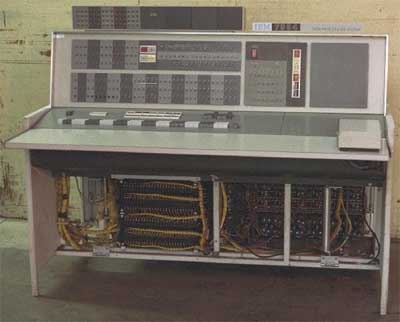
One of the earliest general-purpose electronic computers
Used vacuum tubes
Occupied an entire room
5.3 UNIVAC
First commercially available computer
Used in business and government
Marked the beginning of the computer industry
6. Generations of Computers
First Generation (1940–1956)
Vacuum tubes
Machine language
Large size and high power consumption
Second Generation (1956–1963)
Transistors
Assembly language
Smaller and more reliable
Third Generation (1964–1971)
Integrated Circuits
Operating systems introduced
Increased efficiency
Fourth Generation (1971–Present)
Microprocessors
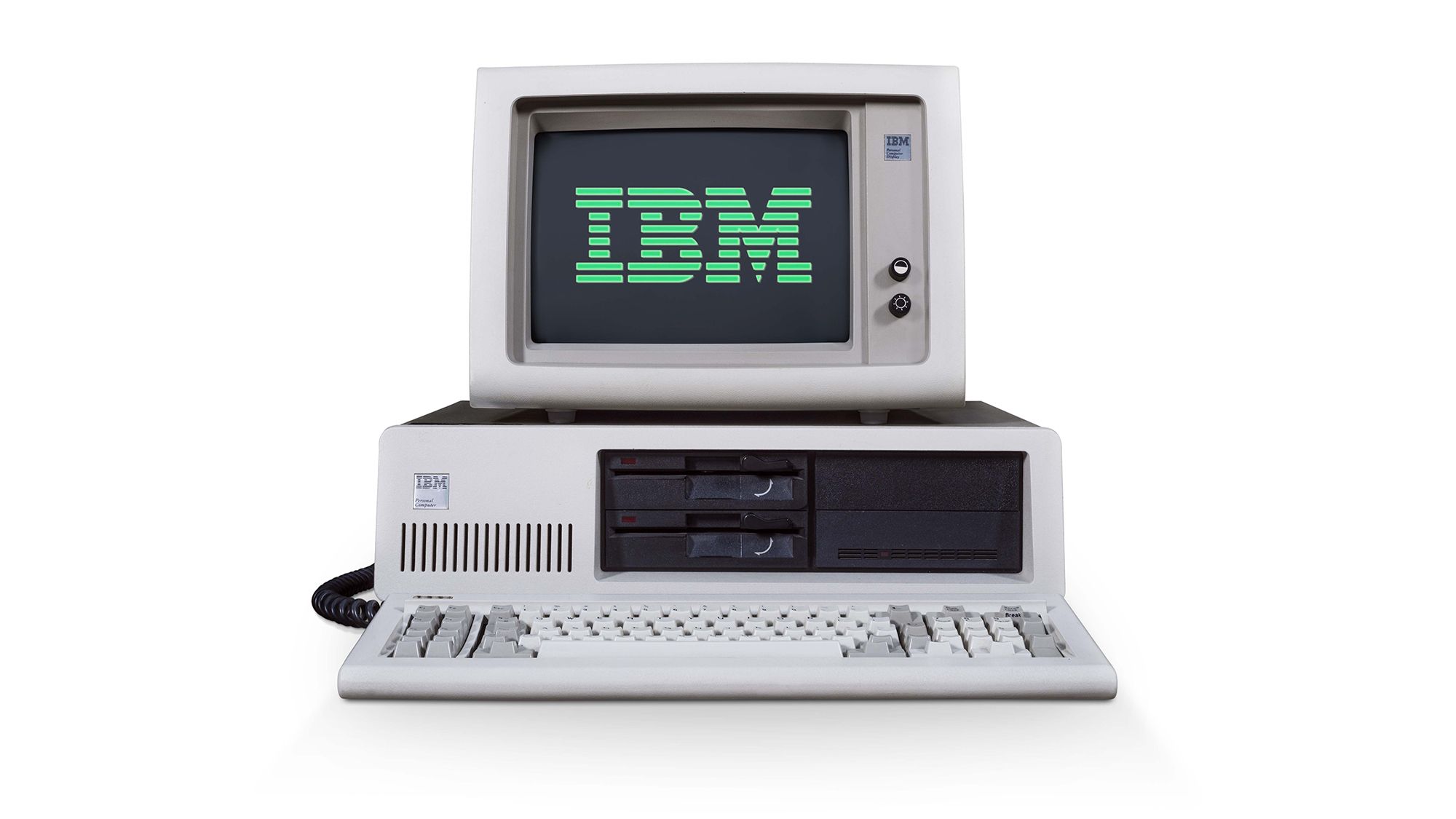
Personal computers
High-level languages
Fifth Generation (Present & Future)
Artificial Intelligence
Machine learning
Quantum computing
7. Rise of Personal Computers
The 1970s and 1980s saw the emergence of personal computers.
Key developments:
Affordable computing for individuals
Graphical User Interfaces (GUI)
Widespread adoption in homes and offices
Notable systems:
Apple II
IBM PC
8. Development of Software and Programming Languages
Programming languages evolved alongside hardware.
Early Languages
Machine language
Assembly language
High-Level Languages
FORTRAN
COBOL
C
C++
Java
Python
These languages made programming easier and expanded computing applications.
9. The Internet and Modern Computing
The development of the Internet revolutionized computing.
Key milestones:
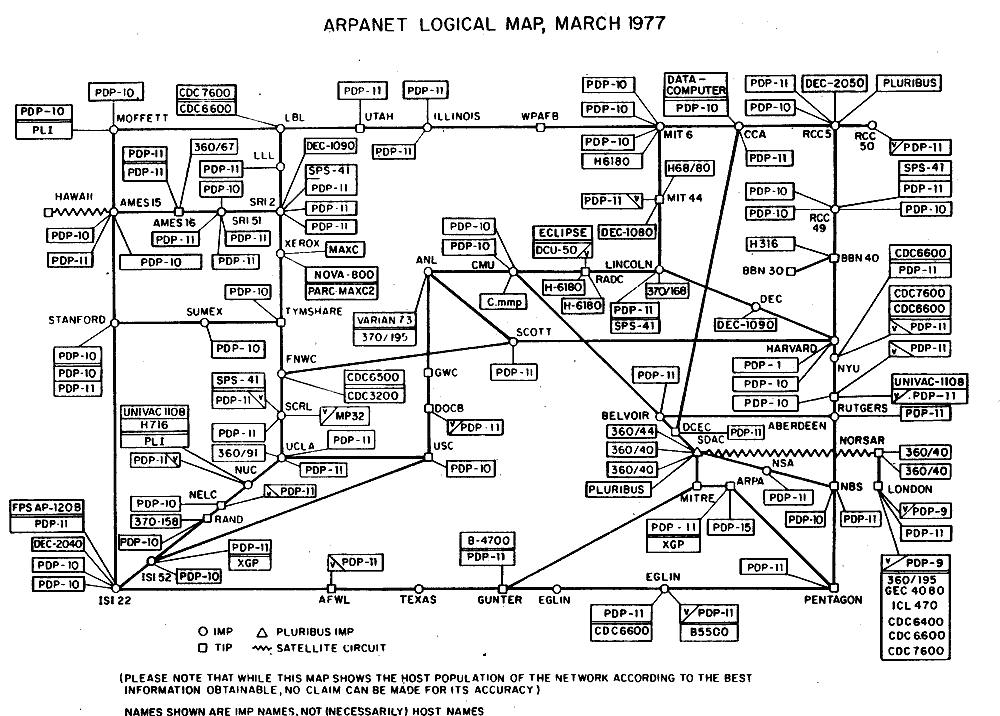
ARPANET (1960s)
World Wide Web (1990s)
Social media and cloud computing
Impact:
Global communication
Information sharing
Digital economy
10. Mobile and Ubiquitous Computing
Modern computing extends beyond desktops.
Examples:
Smartphones
Tablets
Wearable devices
Smart home systems
These devices enable computing anytime, anywhere.
11. Emerging Technologies
Artificial Intelligence
Machines that mimic human intelligence.
Quantum Computing
Uses quantum mechanics for complex problem solving.
Internet of Things (IoT)
Connected devices communicating over networks.
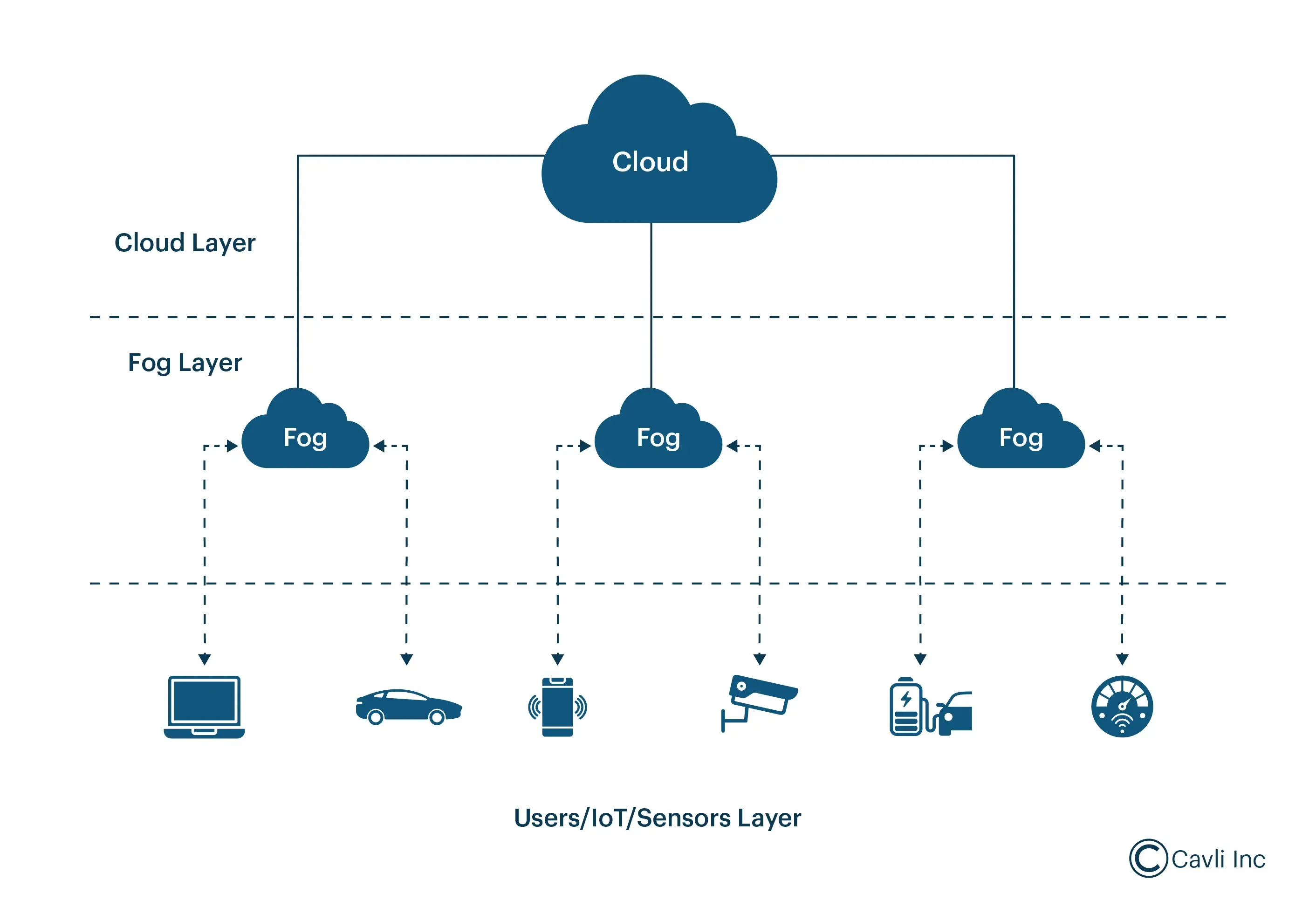
Edge Computing
Processing data near the source.
12. Impact of Computing on Society
Computing has transformed:
Education
Online learning platforms
Healthcare
Advanced diagnostics
Business
Automation and analytics
Communication
Instant global connectivity
Entertainment
Streaming and gaming
13. Future of Computing
The future includes:
Intelligent machines
Advanced robotics
Brain-computer interfaces
Sustainable computing
Computers will continue to evolve, shaping every aspect of human life.
Conclusion
The history of computing is a story of continuous innovation and transformation. From simple tools like the abacus to advanced artificial intelligence systems, computing has evolved to become a fundamental part of modern civilization. Each stage of development has contributed to making computers faster, smaller, and more powerful. Understanding this history helps us appreciate current technologies and prepare for future advancements.
A computer is an electronic device that processes data according to a set of instructions called programs. It accepts raw data as input, processes it using a central processing unit, stores the results, and produces meaningful information as output.
The word computer originally referred to a person who performed calculations manually. With technological advancement, the term now refers to programmable electronic machines capable of performing millions or billions of operations per second.
A widely accepted definition states:
A computer is an electronic programmable machine that receives input, processes data based on instructions, stores information, and produces output.
Computers are essential tools in modern society and are used in almost every field including education, medicine, engineering, communication, entertainment, business, banking, transportation, and scientific research.
2. Basic Characteristics of Computers
Computers possess several important characteristics that make them powerful tools.
Speed
Computers can perform calculations extremely fast. Modern processors can execute billions of instructions per second. Tasks that would take humans hours or days can be completed in seconds.
Accuracy
Computers produce highly accurate results when the instructions and input data are correct. Errors usually occur due to incorrect input or faulty programs rather than the computer itself.
Automation
Once a program is started, a computer can perform tasks automatically without human intervention until the program finishes.
Storage Capacity
Computers can store large volumes of data. Storage devices such as hard drives, SSDs, and cloud storage allow computers to keep enormous amounts of information.
Diligence
Unlike humans, computers do not get tired or bored. They can perform repetitive tasks continuously with the same efficiency.
Versatility
Computers can perform a wide variety of tasks including word processing, data analysis, multimedia editing, scientific simulations, and gaming.
Multitasking
Modern computers can run multiple applications simultaneously, allowing users to perform different tasks at the same time.
Reliability
Computers are reliable machines that can run continuously for long periods without failure when properly maintained.
3. Components of a Computer System
A computer system consists of two main parts:
Hardware
Software
Both components work together to perform computing tasks.
4. Computer Hardware
Hardware refers to the physical components of a computer that can be seen and touched.
Central Processing Unit (CPU)
The CPU is the brain of the computer. It performs calculations and executes instructions from programs.
The CPU has three main parts:
Arithmetic Logic Unit (ALU)
Performs mathematical calculations and logical operations.
Control Unit (CU)
Directs the flow of data and instructions inside the computer.
Registers
Small storage locations within the CPU used for temporary data during processing.
Memory (Primary Memory)
Primary memory stores data and instructions that are currently being processed.
Types include:
RAM (Random Access Memory)
RAM is temporary memory used to store data currently in use. It is volatile, meaning the data is lost when power is turned off.
ROM (Read Only Memory)
ROM contains permanent instructions required to start the computer. It is non-volatile.
Secondary Storage
Secondary storage is used for long-term data storage.
Examples include:
Hard Disk Drive (HDD) Solid State Drive (SSD) USB Flash Drive CD/DVD Memory Cards
These devices retain data even when the computer is turned off.
Input Devices
Input devices allow users to send data and commands to a computer.
Email Video conferencing Social media Instant messaging
Entertainment
Video games Streaming services Digital music Animation
11. Computer Networking
A computer network connects multiple computers to share resources and information.
Types of networks include:
LAN – Local Area Network MAN – Metropolitan Area Network WAN – Wide Area Network
The Internet is the largest global network connecting billions of computers.
Networking enables communication, file sharing, cloud computing, and online services.
12. Advantages of Computers
Computers provide numerous benefits.
High speed processing Accurate calculations Large storage capacity Automation of tasks Improved productivity Global communication Access to information
13. Limitations of Computers
Despite their advantages, computers also have limitations.
Dependence on electricity Security risks such as hacking Potential job displacement Health issues due to prolonged use Need for regular maintenance
Computers cannot think independently without programmed instructions.
14. Emerging Trends in Computing
Modern computing is rapidly evolving.
Artificial Intelligence
Machines that simulate human intelligence.
Cloud Computing
Data and applications stored on remote servers.
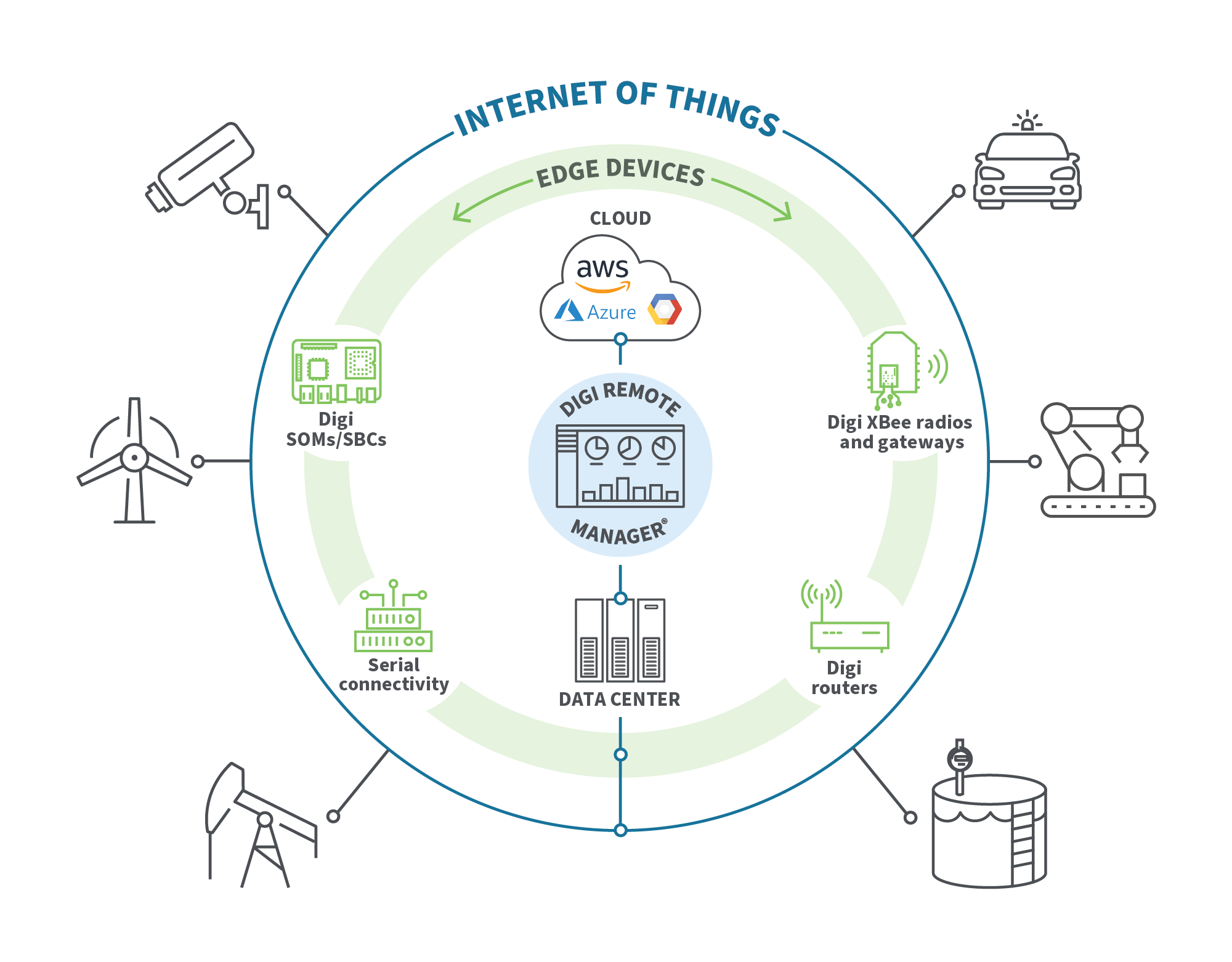
Internet of Things (IoT)
Interconnected smart devices.
Quantum Computing
Computers based on quantum mechanics.
Edge Computing
Processing data closer to the source instead of centralized servers.
These technologies are shaping the future of computing.
15. Importance of Computer Literacy
Computer literacy is the ability to use computers effectively.
Essential skills include:
Operating systems usage Internet navigation Word processing Spreadsheets Basic programming Cybersecurity awareness
Computer literacy is increasingly important for education, employment, and daily life.
16. Future of Computers
The future of computers involves more powerful, intelligent, and interconnected systems.
Possible developments include:
Human-like AI assistants Advanced robotics Brain-computer interfaces Quantum processors Fully autonomous systems
Computers will continue to transform industries, science, and society.
Conclusion
Computers have become one of the most significant technological inventions in human history. From their early beginnings as room-sized machines to today’s compact and powerful devices, computers have revolutionized the way people work, communicate, learn, and solve problems. Understanding the basic concepts of computers—including hardware, software, data processing, and networking—provides a foundation for further study in information technology and computer science. As technology continues to advance, computers will play an even greater role in shaping the future of humanity.